39 myths
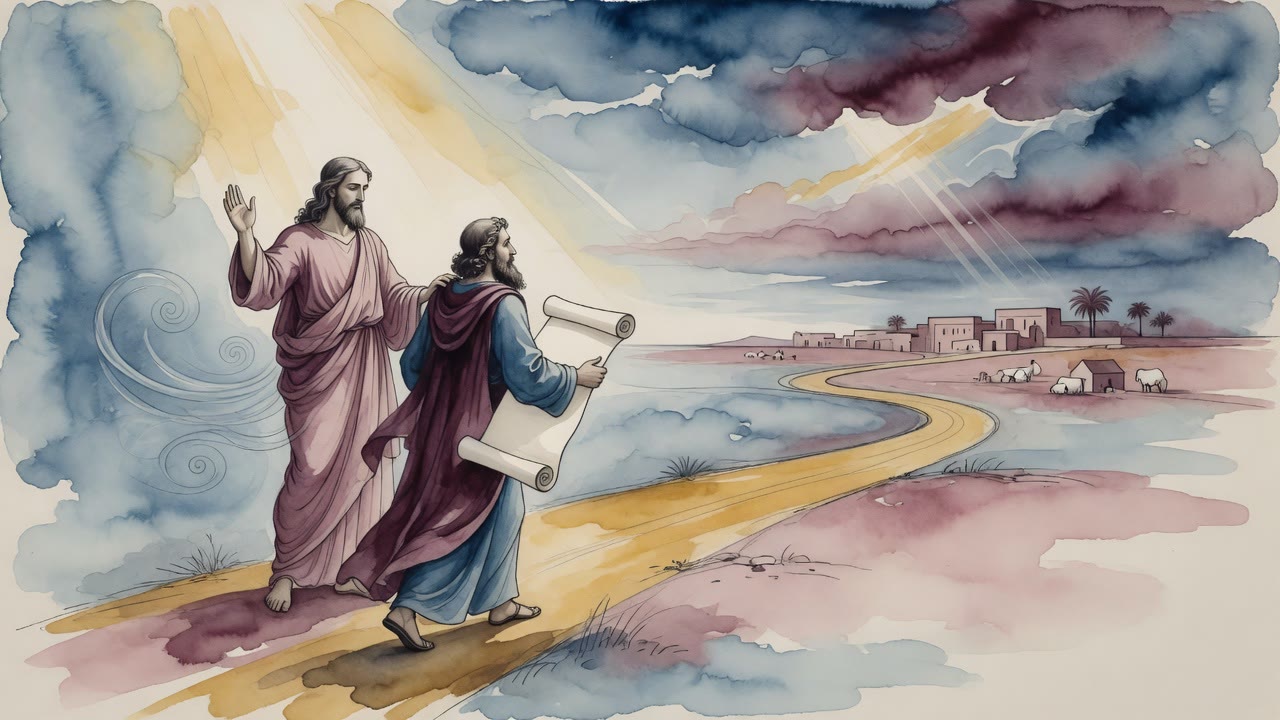
For twenty-two years Jacob secretly blamed Judah for selling Joseph. Then on the road down to Egypt, he handed Judah the keys to the family's future.
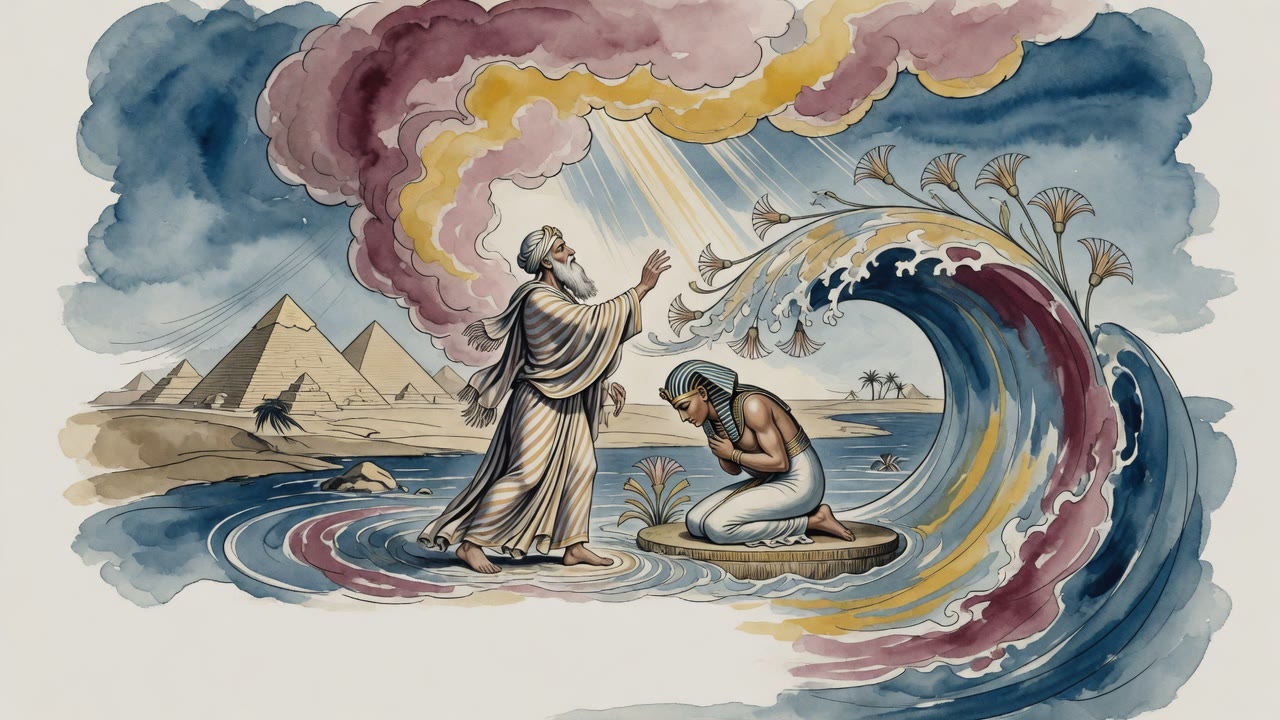
A hundred and thirty years old, leaning on a staff, Jacob walked into Pharaoh's throne room and blessed the most powerful man in the world. The Nile answered.
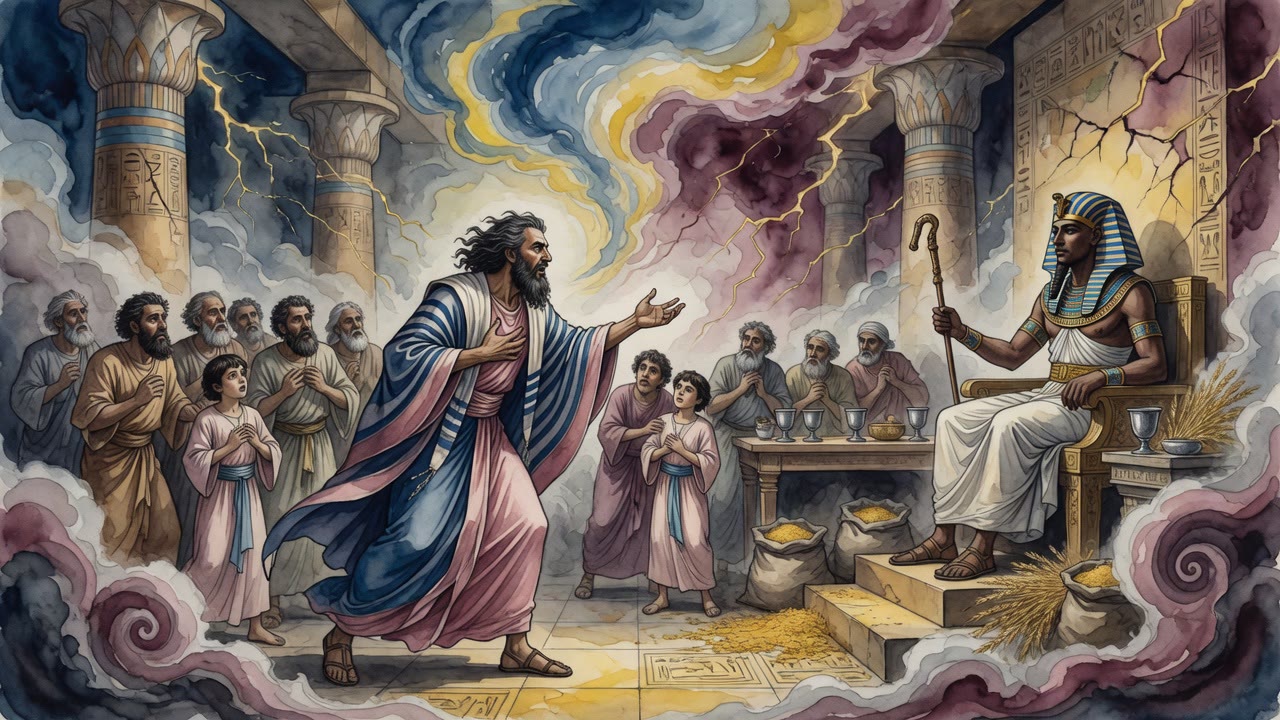
Nine brothers agreed to leave the boy in Egypt. Judah put bars of brass between his teeth, bit down, and spat the metal out as powder.
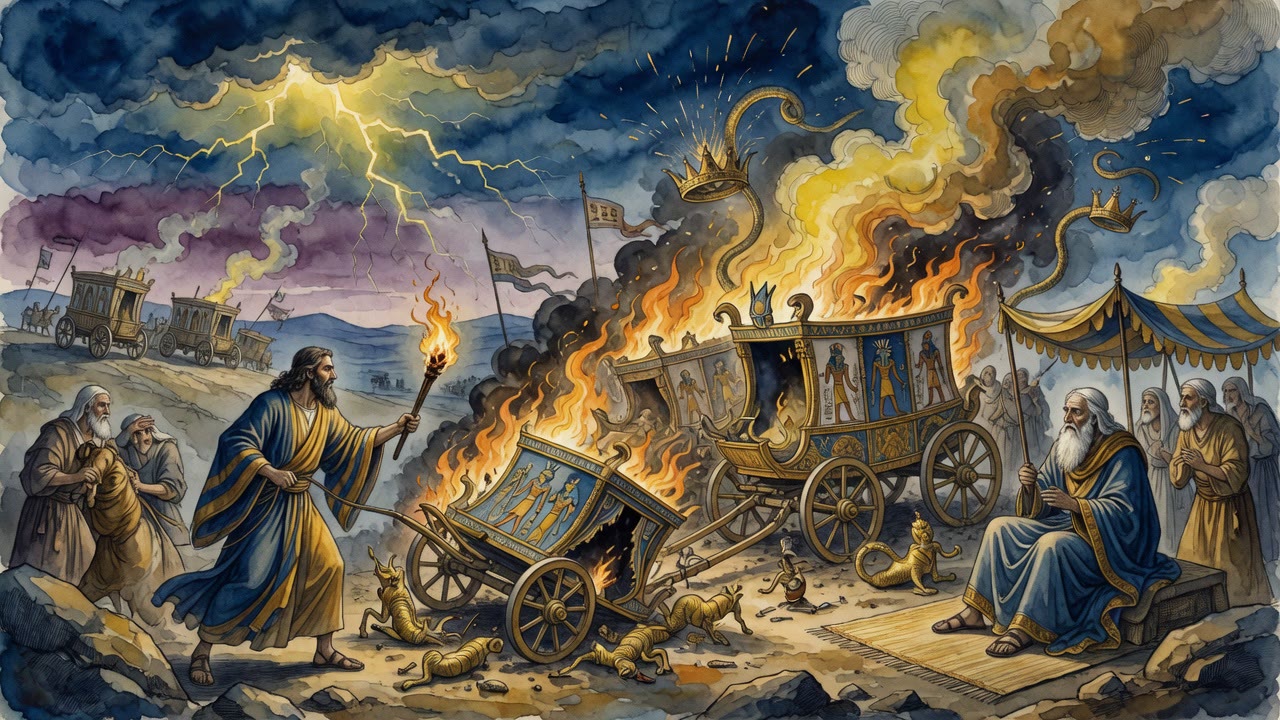
Pharaoh sent wagons painted with idols to carry old Jacob into Egypt. Judah saw the images first, and reached for fire.
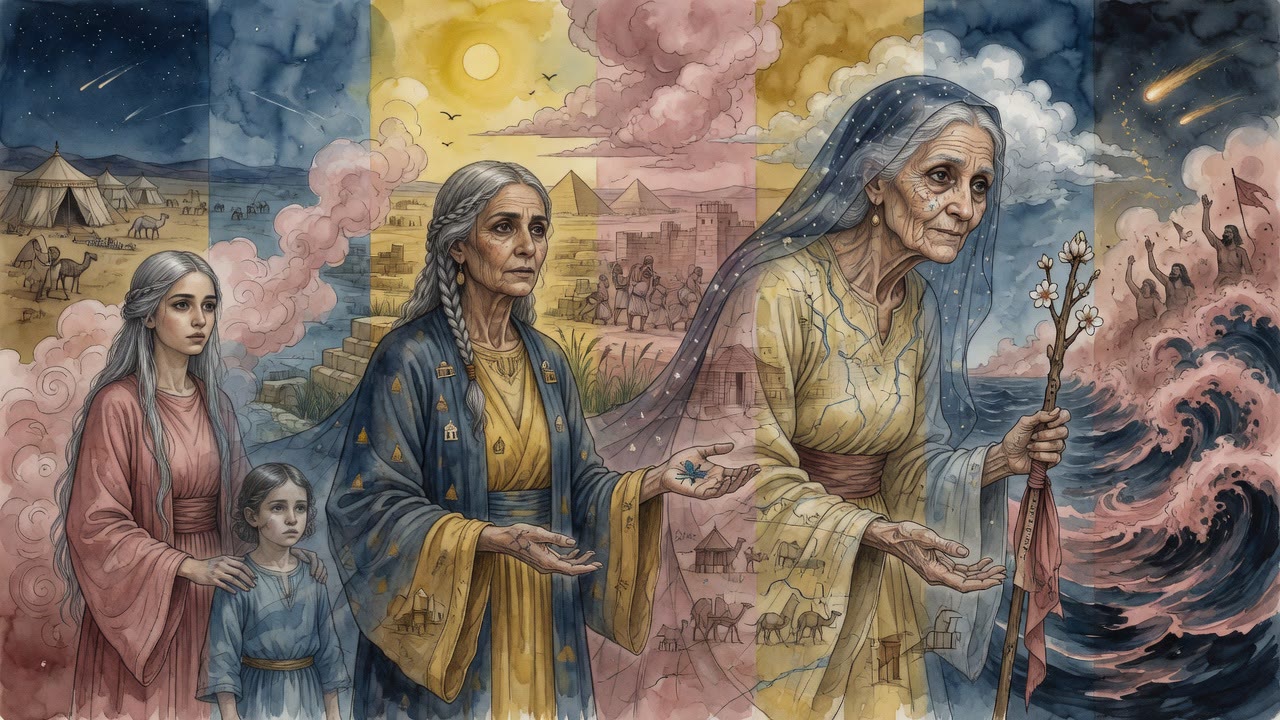
She appears in Genesis, then again in Numbers a generation later. The rabbis asked the obvious question and found an answer hidden inside a harp song.
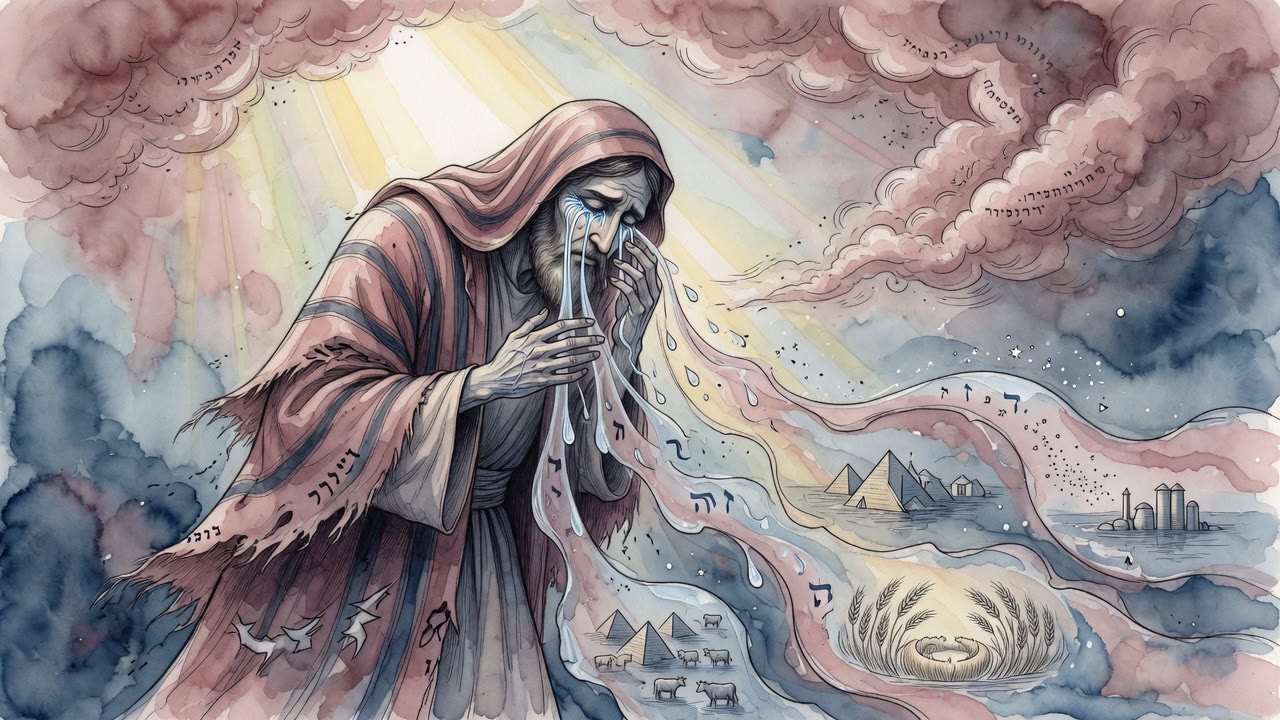
Three times Joseph excused himself from the table to cry in private. His brothers thought nothing of it. The tradition knew he was seeing centuries ahead.
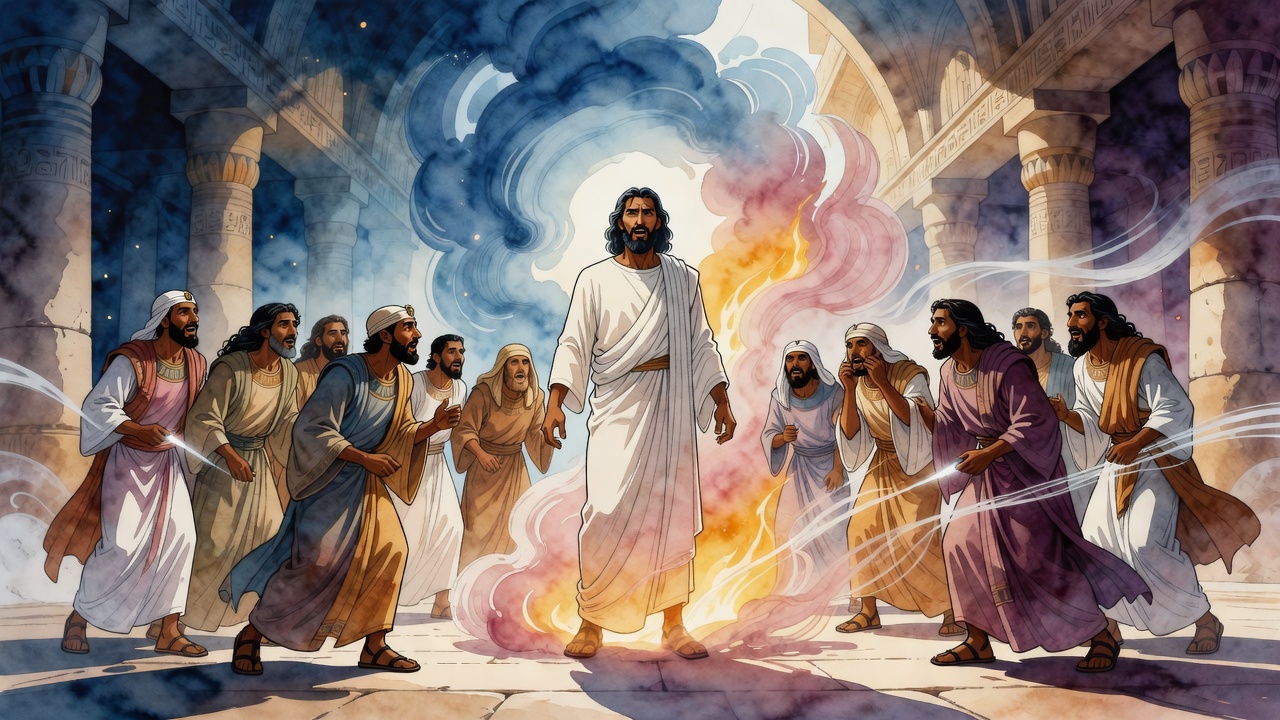
Joseph cleared the room, looked at eleven men from Canaan, and opened his mouth in a language no Egyptian viceroy should have known.
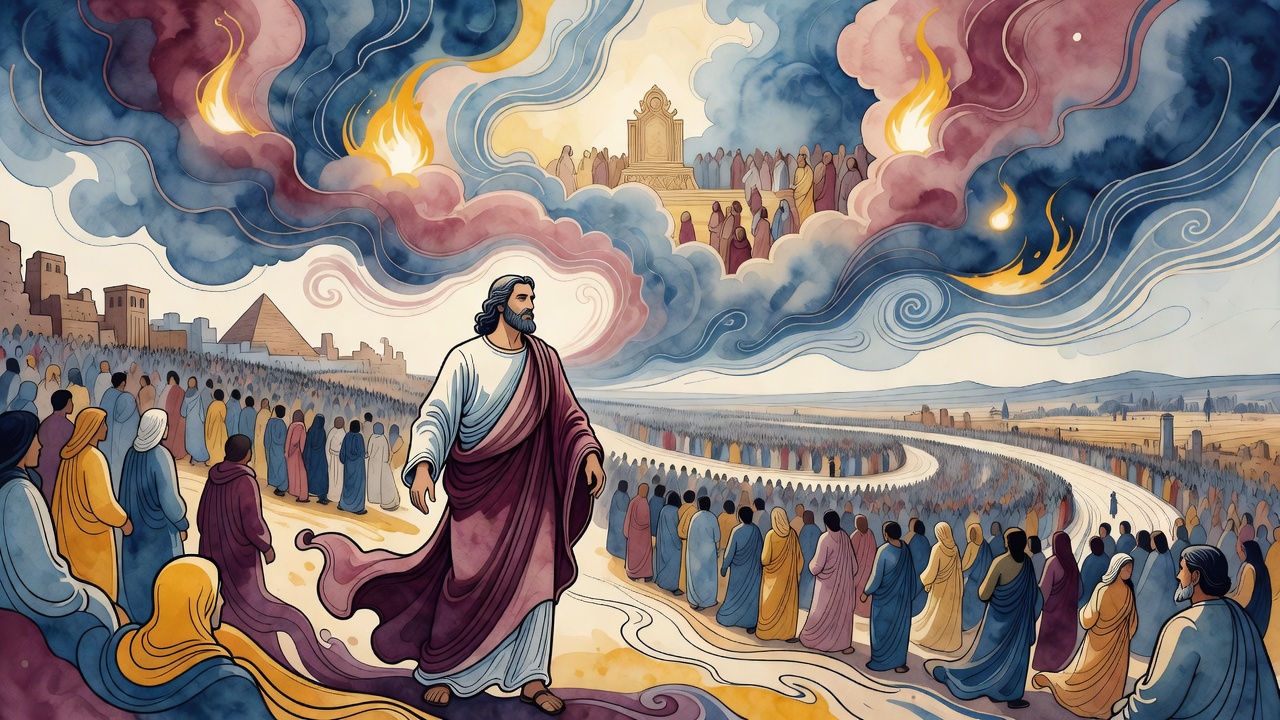
Egypt had sold him its silver, its cattle, and its fields. Then Joseph emptied its towns and moved the whole population, and his brothers never learned why.
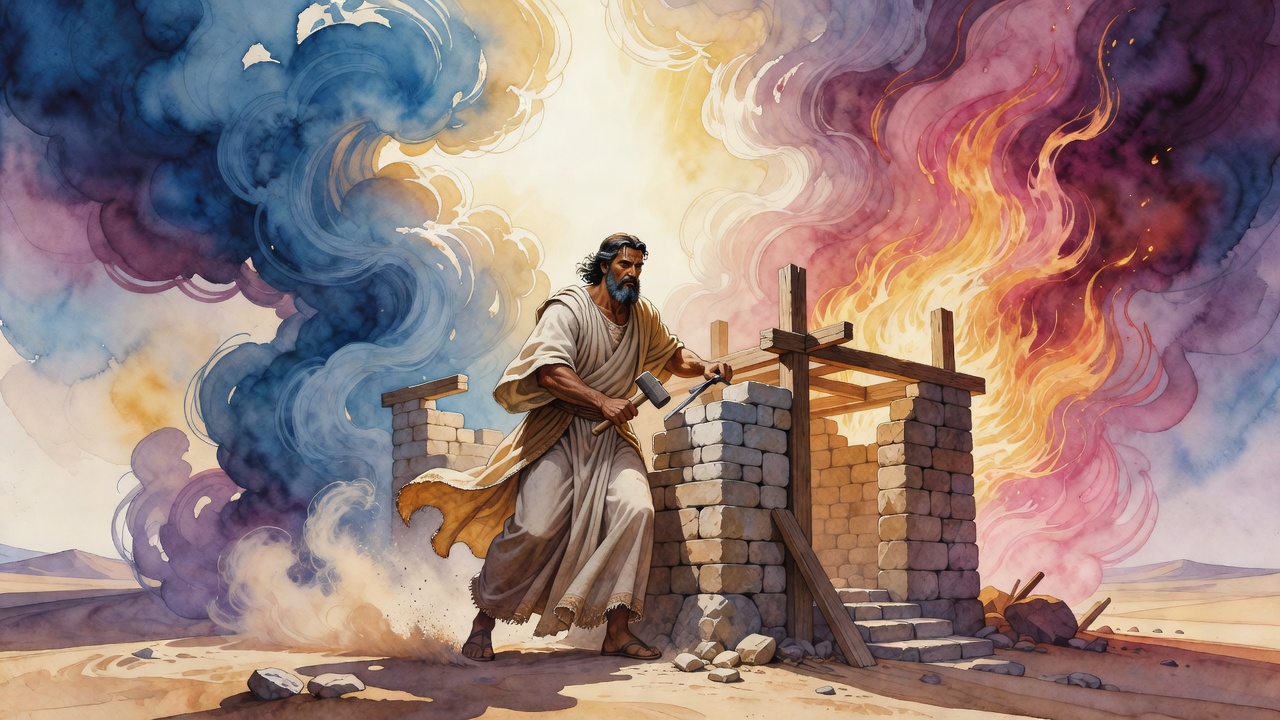
Jacob sent Judah ahead to Egypt before the family settled. Not to scout, not to cook. To build a house of Torah study before anyone else arrived.
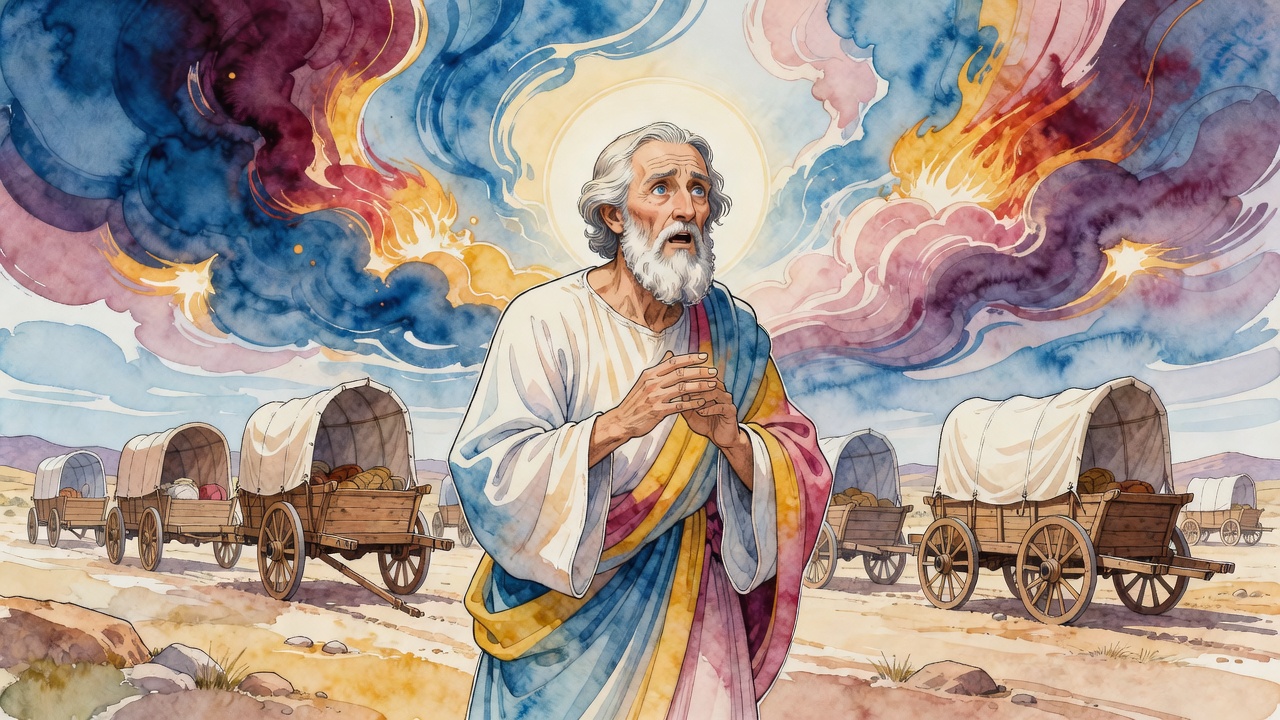
Jacob had not received prophecy in twenty-two years. When the wagons arrived from Egypt carrying proof that Joseph was alive, the spirit returned in an instant.
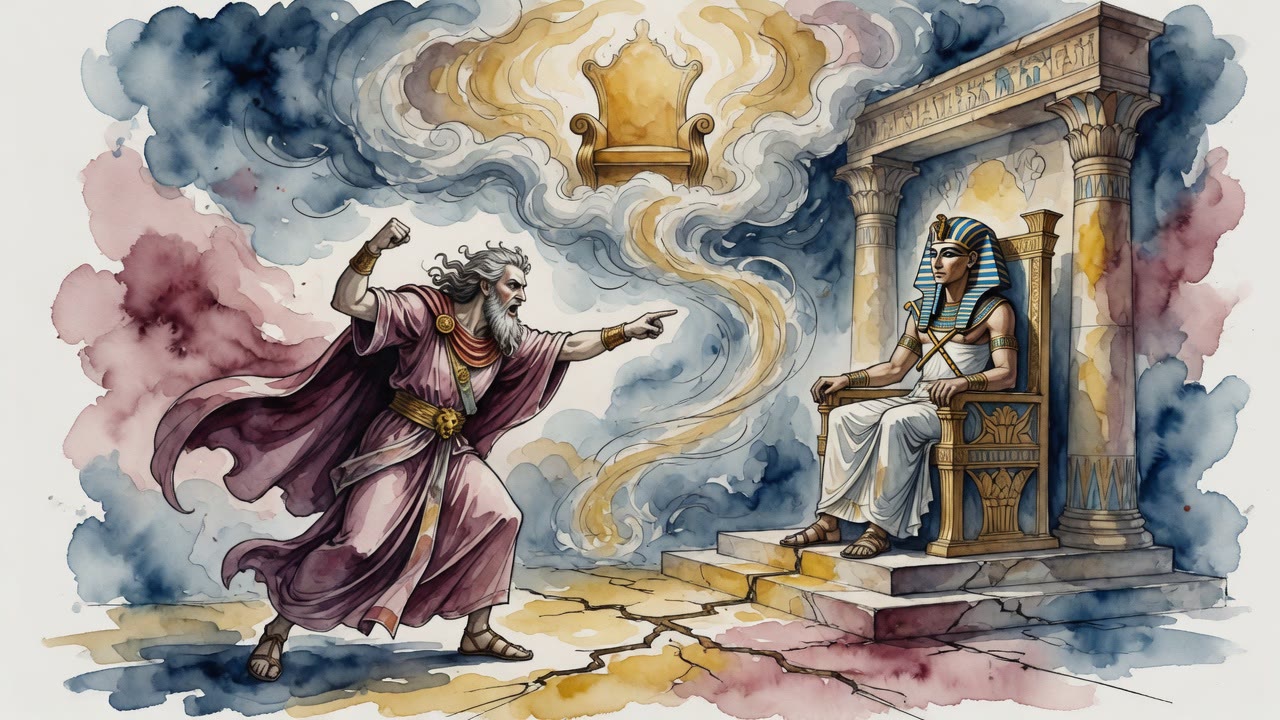
Jacob had deceived his father to take the firstborn's blessing. In Laban's house he got the wrong daughter on his wedding night and ten changes of wages.
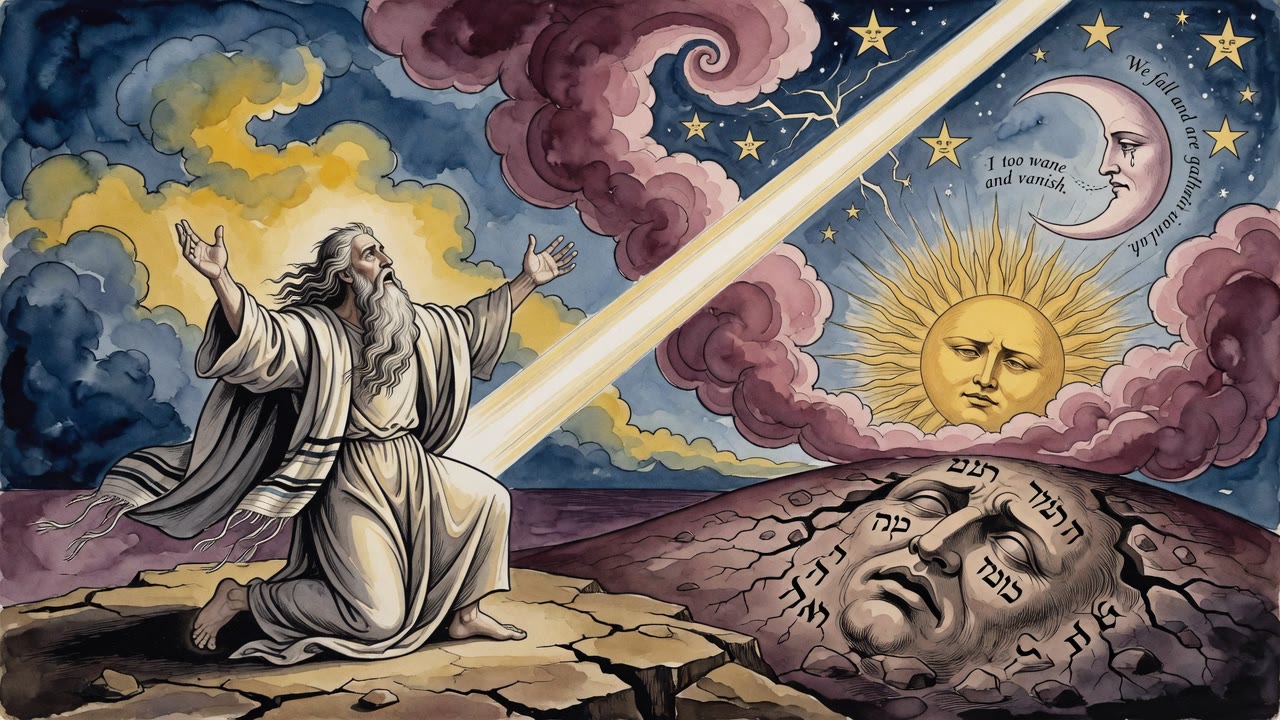
Abraham's tent rushed to serve strangers, Judah learned the cost of a half-finished rescue, and Joseph forced Egypt to promise his bones would leave.
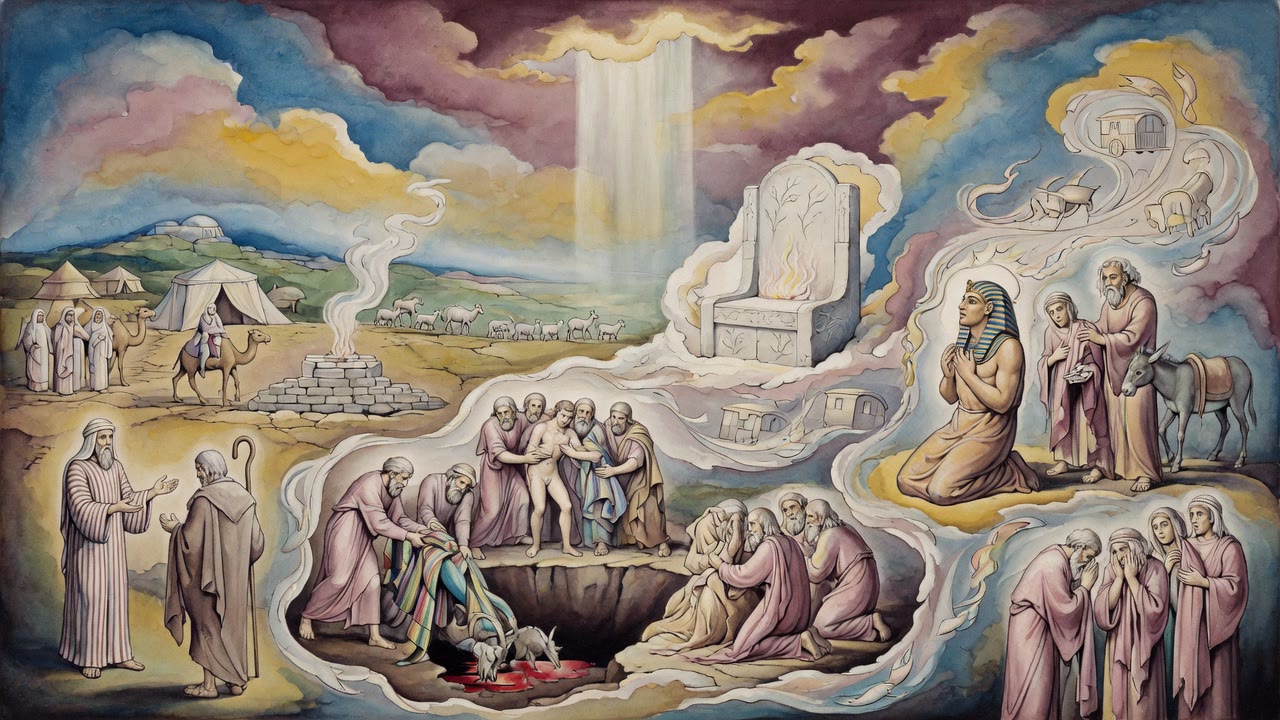
Isaac asked God for suffering and went blind on purpose. His grandsons inherited the blindness and walked in and out of Egypt without seeing Joseph.
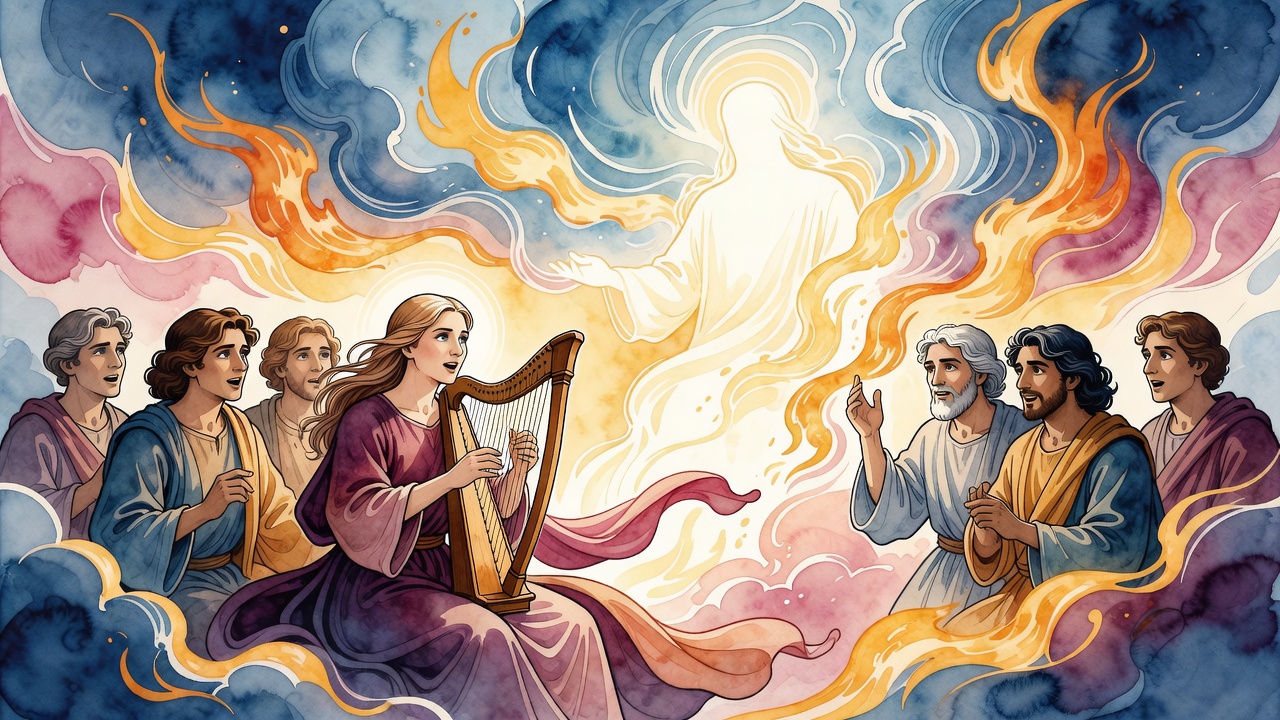
Afraid the shock would kill their father, the brothers gave Serah a harp and one line of song. Joy woke the holy spirit that grief had choked for years.
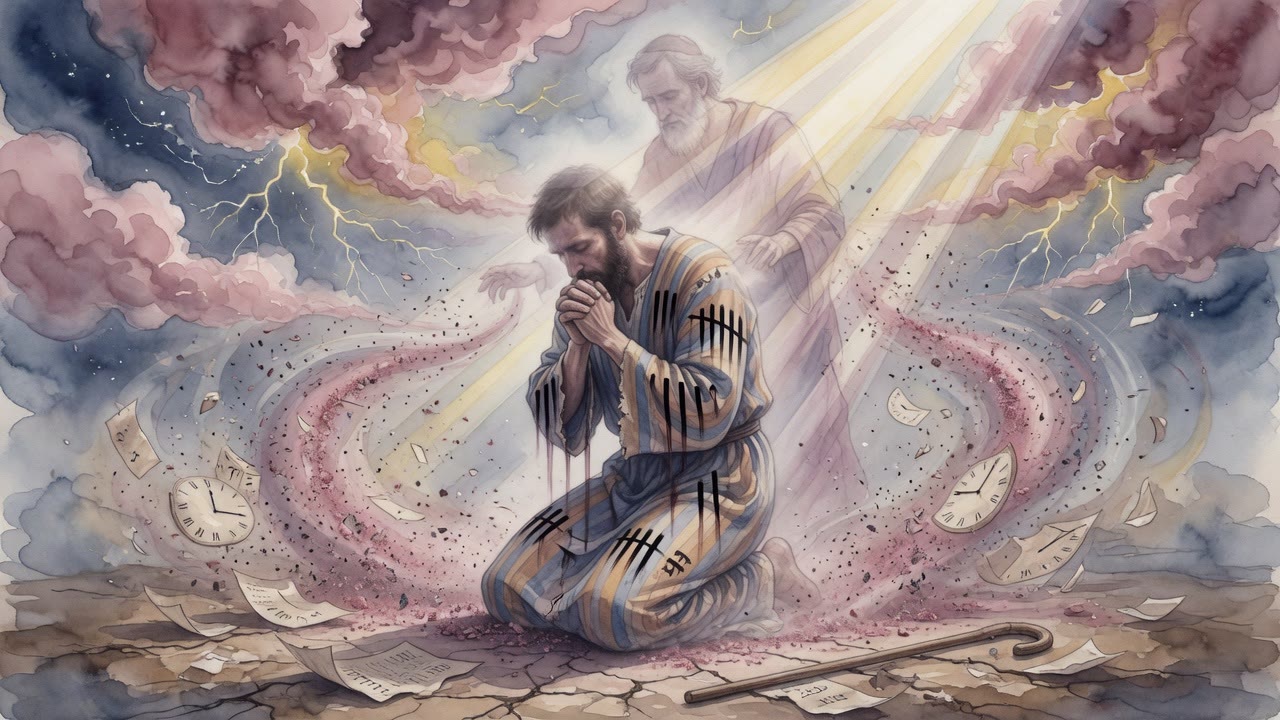
Ten times the brothers called Jacob a servant. Joseph did not correct them. Heaven took ten years. Then he rode to the border.
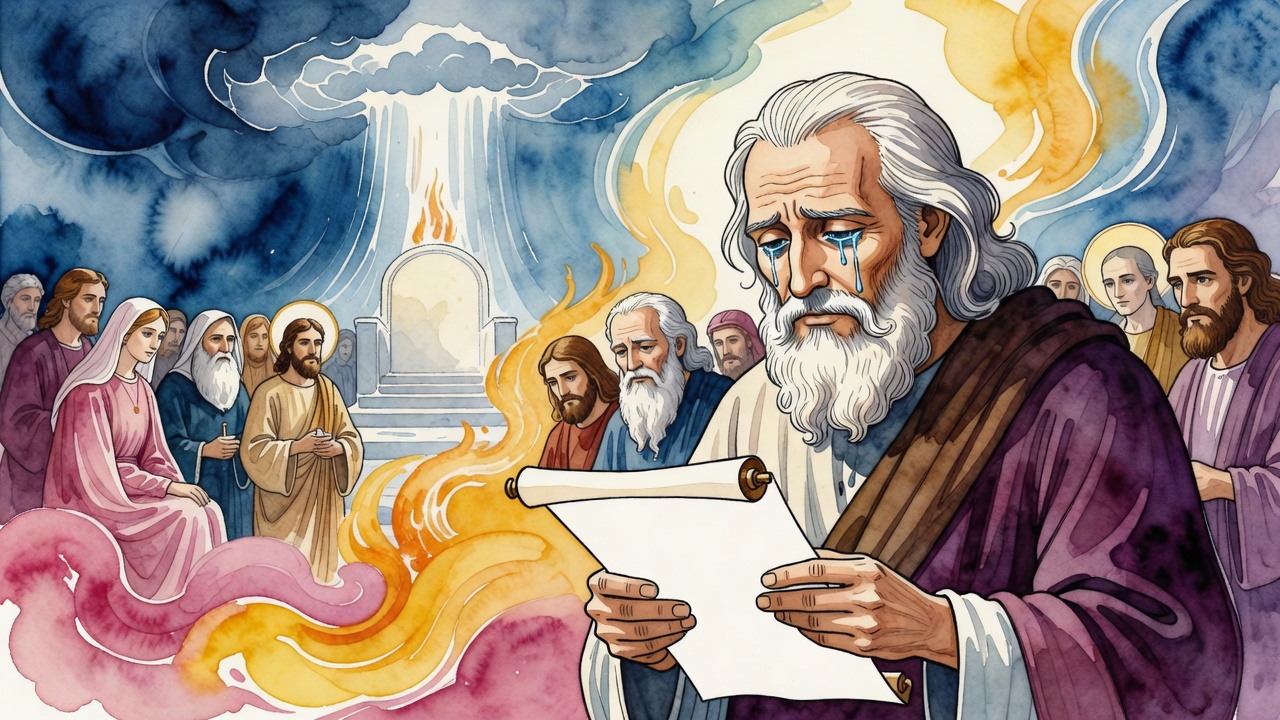
Blind with tears for Joseph, Jacob wrote to Egypt's ruler and prayed for two lost sons, never guessing the viceroy was the first.
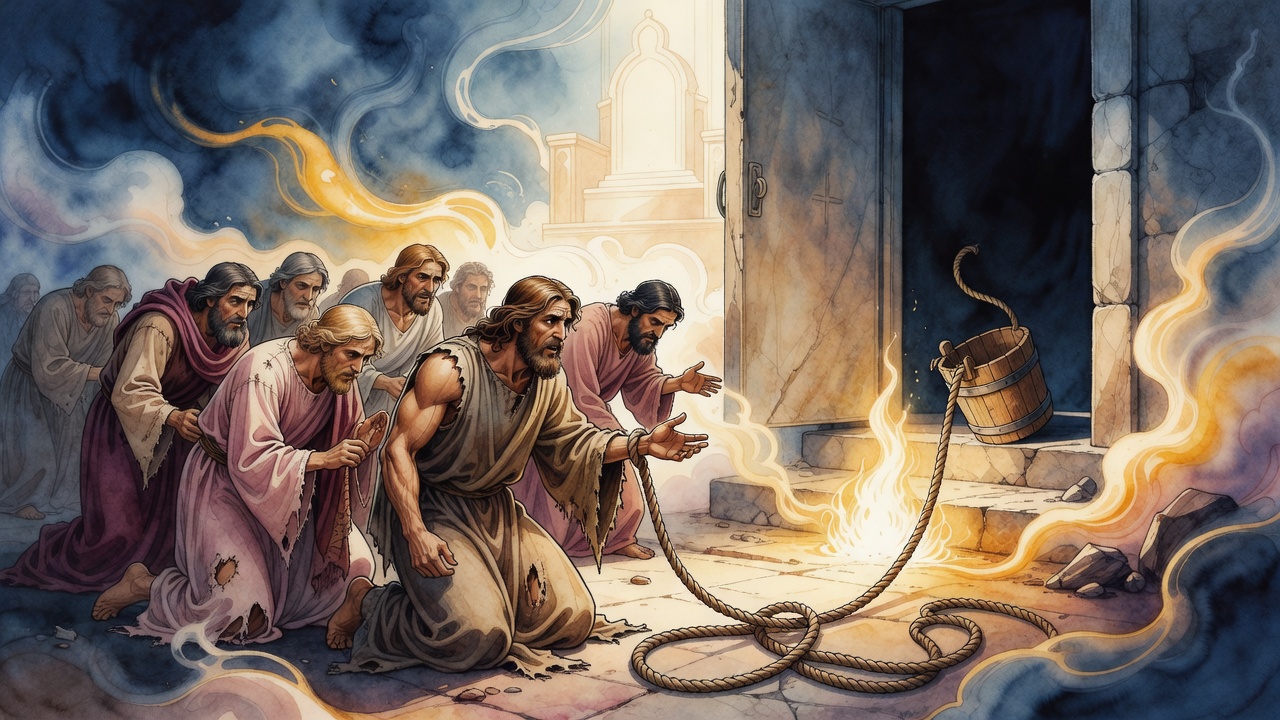
Simon came out of prison looking like a leather bottle. Judah pled for Benjamin while the man on the throne still wore Egypt's face.
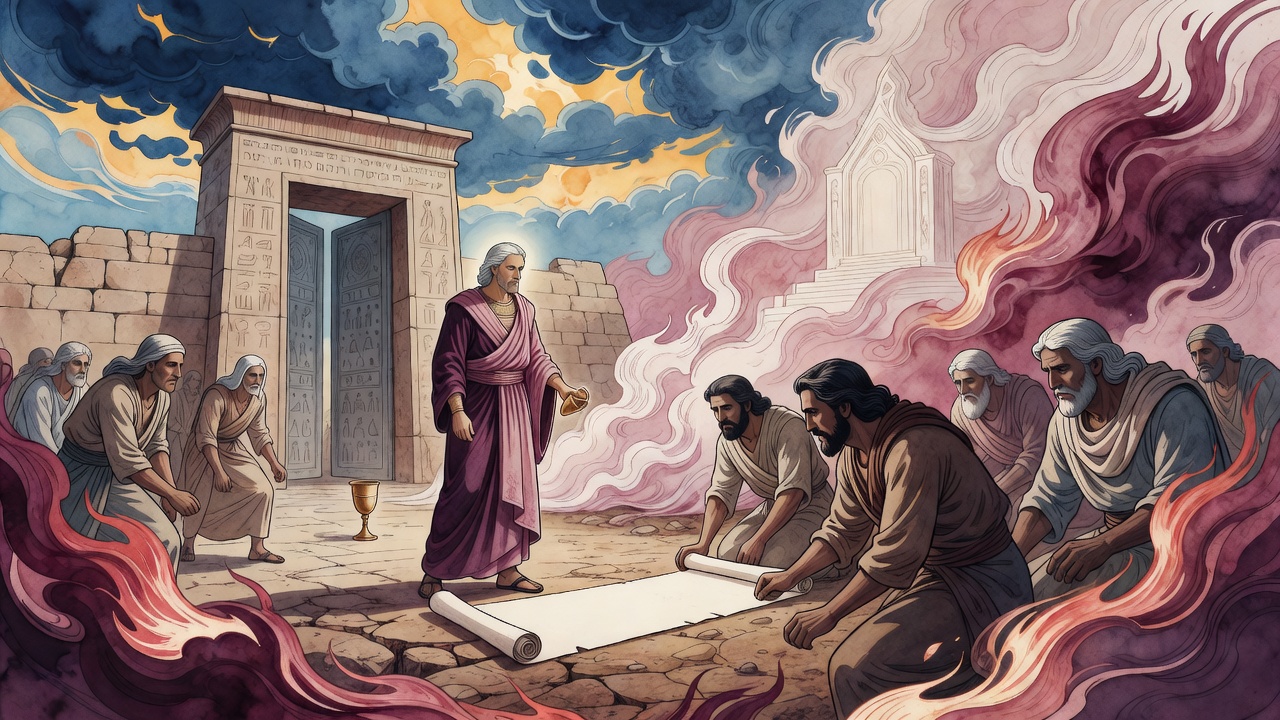
Guards at the grain gates wrote down every buyer's father and grandfather. Joseph read the lists, waiting for ten names from Canaan to show up.
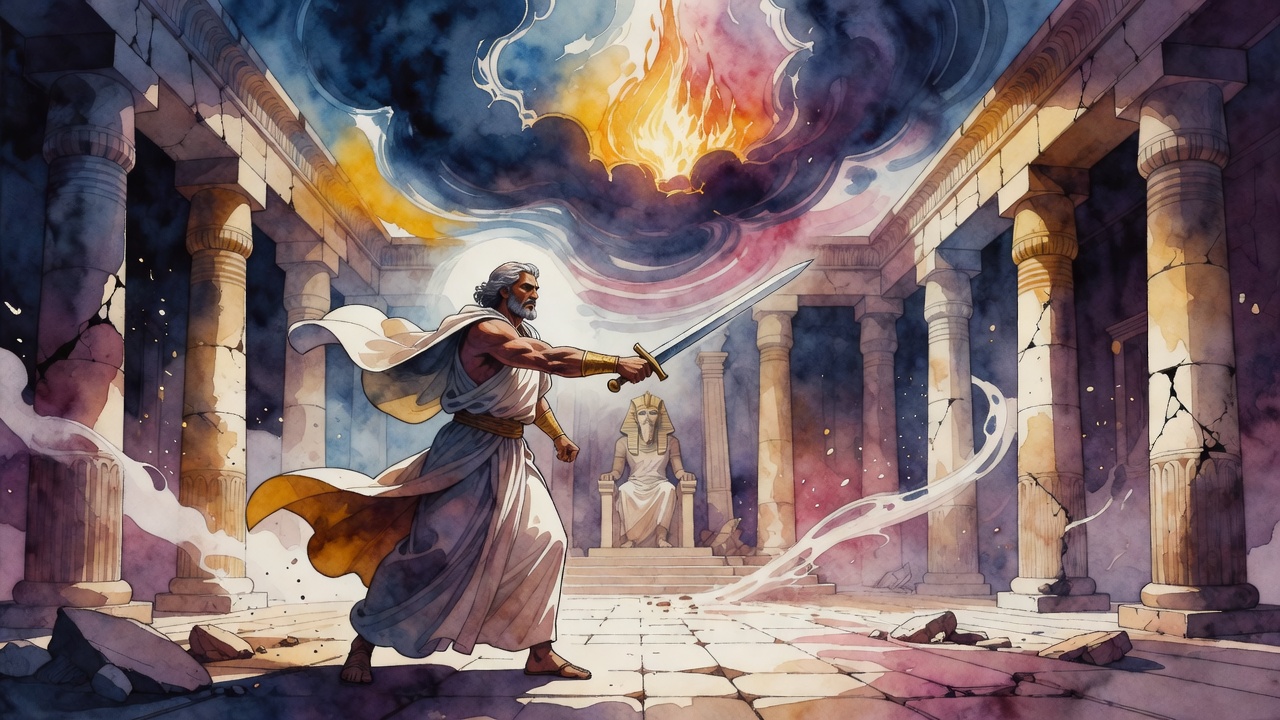
The cup rose out of Benjamin's sack, planted the night before. Back in the hall, Manasseh stamped his foot once and the whole palace shook.
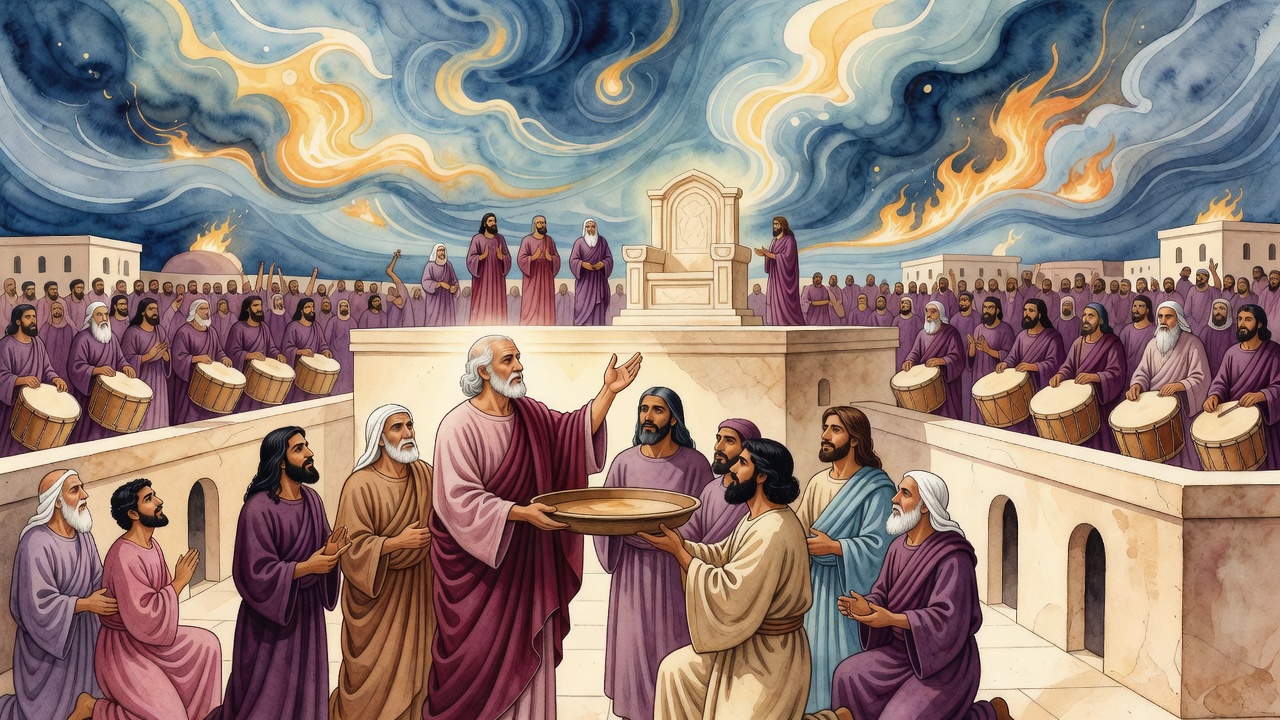
Joseph put a price on empty streets. Nobles pulled on purple. Women climbed the walls with drums while an old shepherd from Canaan came in under the noise.
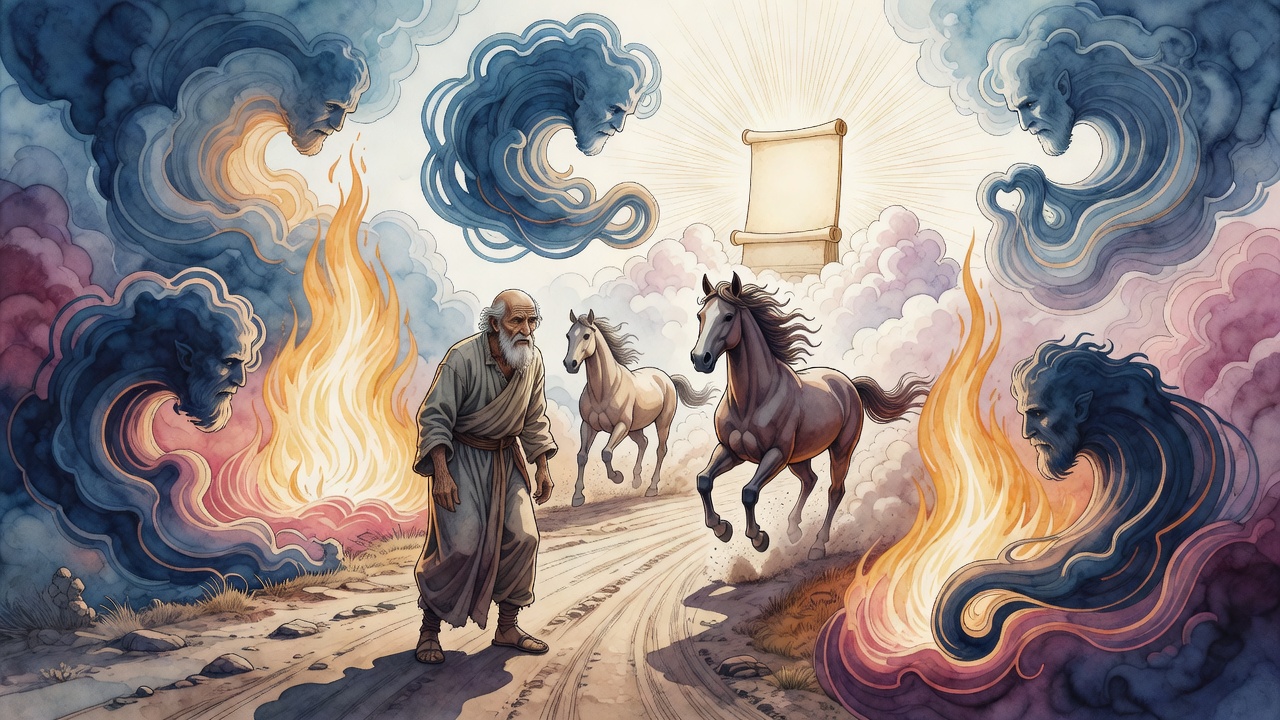
Joseph sent his oldest son first, then the next, each on a horse. From far off Jacob kept mistaking every rider for the son he had lost.
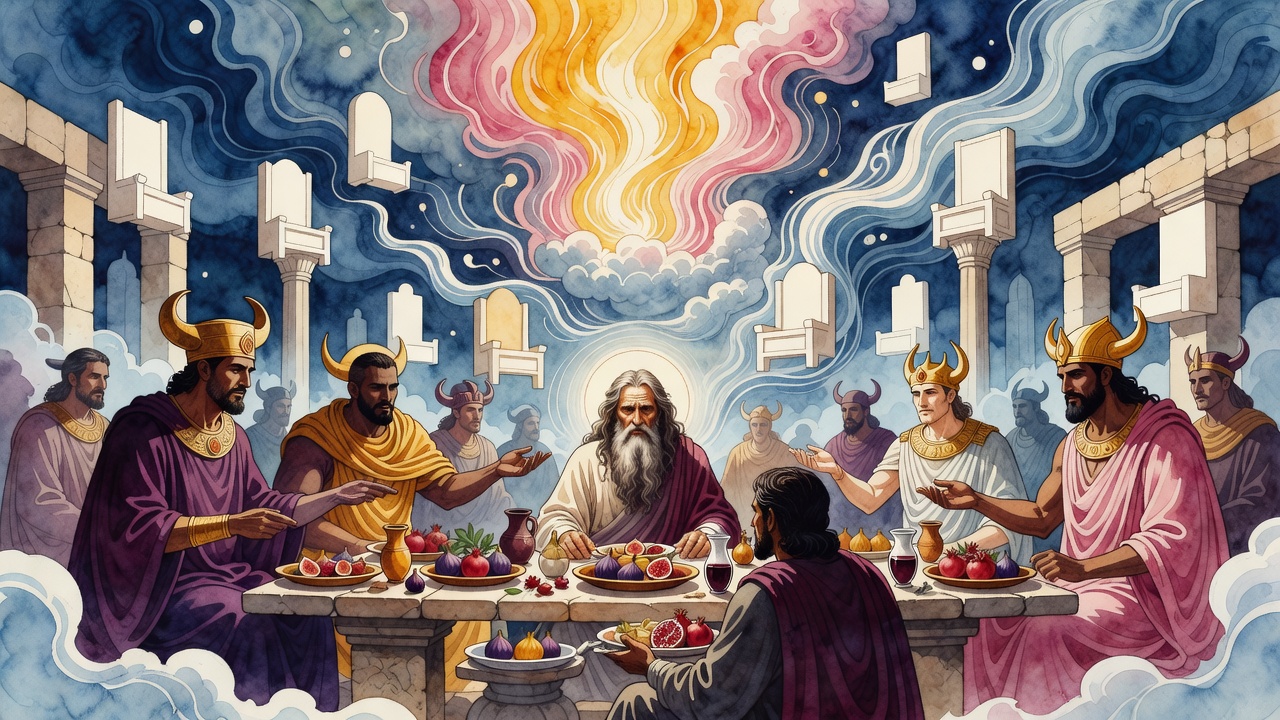
Joseph sent clothes up from Egypt, a turban among them for his father. Jacob put it on, then slaughtered sacrifices asking whether he should go at all.
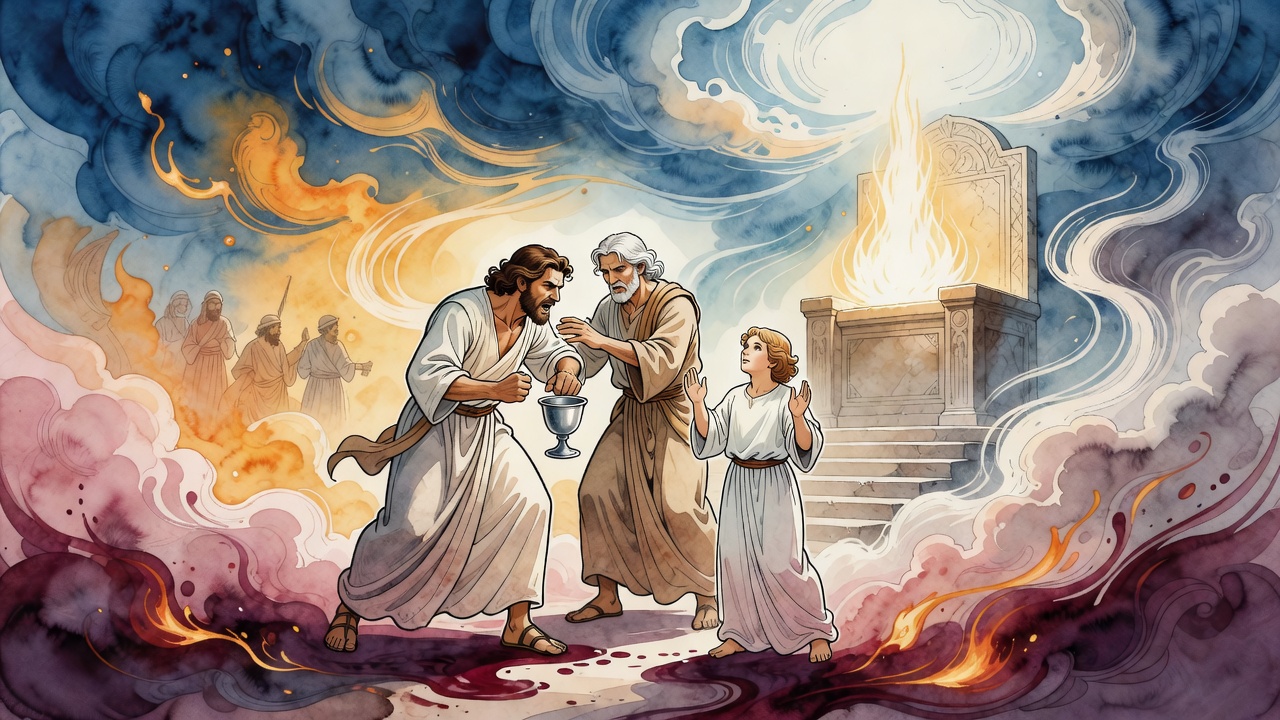
Judah's rage filled the hall until Manasseh's hand found his shoulder. Benjamin swore on the coat, the sale, and the blood in the pit.
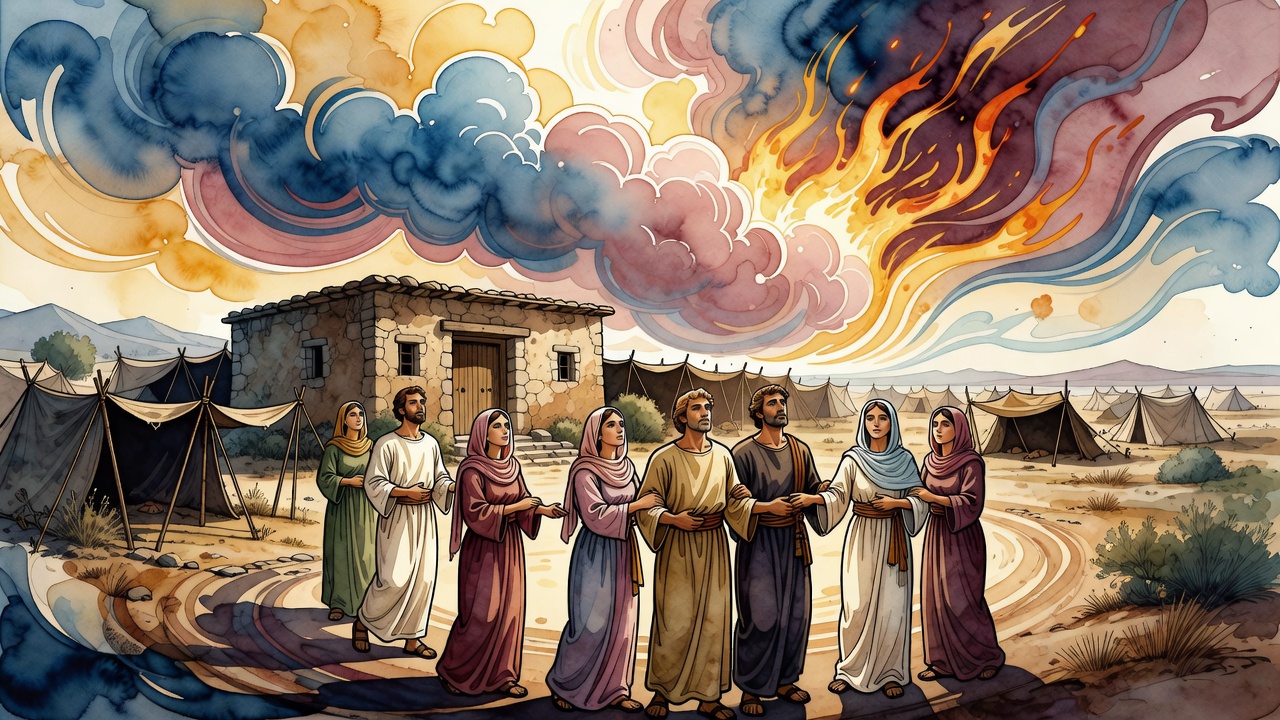
The list said daughters, then named only Dinah. Before the wagons rolled to Egypt, the sons took wives from inside the tents.
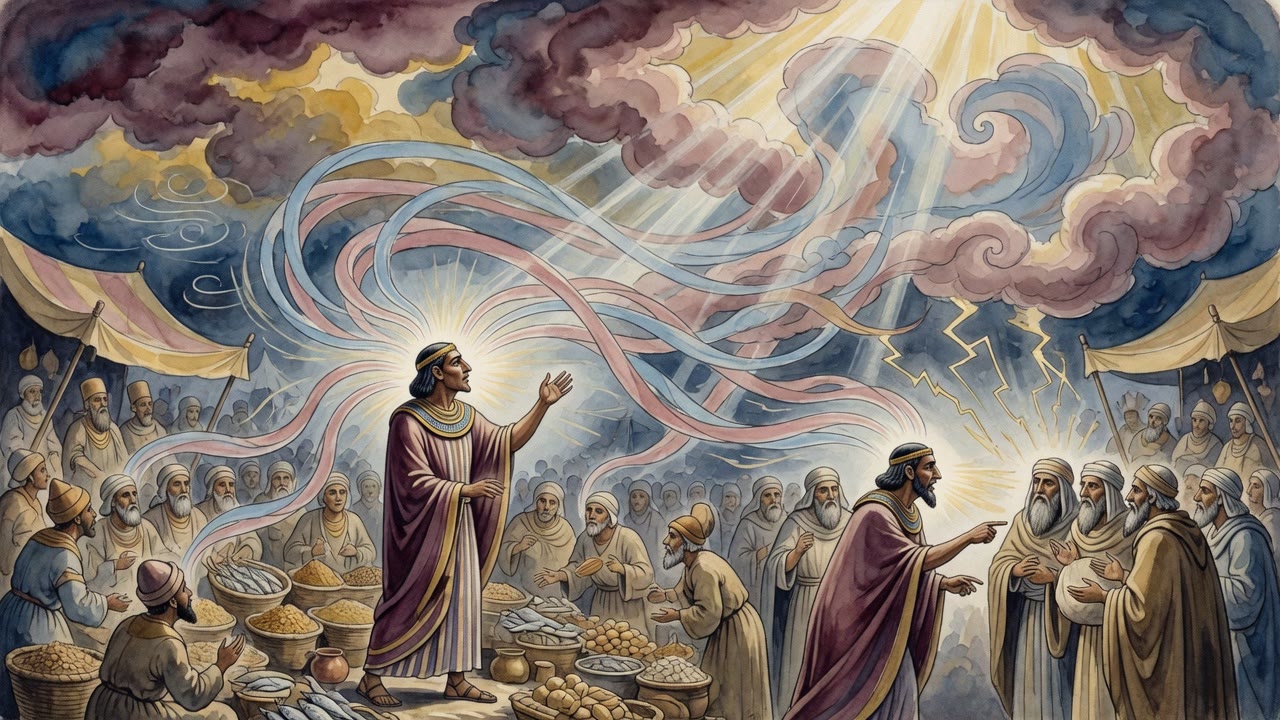
Ten brothers bowed for bread and did not know the face above the throne. Joseph let them speak Hebrew. He did not smile.
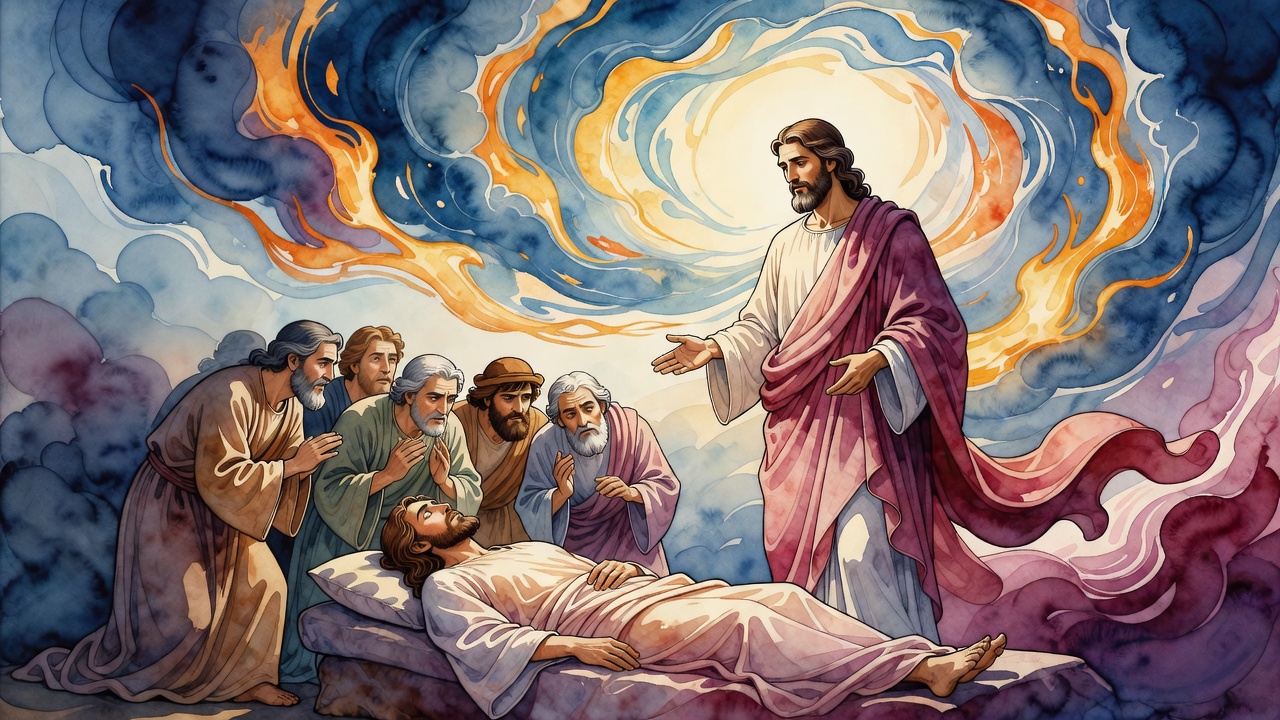
Joseph wept on his father's dead face, ordered the physicians to embalm, then faced brothers who still feared his revenge. He spoke straight into their fear.
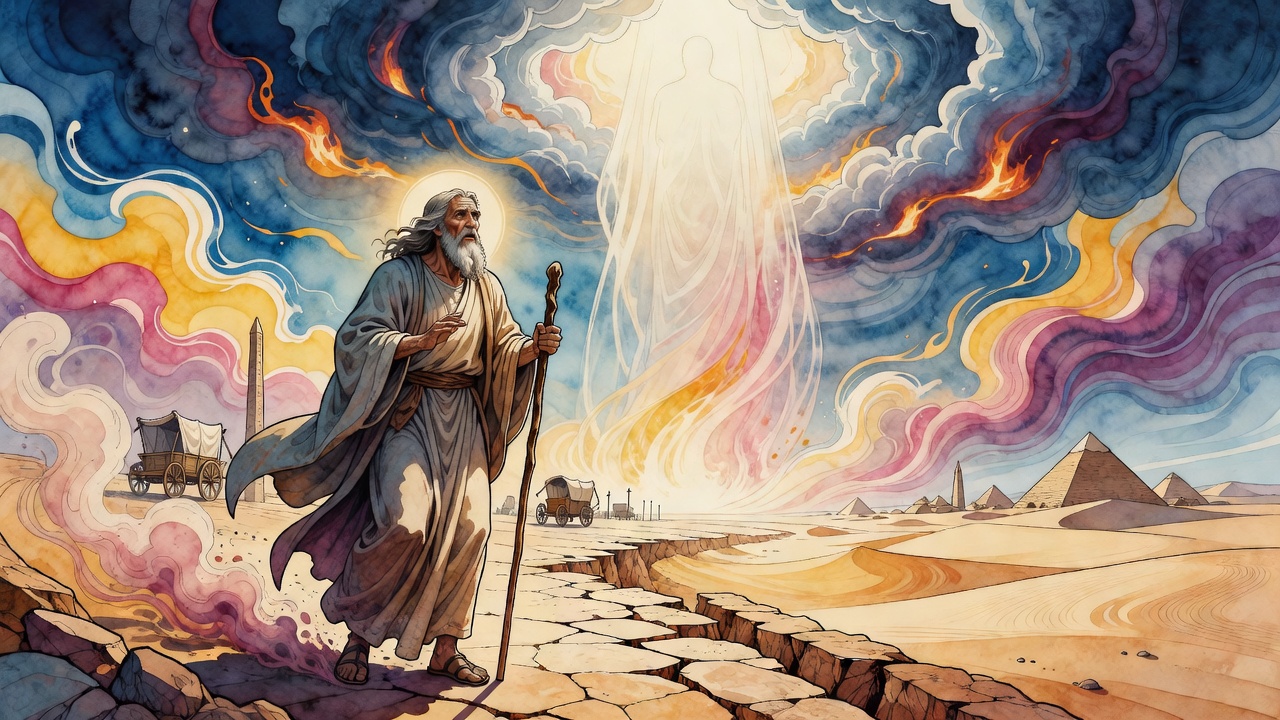
Jacob froze at the border of an unclean land even after hearing Joseph lived; only God's vow to go down with him unlocked the wagons south.
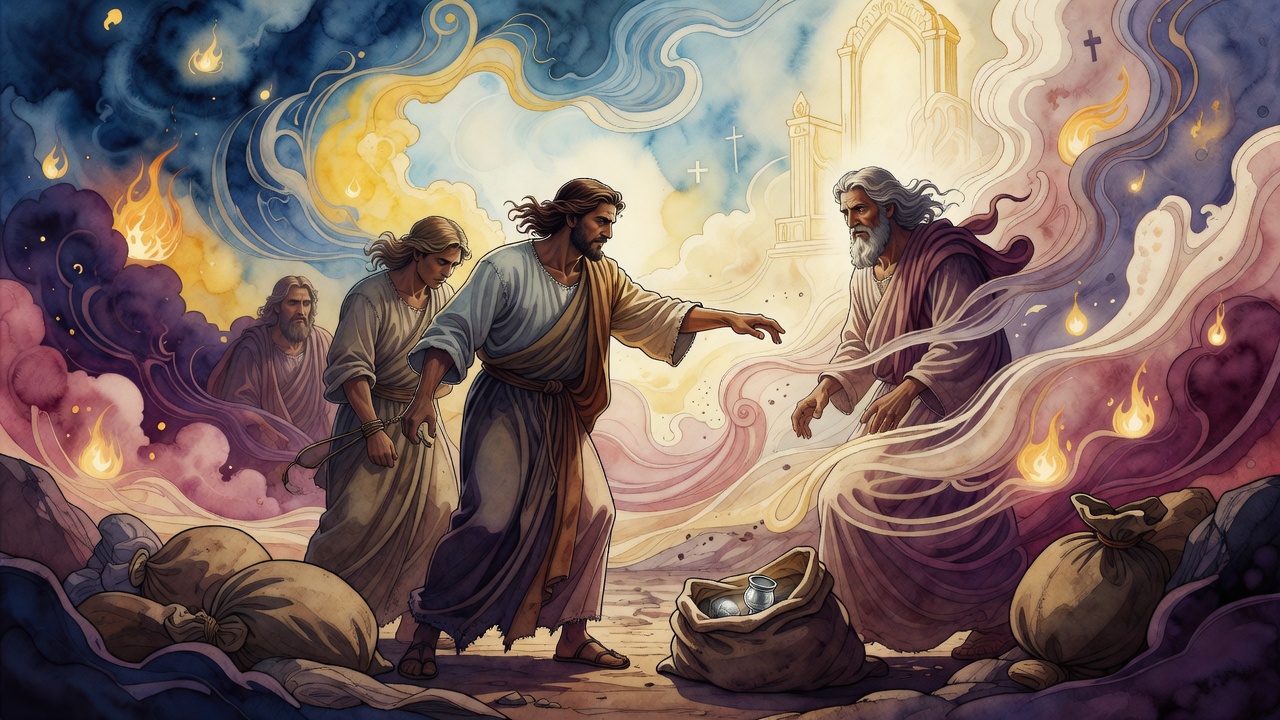
Joseph planted his silver cup in Benjamin's sack, offered the rest peace, and watched Judah refuse a road home that left Rachel's last son in chains.
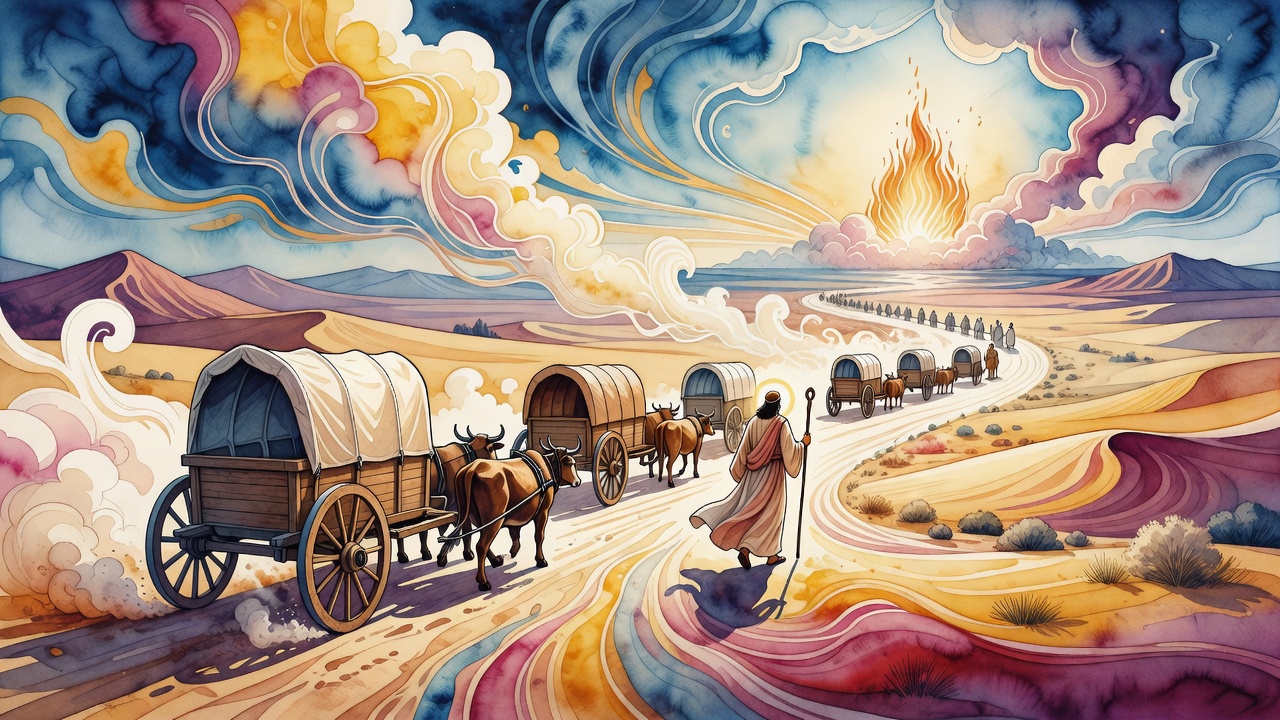
Pharaoh sent wagons for Jacob's house. God promised His Word would go down to Egypt and bring them up, while Judah went ahead to open study in Goshen.
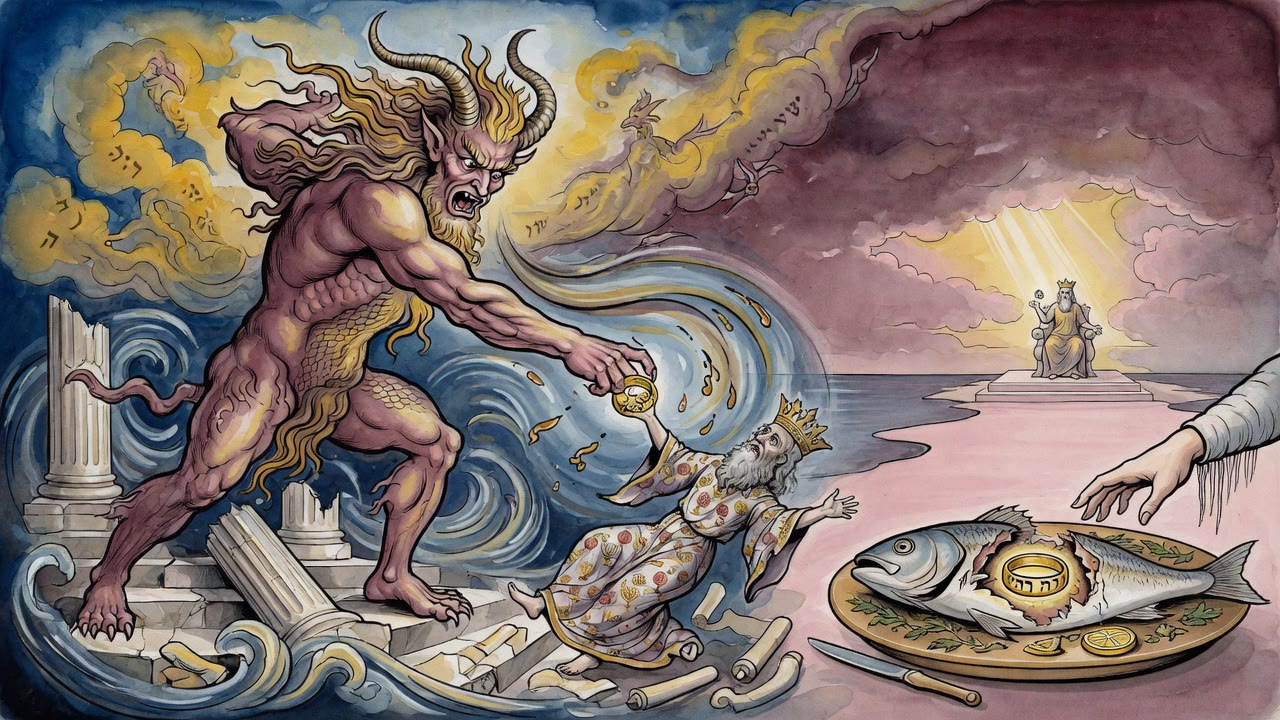
Jacob hangs a golden plate on Dinah's infant, leaves her by Egypt's wall, and years later that foundling becomes the wife of Egypt's lord.
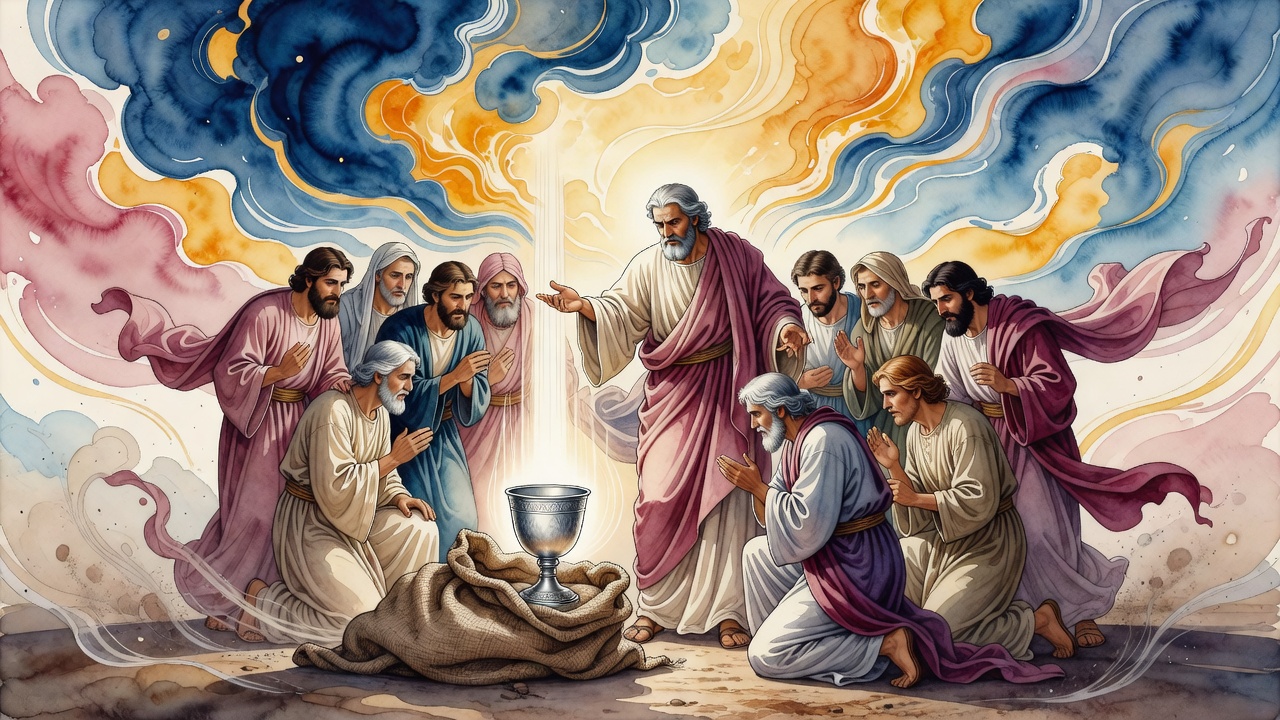
Grain spilled. The vizier's cup rang on a stone at Benjamin's feet. Judah had sold a brother once. He would not walk home in peace again.
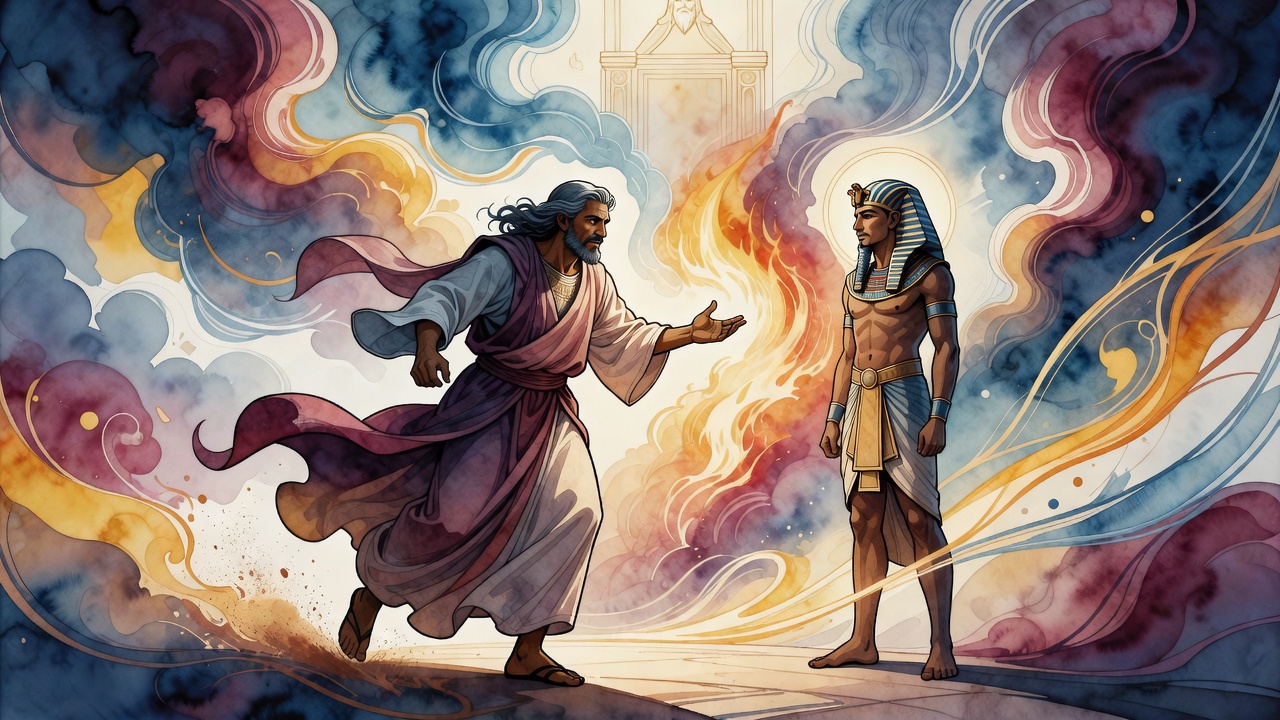
Judah stepped toward the Egyptian lord with Benjamin's life in his throat, ready to wreck markets or die before he returned to Jacob without the boy.
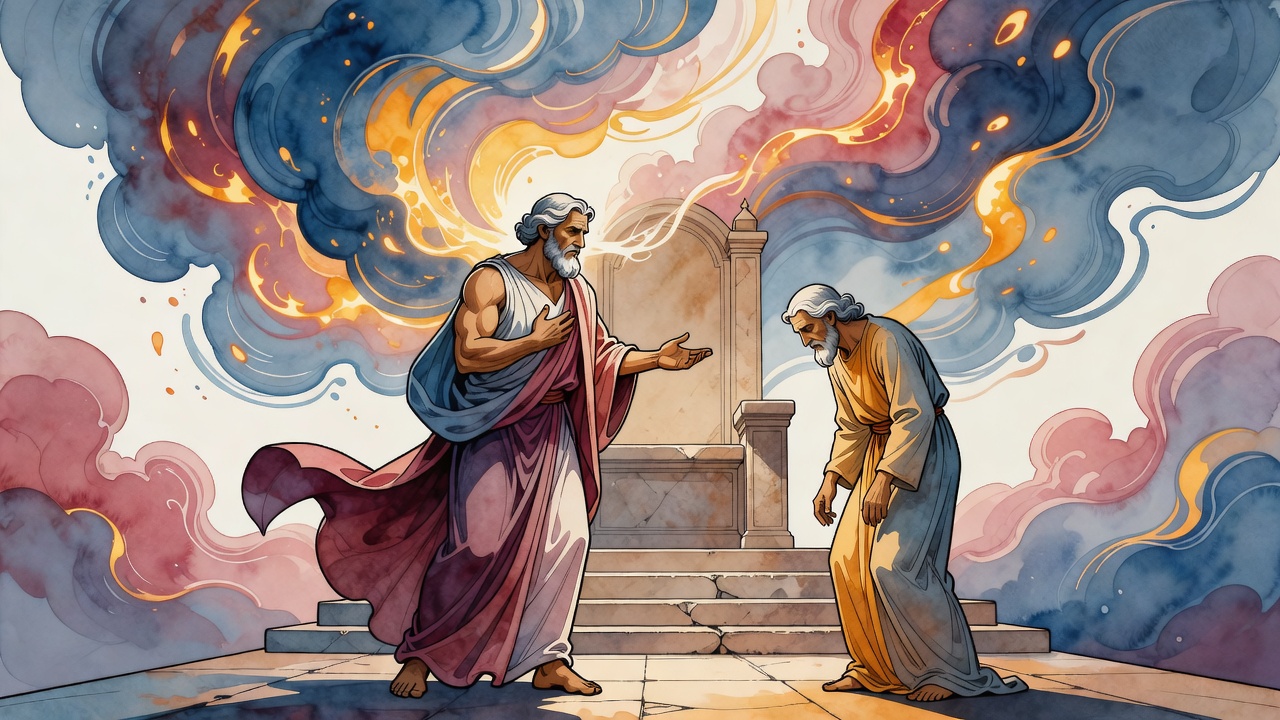
Judah told Jacob the Egyptian face was locked, then pledged guilt for all days. In the court he offered his body so Rachel's last son could walk free.
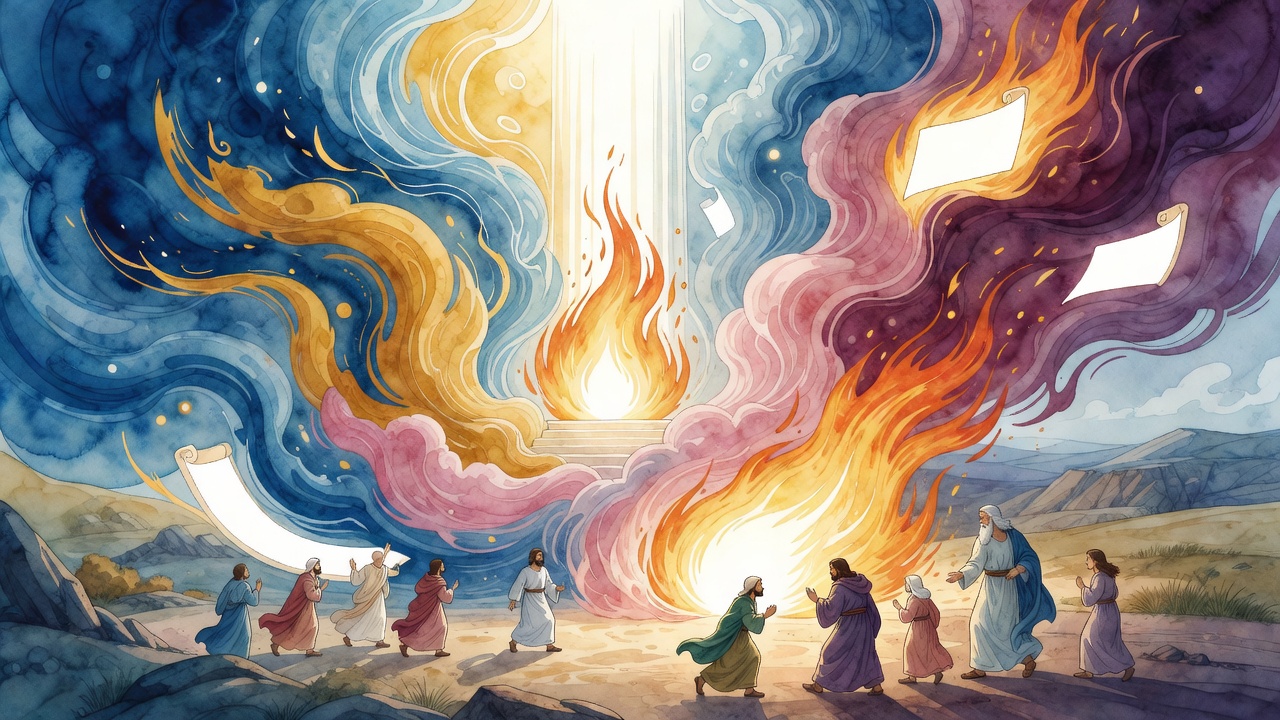
When Joseph was born the Holy Spirit fell on Jacob and showed him a flame to burn Esau, and that same fire drove his frightened house down to Egypt.
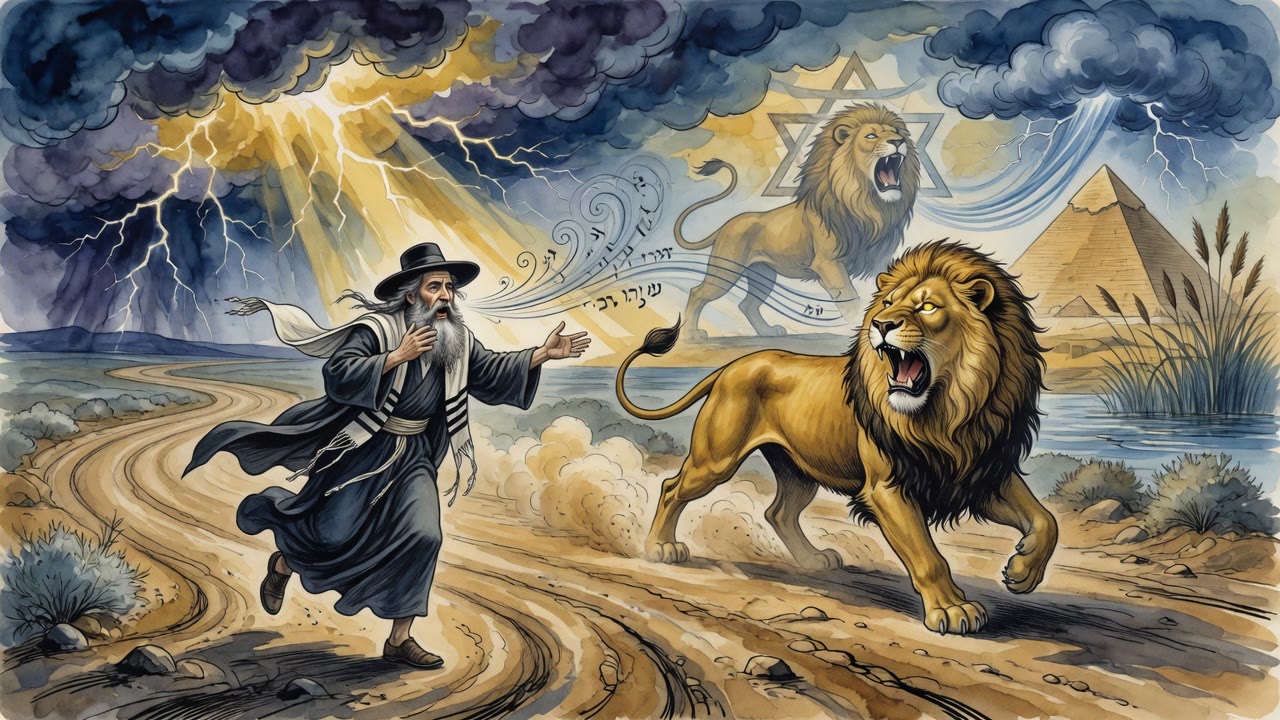
Rabbi Hanina shouted a lion off the road and then chased it down to take the insult back, and the same roar rose in Judah before Egypt.
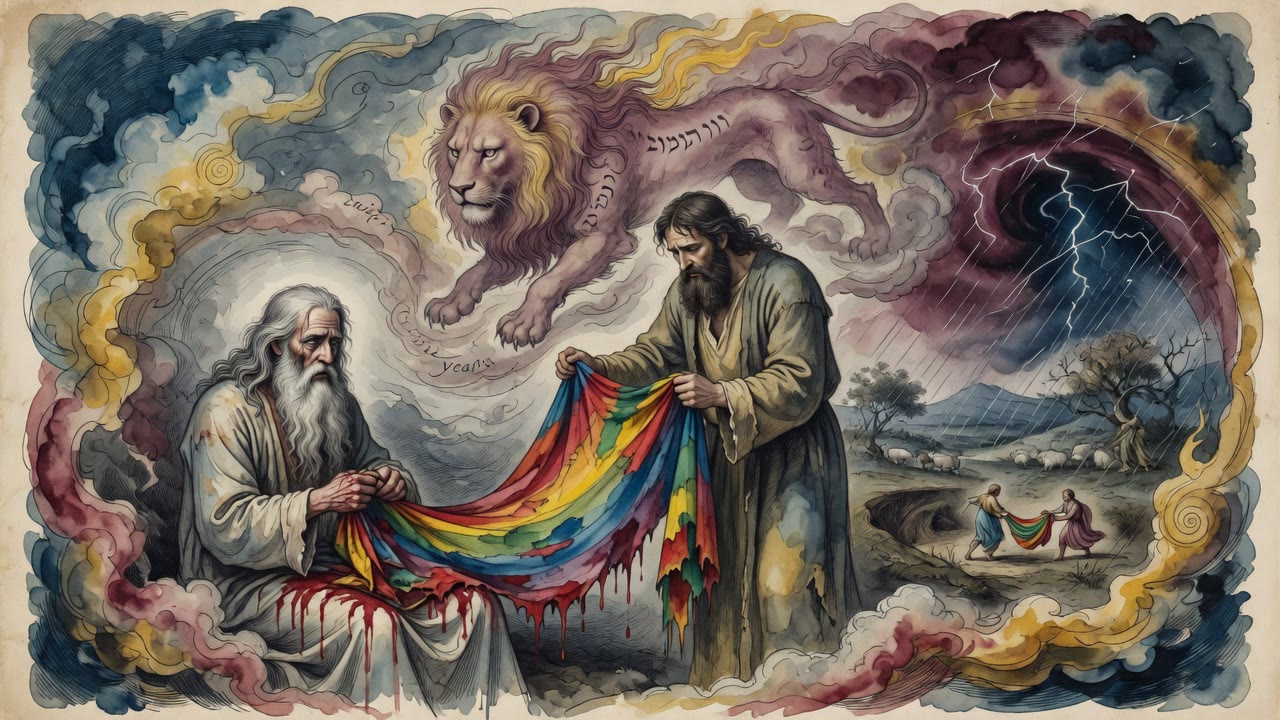
Judah stood in the tent with a goat-stained coat. Jacob named an evil beast, then looked at the son he would later bless as a lion.
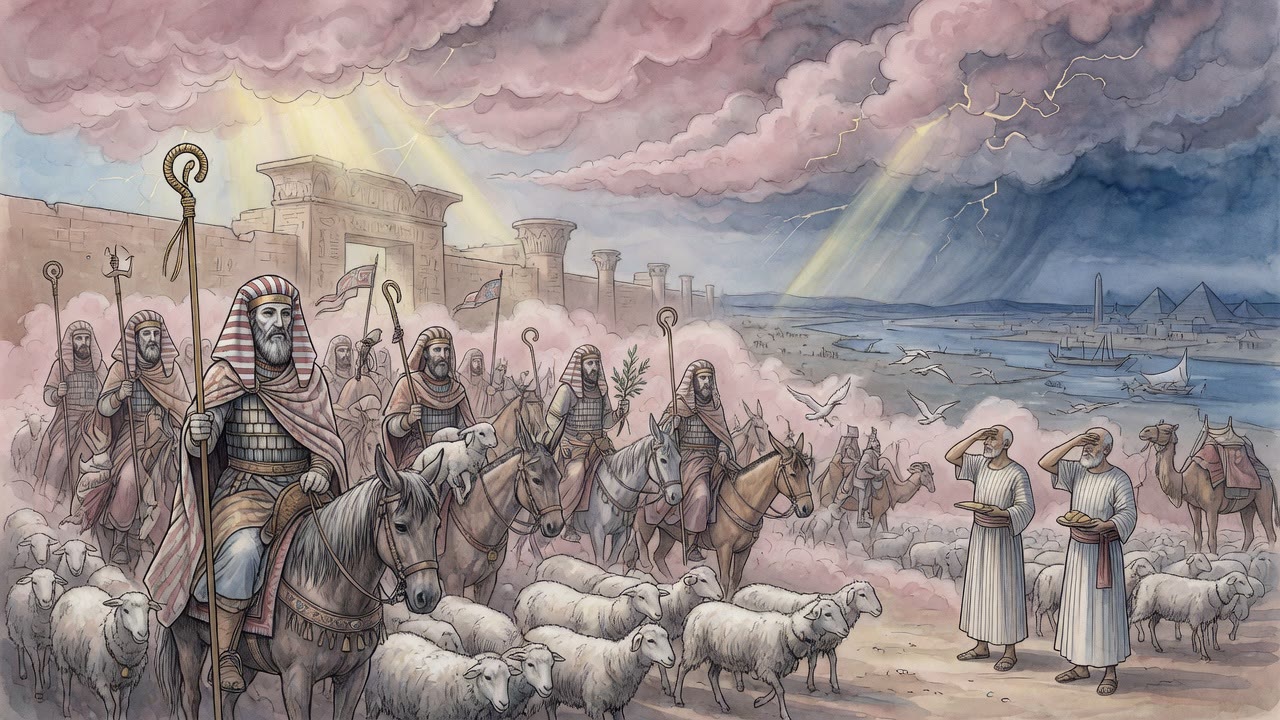
An Egyptian priest wrote that shepherd kings seized Egypt without a battle and later built Jerusalem, and Josephus read him as a witness.
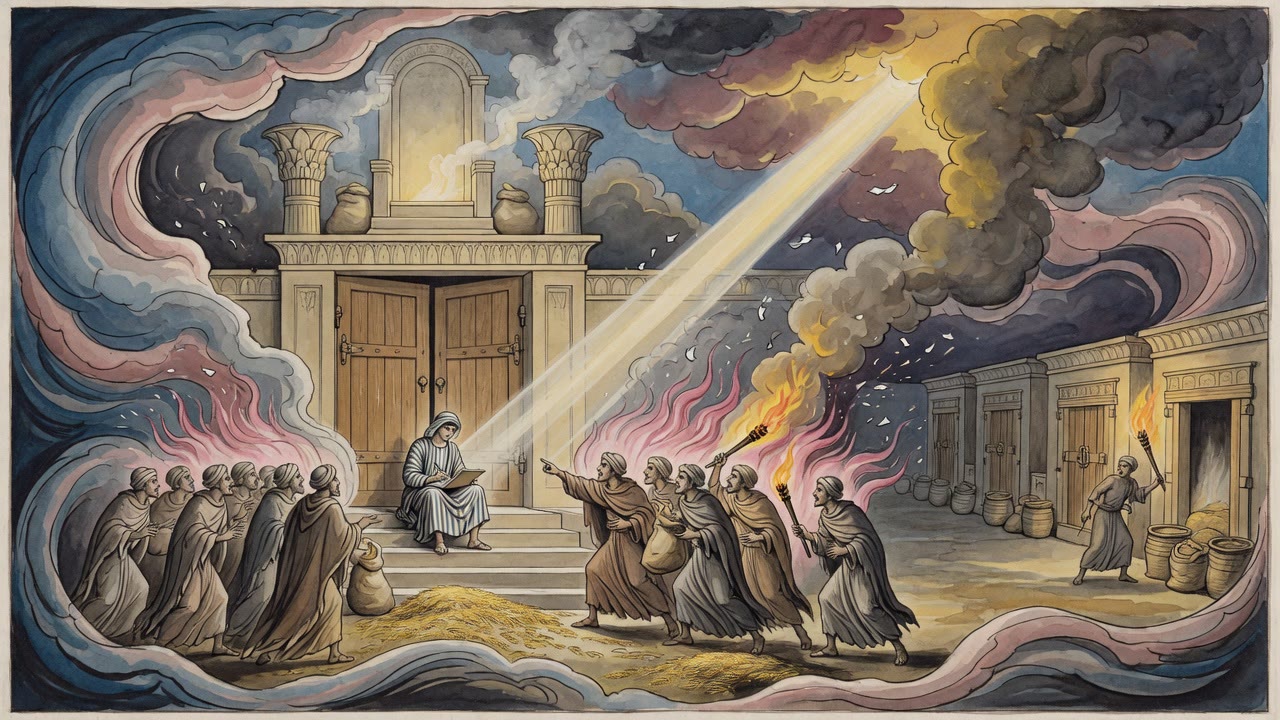
Joseph planted his own son at the palace gate to record the brothers' names, then closed every grain station but one and goaded them toward war.
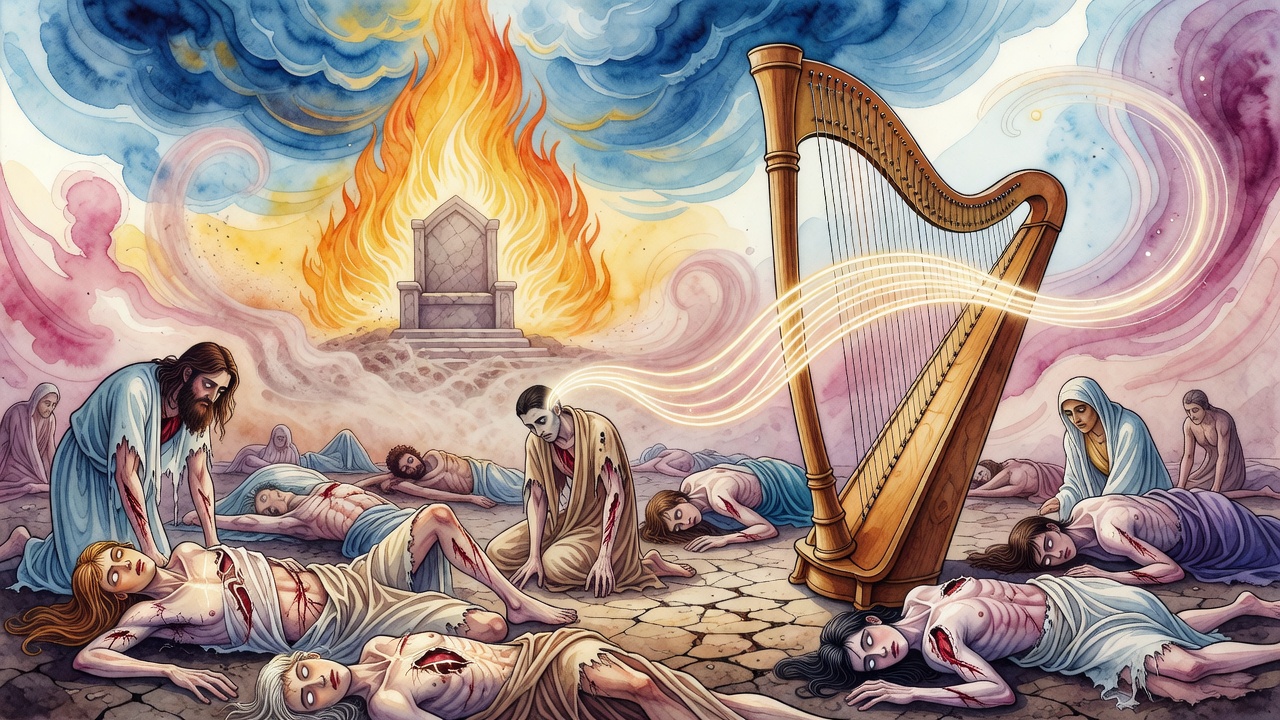
The dead rise still blind and lame so none can call them strangers, then are healed in the open while the Levite harp gains three new strings.
