Abram Called Lot His Brother and Judah Offered Himself for Benjamin
Jacob had deceived his father to take the firstborn's blessing. In Laban's house he got the wrong daughter on his wedding night and ten changes of wages.
Table of Contents
 Click for full size
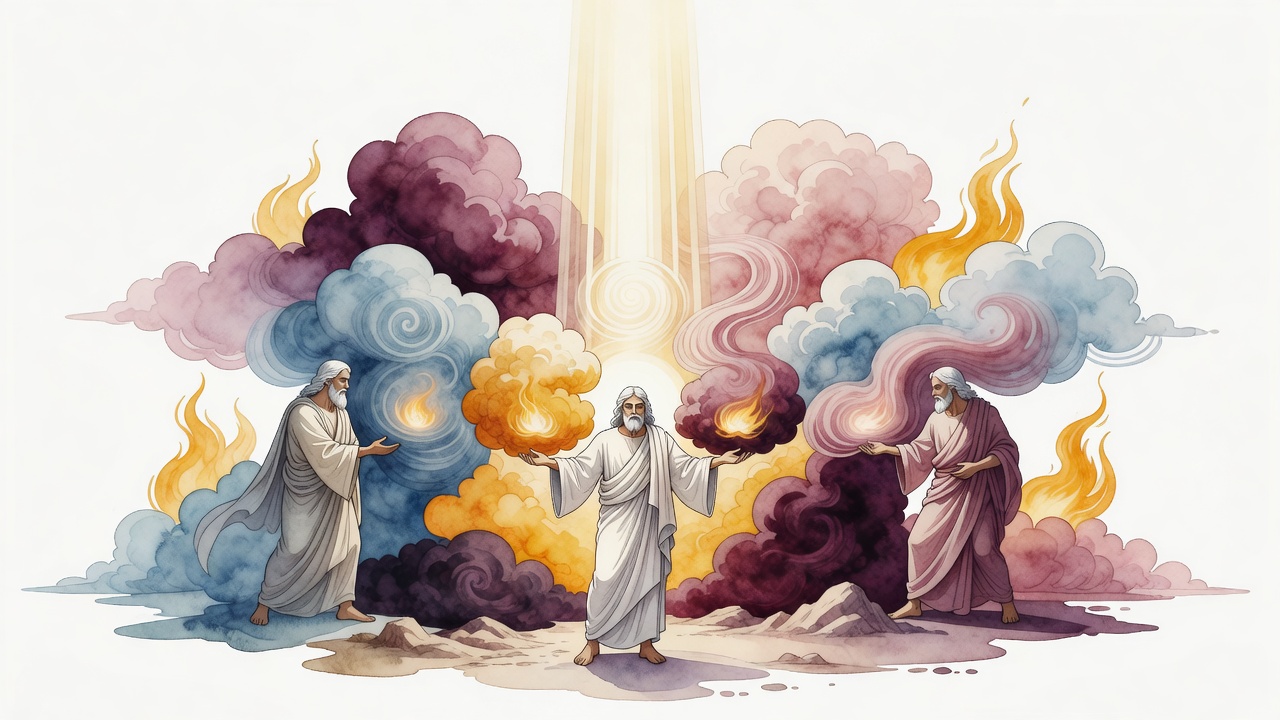
Abram Called Lot Brother
The herdsmen of Abram and the herdsmen of Lot could not share the same ground. Their flocks were too large. The land between them had become disputed. Abram goes to his nephew and says: let there be no quarrel between us, for we are brothers. Lot is not his brother. He is his nephew. The word is a gift, an extension of kinship over a relationship that the text does not require him to honor so generously.
Bereshit Rabbah hears in that gift the first act of a long pattern. Abram sees the quarrel forming while it is still between servants. He names it before it grows. He does not wait until Lot has become an enemy to offer peace. What servants fight about can reveal what masters have not said aloud. Abram's greatness is not that conflict never enters his house. It is that he sees conflict early and refuses to let it devour the family.
One Small Word Held Ishmael's Fate
Bereshit Rabbah reads the phrase God was with the lad and finds a small Hebrew word, et (את), that appears before lad. Et marks the object of a Hebrew verb and often has no English equivalent. But Rabbi Akiva says that et here is not grammatically empty. It includes something: the fact that God was with Ishmael in a way that carried forward into a specific future, into the archers of his descendants, into the nation that would come from him.
A small word carried a destiny. Ishmael's separation from the main line of the promise does not mean he was abandoned. He was given his own arc, his own divine presence, his own future that was different from Isaac's but not empty.
Laban's Kingdom and What Jacob Found There
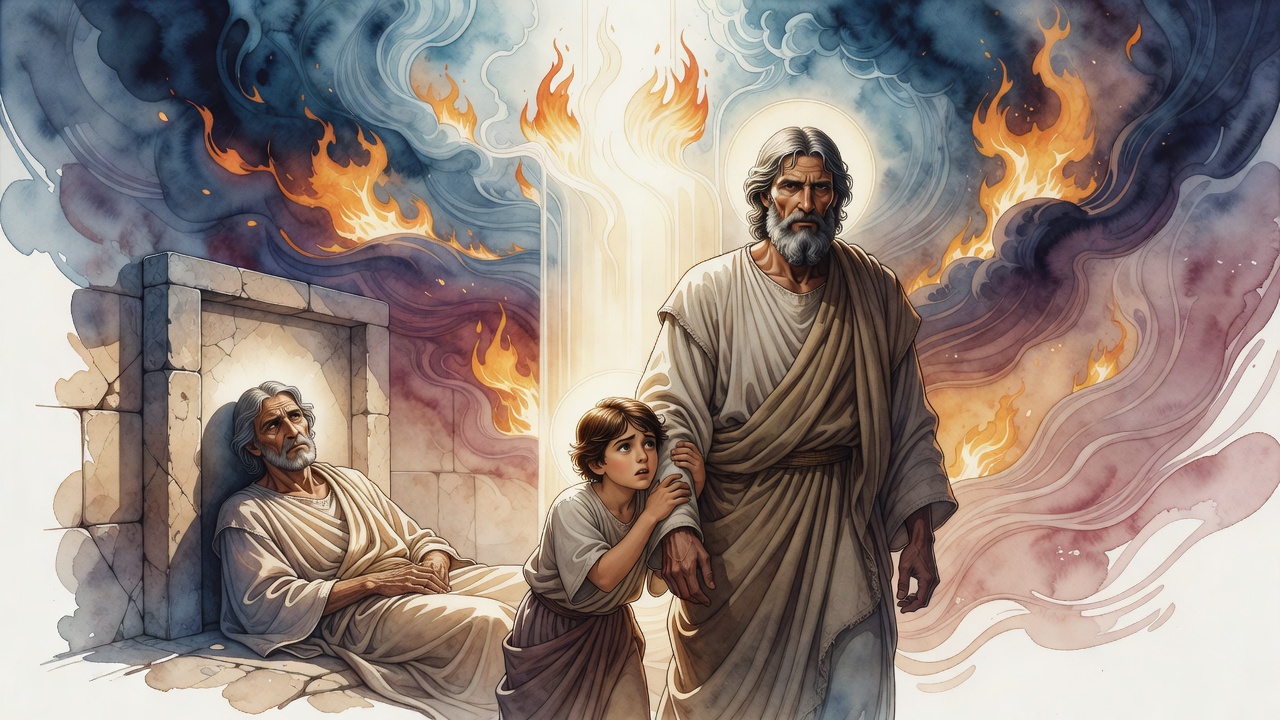
Jacob flees to Laban and finds a kingdom of a different kind. Laban's household runs on deception organized as hospitality. He substitutes one daughter for another on the wedding night. He changes Jacob's wages ten times. He watches Jacob's flocks grow through methods he cannot replicate and calls the prosperity his own. Jacob stays for twenty years, long enough to acquire wives, children, flocks, and the knowledge of exactly what it costs to build a household inside a structure controlled by someone who will always take more than he gives.
What Jacob found in Laban's house was the inverted form of what he had done to Esau. He had deceived his father. He was deceived by his father-in-law. He had taken what should have gone to the firstborn. The firstborn daughter was given to him instead of the one he wanted. The family pattern of deception and substitute ran through the generation of the deceiver, and Jacob had to live inside it for two decades before he could leave.
The Dotted Word Over Shechem
When Esau meets Jacob and they embrace and weep, the Torah writes the word kissed him with dots over the letters. Bereshit Rabbah records a dispute about those dots. One reading says the kiss was not genuine: Esau tried to bite Jacob rather than embrace him, and Jacob's neck turned to marble. Another reading says the dots indicate that in this specific moment, Esau's love was real, whatever had preceded and followed it.
The dotted word over Shechem belongs to a different story. When Shechem defiled Dinah and then asked for her in marriage, and Simeon and Levi responded with violence, the text marks something in Shechem's request that the rabbis examine closely. The dots track the limits of what can be said and what must be marked rather than spoken directly. Violence and its aftermath leave residue in the text itself, marks that sit over letters where the weight of what happened forces a pause.
Judah's Plea and Benjamin's Sons
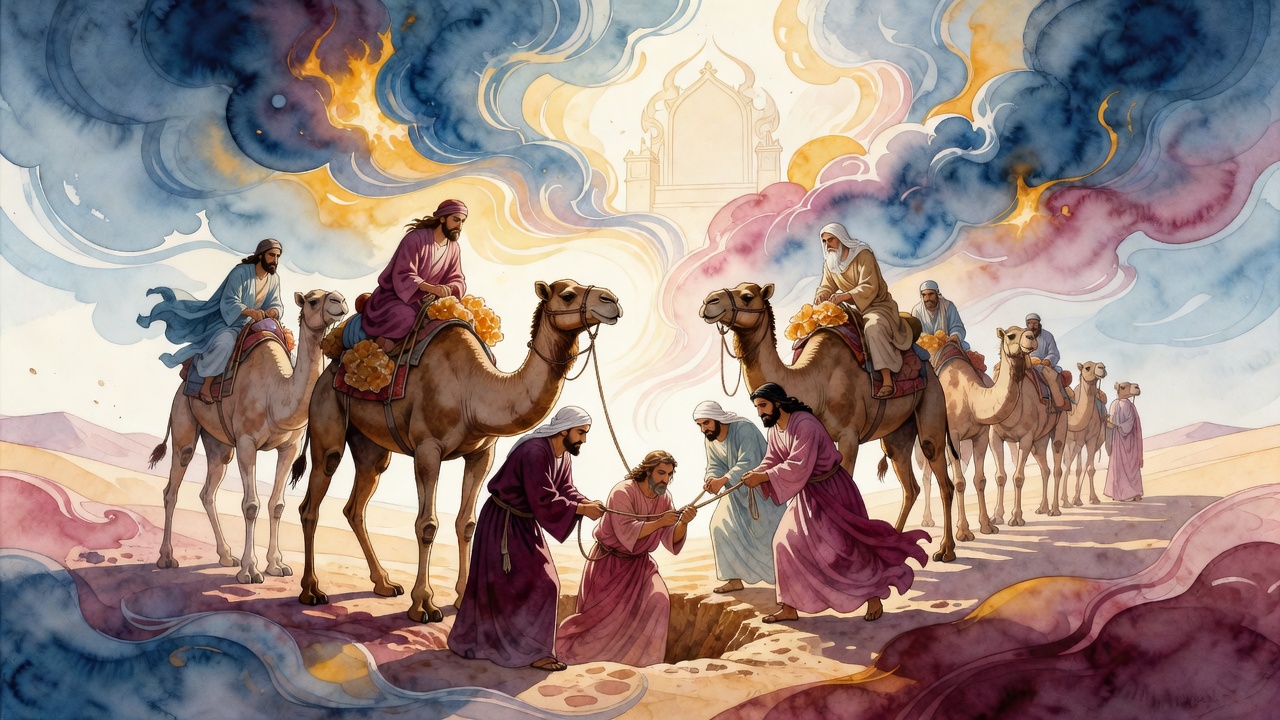
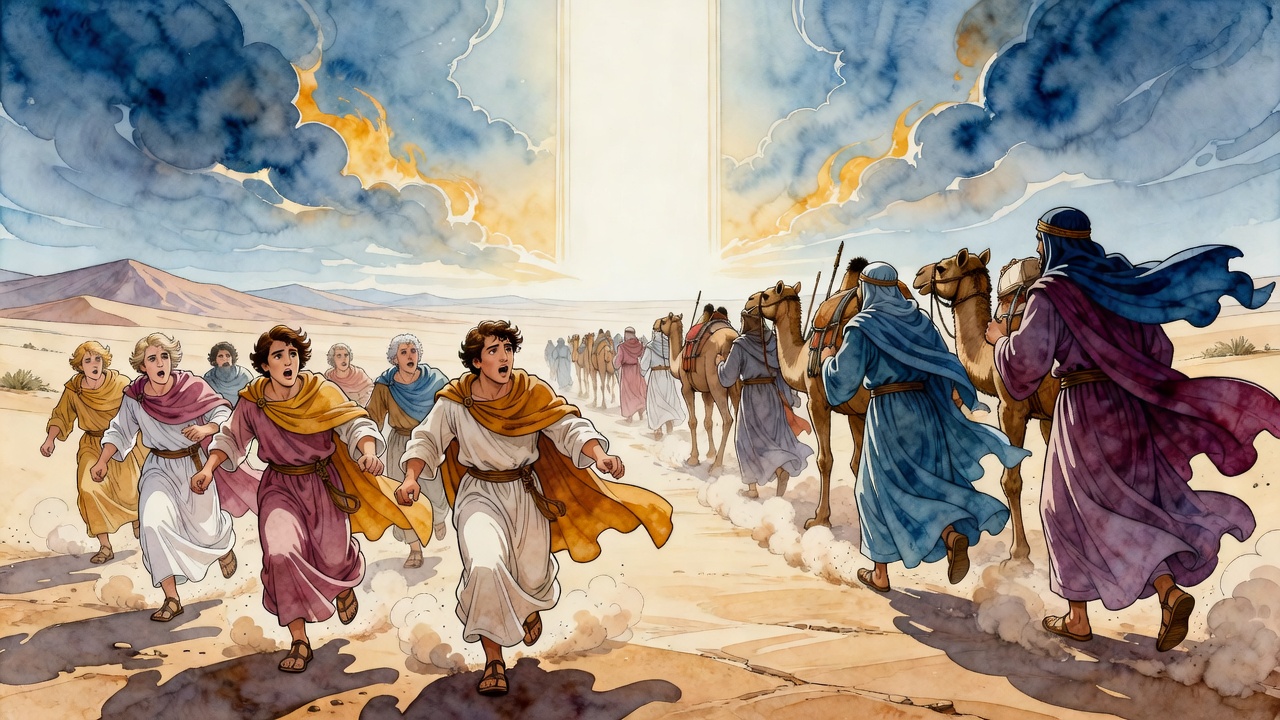
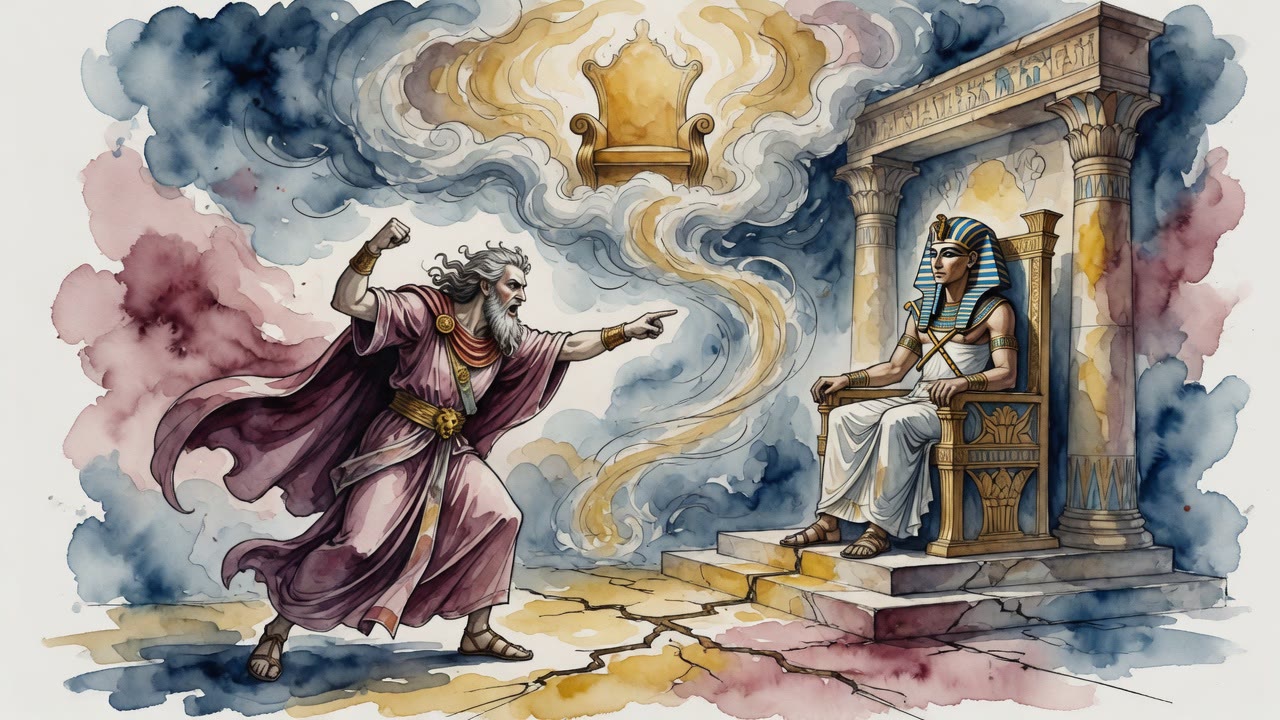
When Joseph demands that Benjamin stay in Egypt as a slave, Judah steps forward. He had guaranteed Benjamin's return to Jacob. If Benjamin does not return, Jacob will die. Judah offers himself instead. Bereshit Rabbah reads that offer as an allegory for all of Israel standing before a judge and saying: take me, but not the one whose absence will kill my father. Judah's speech is one of the longest uninterrupted passages in Genesis, and the midrash says its force cracked open whatever had been sealed in Joseph's chest.
Benjamin named his sons after the brother he had never met. Joseph was gone before Benjamin was born. But Benjamin's sons carry names that encode the memory of Joseph: son of my sorrow, son of the south, son of the right hand. A brother who could not be remembered in person was carried into the next generation through the names given to children. The family line survived its breaks because someone always carried the missing person forward into the names of the living.
← All myths