Joseph Carried Jacob's Blessing Through Egypt's Darkness
The iron sat under his neck so he would look at her. Joseph kept his eyes on the wall and answered her with a psalm.
Table of Contents
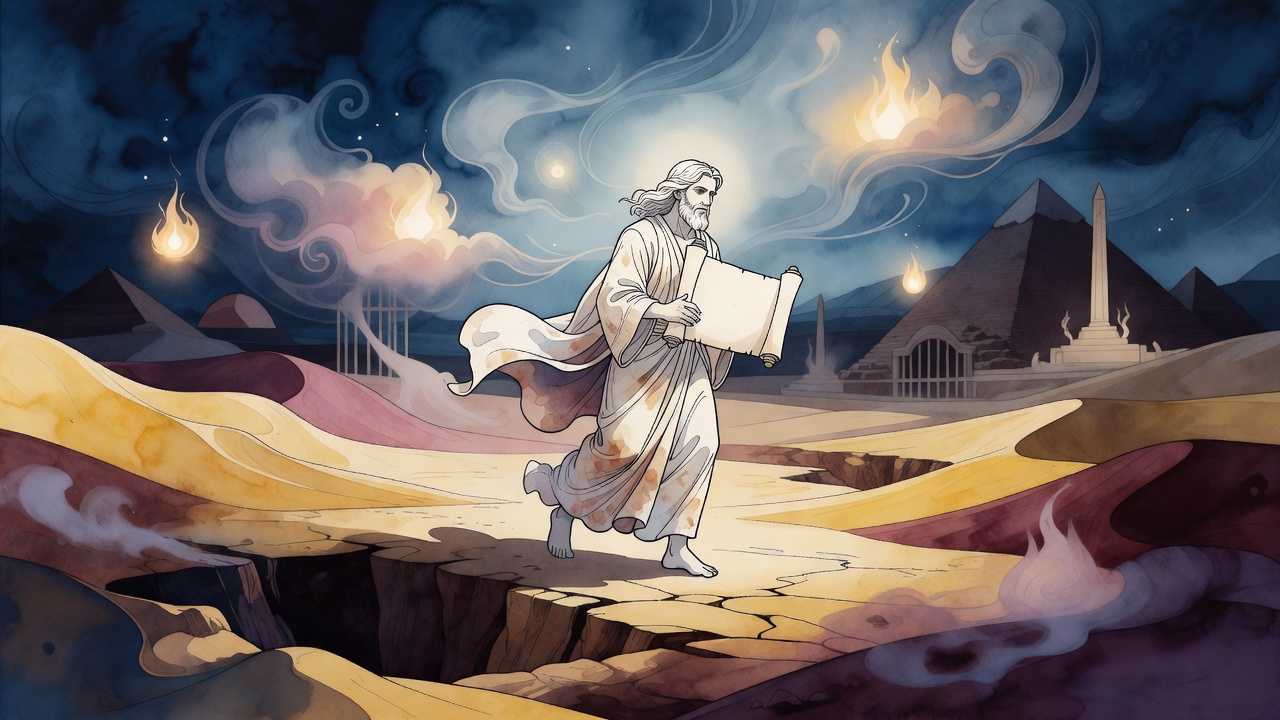
The iron sat under his neck. Potiphar's wife had put it there so he would have to look at her. Joseph kept his eyes on the wall.
 Click for full size
"I will cut your food," she said.
"God provides food for the hungry," he said.
"I will shackle you."
"The Lord frees the imprisoned."
"I will bend you."
"The Lord straightens the bent."
"I will blind you."
"The Lord opens the eyes of the blind."
She had already taken his garment in her hand once and used it as evidence. She told the servants one version of the lie and her husband another. To the household she said, "The Hebrew servant came to me." To Potiphar she said, "The servant you brought into this house came to me." The first version blamed Joseph. The second blamed the man who owned him. No liar tells the same lie twice in the same words. Joseph could not use that. He was already in the dark of Egypt, rinsing glasses and making beds in the house of the man who had jailed him, because Potiphar was the commander of the prison too, and the wife who had wronged him was still in the rooms.
"In this matter I mistreated you," she said. "As you live, I will mistreat you in other matters."
Slander is an arrow. Swords need a room. Her words could travel from the inner chamber all the way to a cell and still land. Evil speech spoken in one city kills in another. Joseph carried Jacob's blessing through that darkness anyway, a son's name that had to stay clean in a house that wanted it dirty.
The Road Hunger Opened
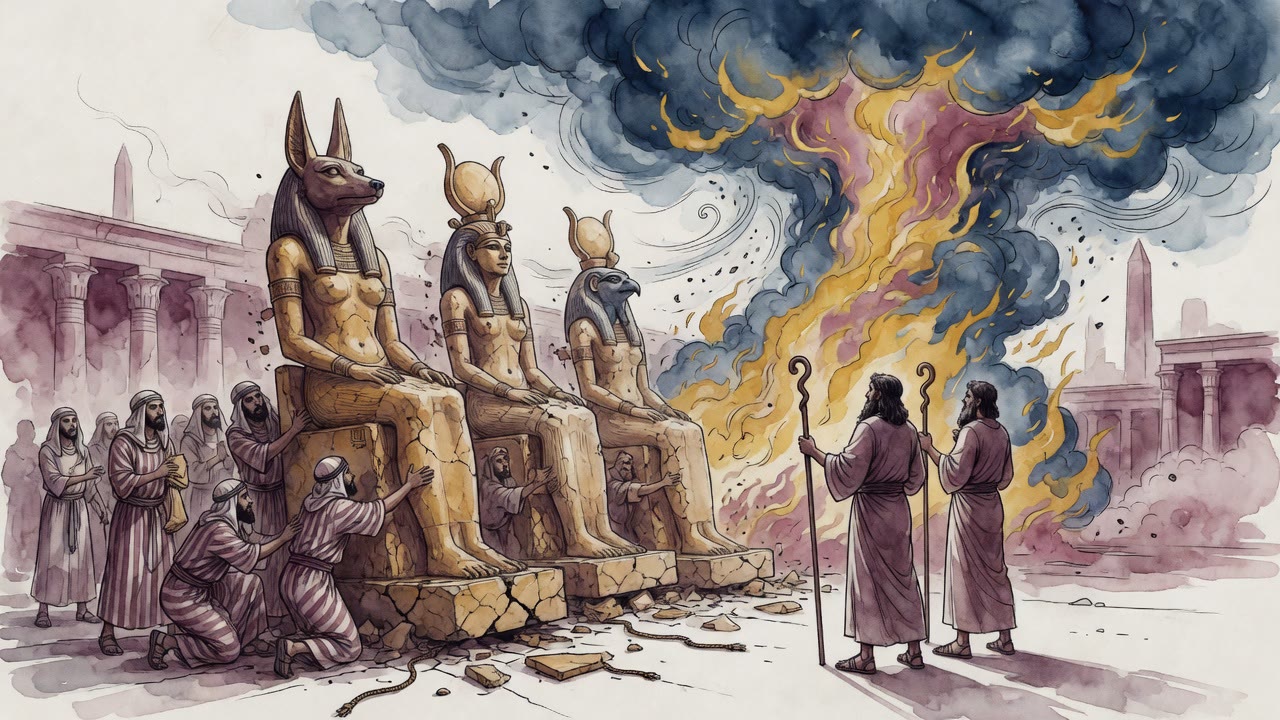
The family had already learned this country the hard way. Abraham was hungry. The land God had shown him could not feed him, so he walked south into Egypt with Sarah and the livestock, a man with a promise and no bread. The first descent was not exile. It was famine. The promise did not cancel the need to eat.
Years later four kings made war in the valley of Siddim and carried Lot away. Abraham took his trained men and went after them at night. The wicked had drawn their swords. The swords came back into their own hearts. Power built on taking other people's children does not stay in the first hand that holds it. Abraham came home with Lot alive, and then, on another road, with another hunger, the same family would send a son down into Egypt in chains.
The road was not an accident. It had been walked before.
The Spark Jacob Needed
Jacob had been afraid of Esau the way a man is afraid of dogs. If the man runs, they chase. If he sits still in their midst, they may leave him. He settled. He tried to be still.
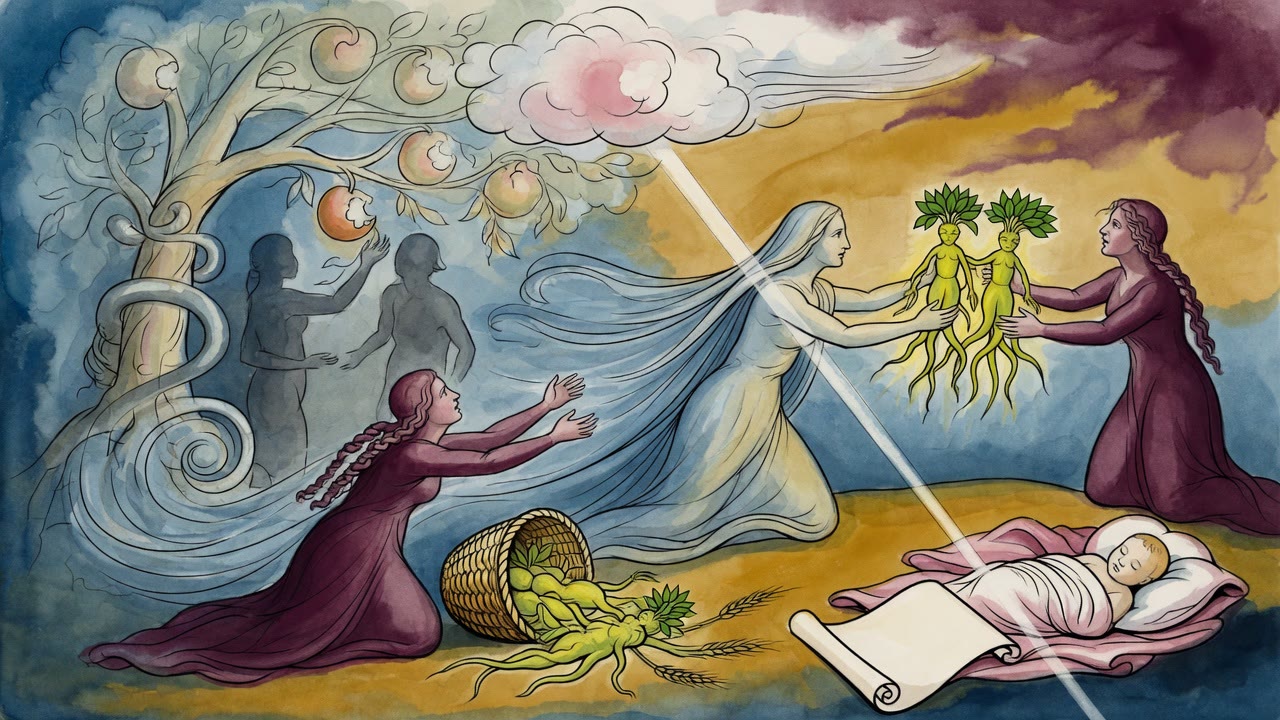
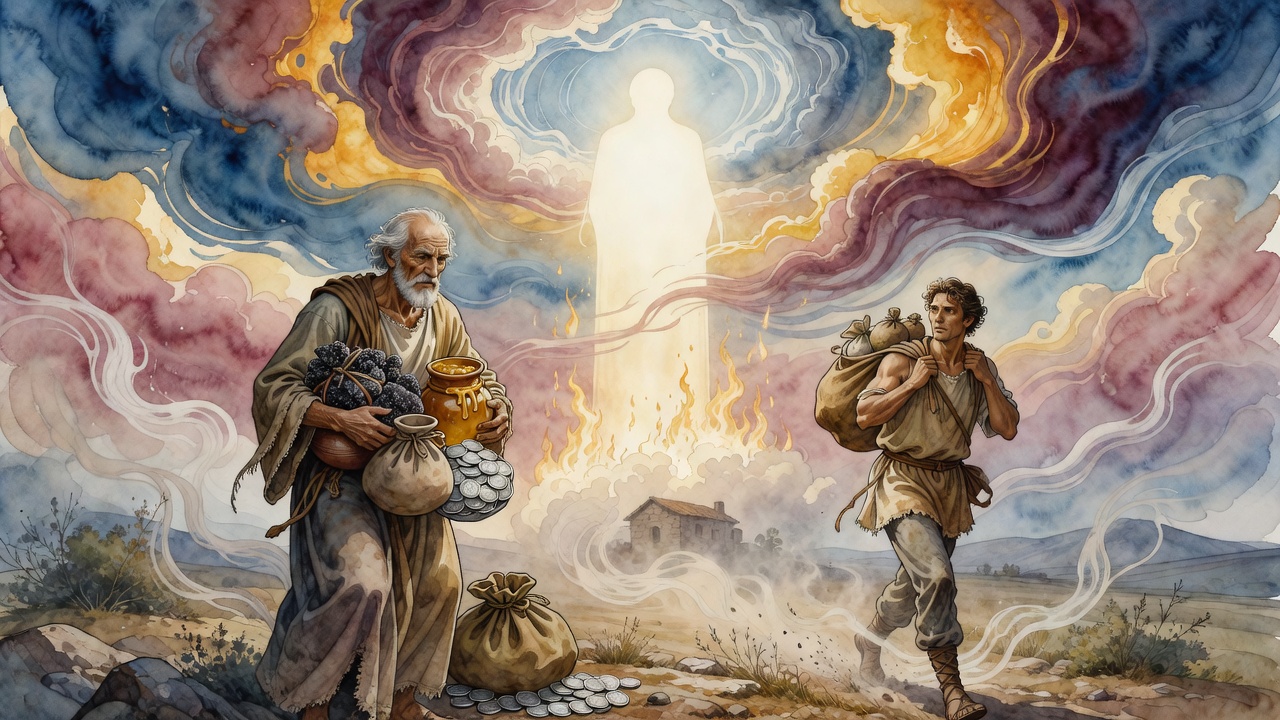
God told him not to be afraid of the thorns. A blacksmith faces a plaza. His son the goldsmith sets up across from him. Bundles of thorns come into the city, and someone asks where they will all be stored. One spark from the father's forge and one spark from the son's shop will burn them. The house of Jacob is fire. The house of Joseph is a flame (Obadiah 1:18).
Jacob would not go home from Laban until Rachel bore Joseph. The rival of Esau had to be in the world first. All of Jacob's descendants, in one reading, waited on that birth. Who caused the family to go down to Egypt? Joseph. Who fed them there? Joseph. The waters that later split did it because of his merit. A blessing sat on him before he ever saw a pit.
Then his brothers shot him from nearby, and Potiphar's house shot him from afar, and the blessing had to walk through both.
Two Years the Butler Forgot
Two officials of Pharaoh's court dreamed in the same prison. Joseph read the dreams. The butler would be restored. The baker would be executed. Both happened as he said. The butler went back to his cup and forgot the Hebrew who had asked only to be remembered.
Joseph sat two more years in the dark for those forgotten words. Providence was not defeated. It was delayed. The delay was his body in a cell, rinsing and waiting, while a man who owed him a sentence drank upstairs.
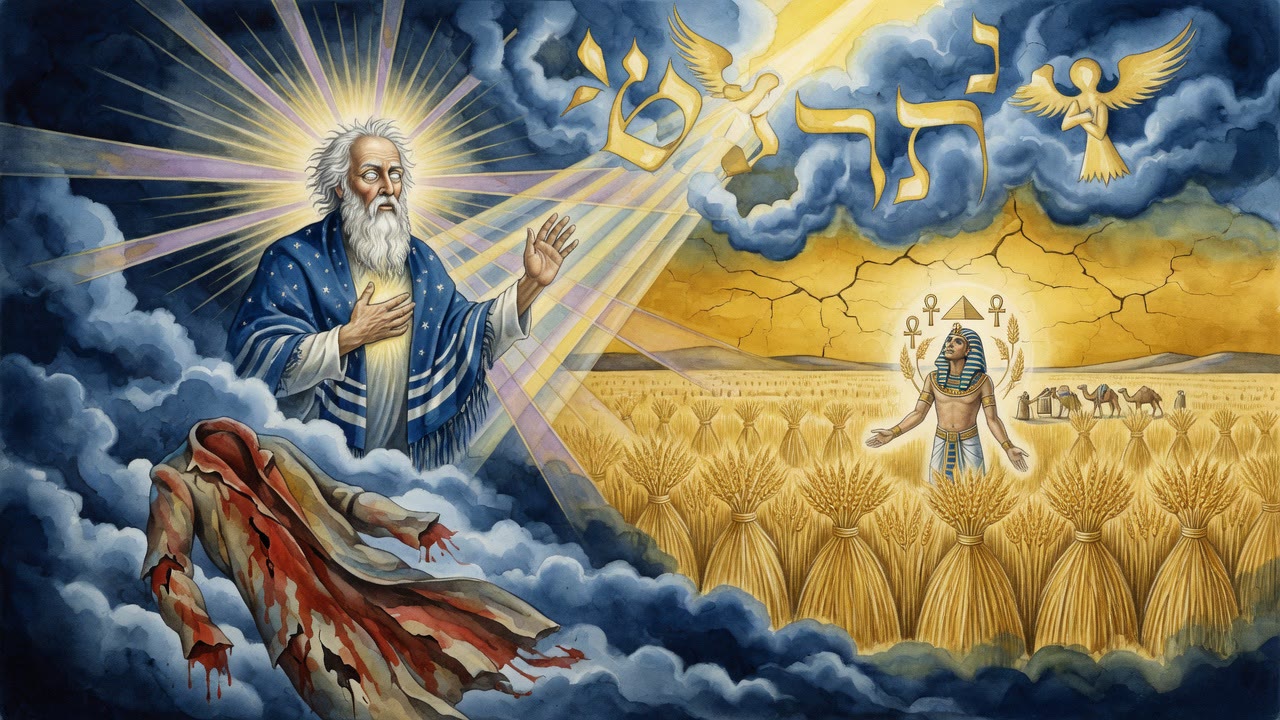
When Pharaoh dreamed, the butler's mouth finally opened. Joseph came up out of the prison into a court that had never learned his father's name. He stored grain against a famine that would one day drive Jacob's whole house down the same road Abraham had walked hungry. The blessing he carried was not a speech. It was bread in a country that had meant to swallow him.
The Shepherd Named at the End
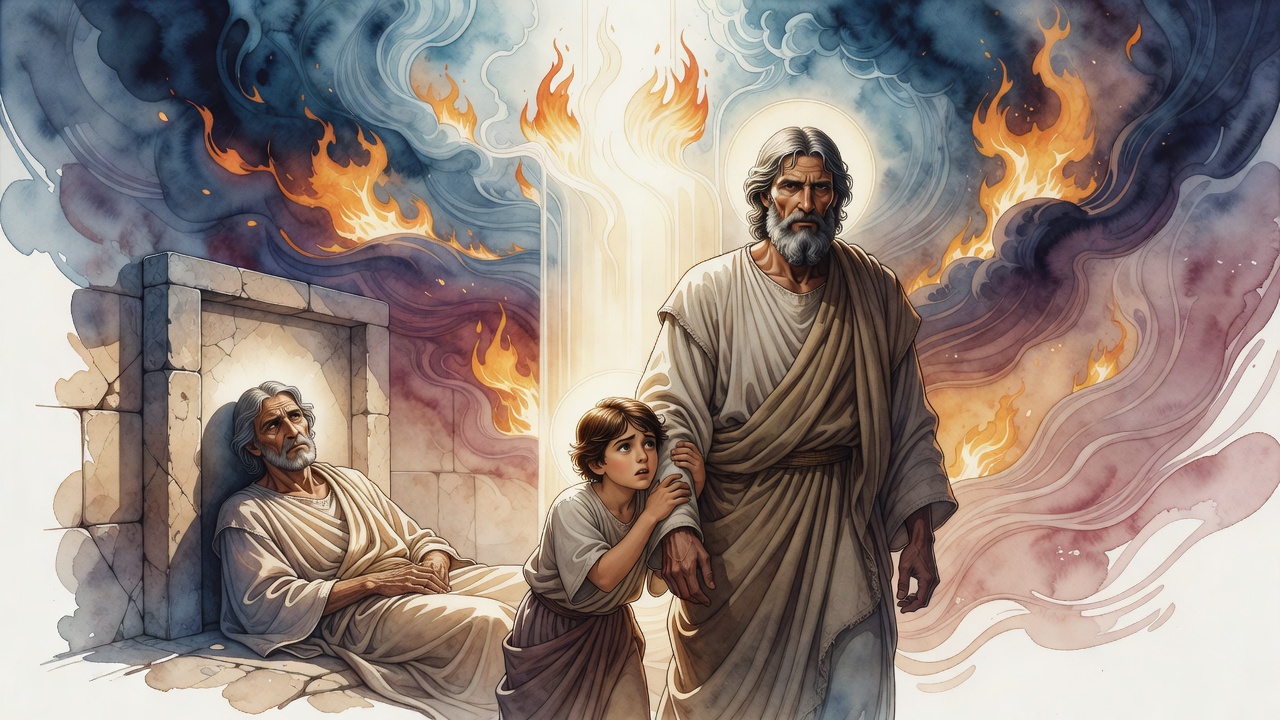
Jacob lay dying in Egypt and called Joseph close. He named God the shepherd who had tended him all his life, the God before whom Abraham and Isaac had walked, the one who had redeemed him from every evil. A shepherd knows each animal by sight. A shepherd sleeps on the edge of the flock and puts a body between the sheep and the wolf.
The pit had not finished Jacob. Laban had not broken him. Rachel's death had not erased him. He passed that watching forward onto Joseph and onto Joseph's sons.
Joseph left the bed with his face glowing. The other tribes began to whisper. Everyone stands with the one who is successful. He is king now, they said. That is why the old man called him.
Jacob heard it. He did not take the blessing back. He pointed them at fear of the Lord, and at the fact that those who fear Him do not lack. Earthly success is a cup. It empties. The shepherding does not.
Joseph had carried that blessing through a pit, a garment used as a lie, an iron bar, a forgotten promise, and a famine. Egypt's darkness had been long. The glow on his face was not the court. It was the last light of a father who had been tended, naming the tending before he died.
← All myths