59 myths · Page 1 of 2
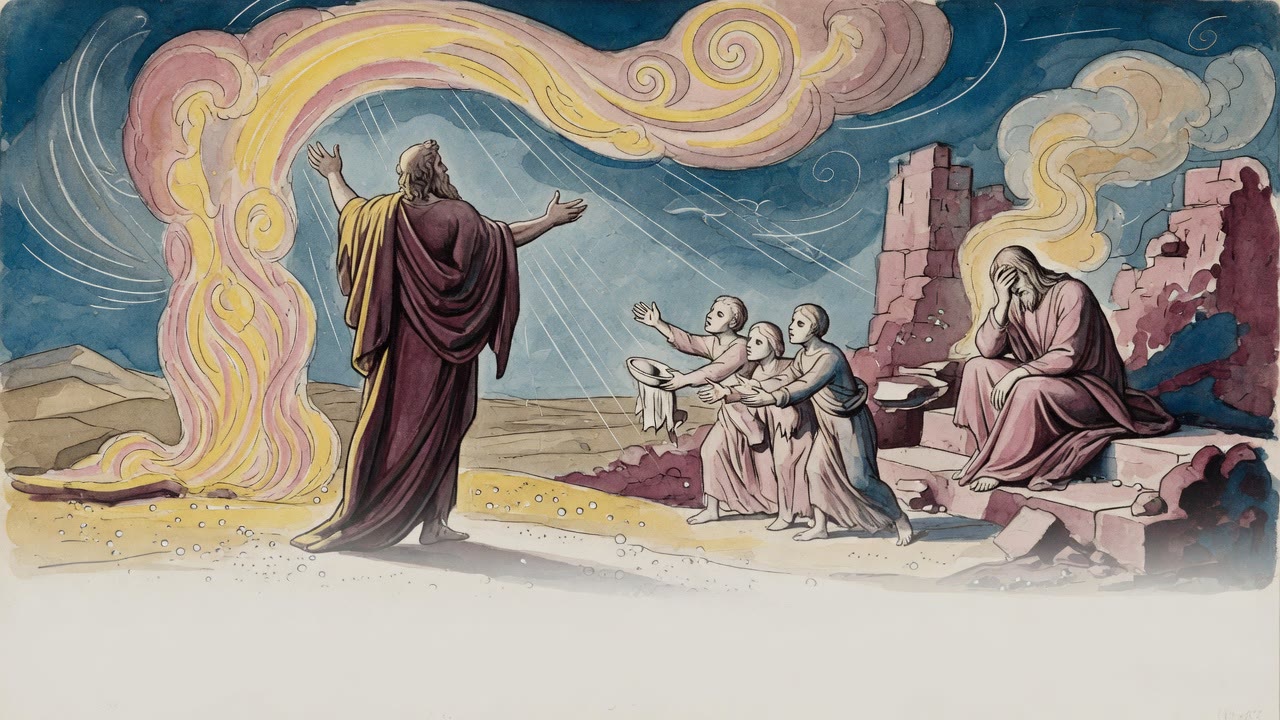
The grain from Egypt ran out in Canaan. Jacob's grandchildren pulled at his robe and asked for bread, and the tears that came to him were scorching.
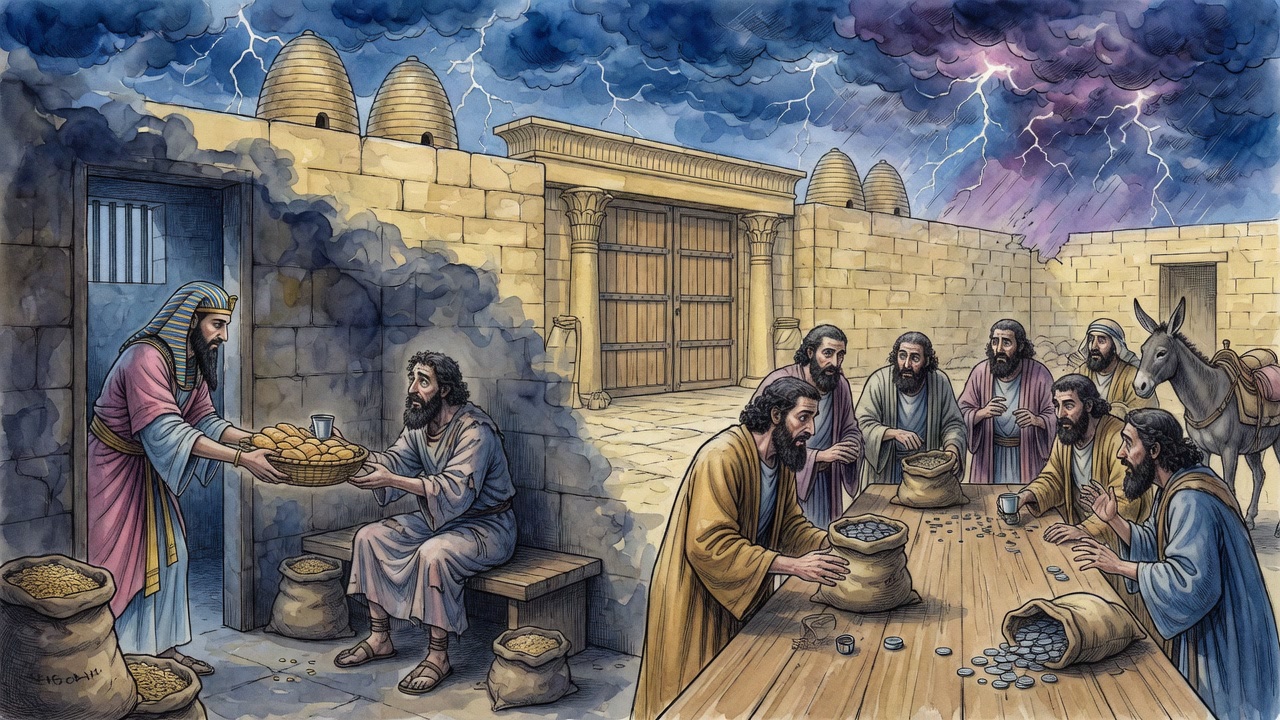
Joseph chained Simeon in front of his brothers, then ordered good food sent to the cell as soon as they left. The cruelty and the care were the same plan.
Benjamin was trapped, Joseph was hidden, and Judah stepped forward. The brothers had to answer for the sale they buried.
Famine opened the road to Egypt. Isaac packed. In the night a voice forbade the Nile and sent him into Philistine ground instead.
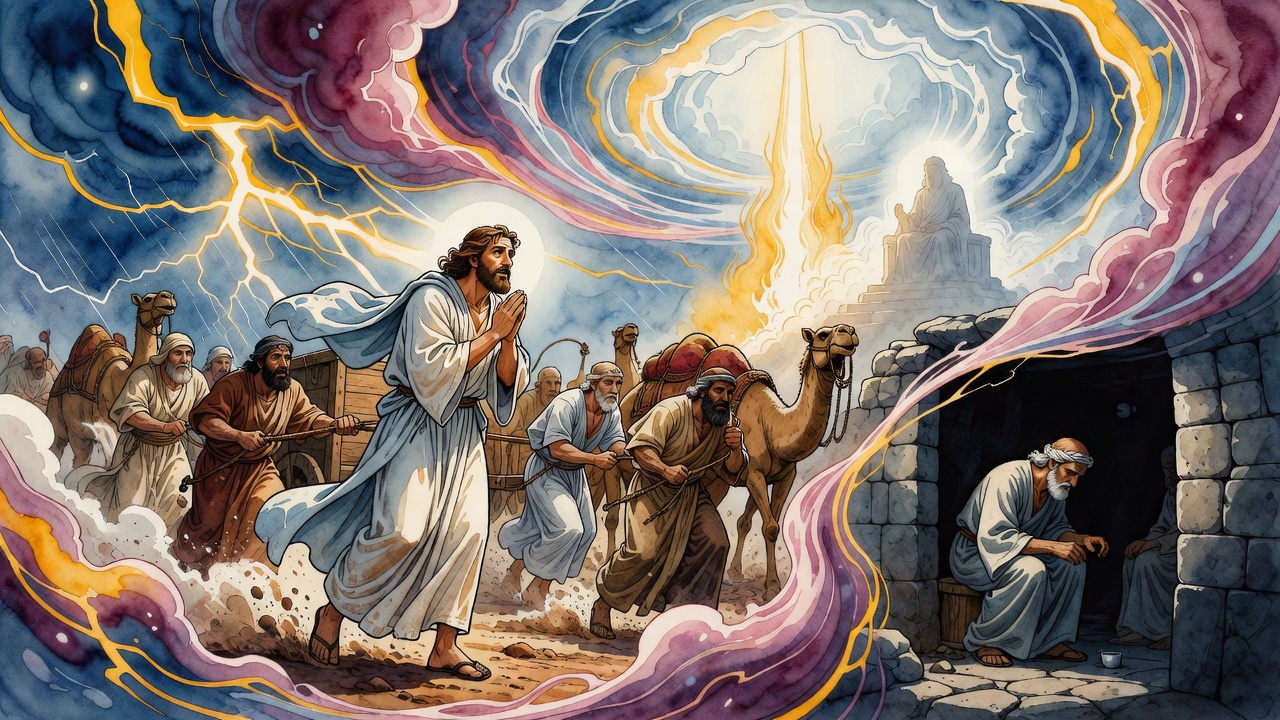
The butler tied a knot in his sash so he would remember the prisoner. An angel came and undid it, and two more years went by.
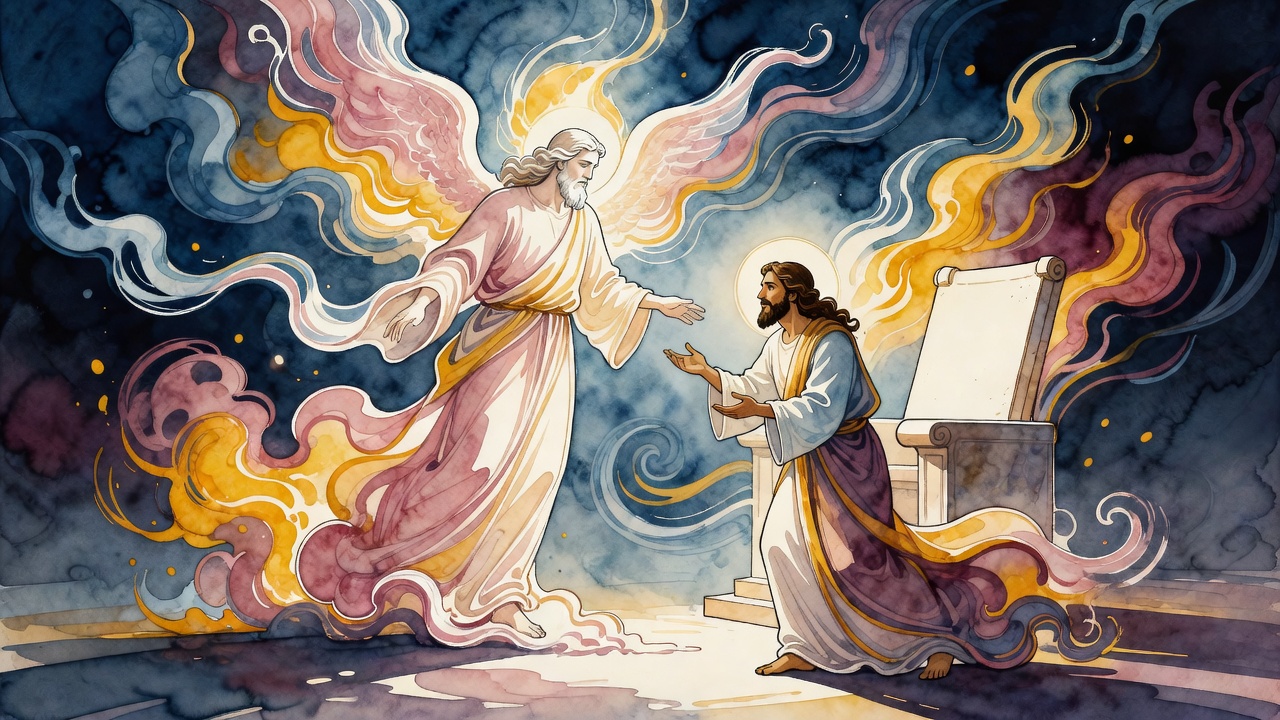
Pharaoh's throne sat atop seventy steps. A foreign prince could climb thirty-one, a petitioner three. Joseph came from the cell and climbed all seventy.
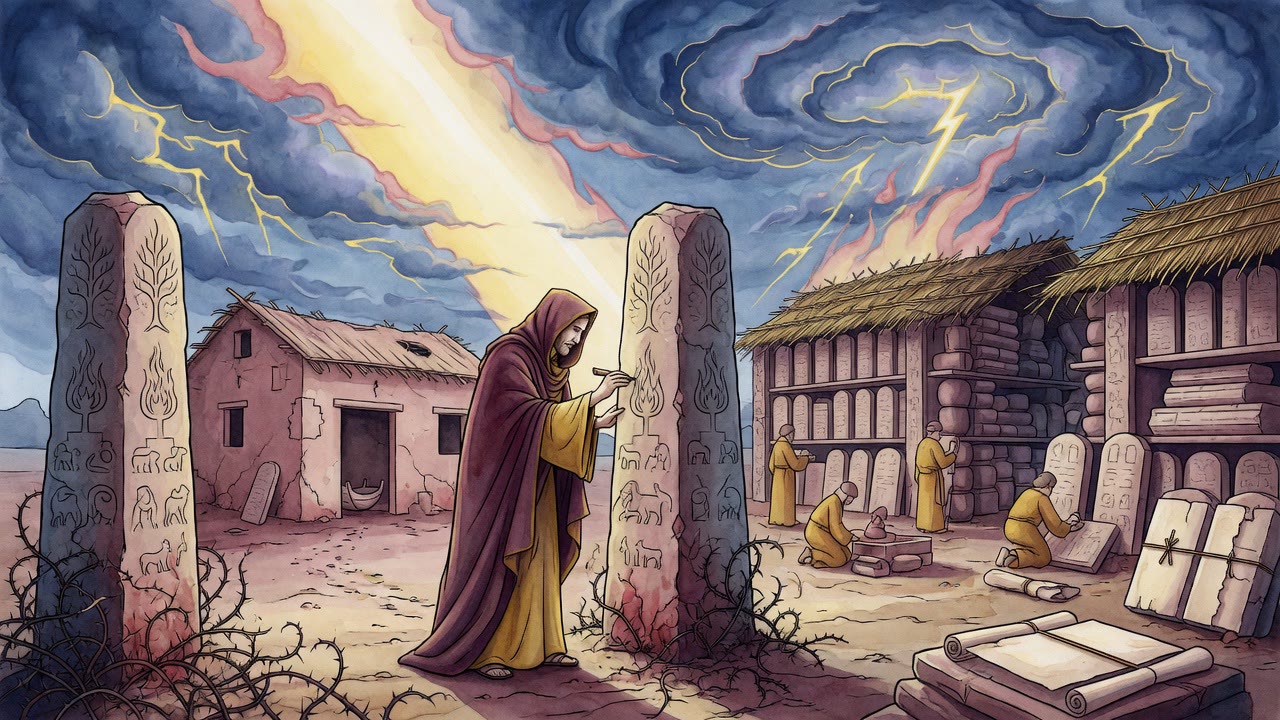
At 930, Adam called his children close as sickness entered the world. Seth offered Paradise fruit, and Eve begged to share the pain.
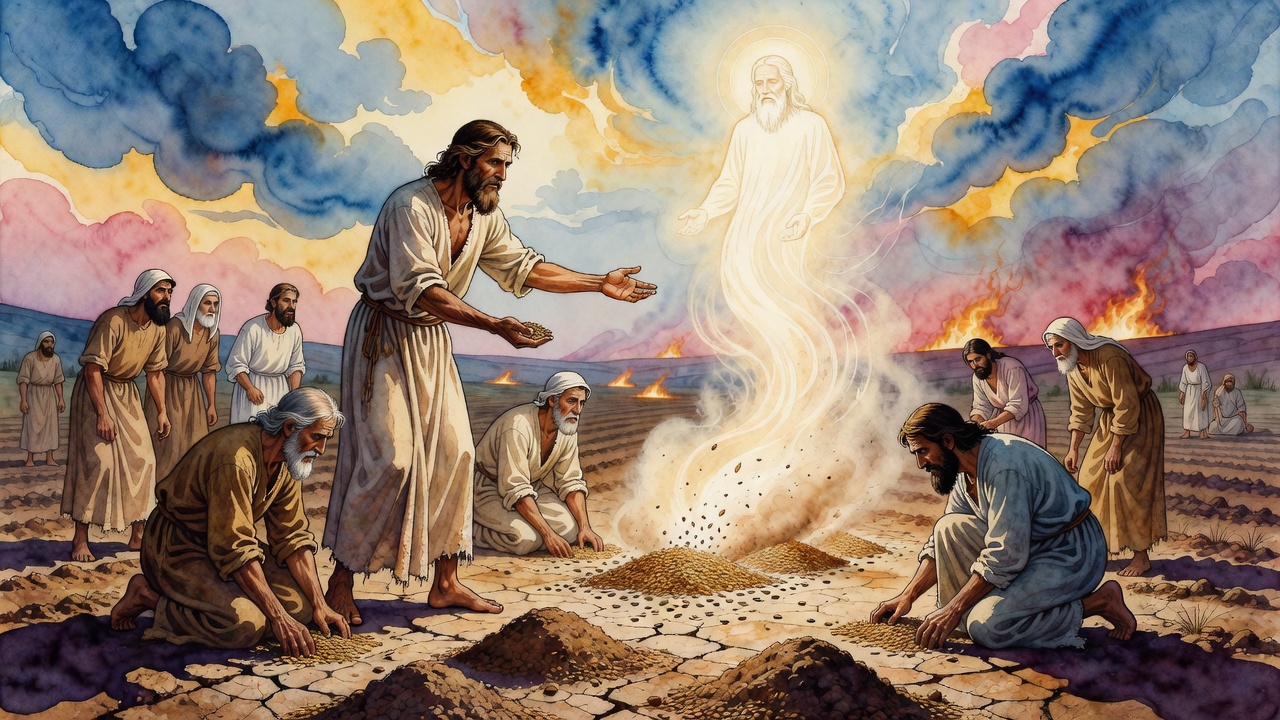
Rain hit the roofs on the first of Nisan. The last grain was still in the sacks. Joel told the hungry to bury it in the fields.
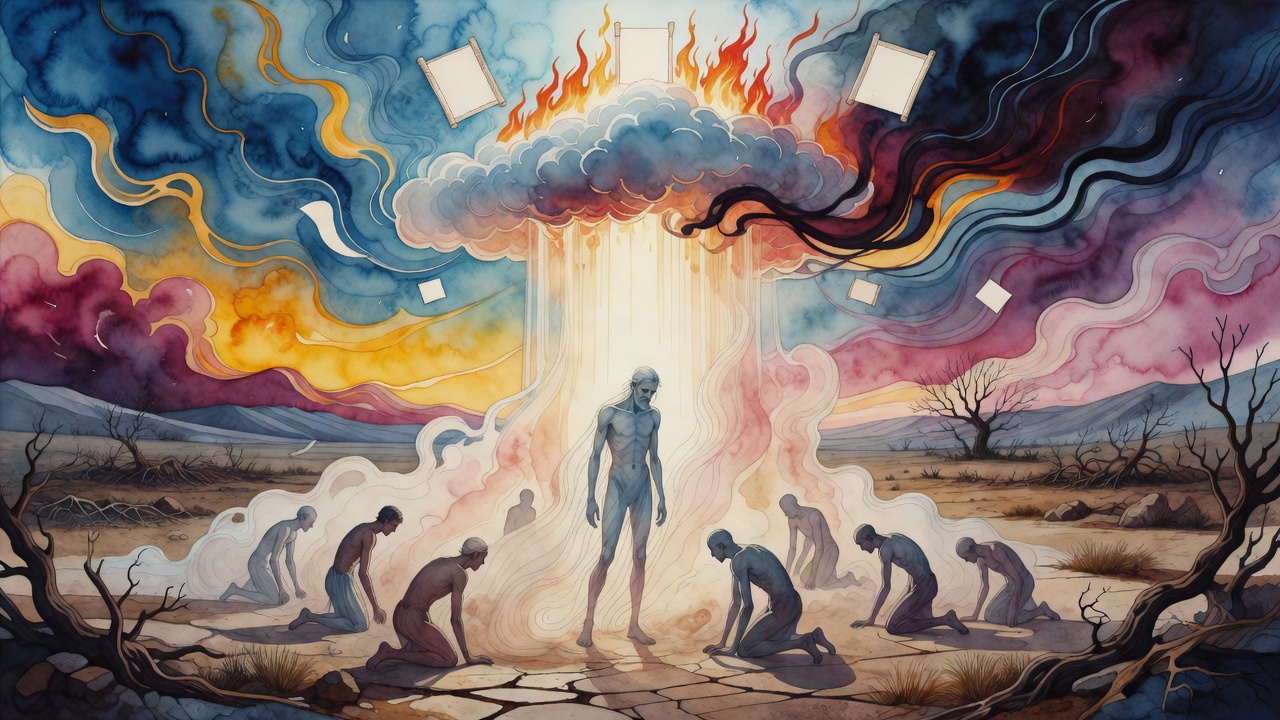
Thirty years after the first king fell, the rain stopped. David sent the people looking for idols. They came back with nothing in their hands.
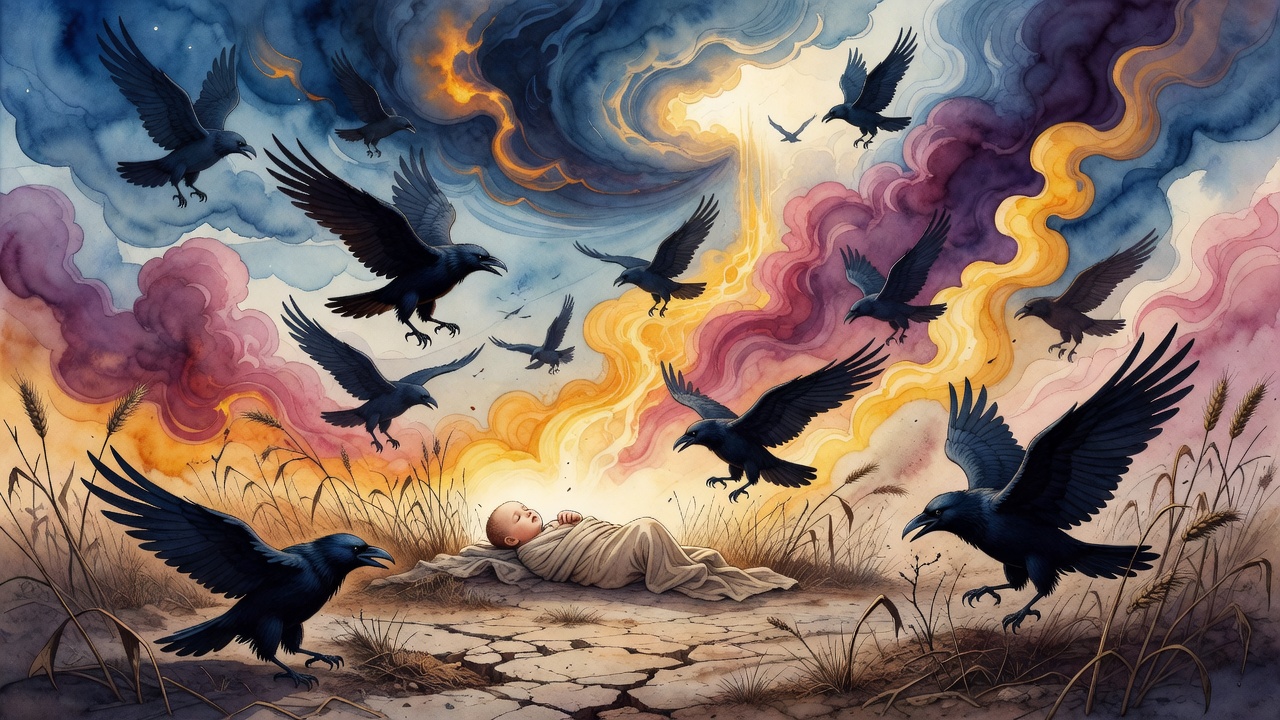
The seed never made it under the soil. Ravens took it off the surface the year Terah was born, until the fields went hollow.
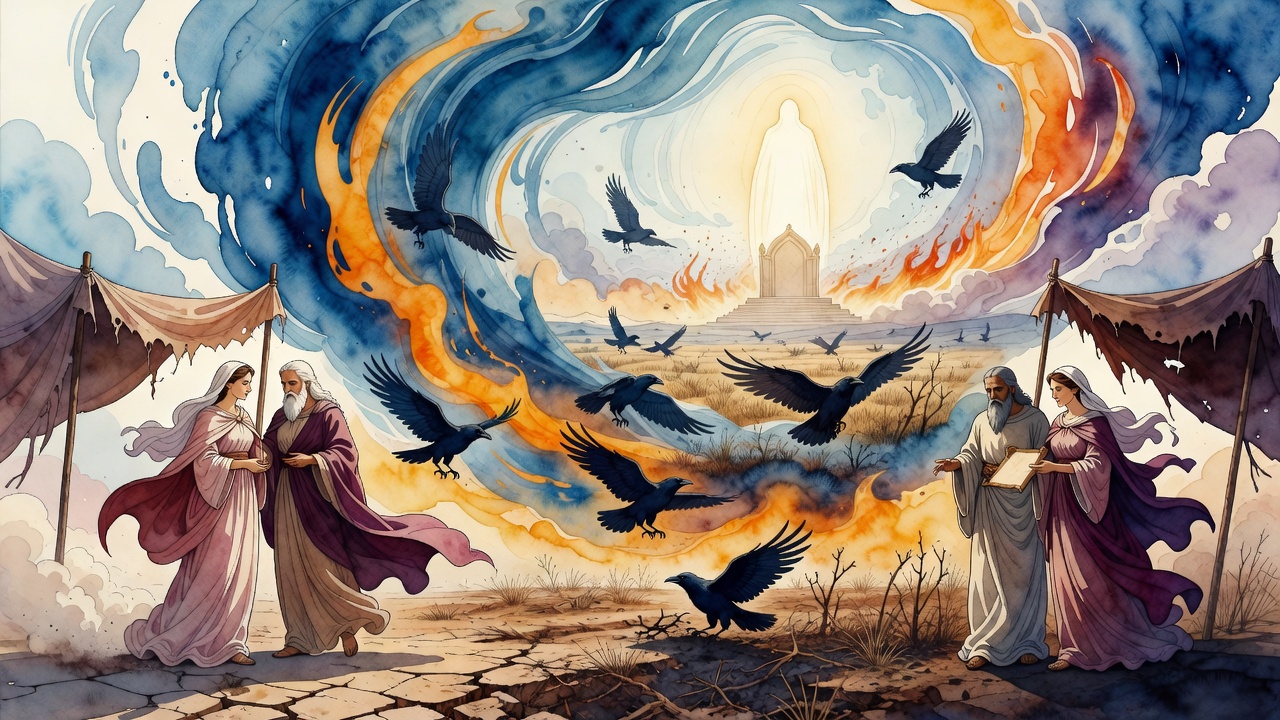
Terah married twice in the years Mastema's ravens stripped the fields bare. The hungry world he survived was the one he passed on to Abraham.
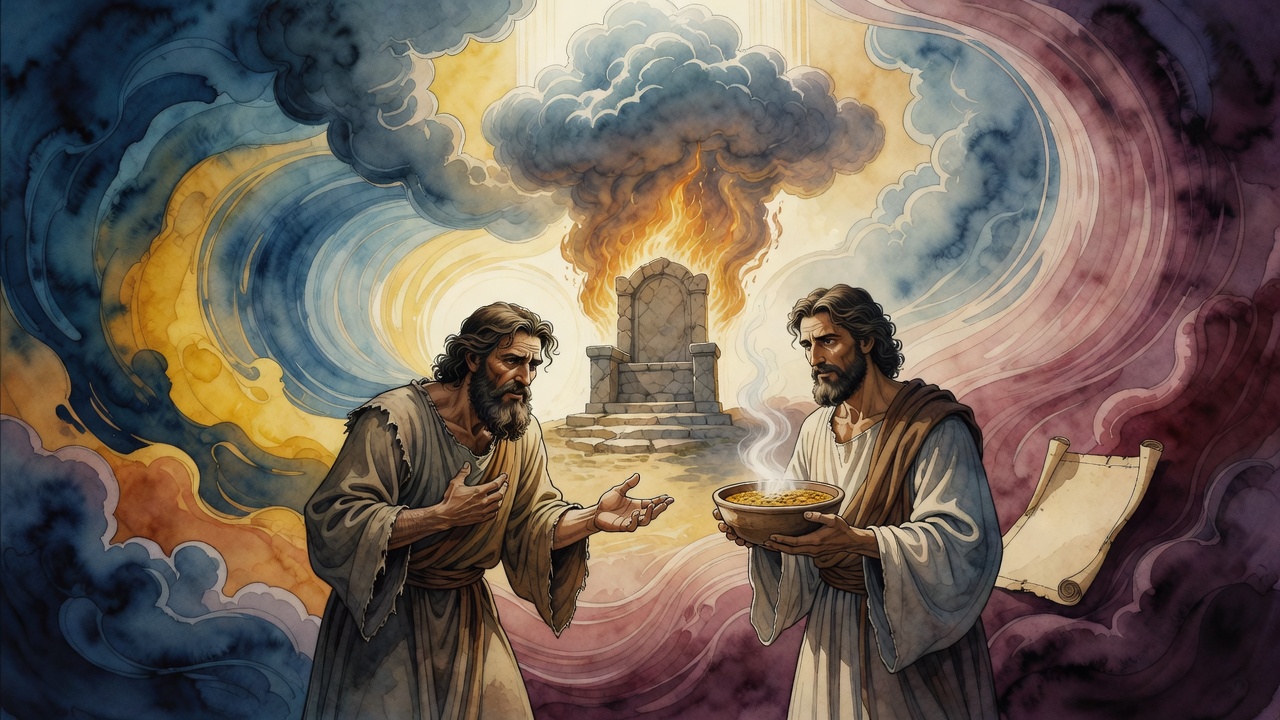
The soup was real. So was the hunger. But Jubilees and the Midrash say Esau traded away his burial place beside the patriarchs along with his inheritance.
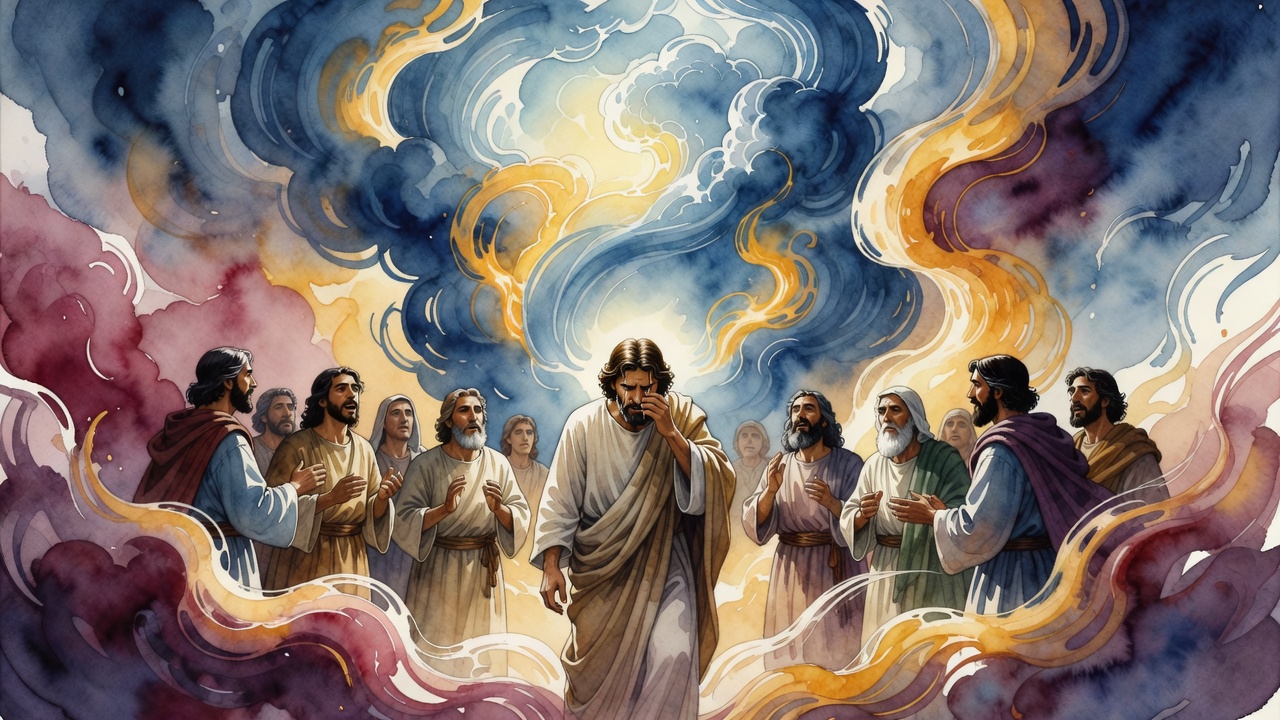
Joseph sent every Egyptian out before he wept. Twenty years of silence broke the moment only his brothers were left to hear it.
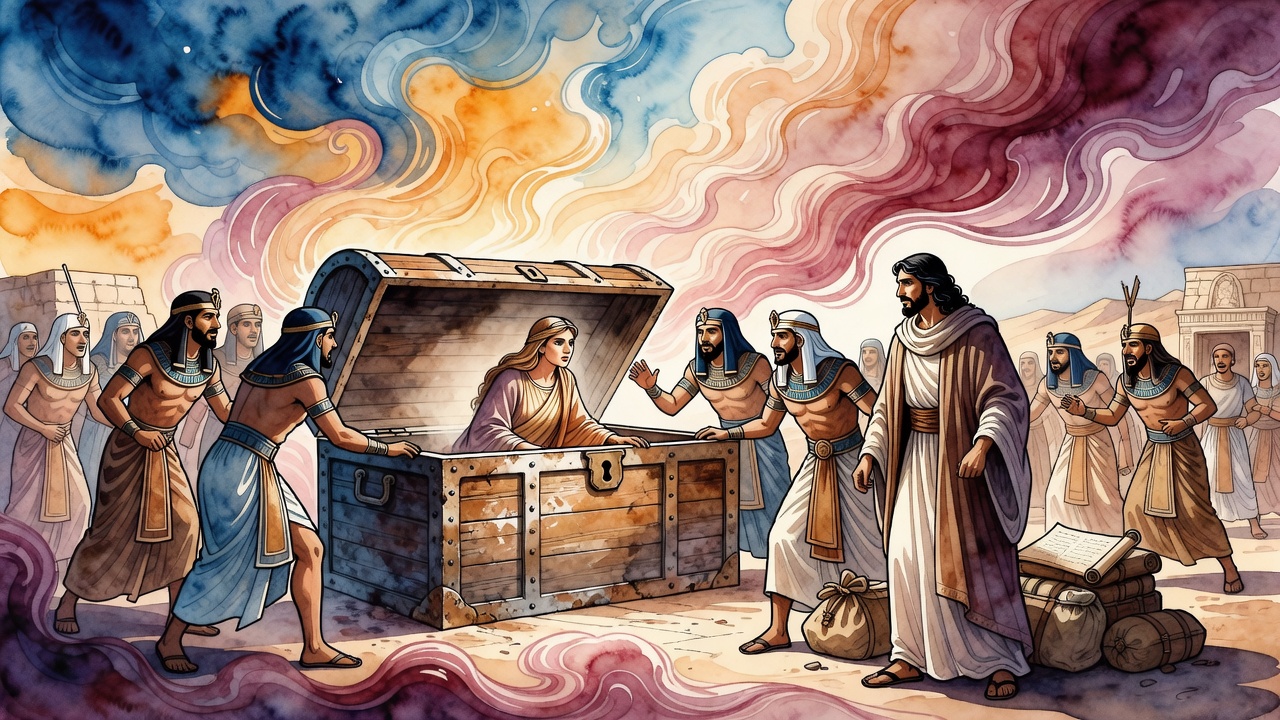
Clothing, Abram told the official at the border. He paid that toll, then the toll for silk, then more. Then the lock came off and light filled Egypt.
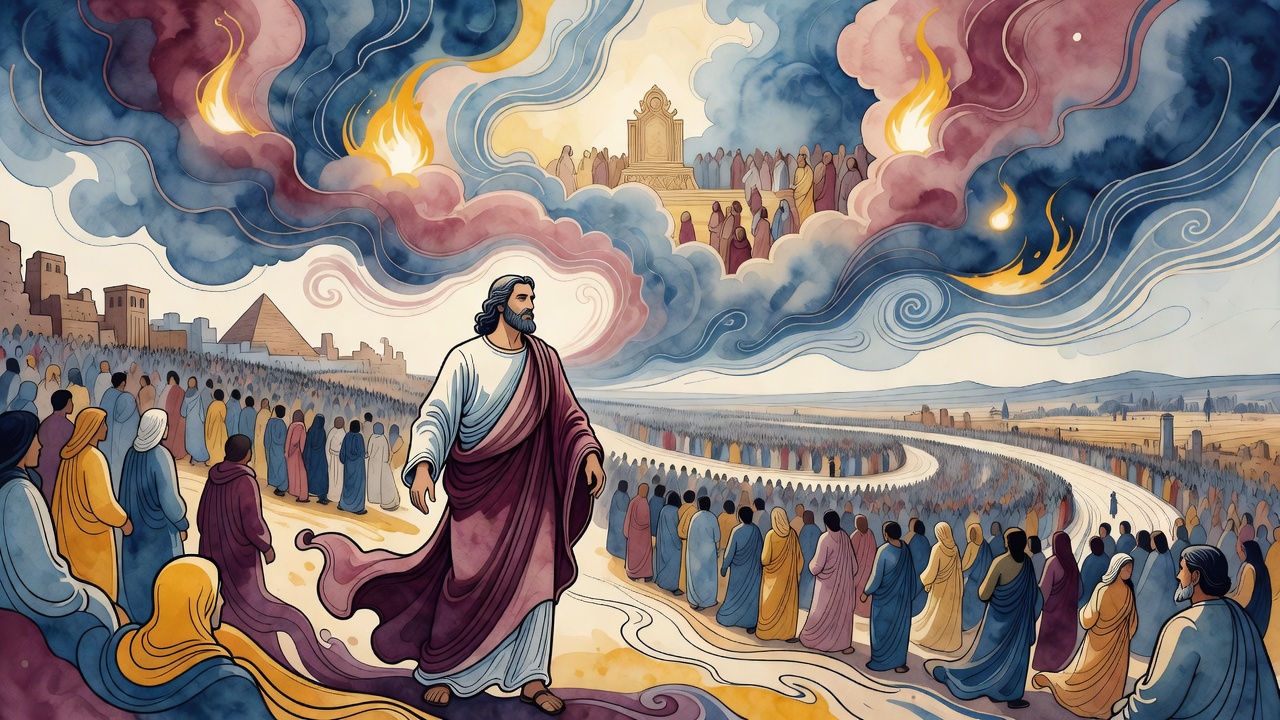
Egypt had sold him its silver, its cattle, and its fields. Then Joseph emptied its towns and moved the whole population, and his brothers never learned why.
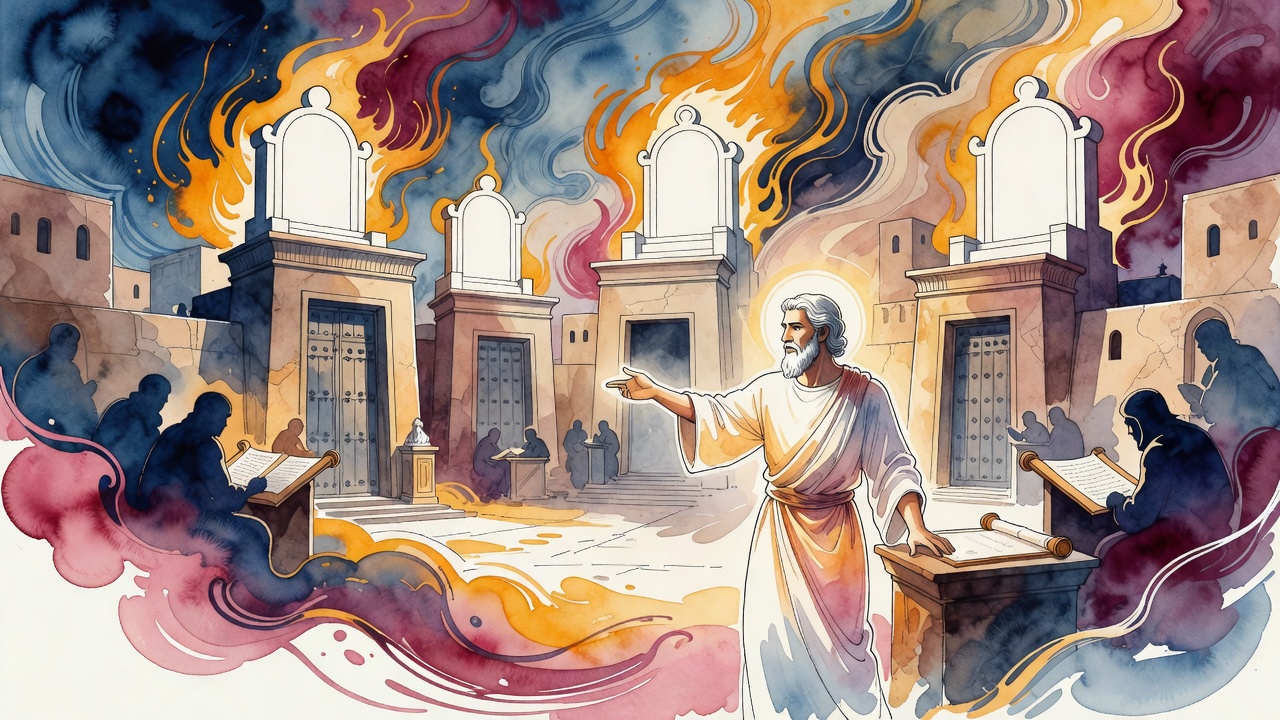
Genesis says Joseph's brothers did not recognize him in Egypt. The Aramaic tradition says Joseph spent years posting scribes at every gate to find them.
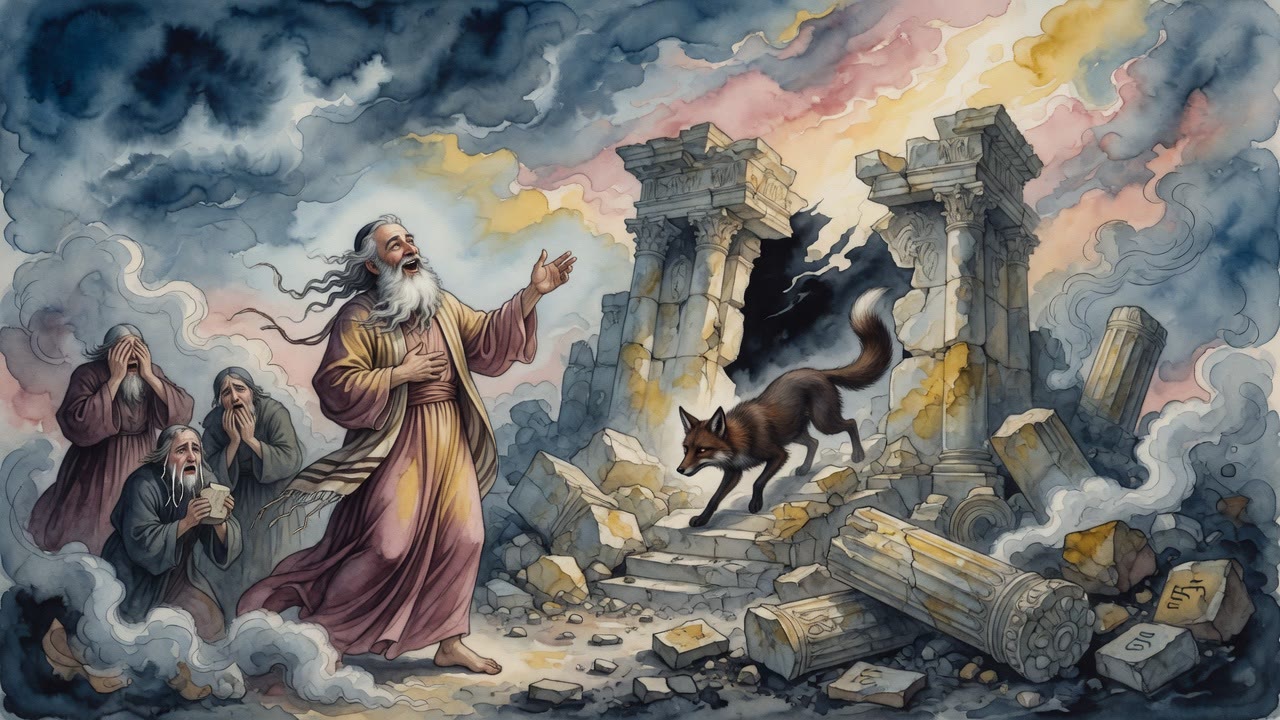
Eikhah Rabbah follows Jerusalem's wealthy through the siege from golden baskets lowered over walls to the shame of being called impure in the nations.
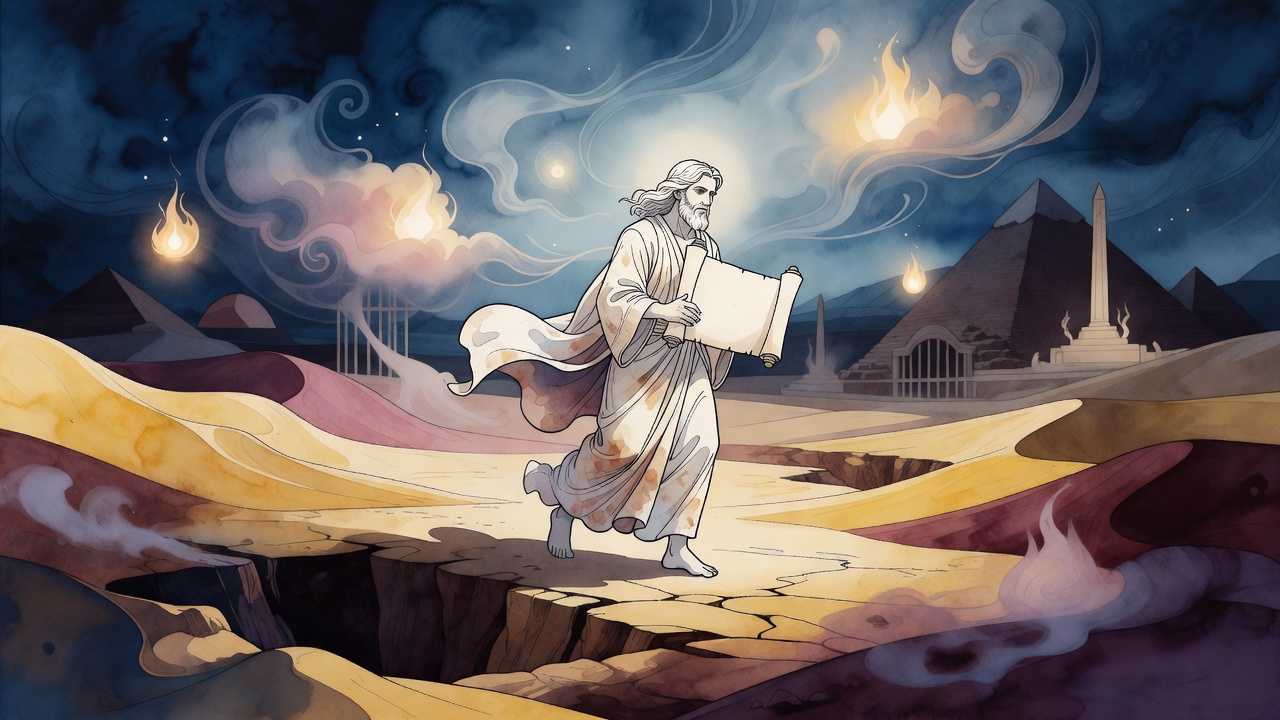
The iron sat under his neck so he would look at her. Joseph kept his eyes on the wall and answered her with a psalm.
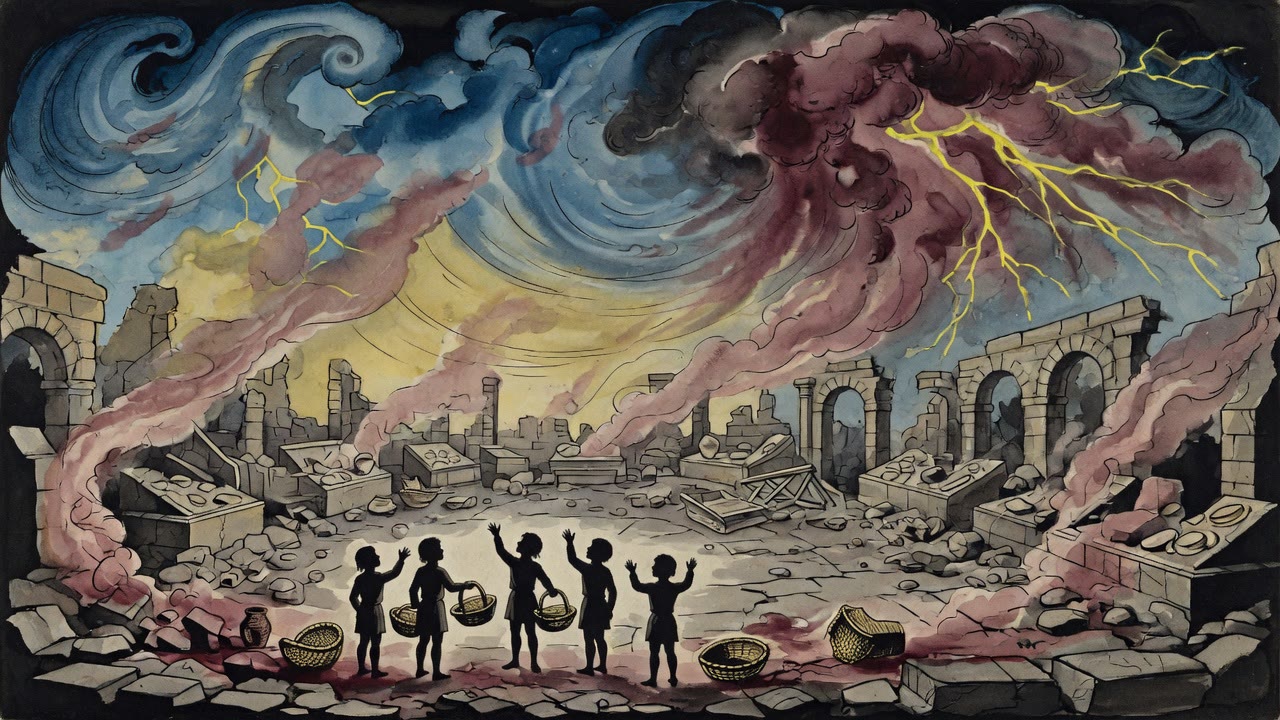
Eikhah Rabbah faces the siege famine through children who remembered abundance, a stream that ran dry, and women who gave away their last loaf to a mourner.
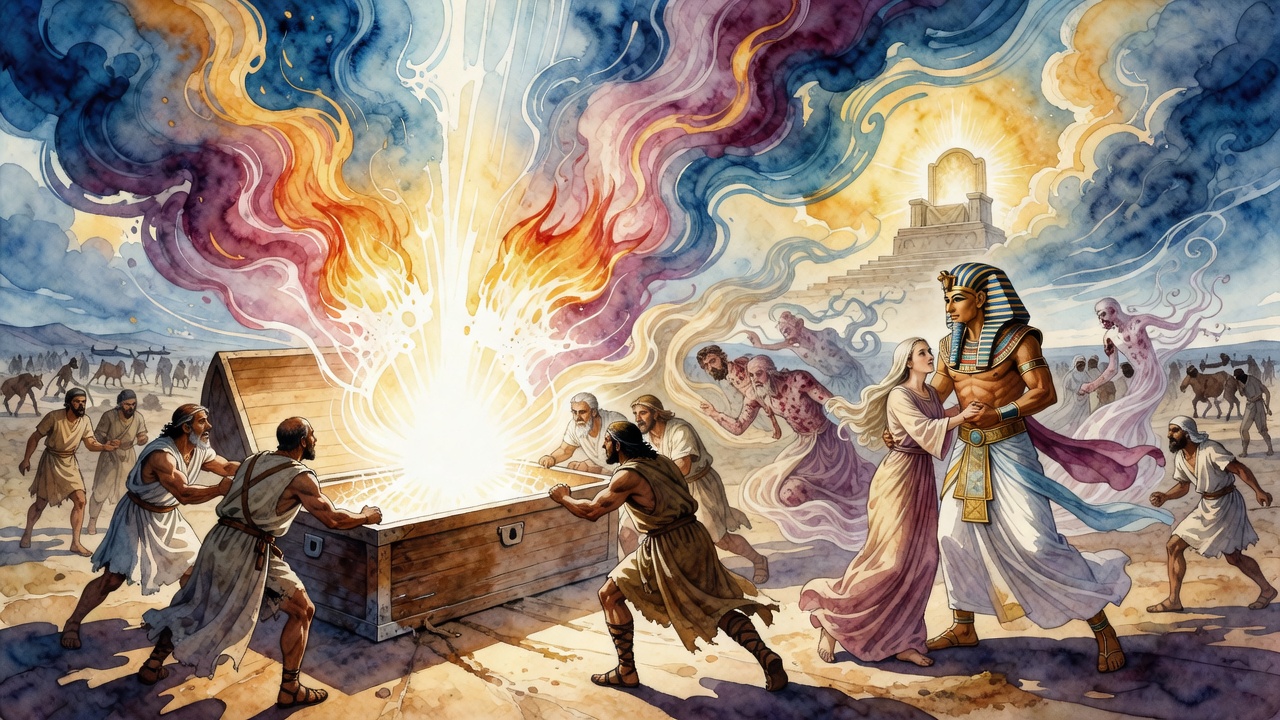
He paid for barley, then wheat, then gold. They forced the lid anyway. An angel waited in Pharaoh's room with a stick.
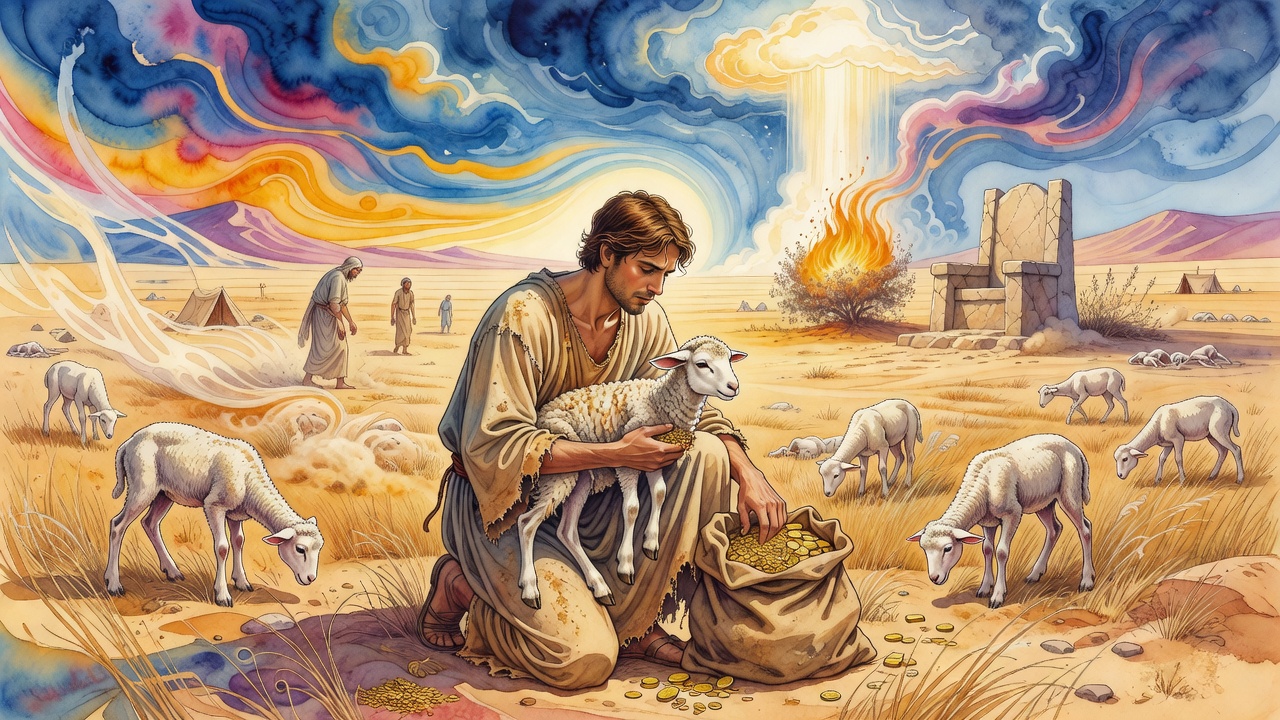
Jesse's outcast son fed lambs the tender grass first. Years later a famine walked Israel, and the Temple gold stayed locked while people starved.
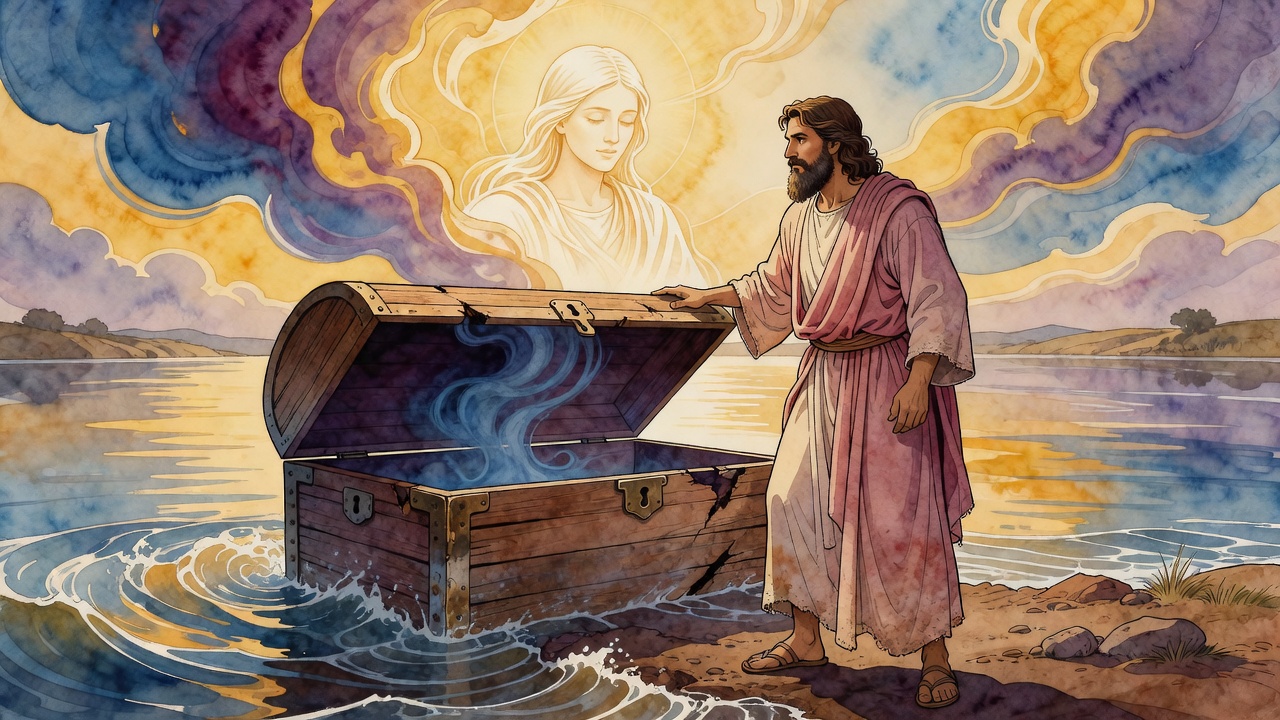
Famine drove them to Egypt. At the river Abraham saw Sarah's face like the sun, locked her in a chest, and bargained tax rates until the lid was forced open.
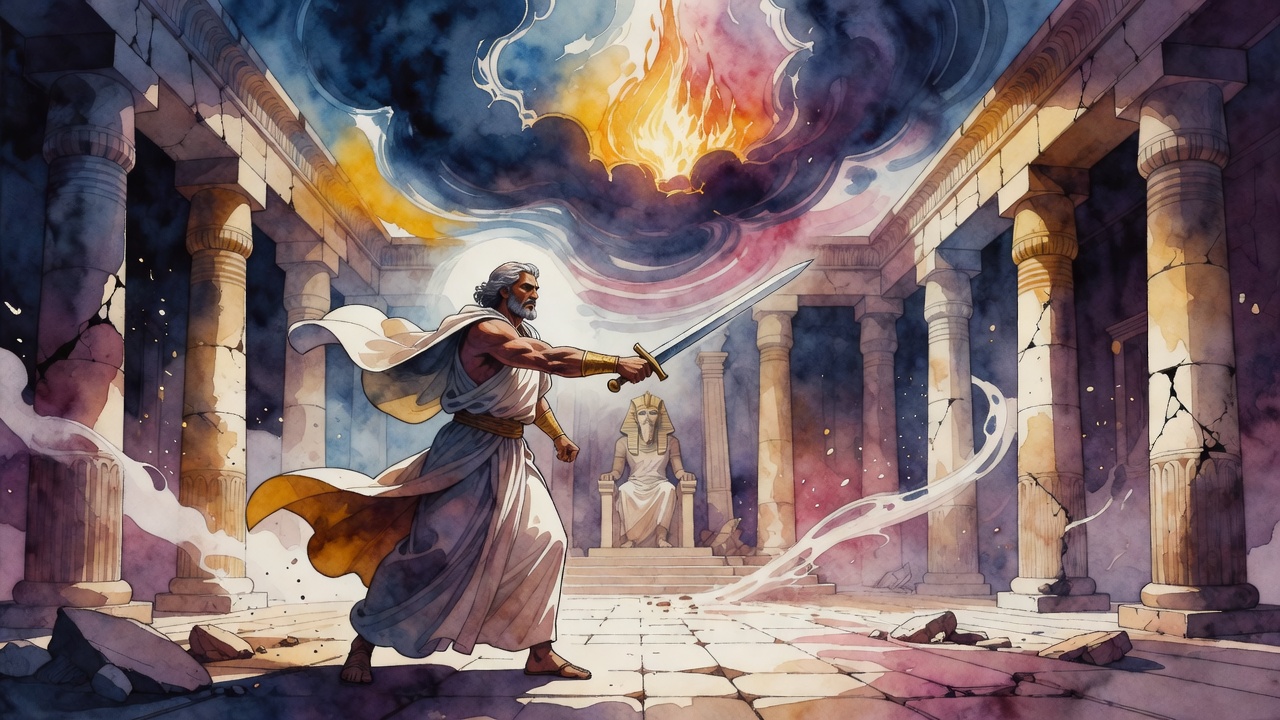
The cup rose out of Benjamin's sack, planted the night before. Back in the hall, Manasseh stamped his foot once and the whole palace shook.
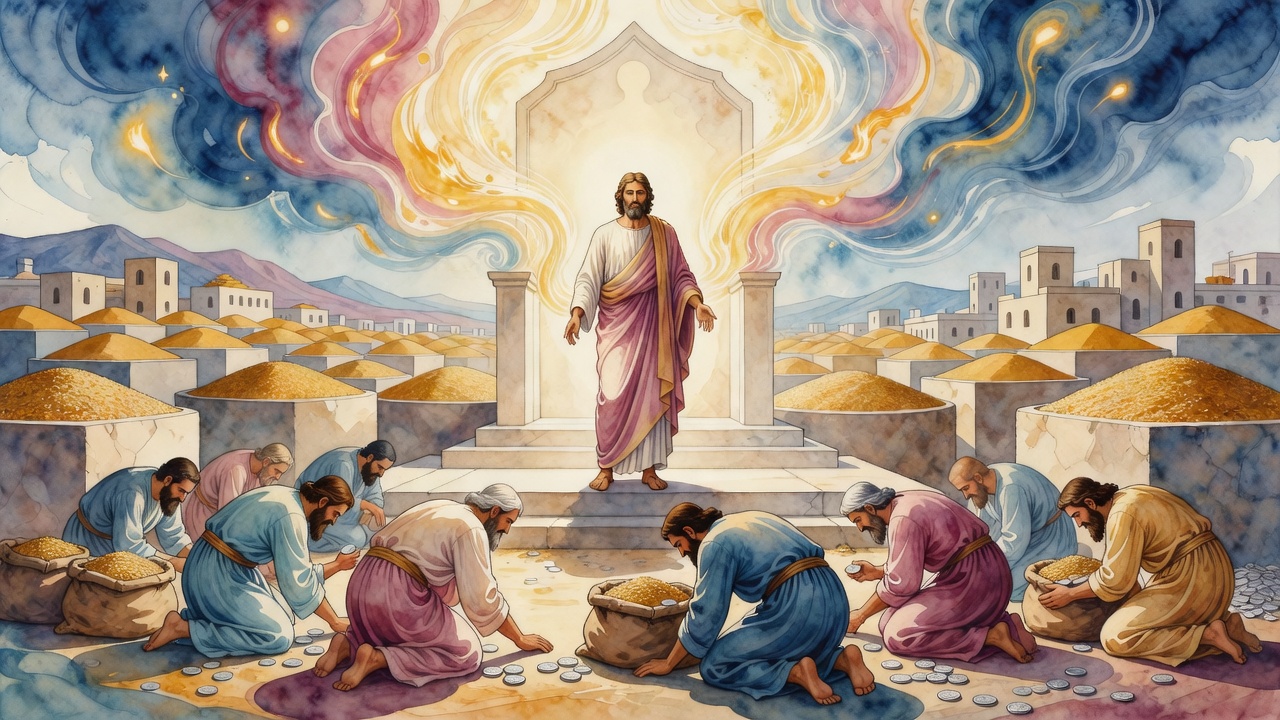
The famine grew sore in Canaan. Jacob saw silver back in every sack. He would not send Benjamin until the house had no bread left.
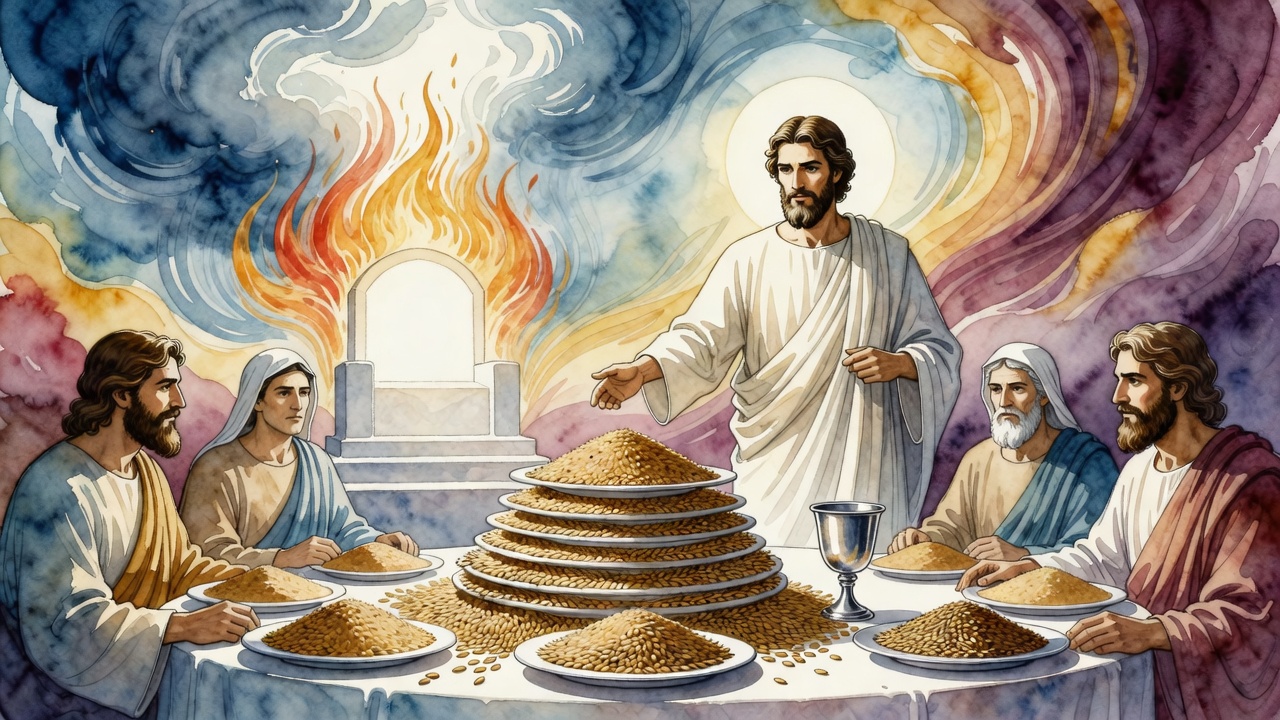
Jacob would not send Rachel's last boy down to Egypt. At the table a man they did not know piled Benjamin's plate seven times higher than theirs.
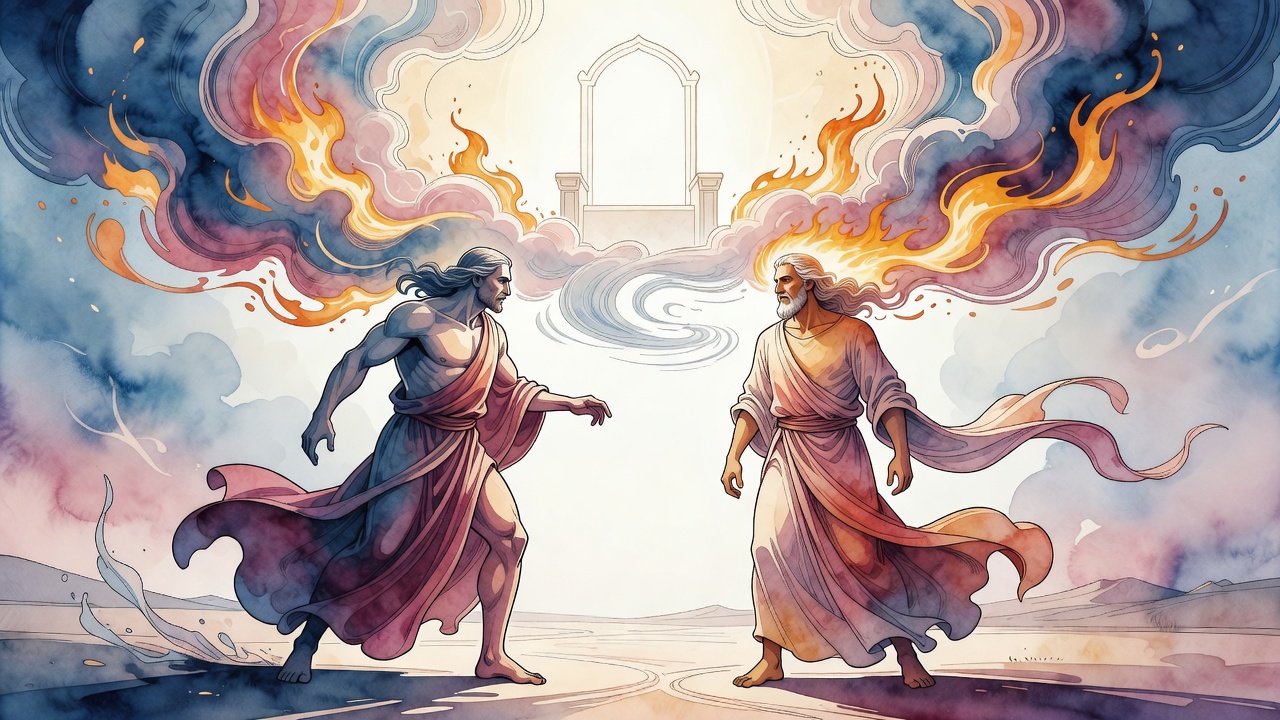
For eight years Cushan pressed the land. They said he was Laban returned. Othniel kept the law, then entered Paradise alive.
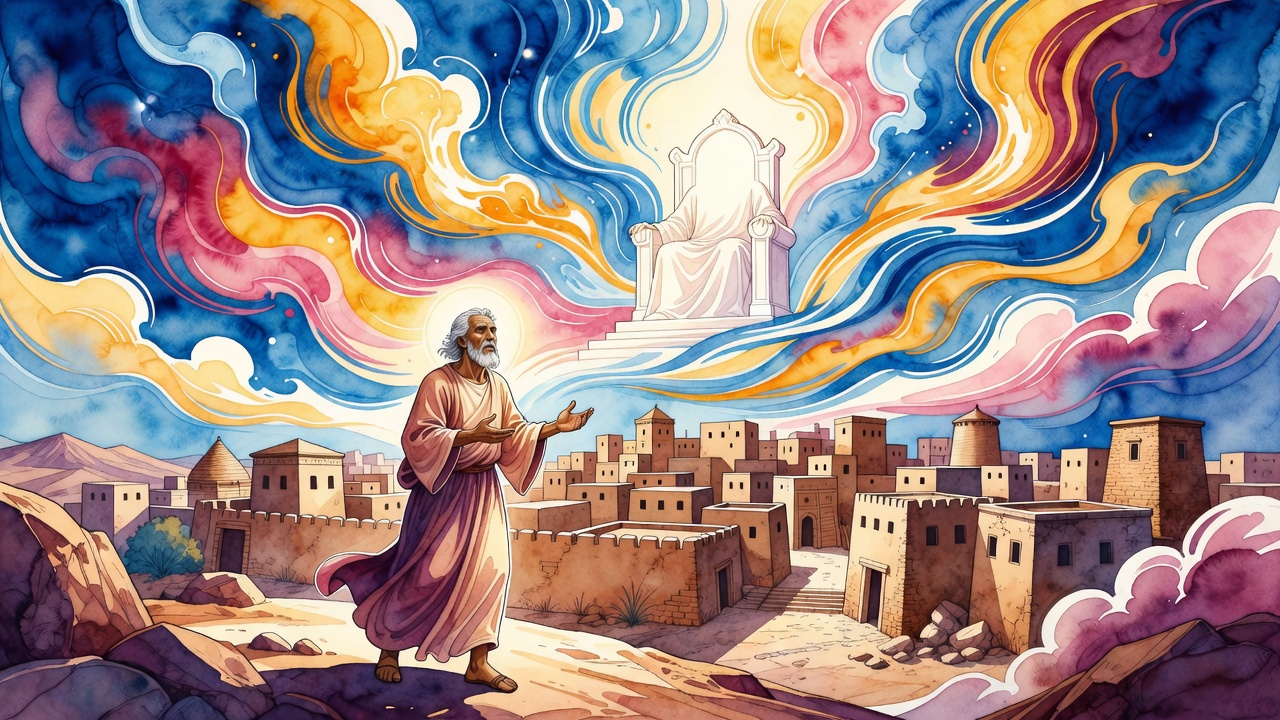
No slaves through the border. Nobody entering with two donkeys. Every traveler documenting his lineage. The rules were written to make ten men walk in.
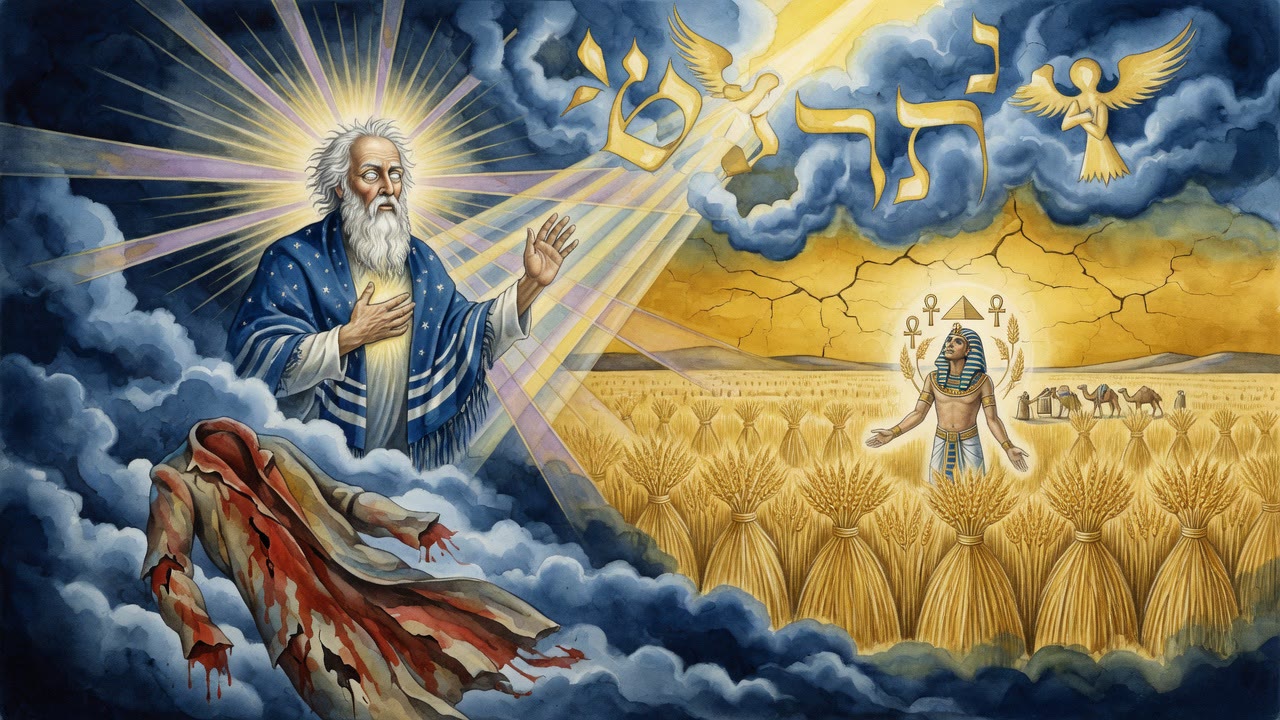
Ten grown sons hung back from the road to Egypt. Their father hoped past the bloody coat, then sent them off with the name of the God who says Enough.
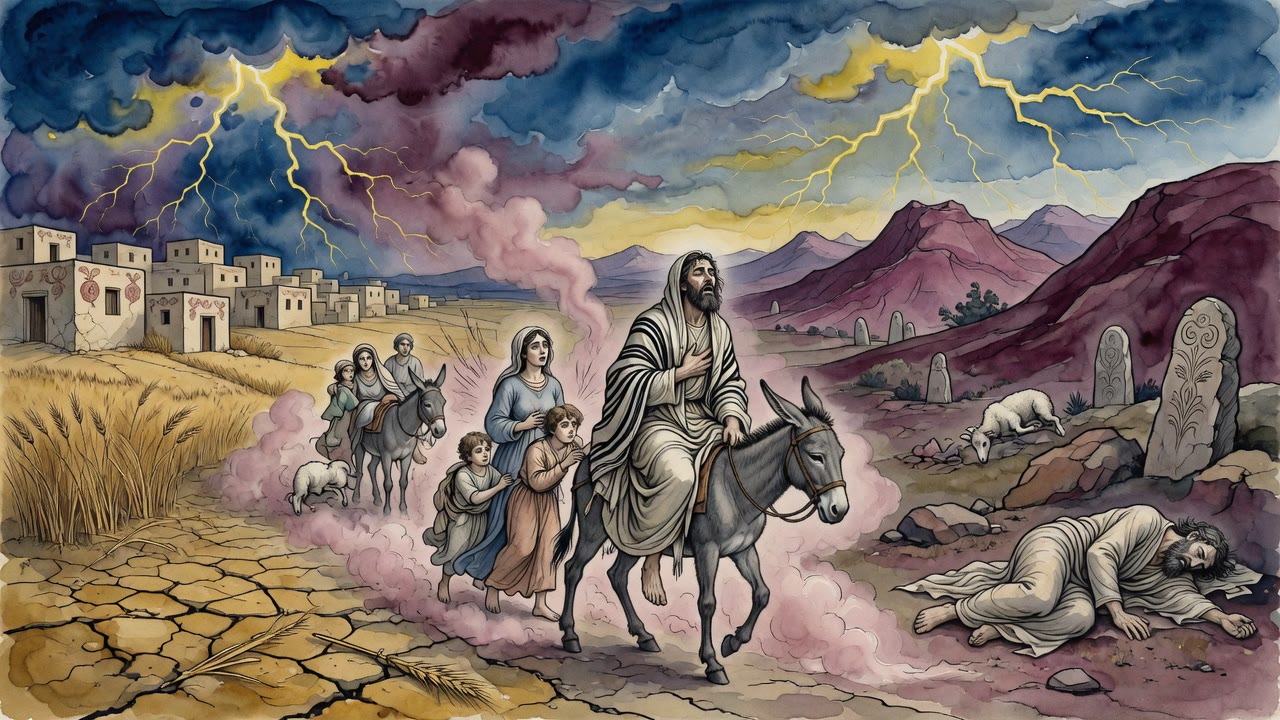
Bethlehem's prince crossed into Moab to keep his grain. Heaven took the herds first. Then five words finished him, and the house he had saved was gone.
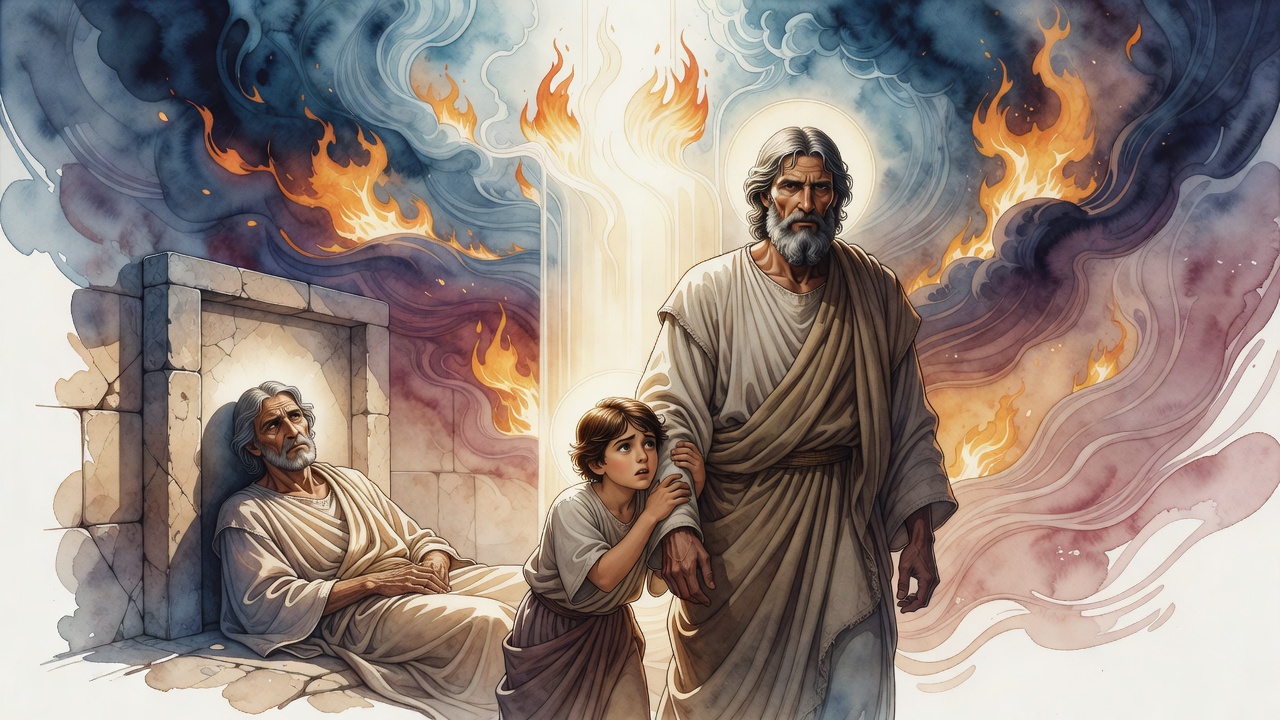
Simeon sat in an Egyptian cell. Benjamin clung to Jacob's sleeve. Hunger pressed the house until Judah forced the choice.
