Saul Was Born Too Early and David Cursed Him by Mistake
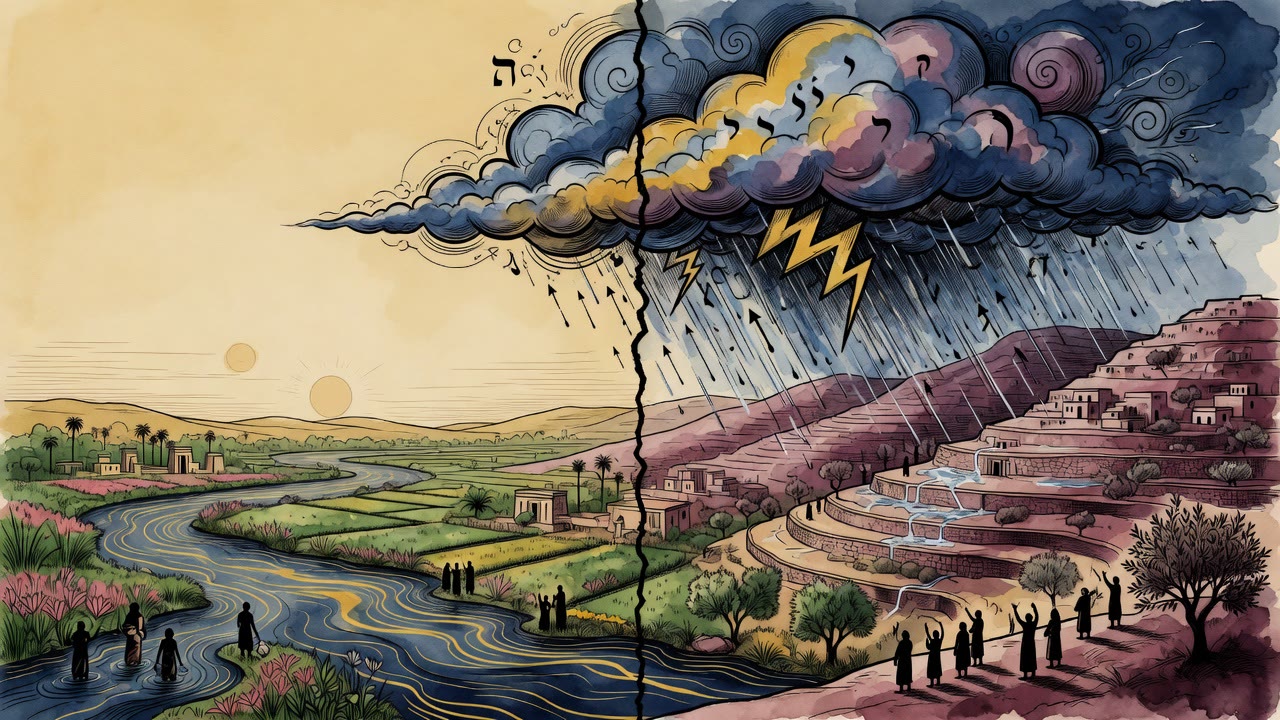
Thirty years after the first king fell, the rain stopped. David sent the people looking for idols. They came back with nothing in their hands.
Table of Contents
 Click for full size
The Rain Stopped After Thirty Years
The sky closed long after Saul was buried.
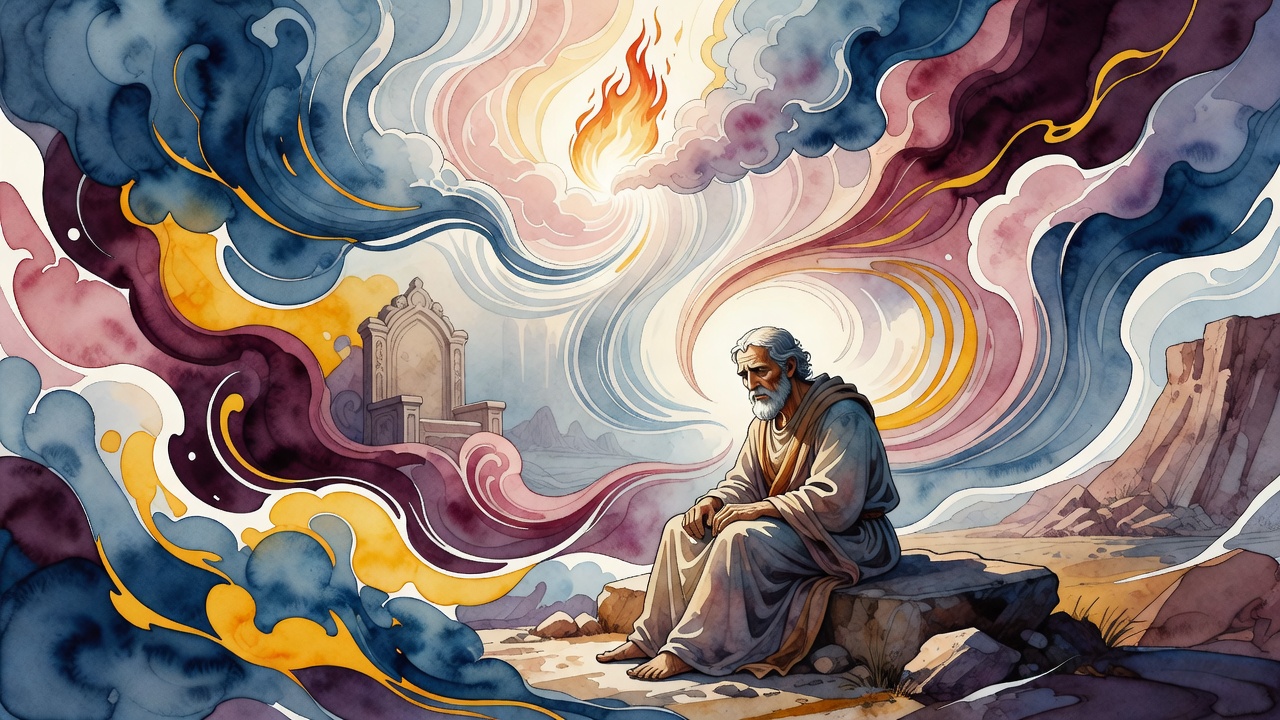
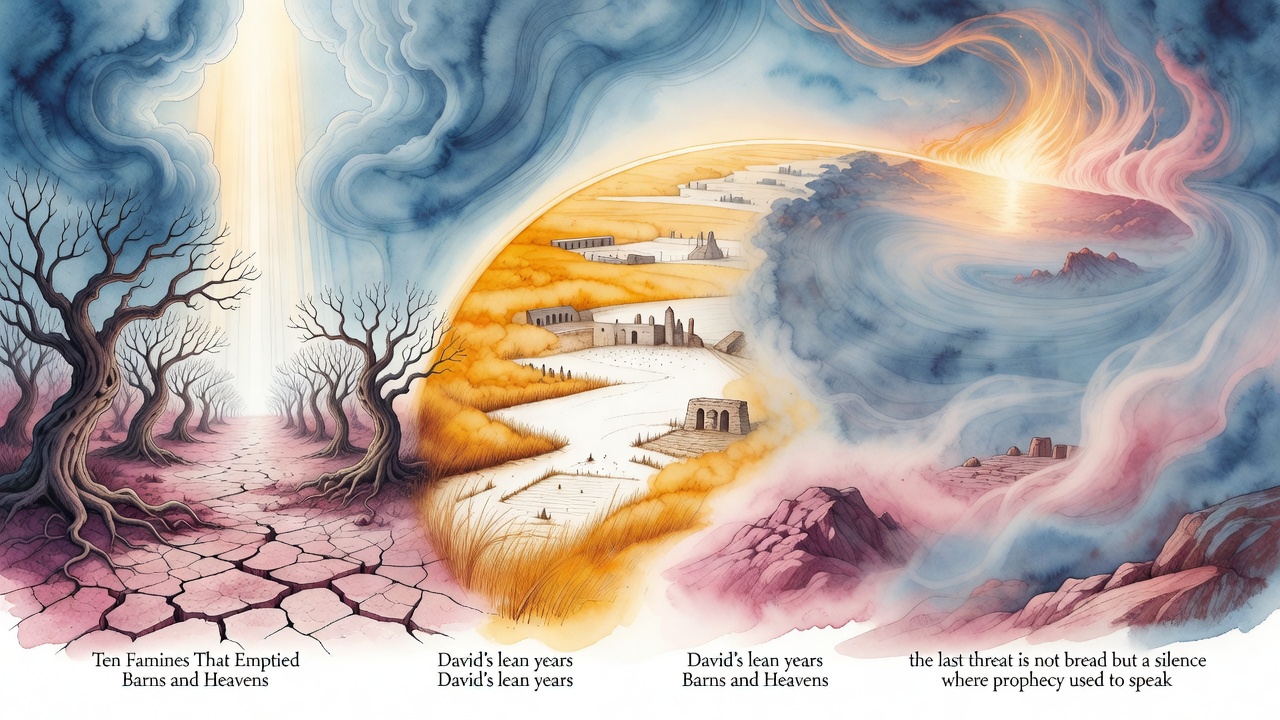
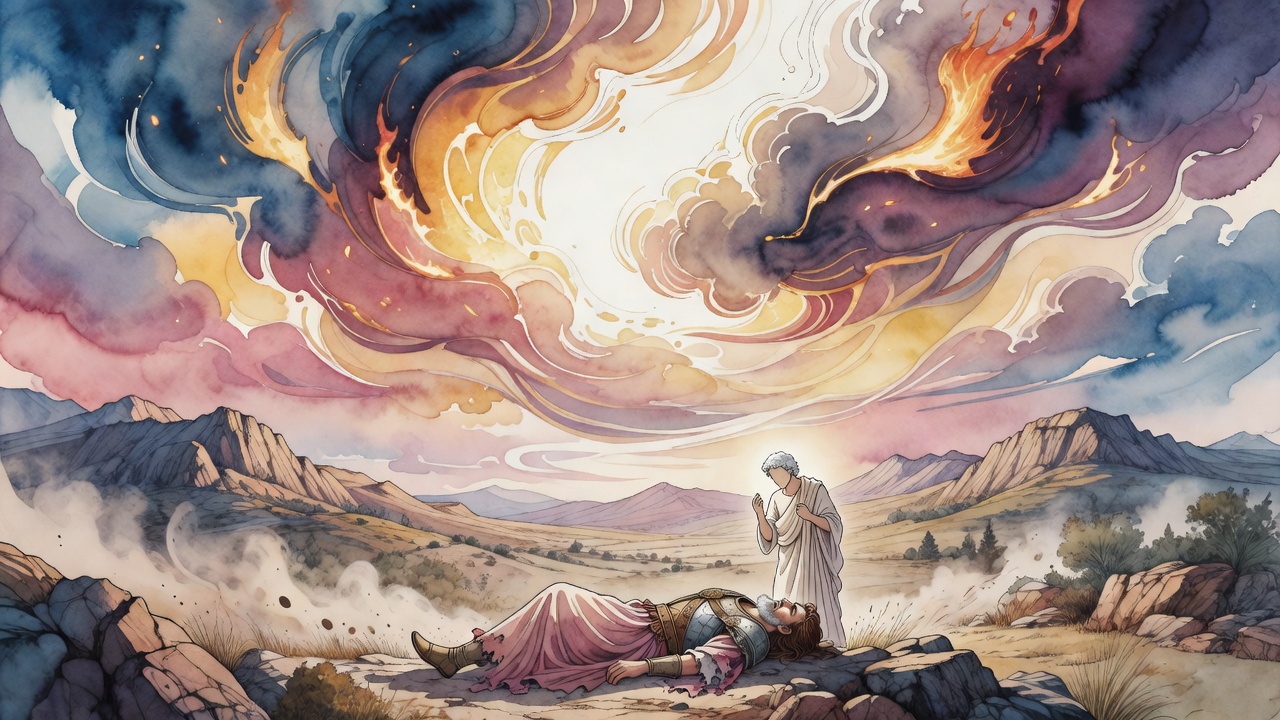
Thirty years had passed. His body had been taken down. His sons had fallen with him. Another king sat in Jerusalem. Men who had been children at Gilboa now had children of their own. Then the rain stopped. One year of hunger can be endured with clenched teeth. Two years turns every field into accusation. By the third, even the stones seem to ask what the living have refused to remember.
Saul had entered Israel like an answer before the people understood the cost of the question. He was tall, chosen, anointed, and thrown into a crown while the nation was still learning what a crown could do to a man. The first king always carries more than his own soul. A broken vessel can still be holy if oil once passed through it. Saul could rage. Saul could fear David. Saul could fall on the battlefield. None of that erased the oil.
They Found No Idols
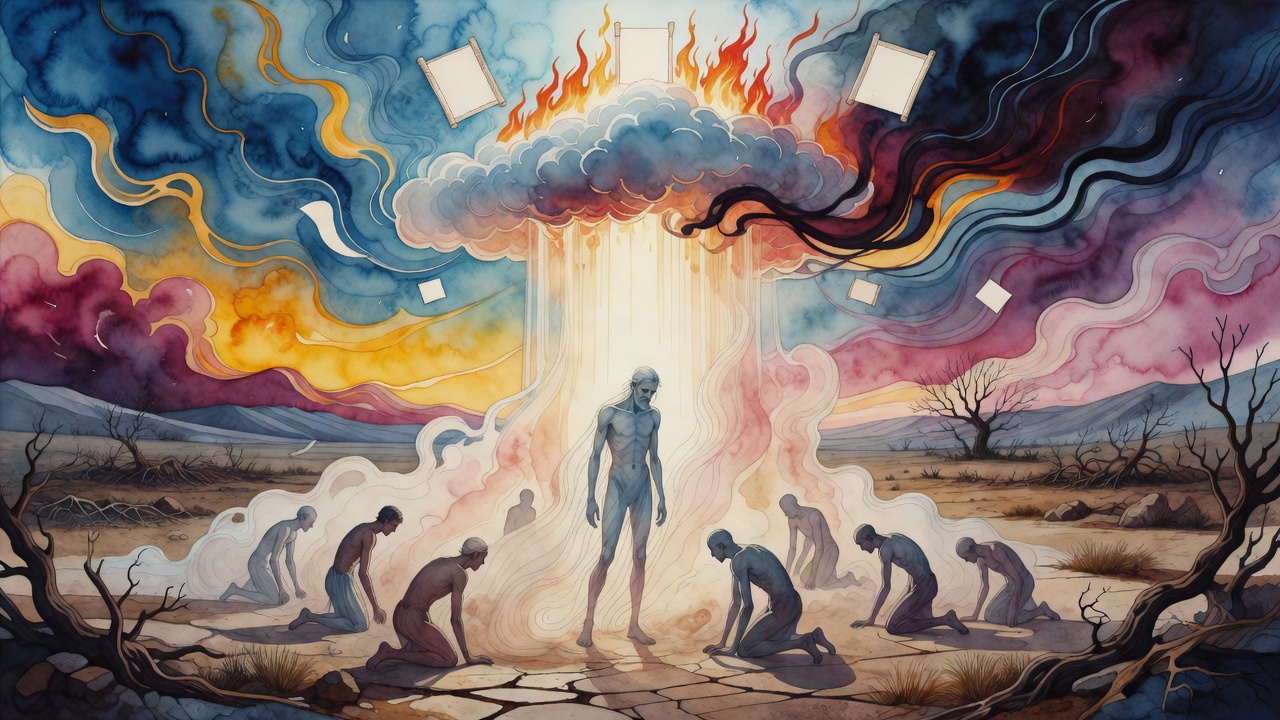
David did what a king is supposed to do when the land begins to starve. In the first year all Israel went up for the festivals. David sent them out. "Go and look if perchance there be among you some who worship idols." Rain has its covenantal memory. The Torah had already warned that false worship could seal the heavens (Deuteronomy 11:16-17). The people went out and looked.
They found nothing.
The first year ended without an answer. The second pressed harder. The third made every pilgrimage feel like walking through a question. David could not feed Israel by guessing. He had to learn what the land knew and the court had forgotten.
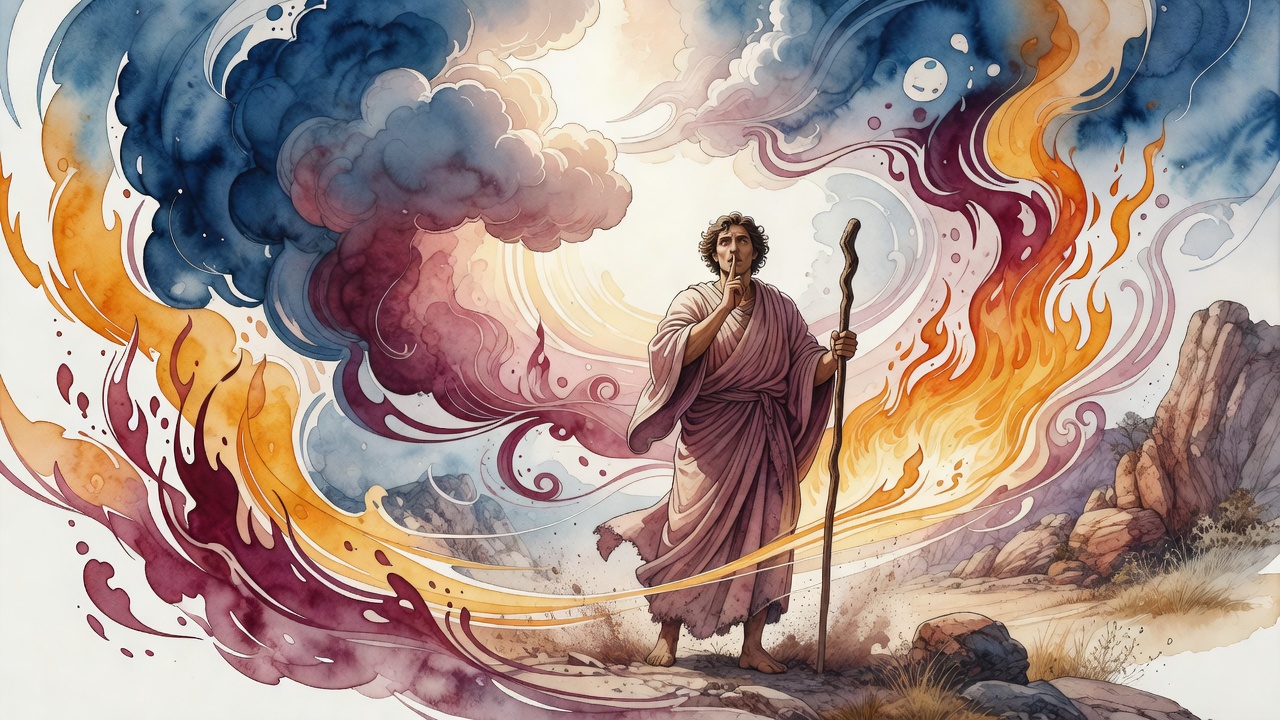
At the sea, long before, Moses had told Israel to stand still and be quiet, because God would fight. Pharaoh had drawn close, and the people had finally cried out, and that cry was the voice God wanted. David had been sending search parties. Heaven wanted a different motion. Not a hunt for idols that were not there. A name the house had tried to leave in the ground.
The Land Still Held Saul
Israel had moved on because nations have to move on. Fields need sowing. Children need names. Armies need captains. A new king cannot spend every morning staring backward at the bones of the old one.
The land was less practical.
It held Saul's name under the surface. It held the dishonor done around his death, the violence connected to his house, the unresolved weight of an anointed man and his sons left inside history without full repair. When the rain failed, the land was not merely dry. It was testifying.
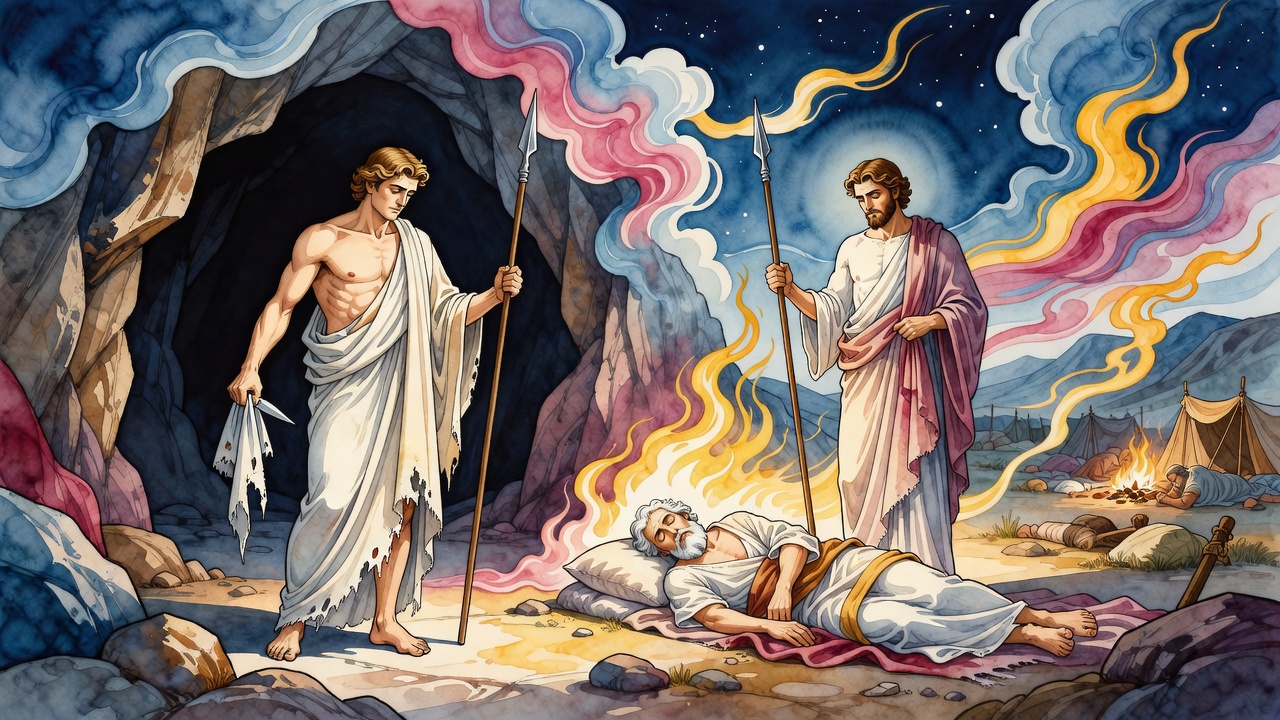
David had survived Saul. He had refused more than once to strike him when he could have. He had cut the corner of a robe and regretted even that. He had known, in the cave and in the camp, that a hand raised against the anointed king could stain a man forever. Now the famine forced the whole nation to reckon with the same rule after Saul was gone.
A Prayer That Named the Wrong Man
Saul troubled David before the famine too. He troubled him inside prayer.
David cried for enemies to be shamed and terrified, enemies who had hunted him and tightened the world around his life. He meant danger. He meant pursuit. He meant the men who had turned the field and the cave and the spear into a daily terror. Words do not always arrive in Heaven with the neat borders a speaker intended.
A bird can carry a voice. A wall can keep a whisper. An angel can lift a sentence no one else heard. So David's prayer rose, and the name Saul rose inside it. The saved man had named the danger he was saved from, and the Judge above the prayer heard a curse against the one He had anointed.
David found himself accused by his own psalm.
He did not argue that Saul had been harmless. That would have been false. He did not say the spear had never flown, or the chase had never happened, or the cave had not smelled of fear. David's defense was narrower and more frightened. Do not count my errors as open rebellion. He pleaded for the unmeant sin, the word that leaves the mouth hotter than the mind, the prayer that praises deliverance and accidentally bruises the memory of a king.
The First King Would Not Stay Buried
The rain did not return because Israel had forgotten Saul. The prayer did not pass unnoticed because David had survived Saul. The first king remained first. His crown had broken, but it had not become ordinary metal.
So Saul kept rising, not as a rival for the throne, but as a demand upon memory. He rose through a famine three years long. He rose through a rebuke in the middle of prayer. He rose whenever David tried to move forward without carrying the full weight of the man who came before him.
By the end, David had to learn a harder kind of victory. To survive Saul was not enough. To honor Saul while surviving him, to speak carefully of the man who had hunted him, to repair a wound the land still felt after thirty years, that was the work left for the king who came next. God had wanted a voice at the sea. In David's day He wanted a voice that could name Saul without a curse in it.
The fields waited. The first king's name was still in the ground, and the rain would not fall until someone spoke it right.
← All myths