Abram Hid Sarai in a Chest and Egypt Opened It Anyway
Clothing, Abram told the official at the border. He paid that toll, then the toll for silk, then more. Then the lock came off and light filled Egypt.
Table of Contents
 Click for full size
He Put His Wife in a Box
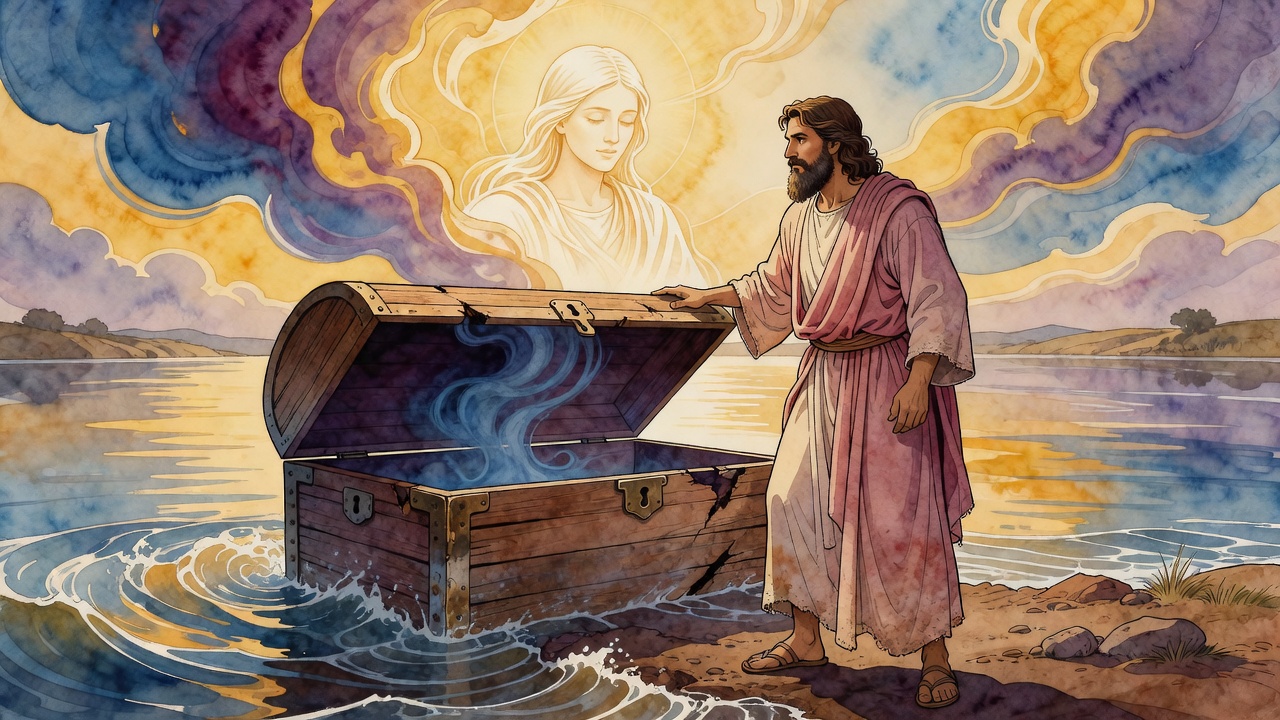
He put his wife in a box. The hunger that had driven them south from Canaan was one kind of danger. The danger at the border of Egypt was another. Abram had heard what happened to beautiful women at borders and in courts. He was greatly concerned, the text says, on account of the wickedness of the Egyptians. So he took Sarai and placed her in a chest and concealed it among the luggage and aimed himself at the Egyptian customs point and hoped the chest would not be opened.
He had been warned. The night before they crossed, he had dreamed of a cedar and a palm growing together, and men had come to cut down the cedar, and the palm had spoken: do not cut the cedar, for we are one. He woke understanding what the dream meant. The cedar was himself. He told Sarai: say you are my sister. Say it from the moment we enter Egypt until we leave. Say it to everyone who asks. The lie was fear dressed as strategy.
The Customs Official Who Opened the Chest
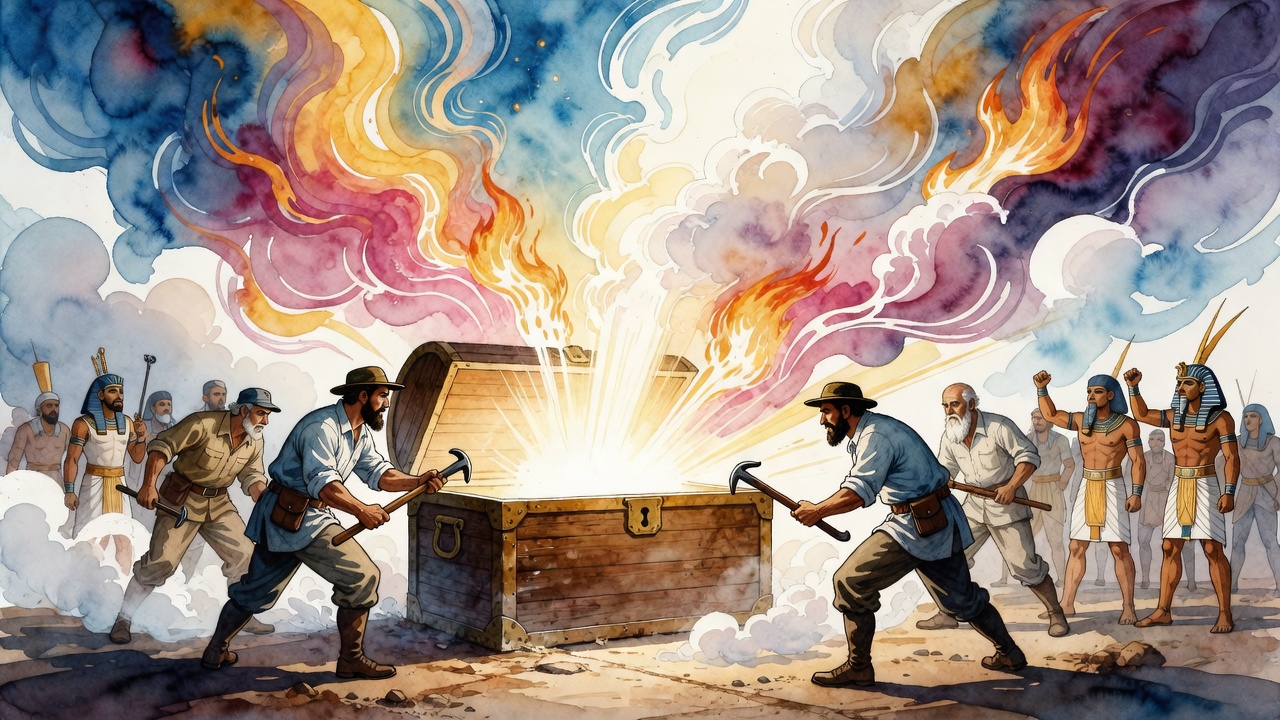
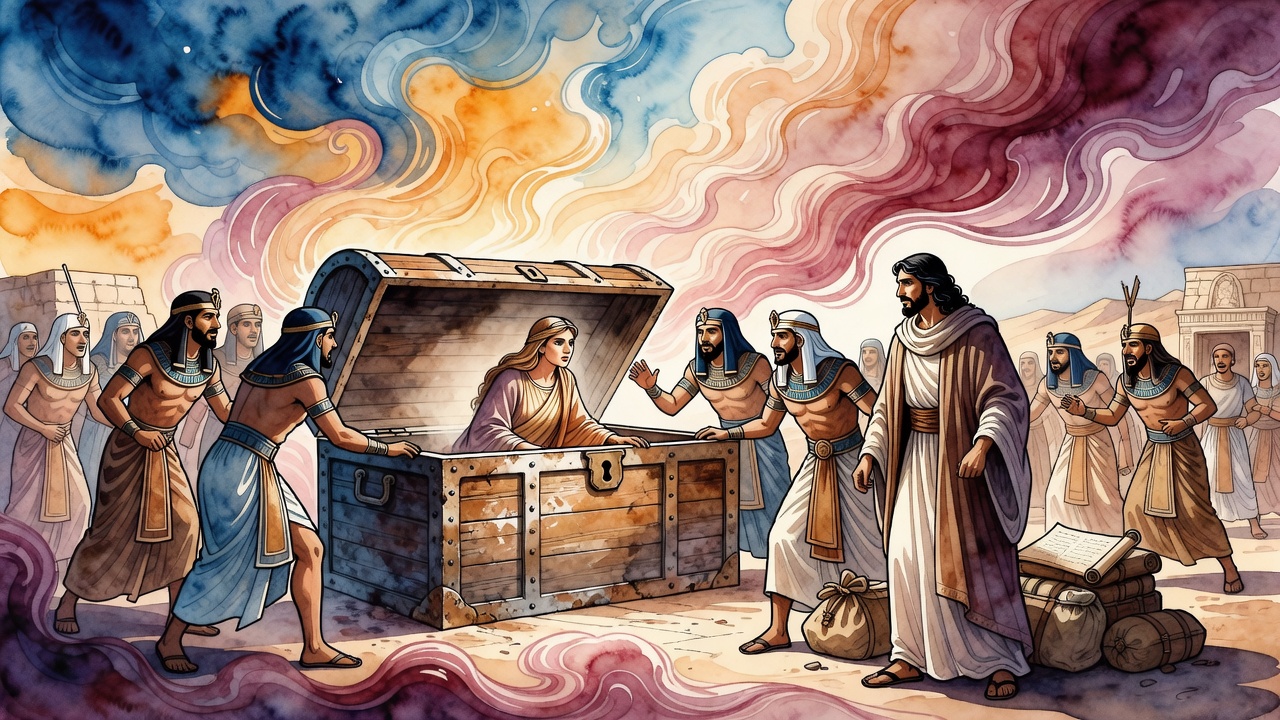
They reached the border. An official came to assess the toll on everything Abram was bringing in. He went through the baggage methodically. When he reached the chest, he noted its weight and asked what was inside. Abram said: clothing. The official said: then I will collect the toll on clothing. Abram paid it. The official said: these are the fees for silk. Abram paid for silk. The official kept naming categories and Abram kept paying, each time naming a richer material, until the official said there is something in this chest I need to see, and ordered it opened.
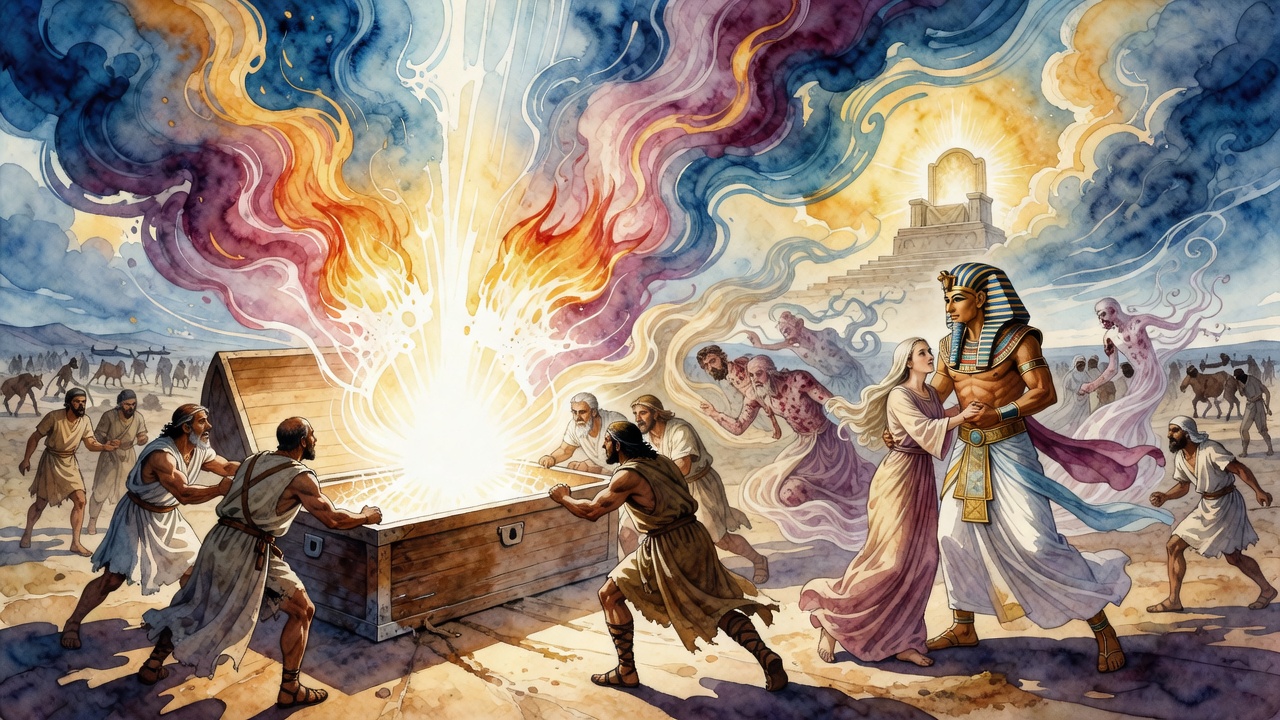
The light that came out of the chest when they unlocked it illuminated all of Egypt. This is the account as the tradition preserves it. Sarai was not merely beautiful in an ordinary human sense. The light of her beauty was the kind of light that changed the air around it. The officials who saw her ran to Pharaoh. They told him they had never seen anything like it in all the land.
Pharaoh's Court
Pharaoh sent for her. He gave Abram sheep and oxen and donkeys and male and female servants and camels. He treated Abram well for her sake. Abram accepted the gifts with the demeanor of a man who had arranged all of this deliberately, as though the chest and the lie and the gifts were a plan rather than a desperate improvisation. He was accumulating wealth in the house of a king who had taken his wife under the impression that she was his sister.
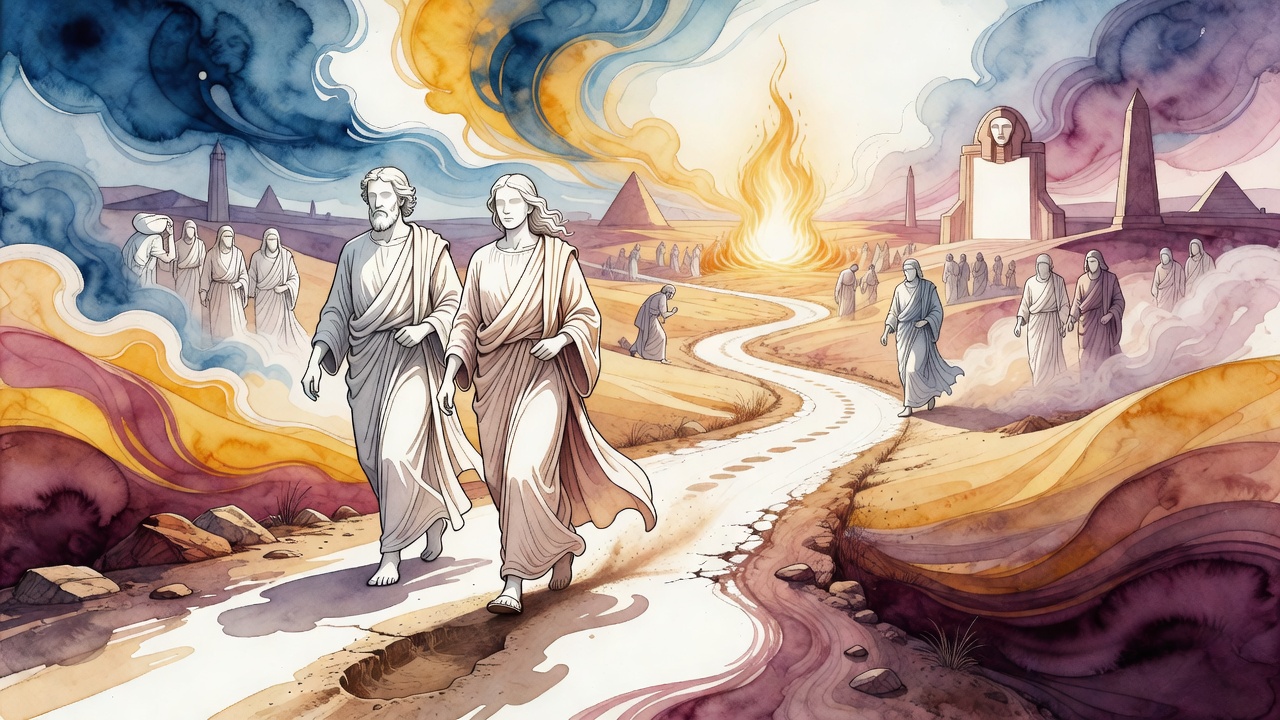
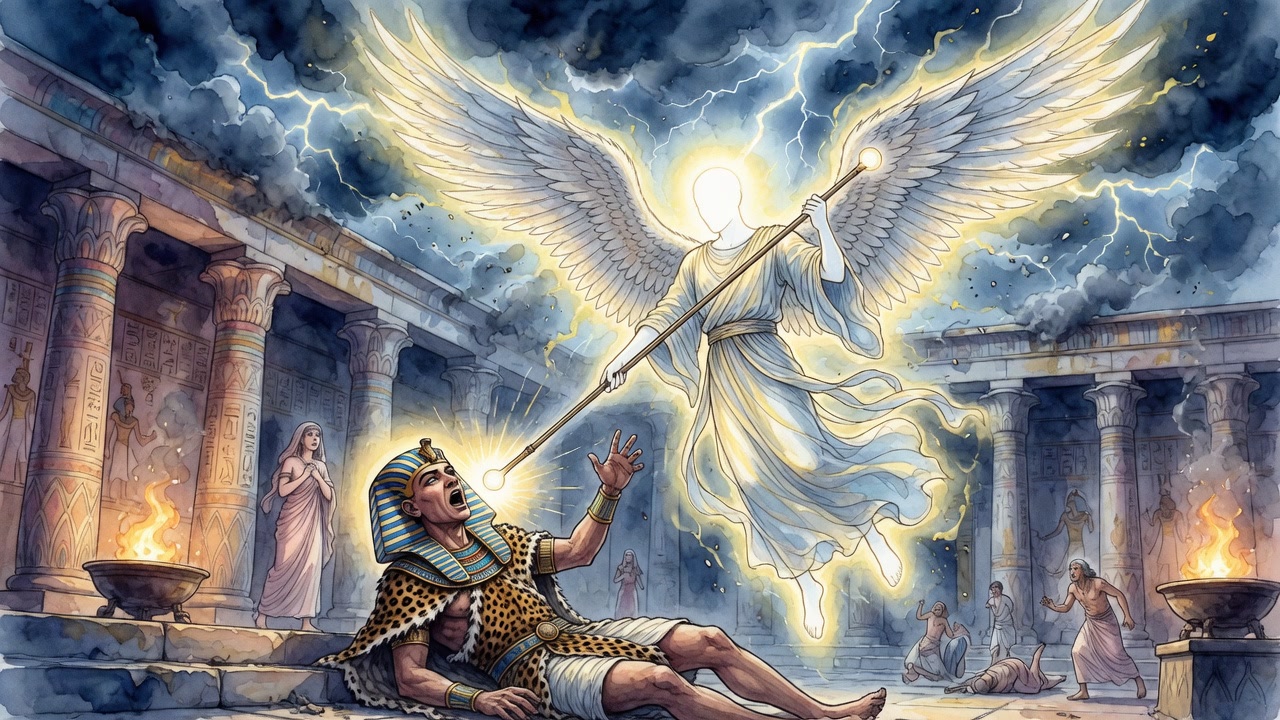
But God did not let it proceed. Plagues came on Pharaoh's household, and Pharaoh sent for Abram and asked what he had done to him, why had he said she was his sister, why had he not told him she was his wife. And Pharaoh gave Sarai back. He gave them an escort out of Egypt. Abram left with more than he had arrived with - the silver and gold and cattle that had accumulated in Pharaoh's court - and with Sarai, who had been inside a chest at the border and inside a palace in Memphis and was now beside him again on the road north toward Canaan.
What the Chest Revealed
The tradition is not gentle about the chest. Hiding his wife was not Abram's finest moment. The Genesis Apocryphon, found among the Dead Sea Scrolls, lingers on Abram's sleepless terror in the night before they crossed, the dream of the cedar and the palm, the awareness that he was taking a beautiful woman into a place where powerful men took what they wanted. His fear was understandable. His solution was not exactly admirable. He paid the toll on every category of luxury goods rather than let the chest be opened, trying to buy his way through a problem he should have handled differently, and it did not work. Egypt opened the chest anyway.
And the tradition kept the story. It preserved the chest and the lie and the fear alongside the altars and the promises and the covenant. Abram was the man who received the promise of a great nation and a great name, and he was also the man who locked his wife in luggage at a border crossing because he was afraid. The tradition held both things without resolving the tension between them.
← All myths