35 myths · Page 1 of 2
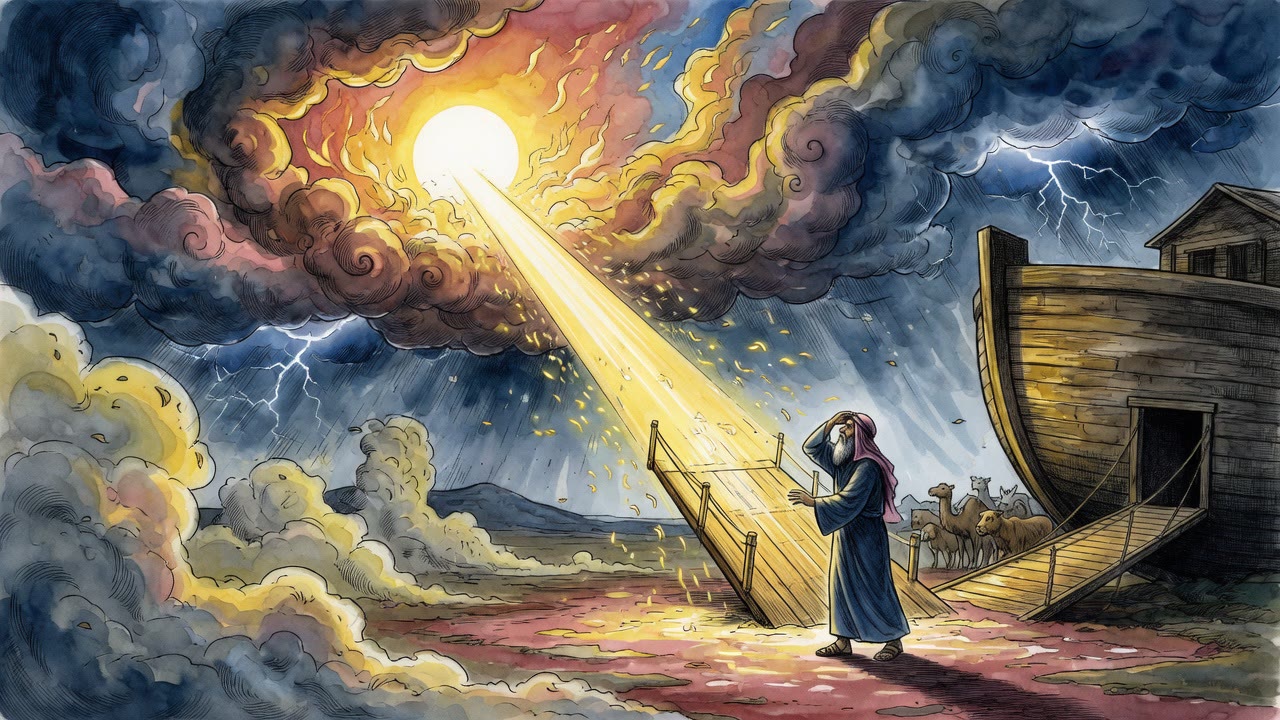
Noah could have boarded the ark in the dark. God set him on the gangplank at the noon hour instead, daring the crowd to swing their axes.
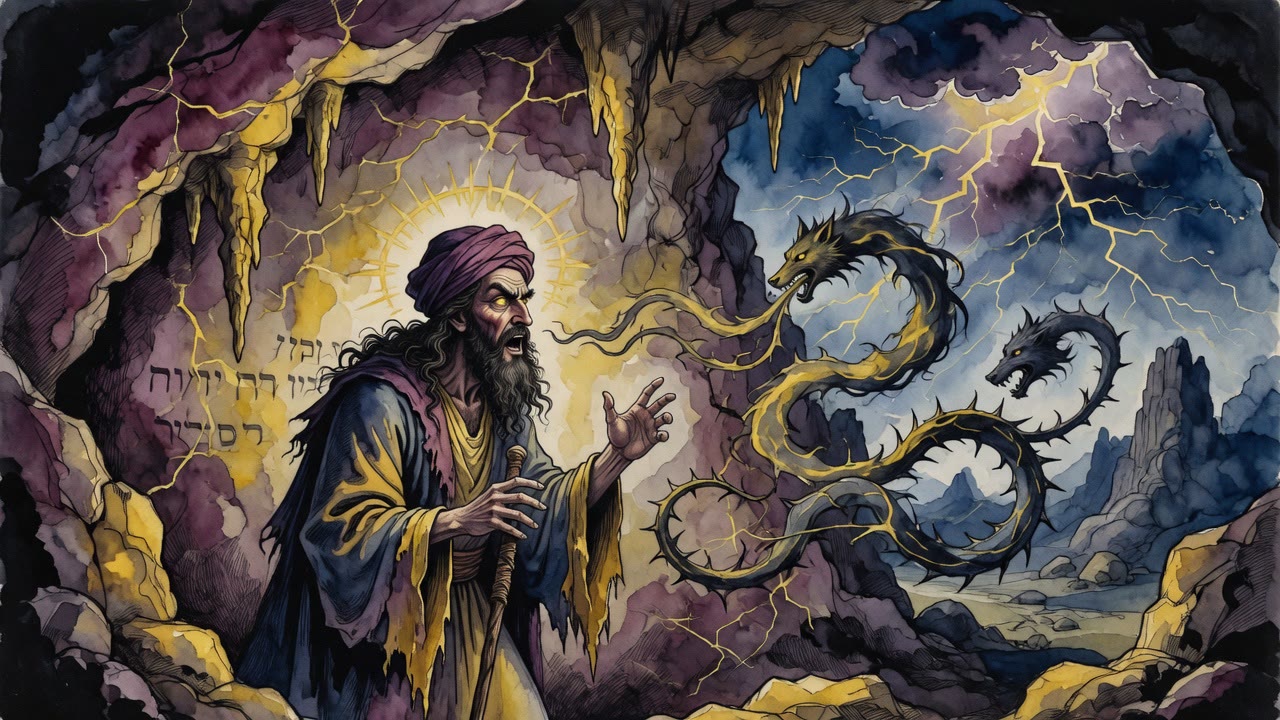
David held a blade behind the king and cut only cloth. Saul looked at the scrap in the sun and spoke a proverb older than any court.
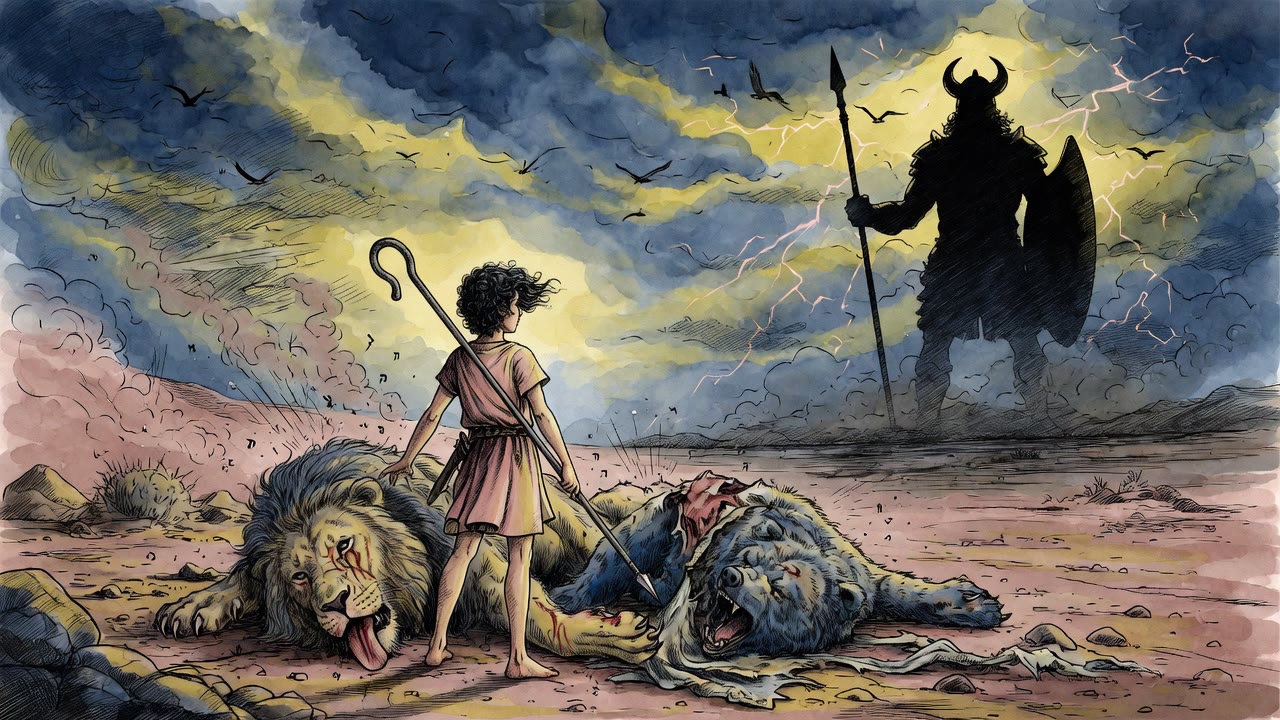
A lion took a lamb at the edge of the flock. David killed it with his hands. After the bear, he treated both carcasses as orders.
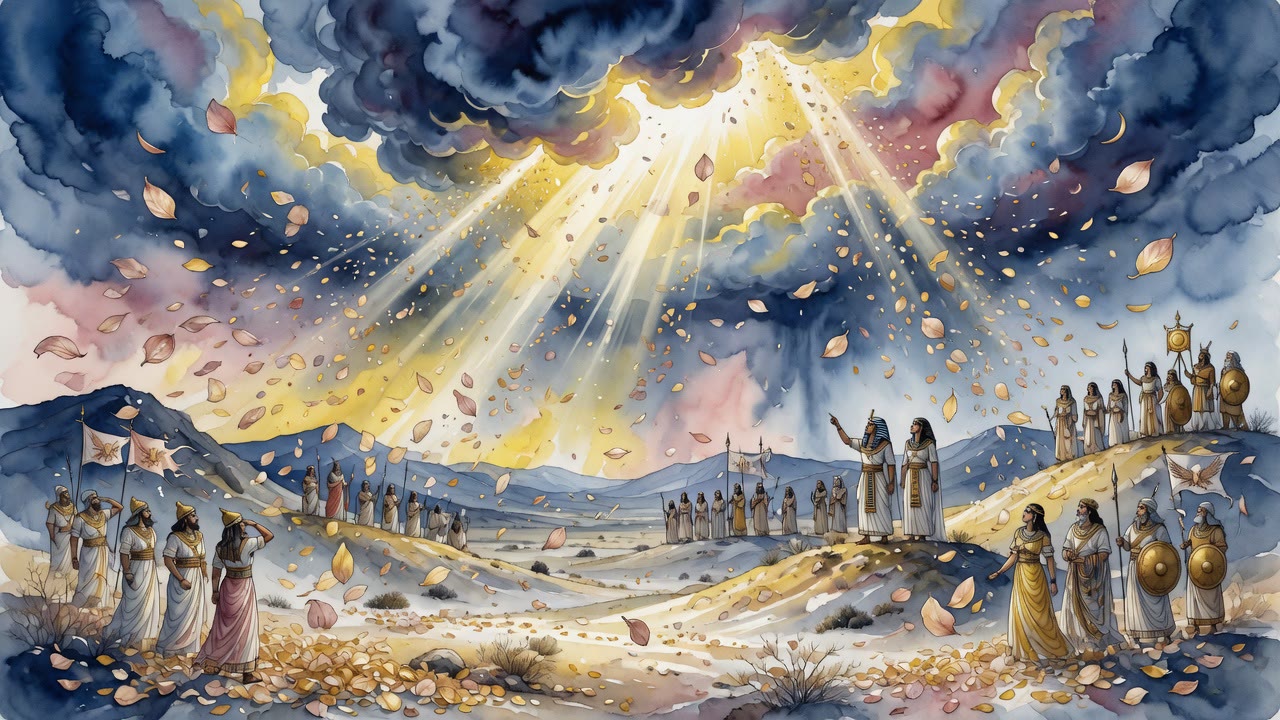
Scouts on the ridges waited for the camp to starve. Dawn lifted the dew, and they counted baskets no desert nation had come to see.
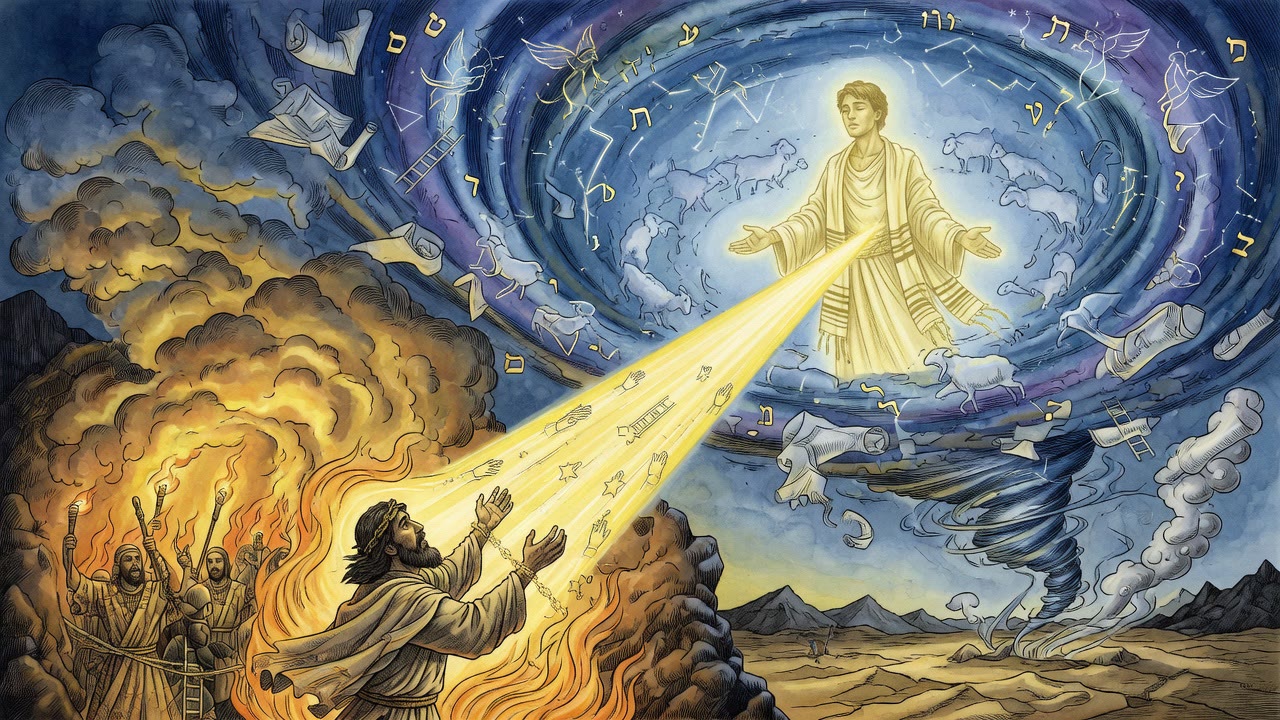
When Nimrod threw Abraham into the fire, God did not save him for his own sake. The rabbis say it was Jacob, not yet conceived, who earned Abraham's rescue.
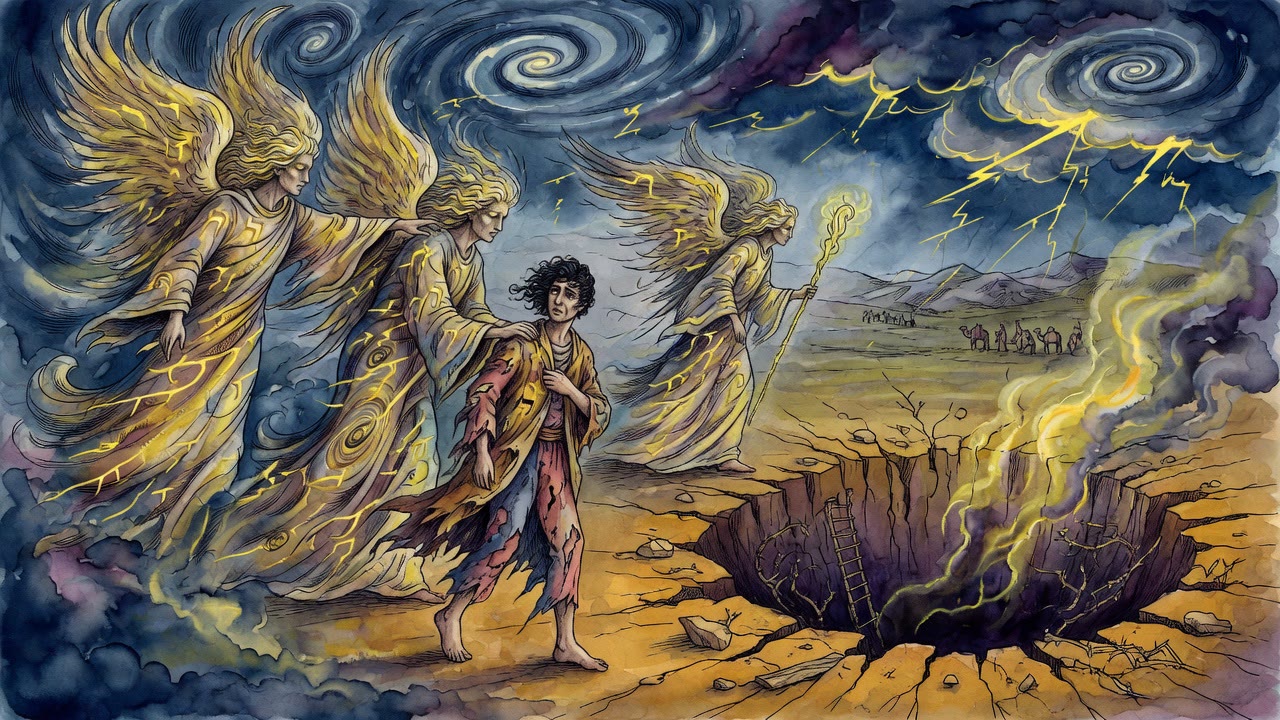
Joseph asked a stranger in an empty field where his brothers had gone. The man pointed him toward Dotan. The pit there was already waiting.
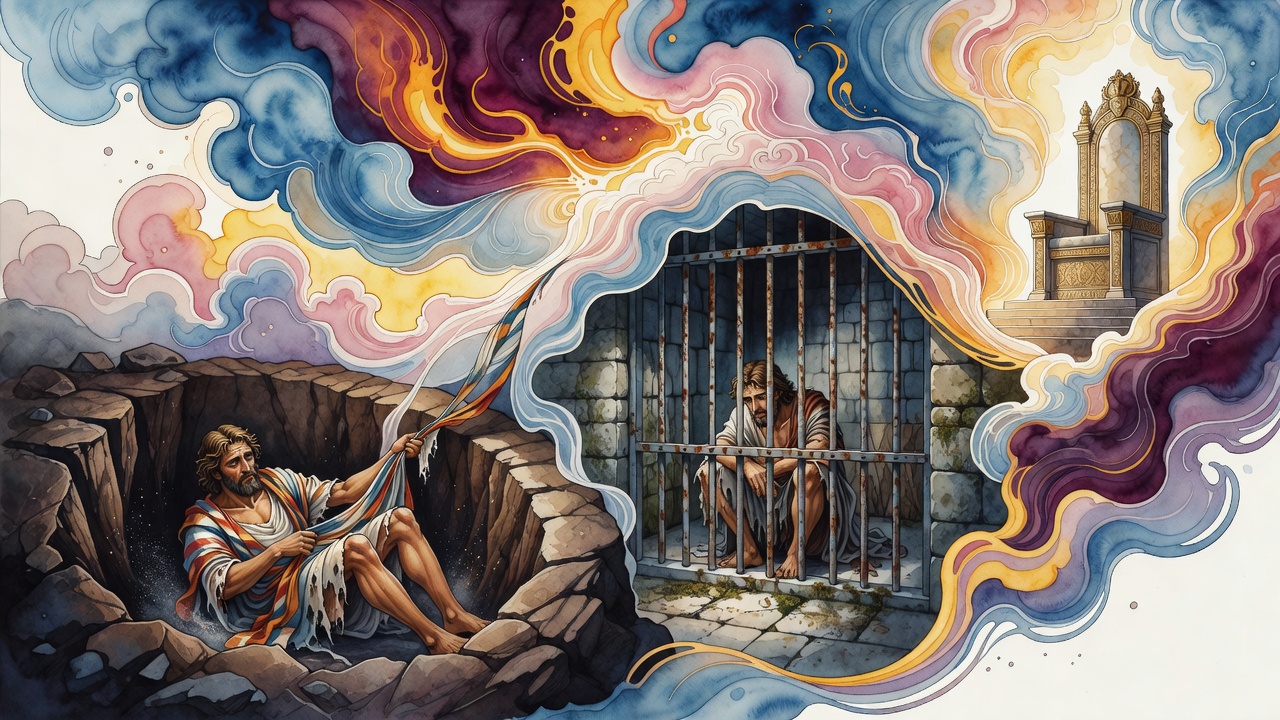
Potiphar's wife listed the punishments she would use on Joseph. Prison was one. He answered that God lets prisoners out, and then went to prison.
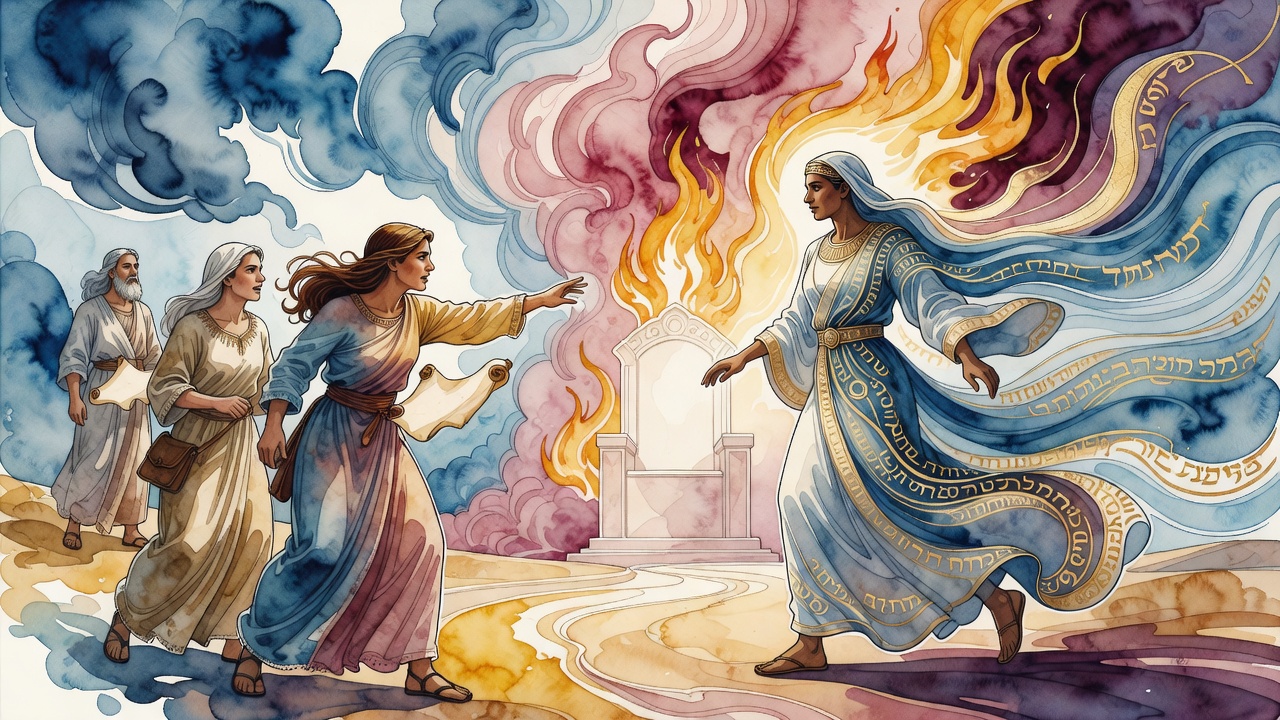
Dinah warned Jacob through a maid from Shechem's house. Her hidden daughter Asenath crossed Egypt with her lineage written in gold.
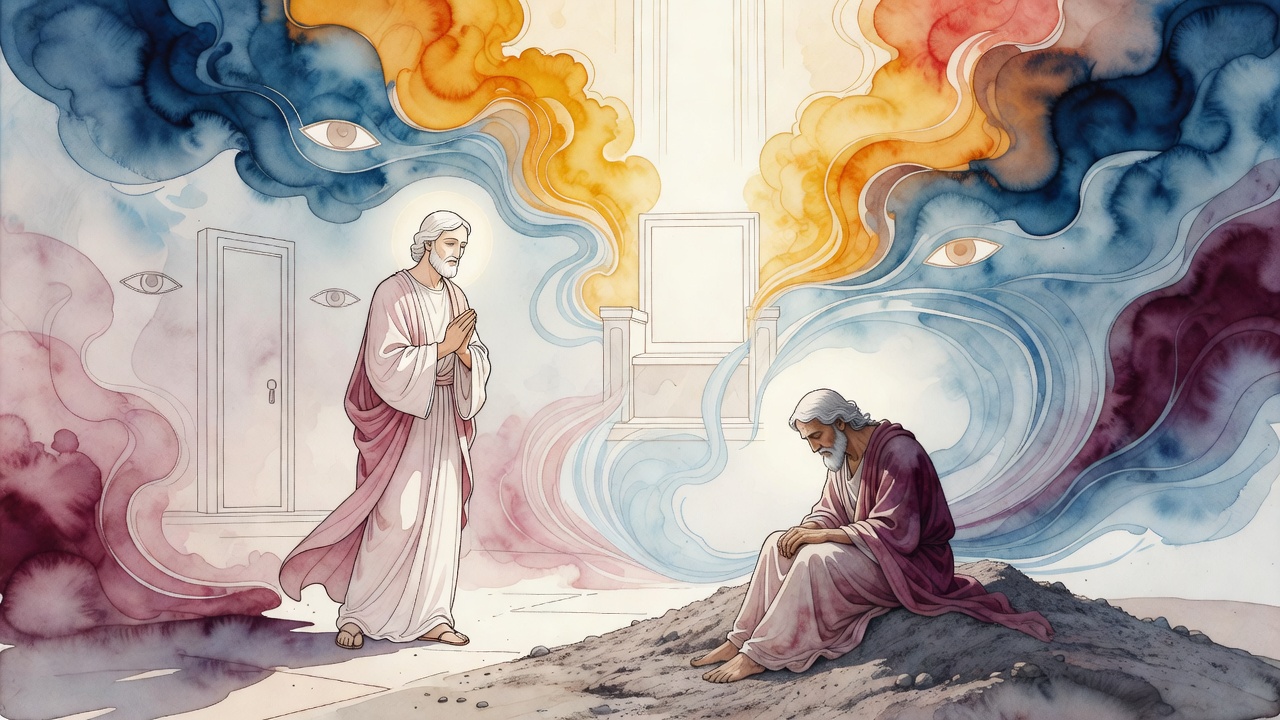
Joseph thanked God for a soft life in Egypt, but Jacob still sat in ashes. Heaven answered comfort with Zuleika's locked room and royal eyes.
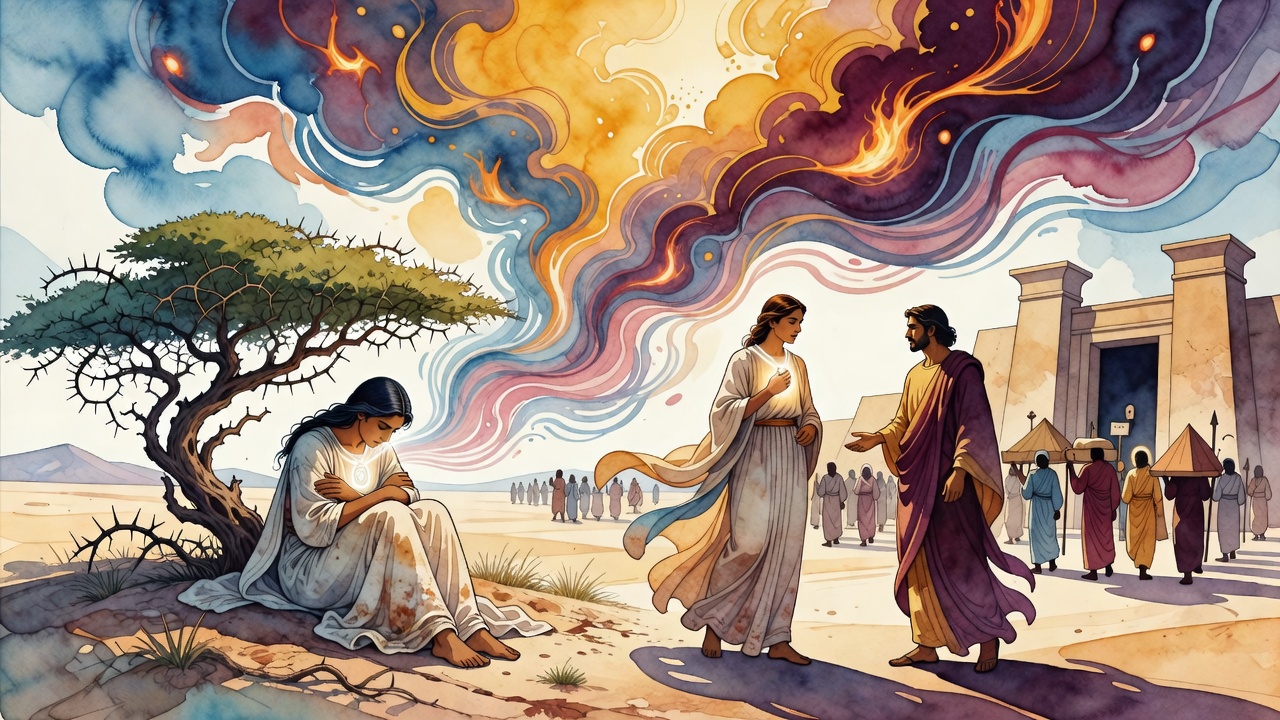
Jacob hung the Holy Name on Dinah's baby and left her under thorns. Years later the plate at her neck stopped Joseph's hand.
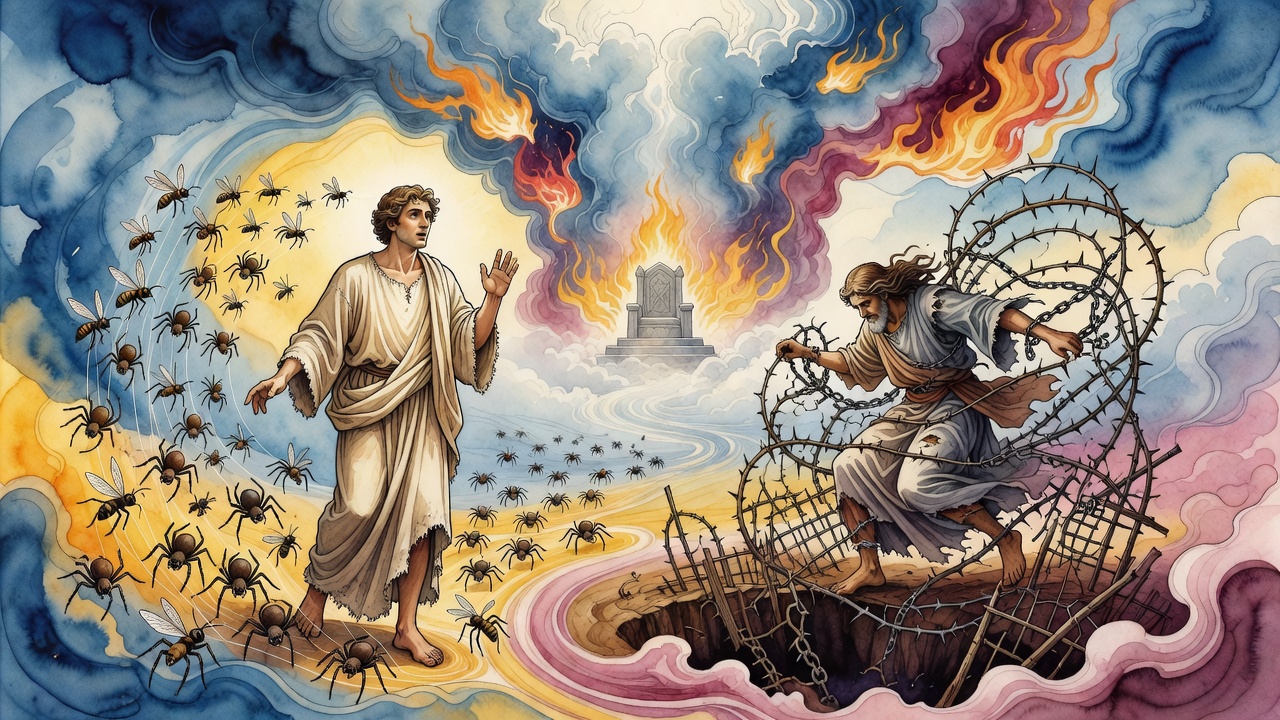
He watched a small body work dirt into a corner of the palace. Useless, he told the empty room. Saul's hunt had not yet driven him into stone.
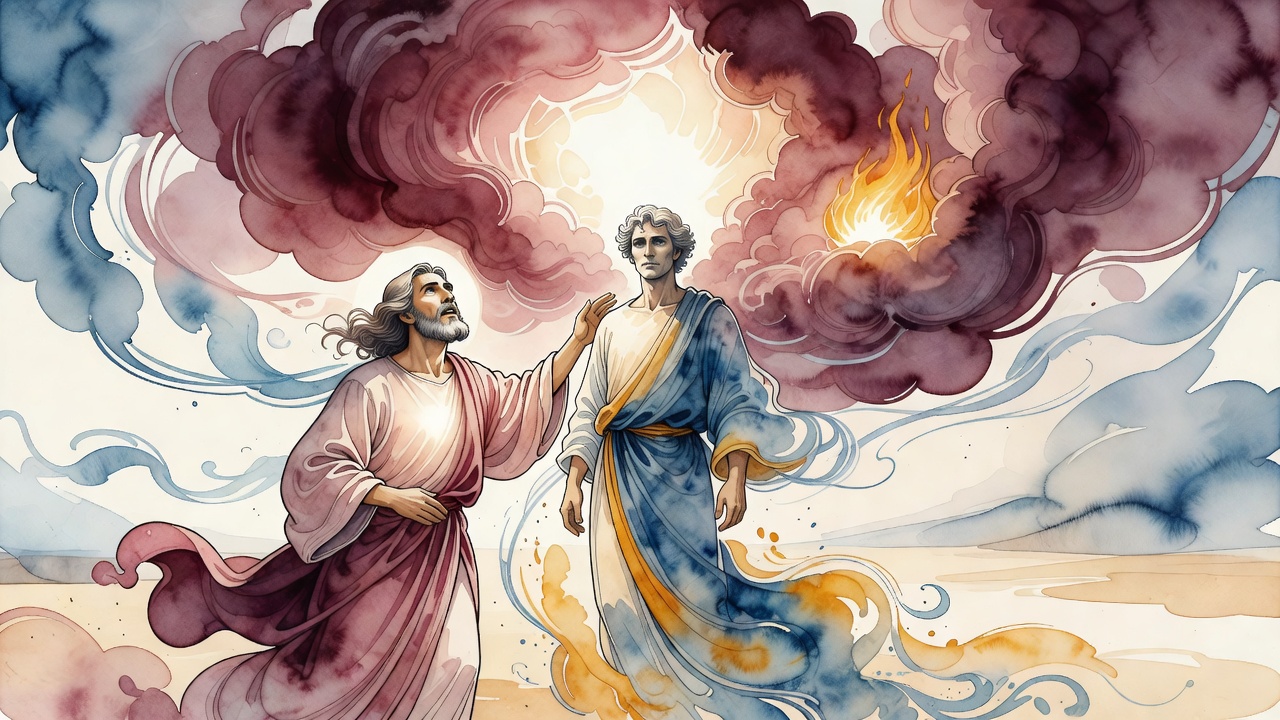
The last sacks were empty. Judah put his own life up for Benjamin, and Jacob still had to send the boy into Egypt. He prayed first.
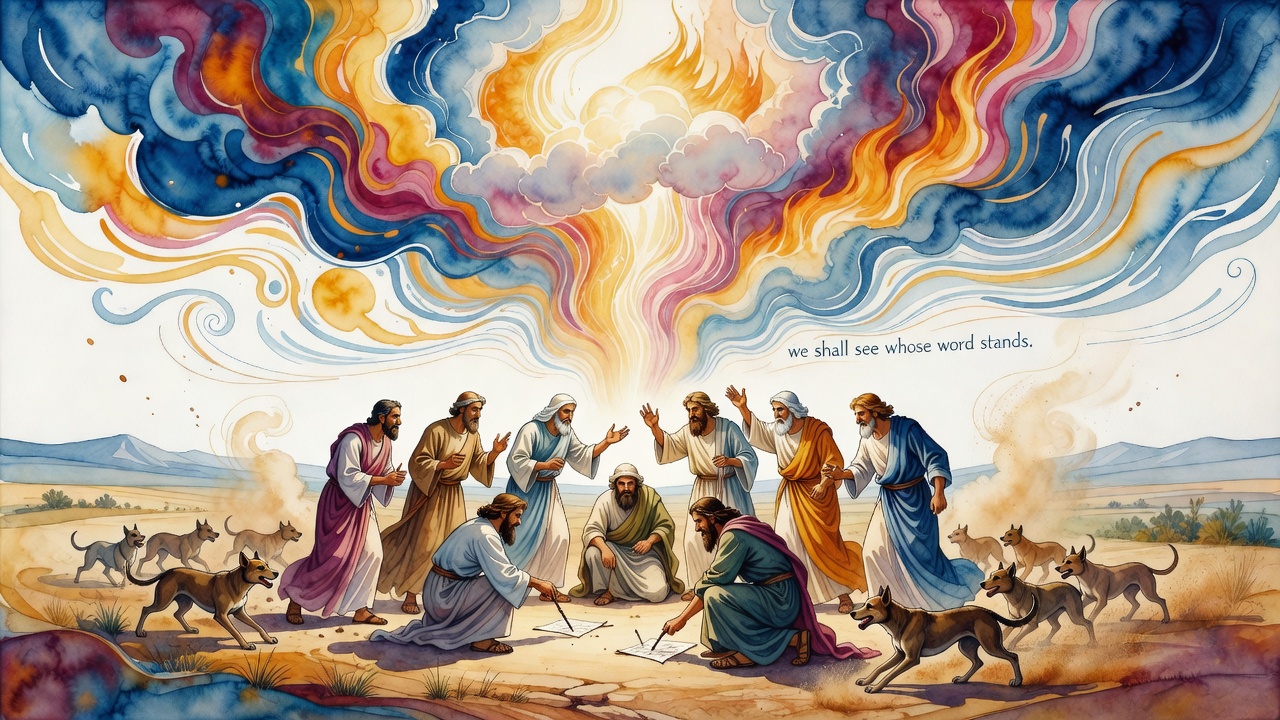
Before Joseph reached Dothan the brothers cycled through plans, including dogs. God heard every word and answered: we shall see whose word stands.
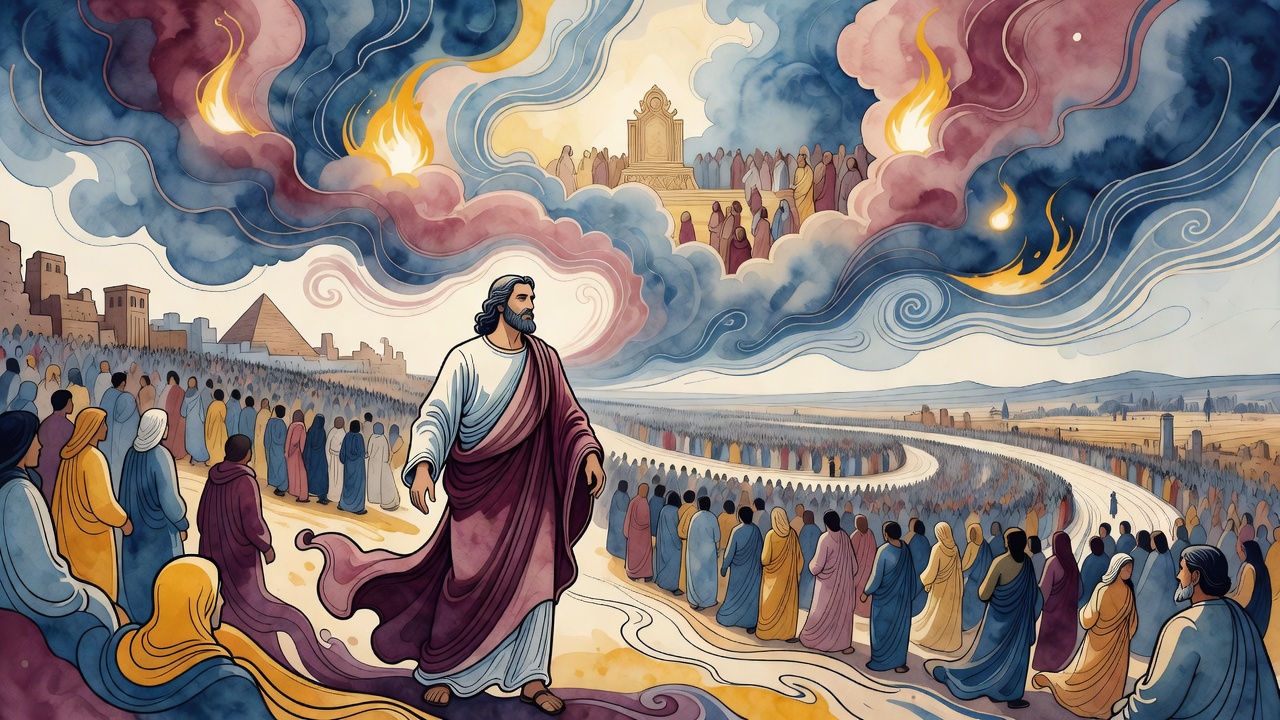
Egypt had sold him its silver, its cattle, and its fields. Then Joseph emptied its towns and moved the whole population, and his brothers never learned why.
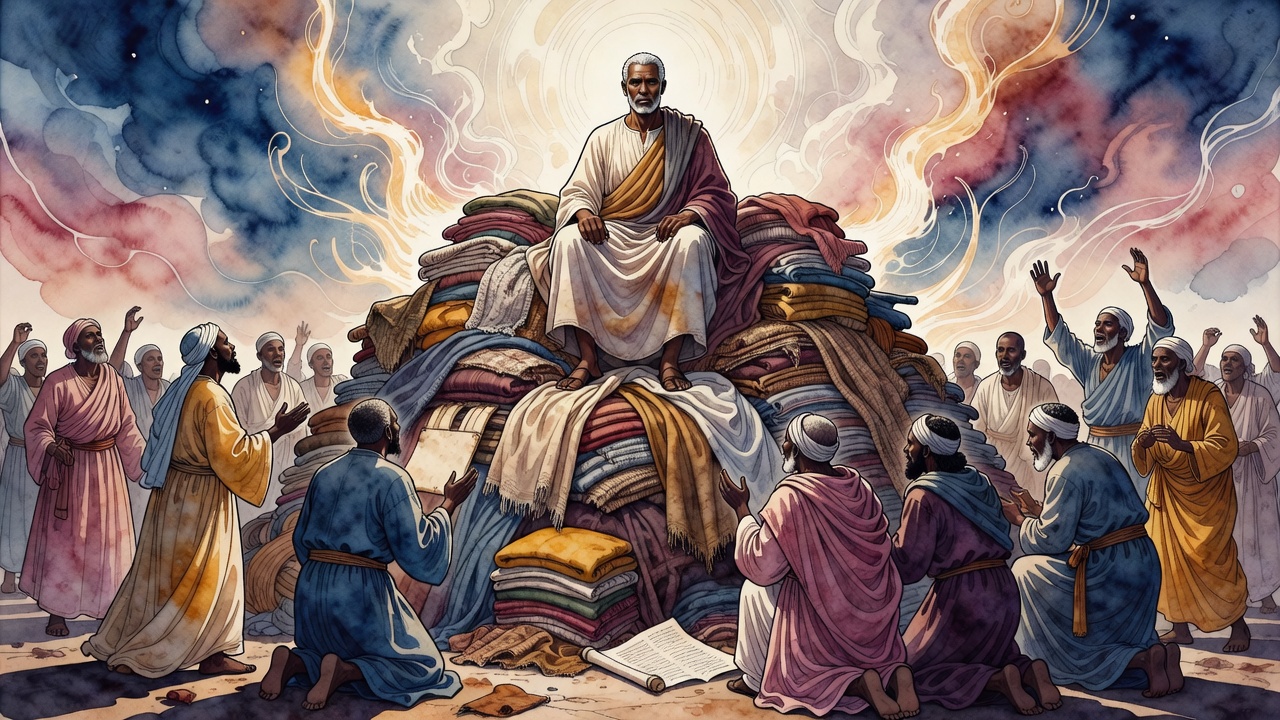
The Ethiopian army had no throne to offer Moses, so they stripped their garments, piled them into a seat, and crowned the man who had freed their city.
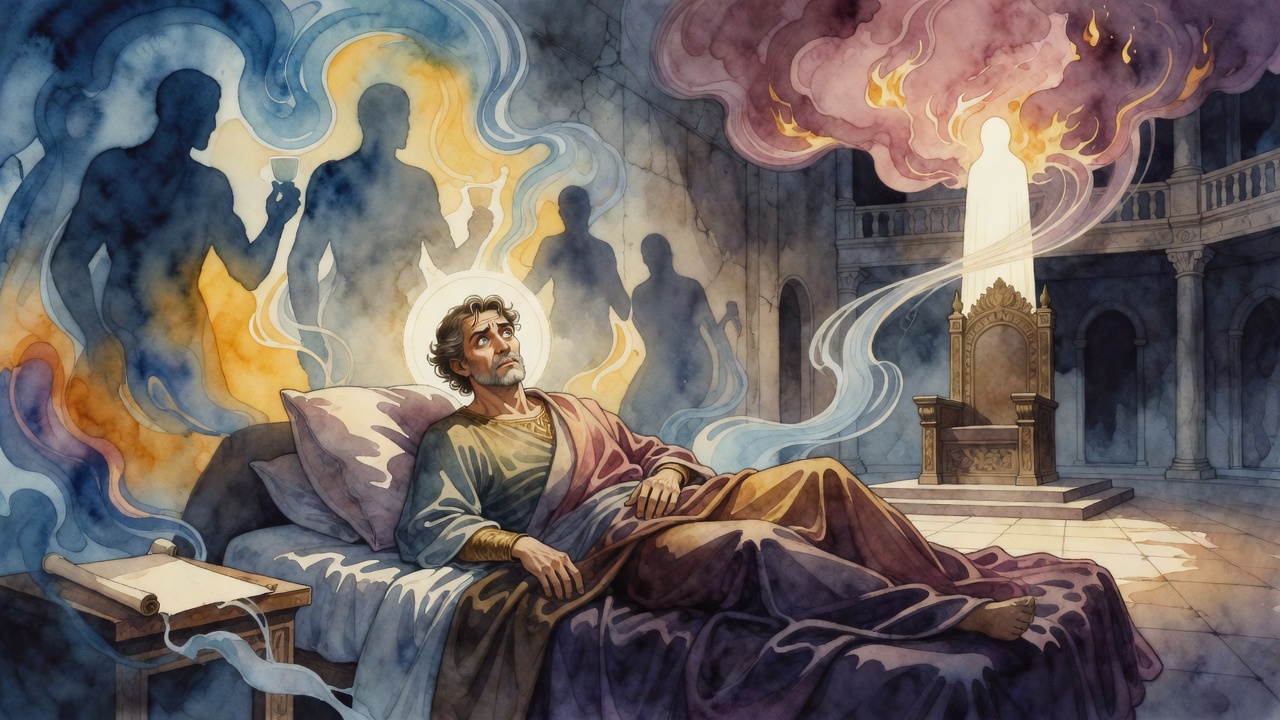
The king lay awake convinced he was being poisoned. When that fear passed, a worse one took its place. His paranoia would save the Jewish people.
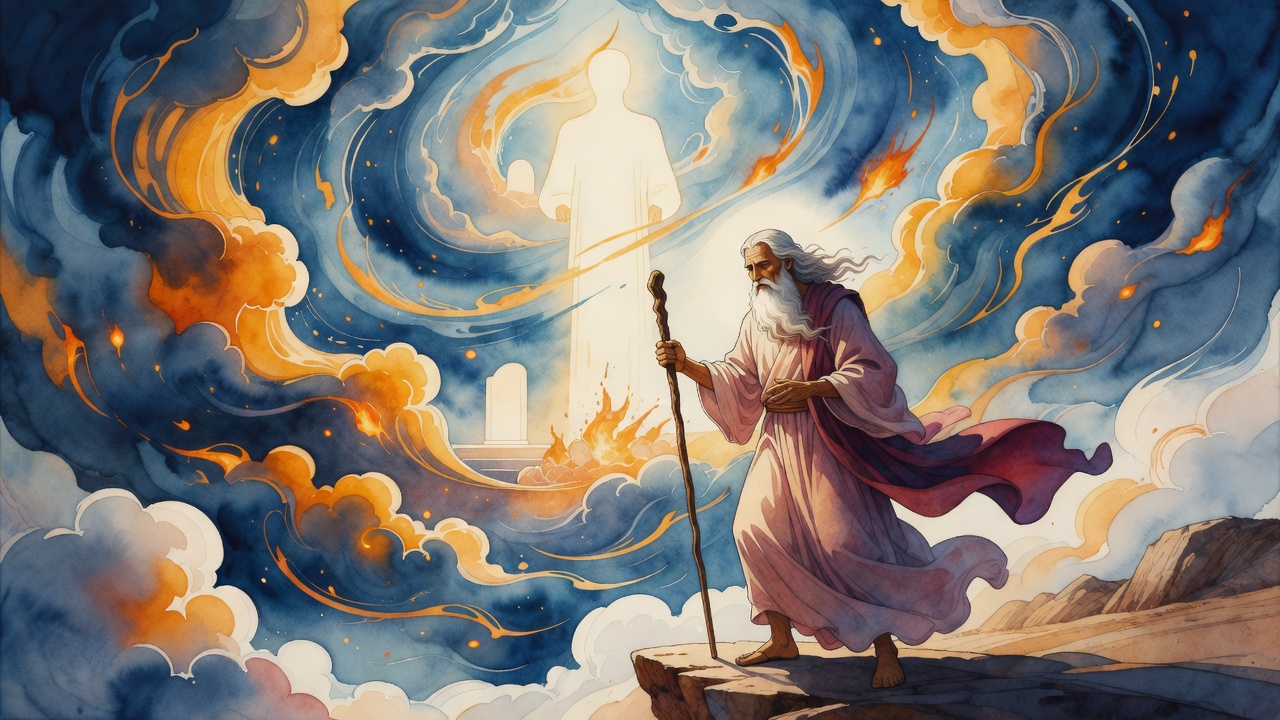
God told him to make the lampstand and Moses could not do it. God built a model out of four fires. Moses looked at it and still could not do it.
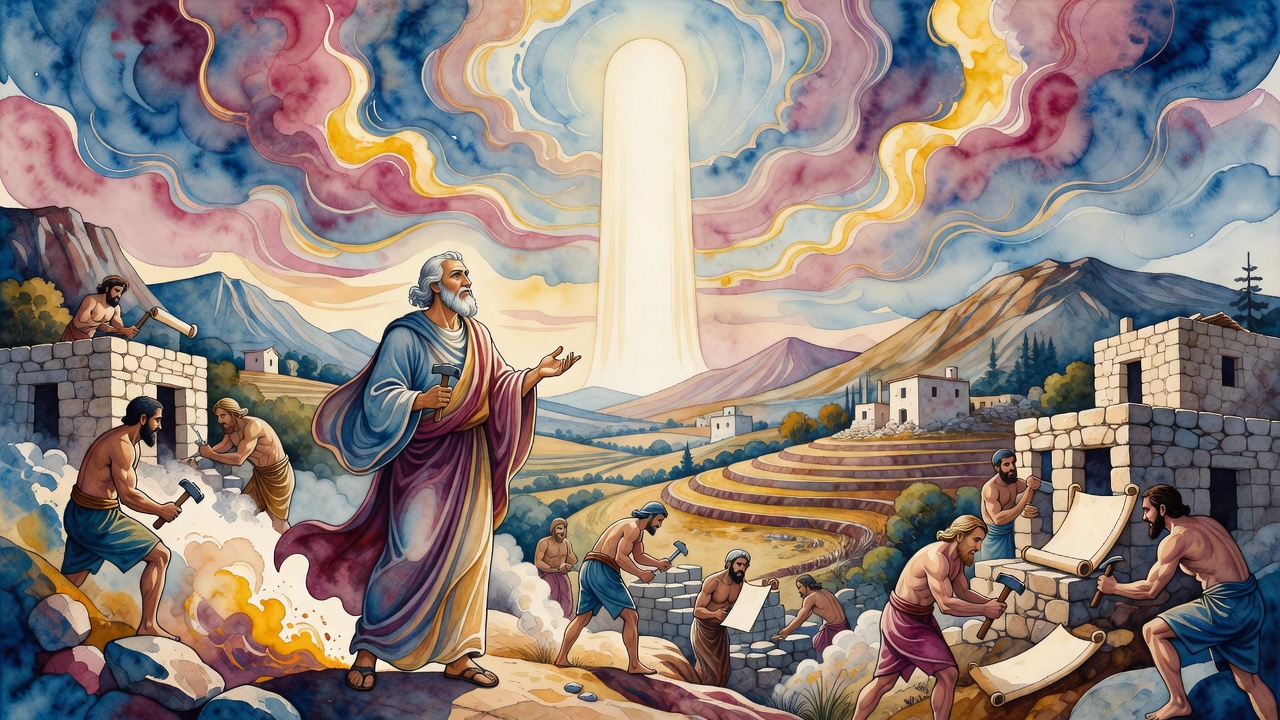
A boy watched his father torch the grain. Forty years later that boy packed figs he was not allowed to eat, and left the jars sealed.
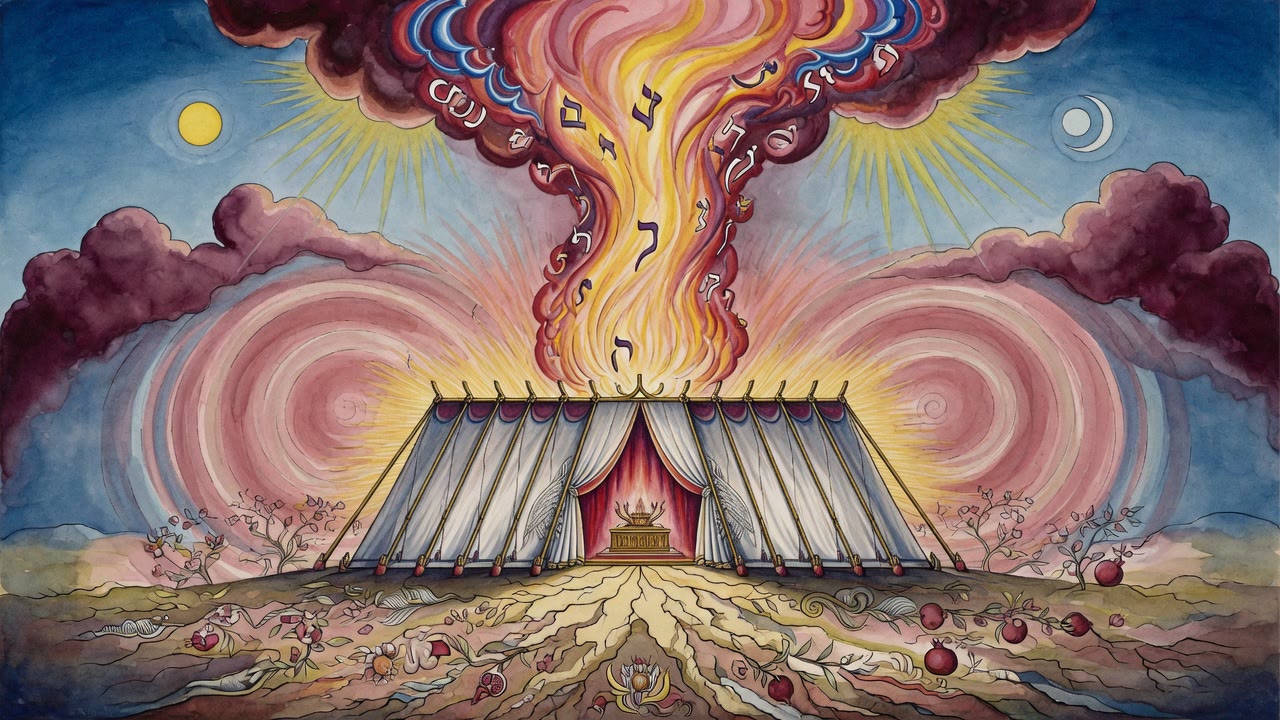
Joseph walked the empty field near Shechem calling for his brothers. A stranger pointed him to Dothan. The coat came off that day.
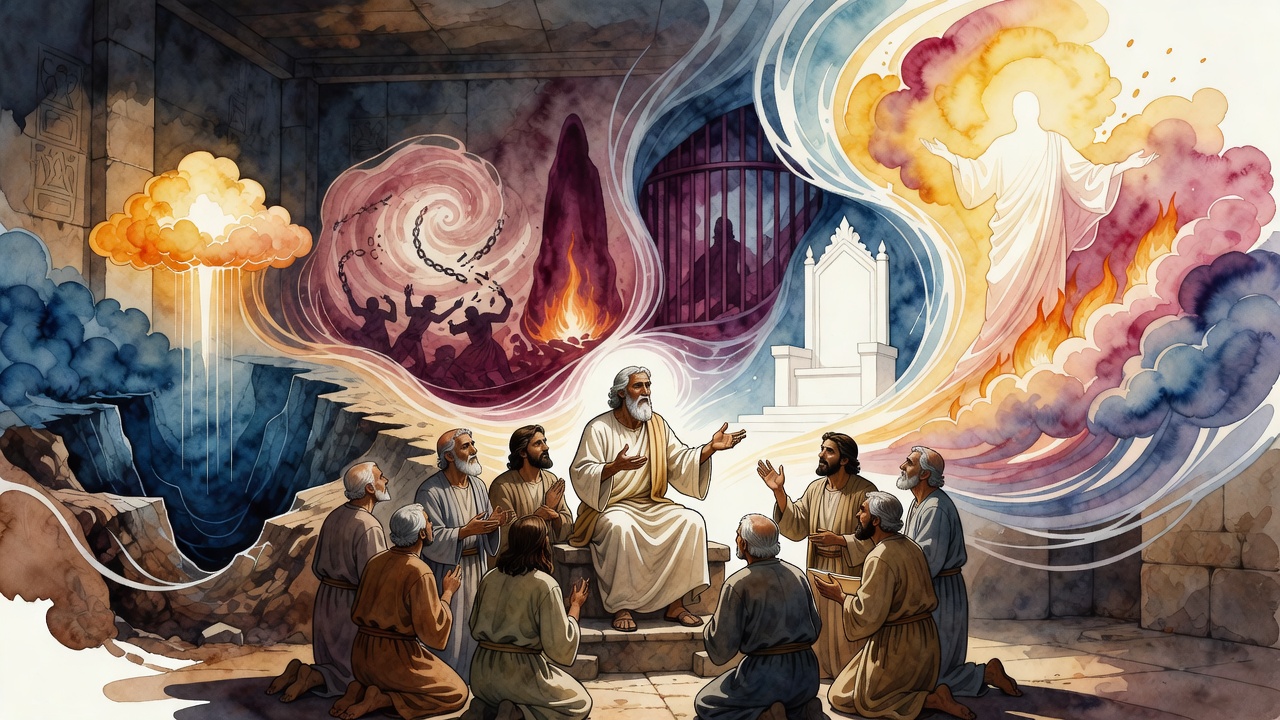
The woman of Memphis sent Joseph a dish laced with spells. He looked up and saw a figure standing behind the servant, holding out a sword.
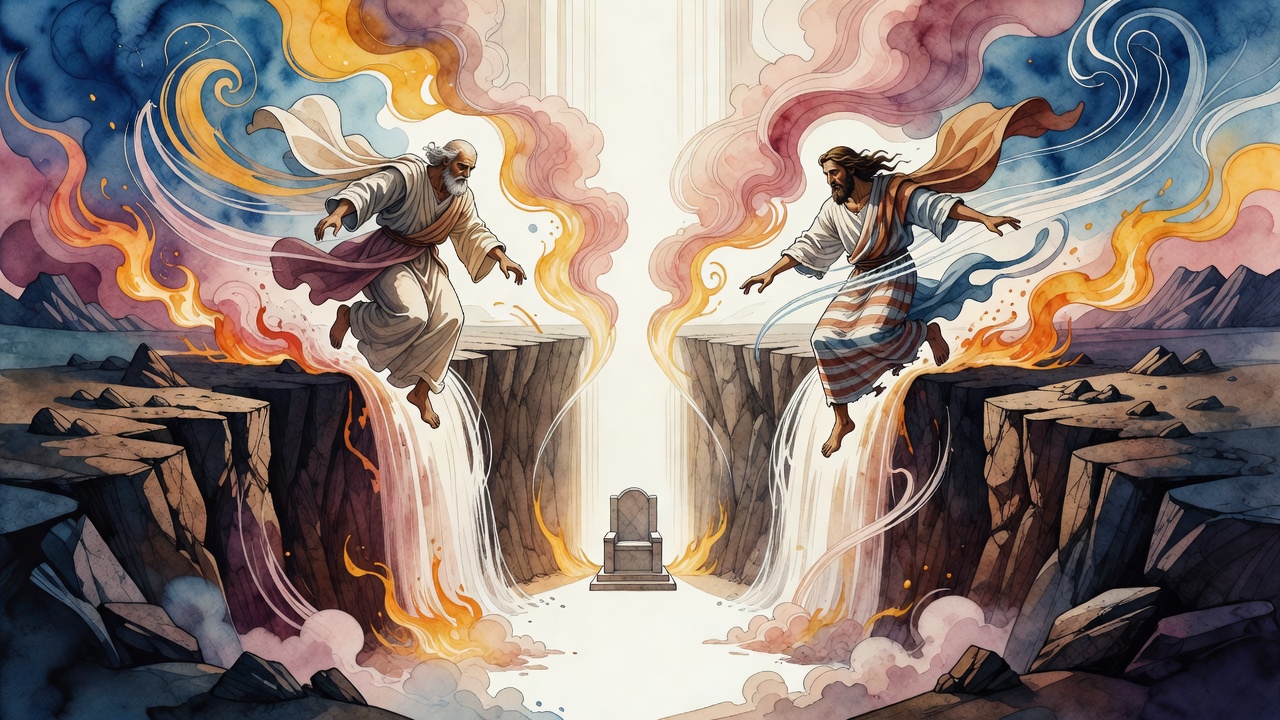
Lot looked at a valley that wore Eden's face and walked in. Years later a king in a cave asked God not to destroy him, because that walk had been paid.
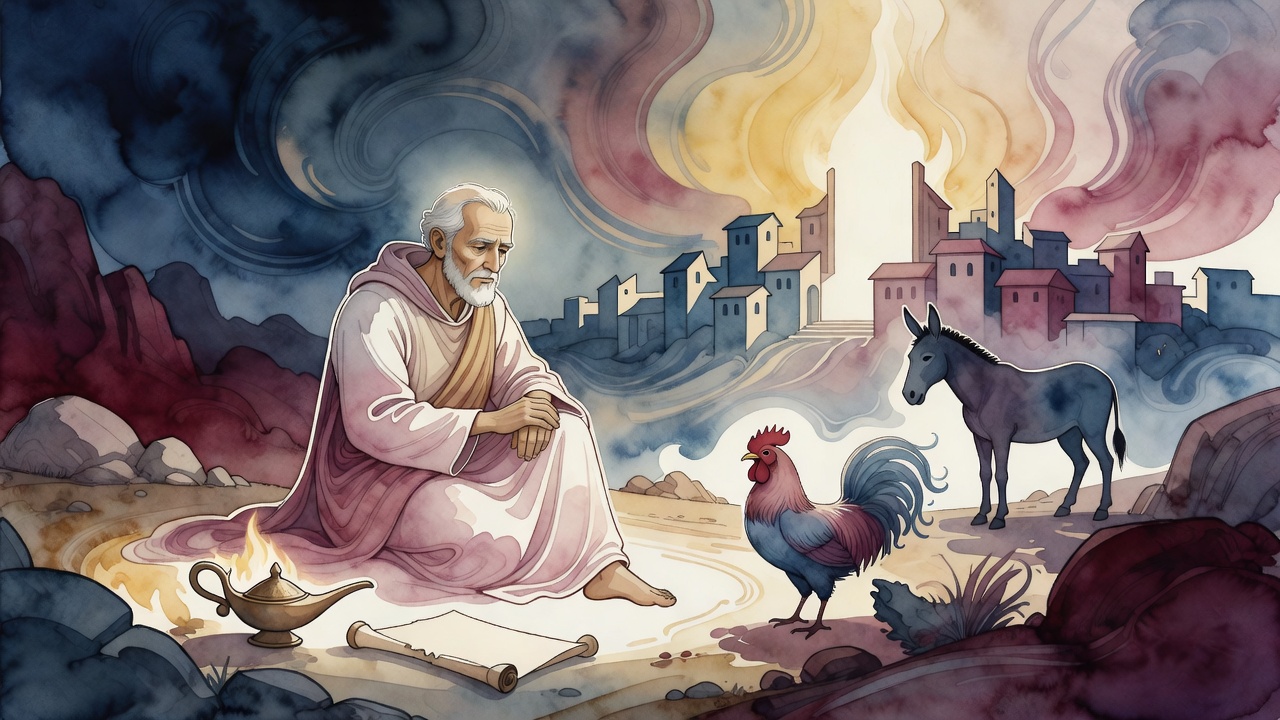
Three losses in a single night left Rabbi Akiva in darkness outside a hostile town, and the next morning he understood why each one had saved him.
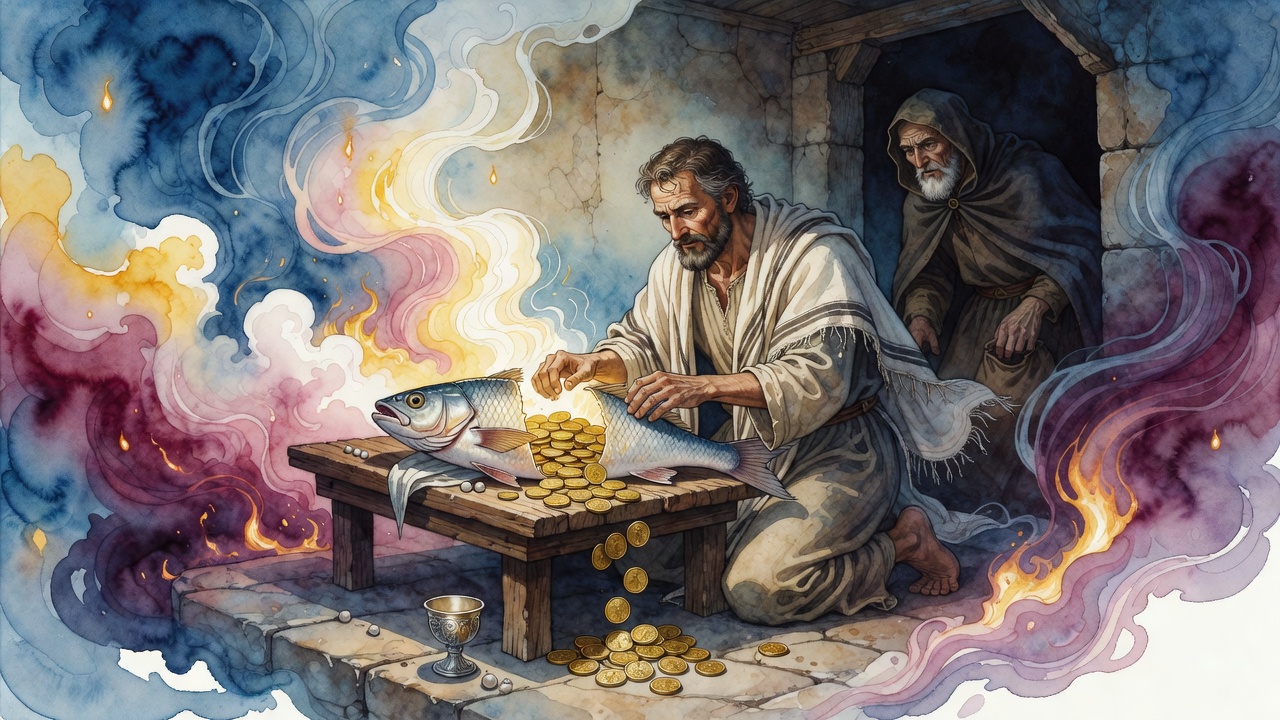
Joseph spent every coin he had on Shabbat food, and a Gentile neighbor tried to cheat the prophecy that Joseph would inherit his wealth.
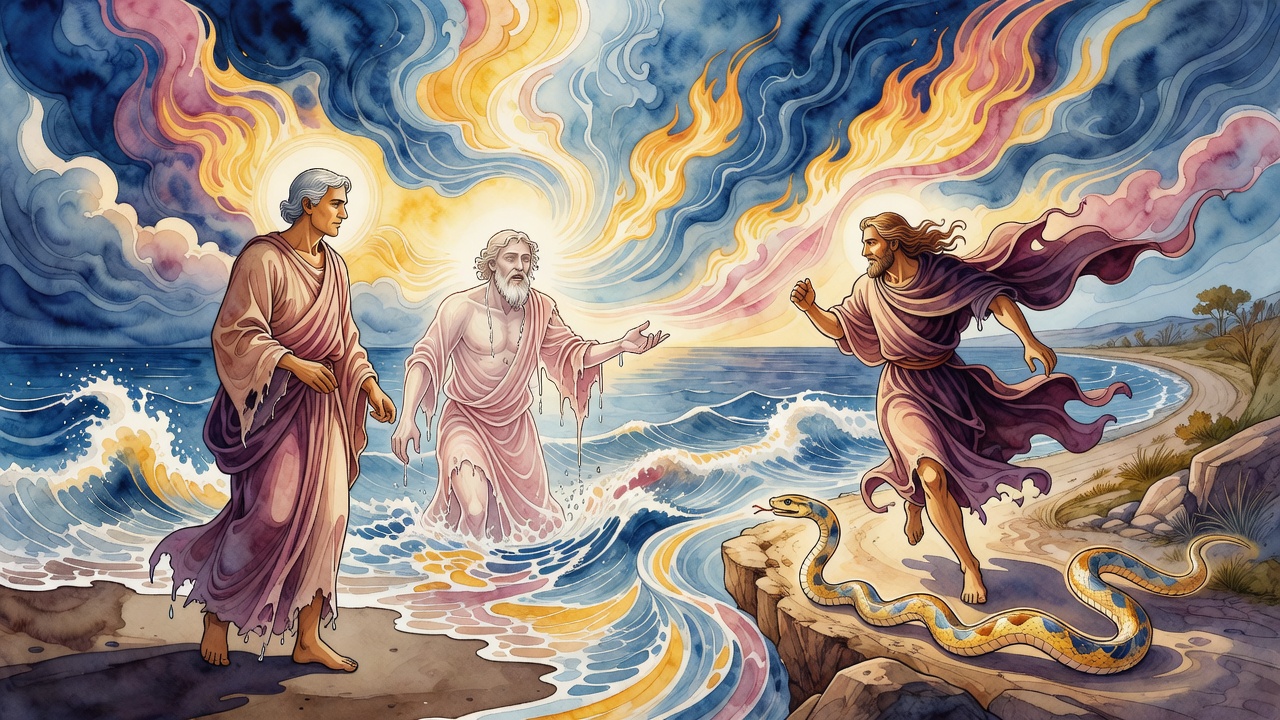
The ship broke in front of Akiva. Weeks later the drowned man walked toward him dry, and named the loaf he had given away.
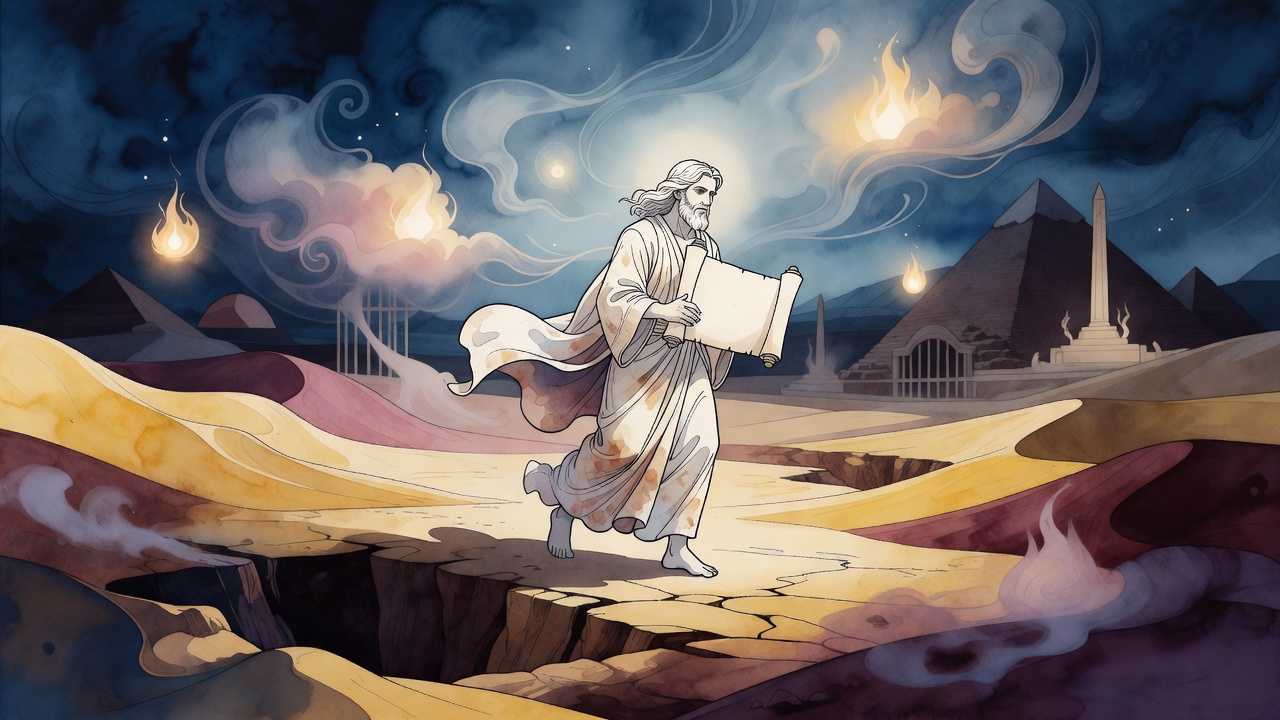
The iron sat under his neck so he would look at her. Joseph kept his eyes on the wall and answered her with a psalm.
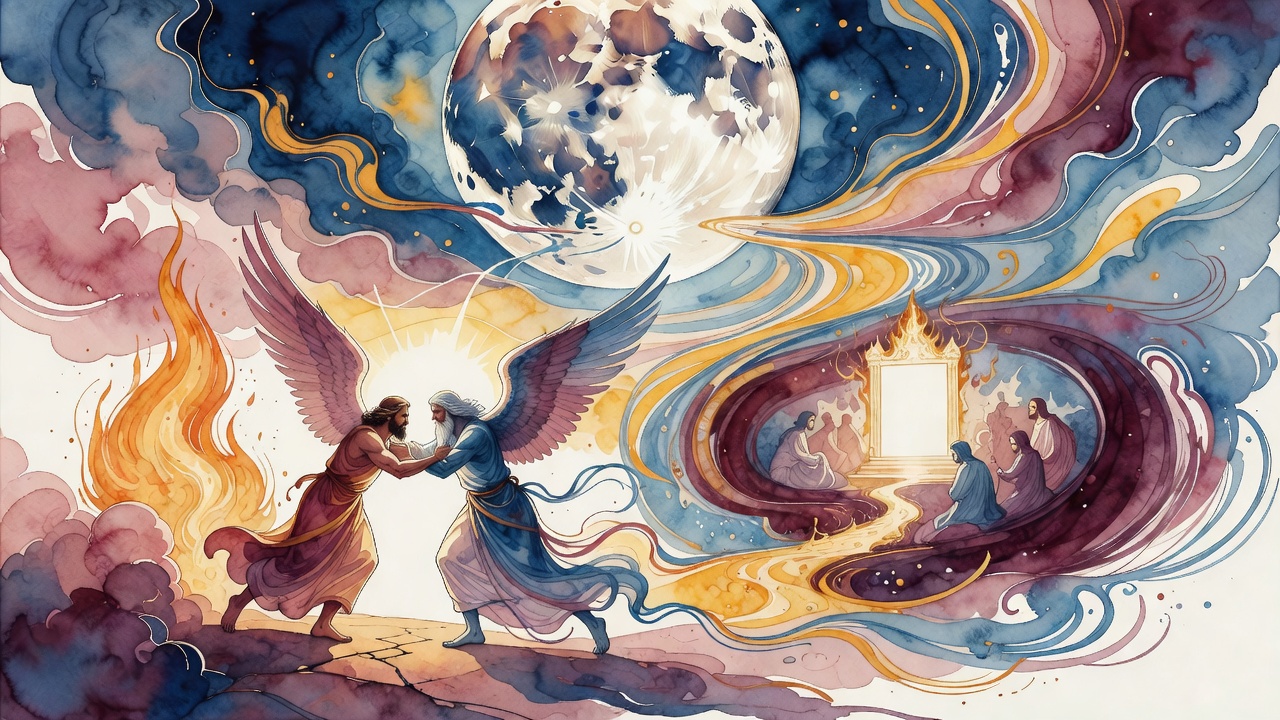
A moon punished and promised future glory, a wrestling match with an angel, a scandal that turned out to be a divine appointment. Heaven was running traffic.
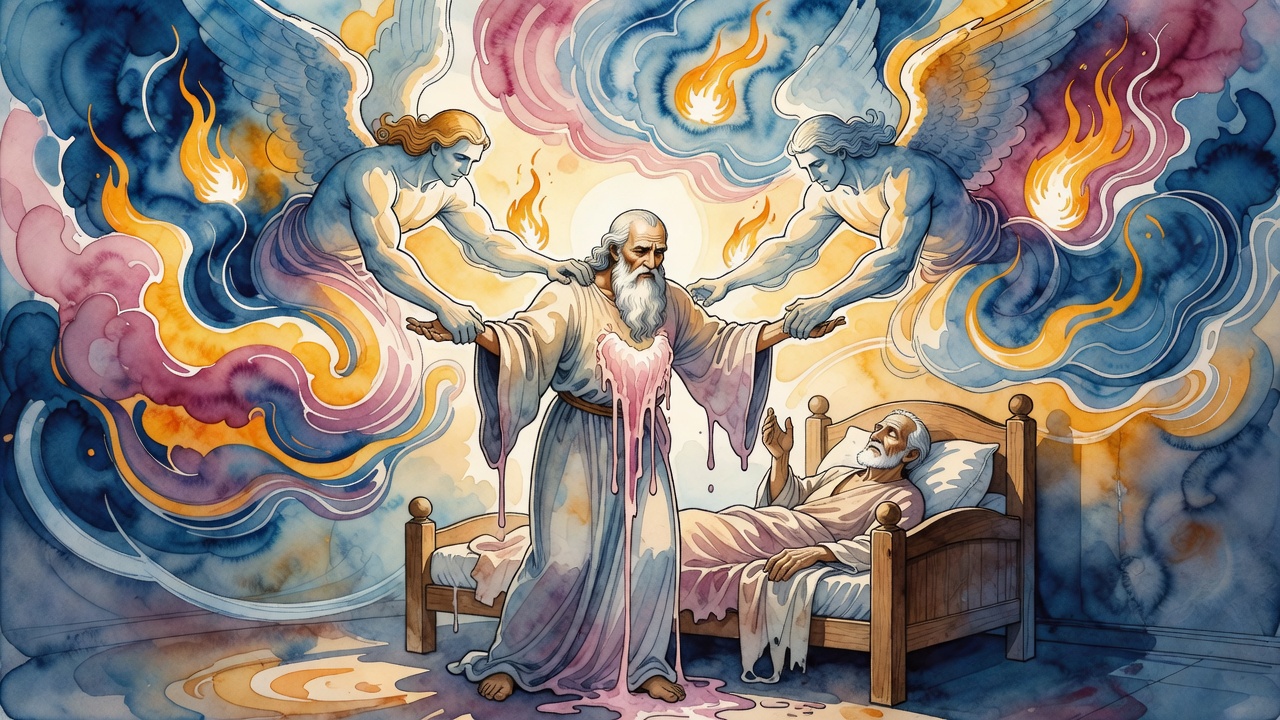
One sentence gave him away. Isaac reached out to check by touch, and the young man in the goatskins felt his own heart turn to wax.
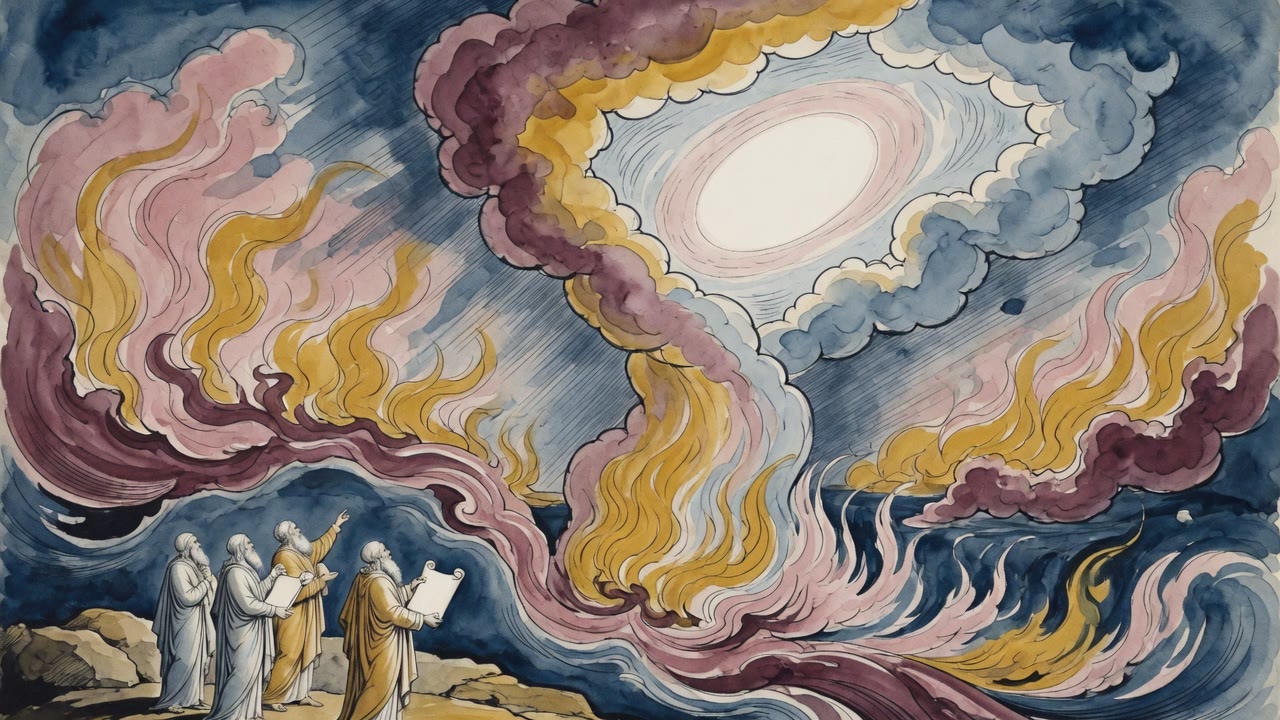
Rabbi Eliezer said rain rises from the sea. Rabbi Joshua said it drops from above the sky. Between them they made the heavens a millstone grinding the ocean.
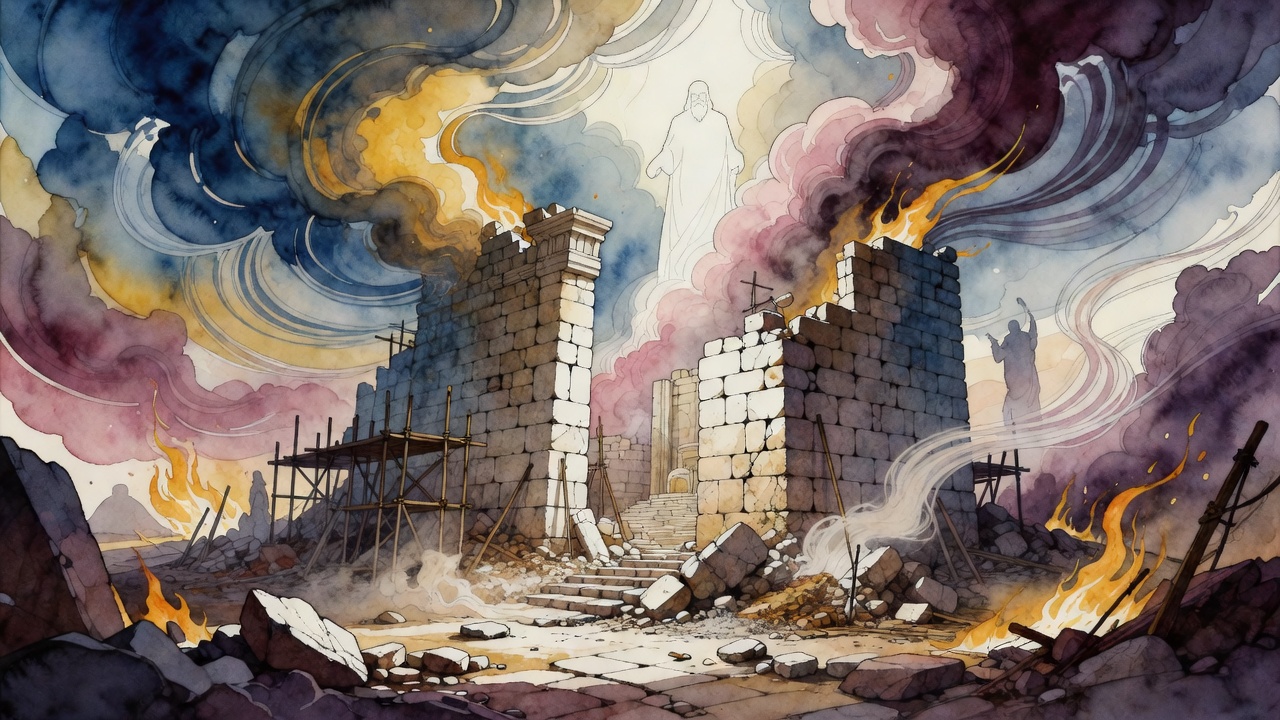
In Midrash Panim Acherim, Purim does not begin in a palace. It begins at a Jerusalem construction site Haman had already moved to stop.
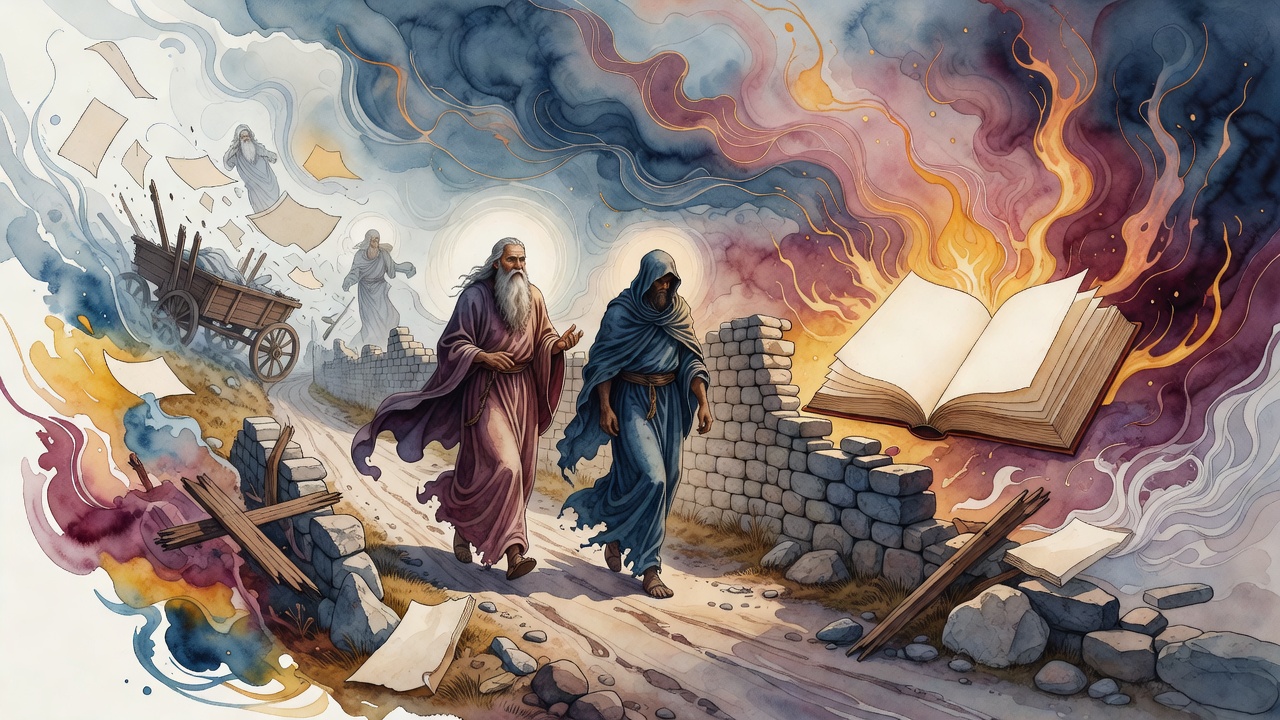
A sage walks the road beside the disguised prophet and watches every verdict come out backward, until the hidden ledger is opened.
