Jacob Saved Abraham Before Jacob Was Born
When Nimrod threw Abraham into the fire, God did not save him for his own sake. The rabbis say it was Jacob, not yet conceived, who earned Abraham's rescue.
Table of Contents
 Click for full size
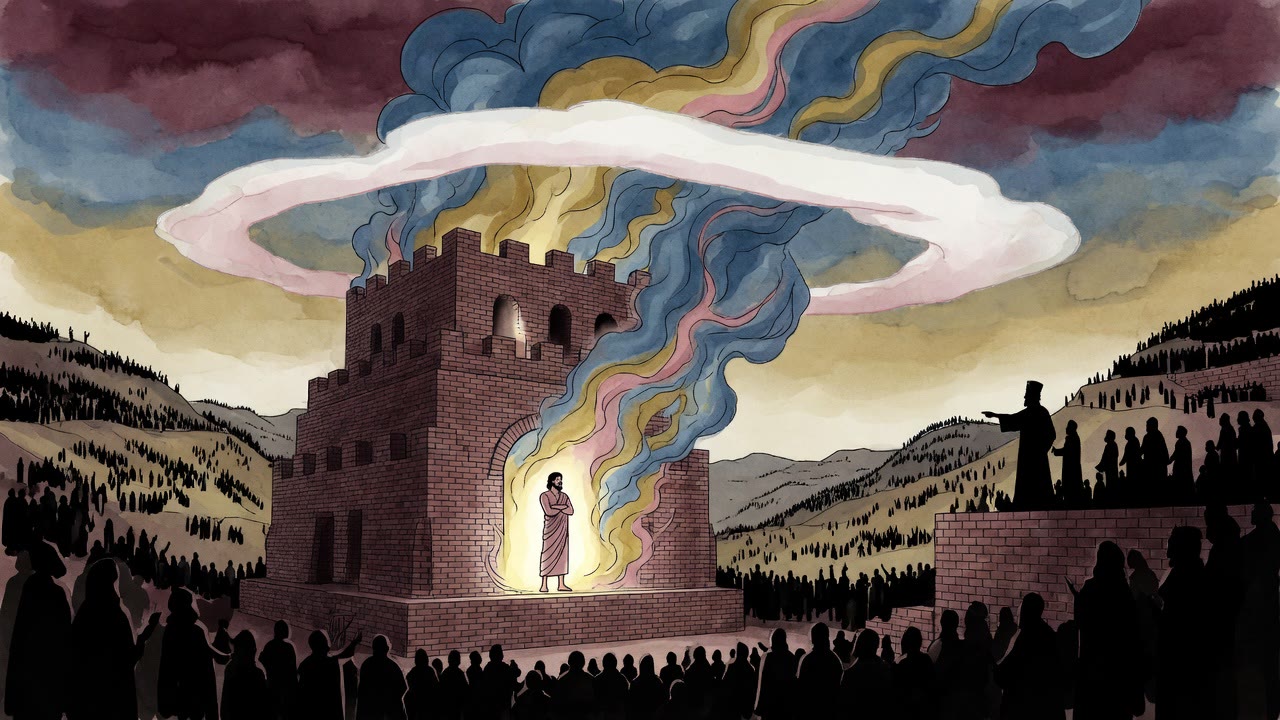
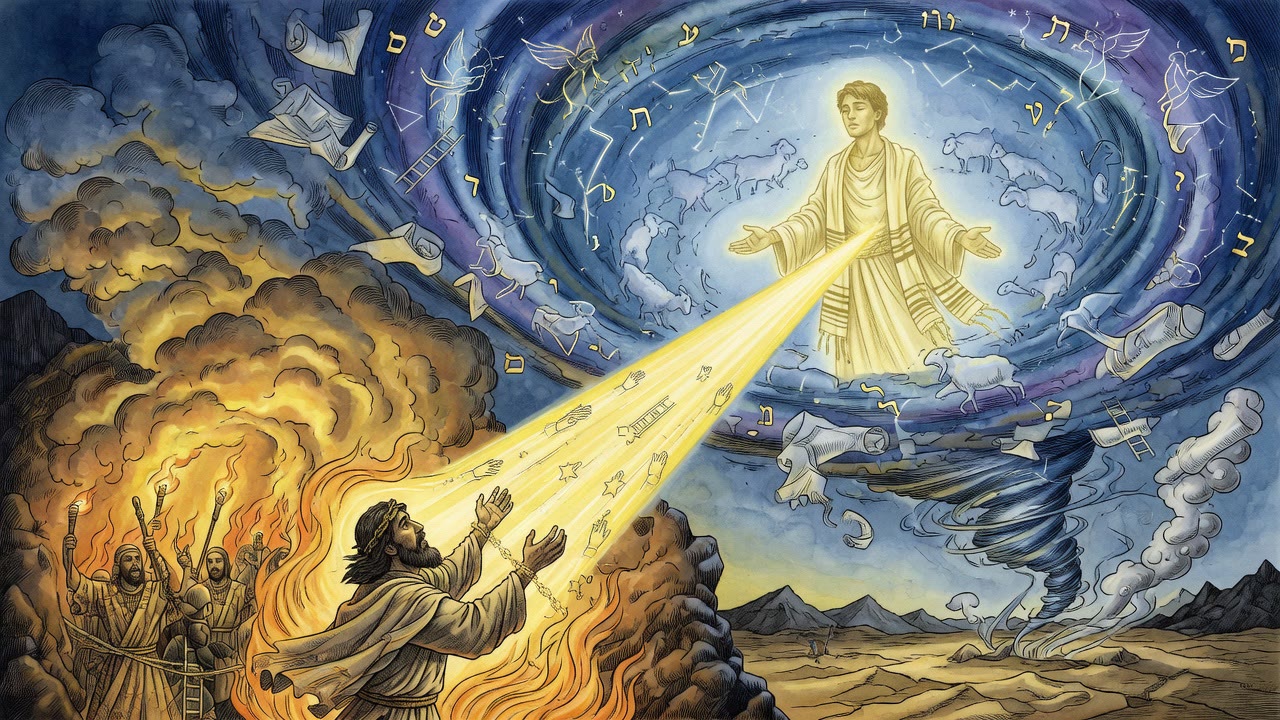
Nimrod Throws Abraham Into the Fire
Nimrod, the first tyrant after the flood, had built his kingdom on a theological claim: he was divine, or near enough to it. His armies served him and his people worshipped him and the idols he maintained, and the arrangement worked smoothly until a young man from Ur began smashing his father's idols and telling anyone who would listen that the whole system was built on a lie.
The sentence was death by fire. Abraham was brought to the furnace and thrown in. He walked out unburned. God brought him out.
But why? That is the question the rabbis of Bereshit Rabbah asked with full seriousness, and their answer stops you cold. The question is not rhetorical. The rabbis did not ask it to confirm what everyone already assumed, that Abraham was saved because Abraham deserved to be saved, because his faith was great and his courage was real and the fire simply could not hold him. They asked it because they wanted to know the actual mechanism of the rescue, and what they found was unexpected.
Why Was Abraham Spared
Rabbi Shmuel bar Rav Yitzchak, teaching in fourth-century Palestine, said plainly: Abraham was not rescued for his own sake. He was rescued because of the merit of Jacob, his grandson, who had not yet been born.
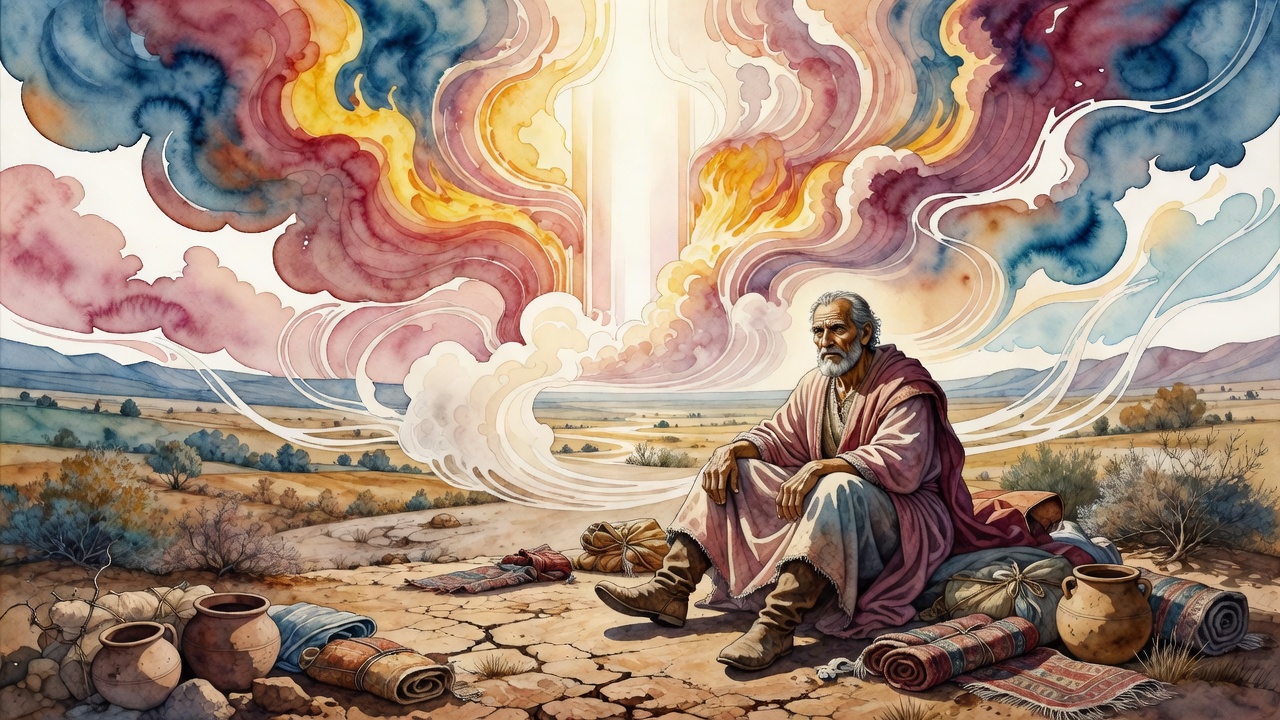
This is not a metaphor. Bereshit Rabbah 63:2 states it as a direct causal claim. The merit that saved Abraham in the furnace was not Abraham's merit but Jacob's. A man who did not yet exist, who would not be conceived for another generation, whose life and deeds and choices were still entirely in the future, had already accumulated enough spiritual weight to rescue his grandfather from death.
Rescued for a Grandson Not Yet Born
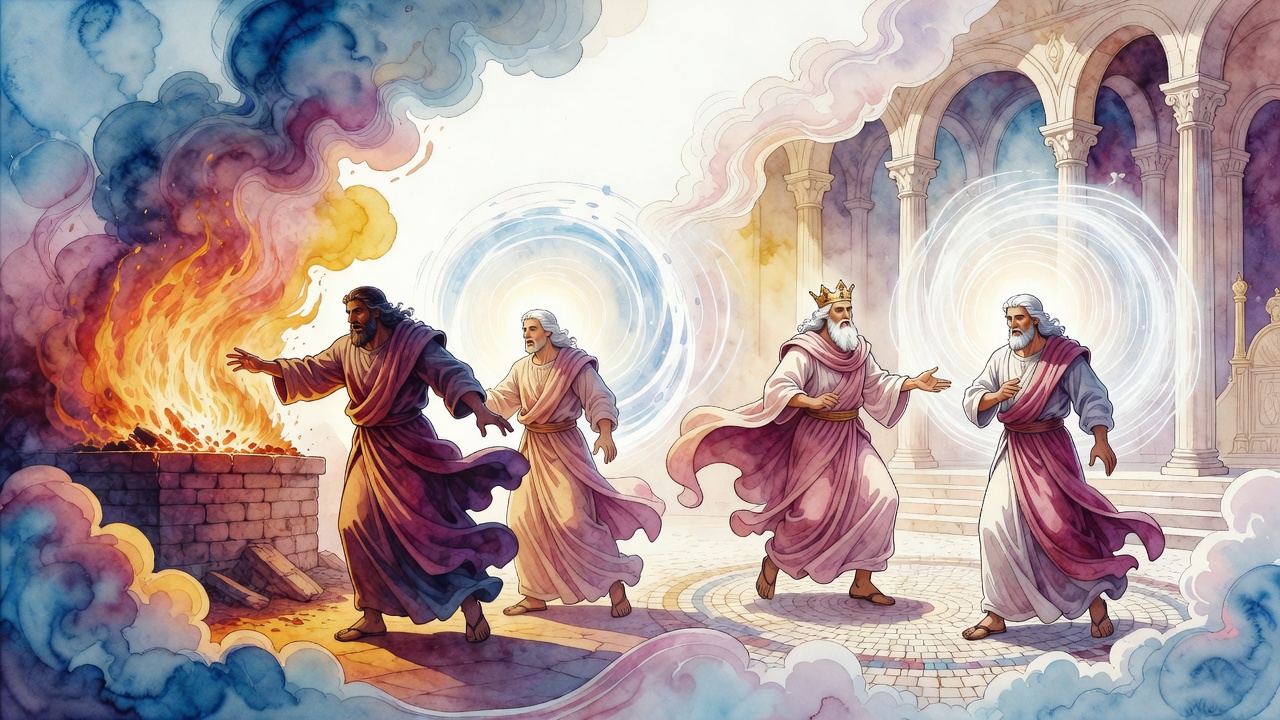
To make the logic accessible, the midrash offers an analogy. A man is condemned to death by a governor. The governor, consulting his charts, discovers that this condemned man will one day father a daughter who will marry the governor's son. He releases the man not for the man's sake but for the sake of the marriage that has not yet happened, for the sake of the future he has seen and wants to preserve.
The condemned man is set free by an event in his own future. His present situation is transformed by something that has not yet occurred. Time, in this analogy, does not flow in only one direction when it comes to the economy of merit and consequence. What a descendant will do can retroactively shape what a forefather survives.
This is one of the most disorienting claims in all of midrashic literature because it rewrites the ordinary sequence of cause and effect. We assume that merit accrues forward: you do good things, and the good things build into a reserve that protects you. Bereshit Rabbah here asserts that merit can also accrue backward: a grandson's not-yet-existing goodness flows upstream through the generations and arrives in time to save his grandfather.
What Jacob's Merit Was
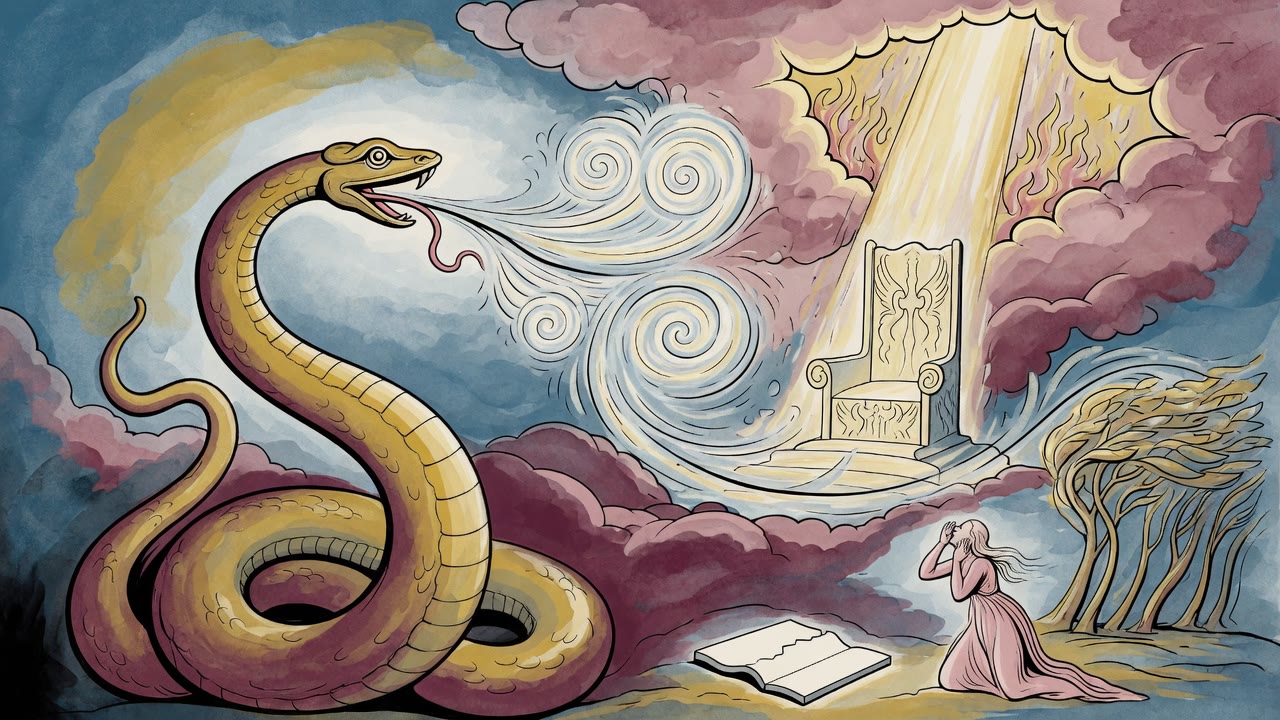
The rabbis specify what it was about Jacob that warranted this extraordinary retroactive rescue. Jacob would be the man at Bethel, the man who wrestled at the Jabbok and emerged limping but renamed. Jacob would be the father of twelve sons who became the twelve tribes of Israel. Jacob would be the vessel through whom the entire covenant people came into existence.
The merit was not simply personal. It was structural. Jacob's existence was necessary for everything that came after. Without Jacob there were no twelve tribes. Without the twelve tribes there was no Israel. Without Israel, the whole project of the covenant, the teaching of Torah, the line of transmission that the entire rabbinic enterprise depended on, had no vessel. Abraham's survival was not primarily about Abraham. It was about what could not exist without Abraham surviving to produce the lineage that would produce Jacob.
← All myths