5 min read

Dinah and Asenath, the Daughter Marked in Gold

Dinah warned Jacob through a maid from Shechem's house. Her hidden daughter Asenath crossed Egypt with her lineage written in gold.

Curated by Arthur · Told by Maggid ·
Table of Contents
  1. The Prisoner Heard the Plot
  2. A Maid Ran From Shechem's House
  3. The Brothers Swore by Morning
  4. The Child at Egypt's Border
  5. Potiphar Read the Gold Plate
  6. Asenath Entered Joseph's House

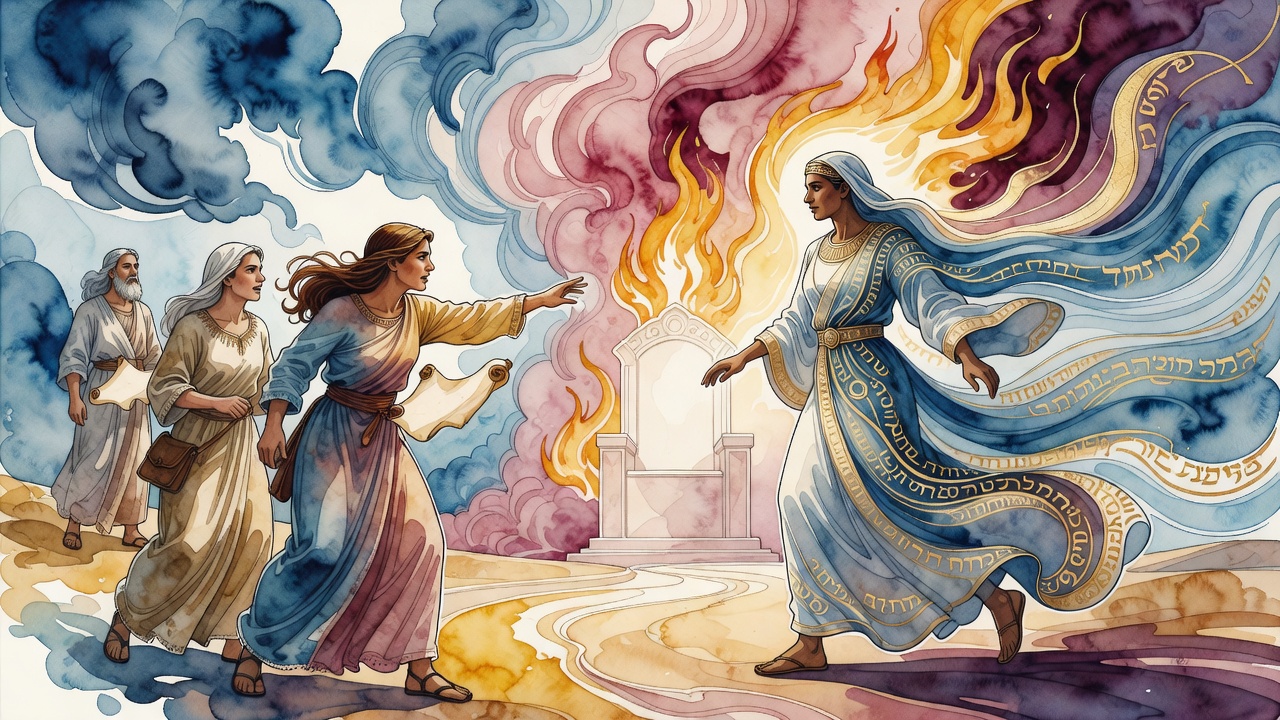
Dinah heard the men of Shechem planning what they would do when the pain left their bodies.
The Prisoner Heard the Plot

The house was not quiet after the bargain. Hamor, his son Shechem, and the men around them had accepted circumcision as the price for drawing Jacob's family into marriage ties. Their mouths spoke agreement. Their bodies would bear the cut. The city would wait for strength to return.

Inside that same house, Dinah listened.

Hamor and Shechem spoke to Haddakum and his brothers without softening the plan. They had taken Dinah because the Hebrews would not yield to their wishes. Once the request was granted, once the families were joined and the men of the city were strong again, they would do to Jacob's sons what their own hearts desired.

It was not remorse. It was a pause before another violence.

A Maid Ran From Shechem's House

Dinah still had one living thread tied to her father's camp. Jacob had sent a maiden to care for her in Shechem's house, and that young woman became the road through the locked room.

Dinah moved quickly. She sent the maid out with the conspiracy in her mouth: Hamor's men would not stop with her. They were waiting for the moment when they could strike the whole family.

The message ran faster than the men of Shechem could heal.

When it reached Jacob's sons, the private injury became a public danger. Dinah was not only the sister held in another man's house. She was the witness who had heard the next attack before it came. Her warning changed the brothers from rescuers into men who believed they were moving first in a war already declared.

The Brothers Swore by Morning

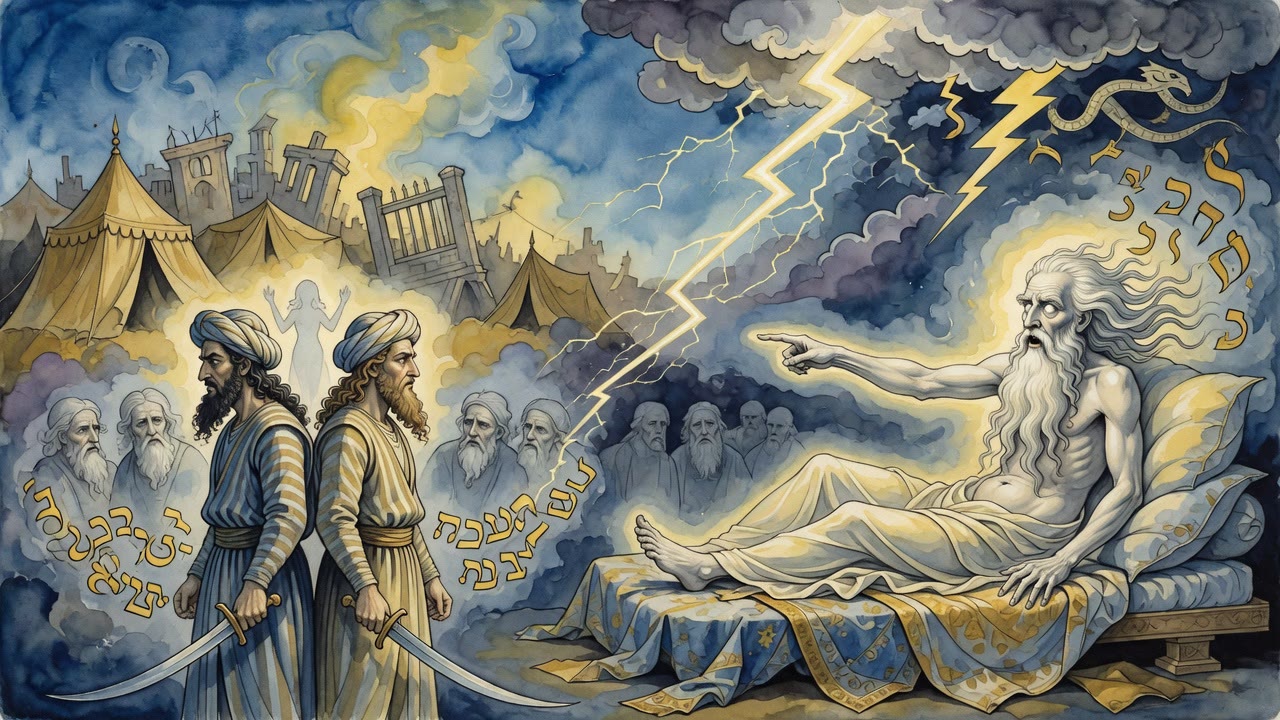
Simon and Levi did not answer with debate. They swore by the living God that by the next day no remnant would be left in the city.

The oath fell like a blade on the table. Morning would come. The pain of the circumcision would still be in the bodies of the men. The city that had spoken of taking what it wanted from Jacob's house would find Jacob's sons at the gate before its own plan could stand up.

Dinah's warning did not make the blood simple. Nothing about Shechem is simple. Her brothers' oath would leave Jacob troubled and the city ruined. But the hidden fact remains: Dinah was not silent furniture in the house where she was kept. She heard. She judged the danger. She sent word.

The brothers carried swords, but Dinah sent the alarm.

The Child at Egypt's Border

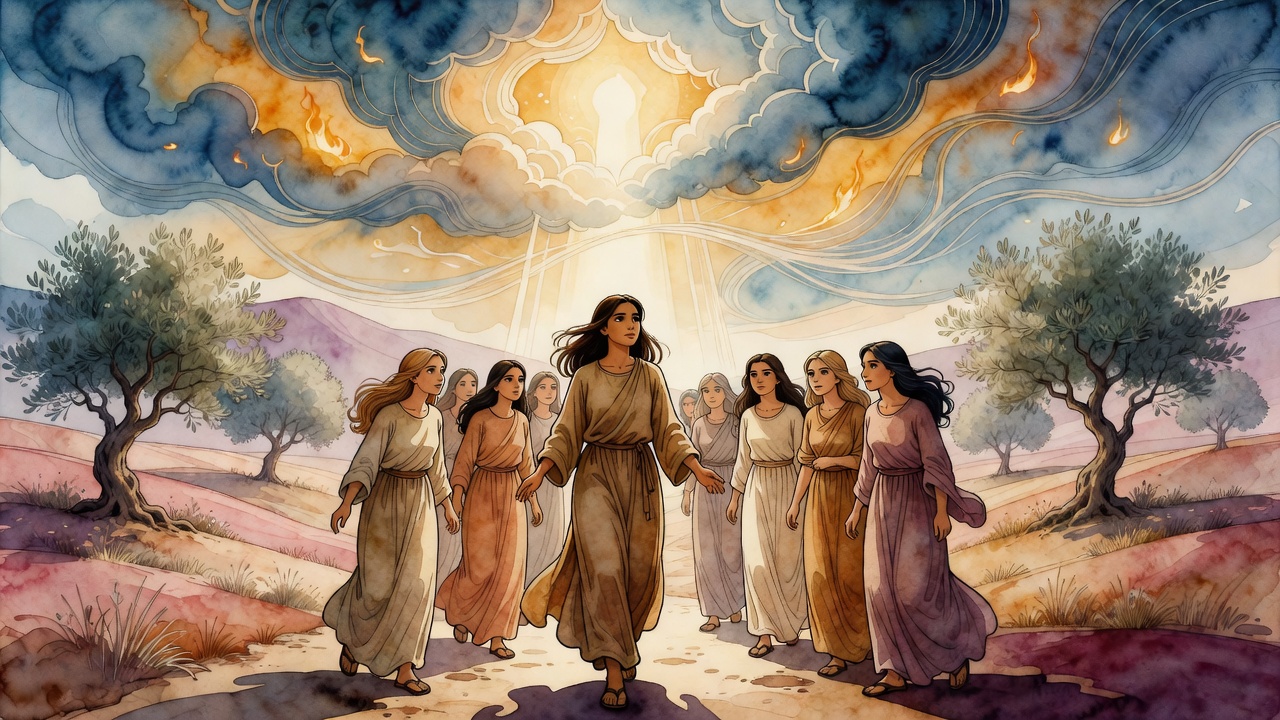
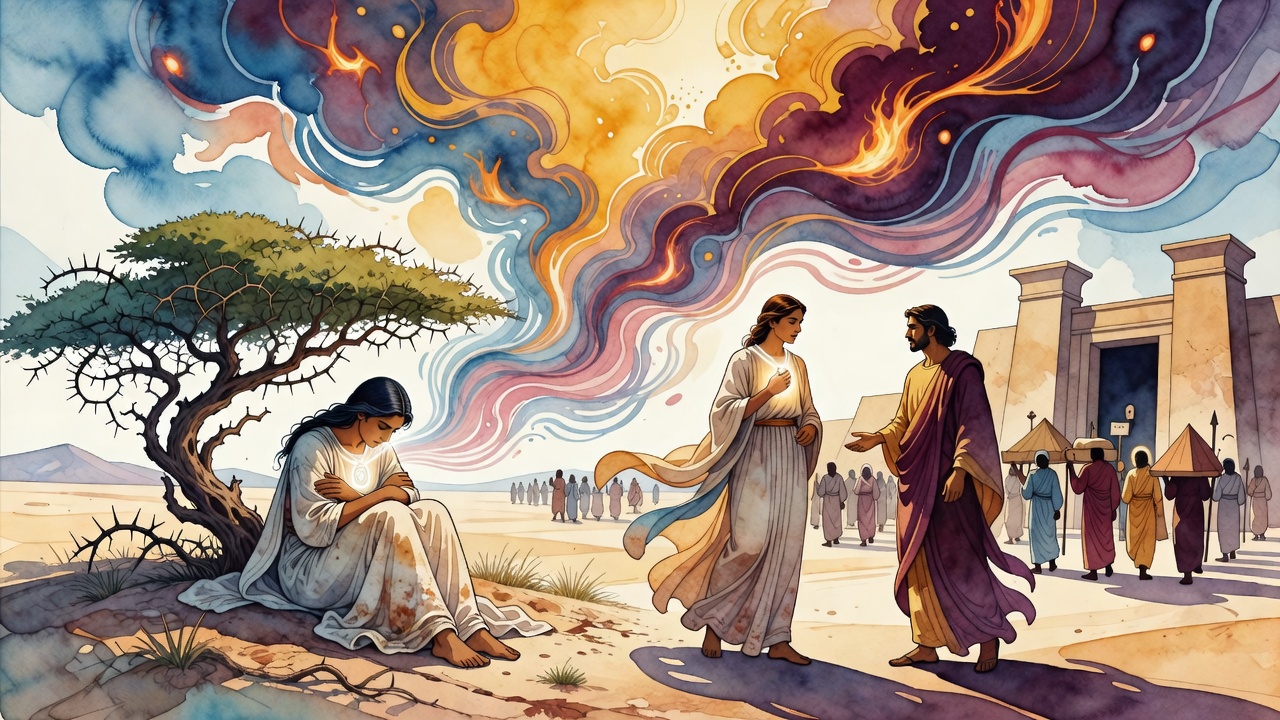
After Shechem, another life came out of that house and entered the world under a mark of pain. The child was Asenath, daughter of Dinah, born from the events that Jacob's family could not absorb without tearing open the wound again.

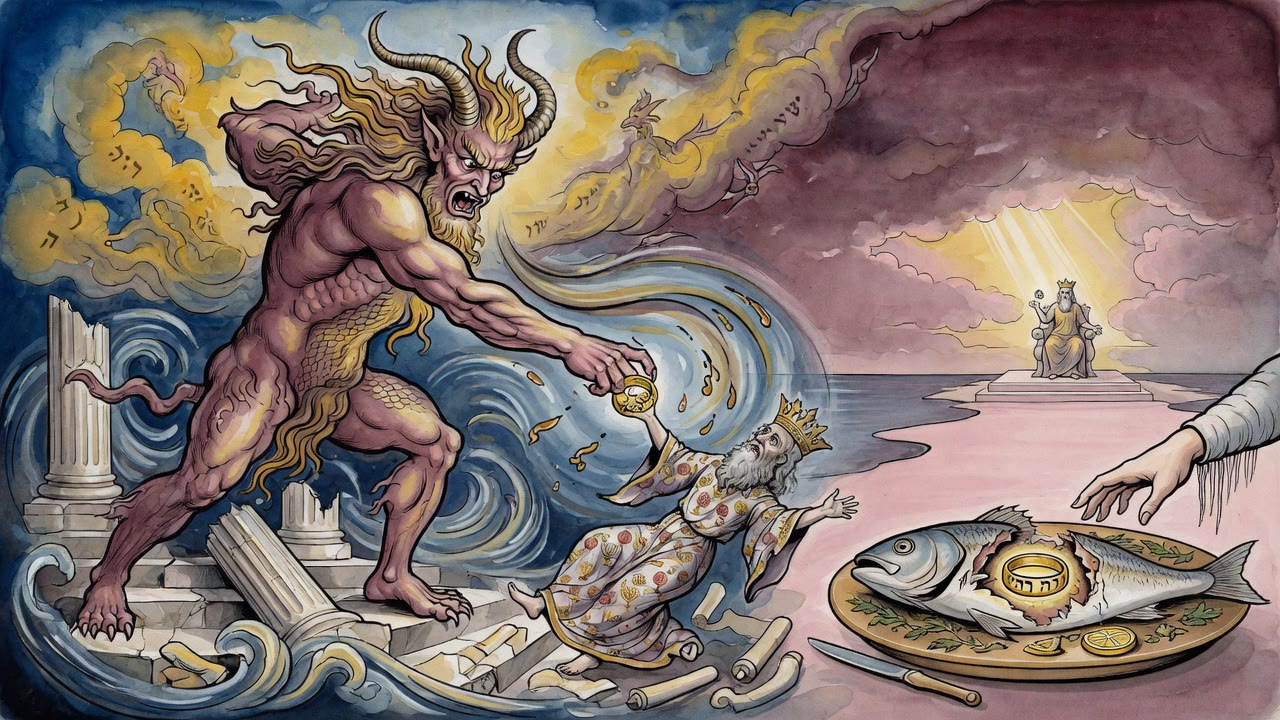
Jacob did not let the child vanish nameless. He engraved her birth and parentage on a gold plate and fastened it around her neck. Gold became testimony. A baby too young to speak carried a record no stranger could erase.

Then she was left at the border of Egypt.

The plate shone where family could not remain. It was mercy and exile at once: a sign that she belonged somewhere, tied to a grandfather who would not let her origin disappear, and a sign that she had been placed beyond the camp.

Potiphar Read the Gold Plate

On the day Asenath was exposed, Potiphar walked with his servants near the city wall. He was captain of Pharaoh's guard, a man whose commands moved other bodies through the streets. Then a child's cry broke into the walk.

He ordered his servants to bring her. They lifted the baby from the place where she had been left and carried her to him. Around her neck hung the gold plate. Potiphar read the engraved history and took her home.

In his house, her name kept speaking. Alef pointed to On, the city where Potiphar served as priest. Samek pointed to setirah, hiddenness, because her beauty was concealed. Nun pointed to nohemet, weeping, because she cried out to be delivered from that house. Taw pointed to tammah, the perfect one, because of her pious deeds.

The child from Jacob's grief grew up under an Egyptian roof with Hebrew memory around her neck.

Asenath Entered Joseph's House

Years later, Joseph rose in Egypt from a pit, a prison, and Pharaoh's dreams. Egypt gave him power, clothing, a new station, and a wife from Potiphar's house. Her name was Asenath.

The match was not random in the hidden arithmetic of the family. Joseph, sold away from Jacob's tents, received a wife whose own path had begun in Jacob's tents and crossed Egypt's border before she could speak. The gold plate had done its work. Her origin had survived.

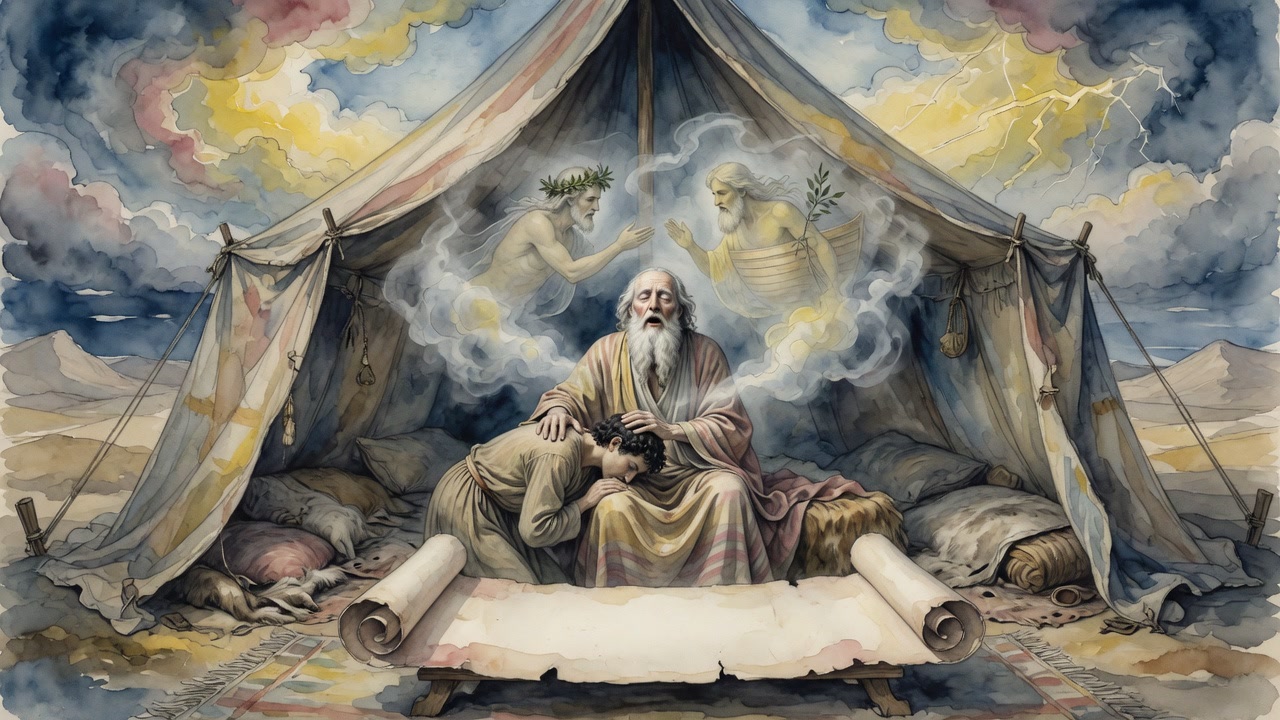
From Joseph and Asenath came sons who would stand before Jacob at the end of his life. Manasseh and Ephraim would be drawn close and treated as Jacob's own. Dinah's line, carried through danger, concealment, and adoption, entered the tribal future by a road no one in Shechem could have seen.

The plate around the abandoned child's neck became a door.


← All myths
From the tradition

Sources

3 sources

The texts this telling draws on, in full. Open a card to read inline, or expand it for a wider, quieter read.

Legends of the Jews 6:222Legends of the Jews

Legends of the Jews turns to Kingdom of Dinah.

After the terrible act, Hamor and his son Shechem, along with the city’s people, became fearful. They realized the gravity of their actions. According to Legends of the Jews, when Hamor and Shechem spoke to Haddakum and his brothers, they claimed, "Because we saw that the Hebrews would not accede to our wishes concerning their daughter, we did this thing, but when we shall have obtained our request from them, we will then do unto them that which is in your hearts and in ours, as soon as we shall become strong." They admitted to the act, but framed it as a response to the Hebrews' perceived unwillingness to negotiate a marriage.

Dinah, imprisoned in Shechem’s house, wasn't idle. According to the retelling in Ginzberg’s Legends, she managed to send a message to her father and brothers through a loyal maidservant. She exposed the conspiracy being plotted against them, revealing the true intentions behind Shechem and Hamor’s seemingly contrite words.

Can you imagine the rage that must have surged through Simon and Levi when they heard this? It wasn't just about Dinah anymore; it was about the honor of their family, the safety of their people. They felt betrayed and manipulated.

Their response was swift and brutal. "As the Lord liveth," Simon and Levi swore, "by to-morrow there shall not be a remnant left In the whole city." This wasn't a measured response; it was a declaration of total war, fueled by a burning need for vengeance. A complete annihilation of the city of Shechem.

So, what are we to make of this story? It's uncomfortable, isn't it? The actions of Simon and Levi are undeniably harsh. Where does justice end and revenge begin? Is there ever justification for such extreme violence? These are questions that have echoed through generations of Jewish thought, forcing us to confront the complexities of morality, honor, and the enduring legacy of trauma. It's a story that reminds us that even within our sacred texts, there are moments that challenge us, that demand we look deeper into the human condition and the choices we make in the face of unimaginable pain.

Full source
Legends of the Jews 1:180Legends of the Jews

Sometimes, the most fascinating tales lie just beyond the edges of the well-known ones. Take Joseph, for instance. We know he rose to power in Egypt, but what about his wife, Asenath? Her story is far more intriguing than you might realize.

Her very name, is a whispered history, a clue to a past shrouded in mystery. The ancient texts tell us she wasn't just any Egyptian woman. According to Legends of the Jews, a masterful compilation by Rabbi Louis Ginzberg, Asenath was the daughter of Dinah and Hamor. Dinah, you might remember, was the daughter of Jacob who was infamously abducted and, according to some sources, raped in the city of Shechem.

Asenath was abandoned near the Egyptian border. Can you imagine such a thing? To ensure her true identity wouldn't be lost, Jacob, her grandfather, engraved the story of her birth and parentage on a golden plate and fastened it around her neck. It's a poignant image, isn't it? A tiny baby, marked with her history, adrift in a strange land.

Here's where the story takes another turn. One day, Potiphar, an Egyptian captain, was walking near the city walls with his servants when they heard the cries of a child. They followed the sound and discovered the abandoned baby. At Potiphar's command, they brought her to him. Upon reading the golden plate, he learned her history and decided to adopt her, raising her as his own daughter. What a twist of fate!

Even Asenath's name itself is packed with meaning, a kind of coded biography. The Alef in Asenath, we're told, stands for On, where Potiphar served as a priest. The Samek represents Setirah, meaning "hidden," because she was kept concealed due to her extraordinary beauty. The Nun signifies Nohemet, "weeping," because she wept and entreated to be delivered from the heathen house of Potiphar. And finally, the Taw stands for Tammah, "the perfect one," a tribute to her pious and perfect deeds.

So, the next time you read the story of Joseph in Egypt, remember Asenath. Remember the golden plate, the abandoned baby, and the name that echoes with a hidden past. It reminds us that even in the grand sweep of biblical narratives, there are countless untold stories waiting to be discovered, each one offering a glimpse into the complexities and wonders of human experience. These hidden stories, like Asenath's, enrich our understanding and add layers of depth to the narratives we think we know so well.

Full source
Targum Pseudo-Jonathan on Genesis 41:45Targum Pseudo-Jonathan on Genesis

The Torah says Pharaoh gave Joseph a wife named Asenath, daughter of Potiphera, priest of On. Targum Pseudo-Jonathan on (Genesis 41:45) stops the reader short with a different claim: Asenath was "whom Dinah had borne to Shekem, and the wife of Potiphera prince of Tanis had brought up."

Keeping the marriage inside the family

The Aramaic paraphrase, which reached its final form in the Land of Israel around the seventh or eighth century CE, cannot let Joseph marry outside the household of Jacob. The same tradition appears in Pirkei deRabbi Eliezer, chapter 38, a Jewish narrative midrash composed around the eighth or ninth century CE: after Dinah's violation (Genesis 34), she bore a daughter, and the archangel Gabriel carried the infant to Egypt, where she was adopted into Potiphera's household. When Joseph rose to power and married "Asenath," he was in fact marrying his own niece, a descendant of Jacob all along.

Pharaoh also gives Joseph a name

The verse also preserves Pharaoh's Egyptian title for Joseph: the Targum translates Tzafenat Paneach as "The man who revealeth mysteries." A name earned in the dream chamber becomes the official court title he will carry for the rest of his life.

The takeaway

The Targum refuses to let Joseph's family tree fray at the edge. Even in the Egyptian court, even under an Egyptian name, the line of Abraham is kept unbroken.

Full source