Heaven Wrote Levi as a Friend After the Slaughter at Shechem
Dinah was twelve when she sat with her mother among the dancers at Shechem. The prince took her by force. Heaven still wrote Levi's name.
Table of Contents
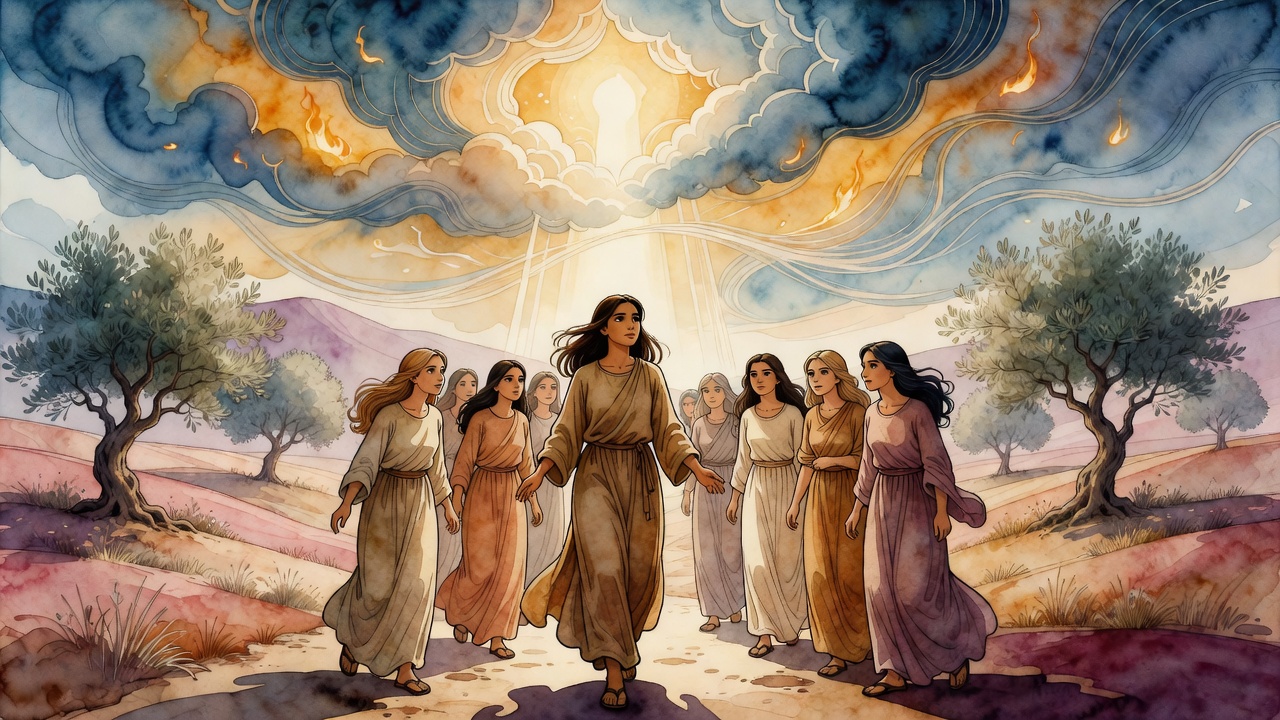
Dinah was twelve. She sat with her mother among the daughters of Shechem while the city danced. Shechem son of Hamor, prince of the land, looked once, asked whose daughter she was, and sent men to take her.
 Click for full size
They brought her into his house. He seized her and lay with her and humbled her. Then he loved her, and he would not let her go.
The Dance at Shechem
Jacob had bought a strip of field from Hamor's people for five shekels. He had built a house, pitched a tent, made booths for the cattle, and stayed a year and six months. When the women of the land went into the city to dance, Rachel and Leah went to watch, and Dinah went with them. She had been living in that place long enough to walk out as if it were hers.
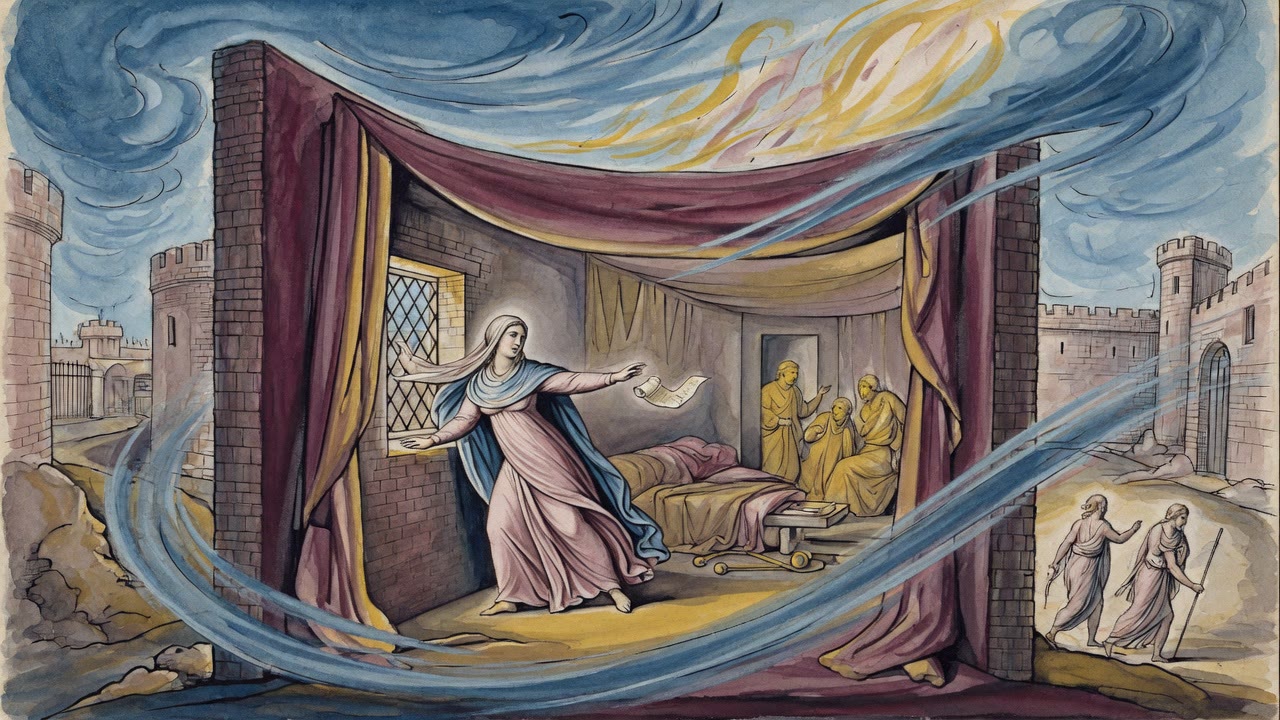
Word came back to Jacob. He sent twelve servants to fetch her. Shechem drove them from the door. He sat with Dinah in front of them, kissing her, and would not let them near. The servants returned and told Jacob what they had seen. Jacob said nothing. His sons were still in the field with the flocks. He sent two maidens in to stay with her, and he waited.
Shechem sent friends to his father. Get me this girl for a wife. Hamor came and sat before his son. He asked whether there was no woman among their own people, that he would take a Hebrew. Shechem did not care. He wanted her, and he was willing to pay.
The Third Day
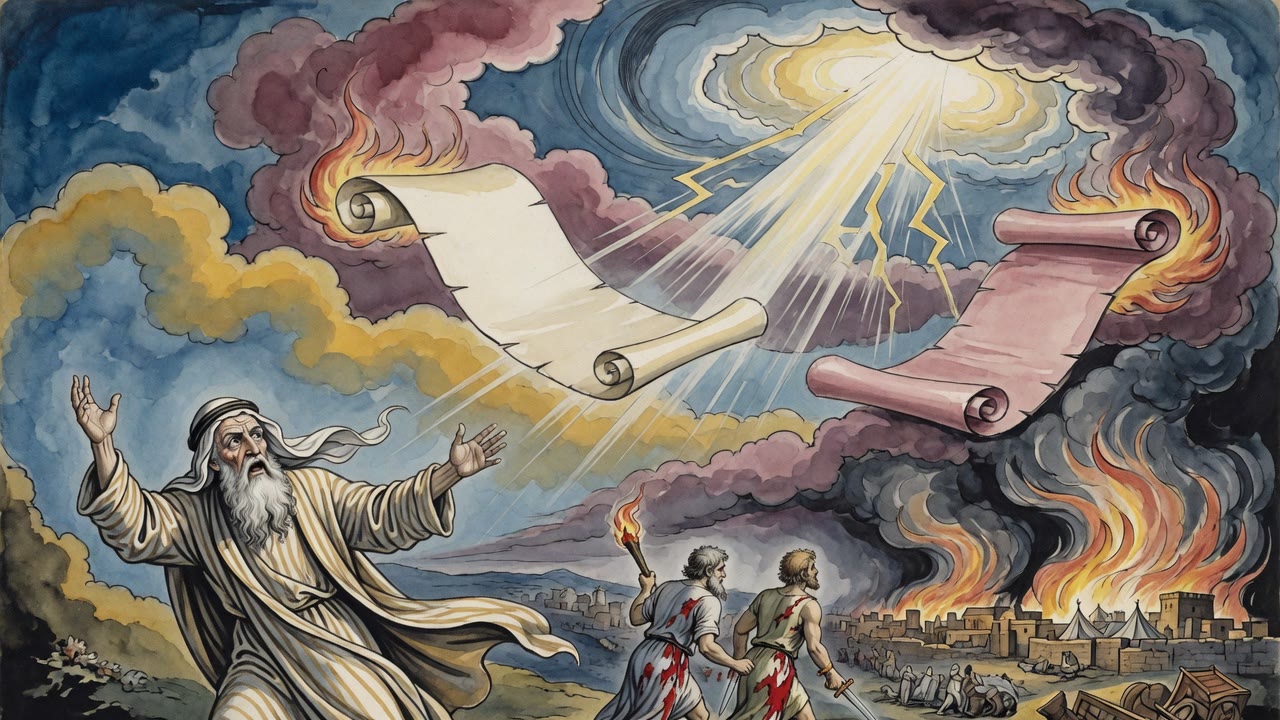
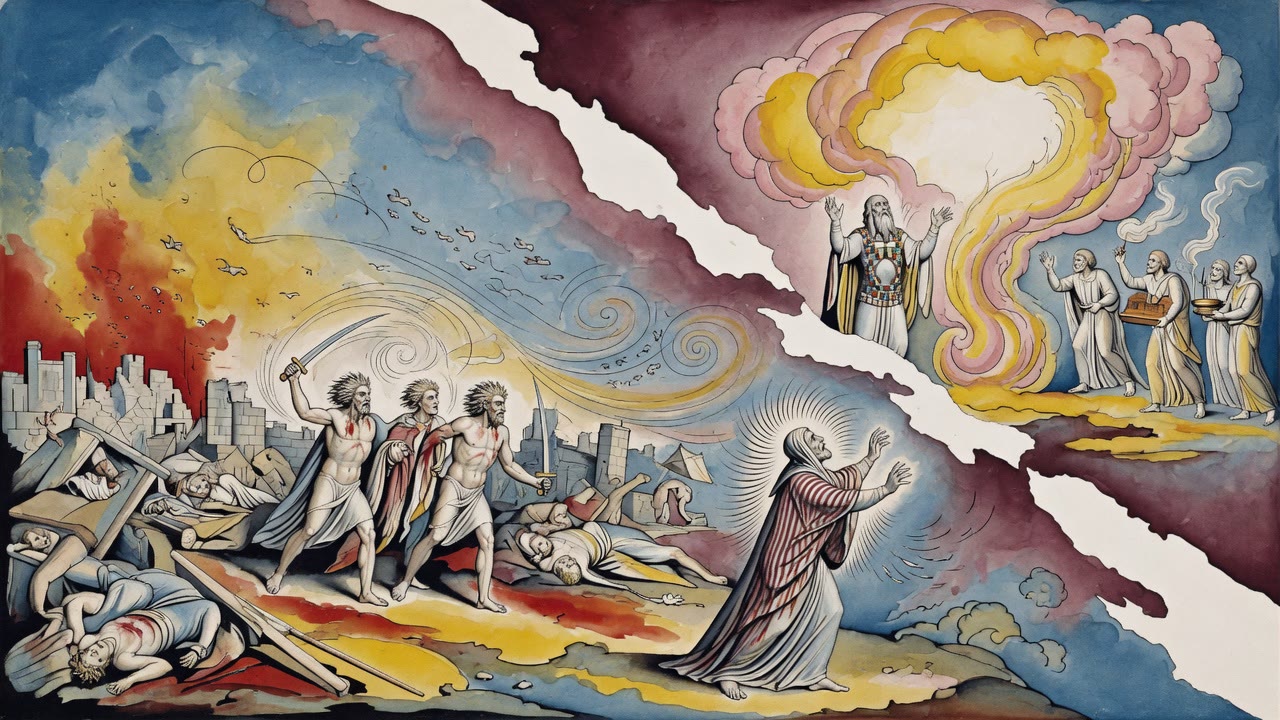
Jacob's sons came home wroth. The men of Shechem had defiled their sister. They spoke with Hamor's people as if a marriage could be made, and they beguiled them. Circumcise every male, they said, and we will give our daughters and take yours, and we will be one people. On the third day, when the men of the city were in the worst of the pain, Simeon and Levi took their swords and went in.
They came unexpected. They slew every man they found. They left not a single one remaining. They slew them in torments because of Dinah. Then they brought their sister out of Shechem's house. The other brothers took the sheep, the oxen, the asses, the wealth, the flocks, and carried it all to Jacob.
Jacob reproached them. You have put the city to the sword. He looked at the Canaanite hills and the Perizzite towns and saw his household's name turning into a stench. He had just over thirty years of covenant life behind him, and he understood what a massacre does to neighbors.
A Name Written in Heaven
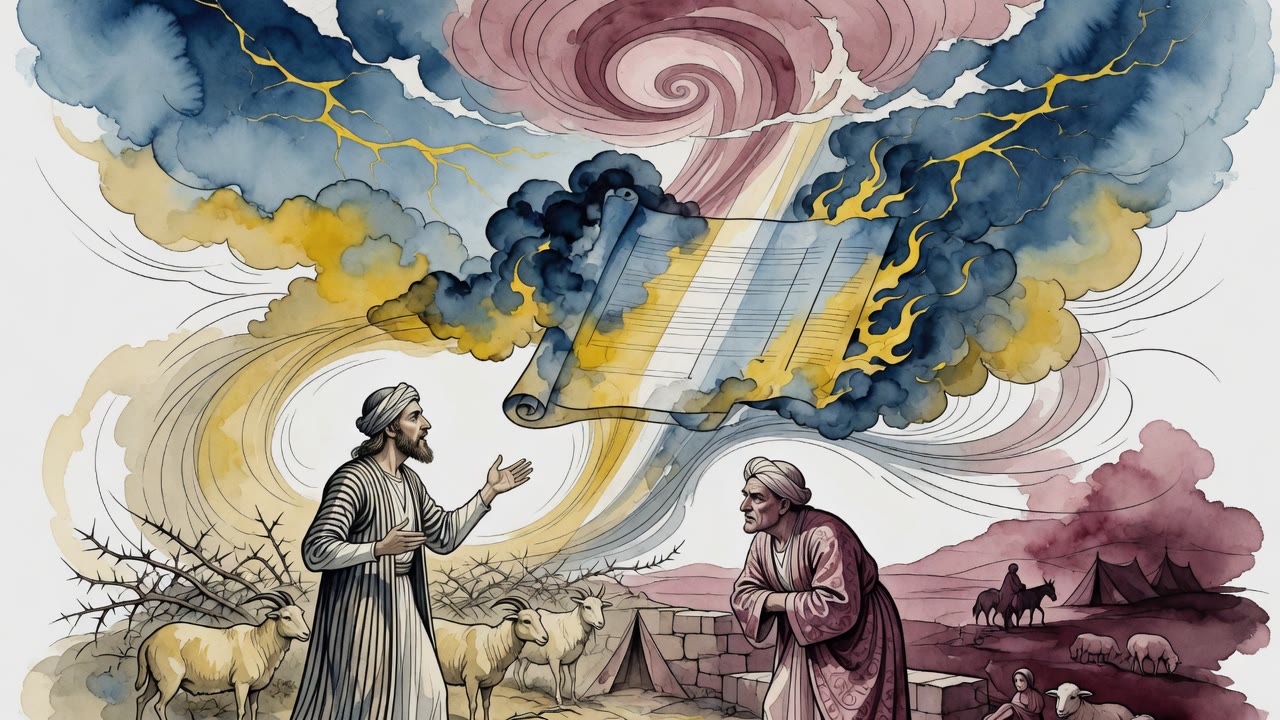
While the city was still being emptied, a writing was recorded in heaven. On the day the sons of Jacob slew Shechem, it was written in their favor that they had executed righteousness and vengeance on the sinners, and it was written for a blessing.
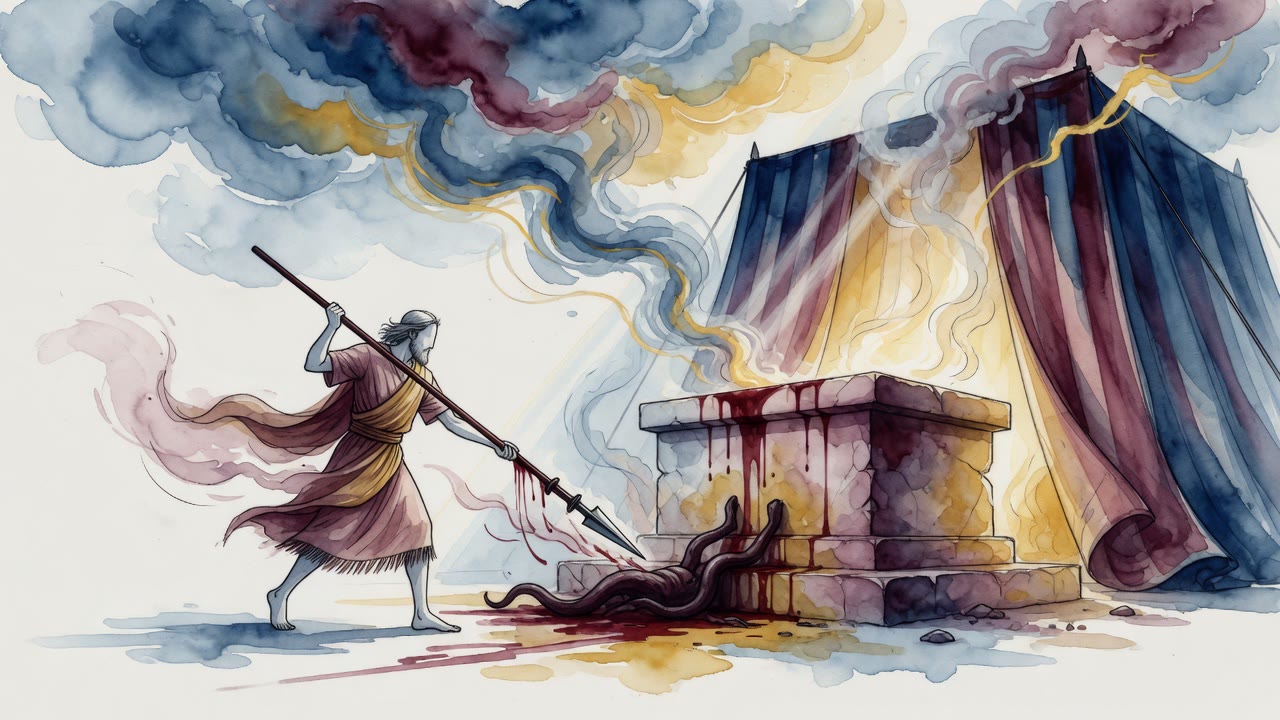
Judgment had already been ordained above against the men of Shechem, that they should be destroyed with the sword because they had wrought shame in Israel. A daughter of Israel was not to be defiled that way again. The heavenly tablets had the law before Jacob's household ever bought the field. What Shechem did to Dinah was an assault on a child of twelve. It was also a break in an order that had been inscribed before any of them were born.
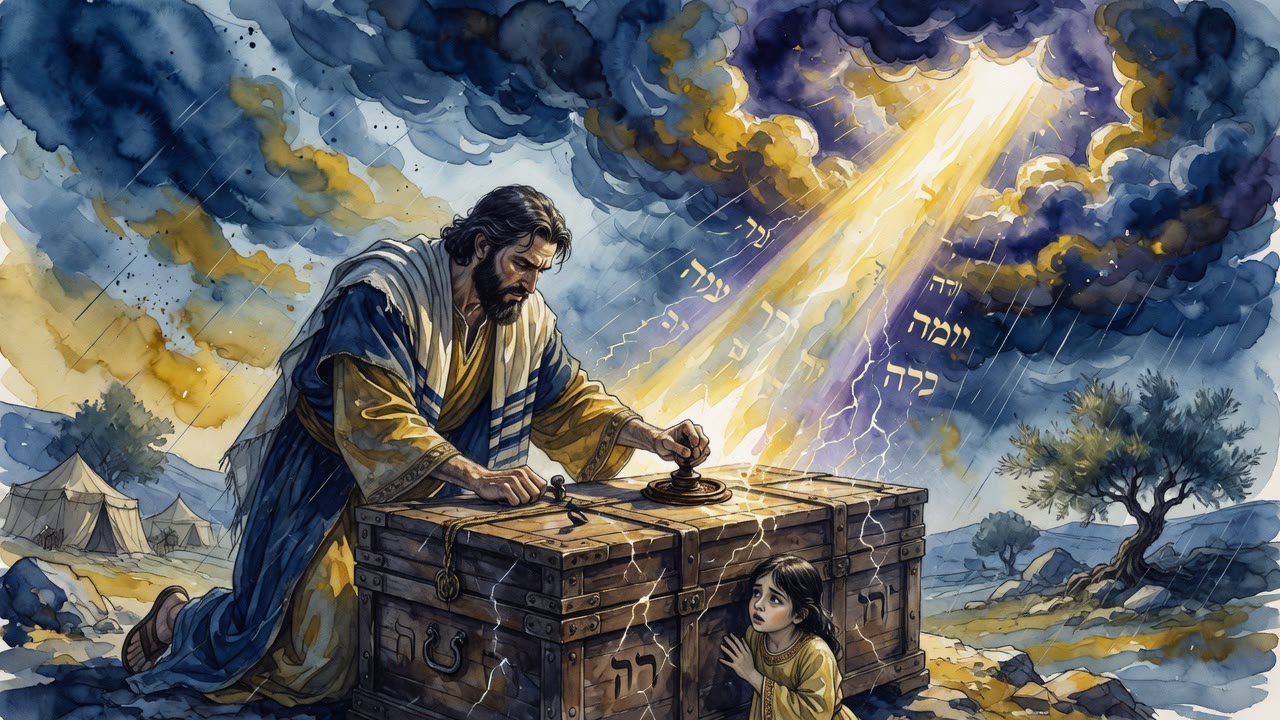
Levi's name was written on those tablets as a friend and a righteous man, he and his descendants after him. Jacob's curse on their anger would still come, years later, from a deathbed. Both things were true in the same hour: the father's fear, and the ledger that called Levi a friend.
Dinah Carried Out of the House
She does not speak in any of it. Not at the dance. Not in Shechem's house. Not when her brothers lift her out over the dead. The tablets speak. Levi's name speaks. Jacob's fear speaks. Dinah is carried.
Jacob told them they had made him odious in the land. He was thinking of the next city, and the next, and whether anyone would let his household pass. The writing in heaven did not cool that fear. It did not have to. The sons had already done what the tablets required, and the sister was out of the house, and the field he had paid five shekels for was a place he could no longer stay.
They left Shechem behind them. Levi's name stayed written.
← All myths