God Made the Canaanites Repair the Land Before Israel Arrived
A boy watched his father torch the grain. Forty years later that boy packed figs he was not allowed to eat, and left the jars sealed.
Table of Contents
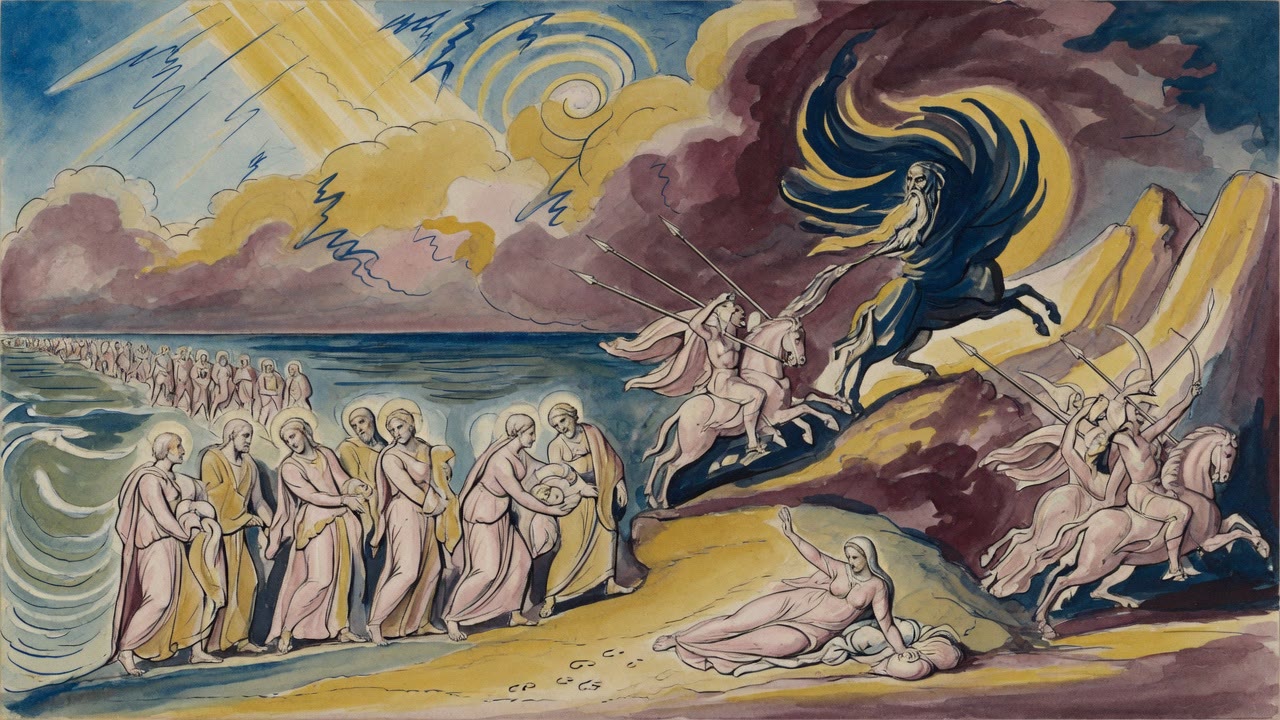
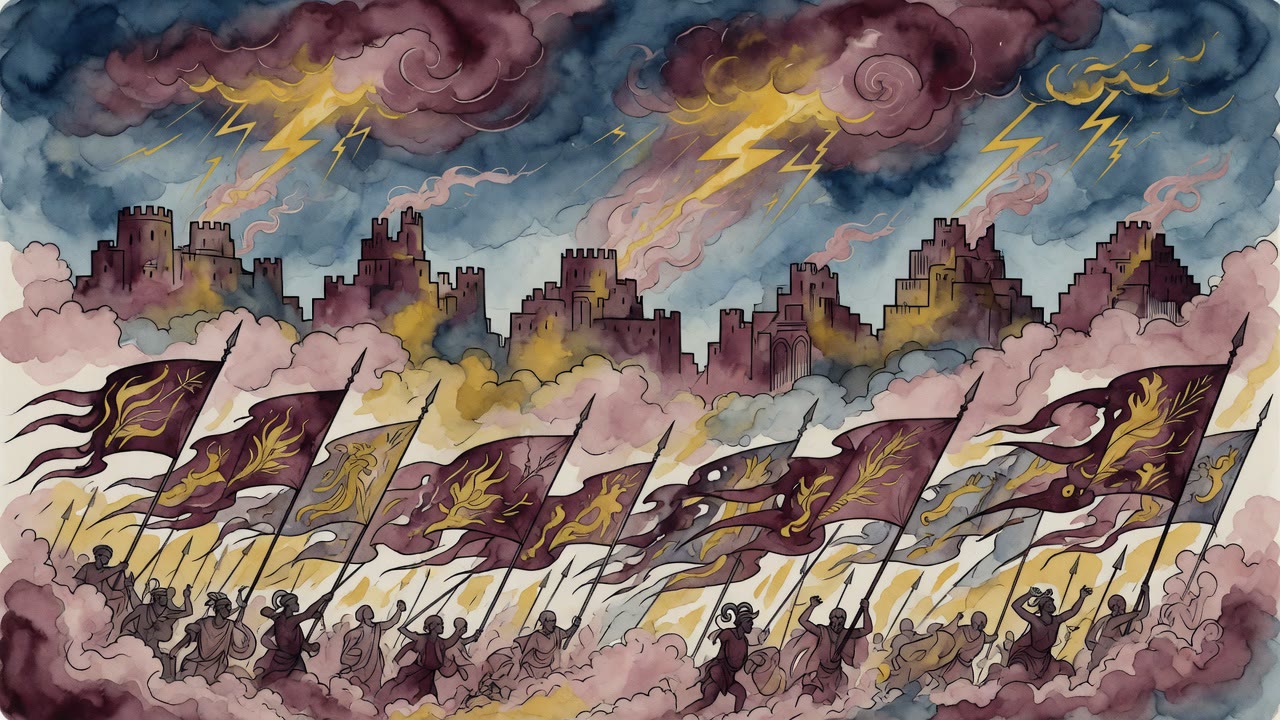
The news reached Canaan on the trade roads before any dust of Israel showed. A nation of slaves had walked out of Egypt. The Canaanites went into their own fields with torches.
 Click for full size
They Burned What They Could Not Keep
They burned the standing grain because they would rather eat smoke than watch strangers harvest it. They took axes to the young orchards and cut the saplings through at the root. They pulled down houses they had been born in and left the beams where they dropped. They rolled stones into the mouths of the springs until the water stopped coming.
If the country was going to be taken, the takers could have ash, rubble, and dry wells. A boy stood in the lane and watched his father put fire to a row of figs. Green fruit still hung on the branches. The heat made the air shake. Nobody sang.
They wrecked the land the way a man wrecks a house he is being forced to leave. The next tenant was meant to find nothing worth sitting in.
The Oath Named Houses Already Full
God had promised Abraham something more particular than a country. The oath named houses full of every good thing. Cisterns already cut into the rock. Vineyards and olive trees already old enough to carry fruit. Not a ruin to walk into. A place to eat from the first night.
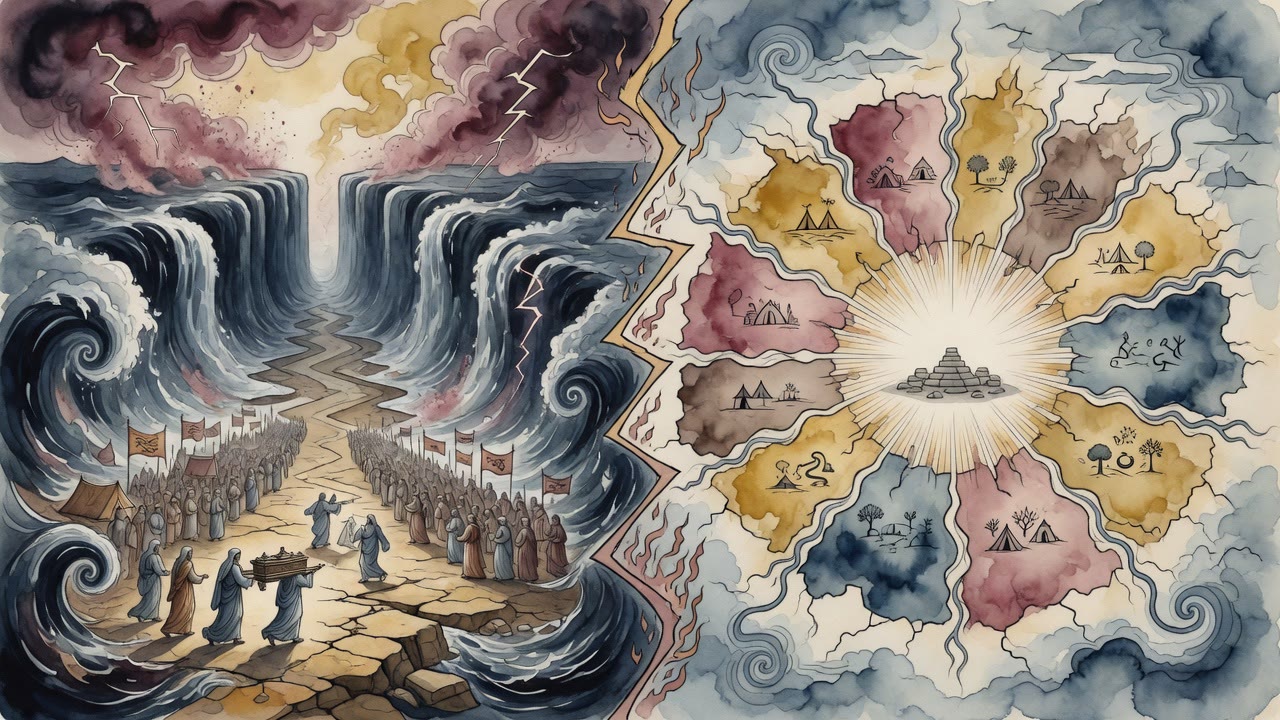
So the short road closed. Israel did not come up the coast. They went around, and around again, striking camp and pitching it, because a burned field could not pay an oath spoken over Abraham's head. The smoke sat over Canaan. The black fields sat under it. Forty years opened like a delay that looked, from the ground, like wandering.
In the camp they whispered it in the dark. "What if the place we are going to is not as good as the place we left." Egypt had been a garden with a river through the middle of it. They had seen that river every day of their lives, even when they hated the brick.
God answered them plainly. "The land you are coming to is not like Egypt." Hebron was the poorest ground in Canaan, stony and hard. Hebron had been built seven years before Zoan, and Zoan was where the kings of Egypt kept their palaces. If the refuse of one country outranked the crown city of the other, the argument was over. Every land on earth has something in it that another land lacks. That one lacks nothing.
They Planted What They Would Not Eat
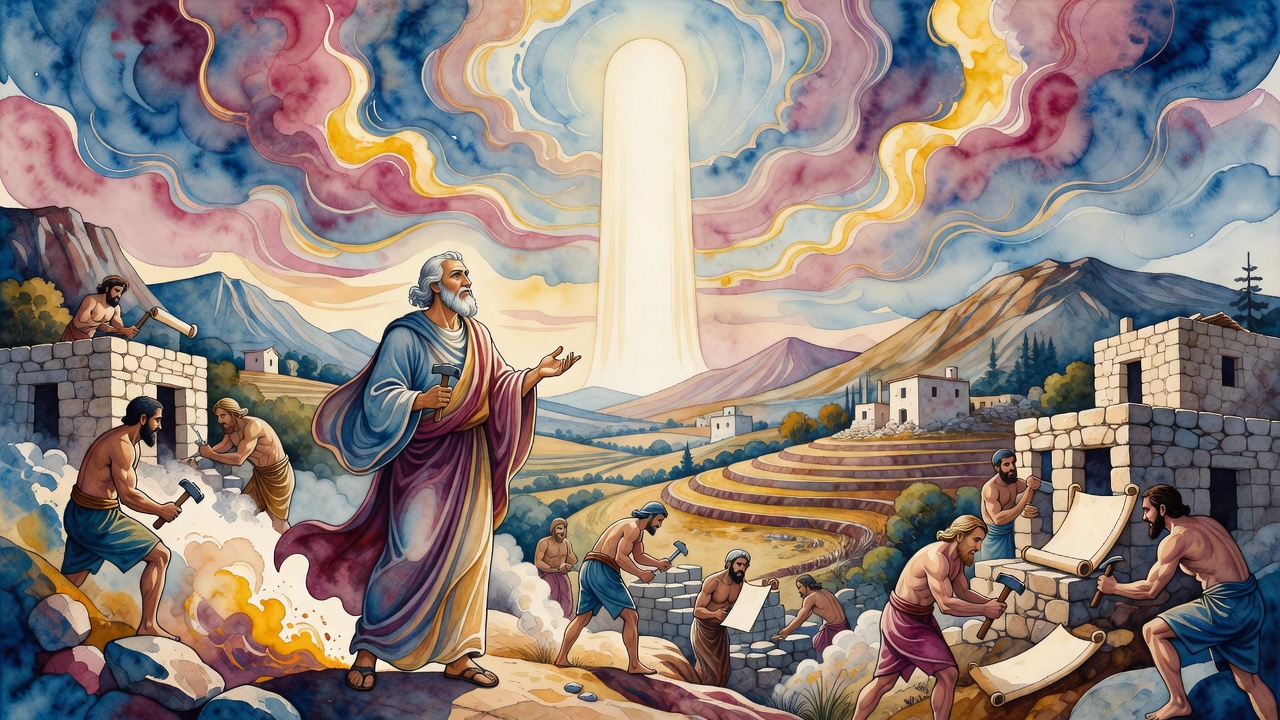
The Canaanites went back to work, because the threat had walked off into the desert and stayed there. Men who had cut down their own orchards dug holes and set new saplings. They packed the soil around the stems. They cleared the stones out of the springs and waited for the water to rise. They raised the fallen houses. They hewed cisterns into the rock. They cut storage caves into the hillsides and planted fruit trees of every kind they could get seed for.
The boy who had watched the figs burn grew into a man who spent his summers grafting vines. Nobody came. The country filled up again, tree by tree, until the lanes that had smelled of ash smelled of sap.
When the harvests came in, they did not eat them.
A man would carry figs into the house and set them down and not touch them. He kept his sons off them, and his wife, and his daughters. The jars stayed sealed. The bins stayed heavy. Year after year the fruit sat there, not being enjoyed, while the people who had grown it went on eating whatever they had eaten before. They could not say why their hands stopped. They only knew the food was not for them.
Israel Sat Down at Strangers' Tables
Near the end of the forty years God gave Moses an errand that had nothing to do with anyone still walking. "Go down and tell the first fathers," He said. "Tell Abraham, Isaac, and Jacob that I have dealt generously with their children in every particular I agreed with them. I built the houses. I planted the vineyards. I made the pools of water." The land had come up so complete that it did not lack even reeds for arrow shafts.
Then Israel crossed the Jordan and walked in.
The houses were standing and stocked. The cisterns were cut and holding. The vines were old, the olive trees older, and the storerooms would not close. Every plank and every root and every stone lip of every well had been put there by people who had sworn that these particular strangers would inherit nothing at all.
The boy who had grown old packing figs he could not eat was gone, or he was a grave under a tree he had planted. God had prepared the land while they walked. Israel sat down at tables they had not built and broke bread they had not grown, because the oath had been larger than the fire.
← All myths