144 myths · Page 1 of 5
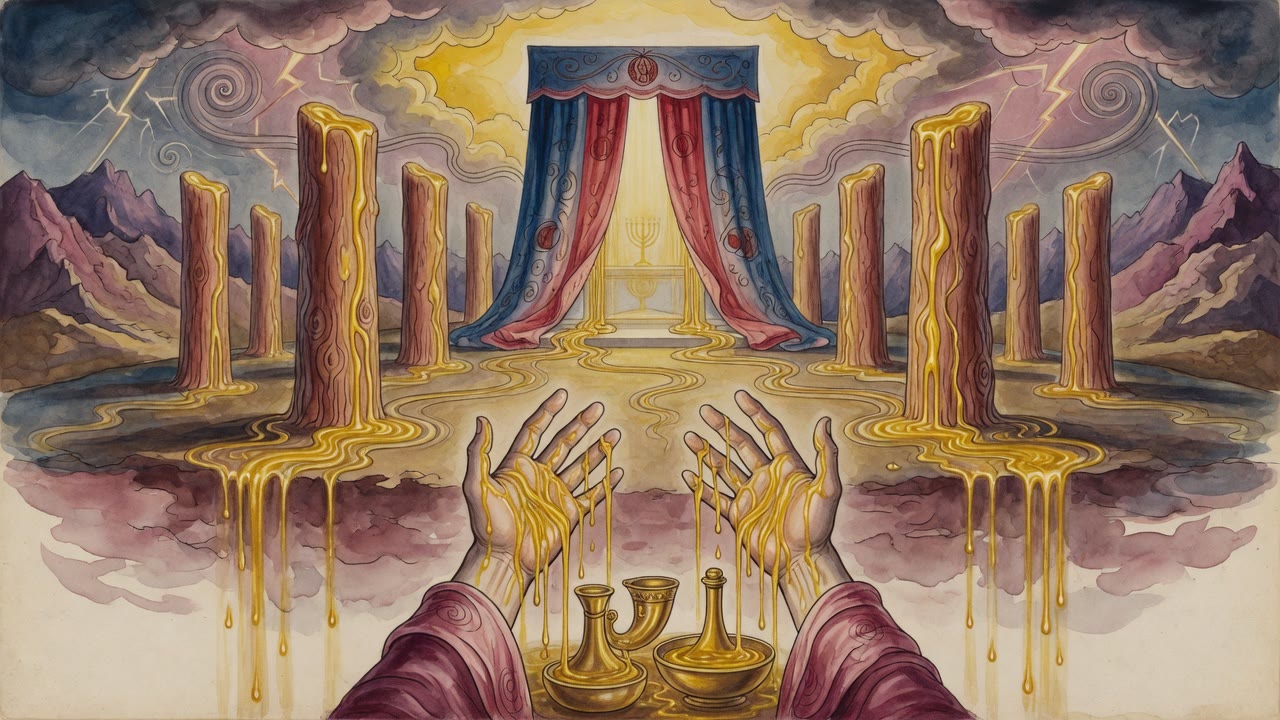
Moses made twelve logs of sacred oil in the wilderness. It anointed priests, vessels, and kings for centuries and never diminished by a drop.
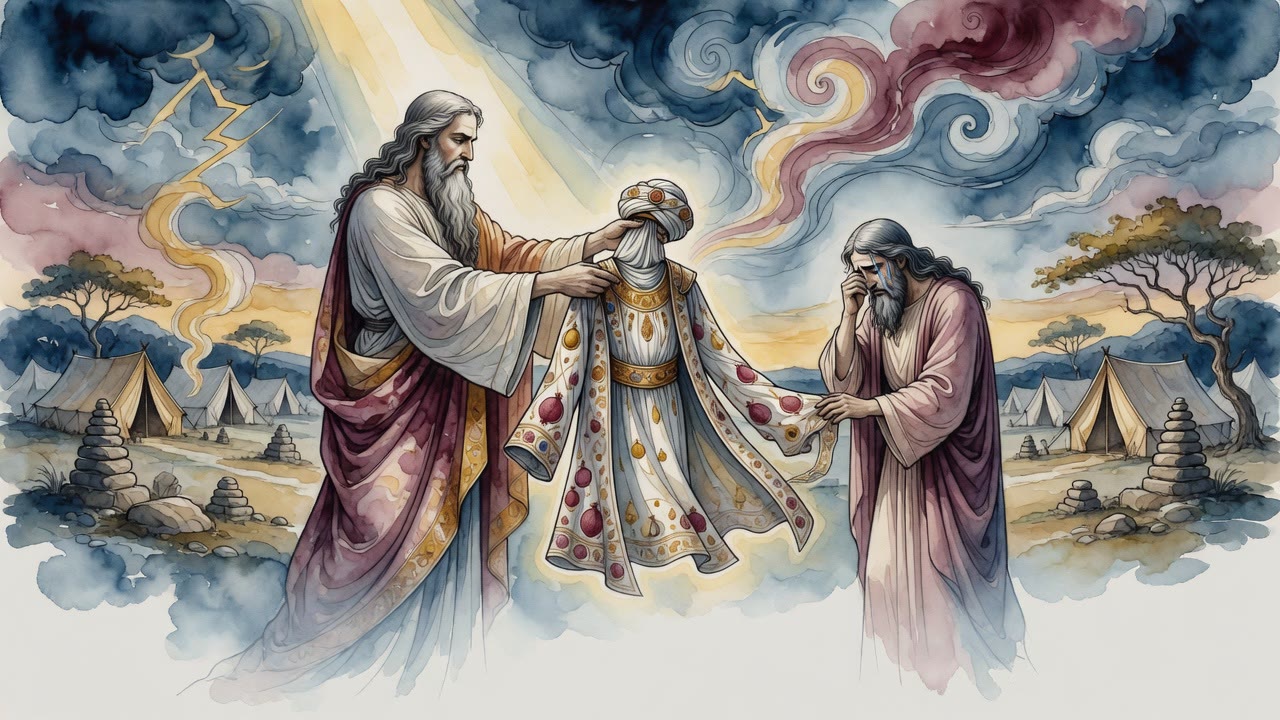
Moses crossed the camp to tell his brother Aaron he would wear the High Priest's robes, and Aaron, who shunned distinctions, wept and said no.
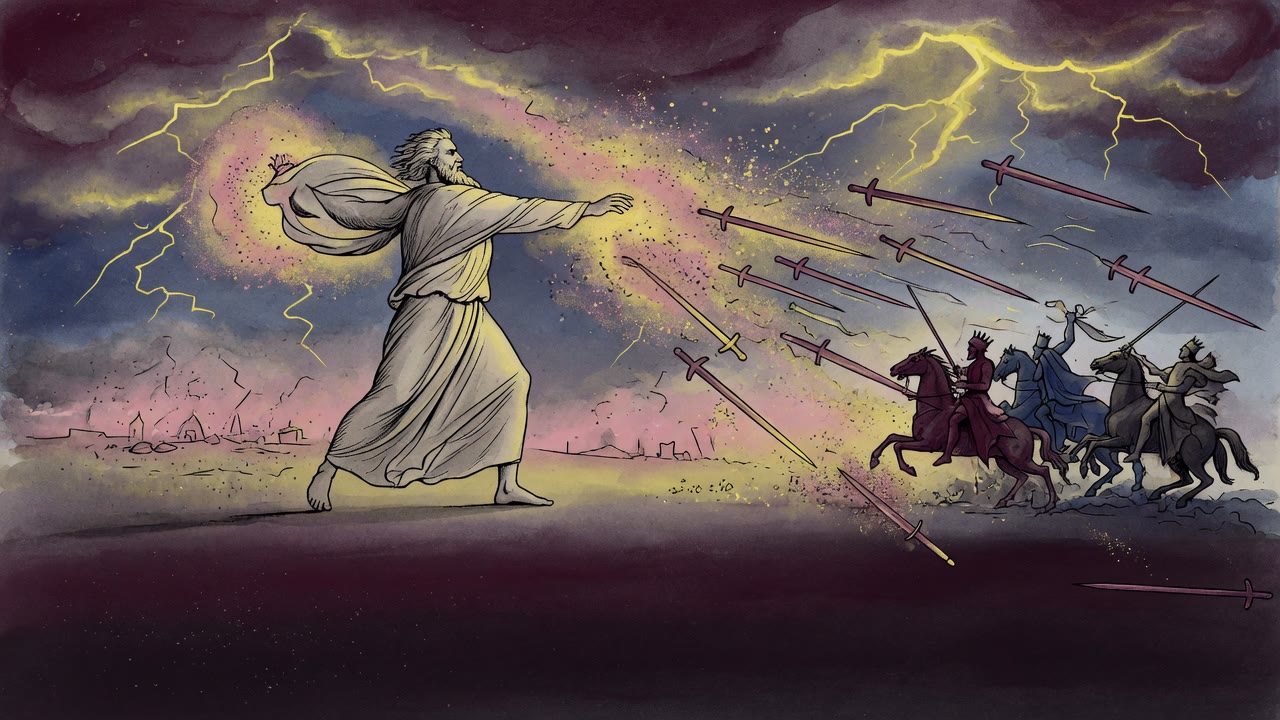
When raiders dragged Lot off, Abraham chased four kings into the dark, and the dust he hurled turned to swords on Passover night.
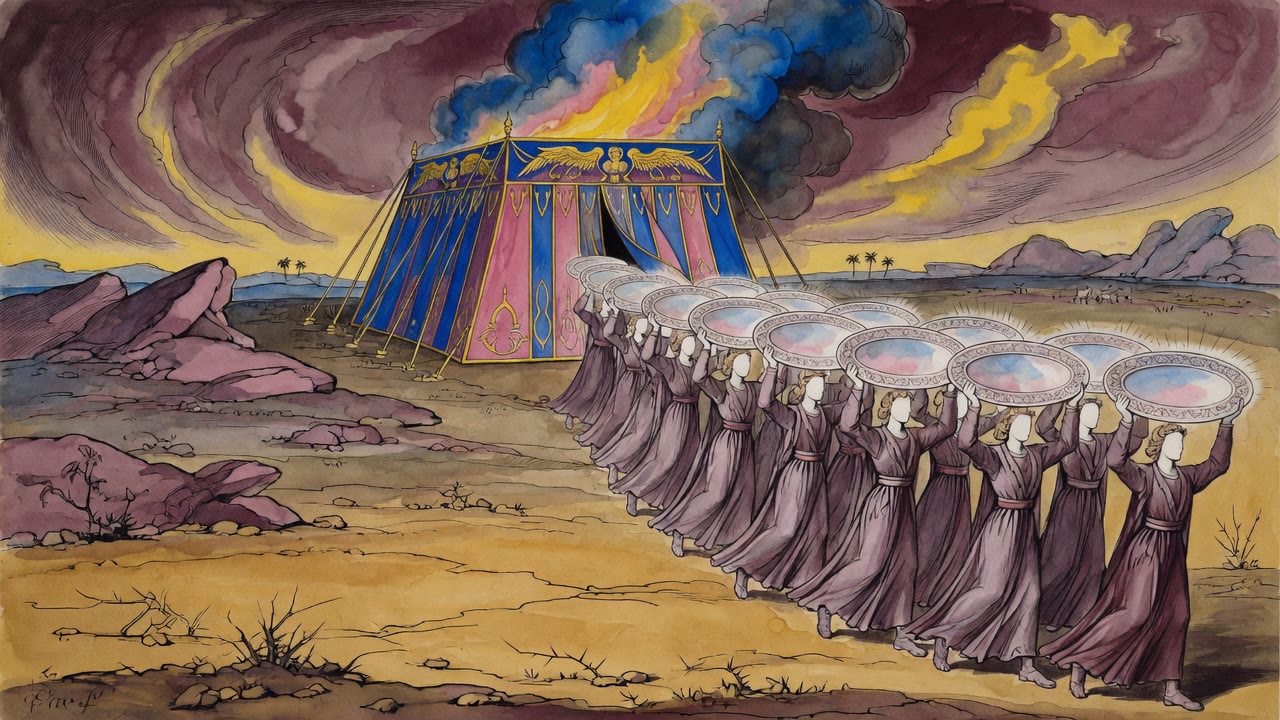
Twelve tribal princes walked toward the Tabernacle, each carrying a silver plate, a silver bowl, a gold spoon. None weighed a feather more than another.
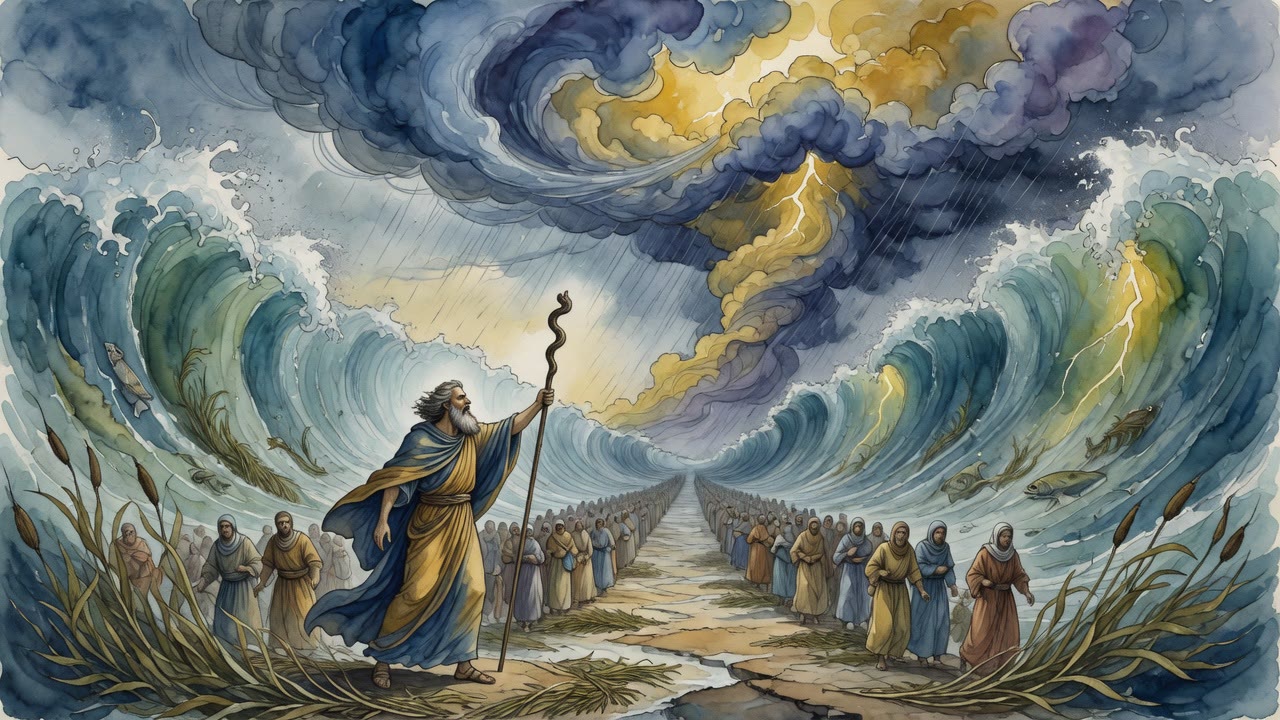
Moses raised the staff and the water held its shape. Nachshon walked in until the sea sat at his nostrils. Only then did the walls stand.
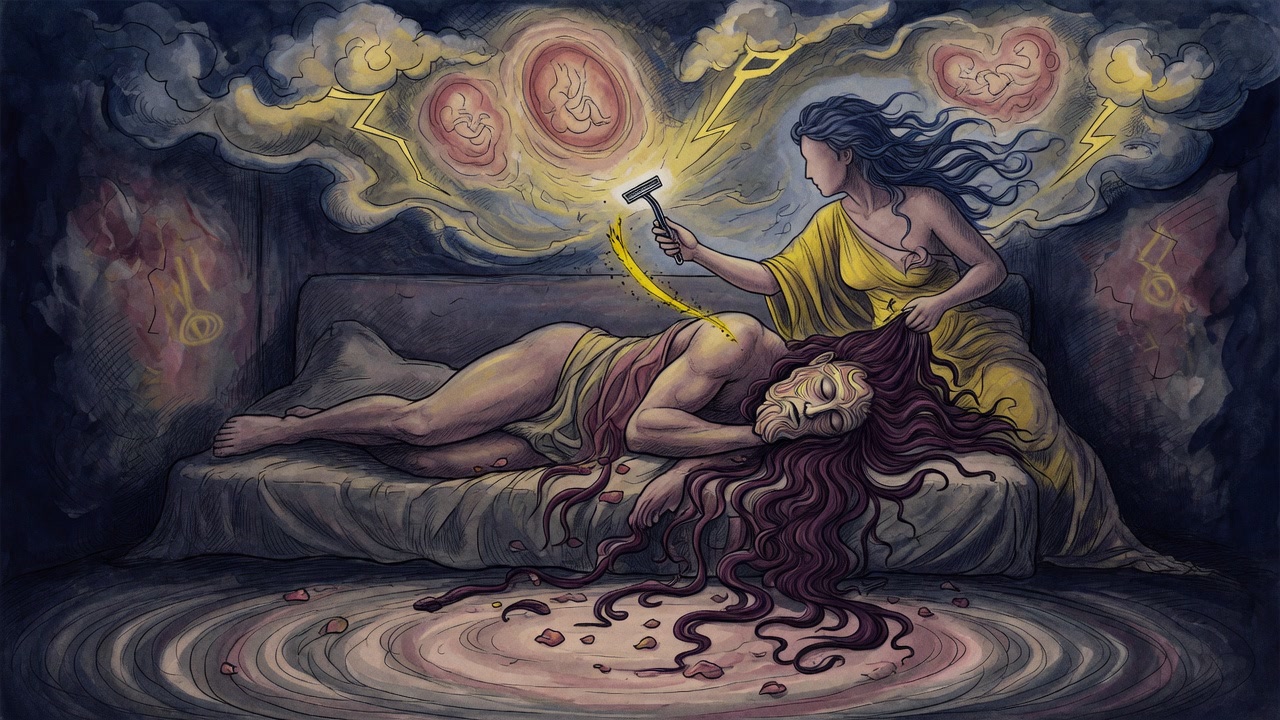
A razor moves toward Samson's hair in Delilah's room, and what falls is not a hairstyle but the visible edge of a vow set on him before birth.
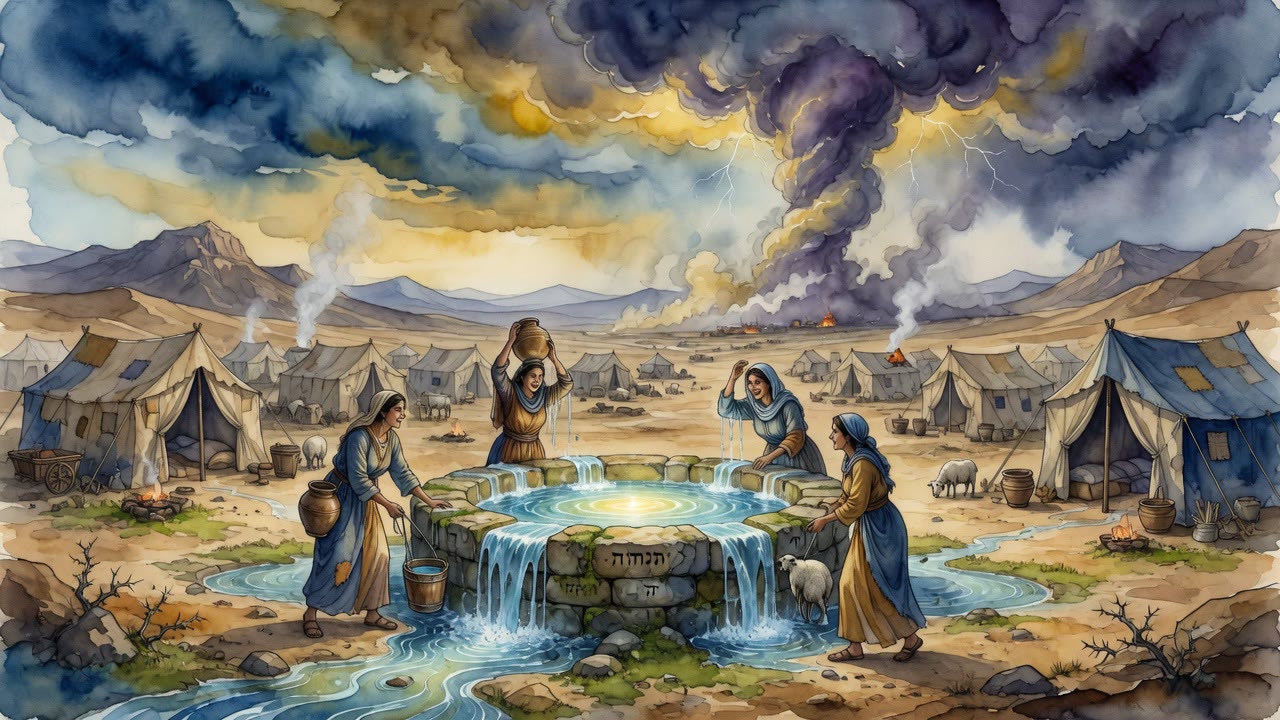
Abraham sent sheep to a stolen well and promised it to the seventh generation. In the desert it drank at every tent door until Miriam died.
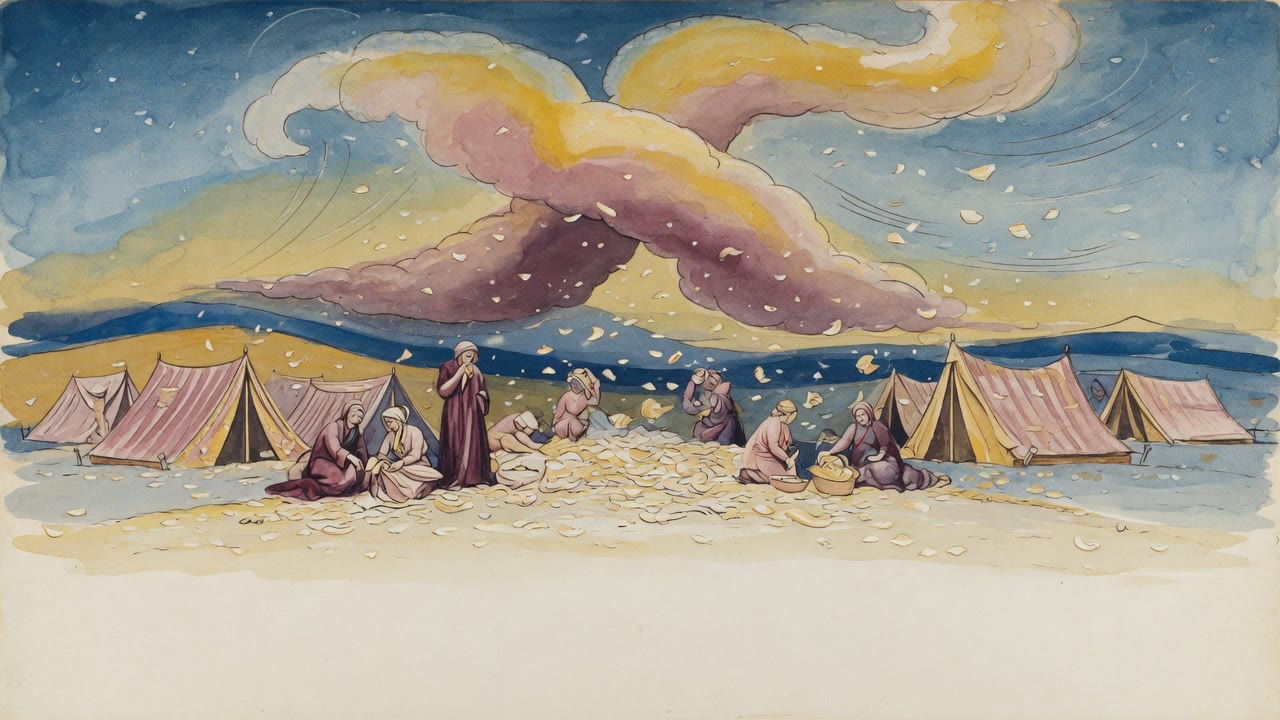
In the desert, manna appeared at every door each morning except Shabbat. The taste changed with each bite to match what you desired, unless you were wicked.
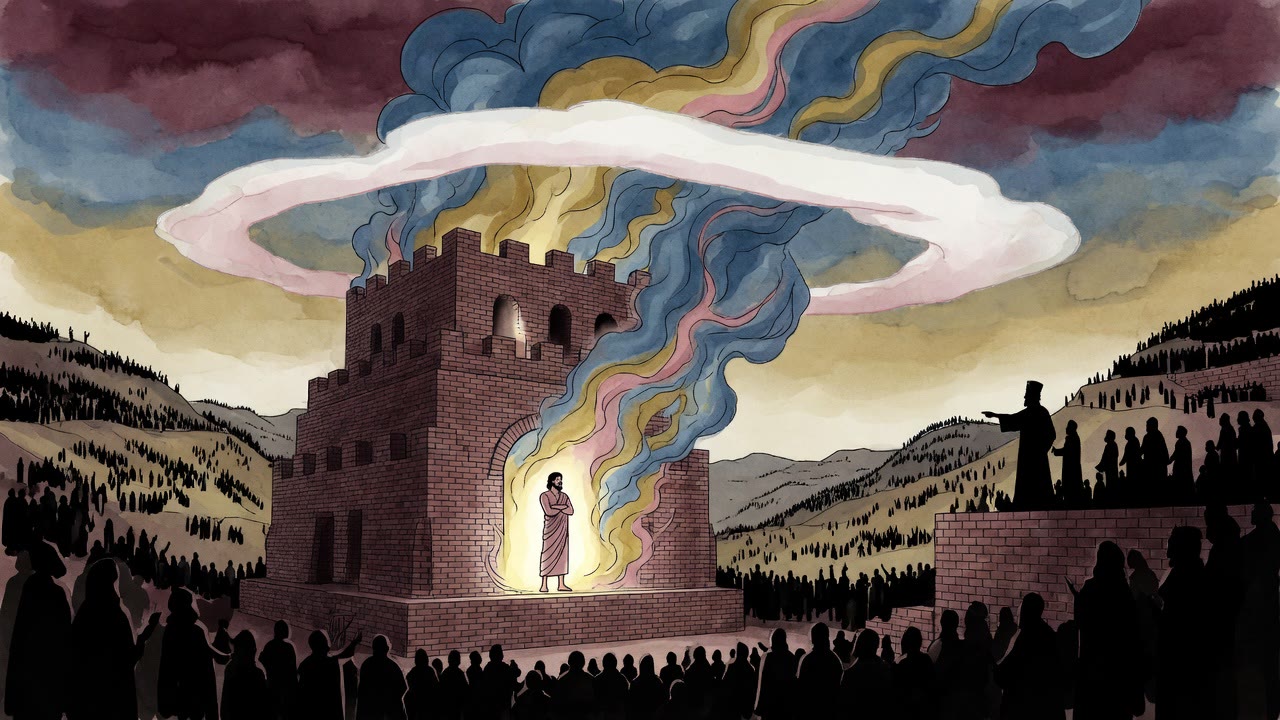
Terah told the king it was Haran who had advised the swap. It was a lie to save himself, and it put his own son in front of the fire.
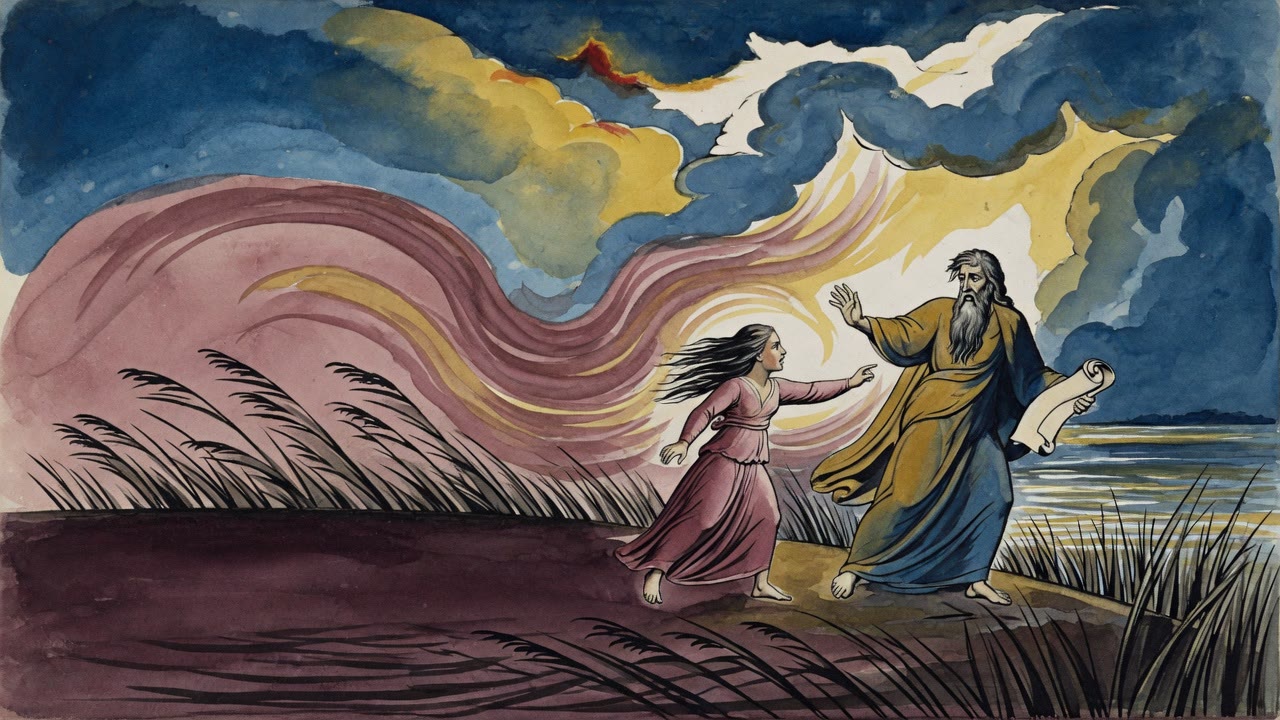
A six-year-old girl told her father his decree was worse than Pharaoh's. Then Miriam prophesied the child who would save Israel.
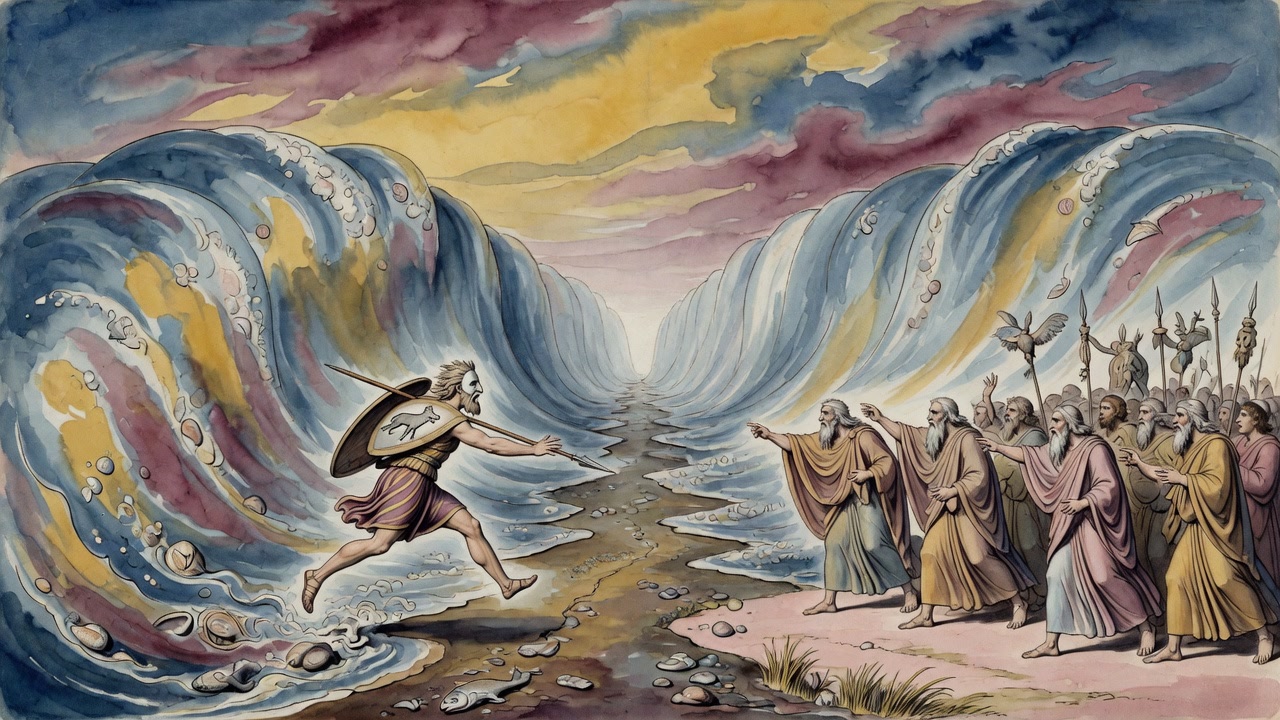
The tribes argued at the water's edge over who would lead Israel into the divided sea. Benjamin acted while they were still talking. Judah threw stones.
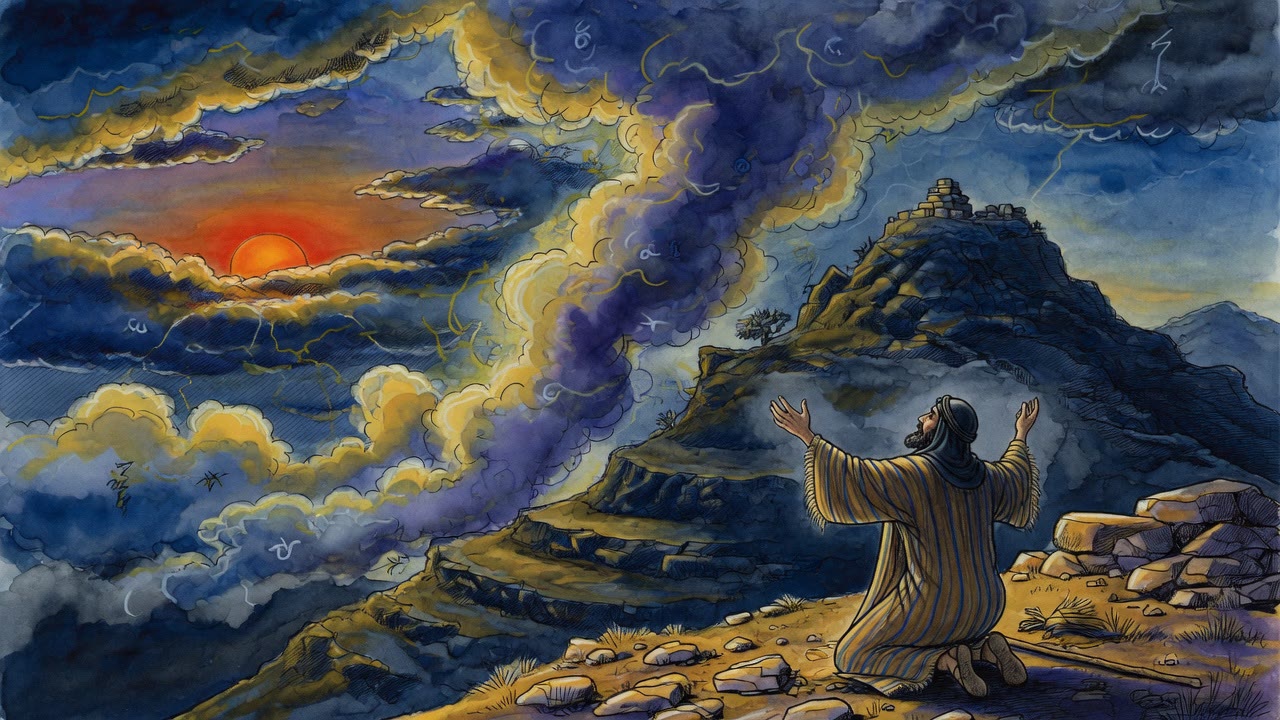
The sun dropped below the horizon at noon, and Jacob stood in sudden dark at the foot of Mount Moriah, two days from where he meant to be.
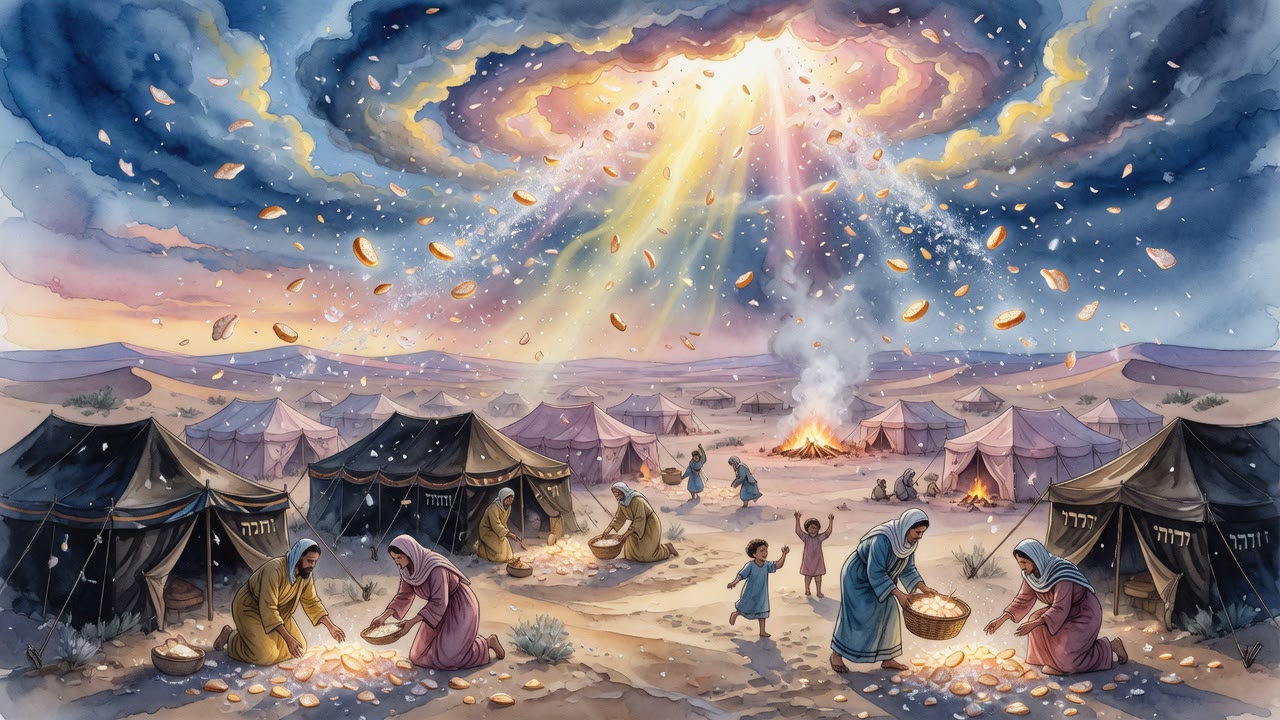
Moses said leave none until morning. One household hid a jar anyway. Dawn found worms first, then rot, which is the wrong order for ordinary bread.
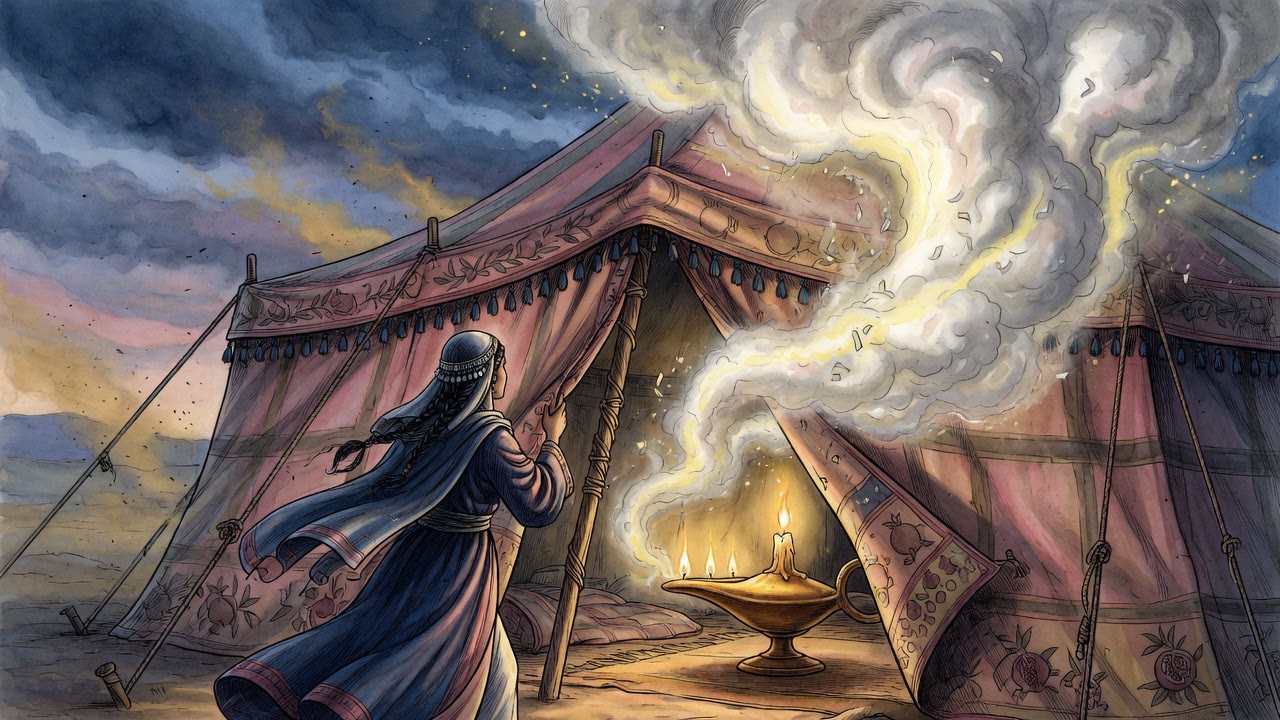
Sarah's tent had gone dark and empty. Then Isaac led Rebekah inside, and the cloud returned, the candle relit, the bread rose.
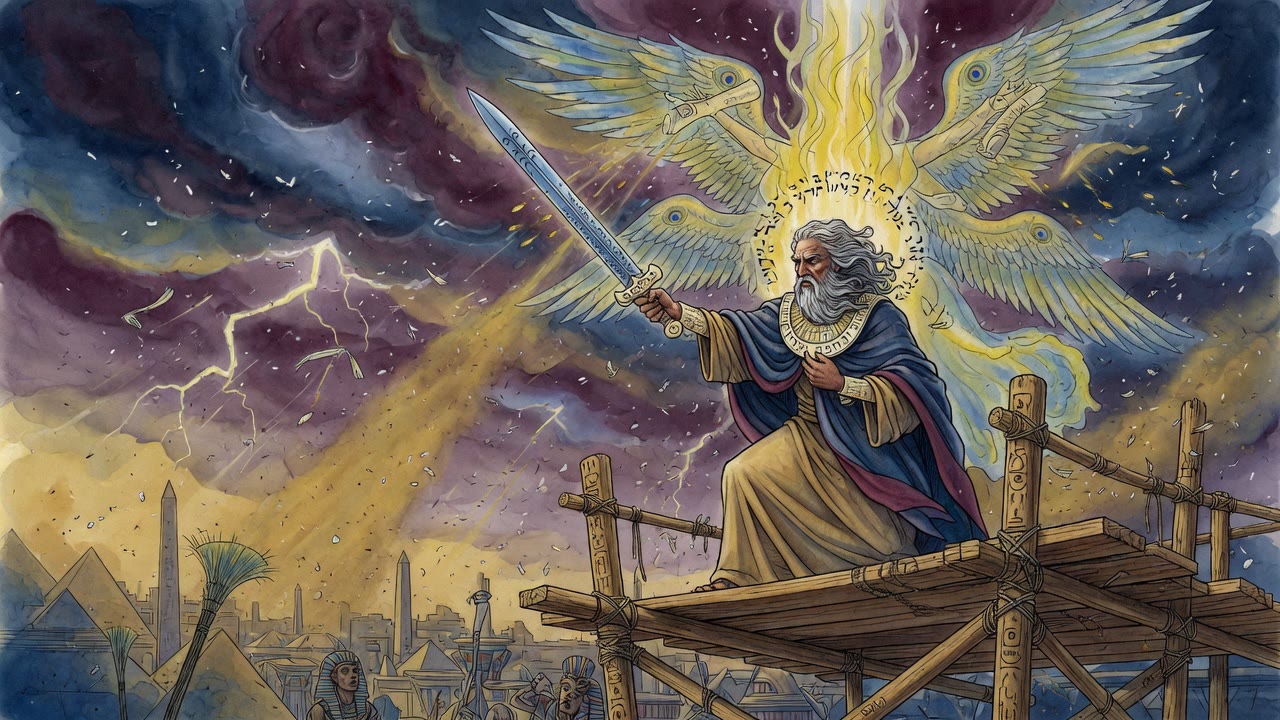
A sword sharp beyond compare came down on Moses's neck ten times and could not cut it. Then an angel climbed the scaffold dressed as the executioner.
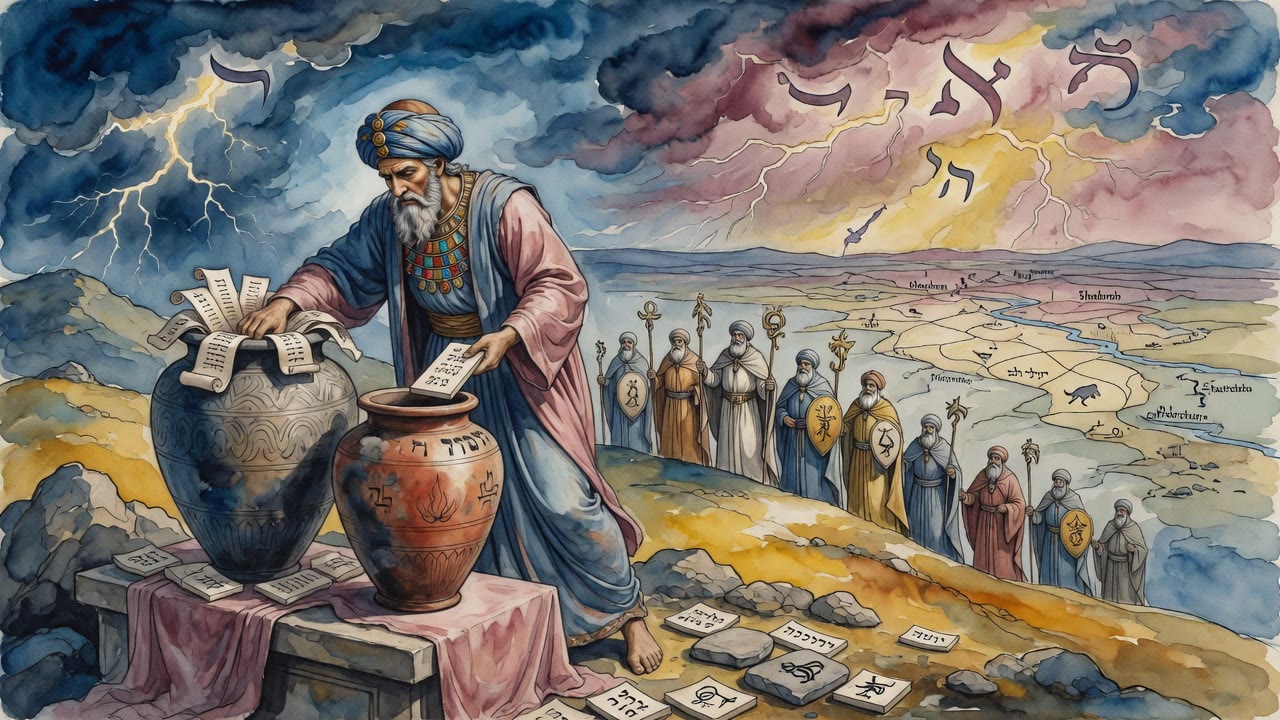
Eleazar named Judah and the south while the camp held still. Then his hand came up from both urns with those same names.
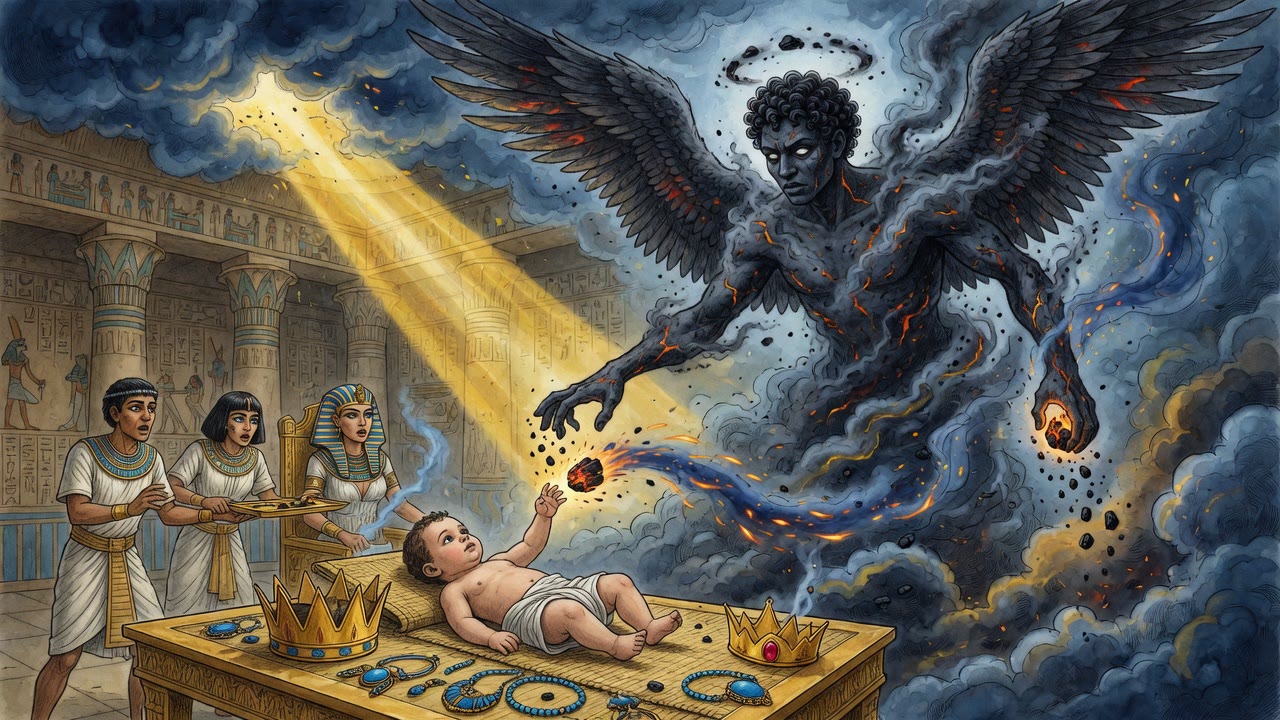
The crown slid down over the boy's ears. Cold air hit Pharaoh's scalp. Along the banquet table, nobody in the hall chewed.
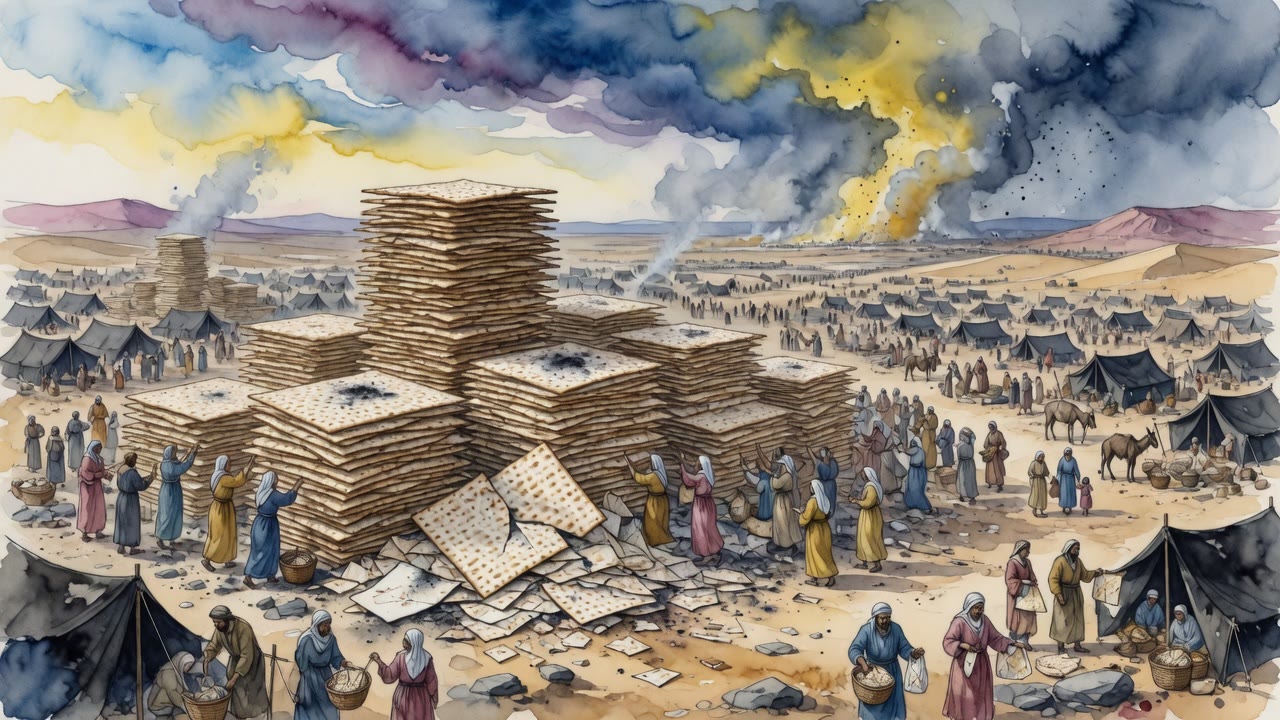
The manna did not fall the first day. Israel walked the wilderness for a full month on the bread they baked against their backs the night they fled.
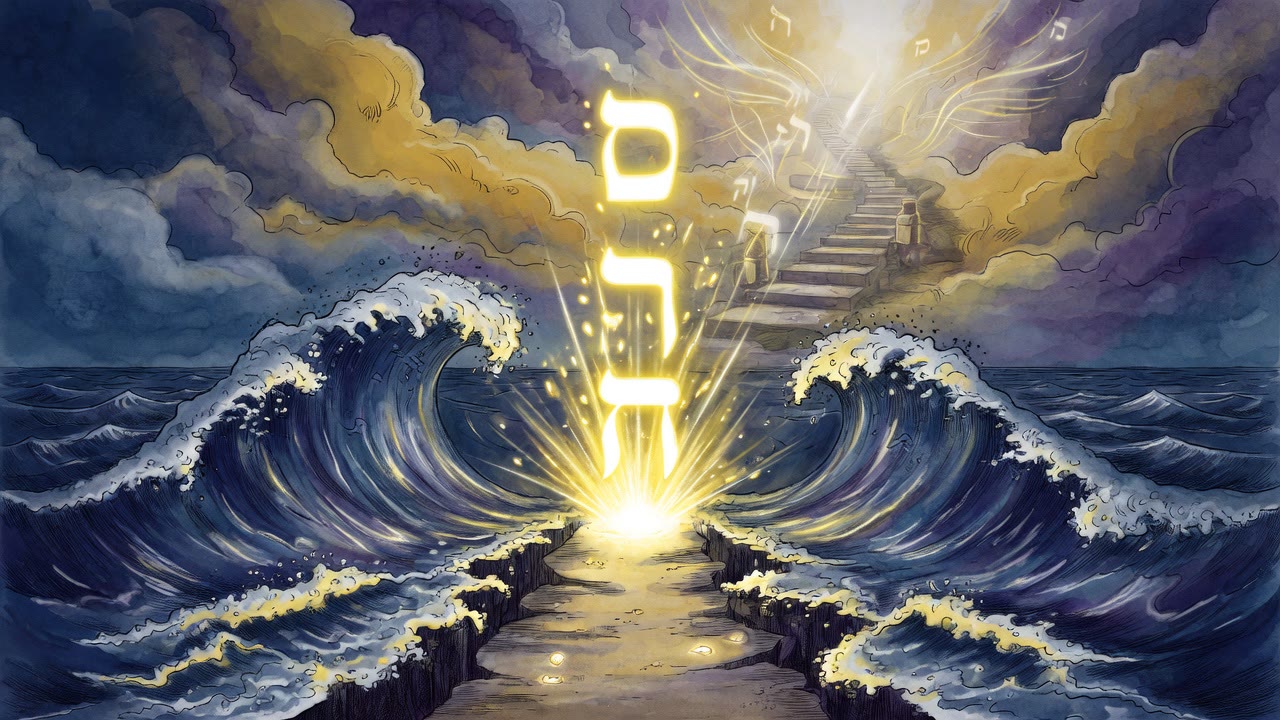
The sea did not split for the crying people at the water's edge. It split because of one word God spoke at Beth-el, long before.
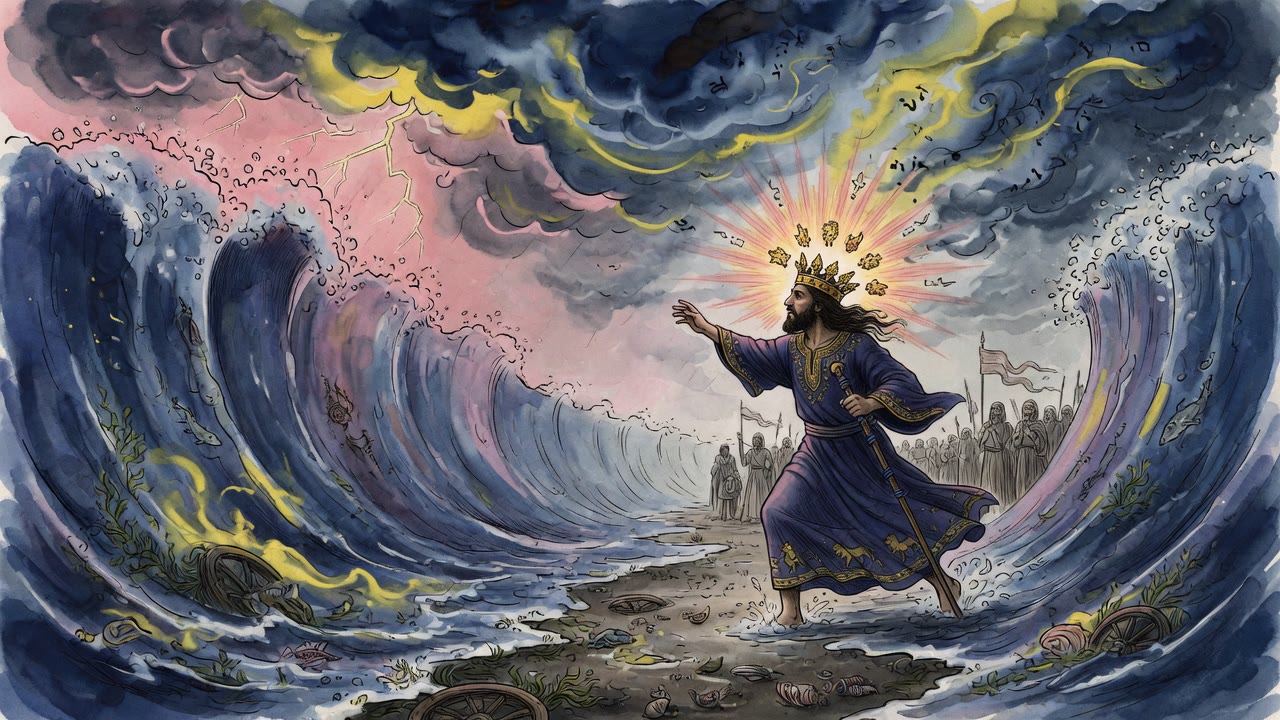
Before a single wave moved, one man waded into the crashing sea up to his throat, and that step decided who would rule Israel.
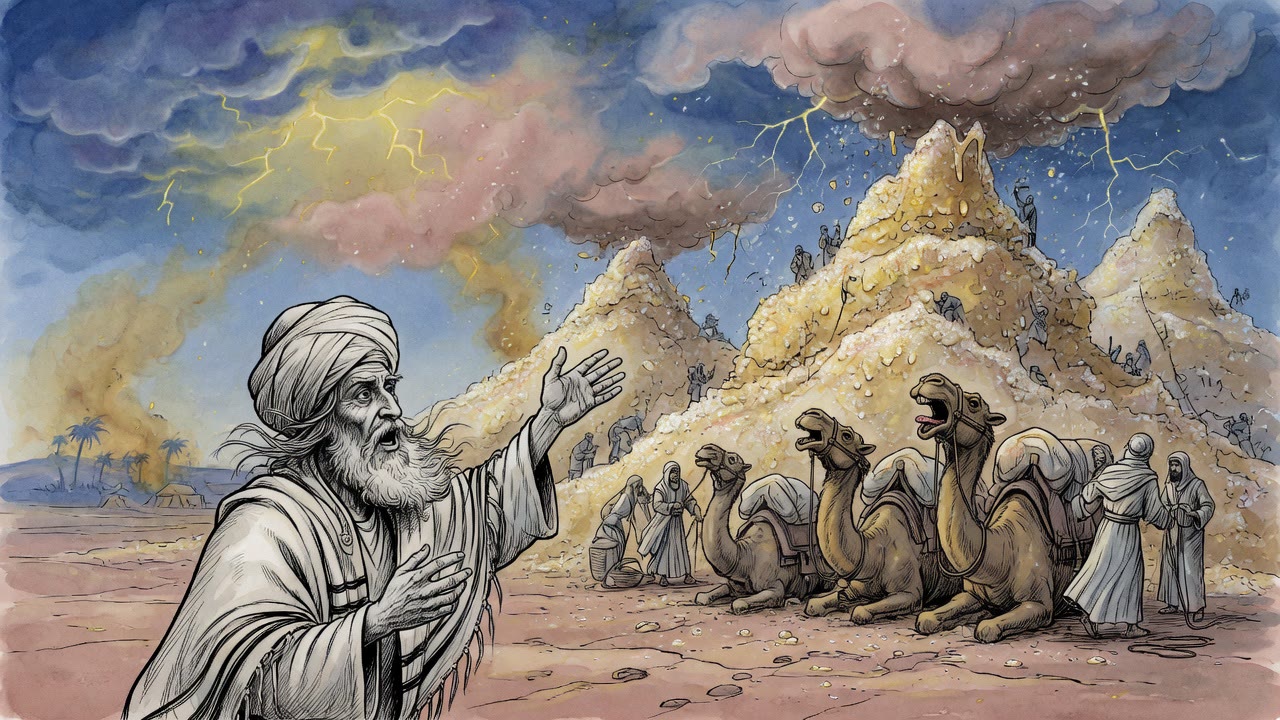
Tarfon groaned loud enough for the row to hear. Elazar of Modiim did not smile. He asked which of God's two measures was larger. Then he counted doors.
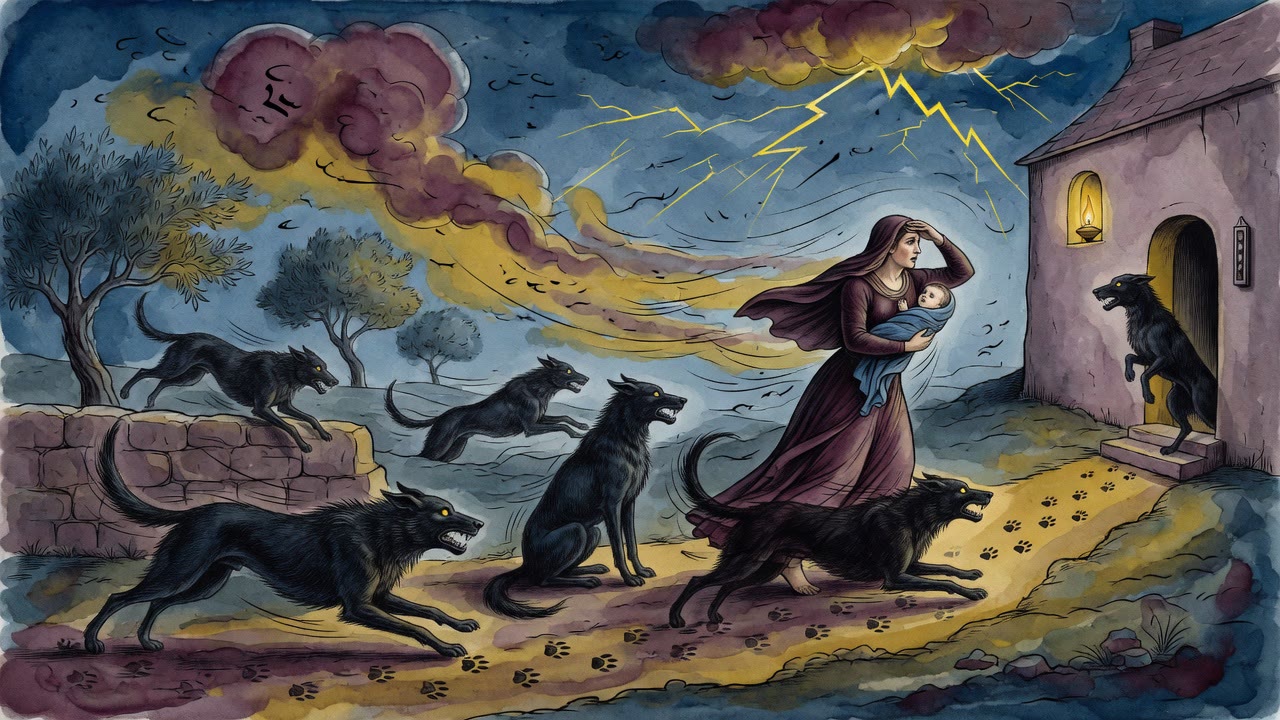
The water was cold the eighth time. She had already been in it seven times that night. At the door, a man wore her husband's face.
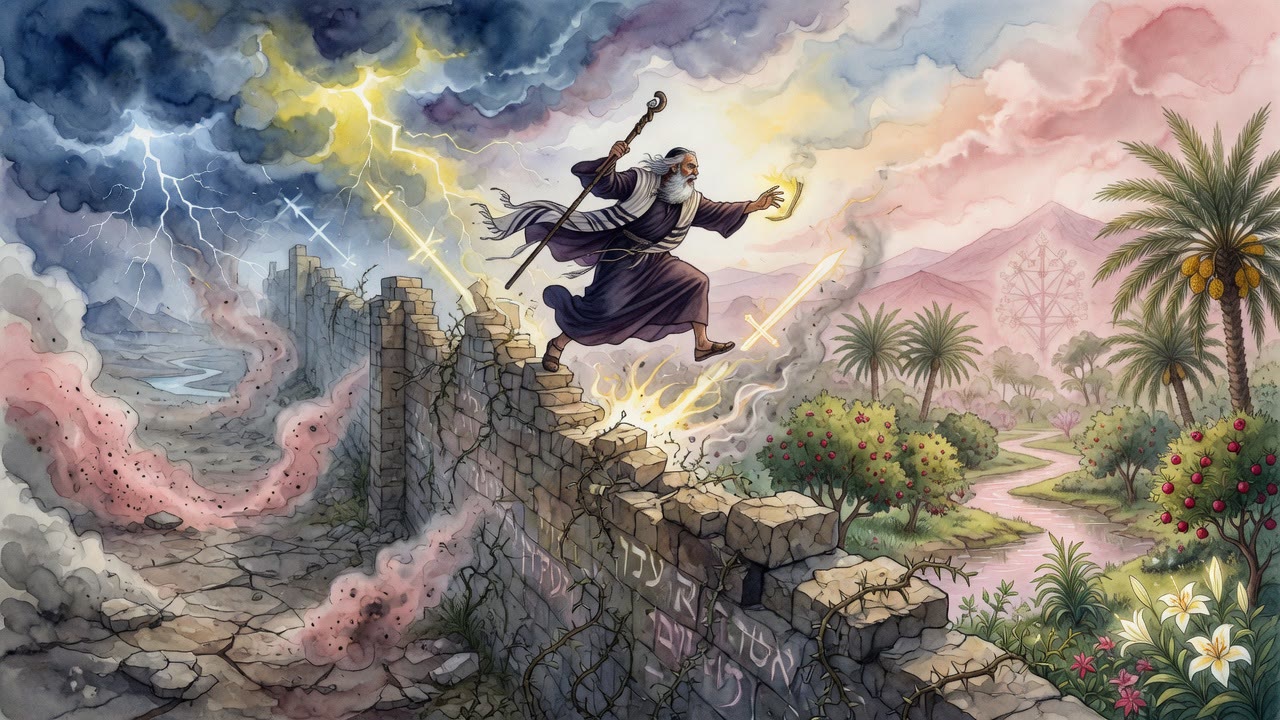
Granted one final wish by Heaven, Joshua ben Levi asked to see his place in Eden, then took the angel's knife and leaped over the wall alive.
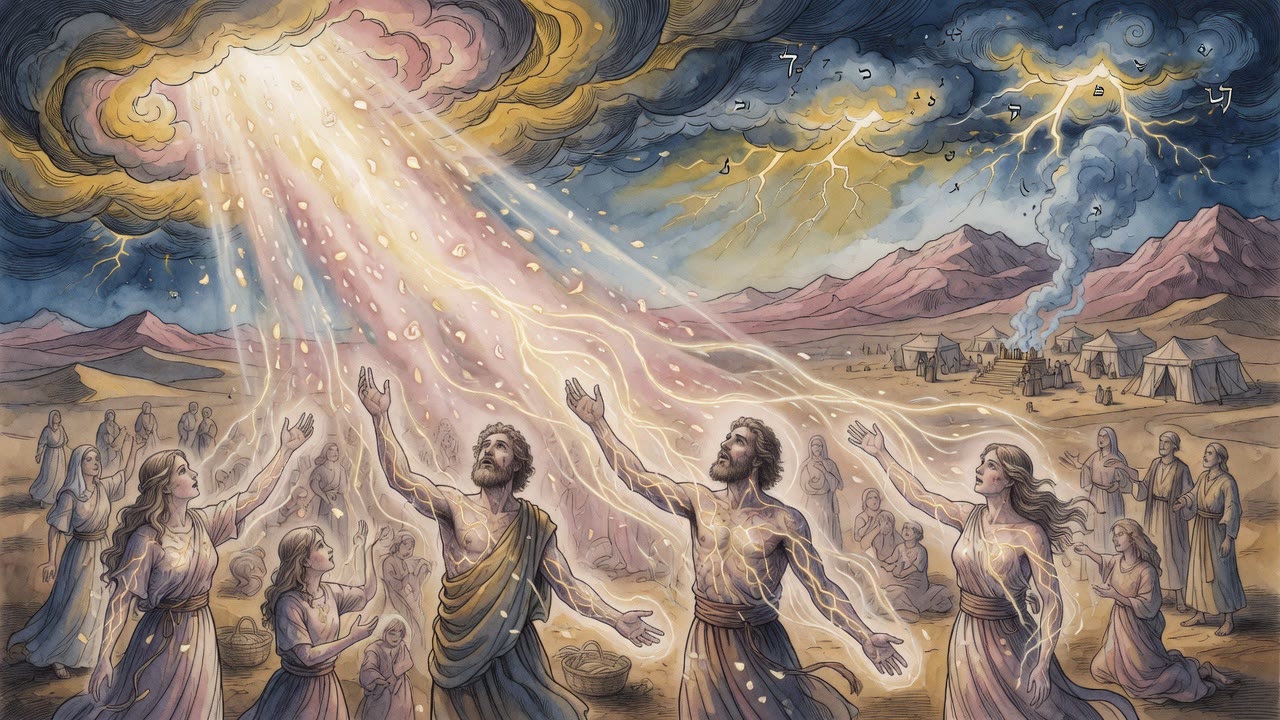
Bread fell from heaven and Israel gorged like horses, but the manna left nothing behind. It vanished into their limbs and became them.
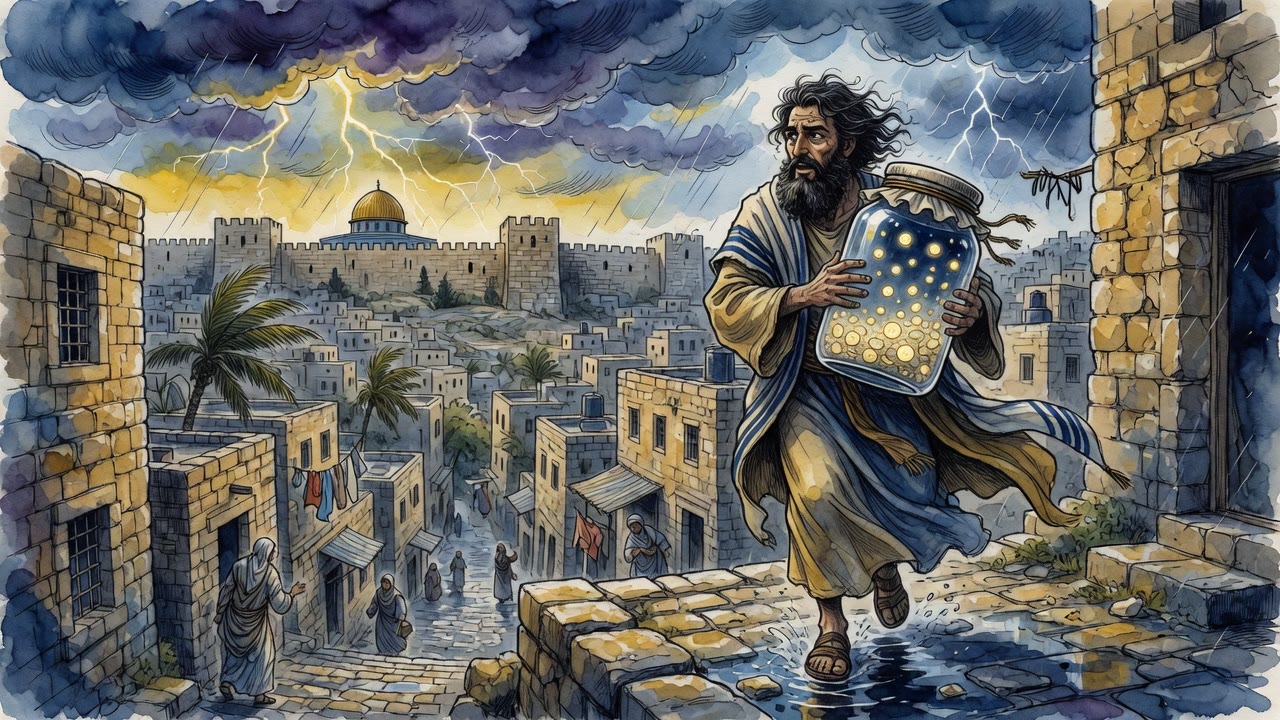
The crowd told Jeremiah they had fields to plow and hungry children, so Torah would have to wait. He came back holding a jar of old manna.
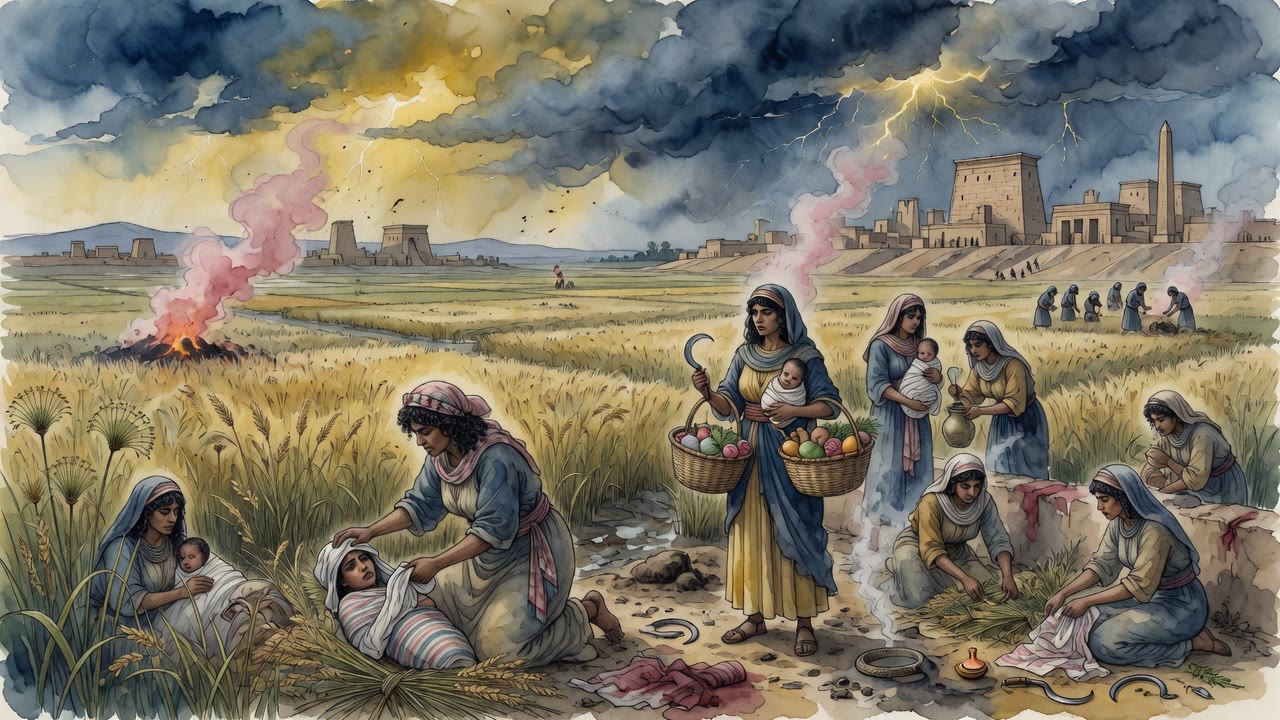
The men came home from the mud too tired to hope. Their wives carried two pots into Pharaoh's fields and put husbands back into Israel.
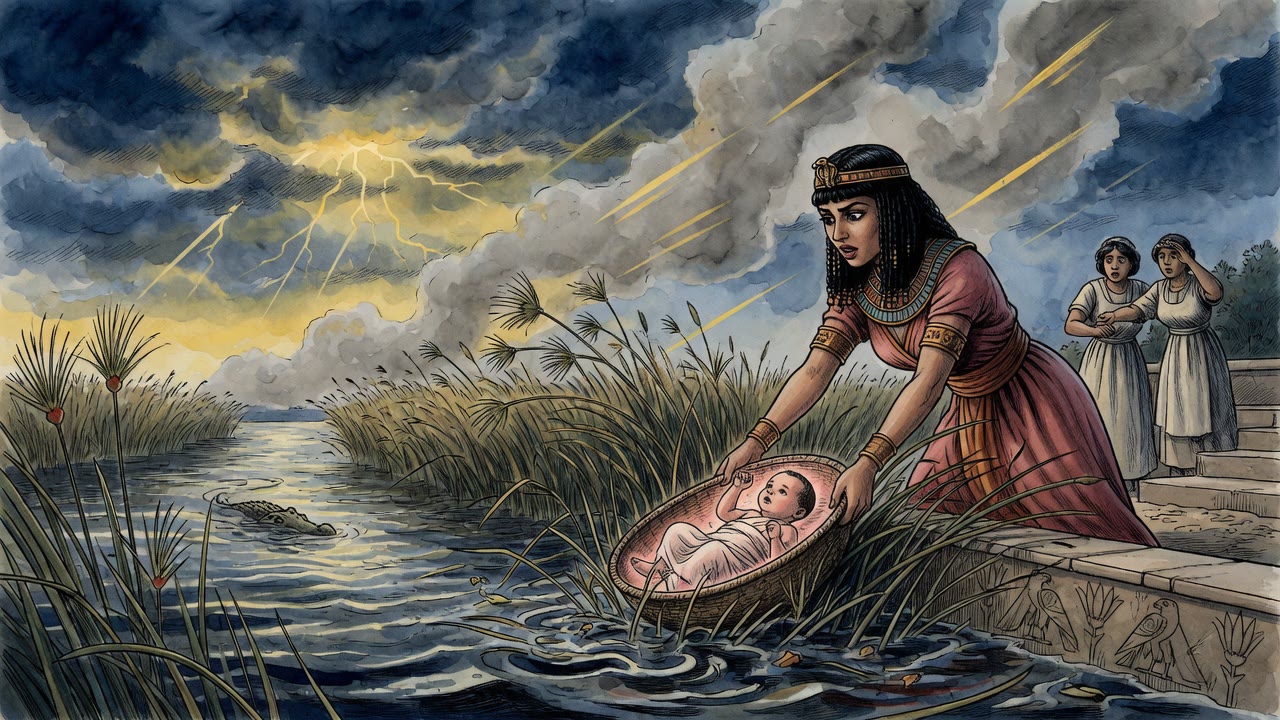
Pharaoh's daughter came to the Nile that morning to wash away her father's idolatry. She walked away with a Hebrew infant and a new name from God.
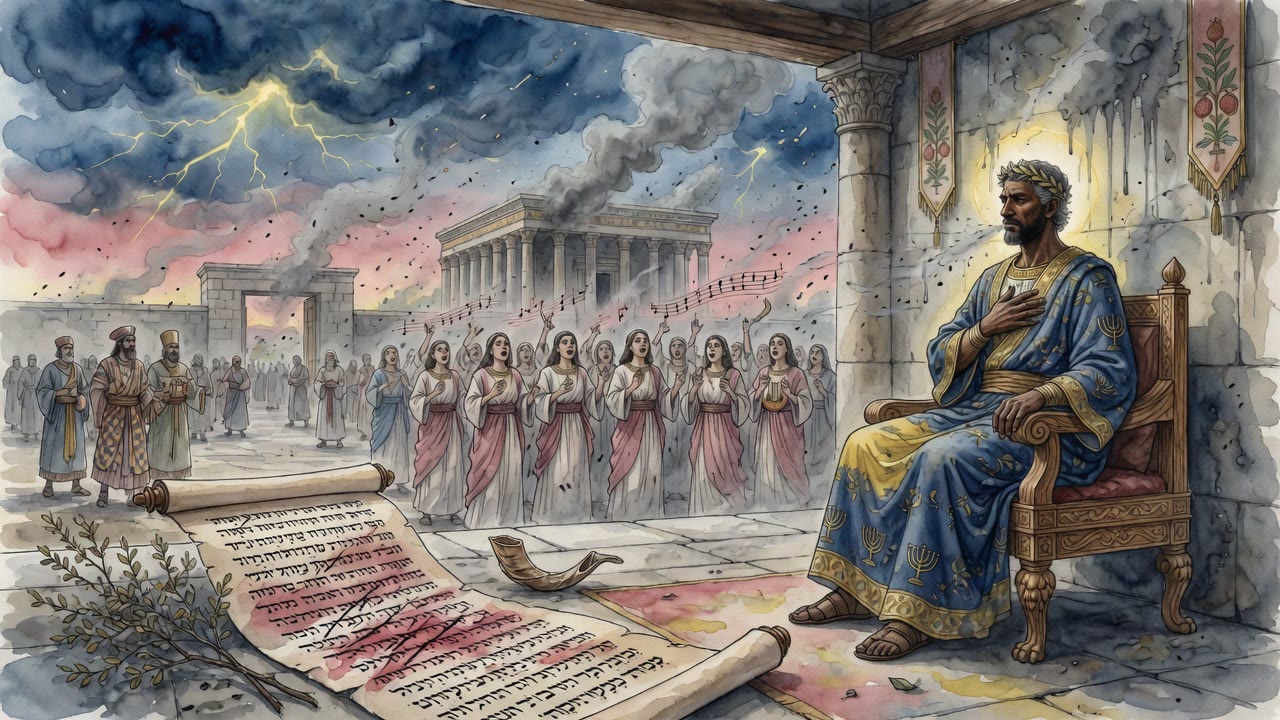
The camp outside Jerusalem did not wake. Isaiah asked the king for a song. Hezekiah kept his mouth shut and the study lamps burning.
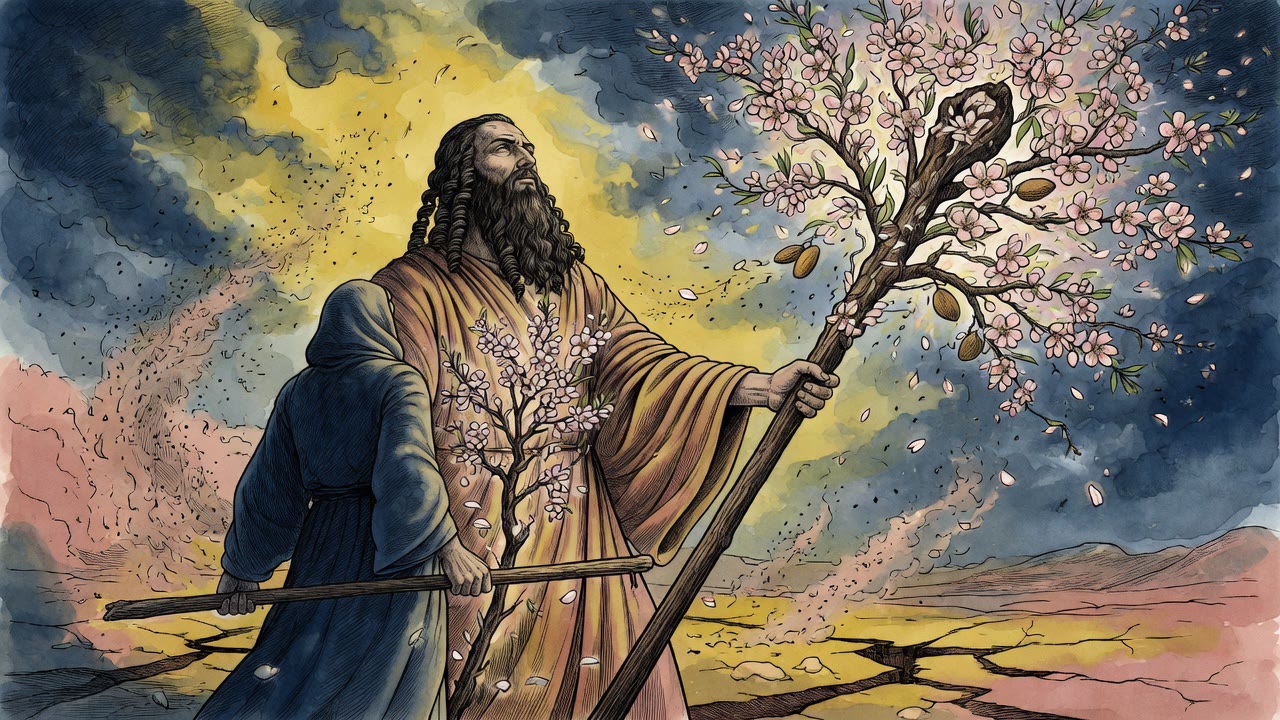
The Nile had carried him in a basket when Egypt was killing Hebrew boys. When blood was due, Moses would not raise his hand against that water.
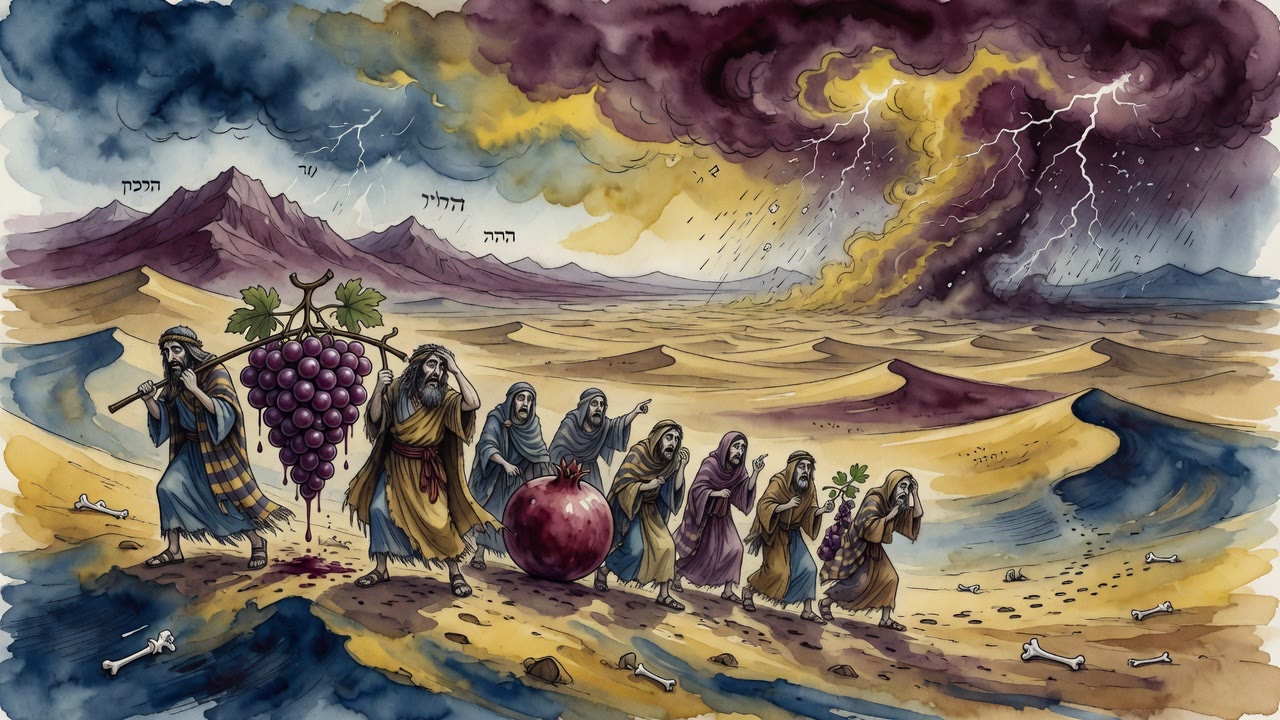
Twelve men brought back a report from Canaan. Ten of them described the truth and condemned their entire nation to wander until they died.
