144 myths · Page 2 of 5
Moses parted the sea, drew water from rock, and fed a nation on bread from the sky. The people ran out of faith again within days of each miracle.
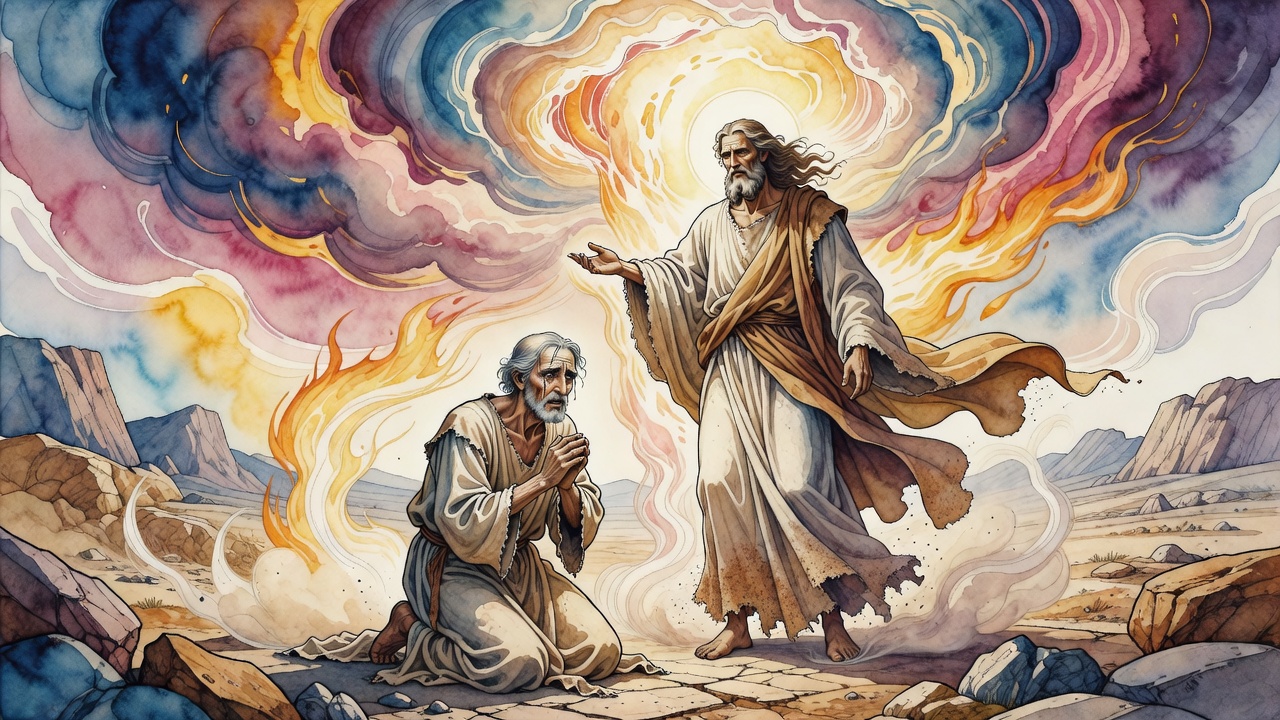
A poor father prayed for death instead of hunger. Elijah appeared, let himself be sold for eighty denarii, and turned bondage into rescue.
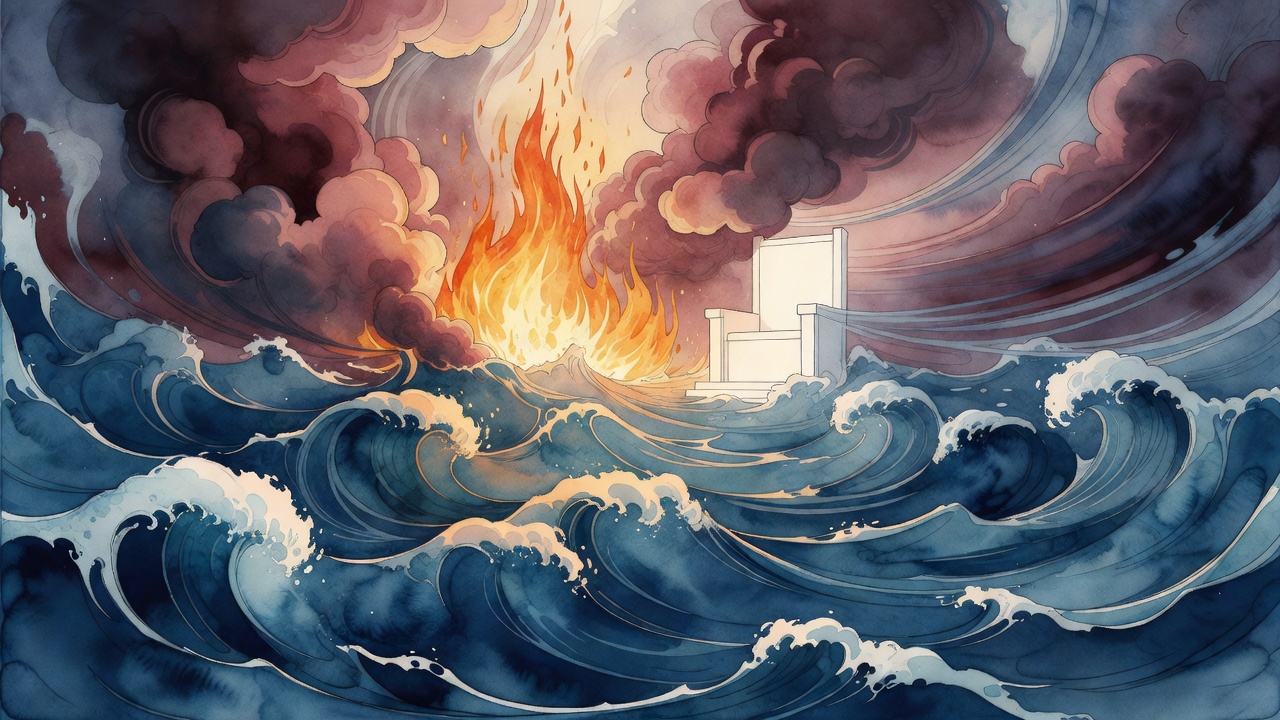
Rabbi Yochanan read one word in Exodus and found a secret deal: the sea was told to split for Israel before the world was three days old.
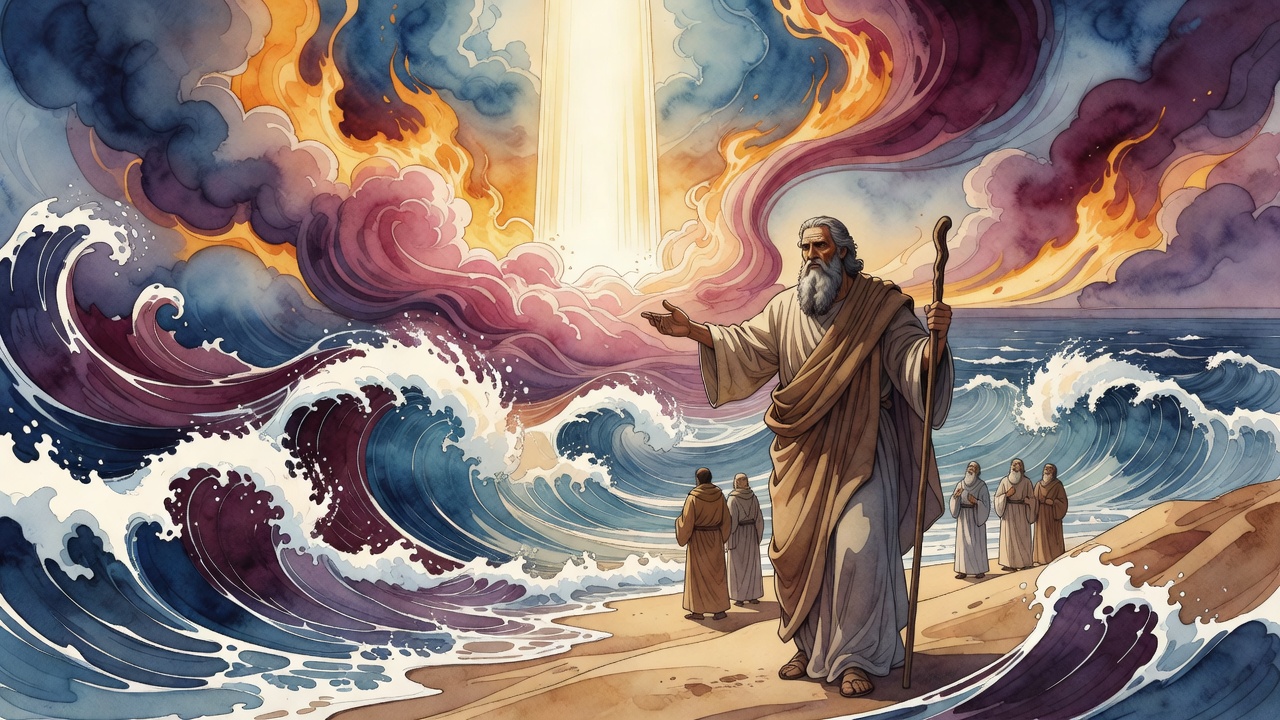
The water said it was three days older than Moses. He did not argue. He walked back to God with a complaint from the sea.
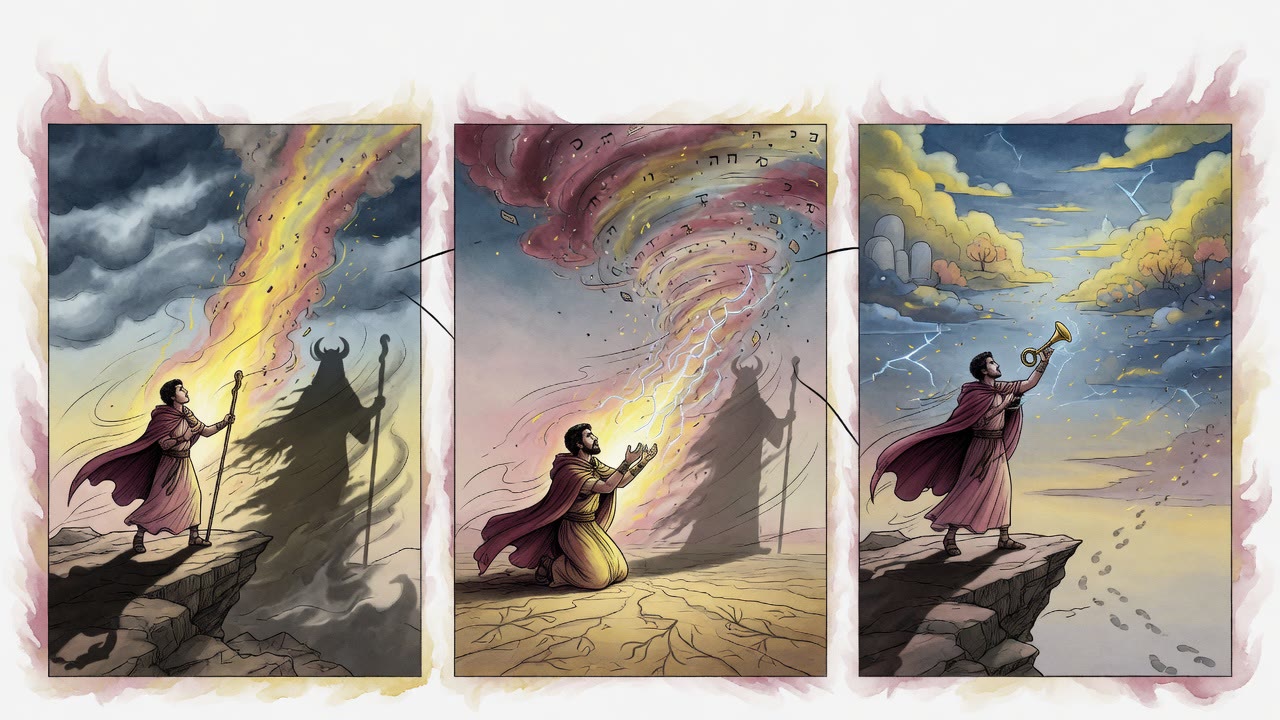
The sun refused Joshua's command at Gibeon, insisting it was older than any man. Joshua answered it, and the sun stood still.
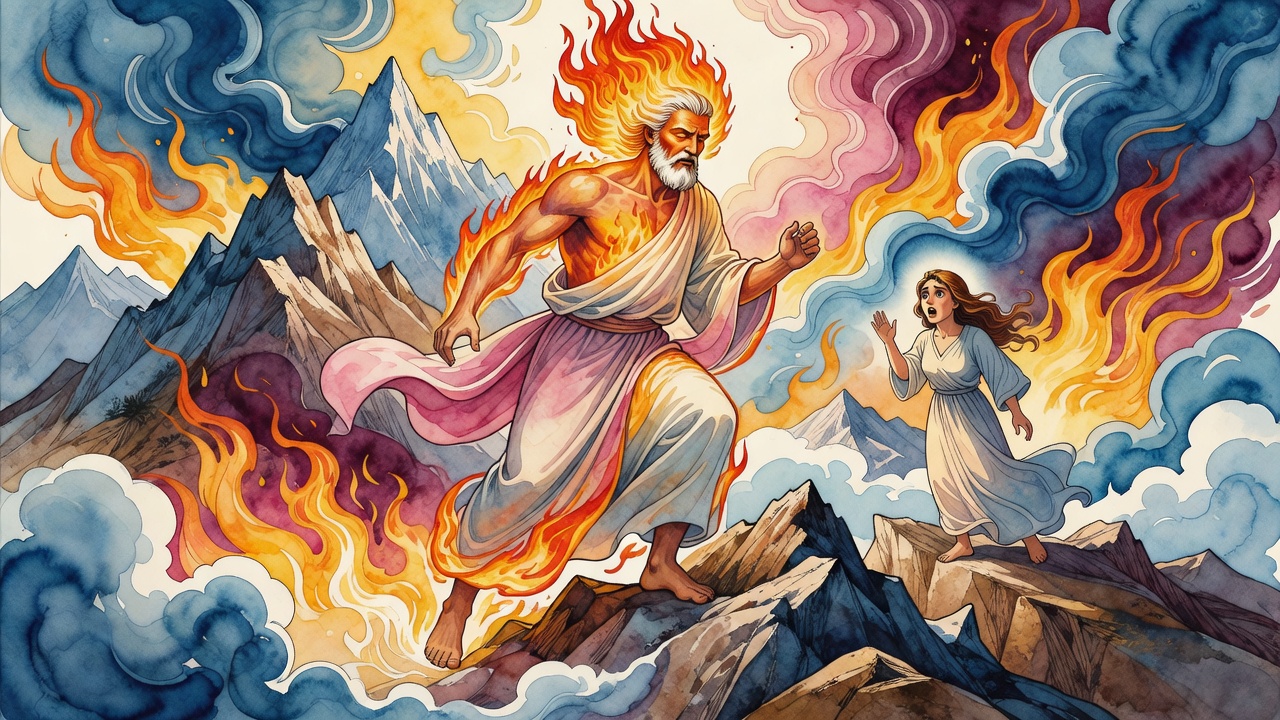
Elisha carried divine fire so concentrated his face burned lethal to look at. He traveled mountain to mountain, and one woman saw him coming.
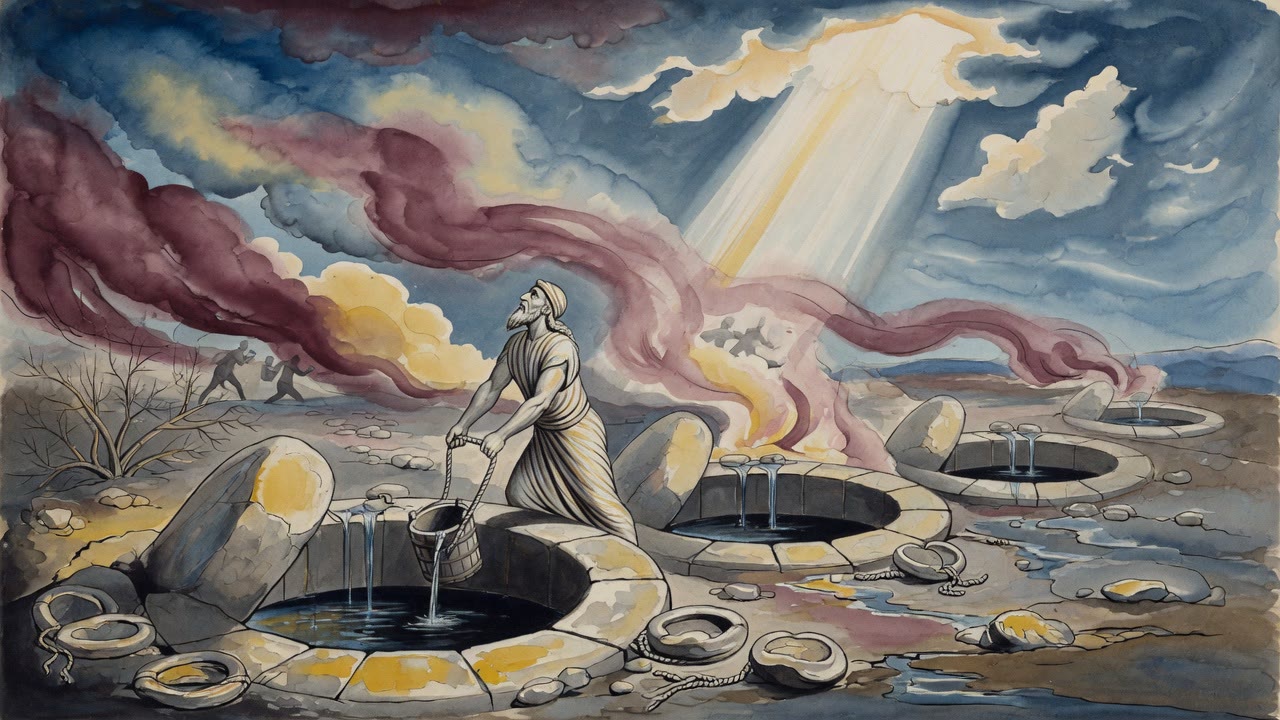
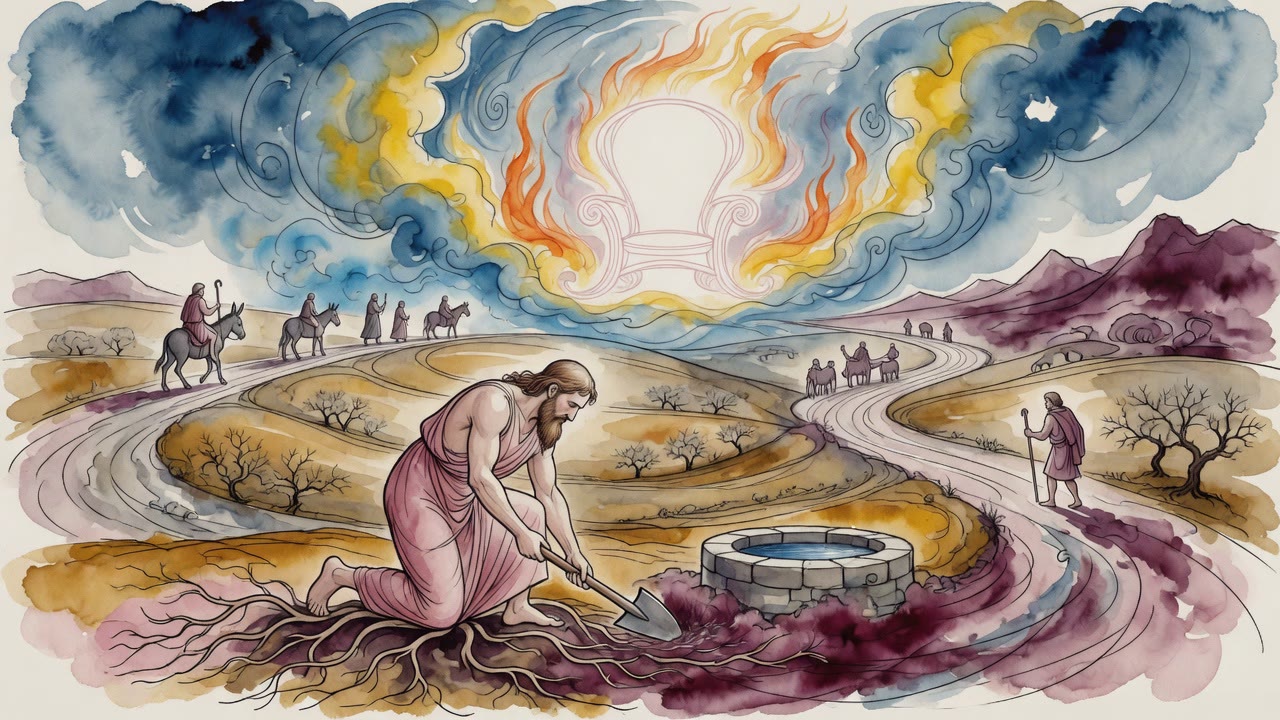
The Philistines poured earth into Abraham's wells until the rims sat useless in the sun. Isaac came back with a spade and sore shoulders.
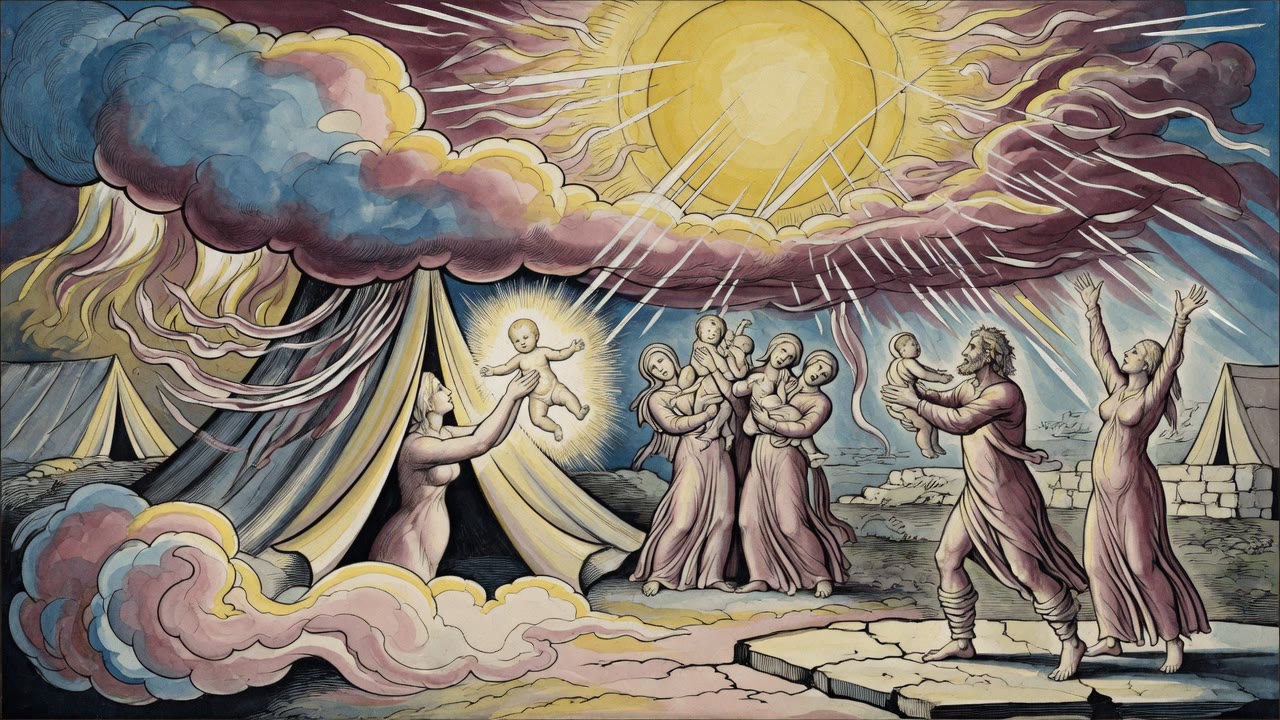
Isaac entered the world and barren women held children, broken bodies rose whole, and the old light of Eden flashed across the sun.
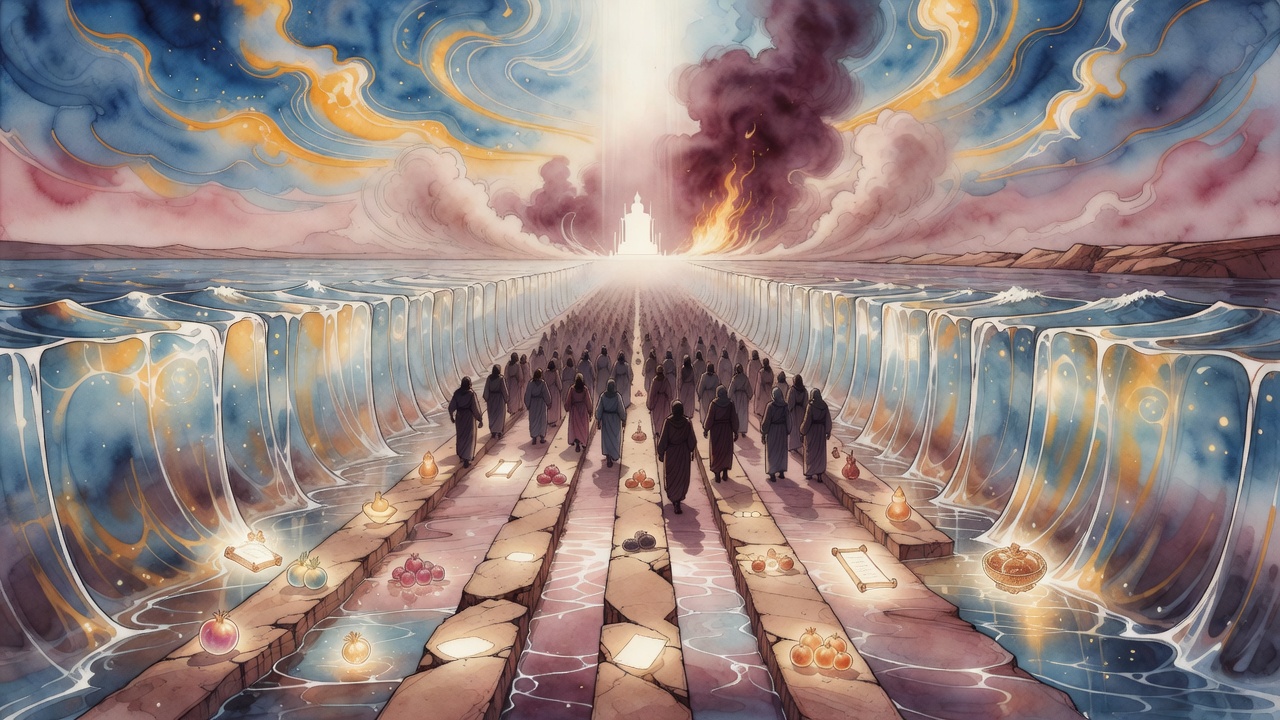
Two tribes were already in the waves. God turned on Moses, who was still praying, and told him to lift the rod over the water.
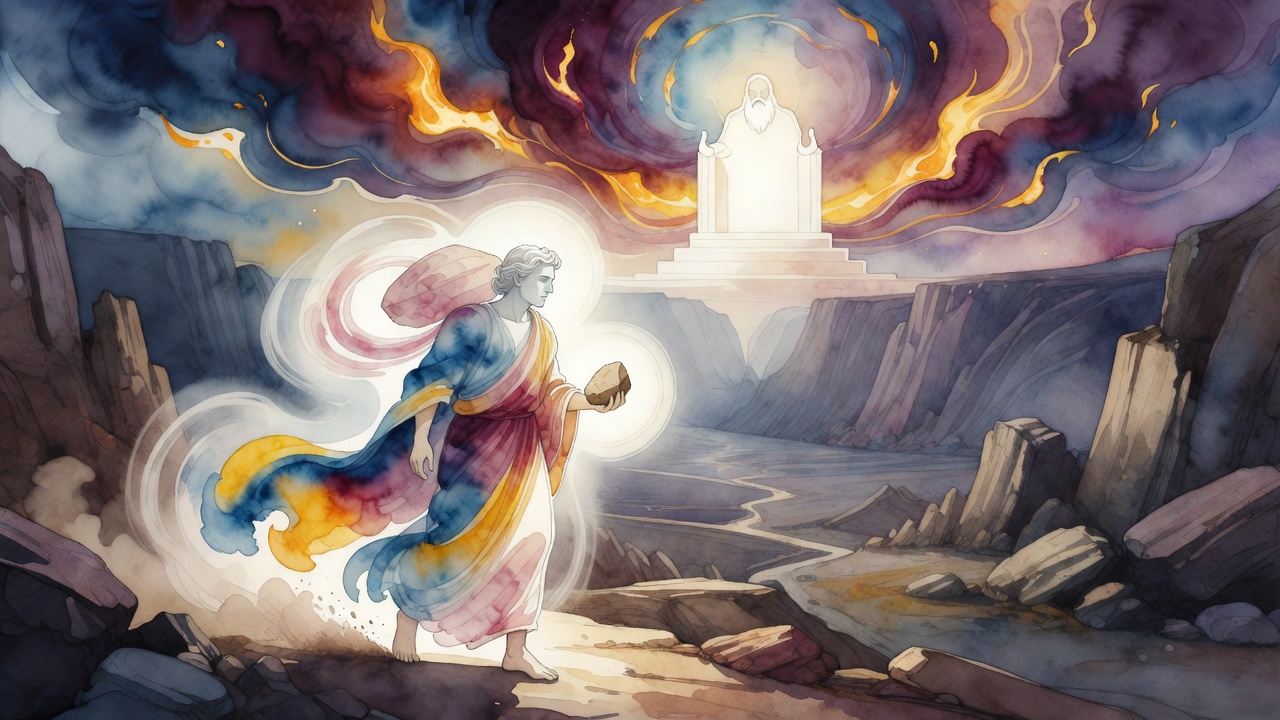
Goliath wanted Saul, not a shepherd. David walked into the valley with a sling, and the ground would not let the giant run.
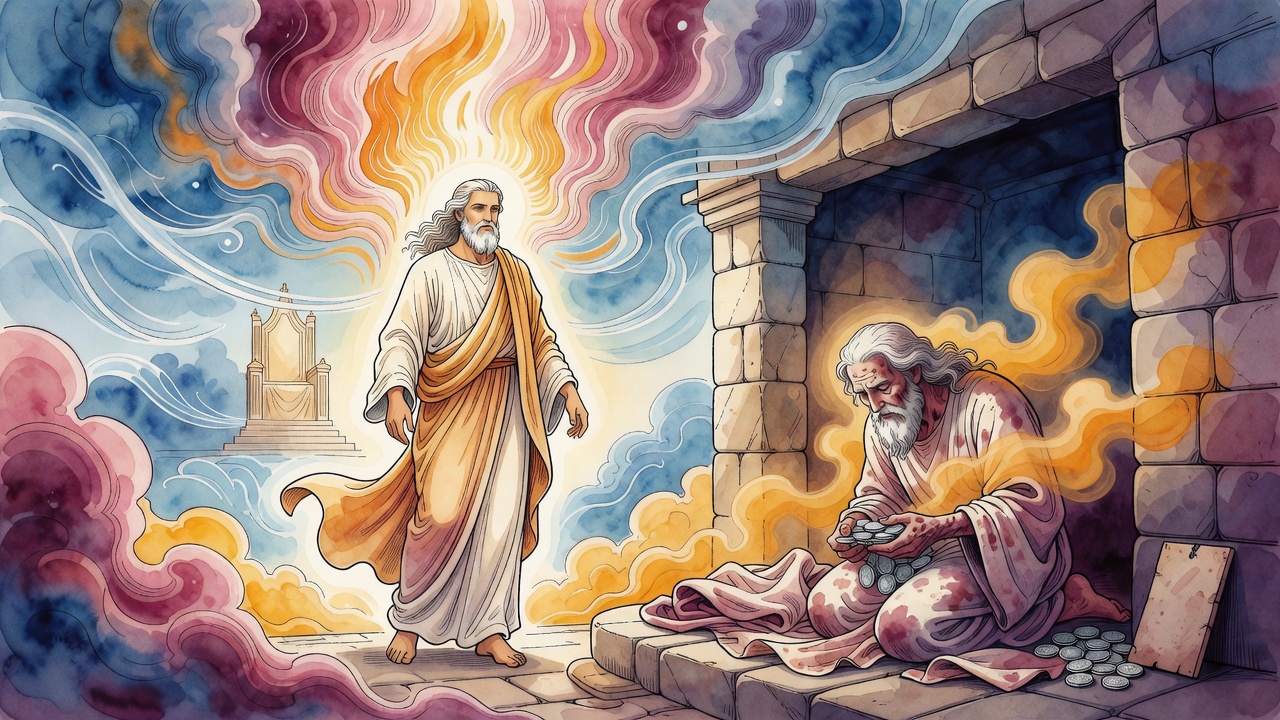
Naaman tried to press silver into Elisha's hands. Elisha would not take it. Gehazi waited until the chariot was on the road, then he ran.
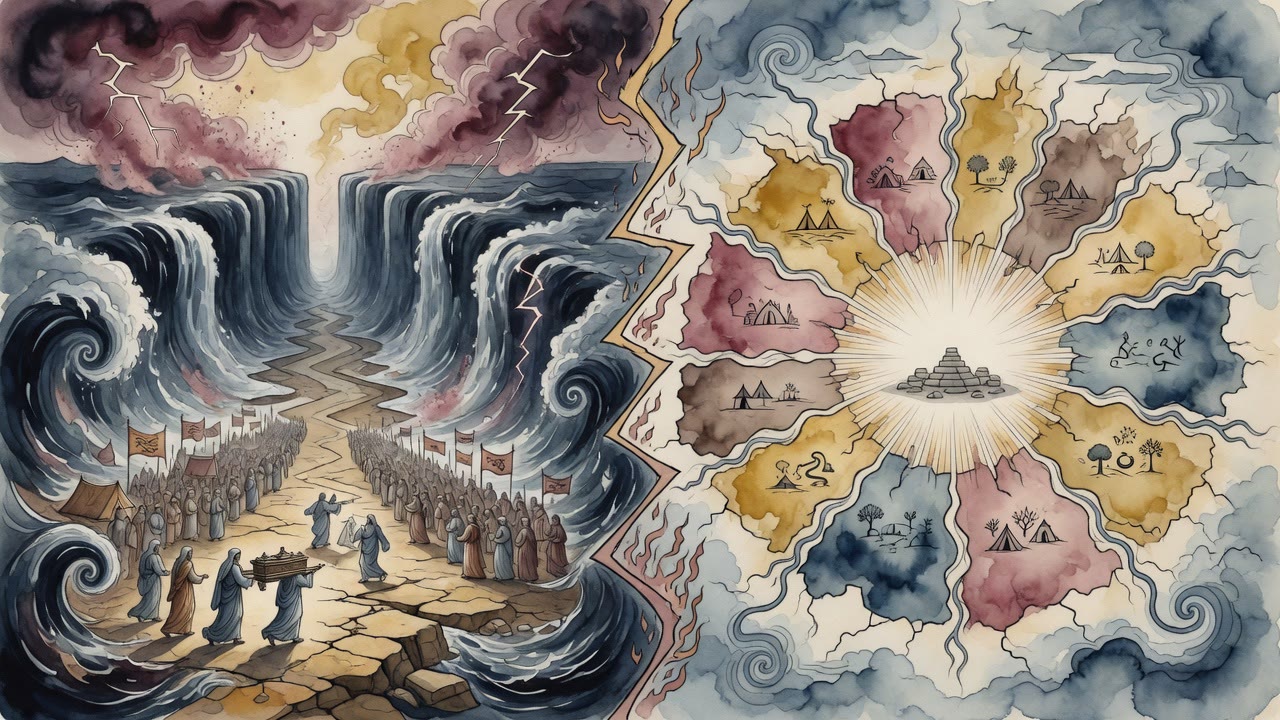
Fifty thousand men crossed the Jordan to fight for land they would never live on. When they went home and built an altar, Israel armed against them.
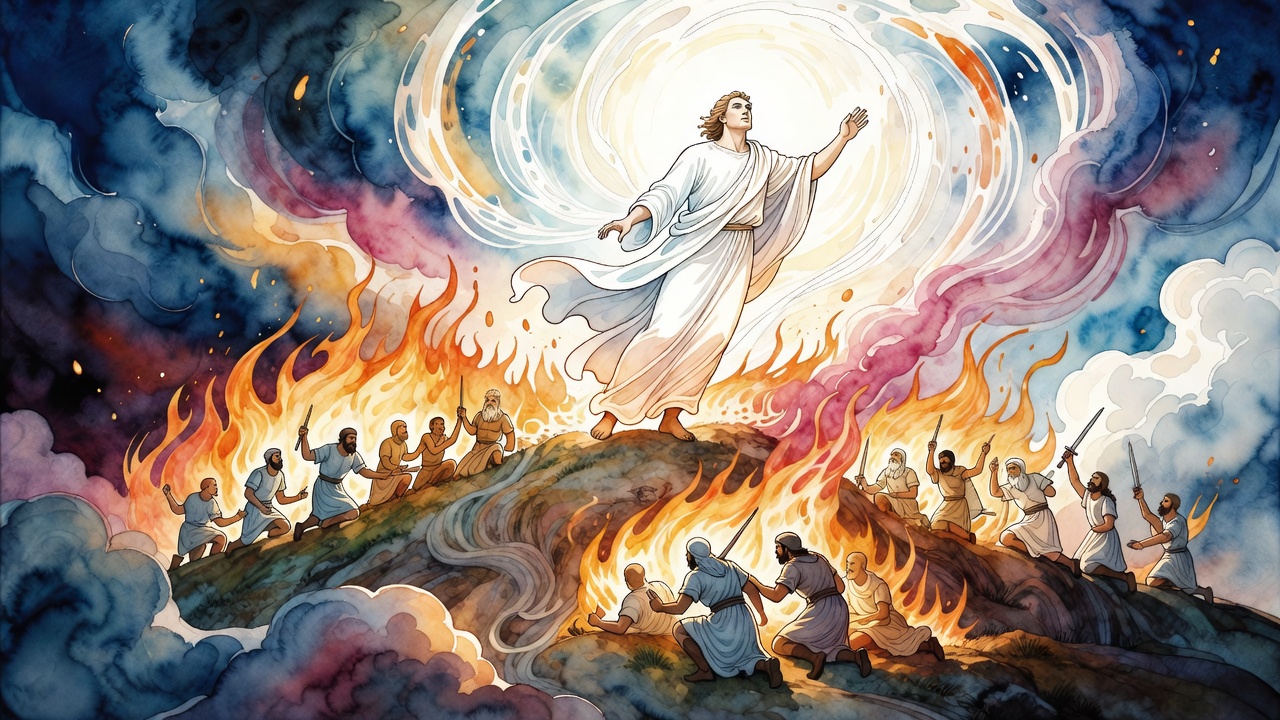
Ahaziah sent fifty men up a hill to drag the prophet down. Fire took them. The next fifty burned the same way, still on their feet.
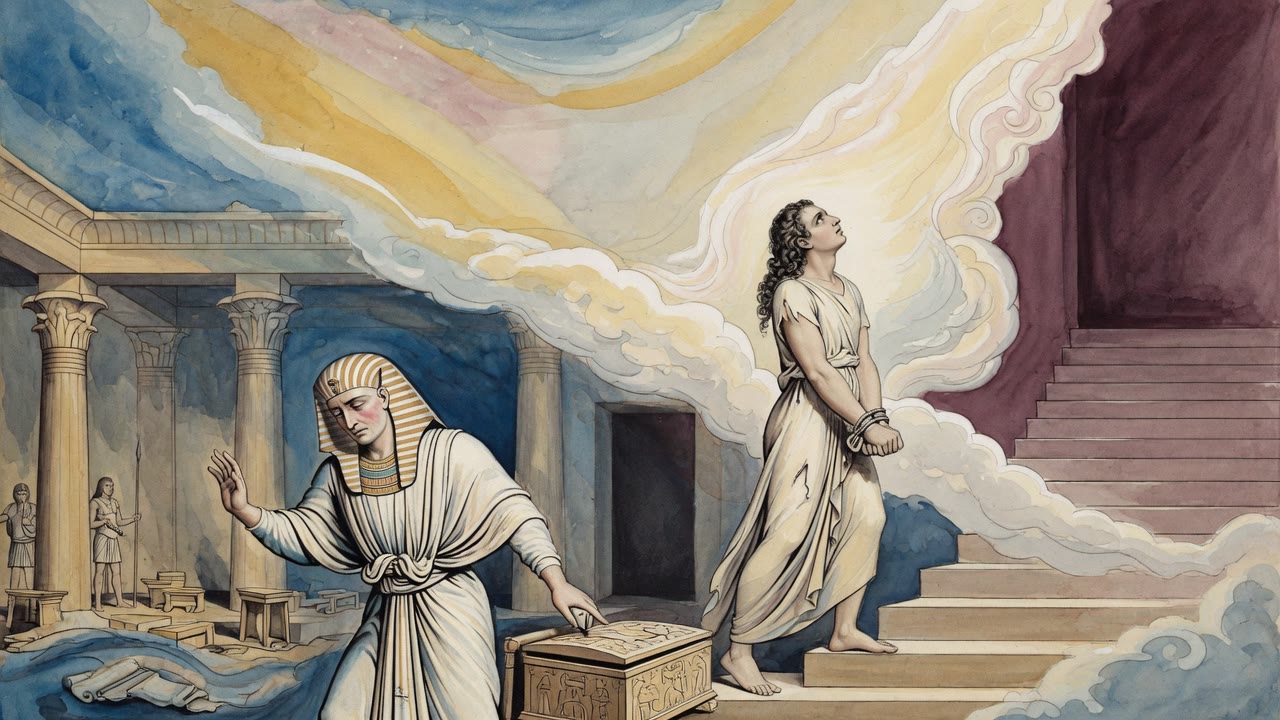
Three days after the sea split, Israel met water it could not drink and learned that confession can sweeten a bitter world.
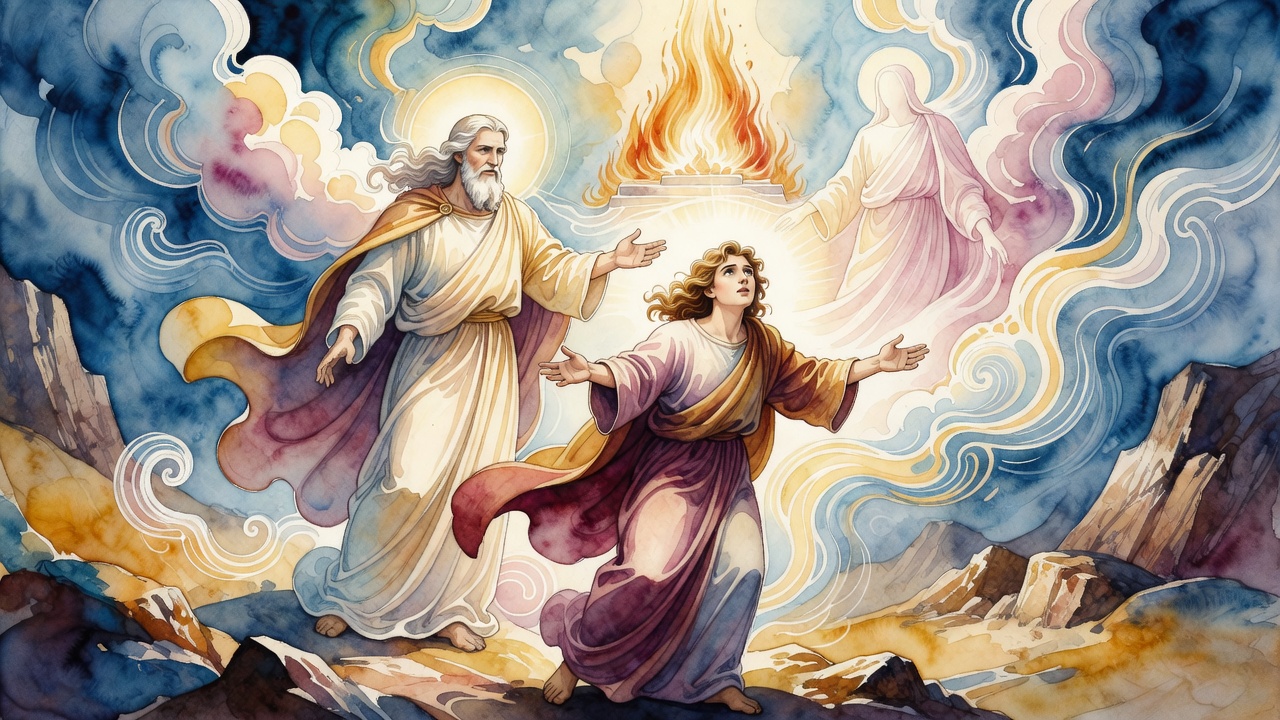
Elisha asked for a double portion of Elijah's spirit. Elijah called it a hard thing. Elisha watched and received it, and the count came out exactly right.
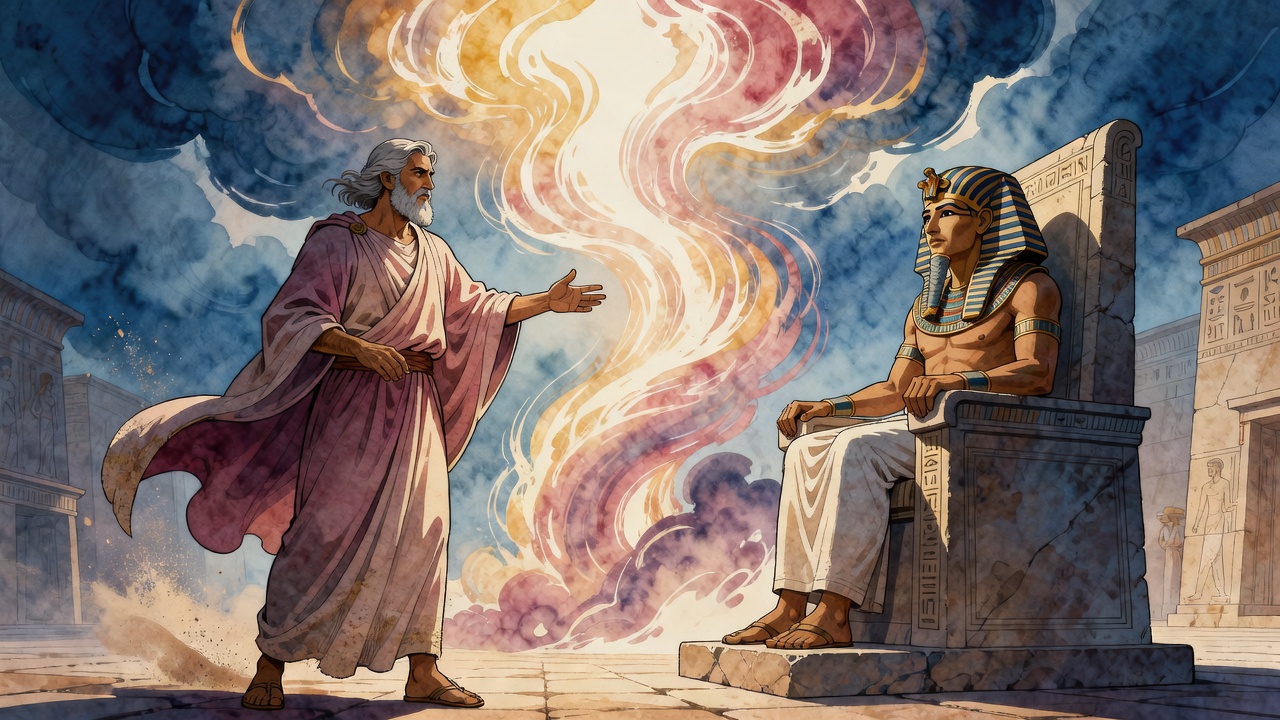
Moses warned Pharaoh before each plague. Ten warnings, ten refusals. Jubilees says the plagues were not punishment alone but a debt paid to Abraham.
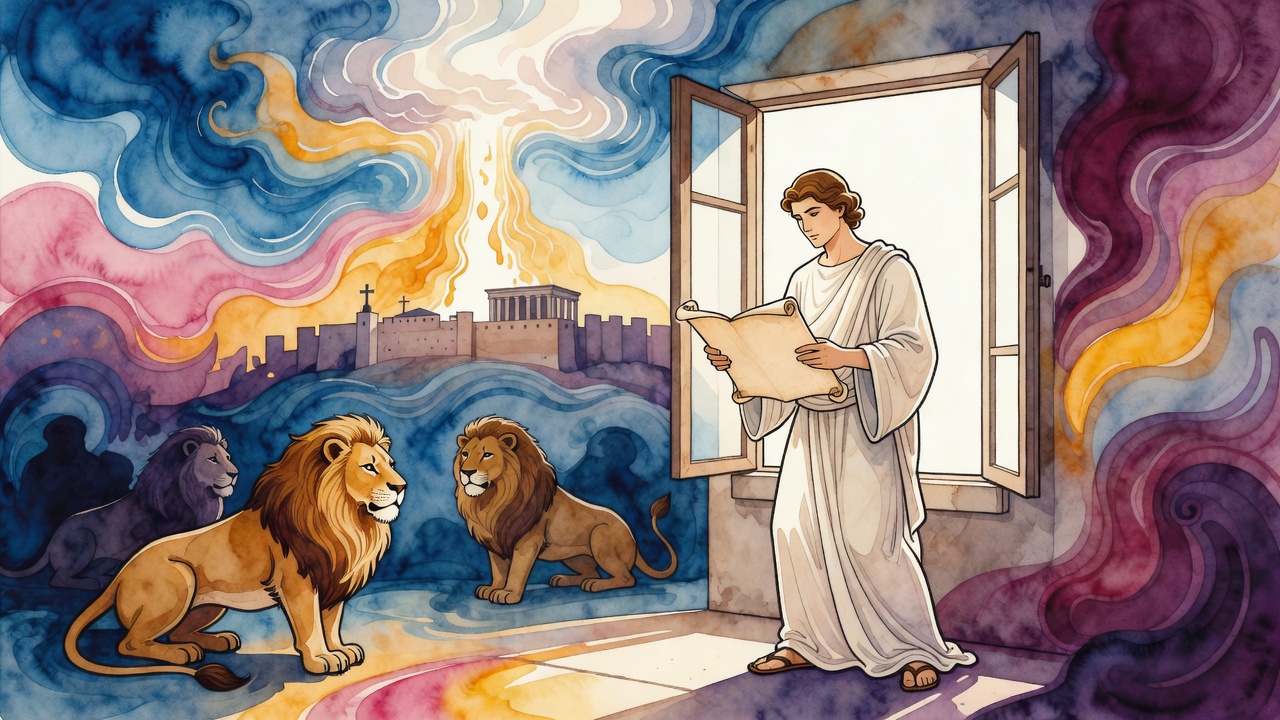
Two judges swore they had caught her with a man under a tree in her own garden. The court believed them. A boy in the crowd asked which tree.
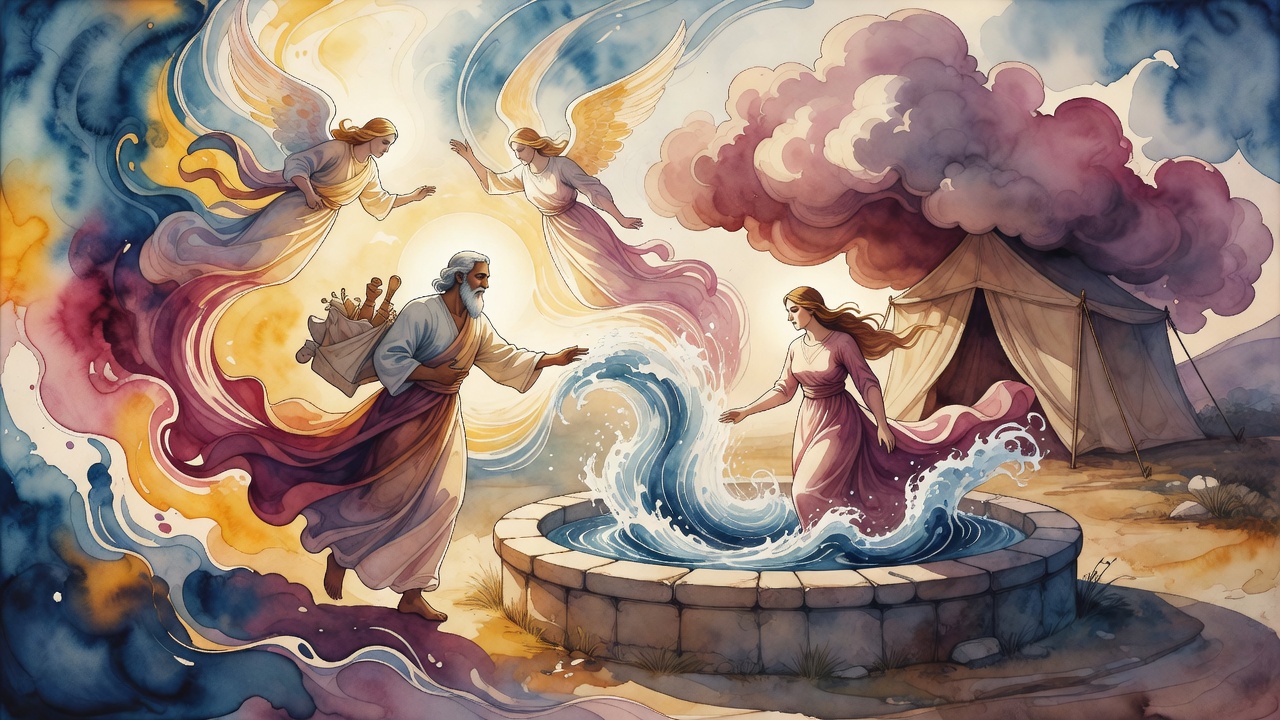
He put the nose-ring on her face before he asked her name. The two bracelets weighed out the exact price of a marriage contract nobody had negotiated.
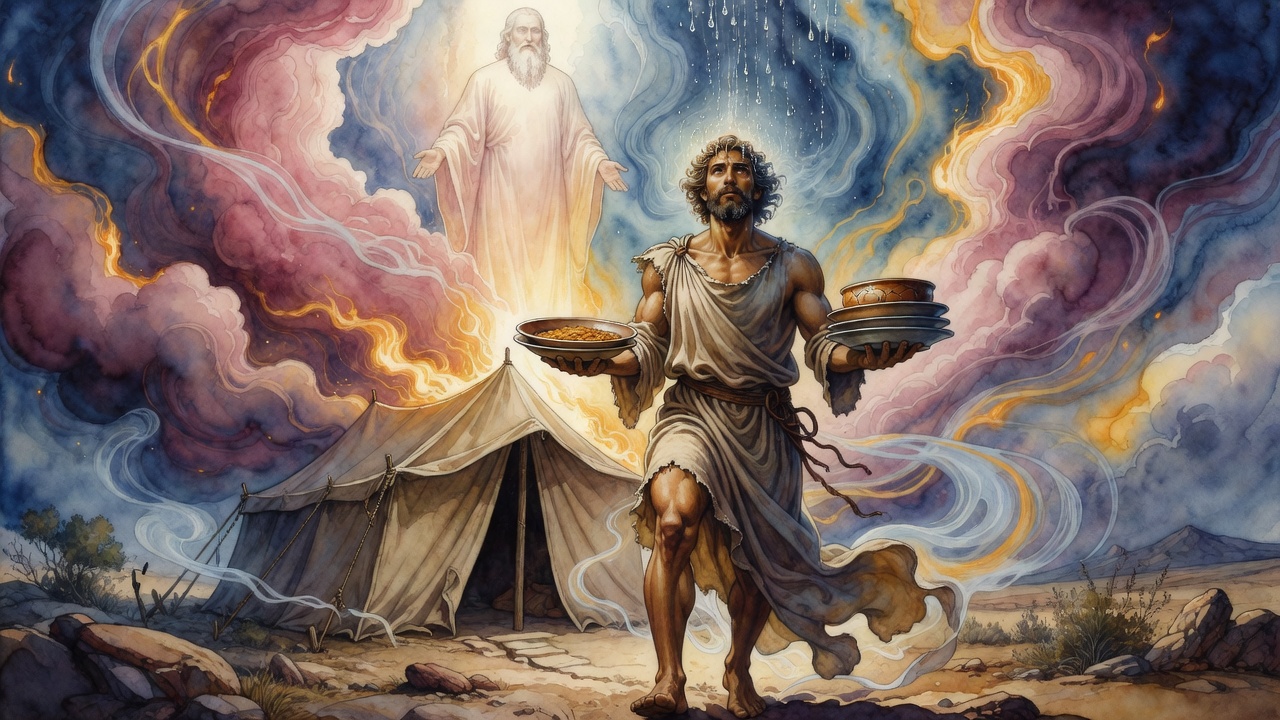
When Jacob stepped from Isaac's tent, celestial dew fell on him and changed his body. He was carrying his father's meal plates when it happened.
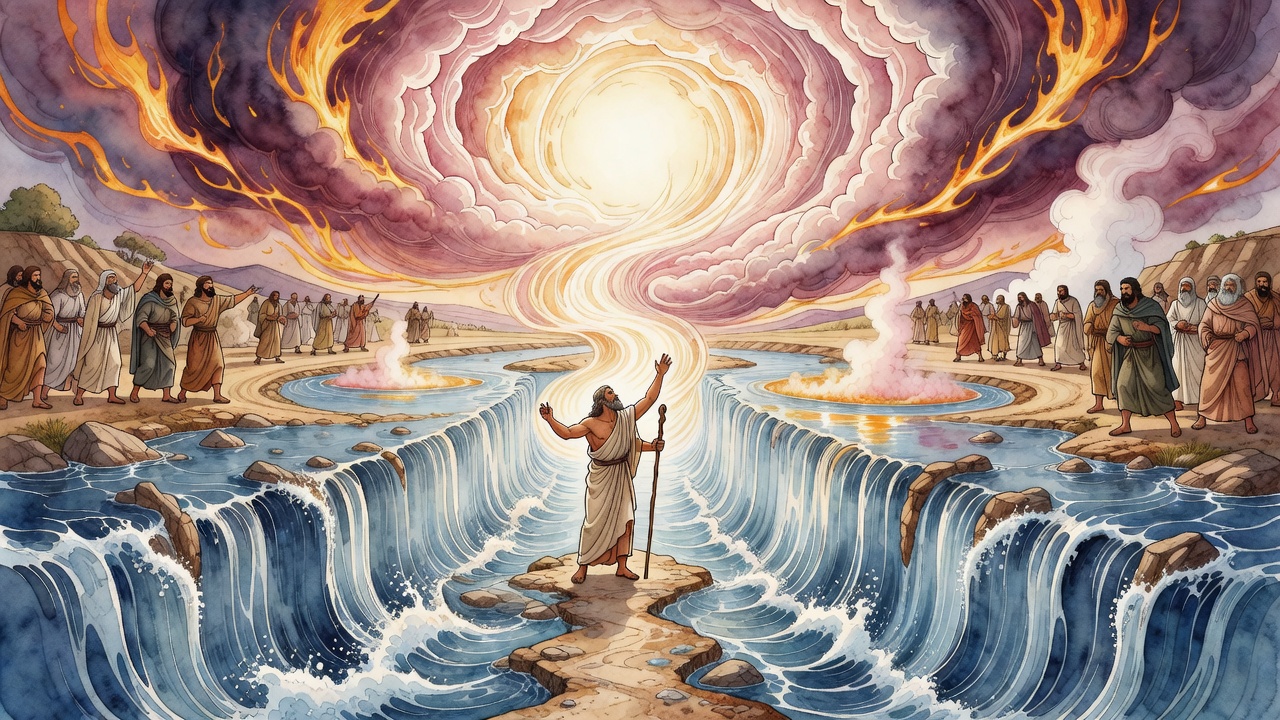
Esau's men held the road to Haran. Jacob had a staff and no bread. The river stood in his way, and his brother was already ahead.
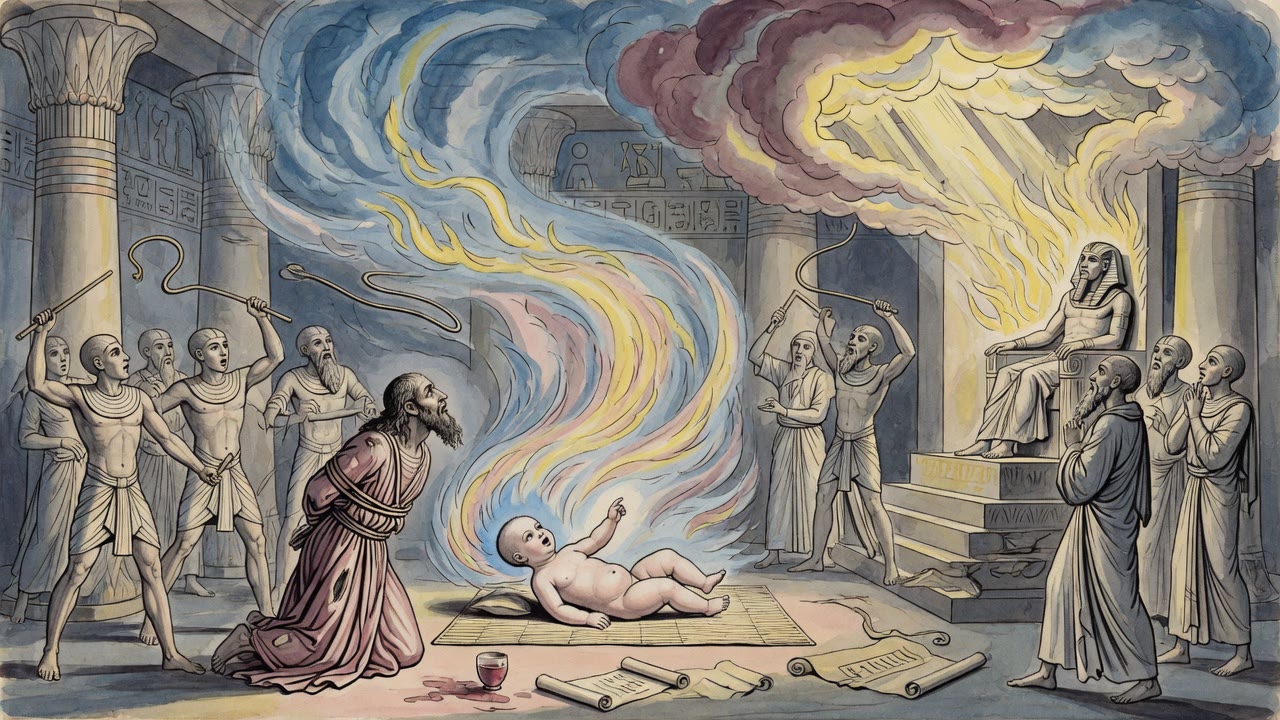
She changed out of her state robes, got back into the bed she had left that morning, and laid the torn coat down beside her. Then she called the house in.
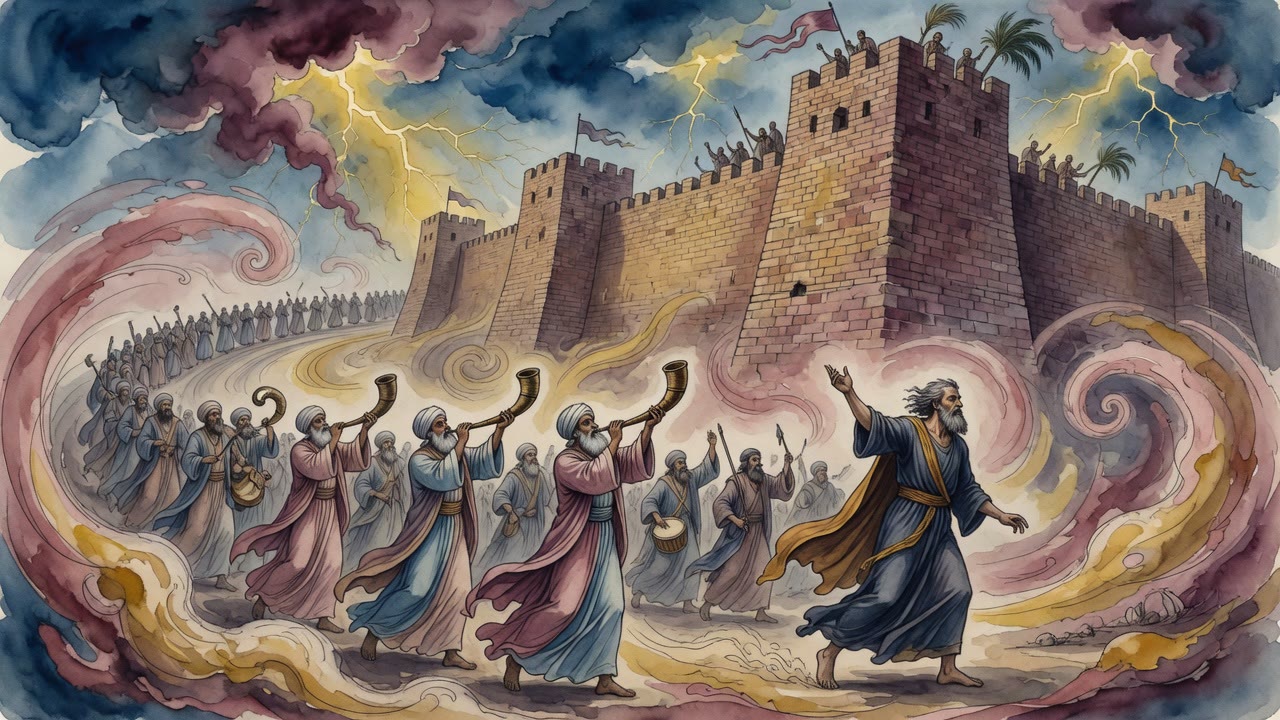
The priests' feet hit floodwater. The river climbed three hundred miles. Joshua walked the nation down onto dry stones and read the terms there.
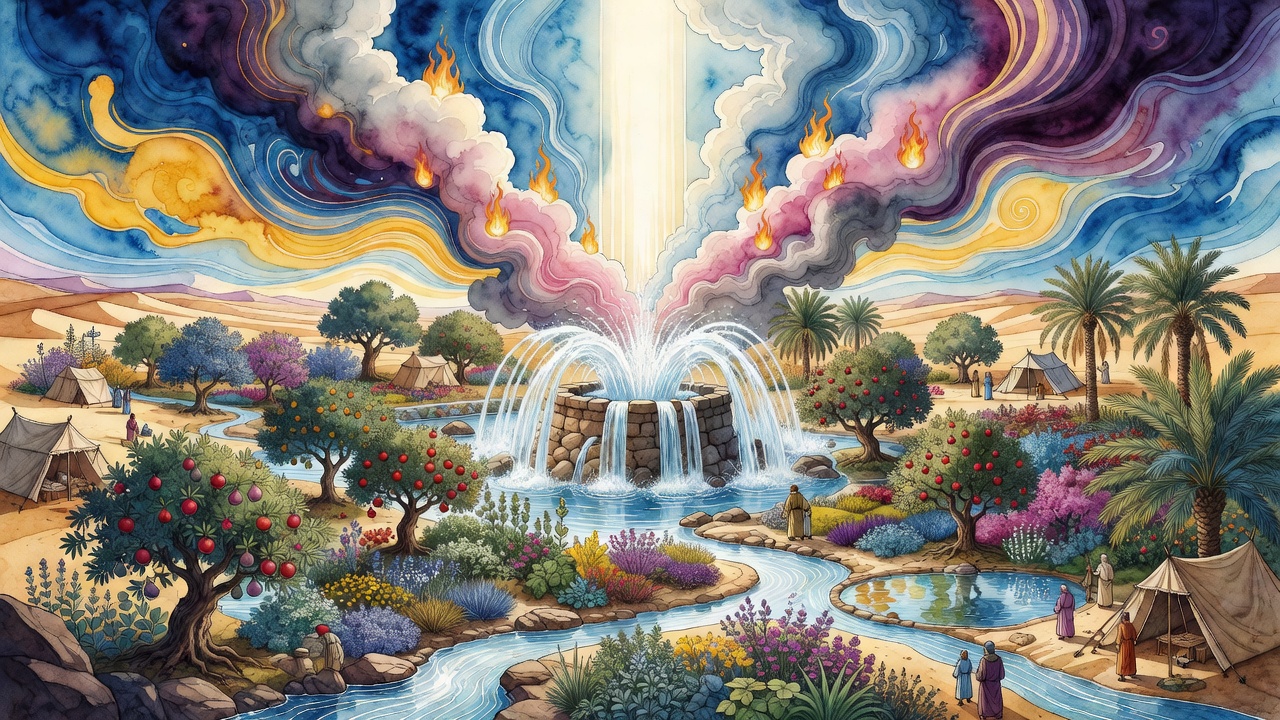
The well that followed Israel through the wilderness did more than quench thirst. It filled the camp with rivers, orchards, fragrant herbs, and healing water.
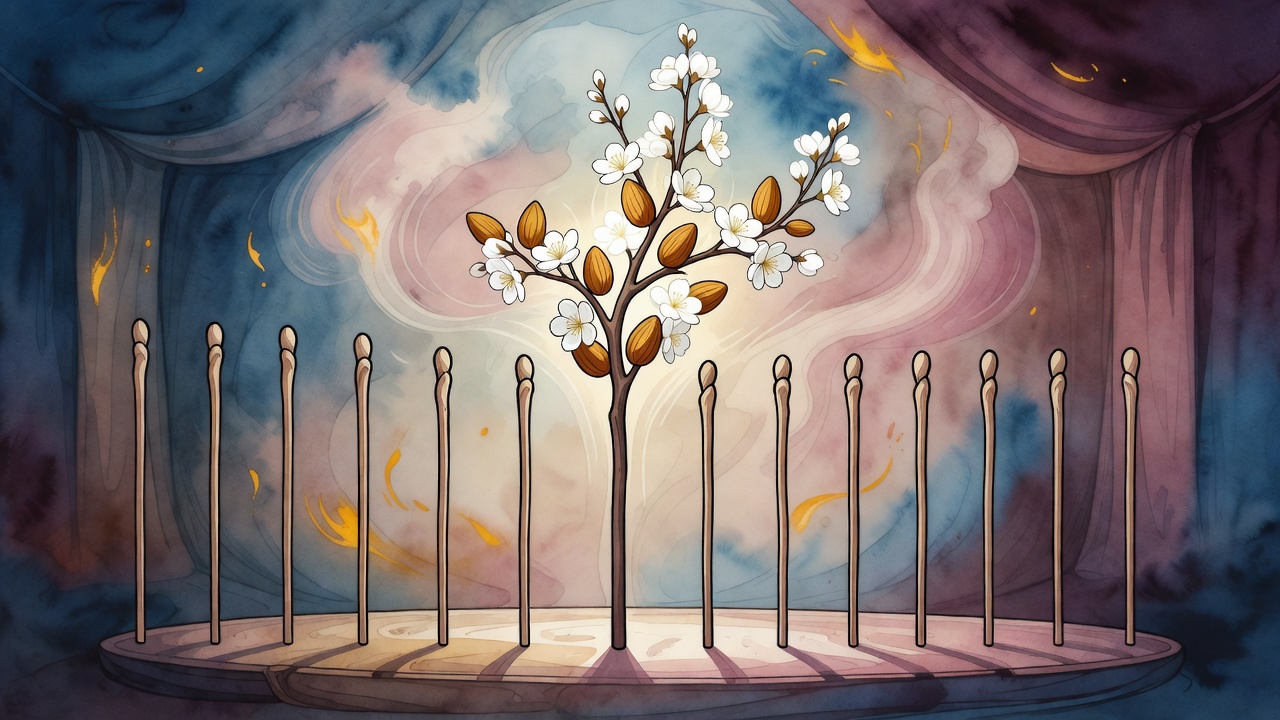
Twelve dry staves lay before the Ark until morning. One of them held blossoms, buds, and ripe almonds on the same wood.
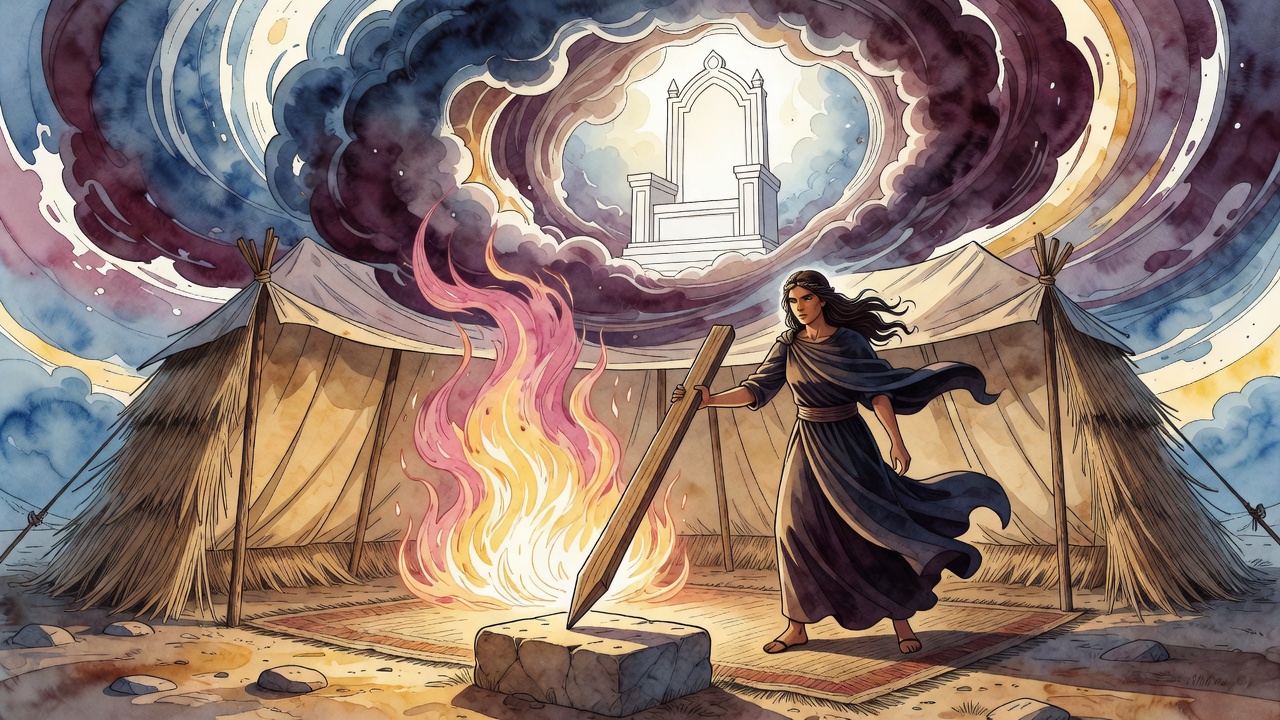
Sisera fled the battlefield and entered Jael's tent. Before she picked up the tent peg, she prayed three times and each prayer was answered before she finished.
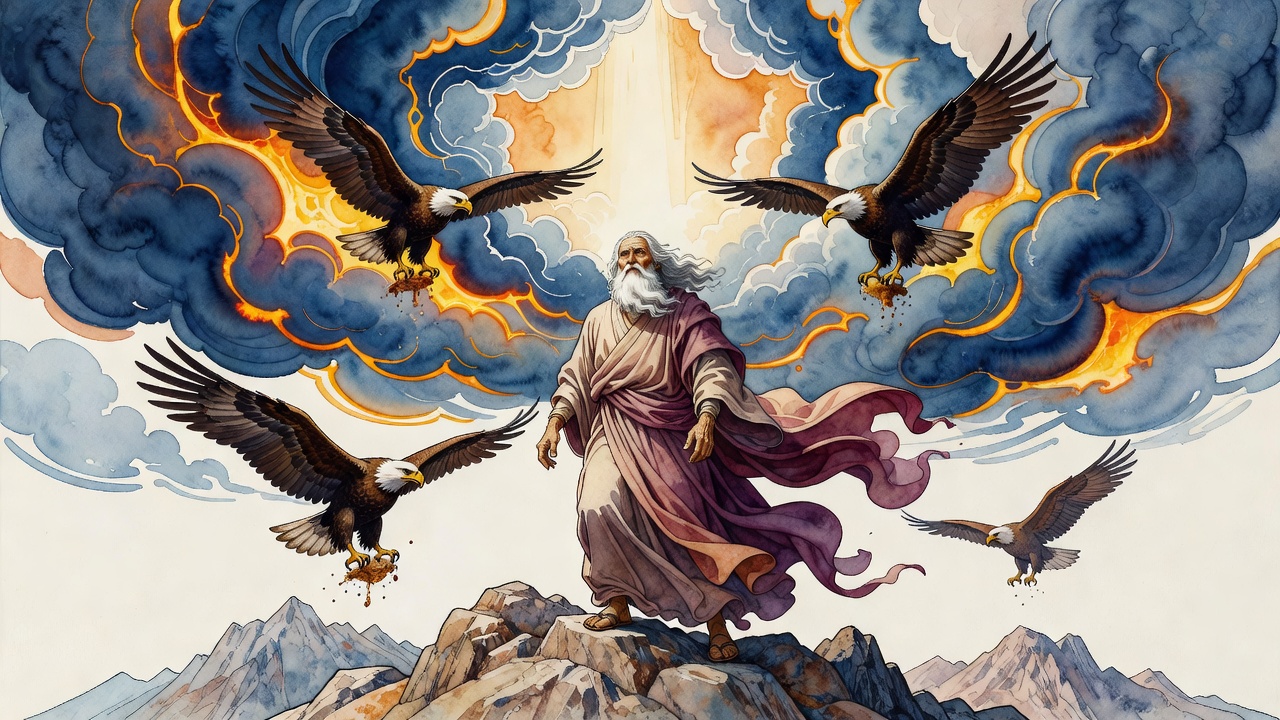
After his famous act at Shittim, Phinehas was sent to a mountain at the age of one hundred and twenty. Eagles brought him food. He has not come down yet.
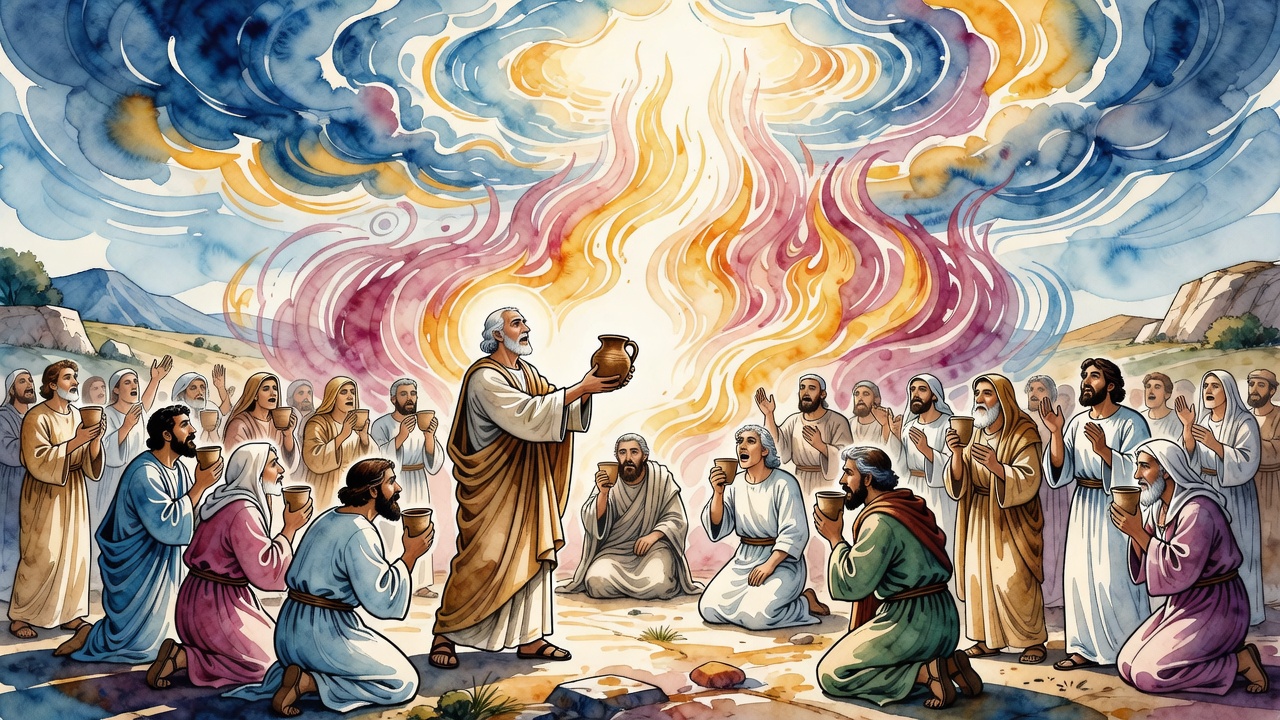
At Mizpah, Samuel gave Israel special water to drink. Those who had worshipped idols could not speak afterward. Most confessed before they lifted the cup.
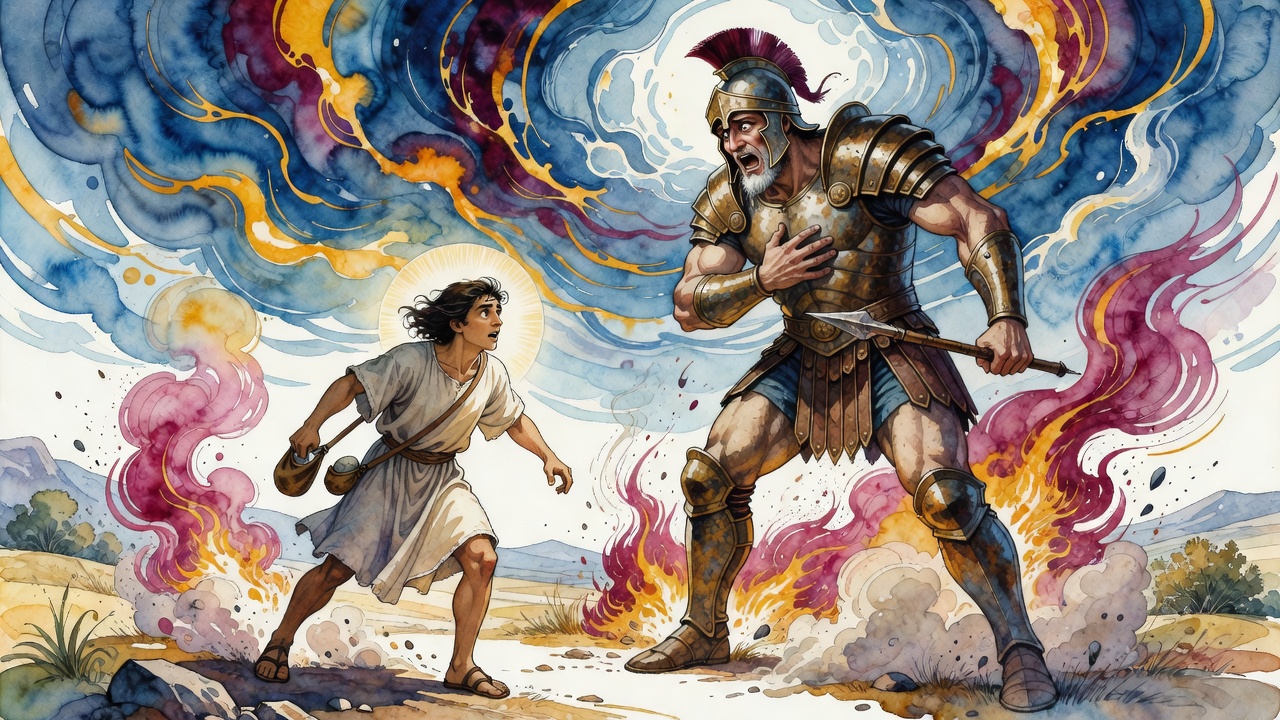
Before the stone left David's sling, something older and stranger had already struck Goliath. The giant felt it the moment David walked toward him.
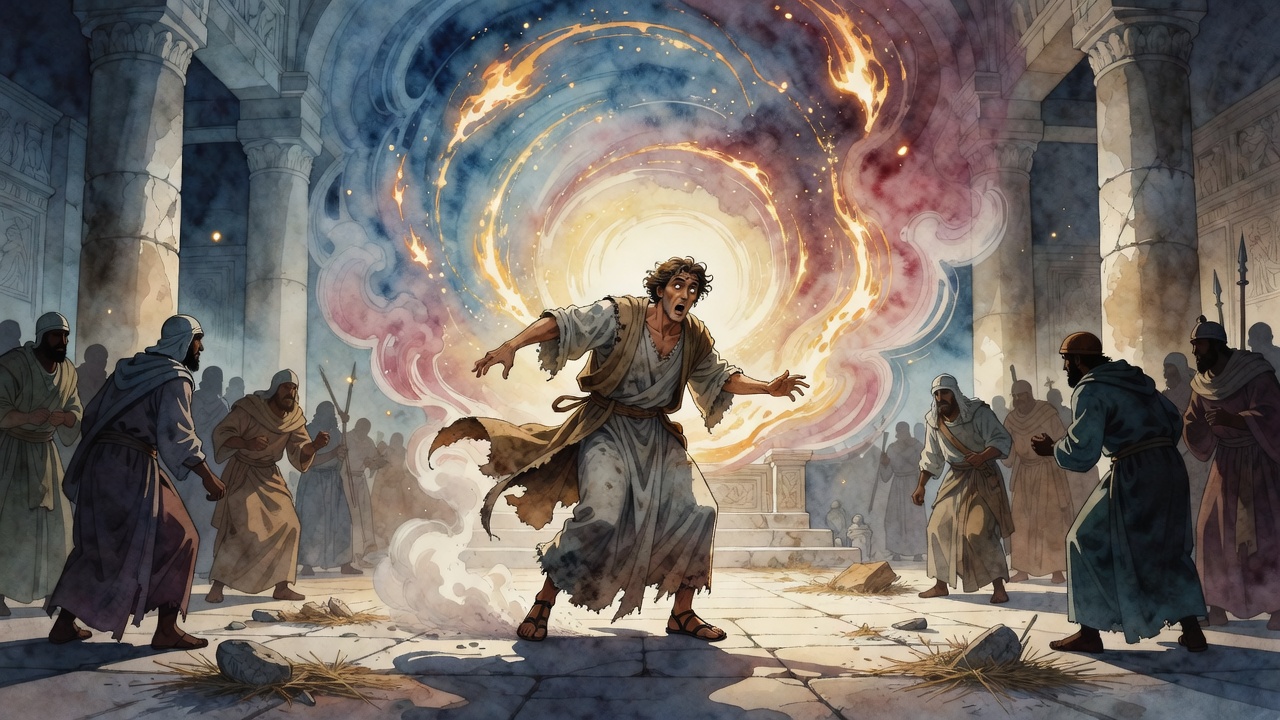
Goliath's brothers stood as bodyguards in Gath and asked for David's head. King Achish pointed at the madmen already living in his house.
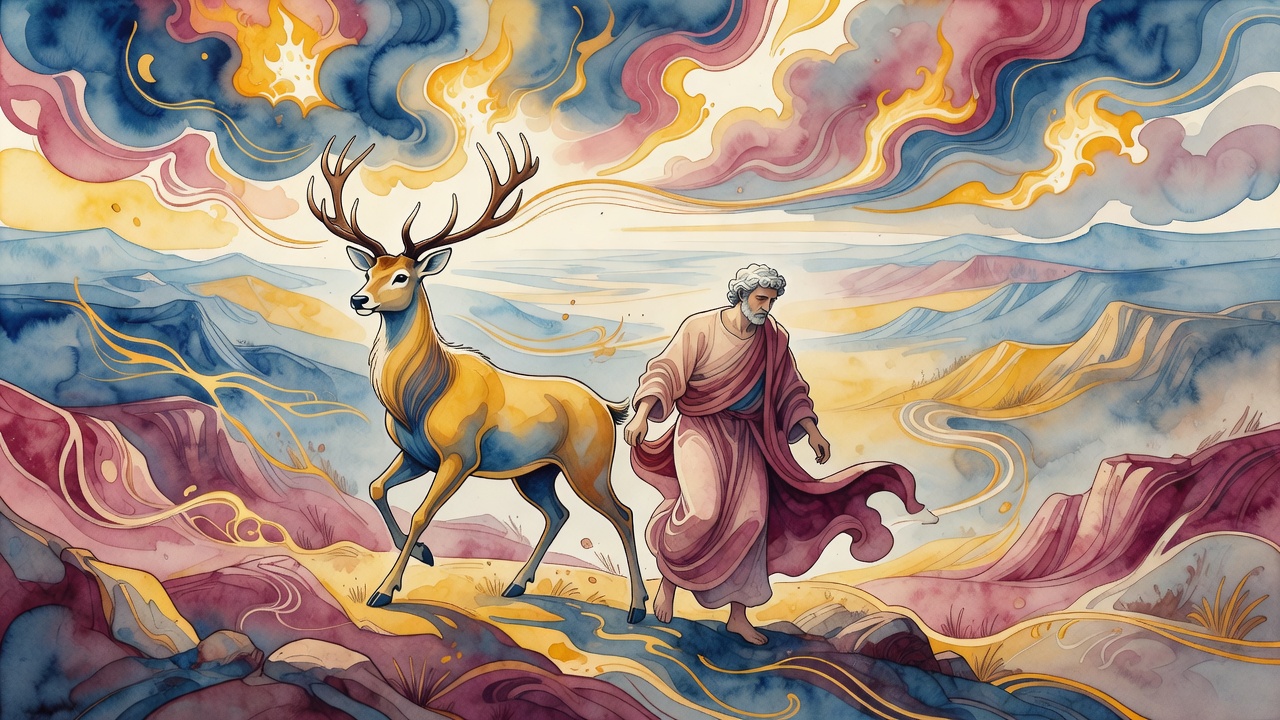
David followed a deer into country he did not know. Ishbi, Goliath's brother, threw him into a winepress and waited for the crush.
