The Staff That Hurt Egypt Had to Feed Israel
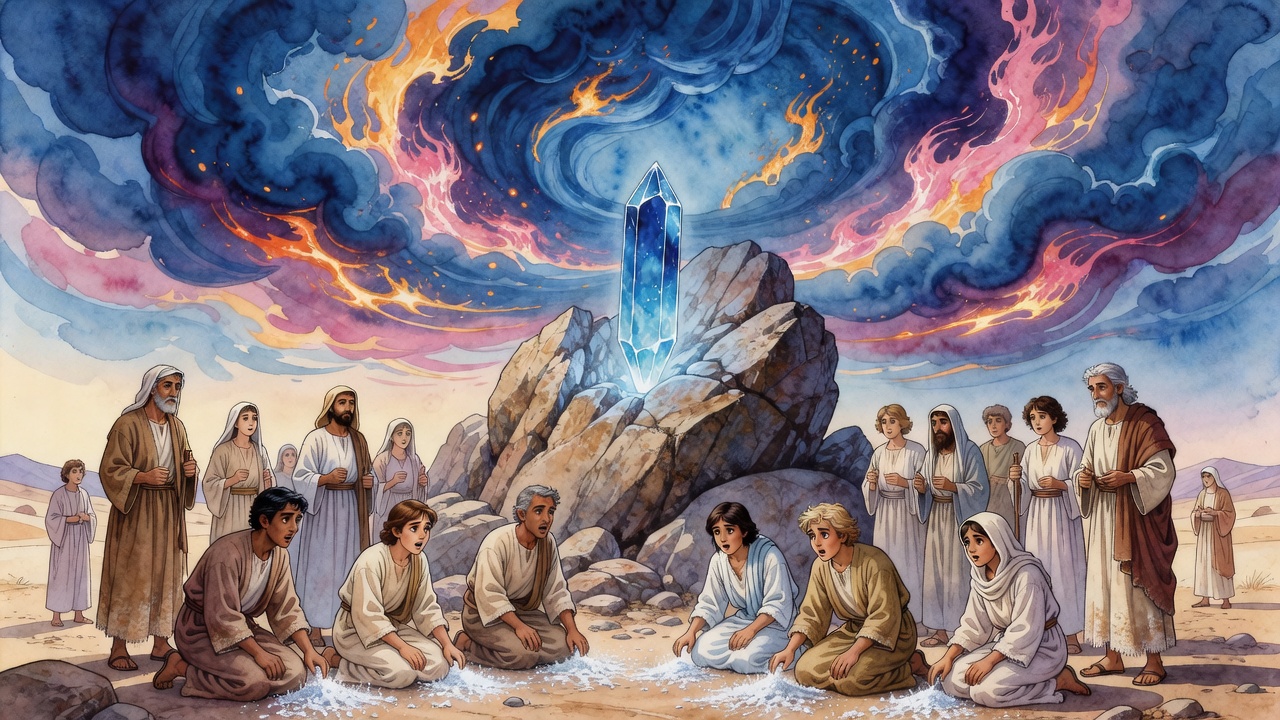
The camp was ready to stone Moses. God told him to pick up the staff they feared and walk ahead of them until the rock opened.
Table of Contents
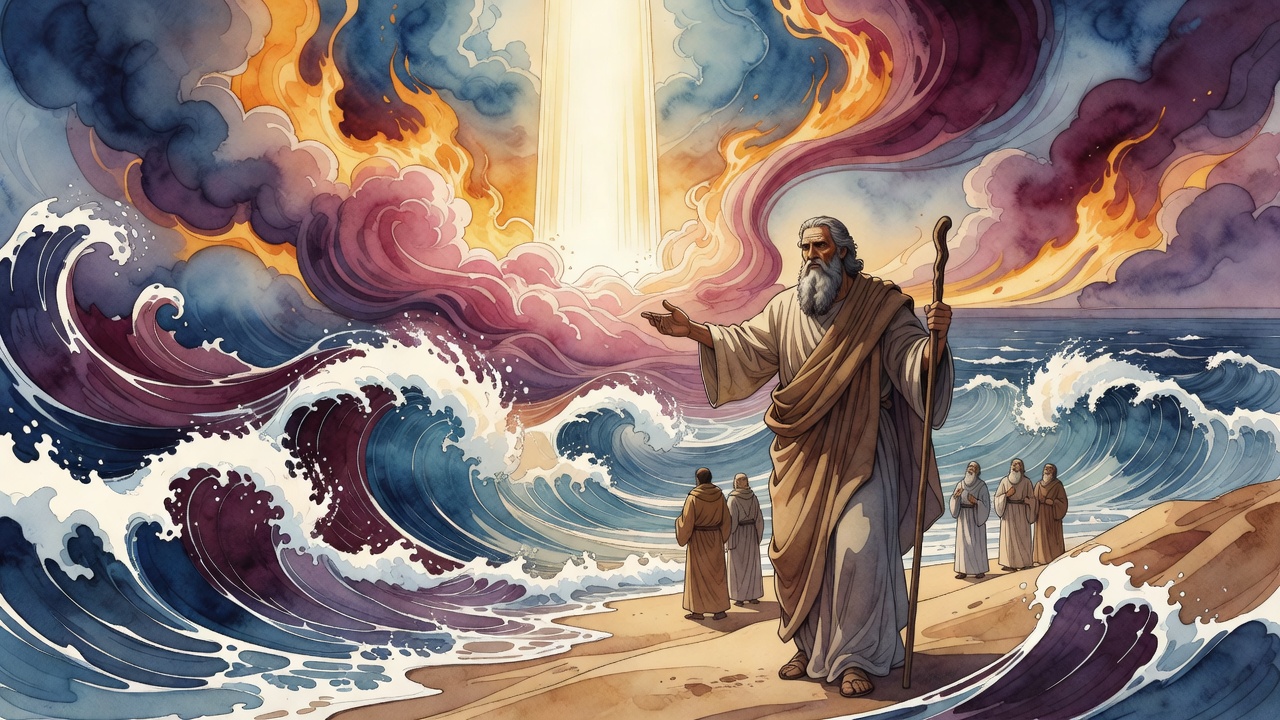
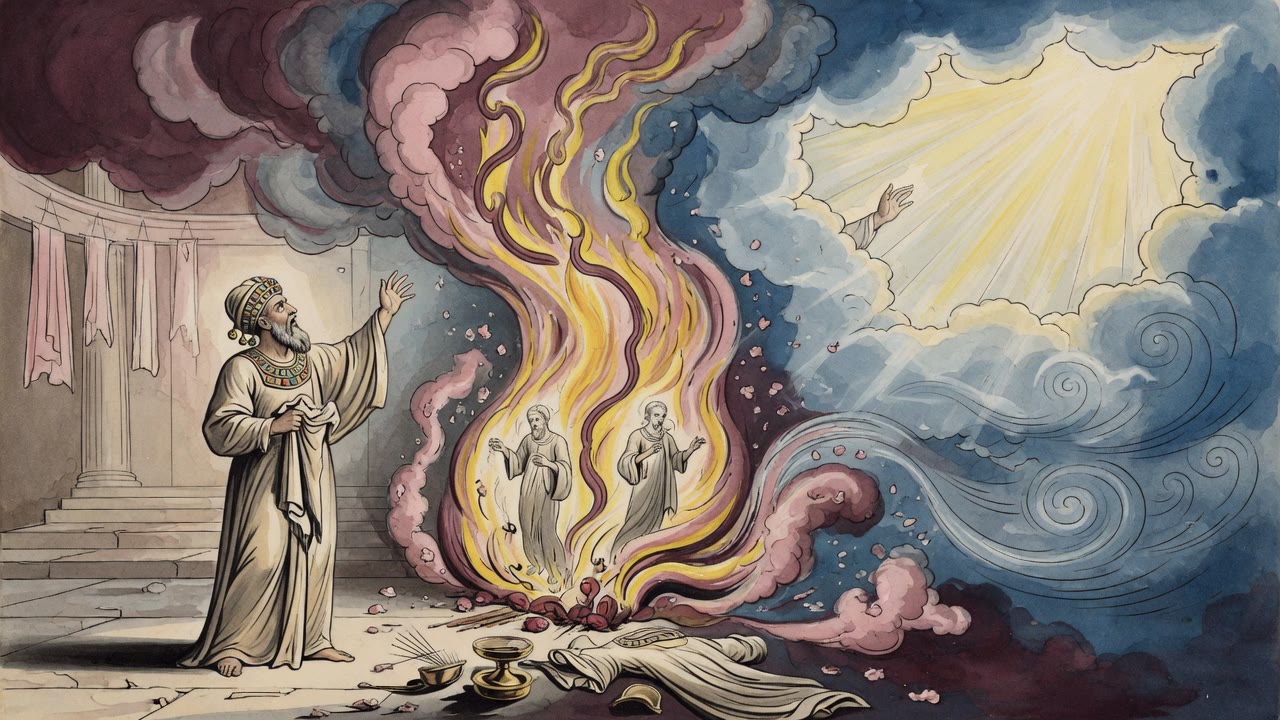
The mouths in the camp were dry, but the fight was not only thirst. Israel looked at the staff in Moses' hand and saw blood. That rod had already struck the Nile. It had already helped break Egypt. Now it hung over a wilderness with no river, and the people wanted it put down, because a thing that had made water into blood could not, in their minds, make rock into water.
 Click for full size
They quarreled with Moses. A cry for drink would have been human. A quarrel is an accusation. It treated the empty wadis as his personal decision, as if survival hung on one exhausted man's mood rather than on the God who had opened the sea three days of walking behind them.
The Insult Traveled Upward
"Why do you quarrel with me? Why do you test the LORD?" Moses pushed the charge to its real address. Every time they pressed him, they were probing the Holy One who had sent him. The place later took the name Massah, because they asked whether God was among them or not, and they asked it as an insult, not as a question (Exodus 17:7).
They had just watched the sea split. They had sung. Three days without easy water should not have been enough. At Rephidim the body won. The crowd grew ugly enough that Moses feared the stones in their hands. He cried to God, not in a polished petition, because he thought they would kill him before any spring appeared.
Pass Before Them Anyway
God told him to go in front of the people. Pass over their bitter words, because their souls were raw. Pass over their sin. Speak gently. And plainly: walk ahead of them and bring out water.
Take elders, God said, as witnesses, so no one could later claim the spring had been sitting there all along and no miracle had occurred. Then take the staff. The same staff. "Thy rod, wherewith thou smotest the river, take in thine hand, and go" (Exodus 17:5).
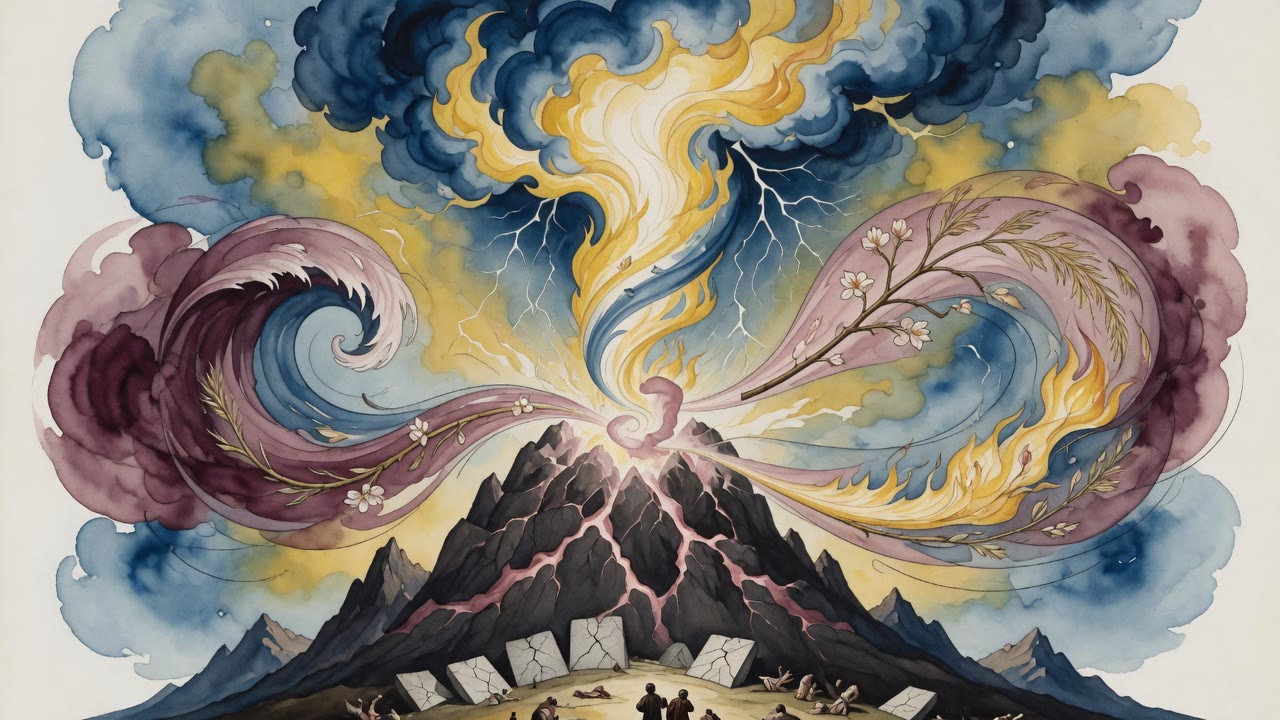
That was the command that stuck in their throats. They had three holy objects they muttered against as things of ruin: the incense that had killed Nadab and Abihu, the ark that had struck Uzzah and the men of Beth-shemesh, and this staff of sapphire that had brought the plagues. They wanted all three buried. God put the feared one back in Moses' fist and sent him to a rock.
The Sapphire They Misread
The rod was not a weapon with a private appetite. It was sapphire, cut from the stuff of the throne, heavy as forty seah, carrying a Name that is not spoken casually. It had been finished in the last minutes of the sixth day, before the first Sabbath, when God pressed the remaining necessary things into being. Israel saw a stick that made blood. They did not see what they were looking at.
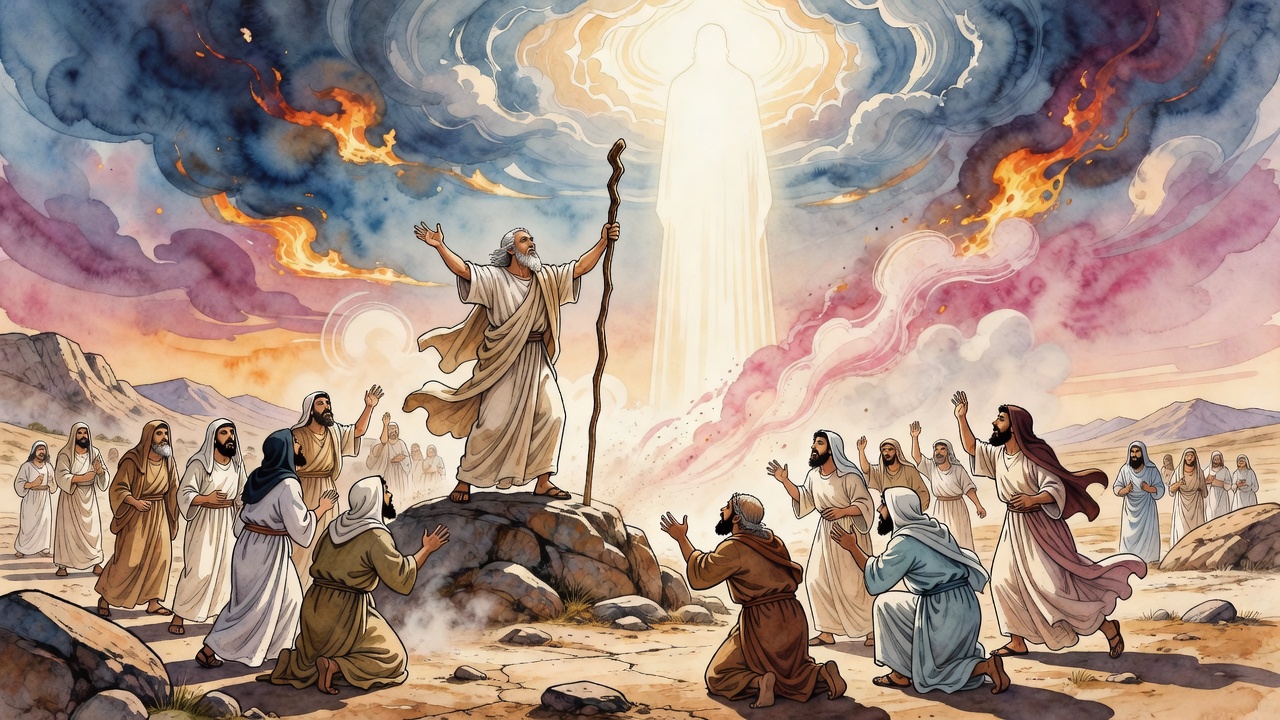
Moses took the elders. He took the staff. He walked ahead of a camp that still wanted to stone him. At Horeb he struck the rock. Water came out. The people drank. The witnesses stood there so no one could say the spring had always been a trickle in the stone.
Water from the Thing They Feared
The staff that struck the Nile and made it blood had now struck a stone and made the desert floor a spring. It did not love hurting Egypt. It did not love feeding Israel. It moved where the hand of God pointed, and when the hand pointed at a rock and called for water, the rock opened.
Israel's mistake was assuming the staff had a fixed nature. It had a fixed obedience. Later they would learn the incense could atone, and the ark could bless the house of Obed-edom for three months. At Rephidim they learned it first in their mouths. The thing they had wanted put down was the thing that filled them.
Moses lowered the sapphire. Water ran in the dust. The stones stayed in the people's hands, unused.
← All myths