News of the Sea Broke Canaan's Kings, and Miriam's Well Rolled With the Camp
Before any Israelite army reached Canaan, the news from the sea had already hollowed out its kings. A singing well then drew rivers around the desert camp.
Table of Contents
 Click for full size
The Weapon That Arrived First
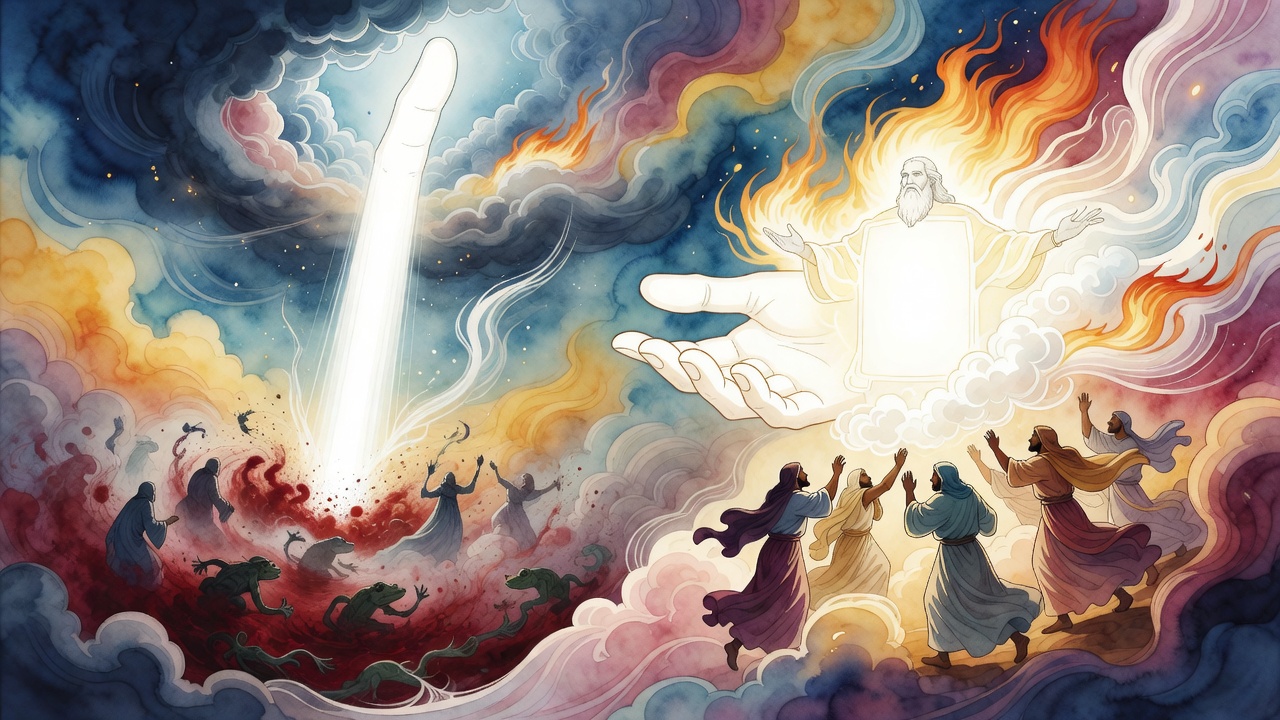
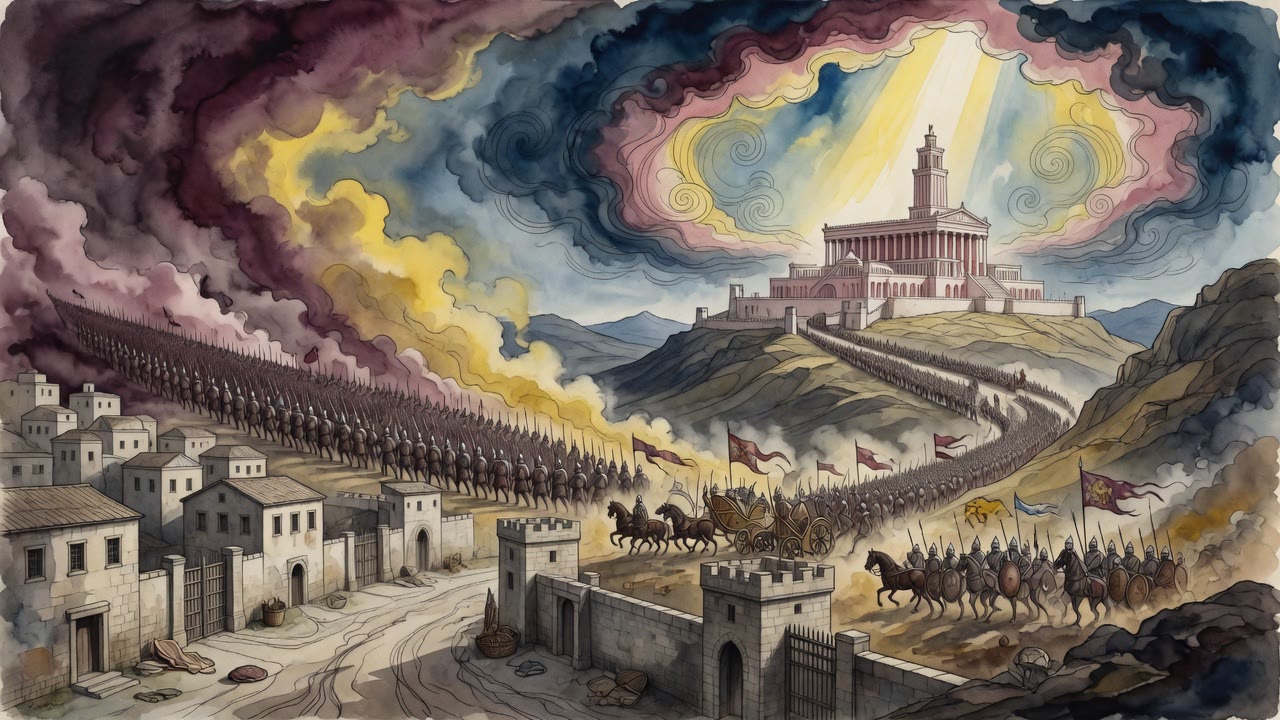
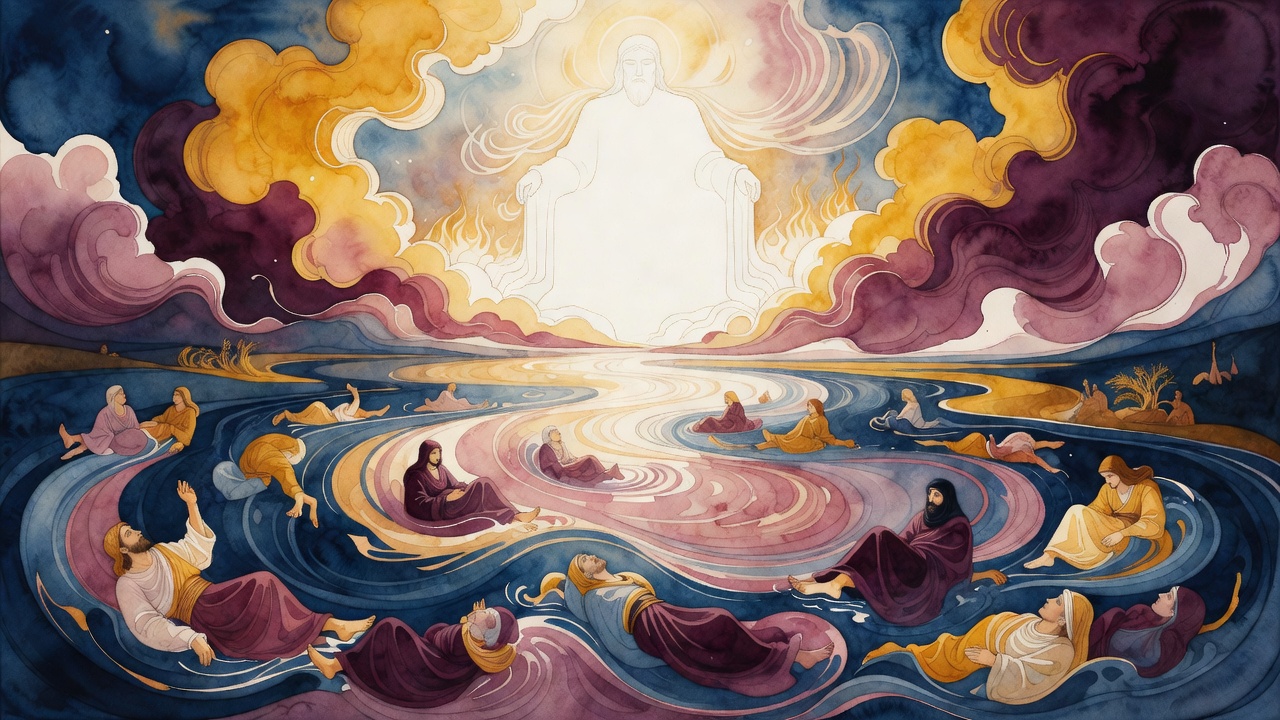
The kings of Canaan had heard. By the time Israel finished singing at the sea and turned inland, the news had already crossed the Jordan and the rumors were doing more work than any army could have done. Rahab would say it directly when the spies came to Jericho: "we heard what the Lord did to Egypt, and our hearts melted. No courage remained in any man because of what had happened at the water."
The sages behind the Yalkut Shimoni on Torah read this as the completion of the sea miracle, not a side effect. The drowning of Egypt was not only the destruction of a pursuing army. It was an announcement, and the announcement carried the weight of the water with it all the way to Canaan.
Rage on the Right and Rage on the Left
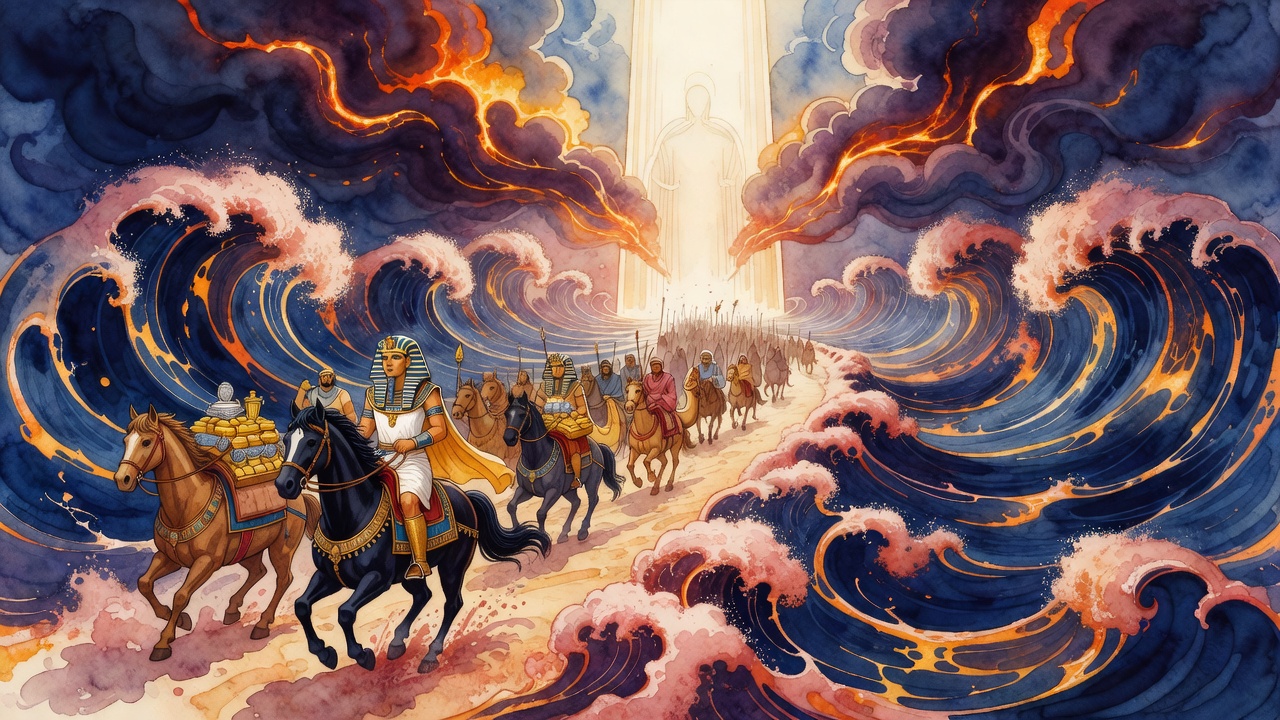
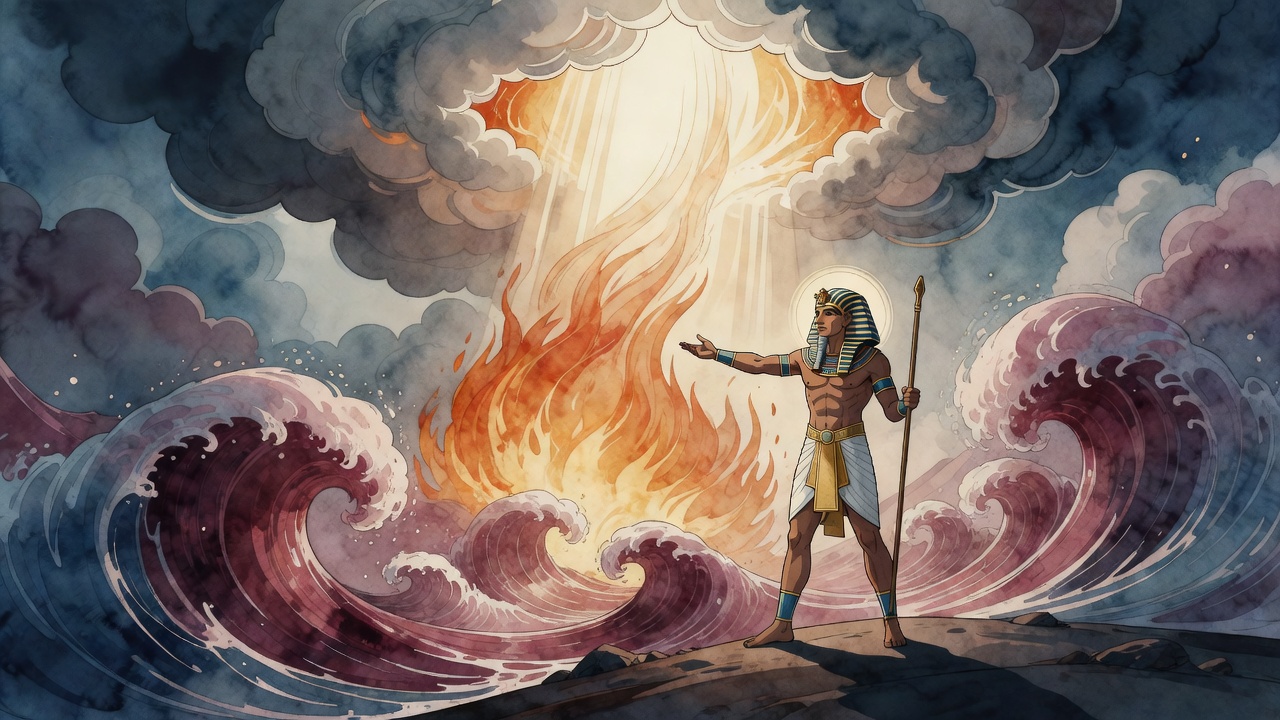
The walls of water that rose on either side of Israel during the crossing were not calm. The Yalkut plays on a single missing letter in the Hebrew of Exodus 14:22. Where the verse says the water was a wall on their right and left, the word chomah is spelled without its full complement of letters, which allows it to be read as chema, rage. The sea was not a fence. It was fury barely contained, anger pressed back on both sides, and only two things kept Israel alive between those raging columns of water.
On the right stood the merit of the Torah, the fiery law that would come from God's right hand at Sinai, given here as credit against a debt not yet incurred. On the left stood the merit of the tefillin, the leather boxes and straps that Israel would one day bind on their heads and arms in obedience to a commandment not yet issued. Future observance, treated by the sea as if it were already a fact, held the walls apart long enough for a nation to cross on dry ground.
Why the Angels Objected
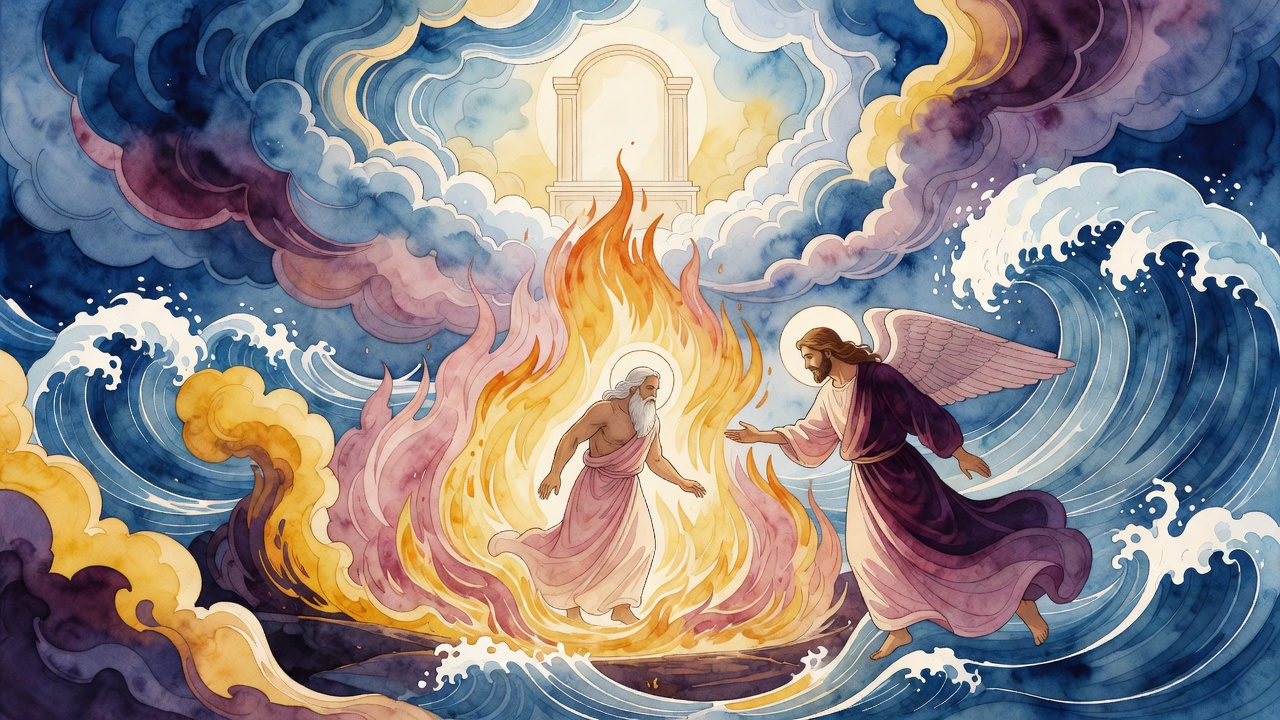
The angels of service looked at the people walking through and could not believe what they were seeing. "These were idolaters," they said. "These were people who had bowed to Egypt's gods in the delta only yesterday, and now they cross on dry land while Egypt drowns? How does this make sense?"
The tradition preserves this as a genuine protest, not a rhetorical device. The objection was real, and the midrash does not dismiss it. Israel had served foreign gods in Egypt. They had been sunk in the same moral condition as their masters in many respects. The case for rescuing them was not obvious on merit alone. It rested on promise and on the accumulated account of the patriarchs and matriarchs, debts owed to the dead that were being paid to the living.
The Well That Fed the Camp
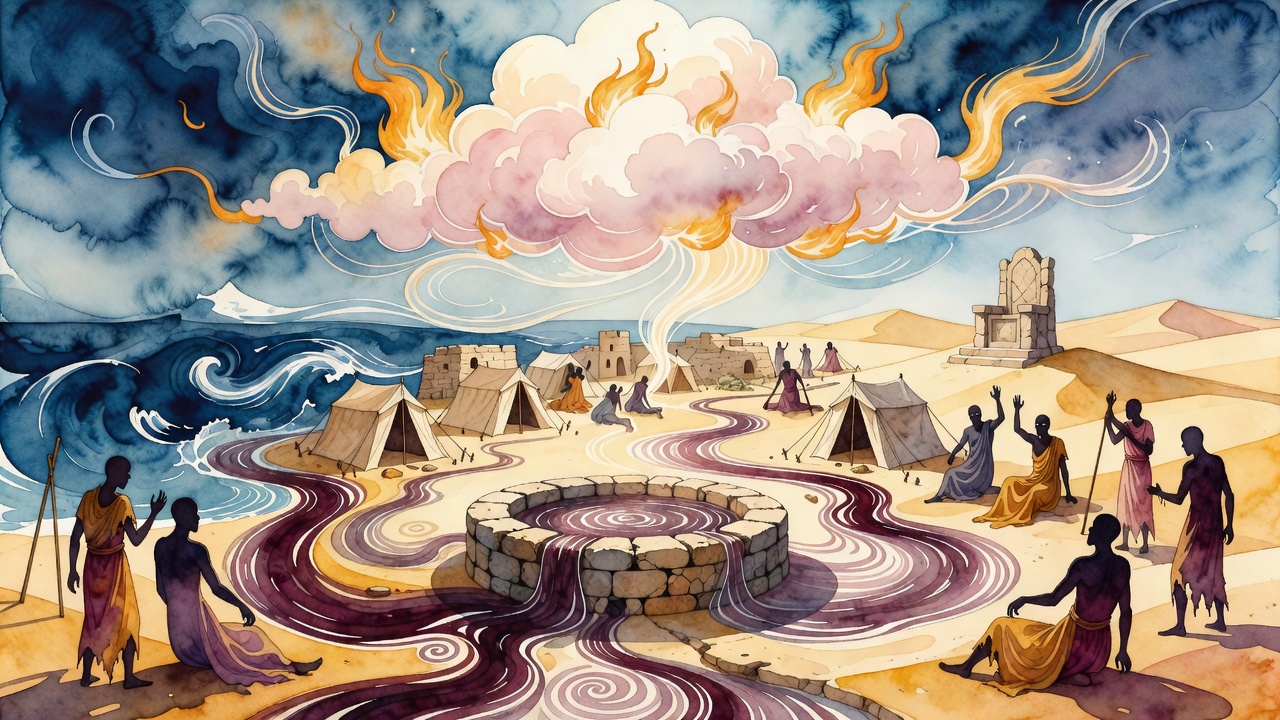
After the sea, the same logic of miraculous provision continued in the desert. Miriam's well, the tradition says, was not a stationary source. It was a traveling companion, a boulder that rolled alongside the camp through forty years of wilderness wandering, and from it rivers branched out and ran between the tents. The families of Israel did not have to carry water any distance. The water came to them, distributing itself through the camp the way an aqueduct distributes water through a city, except that the source moved and the city moved with it.
When Israel camped, the well camped. When they marched, the well rolled. The same power that had sent walls of water standing on both sides of a nation walking through the sea was now routing water around every tent in the camp so that no one had to go dry.
The dread that had broken Canaan before any soldier arrived was one face of what the sea had done. The well that followed the camp through the desert was another. Both were the same event continuing, the miracle at the water that had not stopped when the last Egyptian drowned.
← All myths