Pharaoh Boasted Five Times at the Sea and Sentenced Himself
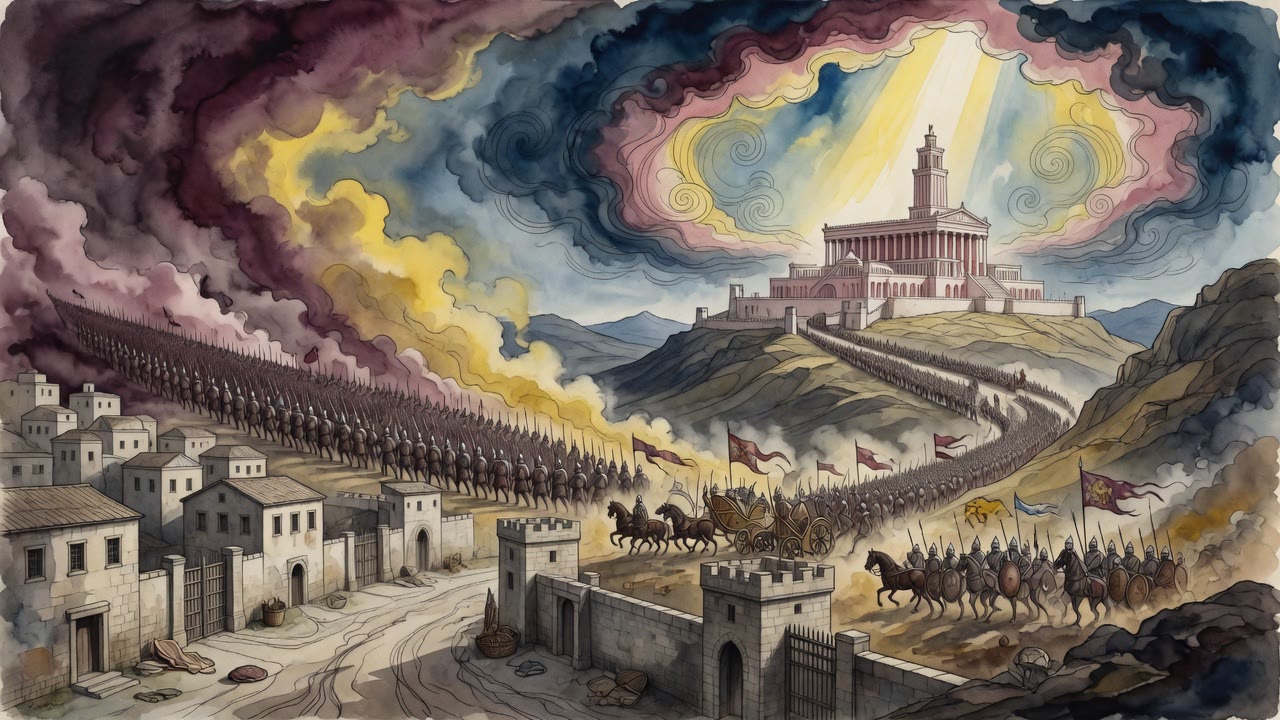
Pharaoh declared he would pursue and overtake and divide the spoil. The Yalkut Shimoni shows how each boast became the sentence he pronounced against himself.
Table of Contents
 Click for full size
Words Out of Order in the Song
The Song of the Sea is a victory hymn, and in the middle of the victory hymn stands a strange intrusion. The enemy said: I will pursue. I will overtake. I will divide the spoil. My desire will be filled. I will draw my sword. My hand will destroy them. Six verbs, first person, Pharaoh's voice captured mid-boast inside Israel's song of deliverance.
The Yalkut Shimoni, the great thirteenth-century anthology that gathered centuries of older midrash into a running commentary on the whole Hebrew Bible, opened with a problem: those words do not belong here. They belong at the beginning of the story, in Egypt, when Pharaoh first planned the chase. The song comes after the crossing, after the sea has already closed, after the chariots are gone under. So why is Pharaoh's boast quoted in the middle of the triumph?
A Rule That Unlocks the Whole Torah
The sages gave a principle as their answer, and it turned out to be one of the most useful keys in the entire tradition. There is no strict earlier and later in the Torah. The text is not a chronicle that tells events in the order they happened. It is an arrangement, and the arrangement serves truths that the timeline would obscure. Pharaoh's boast, spoken in Egypt before the pursuit began, appears in the middle of the sea crossing because the Torah placed it where it would do the most interpretive work, not where it fell chronologically.
The proof came in a cascade. A verse from Leviticus that introduces a passage but appears buried inside it. The year of King Uzziah's death in Isaiah, which opens a vision that does not describe Uzziah's death at all. A riddle in Ezekiel that appears after the events it explains. A cry in Jeremiah that announces what has already happened. Each one is a beginning hiding somewhere other than the front. The Torah feels free to move things. Every reader who looks for strict chronological sequence will miss what the arrangement is saying.
Five Boasts and Five Answers
Then the midrash went deeper into Pharaoh's speech and counted. Five boasts. Not six. The sages collapsed the six verbs into five distinct claims, and against each one they set the Spirit's answer, the divine response that Pharaoh could hear only if he understood the language he was speaking in.
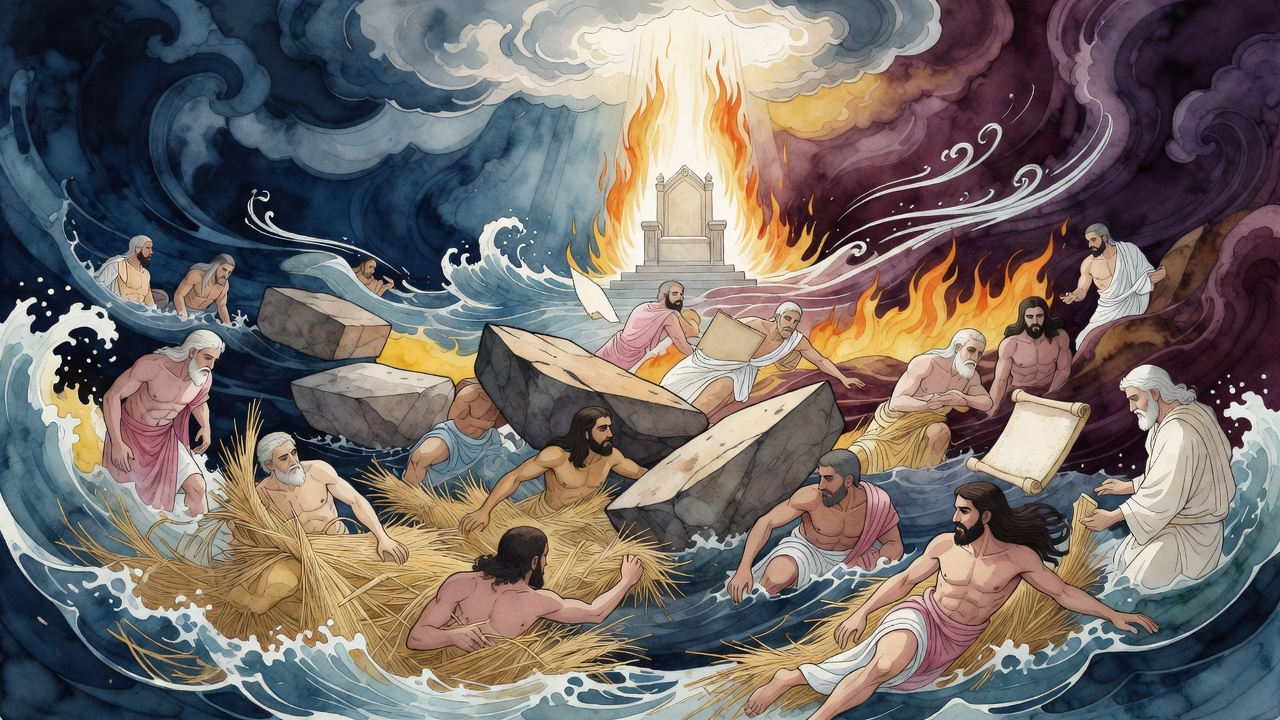
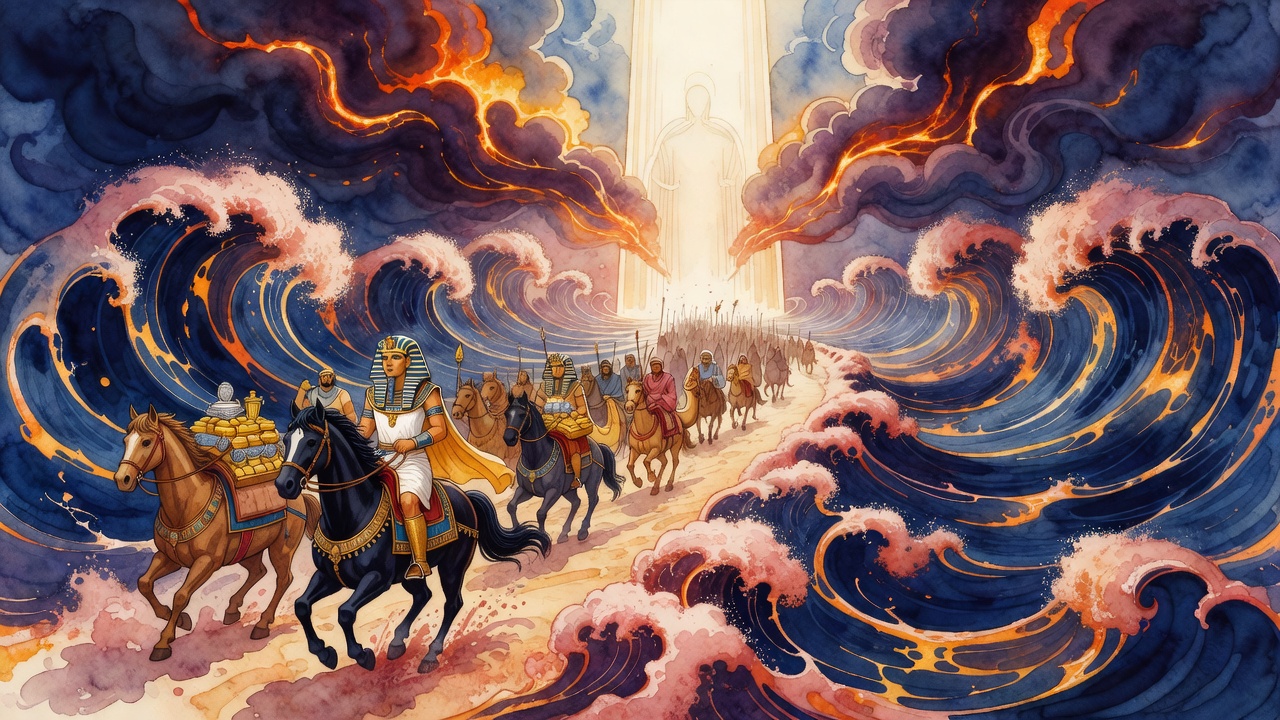
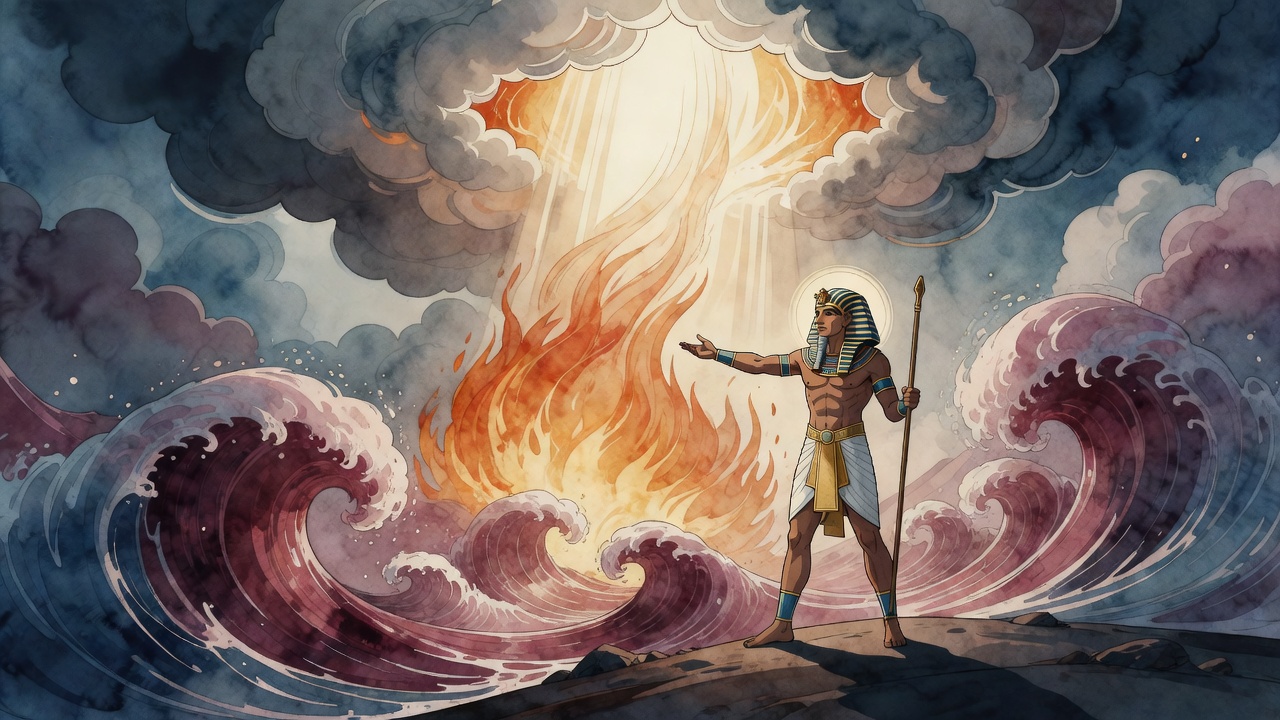
I will pursue: and the sea pursued him instead, driving toward him as he drove toward Israel. I will overtake: the sea overtook Egypt while Israel walked out ahead of it on dry ground. I will divide the spoil: the sea divided itself, and what Pharaoh thought was a path he could follow was the instrument of his end. My desire will be filled: the desire that was filled was not his. I will draw my sword: the sword drew itself and found a different target. Five statements, five reversals, each one hidden inside the Hebrew words that Pharaoh chose, a sentence that was already a prophecy of his own defeat before he finished speaking it.
The rabbis called this a particularly bitter form of divine justice. God did not need to compose a separate punishment. Pharaoh wrote his own sentence in the words he thought were his war cry. He announced what would happen to himself and heard it as a threat against his enemies.
The Psalms That Confirm the Count
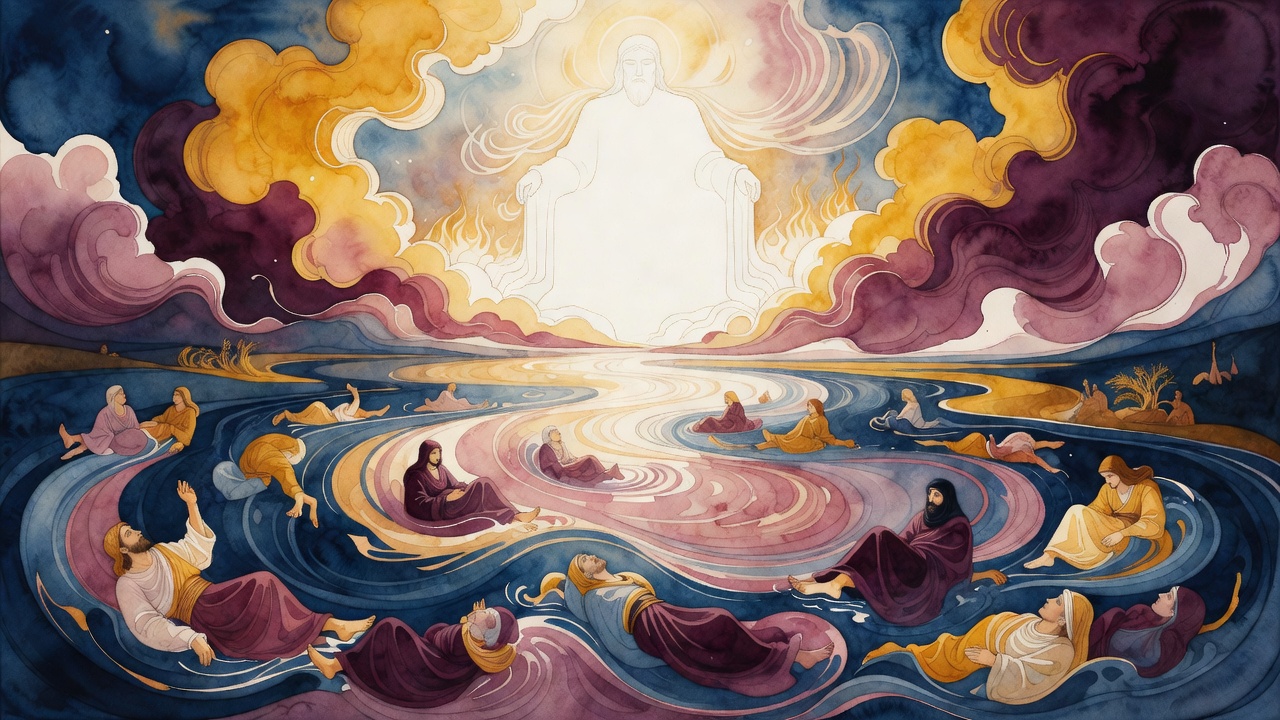
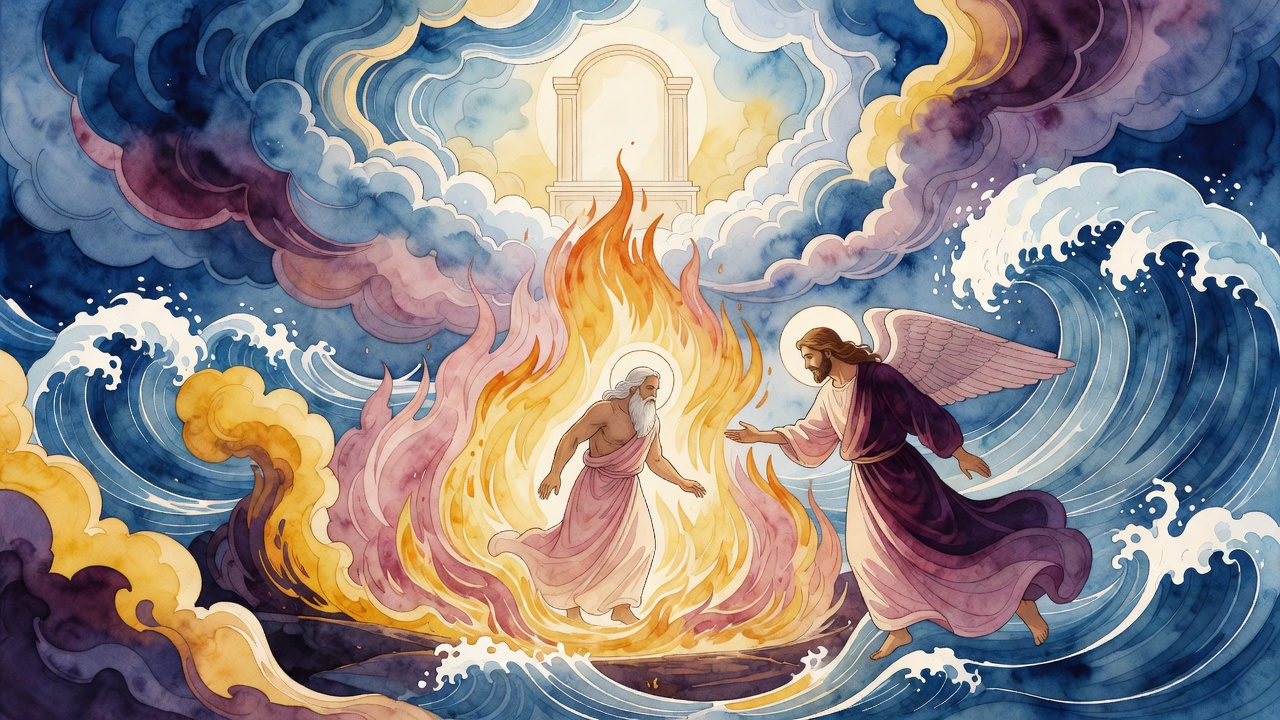
The midrash found support in Psalms. The verse that says the sea saw and fled, and the Jordan turned back, was read alongside Pharaoh's boast as part of the same moment. The sea that fled was not fleeing Israel. It was fleeing the presence that was in the coffin of Joseph being carried across on the shoulders of the people Israel. When the sea saw what was coming down into it, it did what every force of nature does when the divine presence approaches: it moved out of the way.
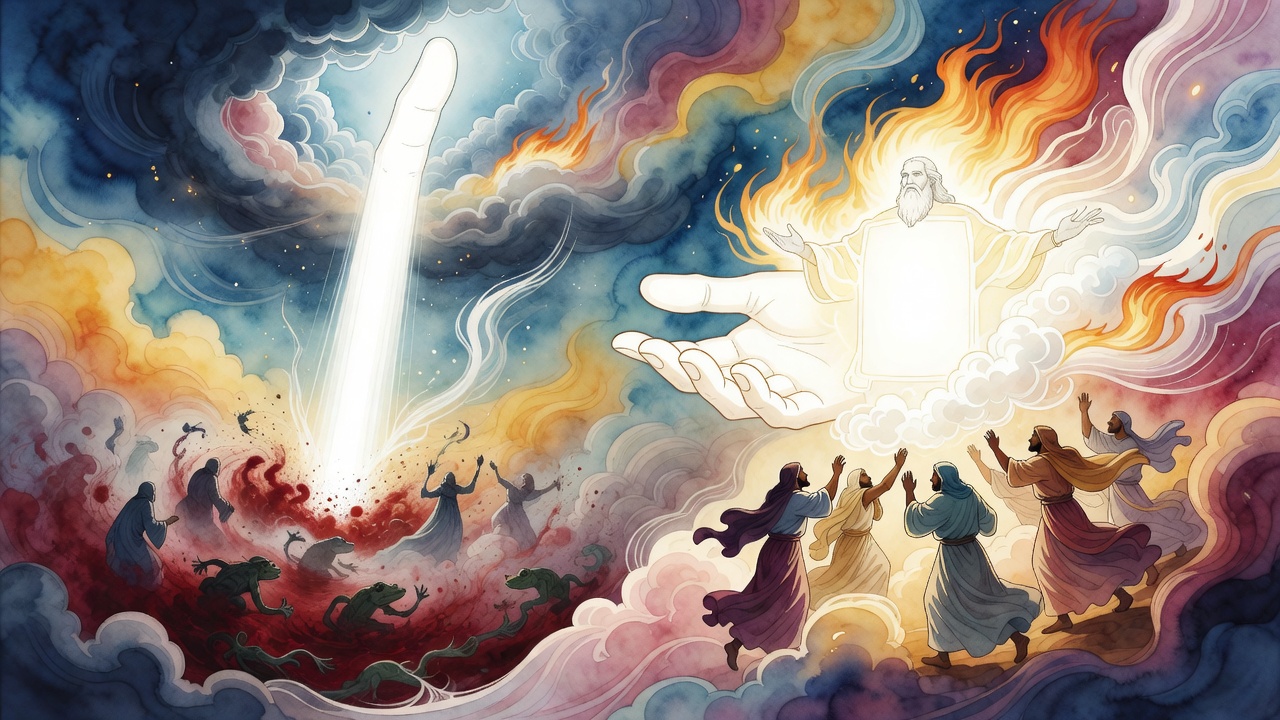
And the boast that the enemy said was not a boast at all in the deeper reading. It was a confession. The word said is past tense. The sages heard it as already defeated. The enemy said these things, meaning he said them and they have already been answered, already been reversed, already been turned back on him before the song even reaches the verse. The Song of the Sea quoted Pharaoh's words not to mock them but to show that they were already over by the time anyone sang them.
← All myths