The Manna Was a Question and the Staff Was Sapphire
The desert was white before anyone had a name for the stuff on it. A man turned to his neighbor. Man hu, he said. The question became breakfast.
Table of Contents
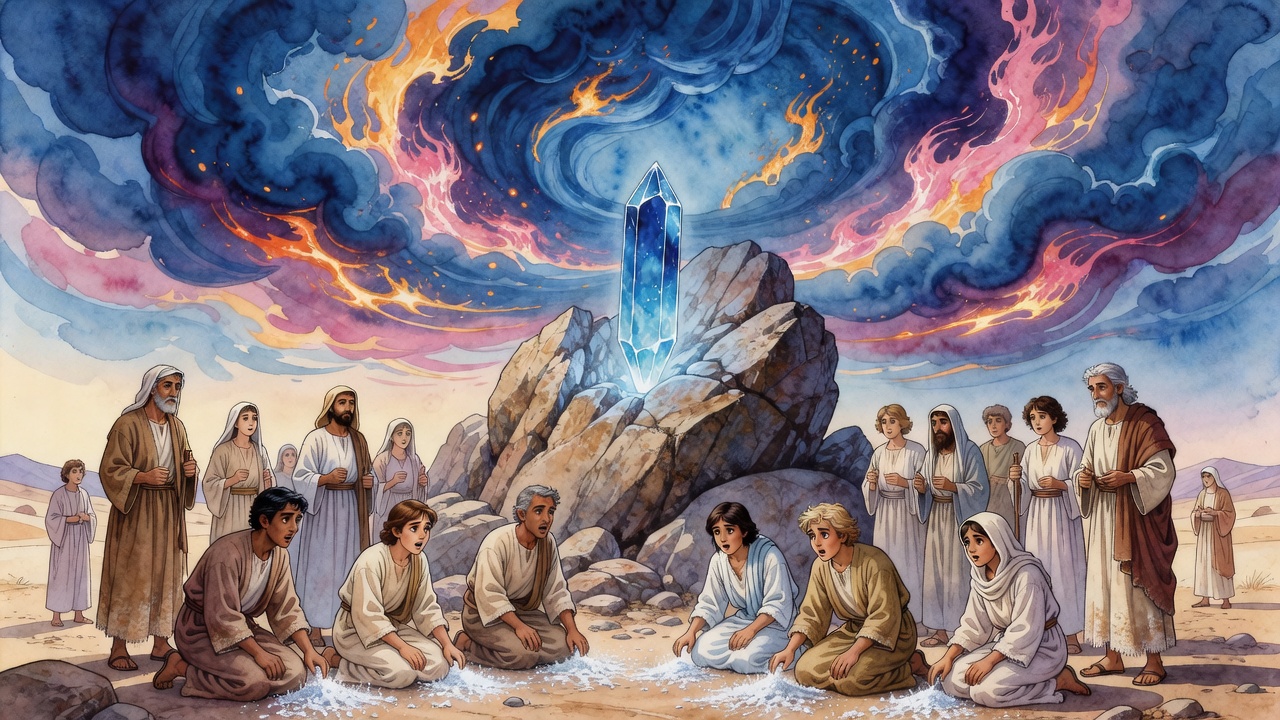
They came out of their tents in the morning and the desert floor was white.
 Click for full size
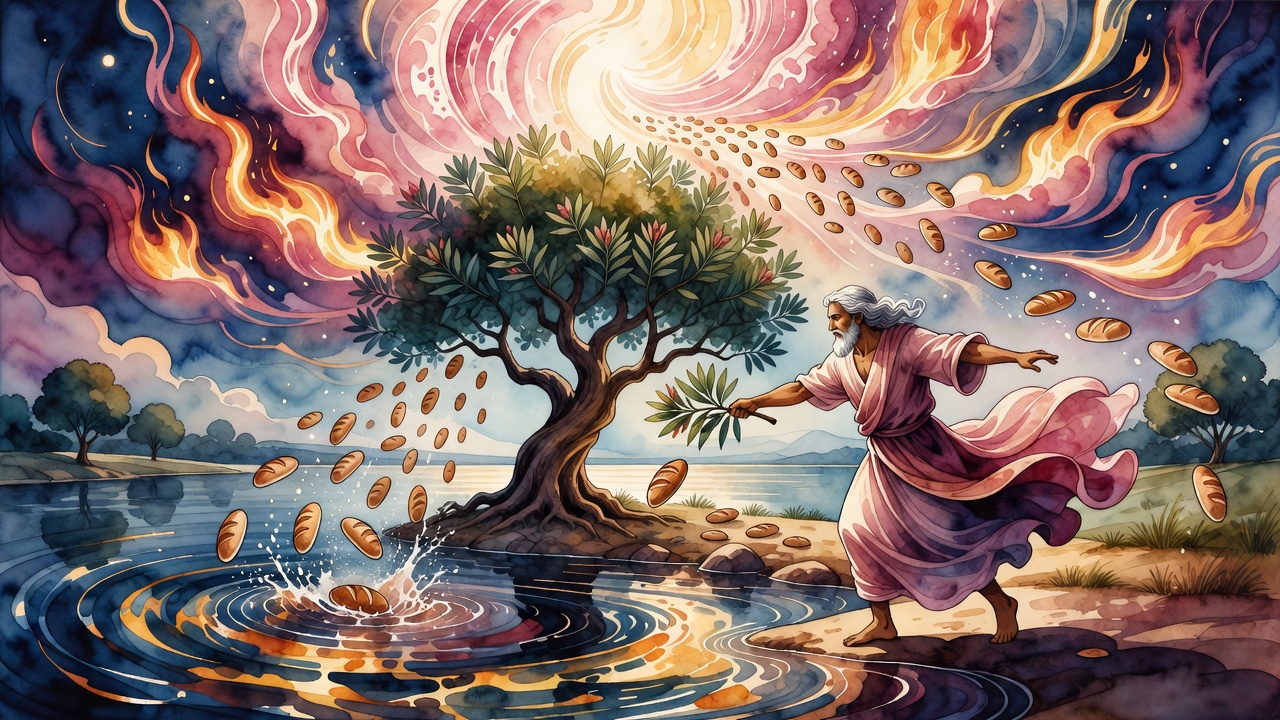
Small. Thin as frost. It covered the ground the way dew covers grass, except this did not evaporate when the sun came up. A man crouched, pinched a flake between two fingers, and turned to his neighbor.
Man hu. What is it?
The question went from tent to tent until it was the bread's name. Manna: the bread of what-is-it. A nation that had just watched the sea split was standing over its breakfast unable to identify the food.
Moses Named What They Could Not
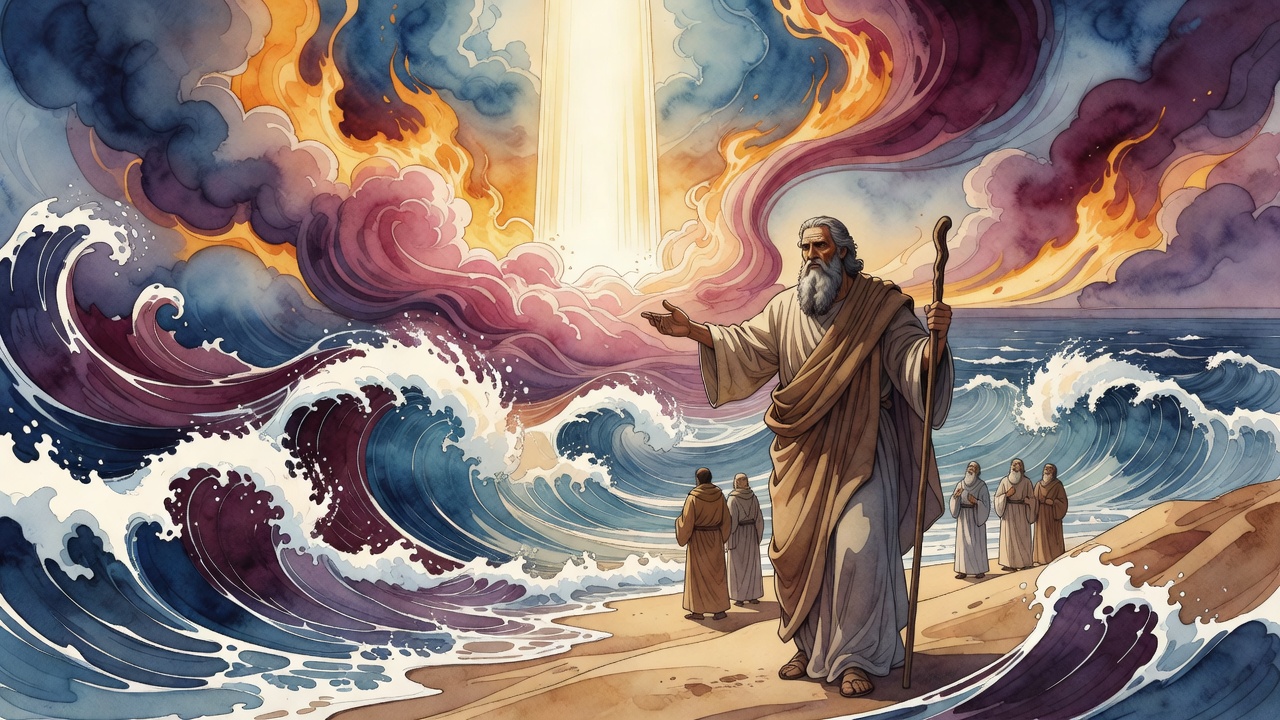
Moses told them: this is the bread the Lord has given you to eat (Exodus 16:15). He did not wait for them to invent a better guess. The man who had stood at a bush that burned and was not consumed now stood in front of hungry people and named the unnamed thing.
He added what they could not have known. This bread had been laid up in the heavens from the beginning, waiting for the morning a people would walk out of Egypt with nothing. They were not eating emergency rations. They were eating something planned before the world had people in it to be hungry.
The camp learned the rest by living with it. It did not fall on Sabbaths, or on festival days, or on Yom Kippur. A thing that keeps the calendar is not weather.
The Morning Bread Settled the Case
A woman and her husband came to Moses with a quarrel neither would drop. She said he had gone wrong. He said she had. Witnesses contradicted each other. Moses sent them home.
"In the morning," he said, "judgment."
At first light they went looking for her portion. If the manna that had her name on it was sitting in her husband's house, she was the one who had gone. If it was sitting in her father's house, he was. The bread of what-is-it became the bread of what-is-true. The same flake that fed a mouth could weigh a marriage.
A man who sold a slave and then denied the sale got the same verdict. If the slave's portion fell in the first master's house, the sale had not happened. If it fell in the second, it had. Two jars of it sat at the entrance of the Tent of Meeting for cases like these. People who would not swear honestly still had to eat.
They Were Afraid of the Staff
Then came Rephidim, and the thirst, and the staff again.
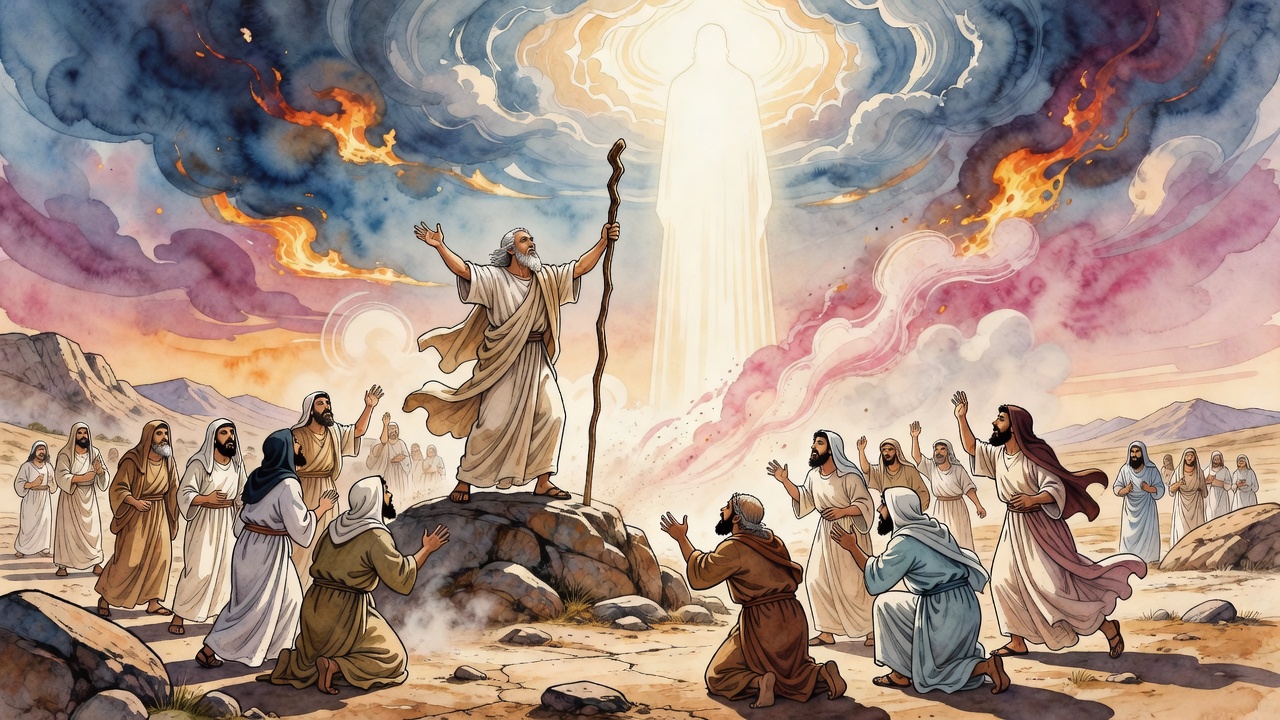
God told Moses: take the staff with which you struck the Nile. The same staff. The same man. A rock instead of a river. Strike it, and water will come out (Exodus 17:6).
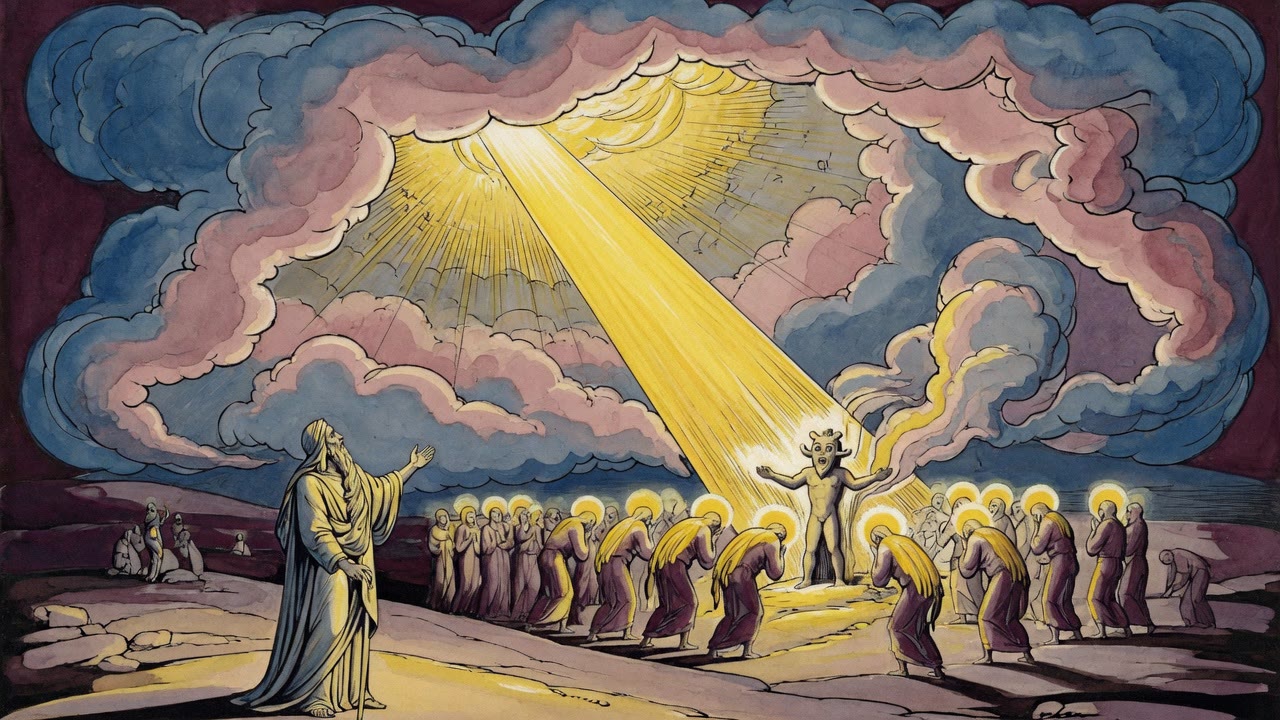
Israel looked at the staff and complained. They had three holy things they were sure were only for punishment: the incense, which had killed Nadav and Avihu; the Ark, which had struck Uzzah and the men of Beth Shemesh; and this staff, which had brought ten plagues on Egypt and ten on the sea. A sapphire rod, they said. A thing of calamity.
They were wrong about all three, and they would learn it the hard way. The incense would atone. The Ark would bless the house of Obed-edom. The staff that broke Egypt was about to open a rock for their children.
God Stood on the Rock at Horeb
Before Moses lifted his arm, God stood on the rock at Horeb. The print of a foot remained in the stone afterward, a mark pressed into the surface by the One who had been waiting there. Moses was told: every place you find the impress of a human foot, I am standing before you.
The rod was sapphire, cut from the throne itself. Rabbi Yose ben Zimra heard it in the wording. Scripture does not say strike on the rock. It says strike in the rock. A wooden stick taps a surface. A sapphire staff goes in.
Moses struck. Water came out. The elders stood and watched so nobody later could claim there had been a spring there all along. The camp drank from a stone that still held a footprint, from a staff they had been sure was only for killing, from a bread they had named with a question because they had no other word.
The wilderness did not provide in the ways they expected. The bread had no name until they asked. The water came from stone. The sapphire that had ruined Egypt was the one that kept Israel alive.
← All myths