The Dough Would Not Rise Until Israel Was Free
Israel leaves Egypt with half-risen dough bound to their bodies, and the desert sun finishes what Egypt's ovens could not, baking the first bread of freedom.
Table of Contents
 Click for full size
The Bread Was Interrupted
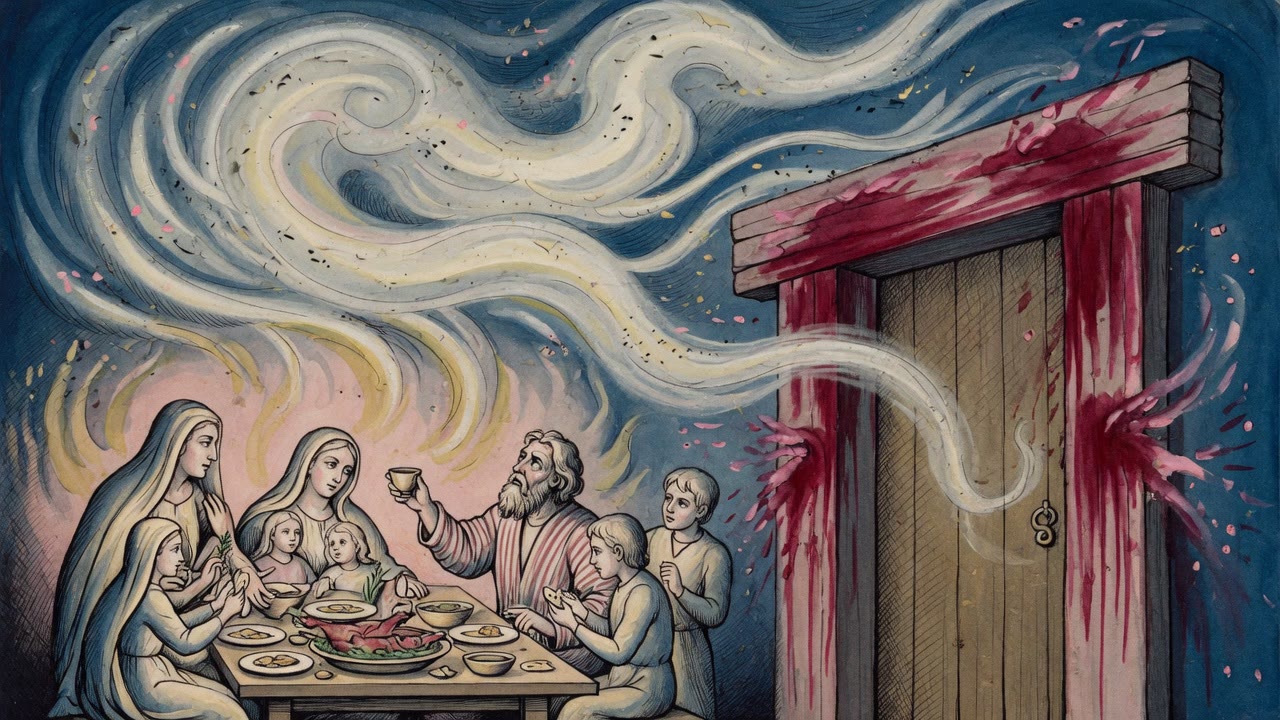
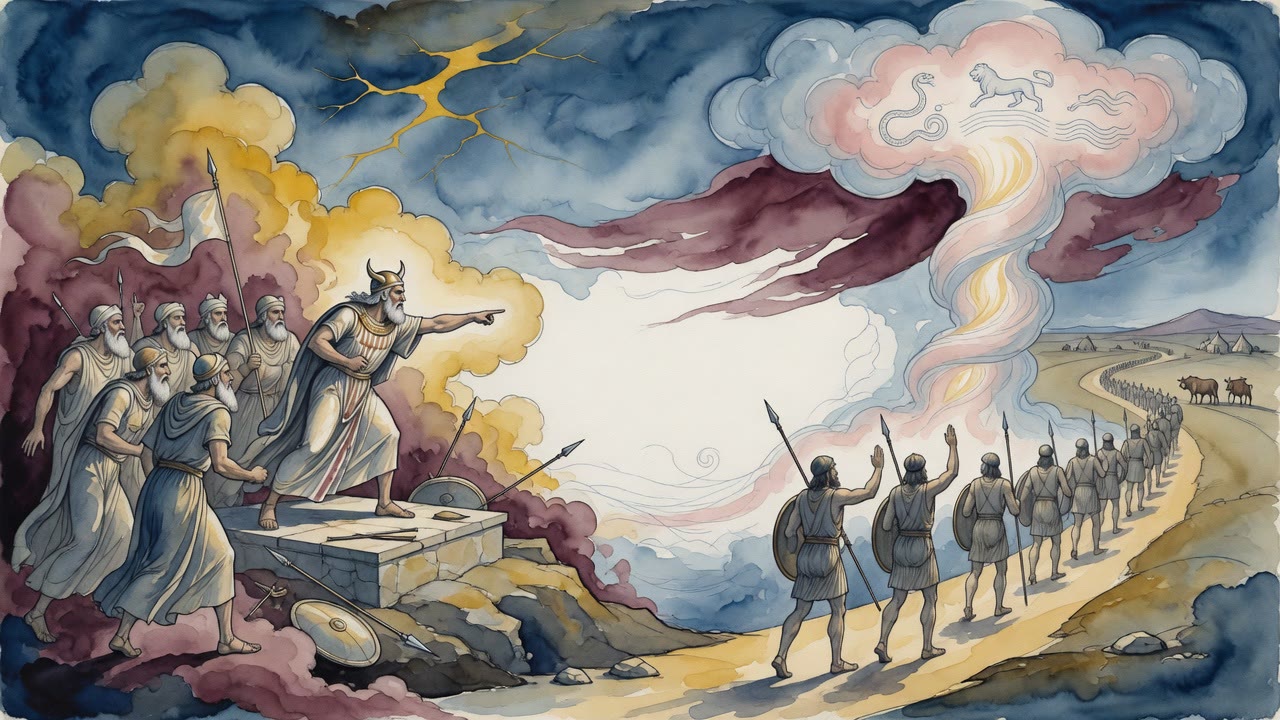
They left in the middle of the night and the dough was still rising. Egypt had said go, and they went, and there was no time to wait for the bread to finish. They lifted the troughs off the fires, bound them to their backs with their cloaks, pressed the warm dough against their own bodies, and walked out into the dark toward whatever came next.
The dough was not yet flat bread and not yet leavened bread. It was bread caught between what it had been and what it was becoming, interrupted at the exact moment before the yeast could finish its work. That interruption became a commandment. Every year at Passover, the rabbis would say: we eat this because our ancestors had no time to wait. But Mekhilta DeRabbi Shimon Ben Yochai, preserving second-century tannaitic traditions, hears something more than hurry inside the matzah.
A blessing was already inside the dough when Israel carried it out of Egypt. The people did not know the blessing was there. They were too frightened, too tired, too aware of the army that might still be coming after them. But the dough held it anyway, that hidden freight of grace that God places inside ordinary things before the people know they need it.
The Bread Baked Against Their Bodies
Targum Pseudo-Jonathan on Exodus, carrying traditions from the second through the thirteenth centuries CE, slows down over the detail of the dough bound to their shoulders. The people wrapped their kneading troughs in their clothing. They pressed the warmth of the dough against their own heat. They walked out of Egypt carrying their bread against their skin.
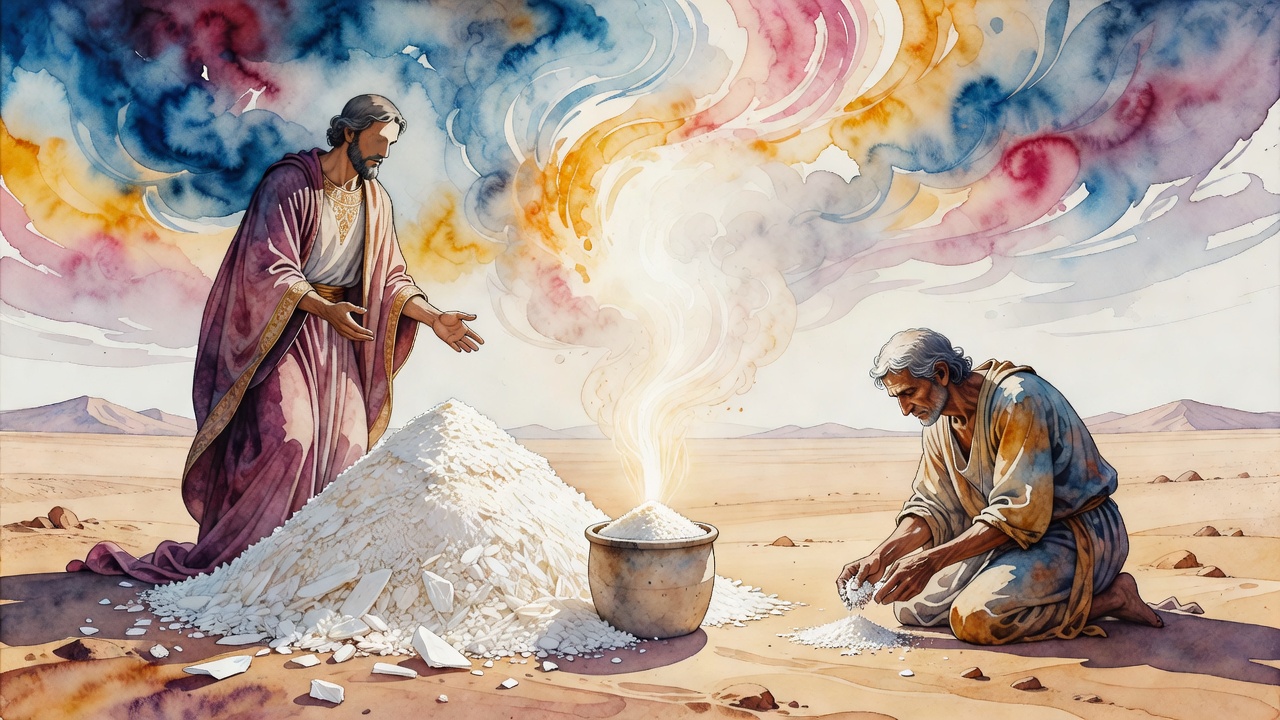
Then the desert sun completed what the fire in Egypt had not. The heat that beat down on the people as they traveled through the wilderness finished the baking. The bread did not need an oven. It baked against the bodies of the people carrying it, warmed by their heat and the heat of the sun, until it was ready to eat.
That image stays in the midrashic imagination because of what it says about timing. The bread was not ready in Egypt. It could not become what it was supposed to be inside the house of slavery. It needed the open air of the desert and the body heat of people in motion toward freedom before it could finish becoming food. Liberation was the ingredient that completed the baking.
The Dough Became a Sign
Yalkut Shimoni on Torah, the thirteenth-century CE anthology, reads the dough one level deeper. In the tradition it preserves, God performed a miracle inside that ordinary mass of flour and water. The rabbis who noticed this miracle were not thinking only about bread. They were thinking about trust.
Israel went out with nothing that looked adequate. They had dough that had not risen. They had clothing on their backs. They had children walking beside them and animals they had borrowed from their Egyptian neighbors. They did not have a road, did not have enough water, did not have anything that looked like enough for a journey through wilderness toward a land they had never seen.
And they went anyway. Yalkut Shimoni hears this as the foundational act of faith in the Torah. Israel did not wait until the provisions were sufficient. They took the half-risen bread, pressed it to their bodies, and walked into the unknown. The blessing inside the dough was the reward for walking before the bread was ready.
The Desert Finished the Work
The manna would come later, once the bread ran out. The wilderness would provide water in ways that made no physical sense. But first came the dough that traveled on human shoulders, baking slowly in desert heat, arriving at meals that had to be eaten quickly because the camp was always moving.
Mekhilta DeRabbi Shimon Ben Yochai and its companion traditions want Israel to notice what the matzah holds: not only memory of suffering and not only memory of haste, but memory of a moment when the ordinary rules of baking were suspended because an entire nation was in motion toward something God had promised them. The bread could not rise in Egypt. It rose on the way out. That is the first miracle of the Exodus that happens inside a human body, carried by human hands, finished by a sun that was shining over newly free people for the first time.
← All myths