Passover

240 texts · Page 1 of 5

The Exodus from Egypt, the Passover sacrifice, the four cups of wine, and the retelling that keeps the memory alive each year.

Marriage of Manetho

Josephus Josephus

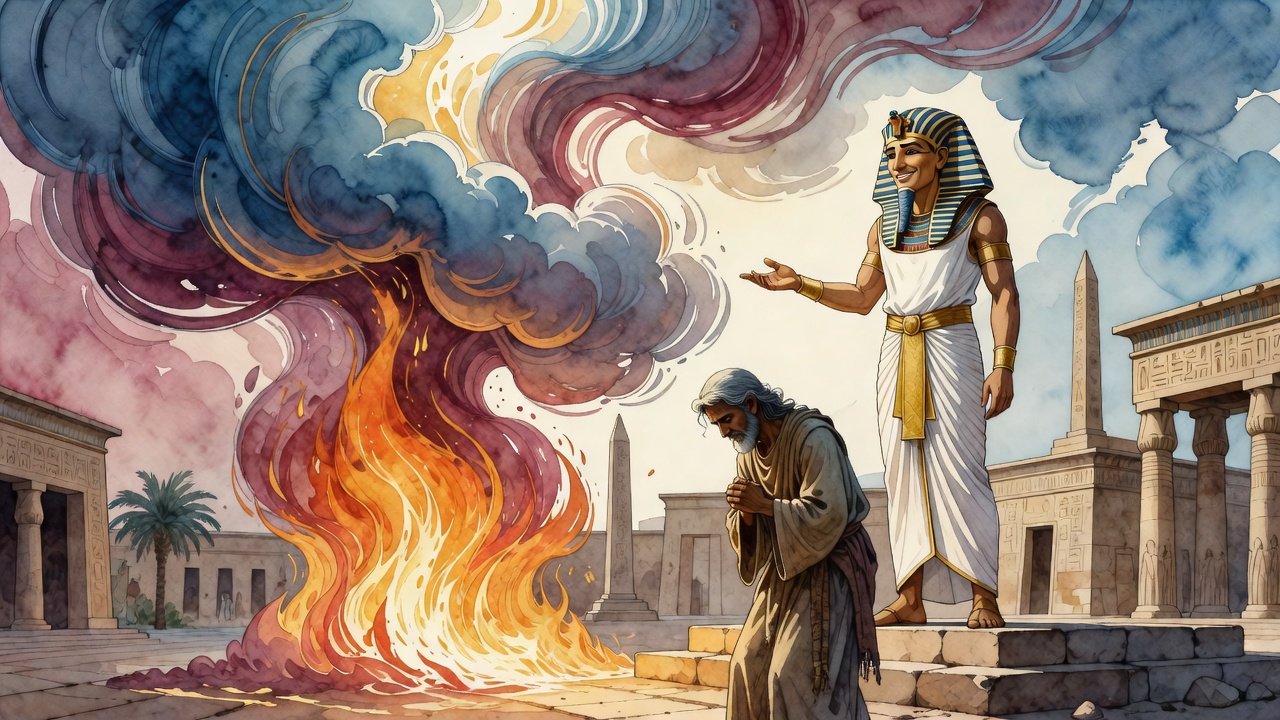
to one such instance, where the Egyptian historian Manetho gives us a glimpse into how the ancient world viewed the Israelites' exodus from Egypt. Josephus, in his work Against Api...

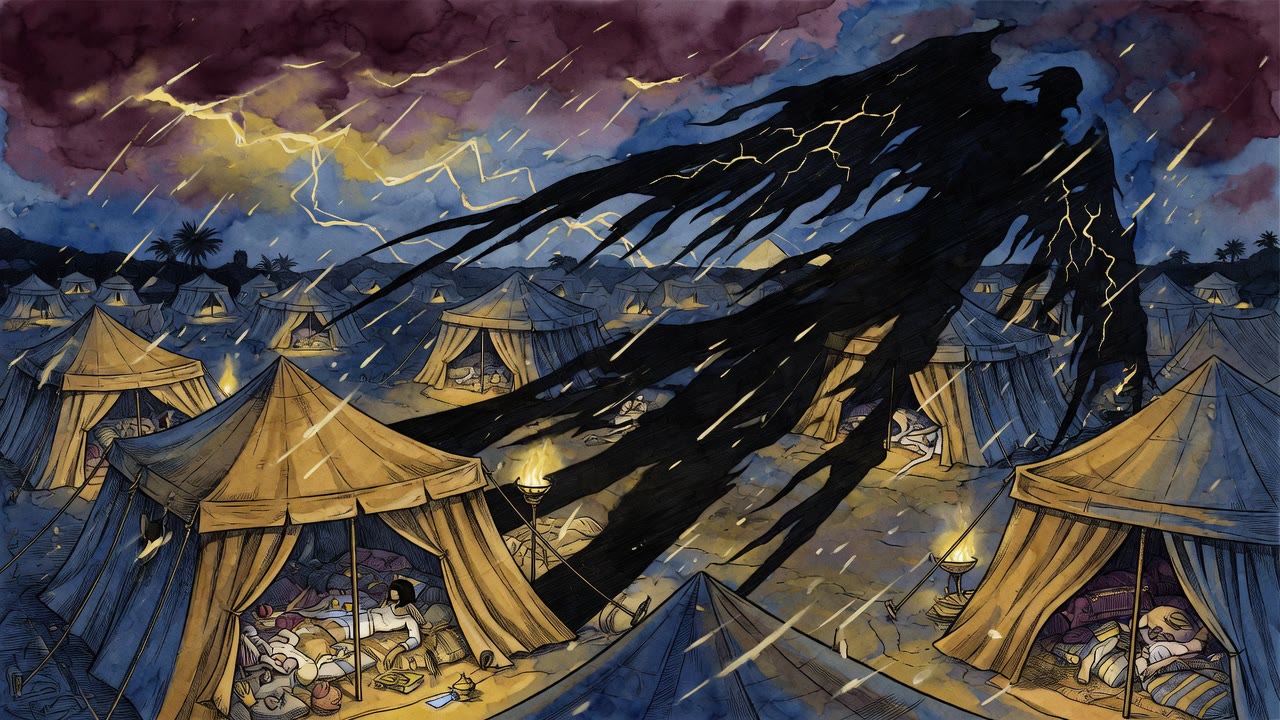
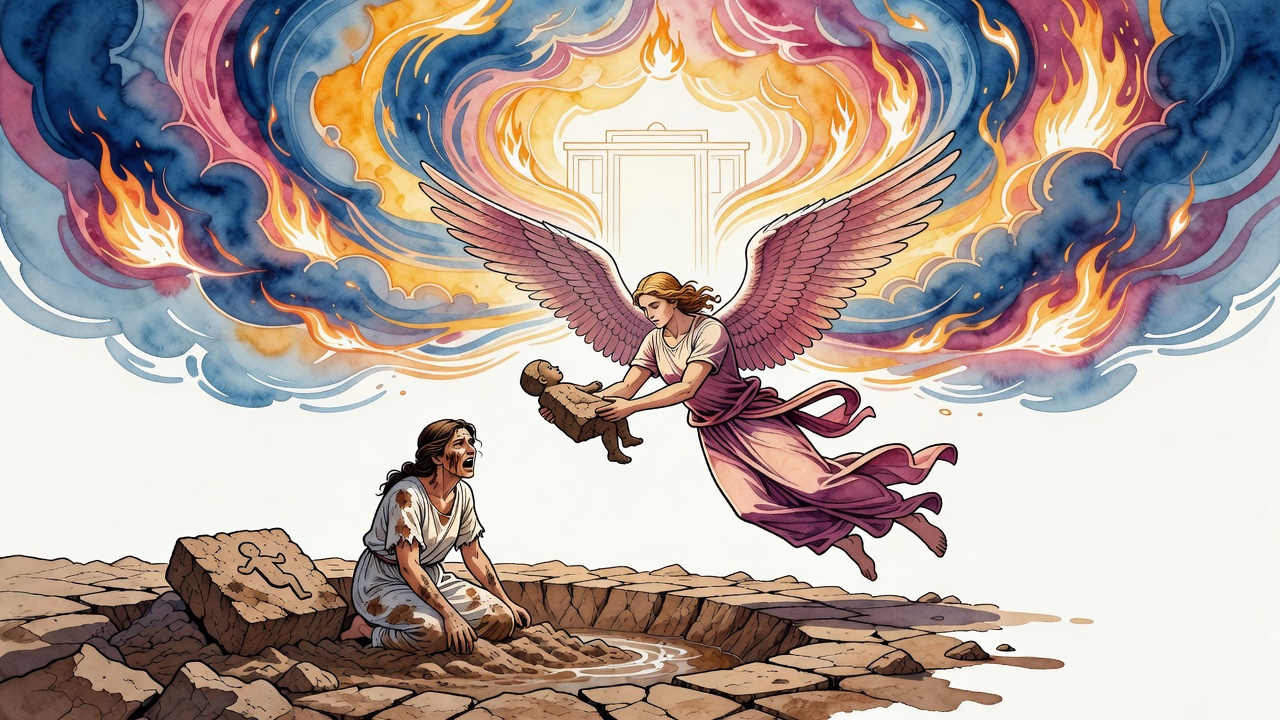
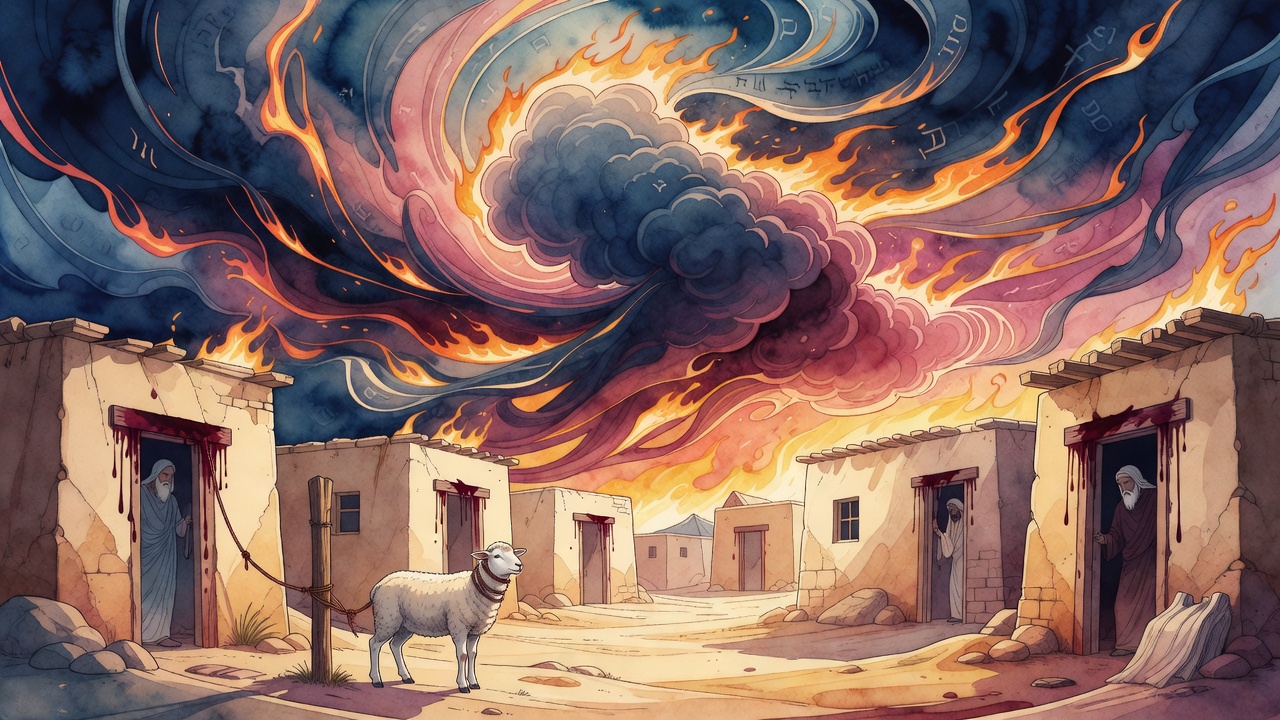
The Night God Struck Down Every Firstborn

Kabbalah & Mysticism Kabbalah & Mysticism

Why does God sometimes tell Moses to "go to Pharaoh" (lekh el Par'oh) and other times to "come to Pharaoh" (bo el Par'oh)? Rabbi Levi Yitzchak of Berditchev discovers two entirely ...

Variantly — From (Exodus 7 — 1) "See I have made you an

Mekhilta DeRabbi Yishmael Mekhilta DeRabbi Yishmael

When God told Moses in (Exodus 7:1), "See, I have made you an overlord to Pharaoh," a question immediately arose in the minds of the ancient rabbis. The verse seems to single out M...

(Exodus 12 — 1) "in the land of Egypt" — (He spoke to them)

Mekhilta DeRabbi Yishmael Mekhilta DeRabbi Yishmael

(Exodus 12:1) "in the land of Egypt":(He spoke to them) outside the city. But perhaps in the city itself? (This cannot be, for it is written (Exodus 9:29) "When I leave the city" (...

(Exodus 12 — 2) "the beginning of months" — I might think, for

Mekhilta DeRabbi Yishmael Mekhilta DeRabbi Yishmael

(Exodus 12:2) "the beginning of months": I might think, for the minimum of months, two (i.e., the most distinctive of months, Sivan and Tishrei). It is, therefore, written (Ibid.) ...

Yirmiyah says — Just as uncleanliness constrains (the

Mekhilta DeRabbi Yishmael Mekhilta DeRabbi Yishmael

R. Yirmiyah says: Just as uncleanliness constrains (the offering of the Pesach (Passover) [viz. (Numbers 9:10)] and (the advent of) spring constrains, then just as the (constraint ...

On the tenth day of this month, they shall take" — ("this")

Mekhilta DeRabbi Yishmael Mekhilta DeRabbi Yishmael

The Torah commands regarding the Passover lamb: "On the tenth day of this month, they shall take" (Exodus 12:3). The Mekhilta zeroes in on one seemingly minor word in this verse, t...

(Exodus 12 — 4) "And if the household is too small for one

Mekhilta DeRabbi Yishmael Mekhilta DeRabbi Yishmael

The Torah introduces a practical problem in the laws of the Passover sacrifice. What happens when a household is too small to consume an entire lamb? (Exodus 12:4) addresses this d...

Your Passover Neighbor Must Live Nearby, Not Just on the Same Roof

Mekhilta DeRabbi Yishmael Mekhilta DeRabbi Yishmael

The Torah instructs that when preparing for the Paschal lamb, if a household is too small to consume the entire animal, they should share it with "the neighbor near his house" (Exo...

Yossi Haglili said — If a ram, which is unfit (as an

Mekhilta DeRabbi Yishmael Mekhilta DeRabbi Yishmael

Rabbi Yossi Haglili employed one of the most powerful tools in rabbinic reasoning — the kal vachomer, the argument from lesser to greater — to settle a question about the Pesach (P...

shall you take" — What is the intent of this

Mekhilta DeRabbi Yishmael Mekhilta DeRabbi Yishmael

"shall you take": What is the intent of this? (i.e., it seems redundant.) It is written (Devarim 16:2) "And you shall slaughter the Pesach (Passover) for the L–rd your G–d, sheep a...

Yonathan says — sheep for the Pesach and cattle for the chagigah

Mekhilta DeRabbi Yishmael Mekhilta DeRabbi Yishmael

R. Yonathan says: sheep for the Pesach (Passover) and cattle for the chagigah. You say this, but perhaps (the meaning is) both for the Pesach? And how would I understand (Exodus 12...

Eliezer says — Sheep for the Pesach and cattle for the chagigah

Mekhilta DeRabbi Yishmael Mekhilta DeRabbi Yishmael

R. Eliezer says: Sheep for the Pesach (Passover) and cattle for the chagigah. You say this, but perhaps both are for the Pesach? And how would I understand "an unblemished lamb, et...

Yishmael says — That verse (Devarim 16 — 2) ("sheep and

Mekhilta DeRabbi Yishmael Mekhilta DeRabbi Yishmael

Rabbi Yishmael confronted a puzzle in (Deuteronomy 16:2), which says: "And you shall slaughter the Passover to your God — sheep and cattle." But the Passover offering is supposed t...

And whence is it derived that they were not suspect of

Mekhilta DeRabbi Yishmael Mekhilta DeRabbi Yishmael

The Israelites spent twelve months in Egypt after Moses first appeared before Pharaoh. Twelve months of escalating plagues, mounting chaos, and growing anticipation of departure. D...

And whence is it derived that they did not change their language

Mekhilta DeRabbi Yishmael Mekhilta DeRabbi Yishmael

The Mekhilta identifies one of the hidden miracles of the Egyptian exile: the Israelites never abandoned the Hebrew language. Despite living for centuries among Egyptian speakers, ...

(Exodus 12 — 6) "And the entire assembly of the congregation

Mekhilta DeRabbi Yishmael Mekhilta DeRabbi Yishmael

The Mekhilta asks a practical question about Passover night in Egypt that reveals something extraordinary about how communal sacrifice works. The Torah commands, "The entire assemb...

It is, therefore, written (Devarim 16 — 6) "There shall you

Mekhilta DeRabbi Yishmael Mekhilta DeRabbi Yishmael

The Mekhilta uncovers a contradiction in the Torah's timeline that forces a radical rethinking of when the Passover sacrifice actually happened. Deuteronomy commands, "There shall ...

Yochai says — The verse comes to apply the first (activity)

Mekhilta DeRabbi Yishmael Mekhilta DeRabbi Yishmael

Rabbi Shimon ben Yochai, one of the most brilliant and mystically inclined sages in all of rabbinic literature, offers a reading of the Passover timeline that is as precise as a wa...

When Exactly Is 'Between the Evenings' for Slaughtering the Passover Lamb

Mekhilta DeRabbi Yishmael Mekhilta DeRabbi Yishmael

Ben Betheira tackled one of the most practical and debated questions in all of Passover law: when exactly should the Paschal lamb be slaughtered? The Torah gives a poetic instructi...

(Exodus 12 — 7) "And they shall place it on the two side

Mekhilta DeRabbi Yishmael Mekhilta DeRabbi Yishmael

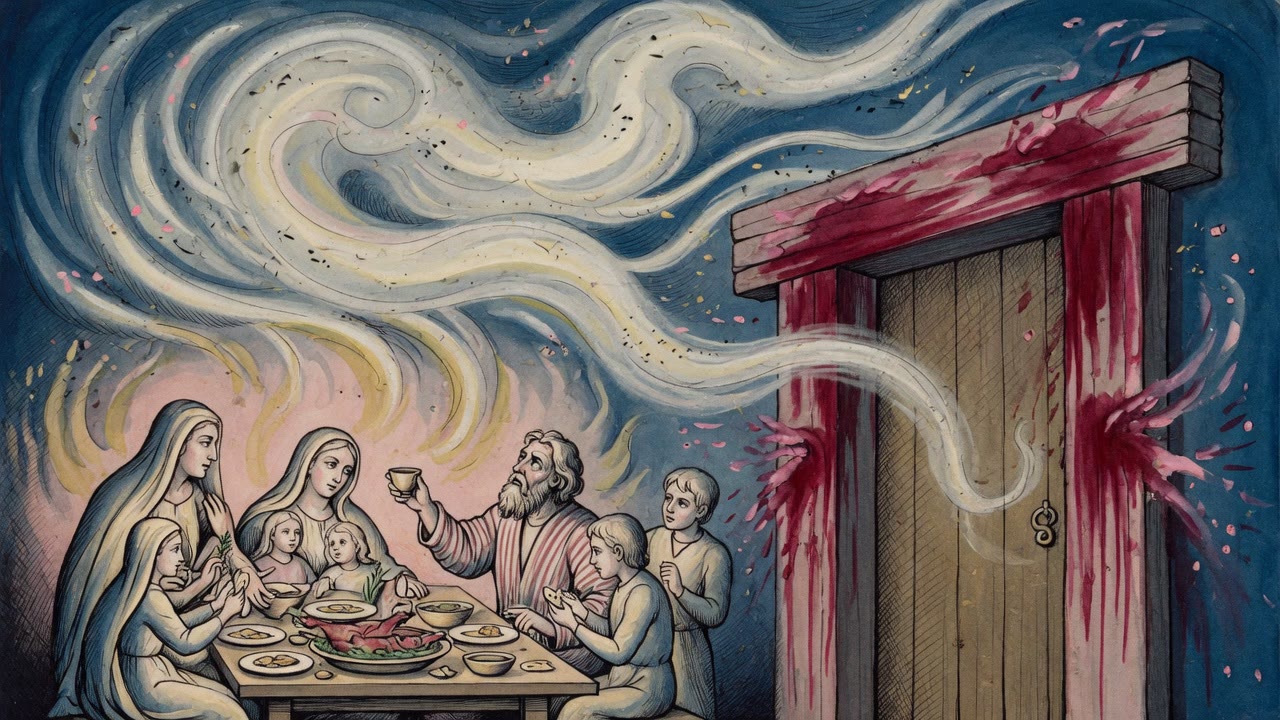
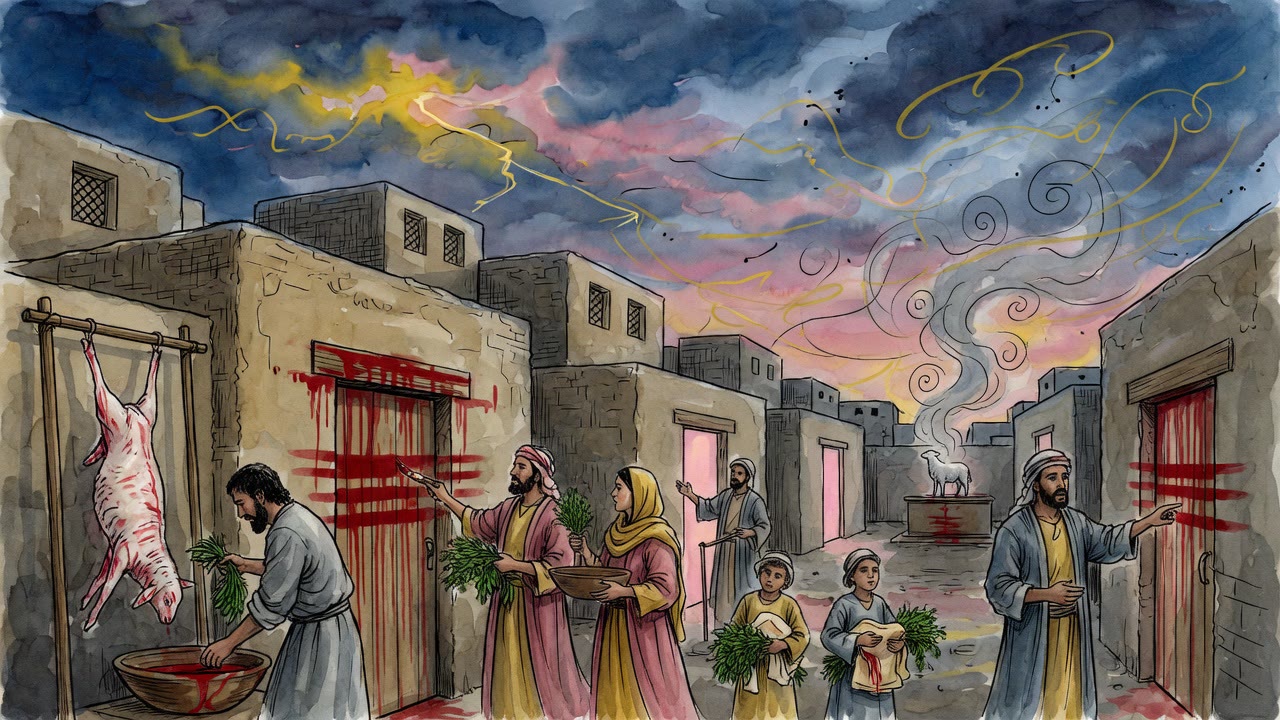
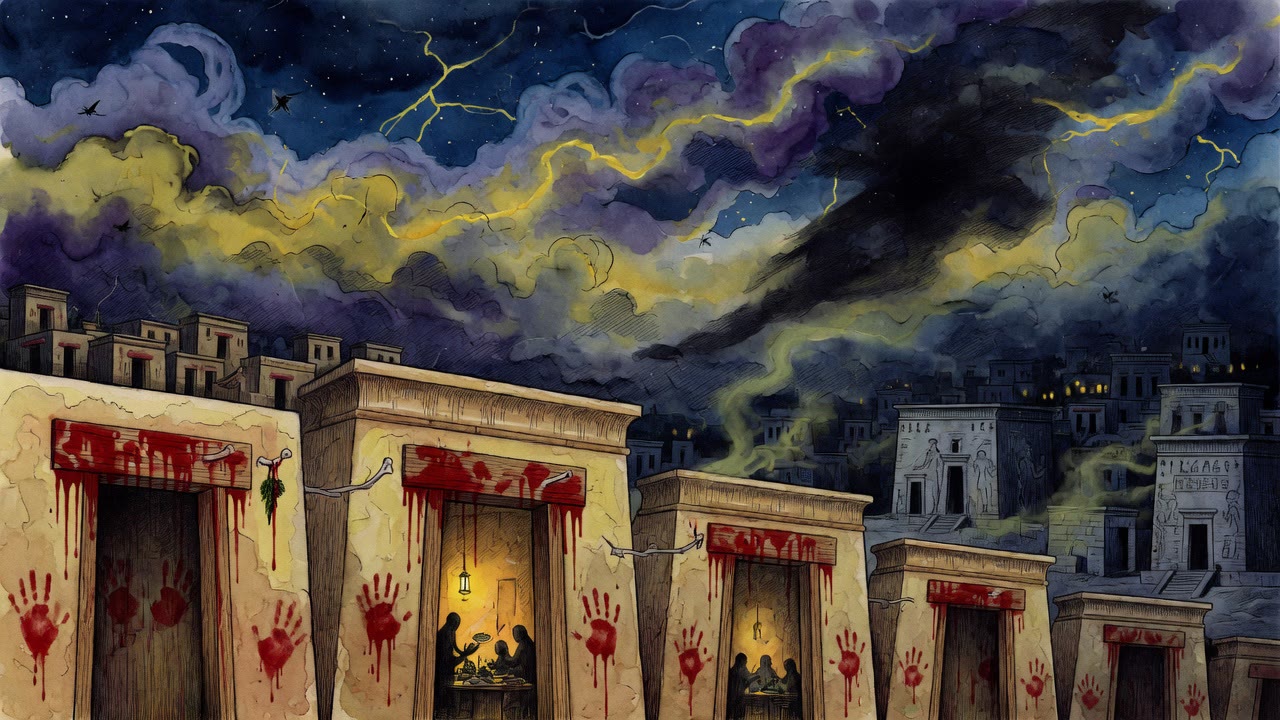
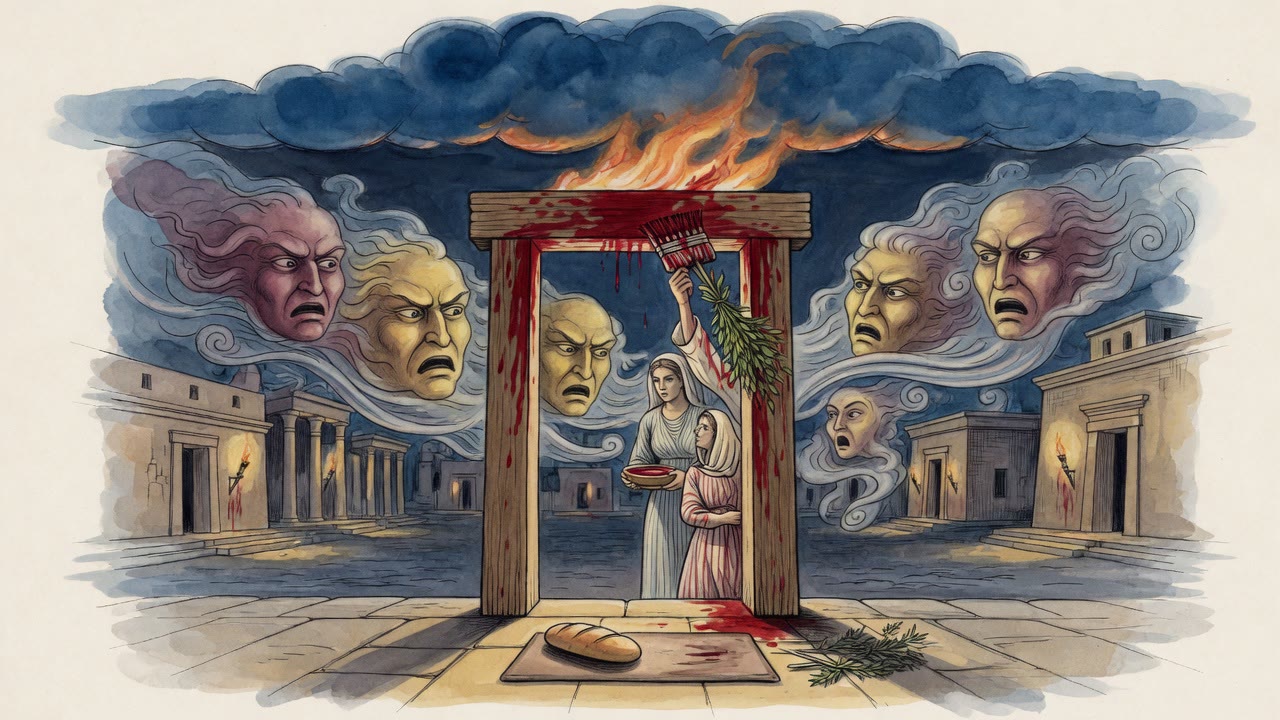
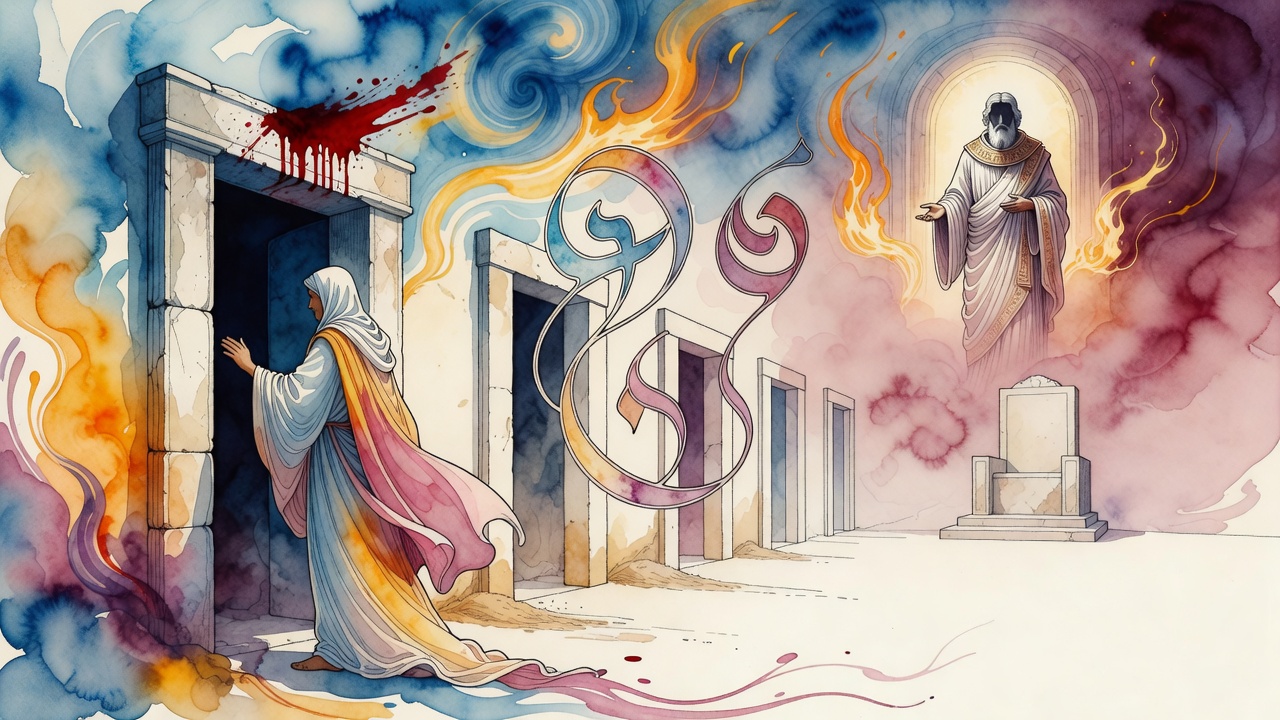
On the night that would change everything, God told the Israelites to paint blood on their doorframes. But where exactly? On the inside of the doorposts and lintel, or on the outsi...

("and on the lintel) of the houses in which they eat it"

Mekhilta DeRabbi Yishmael Mekhilta DeRabbi Yishmael

The Mekhilta notices a detail in the Passover laws that most readers skip right past. The Torah says the blood should go on the doorframes "of the houses in which they eat it" (Exo...

And whence is it derived that in the absence of matzoh and

Mekhilta DeRabbi Yishmael Mekhilta DeRabbi Yishmael

And whence is it derived that in the absence of matzoh and maror one fulfills his obligation with the Pesach (Passover)? From "shall they eat it" (in any event). I might think that...

It is, therefore, written "with matzoth and maror shall

Mekhilta DeRabbi Yishmael Mekhilta DeRabbi Yishmael

The Torah's instructions for eating the Passover lamb include a phrase that seems straightforward but contains a legal depth charge: "with matzoth and maror shall they eat it" (Exo...

Rebbi says — I can read "Eat of it only roasted in fire

Mekhilta DeRabbi Yishmael Mekhilta DeRabbi Yishmael

Rebbi — Rabbi Yehudah HaNasi, the redactor of the Mishnah (the earliest code of rabbinic law) and the most authoritative sage of his generation — weighs in on the Passover cooking ...

(Exodus 12 — 10) "And you shall not leave over anything of it

Mekhilta DeRabbi Yishmael Mekhilta DeRabbi Yishmael

The Torah gives strict instructions about Passover leftovers: "You shall not leave over anything of it until the morning, and what is left over of it until the morning, in fire sha...

Yonathan says — This is not necessary, if where all ochel

Mekhilta DeRabbi Yishmael Mekhilta DeRabbi Yishmael

Rabbi Yonathan builds a towering logical structure to prove that Passover leftovers cannot be burned on the festival — and like Rabbi Yishmael, he argues the Torah did not need an ...

Yitzchak says — (A verse) is not necessary (to tell us that

Mekhilta DeRabbi Yishmael Mekhilta DeRabbi Yishmael

Rabbi Yitzchak enters the debate about burning Passover leftovers with yet another angle of attack, proving the same conclusion through a different logical comparison. His argument...

The Passover Meal Was Eaten Like Travelers Ready to March

Mekhilta DeRabbi Yishmael Mekhilta DeRabbi Yishmael

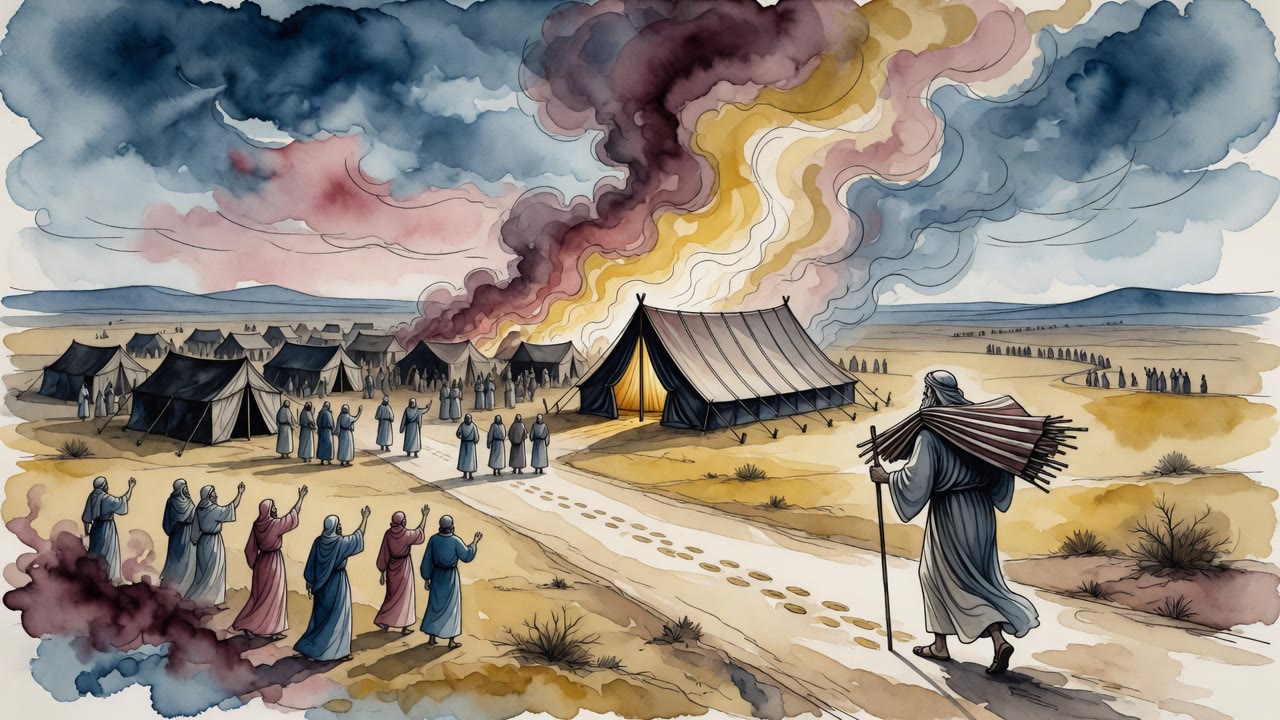
"And thus shall you eat it" (Exodus 12:11) — the Torah prescribes not just what to eat on Passover night, but how to eat it. Loins girded. Sandals on your feet. Staff in hand. Eat ...

Yehoshua says — "and you shall eat in haste" — This is the

Mekhilta DeRabbi Yishmael Mekhilta DeRabbi Yishmael

Rabbi Yehoshua disagrees. In his reading, the "haste" of the Passover meal belongs to the Israelites themselves, not to the Egyptians. And he flips the proof texts to make his case...

(Exodus 12 — 14) "And this day shall be for you as a

Mekhilta DeRabbi Yishmael Mekhilta DeRabbi Yishmael

(Exodus 12:14) "And this day shall be for you as a remembrance": The day which is a remembrance for you, you celebrate. But we have not yet heard which day it is (that is a remembr...

Why Passover Must Be Observed in Every Generation Forever

Mekhilta DeRabbi Yishmael Mekhilta DeRabbi Yishmael

The Torah says that Passover must be observed "for your generations" (Exodus 12:14), and the Mekhilta immediately spots a potential loophole. The Hebrew word for "generations" is "...

(Exodus 12 — 15) "Seven days shall you eat matzoth" — I might

Mekhilta DeRabbi Yishmael Mekhilta DeRabbi Yishmael

The Torah commands in (Exodus 12:15), "Seven days shall you eat matzot." But which grains actually qualify for making matzah? The Mekhilta digs into this question with characterist...

I will derive four determinants from four like determinants

Mekhilta DeRabbi Yishmael Mekhilta DeRabbi Yishmael

I will derive four determinants from four like determinants. Nothar is forbidden in eating, and in derivation of benefit, and it is subject to kareth, and it is time (i.e., Pesach ...

(Exodus 12 — 16) "On the first day, a calling of holiness, etc

Mekhilta DeRabbi Yishmael Mekhilta DeRabbi Yishmael

The Torah declares in (Exodus 12:16), "On the first day, a calling of holiness." The Mekhilta asks what it actually means to "call" a day holy — and the answer is surprisingly conc...

Yonathan says — This (derivation) is not needed

Mekhilta DeRabbi Yishmael Mekhilta DeRabbi Yishmael

Rabbi Yonathan arrives at the same conclusion as Rabbi Yoshiyah — that a non-Jew may perform labor for a Jew on the festival — but takes a completely different route to get there. ...

(Exodus 12 — 17) "And you shall watch over the matzoth" — that

Mekhilta DeRabbi Yishmael Mekhilta DeRabbi Yishmael

The Torah commands in (Exodus 12:17), "And you shall watch over the matzot." The Mekhilta takes this verse as the foundation for one of the most detailed areas of Passover law: the...

(Exodus 12 — 19) "Seven days se'or (leavening) shall not be

Mekhilta DeRabbi Yishmael Mekhilta DeRabbi Yishmael

(Exodus 12:19) "Seven days se'or (leavening) shall not be found in your houses": This tells me only (that the transgression) against finding (it). Whence do I derive (the same for)...

(Exodus 12 — 20) "All leavening you shall not eat" — What is

Mekhilta DeRabbi Yishmael Mekhilta DeRabbi Yishmael

The Torah states in (Exodus 12:20), "All leavening you shall not eat." The Mekhilta asks why this verse is needed at all — since the Torah has already forbidden chametz in an earli...

It would follow that I exclude the aforementioned, but I

Mekhilta DeRabbi Yishmael Mekhilta DeRabbi Yishmael

The Mekhilta records Rabbi Yishmael's ruling on which types of dough qualify for the matzah obligation on Passover — and the answer is far more restrictive than one might expect. T...

Why Matzah Is Called the Bread of Affliction

Mekhilta DeRabbi Yishmael Mekhilta DeRabbi Yishmael

Rabbi Yossi raised a deceptively simple question about the Passover laws that reveals how carefully the rabbis read every word of the Torah. The commandment says, "Seven days shall...

(Exodus 12 — 22) "And you shall take a bunch of hyssop" — From

Mekhilta DeRabbi Yishmael Mekhilta DeRabbi Yishmael

The Torah instructs in (Exodus 12:22), "And you shall take a bunch of hyssop," referring to the bundle of hyssop used to apply the blood of the Paschal lamb to the doorposts in Egy...

from the blood which is in the saf" — What is the intent of this

Mekhilta DeRabbi Yishmael Mekhilta DeRabbi Yishmael

The Mekhilta, the great halakhic midrash on the Book of Exodus compiled in the 2nd century CE, raises a deceptively simple question about the Passover blood ritual. The Torah comma...

as a statute for you and for your sons" — What is the intent

Mekhilta DeRabbi Yishmael Mekhilta DeRabbi Yishmael

The Mekhilta, the tannaitic midrash on Exodus dating to the 2nd century CE, zeroes in on a single phrase from the Passover laws to clarify exactly who was obligated to perform the ...

(Exodus 12 — 25) "And it shall be, when you come to the

Mekhilta DeRabbi Yishmael Mekhilta DeRabbi Yishmael

The Mekhilta, compiled around the 2nd century CE as a halakhic commentary on Exodus, addresses a critical question about when the Passover laws took effect. The verse states plainl...

Similarly, (Leviticus 10 — 3) "This is as the L–rd spoke

Mekhilta DeRabbi Yishmael Mekhilta DeRabbi Yishmael

The Mekhilta, the tannaitic midrash on Exodus, explores a striking rhetorical pattern found throughout the Hebrew Bible: moments where a prophet says God "has spoken," and the rabb...

Similarly, (Devarim 11 — 25) "The L–rd your G–d will put the

Mekhilta DeRabbi Yishmael Mekhilta DeRabbi Yishmael

The Mekhilta, the halakhic midrash on Exodus from the tannaitic period, continues its investigation of a recurring biblical formula: when Scripture says God "has spoken," where exa...

(Devarim 12 — 20) "When the L–rd your G–d broadens your

Mekhilta DeRabbi Yishmael Mekhilta DeRabbi Yishmael

The Mekhilta, the tannaitic midrash on Exodus compiled in the 2nd century CE, traces another instance of the Bible's "as He spoke" formula — a device the rabbis use to link later p...