The Night Haman Built the Gallows Was Passover Night
The night the Jewish people were supposed to celebrate liberation, they wept instead. And they blamed Mordecai for everything that was coming.
Table of Contents
 Click for full size
The Night That Should Have Been Different
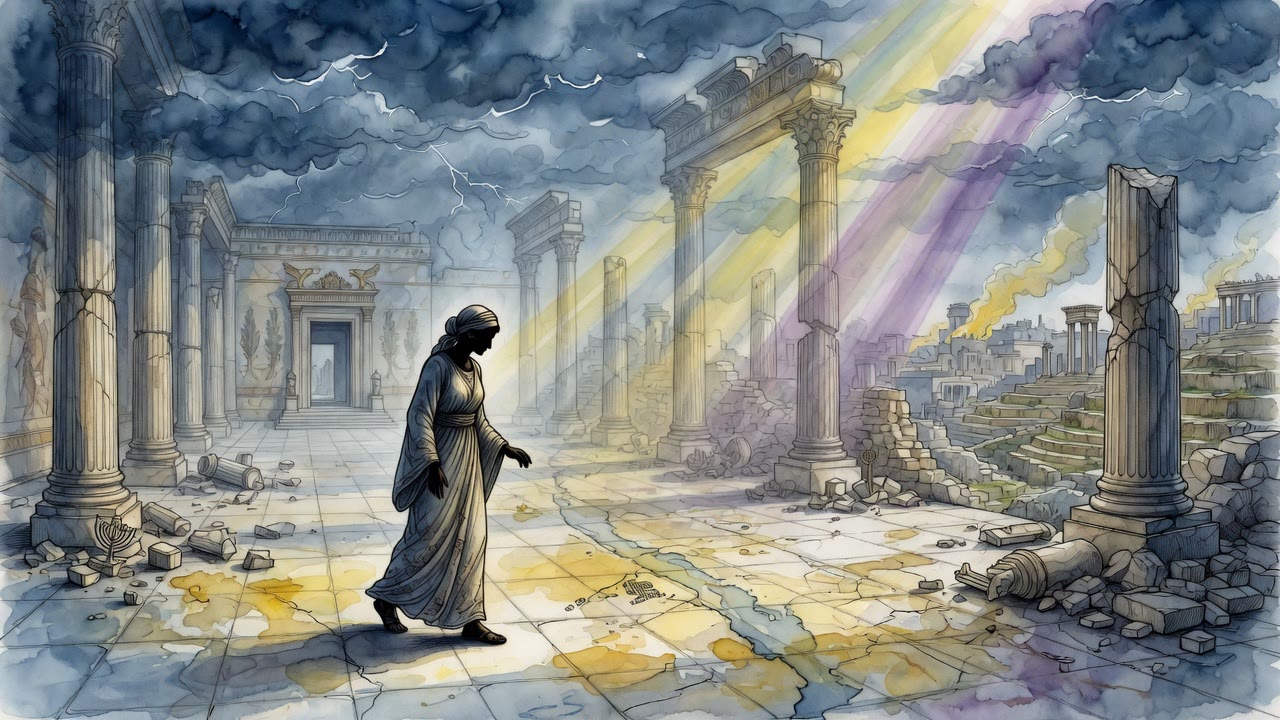
In the city of Susa, on the first night of Passover, there was no wine and no singing. There was no Seder. There was no retelling of the Exodus with children around the table asking why this night was different from all other nights.
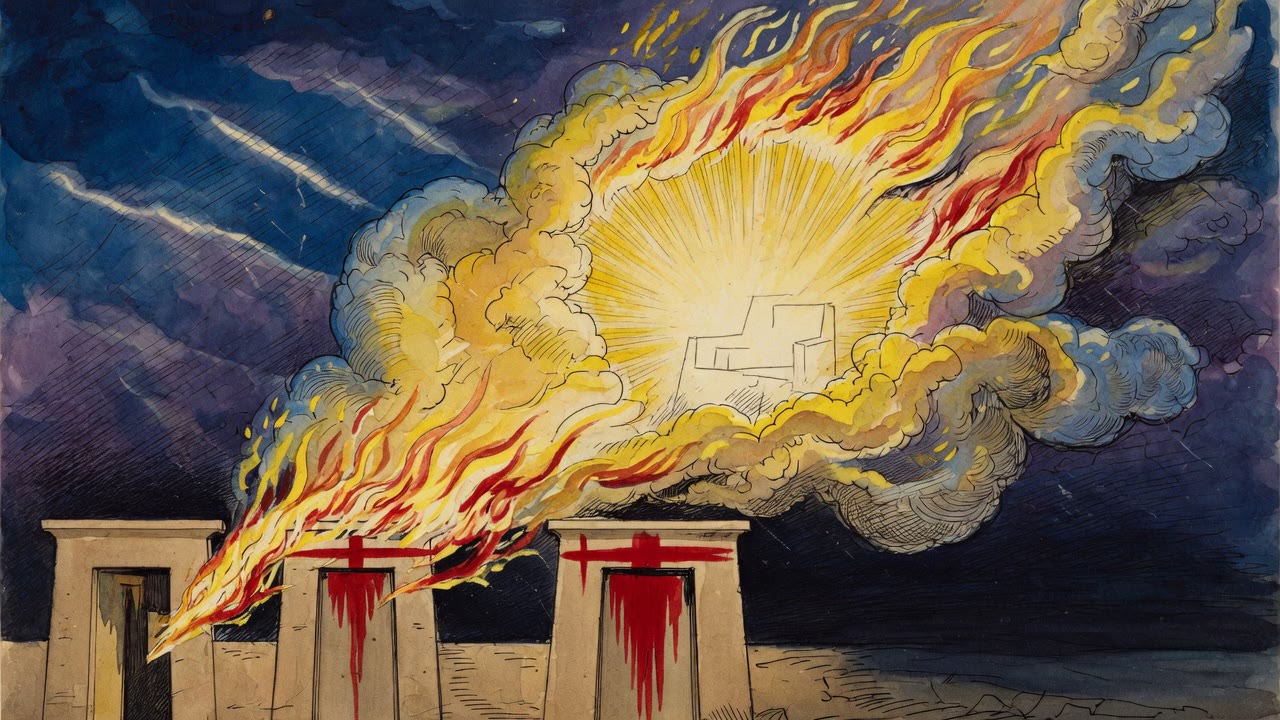
The Jews of Susa already knew why this night was different. Haman had chosen this night, of all nights, to build the gallows.
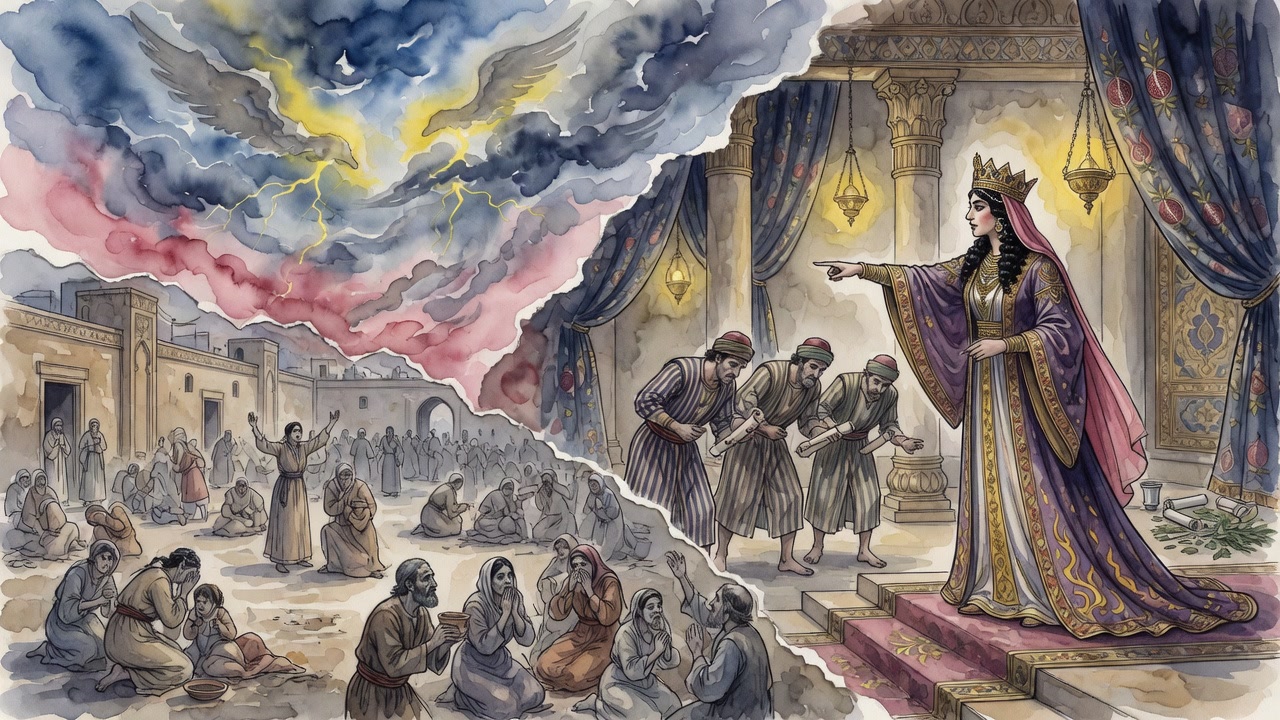
They did not celebrate. They wept. The joy of the season had been swallowed whole, and the community that was supposed to be remembering liberation from Egypt was instead counting the days until the date stamped on the annihilation decree arrived.
The Blame That Found Mordecai
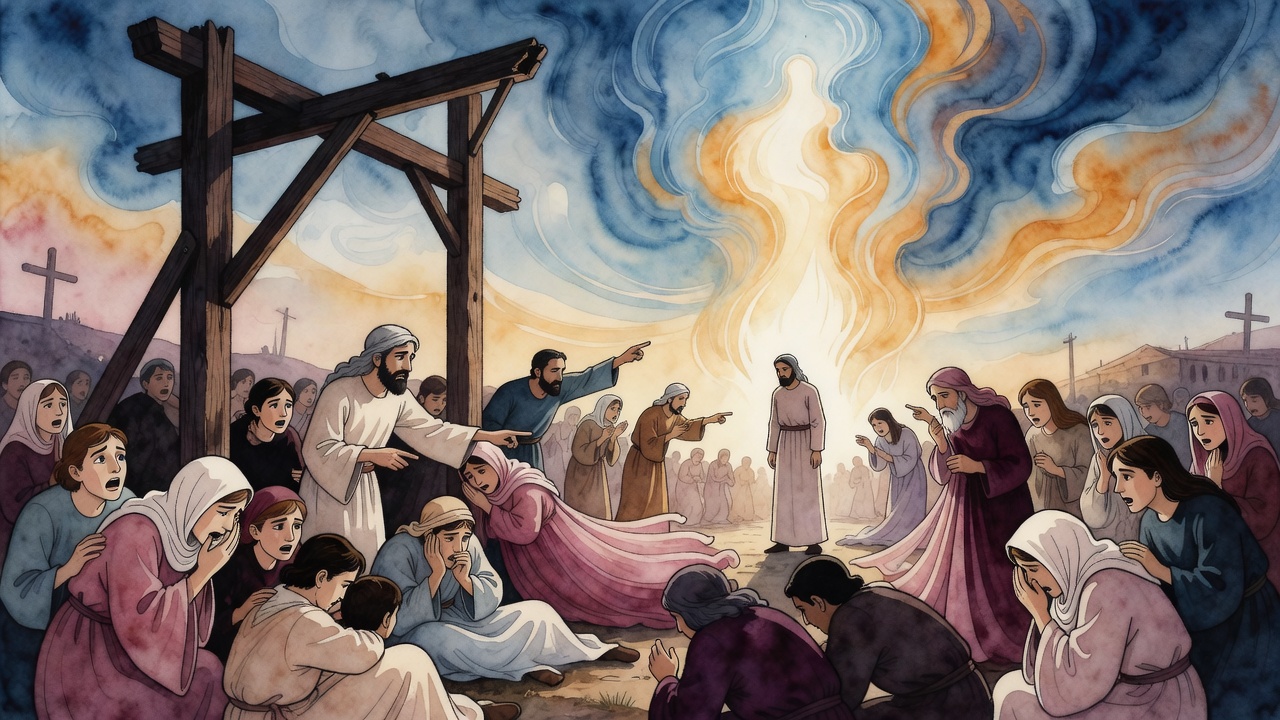
And they blamed Mordecai.
The community turned on him. They accused him of provoking the crisis with his haughty behavior at the palace gate. If he had simply bowed, simply performed the courtly gesture that every other man in Susa performed when Haman passed, none of this would have happened. The decree would not exist. The gallows would not be under construction. The children of Susa would be eating unleavened bread right now, not sitting in darkness listening to the sound of hammers.
This is a particular kind of accusation, the kind that a community levels at the person who refused to give ground and thereby made the conflict visible. Mordecai had not created Haman's hatred. He had declined to hide from it, and that refusal had turned a private contempt into a public crisis. The community, looking at the consequences, could not see the difference between the man who refused to bow and the man who had built the gallows.
What the Timing Meant
The tradition is deliberate about placing this scene on Passover night. The Shemot Rabbah, the rabbinic midrash on Exodus, carries within it a theology of divine accompaniment: when the people of Israel were redeemed from Egypt, the text says, God was redeemed alongside them. The two redemptions were not separate events. The liberation of a people and the restoration of the divine relationship were the same moment. This is why the Passover night is not simply a memorial. It is a reenactment of something that never fully ended.
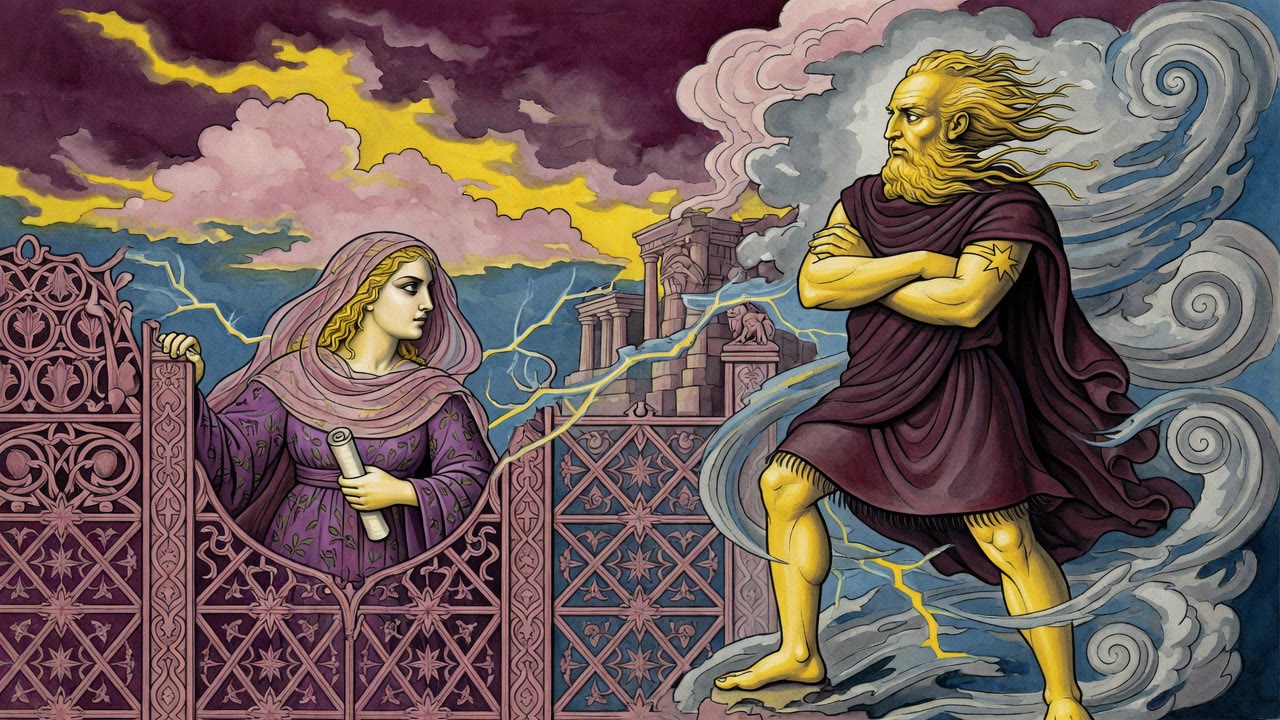
And so placing the Purim crisis on Passover night was a theological argument: this was the same story, in a new version. The same people were being targeted. The same pattern was playing out. And the same God who had accompanied them through Egypt was present now in Susa, watching Haman build his gallows on the night of liberation, knowing exactly how the pattern ended.
The Loneliness of Being Right
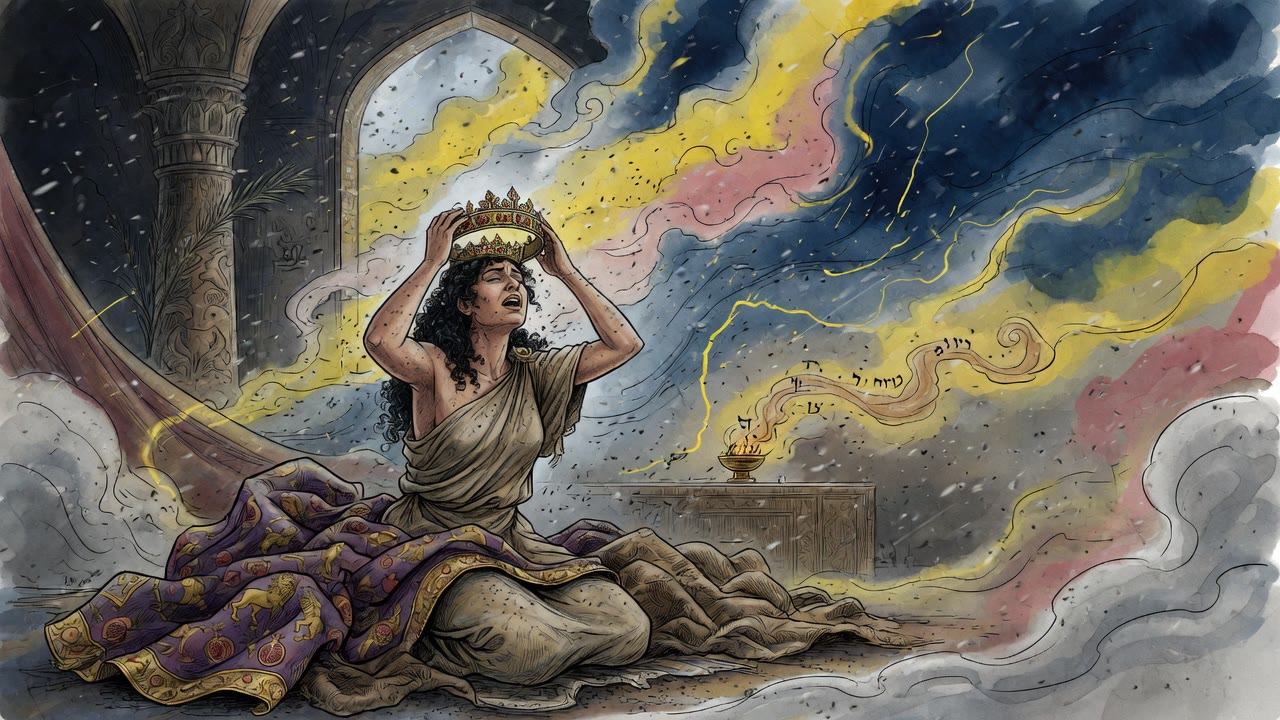
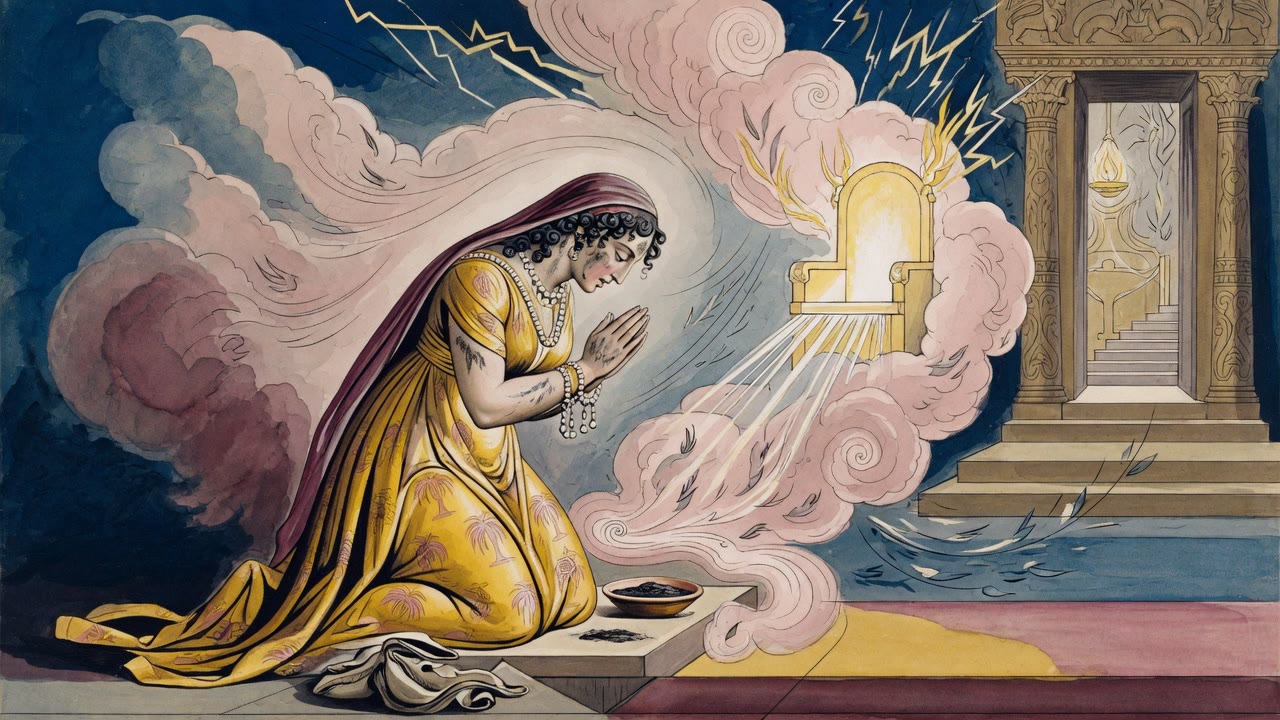
Mordecai bore all of this. He stood at the gate in sackcloth and ash, in mourning that the tradition records as genuine and deep, and he bore the community's anger on top of it. He was not celebrated as a man of principle. He was blamed as the cause of a catastrophe. The story does not offer him sympathy from his own people. It offers him isolation, which is a different kind of trial from the gallows Haman was building and in some ways harder to endure.
← All myths