19 myths
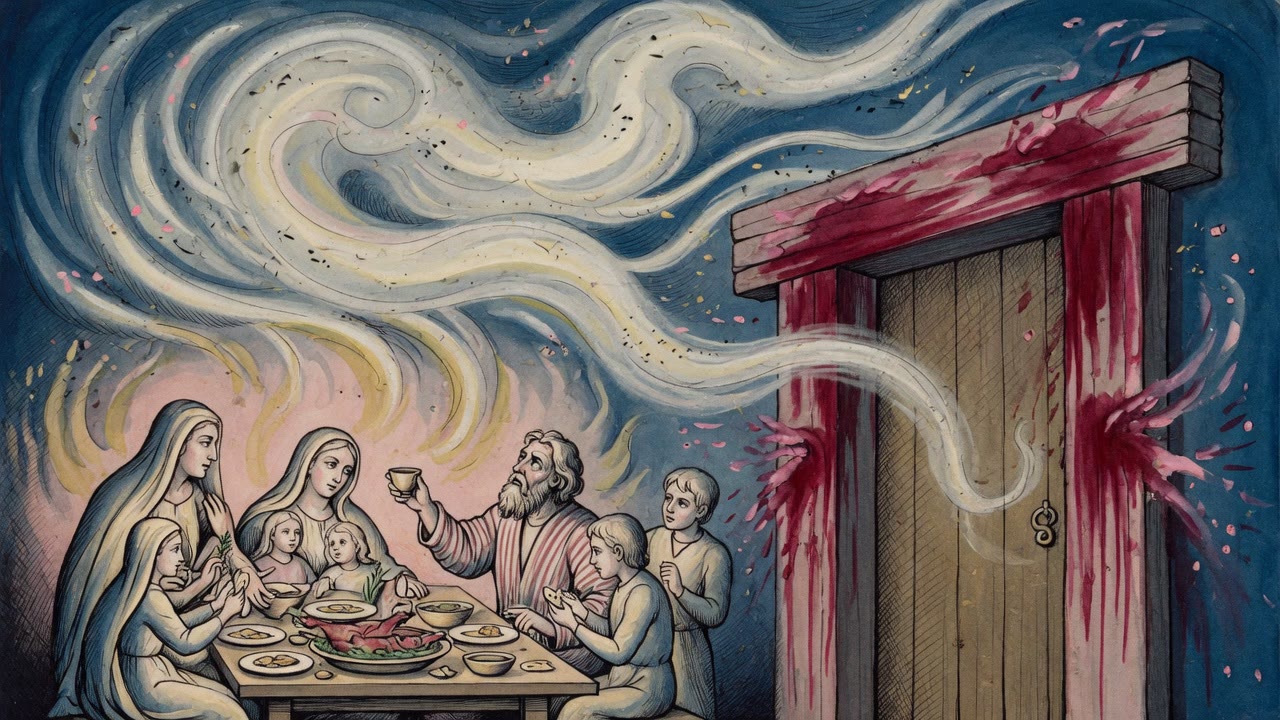
The lamb was gone and the staffs were in hand. Still the doors stayed shut, because Moses would not let Israel leave Egypt like thieves.
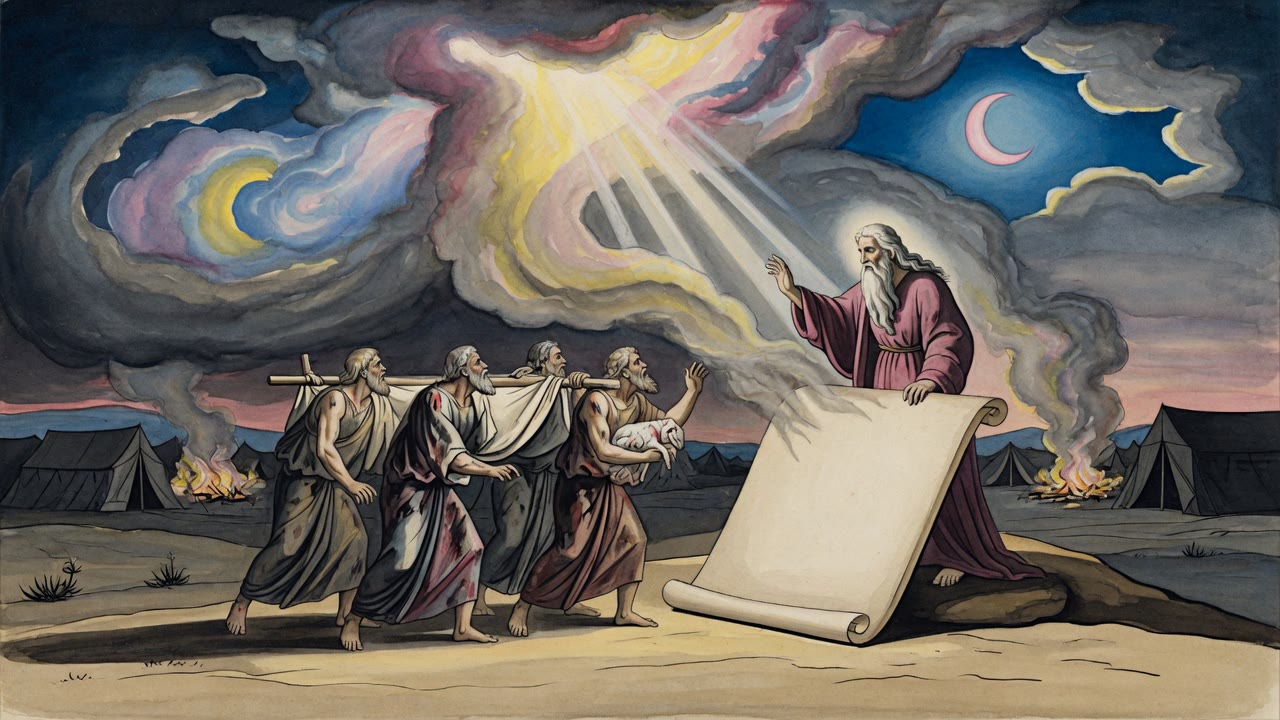
Impure men who had carried the dead refused to lose Passover. Moses waited, God answered, and a second date entered Israel's calendar.
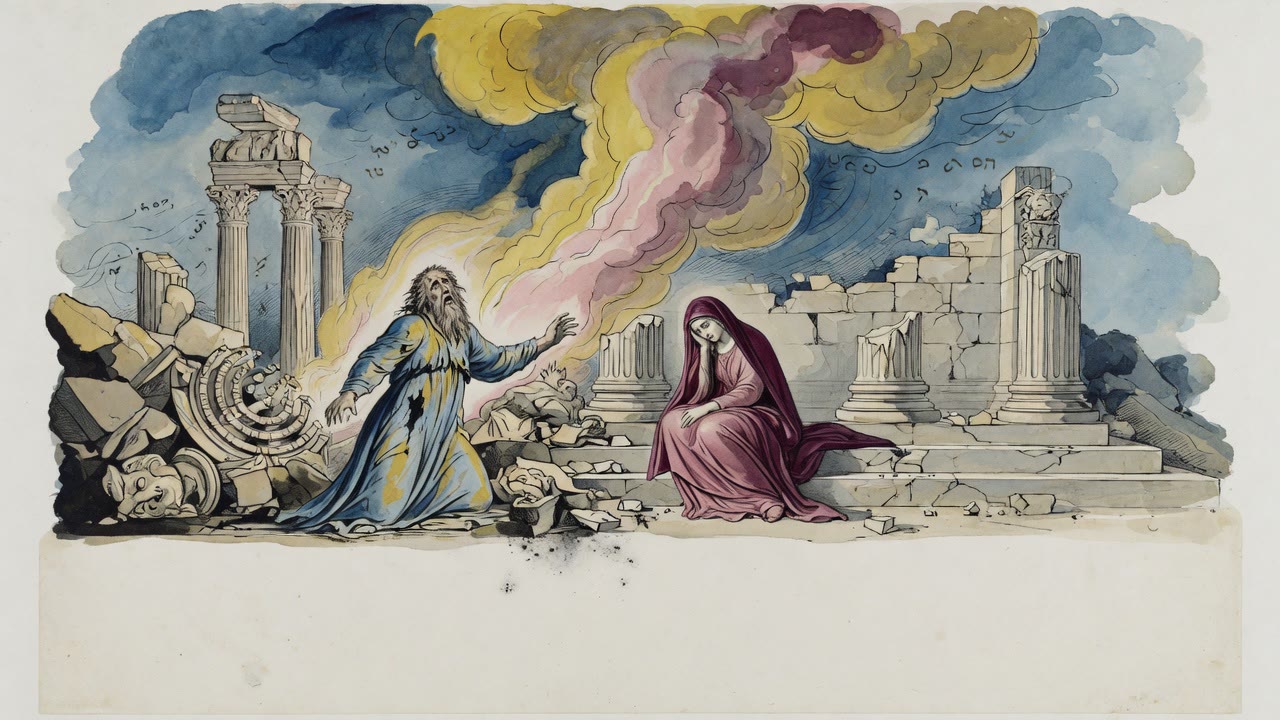
Jeremiah found the Temple daughters thrown from Chaldean chariots. God walked the burned house and asked where His priests had gone.
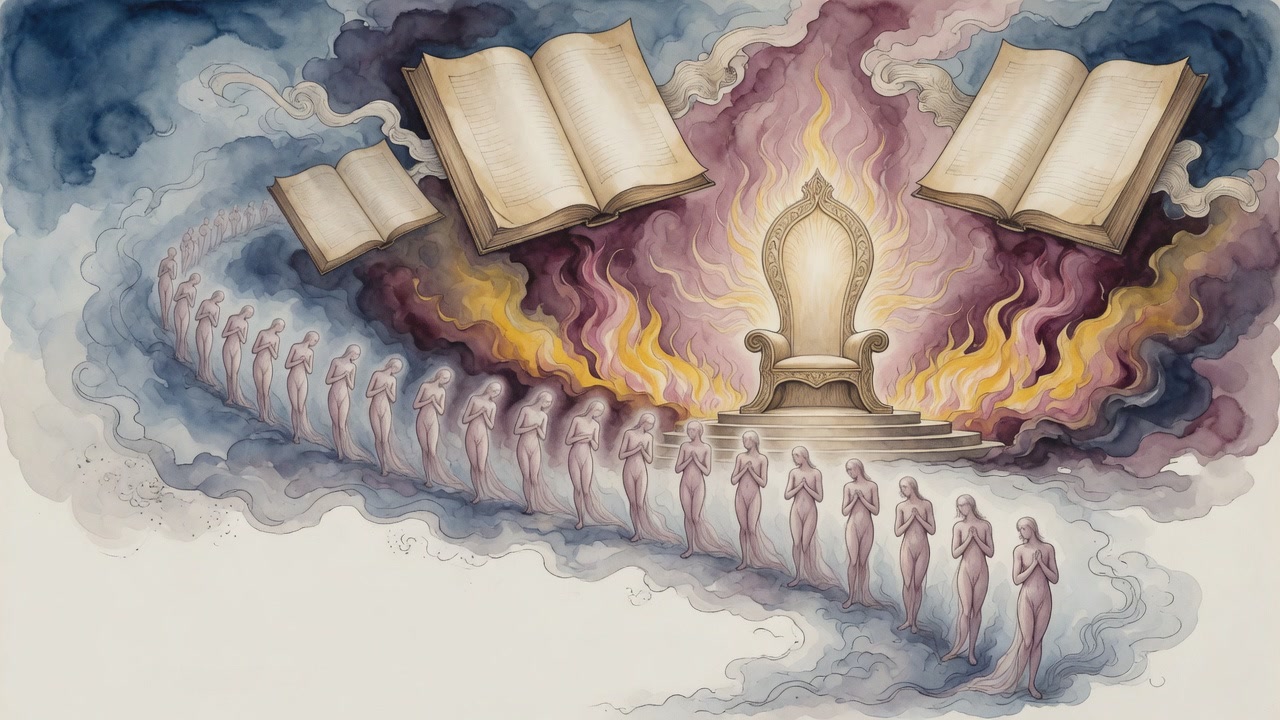
A shepherd waits at a gate one body wide and lifts each head with his crook to count it. Two of the books are sealed at once. The thick one stays open.
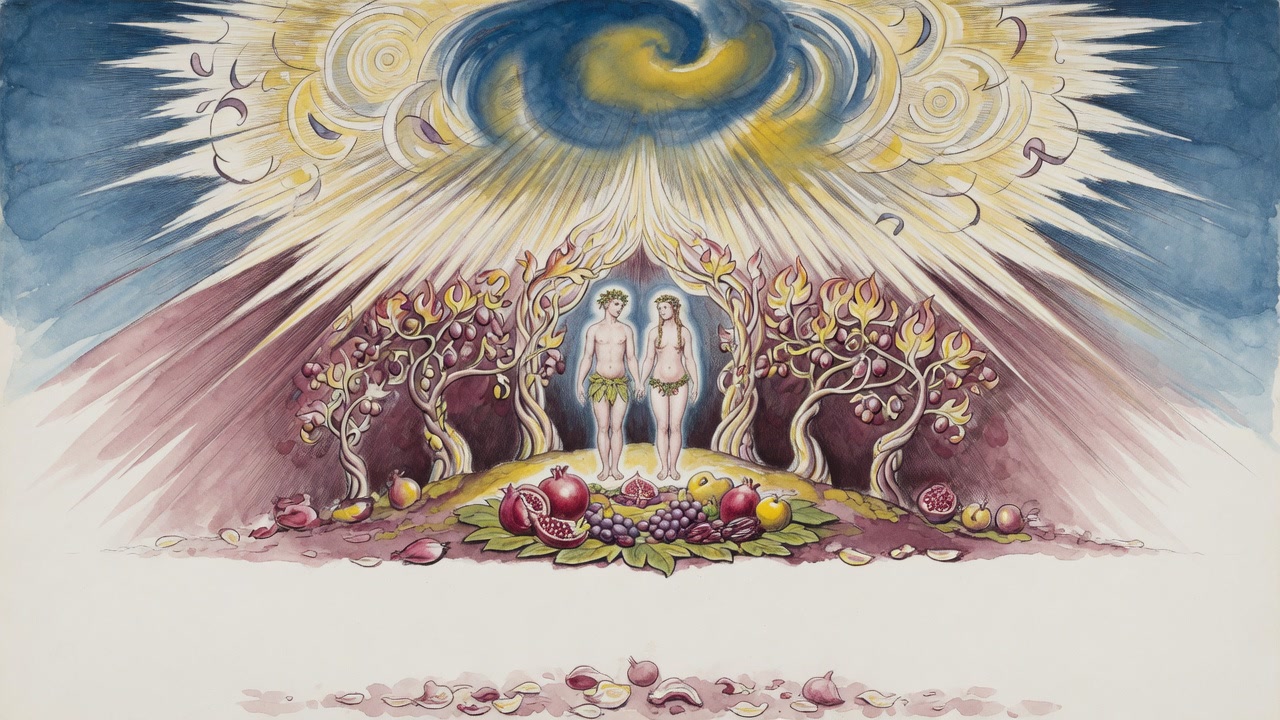
God finished creation on the sixth day. Then He adorned Eve as a bride, walked her to Adam, and the first Shabbat began with a wedding feast in Eden.
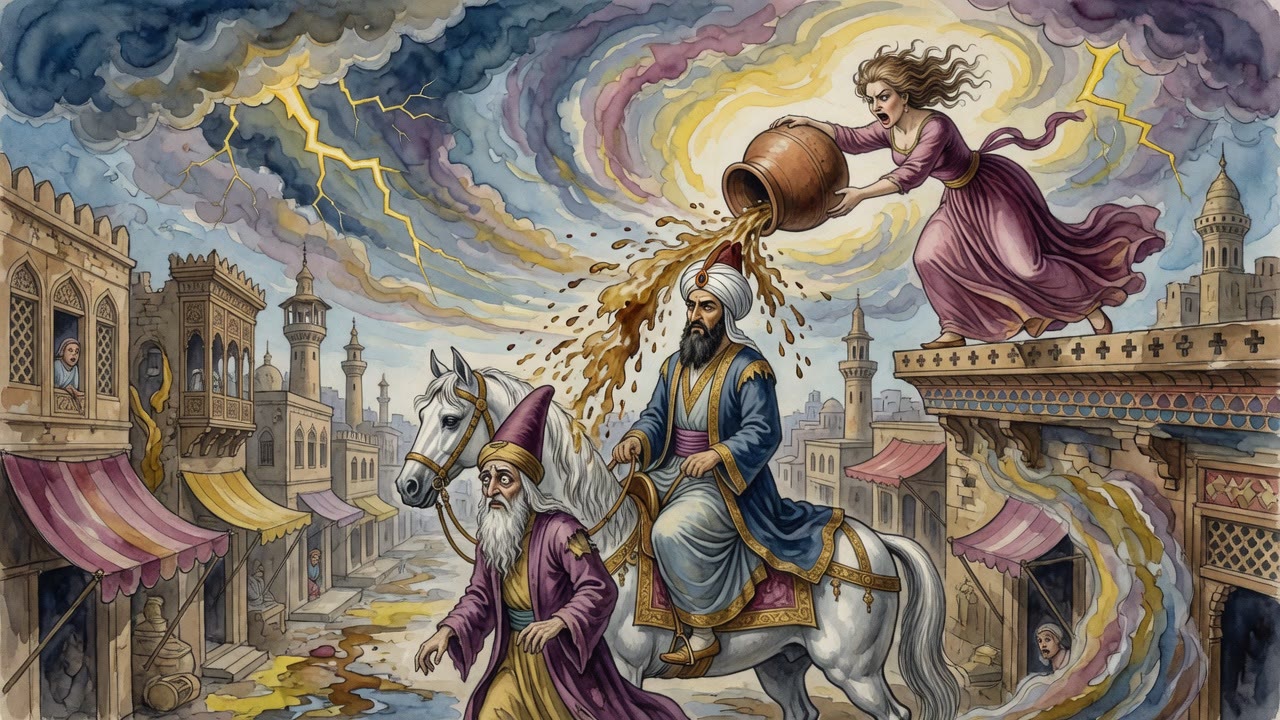
Mordechai told his students to run. They stayed. Haman came not with a rope, but with the king's clothes and a horse.
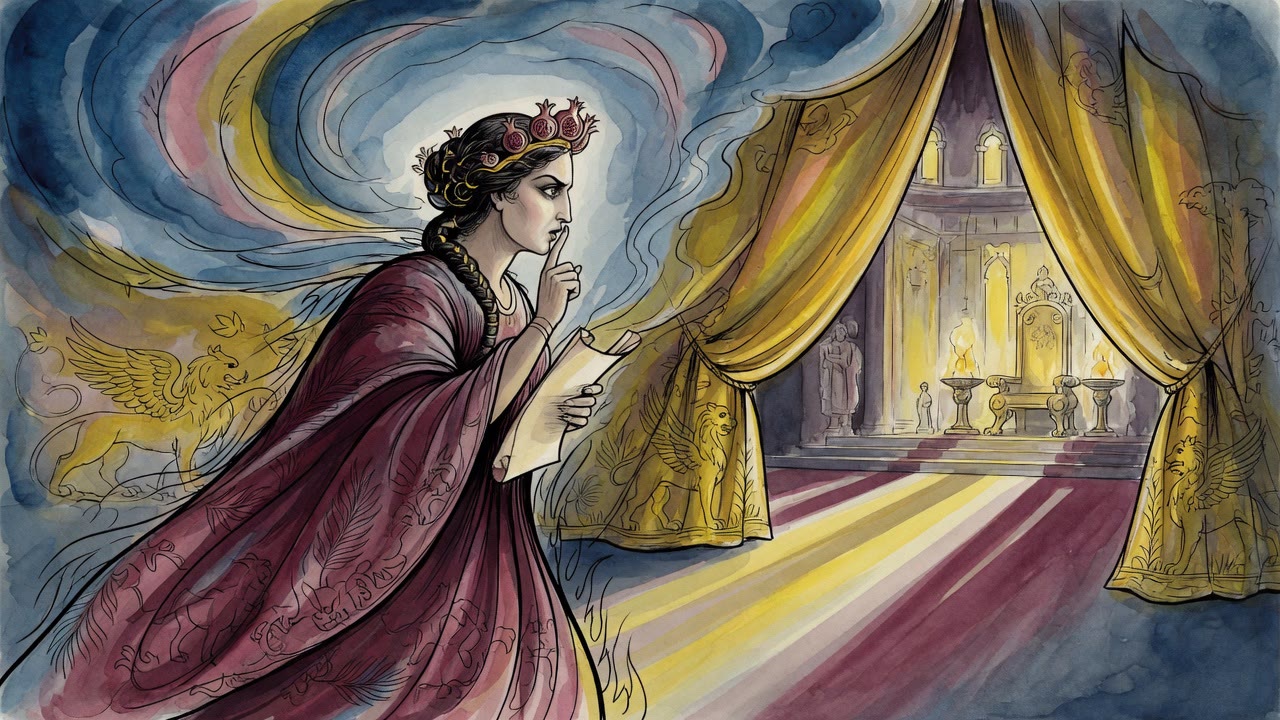
One officer offered a hundred dinars to walk her in. Another said two hundred. Esther kept walking. The palace never priced her people.
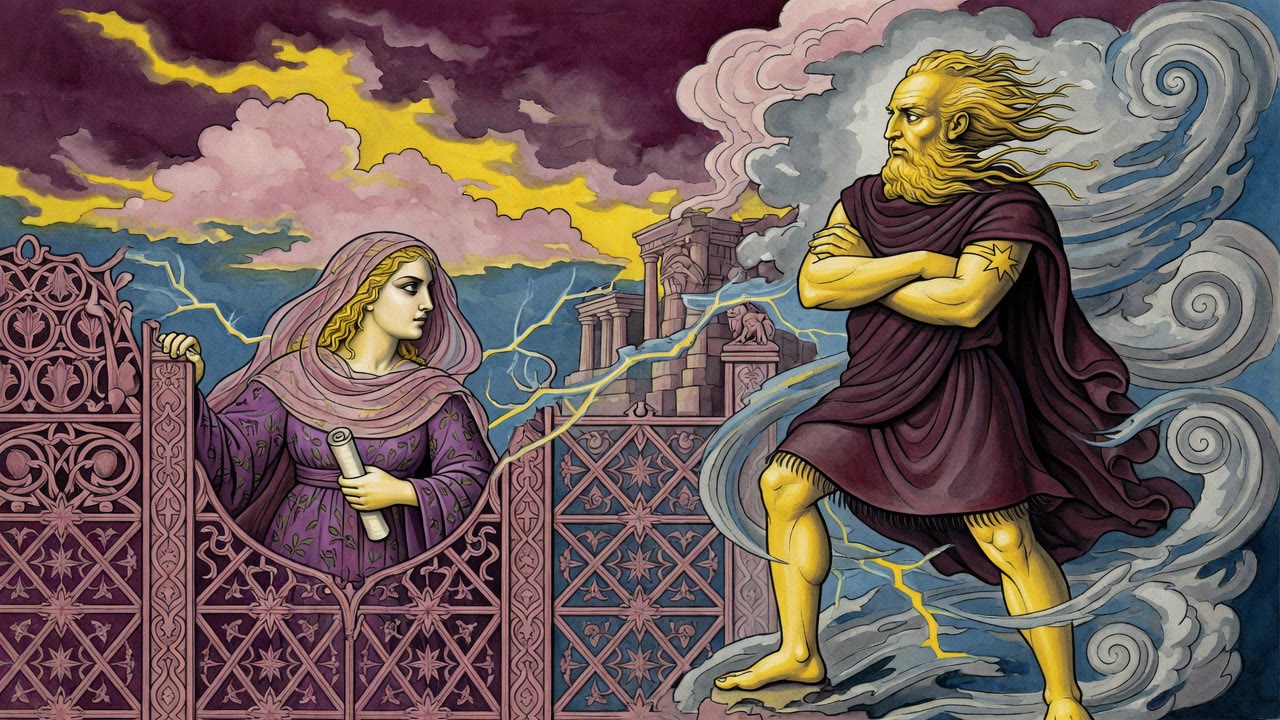
Esther sent Mordechai clothes to get him out of sackcloth. He sent the clothes back, and then sent her a copy of the order to kill every Jew in Persia.
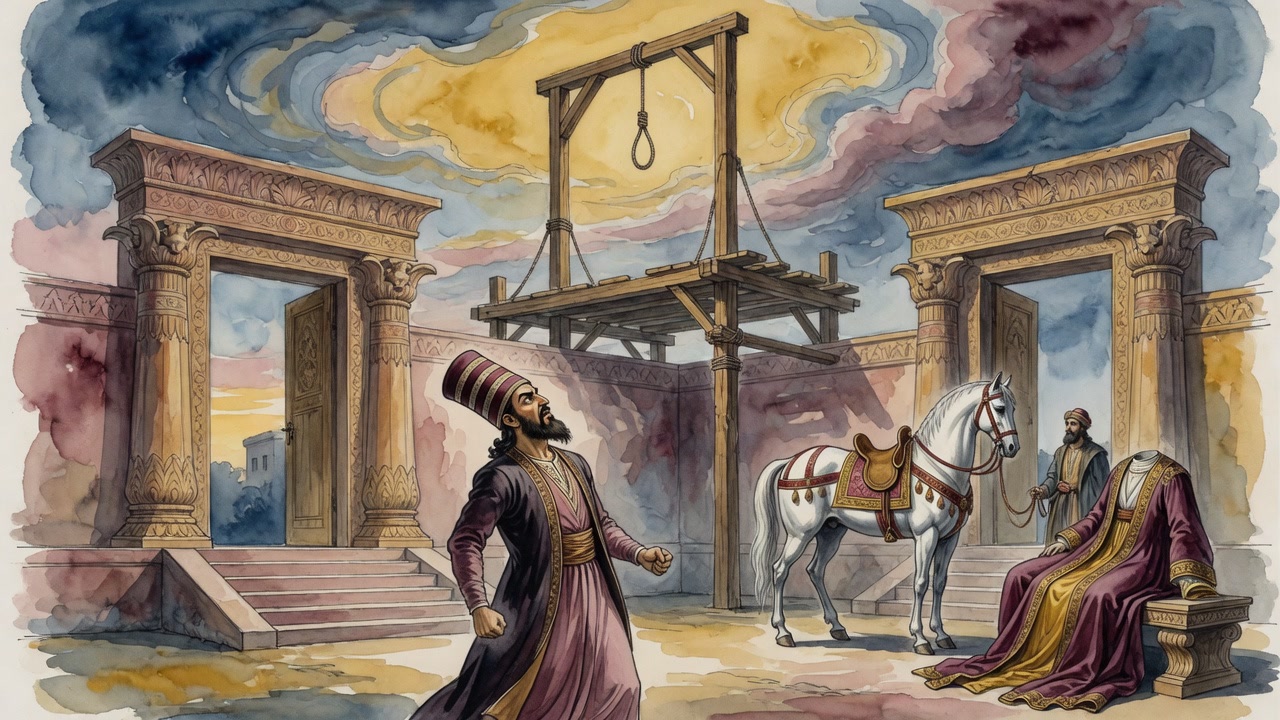
Sleep left the king that night. Haman waited in the court to ask for a hanging. The book of records named Mordechai instead.
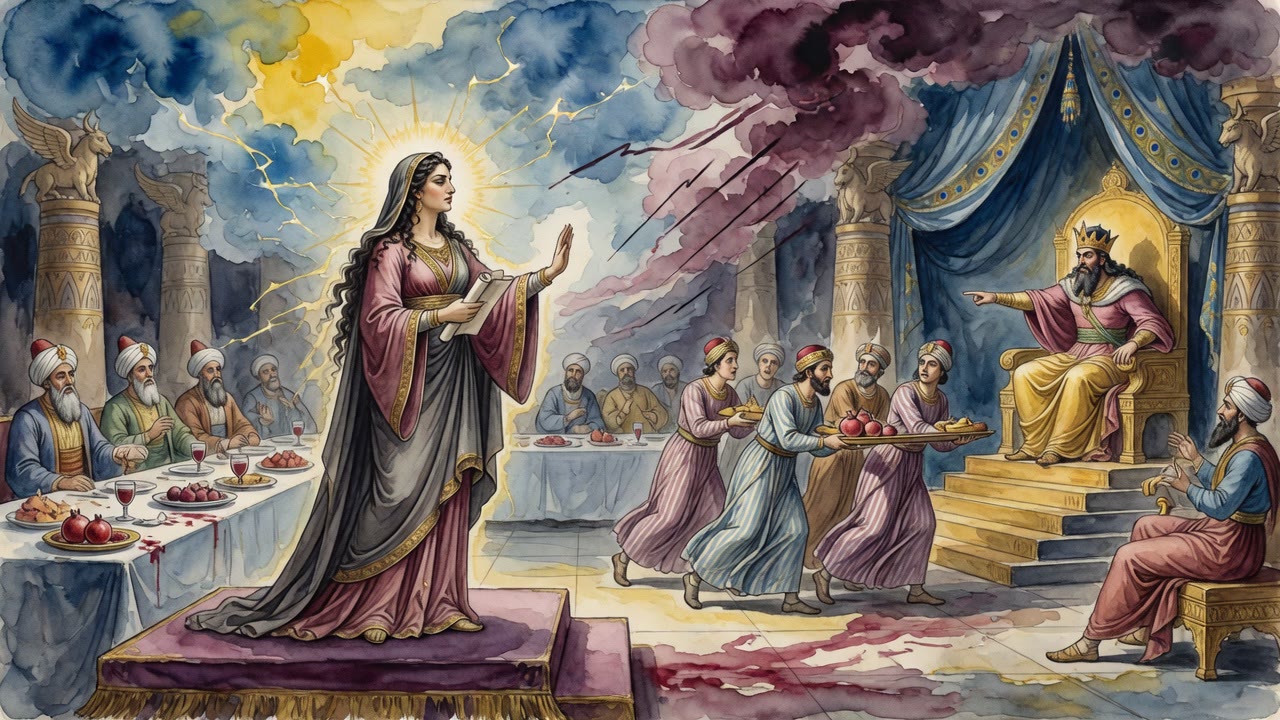
When Ahasuerus ordered Vashti to appear naked before his banquet guests, she sent back a message that listed exactly what kind of man she thought he was.
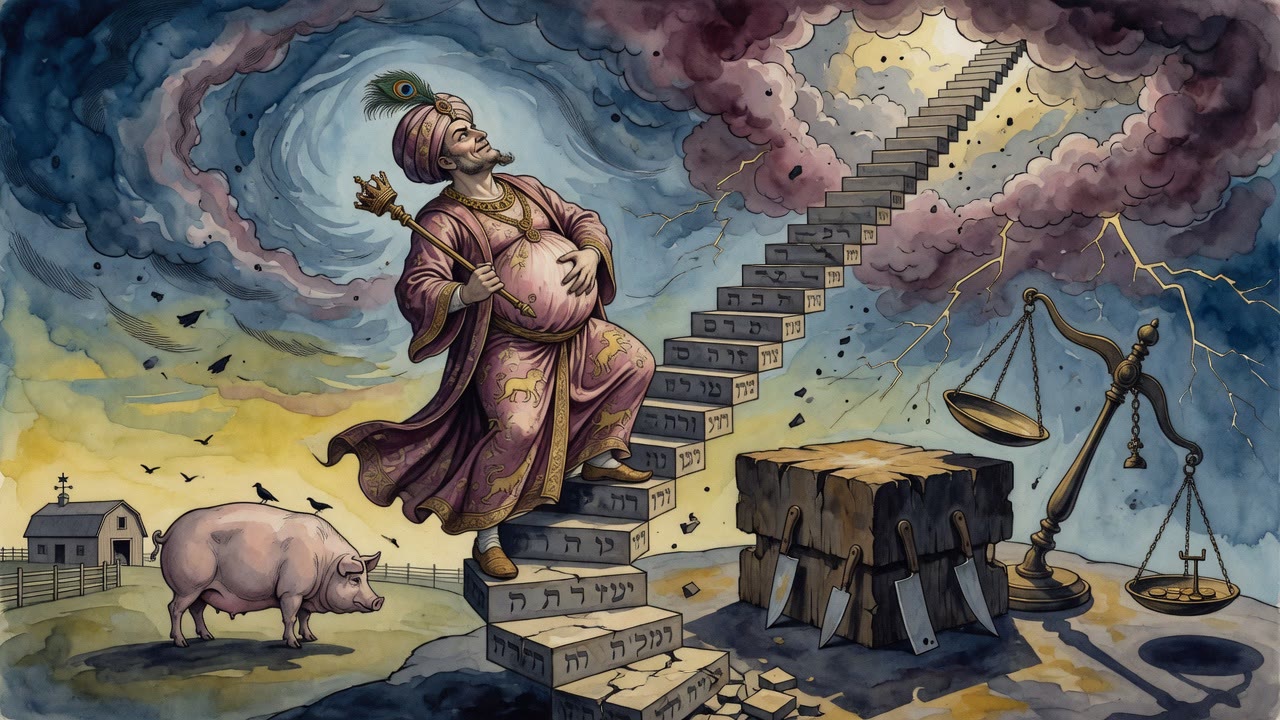
The sow ate without a measure. The filly hauled all day for a counted scoop. On the feast they took the fat one out and cut her throat.
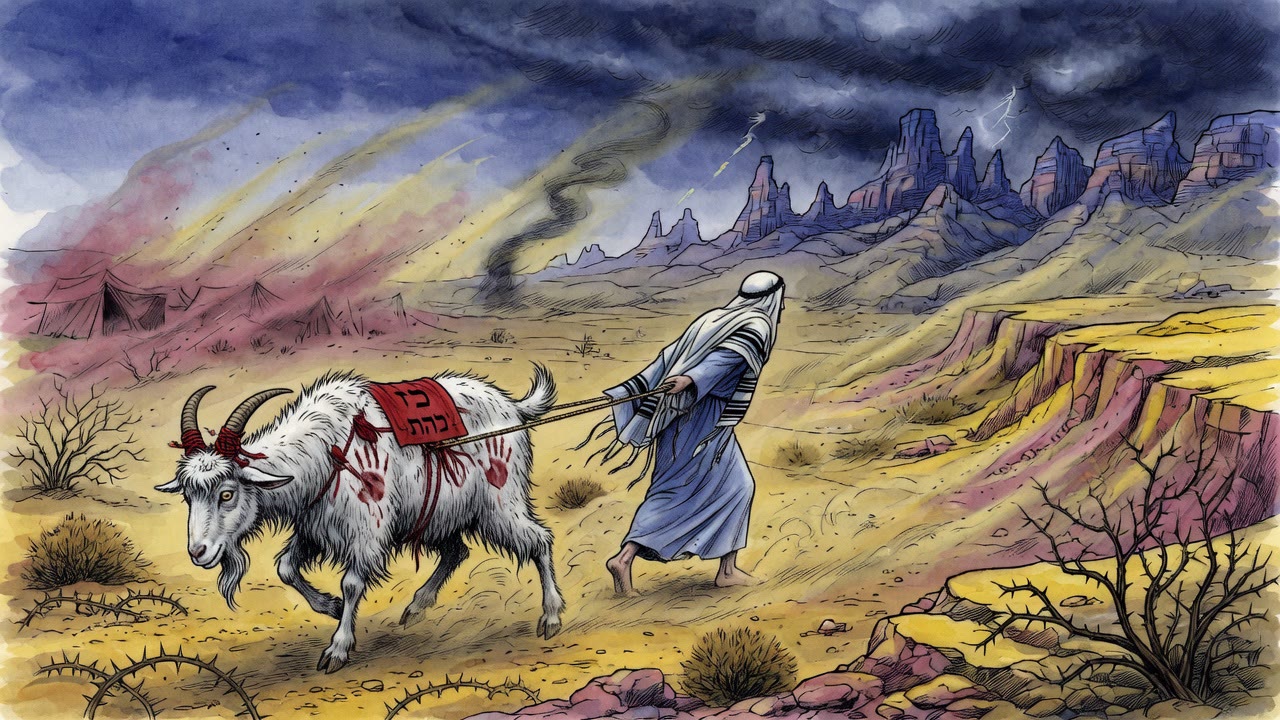
The High Priest drew lots over two identical goats. One went to God and one went to Azazel. The second goat went to the edge of the world and was destroyed.
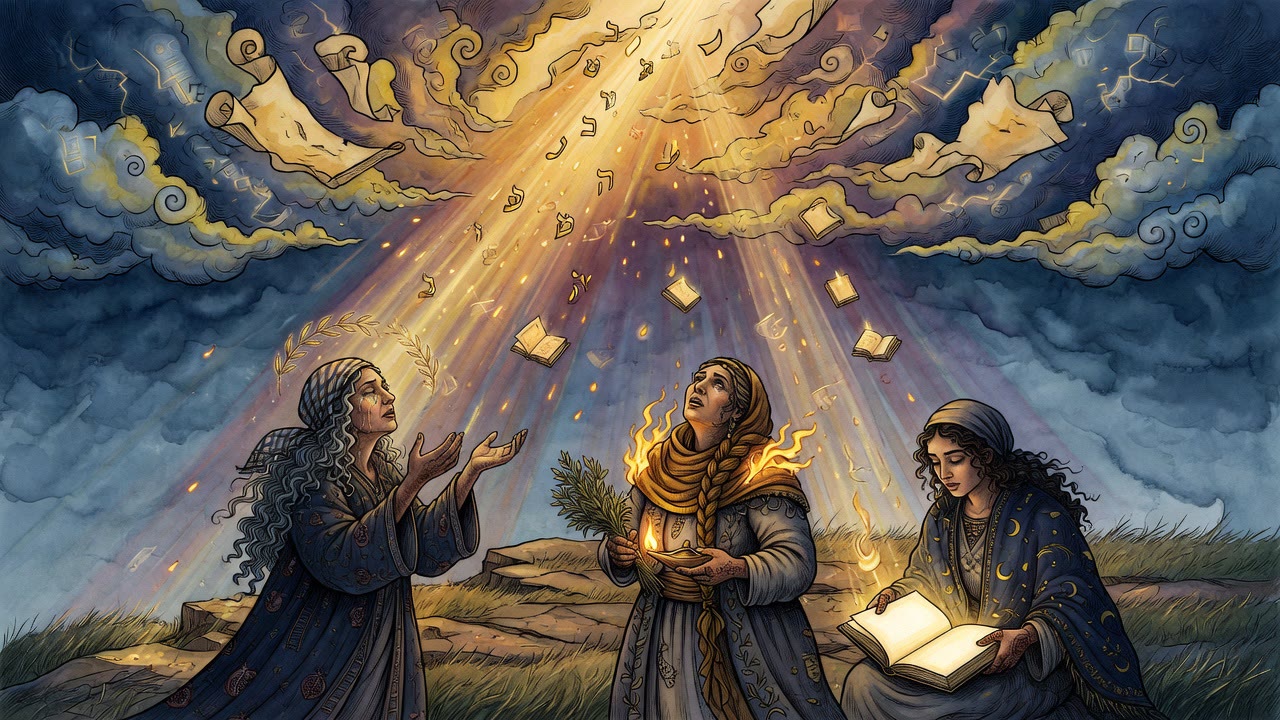
The ram's horn sounded on the Day of Remembrance. Three closed wombs were on the books. Sarah was already old enough to laugh at the promise.
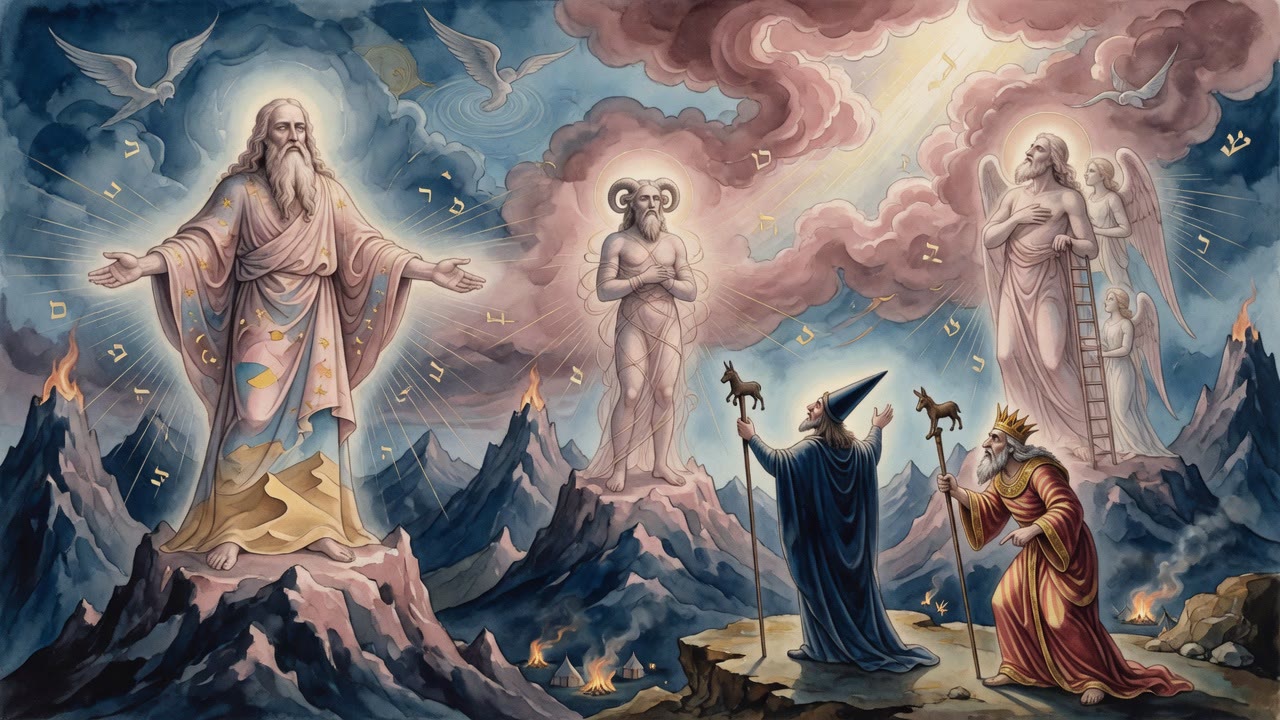
Balak paid for a curse and waited below the hill. Balaam came down and told him to stand. The fathers of Israel were already up there.
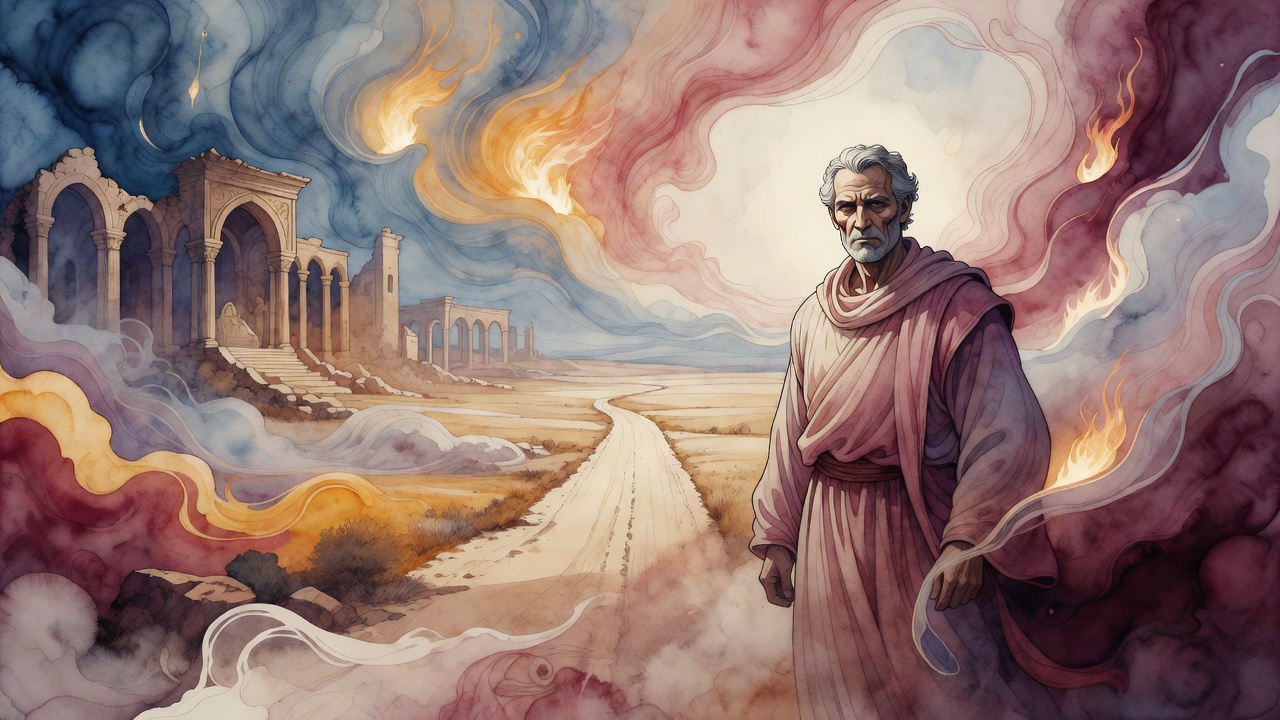
Mordecai was Jerusalem aristocracy, taken to Babylon by Nebuchadnezzar. When the road home opened, he stayed in Persia to raise Esther.
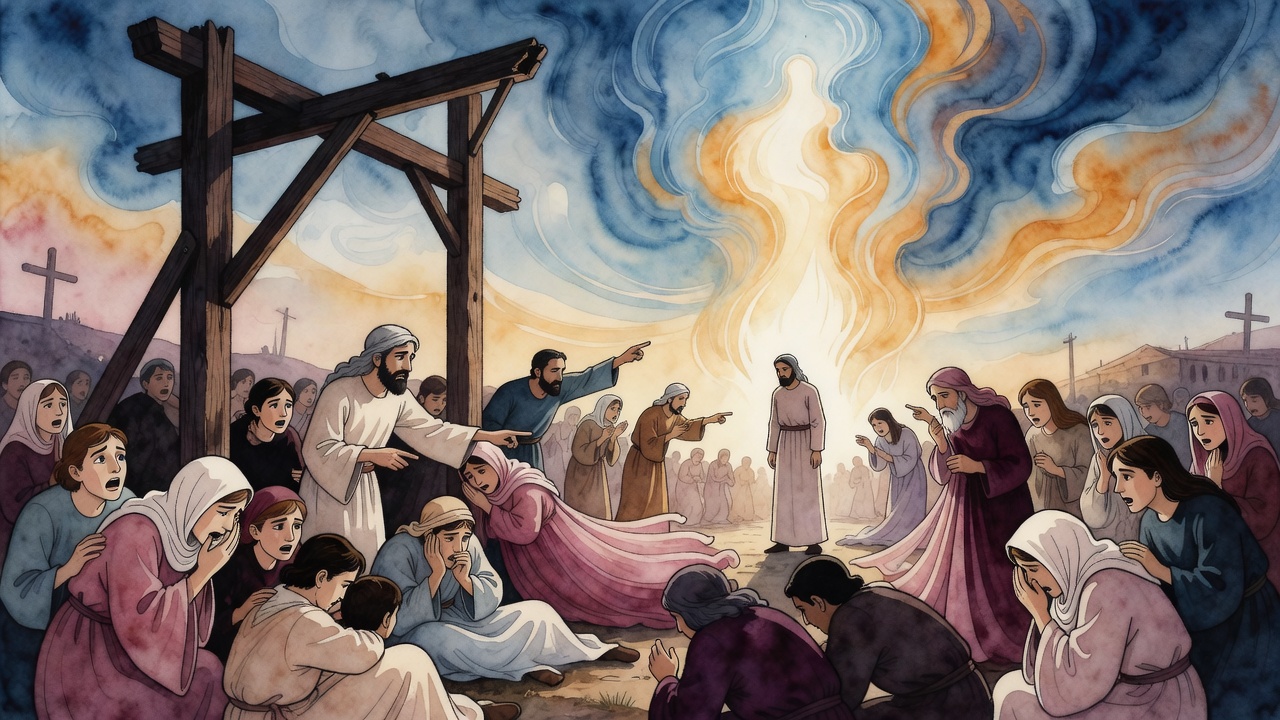
The night the Jewish people were supposed to celebrate liberation, they wept instead. And they blamed Mordecai for everything that was coming.
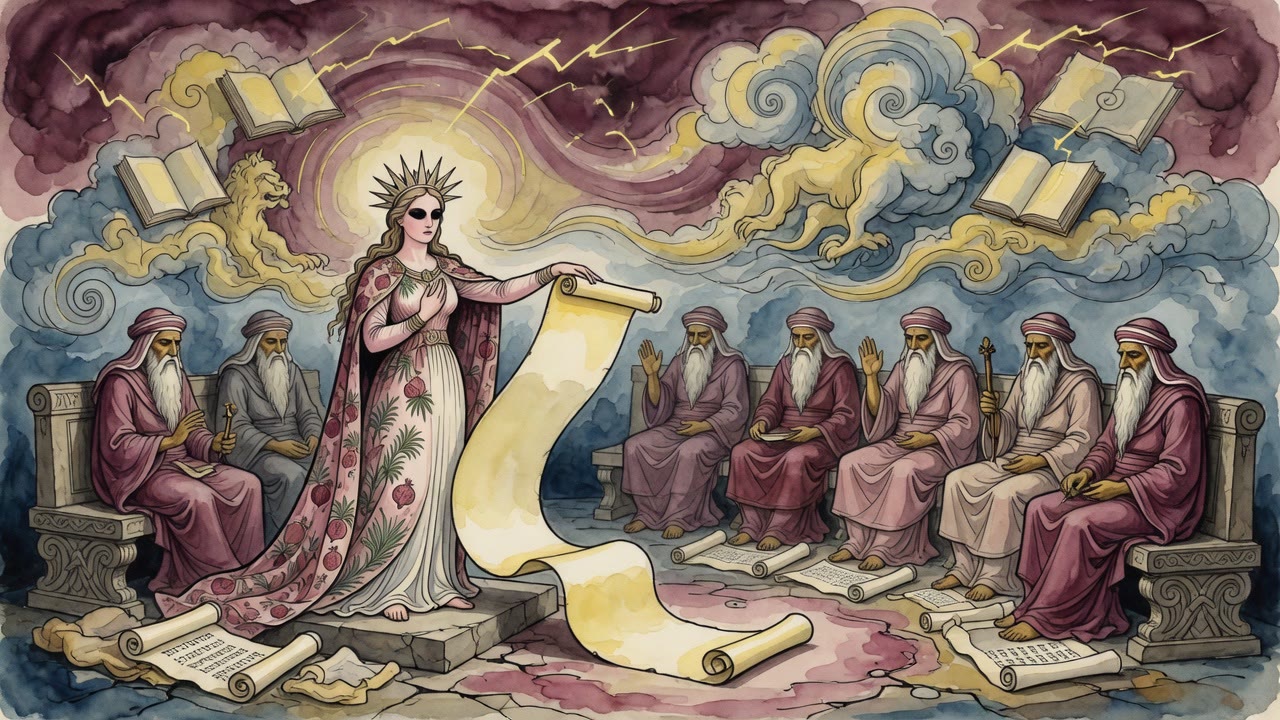
Haman was already on the gallows. Purim already had its dates. Esther still stood at the study hall with a book they would not take.
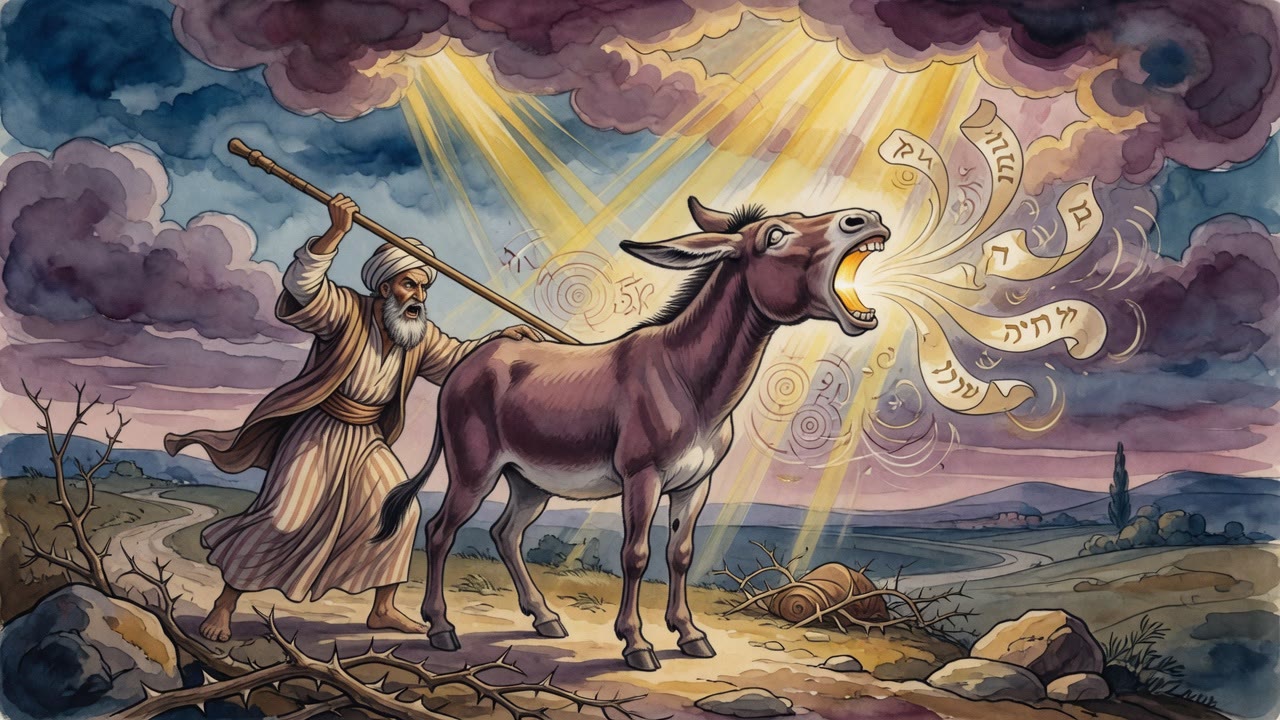
Balaam beat her three times for stopping in the road, then told her he would kill her if he had a sword. The angel in front of them already had one.
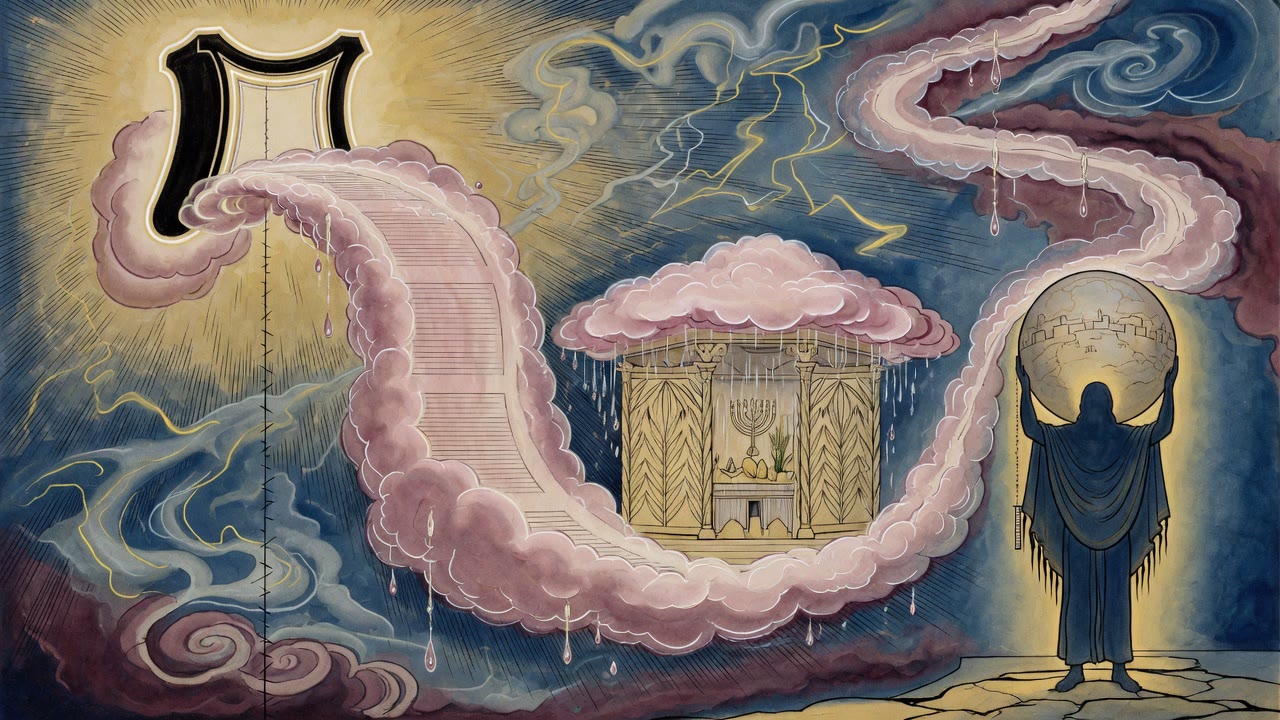
The etrog sat cool in a left hand. The Presence came down toward the righteous by measure, like manna poured, then went back up.
