Mordecai Descended From Kings and Chose the Diaspora
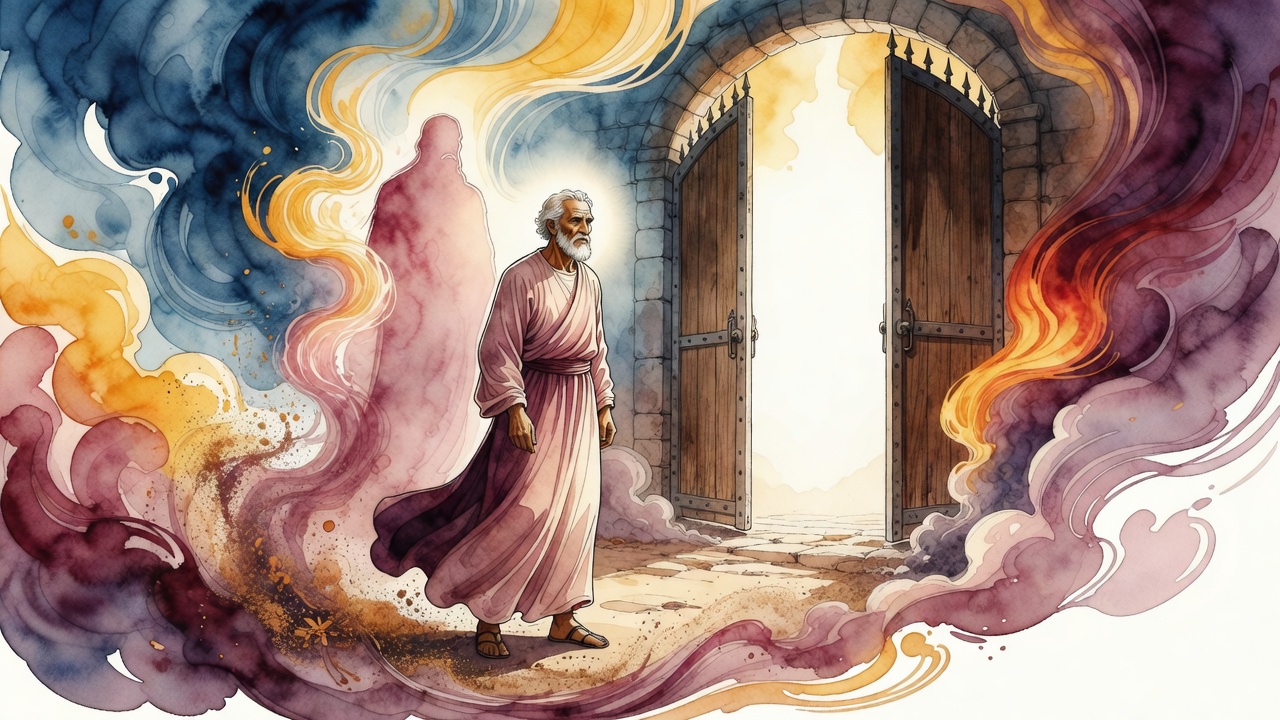
Mordecai was Jerusalem aristocracy, taken to Babylon by Nebuchadnezzar. When the road home opened, he stayed in Persia to raise Esther.
Table of Contents
 Click for full size
The Man Nebuchadnezzar Specifically Wanted
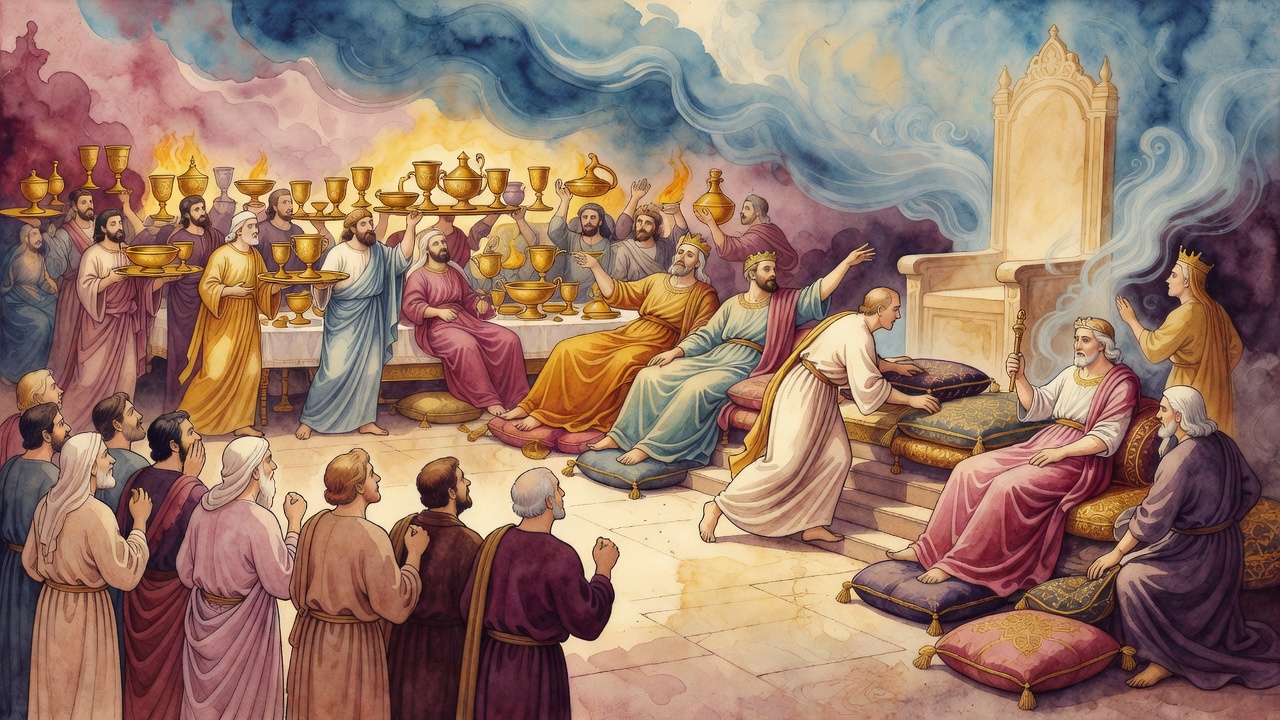
When Nebuchadnezzar's army took Jerusalem, the king did not strip the city of everyone. He stripped it of the people whose absence would be felt most precisely. Scholars who carried the tradition in their heads. Priests whose authority organized community life. Aristocrats whose lineage gave a people its grammar of continuity. Mordecai belonged to this tier. His removal from Jerusalem was not incidental to the conquest. It was the conquest's point.
He descended from the tribe of Benjamin, from the family of Kish, from the line that had produced Saul, the first king of Israel. His genealogy placed him among the descendants of royalty at a moment when that royalty had already been carried off to Babylon. He arrived in exile as a man whose bloodline represented everything Nebuchadnezzar had tried to extinguish, and he arrived there anyway, because great kings understand that leaving such men behind creates more problems than deporting them.
The Road Home That He Did Not Take
When the Persians took Babylon and Cyrus issued his decree permitting the Jews to return to the Land of Israel, the road home opened. Many went. The first waves of returning exiles brought builders, priests, and craftsmen back to Jerusalem, and the reconstruction of community life in the land of the ancestors began, slowly and with enormous difficulty, but began. Mordecai was in a position to go. His lineage would have earned him a place of authority in the returning community. His connections in the Persian administration could have smoothed the way.
He stayed in Shushan.
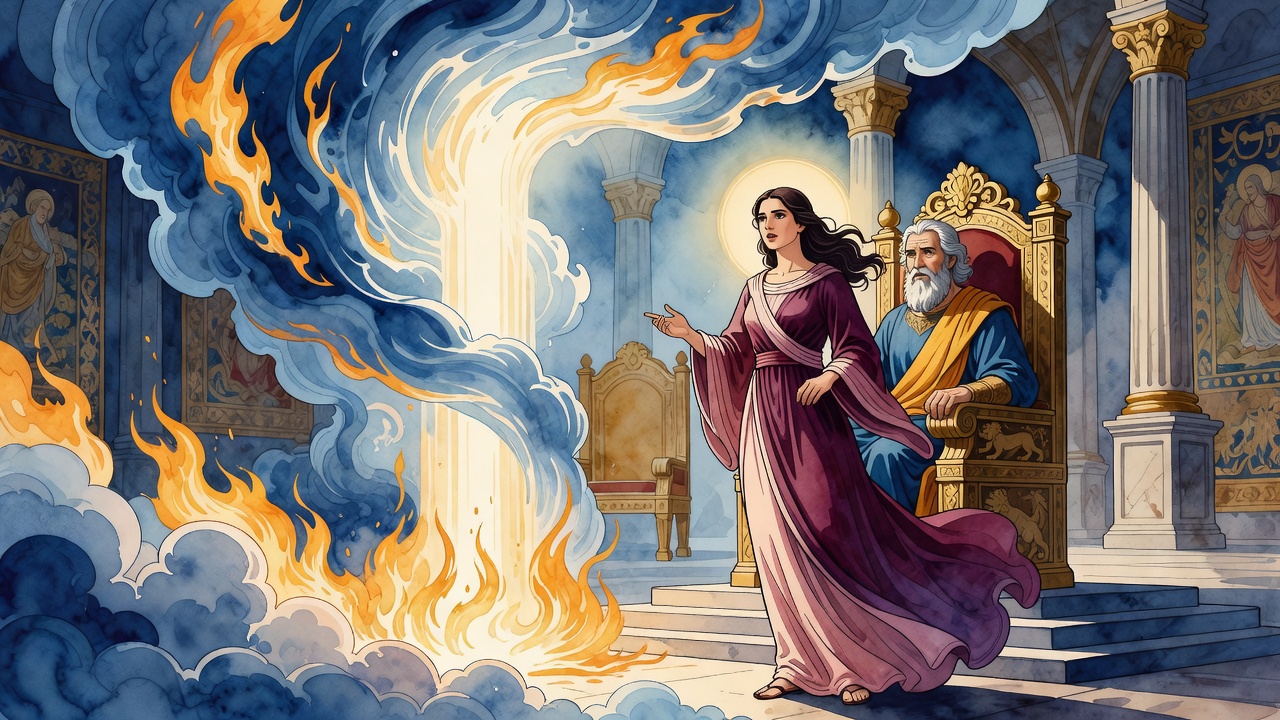
This choice is the hinge on which the Purim story turns, and the rabbinic tradition reads it with the full awareness of what it cost. Mordecai was not staying for comfort or advancement. He was staying because the child Hadassah, Esther, was there, and she had no one else.
What Exile Had Made of Him
Mordecai had survived Babylon without becoming Babylonian. He sat at the palace gate in Shushan not as a man hollowed out by displacement but as a man who had carried Jerusalem into exile and kept it alive by living it. His commitment to Jewish practice inside a foreign court was not nostalgic performance. It was the discipline of a man who had decided that identity was not something you maintained only when geography permitted.
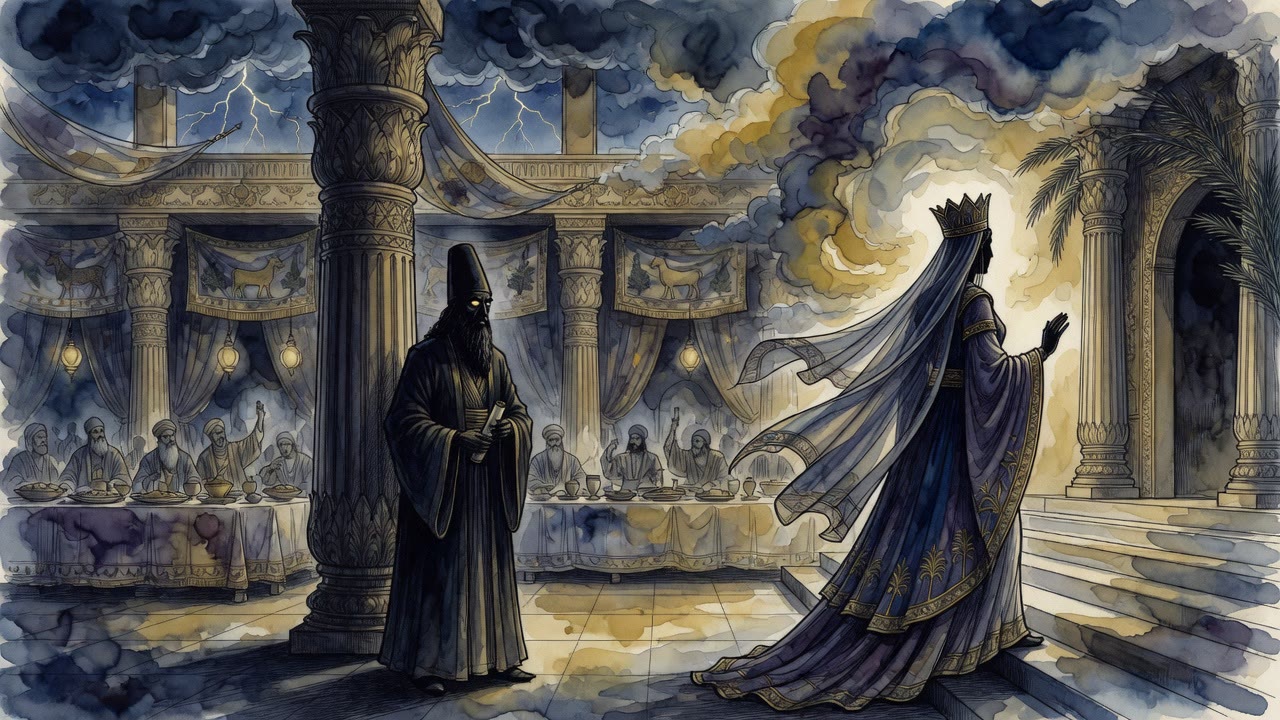
The rabbinic tradition notes that he was in Shushan when the Purim crisis began not by accident but because he had been watching the Persian court for years, cultivating the access and attention that allowed him to hear the assassination plot against the king, to monitor Esther's welfare from outside the palace walls, and eventually to send her the instruction that sent her to Ahasuerus with a request that would save the Jewish world.
The Paradox His Lineage Created
He was descended from Saul, the king who had failed to destroy Amalek completely, the king who had spared Agag when the prophet Samuel ordered otherwise. Haman was an Agagite, which the tradition reads as a descendant of that same Agag. The confrontation between Mordecai and Haman was, in this frame, a second act. Saul's incomplete obedience had left a thread loose in history, and Mordecai, inheritor of Saul's royal blood and Saul's unfinished work, was the man through whom that thread would finally be cut.
He had not chosen Shushan casually. He had chosen it because Shushan was where the work was, and because the work that had been left undone required a descendant of the man who had left it undone.
← All myths