55 myths · Page 1 of 2
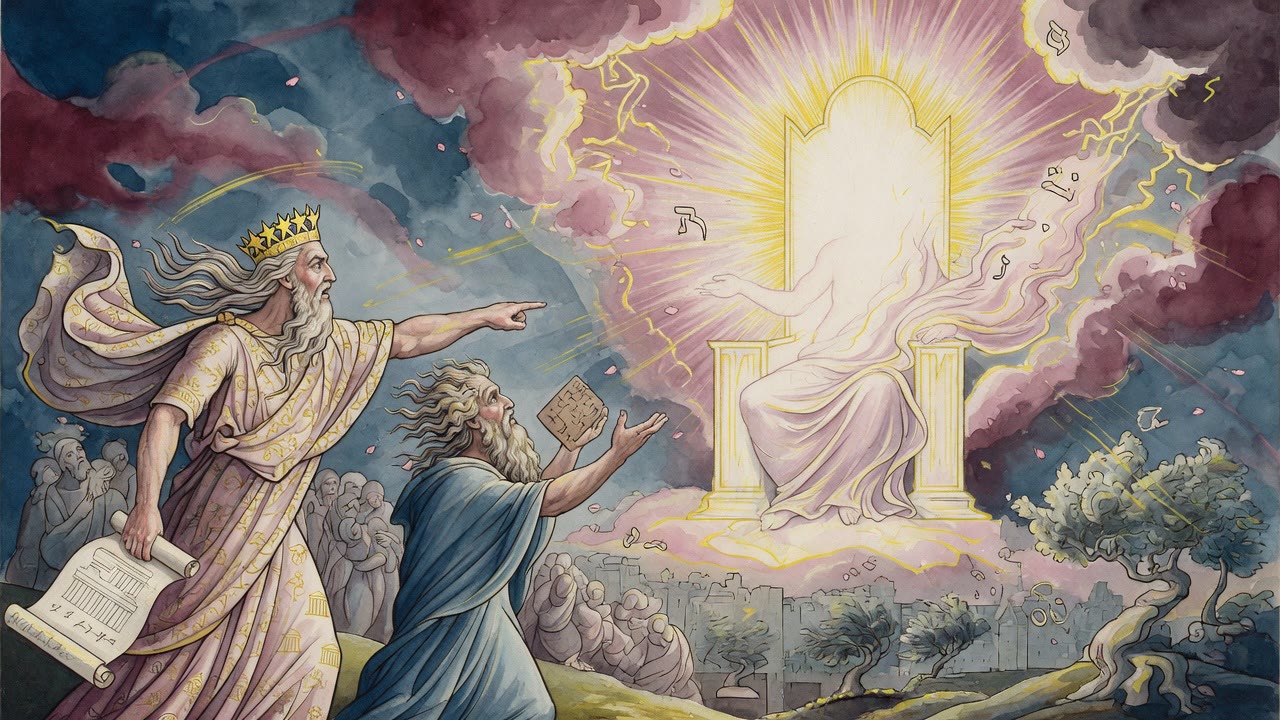
Solomon built the Temple and knew its prayer would one day be needed. Daniel stood in exile and tested whether that prayer still worked. Both were right.
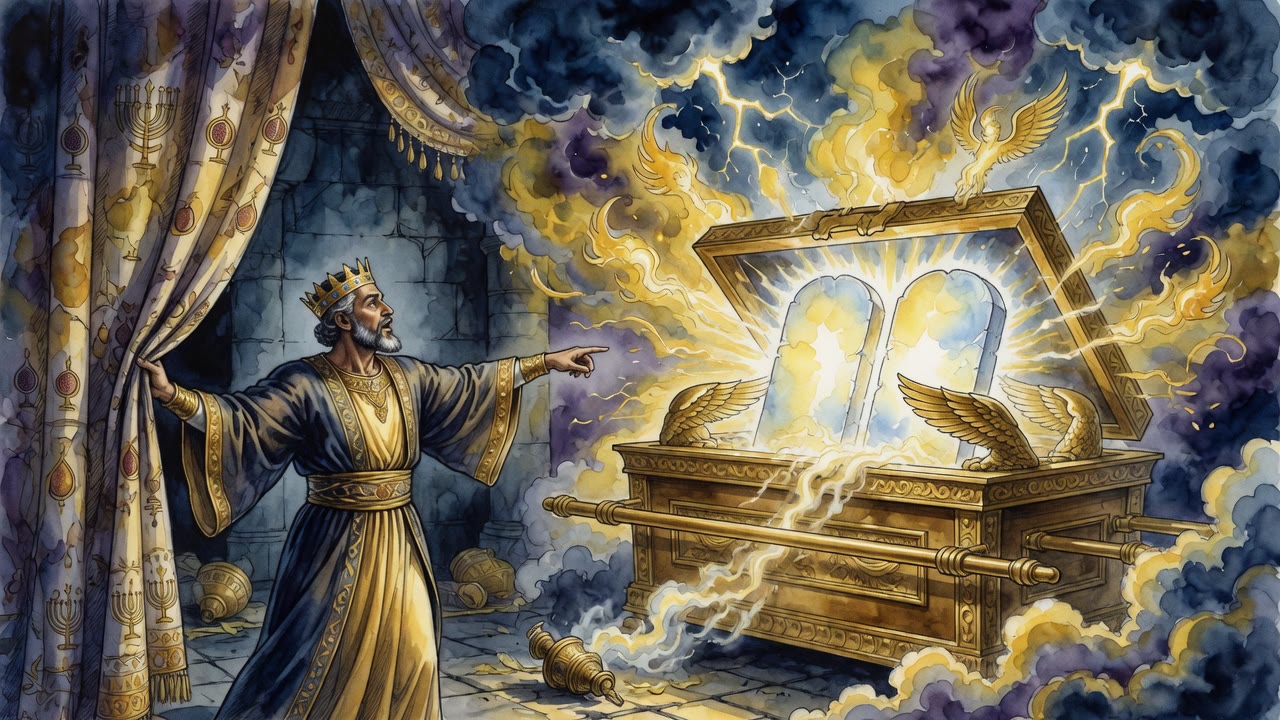
Babylon sent men because a dying king had been given fifteen years. Hezekiah felt the bowing land on his own chest. Then he opened every door.
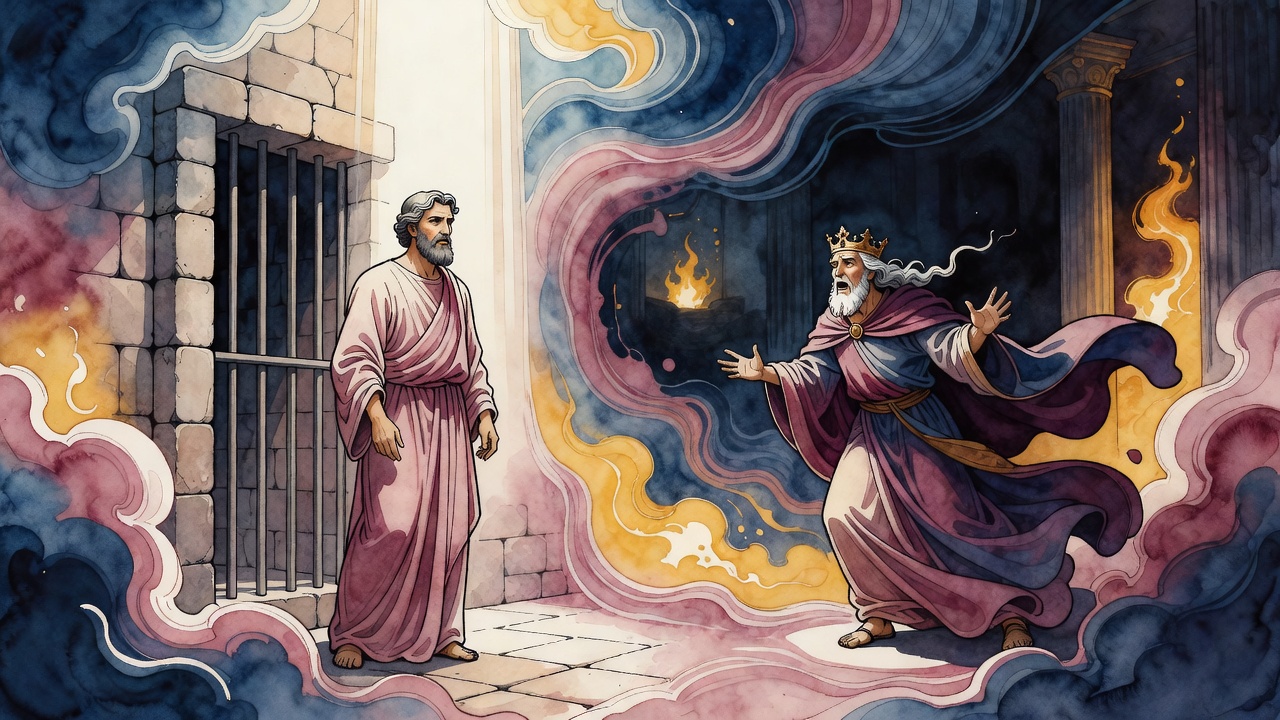
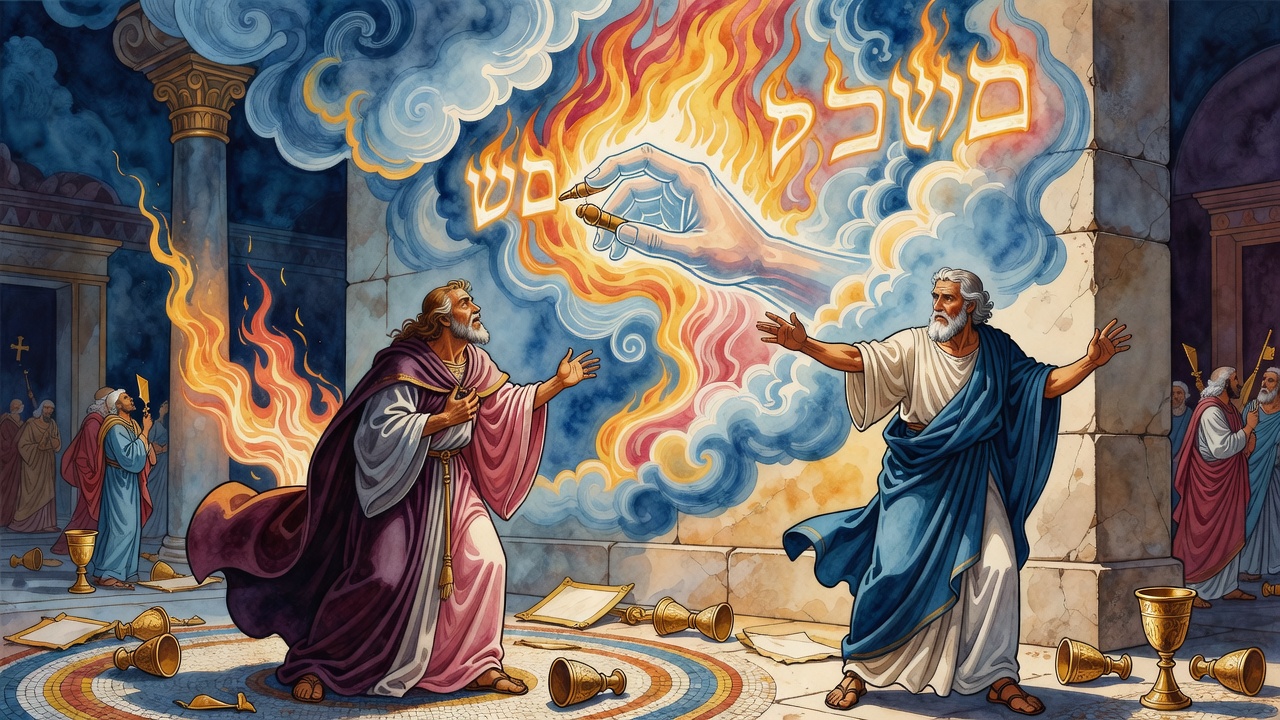
The Temple vessels were gone from the palace stores. Darius locked Daniel for the theft. Night fell, and the king could not see the lamps.
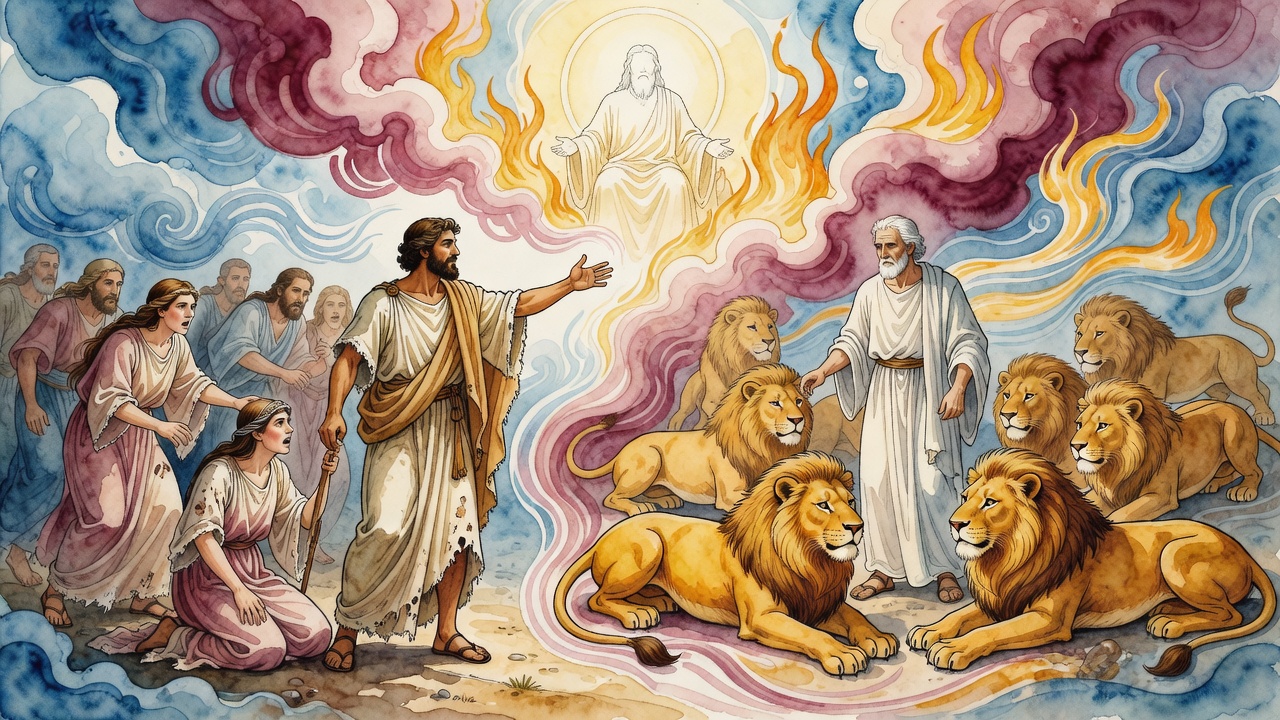
Daniel saves a condemned woman by cross-examining her false accusers with one question. Decades later, he faces the same kind of execution himself.
A prophet came in from the harvest with a dish of food for the reapers. An angel took him by a lock of hair and put him down in Babylon, in the pit.
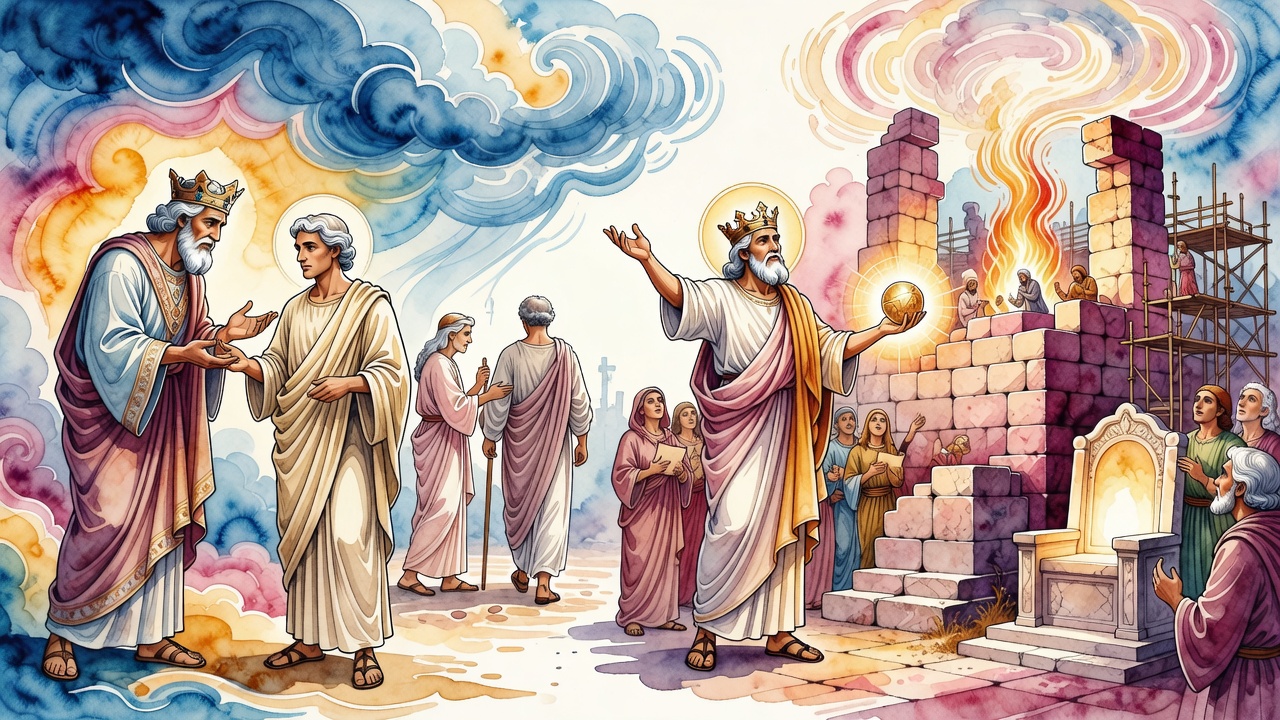
Darius asks Daniel how to govern. Daniel trains his replacement and retires. Zerubbabel wins a riddle contest and uses the prize to rebuild the Temple.
The priests laid a bullock and ten barrels of wine before Bel each night. By morning the table was bare, and Daniel asked for ashes on the floor.
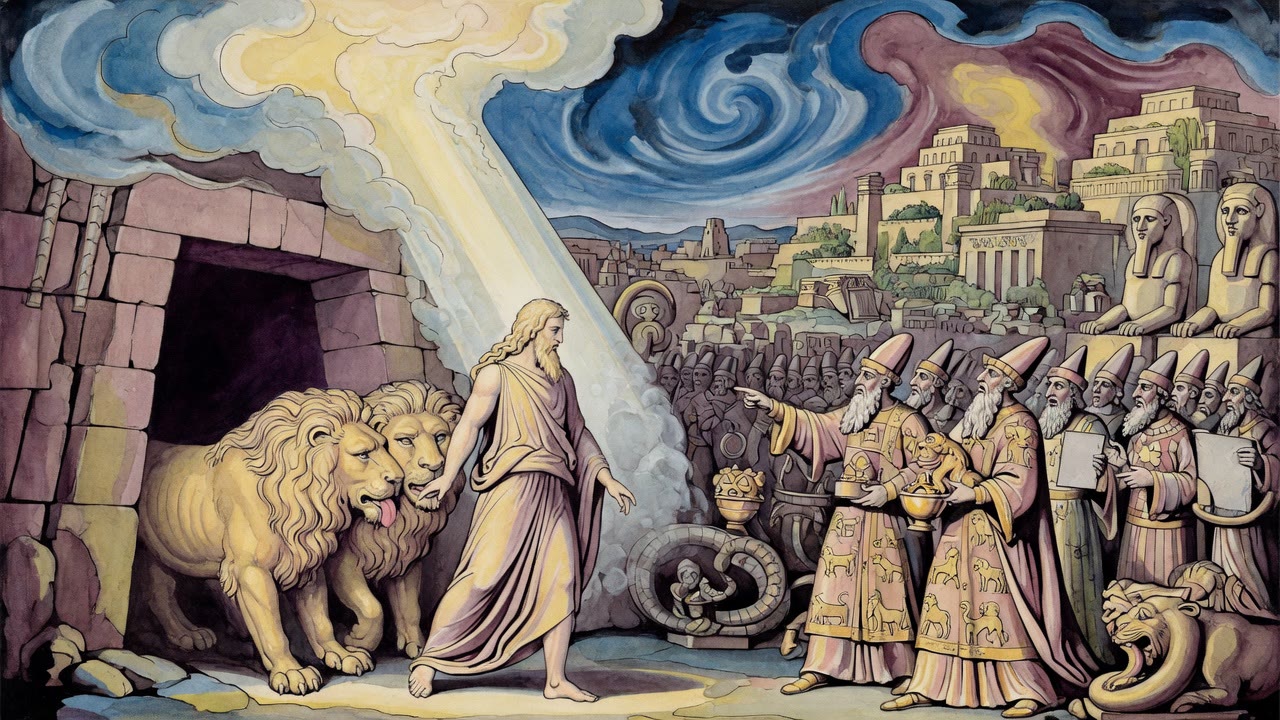
The lions licked Daniel's hands like dogs. Outside the pit, priests and princes still wanted a charge that would stick.
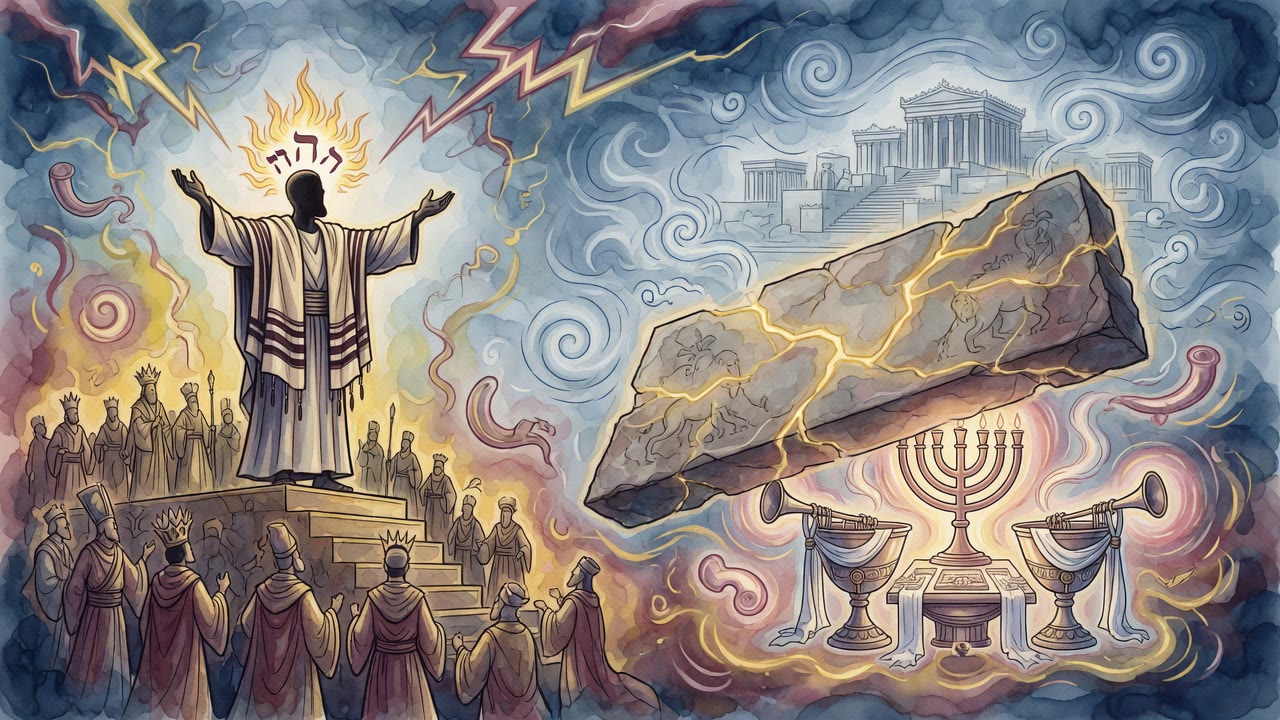
Daniel hid the cups under a stone that killed anyone who touched it. Years later a night guard asked a king for Jerusalem.
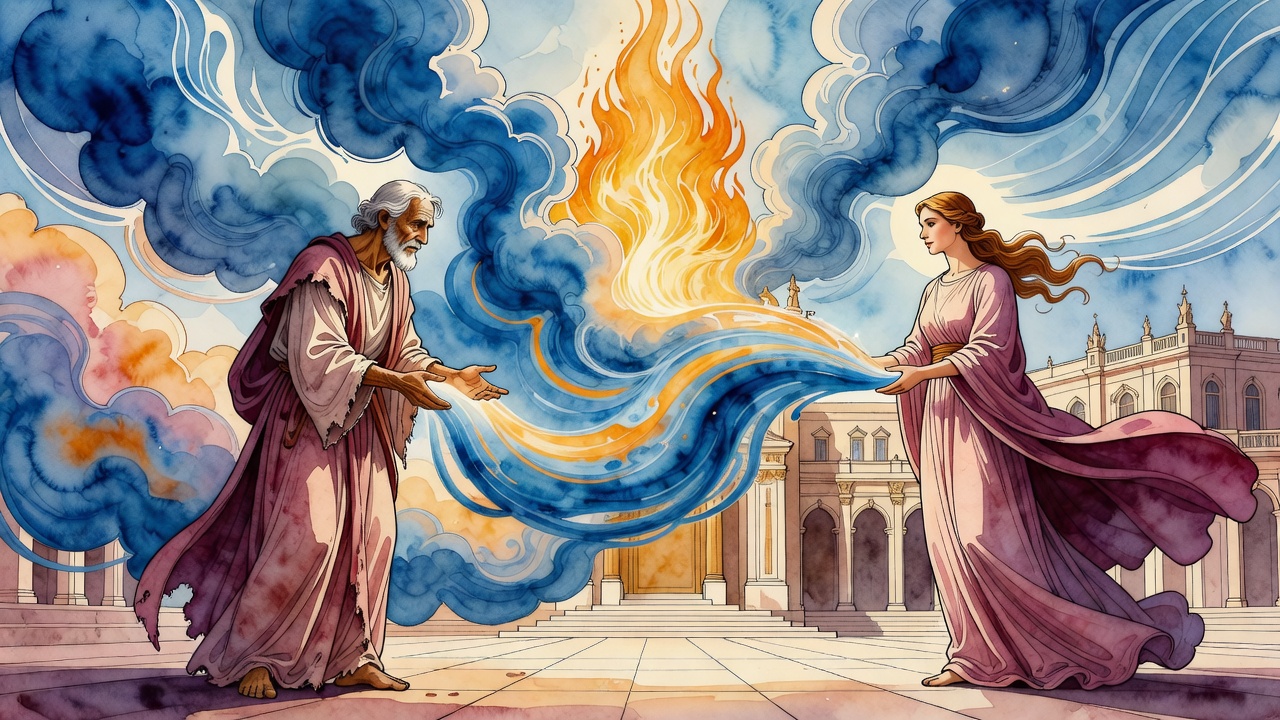
Daniel left the royal court old and emptied of public office, but the merit of his life moved into Esther's hands at the palace.
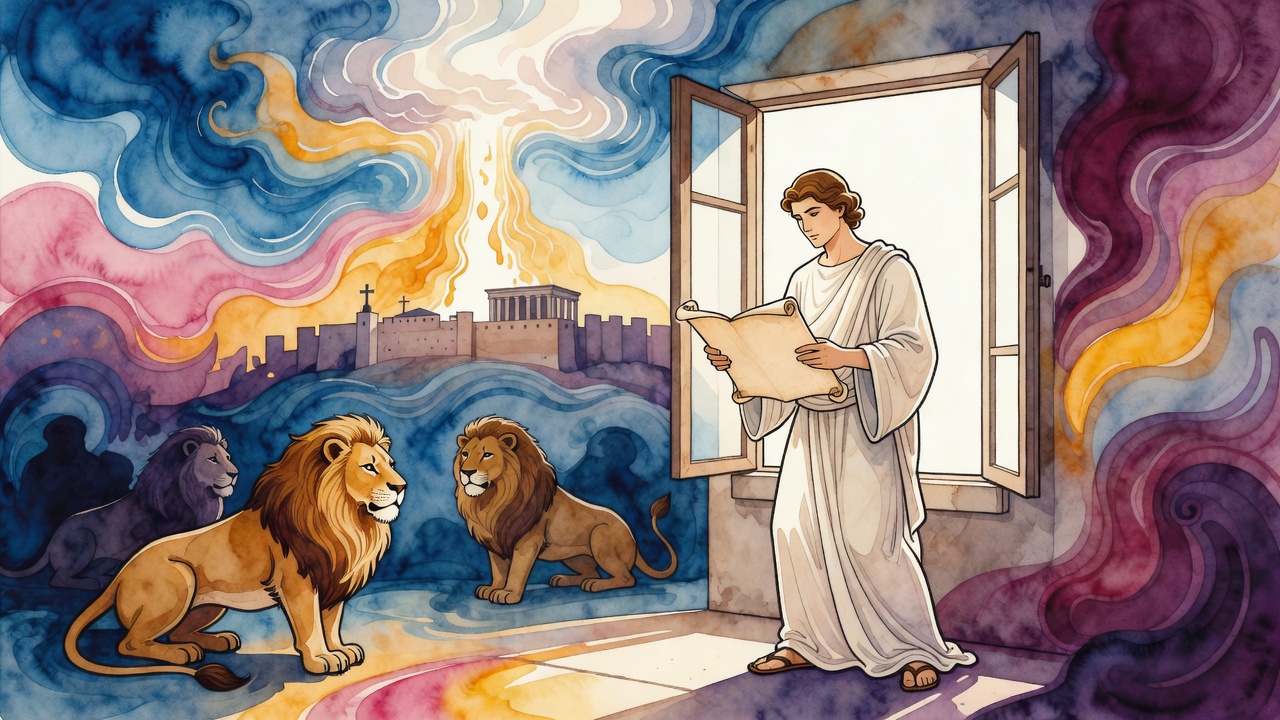
Two judges swore they had caught her with a man under a tree in her own garden. The court believed them. A boy in the crowd asked which tree.
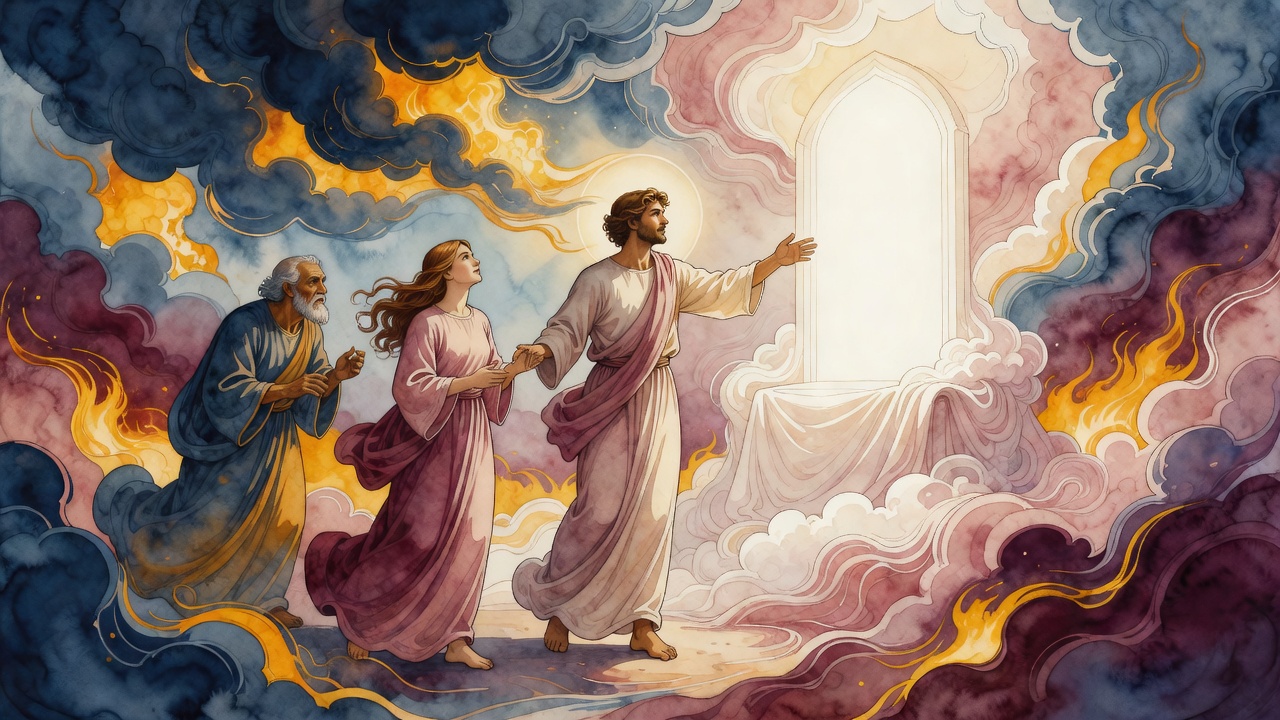
Susanna was condemned to die on the word of two corrupt judges. Daniel asked each man one question. The answers were different. The verdict reversed.
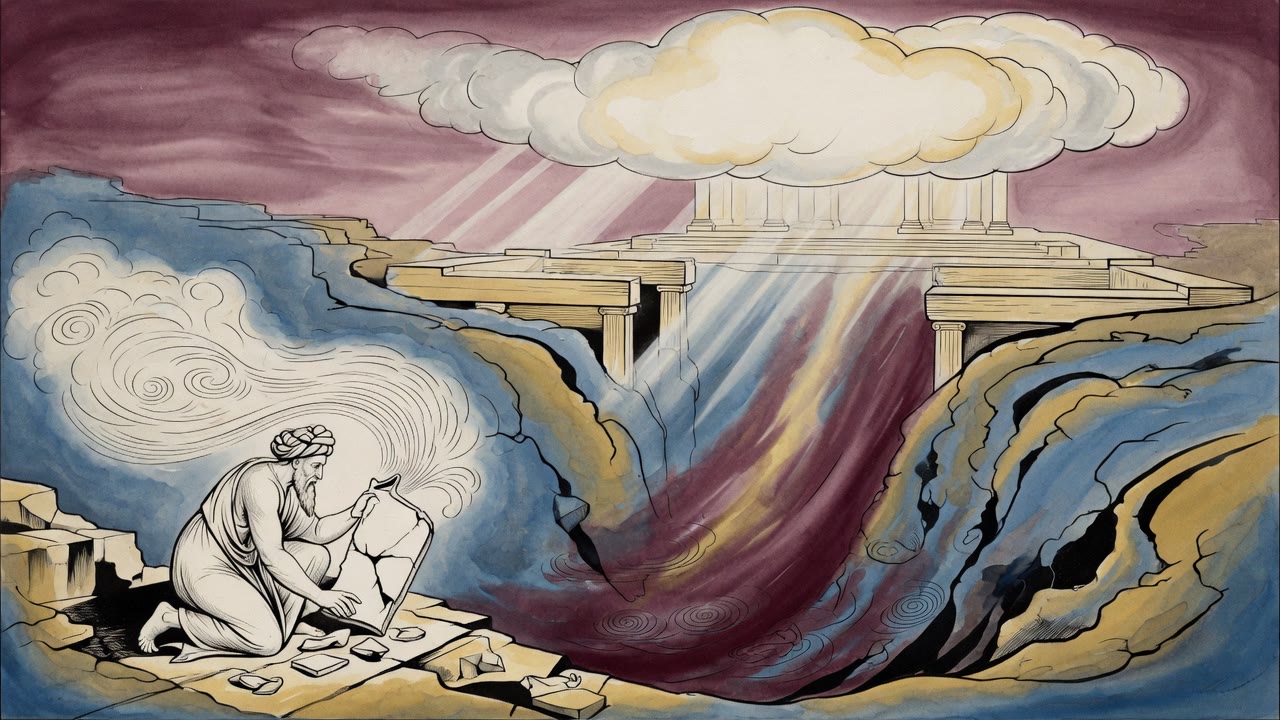
Zedekiah dug a tunnel from Jerusalem to Jericho. God sent a deer, soldiers gave chase, and it led them straight to the exit as the king emerged.
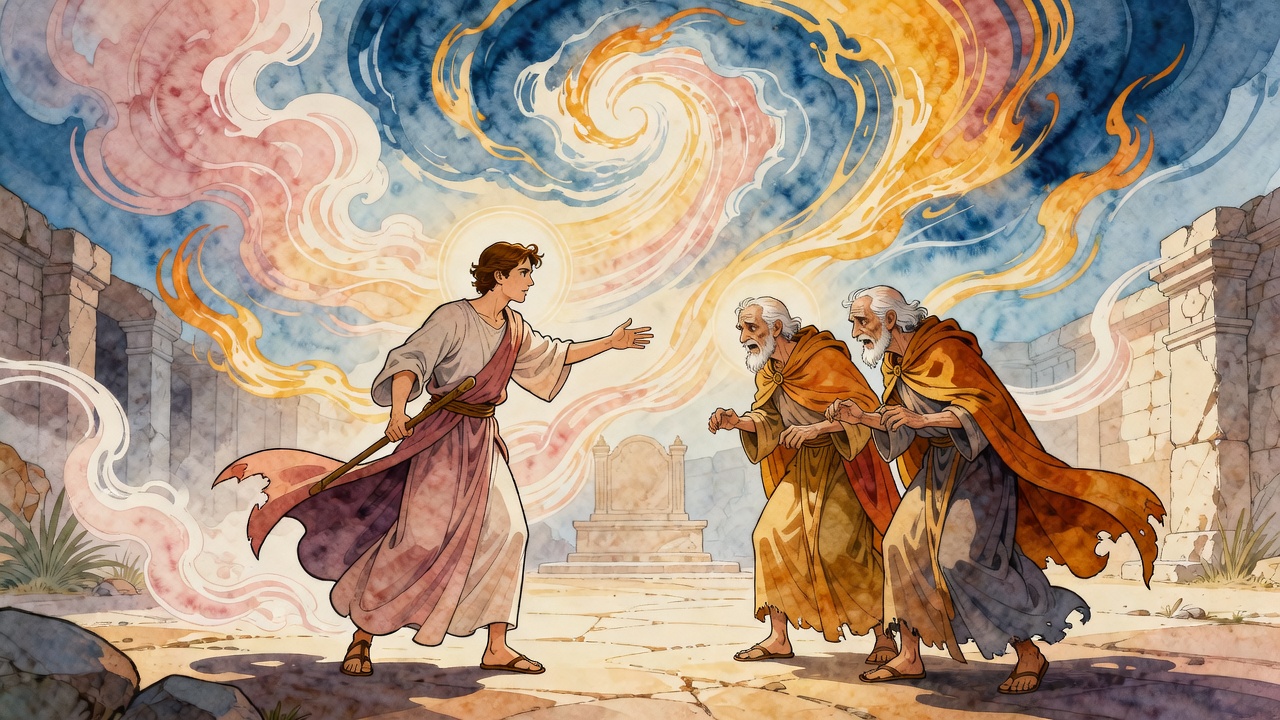
Two elders condemned a righteous woman with false testimony. A young man with no standing interrupted and asked each elder which tree they had stood under.
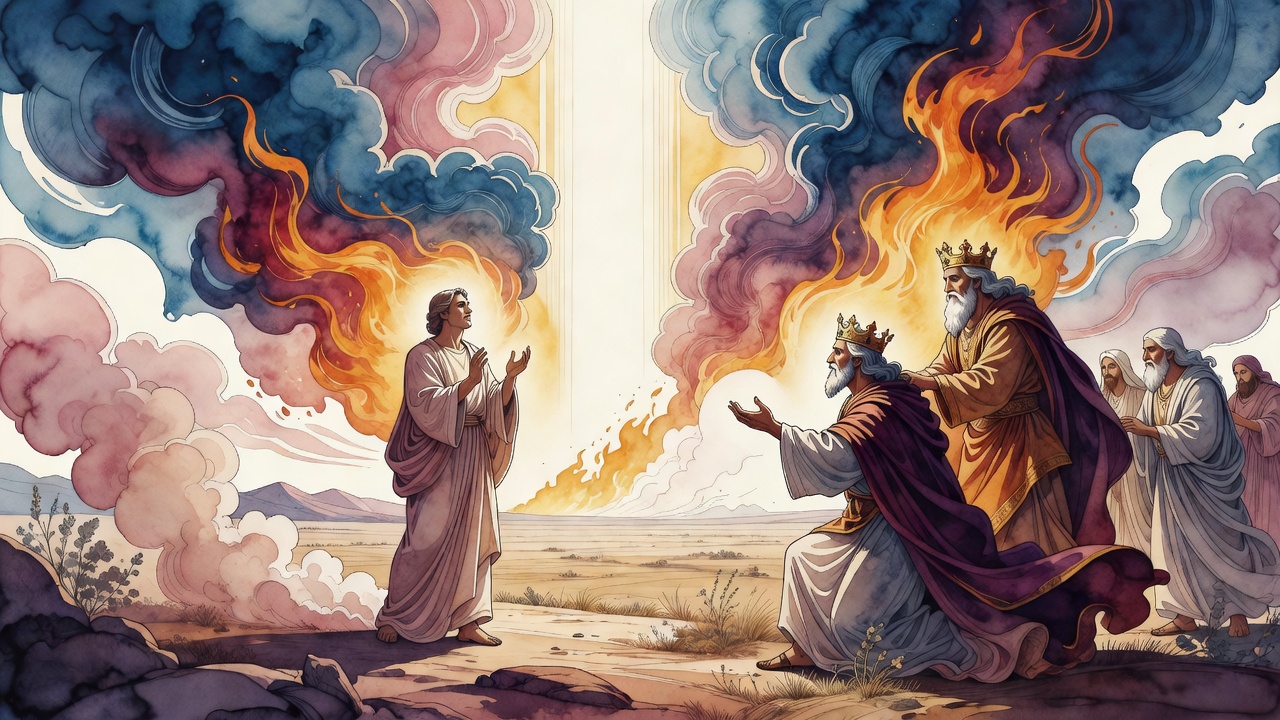
Nebuchadnezzar wanted to worship Daniel after the dream. Daniel refused. The king removed him from Dura before the furnace decree could force a confrontation.
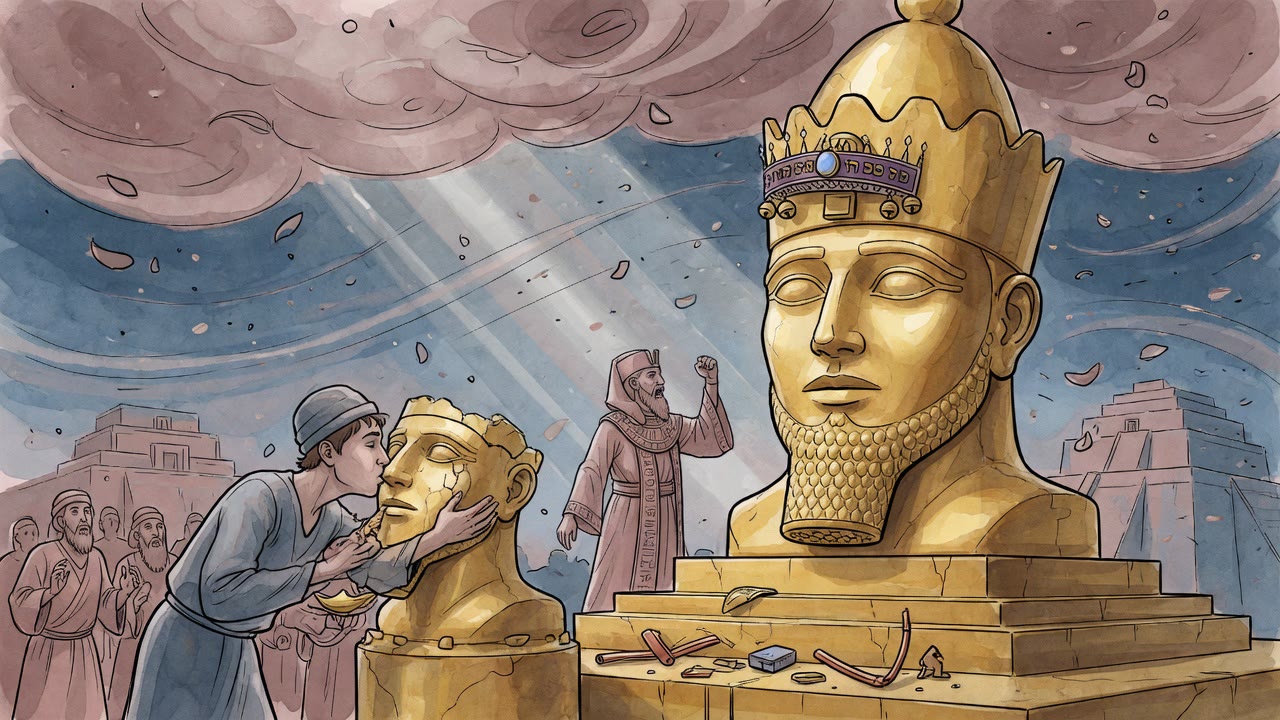
The idol said, "I am thy God." Music filled the hall. Daniel asked only to kiss it, and the king smiled as if he had won.
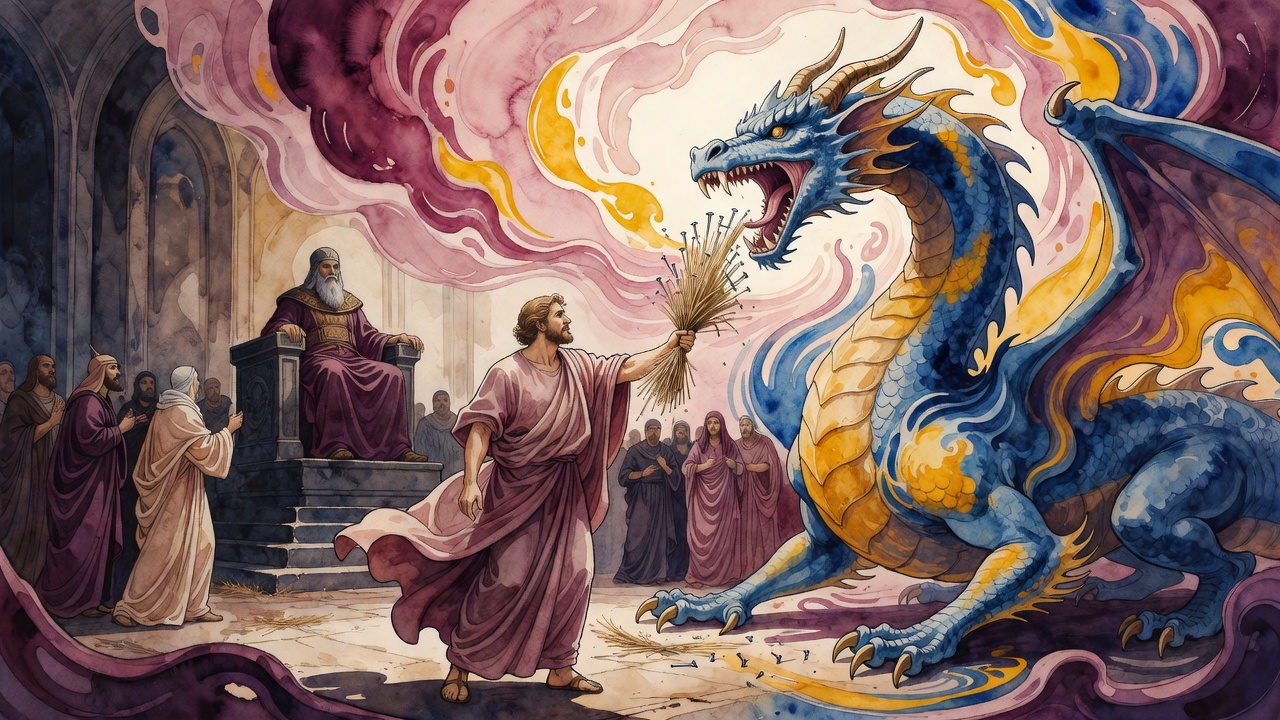
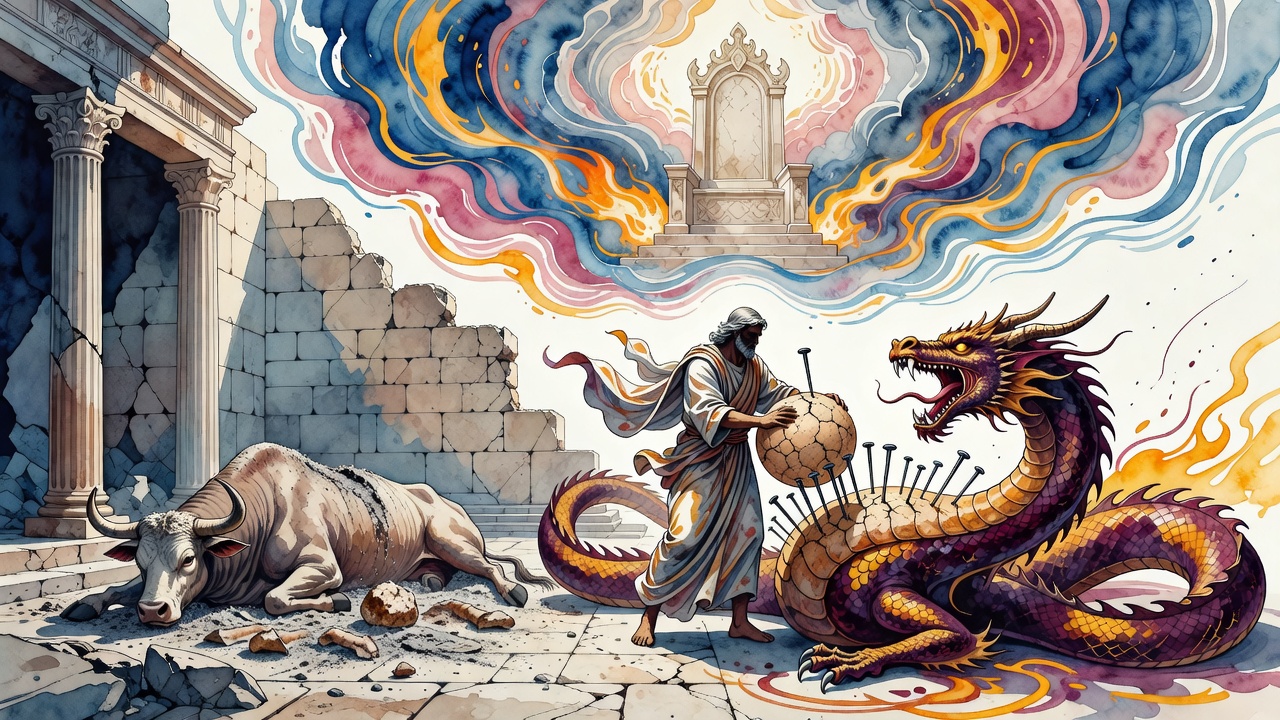
Nebuchadnezzar presented Daniel with a living dragon the court worshipped. Daniel asked to approach it without a sword and fed it straw packed with nails.
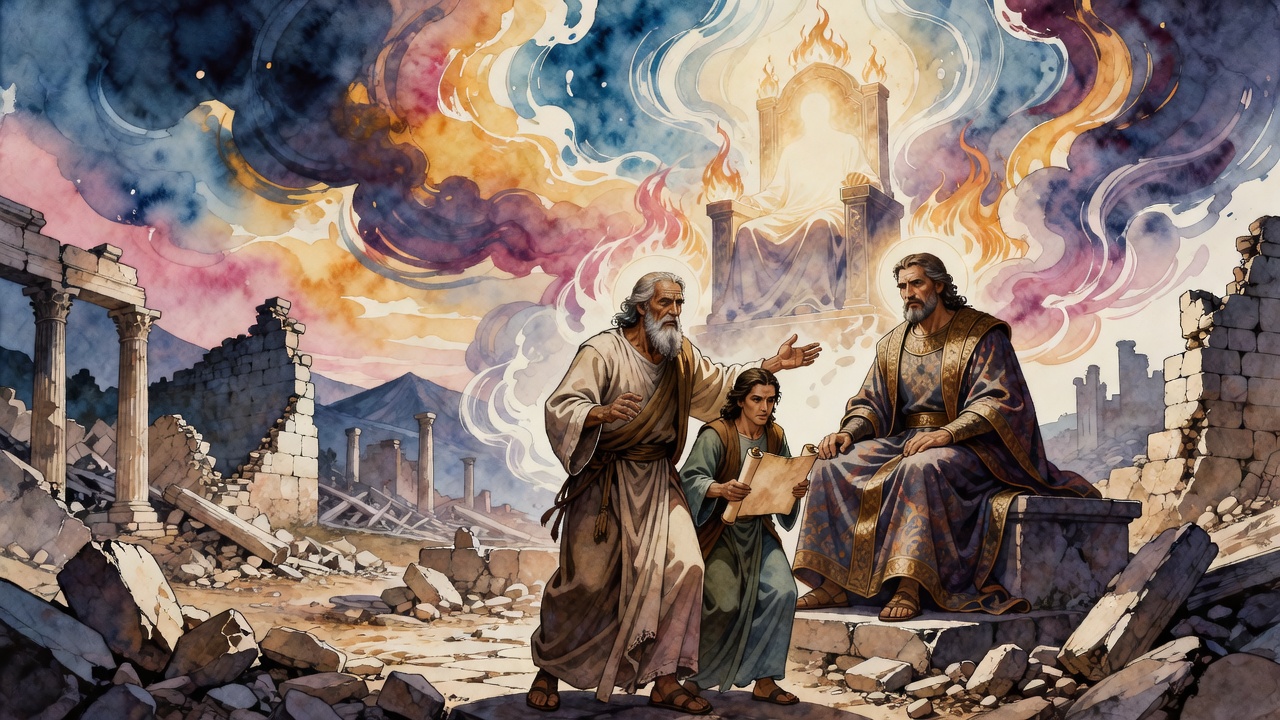
Daniel had outlived Babylon, but Jerusalem was still rubble. Persian officials could find nothing to charge him with, so they made his prayers illegal.
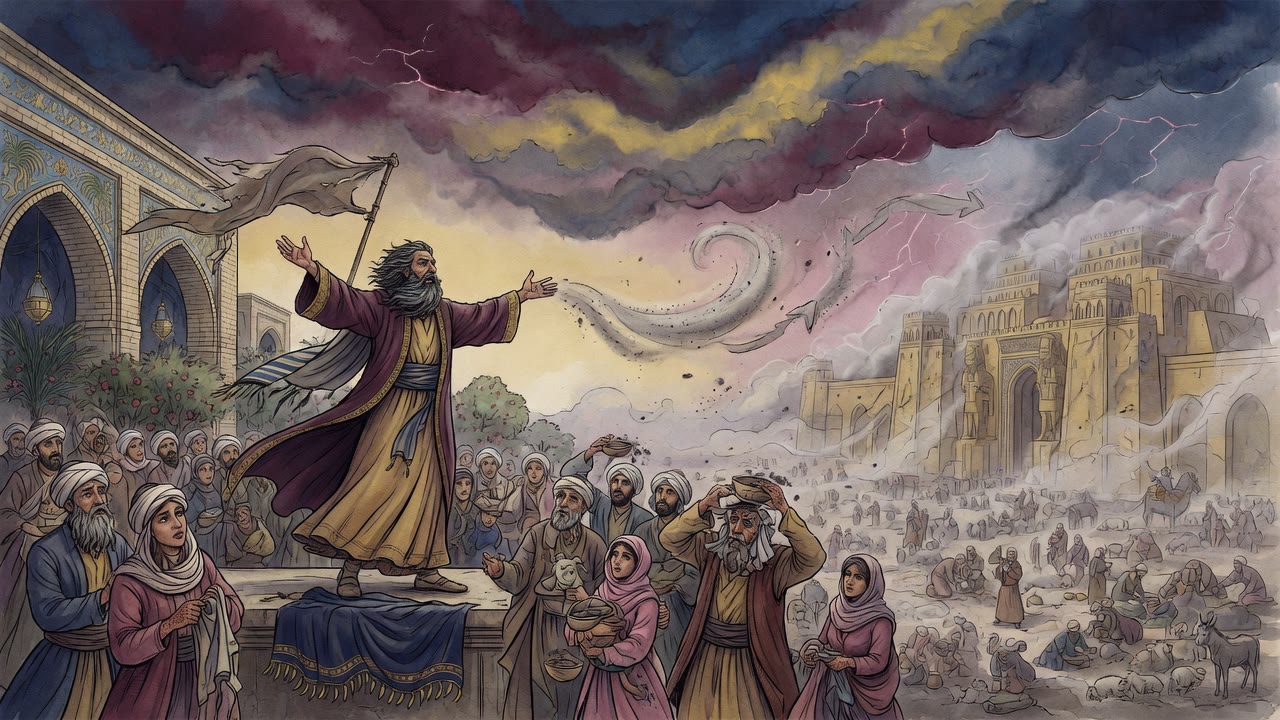
The stew was for men in a Judean field. Daniel was in a pit in Babylon. The pot arrived anyway, still hot, still full.
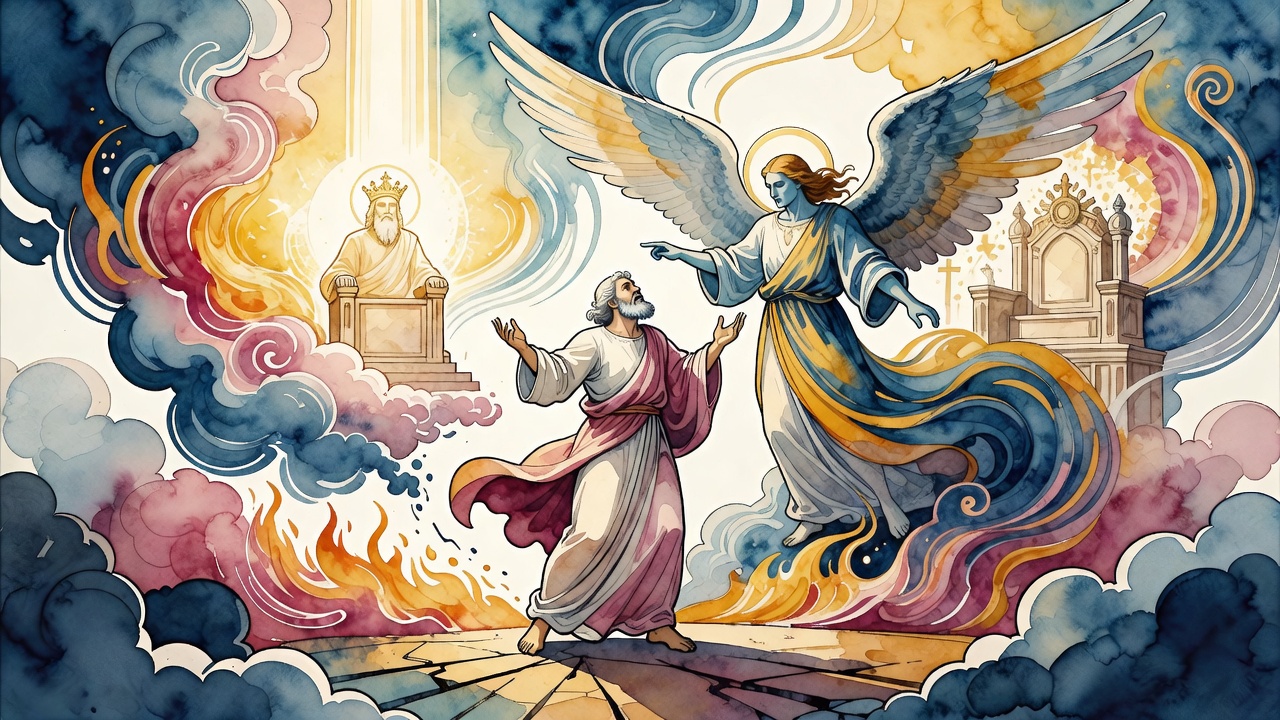
The archangel Metatron showed Zerubbabel the hidden Messiah and the shape of the future. Then Zerubbabel made one comment about Daniel and suffered for it.
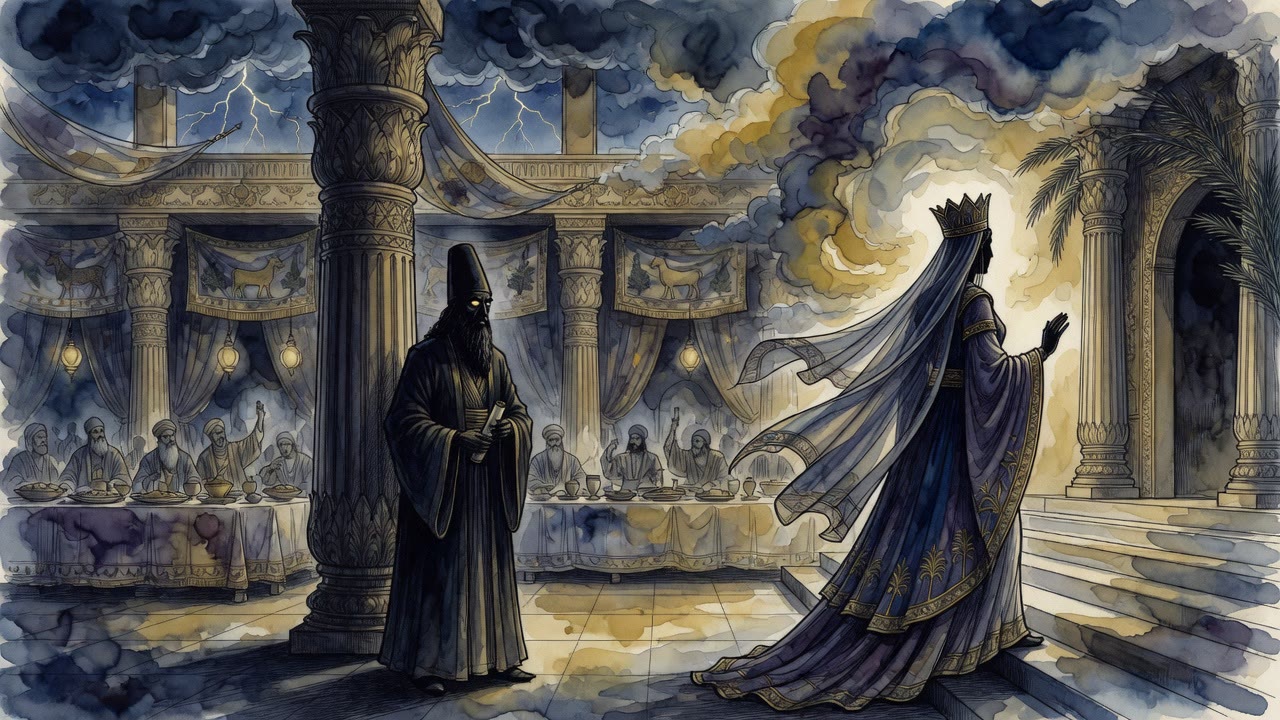
Vashti would not walk into a hall where Daniel stood. He had read her father's ruin off a wall in Babylon, and he was not finished with her house.
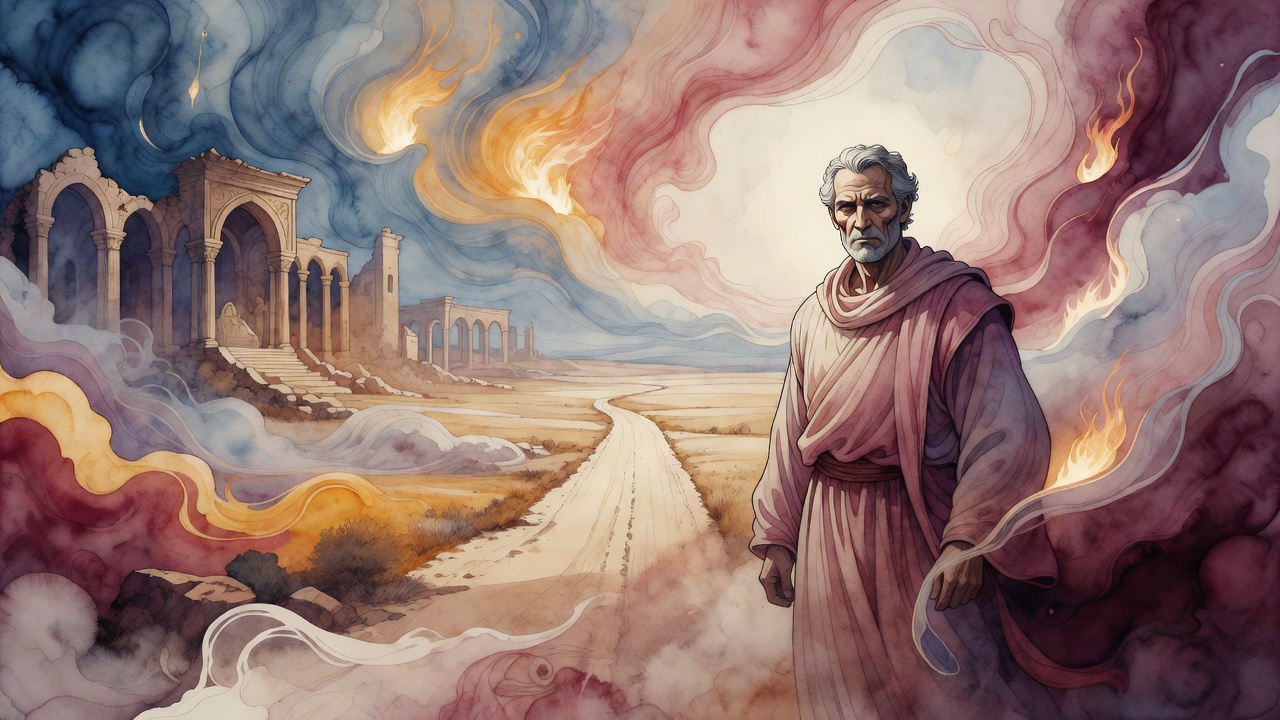
Mordecai was Jerusalem aristocracy, taken to Babylon by Nebuchadnezzar. When the road home opened, he stayed in Persia to raise Esther.
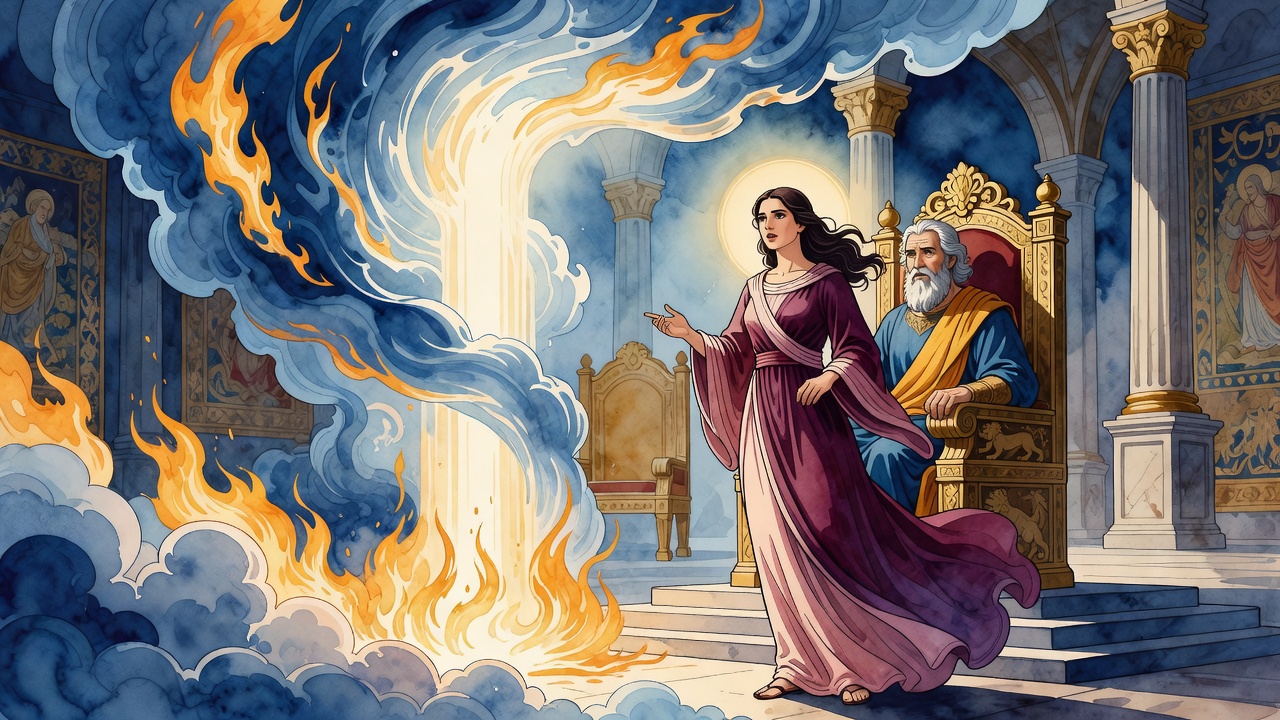
The king asked whose daughter she was and got nothing, again. When she finally answered him, she used the same breath to ask about Vashti.
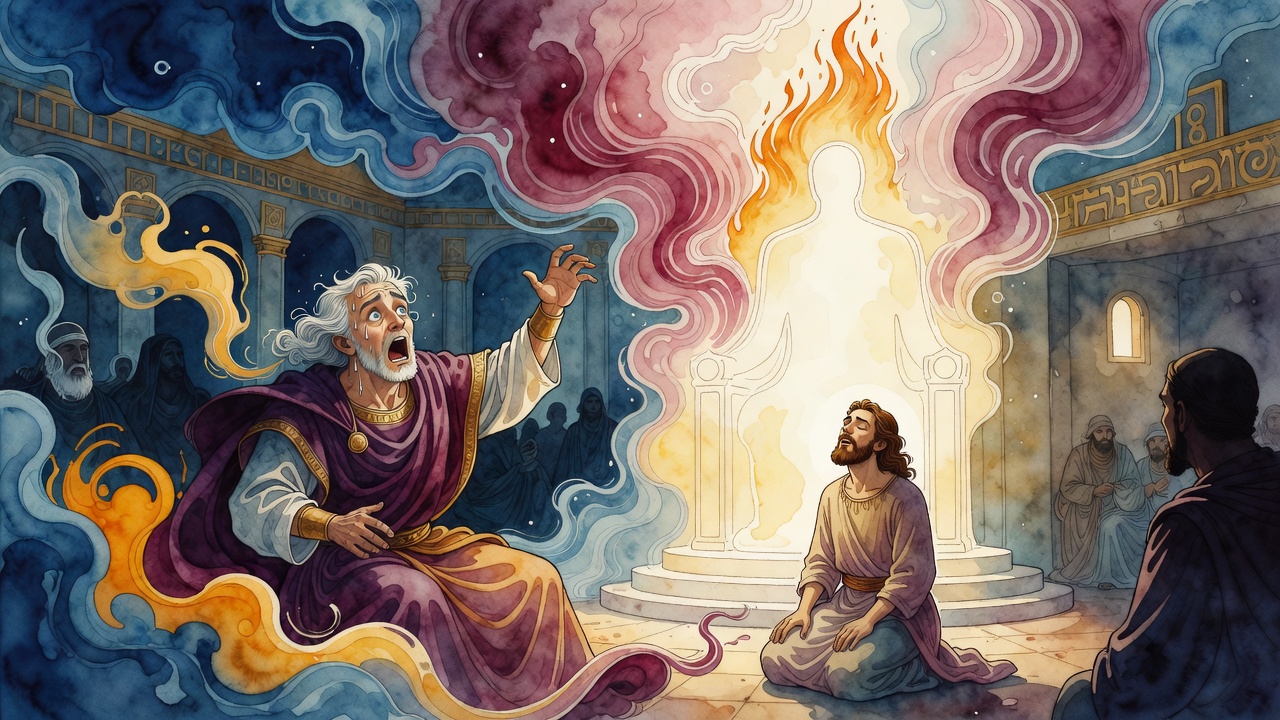
Tell me what I saw, the king said, and then tell me what it means. Otherwise you have all been lying to me and you die this afternoon.
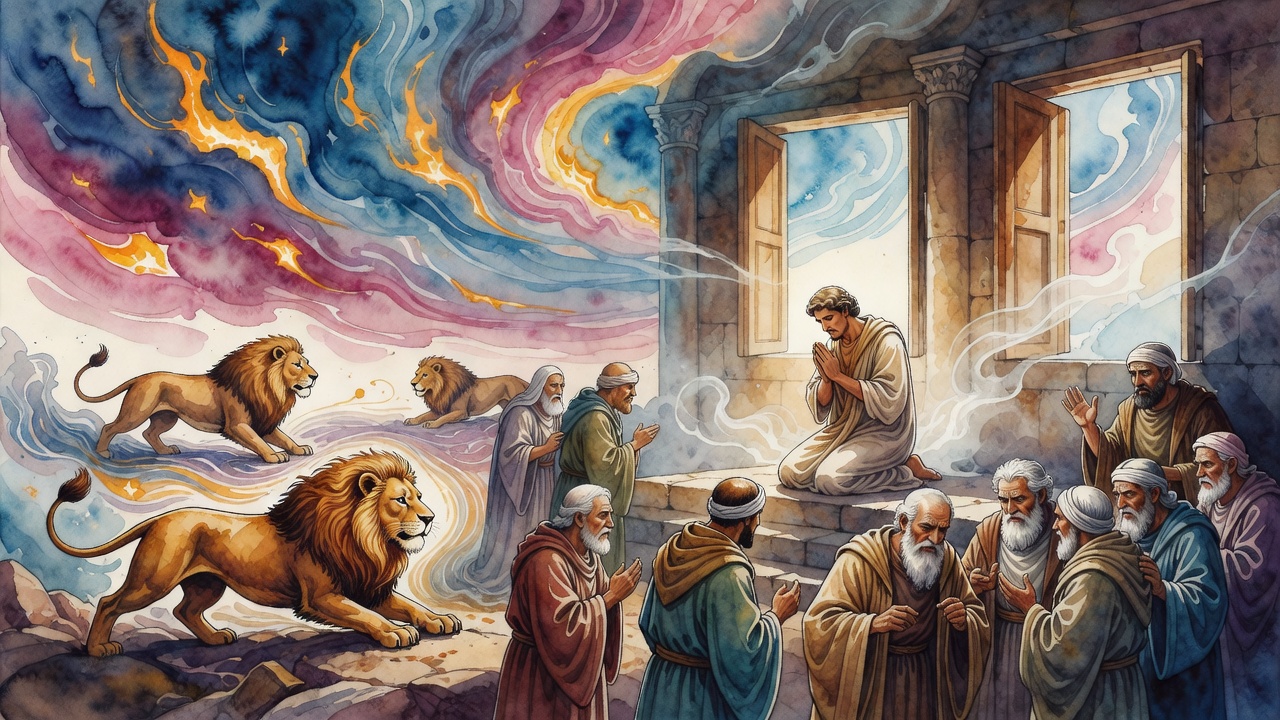
Darius fed the lions until they were full, then threw Daniel's accusers in. He had to know whether the lions had spared Daniel or had merely been fed.
After Babylon burned the Temple, the rabbis refused to let the destroyer's years blur. Rabbi Abbahu counted them to forty-five and proved it twice.
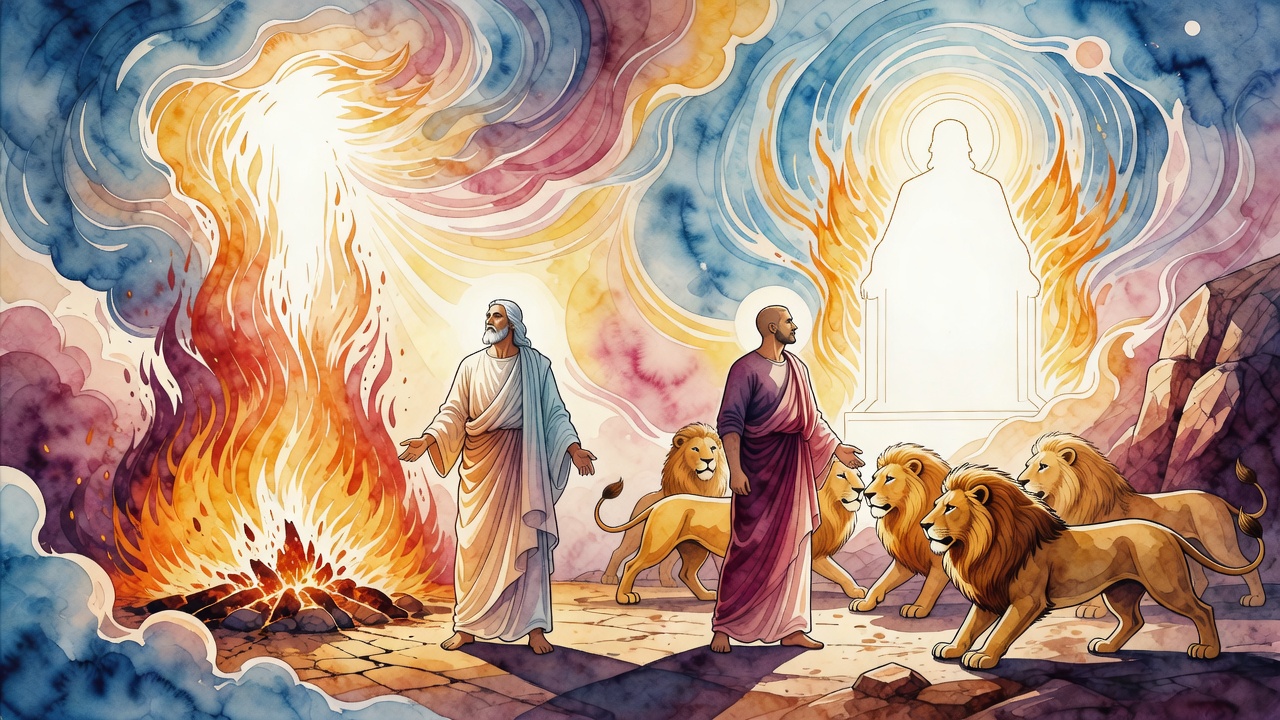
Abraham faced Nimrod's furnace before Daniel faced the lions. Both were the same divine test given to men prepared for it.
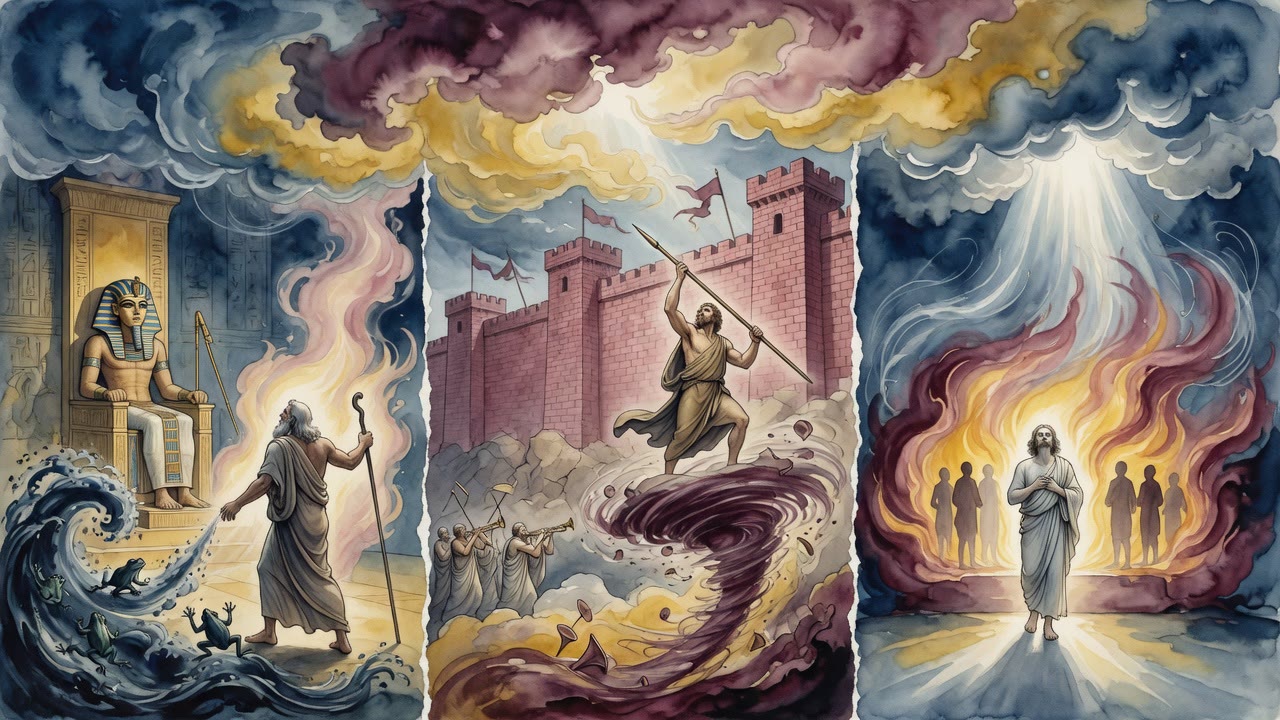
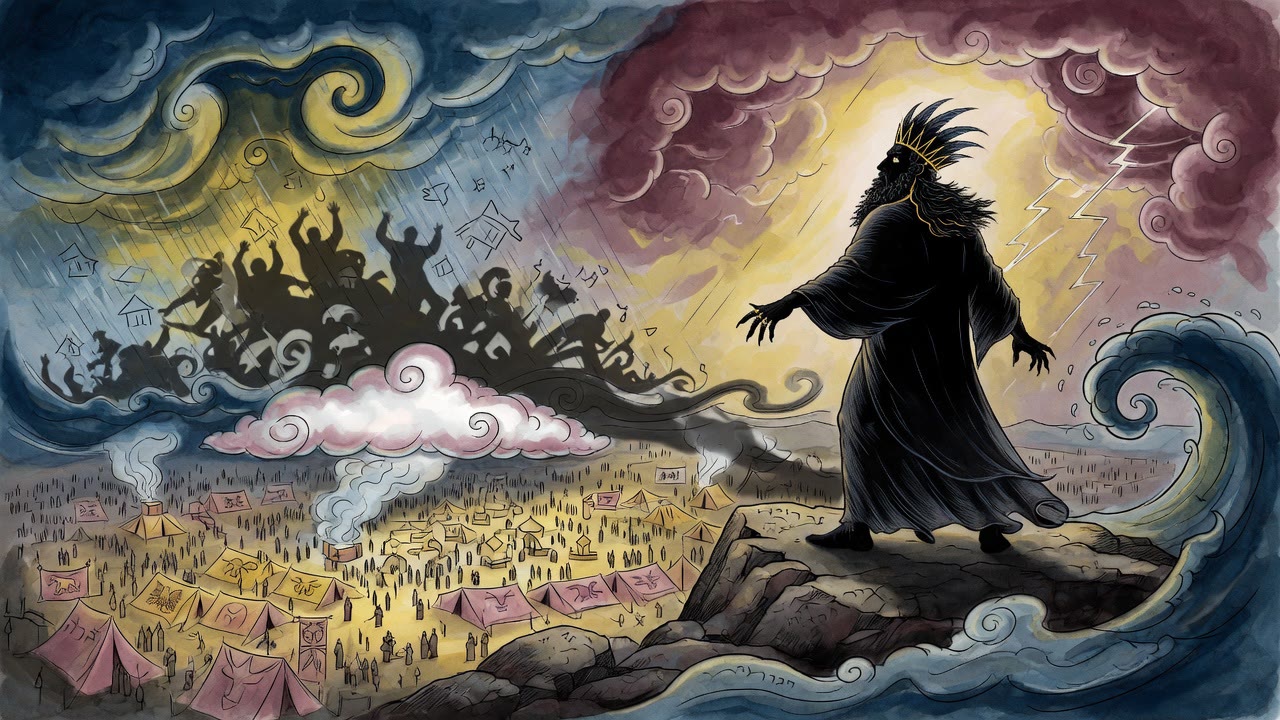
Moses said let my people go ten times. Joshua raised a javelin at Ai. Belshazzar locked the palace doors and then could not get out himself.
A golden lion put out its paw with a law cut into it, and Solomon could not reach the second step until he read it. In Babylon the lions were alive.
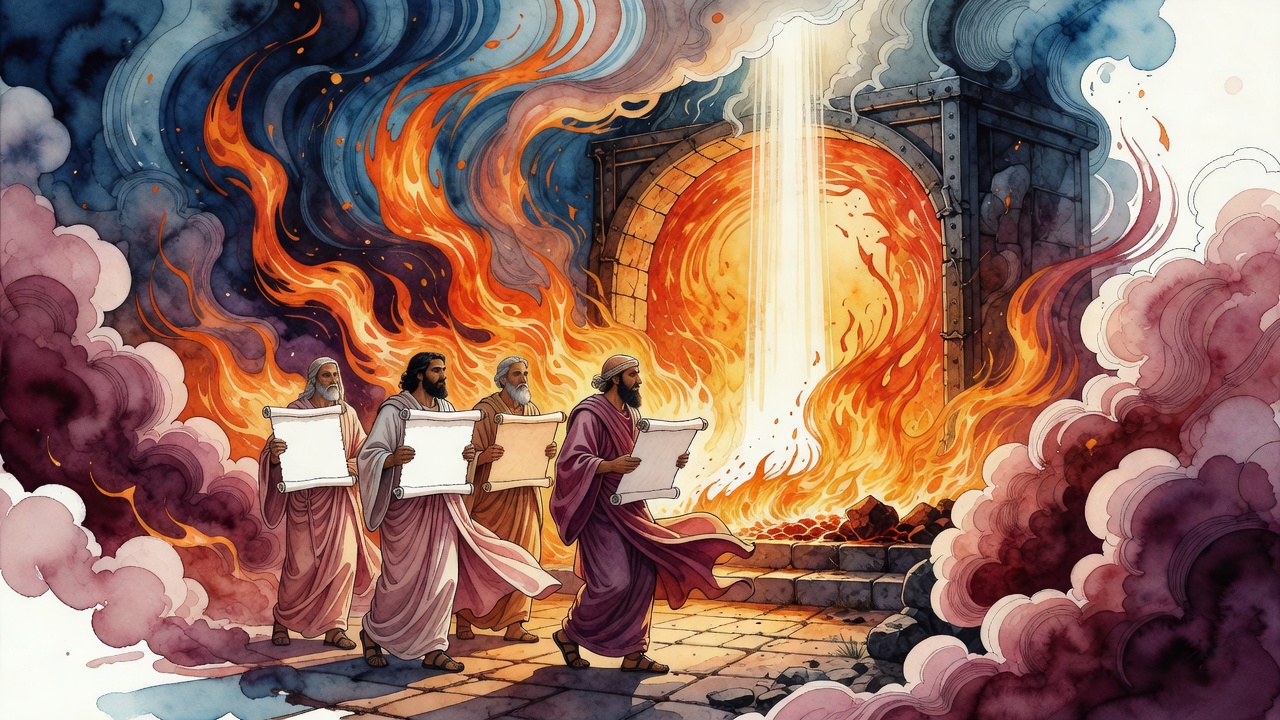
The king gave them three chances to bow. They told him their God might not save them, and that it made no difference to what they were going to do.
