Zedekiah Escaped Through a Tunnel and a Deer Led Babylon to the Exit
Zedekiah dug a tunnel from Jerusalem to Jericho. God sent a deer, soldiers gave chase, and it led them straight to the exit as the king emerged.
Table of Contents
 Click for full size
The Night the Walls Broke
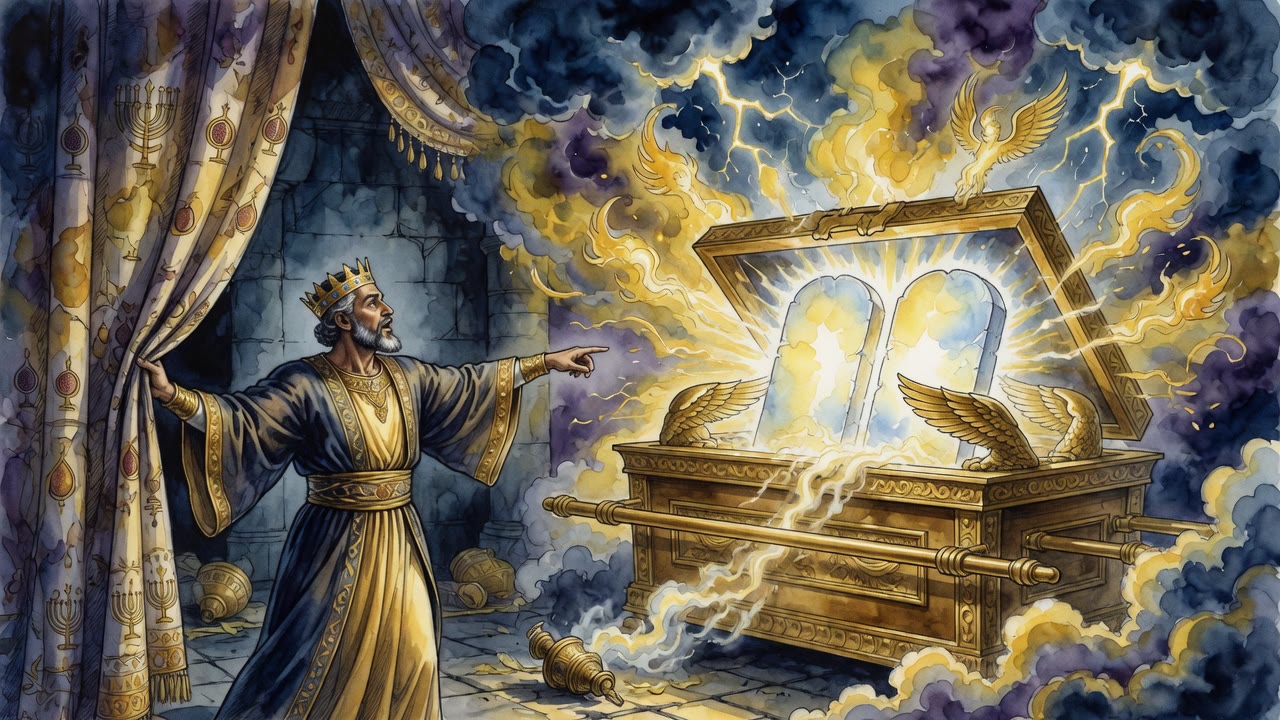
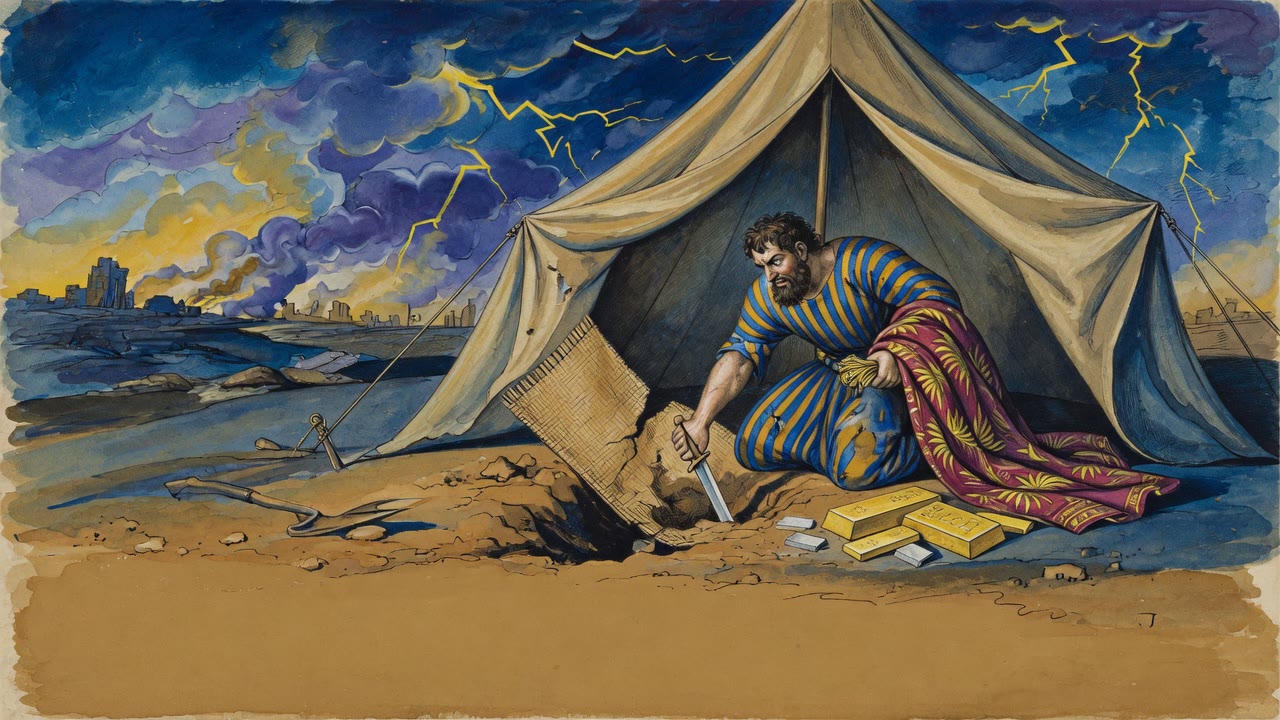
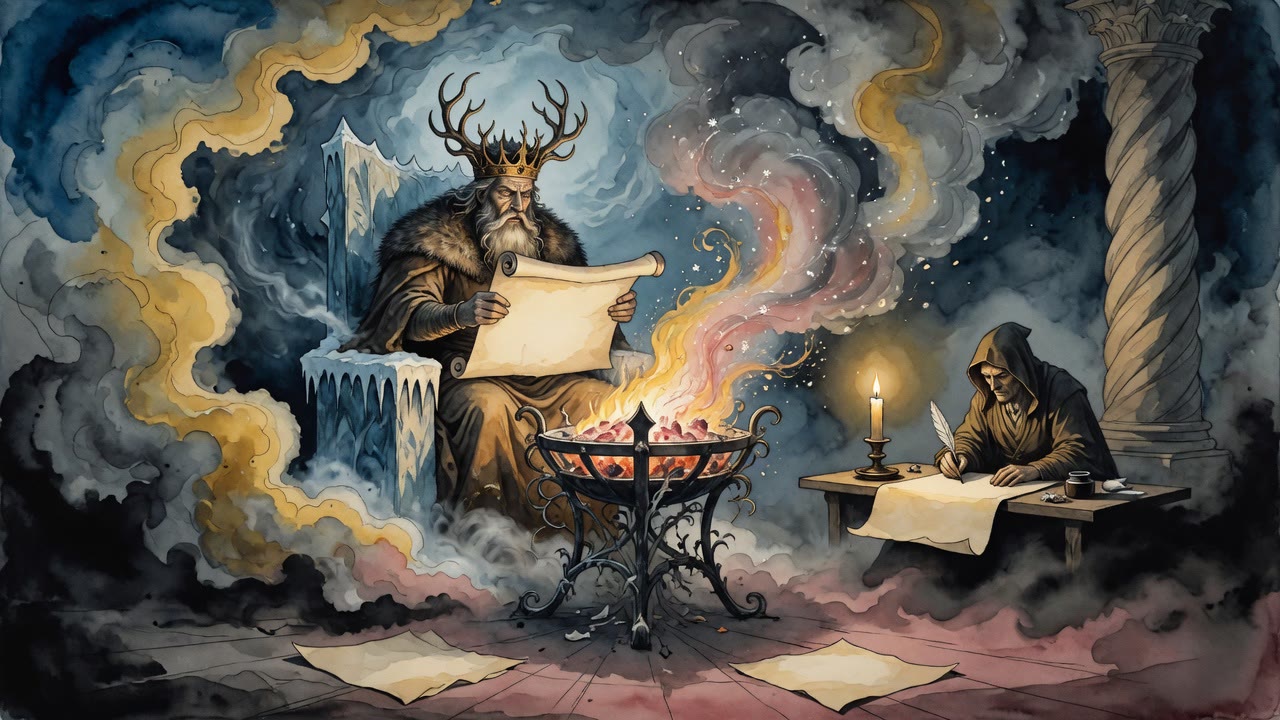
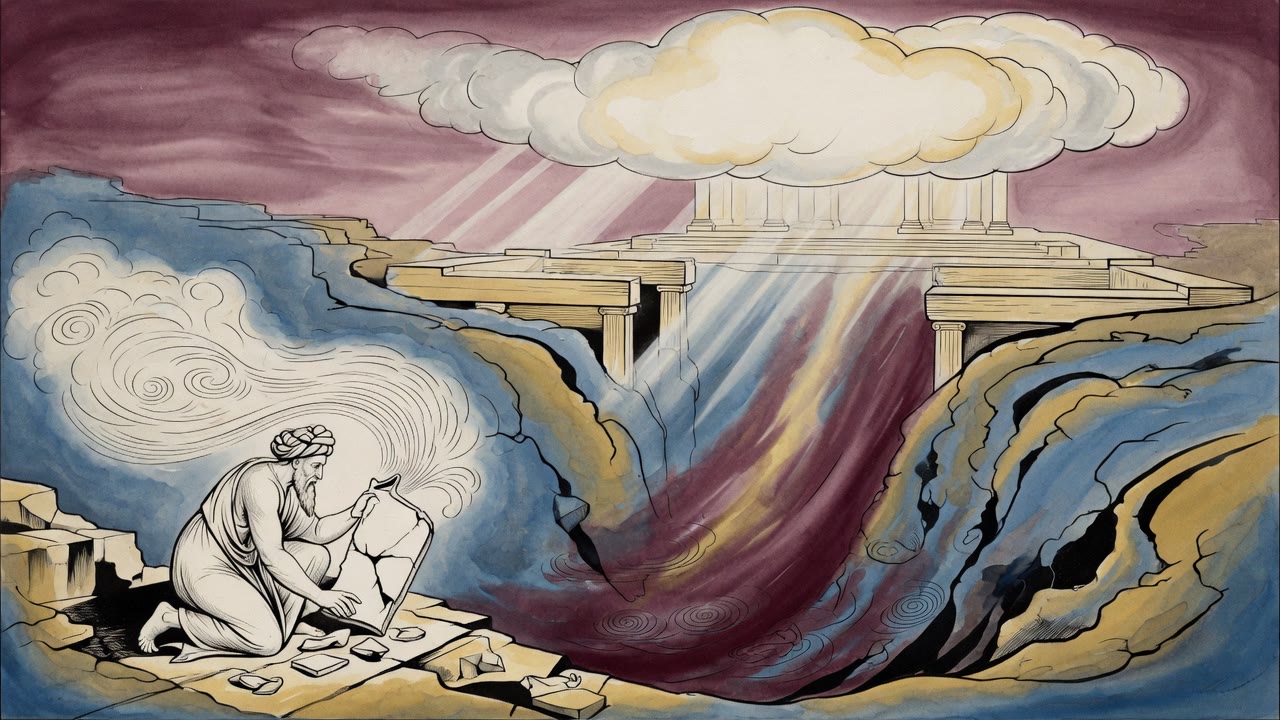
The tunnel had taken months to dig. Zedekiah, last king of Judah, had ordered it cut from beneath his palace all the way to Jericho, seventeen miles through the rock and soil west of the Jordan River, wide enough for a man and his children, deep enough that the sound of Babylonian siege engines would not reach them. When Nebuchadnezzar's army finally broke through Jerusalem's walls, Zedekiah brought his family underground.
For a few hours, the plan worked.
Then God sent a deer into the Babylonian camp.
The Deer Runs Toward Jericho
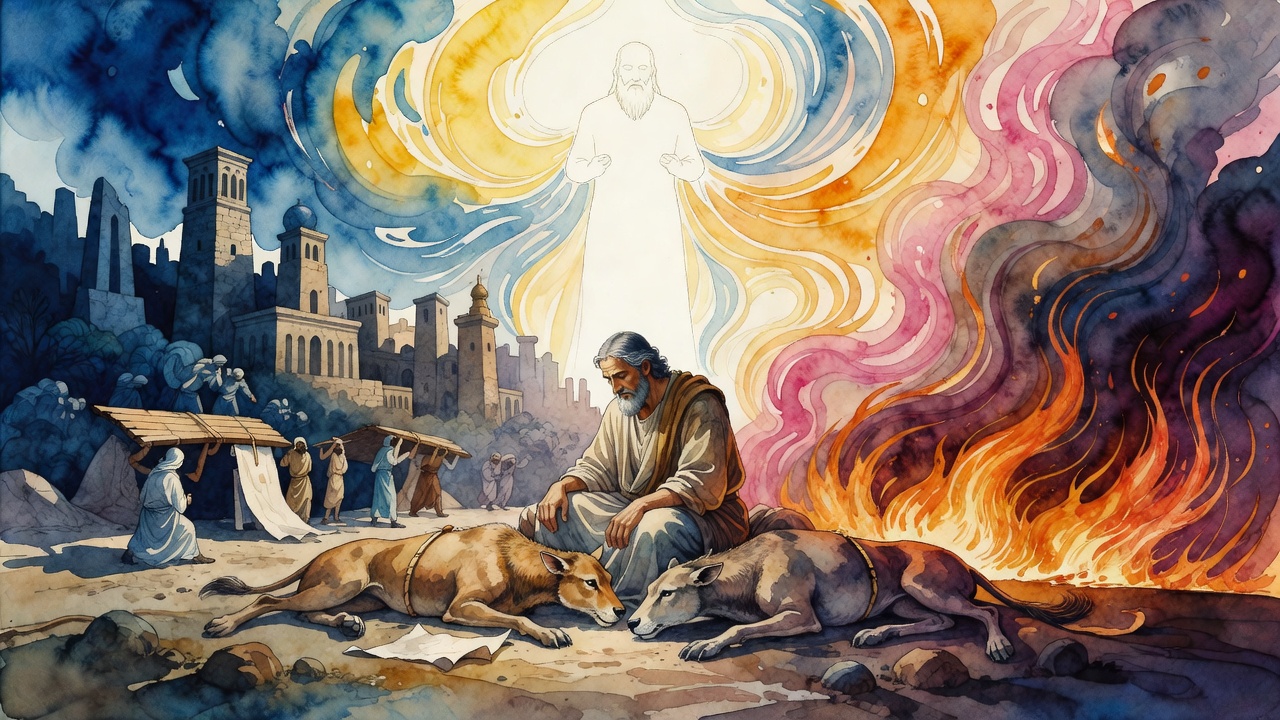
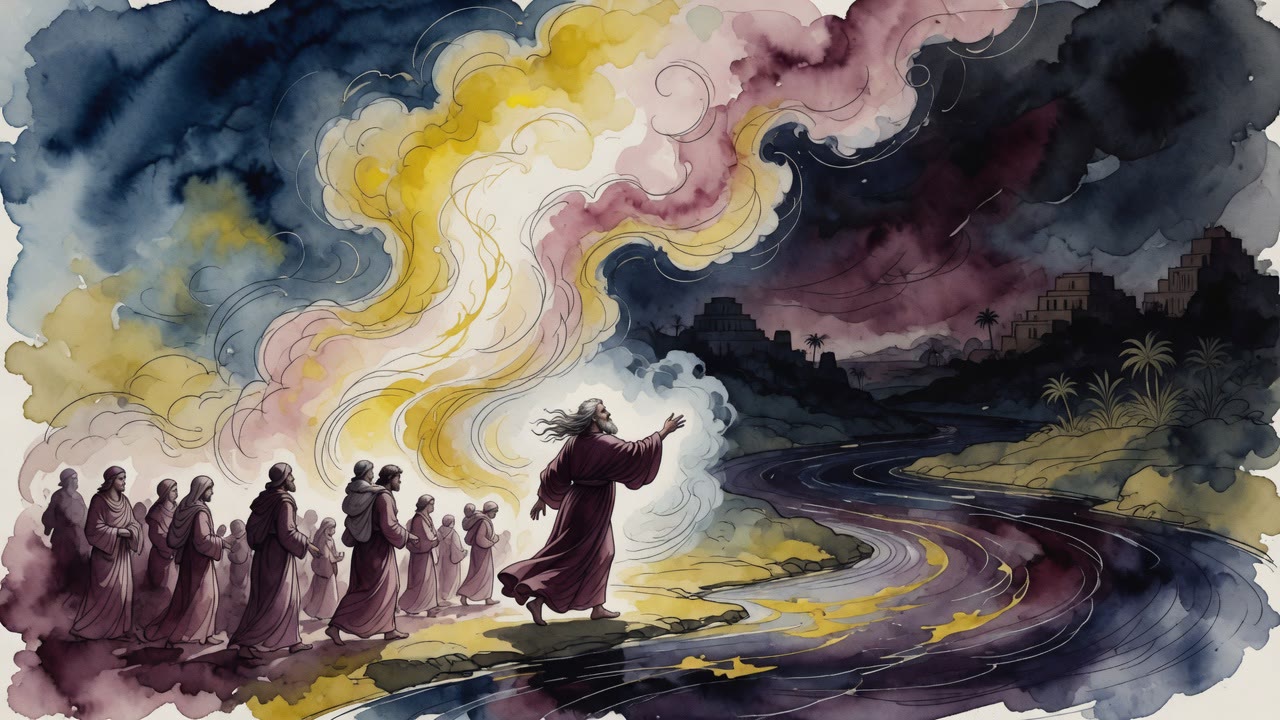
The animal appeared at the edge of the encampment, visible and skittish, and the soldiers gave chase the way soldiers always chase something that runs from them. The deer did not run in circles. It ran north and east, toward Jericho, toward the plain, toward the far end of a tunnel its hooves never touched. The soldiers followed, and the deer held the distance between them just wide enough to keep them moving, until they arrived at the Jericho end of the tunnel at the exact moment Zedekiah emerged from it, blinking, into daylight.
The capture was not a military operation. No general had planned it. No scout had tracked the route. A deer had been the instrument, and the deer had no idea what it was doing. That was part of the point.
What the Oath Had Cost
Zedekiah had been installed as a client king by Nebuchadnezzar himself. He had sworn loyalty and tribute in God's name, the most binding form of commitment the ancient world recognized. An oath made in God's name was not simply a political arrangement. It was a covenant threaded through the structure of the world, and when Zedekiah broke his allegiance and sought alliance with Egypt instead, the Babylonian Talmud, tractate Nedarim, records what followed: the breach of an oath made in the divine name carries consequences that track the oath-breaker not just politically but cosmically.
This is why the tunnel failed. Not because the engineering was poor. Not because an informer talked. Because the same Power that Zedekiah had invoked in his oath was now holding the other end of it.
Nebuchadnezzar's Own Testimony
What happened to Zedekiah after his capture is recorded in the Book of Jeremiah: the Babylonians killed his sons before his eyes at Riblah, then blinded him, so that the last thing he ever saw was the death of his heirs. It was a punishment calibrated to the crime. He had broken faith with the man who had made him king. He had violated the name he had sworn by.
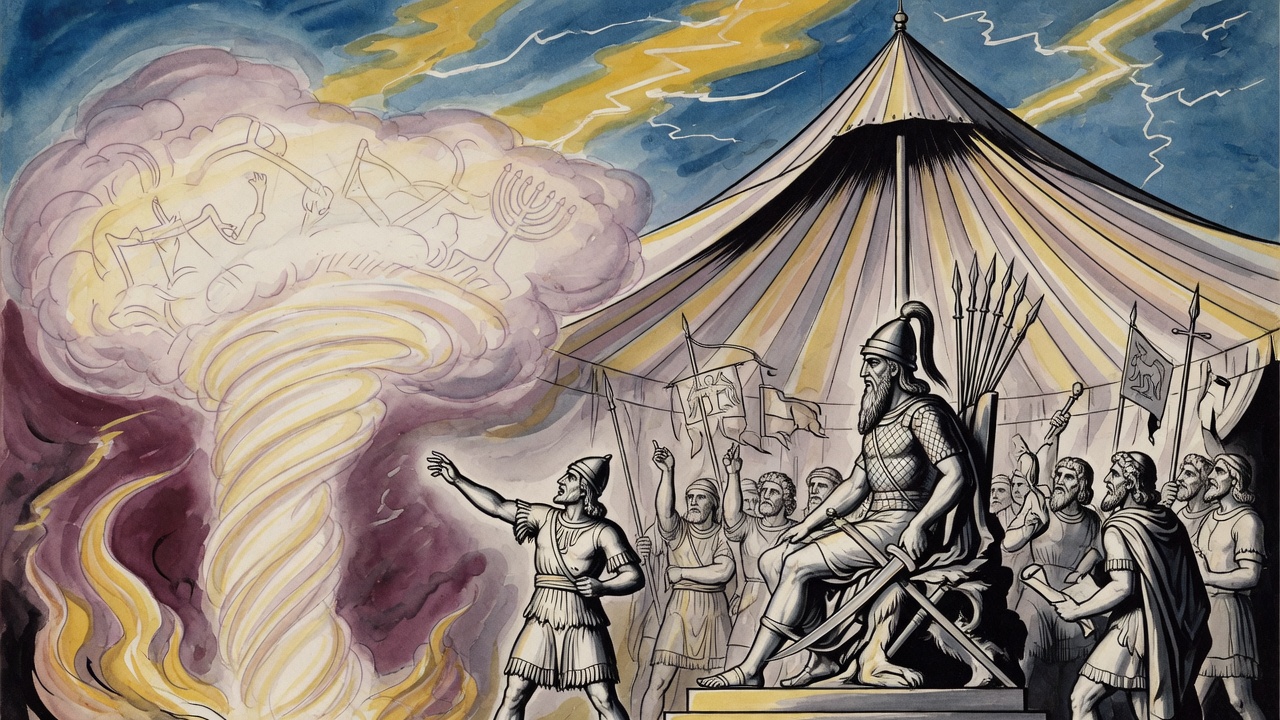
Nebuchadnezzar himself understood that something more than military victory had occurred. In the traditions surrounding the siege, the king of Babylon acknowledged openly that he had not outwitted Zedekiah. He had simply been in position when an oath came due. The great empire was a tool in a drama it did not fully comprehend. The deer had known exactly as much about divine justice as Nebuchadnezzar had, which was nothing at all, and both had served their purpose without being asked whether they agreed.
No Digging Out From Under an Oath
This was not military history. It was what happens when a king makes a binding vow and breaks it. The tunnel was an engineering achievement. The deer was a theological one. Between them lies the nature of escape: no one digs his way out from under a broken oath. The ground itself will not cooperate. The exit waits at the far end, and so does what was fled from.
Zedekiah emerged from the dark into Babylonian hands at Jericho, the same city where Joshua's armies had once entered the land and the walls had fallen at a shout. In one direction, that city had been the beginning of Israel's possession of the promised land. In the other direction, it was the place where the last king of Judah surfaced from the earth and lost everything, including his ability to see what had come for him.
← All myths