Daniel Destroyed Two Gods in a Single Week
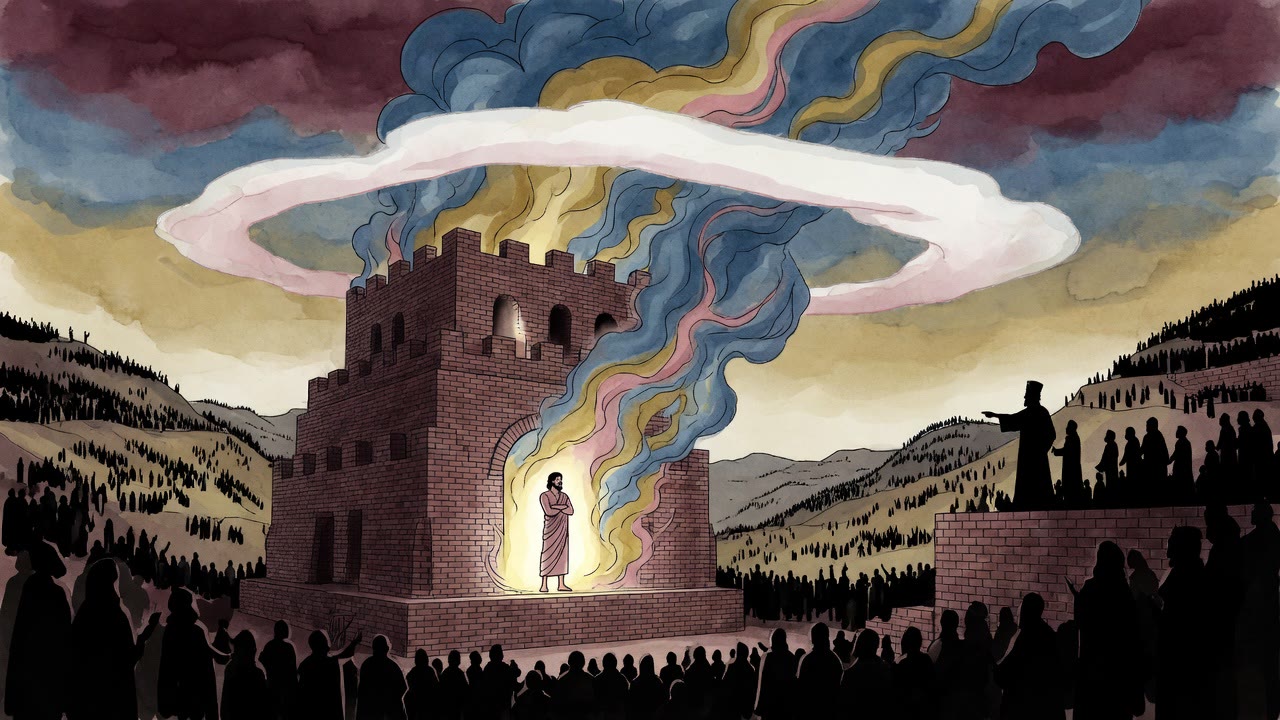
The priests laid a bullock and ten barrels of wine before Bel each night. By morning the table was bare, and Daniel asked for ashes on the floor.
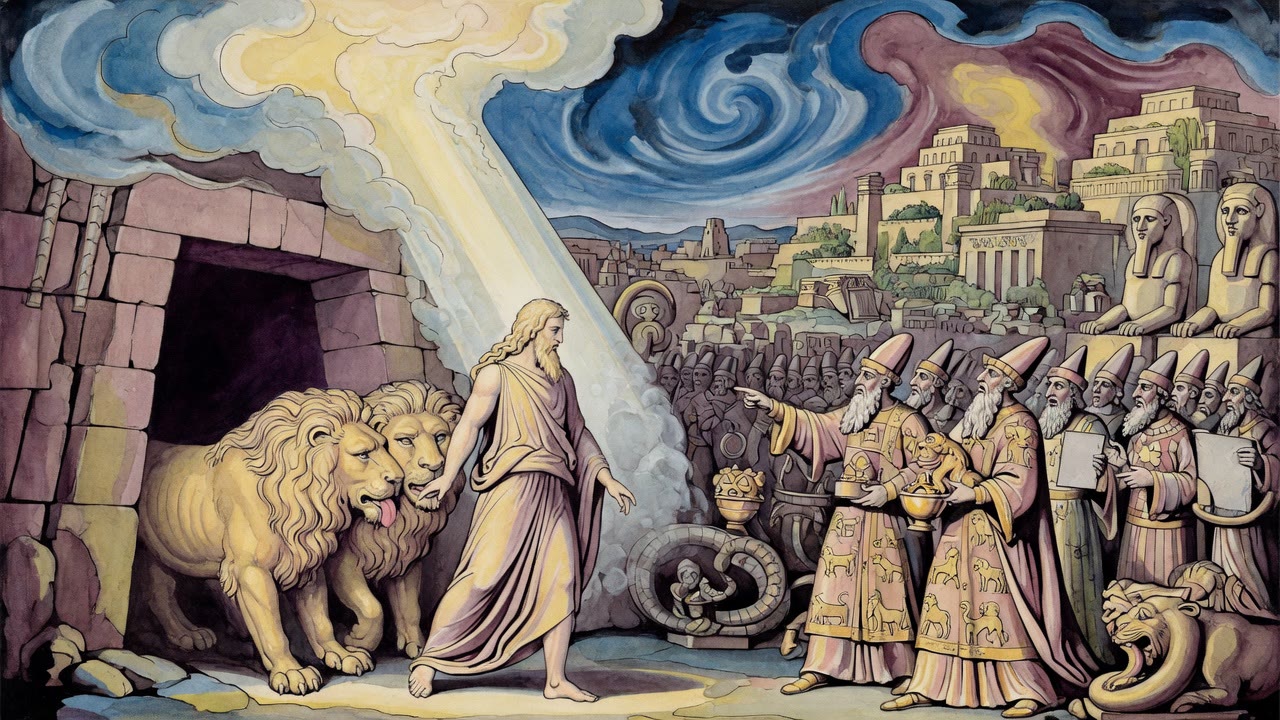
Every morning the table was bare. The priests of Bel laid out the god's supper in the dark: one bullock, ten rams, ten sheep, a hundred doves, seventy loaves of bread, ten barrels of wine. By dawn every crumb was gone. The king of Babylon pointed at the empty boards as proof of divinity. Daniel pointed at the priests.
 Click for full size
"Would that thou didst believe in the glory of our god Bel," the king told him, "who consumes what is laid upon this table." Daniel did not bow. "Let not the heart of the king be deceived. There is no breath in it. It is the work of the craftsman. It is the priests of Bel who eat the contents of this table."
Ashes on the Floor
He offered to prove it. The king agreed. The temple was locked. Ashes were scattered across the floor while the priests were kept ignorant. The doors were sealed with two rings, the king's and Daniel's, and they retired for the night.
In the morning the seals were untouched. The table was bare. Darius fell prostrate before Bel in awe and prepared to worship. Daniel caught the motion and pointed downward.
The footprints ran in both directions. Men, women, children. Seventy priests had been creeping in through hidden passages every night, feasting on the god's offering with their whole families. Hauled before the king and threatened with death, they showed the tunnels. The idol was destroyed. The temple came down.
A different man might have stopped there. Daniel did not.
A Living Mouth
The Babylonian princes, humiliated by the Bel disaster, offered what they thought was an unanswerable counter. Not a stone idol this time but a living creature: the sacred dragon of Babylon, a massive serpent that dwelt in a cave and devoured the sacrifices placed at its mouth.
"Look at this great serpent," Darius said. "Surely you cannot lift your thoughts against this living god. This is mighty and strong. Who would dare rise up against it to do it evil?"
Daniel's reply was even. "It is but a beast, and can be subdued by the hand of man. Give me permission to deal with it, and I will kill it without sword or staff or any warlike instrument." He asked only that the king protect him from the princes' vengeance. Darius, certain the creature was untouchable, agreed.
Iron Inside the Cake
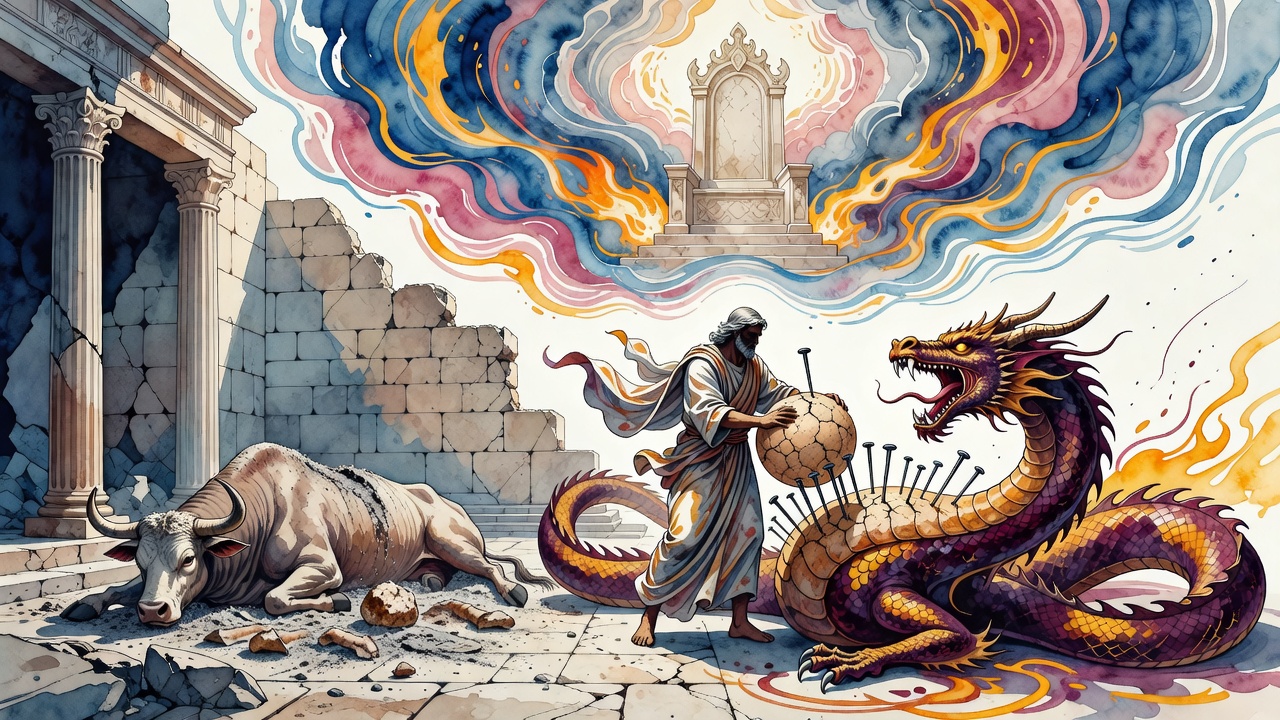
Daniel went to work like a cook rather than a warrior. He fashioned iron instruments shaped like wool combs, joined them back to back with the sharp points facing outward in a circle, and coated the whole device in layers of fat, grease, pitch, and brimstone until the spikes were hidden. He shaped it to look like a normal offering and cast it into the dragon's mouth.
The dragon swallowed greedily. As the fat melted inside the belly, the iron prongs pierced its entrails. In another telling he boiled pitch, fat, and hair, shaped the sticky mass into thick cakes, and fed them one after another until the heavy mixture swelled and the great serpent split open and died.
The next day the animal was dead. Three days later, when the Babylonians came to make their daily offering, they found a swollen, decaying corpse and a horrible stench. Daniel stood over the burst carcass. "Look well," he said. "These are the gods you have been bowing to."
The City Wanted Blood
The princes plotted to kill both Daniel and the king. A Jewish exile had been allowed to destroy the national gods, first the hollow bronze, then the living mouth in the cave. The city gathered. Darius learned of the conspiracy and ordered the ringleaders put to the sword.
Two gods had fallen in a single week, and neither had required a conventional weapon. Ashes had been enough for Bel. A cake had been enough for the dragon. The king had watched his own body start to bow over empty plates, then had been forced to look at footprints in the dust. He had watched a beast he called mighty take food from a prisoner's hand and die of it.
Daniel did not linger over the victory. He had asked for permission, mixed the pitch, hidden the iron, and waited for a stomach to do the rest. Babylon still had its palaces. It no longer had a table that could pretend to eat, or a cave that could pretend to be divine.
← All myths