116 myths · Page 1 of 4
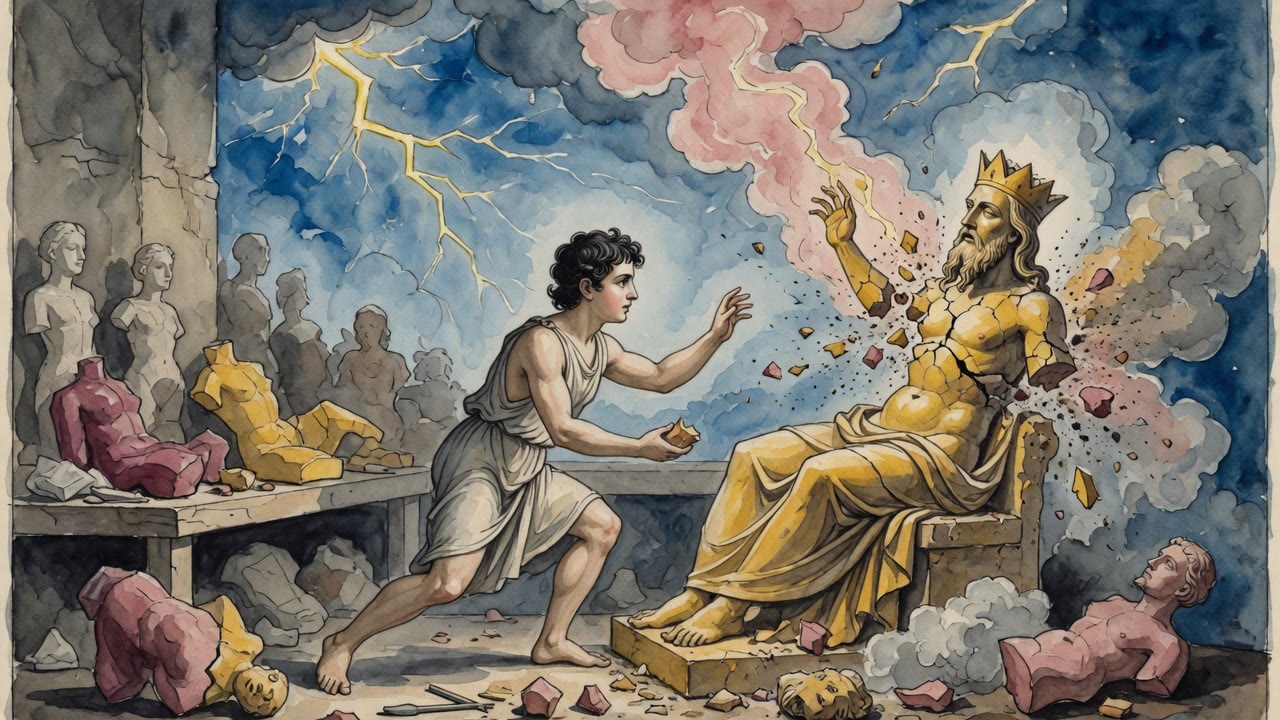
Abraham helps carry an idol home from the workshop. It falls. He asks his father what god cannot hold itself upright.
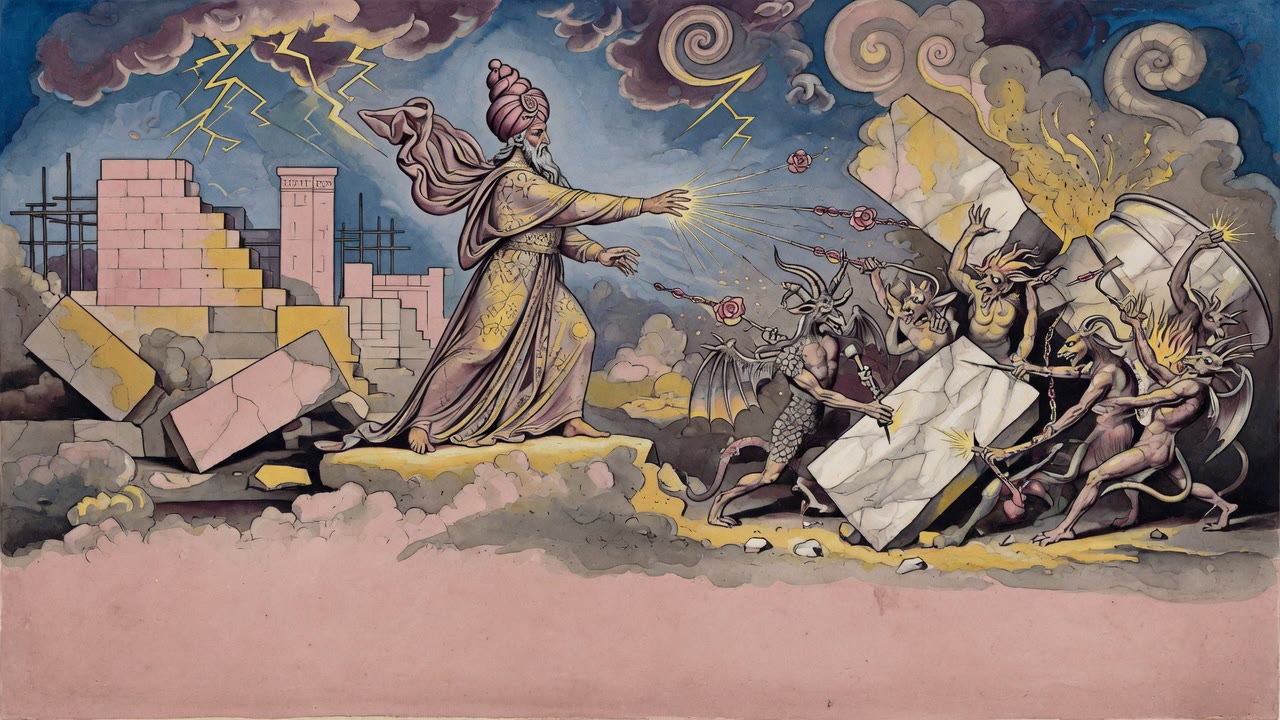
The boy on the Temple site wasted toward morning. Michael put a ring on the king's finger. A prince of demons came down off the air and knelt.
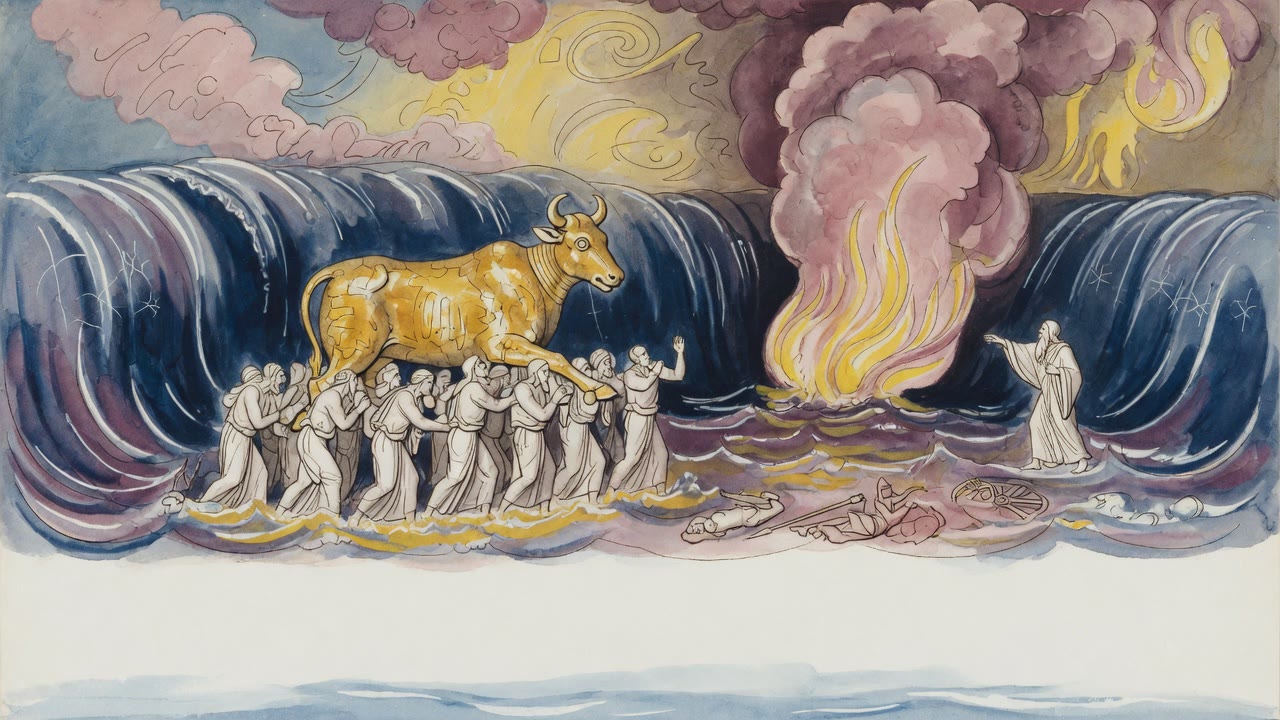
Most people think the Red Sea left Egypt behind. A second-century rabbi says Israel carried something through the water Moses had to strip away.
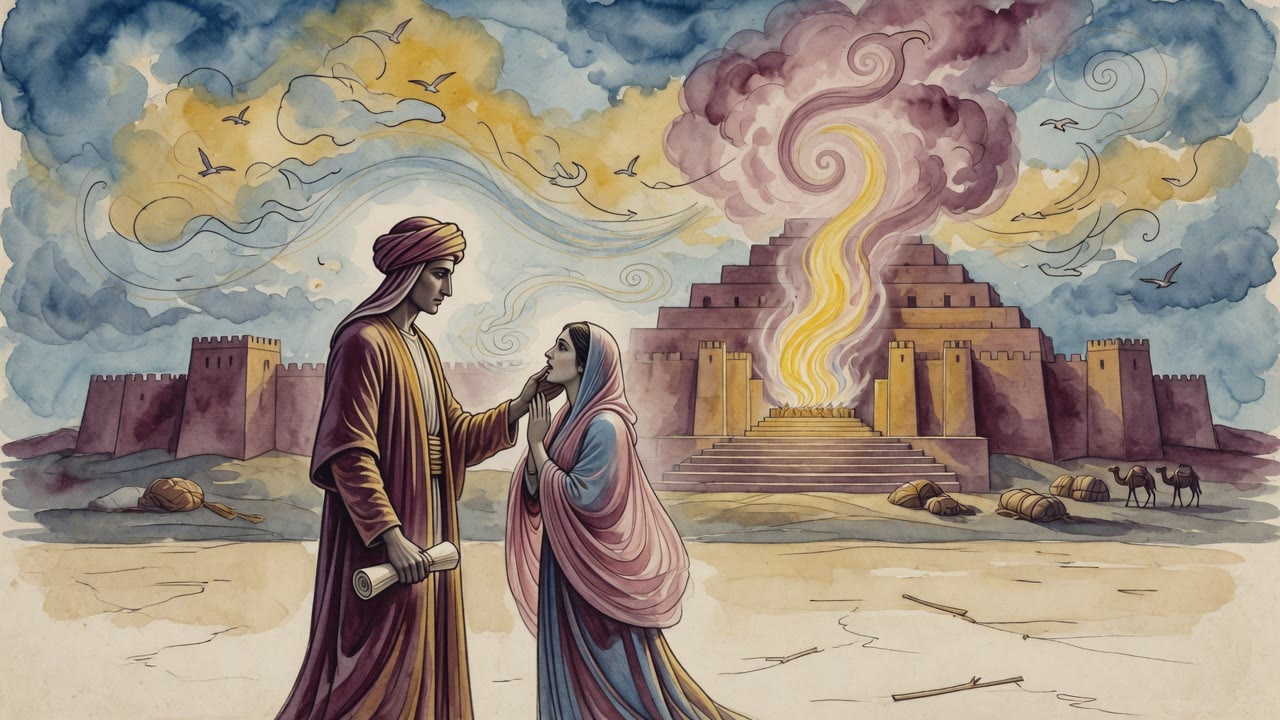
Before Abraham left his father's house, he asked Sarah for one kindness, a single word she would speak in every strange land. Call me your brother.
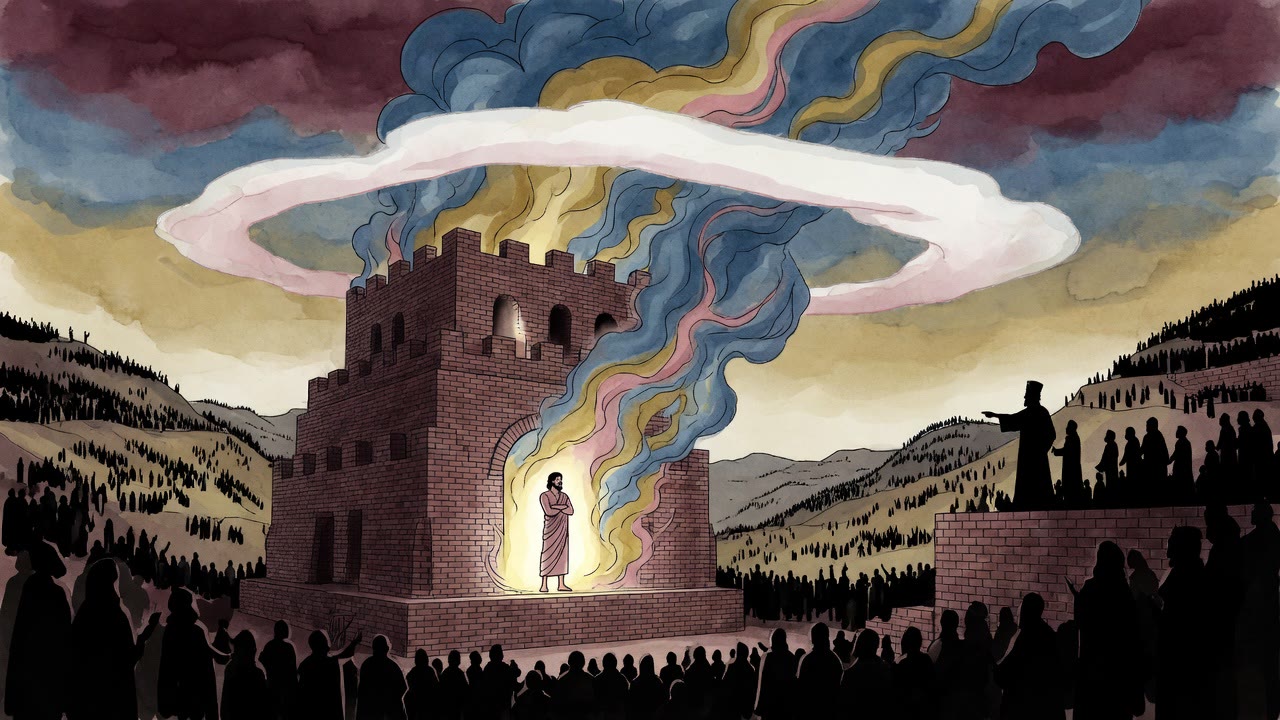
Terah told the king it was Haran who had advised the swap. It was a lie to save himself, and it put his own son in front of the fire.
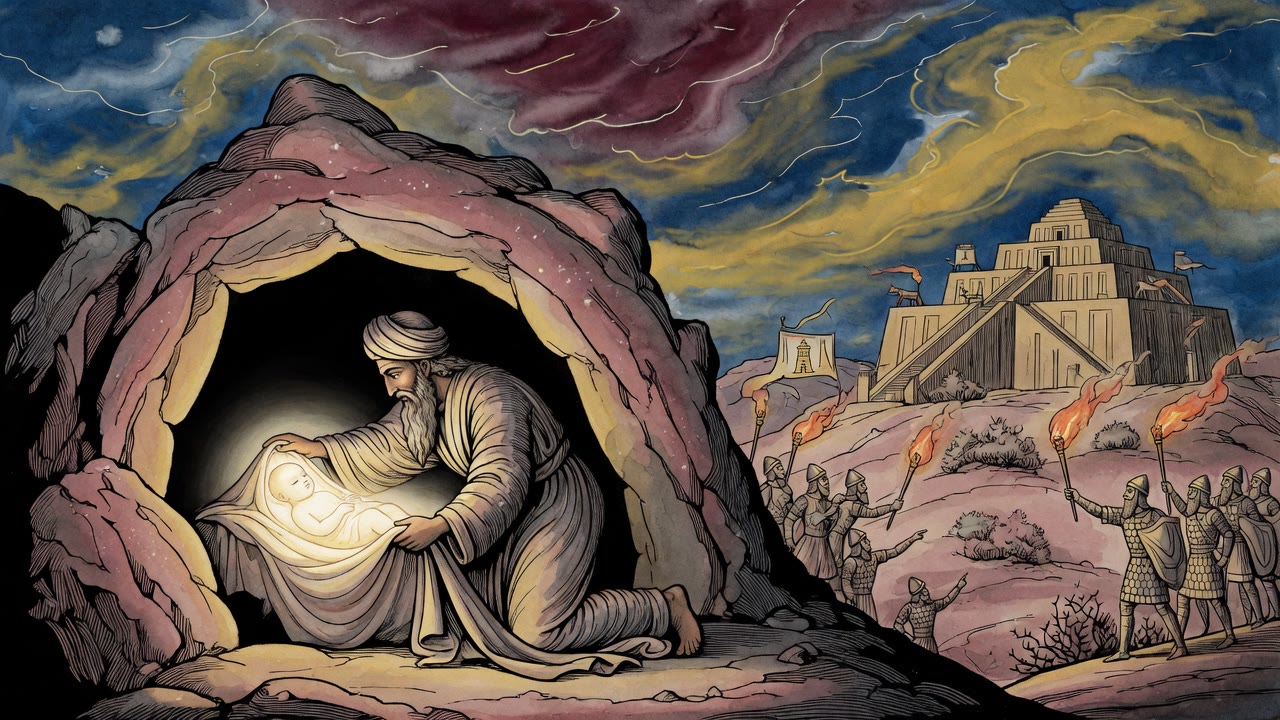
The Torah introduces Abraham as a grown man. The older traditions say his father had already saved his life once by swapping him for a slave child.
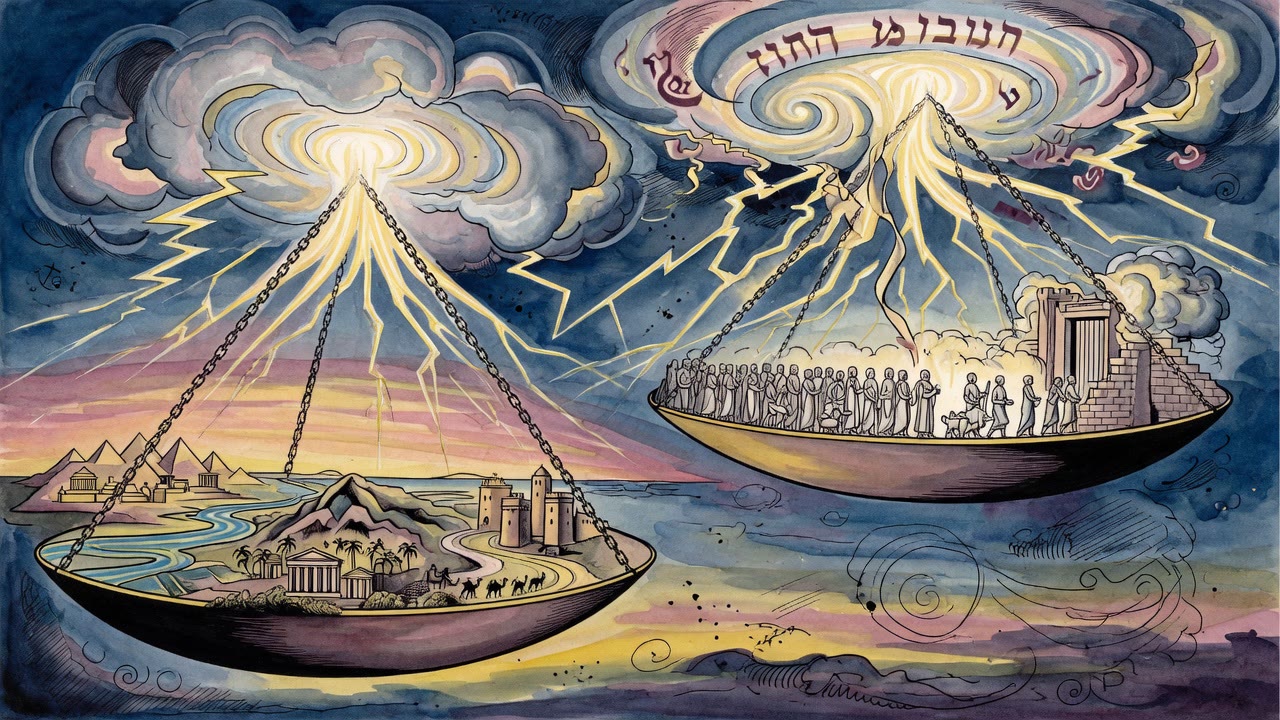
A boy walked between two standing walls of water. Behind him the sea hissed where the chariots had been. Three nations were laid on the scale for that road.
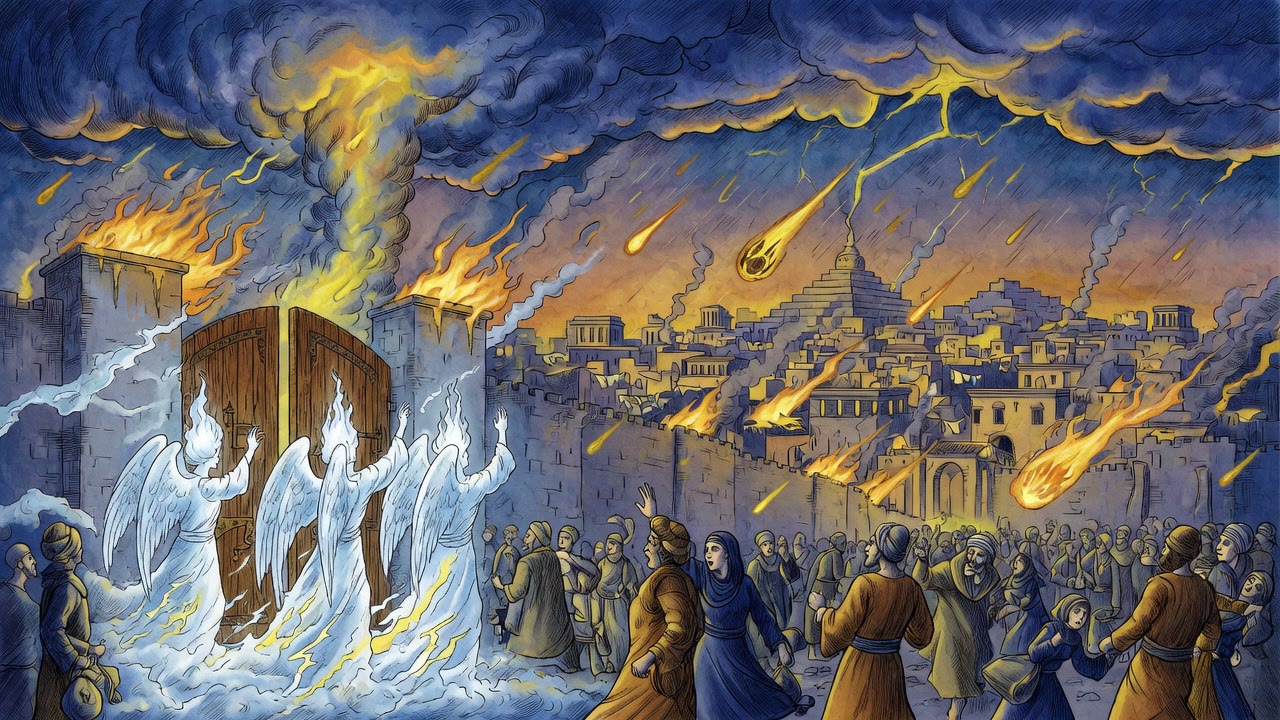
God said he would rain down on Sodom. The rabbis found a hidden offer in that word: rain can be water or fire. Sodom chose fire.
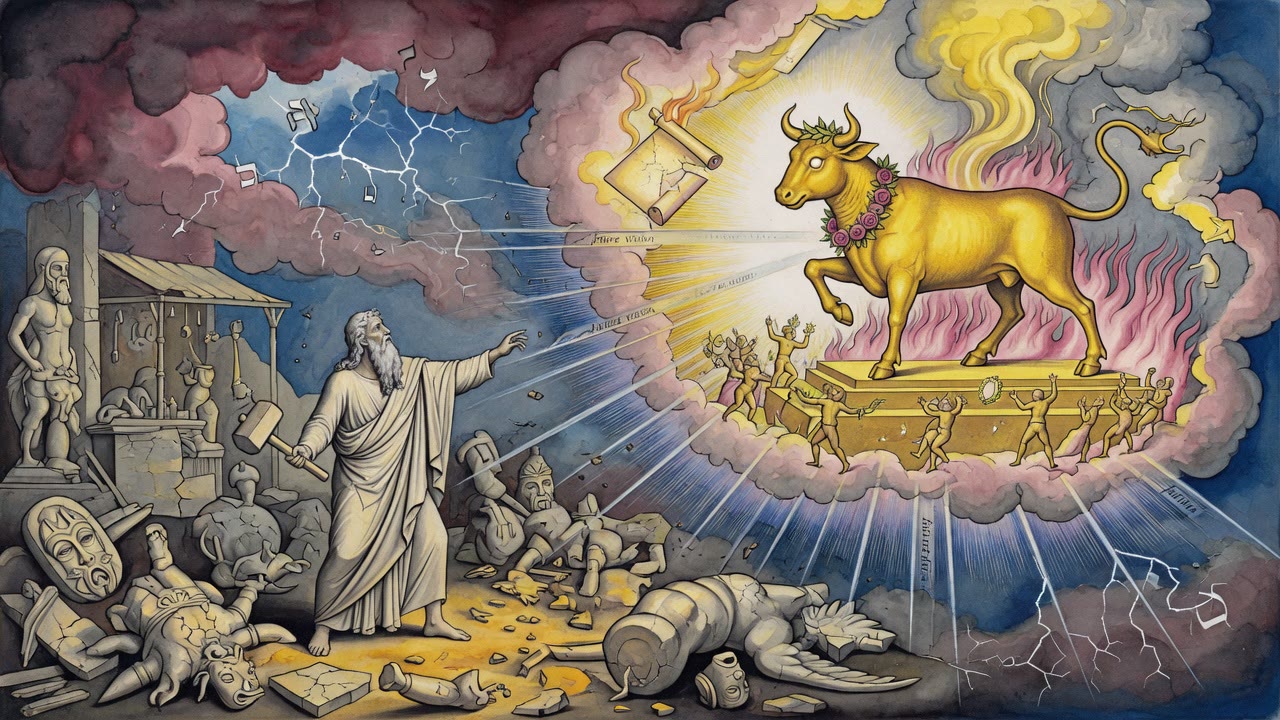
Abraham smashed his father's idols his whole life. Then God showed him a vision of an idol standing inside the Temple his descendants would one day build.
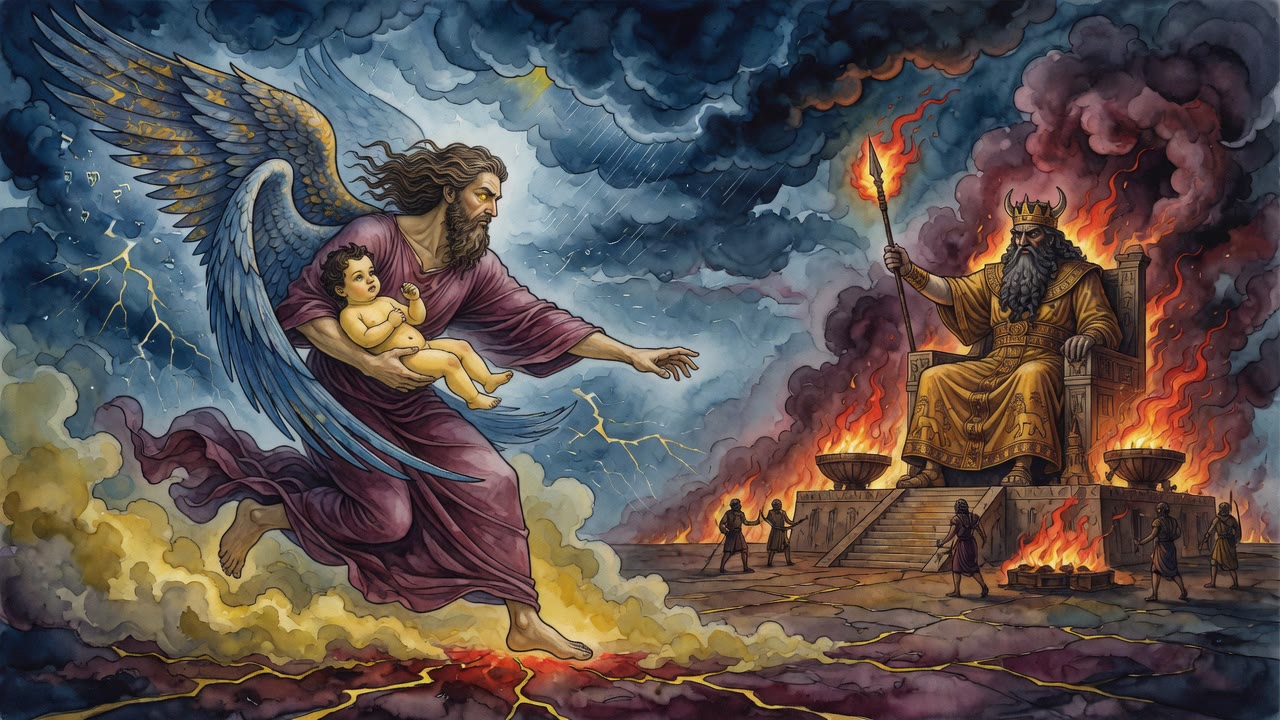
Gabriel made milk flow from his finger for the abandoned infant Abraham. Decades later he carried the same man on his shoulder into Nimrod's capital.
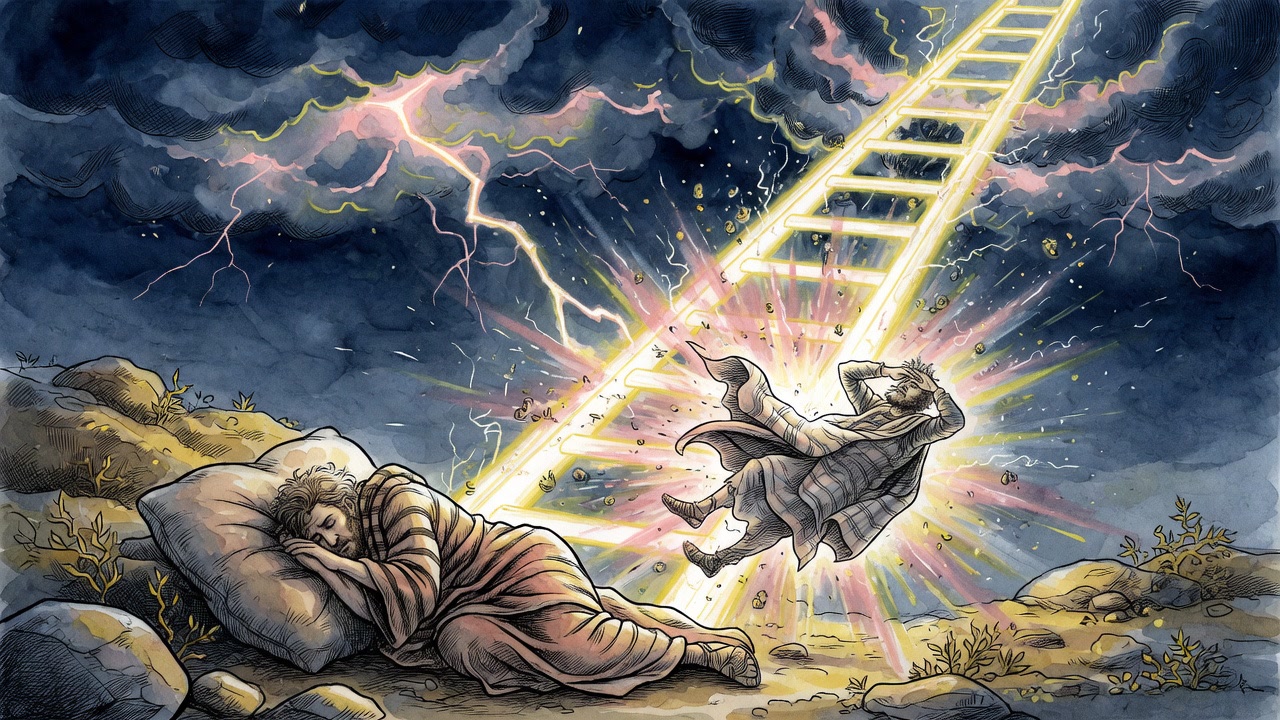
Jacob ran until the sun was gone. He struck the ground at Bethel. Stones went under his head because the place had stopped him.
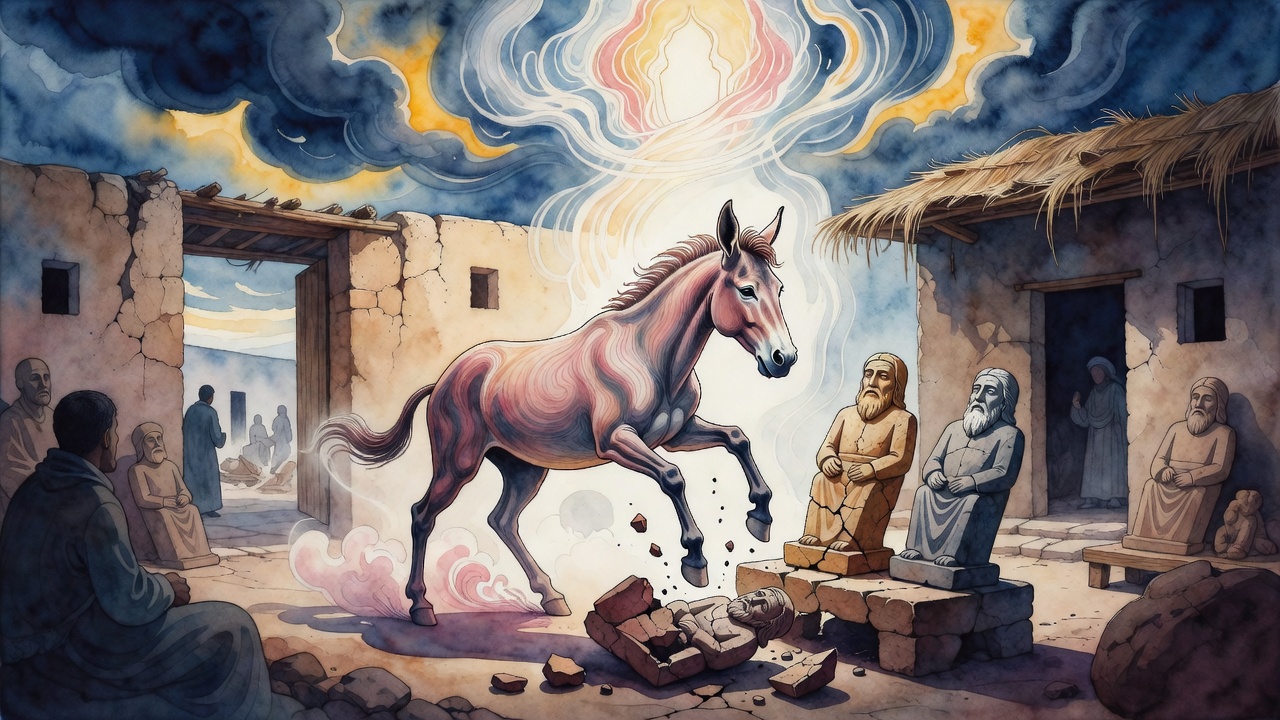
Before Abraham became the great icon-breaker, his mule panicked at a Syrian inn and broke three idols. The first crack came by accident.
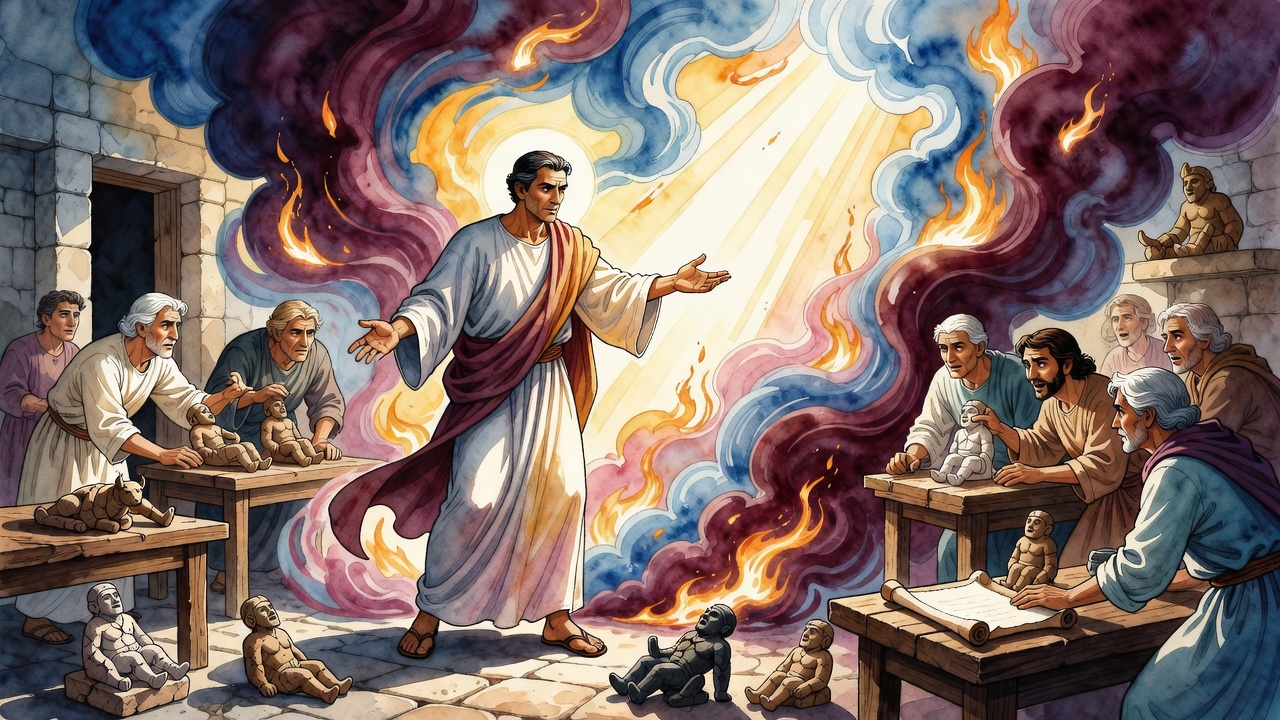
Abraham's father sent him out to sell idols. Abraham turned the shop into a courtroom and made every buyer doubt his god.
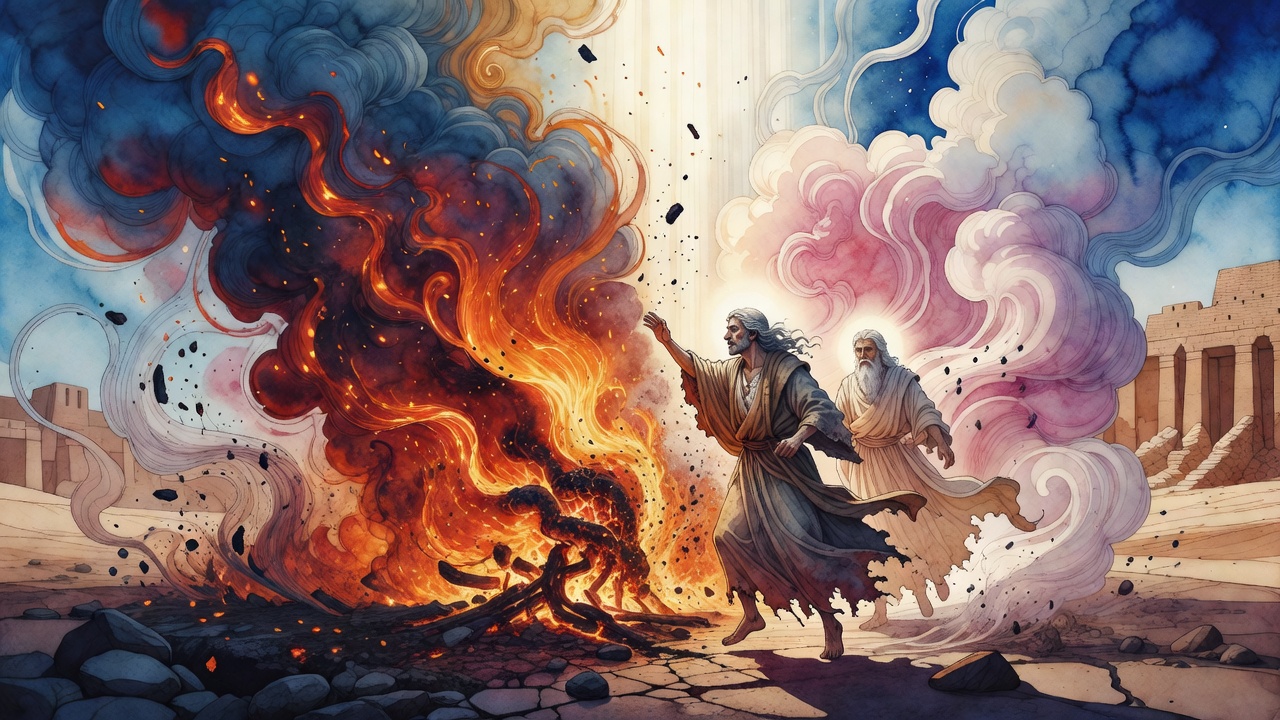
Gabriel offered to go down and cool the furnace himself. God turned him down, gave a reason, and promised him three men in Babylon instead.
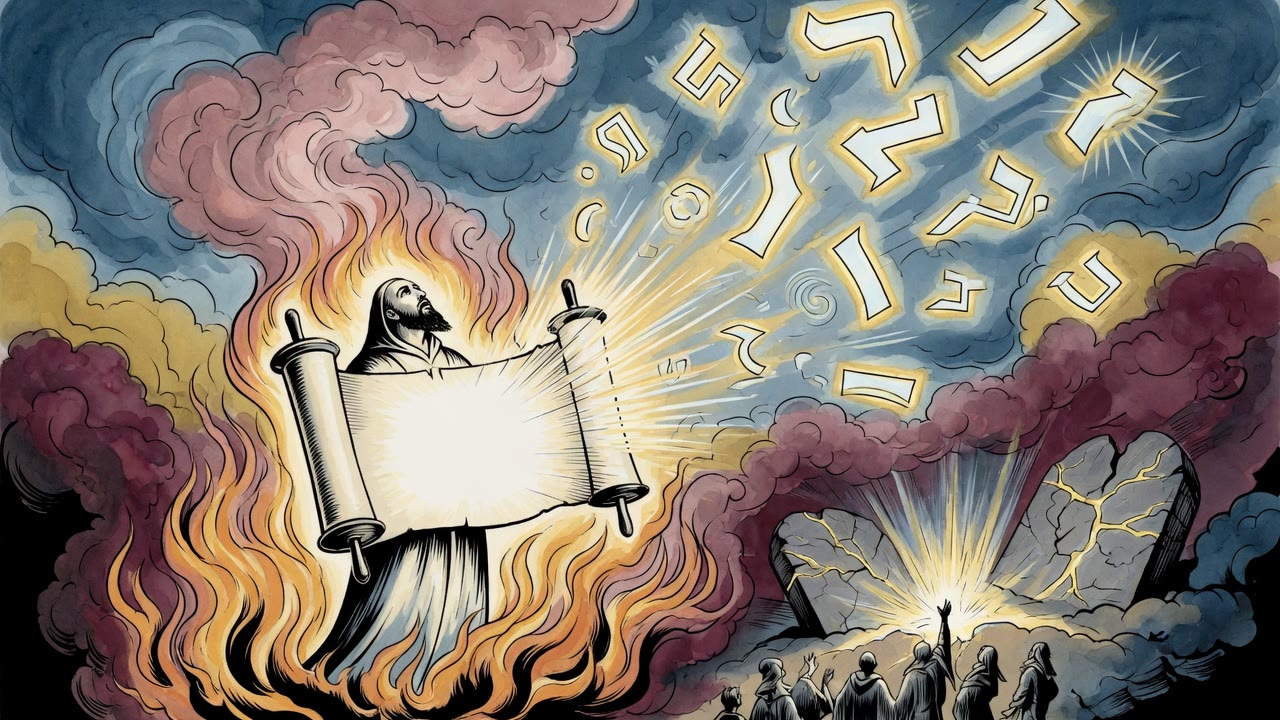
Her priests told her to refuse the king unless he honored their gods. Solomon said no for a long time. Then she made the request small.
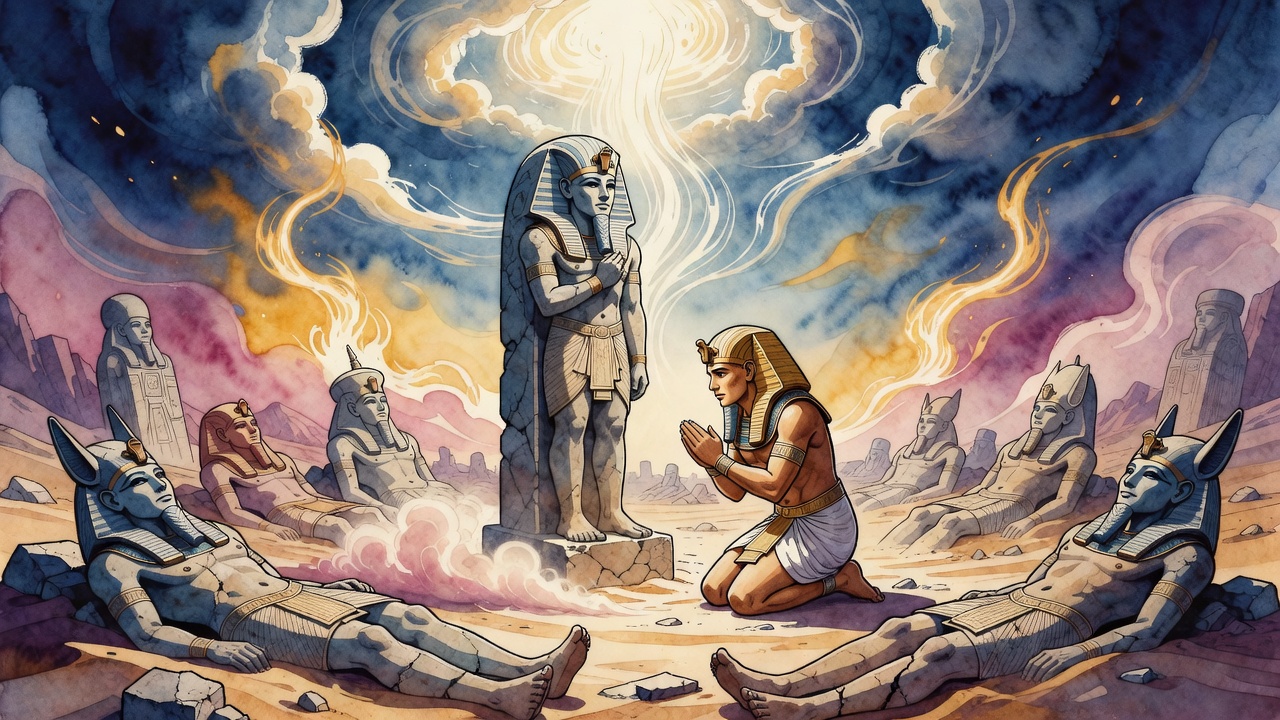
Every Egyptian idol fell during the plagues, but Baal-zephon still stood. God left it standing so Pharaoh would pray there, trust the sign, and charge.
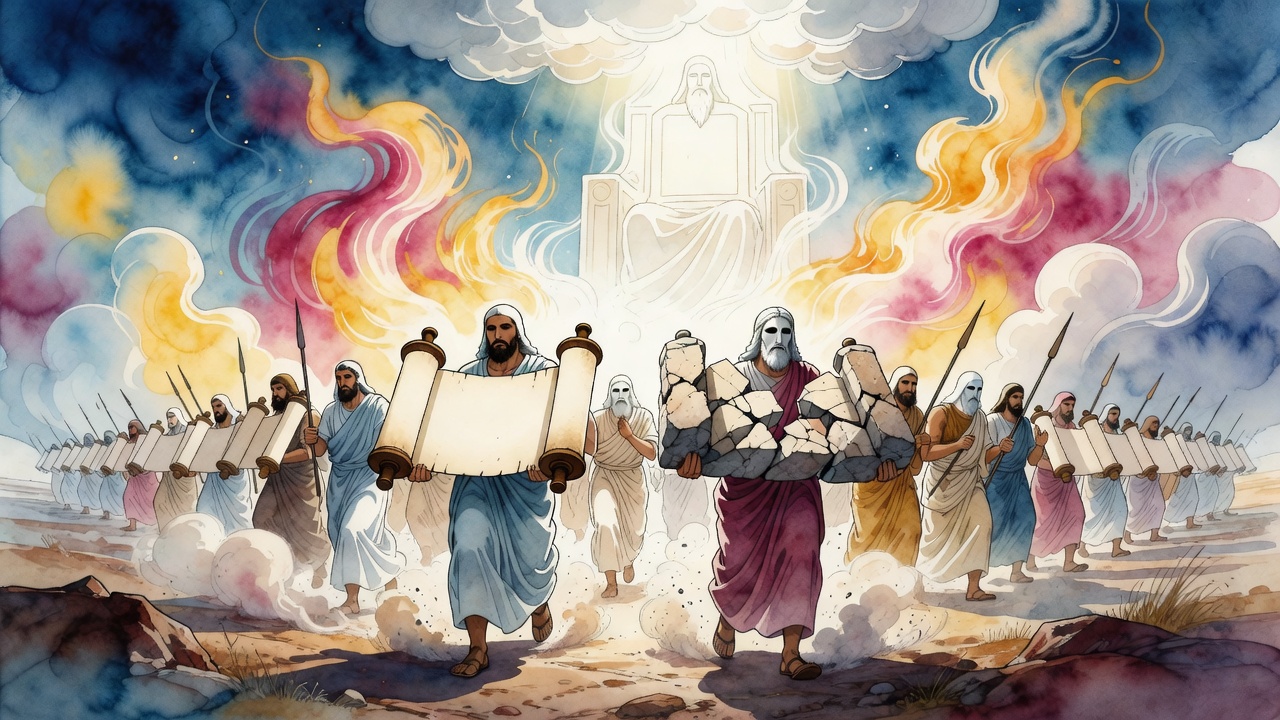
Bezalel built the gold ark everyone knows. The other box held smashed stone, and Israel marched it into every desert fight.
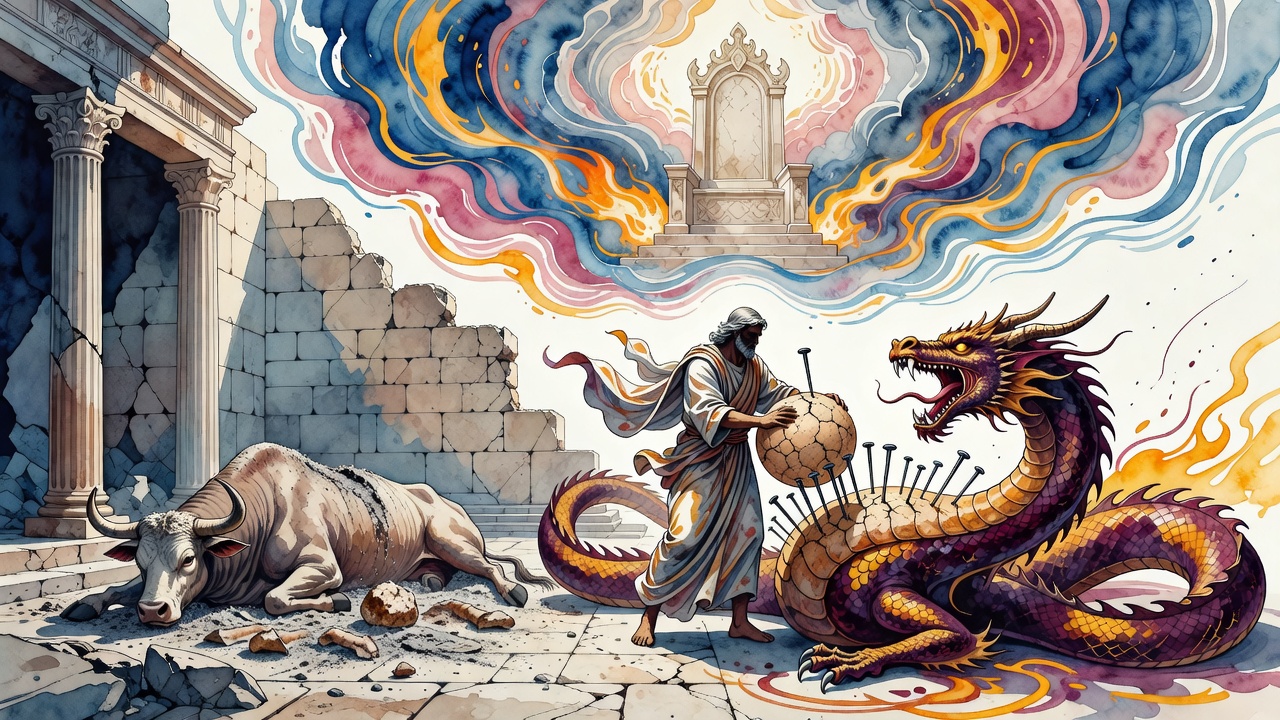
The priests laid a bullock and ten barrels of wine before Bel each night. By morning the table was bare, and Daniel asked for ashes on the floor.
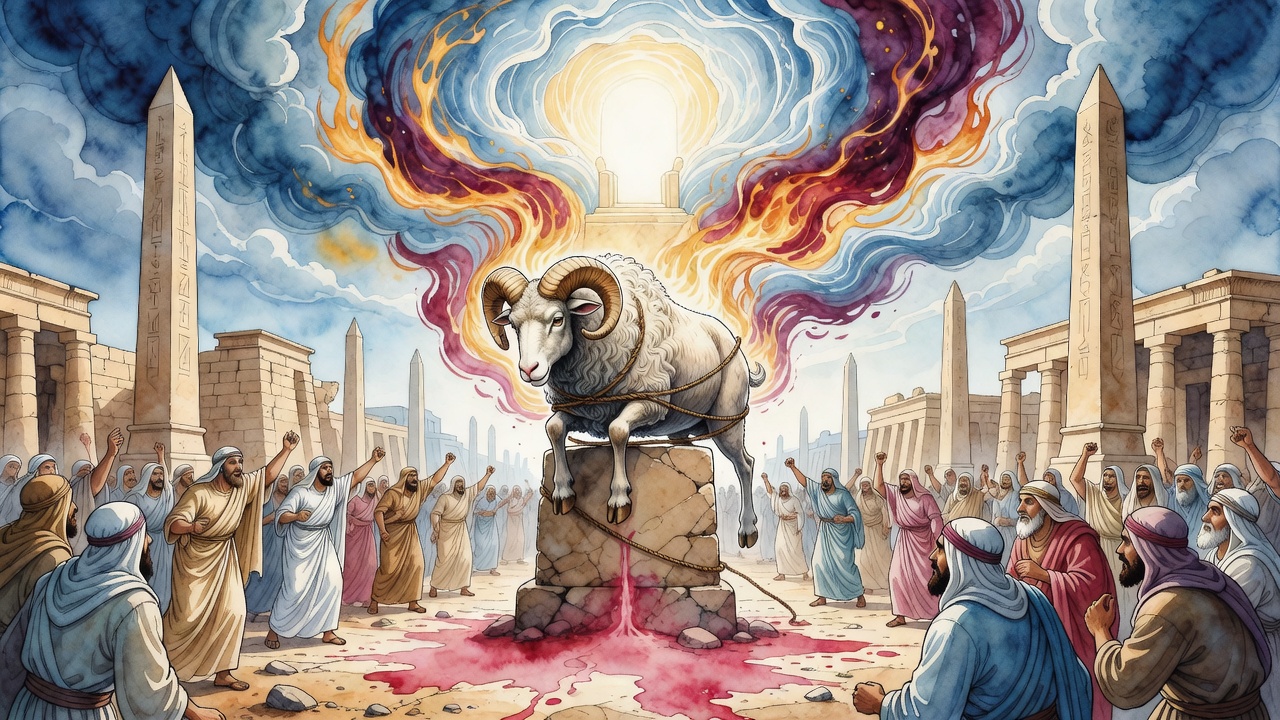
Egypt's ram stood tied at an Israelite door for four days, where every neighbor could count it. The knife came on the fourteenth.
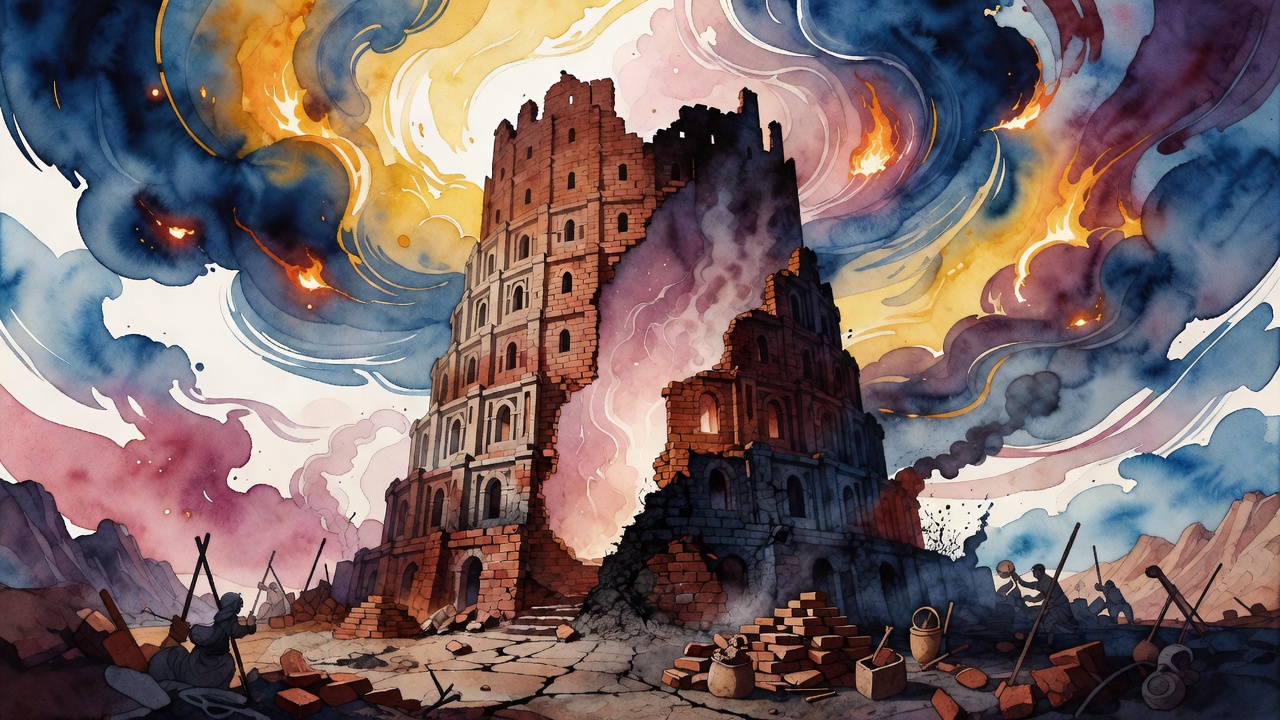
There was no stone on the plain of Shinar. They pulled bricks from the kiln so hot they stung. A name mattered more than the city under it.
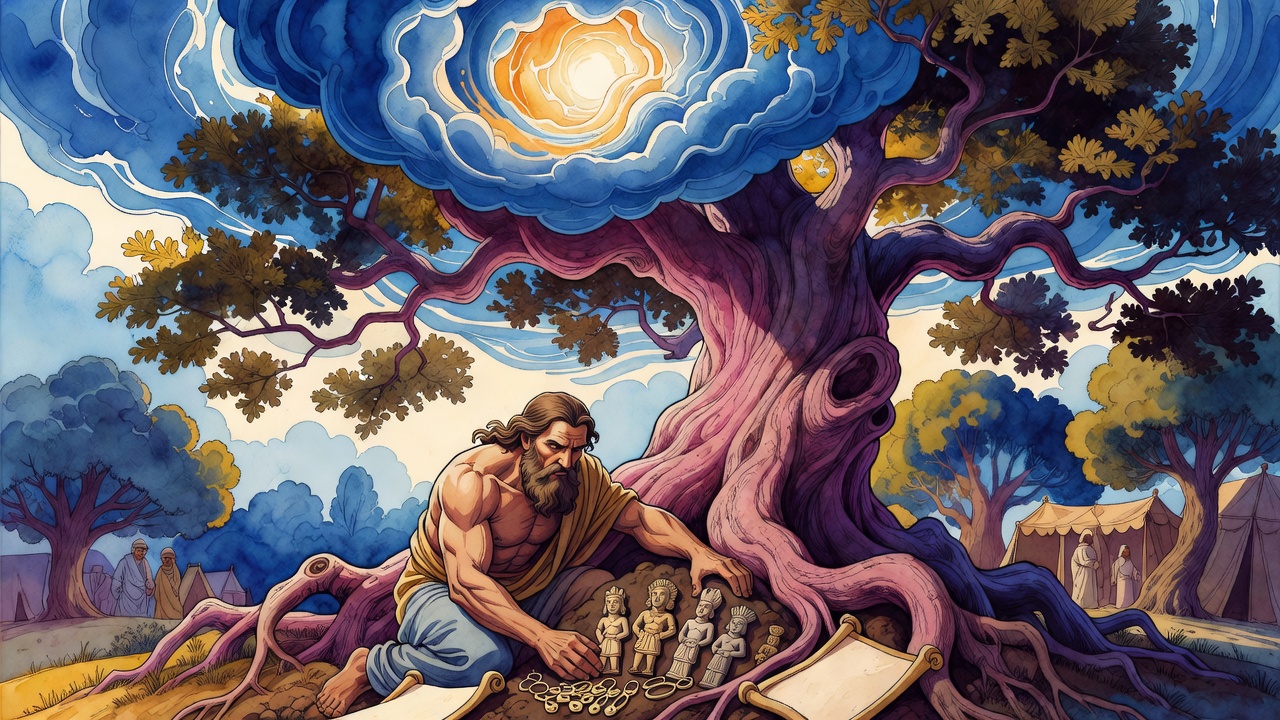
They were still bloody from Shechem. Jacob stopped the whole camp on the road. No one would walk toward Beth-El with a god in a sleeve.
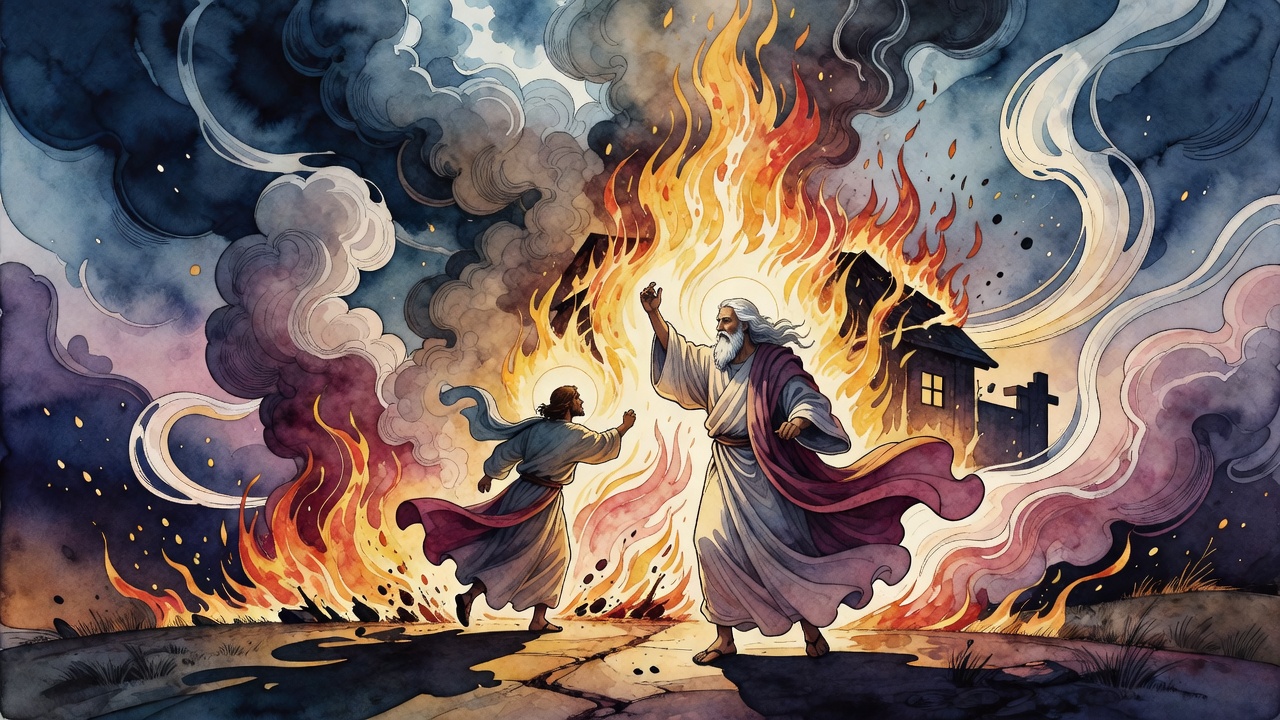
At sixty years old, Abram rose in the night and burned the house of idols. His brother ran in to save the gods and never came out.
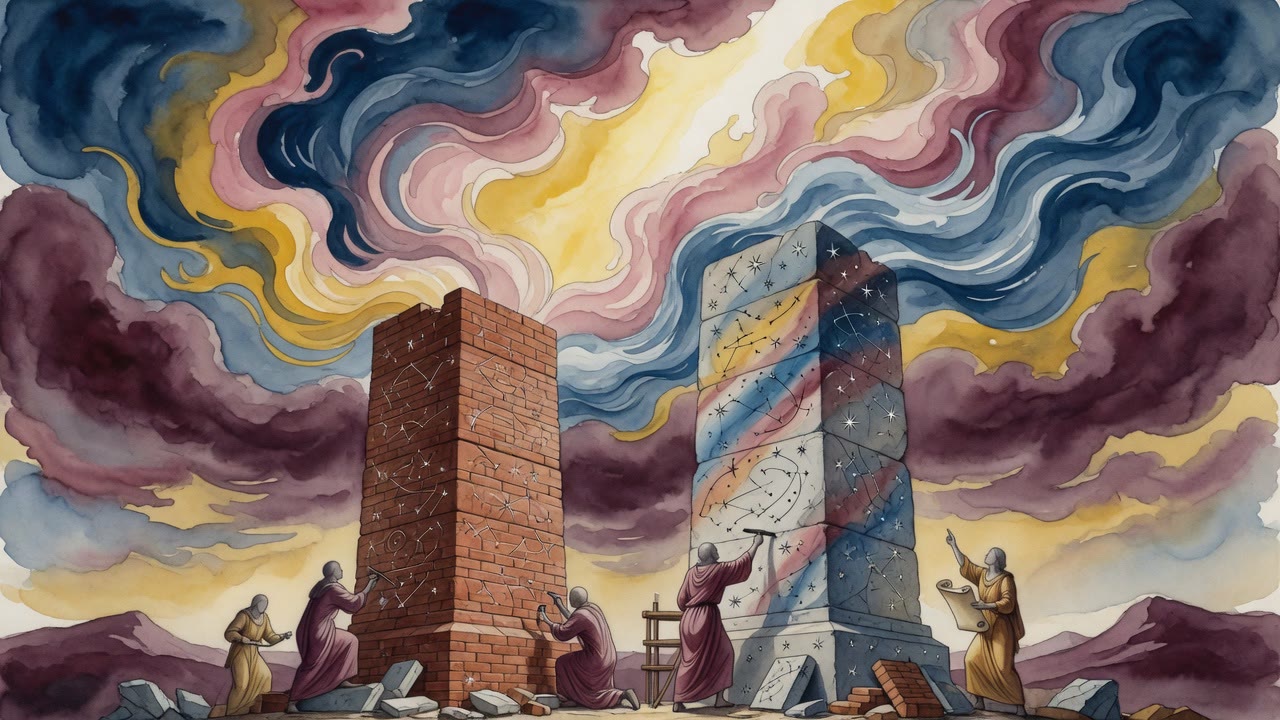
Seth's descendants learned fire and flood were coming. They carved their star charts on two pillars, one brick for the fire, one stone for the water.
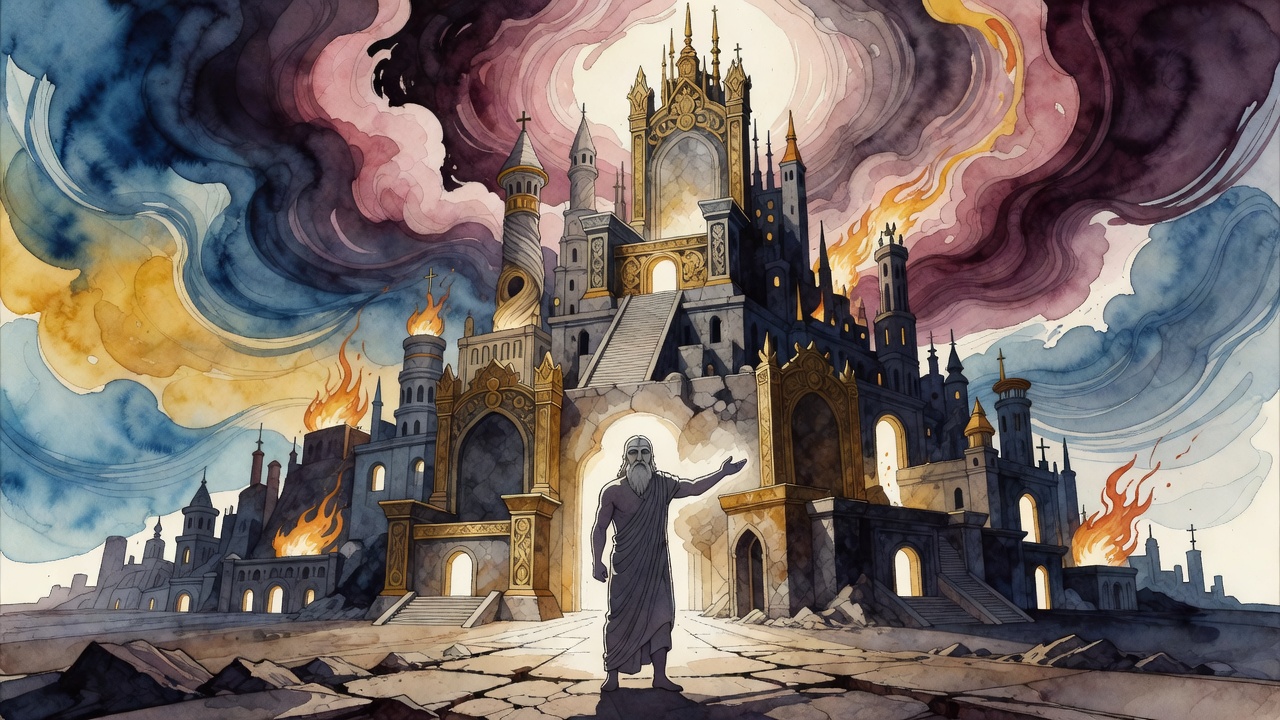
Before he built anything, Nimrod rode out to a son of Noah to ask how a man takes the whole earth. He was told four kingdoms were coming, none of them his.
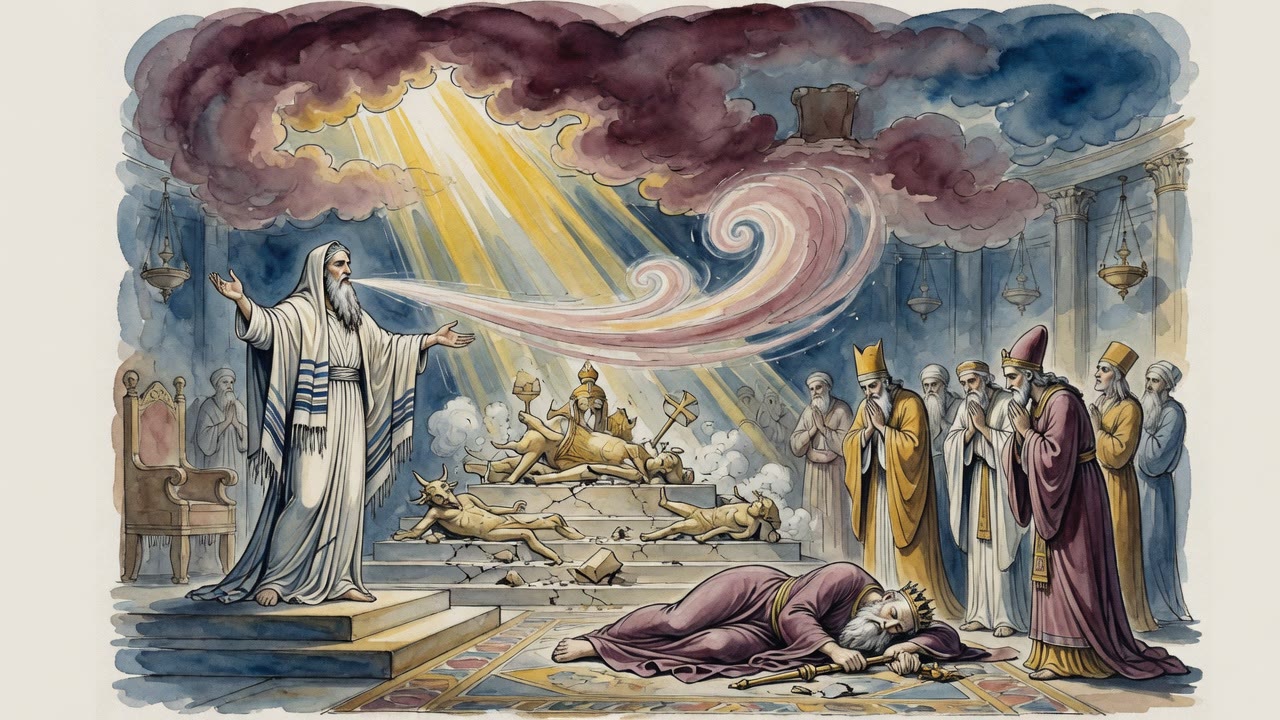
Abraham proclaimed the living God and the idols fell. So did Nimrod, lying senseless for two and a half hours while his court stood around him in silence.
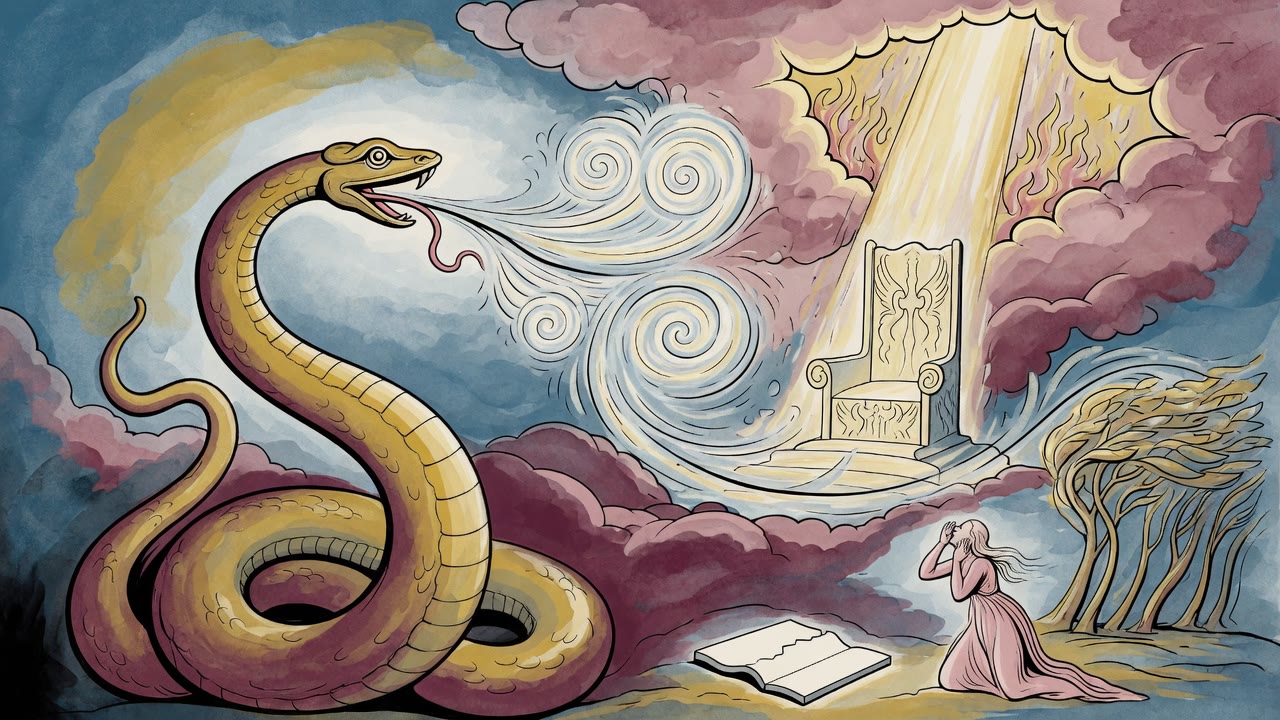
Terah had reported his own son to the king. Three days later Abraham walked out of the fire, cords burned off, the governors flat on the ground.
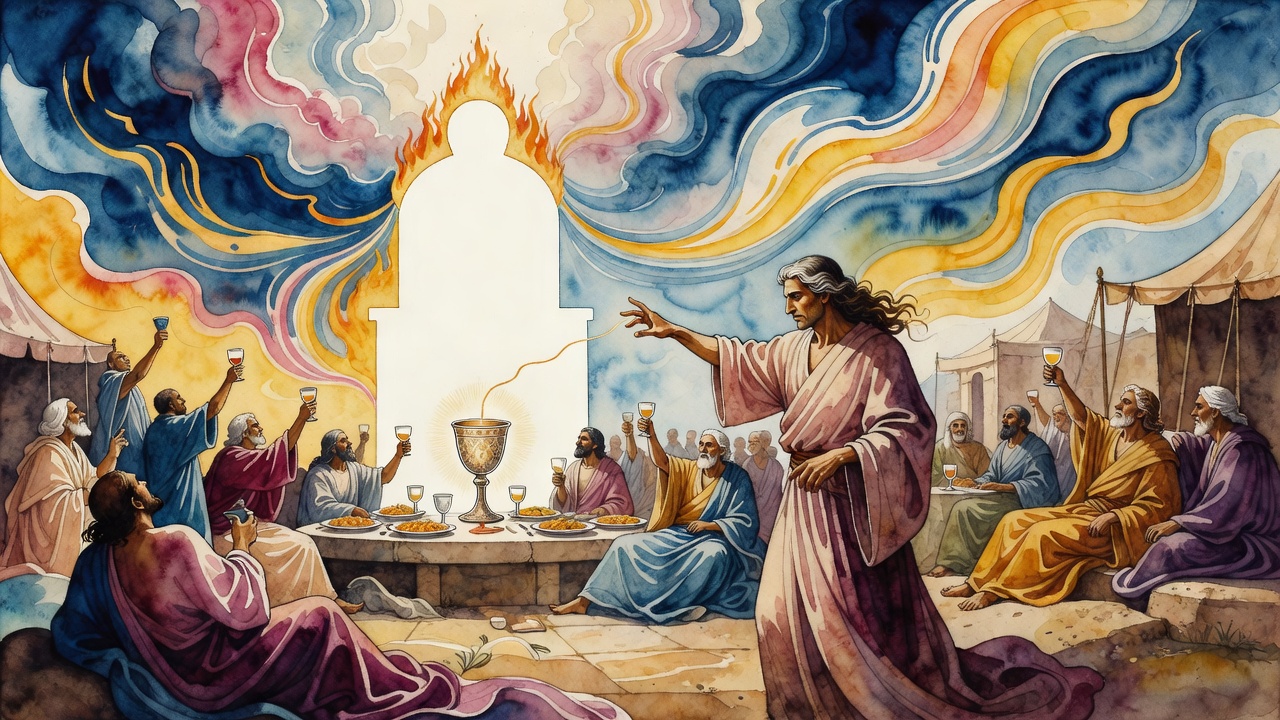
Cups went round at a Midianite table before anyone named an idol. The men drank. By morning the tents were already dying.
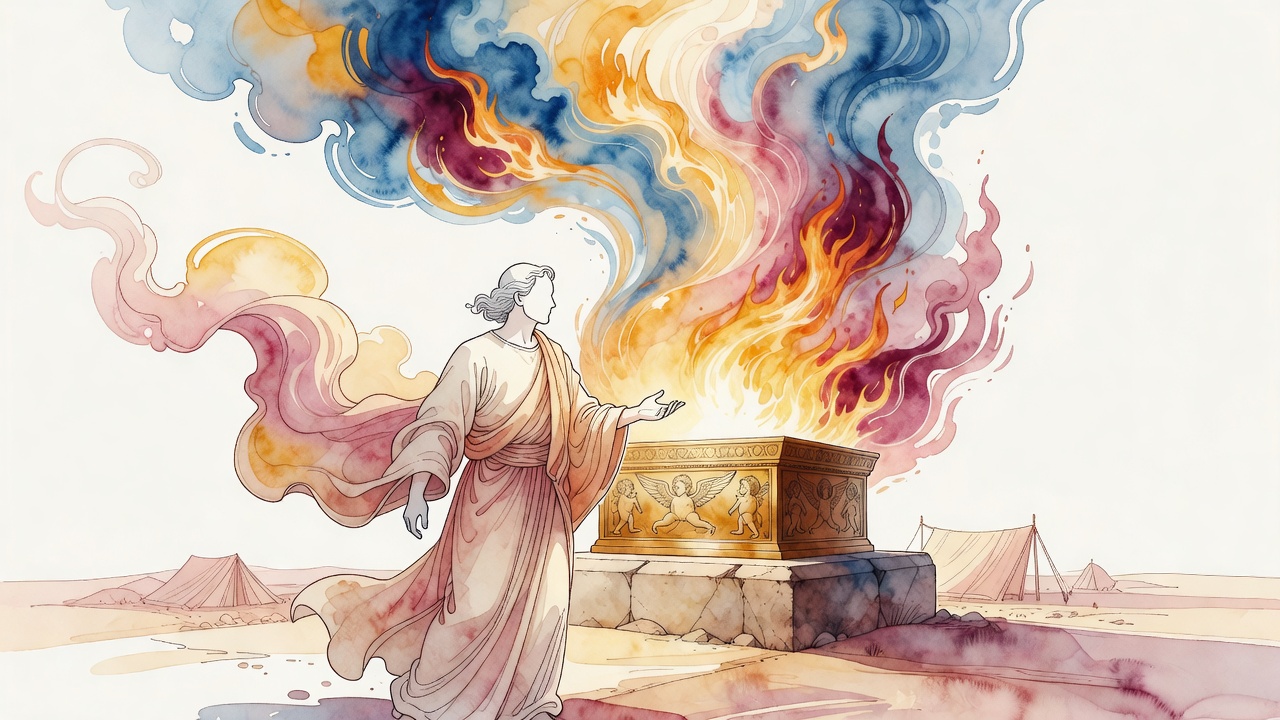
The oracle had said go forward. Two campaigns later the dead were stacked, and Phinehas stood at the Ark and asked why God had sent them.
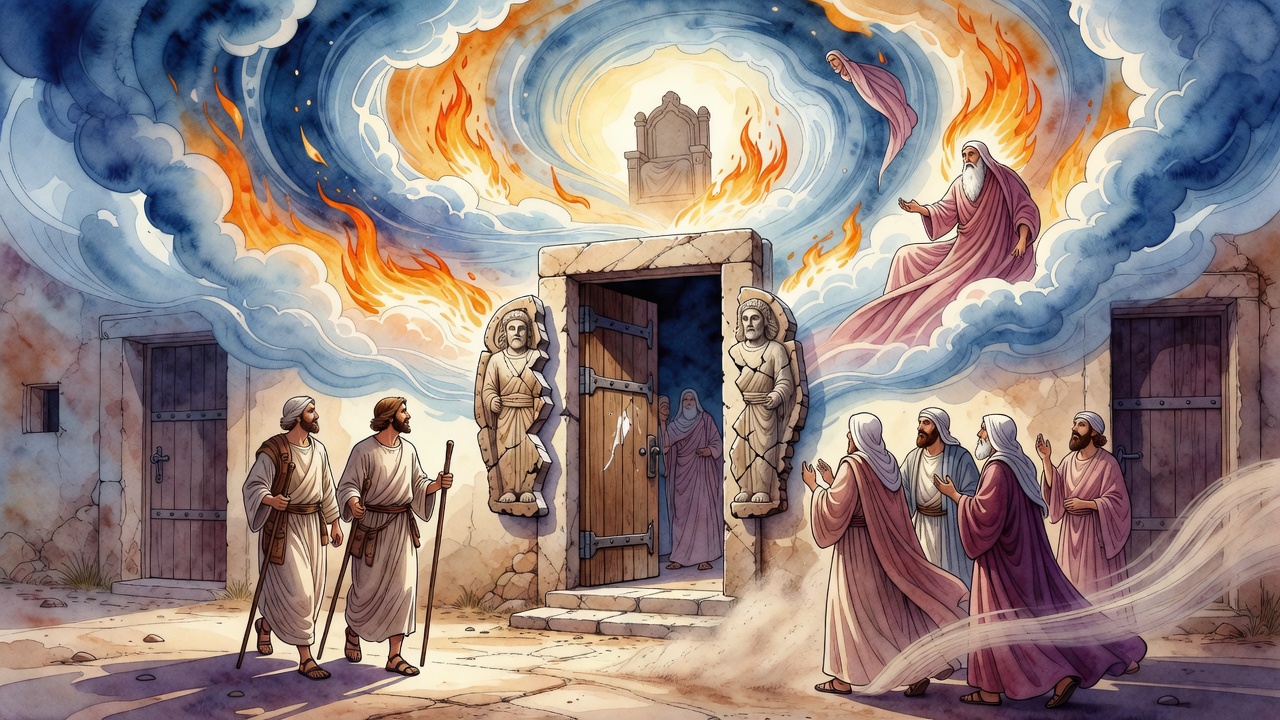
The inspectors opened every door in Judah and found no idol. Behind them the doors shut, and two halves met in the dark.
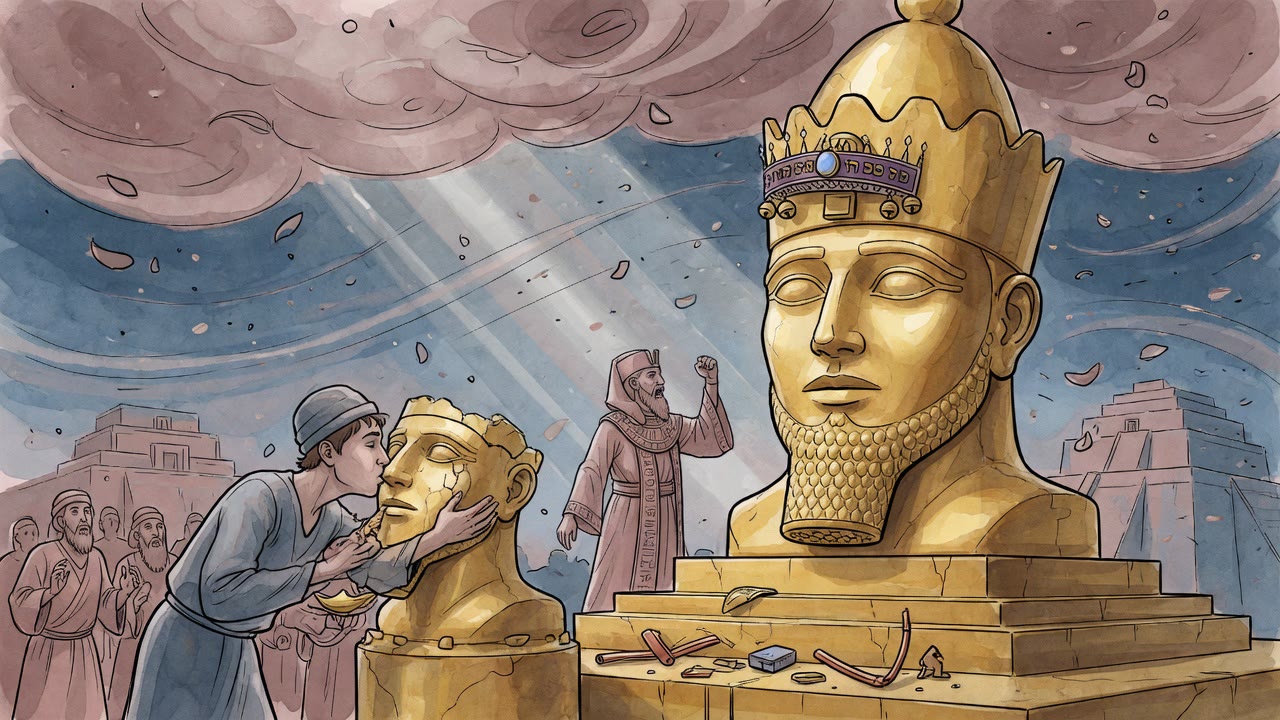
The idol said, "I am thy God." Music filled the hall. Daniel asked only to kiss it, and the king smiled as if he had won.
