Seth Built Two Pillars to Keep the Stars Alive
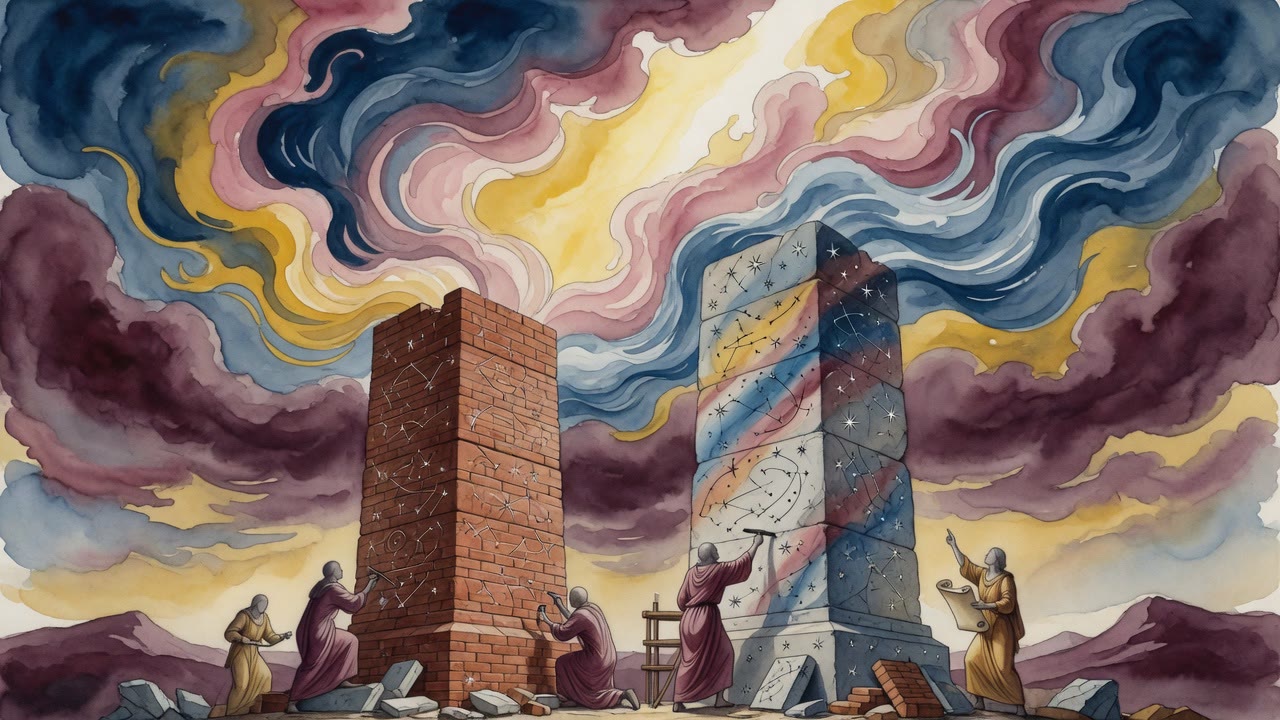
Seth's descendants learned fire and flood were coming. They carved their star charts on two pillars, one brick for the fire, one stone for the water.
Table of Contents
 Click for full size
The Reunion After Grief
Adam and Eve did not find each other easily after Abel died. Grief does not only take what it takes directly. It takes the capacity to be present to what remains. Eve lost Abel. She also lost Adam, or he lost himself, withdrawing into the kind of silence that grief builds around a man and that no one from outside can easily enter. They separated. The tradition says the separation lasted a hundred and thirty years.
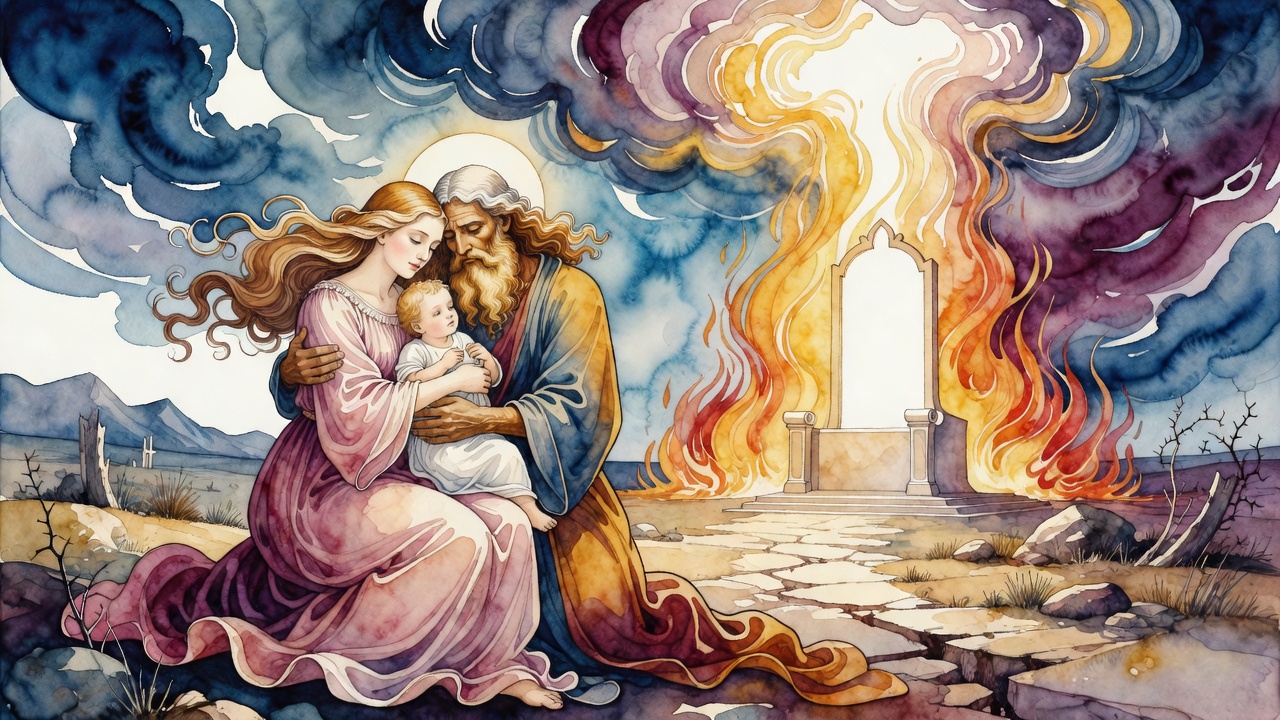
Then Adam returned to his wife. The Zohar says their love came back stronger than it had been before the murder, that Adam carried Eve in his thoughts continuously, that the reunion was complete. From that completeness came Seth.
Seth Who Was Born Perfect
The Book of Jasher says he was born in the likeness and image of Adam, which is the same phrase Genesis uses for Adam being in the likeness of God. The implication ran through later commentary like a river: Seth was the heir of the original image, the restoration of what Cain's violence had disrupted. He was also, in the tradition's telling, the ancestor of the Messiah. That line ran from Seth through Noah, and from Noah through the patriarchs toward the redemption that had not yet arrived. Every generation of Seth's descendants carried that charge, which meant they carried the responsibility of keeping the knowledge alive that redemption would eventually require.
The Prophecy About Catastrophe
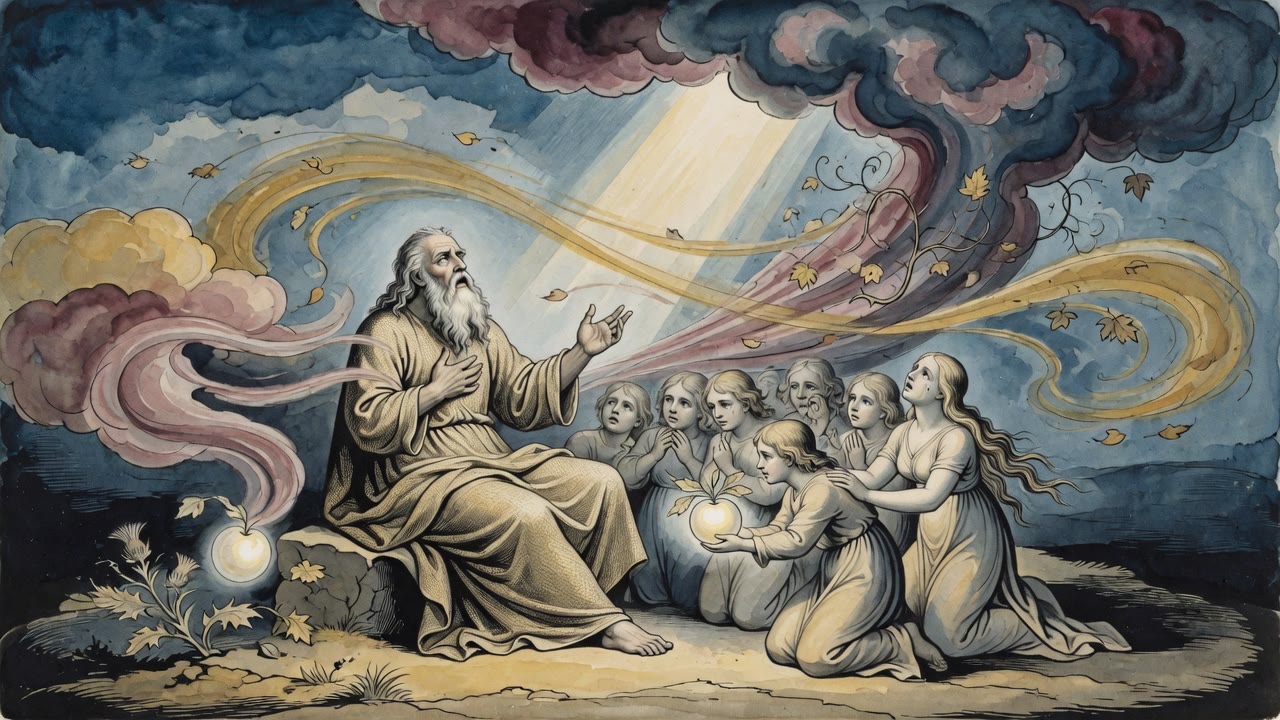
Seth's descendants learned from Adam that the world was going to be destroyed twice. First by fire, then by flood. The tradition is precise about this sequence: God would not simply allow human wickedness to accumulate until everything collapsed at once. There would be two interventions, two scourings, two moments when the accumulated knowledge of humanity faced the possibility of total erasure.
The children of Seth studied the stars. They had learned from Enoch, from Adam, from the tradition that flowed back to the first week of creation, when God had made the lights of heaven and declared them for signs and seasons and years. They had mapped the constellations. They understood the movements of the planets and the meaning of those movements for human life below. This knowledge could not be allowed to disappear into the fire and the water.
Two Pillars, Two Materials
They built two pillars. One was brick, because brick survives fire. One was stone, because stone survives water. They inscribed both pillars with everything they had learned: the astronomical observations, the celestial calendar, the system for reckoning seasons and festivals, the full map of what the heavens contained and how it moved. Then they left both pillars in their respective places and waited for the catastrophes to arrive.
The flood came first. The stone pillar survived it. When Noah's waters receded and human civilization began again from the eight who had come through, the inscriptions were there to be read. The knowledge of the stars had not been lost. Seth's children had calculated the shape of the disasters before the disasters arrived and had solved the problem of survival with the most basic materials available: different kinds of stone, carrying the same words.
← All myths