12 myths
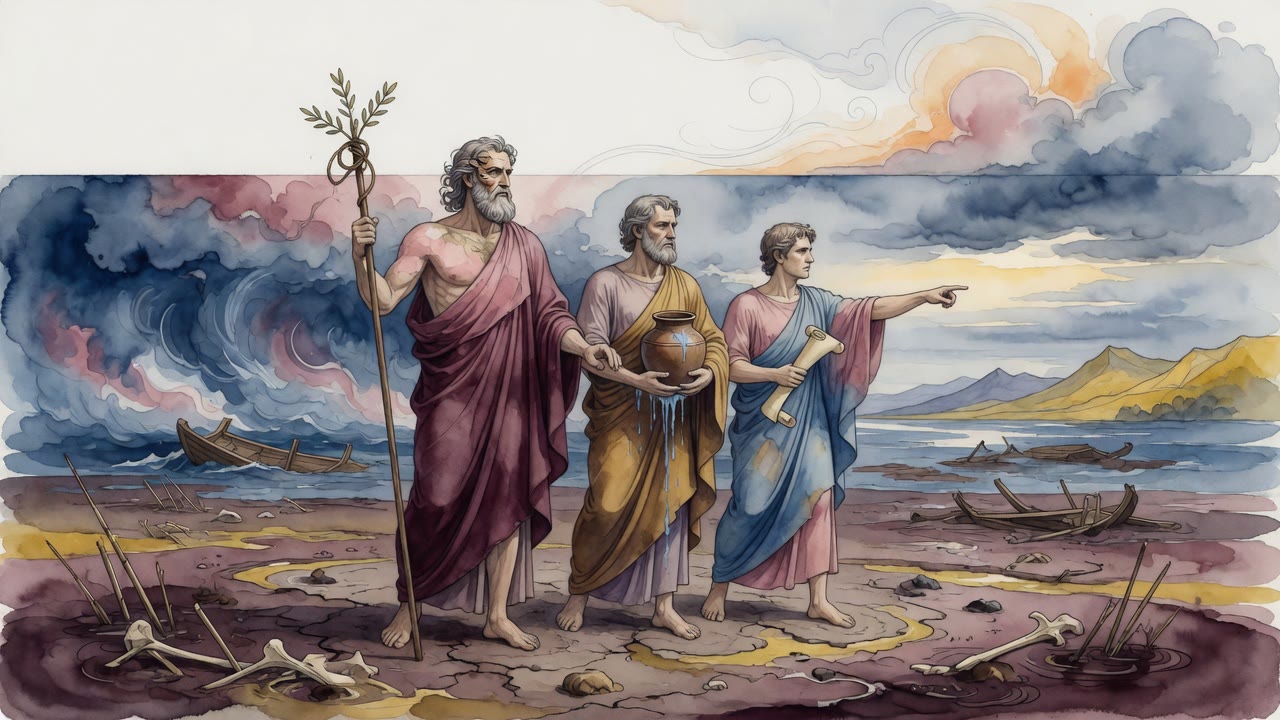
Arphaxad was born two years after the flood, into mud that still remembered judgment. He and his sons carried the memory that led to Abraham.
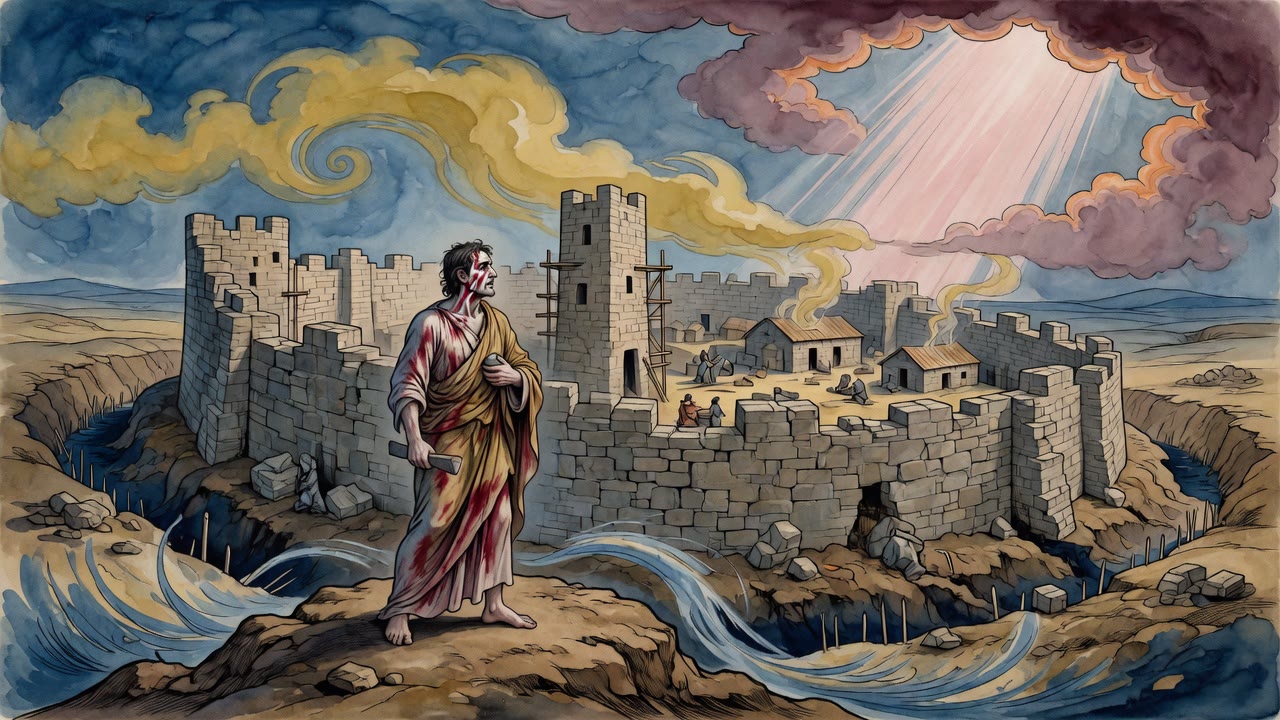
God told him the beasts would not take him. Cain still raised the first wall on earth and filled it with people he later robbed.
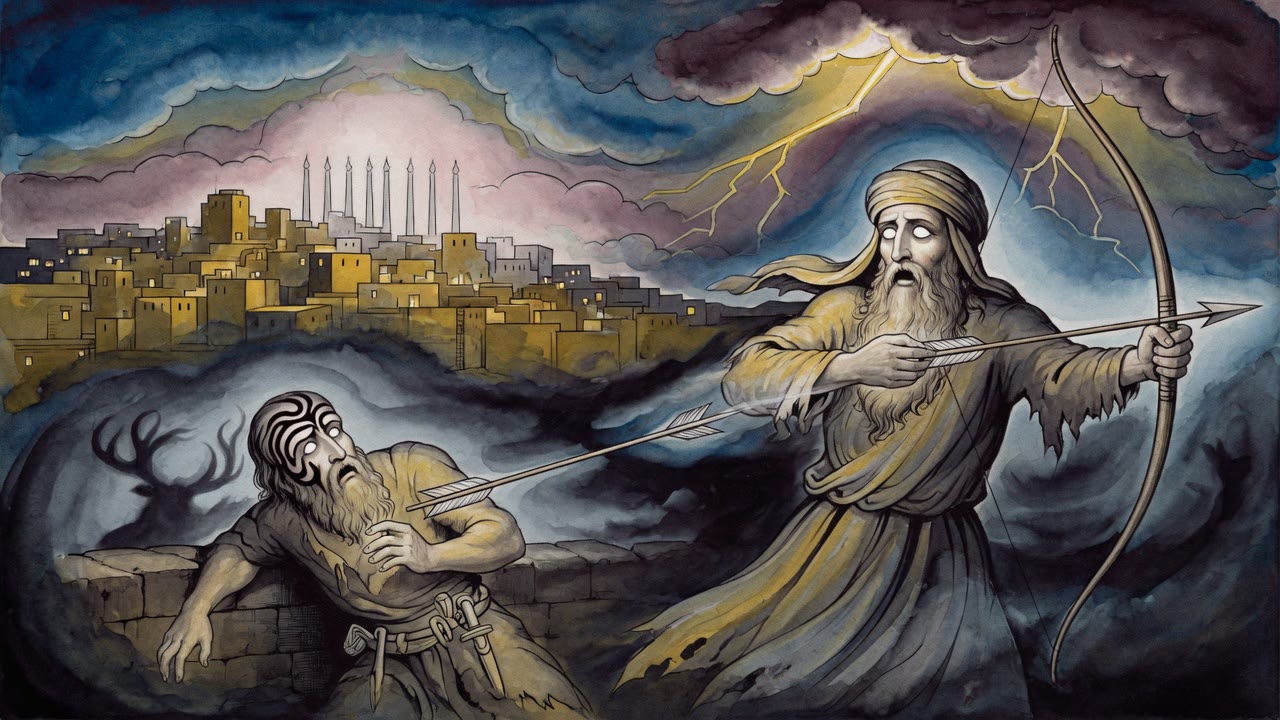
Cain built cities and survived the mark, but the count ran to seven generations. His blind descendant Lamech shot him in the dark, mistaking him for an animal.
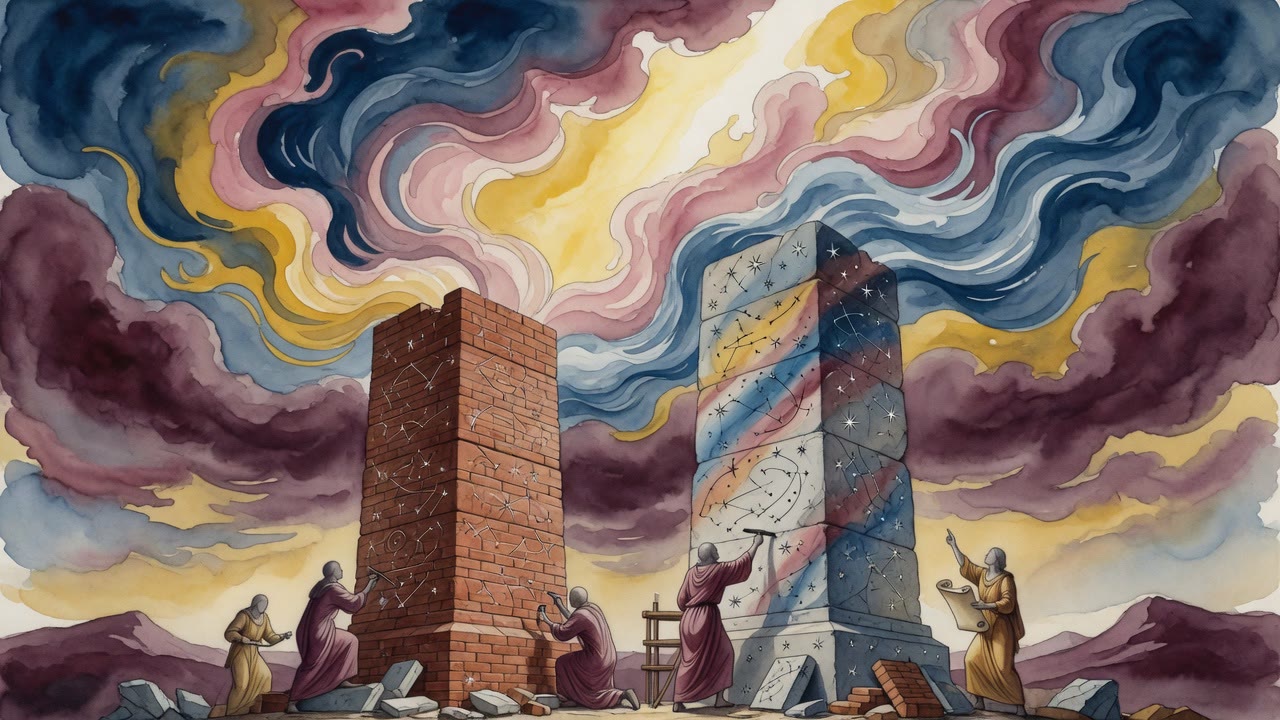
Seth's descendants learned fire and flood were coming. They carved their star charts on two pillars, one brick for the fire, one stone for the water.
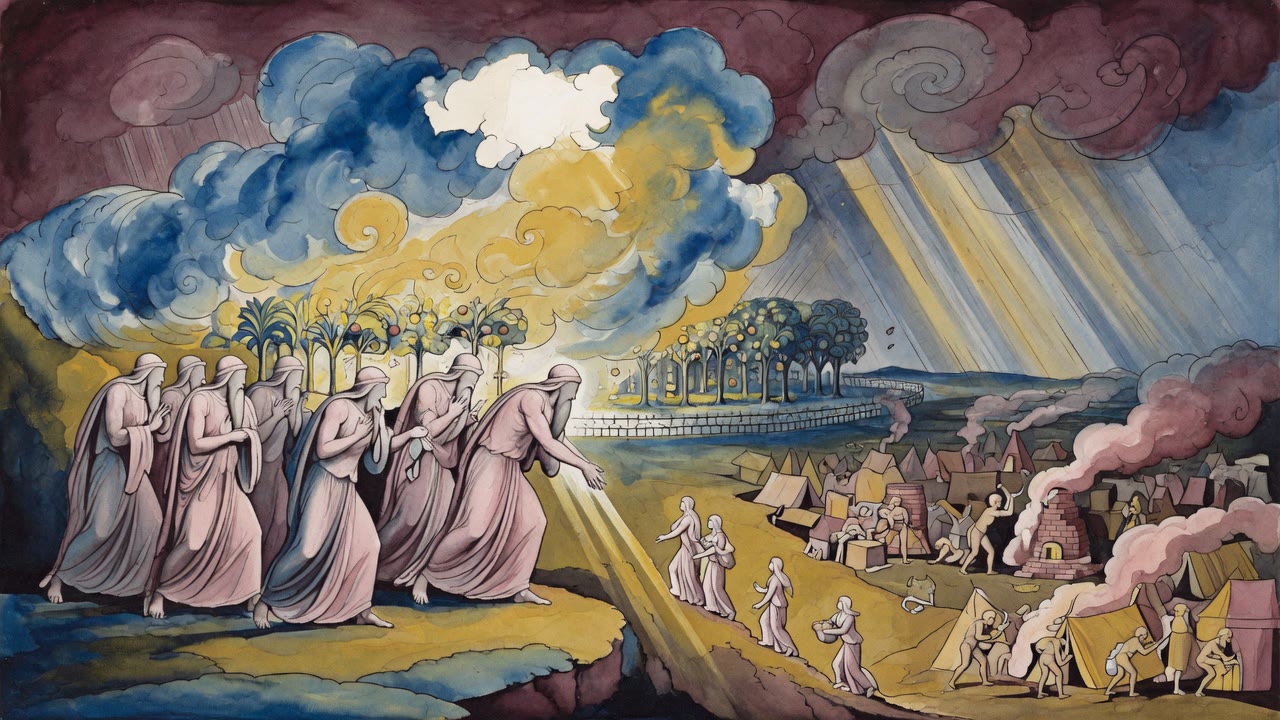
Seth's descendants lived near Paradise for generations, pious and untouched. Then they looked down at the Cainites and made a choice they could not take back.
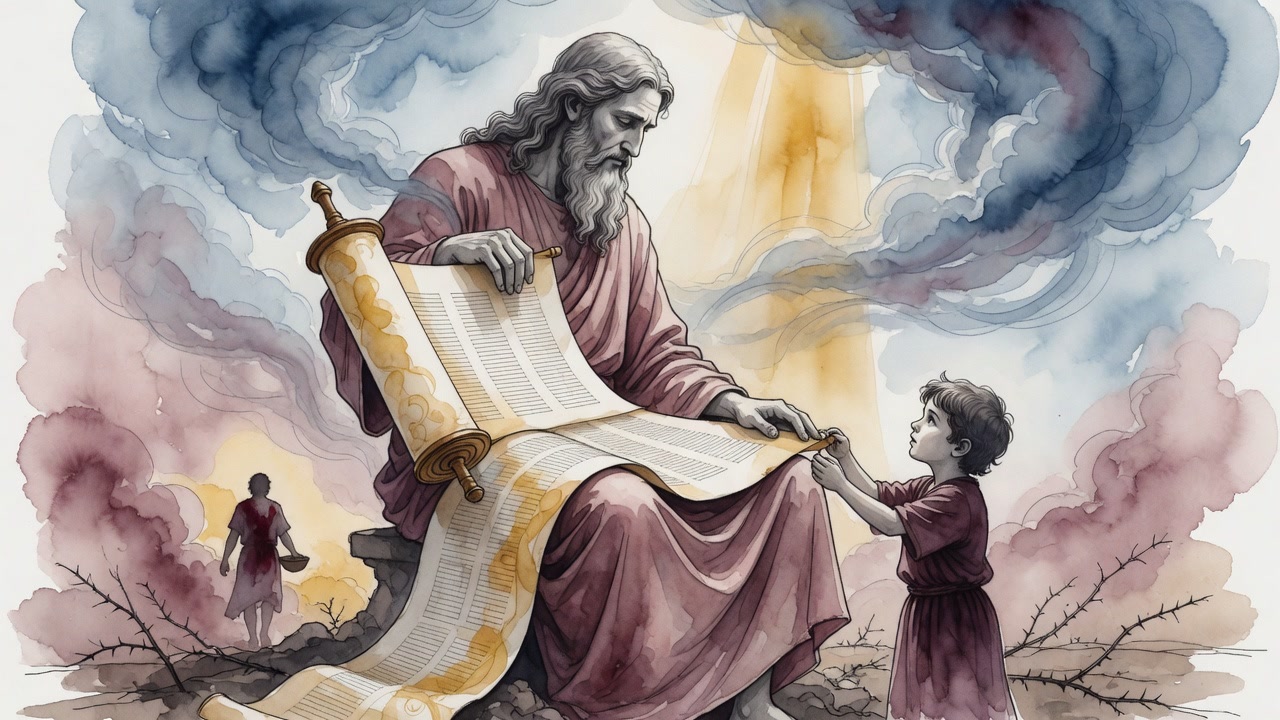
Adam held the entire Torah from the first day. When Cain proved unworthy to carry it, Adam waited two decades before Seth was born to receive it.
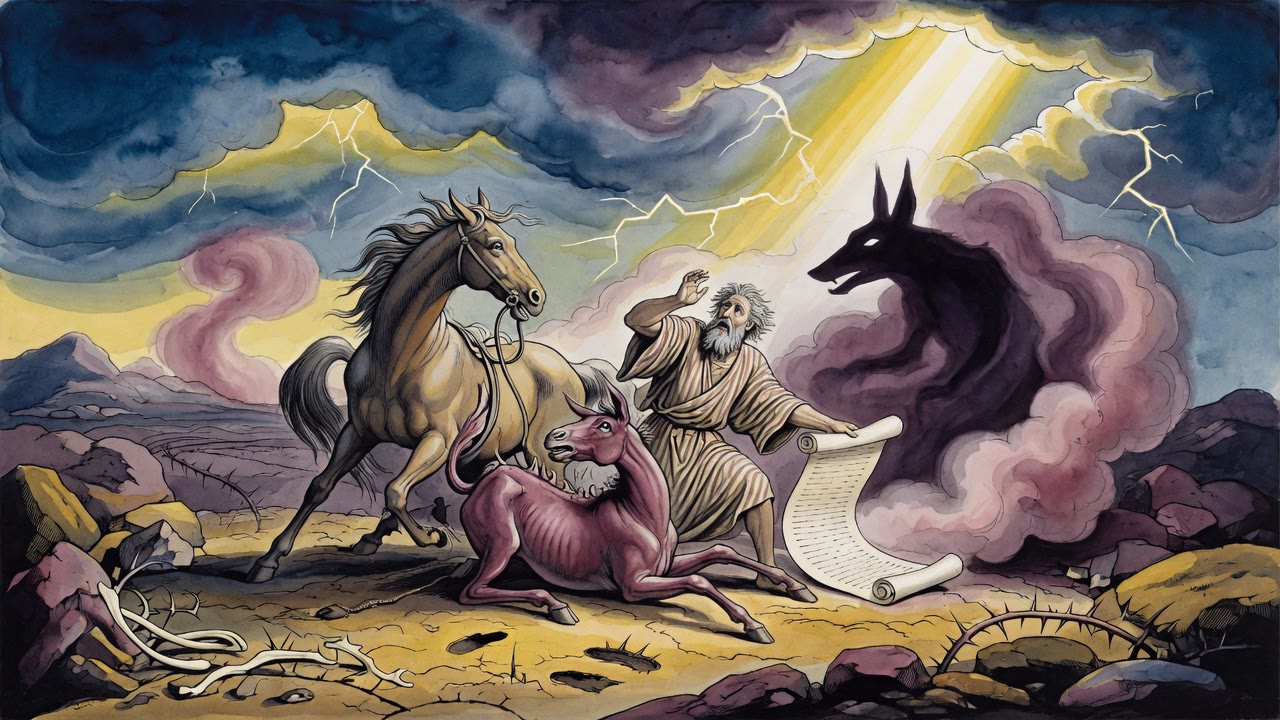
Anah went out alone after his father's strayed donkeys. He came back running and still shaking. The men sent after them found nothing but empty ground.
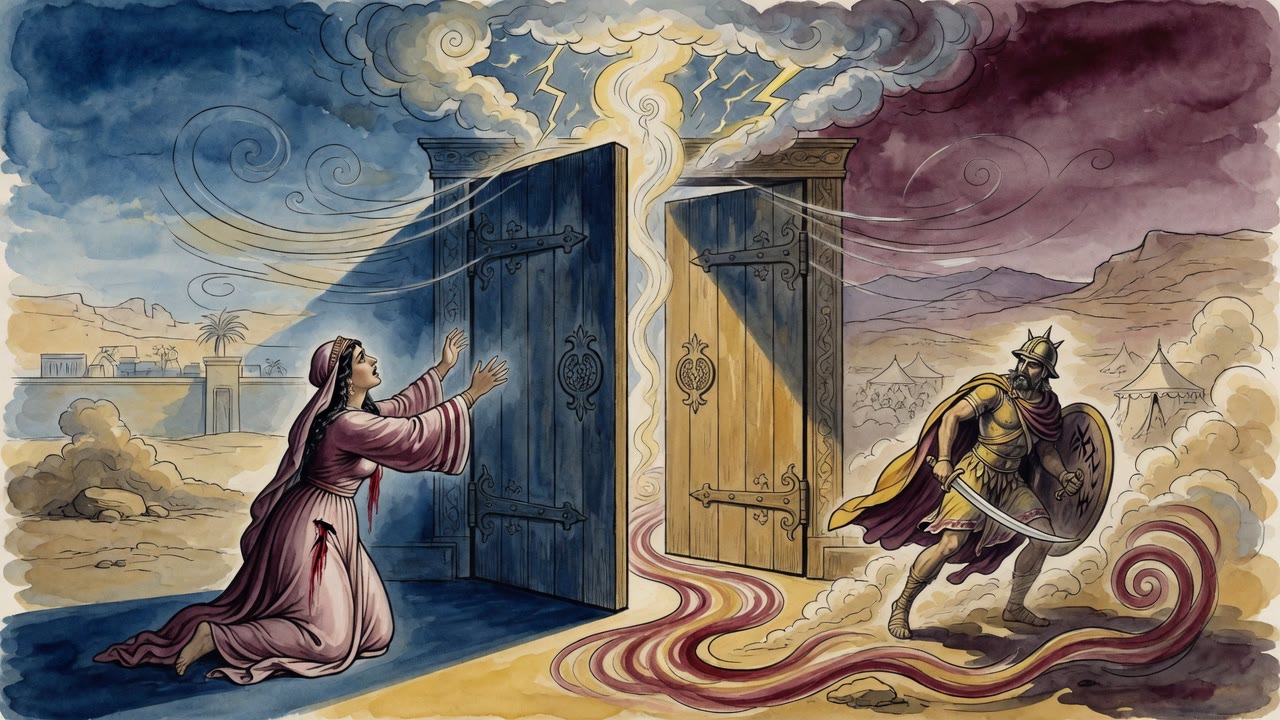
A princess of royal blood begged to join the covenant of Abraham, was turned from the door, and from that wound she bore Amalek.
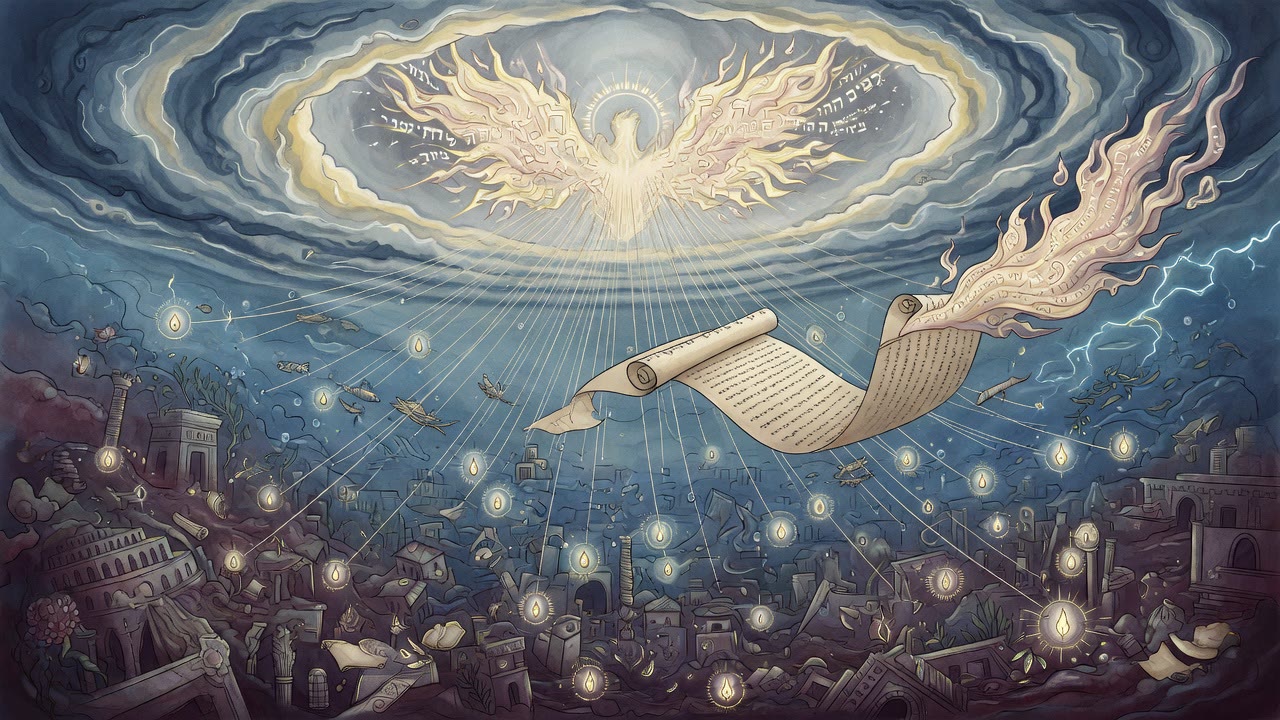
Noah outlived the rain by 350 years. Six centuries on, a census counted 714,100 men, the regrowth of a doomed world from a single felled tree.
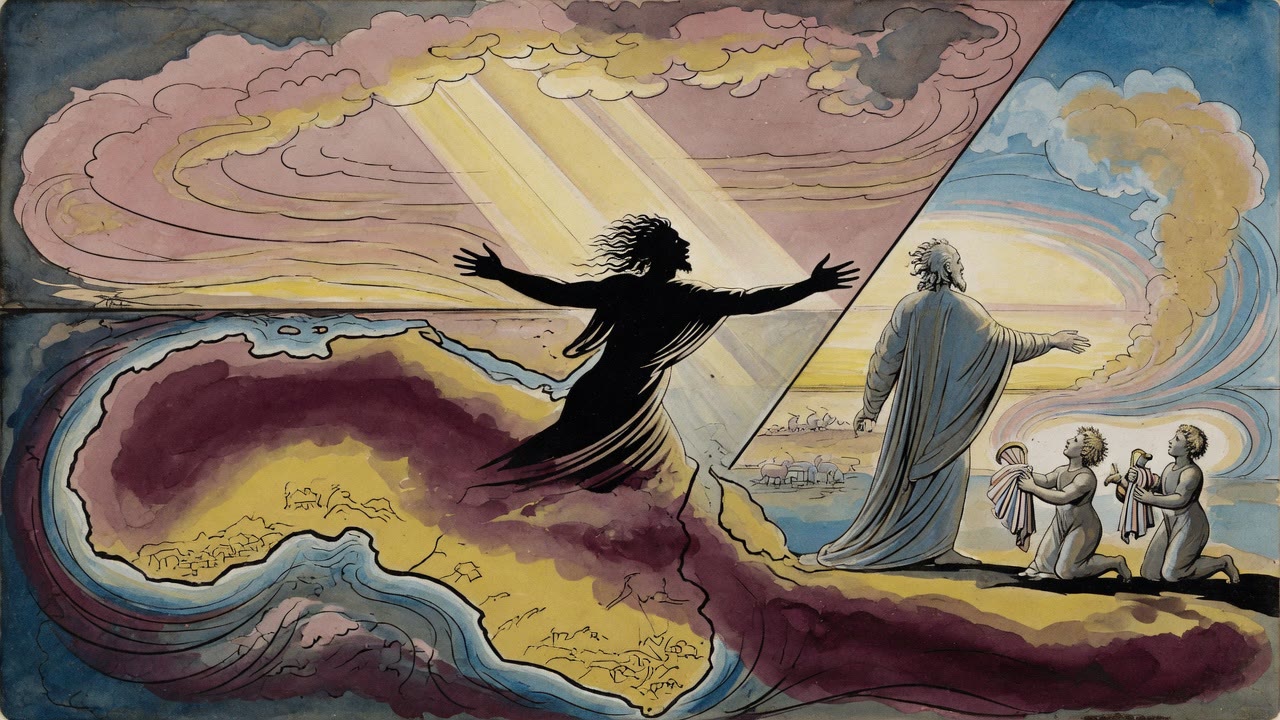
Abraham gave his youngest sons gifts and sent them east, but one grandson turned back toward the sunset and swallowed a continent.
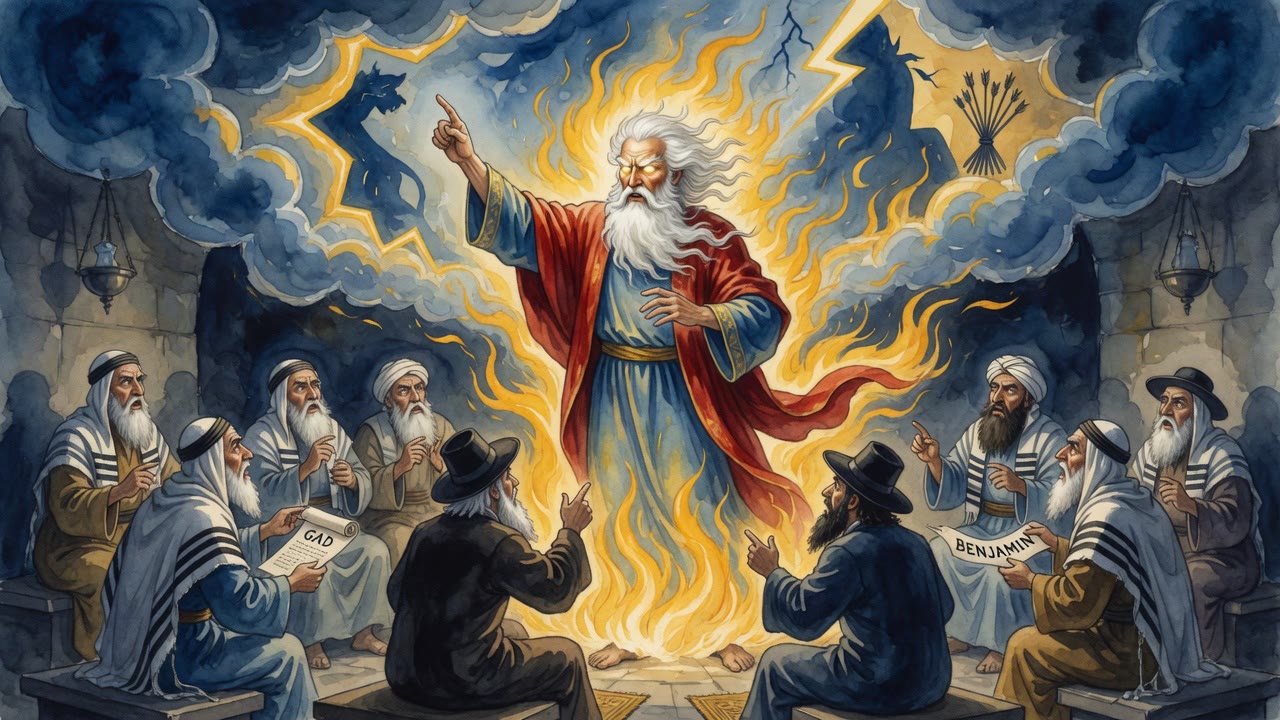
Scrolls named Gad. Scrolls named Benjamin. Elijah walked into the hall, refused both maps, and named Rachel as his house.
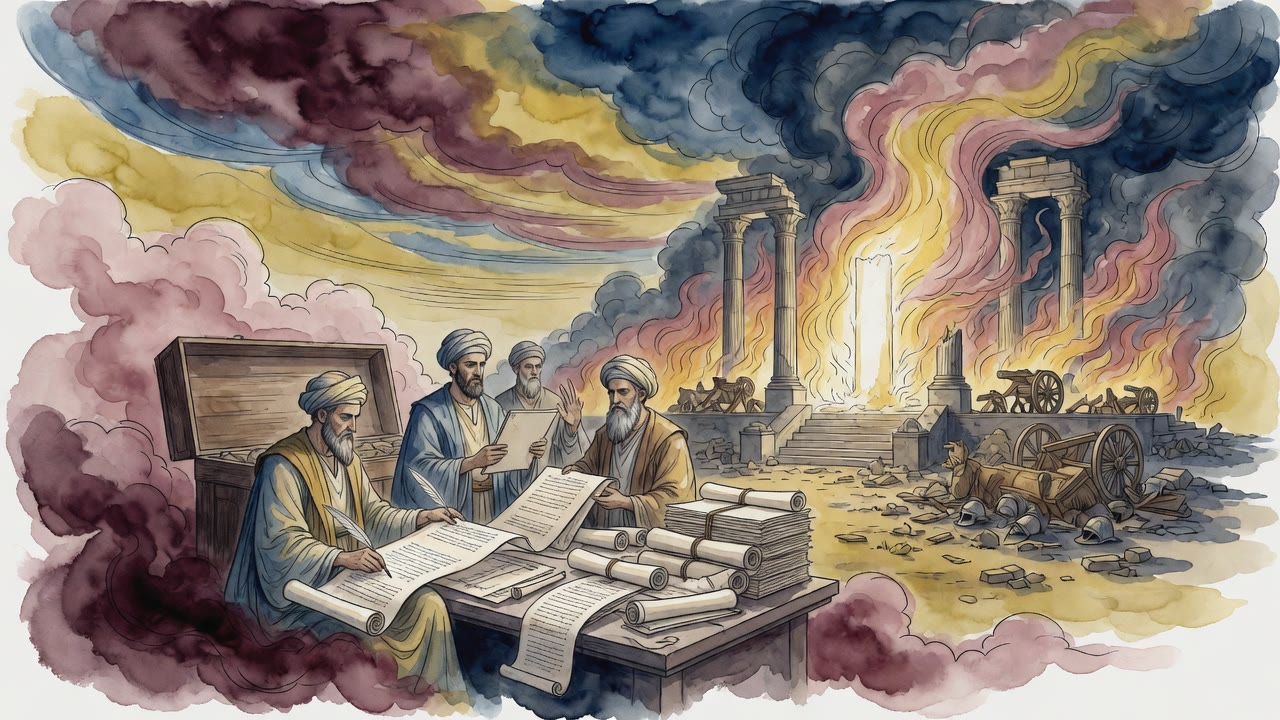
A father unrolled a genealogy by lamplight and would not bless the match until witnesses named every generation. Then the city burned.
