Adam Waited Twenty Years Before Fathering the Son Who Could Carry His Torah
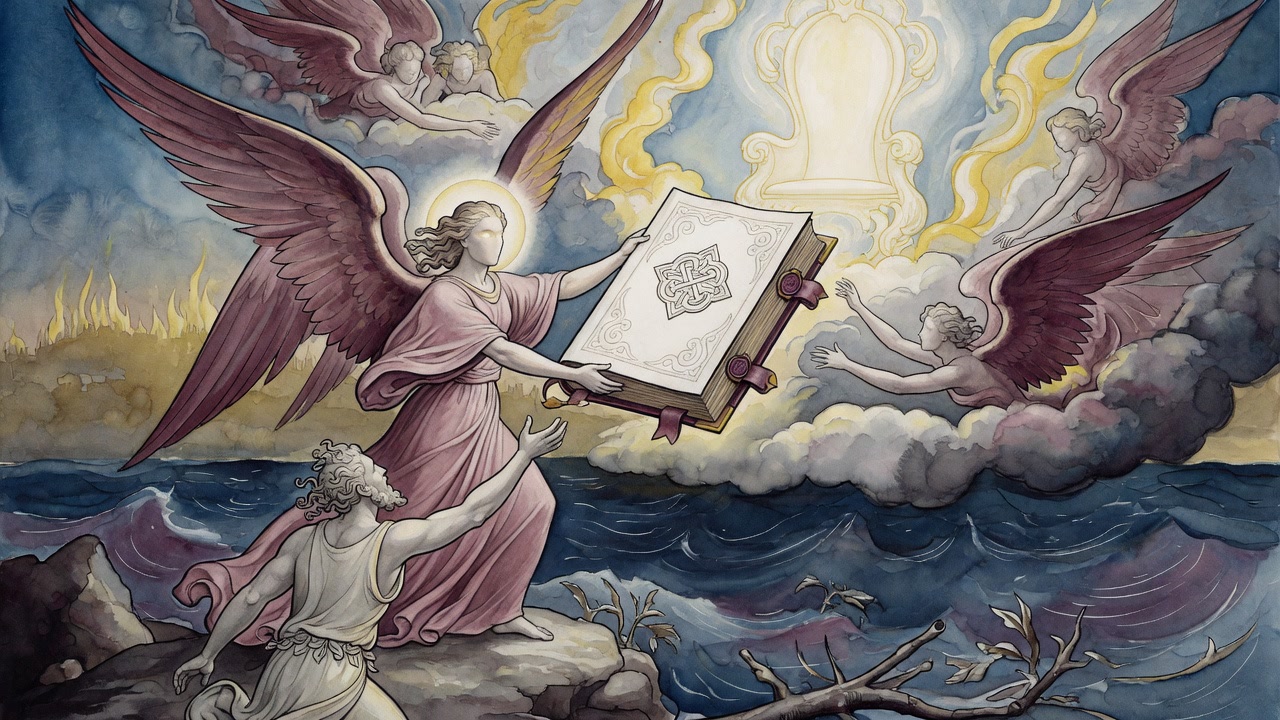
Adam held the entire Torah from the first day. When Cain proved unworthy to carry it, Adam waited two decades before Seth was born to receive it.
Table of Contents
 Click for full size
Before Sinai
Sinai did not receive the Torah first. It received it again.
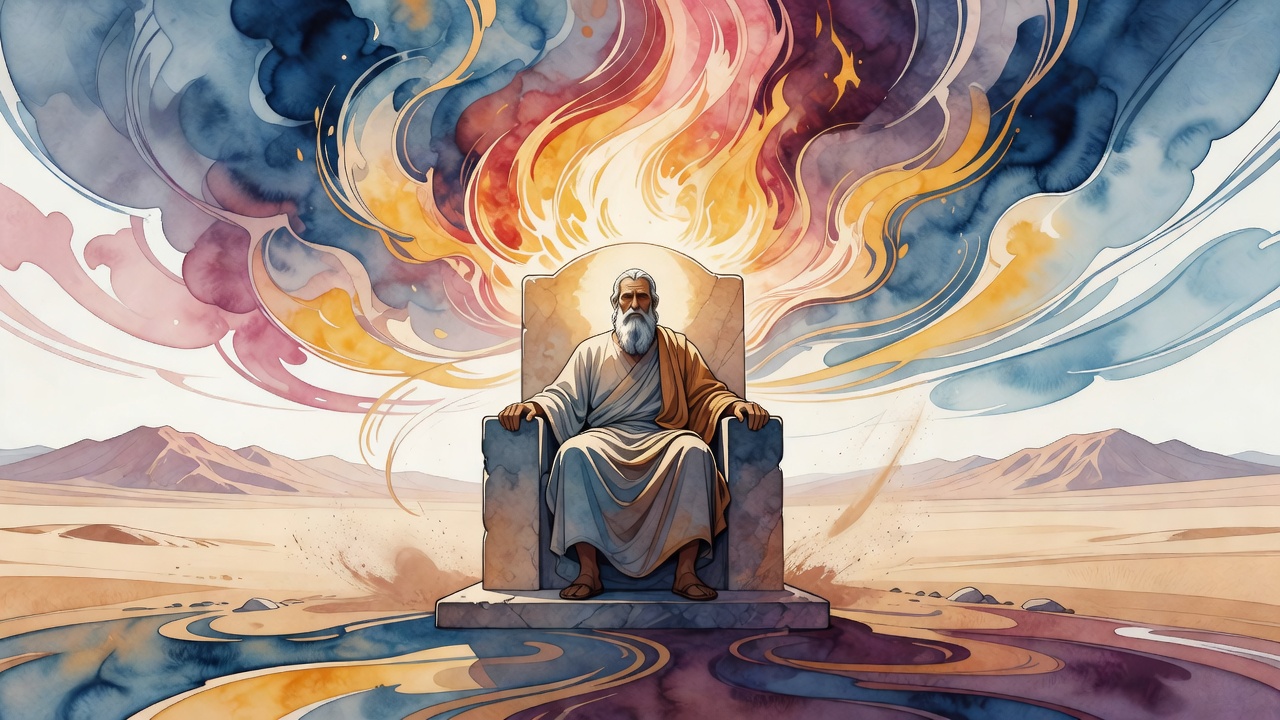
The first time was at the beginning: Adam received the whole of divine law before there was a nation, before there was a covenant on stone, before there was a mountain. He held it in his mind from the start, and the question of who would carry it after him was more urgent than it might appear, because Cain had already shown his answer.
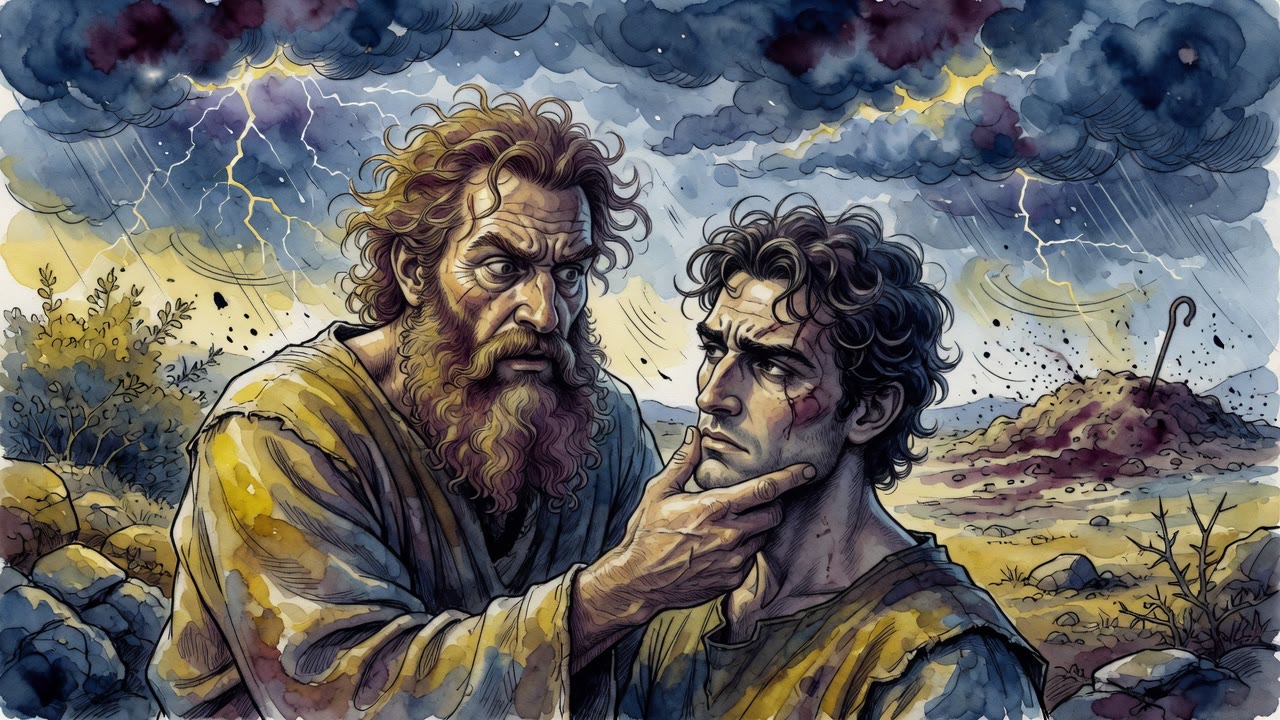
Pirkei DeRabbi Eliezer, the eighth-century Palestinian midrash attributed to Rabbi Eliezer ben Hyrcanus, records what happened after Cain killed Abel. Adam did not father another child immediately. He waited. He withdrew from his wife for 130 years, and the Midrash is explicit about why: he would not bring another child into the world until he knew the child could carry what he carried. The Torah was not something to hand to just anyone.
What Made Seth Different
When Seth was finally born, the Torah used a specific phrase: Adam begot Seth in his likeness after his image. This is the same language used for the creation of Adam himself, when God made Adam in the divine image. The rabbis heard a theological claim in the repetition. Seth was not merely Adam's biological heir. He was Adam's spiritual replica, the only child who could receive what Adam had been given at creation.
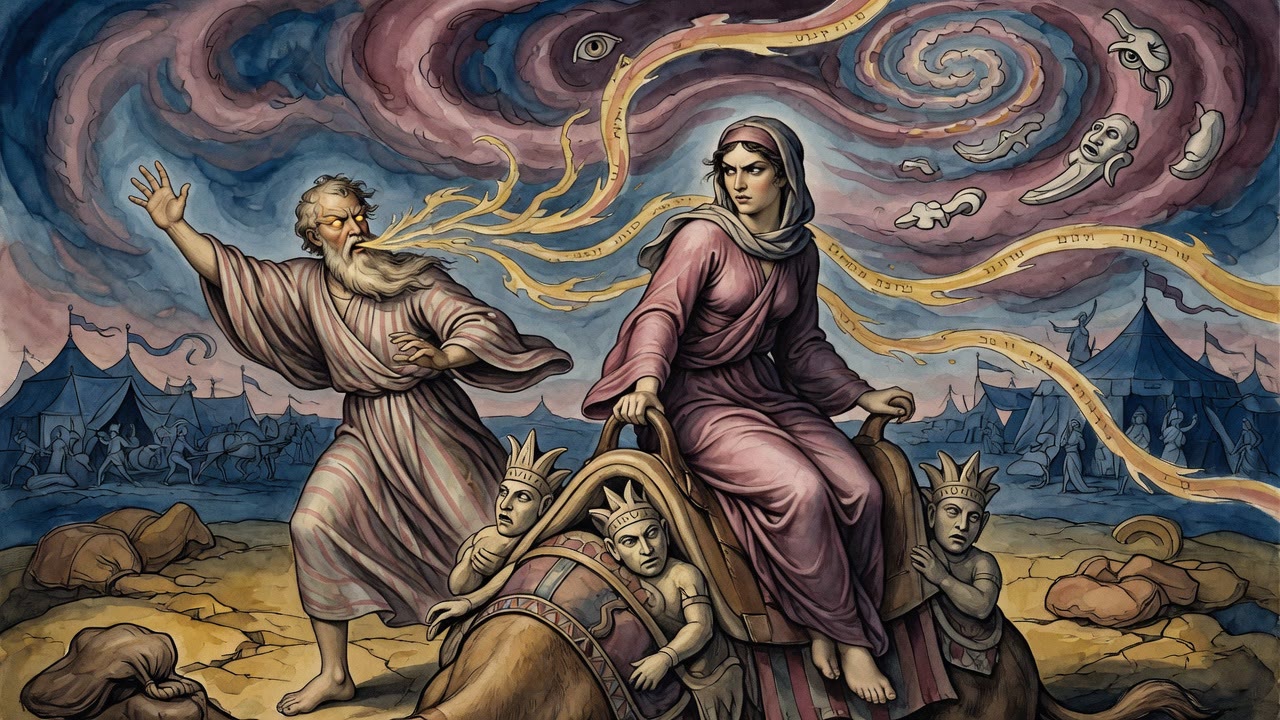
The contrast with Cain ran deep. Some traditions in the Midrash Aggadah held that Cain's father was not Adam at all but Samael, the angel of death, who had entered the Garden and seduced Eve. Whether or not the claim was taken literally, the effect in the narrative was the same: Cain was spiritually cut off from Adam's lineage in a way that made transmission impossible. The Torah could not pass through him. It would have to wait for Seth.
The Chain From Seth to Noah
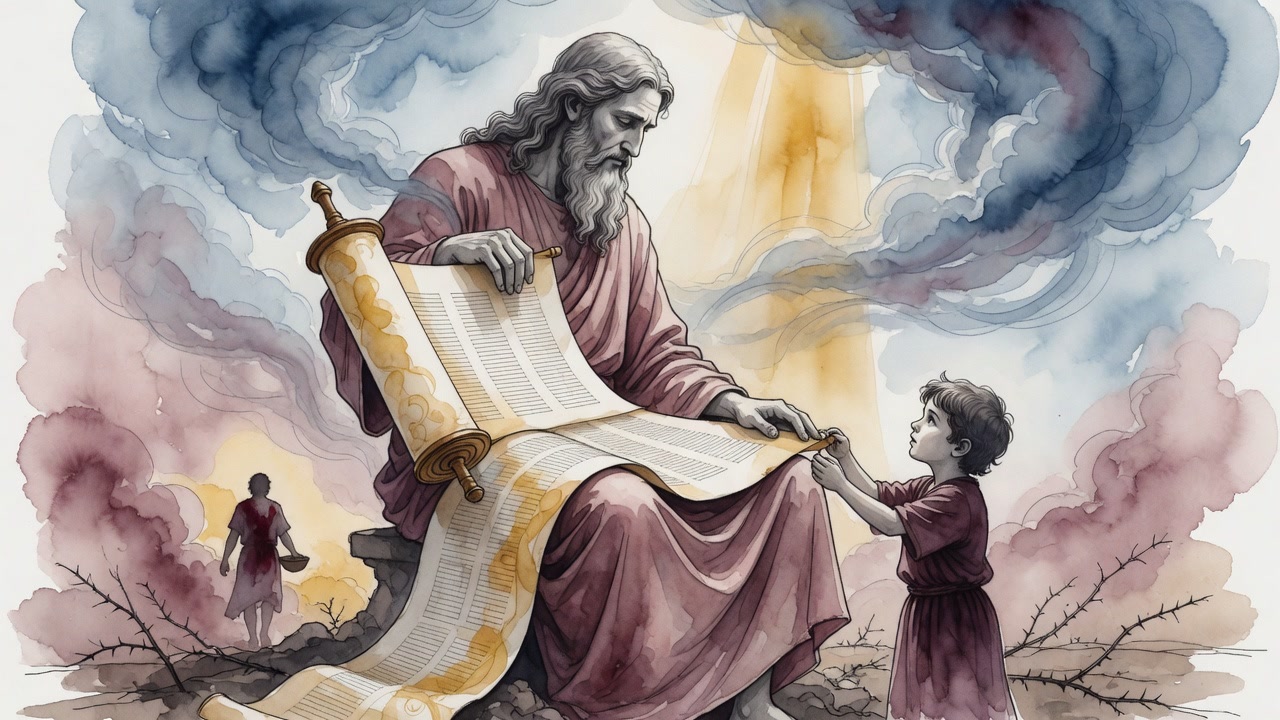
Seth received the Torah. He taught it to his children. He taught it to Enosh and Kenan and Mahalalel and Jared and Enoch, each link in the chain carrying what Adam had received in the Garden.
The chain almost broke. The generation before the flood, the Midrash records, had descended into corruption deep enough to trigger the destruction of the world. But the transmission held in one line: Methuselah, Lamech, Noah. The Torah survived the moral collapse of the antediluvian world the same way Noah survived the flood: by being held by the right person at the right time.
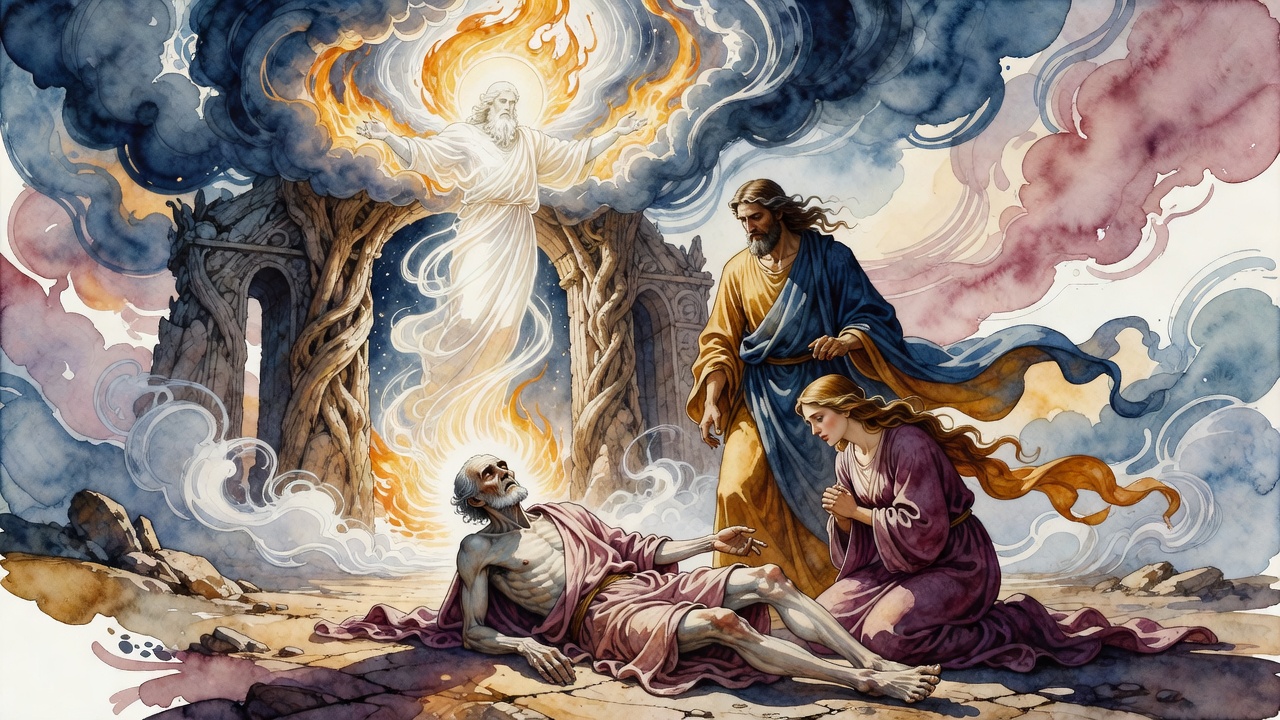
After the flood, the chain continued: Noah to Shem, and through Shem into the post-diluvian world. The Life of Adam and Eve, an early Second Temple-era text preserved in Greek and Latin, adds a dimension to this transmission: Adam had already possessed prophetic knowledge of the flood and had arranged for the holy books to be preserved, instructing that they be written on stone tablets that could survive both fire and water. The Torah was too important to risk on a single human carrier.
What Moses Received at Sinai
When Moses stood on Sinai and received the Torah, the Midrash says he did not receive something new. He received the same document that had passed through Seth and Enosh and Noah and Shem and Abraham and the patriarchs, now formalized in the fire and thunder that the whole nation could witness. Sinai was the public ceremony of a transmission that had already been running for two thousand years.
The rabbis preserved this genealogy of Torah transmission not as a curiosity but as a claim about the nature of law. The 613 commandments were not an invention of the wilderness period. They were a recovery and formalization of something that had always been present in the world, waiting to be given its permanent form.
← All myths