Anah Bred the First Mule and Found Terror in the Wilderness
Anah went out alone after his father's strayed donkeys. He came back running and still shaking. The men sent after them found nothing but empty ground.
Table of Contents
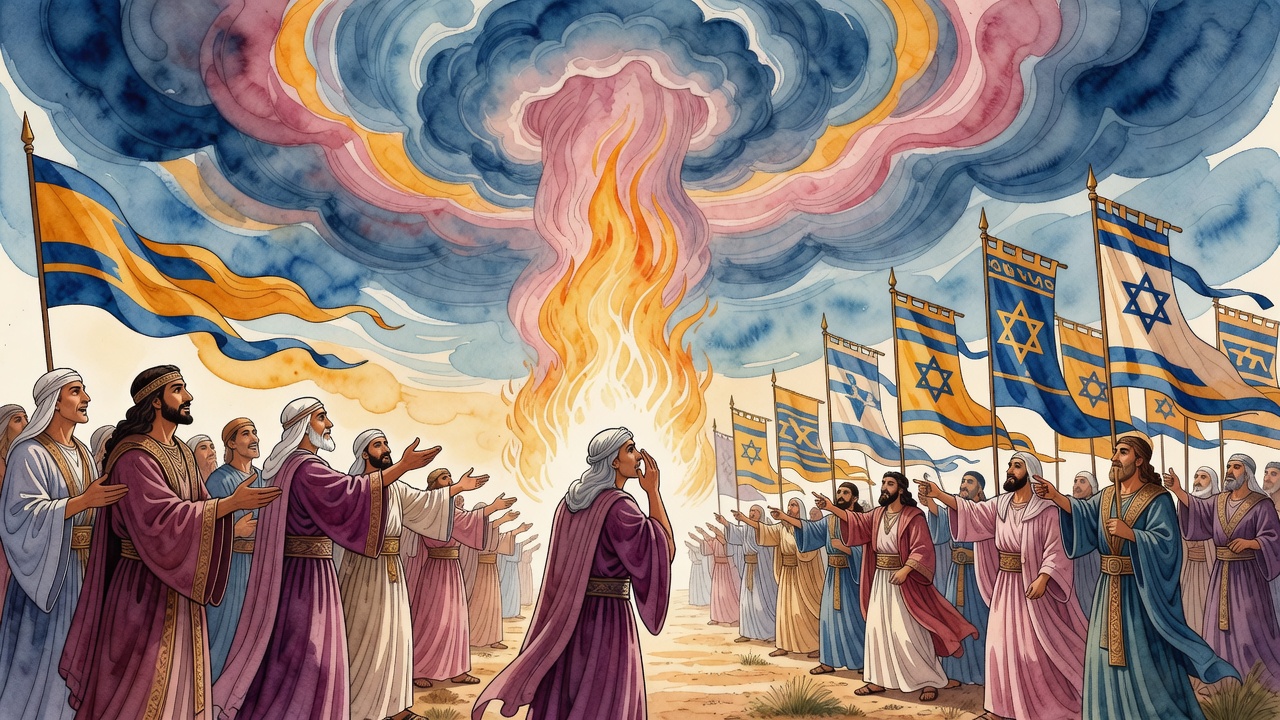
The donkeys had wandered off into the wilderness of Seir, and Anah went after them alone. He was the son of Tzivon, a herdsman of the Horites, and herding was the whole shape of his days. He knew the dry washes and the thornbrakes and the places where a stubborn ass would stand and refuse to move. He did not know, yet, that the verse keeping his name would call him a discoverer, or that what he discovered would empty a list of names of every comfort.
 Click for full size
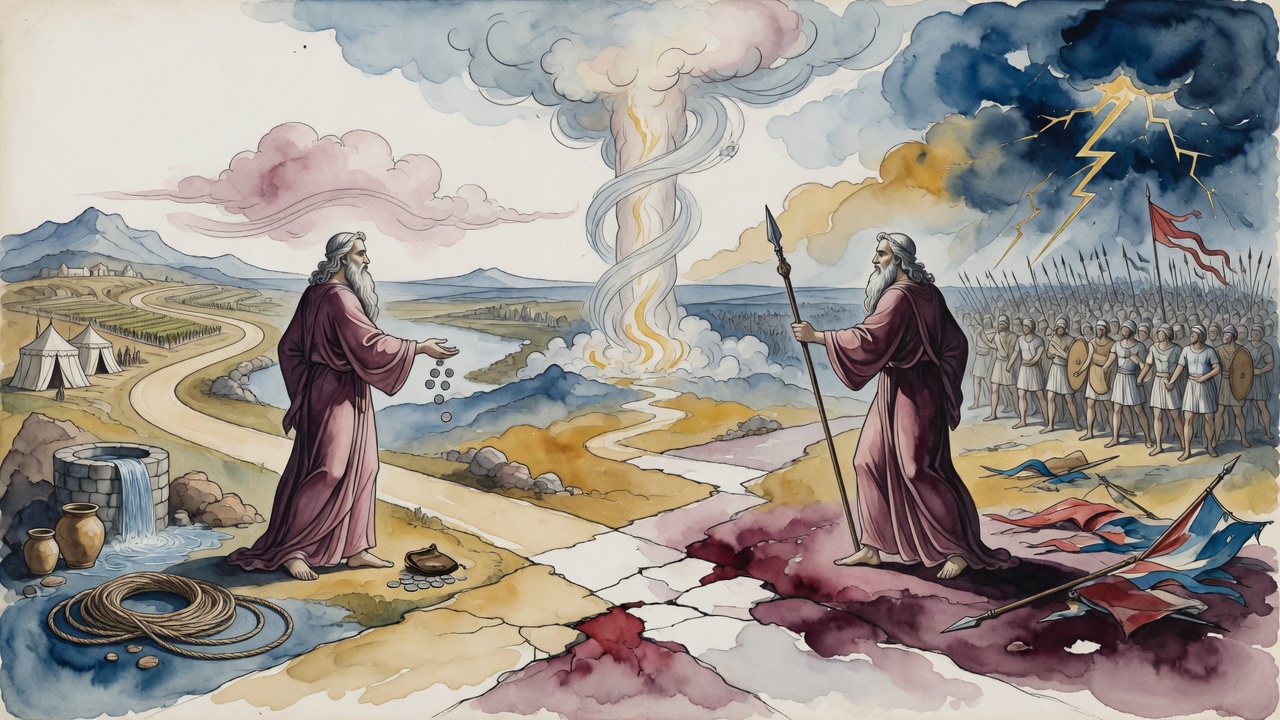
He had already done the thing the desert would not forgive. Out past the settled pastures ran the onagers, the wild asses of the wilderness, lean and quick and untamed. Anah drove his father's she-asses toward them and let the kinds mix. After a season the foals came out wrong in a way that looked right. Stronger than a donkey. Steadier than a horse. He had crossed two creatures God had set apart, and the thing that came forth was the mule.
The Foal That Could Not Be Born Again
The mule was useful from its first breath. It carried more, it stumbled less, it would labor where a horse would bolt. Anah looked at his herd and saw wealth standing on four legs. There was only one strangeness in it, and it took a generation to surface. The mules grew, and the mules worked, and the mules did not breed. Each one was a single sentence with no second line. A creature that could exist but could not continue. One generation, and then nothing.
God had drawn borders between the kinds. Anah had walked across one, and the proof of the crossing was written into the body of the animal itself: it could live, but it could not make a future. He did not read it that way. He bred more.
The Thing God Made to Answer Him
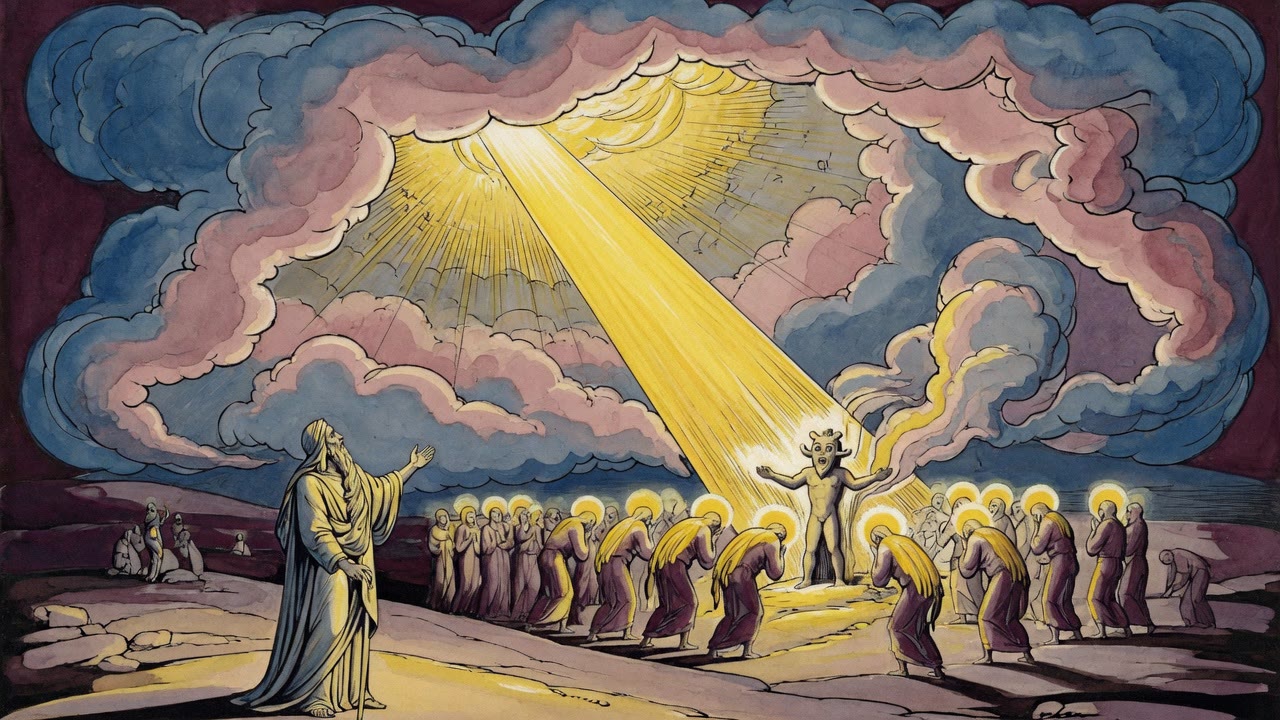
Heaven did not let the boast stand. The Holy One said, "I did not create anything harmful in My world." Then He answered the breeder in the breeder's own tongue. He took a viper and brought it together with a lizard, and from the joining came a venomous spotted thing, a creature mottled and quick and entirely new. Its bite was a sentence with no appeal. No one had ever said that a man bitten by it lived. No one had ever said that a man kicked by a white she-mule lived. Some were wounded and survived, but that was all the mercy in it, and only where the creature was red and the tops of its feet were white.
So the wilderness now held two things that should not have existed, and one of them belonged to Anah.
The Day the Herd Vanished
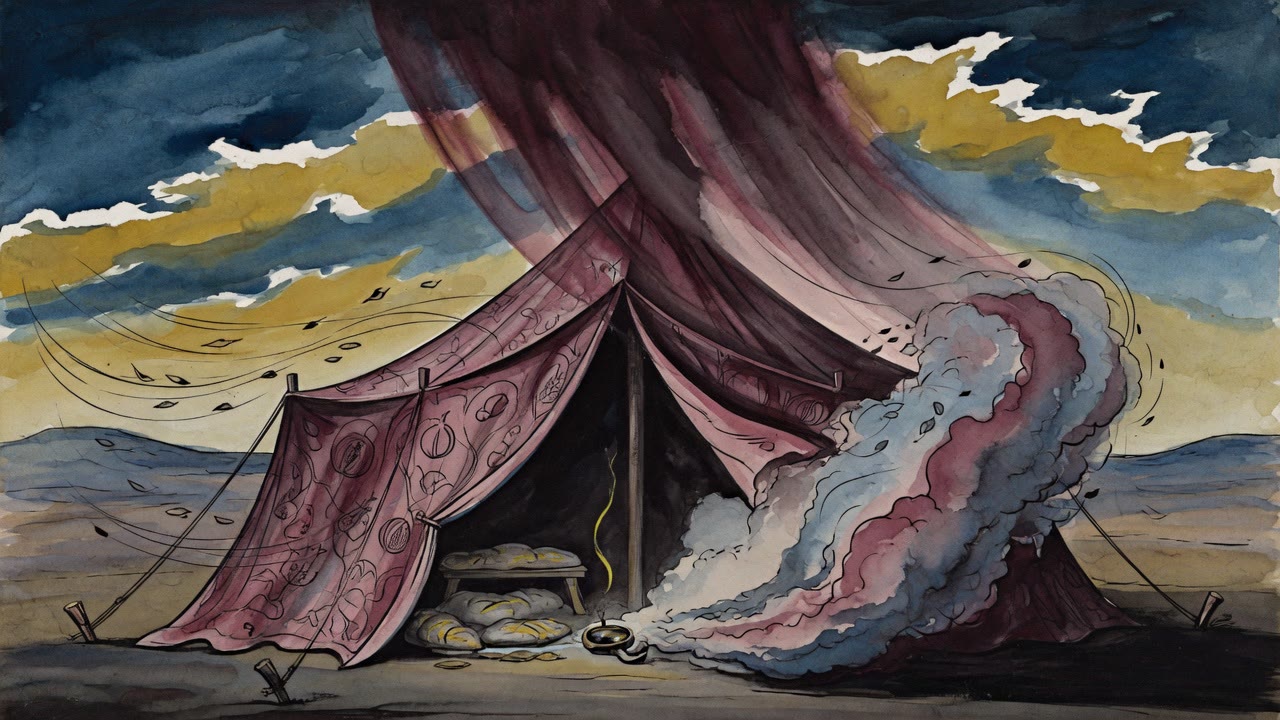
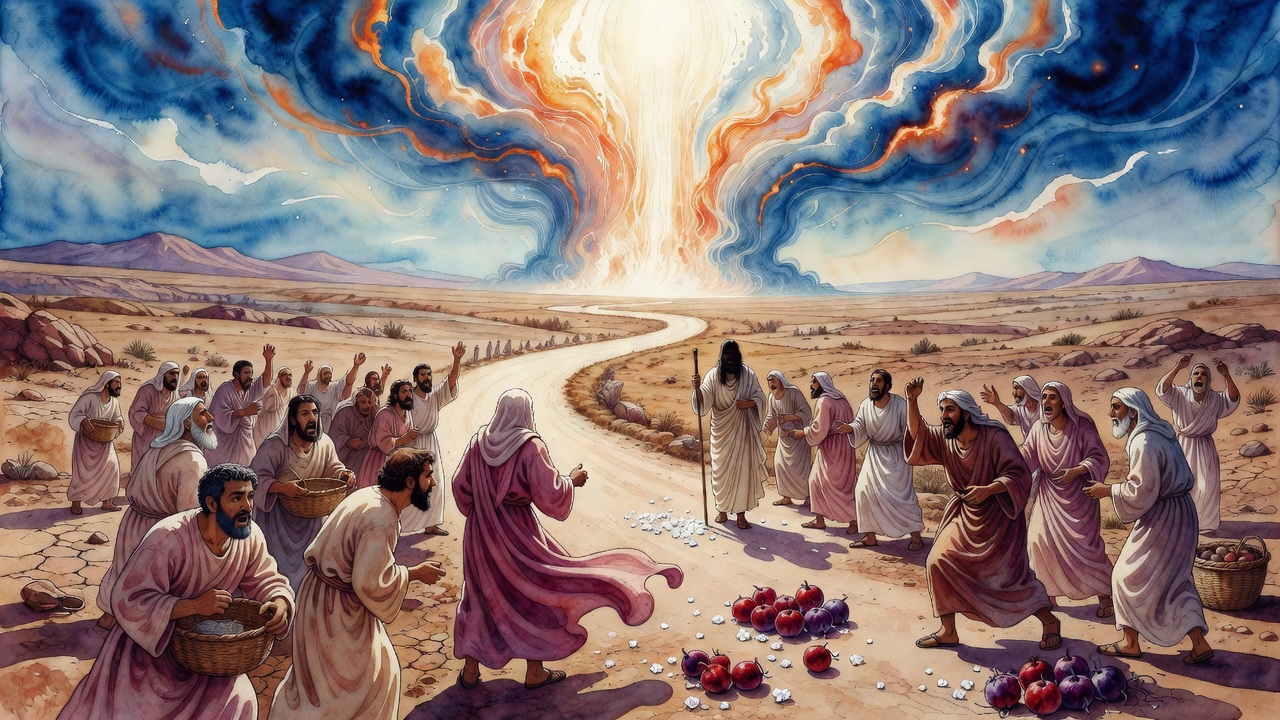
It was while he was out after the strayed asses that he came on them. The sources keep the verse and keep his terror and will not show the thing itself. The line says only that when Anah saw what was there, he was exceedingly afraid for his life. Whatever stood in that wash, he did not stay to count it. He turned and ran for the city and did not stop running.
He told them what he had seen, all of it, and they could make nothing of it except that he was shaking. A search party went out after the asses that had been grazing in that place. The asses were gone. Vanished out of the wilderness as if the ground had closed over them. Anah and his brothers never went back to that place again. The verse that holds his name calls the creatures of that ground yemim, and one of the sages turned the word over and found the reason inside it: they were called yemim because their terror, eimah, is cast upon every living thing that meets them.
The Stain That Came Before the Mule
The expounders of hard matters looked further back than the herd. They read the genealogy of Seir against itself. One verse lists Tzivon and Anah as brothers, both sons of Seir. Another verse calls Anah the son of Tzivon. Both cannot stand unless one man is two, and the same phrase, "this is the Anah," shuts that door: it is the one Anah, named from the start. So Tzivon came in upon his own mother and fathered Anah from her, and the boy was at once Tzivon's son and Tzivon's brother. He was born of a boundary already broken. A man of unfit birth, who then brought unfitness into the world. The mule did not begin in the wilderness. It began in the bed.
The Mules That Stood in the Doorway
The white mules outlived the man who made them, and they kept their reputation. Generations later Rabbi Pinchas ben Yair was on the road to ransom captives when a river met him and would not part. "Divide your waters for me," he said. The river answered that it was doing the will of its Maker as surely as he was doing his. "If you do not divide," he said, "I decree that water shall never pass through you again." It divided. It divided again for a man carrying flour for Passover, and again for an Arab walking with them, so none could say the holy travel poorly with their companions.
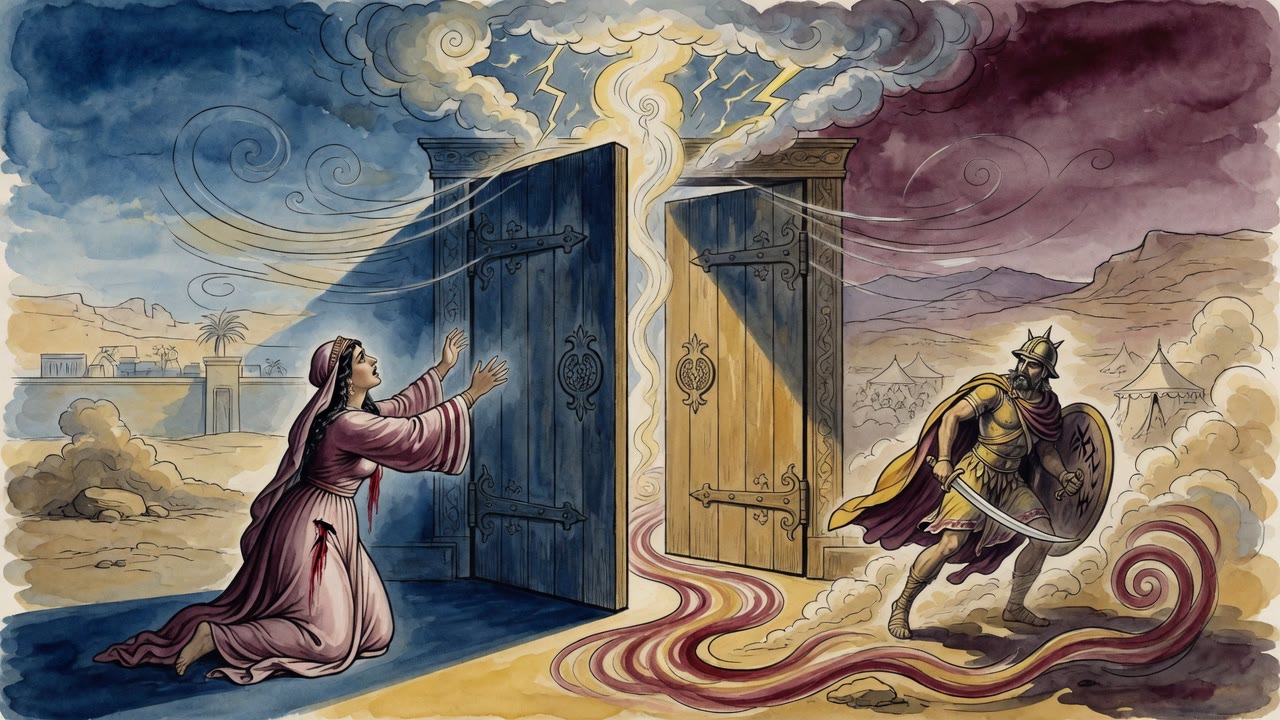
This was the man invited to a meal. He came to the gate, and white mules were standing in it. He stopped on the threshold. "The angel of death is in this man's house," he said, "and shall I dine with him?" His host ran out to him and offered to sell them. "You shall not put a stumbling block before the blind." To declare them ownerless. "You would only spread the harm." To hamstring them, to kill them. Each answer met a law of its own: the pain of living creatures, the waste of the world. The righteous man would not yield, the host would not yield, and a mountain rose up between them in the doorway where the white mules stood. Anah's clever animal had become a thing a tzaddik (a righteous person) would not pass to share bread, the boundary made flesh, planted across a door no one could cross.
← All myths