Parshat Ki Tisa5 min read

Moses Found Food Where Nothing Could Grow

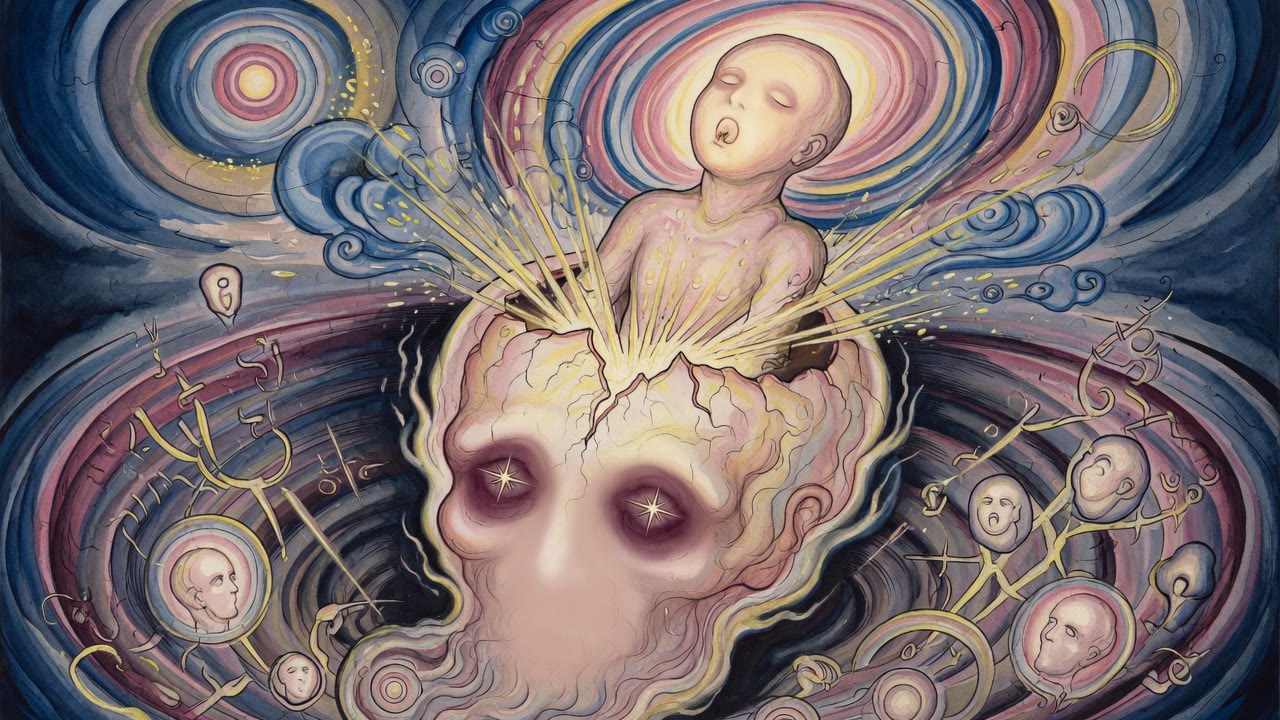
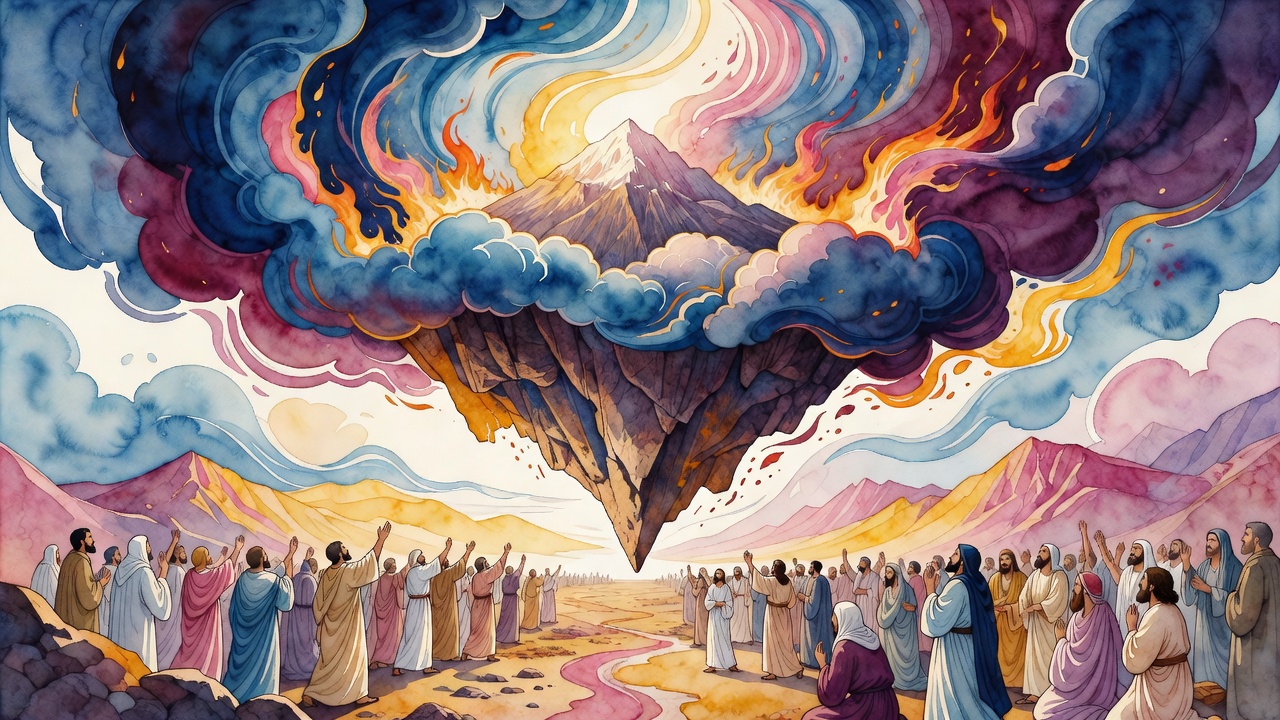
Moses drove Jethro's sheep forty days to reach Horeb. The empty desert already held the manna, the well, and the clouds of glory.

Curated by Arthur · Told by Maggid ·
Table of Contents
  1. The Desert Was Israel's Hidden Treasury
  2. Israel Misjudged Three of Its Holiest Objects
  3. Moses Was Sustained by Torah for Forty Days
  4. The Staff That Stood Among Three Feared Things

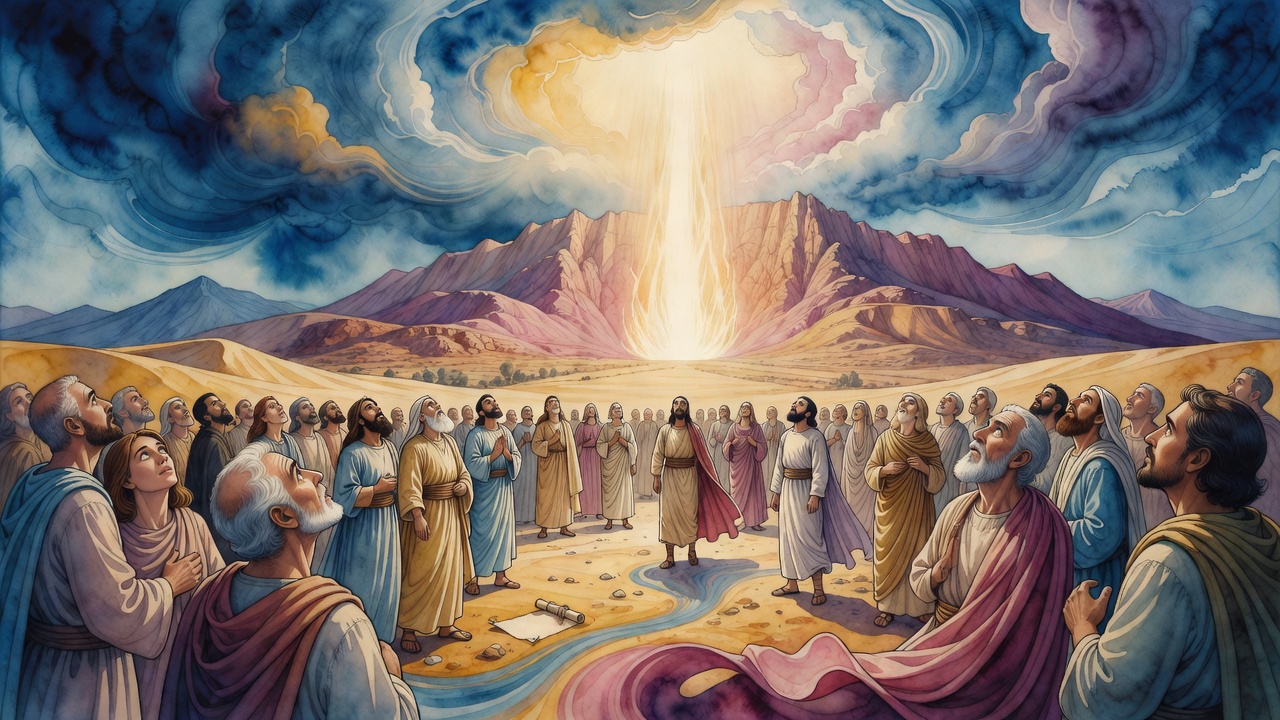
Moses was driving Jethro's flock toward Horeb when the sages paused over the landscape around him.
Moses Found Food Where Nothing Could Grow Click for full size

The wilderness looked like the place where nothing grows. No field, no vineyard, no city, no court, no granary. A shepherd driving borrowed animals through such a place should see only scarcity and stone. There was nothing there. That was precisely why God had sent him there.

The Desert Was Israel's Hidden Treasury

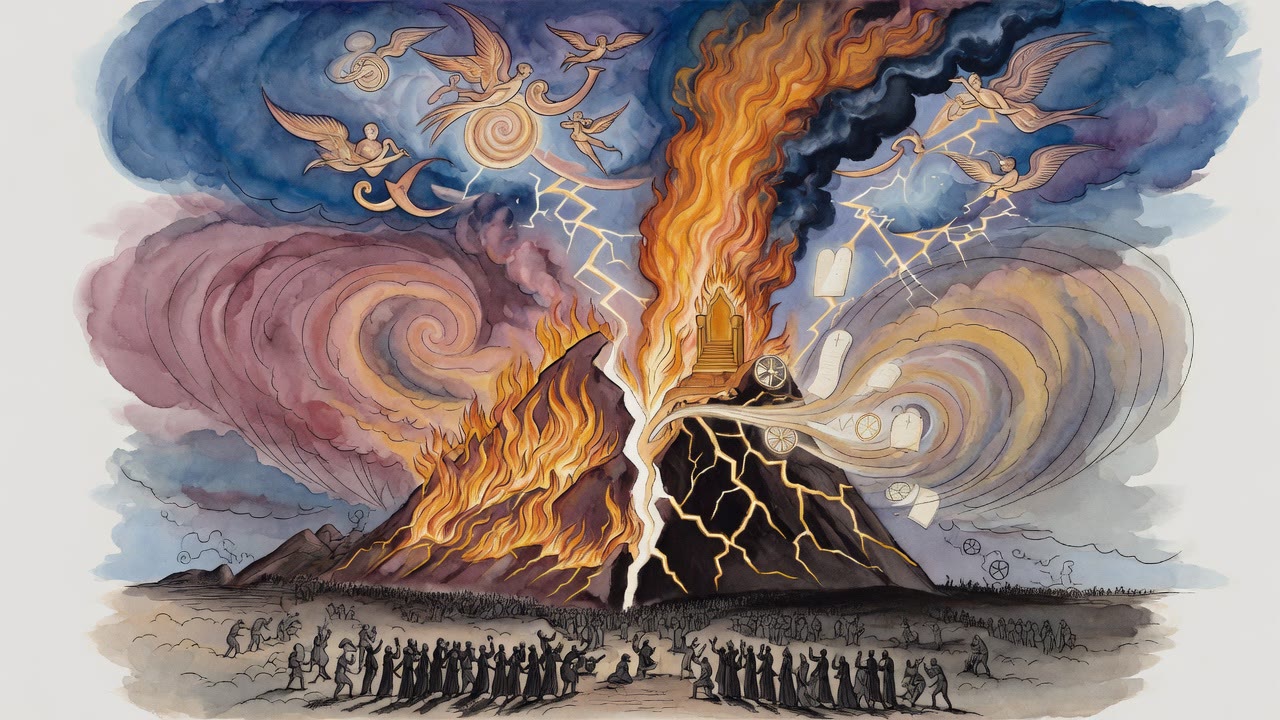
What did Israel receive in the wilderness? Kingship and priesthood, the well of water, the manna, and the clouds of glory, all came from the place the world called empty. The crown of David and the crown of Aaron, the bread from heaven, the moving spring that followed the camp, the pillars of cloud that sheltered the people by day: none of these were born in a fertile land. They were born in the place human hands could grow nothing.

The flock of Moses walked forty days to reach Horeb, because Moses drove them far from human settlement to spare the grazing land from being stripped for animals that belonged to someone else. The distance was a courtesy, and the courtesy led him to the place where the burning bush waited. Everything God later gave Israel was already there, hidden in the landscape Moses crossed on someone else's errand.

Israel Misjudged Three of Its Holiest Objects

Israel had a habit of calling its holiest instruments instruments of calamity. Three objects in particular they whispered against, and three times they were wrong about what those objects were.

The incense had killed Nadab and Abihu, so Israel feared it. They pulled back from it, kept a distance from it, treated the sacred smoke as though it were contaminated by the deaths it had witnessed. But later that same incense halted a plague and made atonement for thousands. The ark had struck down Uzzah and the men of Beth-shemesh, so Israel dreaded it. But it brought blessing to the house of Obed-edom and glory to Jerusalem. The sapphire staff of Moses had hammered Egypt with ten plagues and split the sea with ten more, so they whispered against it. But it would give water from the rock and serve as a sign of God's power in every generation that watched it work.

Three objects called cursed that were sacred. Three instruments of death that were instruments of life. Israel's fear was understandable. But it was wrong about the objects, because it was reading the exceptions rather than the purposes.

Moses Was Sustained by Torah for Forty Days

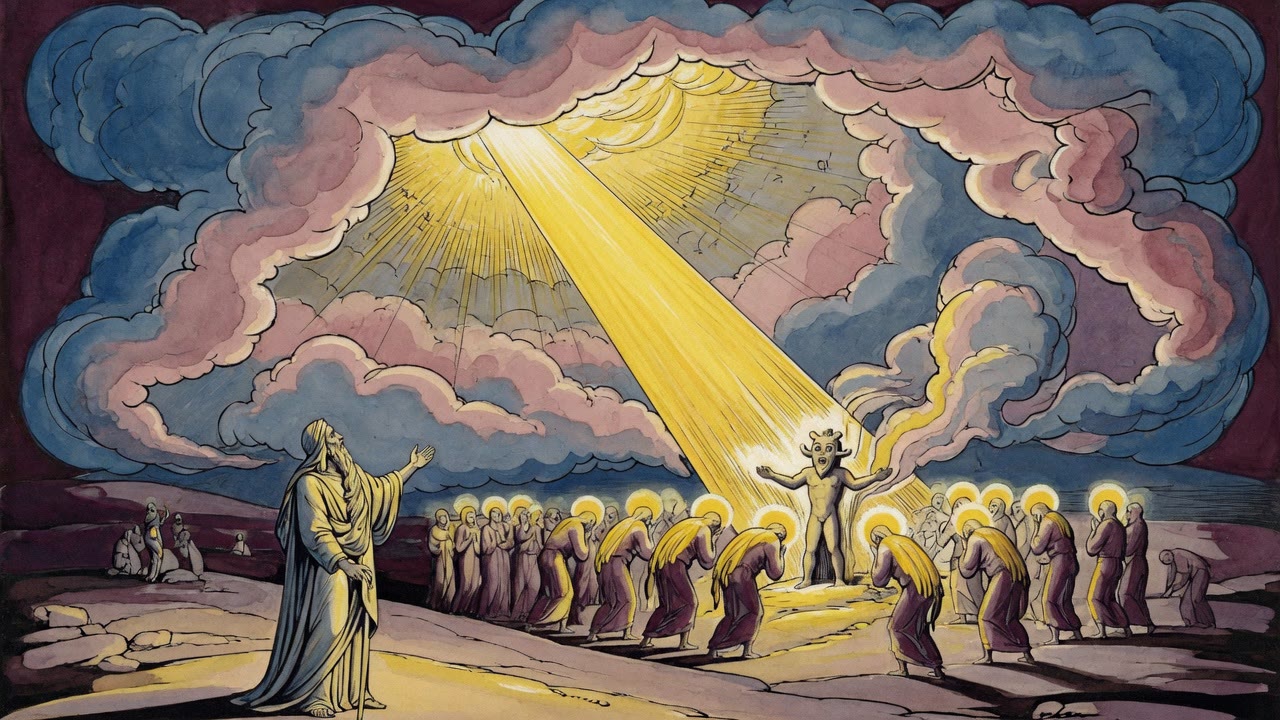
Forty days and forty nights on the mountain with no food and no water. The obvious question asked itself: how does a human being survive it? The answer reframed the entire event. When the ministering angels visited Abraham at Mamre, they descended into the human world and ate, though angels need no food, because the human world requires eating. Moses reversed the direction. He climbed into the upper world where there is no eating and no drinking, and so he lived as the place around him lived.

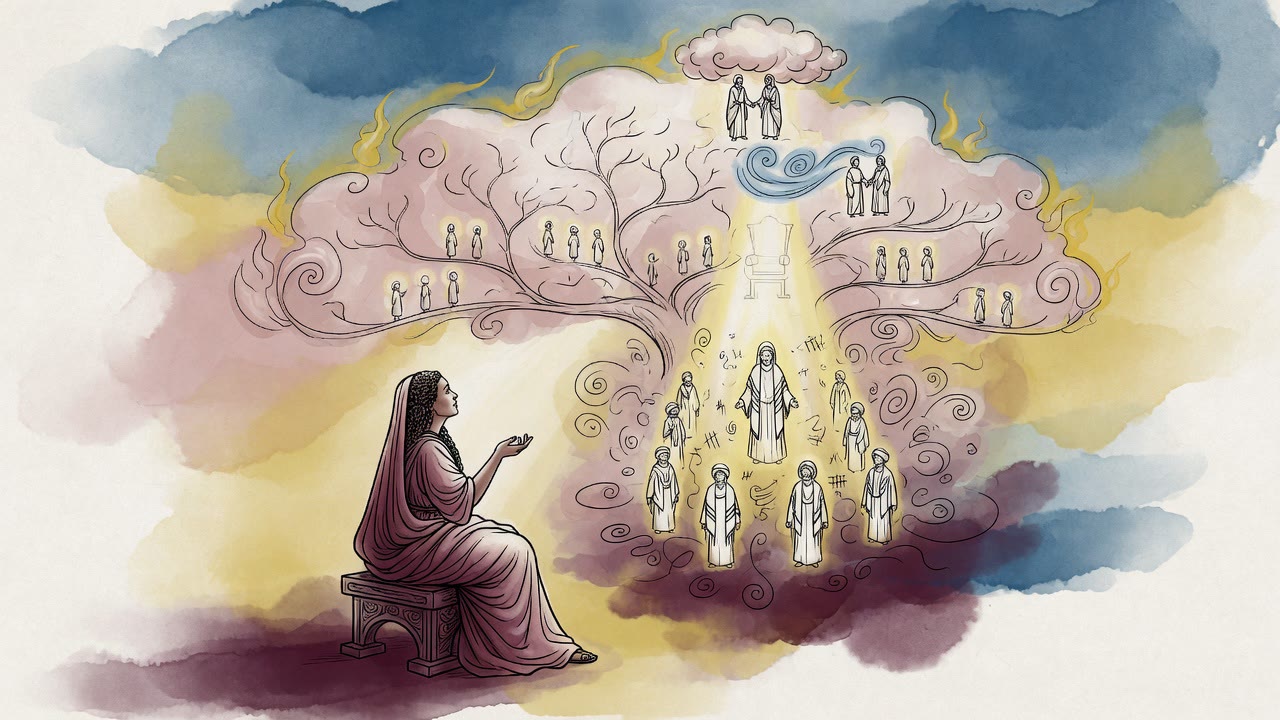
The sages refused to leave him starving even in that other register. He ate no bread means he ate the bread of Torah, because Wisdom herself calls out in Scripture: come, eat of my bread. He drank no water means he drank the waters of Torah, because the prophet says: everyone who thirsts, come to the waters. Moses was nourished for forty days by the radiance of the Divine Presence, the same radiance that would later make his face shine when he descended. By day he learned, and by night he reviewed what he had learned. The mountain fed him on what it was made of.

The Staff That Stood Among Three Feared Things

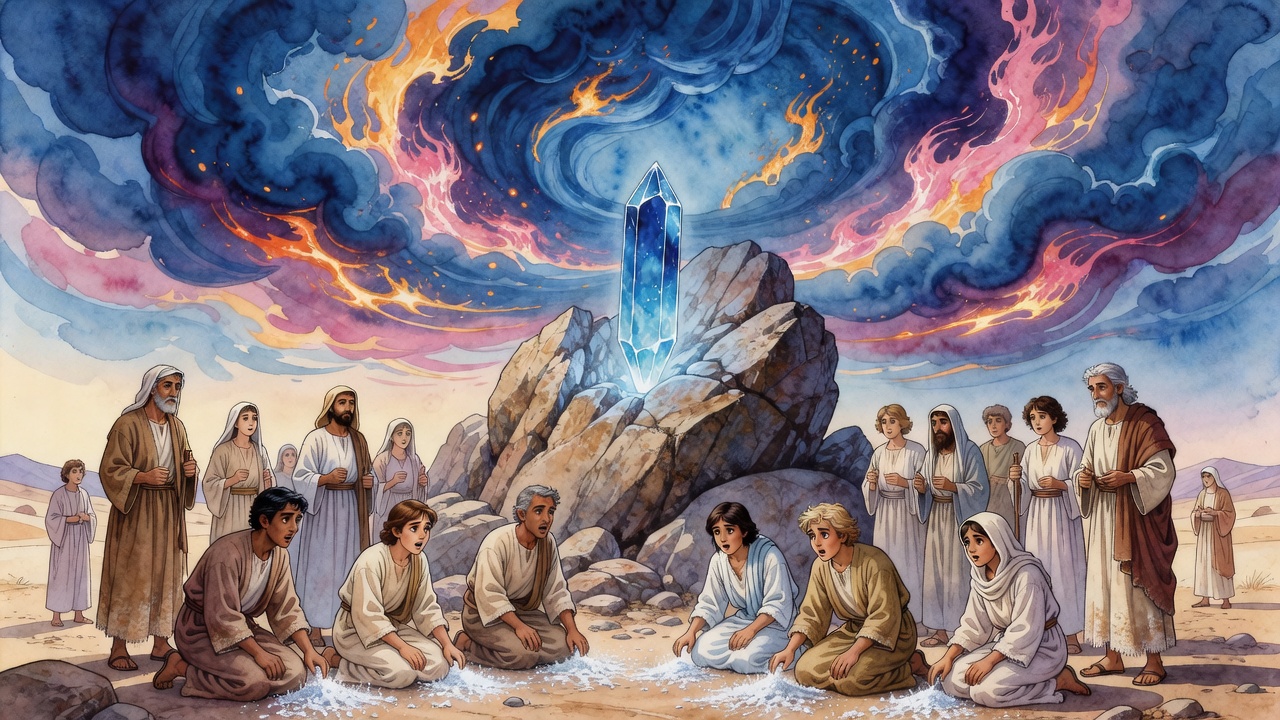
God instructed Moses to bring the elders along as witnesses when he struck the rock, so that no skeptic could later claim hidden springs had been there all along. He was also to bring the staff, the same one that had struck the Nile. The staff was needed not because Moses could not find water without it, but because the people who watched needed to see the instrument they had misjudged doing the work they had thought it incapable of doing. The sapphire staff was not a weapon. It was a vessel they had not learned how to read.

Every gift Israel called miraculous had been waiting in the wilderness before Israel arrived. The manna, the water, the cloud, the staff, the priesthood, the kingship. The barren place was not where provision stopped. It was where false confidence ran out of things to eat, and where the gifts that did not depend on human management could finally be seen.


← All myths
From the tradition

Sources

5 sources

The texts behind this telling. Some cards carry a translation of the source; others are our own retelling of it, and each card says which. Every card links out to the original.

Yalkut Shimoni on Torah 169:8Yalkut Shimoni on Torah

Translation of the source text.Torat Emet (Yalkut Shimoni) · CC-BY-NC

Another interpretation: He saw that he had taken greatness from the wilderness. Kingship and priesthood came from the wilderness. The well came from the wilderness. The manna came from the wilderness. The clouds of glory came from the wilderness.

"And he came to the mountain of God, unto Horeb" (Exodus 3:1). The flock of Moses traveled forty days and tasted nothing, just as was done for Elijah, may he be remembered for good, as it is said, "And he arose, and went in the strength of that food forty days" (I Kings 19:8).

Full source
Yalkut Shimoni on Torah 261:19Yalkut Shimoni on Torah

Translation of the source text.Torat Emet (Yalkut Shimoni) · CC-BY-NC

Another interpretation: "Pass on before the people" and let your platform speak, "and take with you of the elders of Israel" (Exodus 17:5) as testimony, that they should not say there were springs already there. "And your staff with which you struck" the Nile, because of the murmurings. This is one of three things over which Israel used to murmur, saying that they were instruments of calamity, and these are they: the incense, the ark, and the staff. They said: This incense is a thing of calamity; it killed Nadab and Abihu, as it is said, "And the sons of Aaron took" and so forth (Leviticus 10:1). Therefore they learned that it brings atonement, as it is said, "And he put on the incense and made atonement for the people" (Numbers 17:12). The ark they said was a thing of calamity; it struck Uzzah and the men of Beth-shemesh, as it is said, "And the anger of the LORD was kindled against Uzzah" (II Samuel 6:7), and it is written, "And He struck the men of Beth-shemesh" (I Samuel 6:19). Therefore they learned that it is a thing of blessing, as it is said, "And the ark of the LORD remained in the house of Obed-edom, and the LORD blessed Obed-edom" (II Samuel 6:11). They said: This staff of sapphire brought ten plagues upon the Egyptians and ten at the sea. Therefore let them learn that it is a thing of miracles. "And your staff with which you struck the Nile," because of the murmurings.

Rabbi Abbahu said: Whoever leads his fellow to a matter of a commandment, Scripture credits it to him as though he had done it himself, as it is said, "And your staff with which you struck the Nile." But did Moses strike? Did not Aaron strike? Rather, this is to teach you that whoever leads his fellow to a matter of a commandment, Scripture credits it to him as though he had done it himself.

Full source
Yalkut Shimoni on Torah 406:1Yalkut Shimoni on Torah

Translation of the source text.Torat Emet (Yalkut Shimoni) · CC-BY-NC

"And he was there with the LORD forty days and forty nights" (Exodus 34:28). Is it possible for a person to go forty days without eating and drinking? Angels descended to Abraham and ate; Moses ascended to the upper realms, saw that there is no eating and drinking there, and so he did not eat and did not drink (this is written at the end of "And these are the ordinances"). "He did not eat bread", he ate from the bread of the Torah. "And he drank no water", he drank from the waters of the Torah, as it is said, "Come, eat of my bread" (Proverbs 9:5), and it says, "Ho, everyone who thirsts, come to the waters" (Isaiah 55:1). He would learn Torah by day and review it by himself at night. Why? Only to teach Israel that they should labor in the Torah by day and by night. And from where was he nourished all those forty days? From the radiance of the Divine Presence [Shekhinah]. "Forty days and forty nights", but is it not written, "and the light dwells with Him" (Daniel 2:22), and "the brightness shall be as the light," and "even the darkness does not darken before You" (Psalms 139:12)? From where, then, did Moses know when it was day and when it was night? Rather, at the hour when the Holy One, blessed be He, taught him Scripture, he knew it was day, and at the hour when He taught him Mishnah, he knew it was night.

Full source
Legends of the Jews 2:133Legends of the Jews

Retold in our words. Read the original at the link below.The Legends of the Jews by Louis Ginzberg (1909) · Public Domain

Legends of the Jews turns to Moses Ate No Bread for Forty Days Sustained by Torah.

The story, as recounted in Legends of the Jews by Rabbi Louis Ginzberg, is truly astonishing. Moses, up on the mountain receiving the Torah (the first five books of the Hebrew Bible, often translated as "the Law"), dedicated himself entirely to its study. But it wasn't just a passive receiving; it was an active, all-consuming engagement.

For forty days and forty nights, Moses ate no bread and drank no water. How is that even possible? Well, the Rabbis offer a fascinating explanation, drawing upon an ancient proverb: "If thou enterest a city, observe its laws." In other words, adapt to your surroundings. When angels visited Abraham, they ate like men. They adapted. So too, Moses, being among angels, lived as they do, partaking of no earthly food.

If Moses wasn't eating or drinking, what sustained him? The answer is beautiful: the radiance of the Shekinah (the Divine Presence). The Shekinah (שכינה) is the divine presence, the immanent aspect of God. It's described as a radiant light, and according to this tradition, it was this light that nourished Moses, just as it sustains the holy Hayyot (חַיּוֹת‎), the celestial beings who bear the Throne of God.

Moses didn't just passively absorb the Torah. He spent his days learning directly from God, and his nights repeating and internalizing what he had learned. He was constantly engaged with the divine word. This is such a powerful image of dedication and commitment.

Why this intense period of study and repetition? Because Moses was setting an example for all of Israel. He was showing them the importance of dedicating themselves to the Torah, both by day and by night. He was modeling what it meant to truly live a life guided by divine wisdom.

Perhaps it's not about literally fasting for forty days, but about finding ways to immerse ourselves in learning, to dedicate ourselves to understanding and internalizing the wisdom that guides our lives. Can we, even in small ways, emulate Moses's devotion and allow the light of the Shekinah – the divine presence – to nourish our souls?

Full source
Midrash Tanchuma Buber, Ki Tisa 19:3Midrash Tanchuma Buber, Ki Tisa

Translation of the source text.Midrash Tanchuma (Buber), Public Domain, on Sefaria · CC-BY-SA

(Exodus 34:28:) "And he was there with the LORD" etc.; "he ate no bread." He ate the war of Torah. "And he drank no water", he drank from the waters of Torah, as it is said (Proverbs 9:5): "Come, eat of my bread"; and it says (Isaiah 55:1): "Ho, everyone who thirsts, come to the waters."

Full source