157 myths · Page 1 of 6
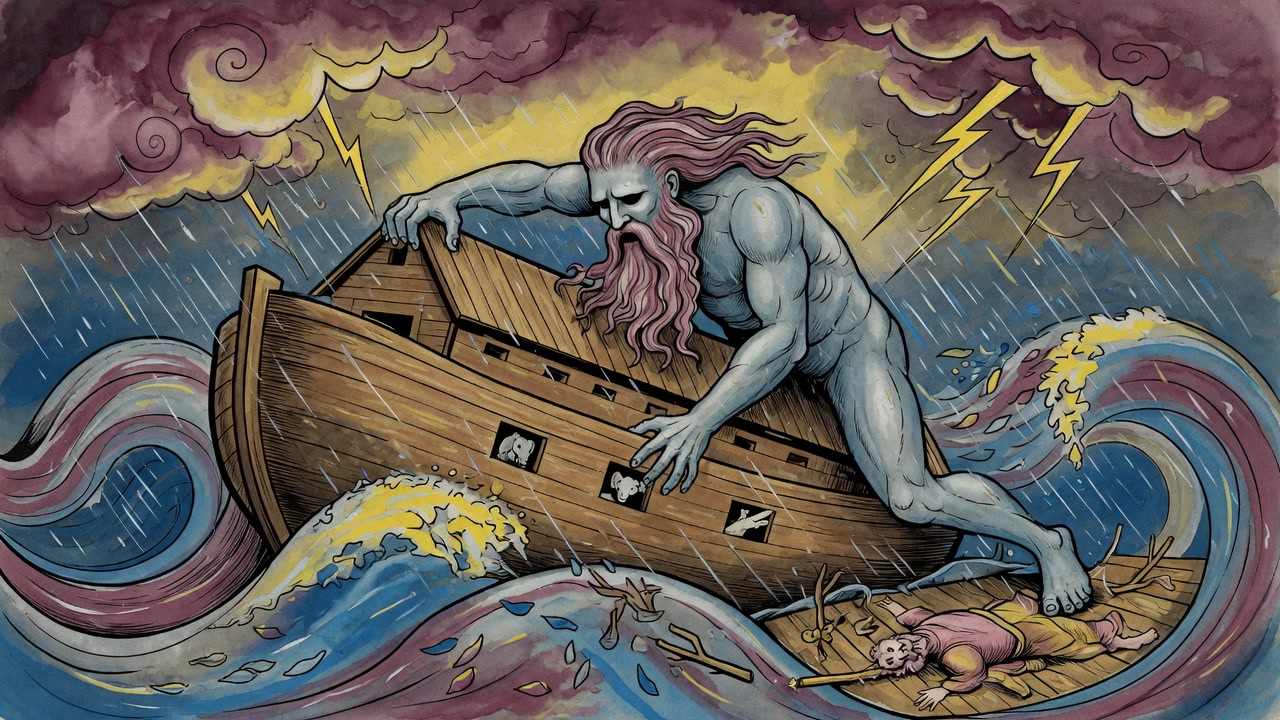
Seven hundred thousand people beat on the ark's door and drowned in the rain. One giant was already on the roof, fed through a hole in the pitch.
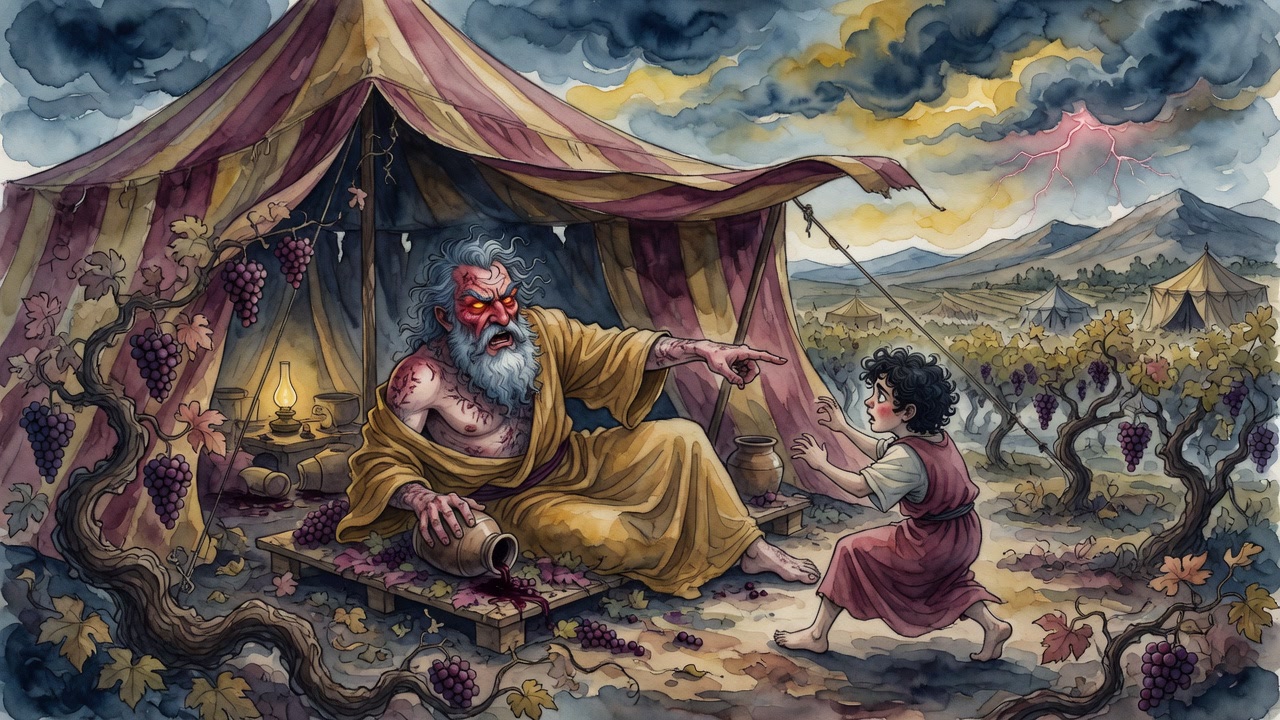
A drunk old man slurs a curse over his grandson Canaan. Generations later, the prophet Joel finally lets those words land.
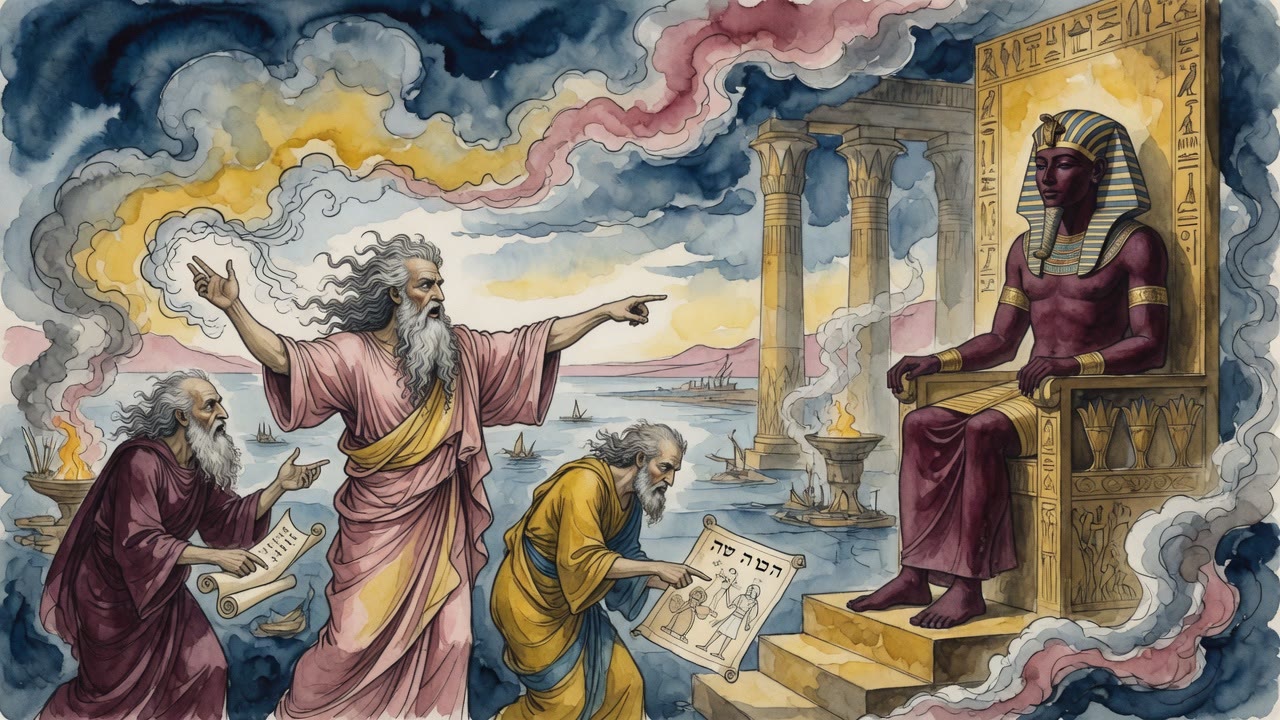
Three advisors stood before Pharaoh. One fled, one stayed silent, and Balaam found the loophole that drowned Hebrew babies in the Nile.
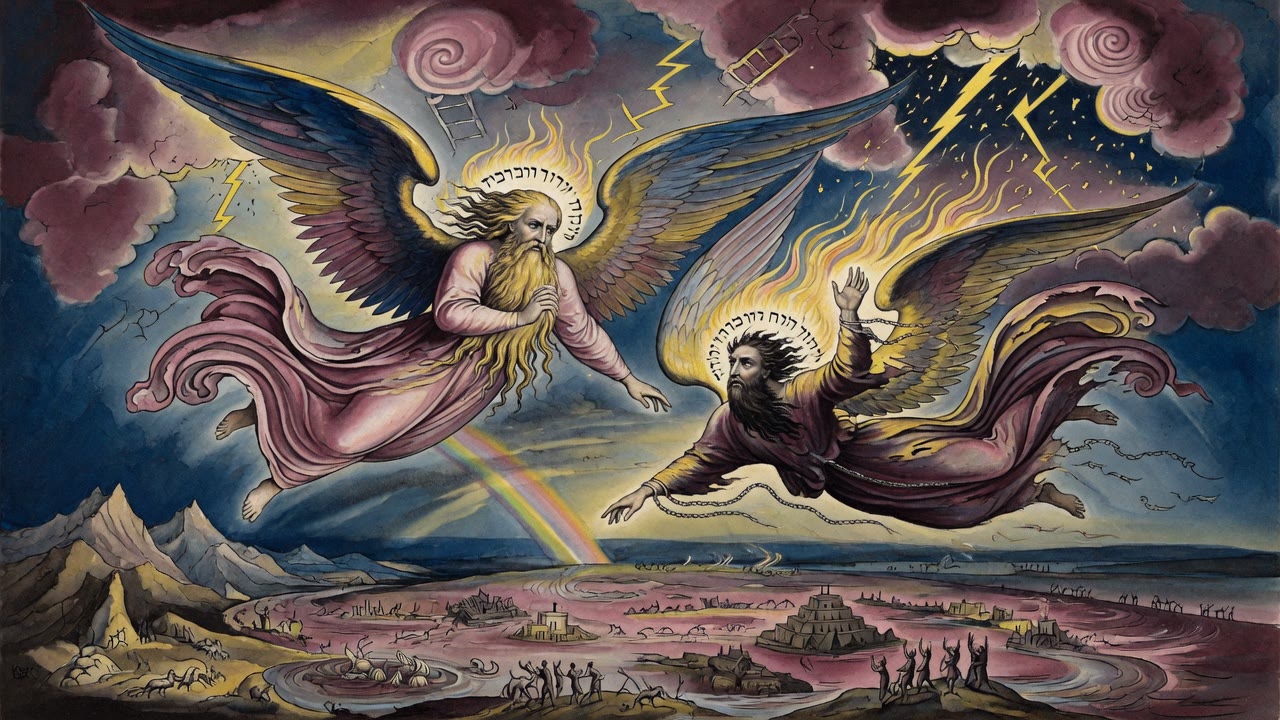
They swore they would sanctify the earth in bodies. God named the pull that would take them. Shemhazai wept for his sons' meals, not the rain.
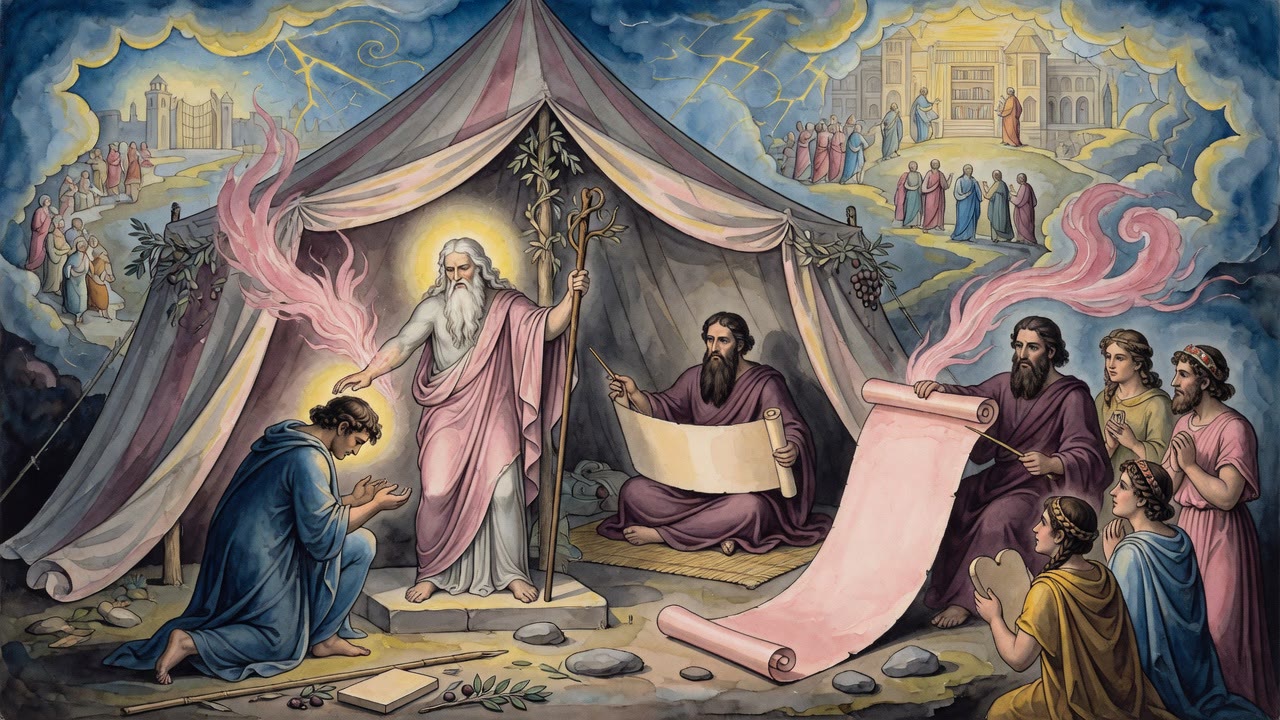
When Noah divided the world between his three sons, Japheth's blessing surprised everyone, his beauty would lead him into the academies of Shem.
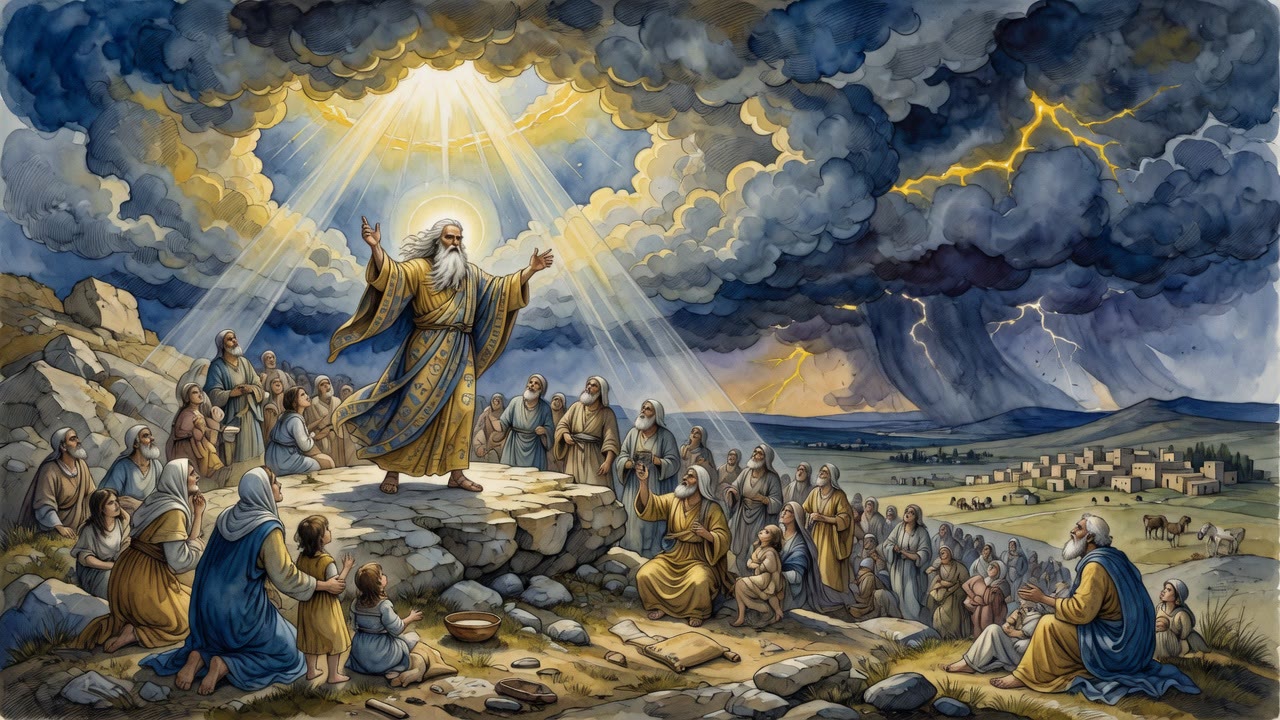
His children had not seen the ten heavens. He came down with thirty days, a stack of books, and a flood already marked on the world.
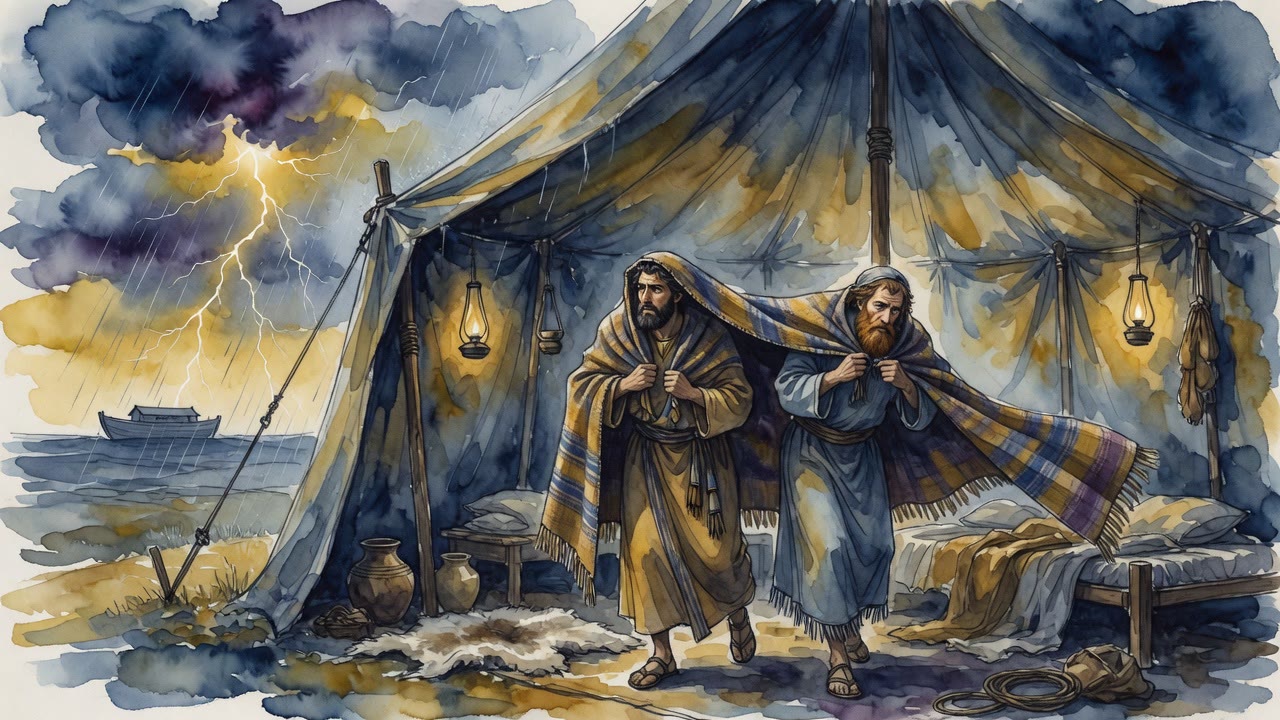
Noah lay uncovered in his tent. Ham laughed and called his brothers. Shem lifted a cloak and walked in backward, his face turned away.
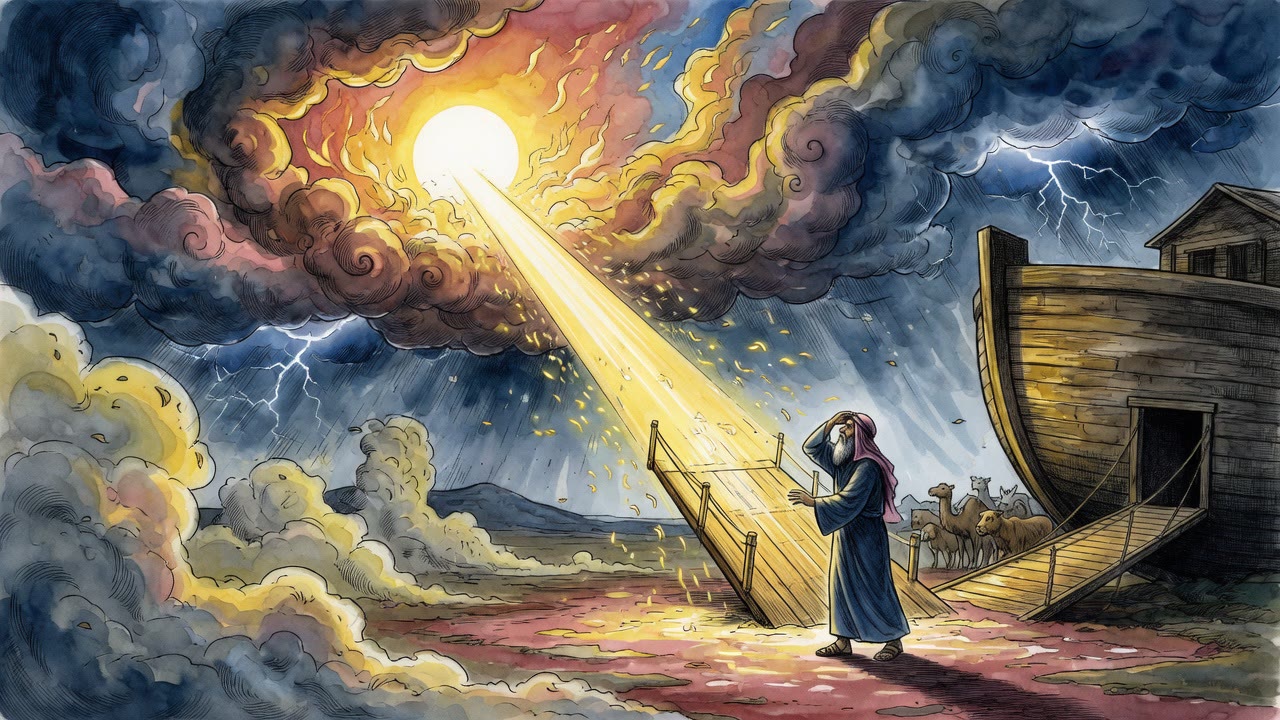
Noah could have boarded the ark in the dark. God set him on the gangplank at the noon hour instead, daring the crowd to swing their axes.
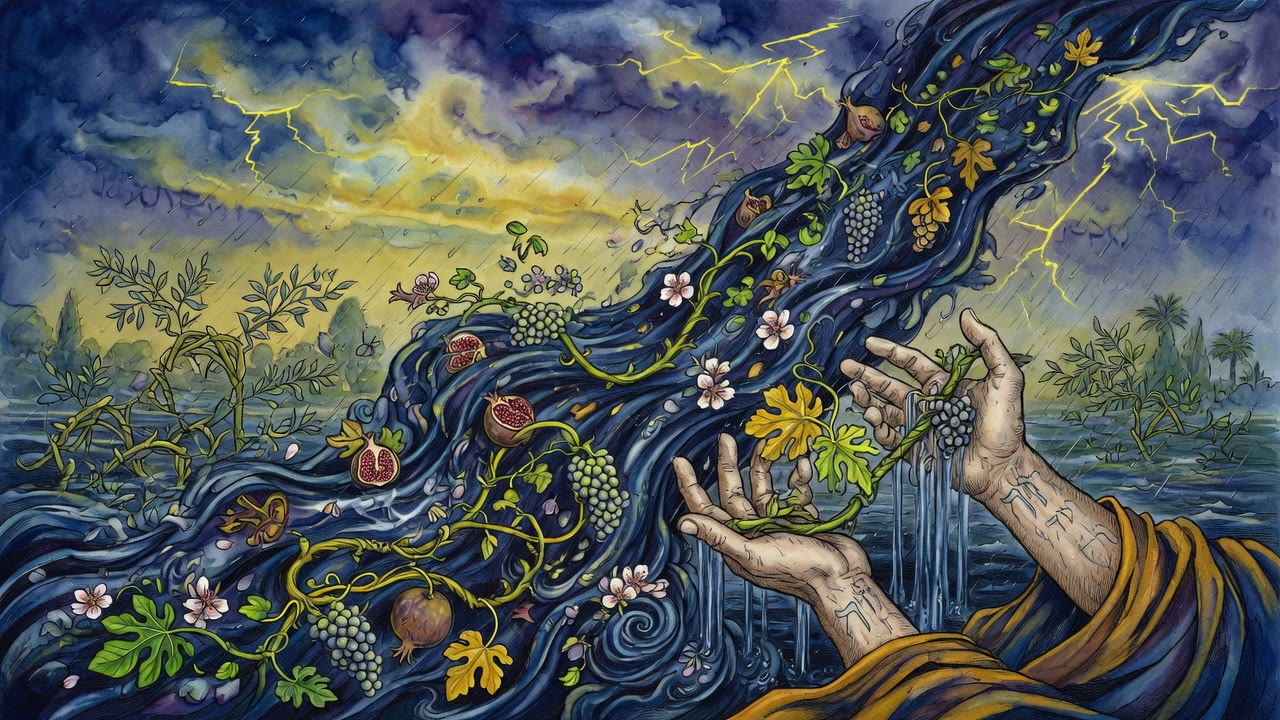
The flood that drowned the world tore a vine loose from the garden of Eden and carried it downstream, straight into Noah's waiting hands.
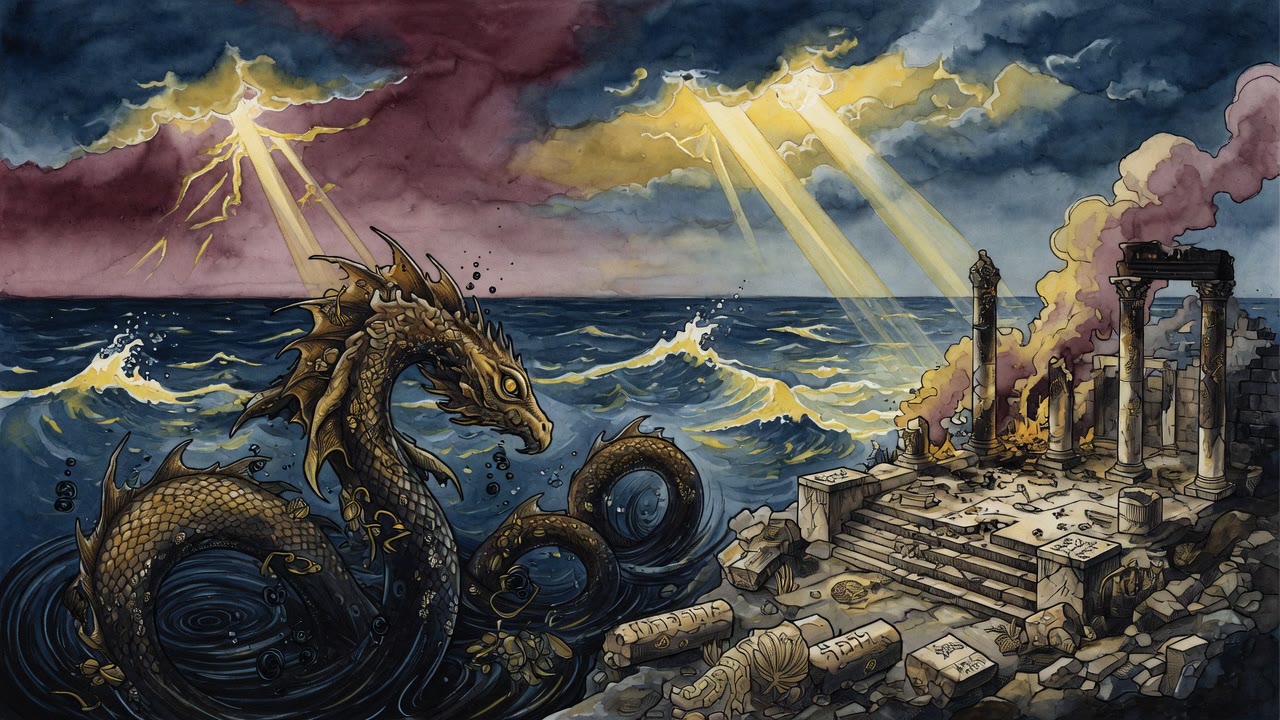
The sages gave God a daily schedule, but after the Temple burned, the last hours no longer belonged to play with Leviathan.
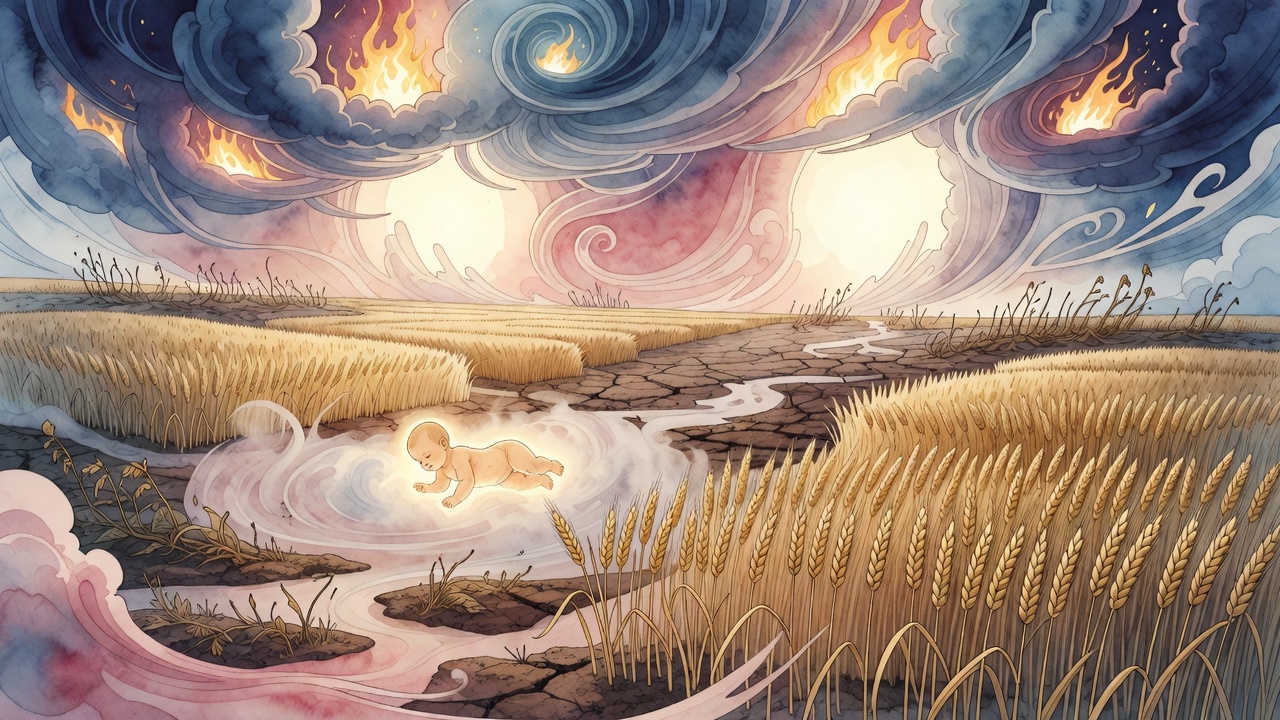
Before Noah, wheat could produce oats and the ground resisted human hands. His birth restored order to the soil before the Flood.
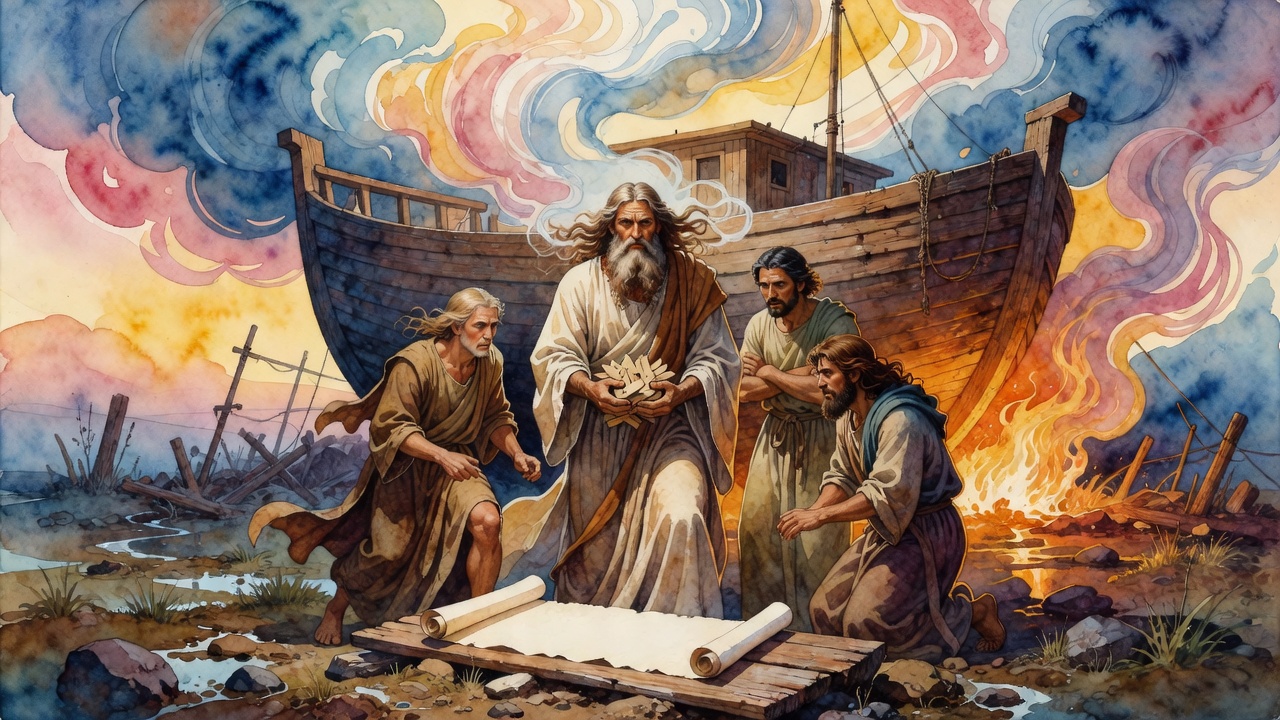
The flood had emptied the world. Noah's sons reached into his chest and drew lots for every coast and mountain that was left.
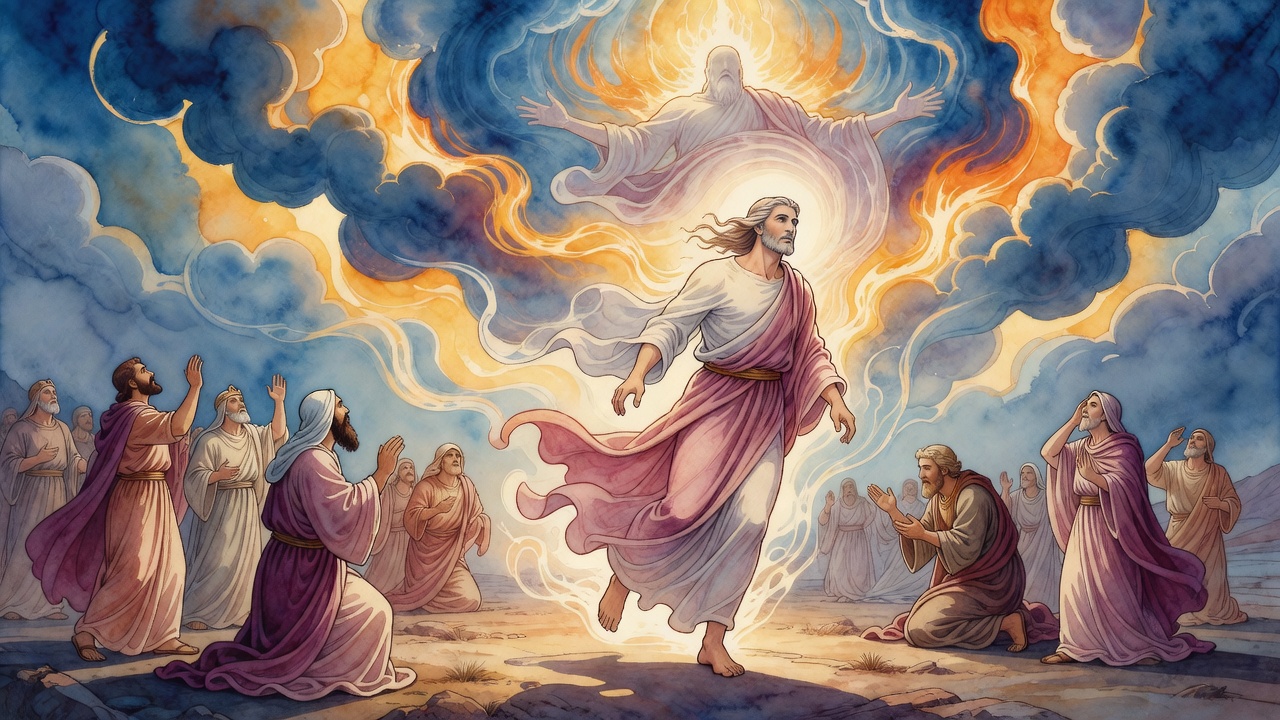
Enoch turned in the saddle six mornings and told them to go home. On the eighth day the kings sent riders to count who had stayed.
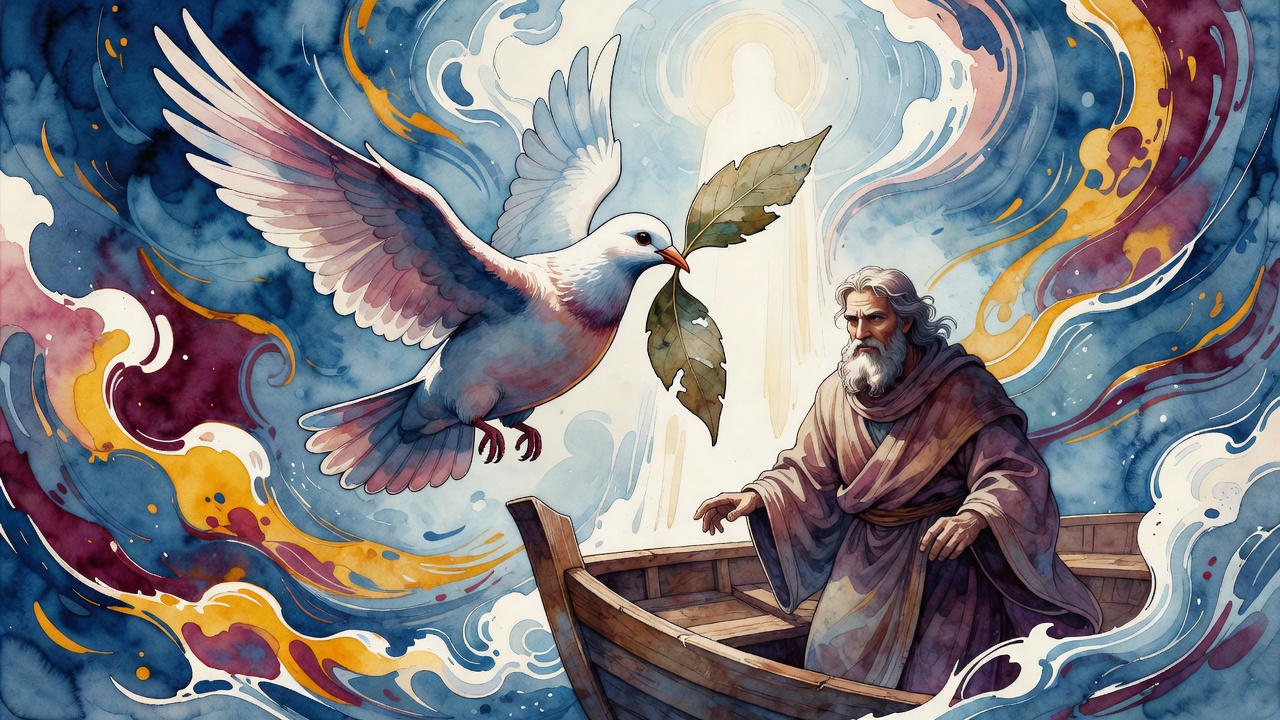
Noah sent the raven first. It circled the drowned world and would not finish the errand. He put out his hand when the dove came back empty.
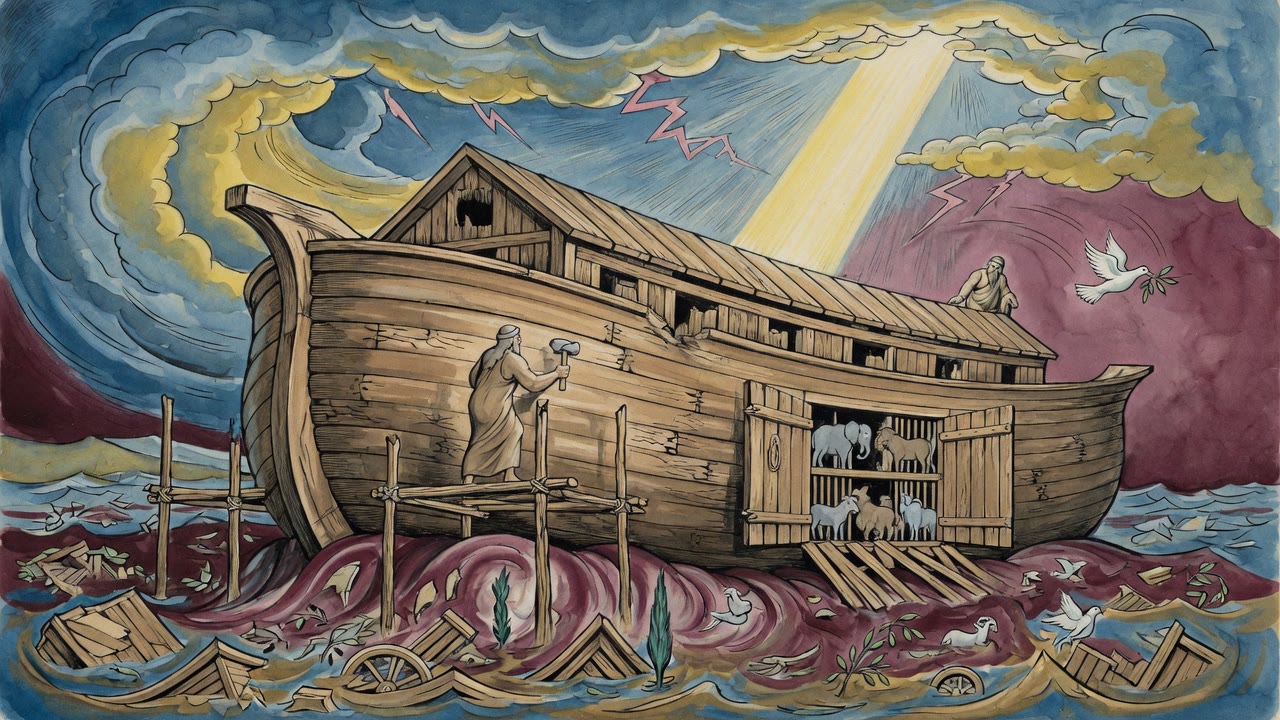
The dove came back the first time with an olive leaf in its beak. Noah waited seven more days and sent it out again. It did not return.
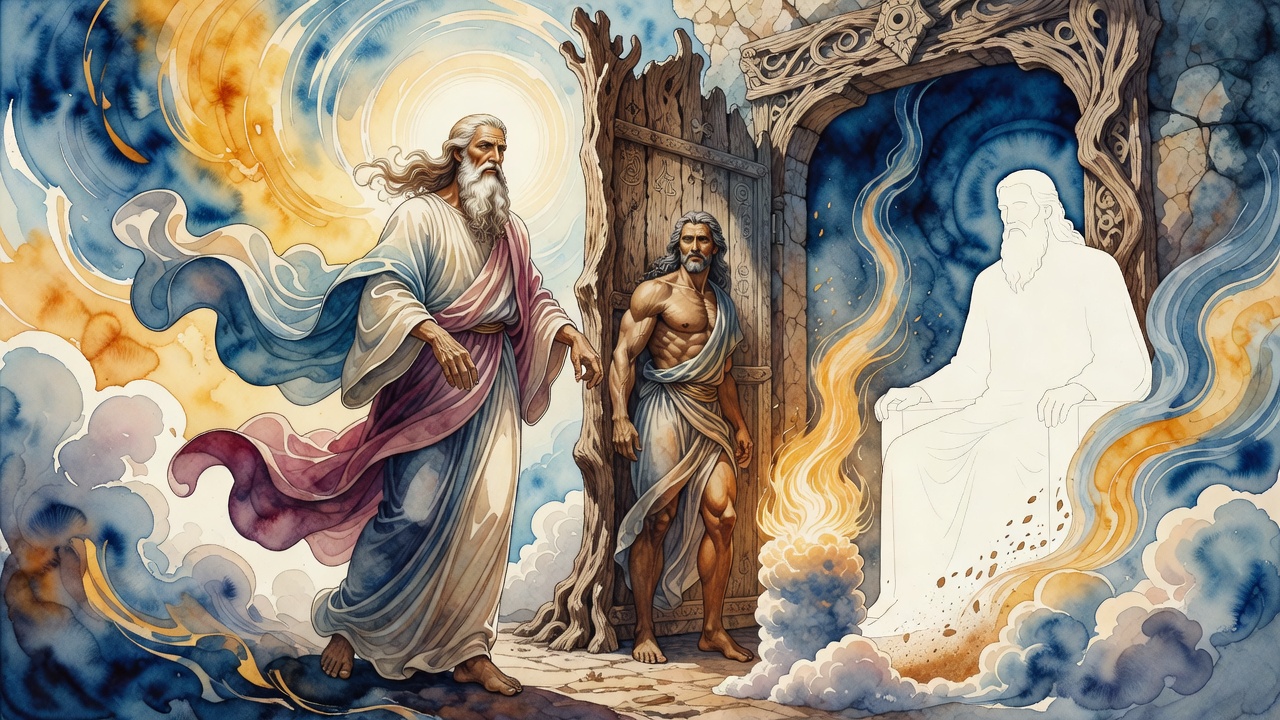
Moses arrived at Eden's gate with his face still shining, and Adam was waiting at the threshold with a claim no mortal had ever answered.
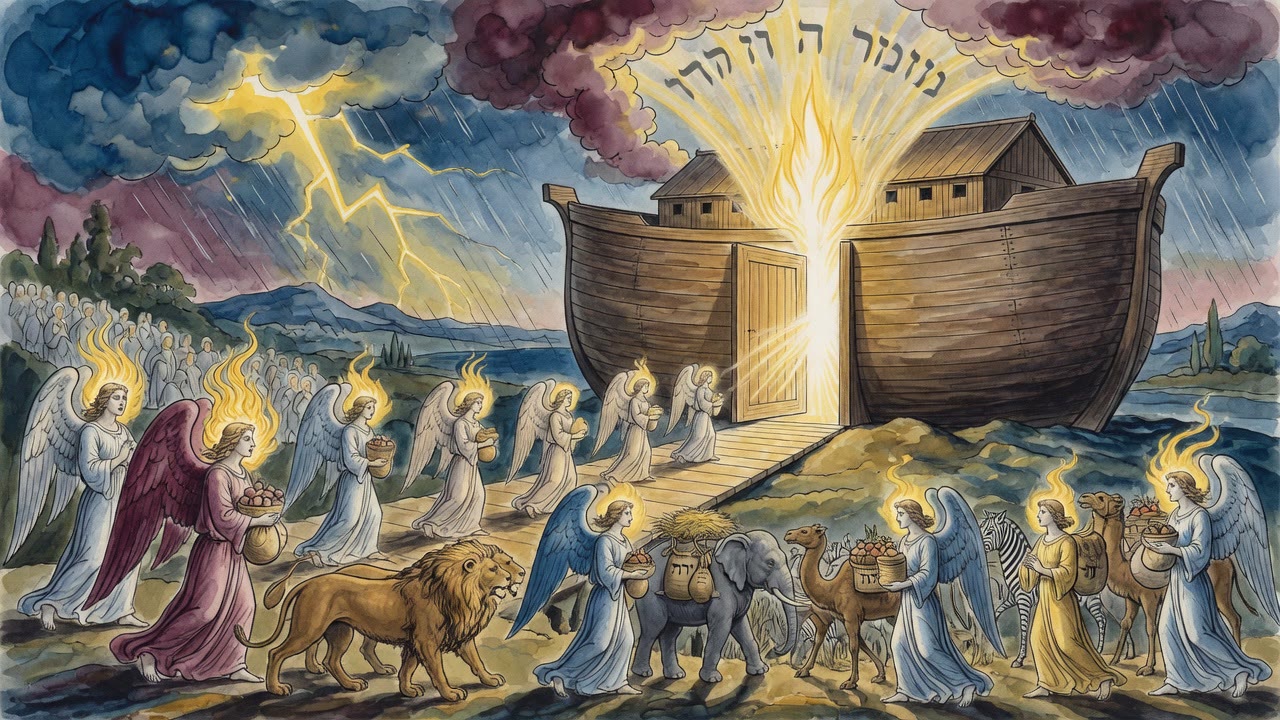
Noah had built the ark. God had the animals covered. Each species arrived with its own angel and a year of food already loaded.
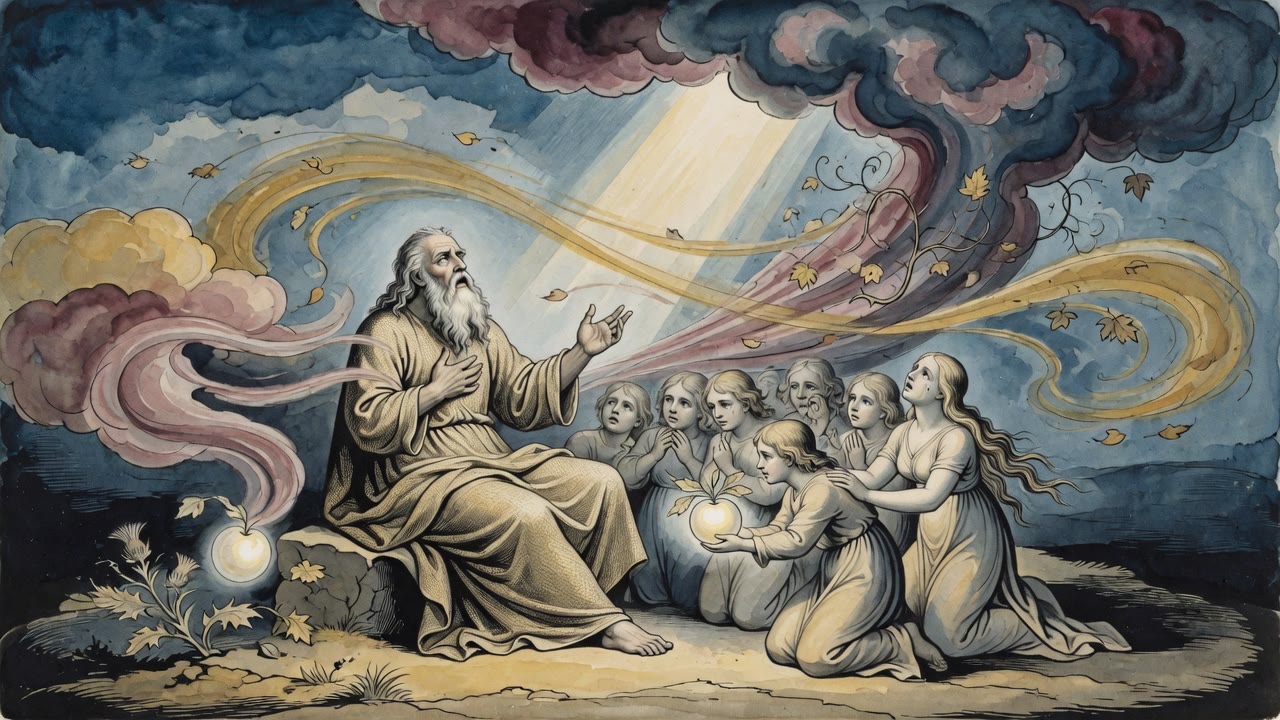
After Abel died, Seth was born into a wounded house and raised a line that carved its wisdom into stone before the Flood.
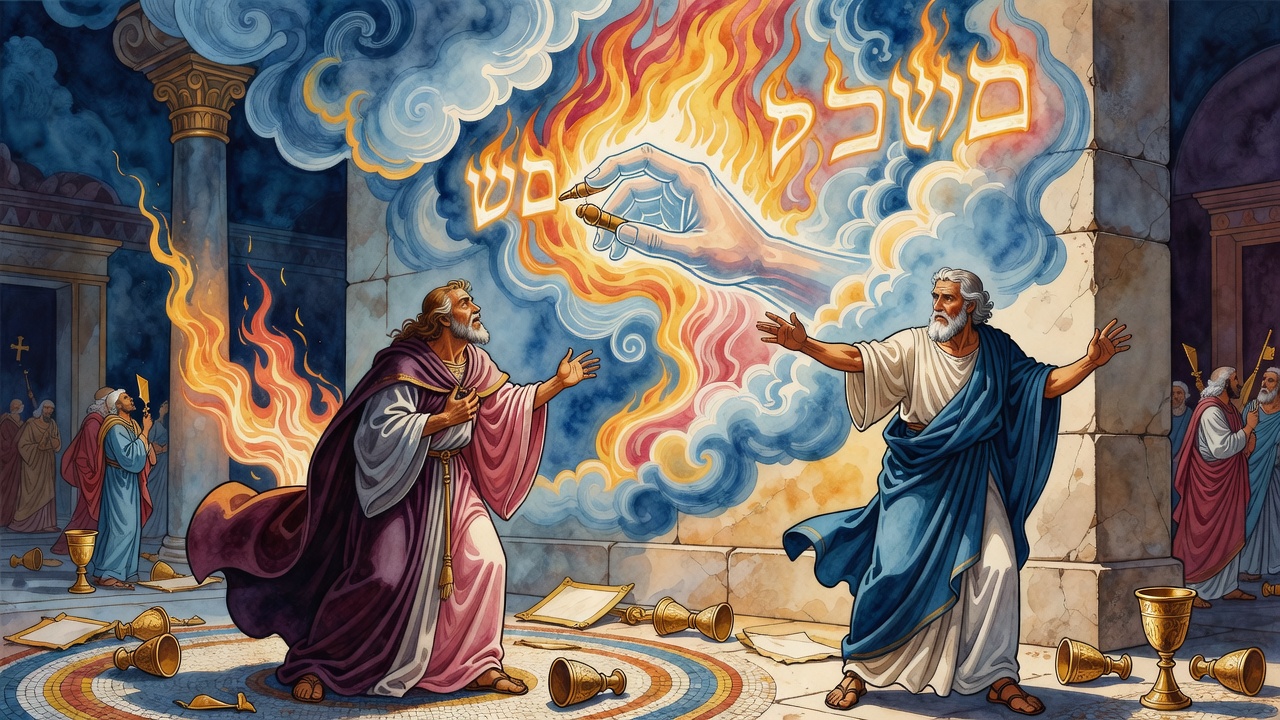
A prophet came in from the harvest with a dish of food for the reapers. An angel took him by a lock of hair and put him down in Babylon, in the pit.
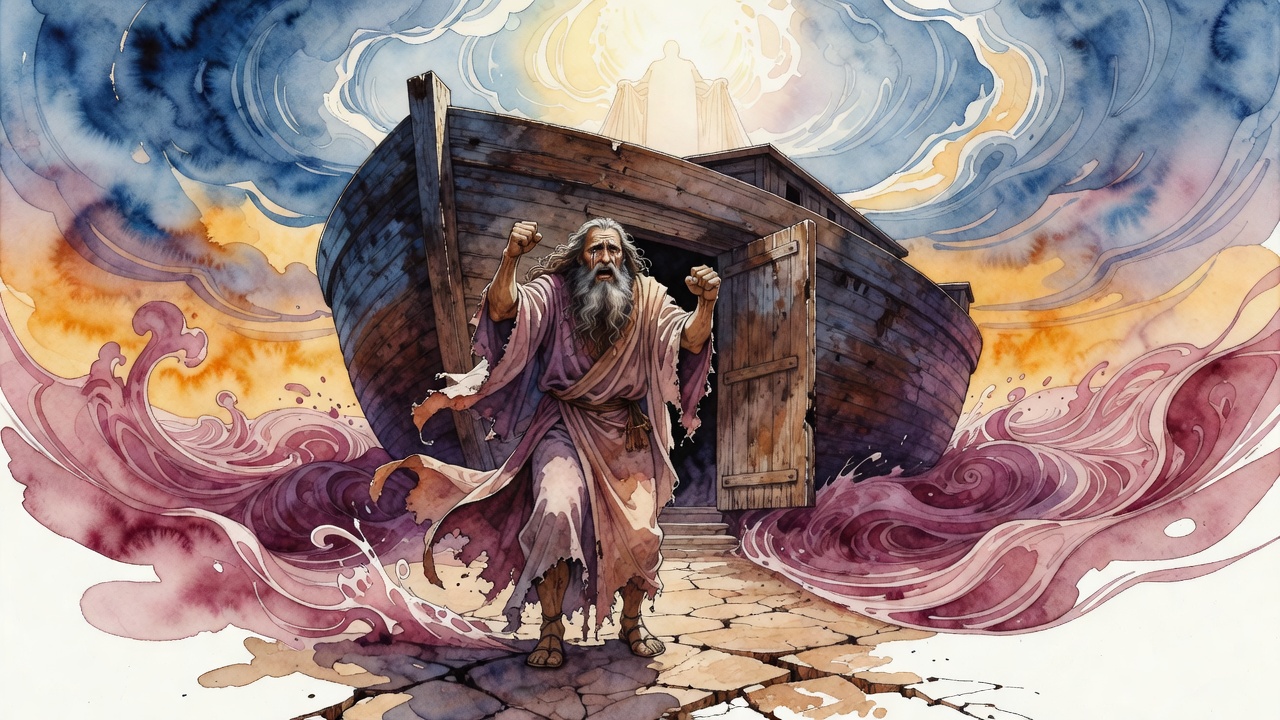
The flood ended, but Noah would not open the ark until God swore. On dry ground, his grief turned into an accusation against heaven.
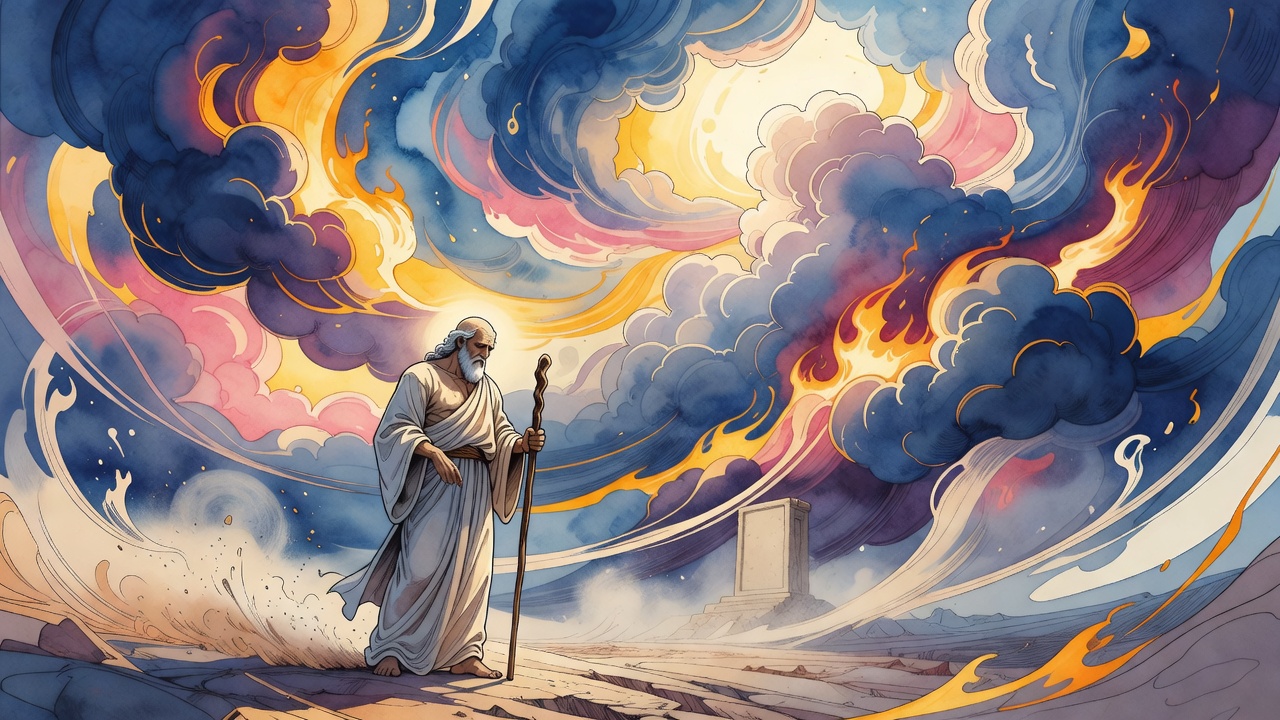
Noah delayed marriage until God commanded him. He did not want children born under a flood decree, but survival carried its own grief.
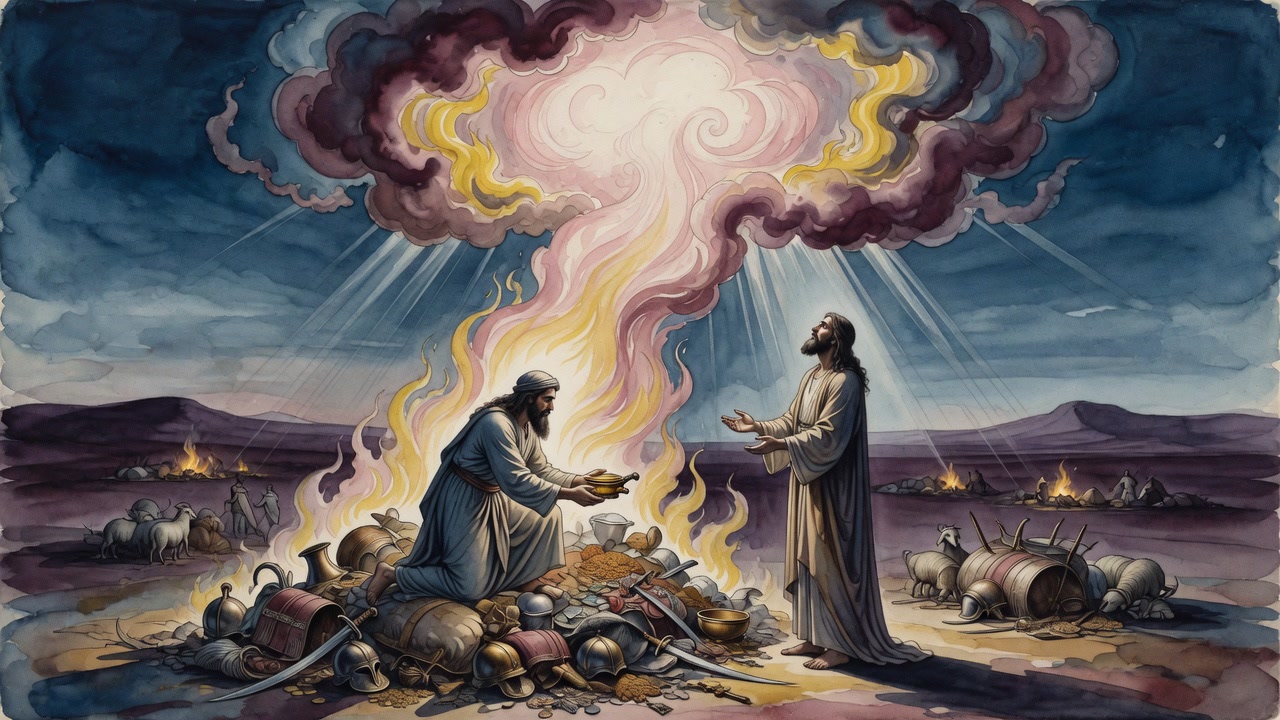
Adam held the sapphire to his eyes and a flame inside it became letters. Noah later sealed that same book in gold and carried it through the rain.
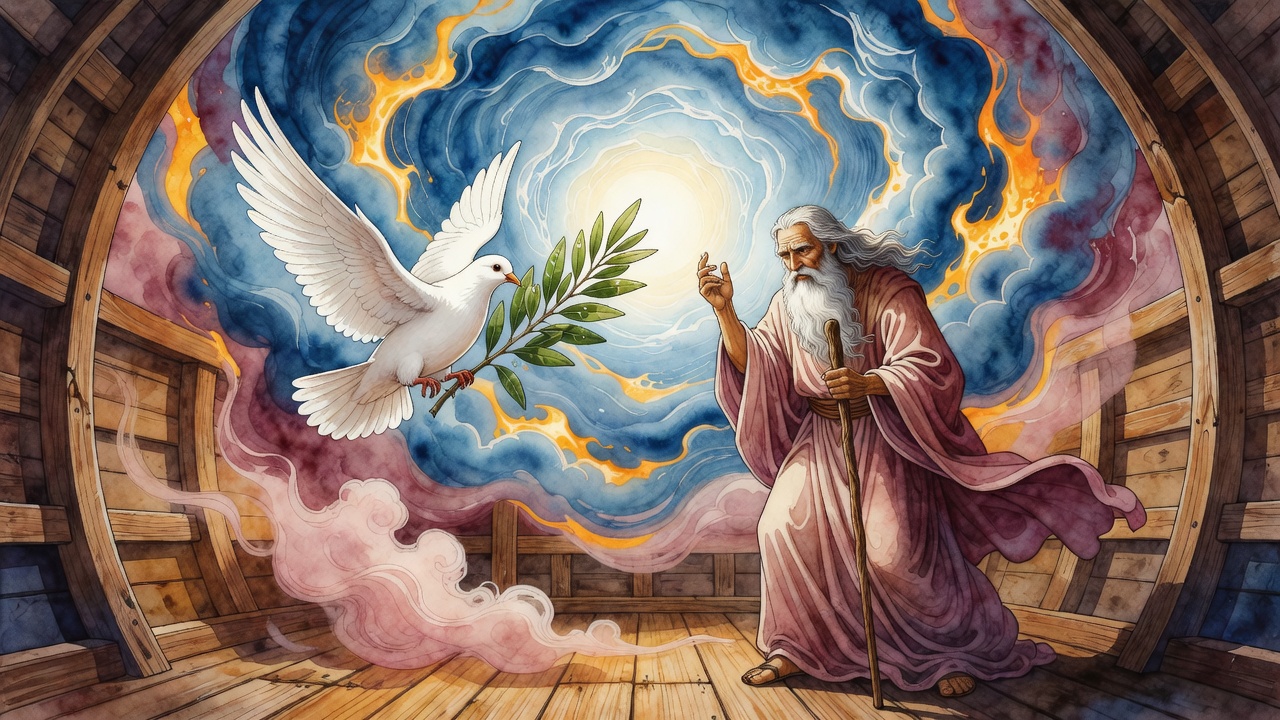
The ground was dry. The dove had not come back. His sons stood at the door with their packs, and he still would not put a foot on the mud.
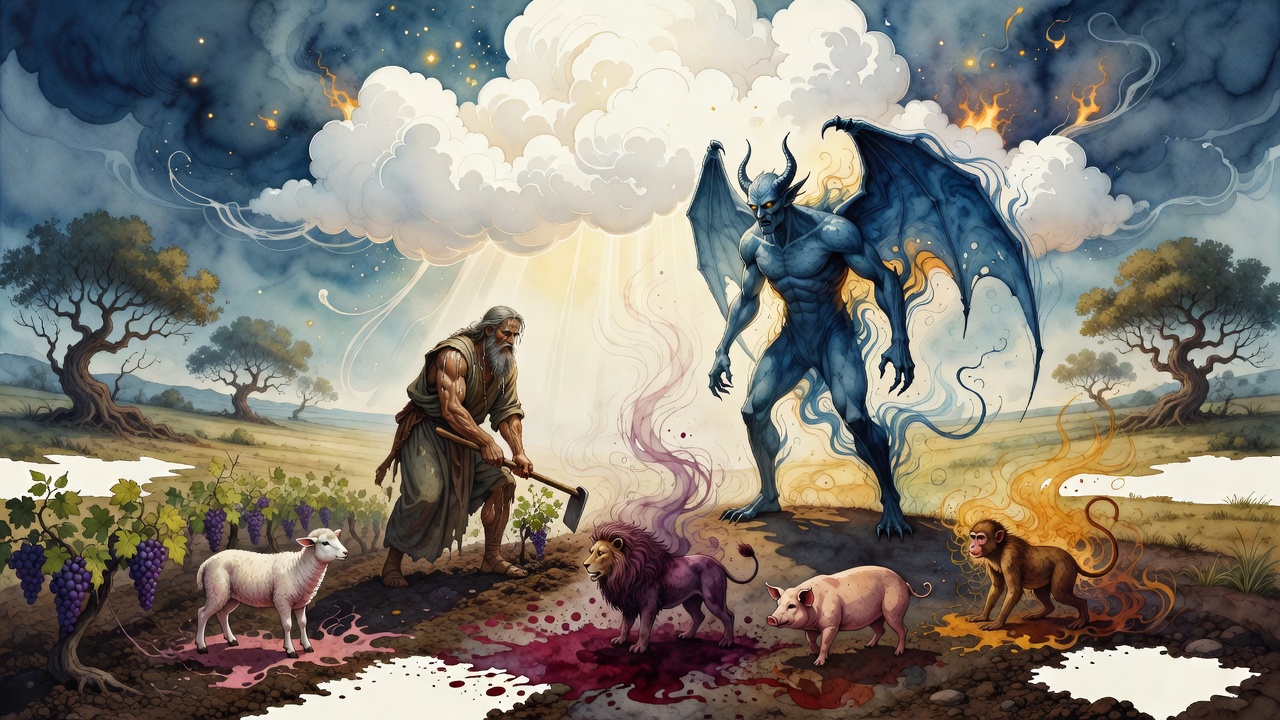
The soil was still wet from the flood. Noah set a vine in it. A partner arrived with a lamb, a lion, a pig, and a monkey.
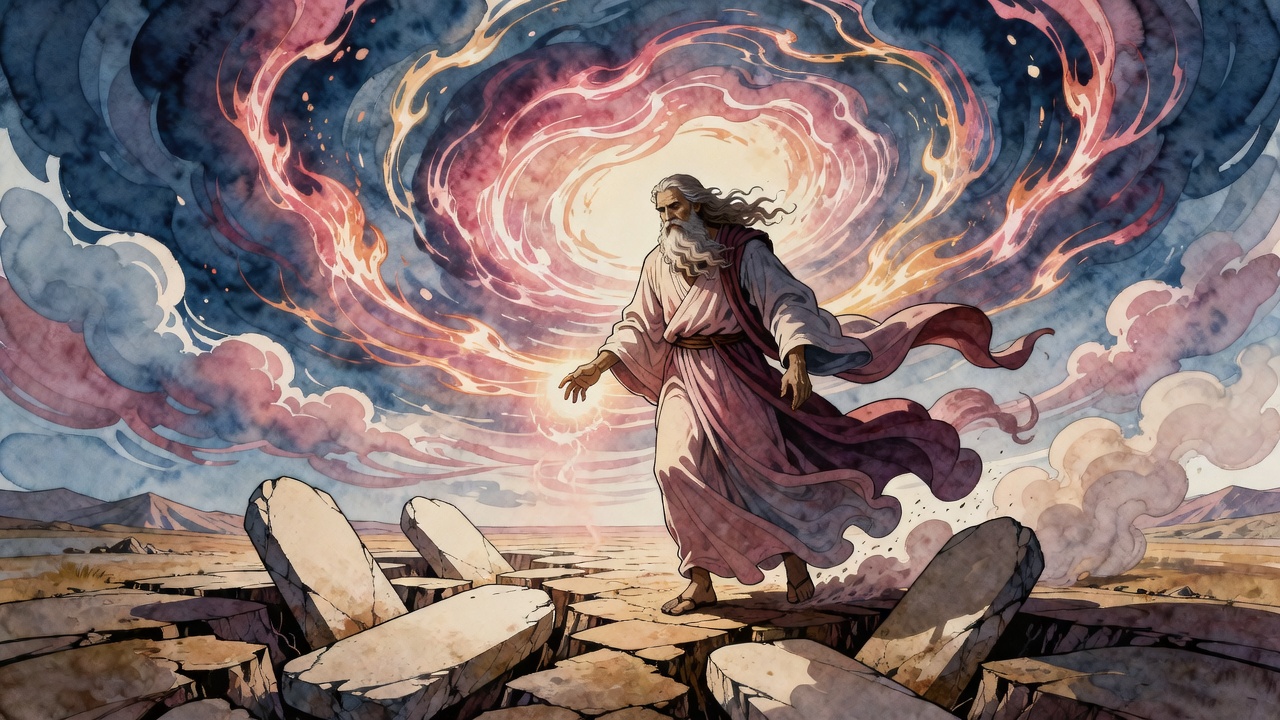
A horse paced in the air above the crowd. Enoch said it had come for him. Eight hundred thousand men followed him out of the city anyway.
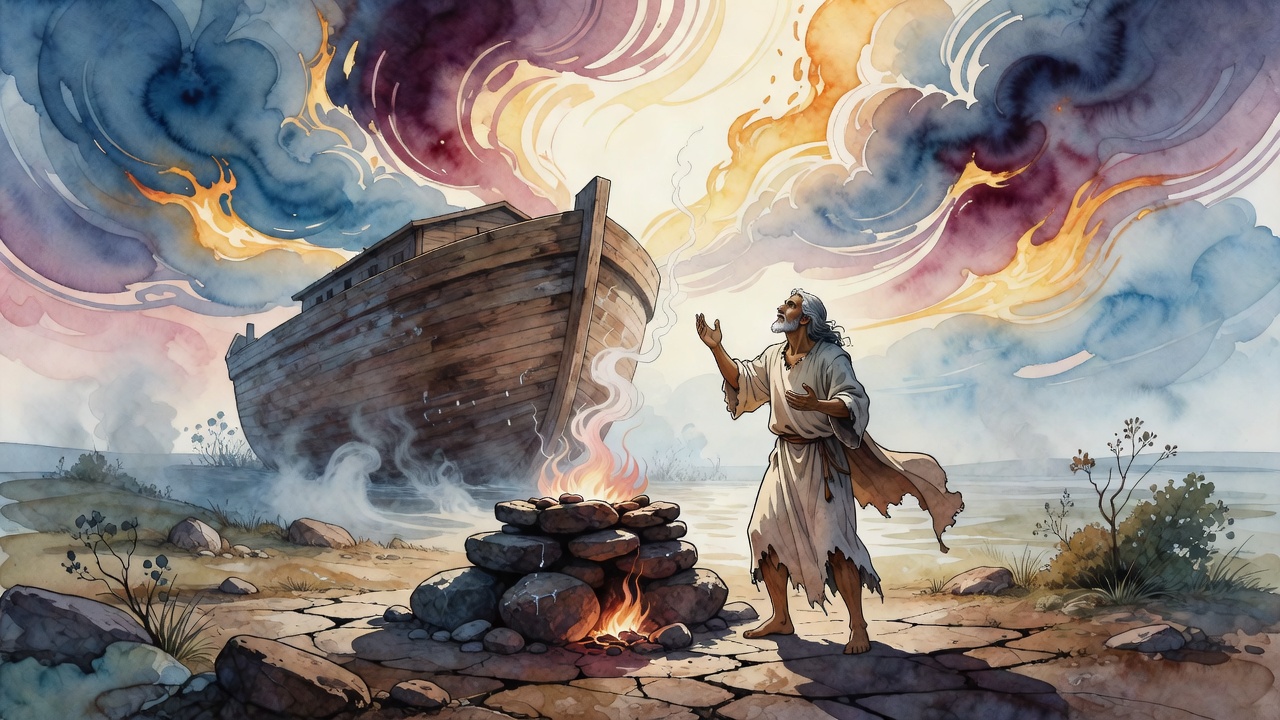
After a year on the water, Noah's first act on dry ground was to build an altar. Before shelter, before planting, before anything else, he made atonement.
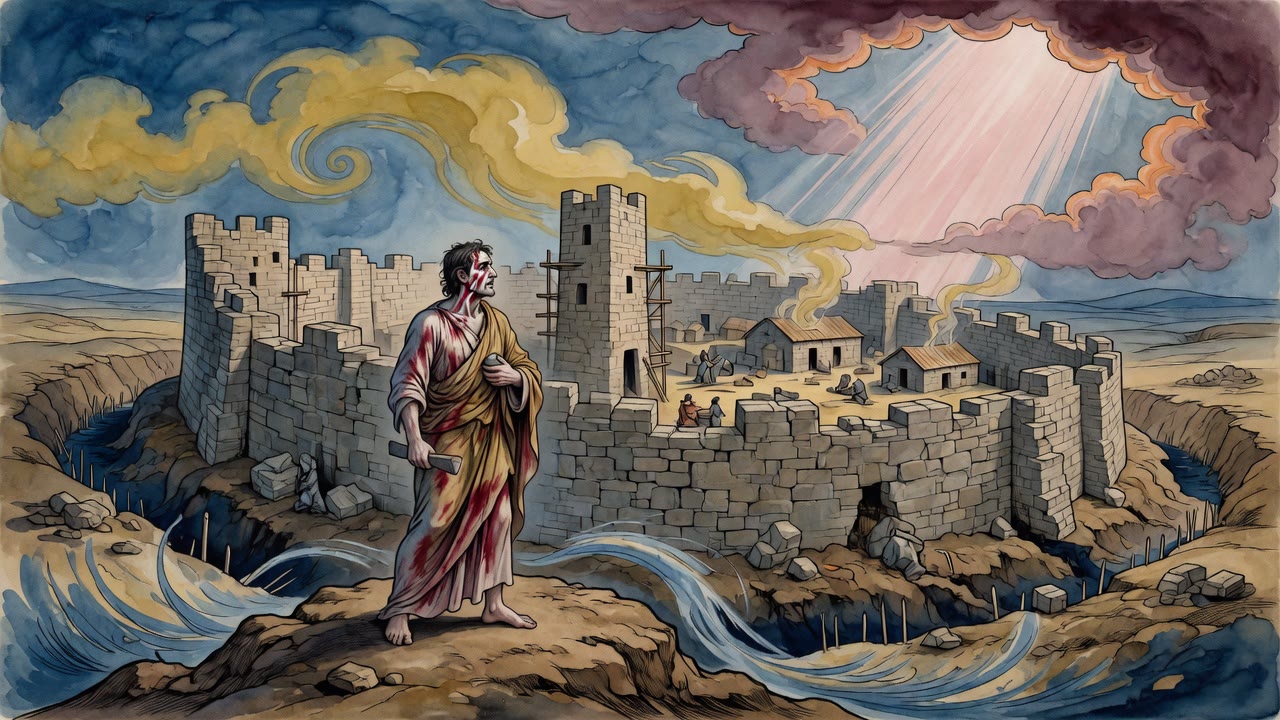
God told him the beasts would not take him. Cain still raised the first wall on earth and filled it with people he later robbed.
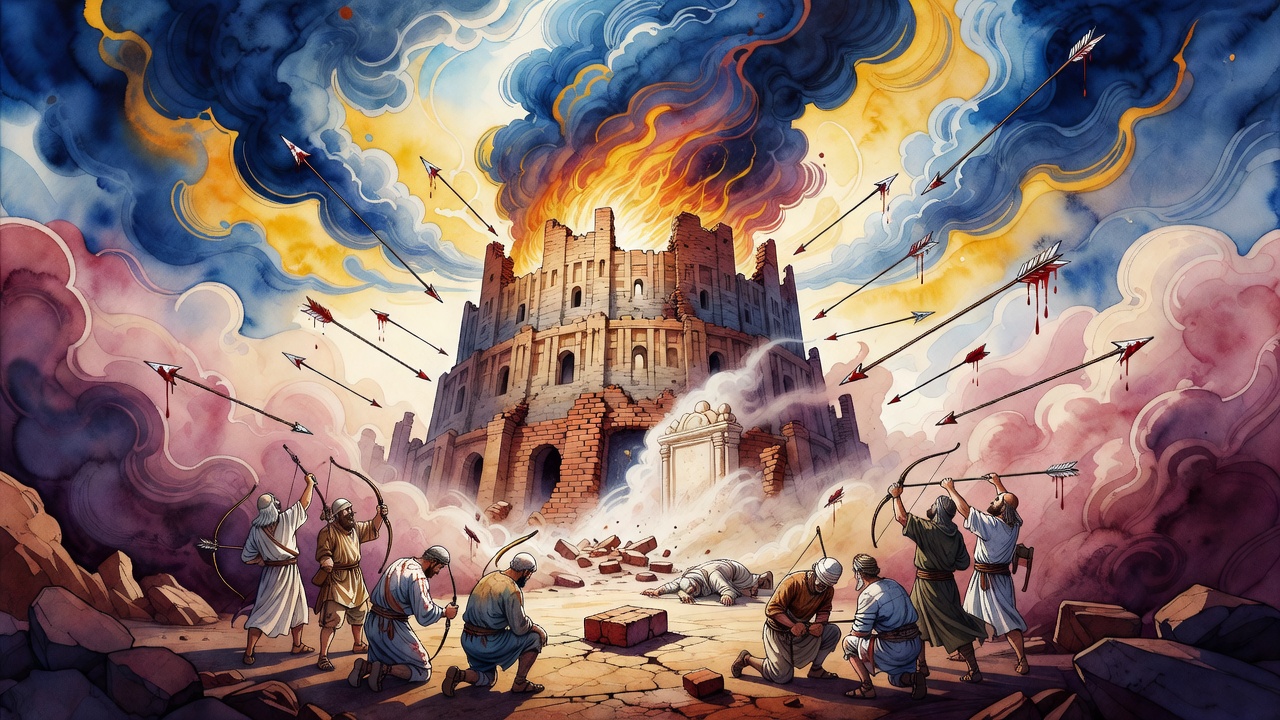
A brick slipped from the top of Nimrod's tower and they mourned it for a year. A man fell from the same height, and the line did not stop.
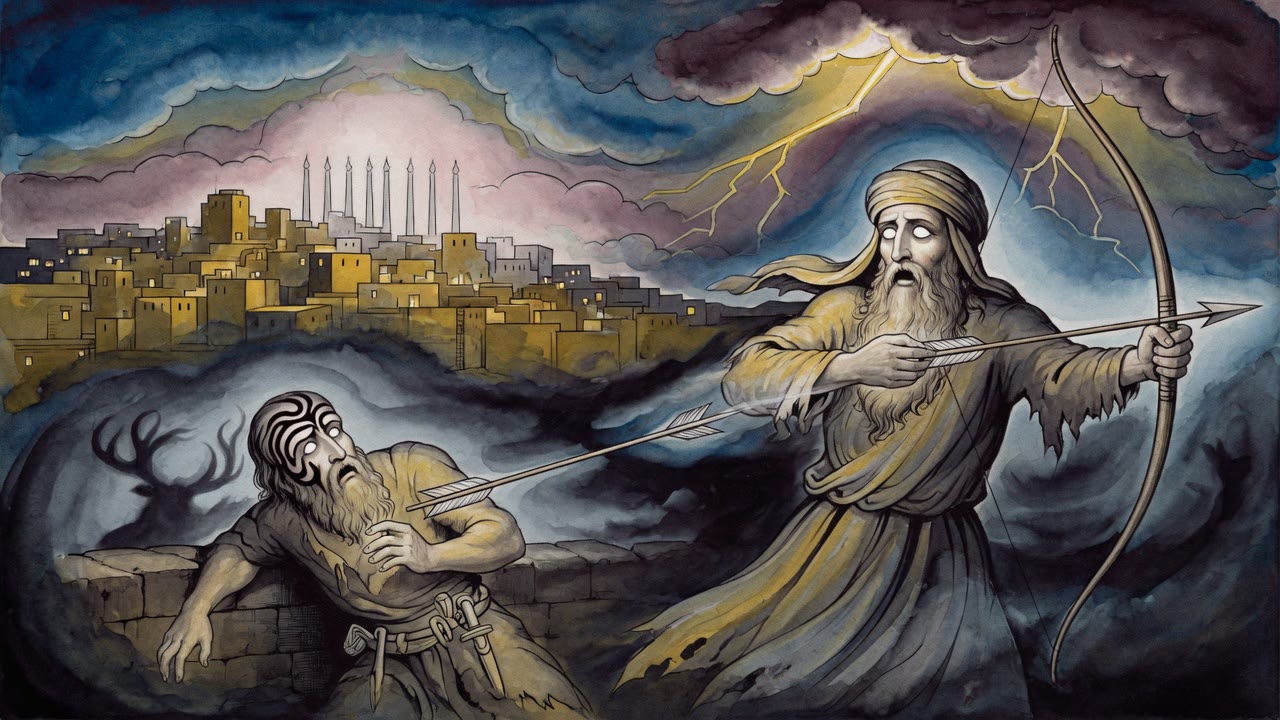
Cain built cities and survived the mark, but the count ran to seven generations. His blind descendant Lamech shot him in the dark, mistaking him for an animal.
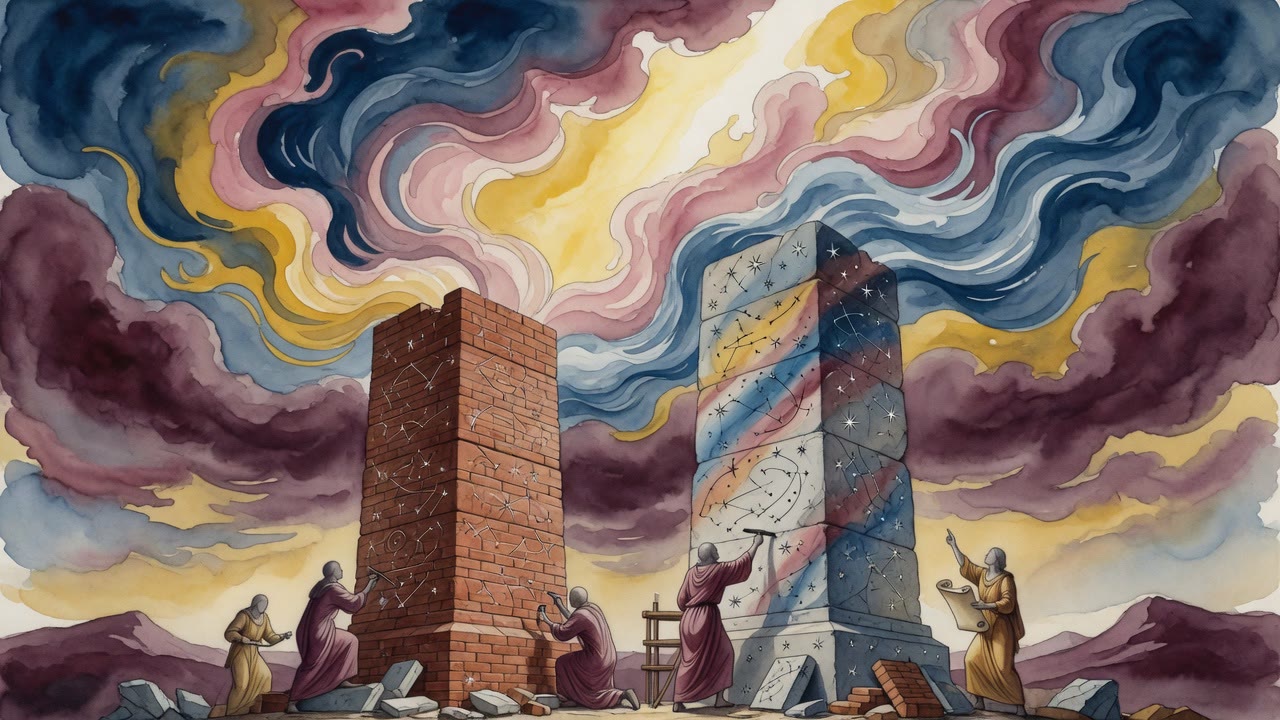
Seth's descendants learned fire and flood were coming. They carved their star charts on two pillars, one brick for the fire, one stone for the water.
