113 texts · Page 2 of 3
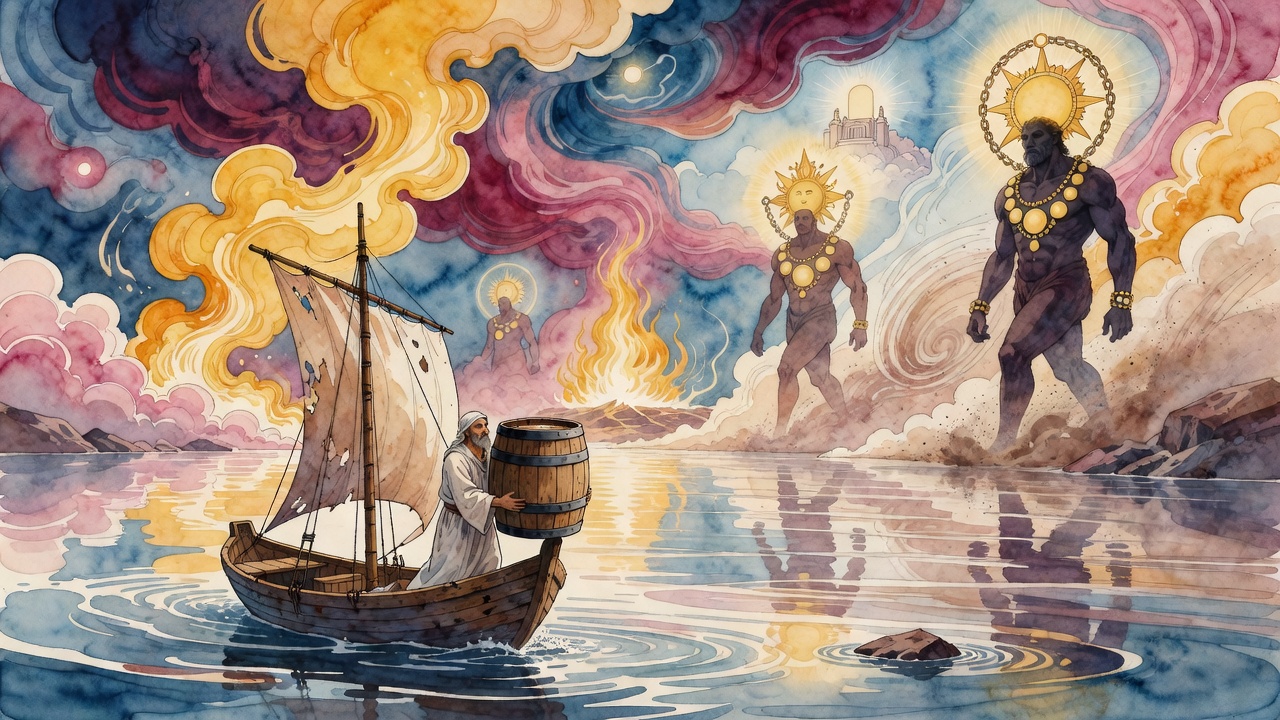
After Daniel exposed the fraud of the idol Bel and destroyed his altar, the Babylonian princes demanded a rematch. According to the Chronicles of Jerahmeel, a 12th-century Hebrew c...
Daniel had grown old. He came before the king one last time and asked permission to go home. According to the Chronicles of Jerahmeel, a 12th-century Hebrew chronicle translated by...
The contest before King Darius began with the first prince arguing that nothing on earth is as powerful as a king. According to the Chronicles of Jerahmeel, a 12th-century Hebrew c...
Zerubbabel won the riddle contest, but when King Darius offered him any reward up to half the kingdom, he asked for something no treasure could buy. According to the Chronicles of ...
Cyrus conquered the known world because God strengthened his hand. According to the Chronicles of Jerahmeel, a 12th-century Hebrew chronicle translated by Moses Gaster in 1899, God...
The hatred between Haman the Amalekite and Mordecai the Jew had deep ancestral roots. According to the Chronicles of Jerahmeel, a 12th-century Hebrew chronicle translated by Moses ...
Esther stripped off her royal garments and the ornaments of her majesty. According to the Chronicles of Jerahmeel, a 12th-century Hebrew chronicle translated by Moses Gaster in 189...
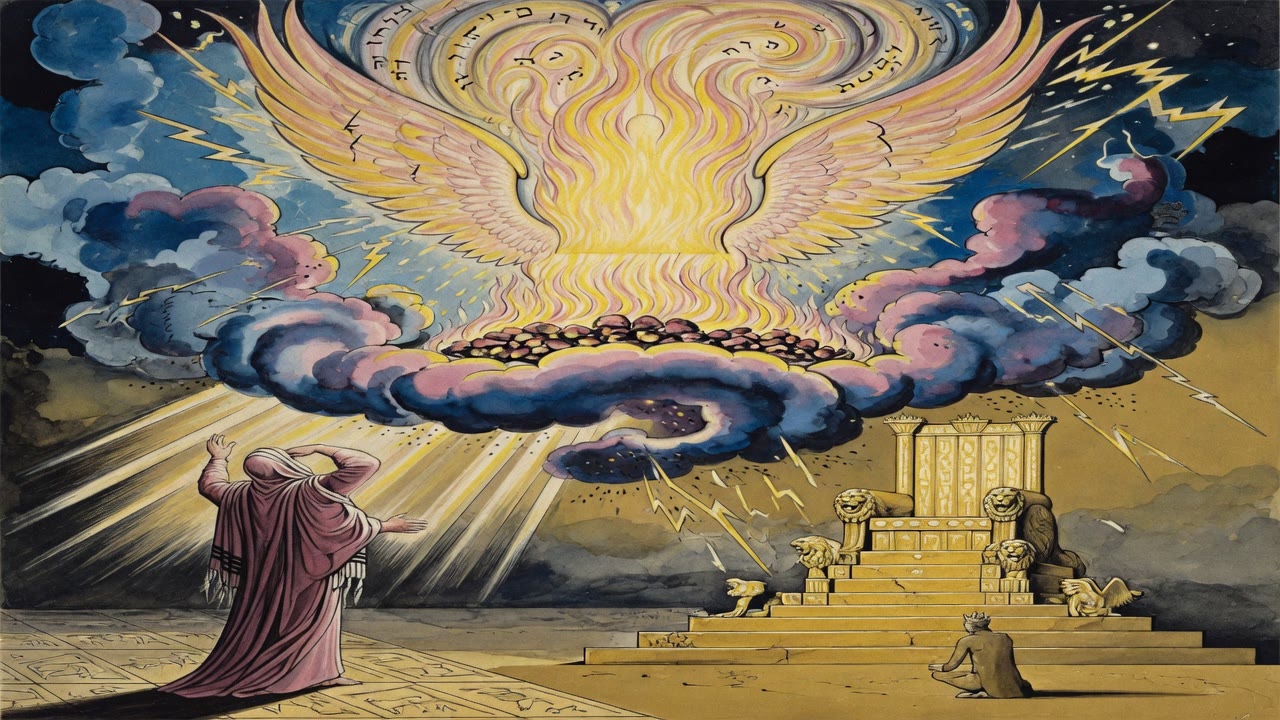
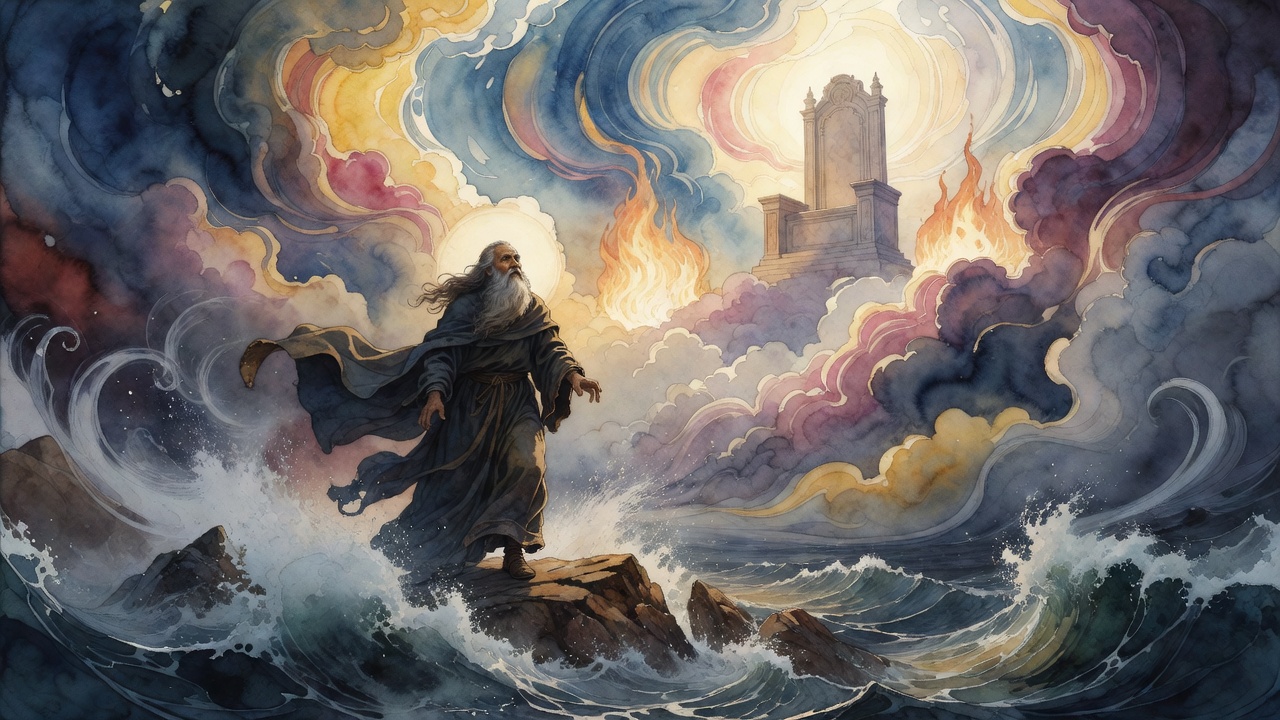
Solomon's throne was not a chair. It was a machine—a towering structure of ivory, gold, and living mechanisms that no king could ever replicate. According to the Chronicles of Jera...
Seven brothers and their mother were seized and brought before King Antiochus. According to the Chronicles of Jerahmeel, a 12th-century Hebrew chronicle preserved by Moses Gaster i...
Mattathiah was dying. According to the Chronicles of Jerahmeel, a 12th-century Hebrew chronicle preserved by Moses Gaster in 1899, the father of the Maccabean revolt called his fiv...
Judah Maccabee did not wait to be attacked. According to the Chronicles of Jerahmeel, a 12th-century Hebrew chronicle preserved by Moses Gaster in 1899, when the Macedonian general...
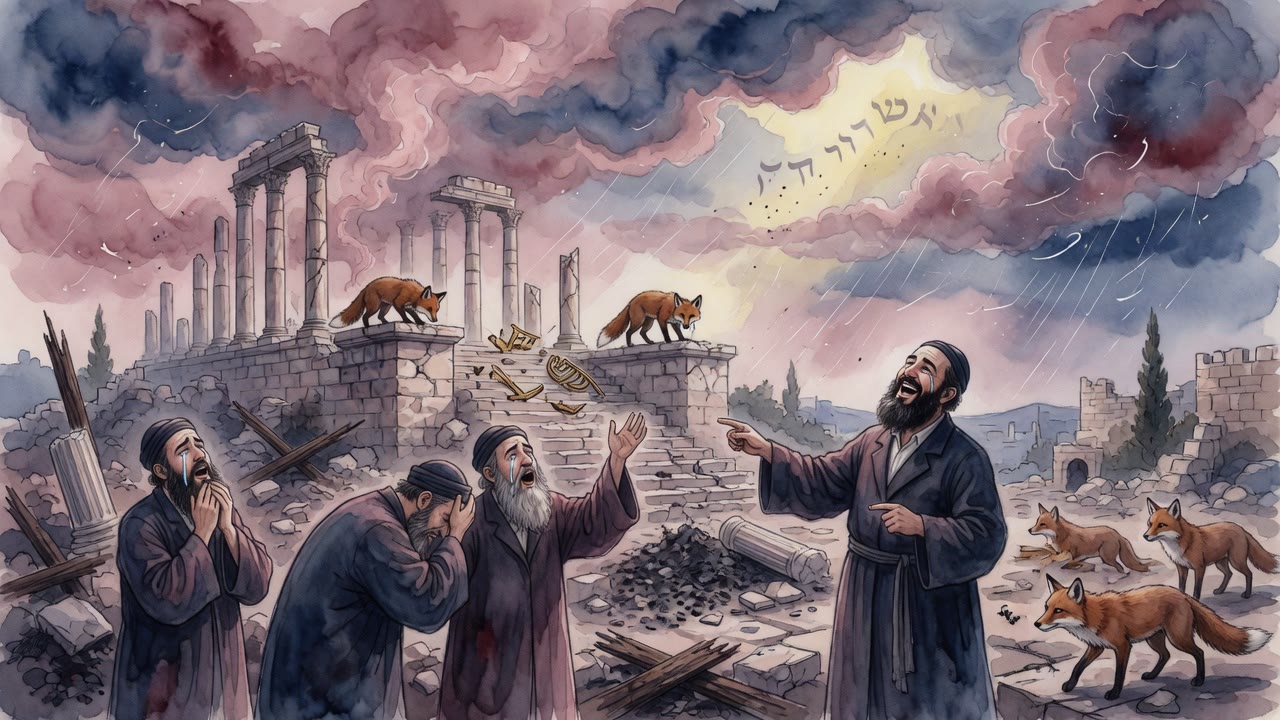
When Judah Maccabee and the Hassidim entered Jerusalem, the Temple was an abomination. According to the Chronicles of Jerahmeel, a 12th-century Hebrew chronicle preserved by Moses ...
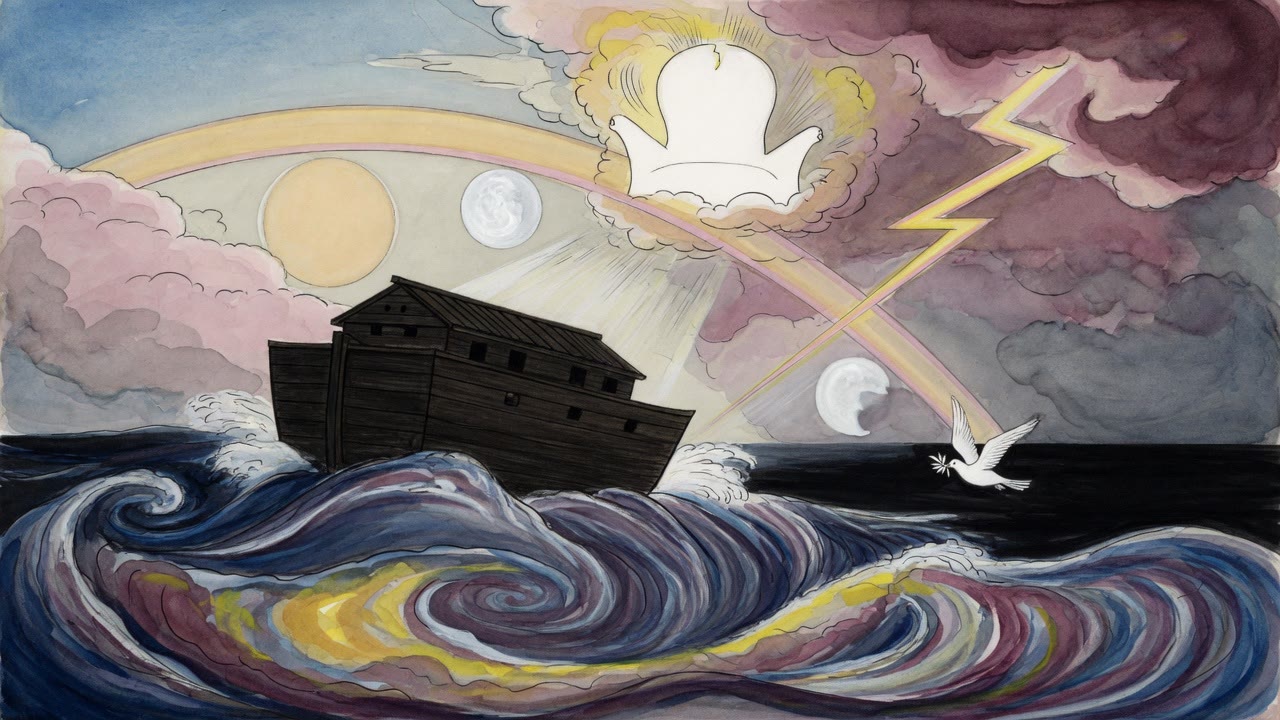
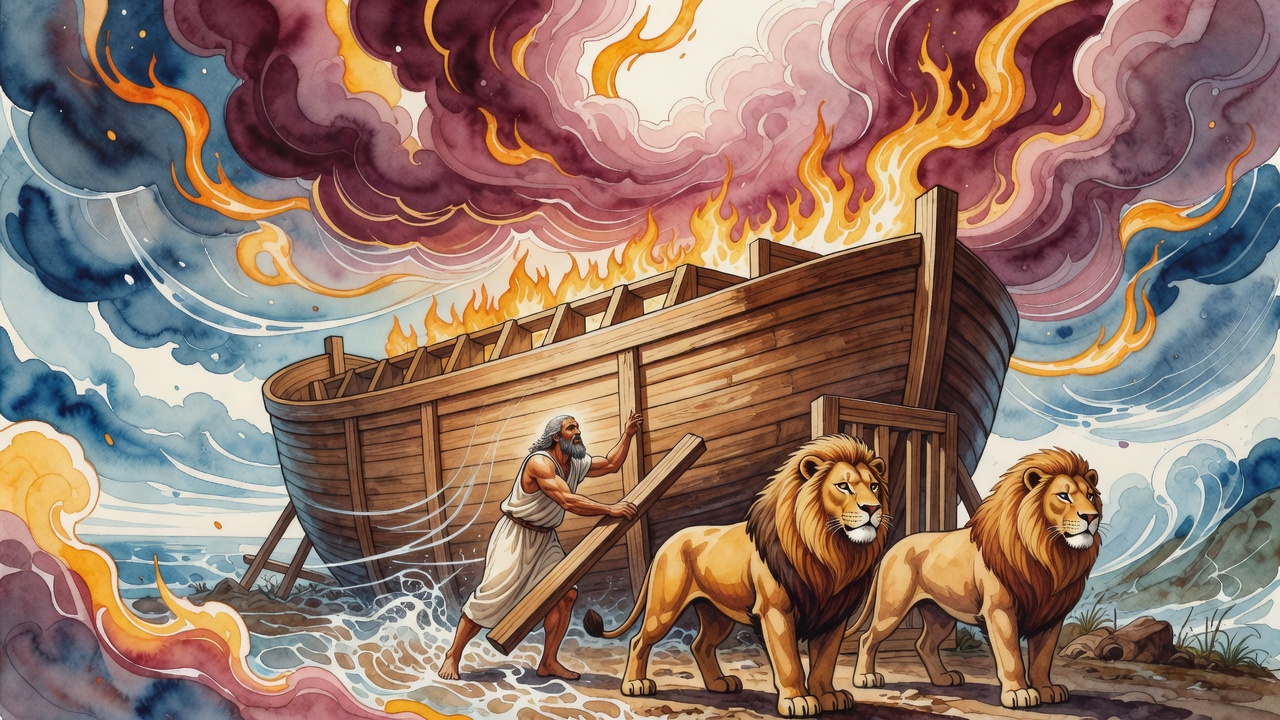
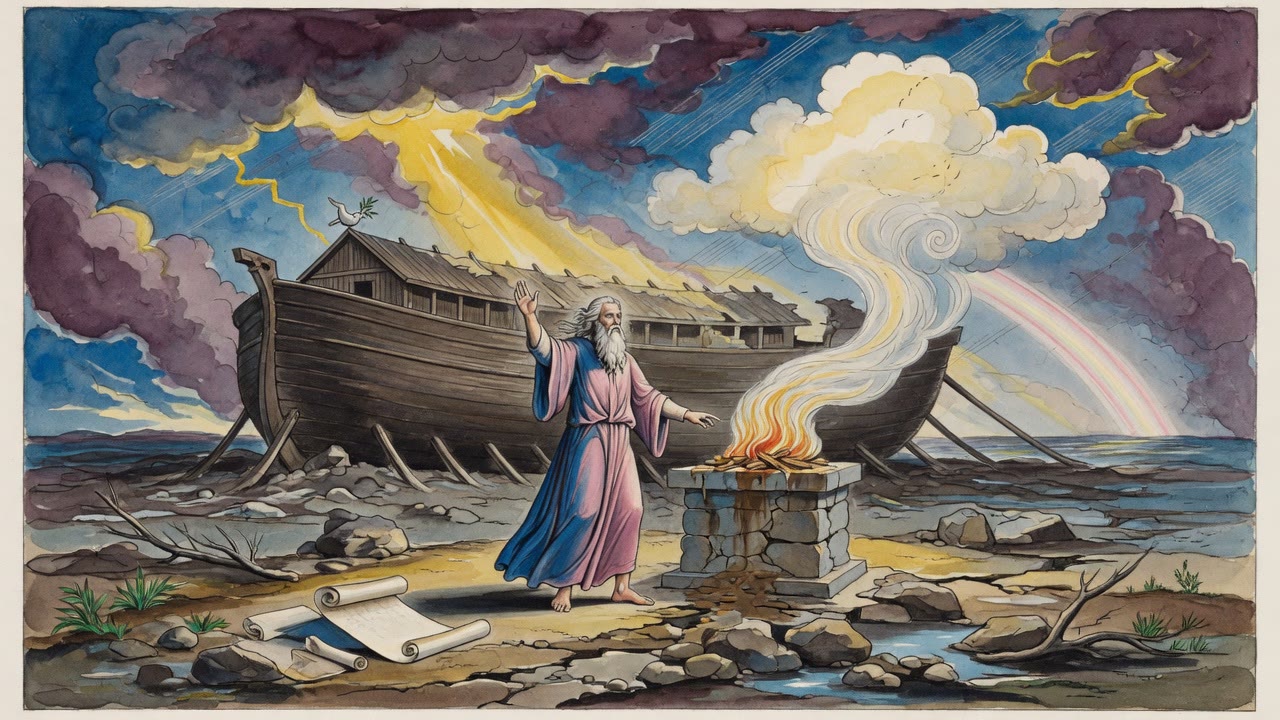
That’s essentially Noah's predicament in the lead-up to the Flood. According to Legends of the Jews, even after God decided, with a heavy heart, that the world had become too corru...
The story of Noah's flood, as told in Genesis, isn’t just about a big storm. It’s about the ultimate second chance... or rather, the chances before the ultimate one. And the incred...
It wasn't just about finding a male and female of each species. According to tradition, moral character played a surprising role. The entire world was drowning in wickedness. Noah ...
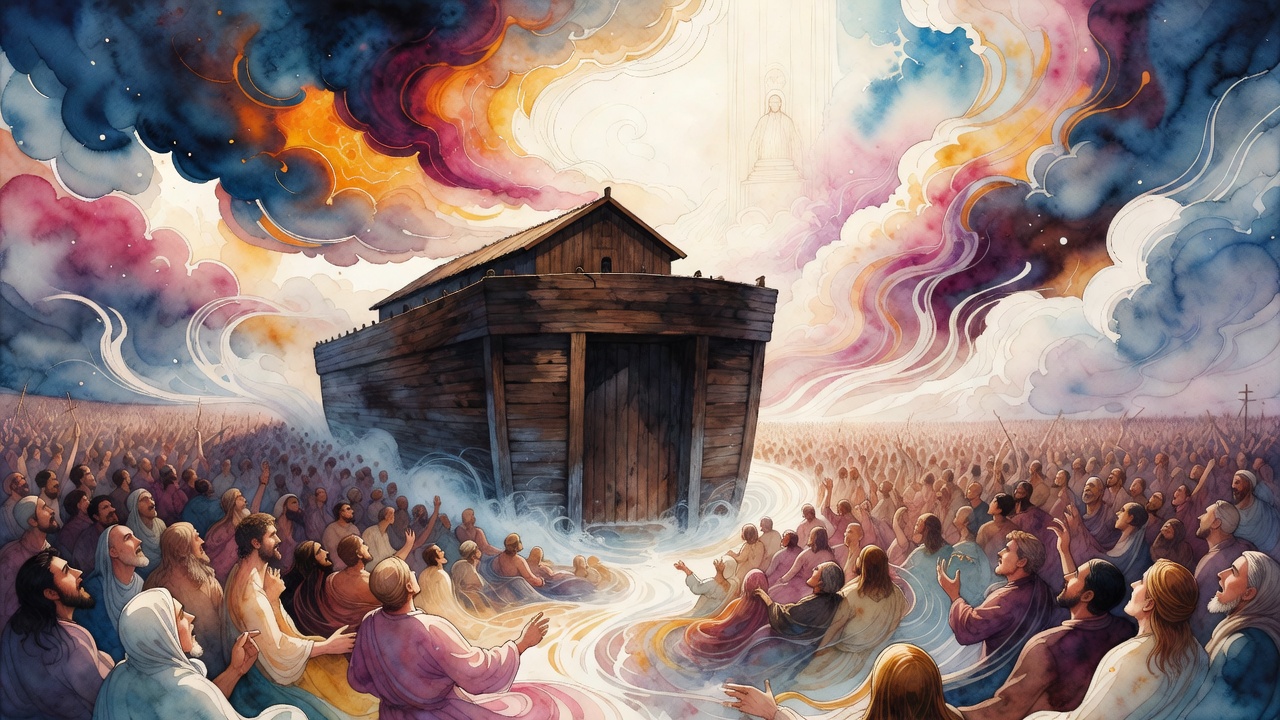
We often picture it as a peaceful, almost idyllic scene. But imagine being cooped up in that ark, not knowing when the flood would end. Tensions would be high. Well, the legends te...
The stench, the noise, the sheer claustrophobia of it all! You'd think the moment the floodwaters receded, he'd be the first one off the boat. But no. The story, as recounted in Le...
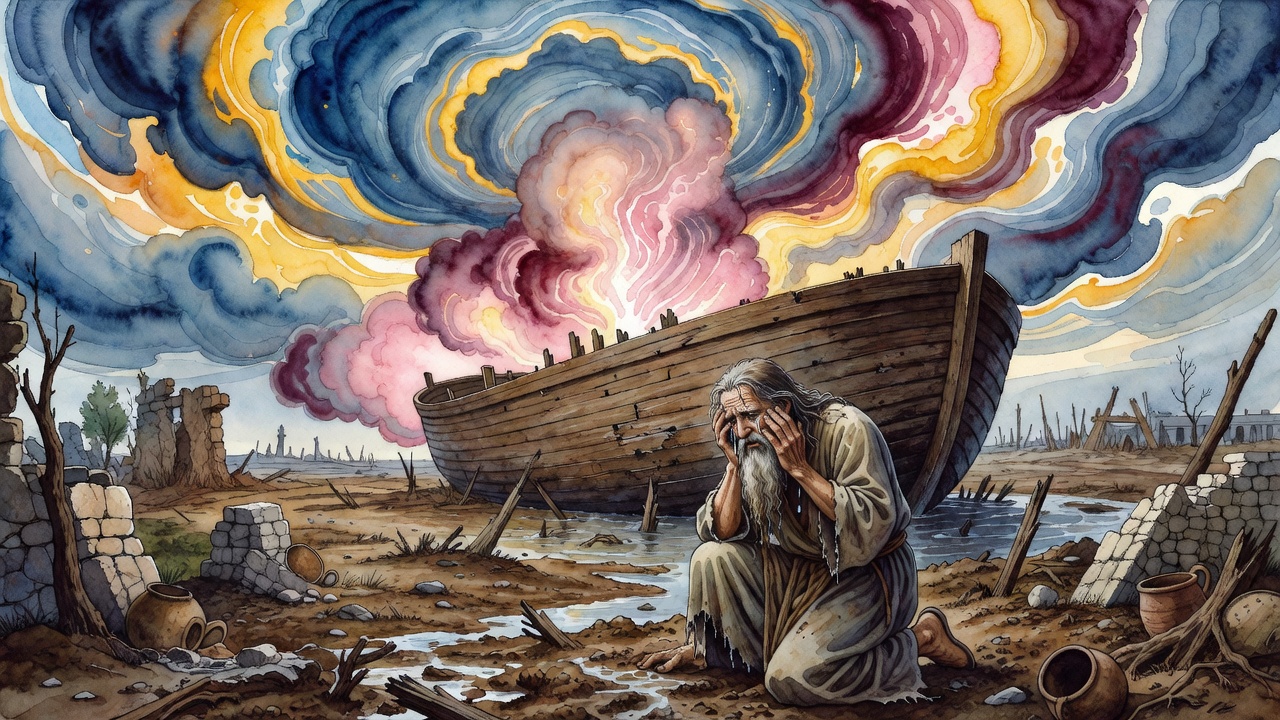
Ginzberg, in Legends of the Jews, tells us that Noah wept bitterly at the sight of the destruction. He turned to God, saying, "O Lord of the world! Thou art called the Merciful, an...
He wasn't just some minor character in the background of history. According to Legends of the Jews, Louis Ginzberg's masterful compilation of rabbinic lore, Nimrod was something el...
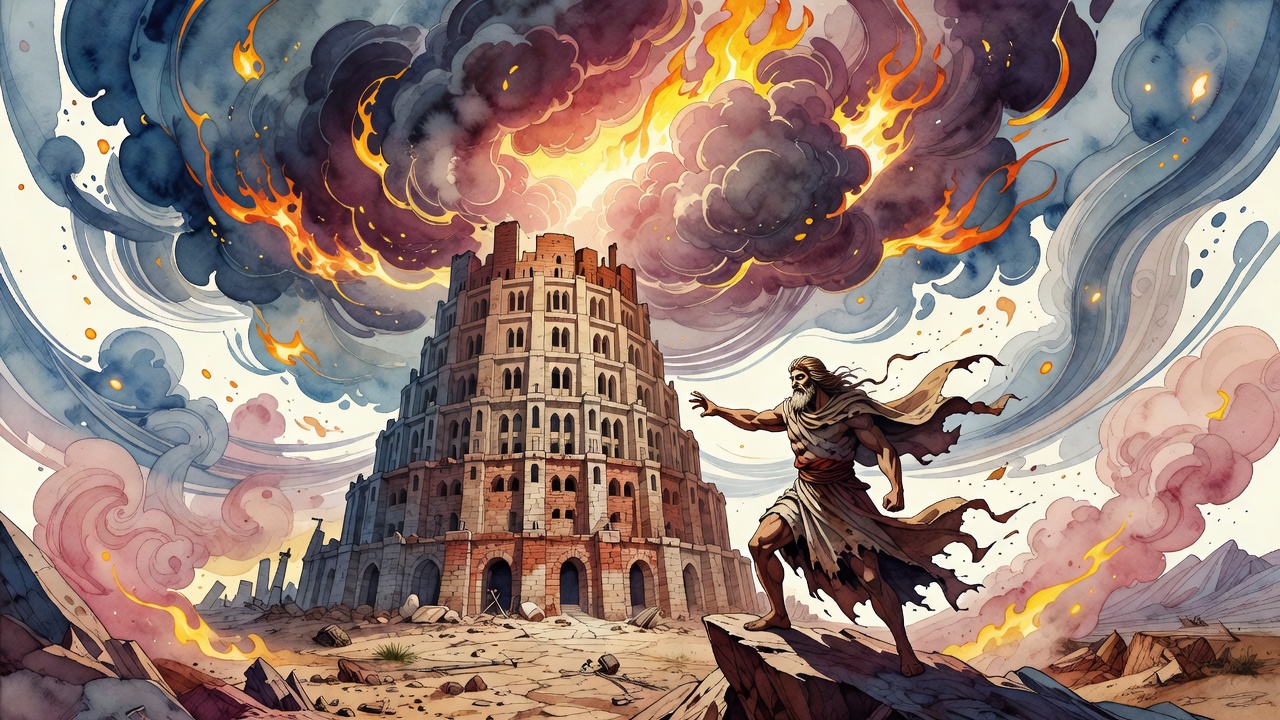
And, surprisingly, Jewish tradition grapples with it too. Take, for example, the story of the Tower of Babel. We all know it – the people, united in hubris, attempt to build a towe...
The ark landed in Armenia, and according to Josephus, the locals were still showing off pieces of it in the first century CE. He calls the site Apobaterion (αποβατηριον)—"The Place...
That’s kind of the question we’re grappling with today. Imagine someone turning to you and saying, "Why should I bother with all this talk about S'firot? Why should I be compelled ...
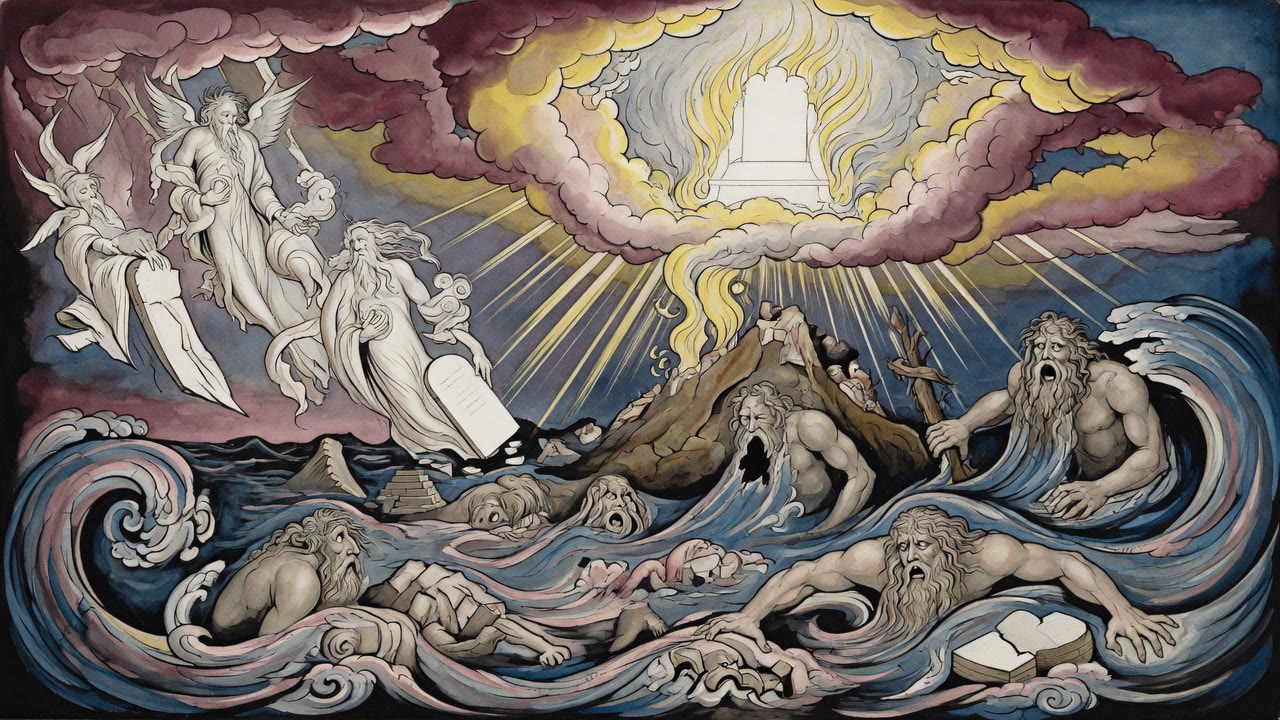
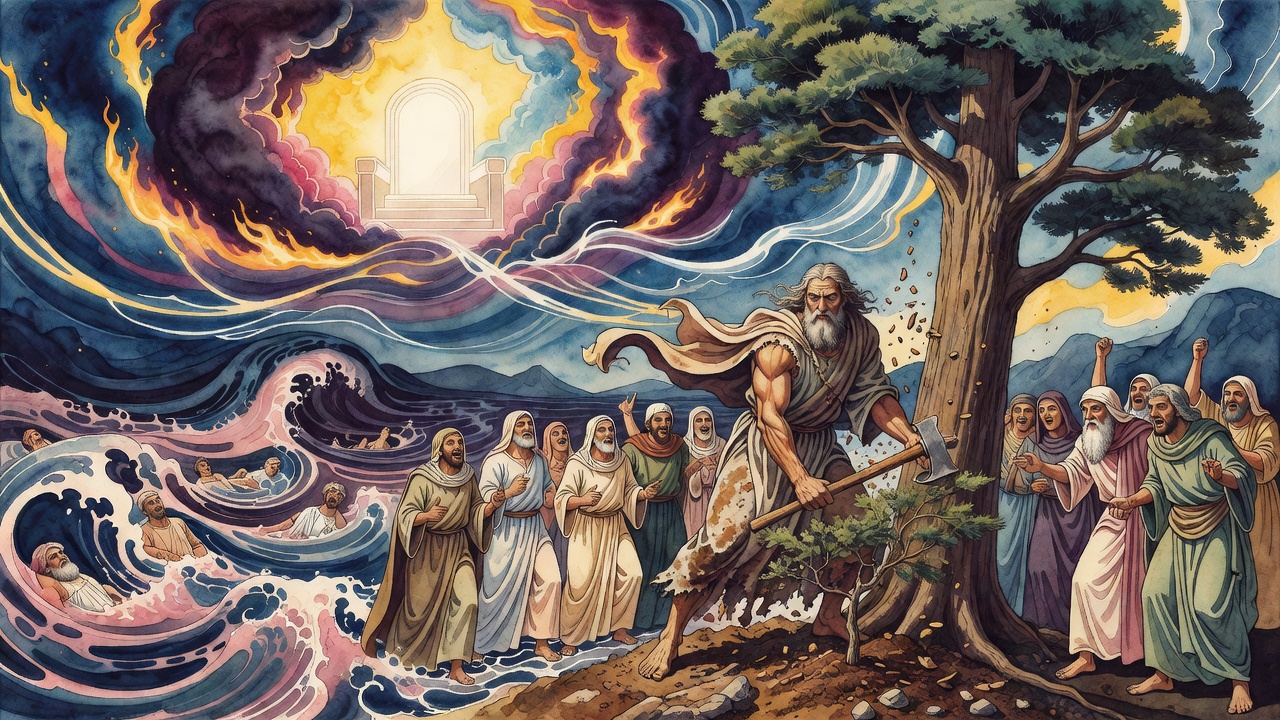
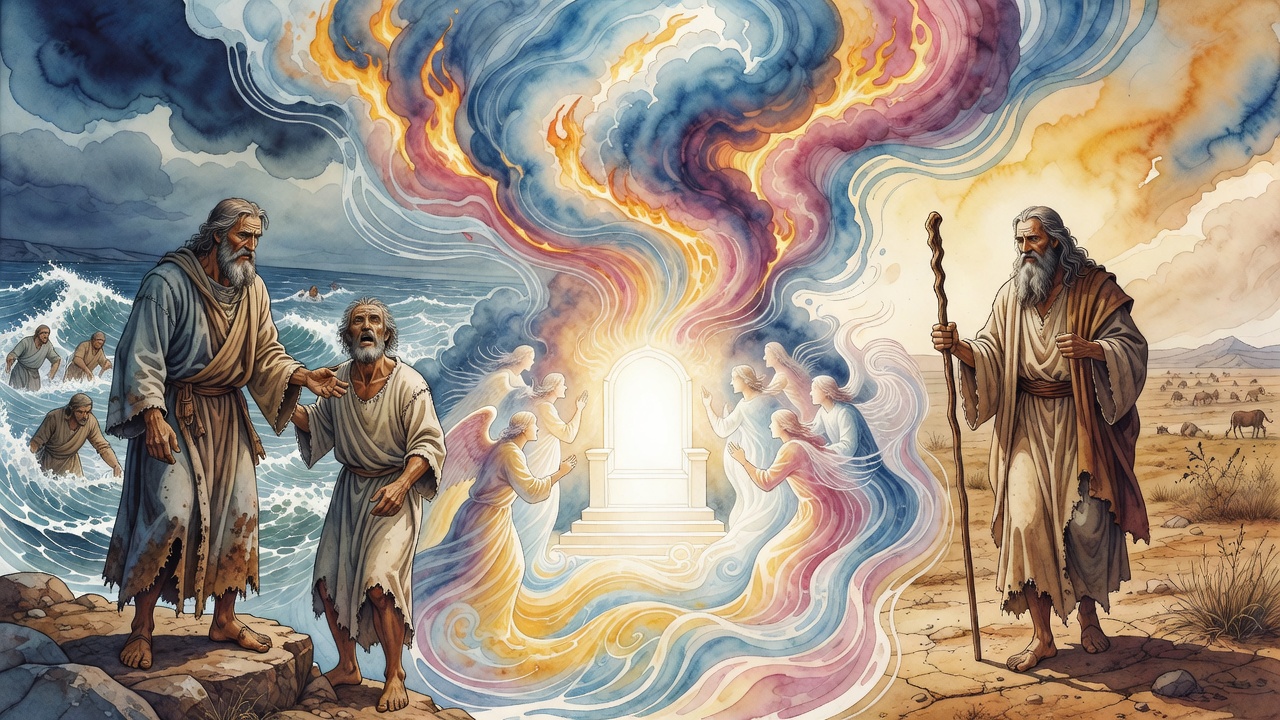
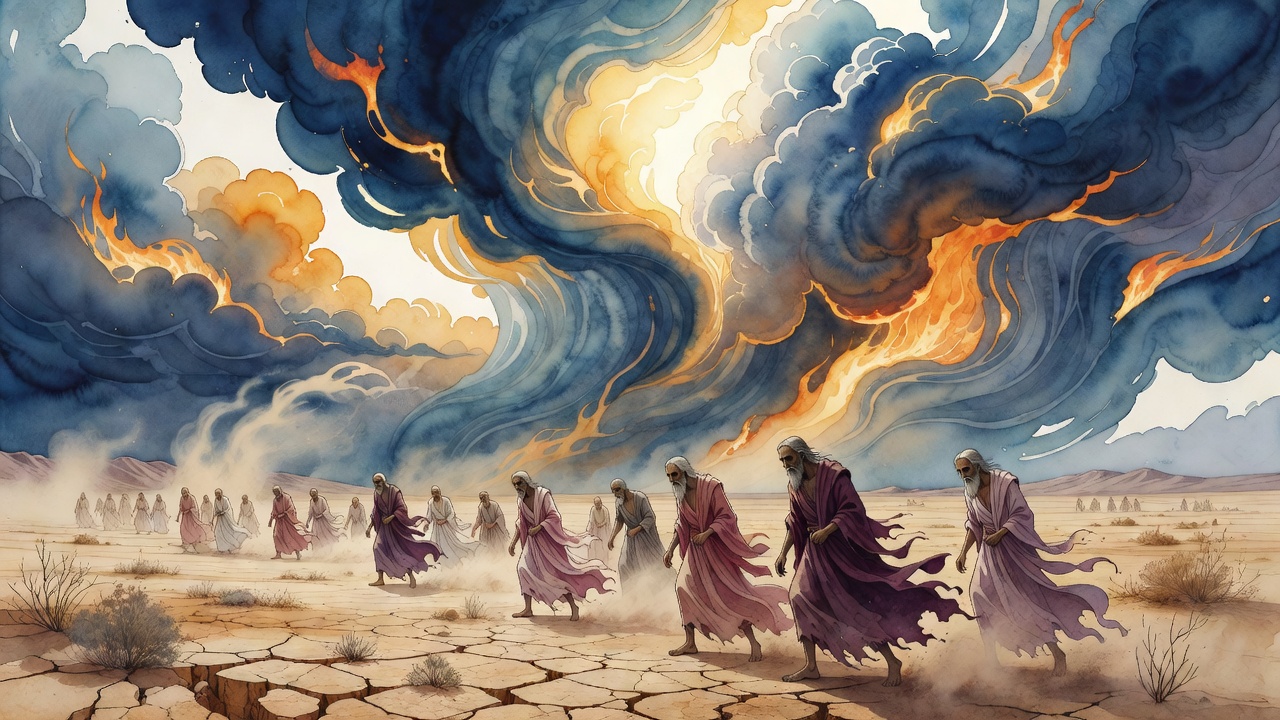
The Mekhilta reveals a pattern in God's use of wind as an instrument of judgment — a pattern that connects the destruction of Egypt at the Red Sea to two earlier catastrophes in hu...
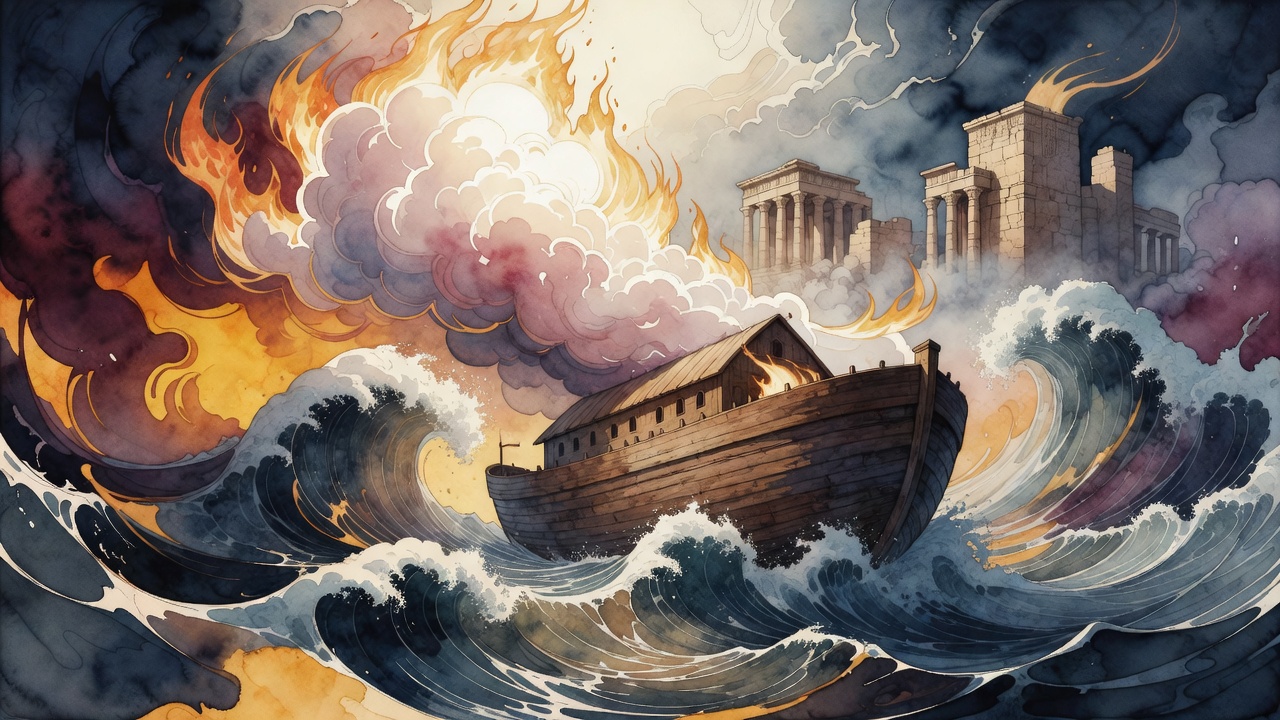
The generation of the Flood was destroyed by the very thing they worshipped. The Mekhilta draws a chilling connection between their sin and their punishment through a play on Hebre...
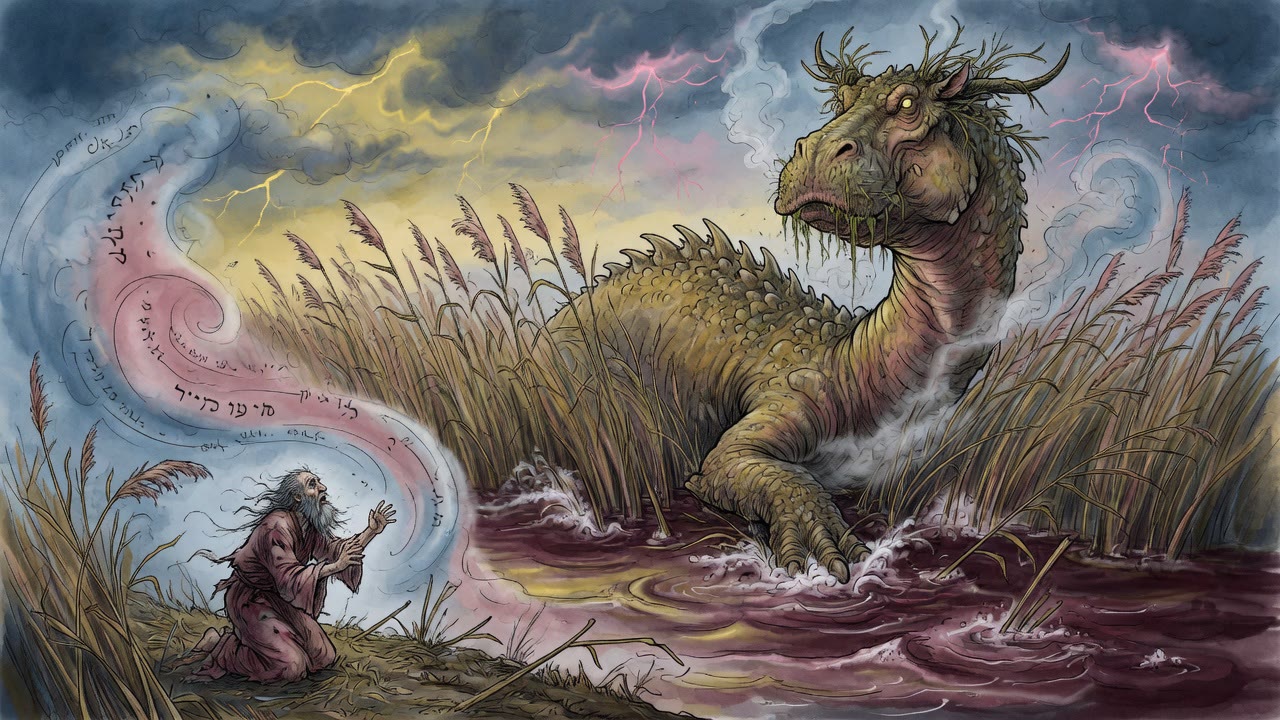
The book of Job presents one of the most profound tests of faith in all of Scripture. Job loses everything — his wealth, his children, his health — and his wife urges him to curse ...
Psalm 88, verse 6, hits hard with that feeling: "Free among the dead, like the slain who lie in the grave." But what does it mean to be "free among the dead?" It's a question that'...
We all know the story: the rains came, the world flooded, and Noah, his family, and a whole menagerie of animals survived in a giant boat. But have you ever stopped to think about ...
According to Pirkei DeRabbi Eliezer, a fascinating early medieval text filled with biblical expansions and legends, Noah wasn't exactly rushing to finish the ark. Instead, he spent...
It’s a story rooted deep in the Flood narrative, and it's got some seriously fascinating layers. After the great flood, Noah needed to know if the waters had receded. So, he sent o...
The narrative begins with Adam. The text tells us that Adam lived 130 years until his son Seth was born. So, from Creation to Seth’s birth, 130 years had passed. Adam then lived a ...
(Deuteronomy 32:7) tells us, "Remember the days of yore" (Devarim 32:7). That little word, yore, it's packed with meaning. It's not just about remembering the past; it's about lear...
The Hebrew Bible says God told Noah to enter the ark, and that rain would begin in seven days (Genesis 7:4). It does not explain why seven days. The Targum Jonathan does, and the e...
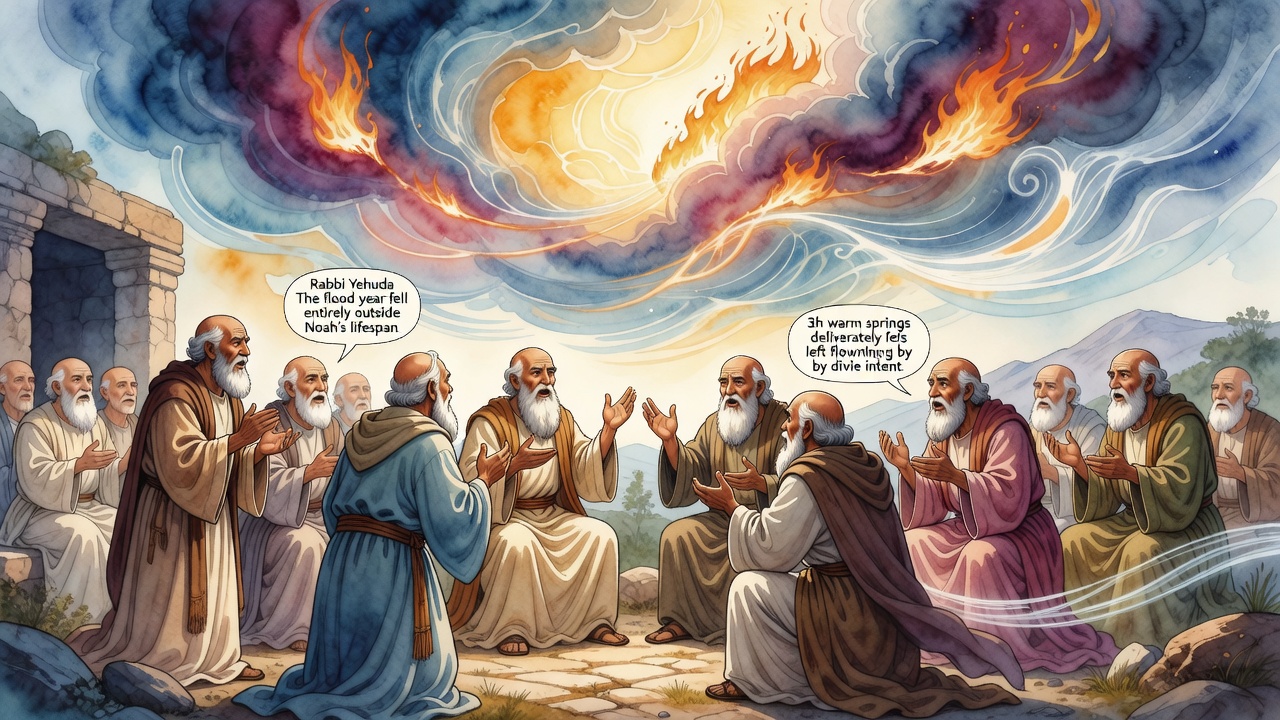
The Flood was all of twelve months,1R. Eliyahu from Vilna explains that according to Seder Olam a year about which no details are given is a simple, regular year of 354 days follow...
The generation of the Flood earned their destruction through arrogance. According to Sanhedrin 108a, God gave them 120 years of warning. They spent those years mocking Noah. The Sa...
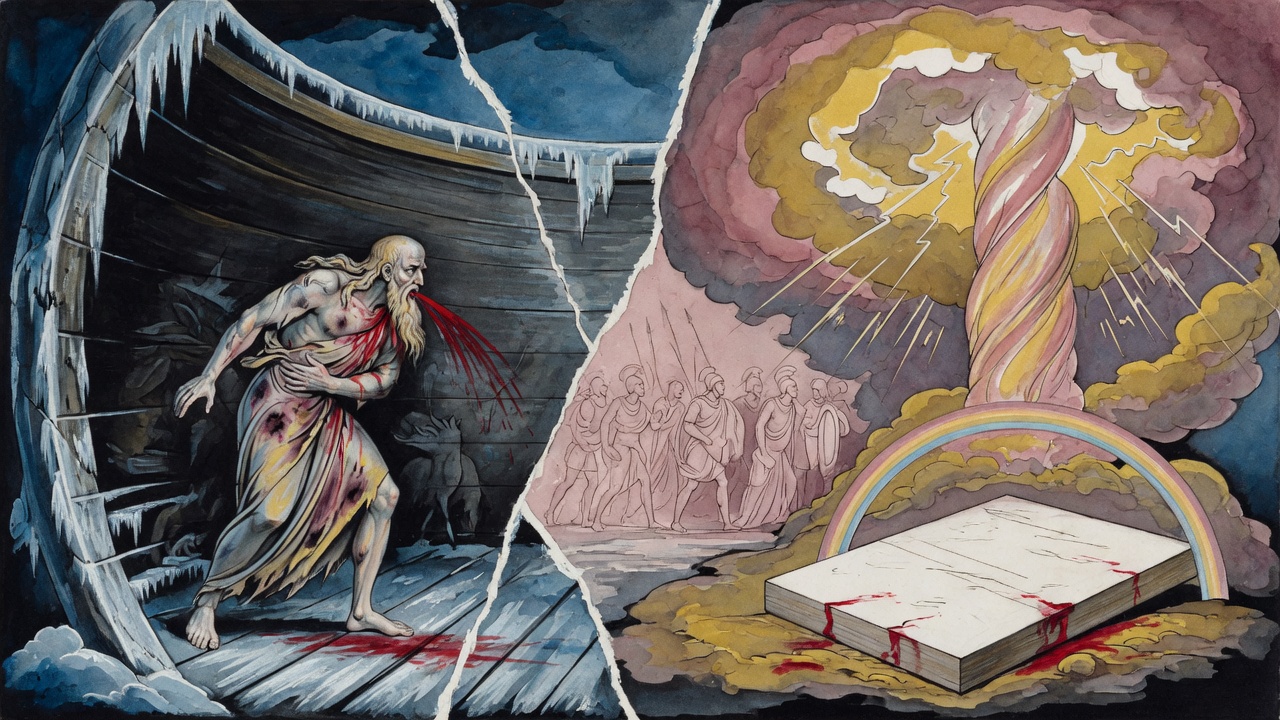
Life inside the ark was not paradise. According to Sanhedrin 108b, Noah and his family worked around the clock to keep every animal alive—and one feeding mistake nearly cost Noah h...
The Hebrew Bible says God "shut him in" the ark (Genesis 7:16)—a strangely intimate image of the Creator personally closing Noah's door. Targum Onkelos renders this as "God protect...
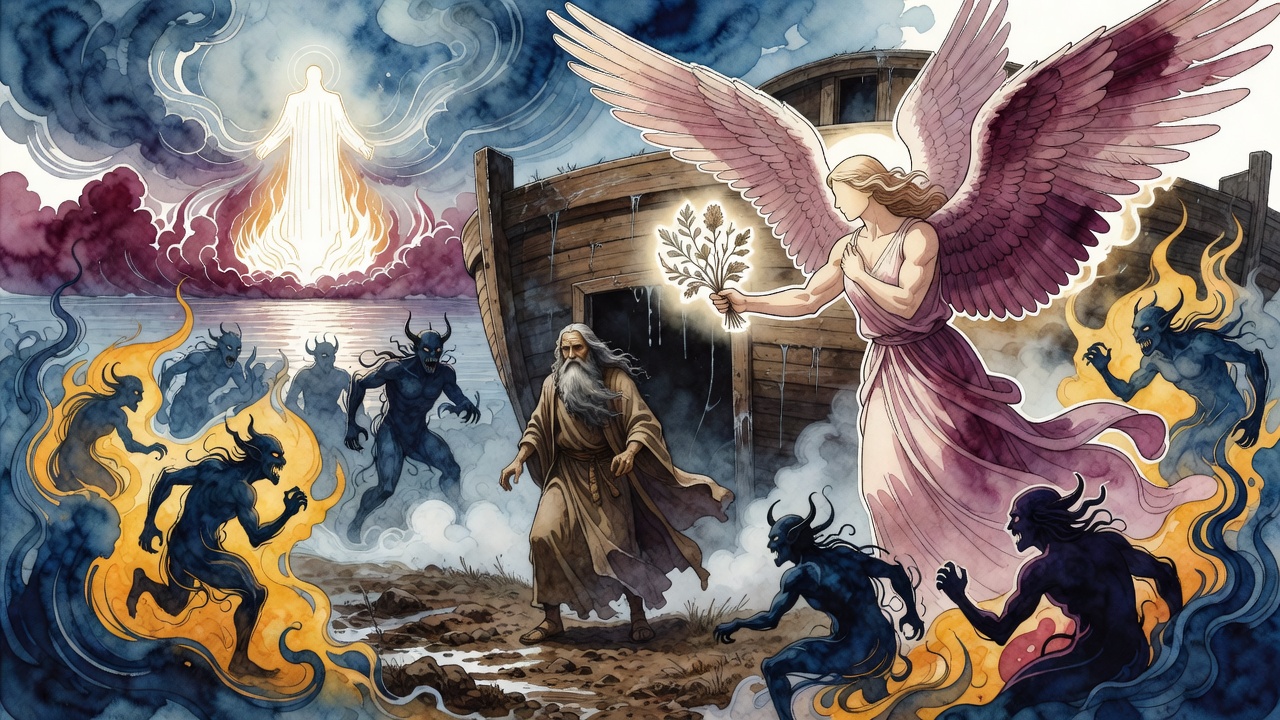
R. Shimeon b. Yob ai prevented tribulations overtaking the world and therefore no rainbows appeared to warn it of calamity. The prophet Elijah and R. Joshua b. Levi met him and he ...
Two men came before Rabbi Eliezer to pray. One prayed at great length, pouring out his heart in elaborate, detailed petitions that went on and on. The other prayed briefly — a few ...
A star fell from heaven — and its fall marked the beginning of a corruption that would lead to the great Flood. The Midrash (Genesis Rabbah of Rabbi Moses HaDarshan, Midrash Abkhir...
The article describes the flood narrative from Genesis vi.9-ix.17, where God destroys humanity due to wickedness, sparing only Noah's family and two (or seven) pairs of every livin...
Forty days! Now, think about that journey, from the south all the way to the north. That's a long walk. Could they really have covered all that ground, the entire breadth of the la...
to the story as told in Bamidbar Rabbah 20, a fascinating peek behind the curtain of this dramatic encounter. “Balak heard that Bilam had come,” the verse tells us. But Bamidbar Ra...
The Torah portion Noah grapples with just that, the world after the flood. But even in this story of renewal, shadows of the past linger. The Rabbis in Bereshit Rabbah, that magnif...
The Torah tells us he was "righteous in his generation" (Genesis 6:9). But what does that really mean? Bereshit Rabbah, a classic collection of rabbinic interpretations of Genesis,...
Take the story of the Flood, the mabul, a cataclysmic event meant to cleanse the world of its wickedness. We often focus on Noah, the ark, and the animals. But what about the Earth...
That’s kind of what the ancient Rabbis were wrestling with when they looked at the story of Noah, specifically (Genesis 7:6): “And Noah was six hundred years old, and the flood was...
We get glimpses of the Ark in the Bible, but Jewish tradition, particularly in the Midrash (rabbinic interpretive commentary), fills in the blanks, offering us vivid images of that...
But the rabbis of old, in Bereshit Rabbah, one of the most important collections of rabbinic interpretations of Genesis, saw layers of meaning in these few words. Specifically, the...