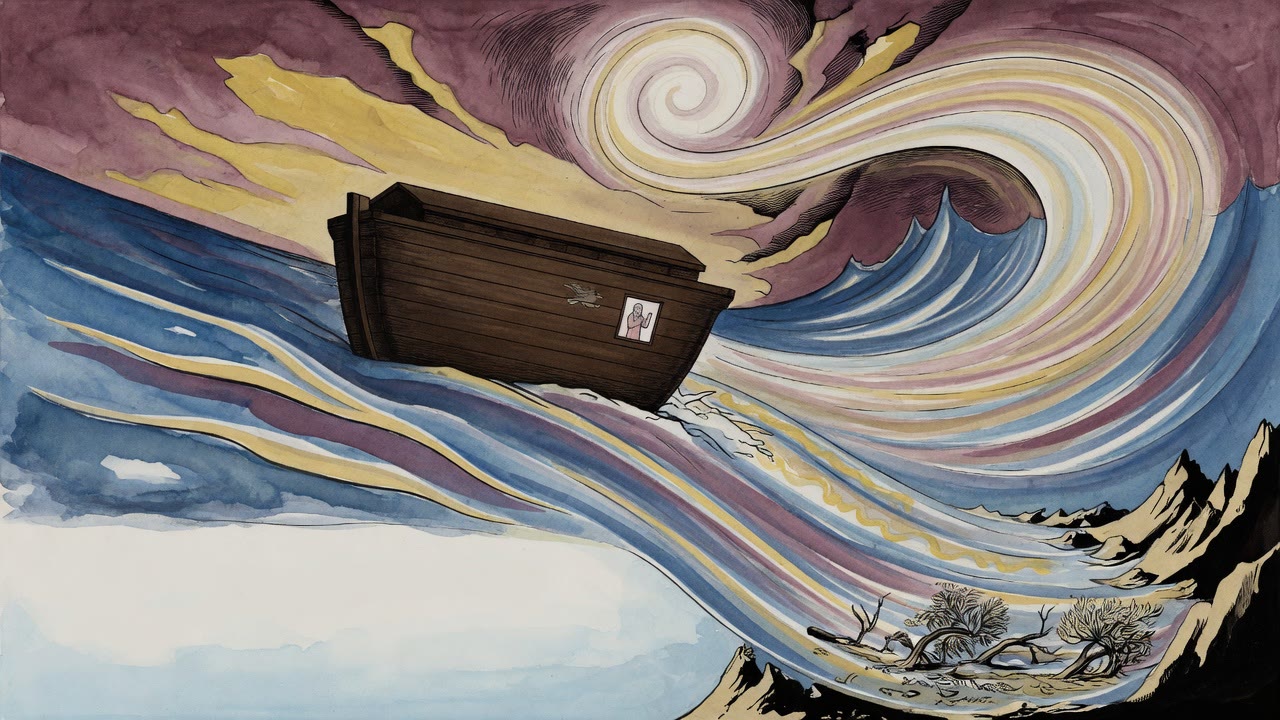
Cain Built the World the Flood Was Meant to Erase
Cain's descendants settled the plain near Damascus, on the field where Abel died. The Sethites kept to the mountains until they came down and mixed.
Table of Contents
 Click for full size
Ten Generations of Patience
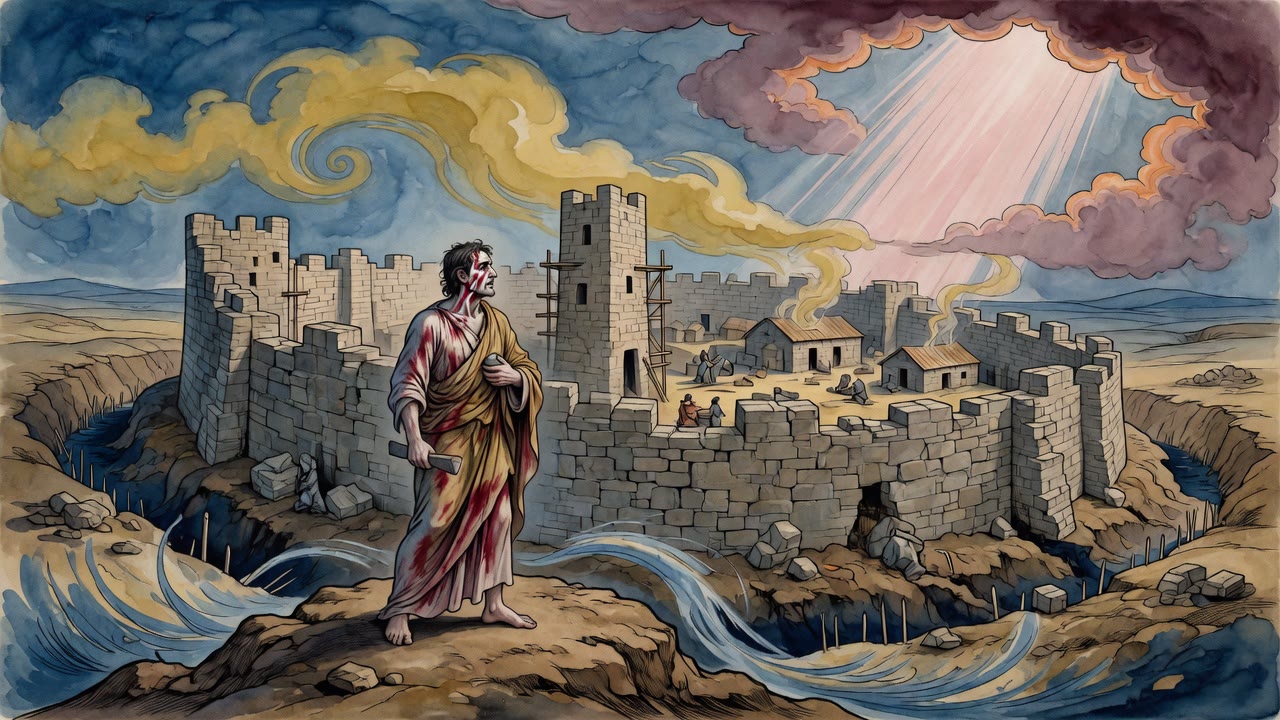
God stretched His patience across ten generations, from Adam to Noah. Generation after generation of provocation. The world accumulating corruption the way a field accumulates stones - a few each season until you cannot turn the soil.
Bereshit Rabbah, the fifth-century Palestinian midrash on Genesis, states the principle plainly. The ten generations were not separate events. They were a chain with a single starting point: Cain, the firstborn. What entered the world with Cain did not leave between Adam and Noah. It built.
What Entered With Cain's Birth
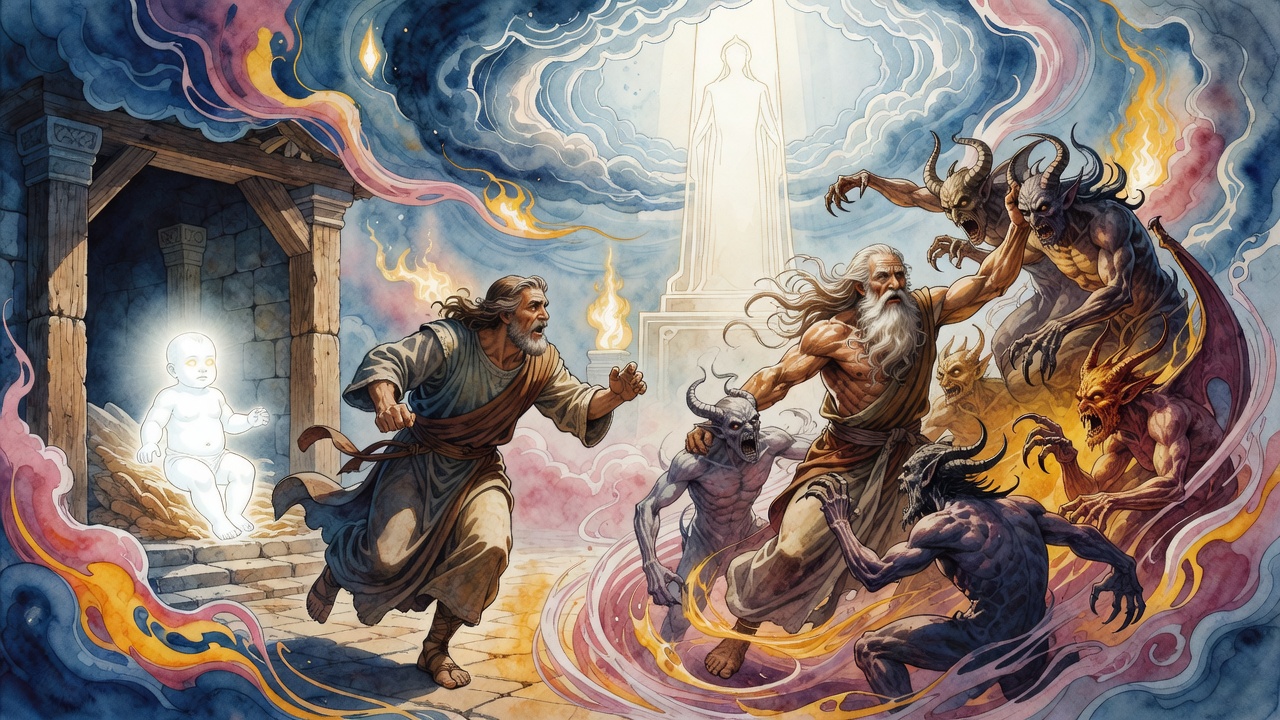
Ginzberg's Legends of the Jews, synthesizing the Zohar and earlier midrashic traditions, places Cain's conception in a specific context. God had given Adam and Eve a single prohibition in Paradise. The prohibition was violated. The serpent - the tradition identifies him with the accuser, the adversary - approached Eve, and Cain was the result of what followed. He was born carrying something that Seth would not carry. Not simple wickedness. A different orientation toward the world, deeper than choice, present from birth.
This is not a comfortable teaching. The rabbis were not pretending it was comfortable. They were accounting for something they found in the text: why did Cain kill Abel? What was present in Cain that made it possible? The answer they offered was not psychological but cosmological - something had gotten into the world through the snake's influence on Eve, and the first-born child of the first human beings carried it forward into history.
How the Two Lines Merged
For generations, the descendants of Cain and the descendants of Seth occupied different territories. The Cainites held the plain near Damascus, the field where Abel had died. The Sethites lived in the mountains near Paradise, maintaining their distance from what the Cainites had become. They were not immune to corruption - they were simply positioned away from its source.
Then, after Adam died and the generations lost their memory of what the separation had been for, the Sethites came down from the mountains. The Legends tradition records that they had been beautiful and the Cainites had been beautiful and the mixture that followed was catastrophic. From their unions came the Nephilim - the giants of Genesis 6:4 - physically enormous, spiritually arrogant, consuming the world around them with an appetite that recognized no limit. The Nephilim even claimed Sethite lineage to justify their position, borrowing the nobility they had not earned.
What the Righteous Ones Were Spared
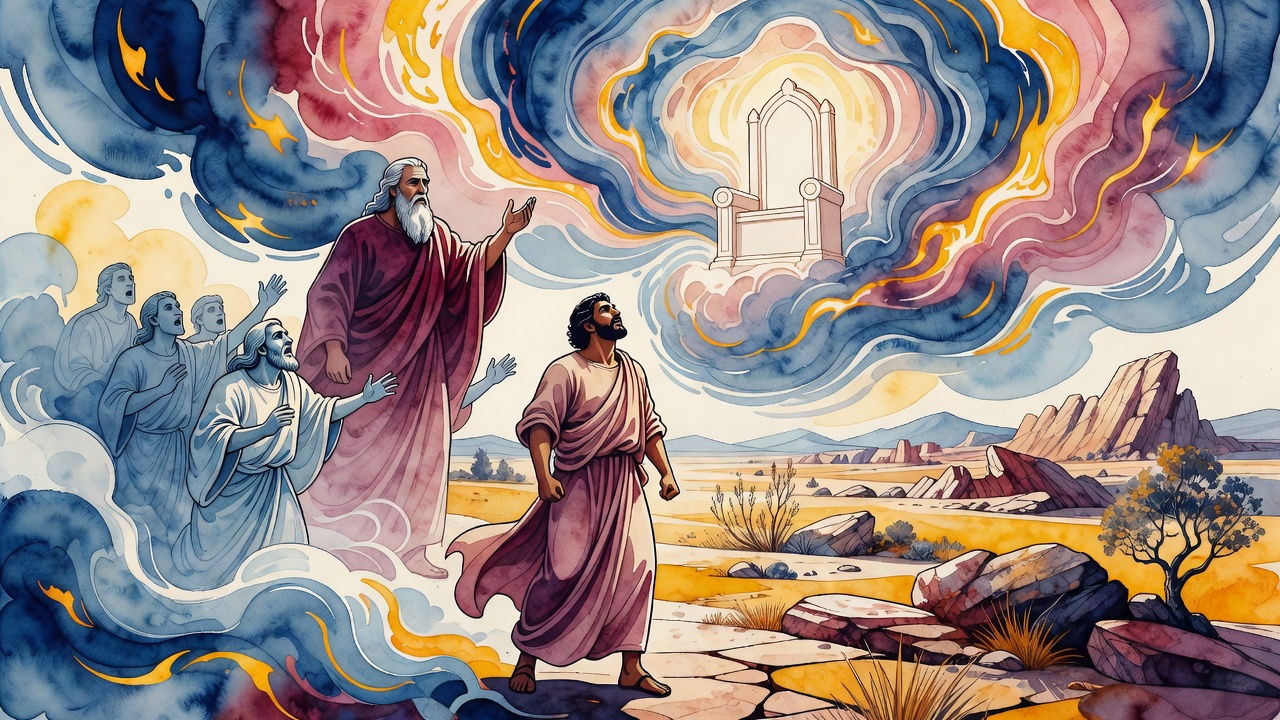
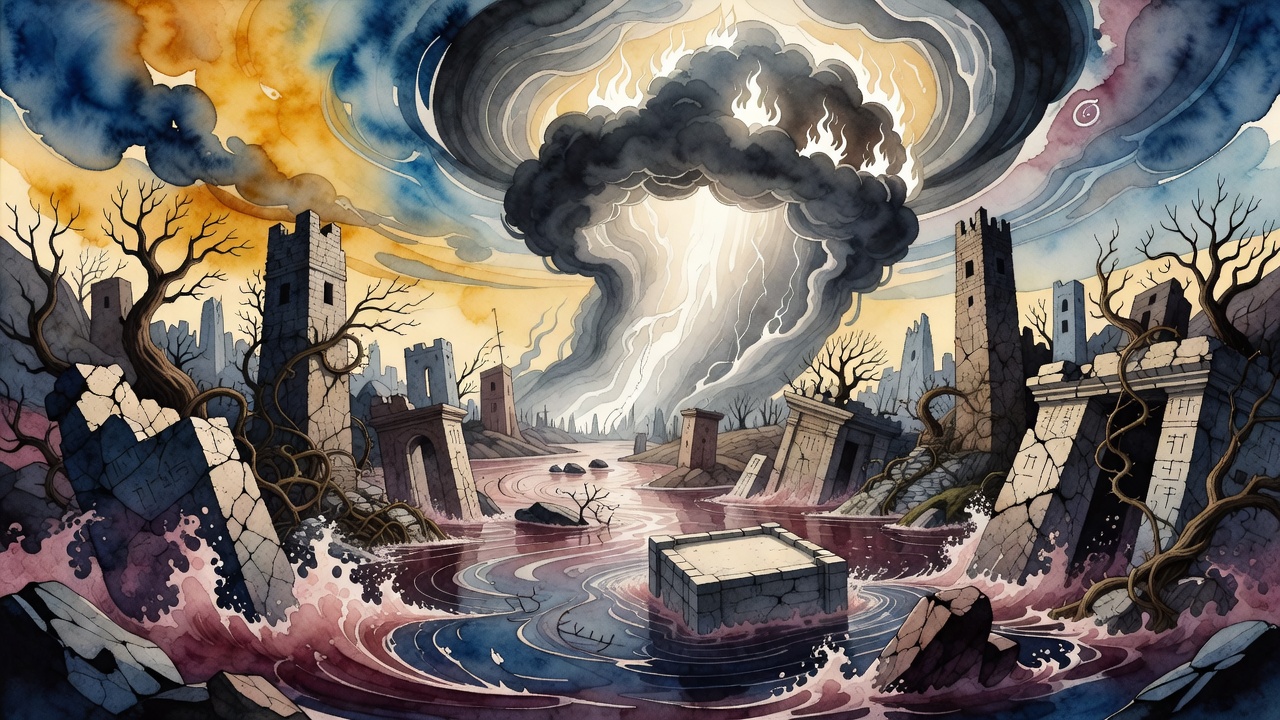
The Book of Jasher, an ancient compilation referenced in Joshua 10:13 and 2 Samuel 1:18, preserves the account of the final generation before the flood. The righteous of the old world died before the flood came: Enoch, Cainan, Mahlallel, Jared, one by one. The text says God actively willed their deaths before the destruction began. Not as punishment but as mercy. He did not want them to see what He was about to do to their relatives. They were taken before they had to watch the world they had tried to hold together go under the water.
Methuselah was the last of them, the very oldest. He died in the same year the flood began. Some traditions say he died in the seven days before the rains started, the same seven days that God decreed as a period of mourning for the righteous man's death before the punishment began. The flood waited for Methuselah to be buried. Then it came.
The Altar That Remembered Everyone
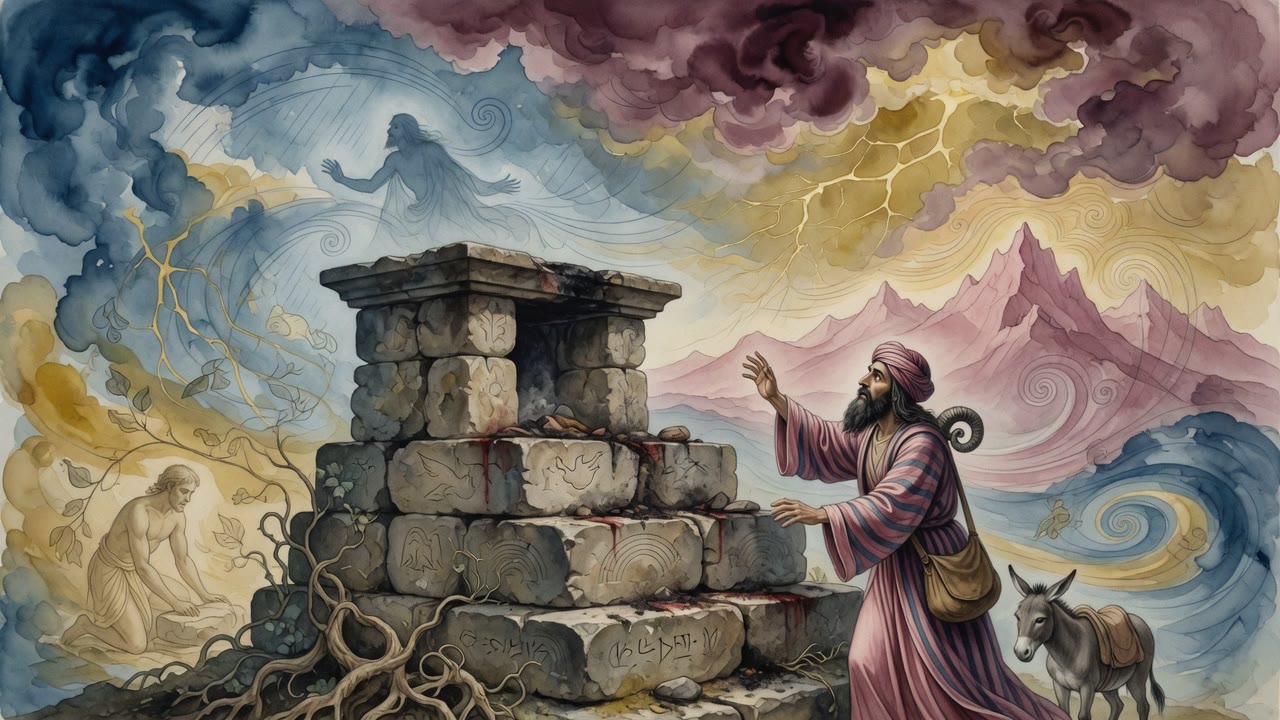
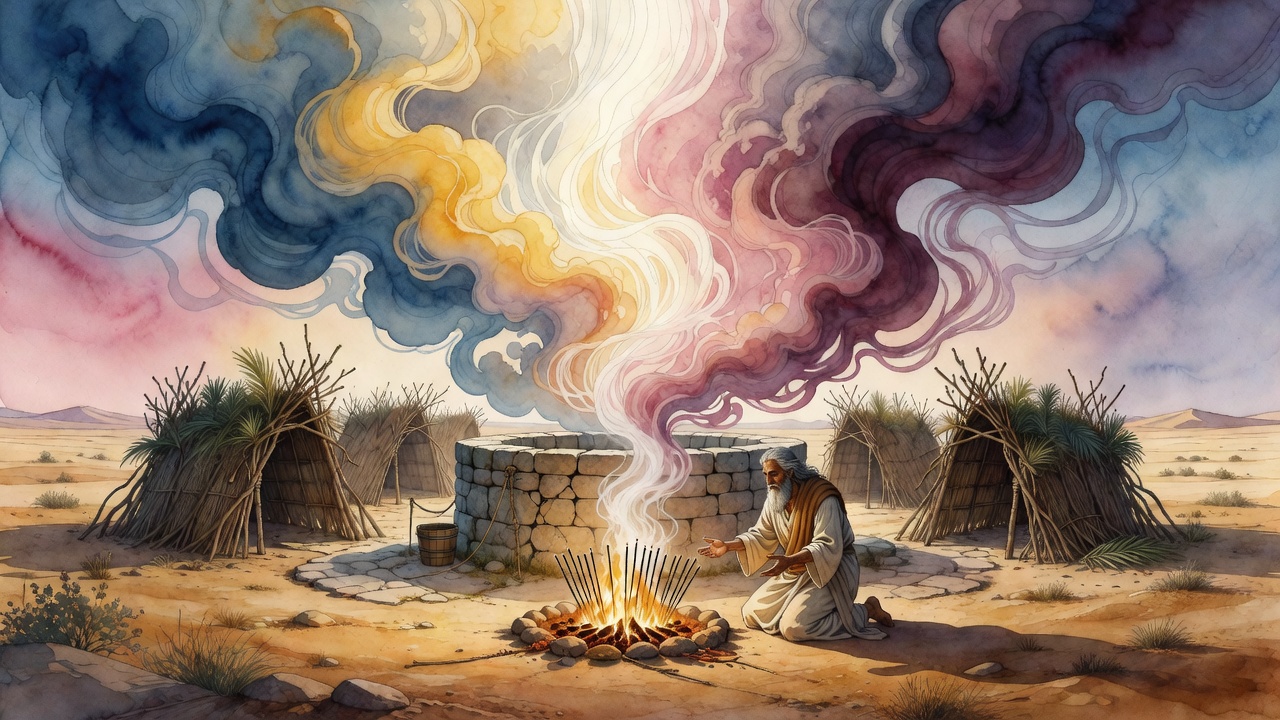
Ginzberg's Legends records the tradition about the altar on Mount Moriah. Adam had built it. Cain and Abel had brought offerings there. Noah, stepping off the ark, had built there again. Abraham, centuries later, had built there to sacrifice Isaac. The same site, in use since the first human being had something to offer, holding the memory of every approach humanity had made toward the divine - including the approaches that were rejected.
Cain's offering had been rejected at that altar. The tradition gives different reasons: the offering was too meager, or offered without full heart, or wrong in category. But Cain had come to the altar. He had known that something was expected of him at the place where heaven and earth were nearest. What he did afterward - what he chose to do with his anger when the altar did not respond the way he expected - that was what the flood eventually came to address. Not the rejected offering itself but the ten generations of what followed from the rage of the man who made it.
← All myths