157 myths · Page 4 of 6
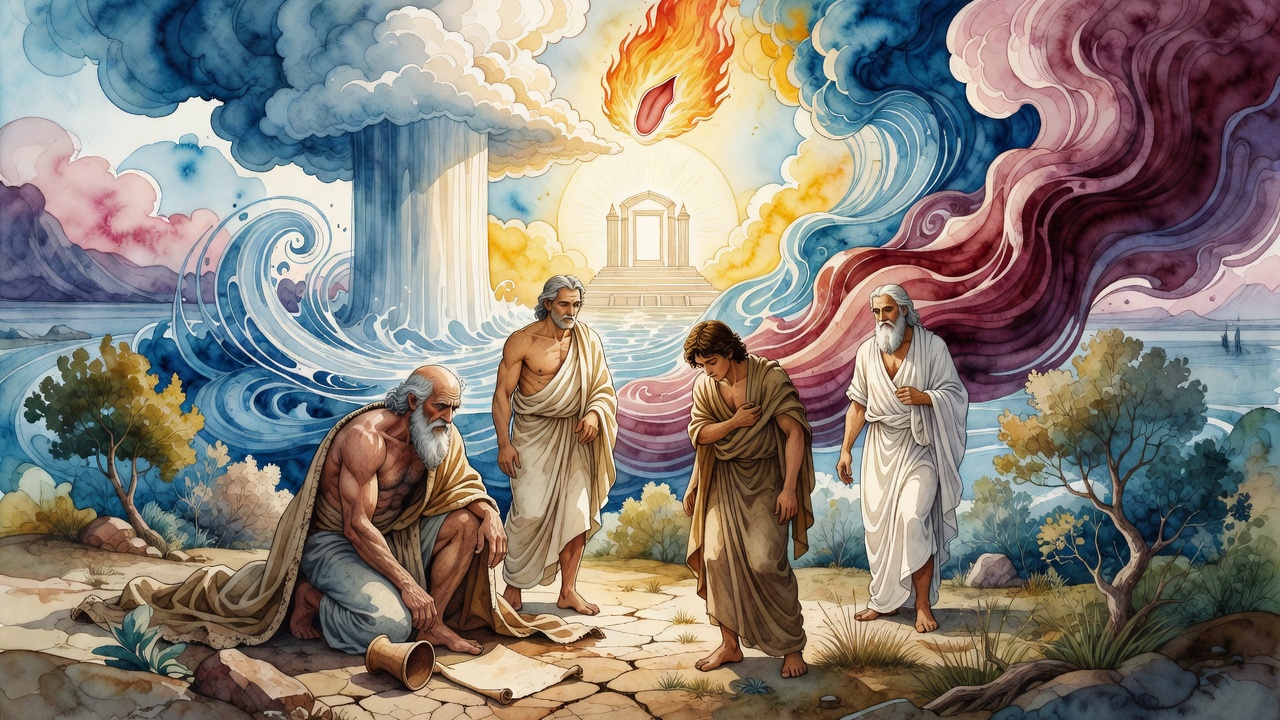
One cup uncovered Noah. Ham looked and told. The curse skipped a blessed son and lodged in Canaan, while wine kept toppling generations after the flood.
Cain waited some days, then set dull fruit on the altar. Abel brought the first lambs and their fat. Heaven turned toward the flock.
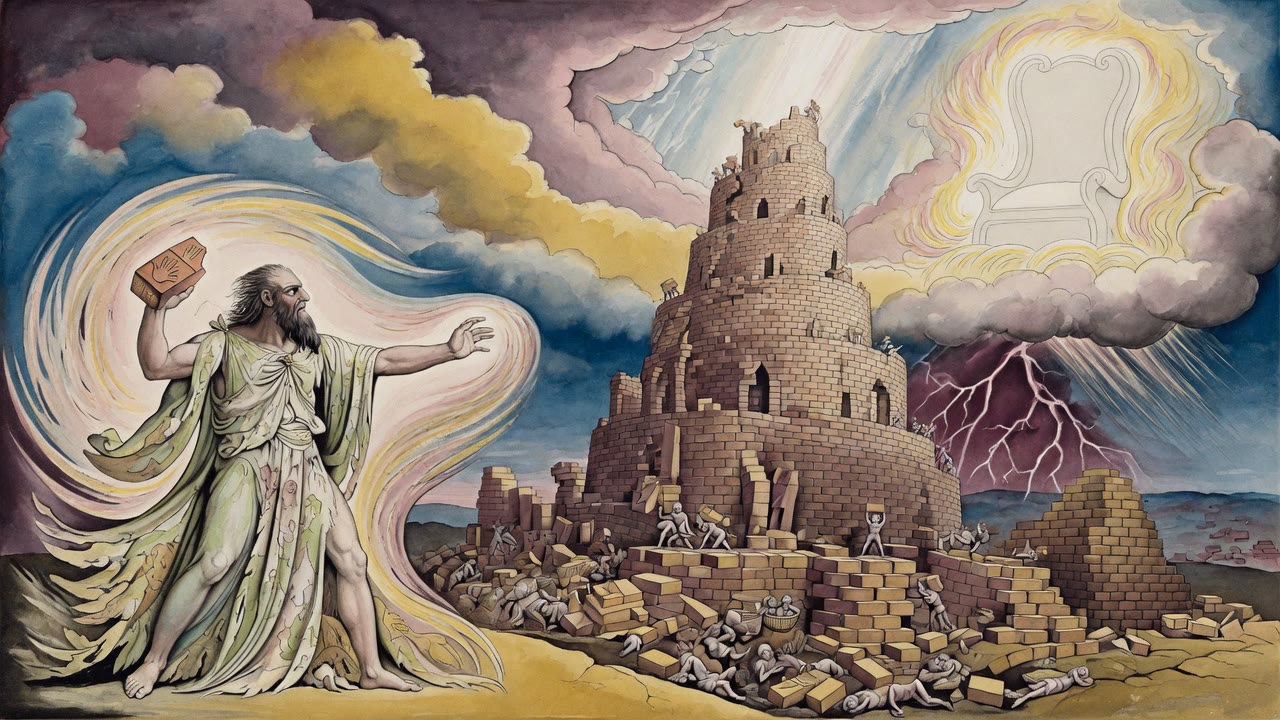
They had counted the years. The sky, they said, would fall again. They raised pillars instead of praying, and an east wind took their words.
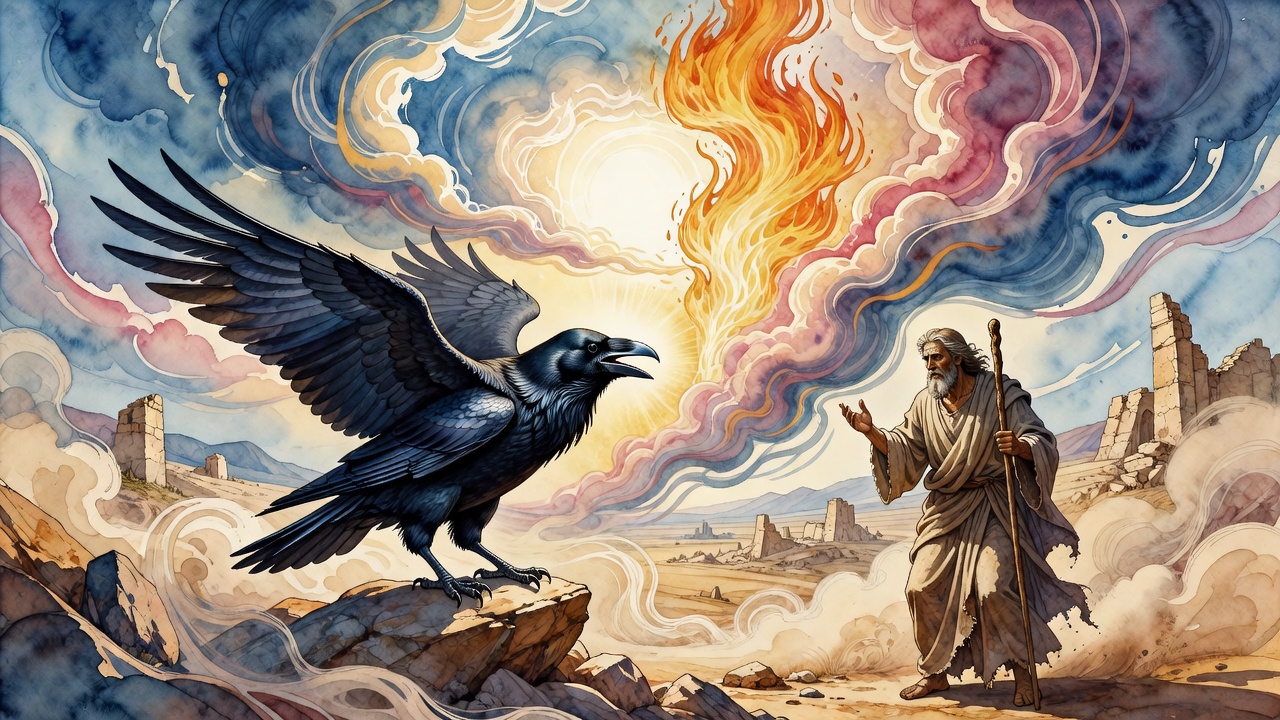
Noah's raven refused the mission and argued for its species. God ordered it kept for Elijah. Wonders followed, and exile still came for unrepentant kings.
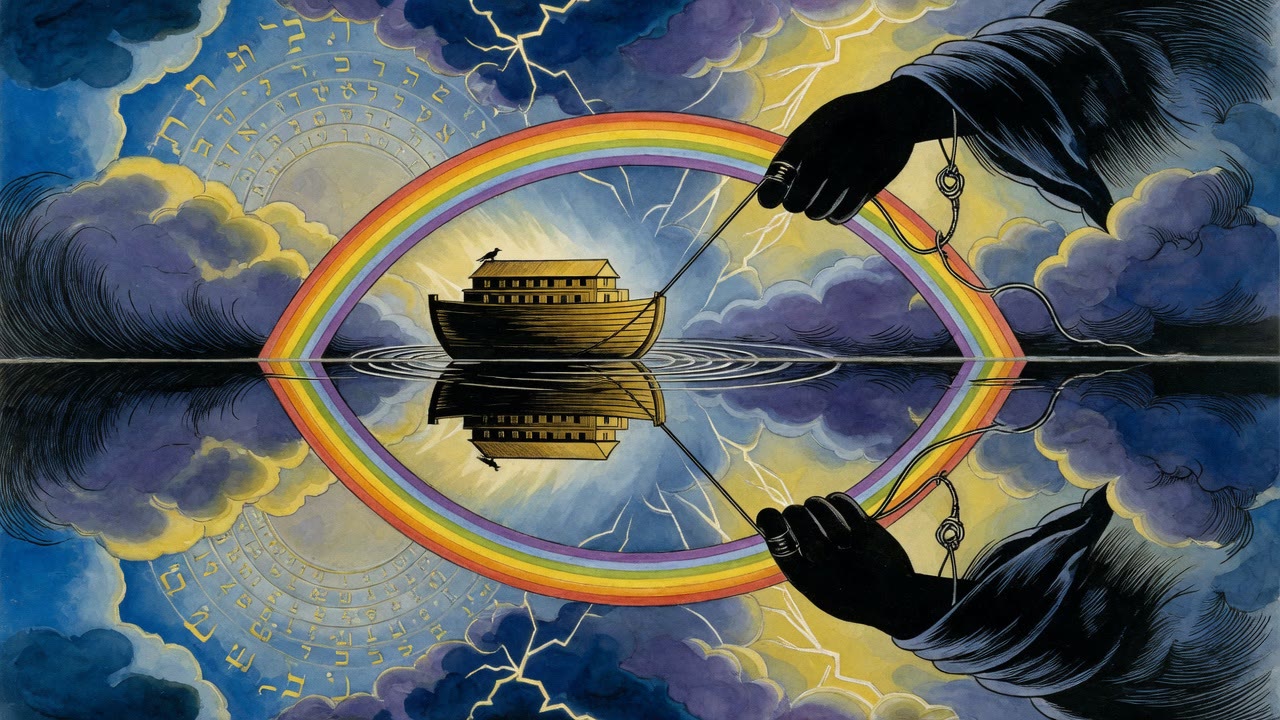
The flood began and ended on the same calendar day. Noah counted the mirrored year from inside the hull, and the bow held judgment on a leash.
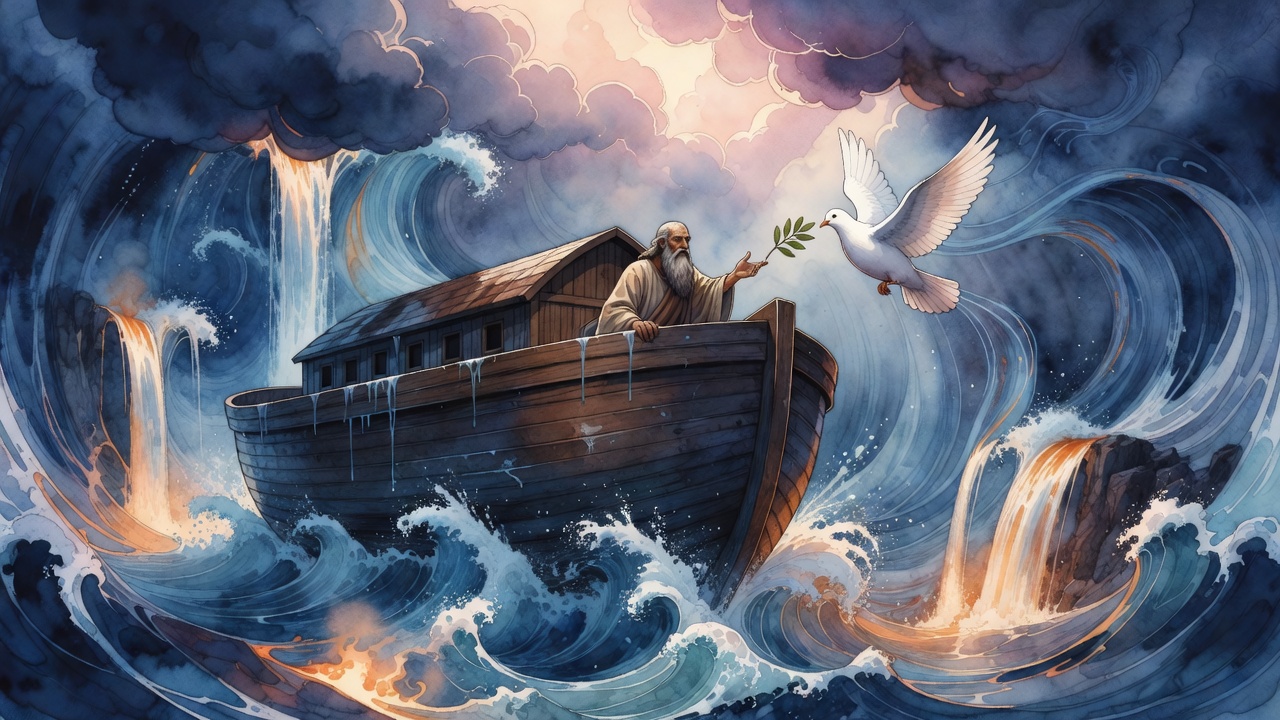
The raven went out over the drowned world and never came back. The dove could not find one dry stone to stand on, so she came home.
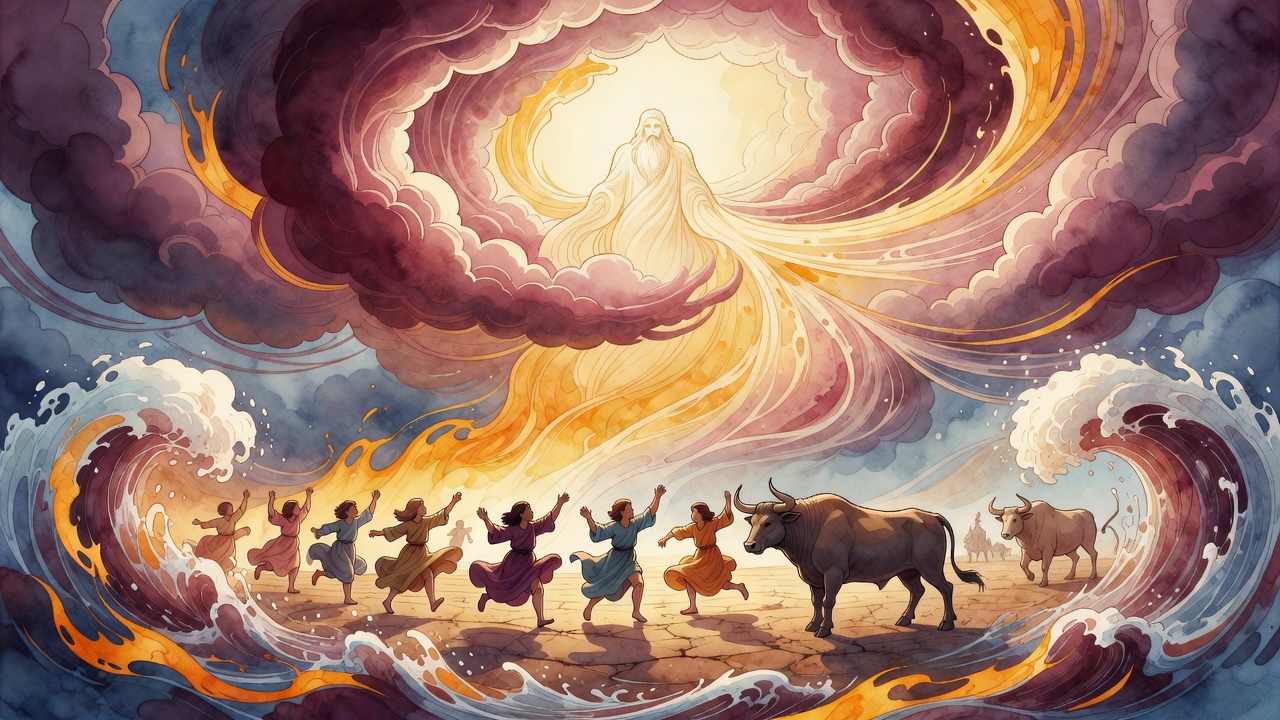
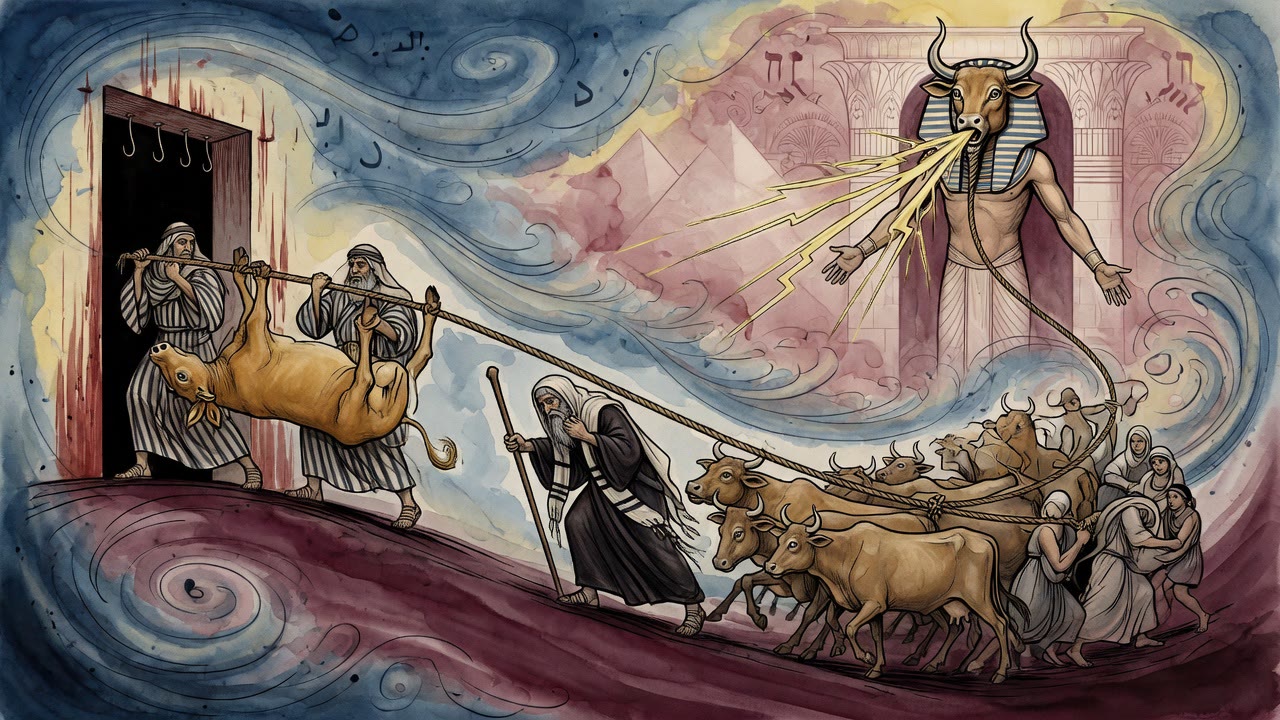
Their bulls bred and never failed, and their children ran loose through the fields with drums and harps. Then they told God to leave them alone.
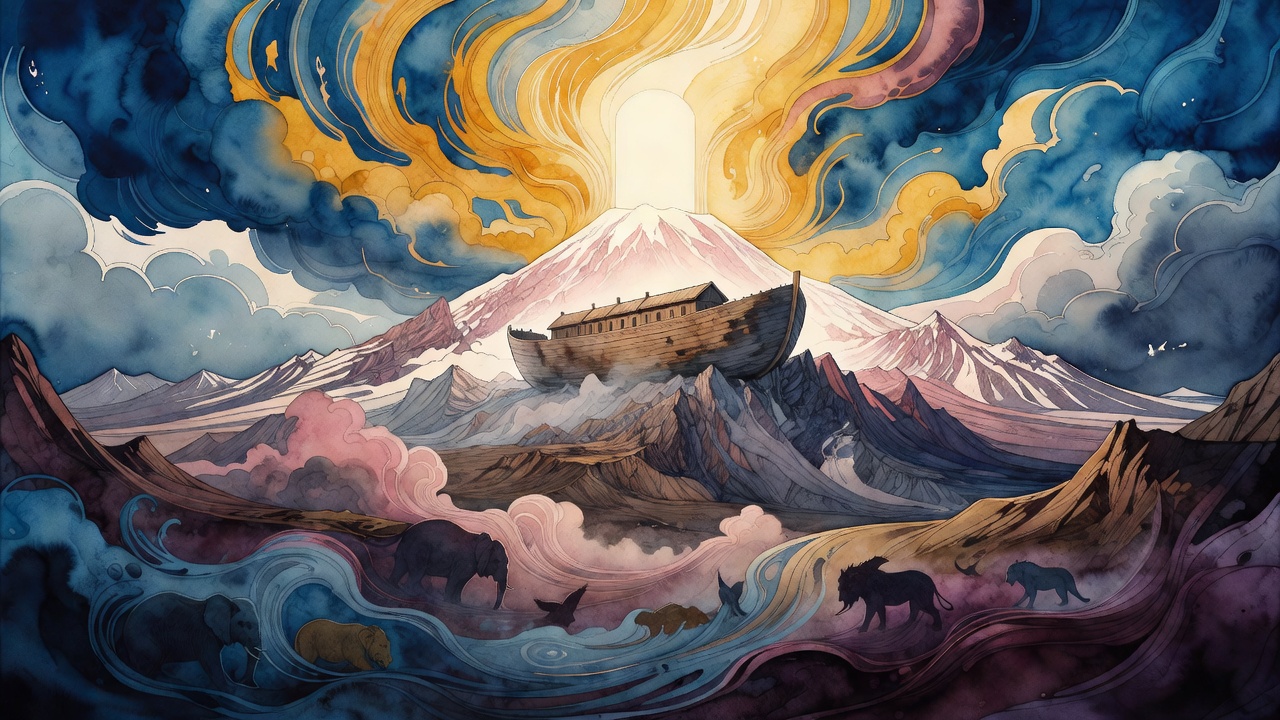
Rain hit the ark's roof without pause. Noah moved among stalls that stank of wet fur. Mercy had not shown its height.
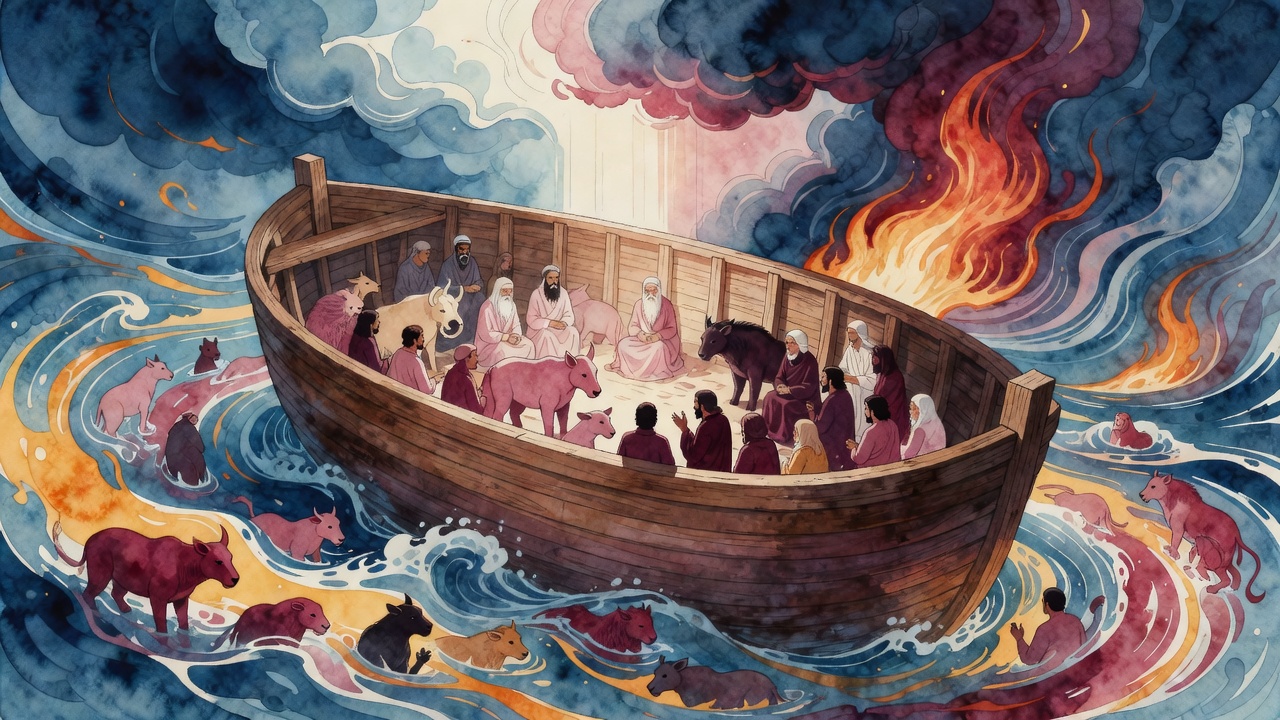
The stone dimmed and Noah called it day. Outside, rain was a wall. When the ground took feet again, God promised the water would not.
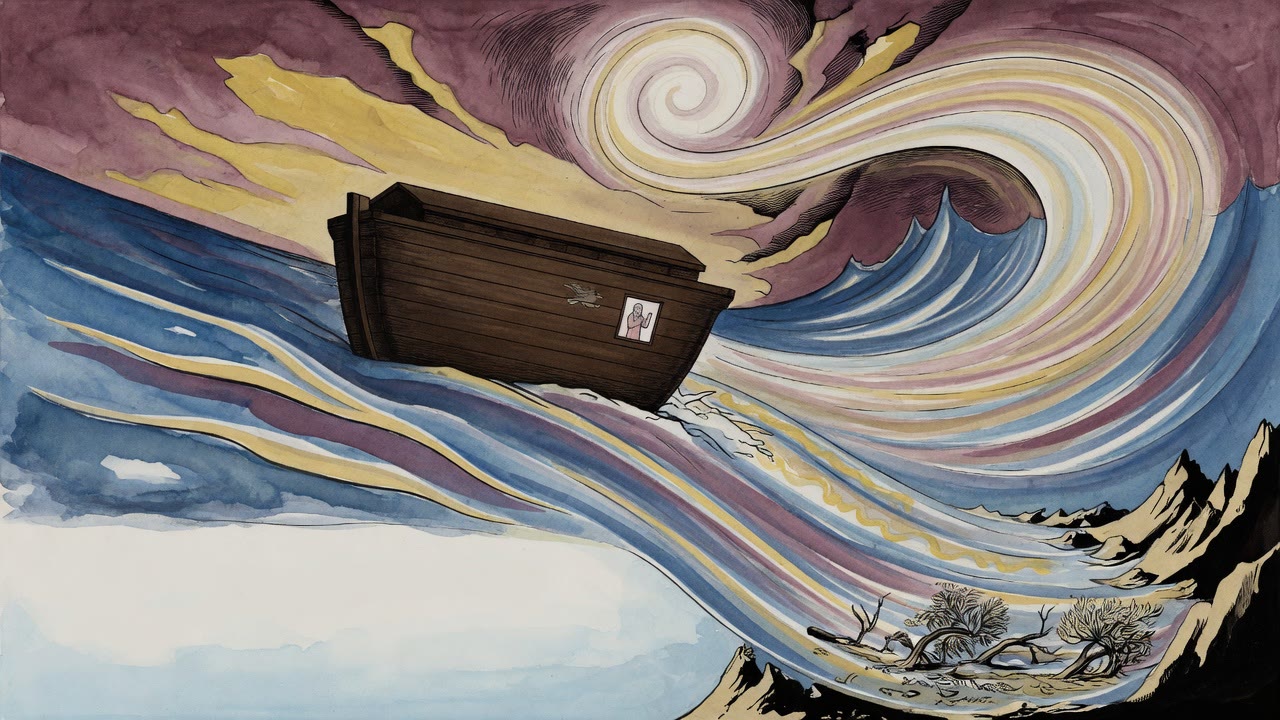
Noah waited in a sealed ark while the world drowned. Then a breath moved, wind or spirit, and the waters began to walk backward.
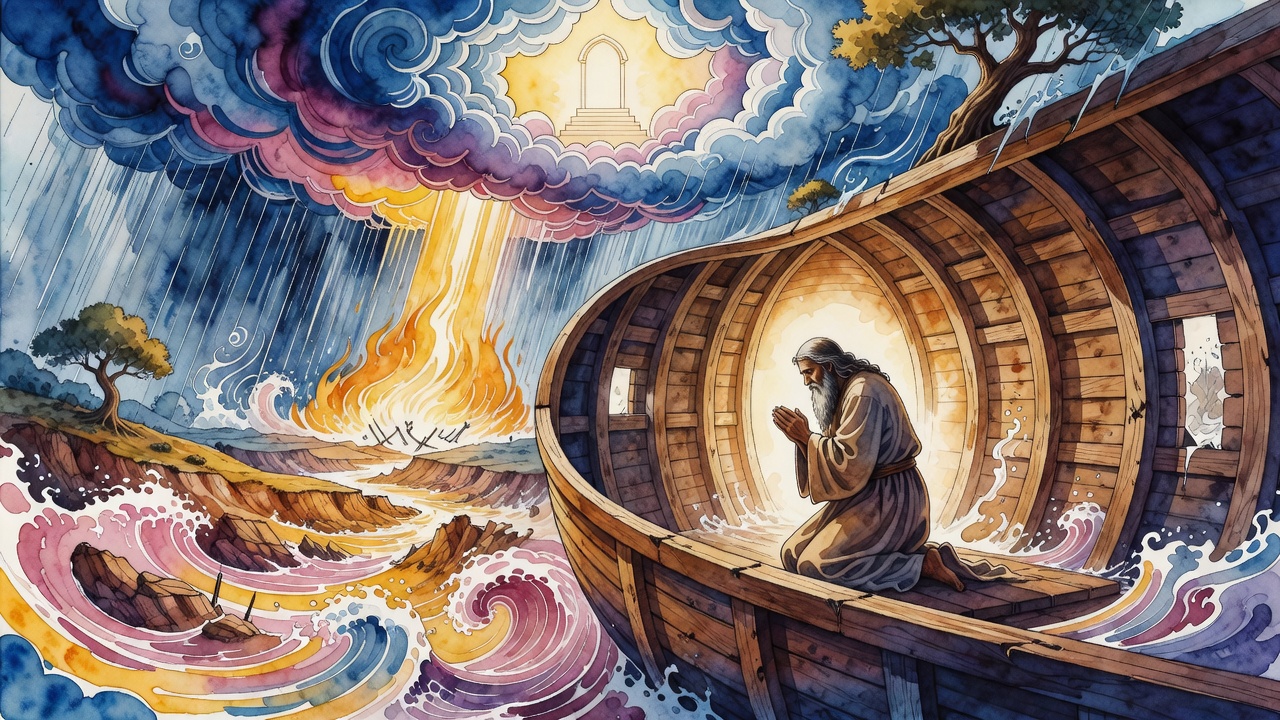
For twelve months Noah prays in a sealed wooden world. God forbids love on board while He tears the old earth down outside.
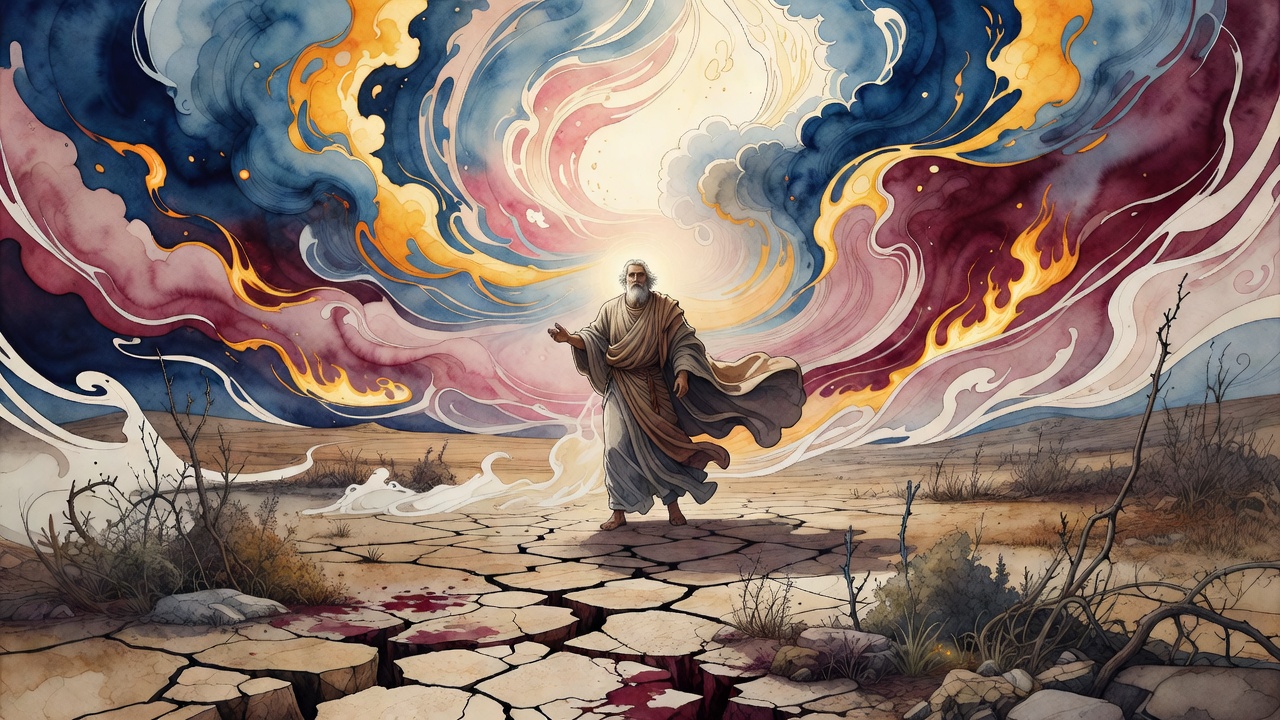
Eve's knees were in the dirt when the new boy came. The field still held Abel's cry. Cain walked the far furrow with the mark on him.
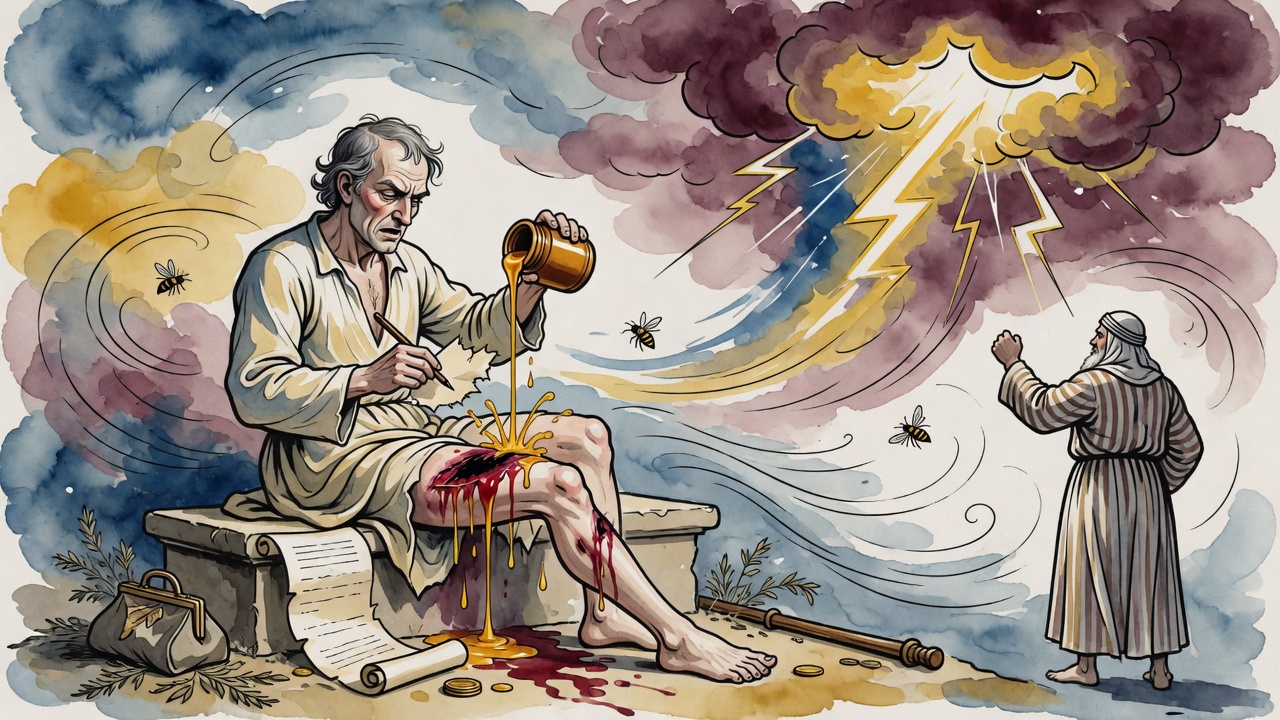
Water rose fifteen cubits over every peak while Noah fed lions and worms, until the first of a new year cracked the silence.
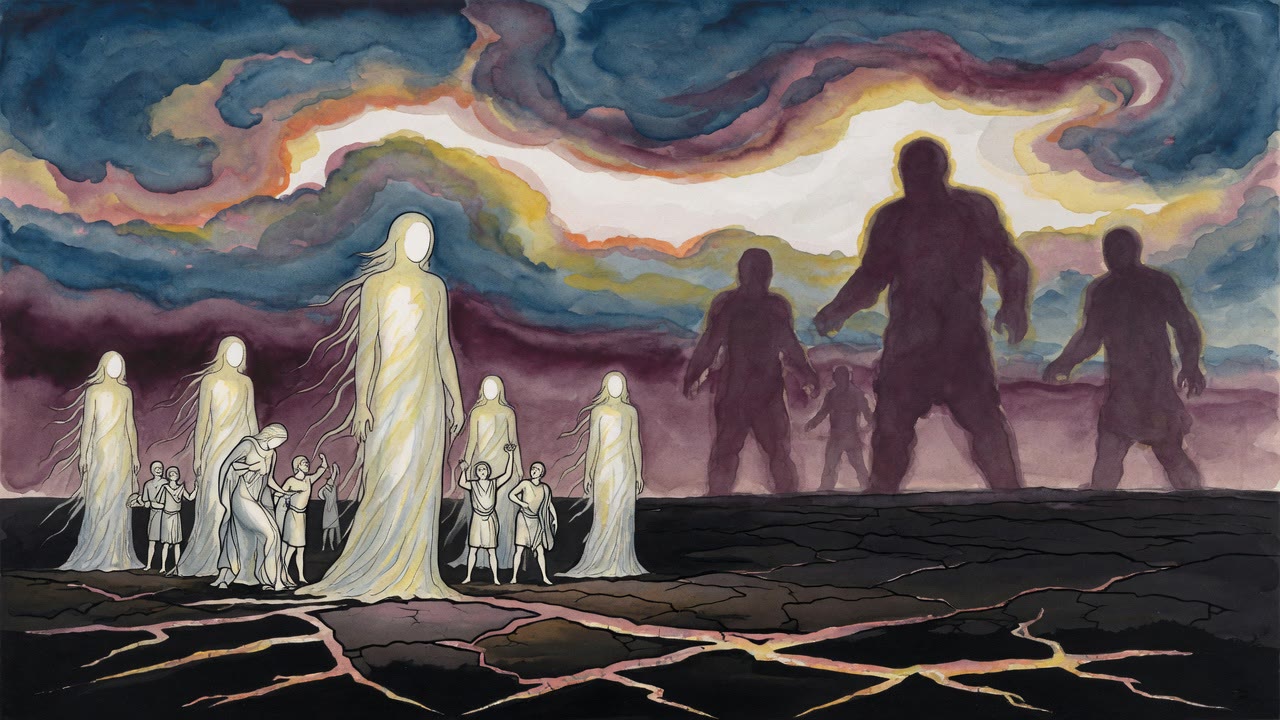
Angels wore men's forms, giants rose hungry, and the earth filled with blood until kin ate kin and the flood waited.
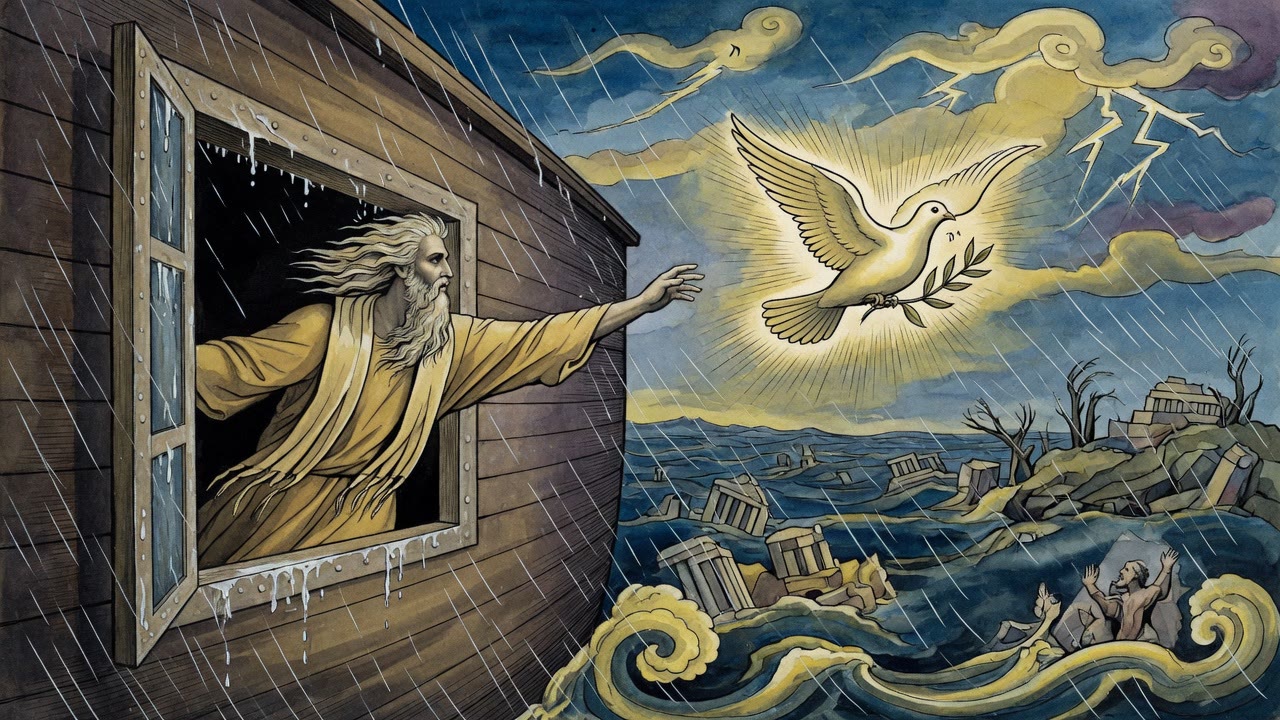
Before the rain, Noah hears the world call itself flesh, self-love thick as mud, until even the breath under heaven reeks of desire.
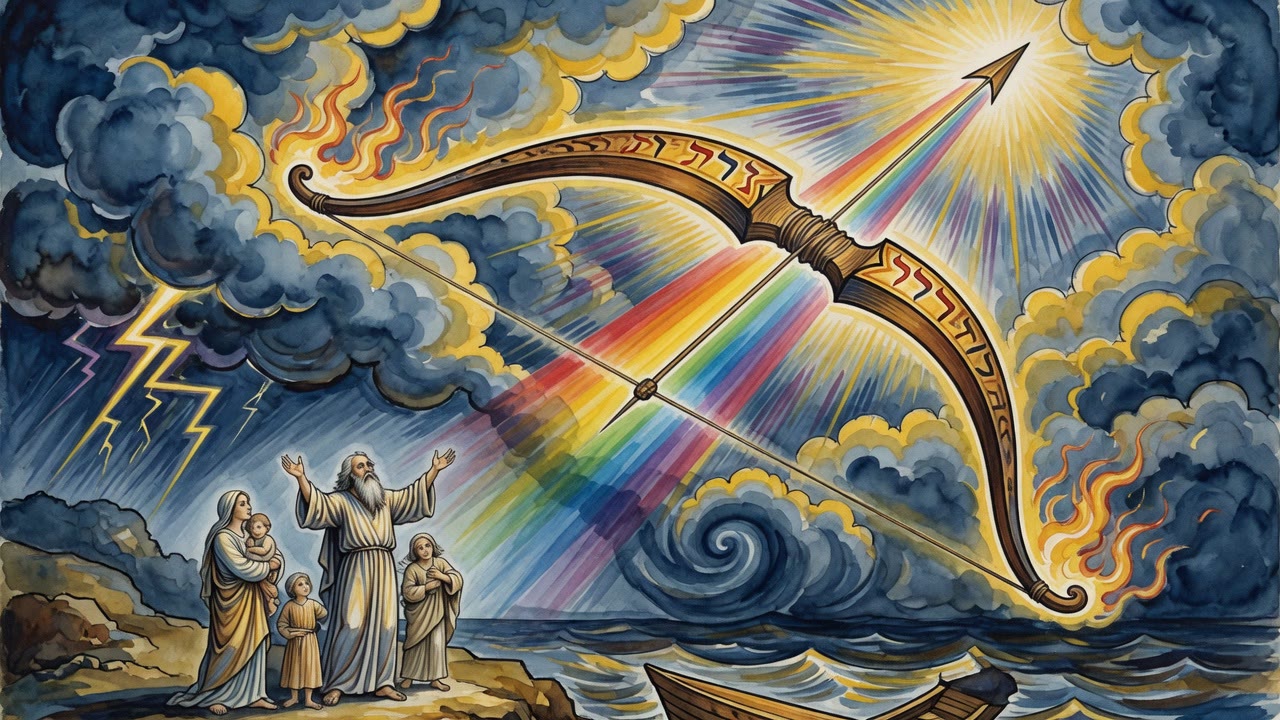
After the flood God sets a war-bow in the cloud, point turned from earth, so Noah's shaking household can trust the world will not drown twice.
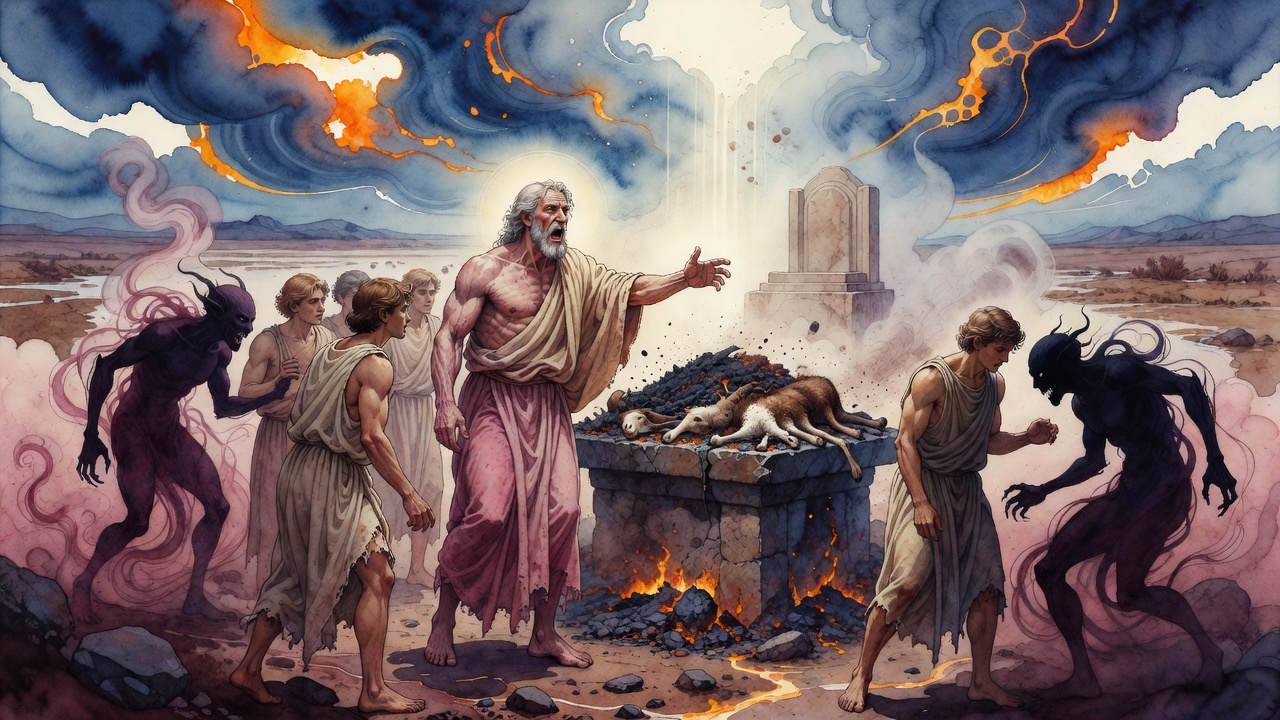
The water was gone. The ground still held the shape of the sea. Shem, Ham, and Japheth stood while their father named what had already begun.
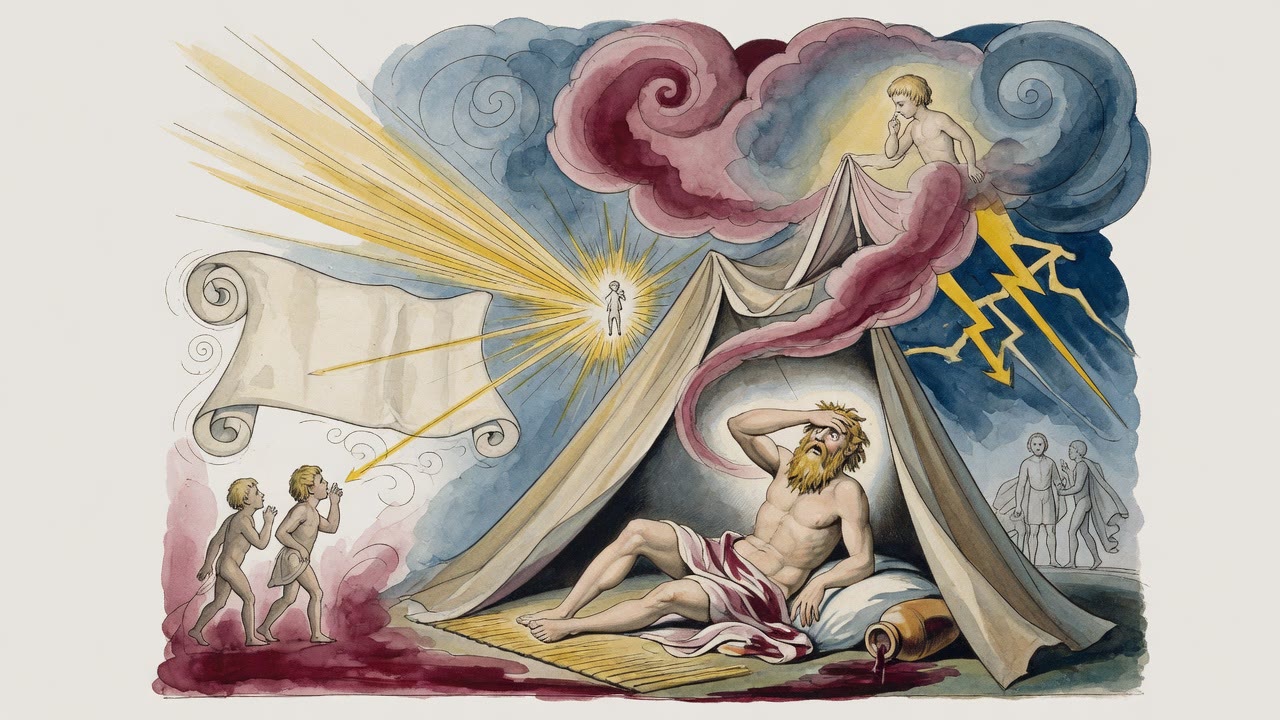
Neighbors watched a box rise where a house should be. Noah matched every cubit. Inside, the family had to stay one name.
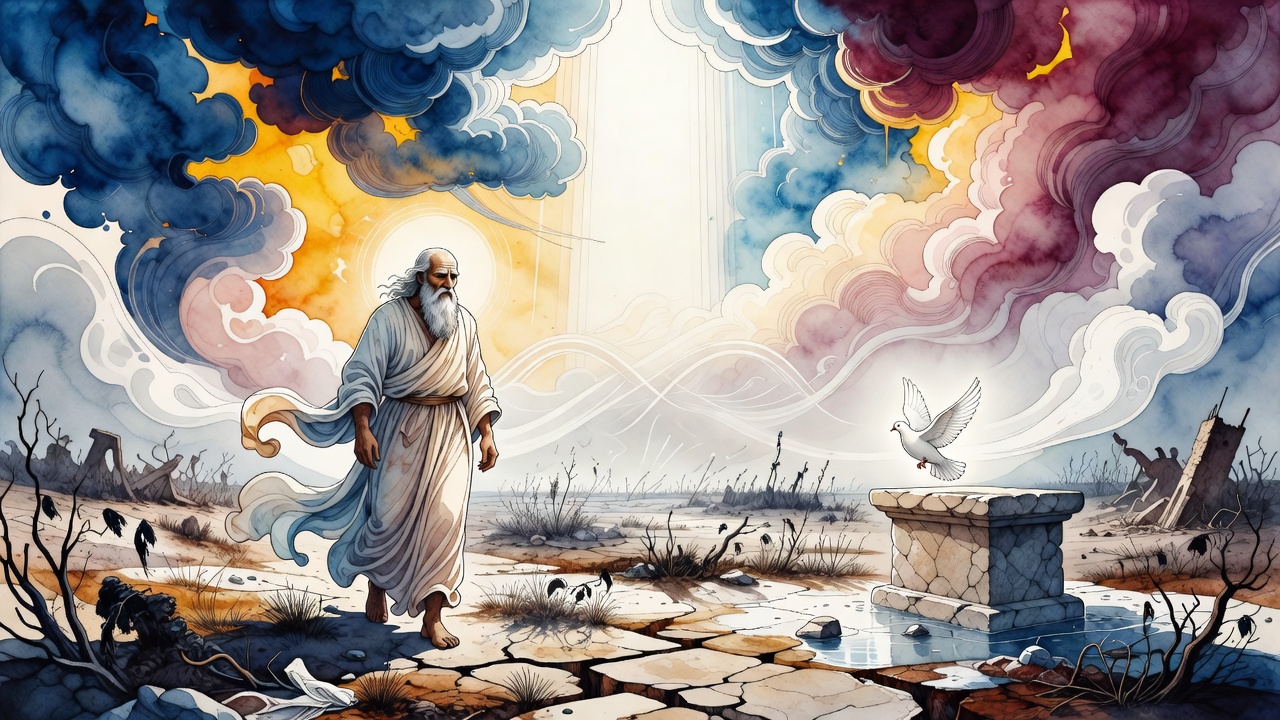
The neighbors laughed while he measured beams, and their children threw stones at the hull. The sky stayed blue long enough to make him look foolish.
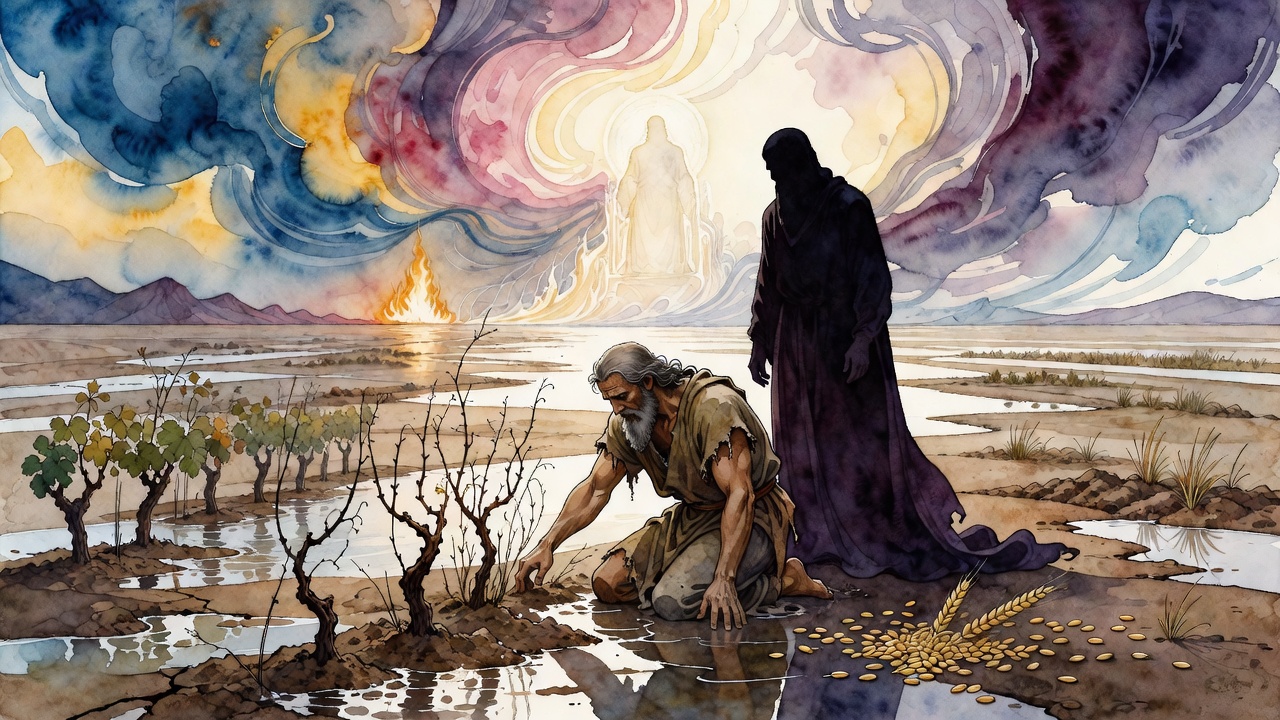
On mud still smelling of flood, Noah set vines before grain, partnered with a dark teacher of wine, and woke to shame under a single day's harvest.
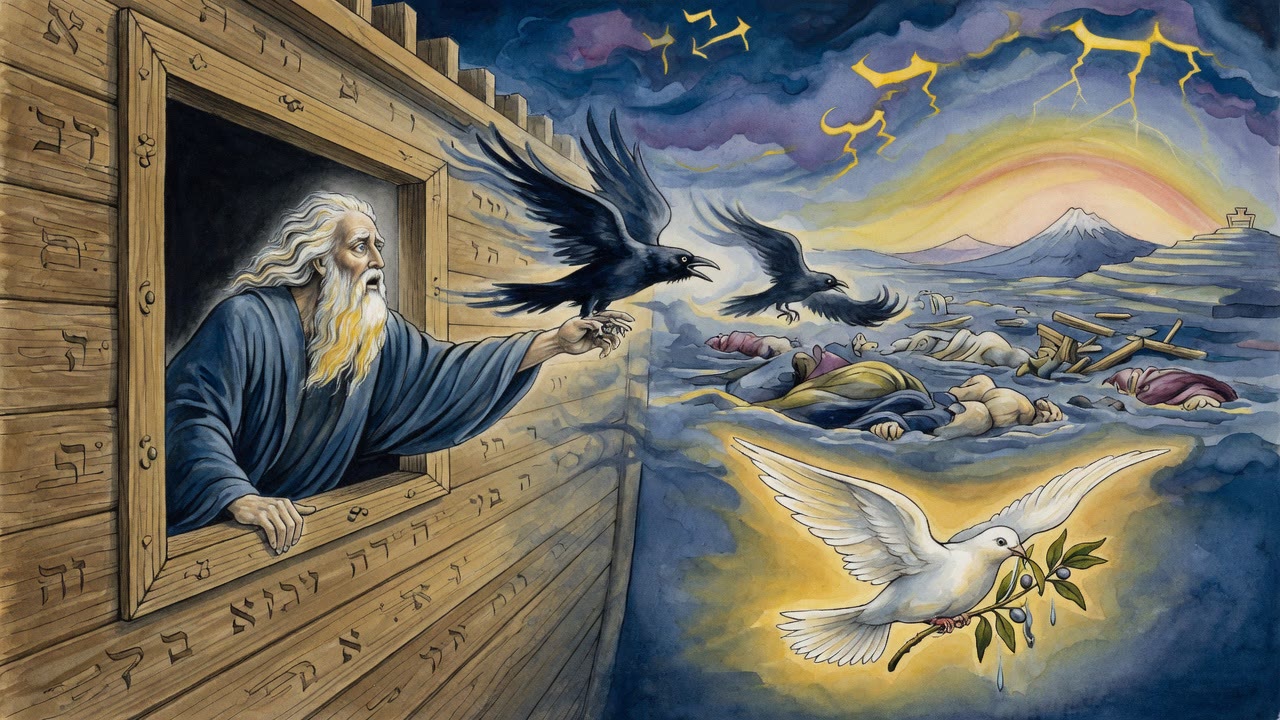
After the deluge Noah watches the abyss seal, open, and bare the mountain tops on new moons that Jubilees commands him to remember.
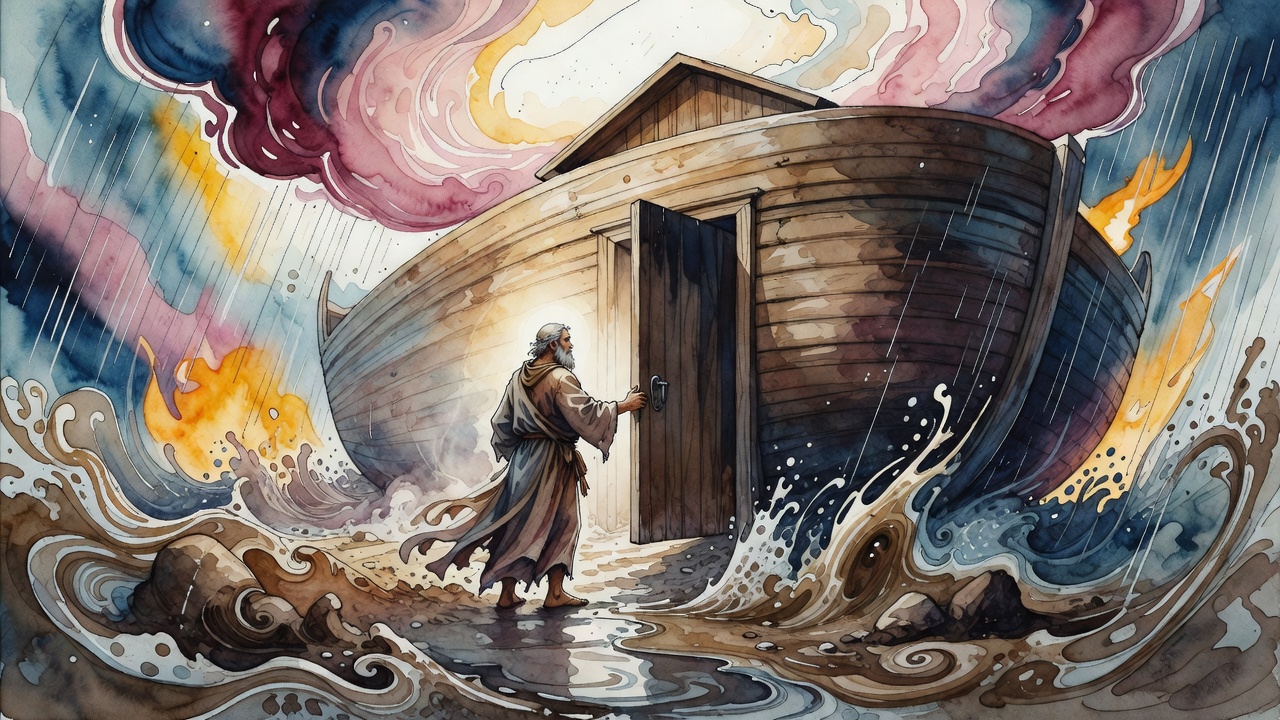
Waters fall and the world is mud. Noah keeps his hand off the door until the same voice that sealed him speaks exit.
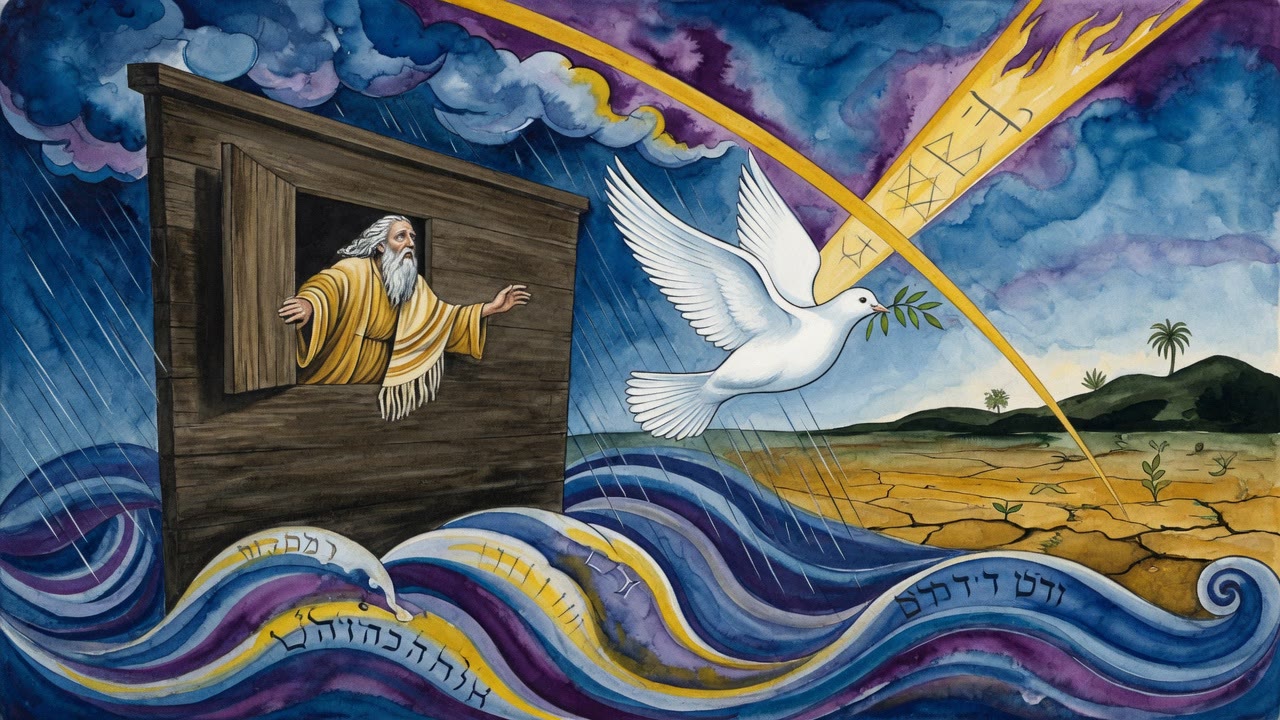
Noah opens the ark window a last time; the dove finds home and does not return, while covenant waters fall or rise with the mark Israel keeps.
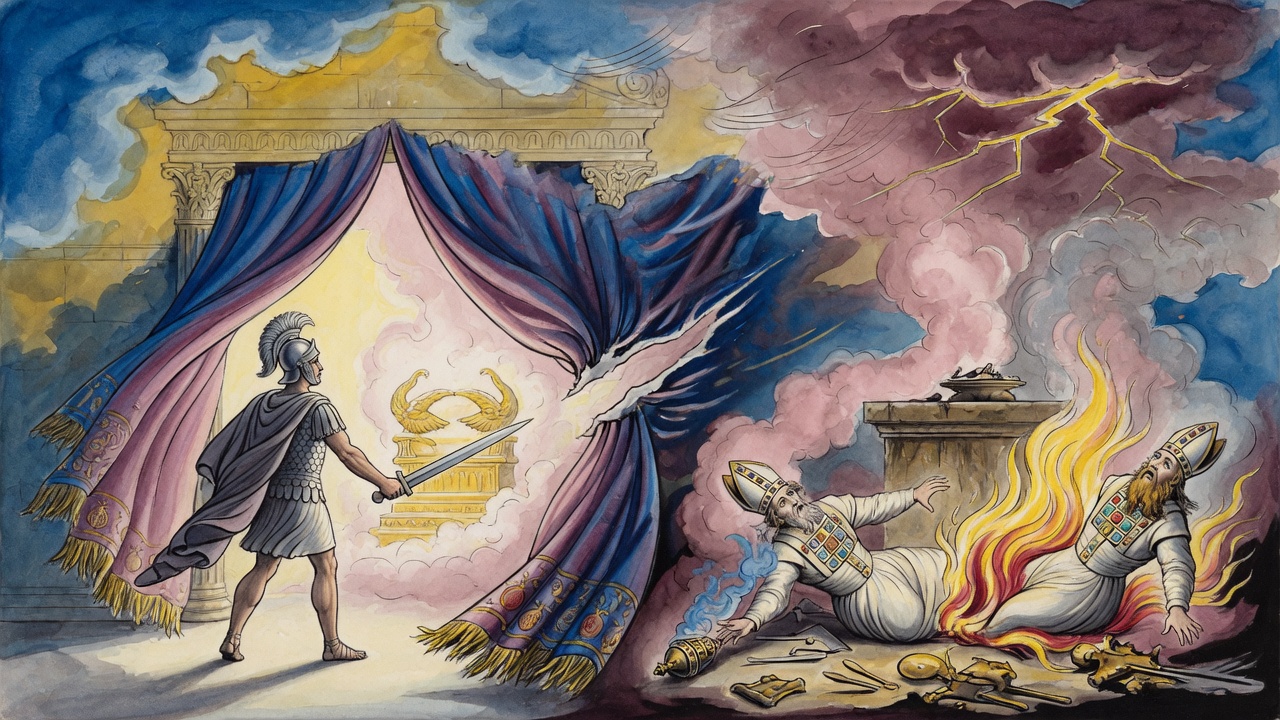
A mixed life hangs between pure merit and pure guilt. Yom Kippur opens like Noah's door. The Shekhinah, the Divine Presence, waits to see who boards.
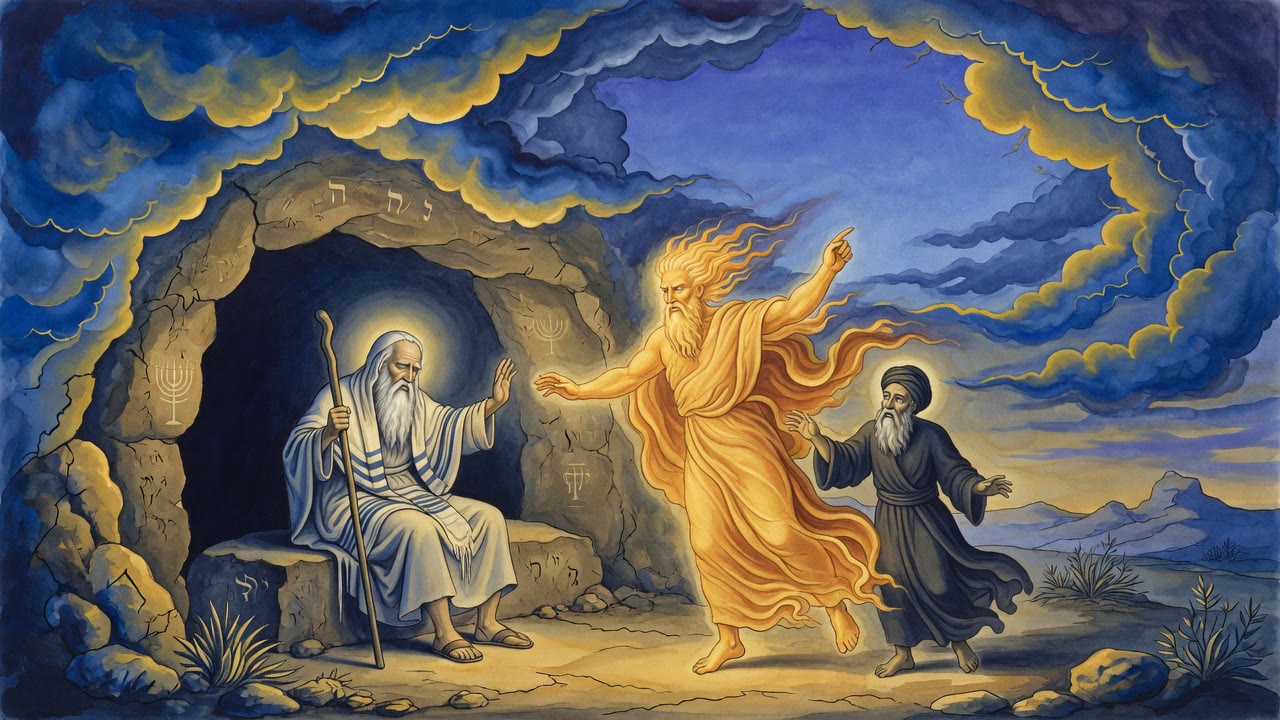
Elijah brings a great sage to Rabbi Shimon, who asks only whether the rainbow has appeared, then refuses a face heaven still needs to warn.
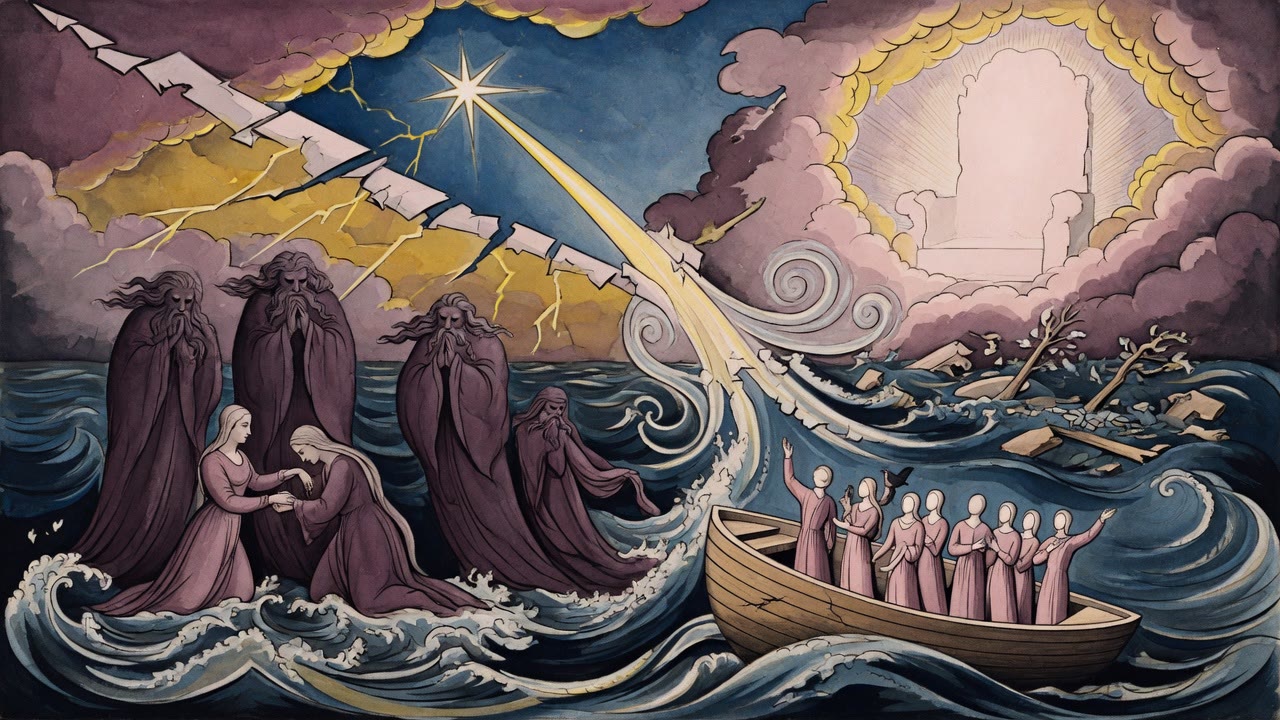
A heavenly boundary breaks when a star falls and Watchers take wives, until the waters answer the violation and eight souls cannot hold the world.
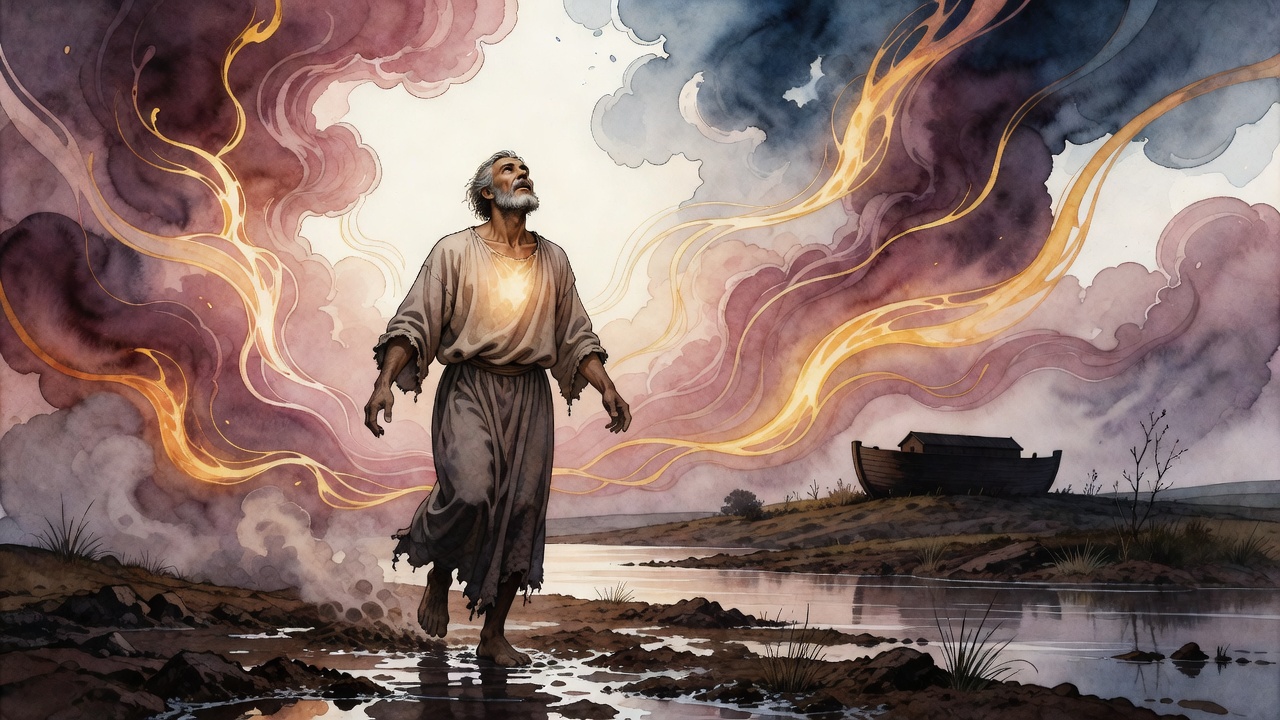
Noah stepped onto wet earth, tasted covenant sweetness like Torah on the tongue, and felt the Shekhinah, the Divine Presence, rest on a world rinsed clean.
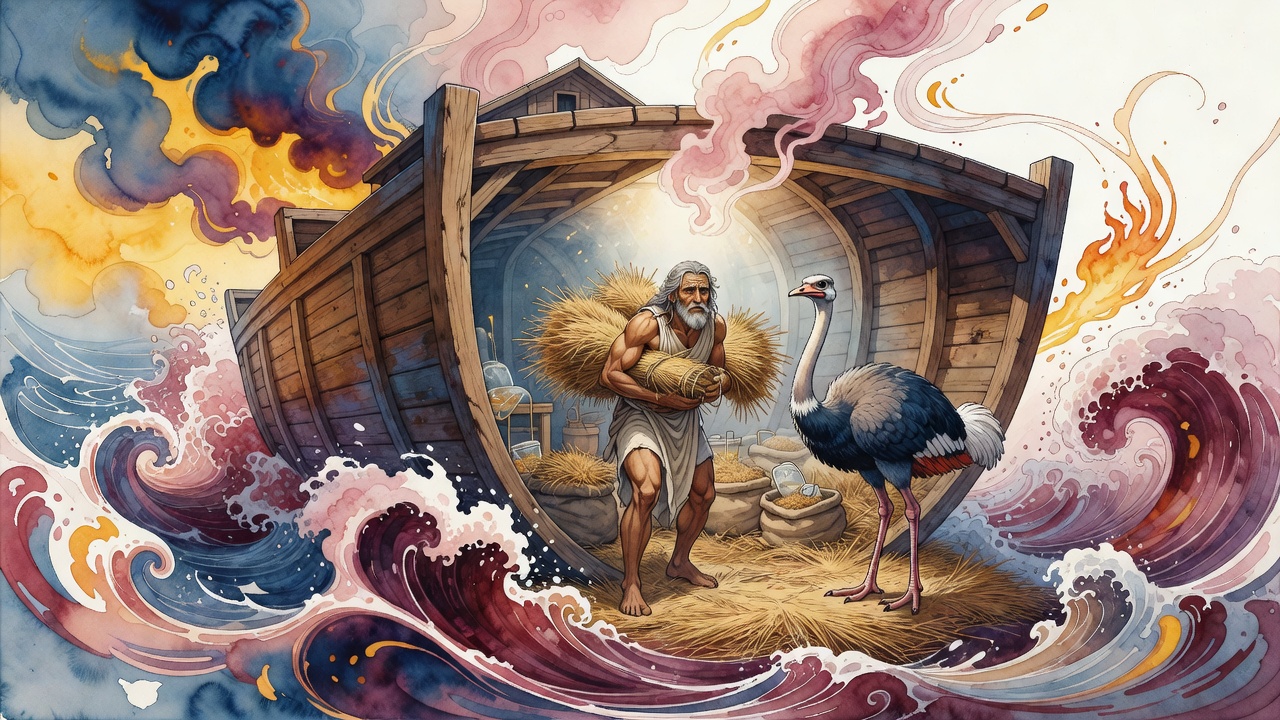
Pitch still stuck to Noah's palms. Below decks a lion coughed in the dark. The first bin was already empty, and the rain had only begun.
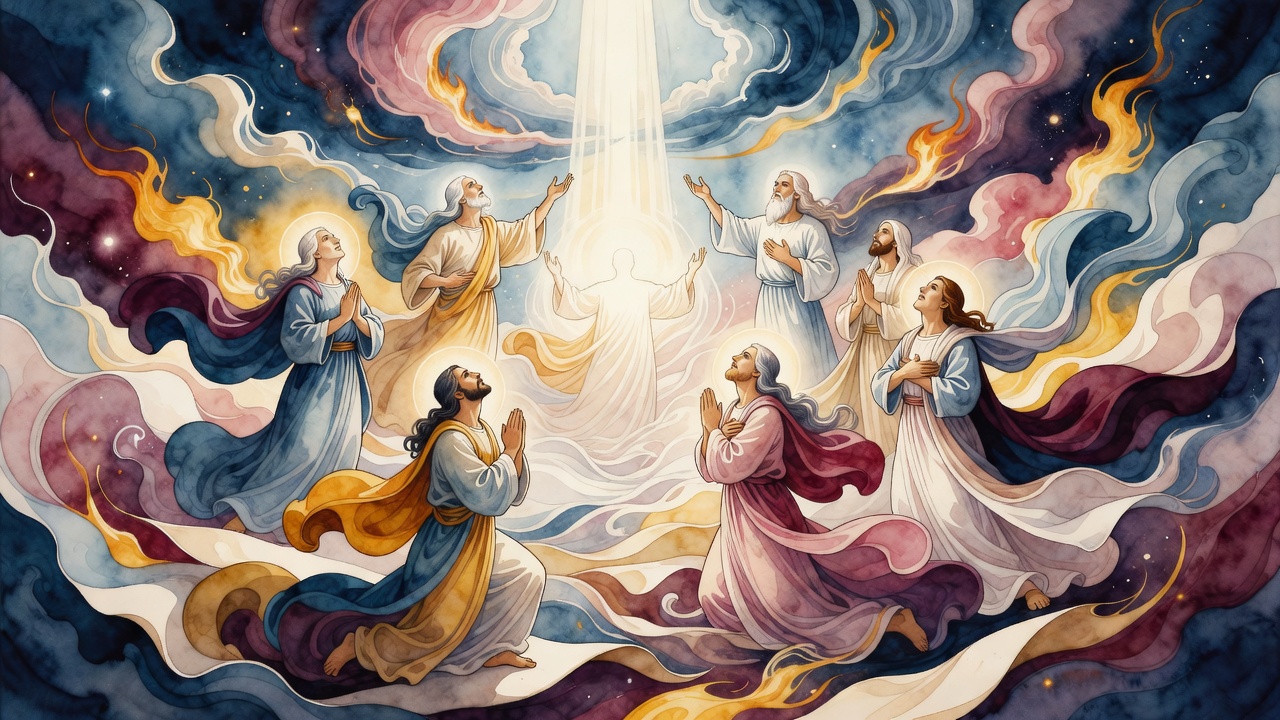
Methuselah died, and the rain began. Noah sat in the dark of the ark, pitch on the seams, and waited for a world that would not come back.
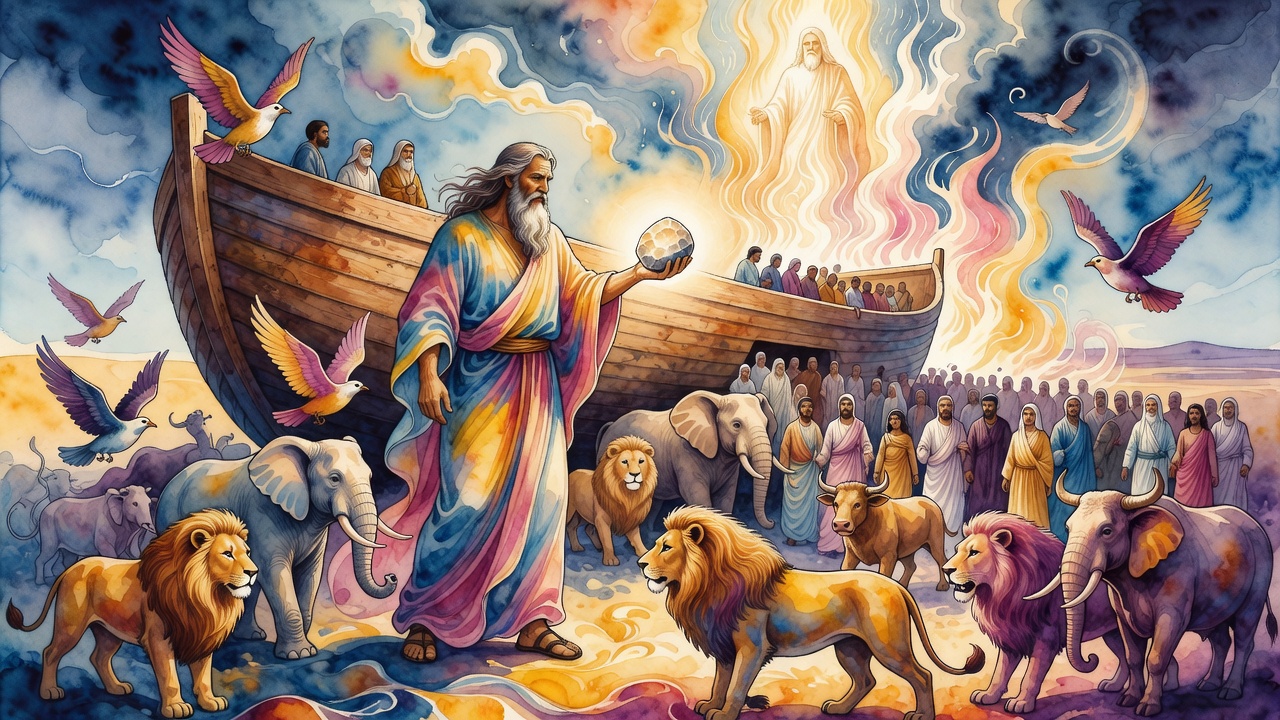
The hull stood half-built in the yard. Noah walked to a river out of Eden for a stone that would have to serve as the sun.
