Balak Lost the Kings He Paid to Guard Him and Sent for Balaam
Sihon and Og took Moab's money for years to stand between Balak and the desert. Israel killed them both in one season. Now nothing stood there.
Table of Contents
 Click for full size
The Two Kings He Had Been Paying
Balak son of Zippor had been buying his safety for years, and the safety had two names. Sihon held the country to the north. Og held the country past that. Both were fighters, both took Moab's silver, and both stood where Moab's own army could not. Balak slept behind them.
Sihon had never been a friend. He had come down on the earlier king of Moab and taken his land as far as the Arnon, and Moab had swallowed the loss and gone on paying, because a thief in front of you is better than an open road. Og had done the same thing to the Ammonites. The two of them ate what they liked from their neighbors and their neighbors bought them off, and the arrangement held.
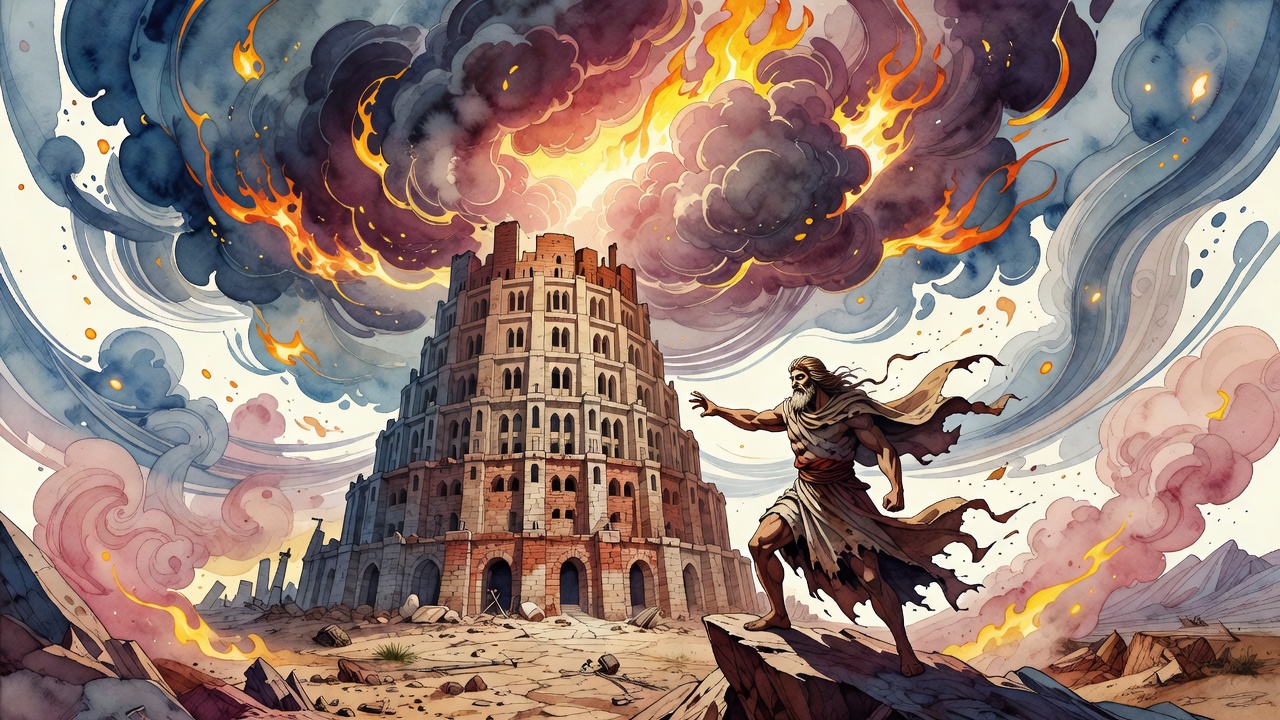
Then Israel came up out of the wilderness and took both of them in one season. Sihon's land changed hands. Og's land changed hands. It was theft with no iniquity in it, since the ground had been stolen twice already, and it left Balak looking at his northern border with nothing on it but the men who had killed his guards.
Moab Pulled Itself Into Its Cities
The column had already gone past the Ammonites. To Ammon it showed itself dressed for peace, weapons out of sight, because God had told Israel not to trouble the children of Ammon with any kind of trouble and not to provoke them with any kind of provocation at all. To Moab it showed itself armed. About Moab God had said only this much: do not make war on them. Whatever you can take short of war, take.
So the same army walked past two countries wearing two different faces, and Moab read its face correctly. Farmers came in off the fields. Herds came in behind them. Gates shut at midday. The whole kingdom gathered itself into its walled towns the way a man pulls in his hands.
Inside the walls they said the arithmetic out loud. God had sworn he would not give Israel one foot of Moab as an inheritance. And yet the land Sihon had taken off Moab was under Israelite feet already, and nobody was handing it back. The promise and the map had stopped agreeing with each other.
Then they looked at the size of the camp on the plain and looked at themselves, and the word they used for themselves was thorn. Not an army standing against an army. A thorn standing in front of a hand.
The Weapon That Was Not an Army
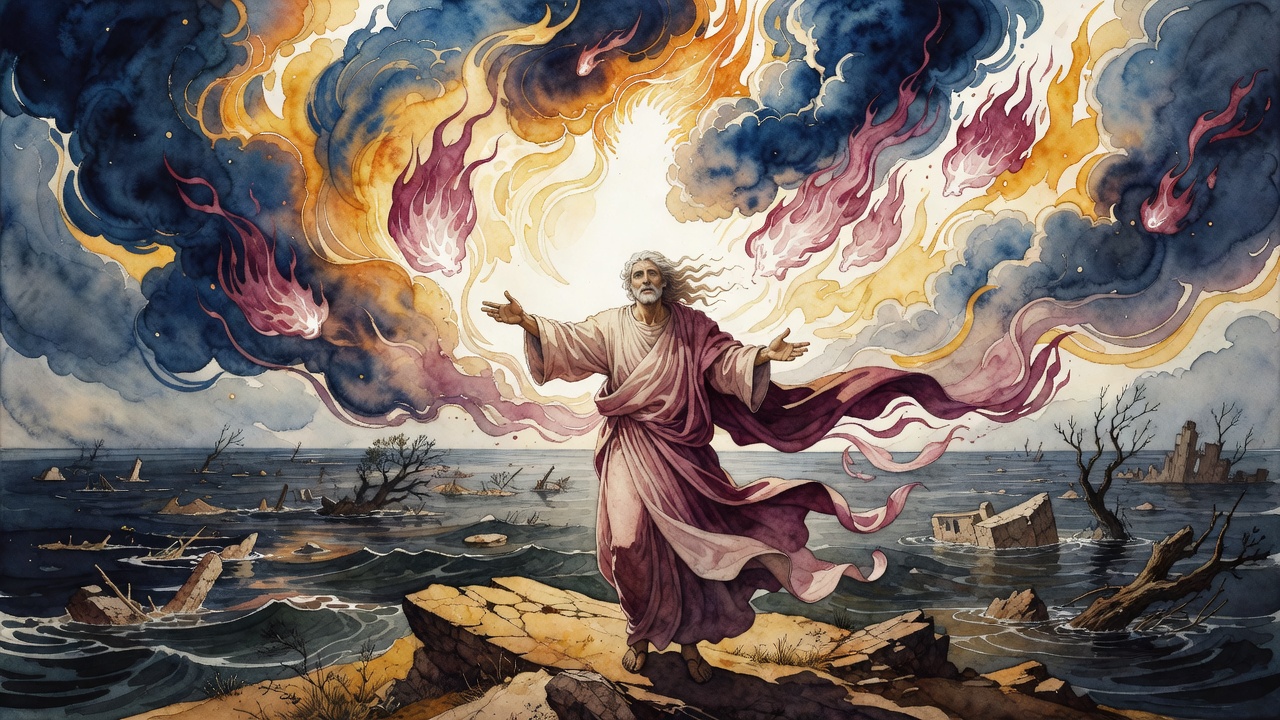
Balak had grown up on stories of enemies, and every one of them had come the same way. They came with wars and with subjugation. Both could be endured, because a war can be lost slowly and a tribute can be paid. What was moving past his gates was neither. He had also seen what happened in the wadis of the Arnon, and no one in Moab could explain it, and he did not raise the subject twice.
So he did not send for soldiers. He sent for a mouth. Somewhere east of him lived a man who could draw one word out from between his teeth and pull a whole nation up by the roots with it, and that was the man Balak wanted standing on a hill above the camp.
The Last Prophet Given to the Nations
The man was Balaam, and Balaam was the end of a long experiment.
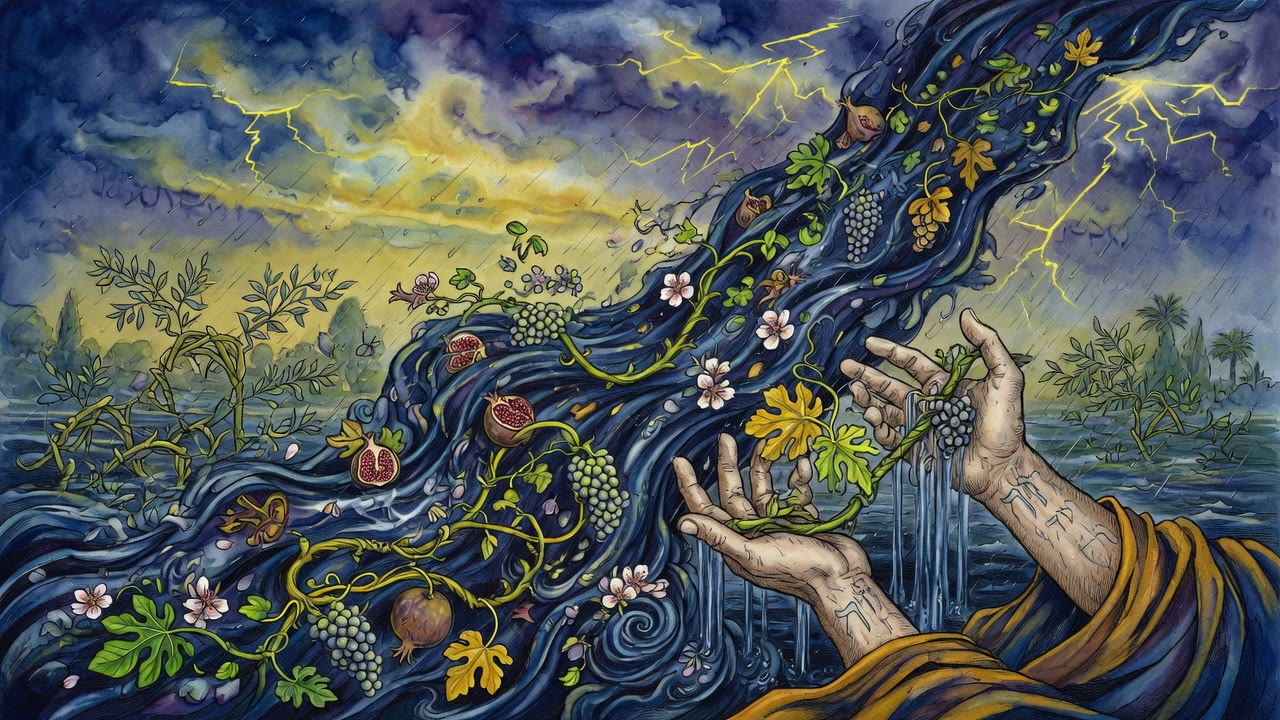
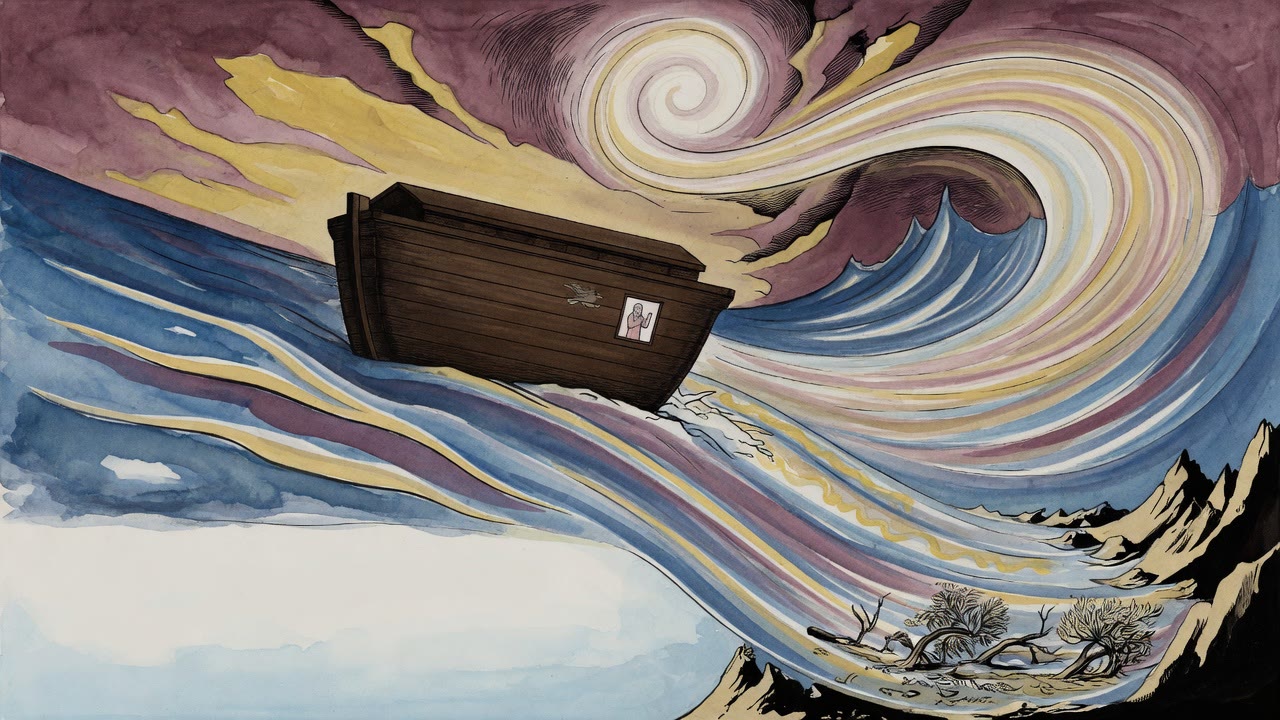
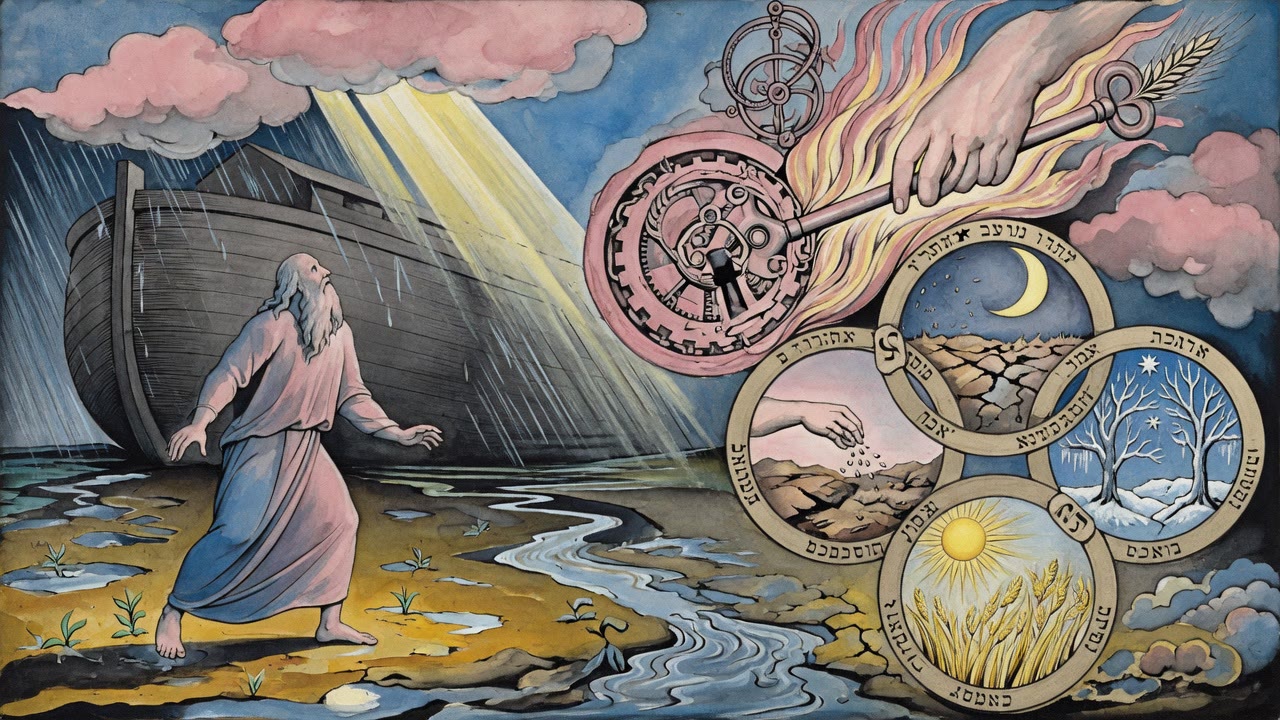
It had started with Shem, in the mud after the flood. God said to him: if my Torah had been among the ten generations before this one, I suppose I would not have destroyed the world with water. Go now. Announce my revelations to the nations of the earth. Ask them whether they will take my Torah. Shem went out and asked. He asked for four hundred years, and the nations of the earth did not take it.
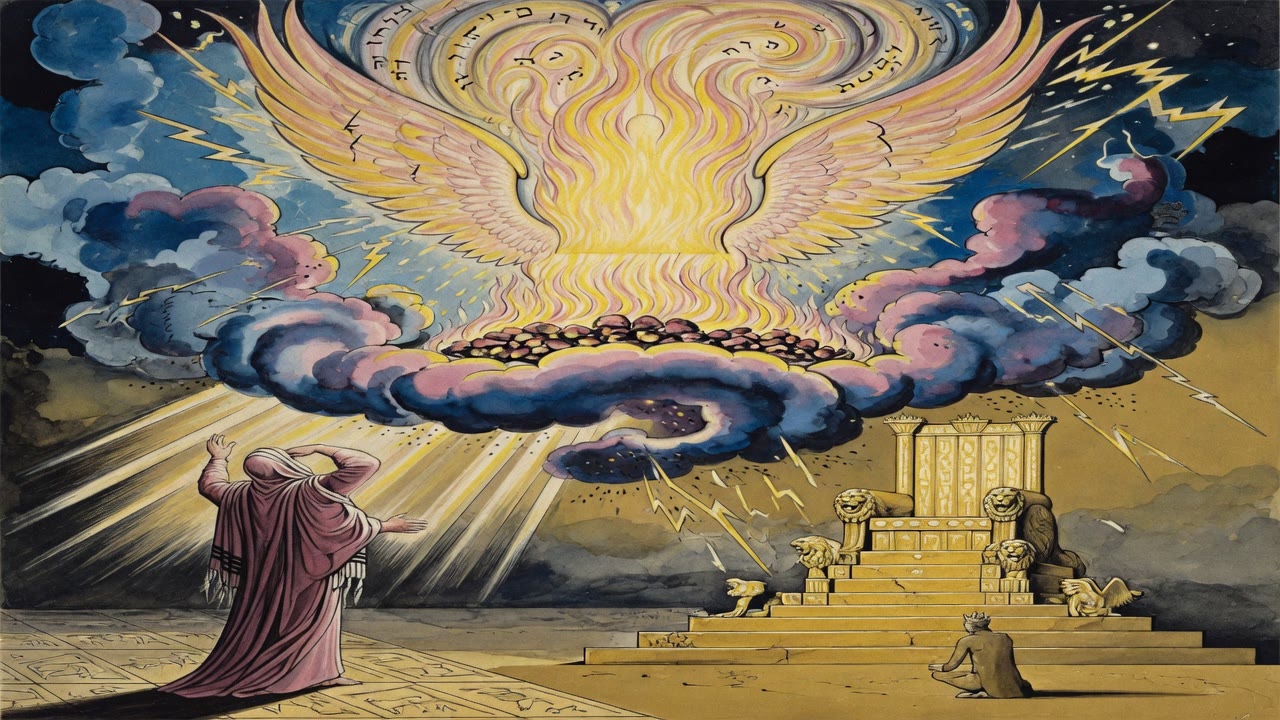
Others came after him. Job, and Eliphaz and Zophar and Bildad and Elihu, all of them descended from Nahor, Abraham's brother, through Milcah. Then Balaam, out of the same family, handed a gift the size of Moses' own so that no nation could ever stand up afterward and say it would have accepted the Torah if only it had been sent a prophet of that rank. In wisdom he matched Moses. In prophecy he matched Moses. He said of himself that he knew the knowledge of the Most High, and Moses had to beg God to show him his ways.
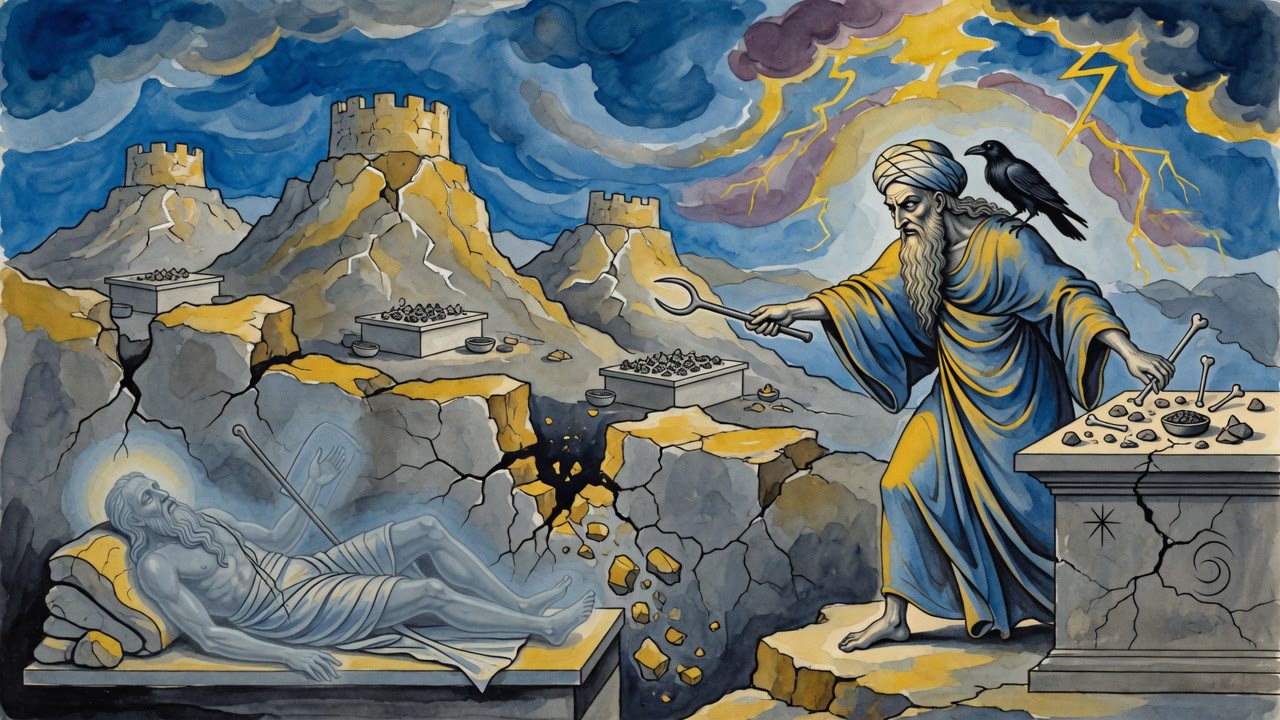
One thing separated them. God spoke to Moses with no preparation and no warning. Balaam could not get a syllable out of heaven without killing something first. Every revelation cost him an altar and a knife.
And in a long life he never once did anything good or kind. What he did was talk, and his talk came near to finishing the world.
Better If They Had Been Born Blind
Balak had eyes. That was the whole trouble.
The sons of God had looked at the daughters of men, seen how beautiful they were, and taken whichever ones they chose, and the water came up over everything. Ham had looked into his father's tent and walked out and told his two brothers what was lying in there. Pharaoh's officers had looked at Sarah and gone straight to the palace to describe her, and she was carried into Pharaoh's house. Shechem son of Hamor had looked at Dinah, and a city died for it.
It would have been better for the wicked if they had been born blind. Their eyes bring a curse into the world, and the curse never stays on them alone.
Balak stood on his wall, looked at a camp on the plain, and paid for one sentence. Because the prophet the nations had been given never used the gift for anything good, and because his tongue came so close to destroying everything, God swore an oath to Israel instead: he would never trade them for another people, and he would never let them live in any land but their own. Balak had bought the finest mouth on earth, and it still was not his mouth.
← All myths