30 myths
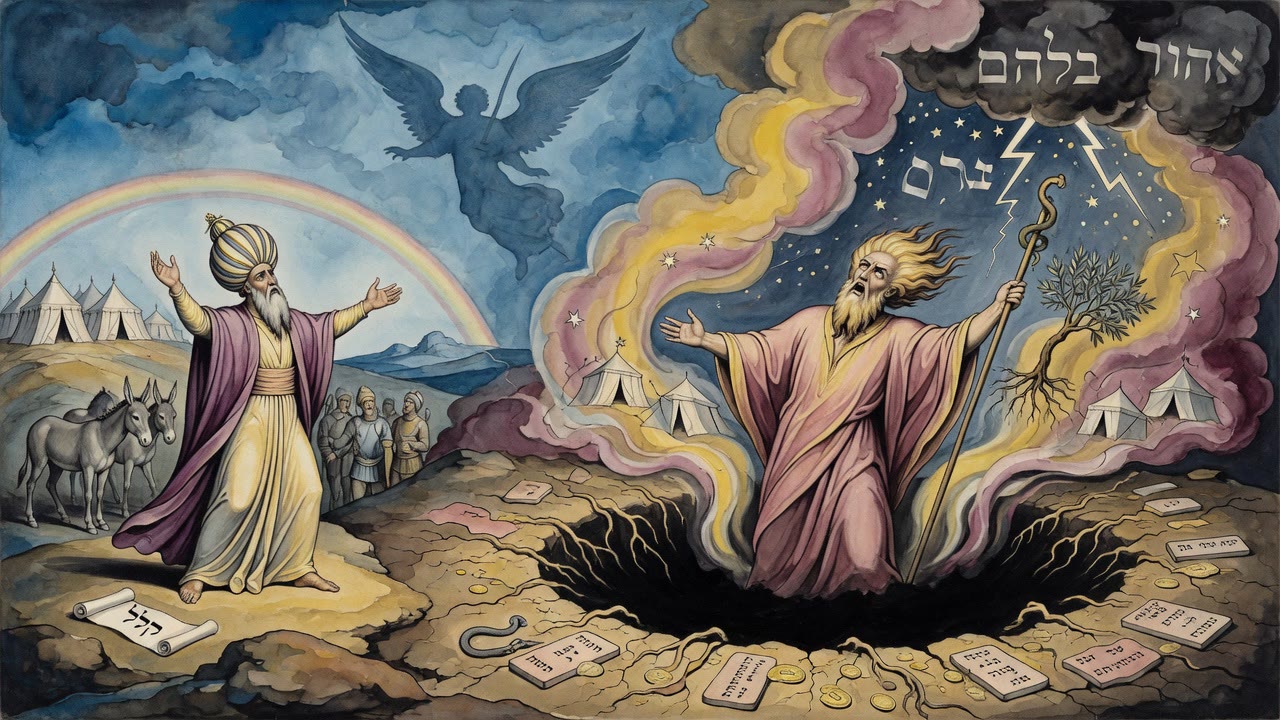
Balak sent a bird toward the springs of impurity to fetch older powers. It came back with its wings charred, and the altars kept smoking anyway.
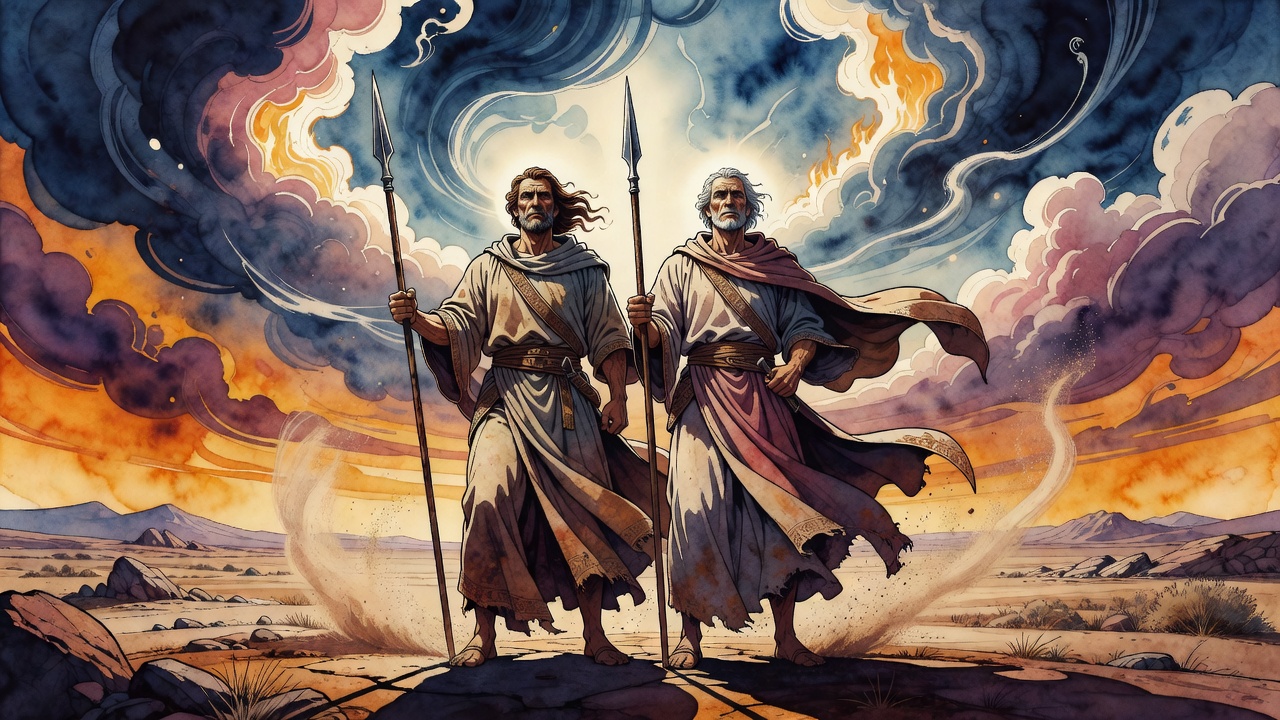
Hadad had once struck Midian on Moab's own plain. Now the elders sat at one table, because an ox was licking their field clean of grass.
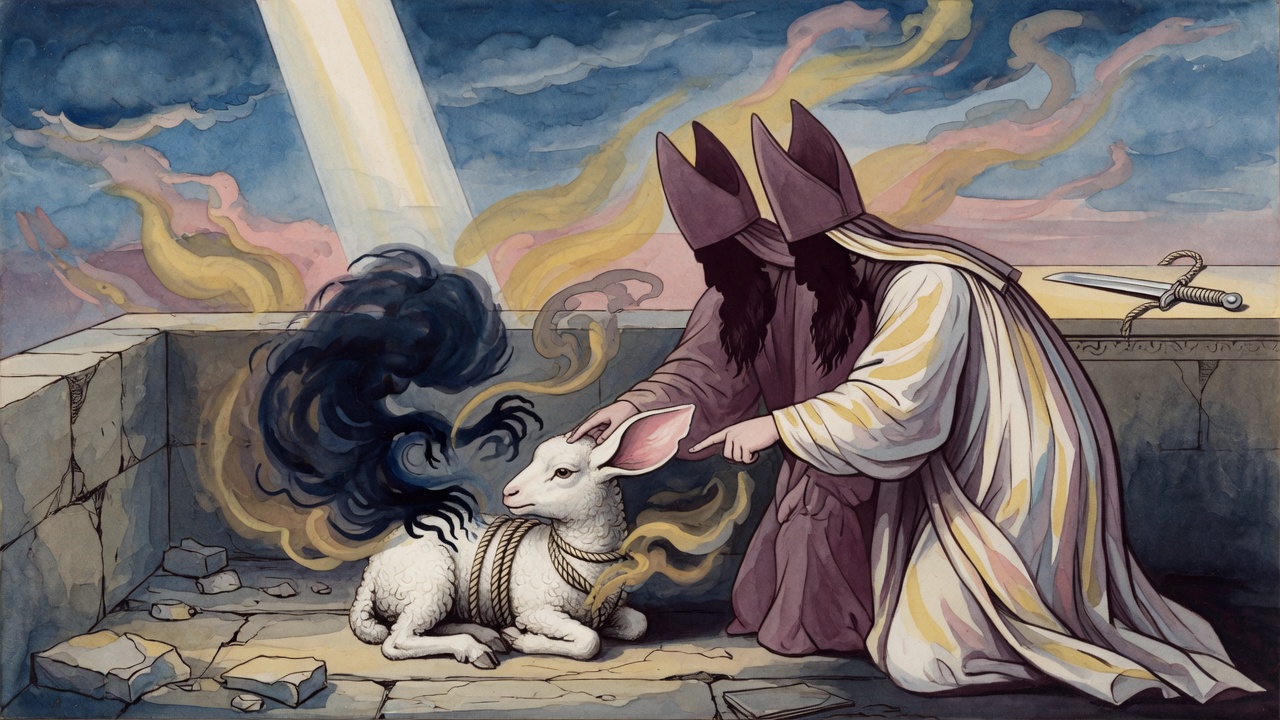
A gentile seer who could gaze on the Shekhinah, the Divine Presence, shoves past his servants at dawn to saddle his own donkey, hungry to curse Israel.
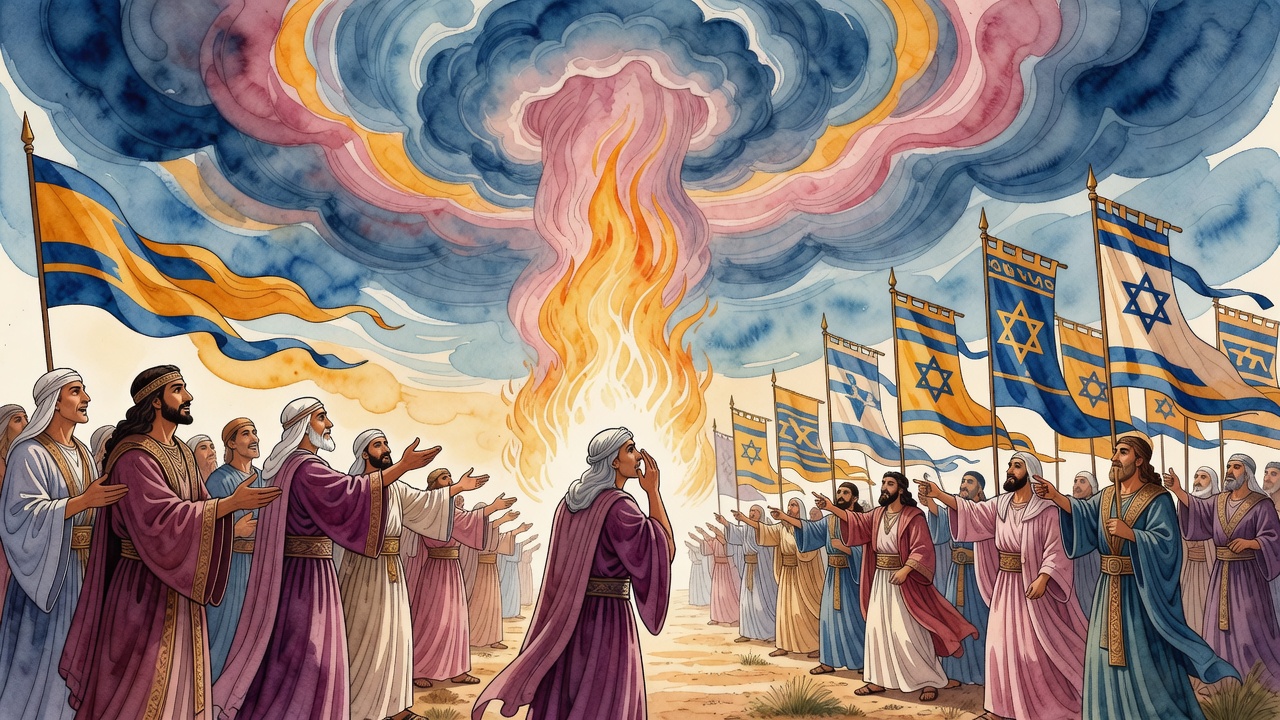
From the ridge the tents looked like one body. Then they sharpened into Judah and Reuben. Bilam could not find a gap for the curse.
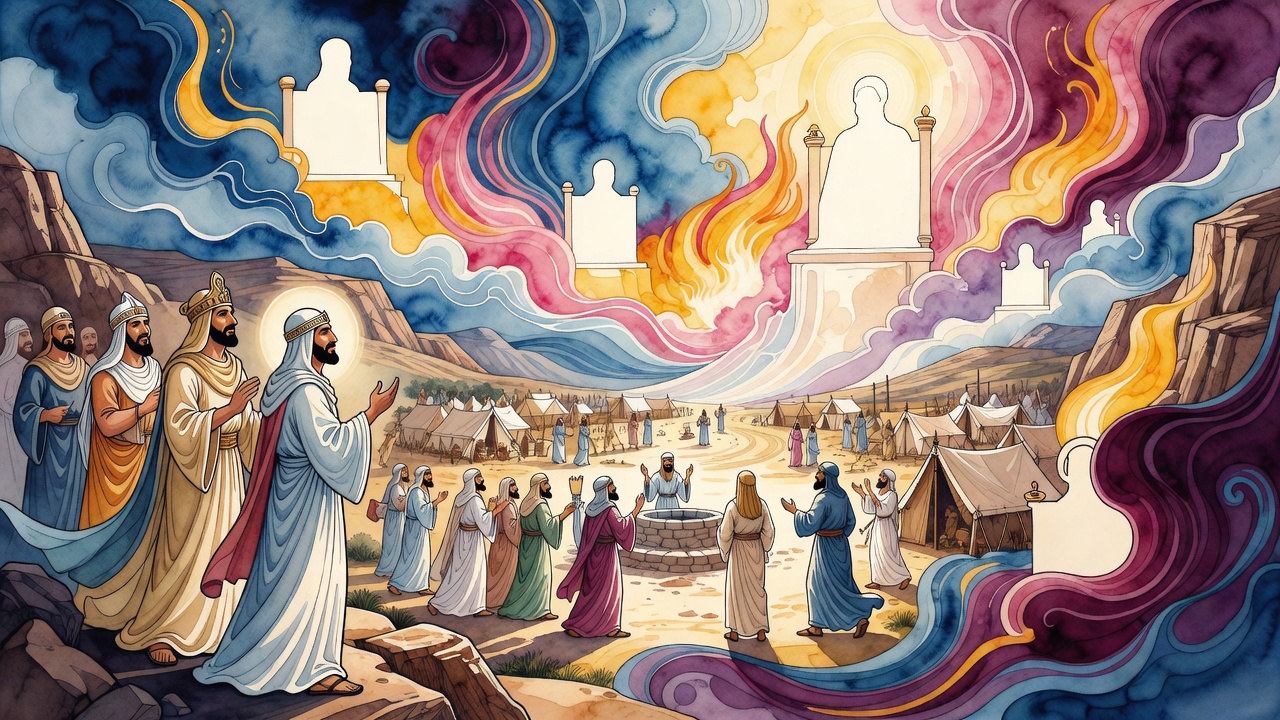
The black stone sat in the temple like a woman. It had not stopped Sihon. Moab's kings watched Israel camp and counted the fields.
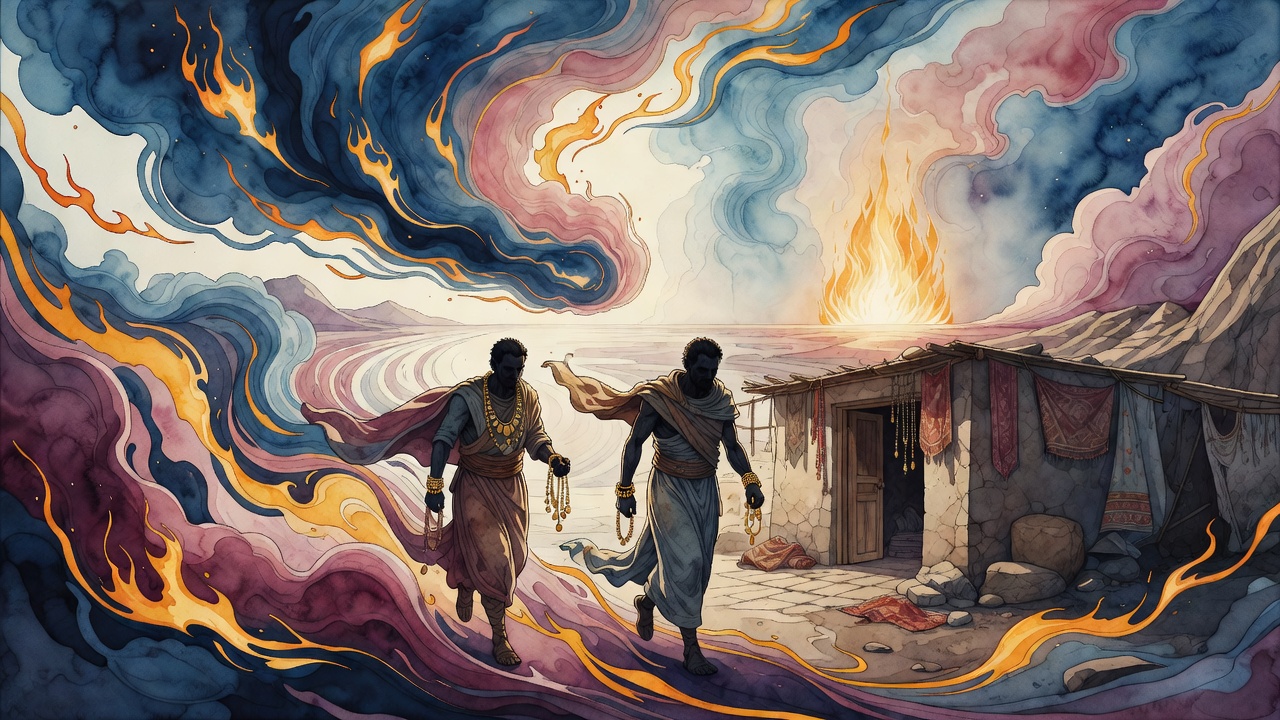
Israel had bowed to Baal Peor, and a plague killed the guilty. When the war with Midian came, soldiers blackened women's faces and took their jewelry.
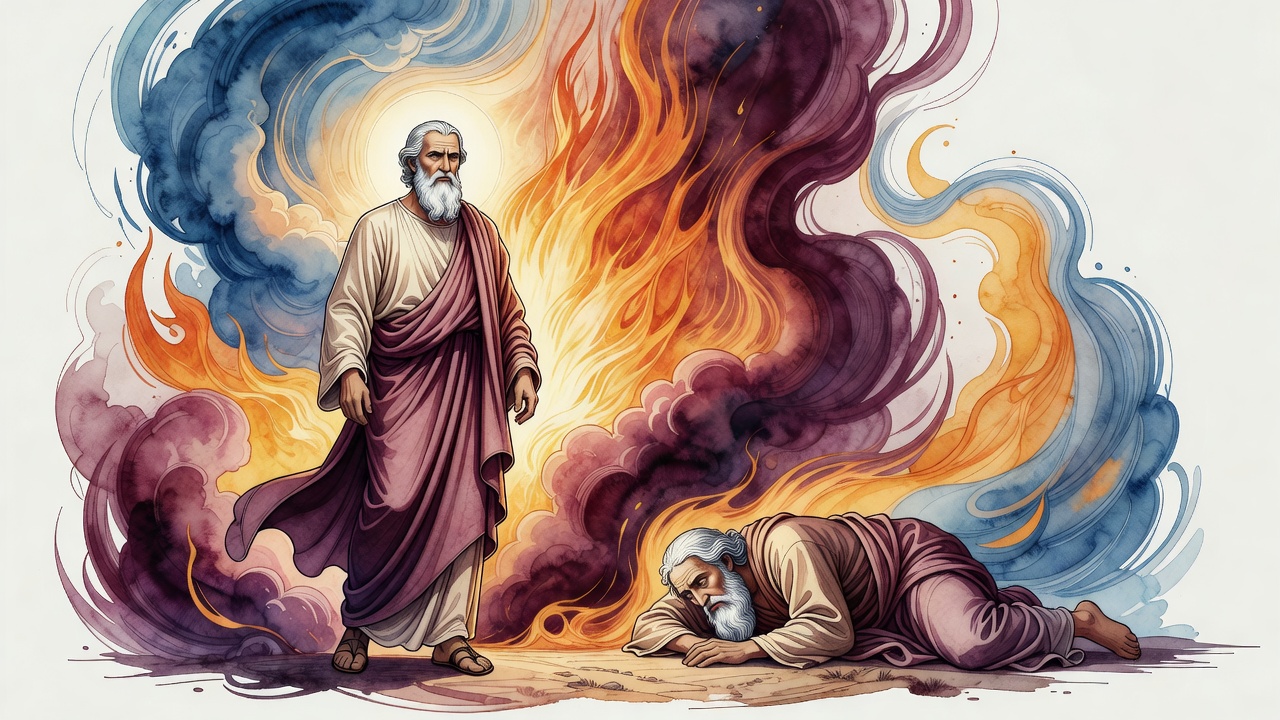
Balak had paid for three curses. Each one came back a blessing. Bilam wiped the dust from his mouth and pointed at the road into camp.
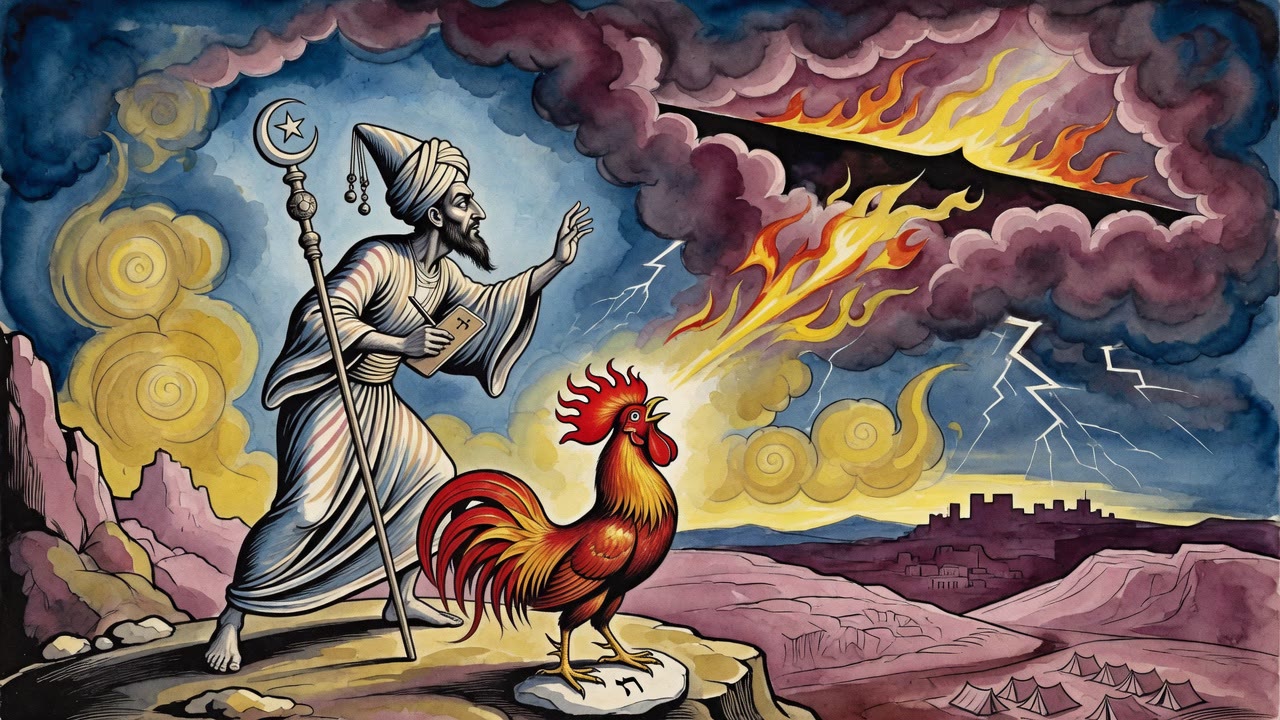
Balaam's rivals could not figure out how he worked. The rabbis said he had learned to read a rooster's comb, and it told him when God was furious.
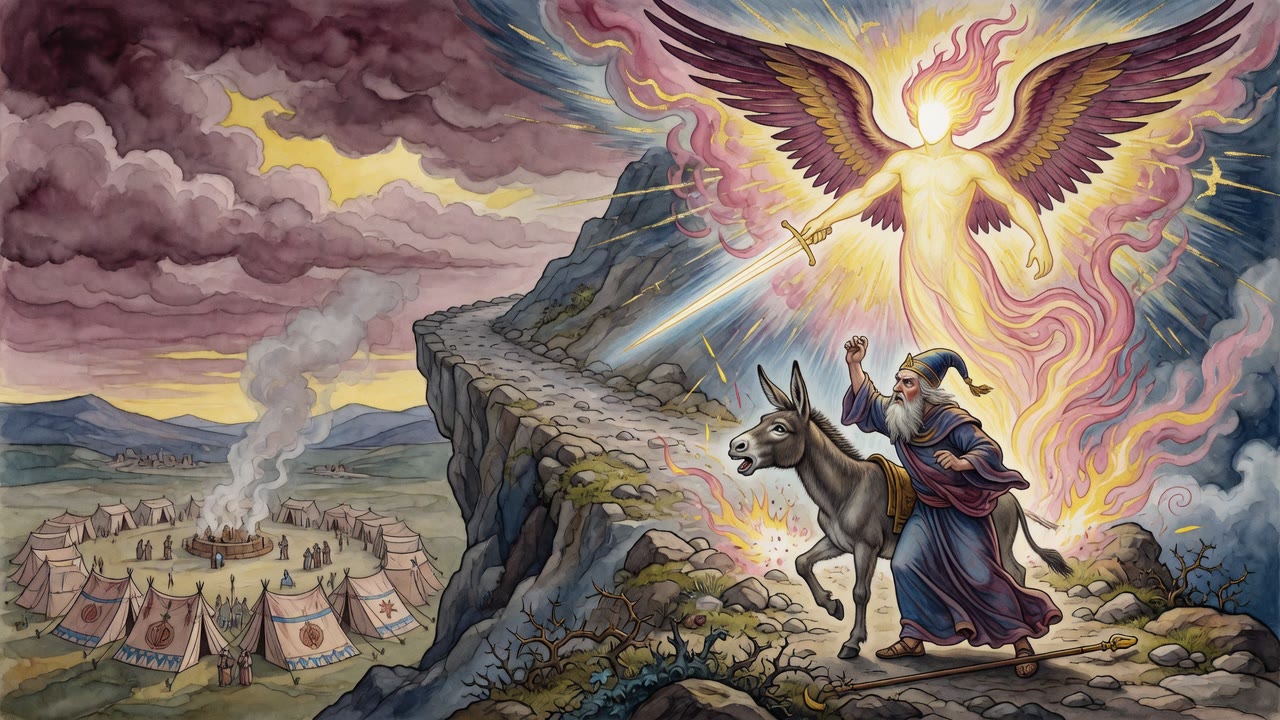
Balaam saddled his donkey before dawn, eager to curse Israel for Balak's money. The donkey saw the angel blocking the road. Balaam saw nothing.
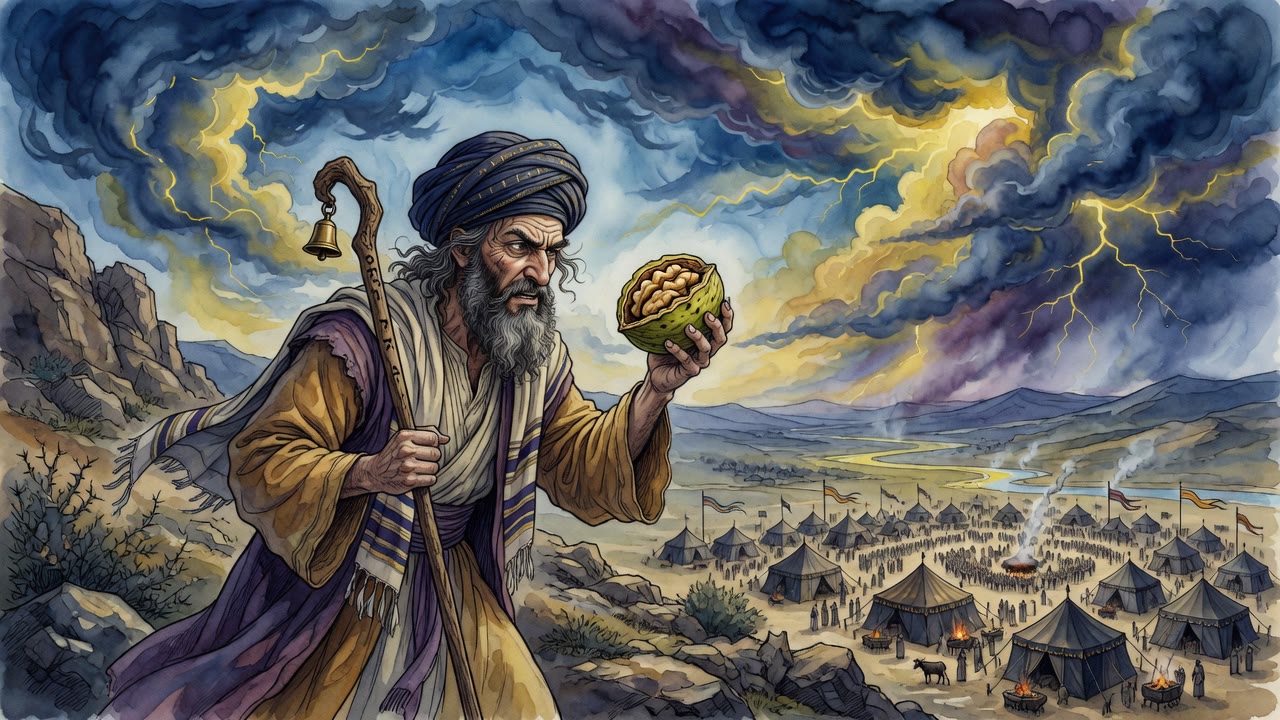
A hired prophet opens his mouth to curse and blessings pour out instead. A walnut tree in the Song of Songs explains why Israel cannot be destroyed.
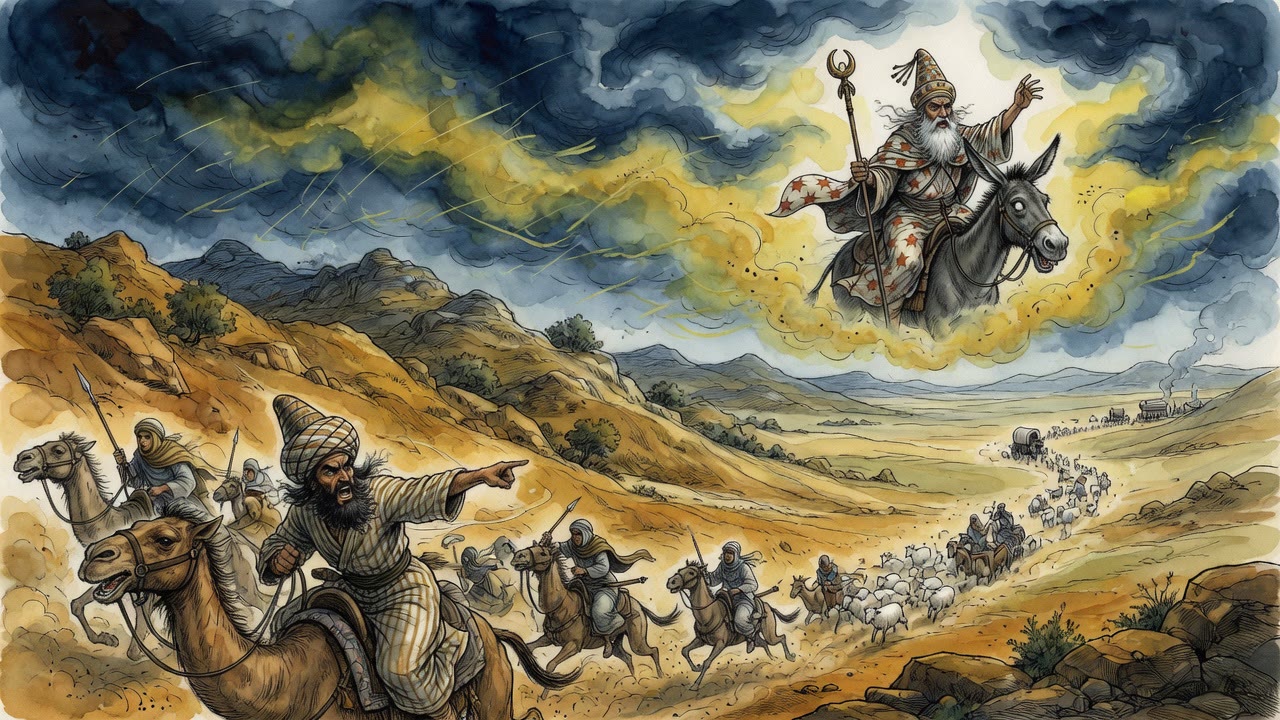
He watched the cock on the ridge above the camp. When the comb went white, God was angry, and a curse could land. The comb stayed red.
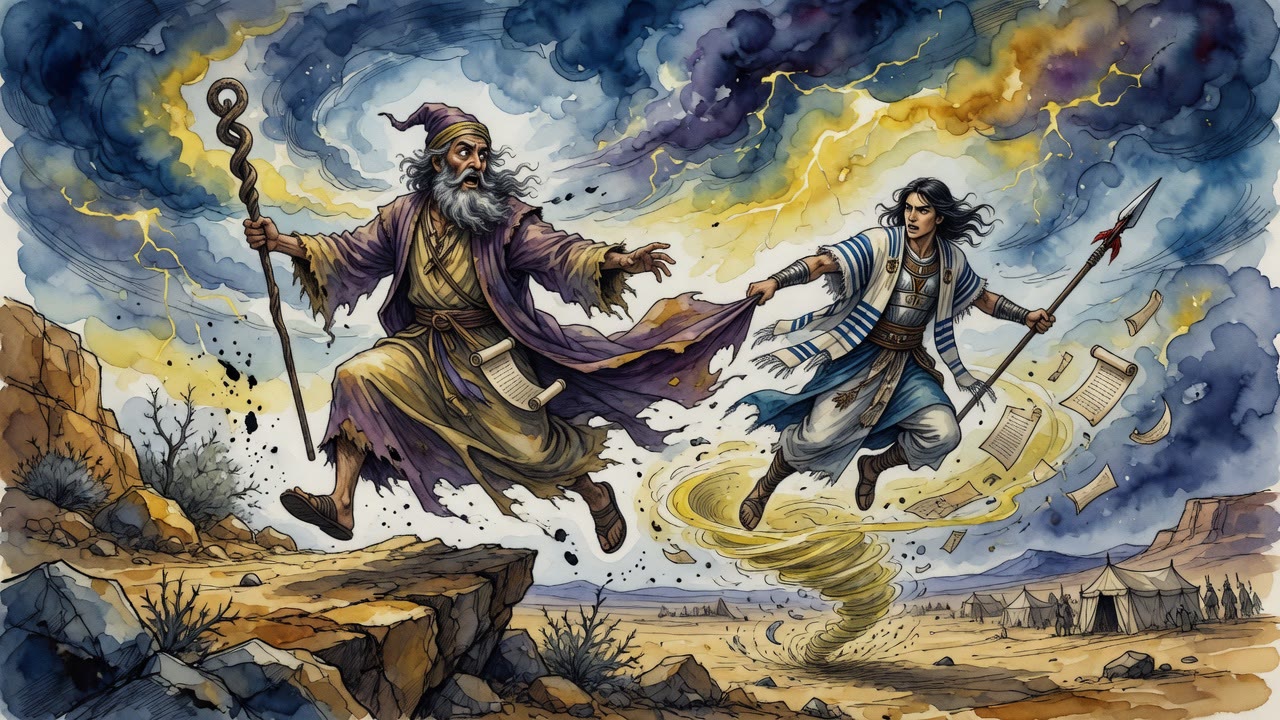
Phinehas shouted across his own army asking whether any man there could fly. A Danite went up after Balaam and lost him above the fifth layer of air.
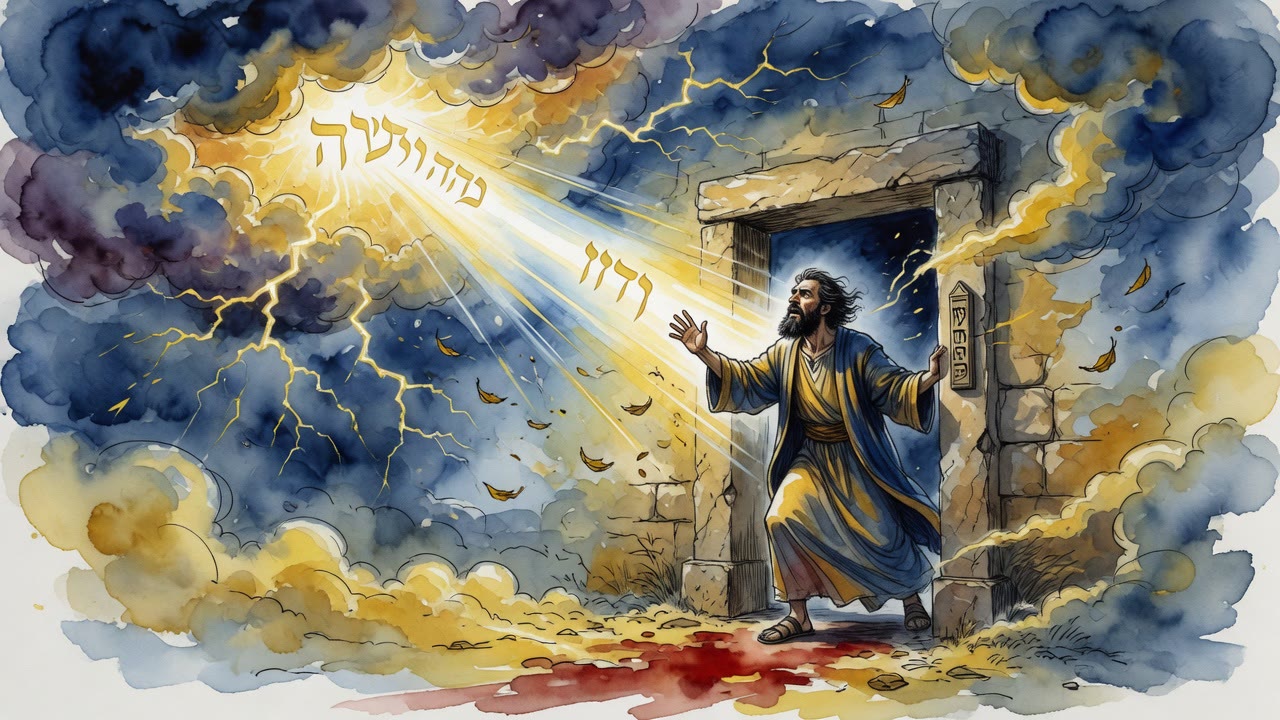
God asked Bilam a question He already knew. Bamidbar Rabbah hears Cain and Hezekiah standing behind that dangerous answer.
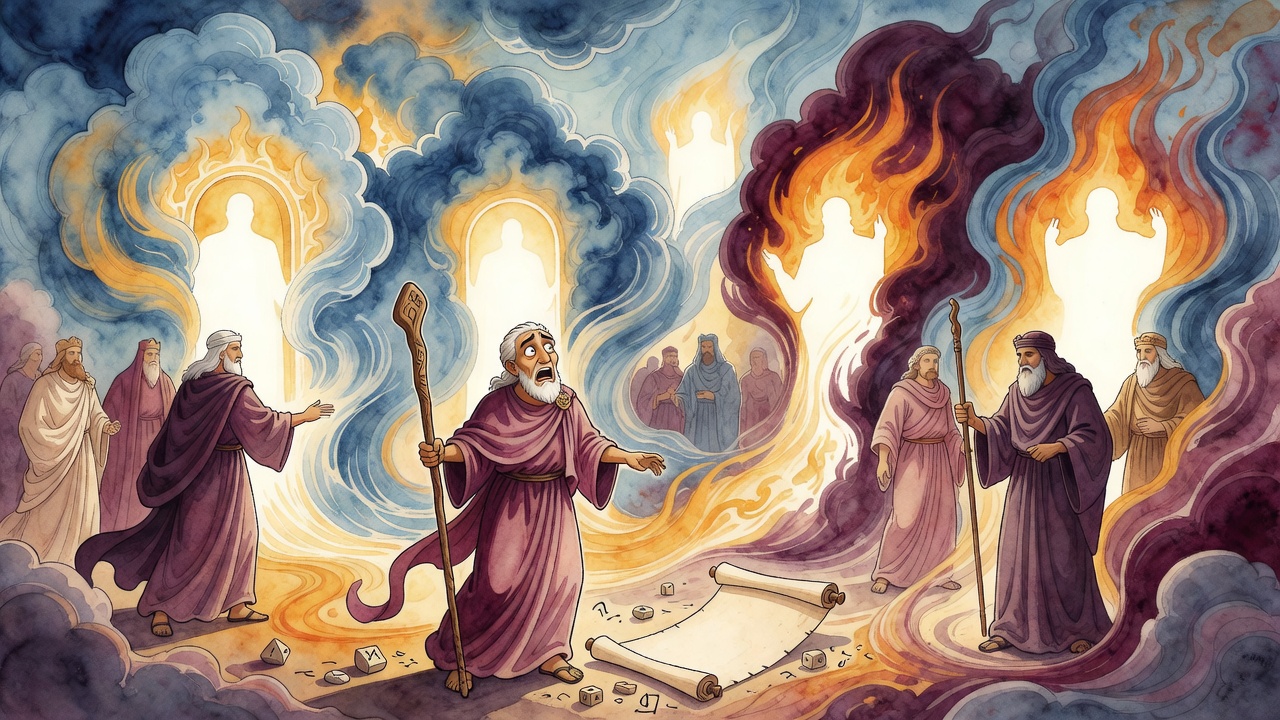
Balaam had divining tools, royal messengers, greed, timing, and a curse ready. God blocked every door before he could speak.
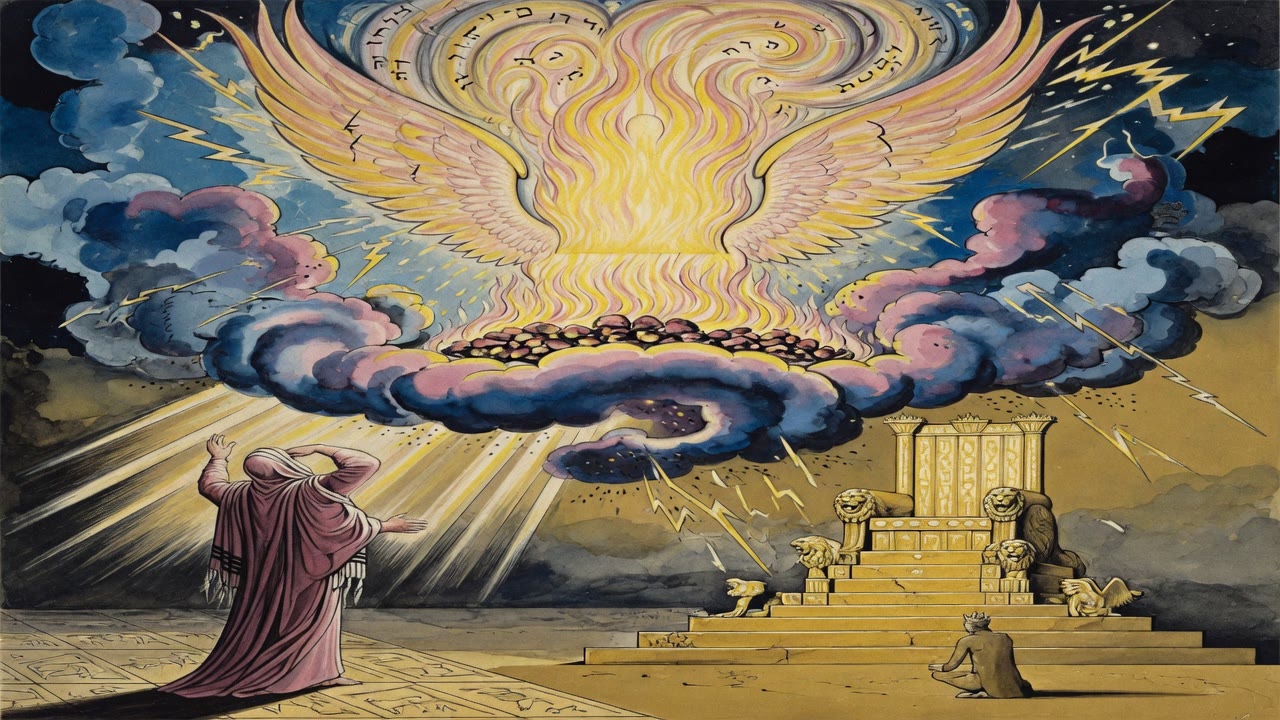
Sihon and Og took Moab's money for years to stand between Balak and the desert. Israel killed them both in one season. Now nothing stood there.
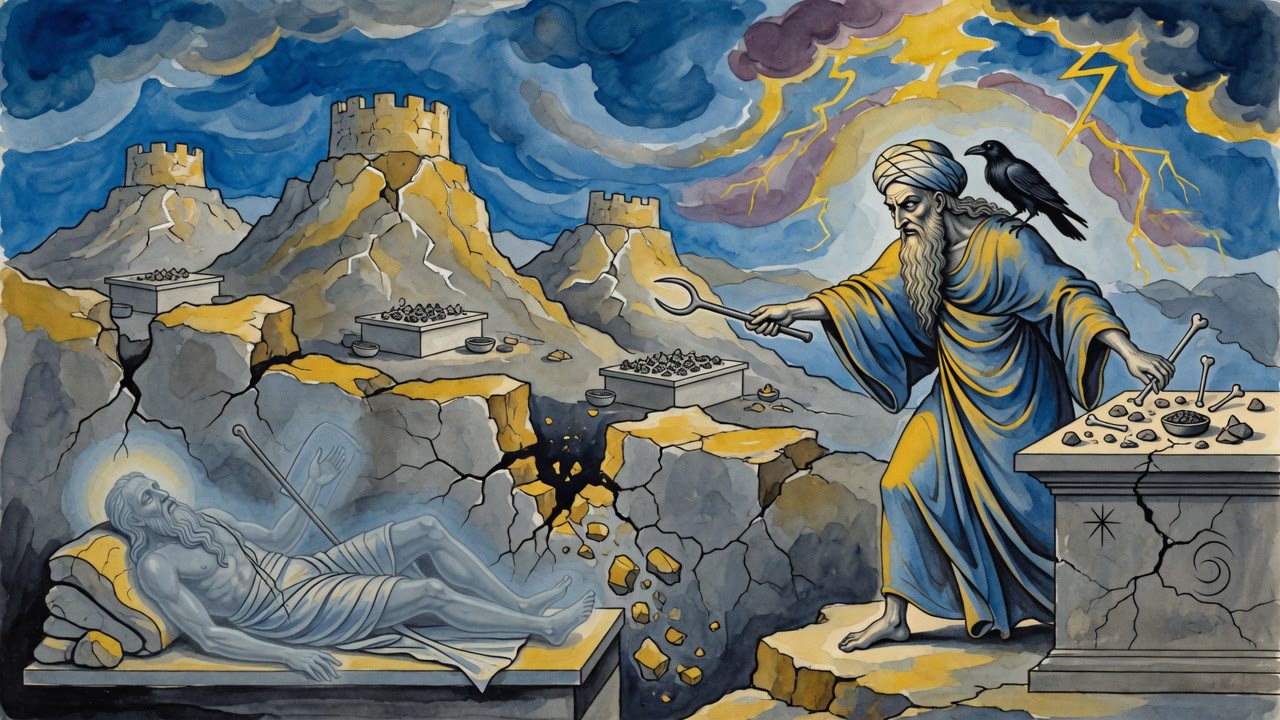
Balaam said of himself that he knew the knowledge of the Most High. He could not see the angel in the road, and his donkey could.
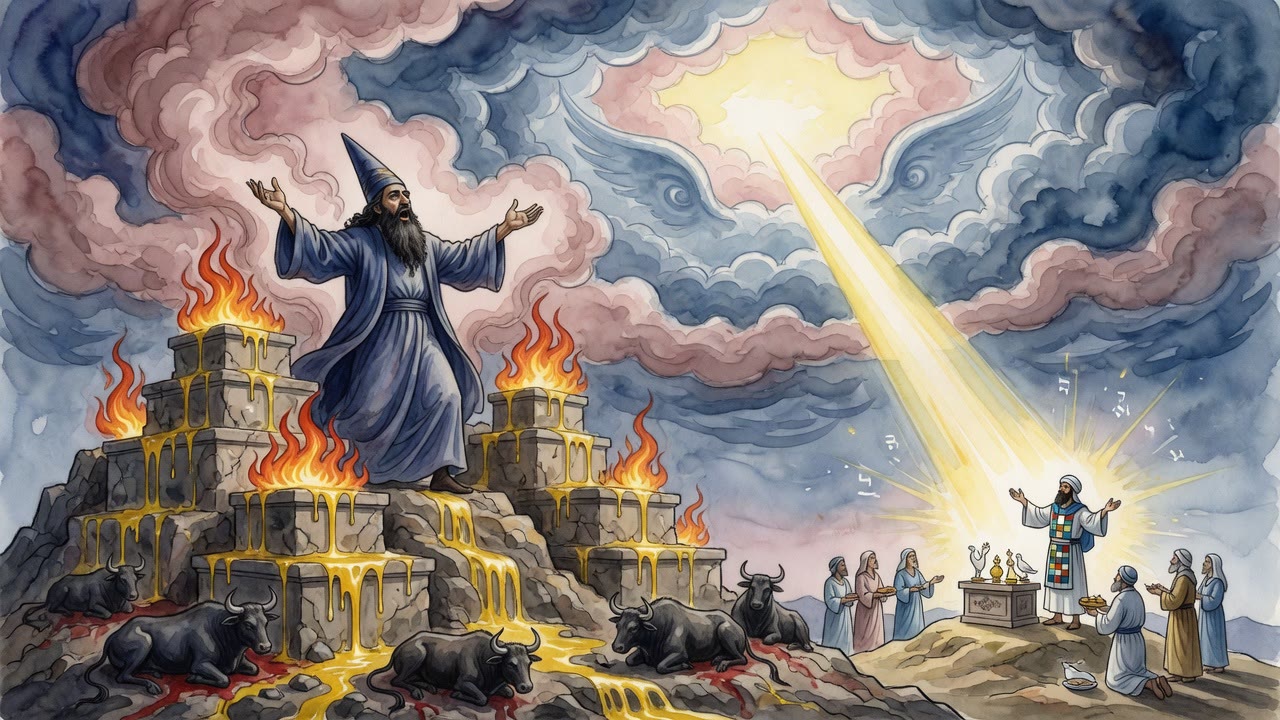
Balak paid for a curse. From the mountain Balaam's mouth opened and he saw David, the star from Jacob, and the King Messiah rising at the end of days.
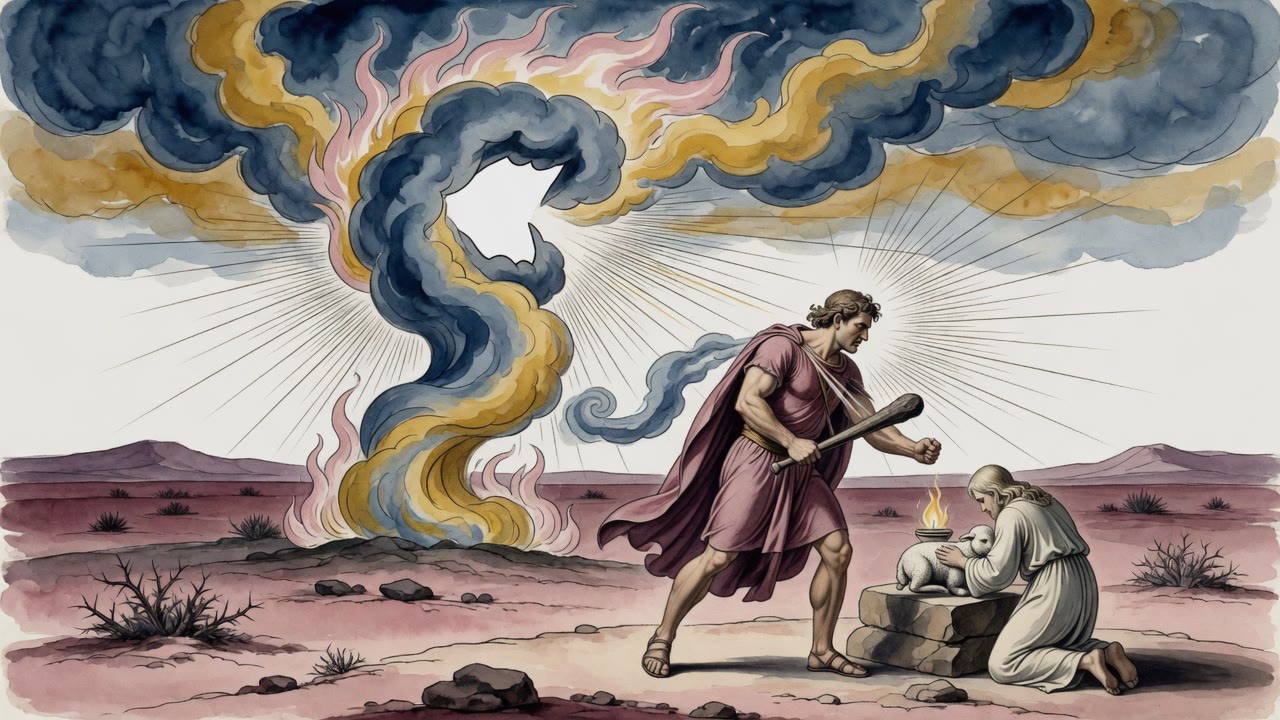
The princes of Moab were still asleep under his roof. Balaam was out in the cold before dawn, tightening the girth with his own hands.
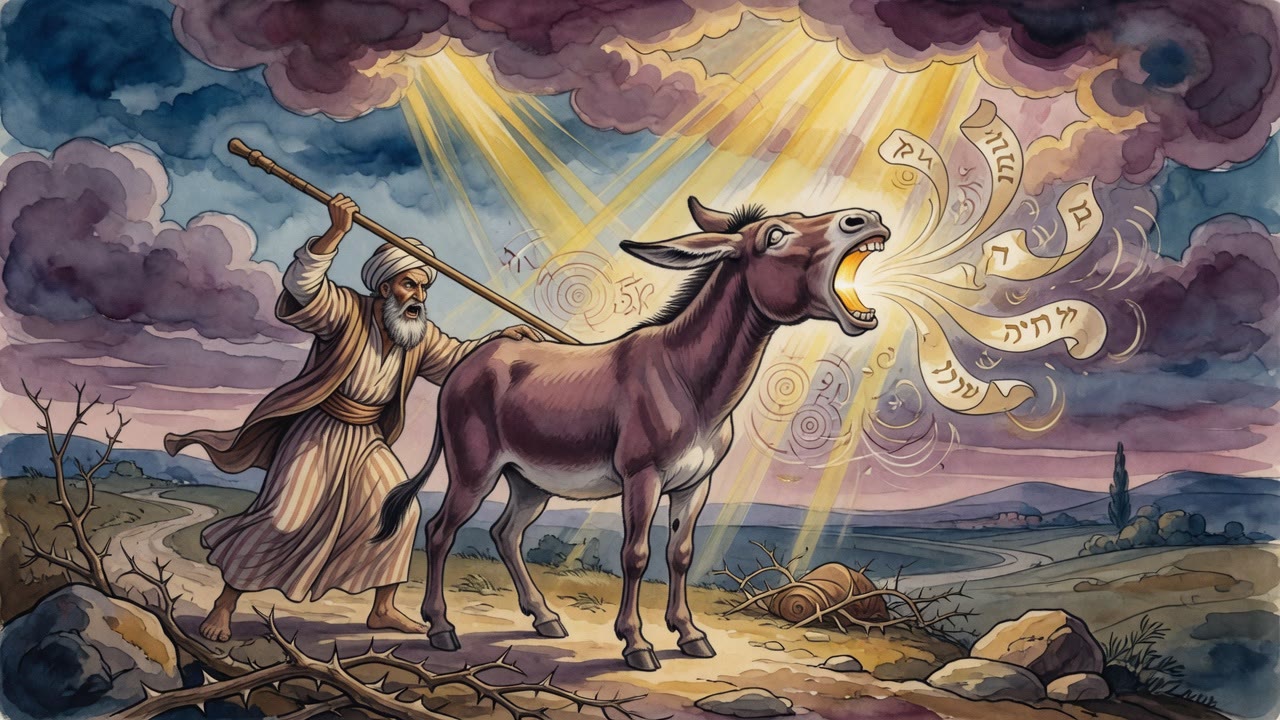
Balaam beat her three times for stopping in the road, then told her he would kill her if he had a sword. The angel in front of them already had one.
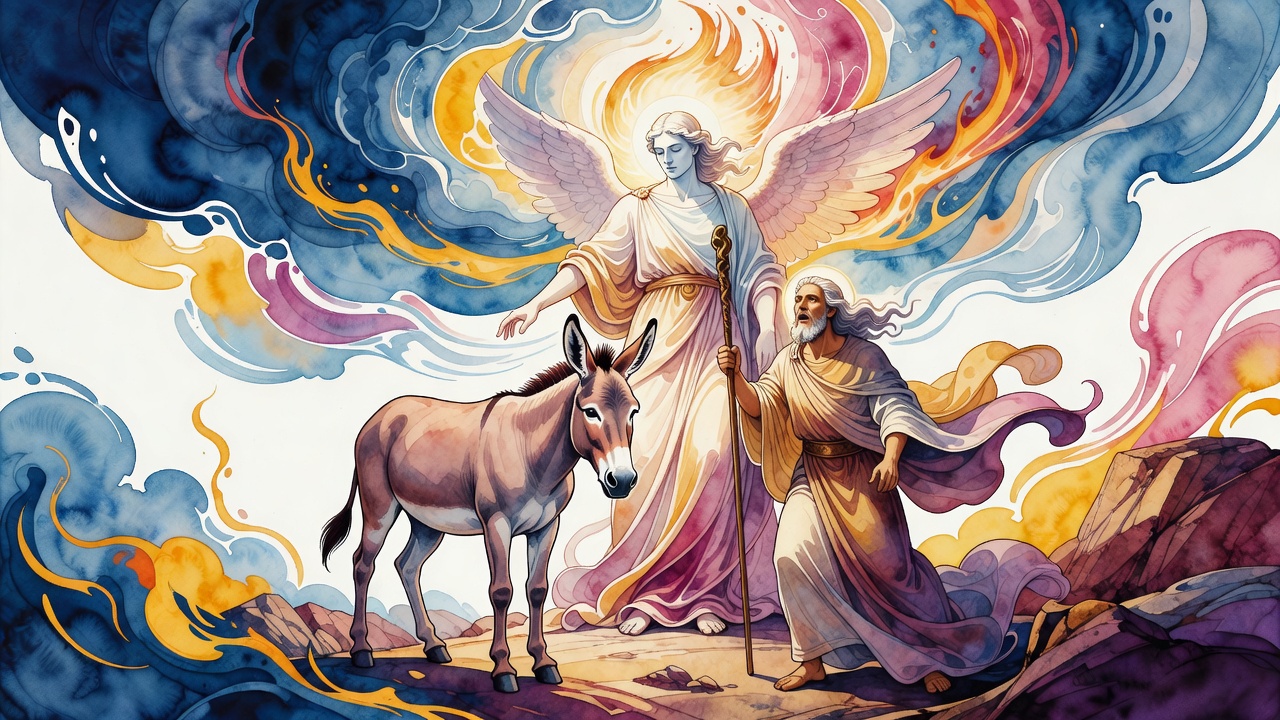
After Balaam's eyes were opened, the angel asked about the donkey first, not the curse. The answer reveals what God will do for an entire people.
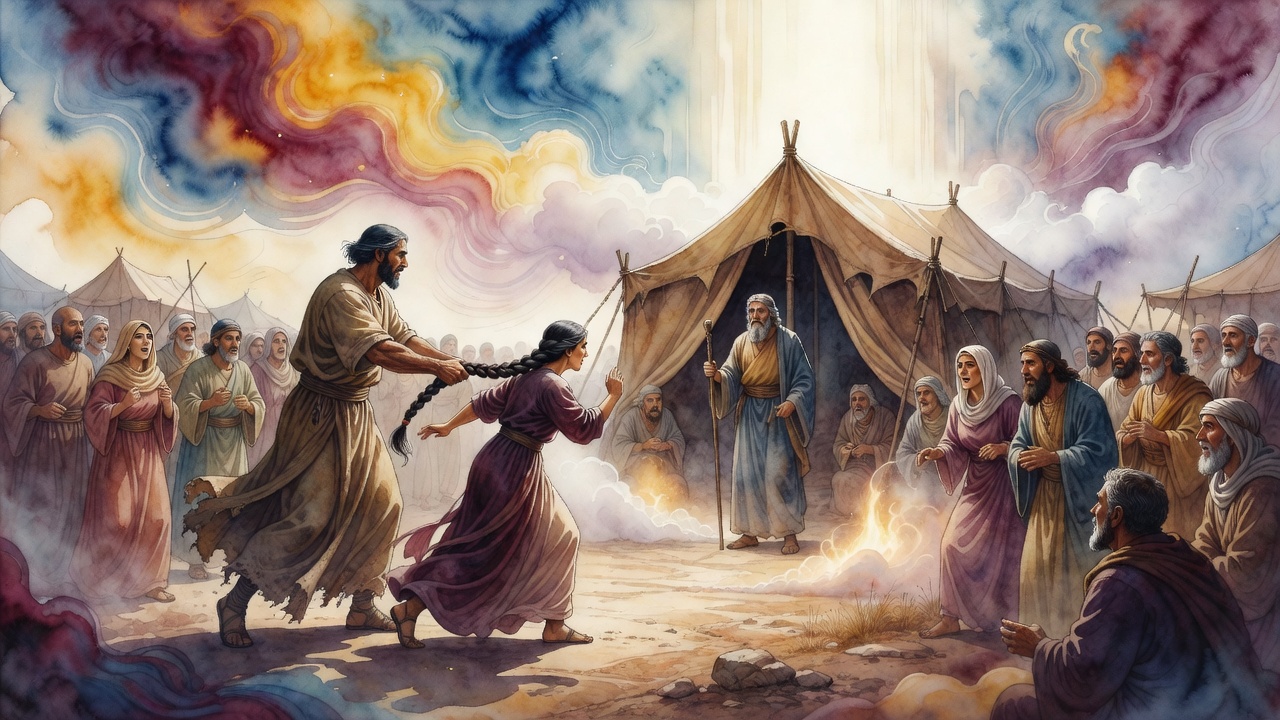
Cozbi had named her price. Moses or the High Priest. He still walked her through the weeping elders to the Tent door, braid in his fist.
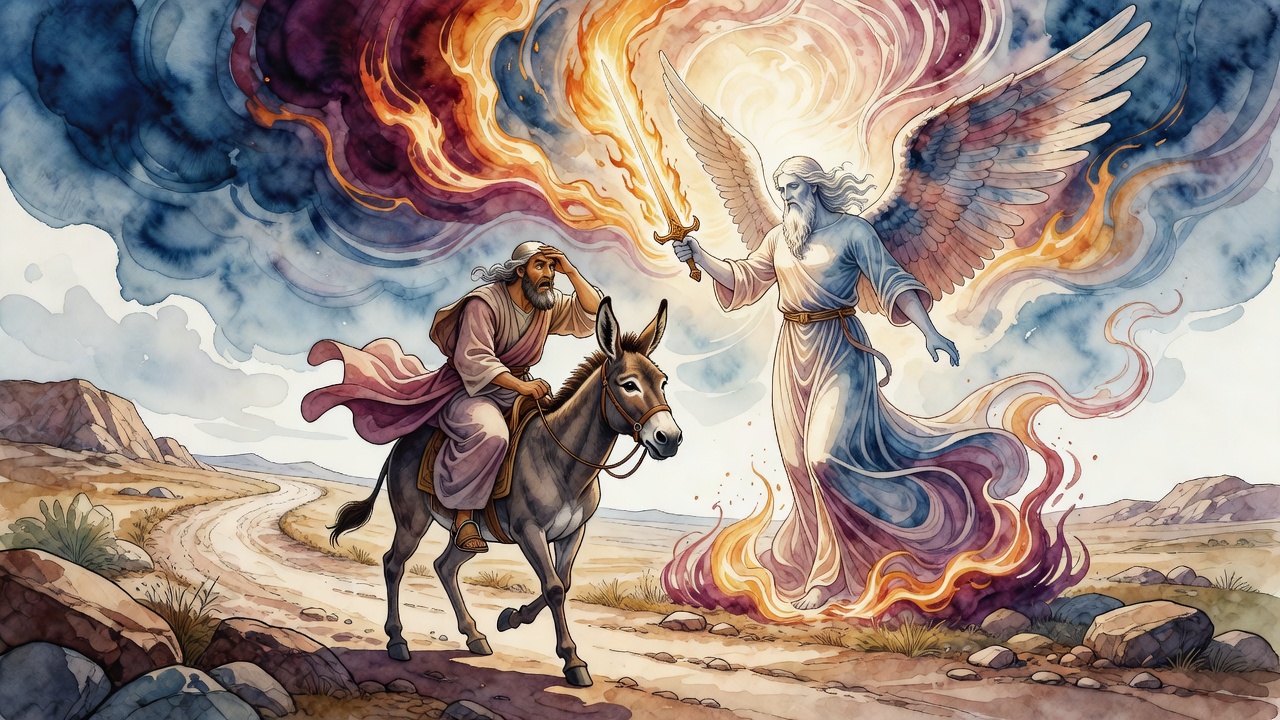
Three times the donkey saw what the prophet could not, and the angel said if a beast deserved defense, how much more the nation Bilam rode to curse.
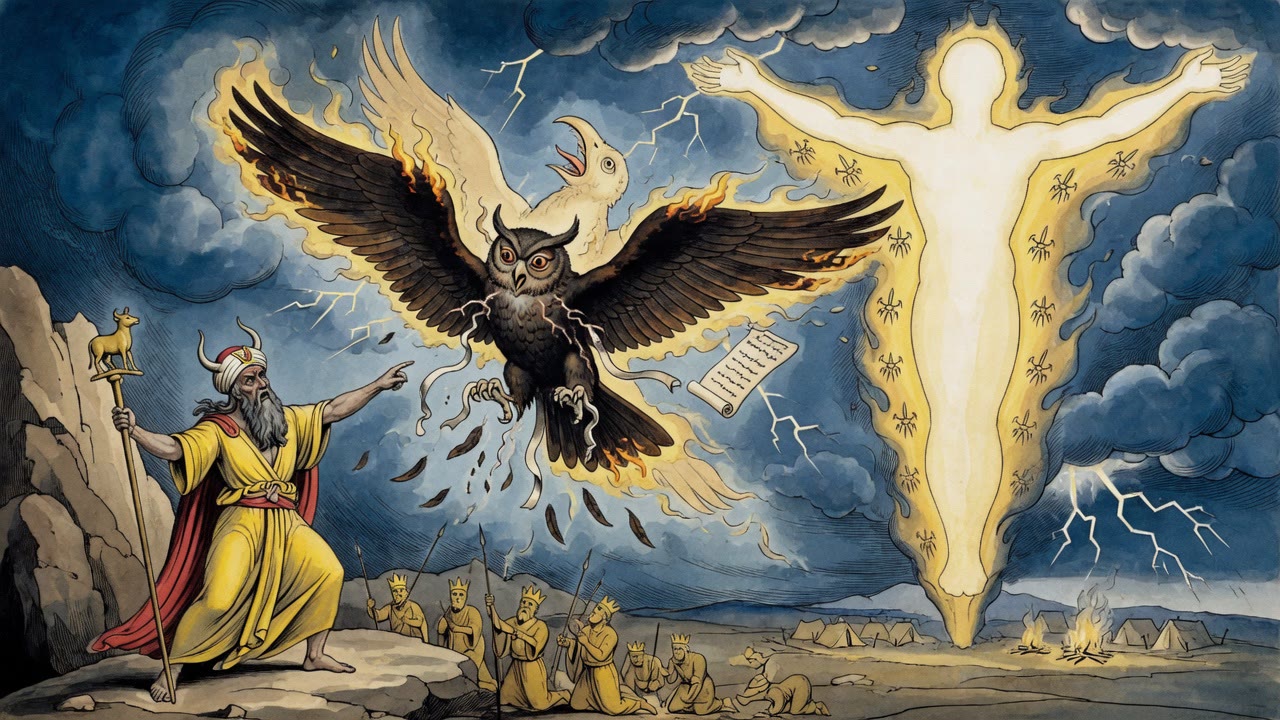
Balak's oracle-bird scorched as Israel rose. He hired Balaam because prayer, not numbers, was conquering kings he could not match.
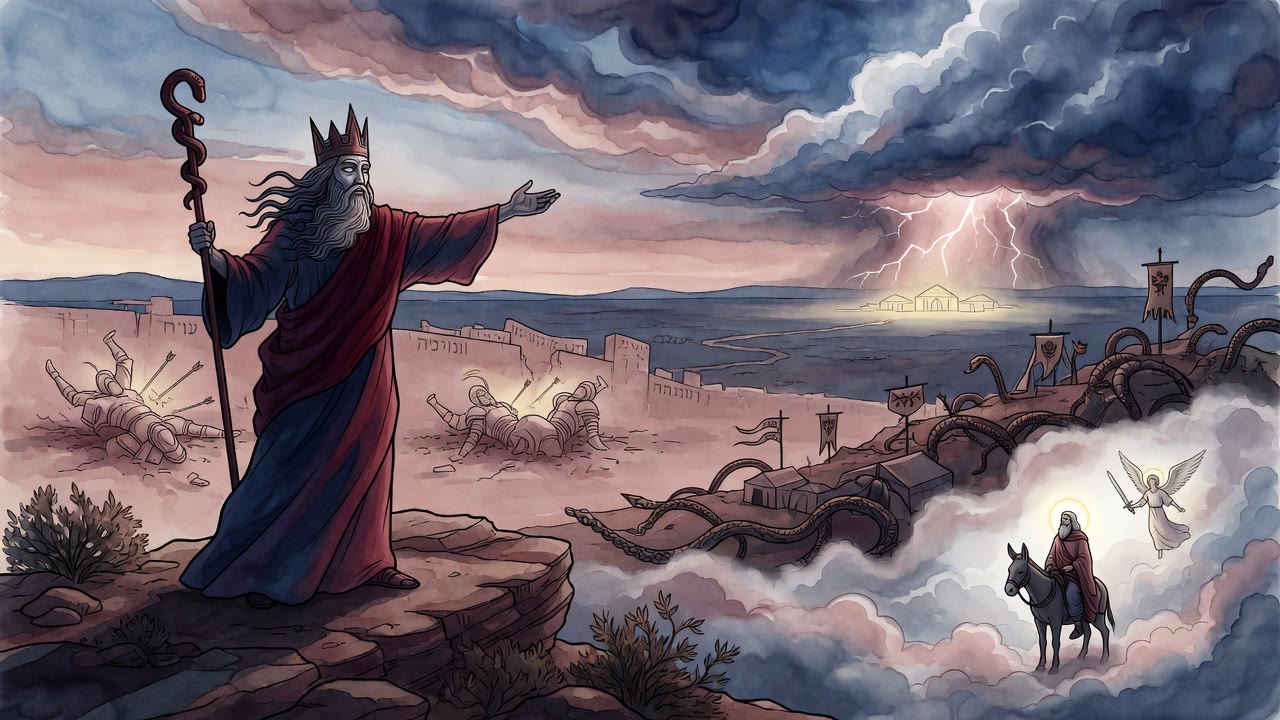
Below the ridge, children chased goats between tents and elders argued about grazing rights. None of them knew silver was already riding toward Bilam's house.
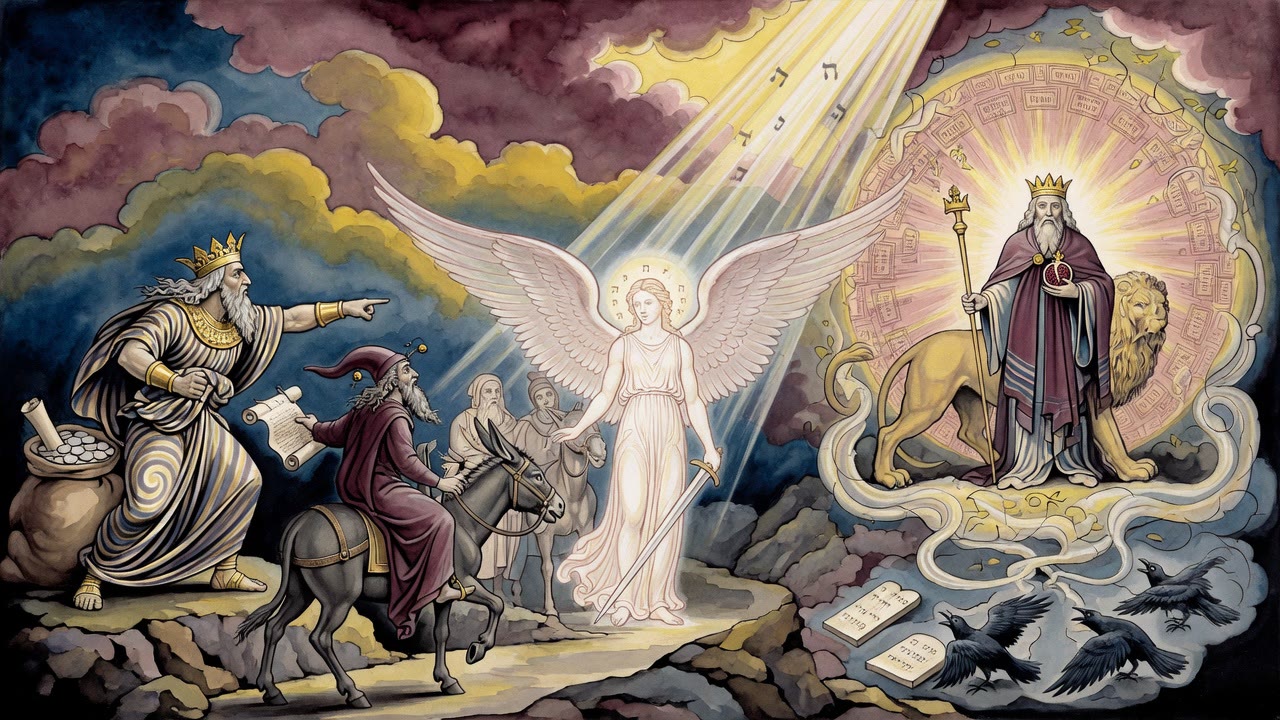
Abraham offered one ram, Balaam told Heaven, and I will offer thousands. The rabbis called him a butcher whose shop is already crammed with meat.
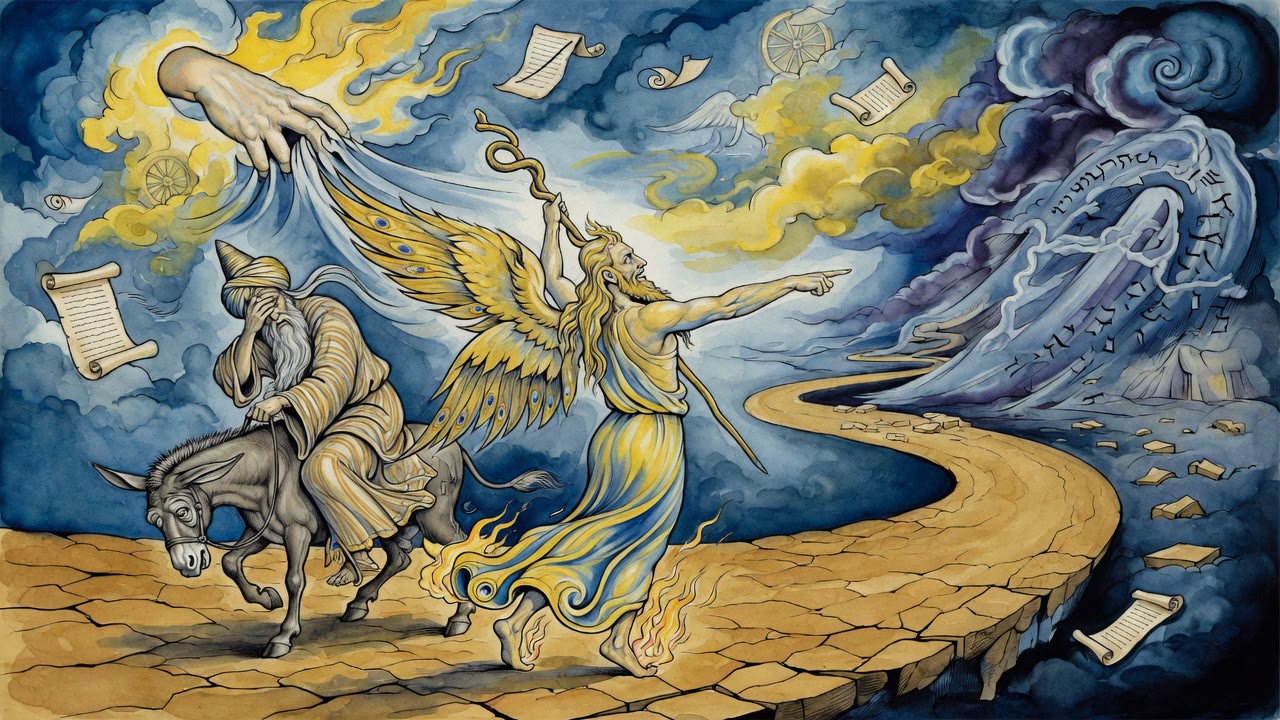
God hid the ruin at the end of the road while ha-Satan danced ahead, and the seer who could not see rode on to die by the sword at Midian.
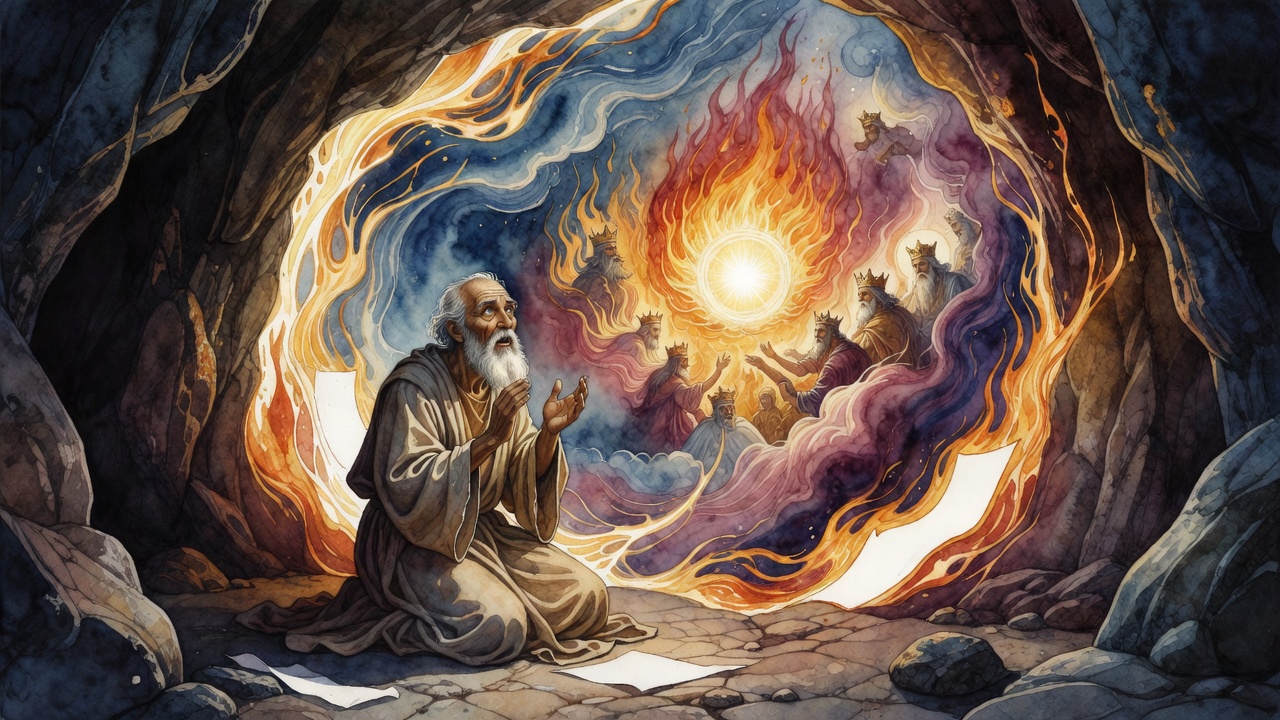
Roman soldiers were hunting Shimon bar Yochai. He stood in the cave mouth forty days and prayed, and on the fortieth night the rock seemed to thin.
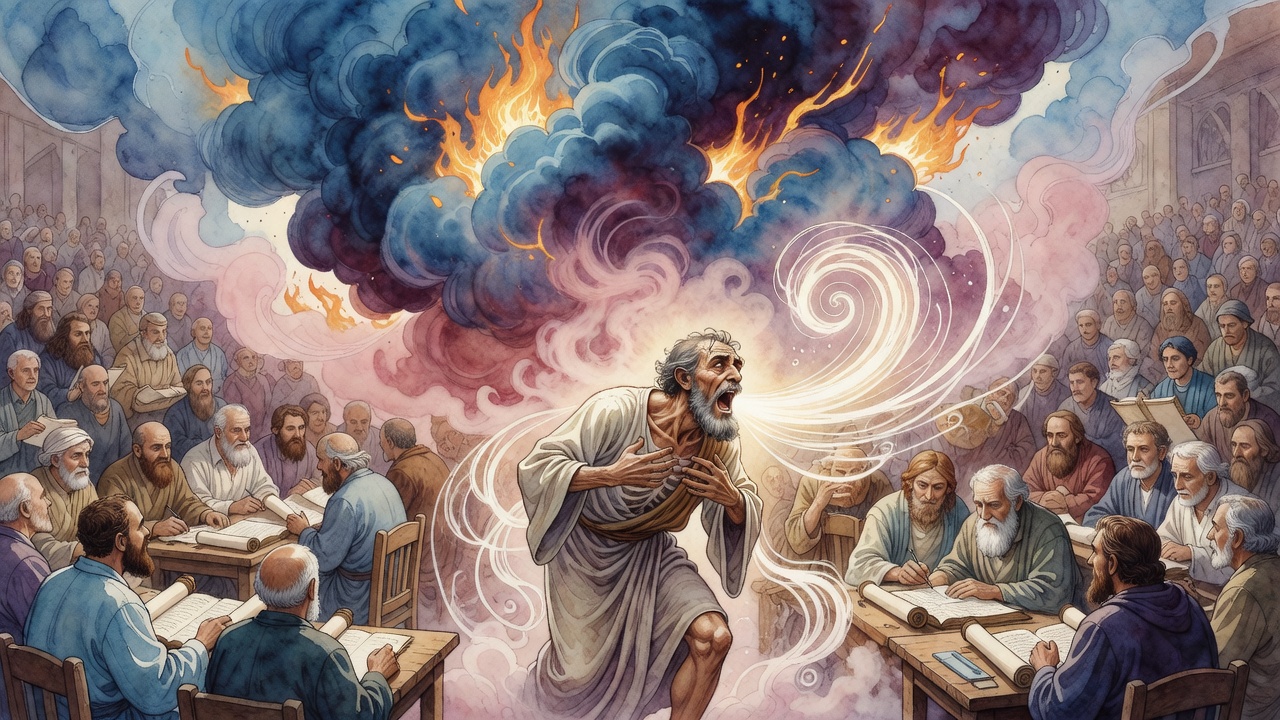
Hired to curse, Balaam found Israel packed in houses of study until his bones felt broken and every curse left his mouth as blessing.
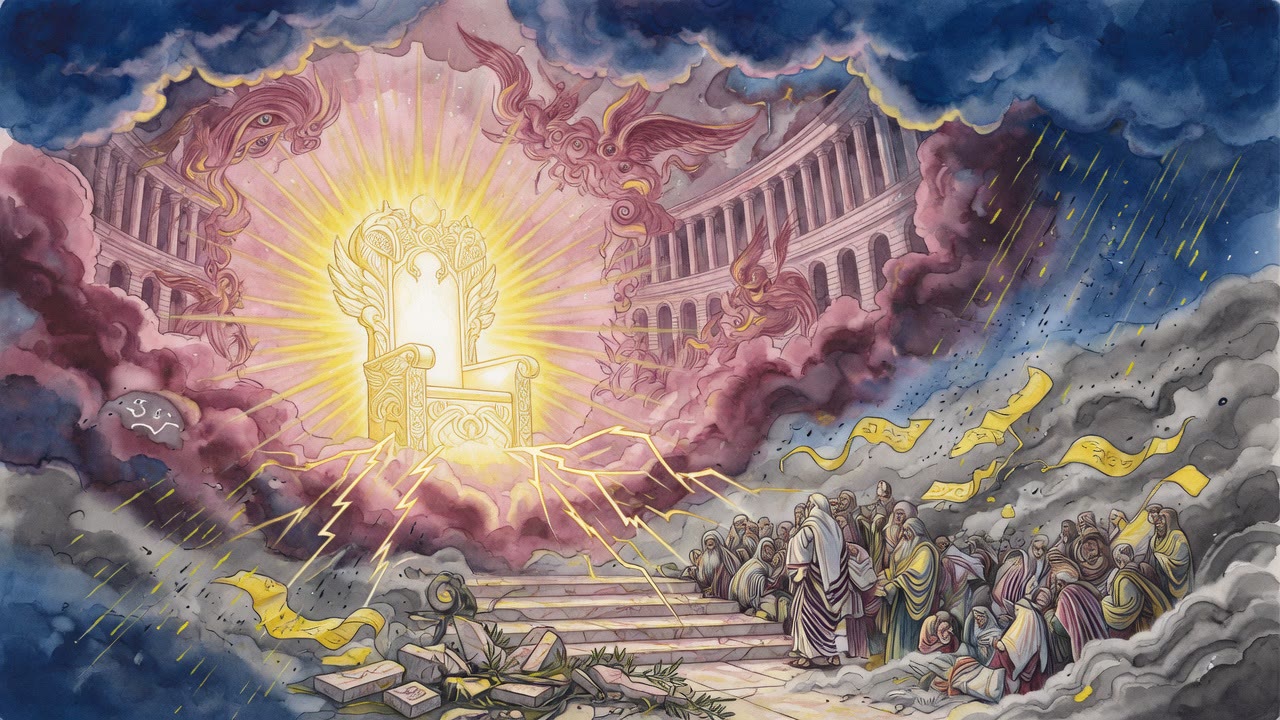
Three times the Judge descended to argue His own case, and three times the watching nations leaned in certain this stubborn people was finished.
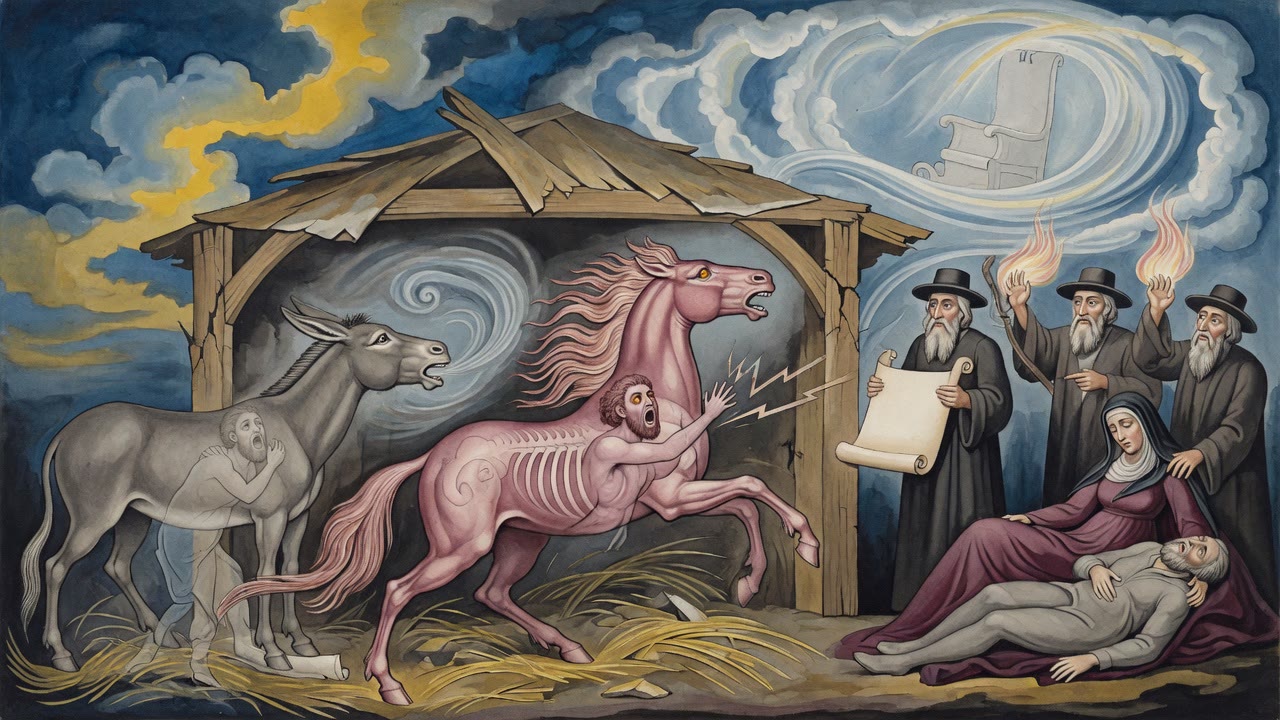
A sinner reborn as a killer filly, Ishmael's soul in a speaking donkey, a dead man in a widow. Gilgul, reincarnation made flesh, and the rabbis who set it free.
