Balaam Saddled His Own Donkey and God Called Him a Villain
The princes of Moab were still asleep under his roof. Balaam was out in the cold before dawn, tightening the girth with his own hands.
Table of Contents
 Click for full size
God Came to Him at Night
The princes of Moab were asleep under Balaam's roof, the second embassy Balak had sent, grander men than the first and carrying a better offer. Balaam had told them to wait until morning while he asked again.
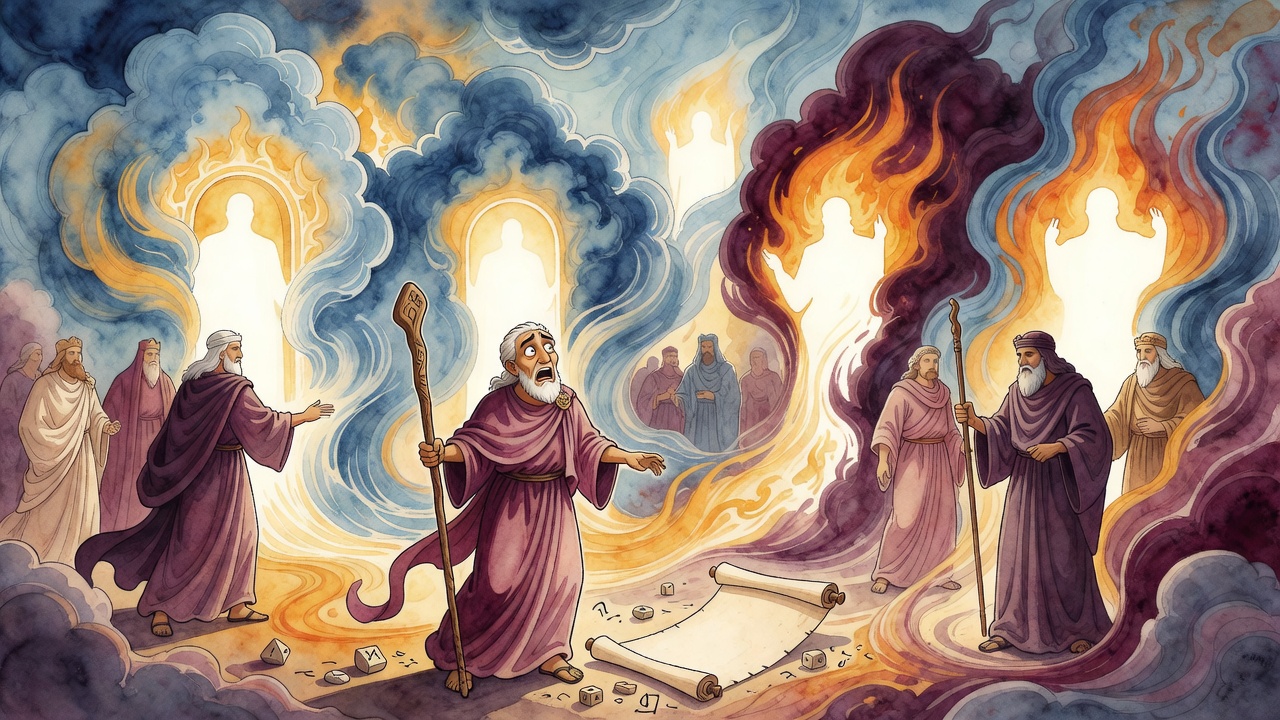
God came to him in the dark. "If the men have come to call you, get up and go with them. But only the thing I tell you, that is what you will do."
Balaam heard the first half of it.
What he was not told was the rest of the sentence. That the road to Balak ran to his own grave. That going would rub him off the world. God opens a man's ear in a dream, in a vision of the night, to turn him back from what he is about to do and to hide from him how proud he has become, and Balaam got the opening and not the warning.
The Accuser Dances in Front of the Sinner
There is a rule about this. When a man is on his way to do the thing, the Accuser goes ahead of him dancing, clearing the ground, keeping him moving, until the transgression is finished. Then he stops dancing, turns around, and goes up to report what he saw.
The ox walks to the slaughter the same way. Nothing in front of it looks like death. The gate is standing open, the ground is flat, nobody is driving it. It goes on its own weight, right up to the moment the arrow goes into its liver.
Balaam had been refused once already, plainly, with no room in the words: do not go with them, do not curse that people, they are blessed. He had sent that embassy home and waited for a better one. When the second came he asked again, and the second answer sounded like a yes, and he took it and ran.
He Could Not Wait for Morning
He was awake before the servants and before Balak's princes and before the light. He did not call anybody to do it for him. He went out to the animal in the cold and put the saddle on his own donkey, hands working the girth in the dark, a rich man doing a boy's job because he could not stand to wait for the boy.
God watched him tighten the strap.
"Villain. Their father Abraham got there before you. He rose early in the morning too, and he saddled his own ass with his own hands, and he did it to take his son up the mountain because that was the command that had reached him."
Two men in the dark with a saddle. One going up to give away everything he had waited a hundred years for. The other going down the road to be paid for a curse.
The Donkey Saw It First
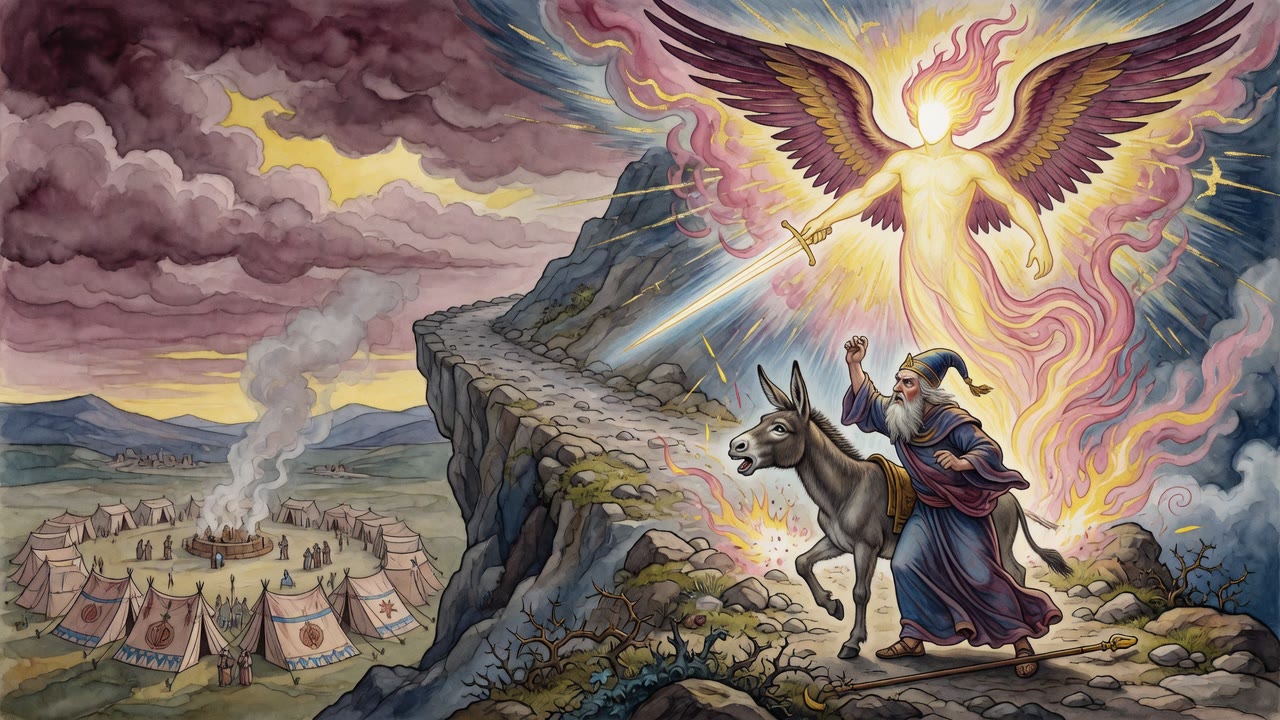
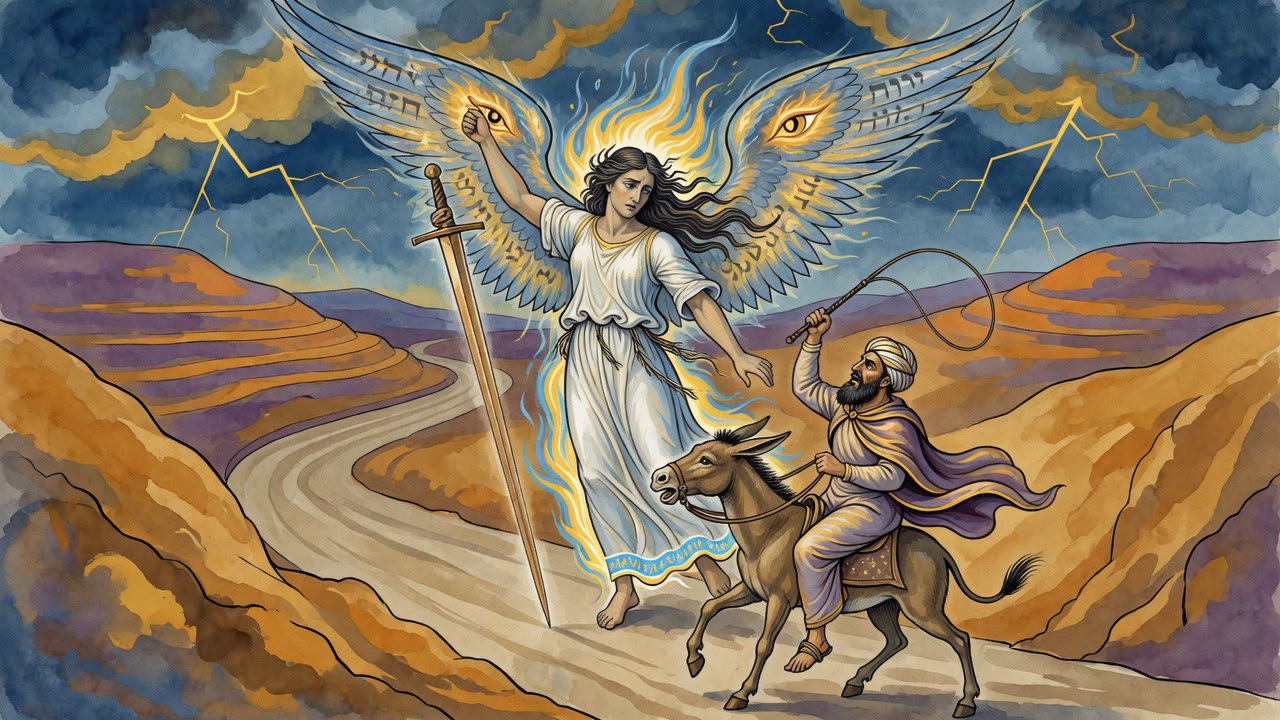
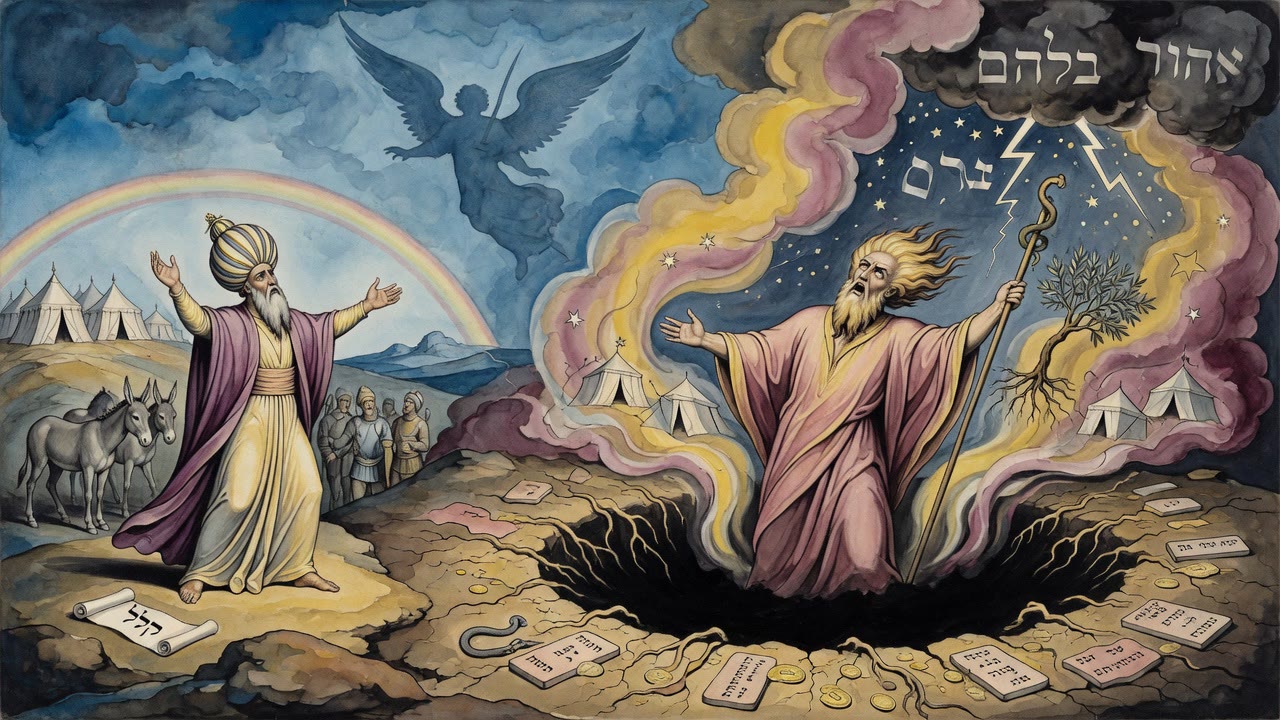
The road narrowed between two vineyard walls. The donkey stopped, swung off into the field, and Balaam beat her back onto the track. She went on and then pressed herself against the stone and crushed his foot against it, and he beat her again. At the third place, where there was no room to turn either way, she folded her legs and lay down under him with the princes of Moab watching, and he hit her with his staff.
Then her mouth opened. "What have I done to you that you have hit me three times?"
"You made a fool of me. If I had a sword in my hand I would kill you now."
"Am I not your own donkey that you have ridden your whole life? Have I ever done this to you before?"
"No."
His eyes came open and the angel was standing in the road with a drawn sword, and had been standing there the whole time. Balaam went down on his face in the dirt. He offered to turn around and go home. The angel told him to keep going, and to say nothing but what he was given to say.
Let Me Die the Death of the Righteous
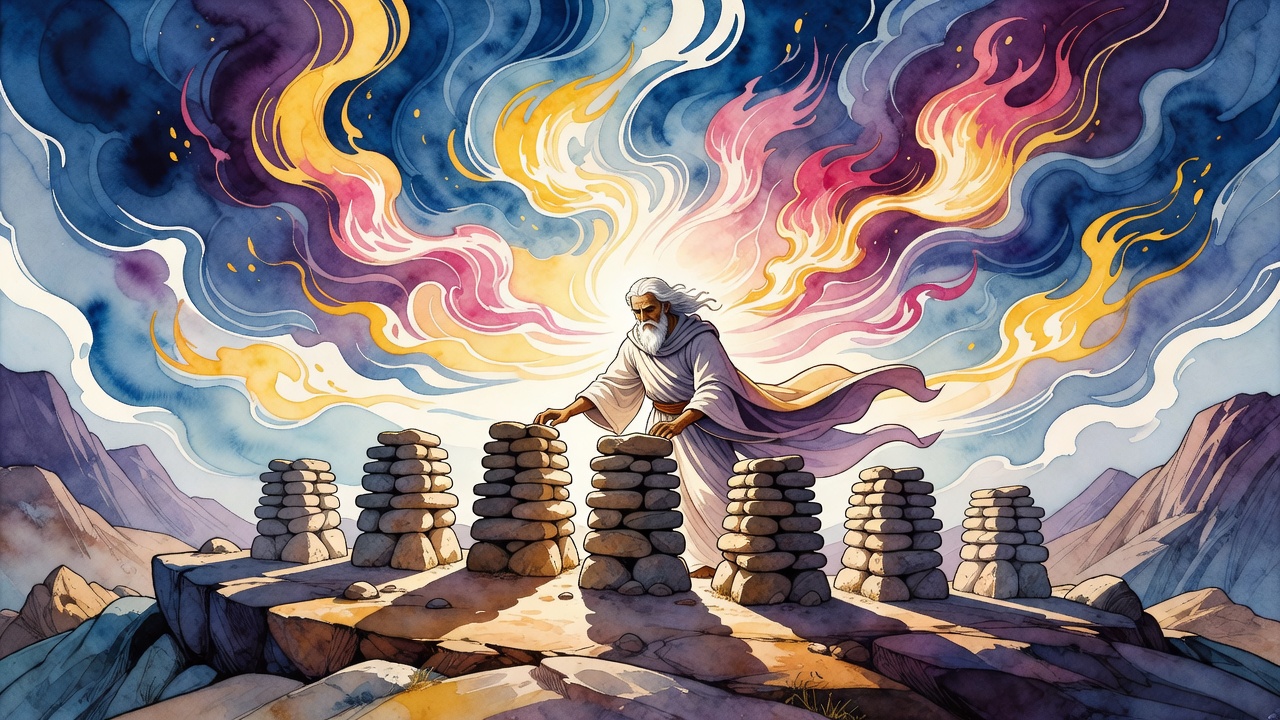
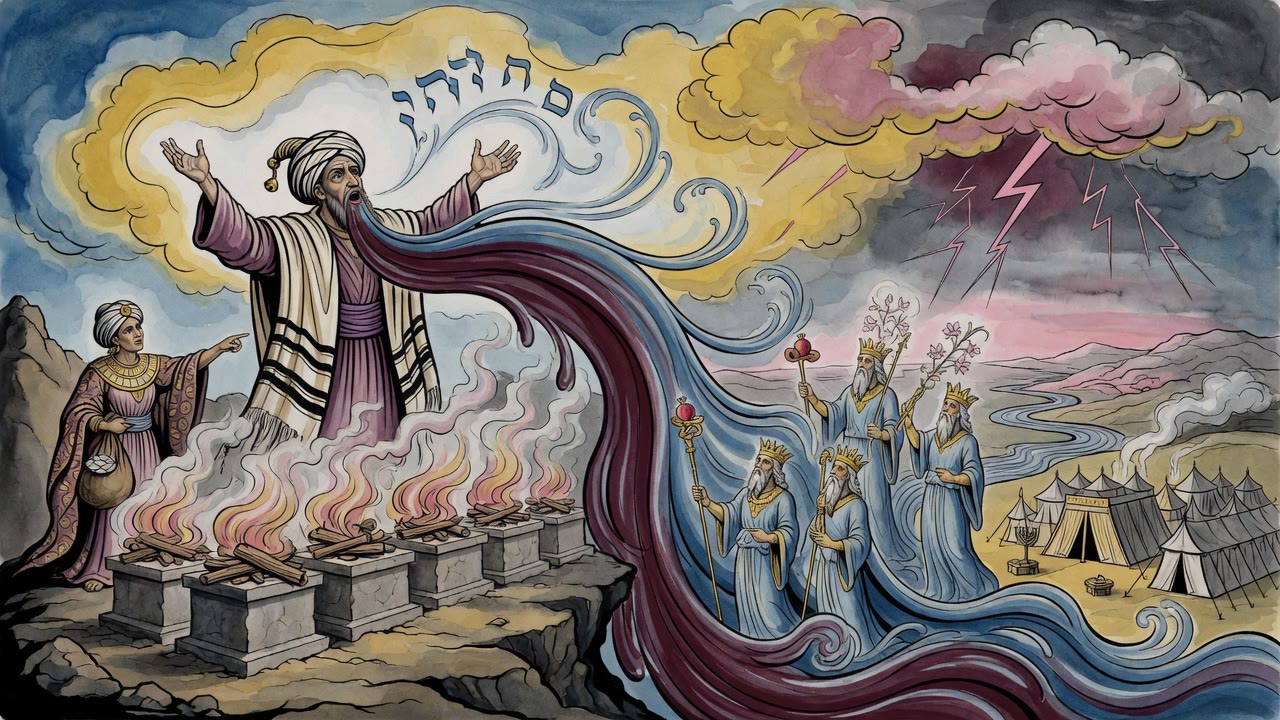
On the high place they built seven altars and killed seven bulls and seven rams, and Balak stood beside his sacrifice and waited to hear Israel cursed.
What came out was a blessing. They moved to another ridge with a partial view of the camp and built seven more altars and got another blessing. They moved a third time, and Balaam looked down at the tents lined up tribe by tribe and blessed them again, and Balak struck his hands together and told him to run home unpaid.
Somewhere in the middle of it, with his honor gone and his fee gone and his soul spent on a road he had chosen with both eyes shut, Balaam heard himself say the thing he wanted most.
"Let me die the death of the righteous. Let my end be like his."
He had asked for the wrong thing at the wrong end of his life. He got the road he saddled for. Israel killed him with the sword in the war against Midian, on the plain, with the kings of Midian, and no one recorded that he asked for anything at the end.
← All myths