10 myths
Each story names the sources it was written from.
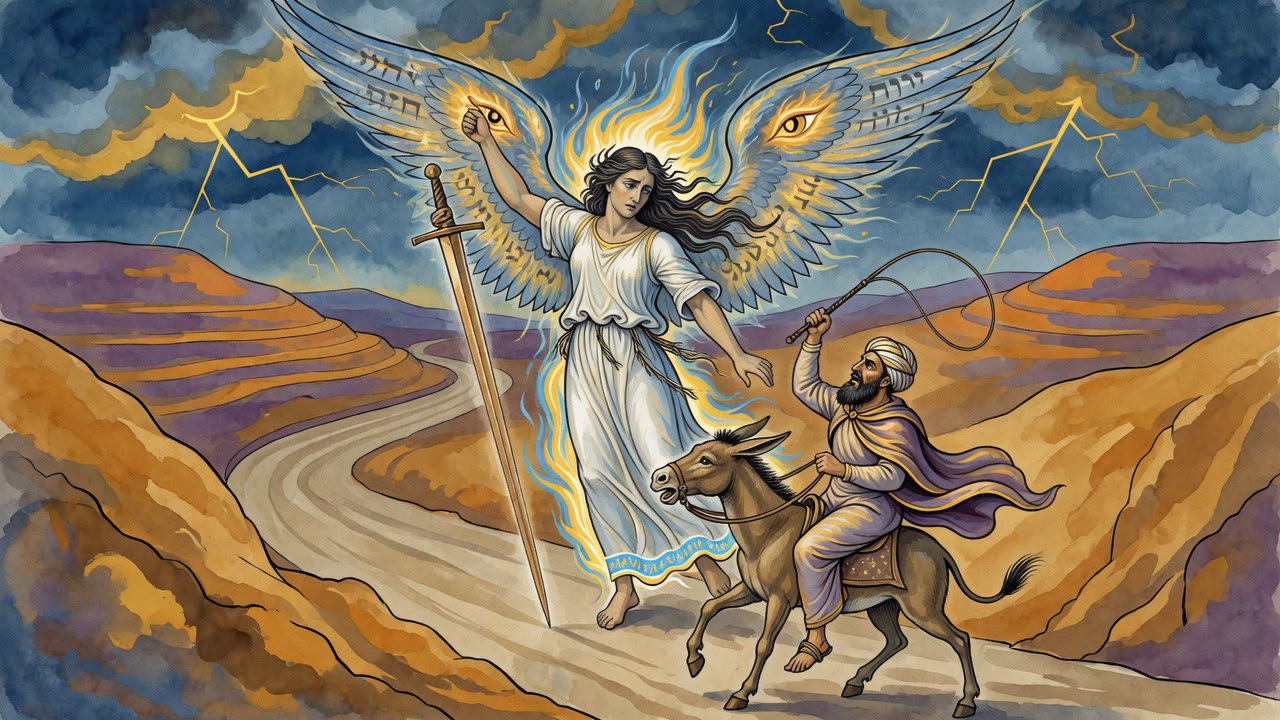
The angel blocking Balaam's road had not come to destroy him. It had come to protect him from himself. Then it said: go, if you must.
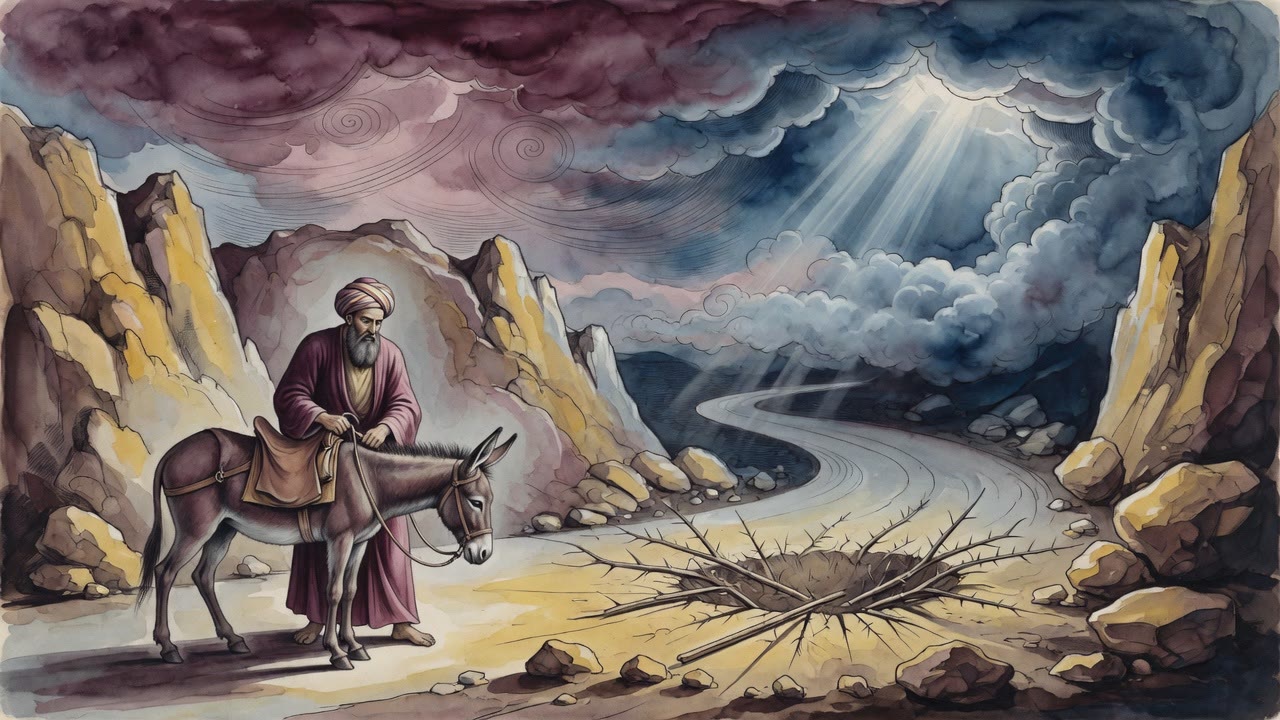
The princes of Moab were still asleep under his roof. Balaam was out in the cold before dawn, tightening the girth with his own hands.
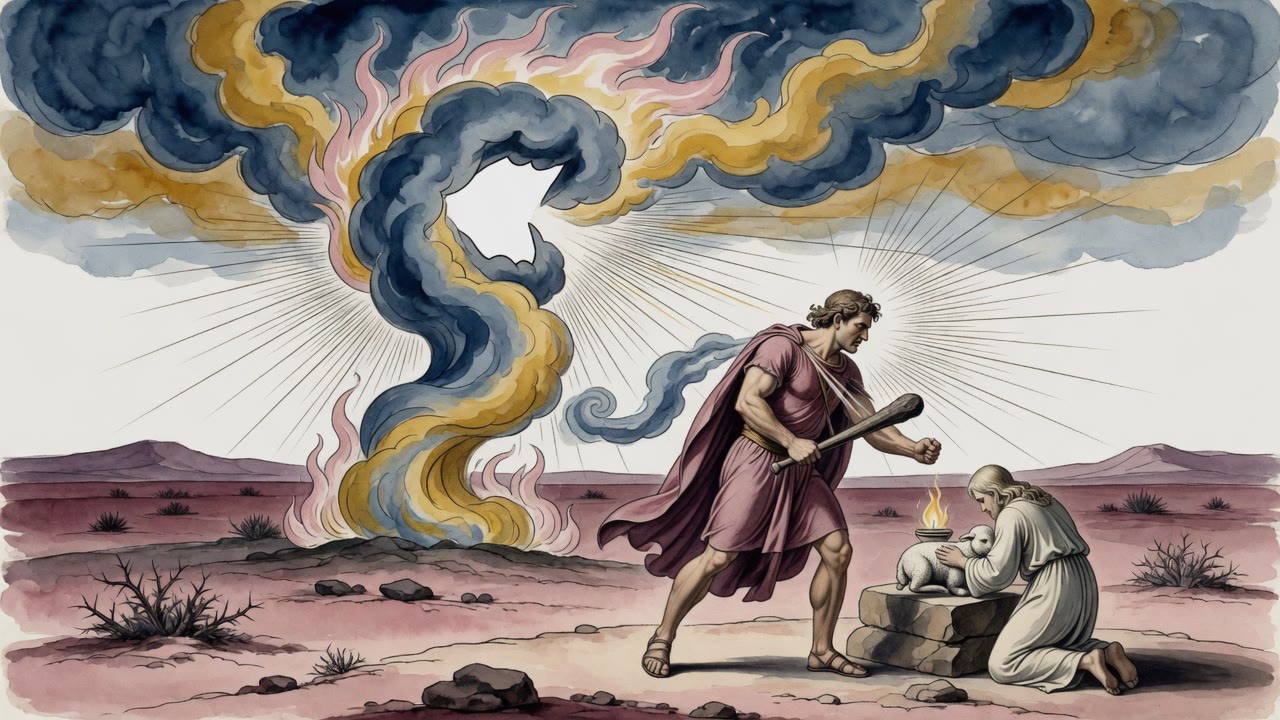
Smoke from Abel's flock went up. Cain's fruit sat on the stones unused. Then God spoke, and Cain still walked into the field.
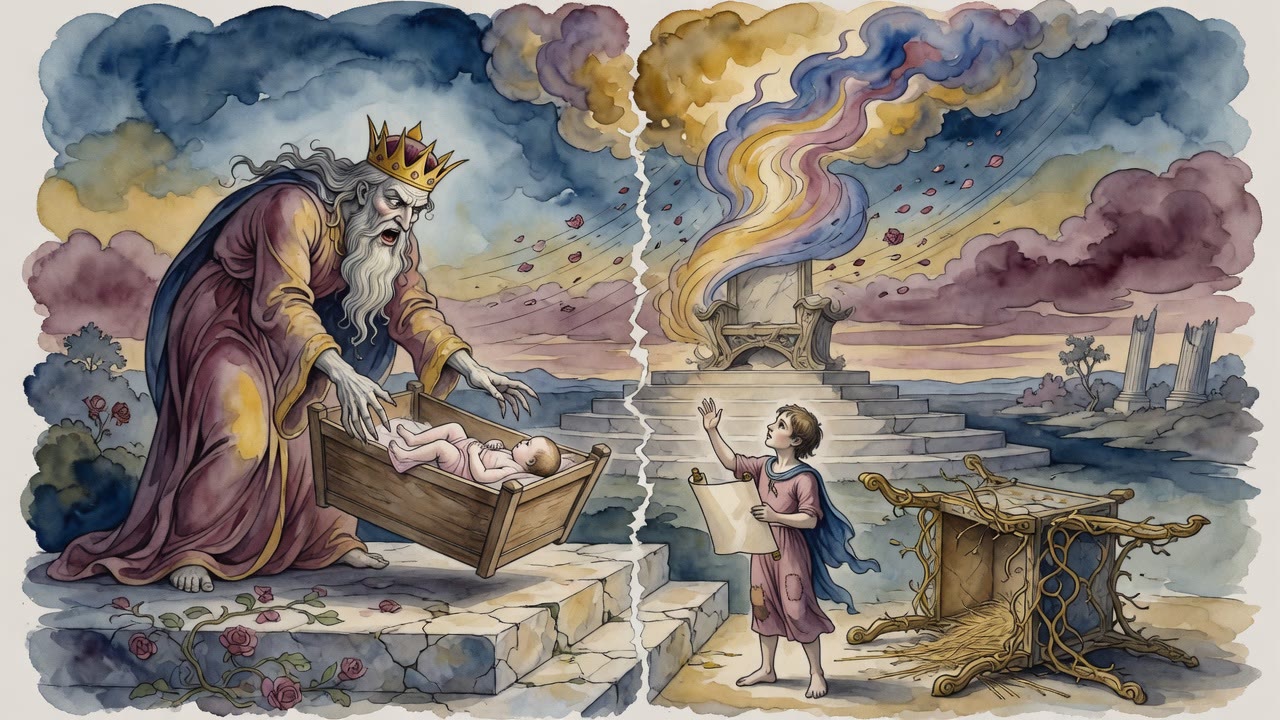
No one crowned him. He took the throne in the first wail and the first grasping fist, and held it thirteen years before a barefoot boy came to the gate.
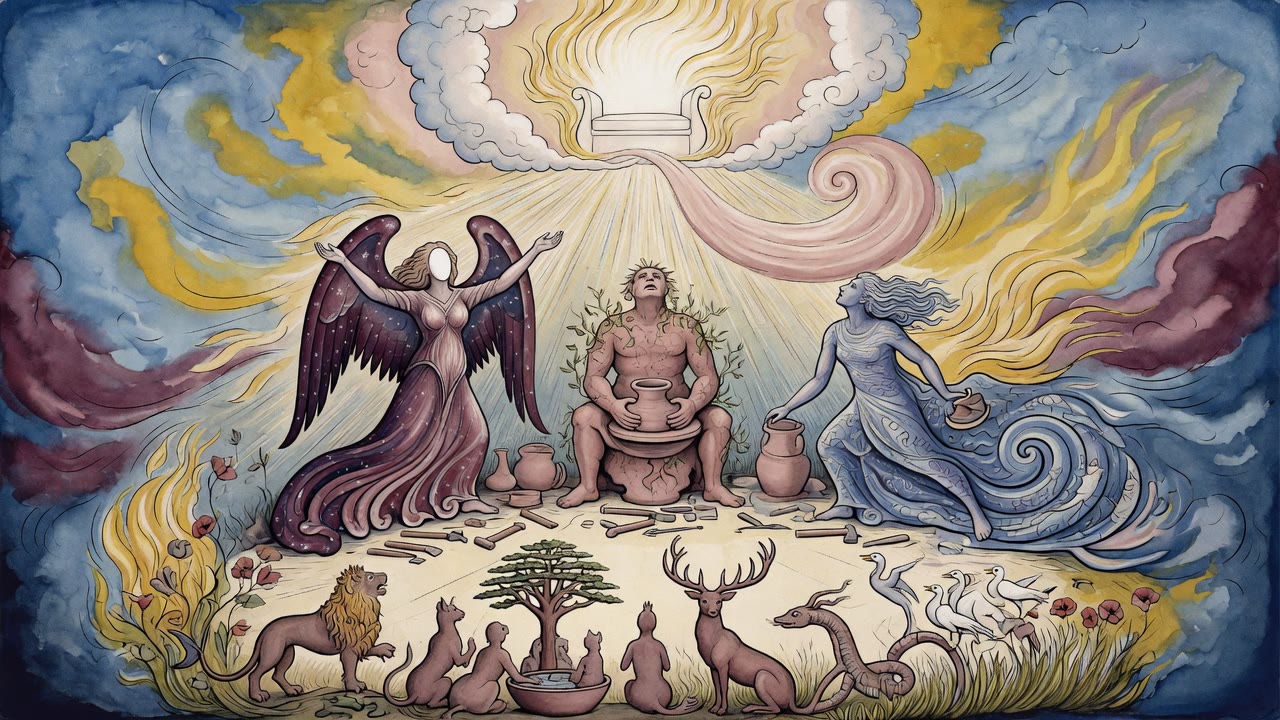
Creation was a workshop. God breathed a single letter, raised heaven, earth, and water as craftsmen, and asked each creature if it wished to be made.
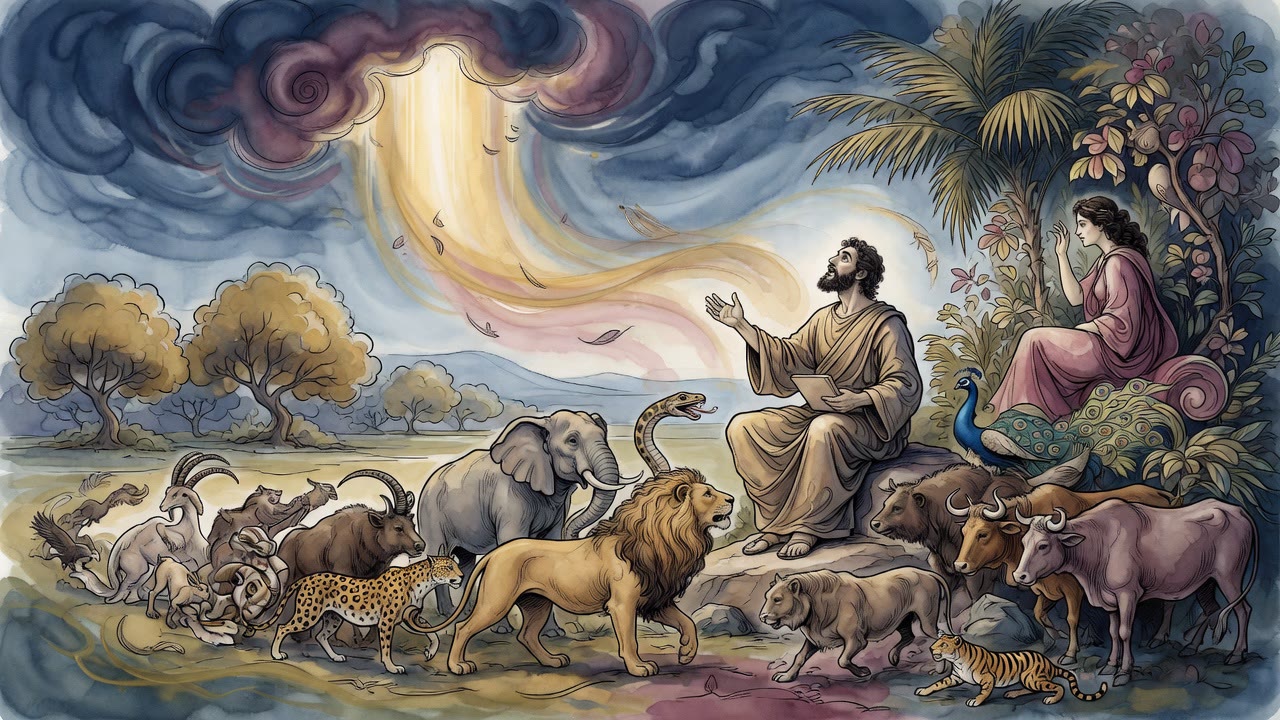
God walked the beasts past a man still new to breath. No list waited in heaven. A heavy animal received a heavy word from Adam's mouth.
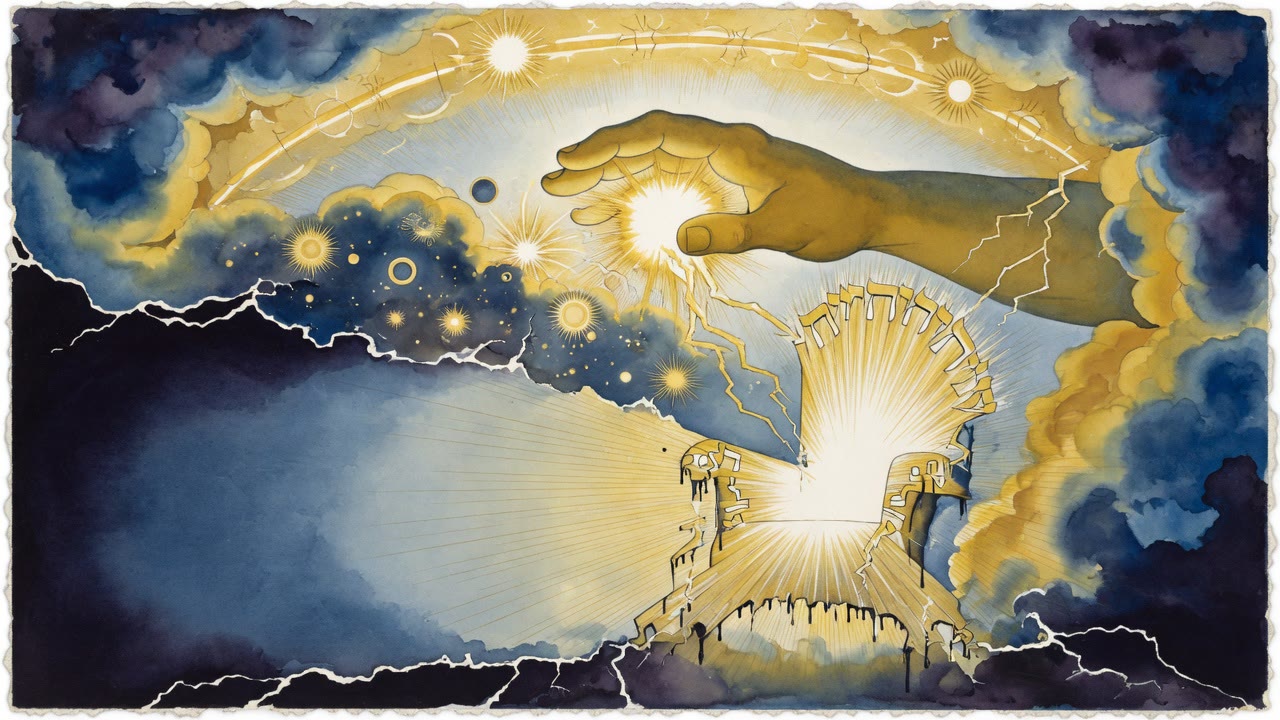
The Intellect poured her cup half full and left the pitcher within her reach. She argued all night. At dawn she filled the cup herself and drank it standing.
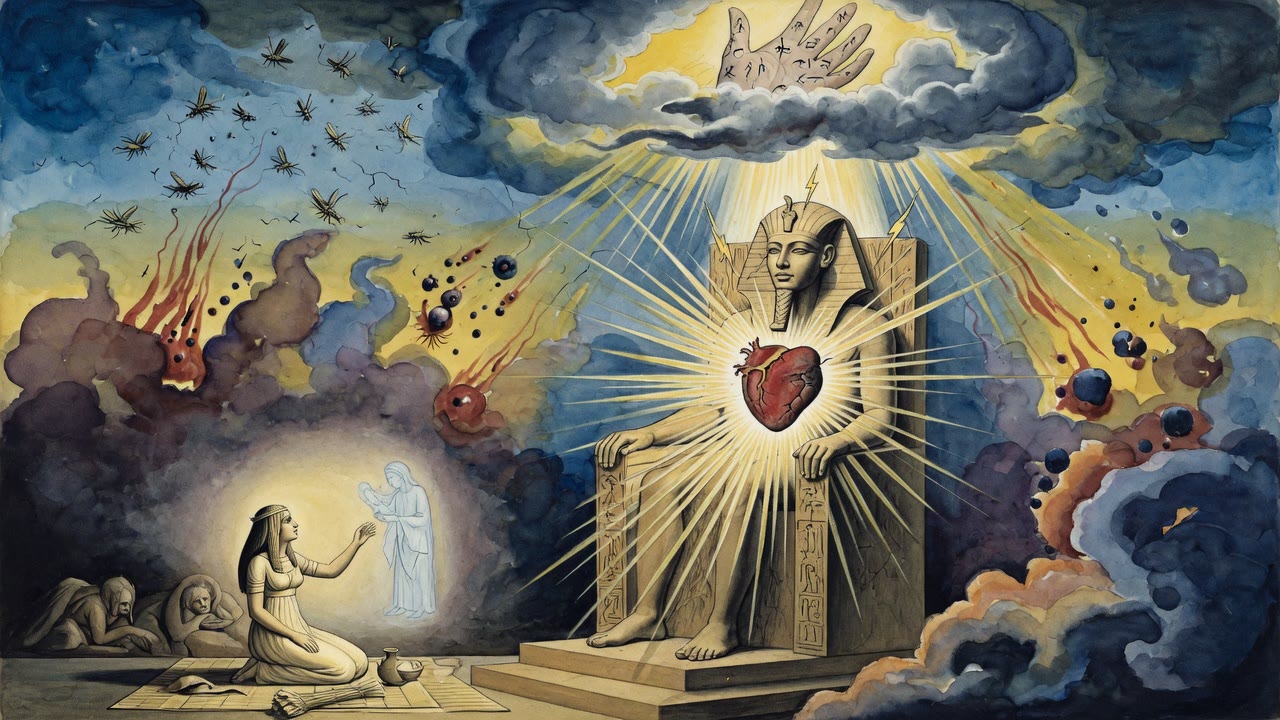
Warning after warning strikes Egypt, and Pharaoh hardens himself first. Heaven cooks his heart like twice-boiled liver, while Bitya lives by an old kindness.
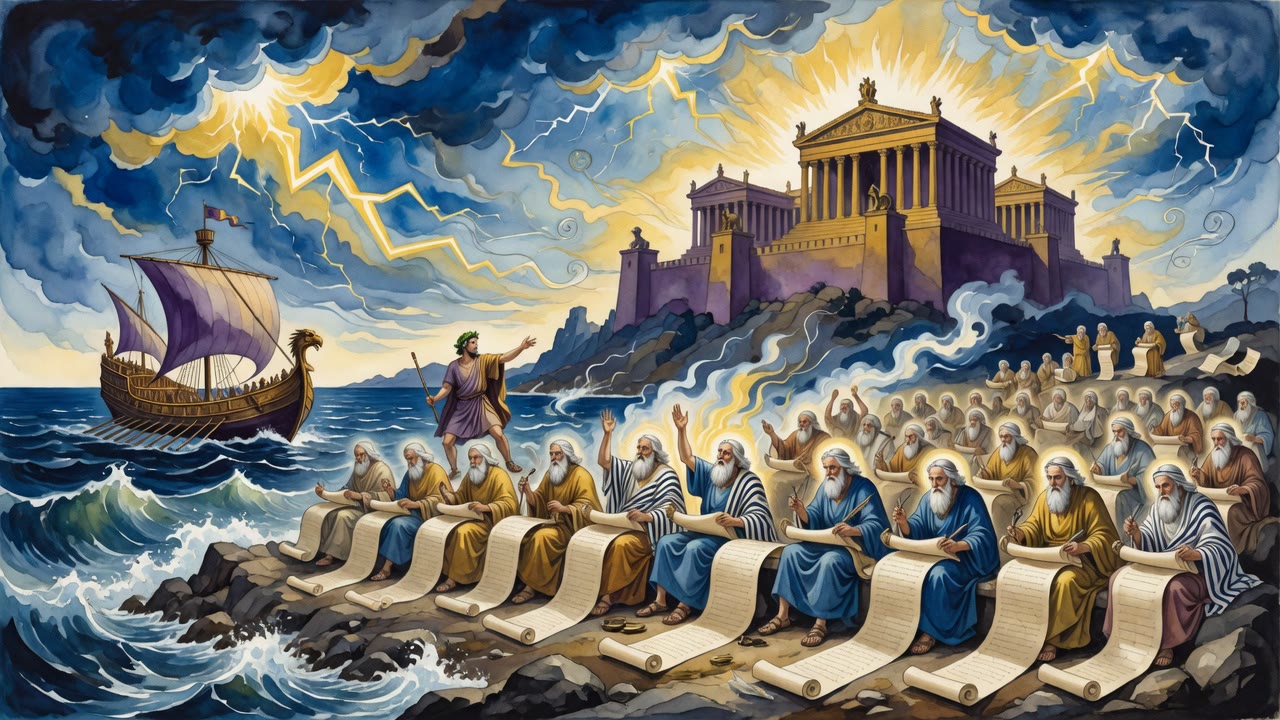
The library had every harbor's books except the Jewish law. Elders sailed. One court man asked them to soften a commandment.
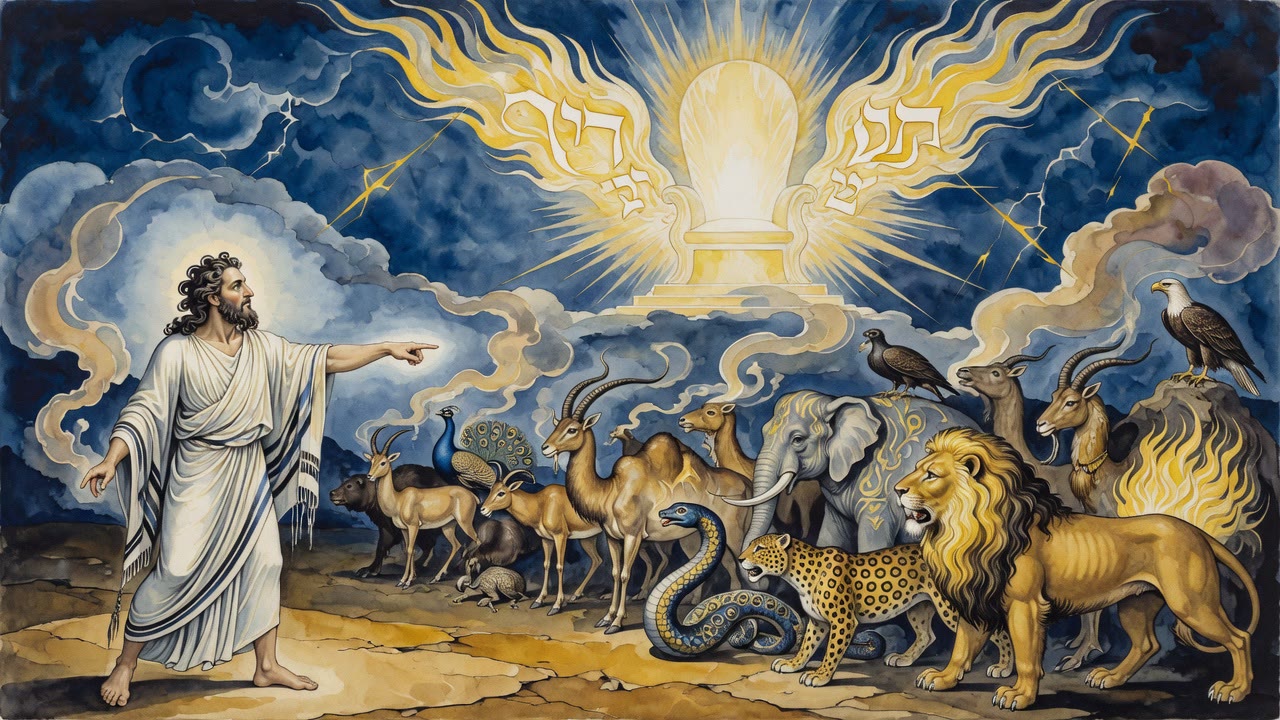
God brought every living creature to Adam, not from doubt, but to watch his mind choose. The names held, and free will stood on the ground.
