113 myths · Page 1 of 4
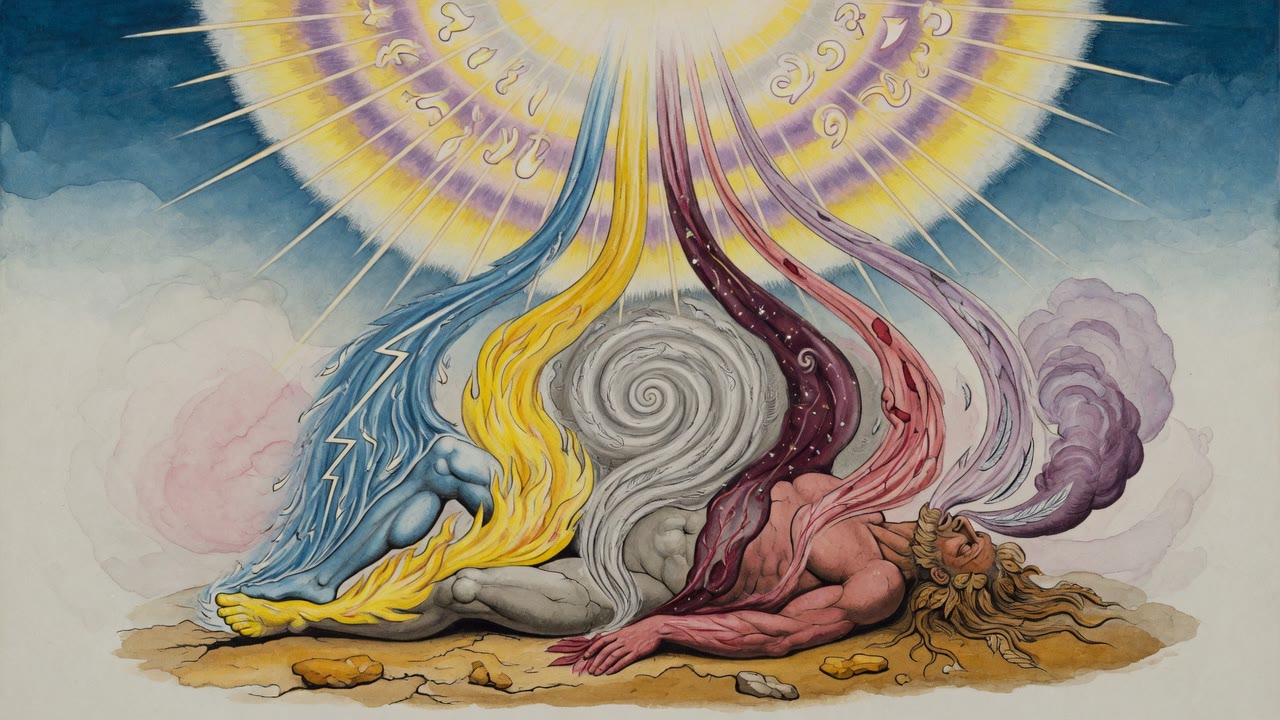
God did not scoop a single handful of clay. Each part of Adam's body came from a different corner of the universe, and each part gave him a different sense.
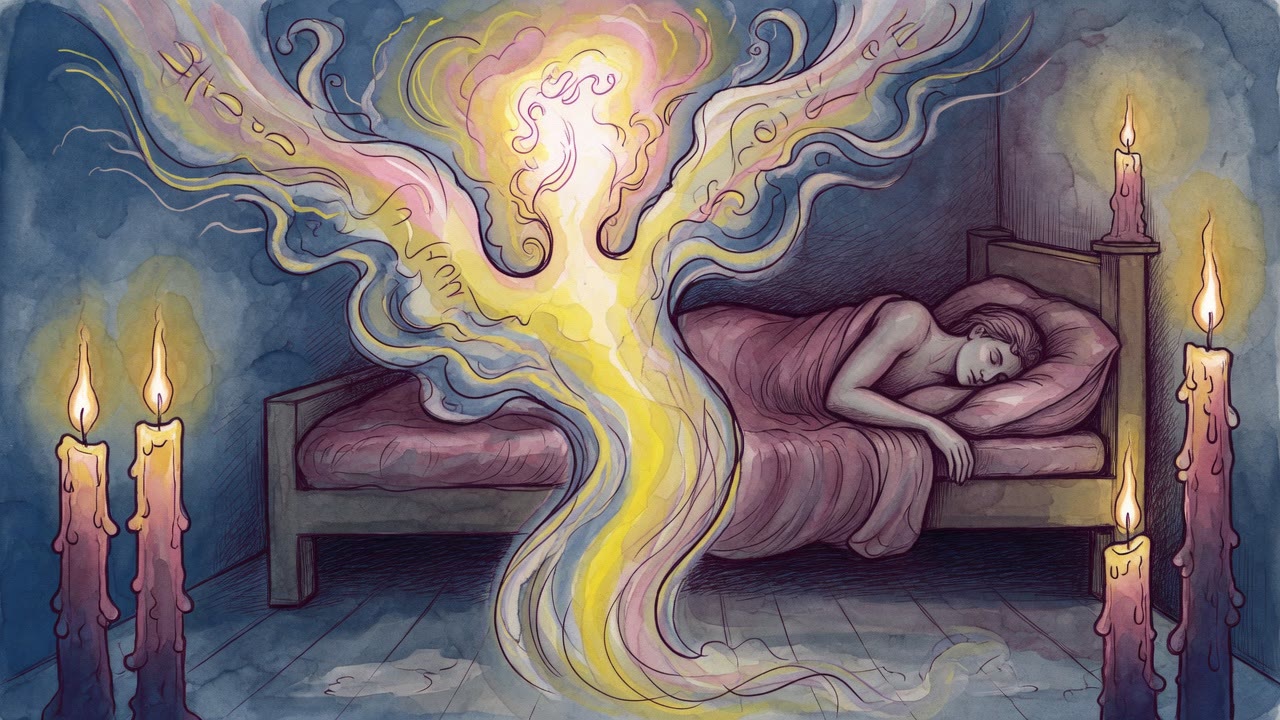
A Hasidic rebbe found proof in something you can watch. When someone is asleep, only one thing wakes them instantly. Their name.
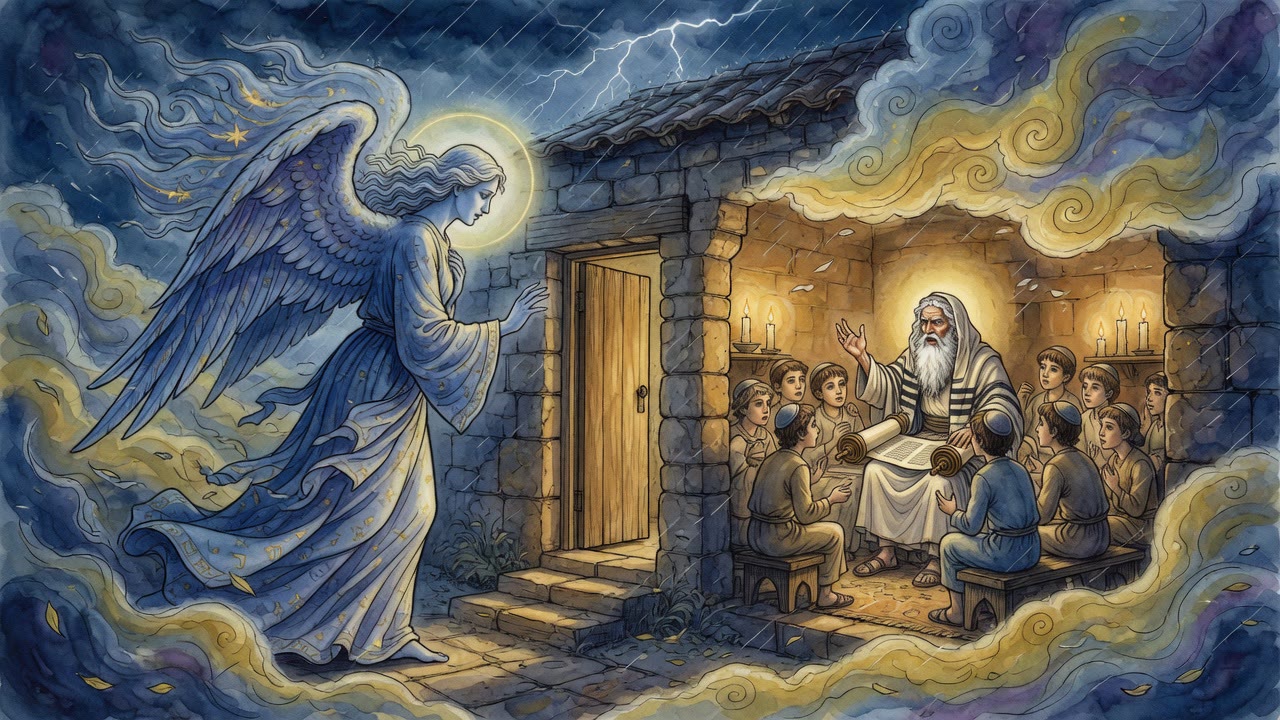
Two men sat inside a teaching so hard that a chariot of fire in the doorway meant nothing. The angel went back with the errand undone.
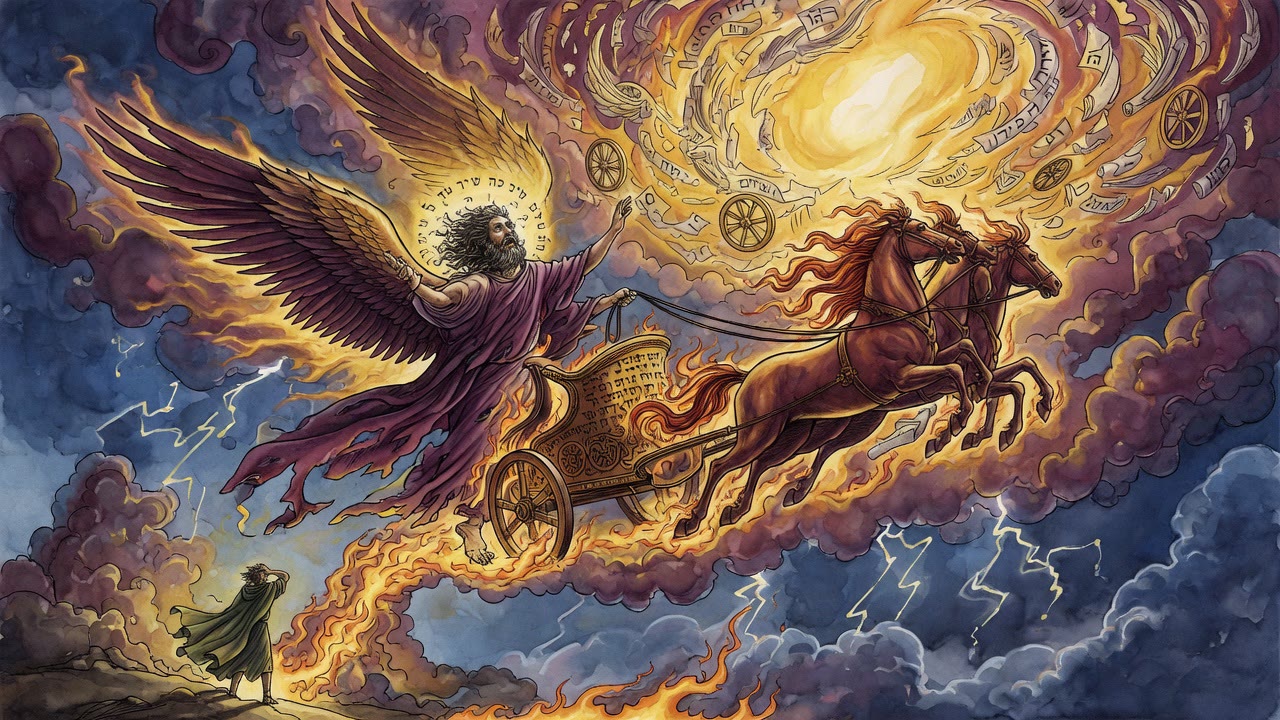
The fiery chariot took Elijah to heaven and that was not the end. He became Sandalphon, the angel who weaves Israel's prayers into garlands for God.
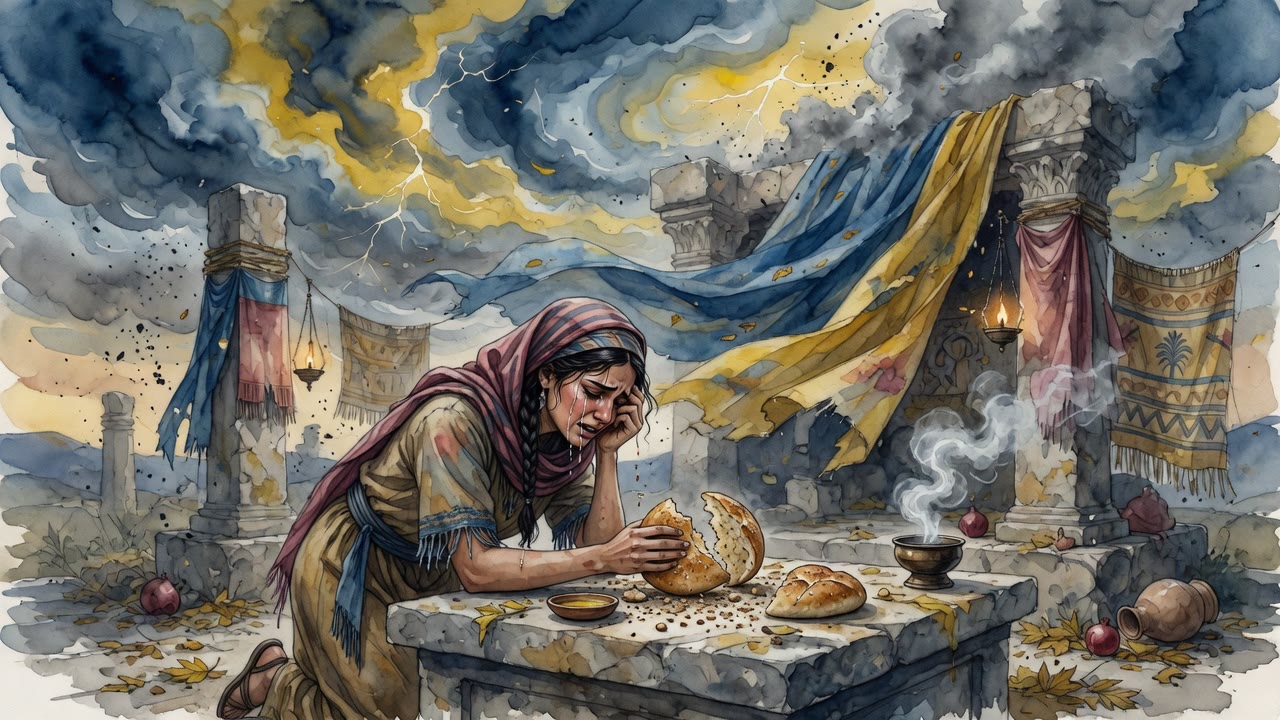
At Shiloh, Hannah pushed her portion away and wept before the altar. Her tears were her bread, and her grief became the meal that fed her.
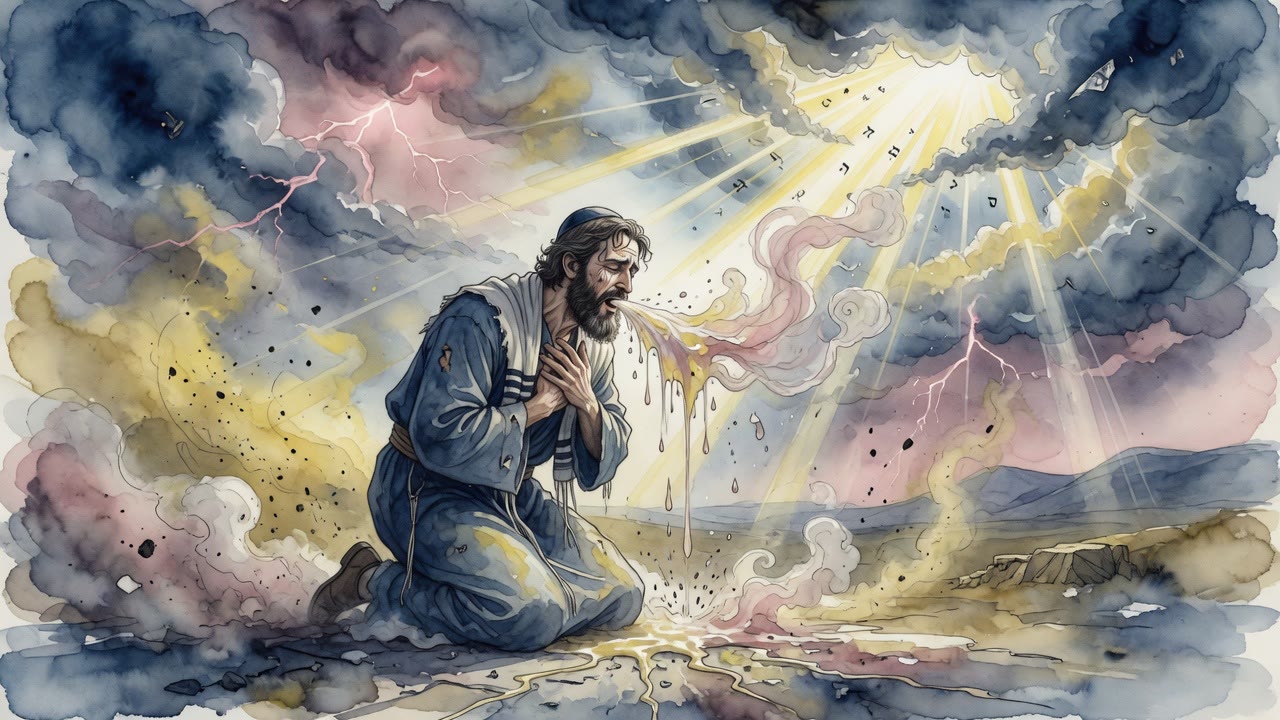
A king with armies and a throne knelt alone at night. David told God his soul was leaking, confessed he knew nothing, and begged Him to teach him.
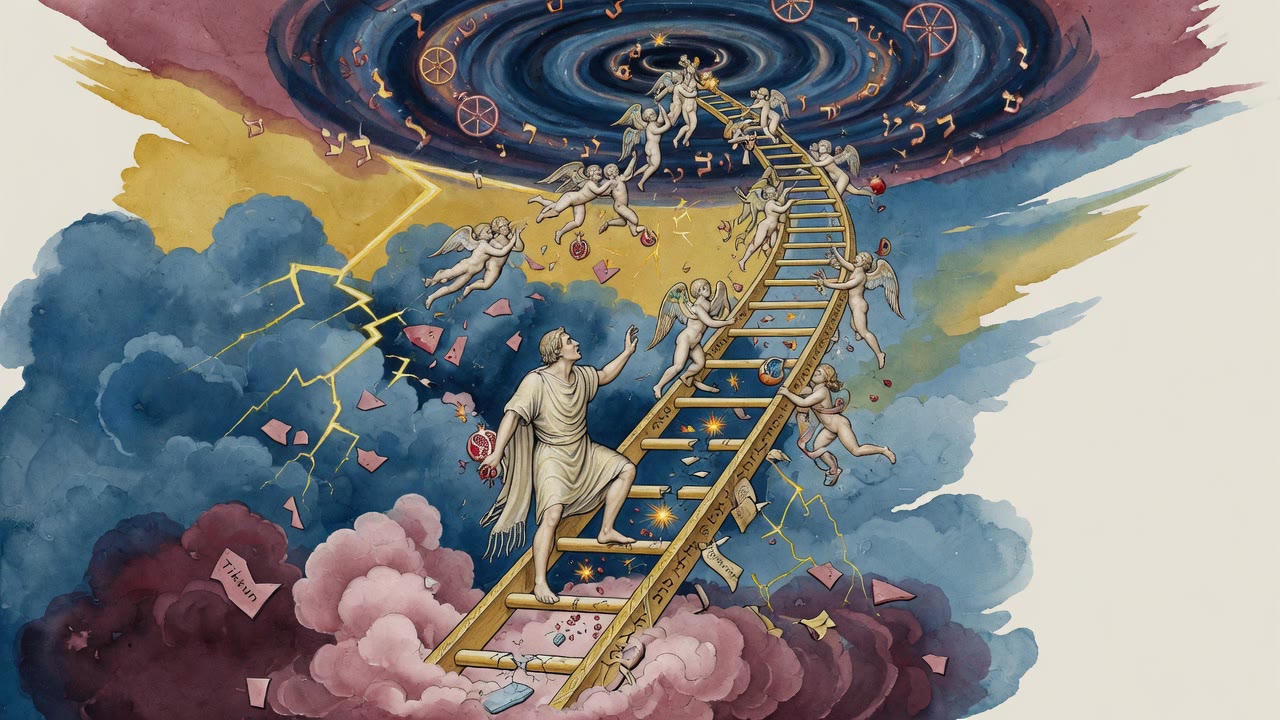
Adam's soul was older than the dust of his body. It descended through worlds before breath entered the form at earth's center.
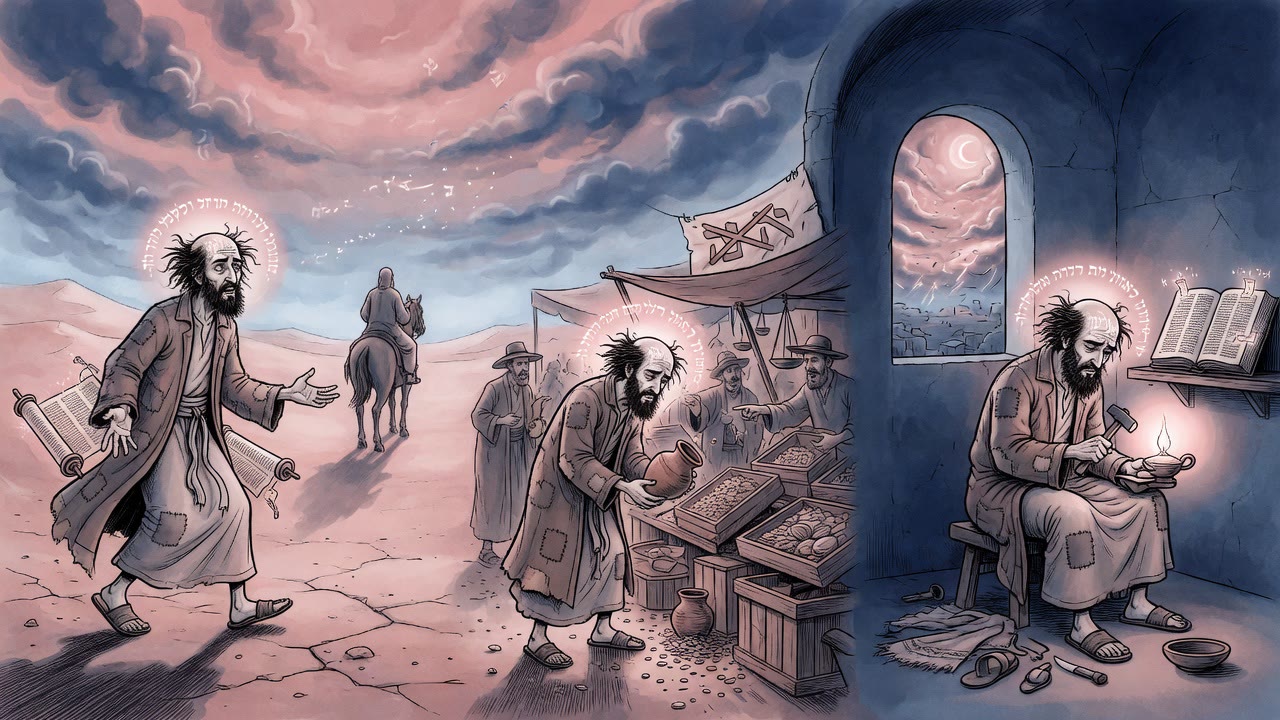
Zuleika tried to possess Joseph by force. Asenath fasted, cast off her idols, and waited until heaven remade her soul for covenant.
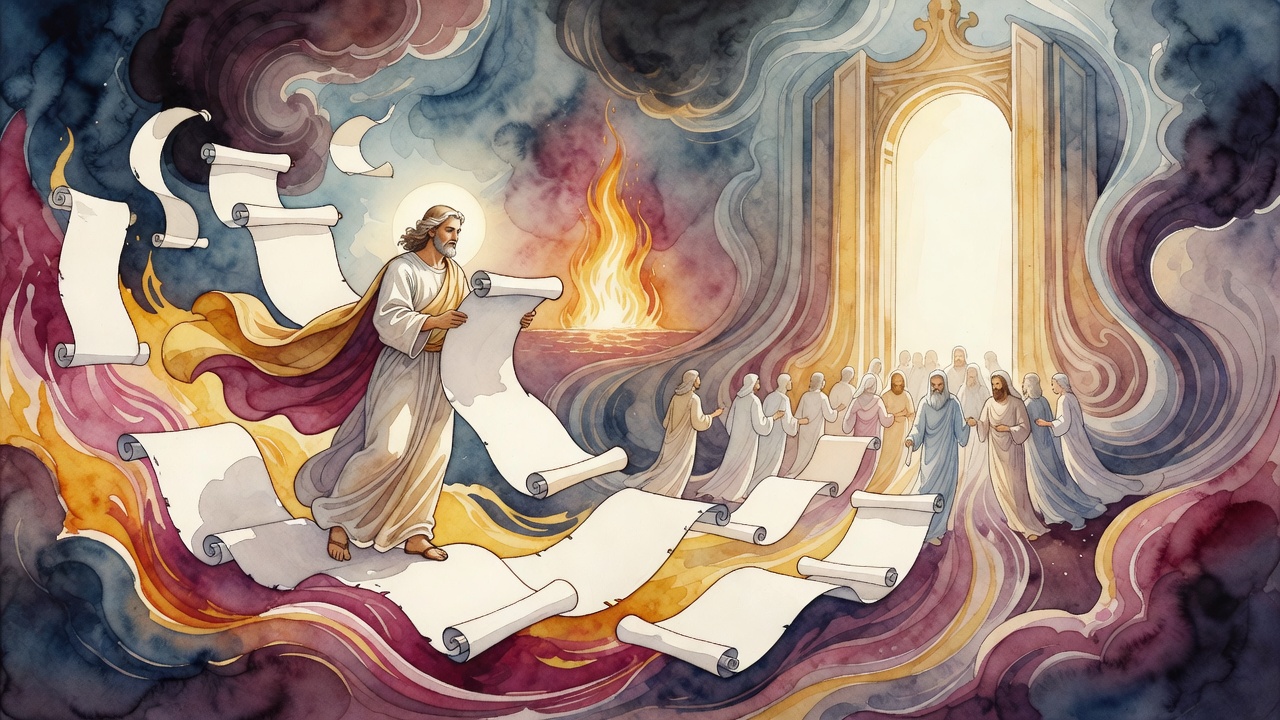
A chariot of fire took Elijah up alive, and he never got to rest. He writes down every deed any person does, and he walks the dead into paradise.
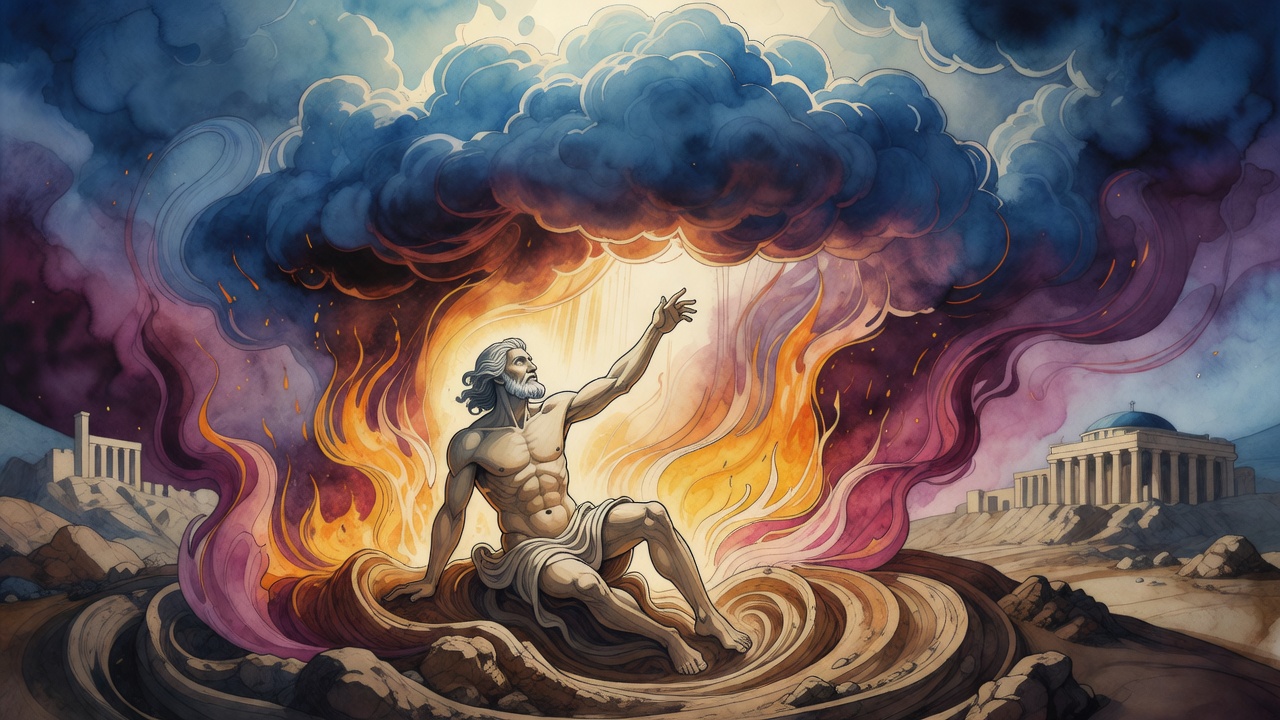
God scooped the dust for the first man out of the one patch of ground where his children would later come to be forgiven, and said, if only he stands.
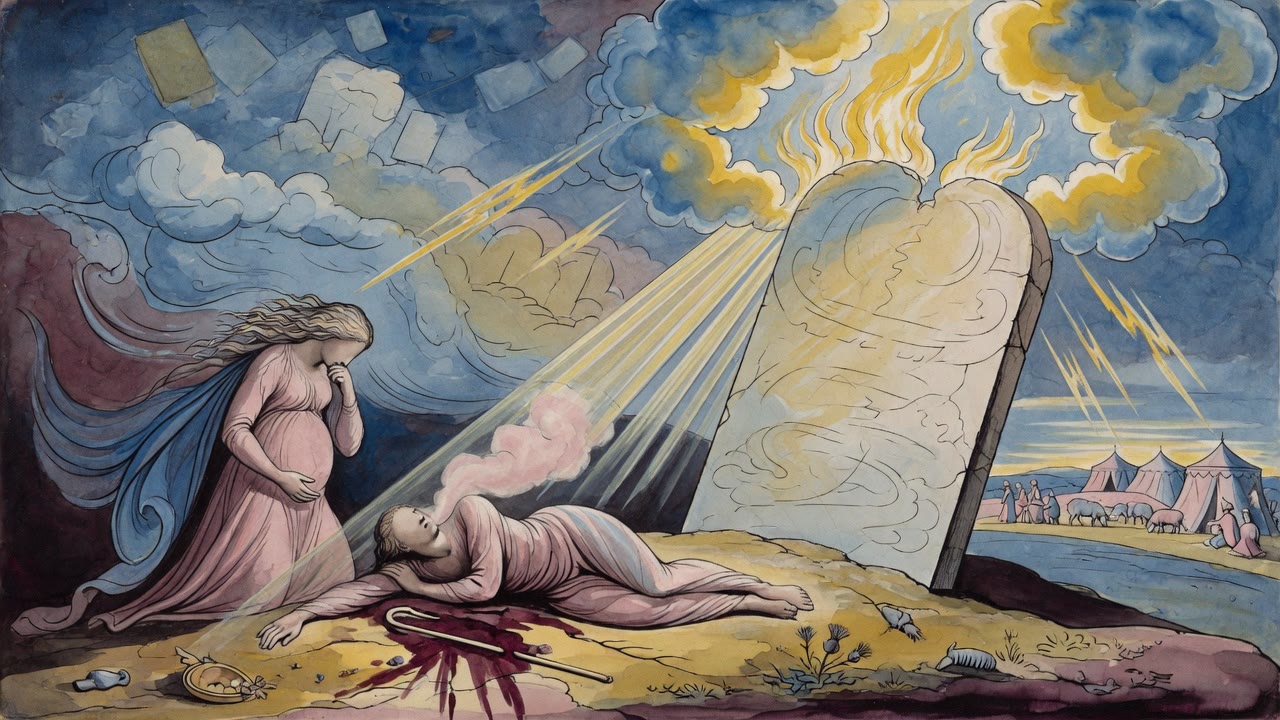
Eve named him vapor. He still picked the animals he least wanted to lose. His brother walked him into the field anyway.
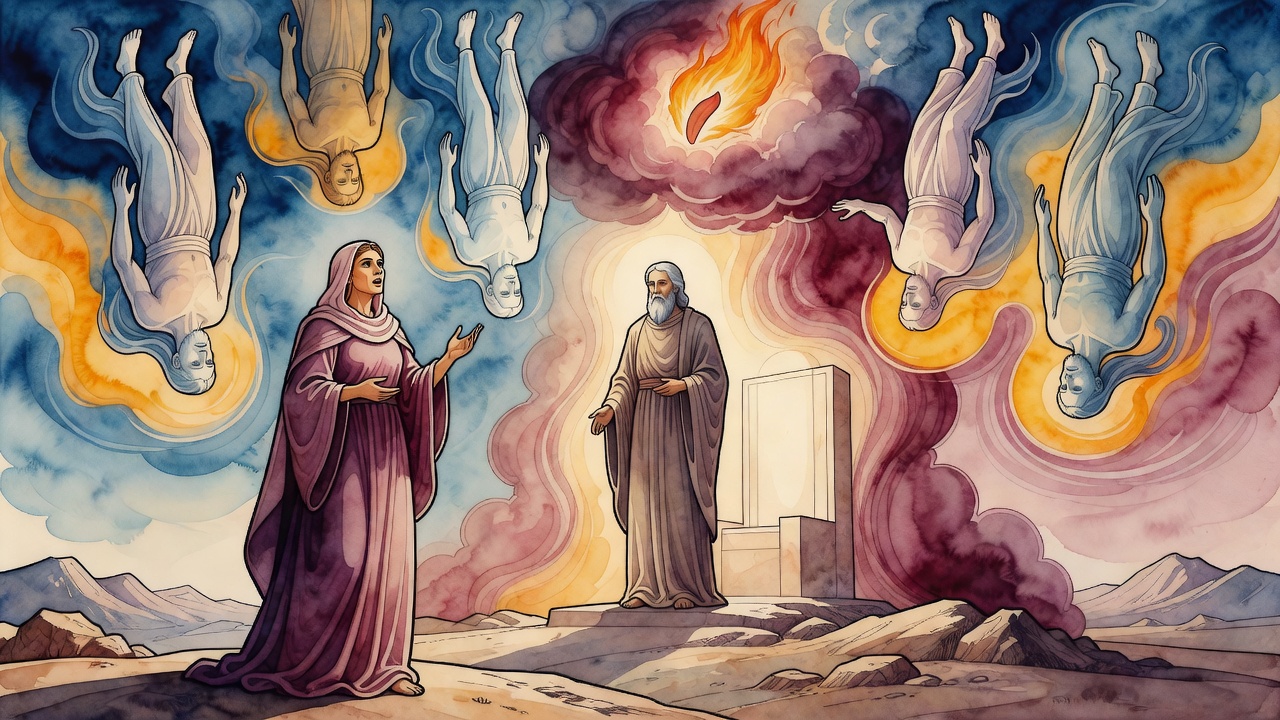
Saul took off every mark of kingship and knocked after dark. When the dead man rose on his feet, the woman knew the visitor before he spoke.
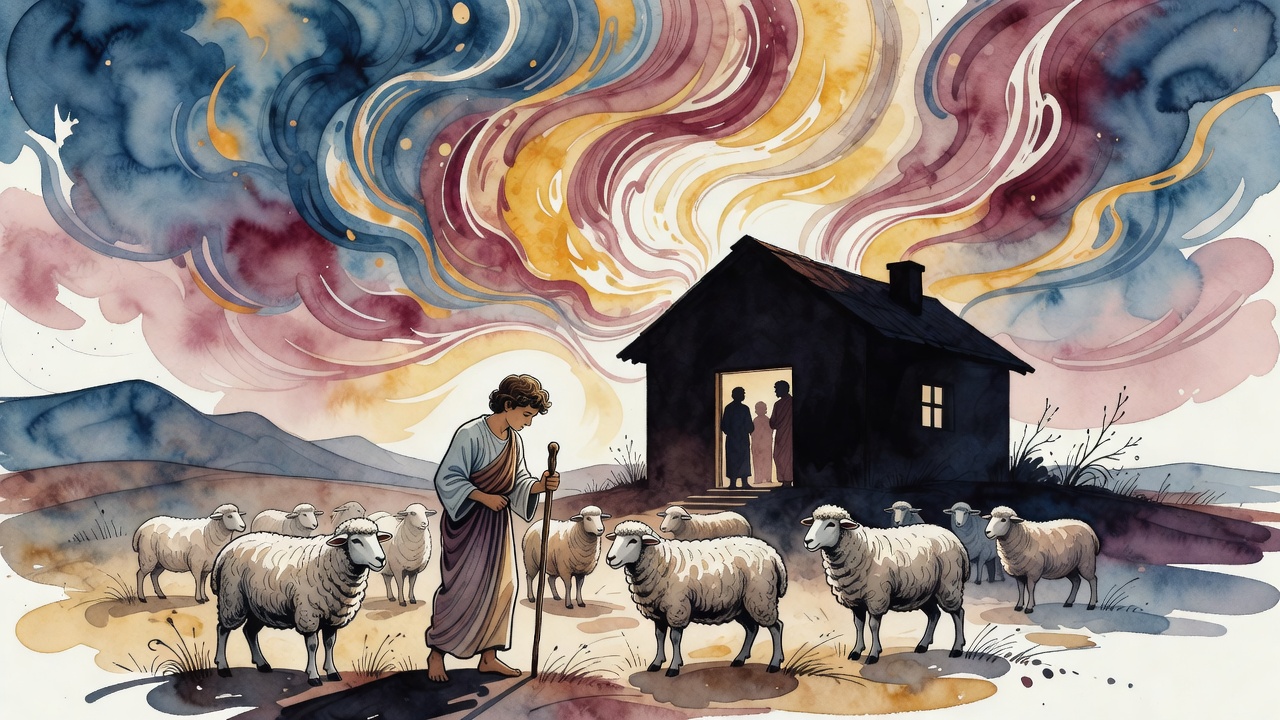
Jesse thought he was sinning with a slave that night. The boy born from it was sent to the hills, because nobody at the table would say whose he was.
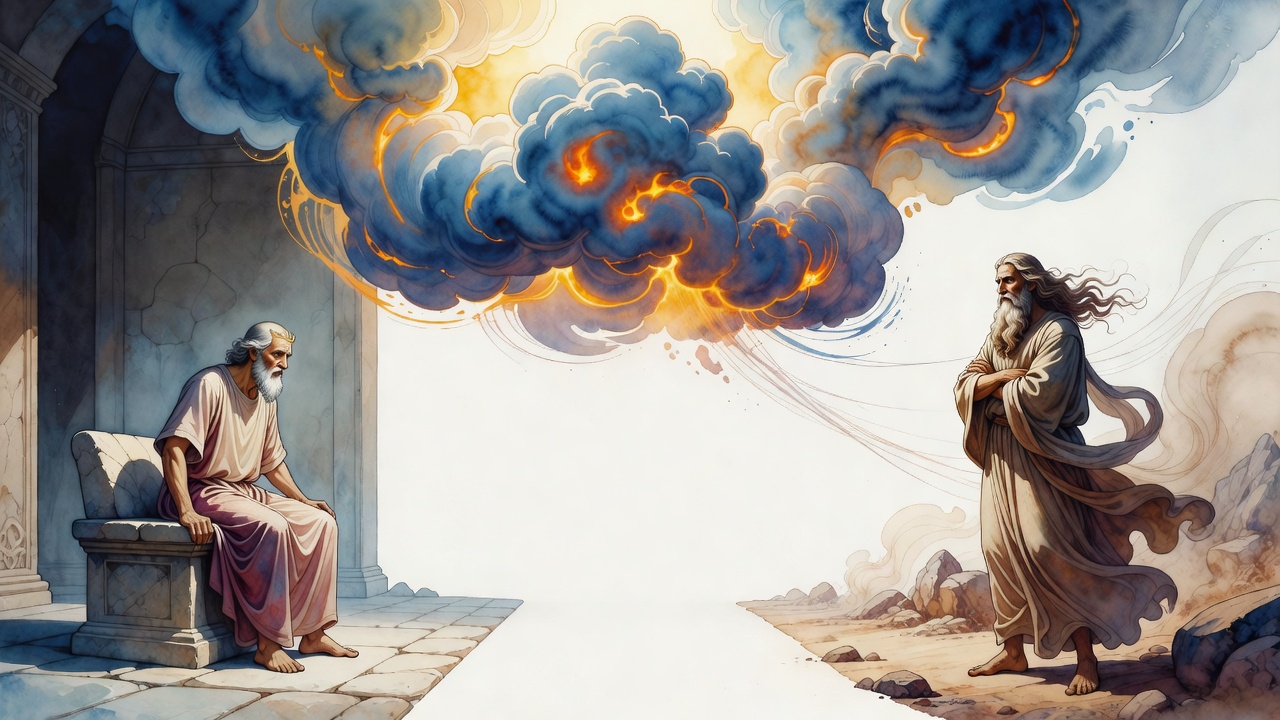
Hezekiah had stripped gold from the Temple for Assyria. Now his own skin peeled, and still Isaiah would not walk to the bed.
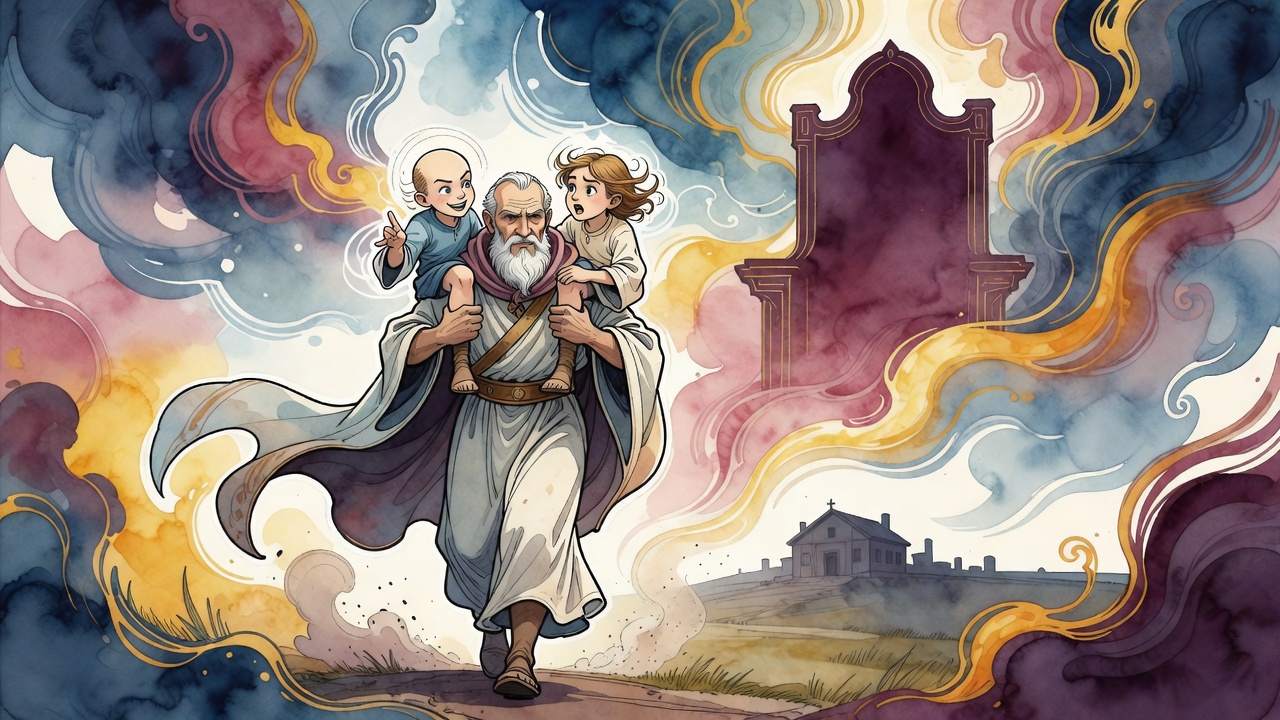
Isaiah pushed him into the marriage. The king already knew what his sons would be, and he found out how right he was on a walk to the house of study.
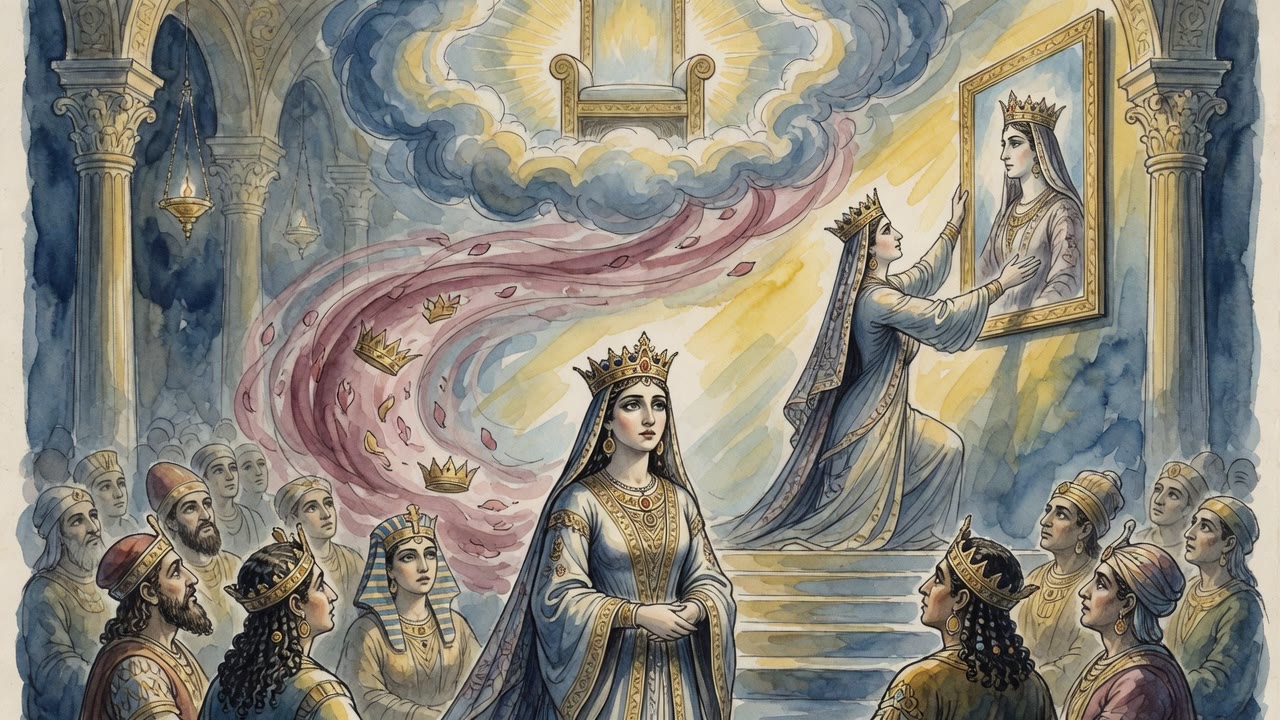
Hegai could hang if the king found the new girl unprepared. Esther would not touch the creams or the royal food, so he buried her in jewels.
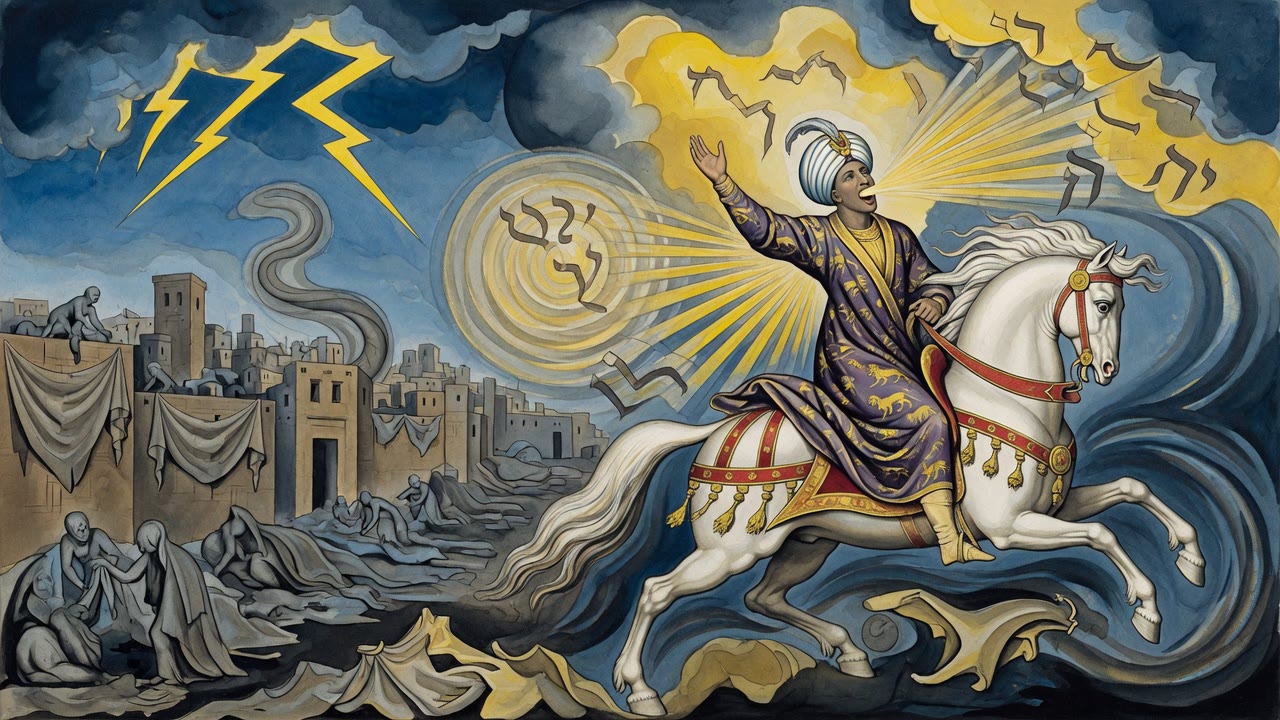
Three days before, Susa had wept in sackcloth. Now Mordecai rode on the royal horse in royal robes and burst into Psalm 30.
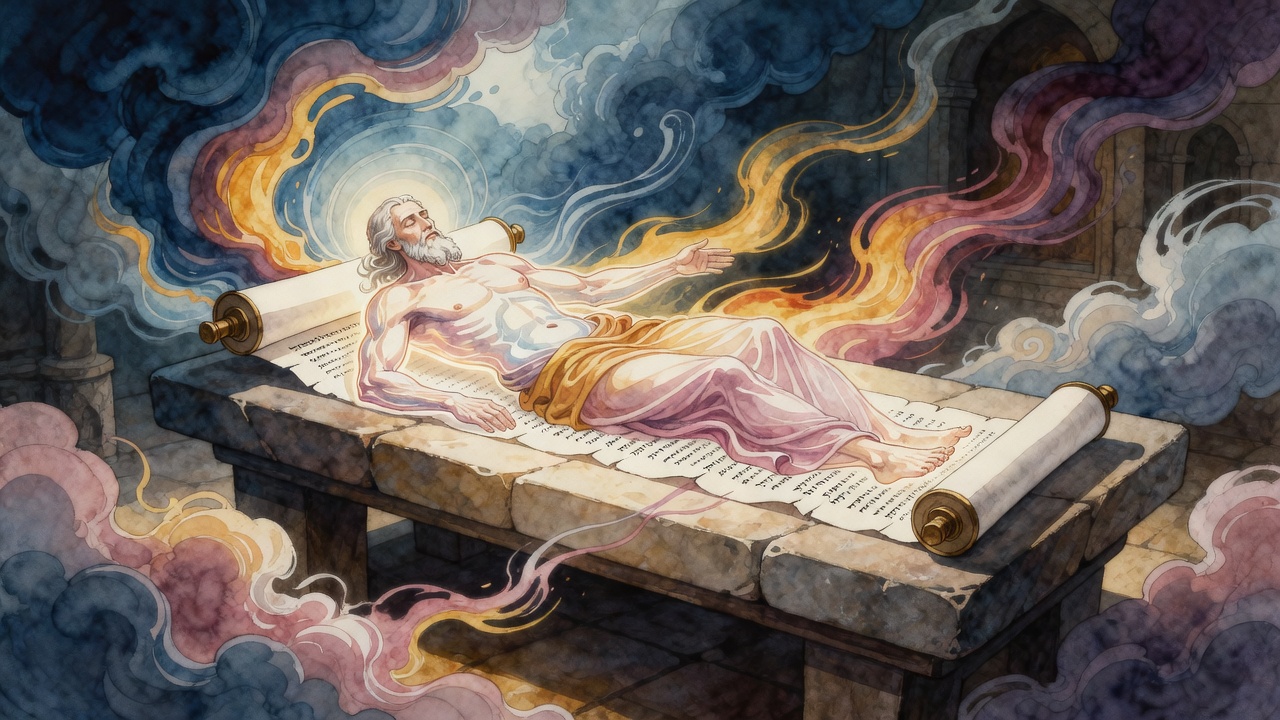
On Simhat Torah 1609 in Safed, a mystic dreamed that Moses was laid on the reading table and unrolled from Genesis to Deuteronomy like a scroll.
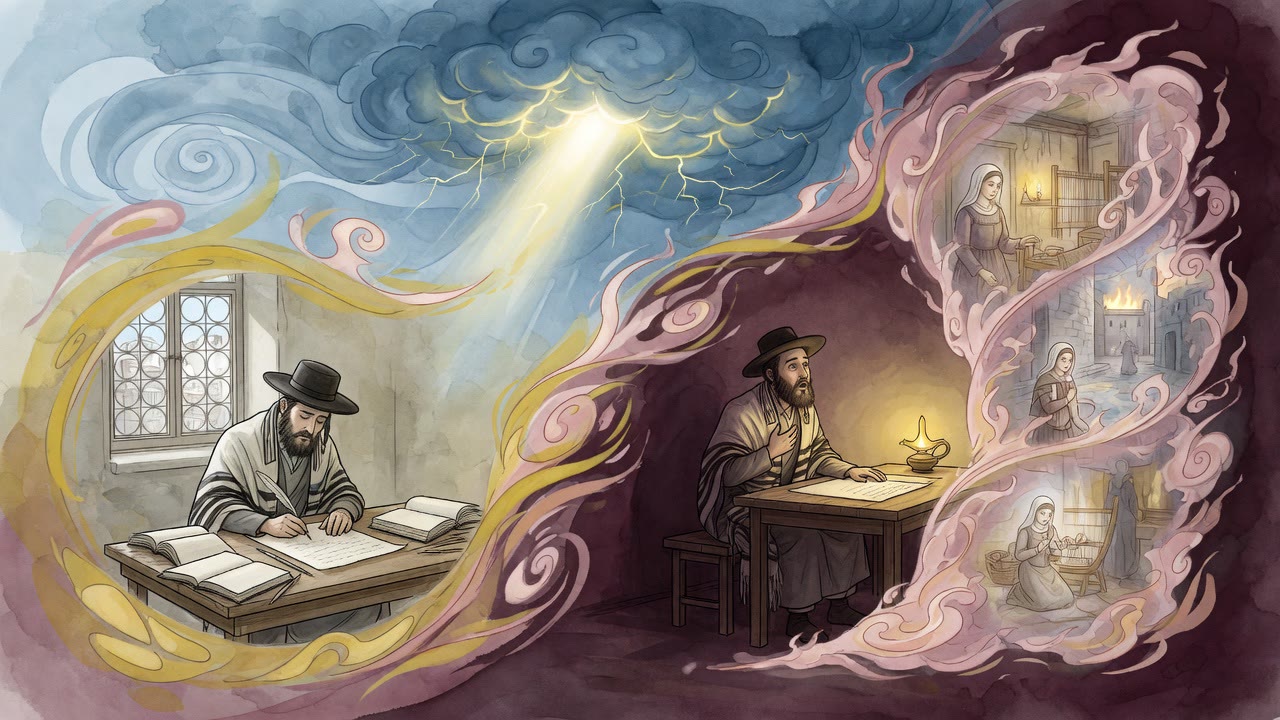
Rabbi Joseph Karo wrote the Shulchan Aruch by day and received a heavenly visitor by night. One night the maggid explained his wife's past life to him.
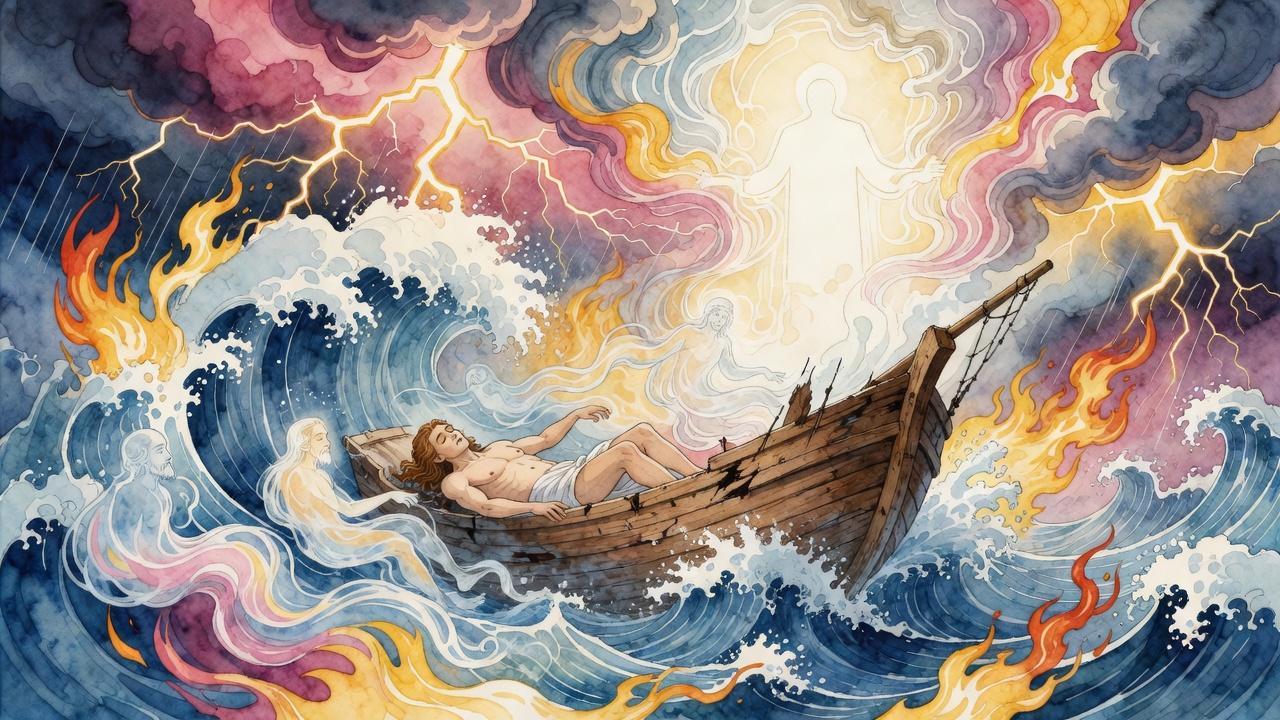
Jonah paid full fare to Tarshish and fell asleep in the storm. The Tikkunei Zohar says his three souls had separated. He slept like the dead.
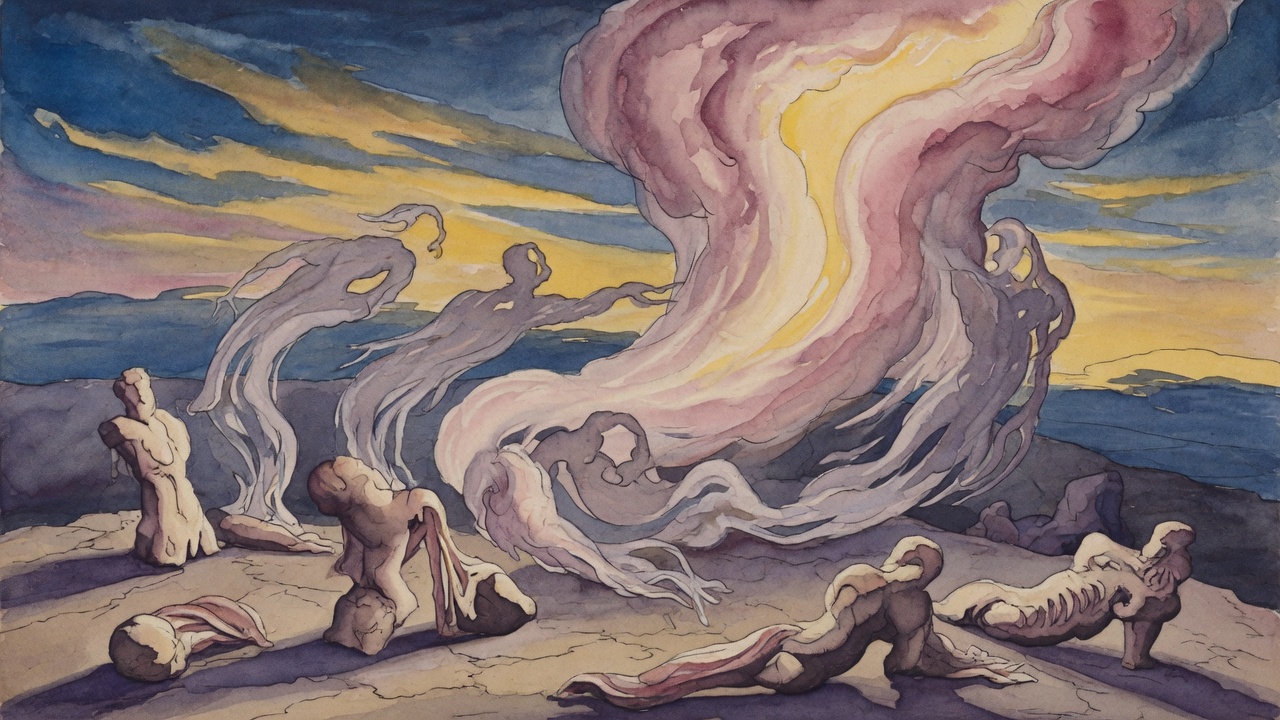
Jonah's ship was the human body. The sailors were the limbs. The captain was the heart. And the Torah was the soul that kept the whole vessel from going under.
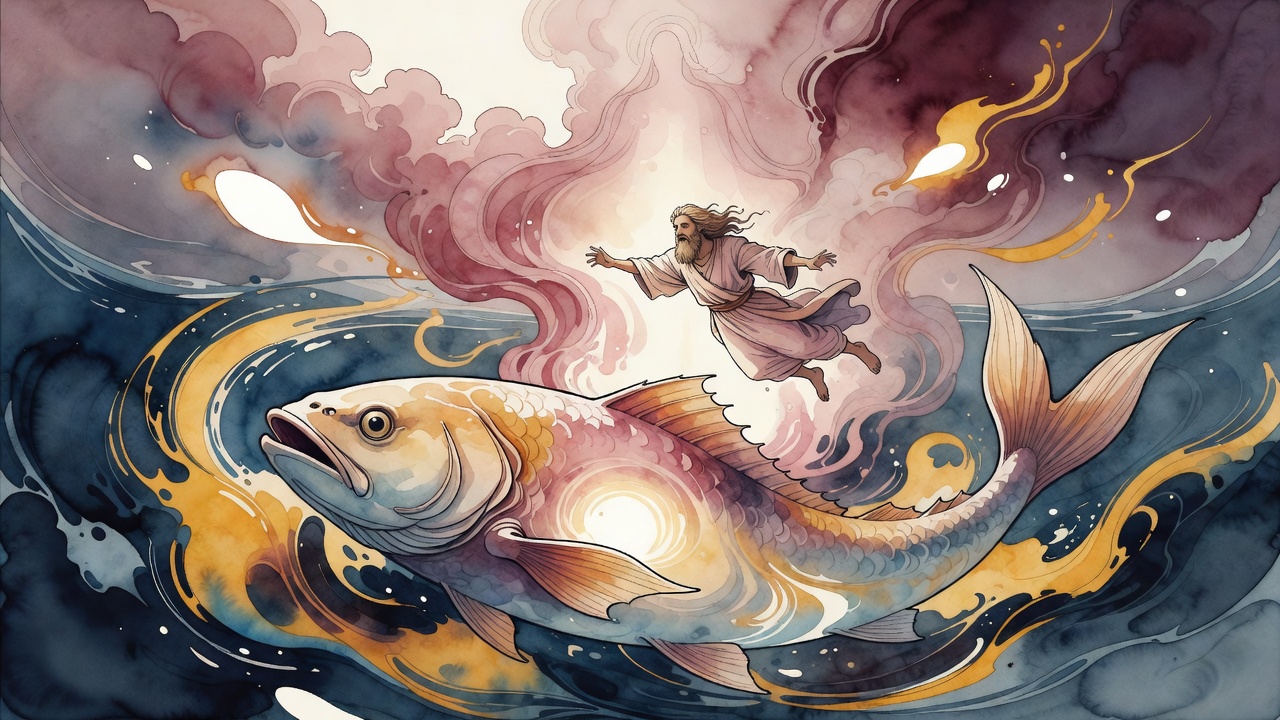
Jonah flees his mission and is swallowed by a fish the Tikkunei Zohar names as the Shekhinah, the Divine Presence, already waiting below.
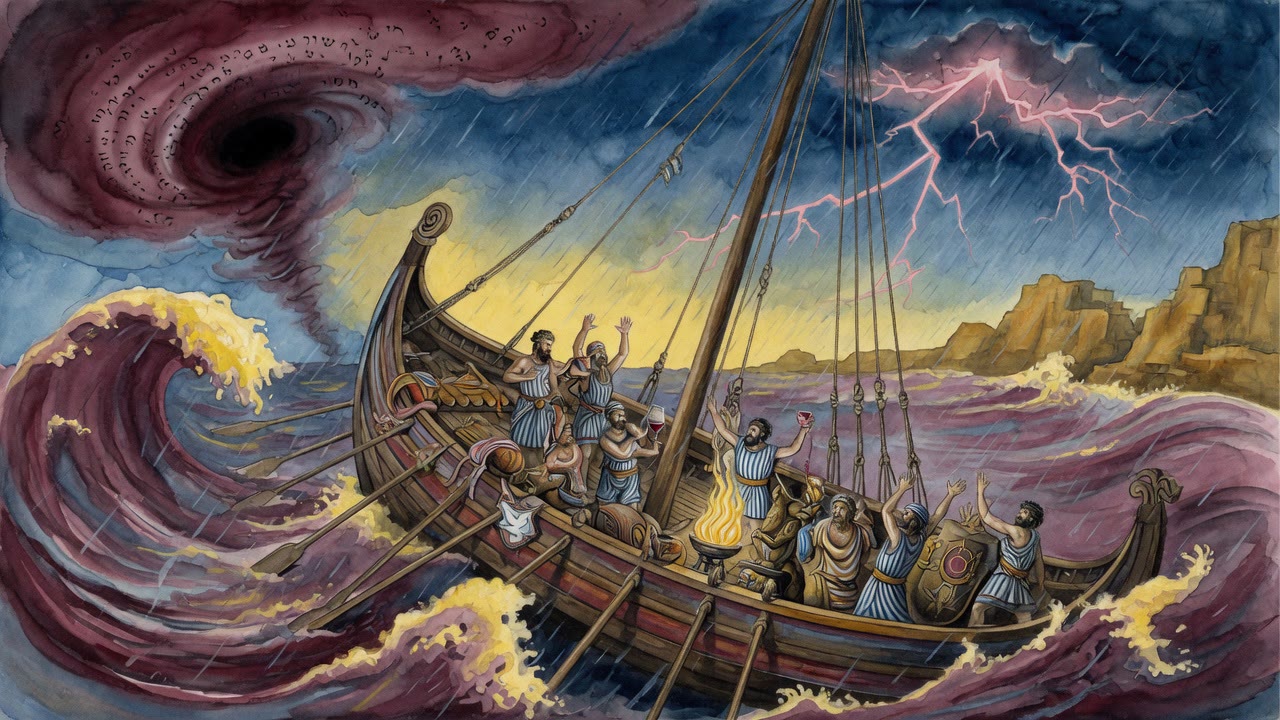
Jonah prays from the bowels of the fish. The Tikkunei Zohar hears the same prayer Israel prayed from the mud of Pharaoh's building projects.
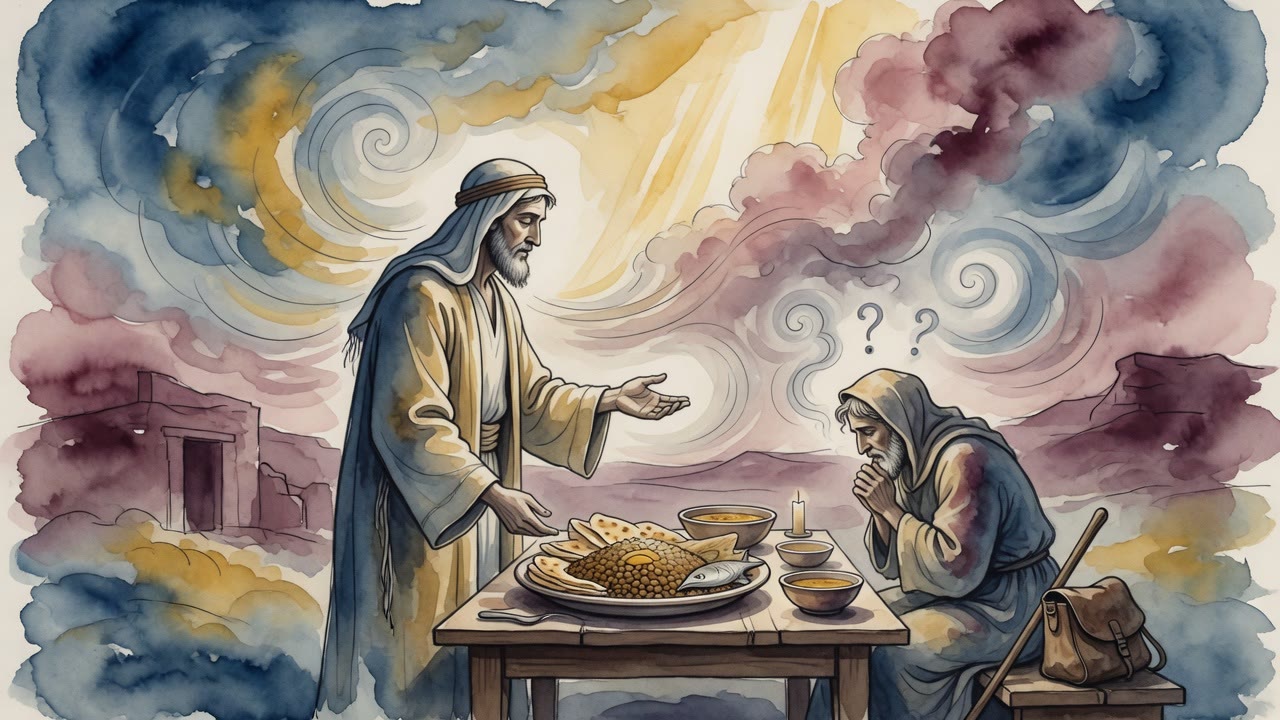
The bread sat untouched. One chair was empty. Hillel would not start, then he named a king who went looking among the dead.
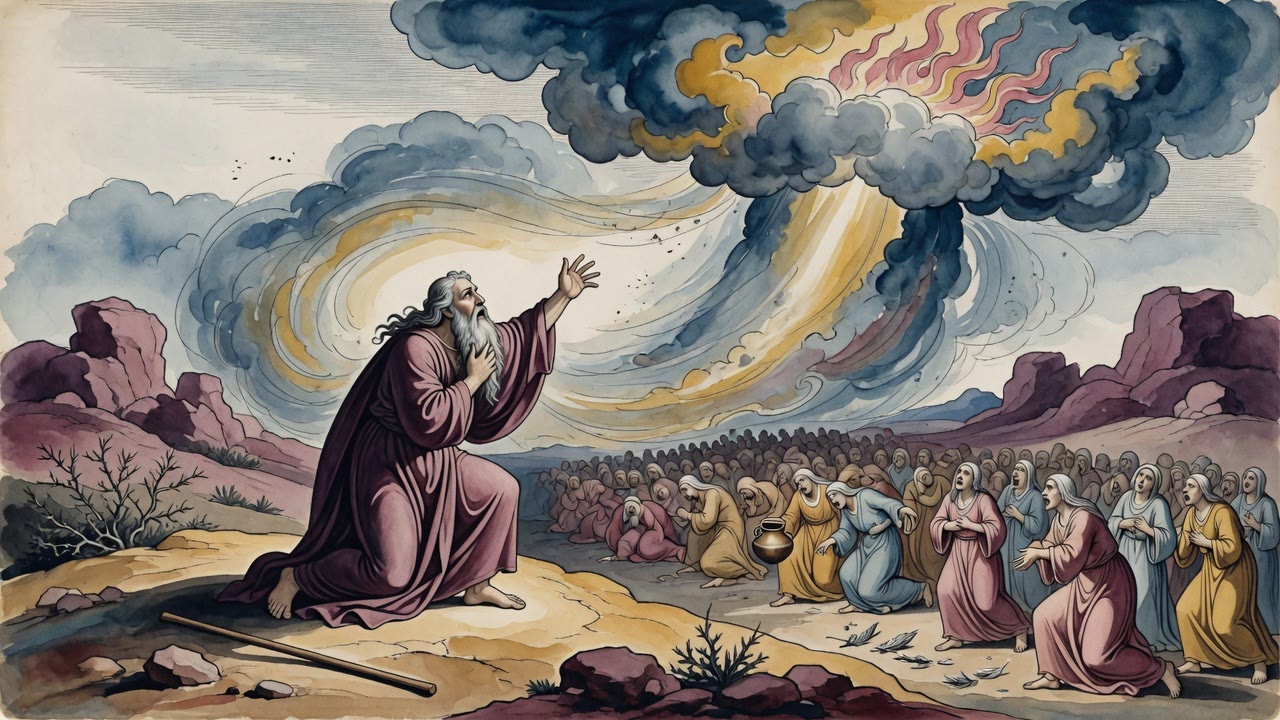
When Israel wept for meat in the wilderness, Moses did not pray for quail. He asked God to end his life. Sifrei Devarim examined the prayer word by word.
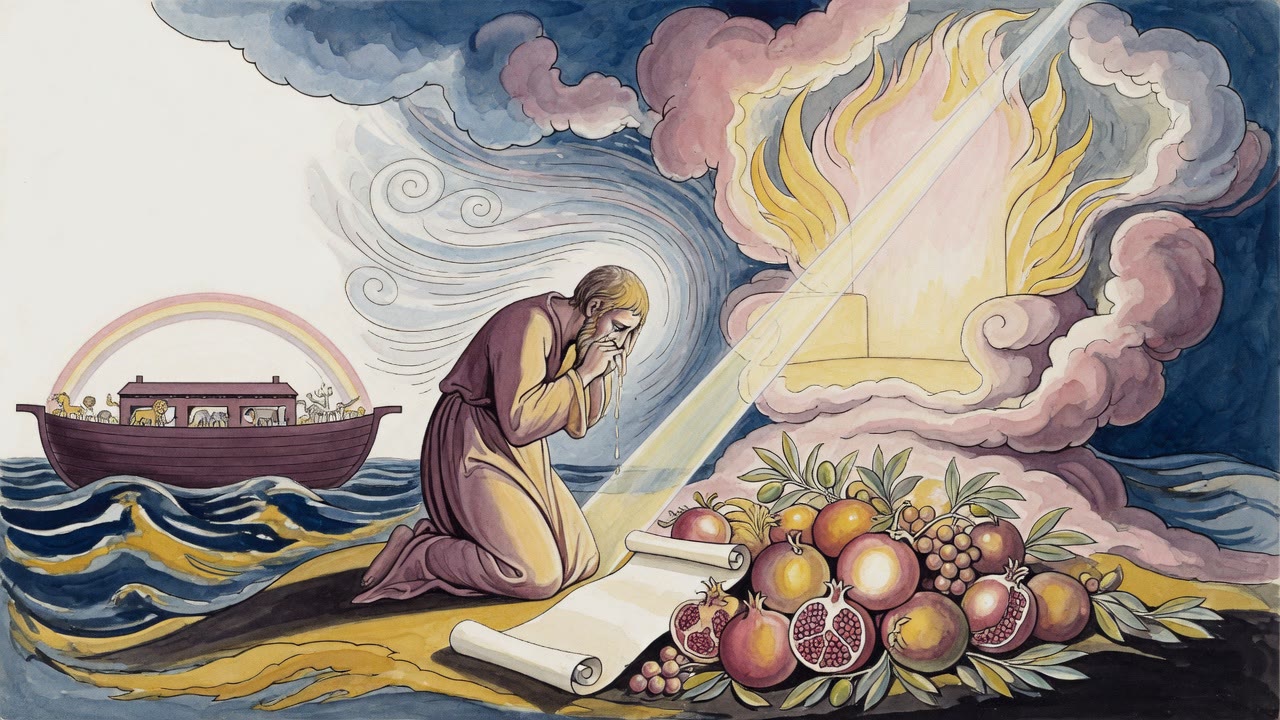
Noah had three sons. He also had twelve months of waking in the dark to feed every animal in the ark at its own hour, and he came out emaciated.
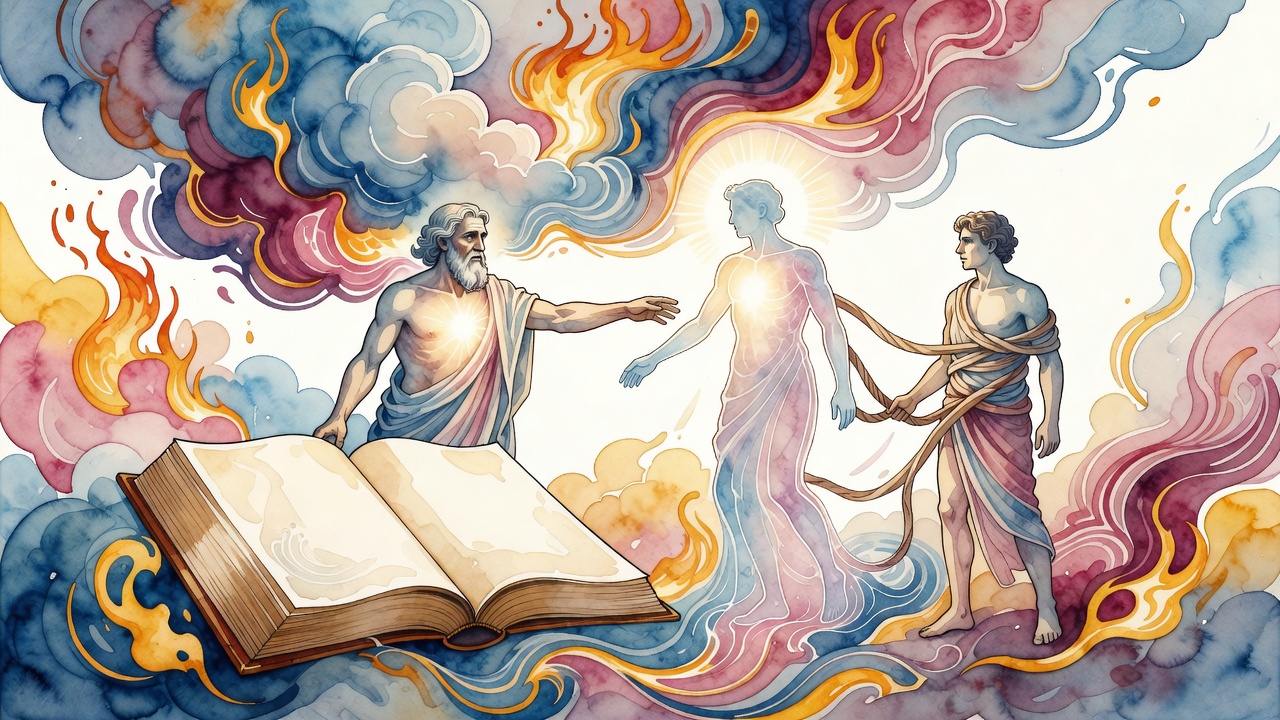
Adam found David's soul in the book of generations with almost no lifespan assigned to it and gave seventy of his own years away.
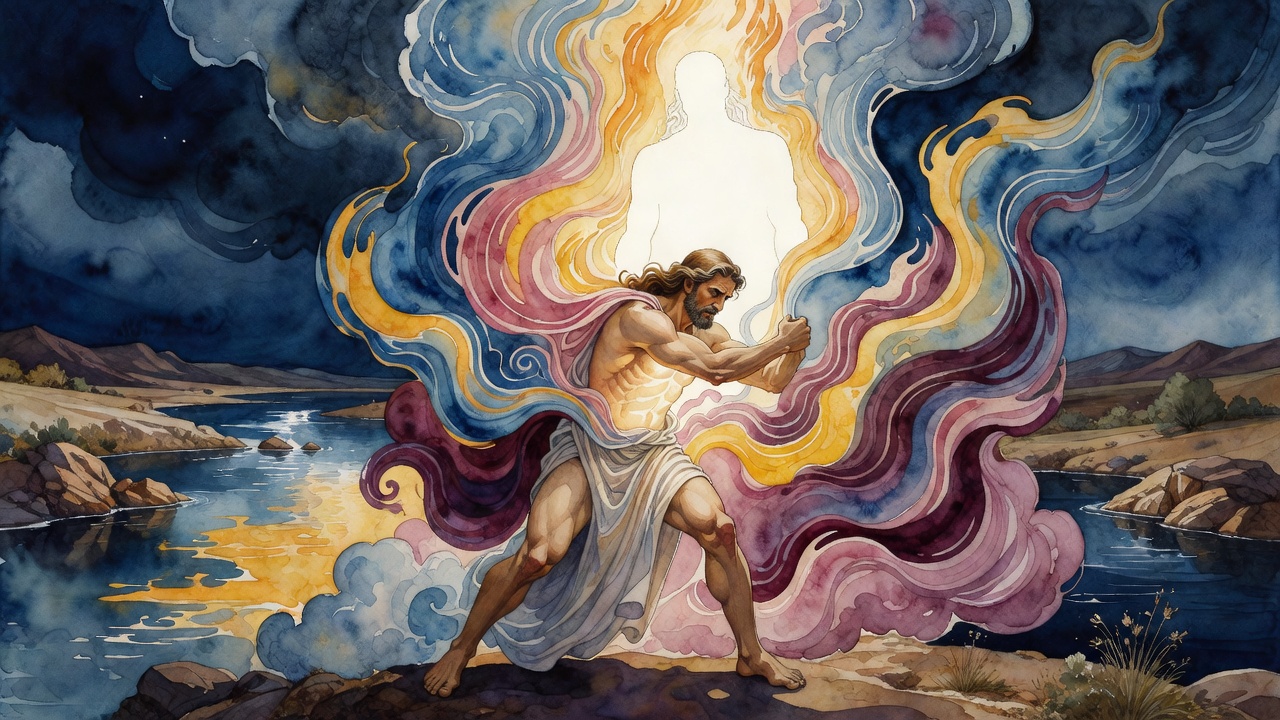
God invited him up the ladder and he said no, because if he climbed he would have to come down again. He did not yet know he had come down once already.
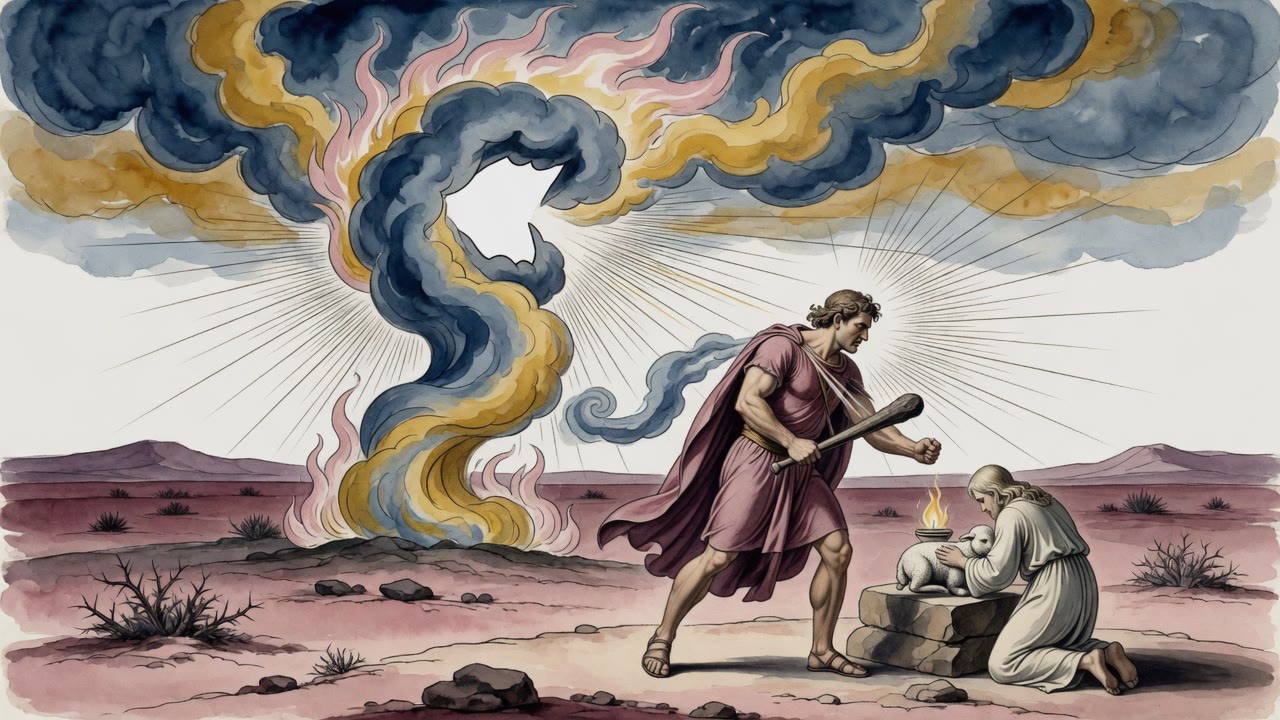
The princes of Moab were still asleep under his roof. Balaam was out in the cold before dawn, tightening the girth with his own hands.
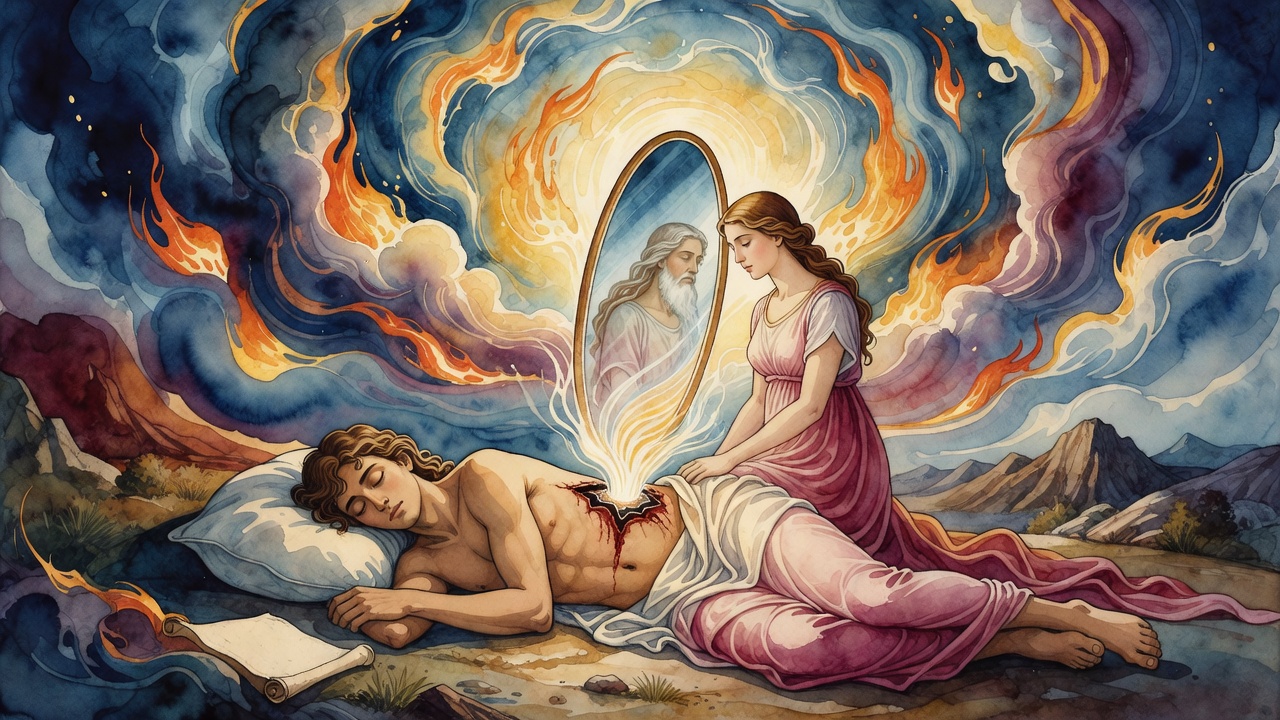
God opens Adam's side while he sleeps, and what emerges is not just a companion but a mirror the first human cannot look away from.
