Your Name Belongs to Your Soul Not Your Body
A Hasidic rebbe found proof in something you can watch. When someone is asleep, only one thing wakes them instantly. Their name.
Table of Contents
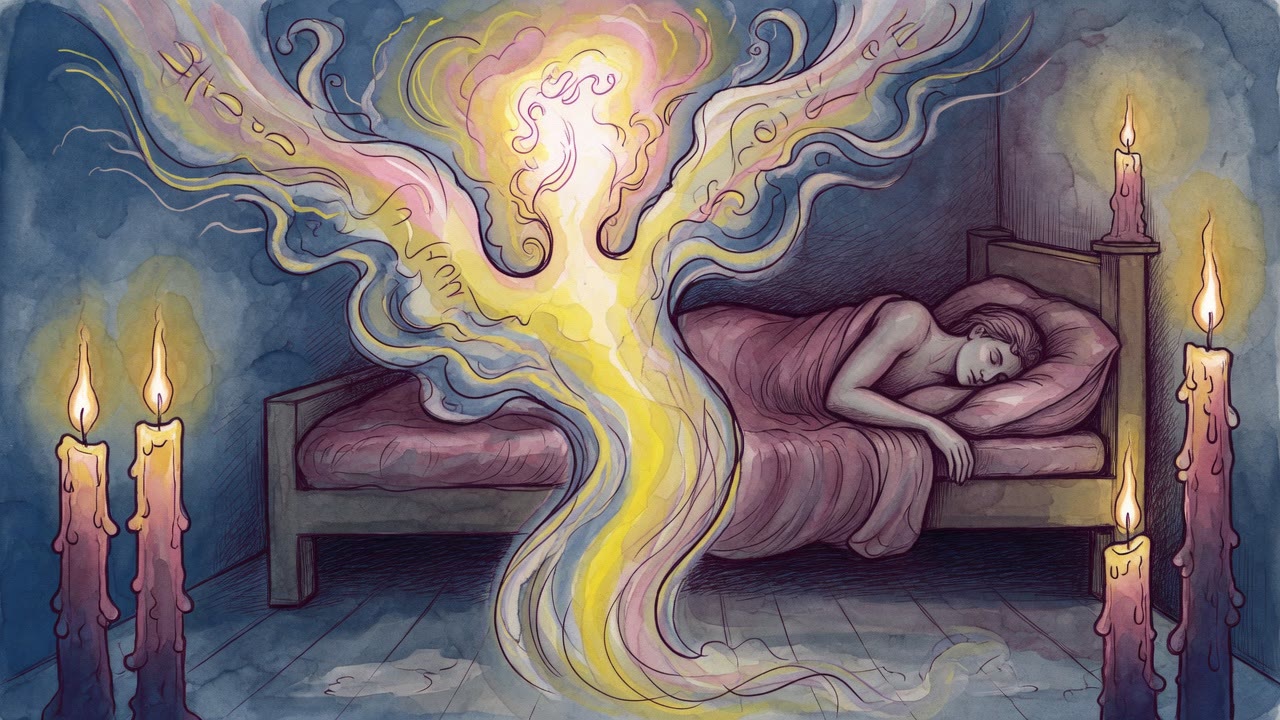
Watch a person sleeping.
 Click for full size
You can shake their shoulder. You can lift their arm. You can knock on the wall behind their head. The body will eventually respond, the way a horse responds to being prodded, slowly and with resistance. But if you call their name, the person who was gone to the world a moment ago is back in the room with their eyes open before you have finished the second syllable.
Rebbe Elimelech of Lizhensk thought this was evidence that everyone was looking at every day and ignoring entirely.
The Wire Between the Soul and the World
Elimelech was a Hasidic master who lived from 1717 to 1787 in the Galician town of Leżajsk. He was a student of Dov Ber of Mezeritch, the Great Maggid, and he became one of the founding figures of the third generation of the Hasidic movement, particularly the tradition that developed in Poland and Galicia. In his collection of Torah commentaries called the Noam Elimelech, first published in Lemberg in 1788, the year after his death, he opens his commentary on the book of Exodus with a claim that sounds simple and is not.
A name, he says, does not belong to the body. A name belongs to the soul.
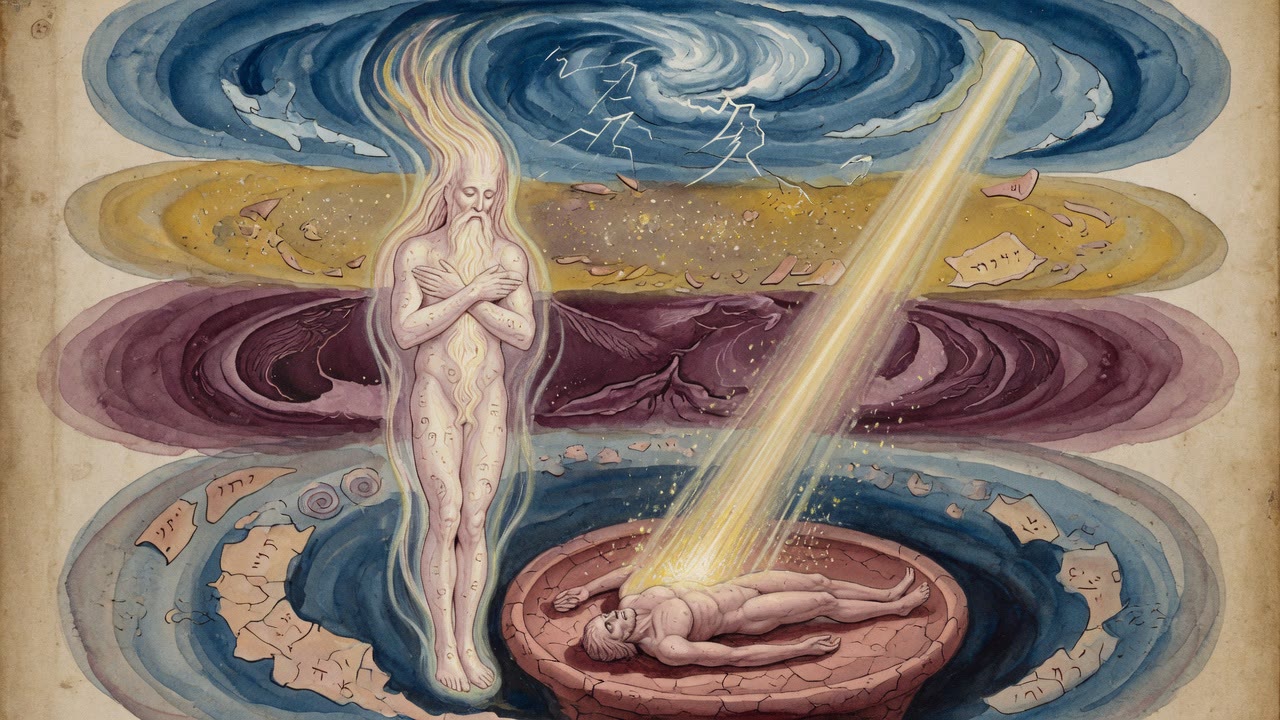
The proof is the sleeping person. When we sleep, the soul ascends to the upper worlds, leaving the body behind like a coat on a chair. The body by itself has no hearing. The body by itself cannot obey. It is the soul that hears, and the soul that responds, and the only way to reach the soul when it has ascended is to call by the name that belongs to it. The name is not a label. The name is the wire by which the soul is pulled back into the body every morning. Without the name, there is no way down.
What the Opening Verse of Exodus Is Actually Saying
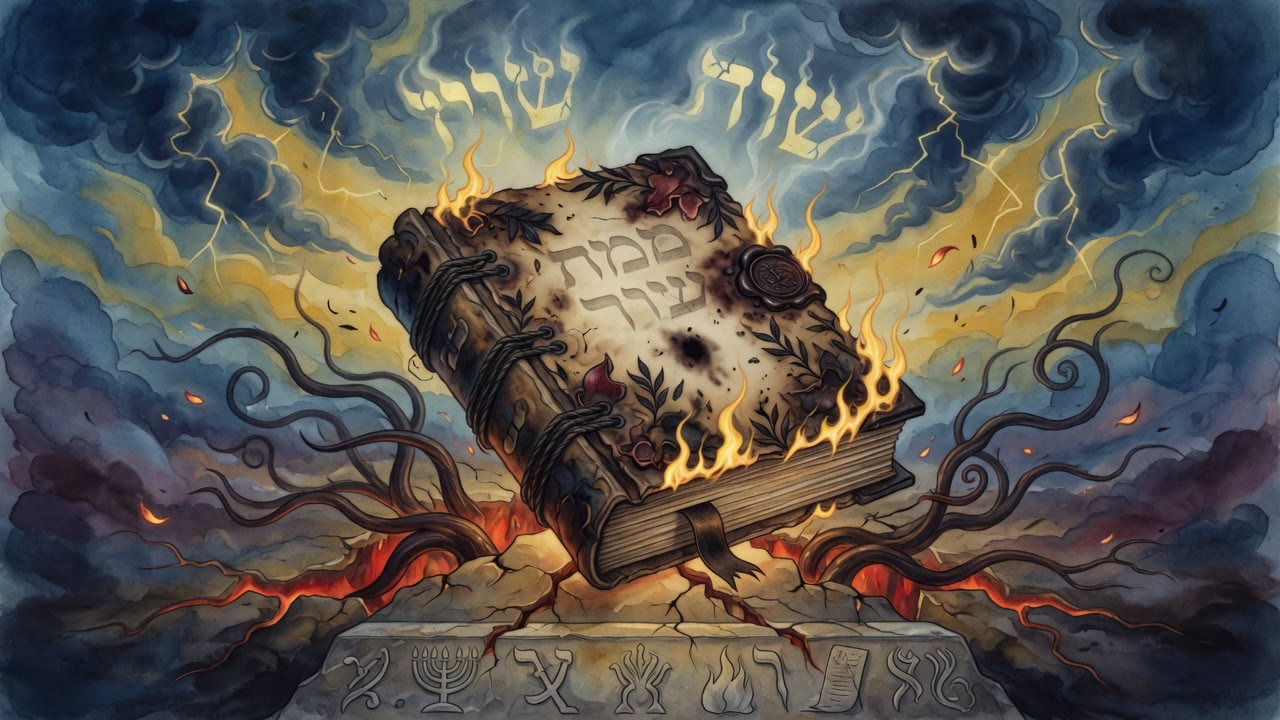
The Noam Elimelech opens on the first verse of Exodus: And these are the names of the children of Israel who came to Egypt (Exodus 1:1). Most readers hear census data. Elimelech hears astonishment. The Torah is not listing immigration records. It is asking: how is it possible that these holy tzaddikim, these righteous ones known by the exalted name Israel, how is it possible that they came down to Egypt at all?
The answer is the names. They preserved their names. In Egypt, where the pressure was to disappear into the surrounding culture, to take Egyptian names and Egyptian habits and become indistinguishable from the people who owned them, the children of Israel kept their names. They brought their names with them into the descent and carried them through it and came out with them intact. The names were the survival mechanism. As long as the names survived, the souls had something to hold them.
Moses as the Proof Inside the Proof
The Tikkunei Zohar, a kabbalistic text from the late medieval period that expands and annotates the Zohar, offers a parallel from the other direction. The Noam Elimelech's argument runs from names to souls. The Tikkunei Zohar's argument runs from Moses to the nature of prophecy itself.
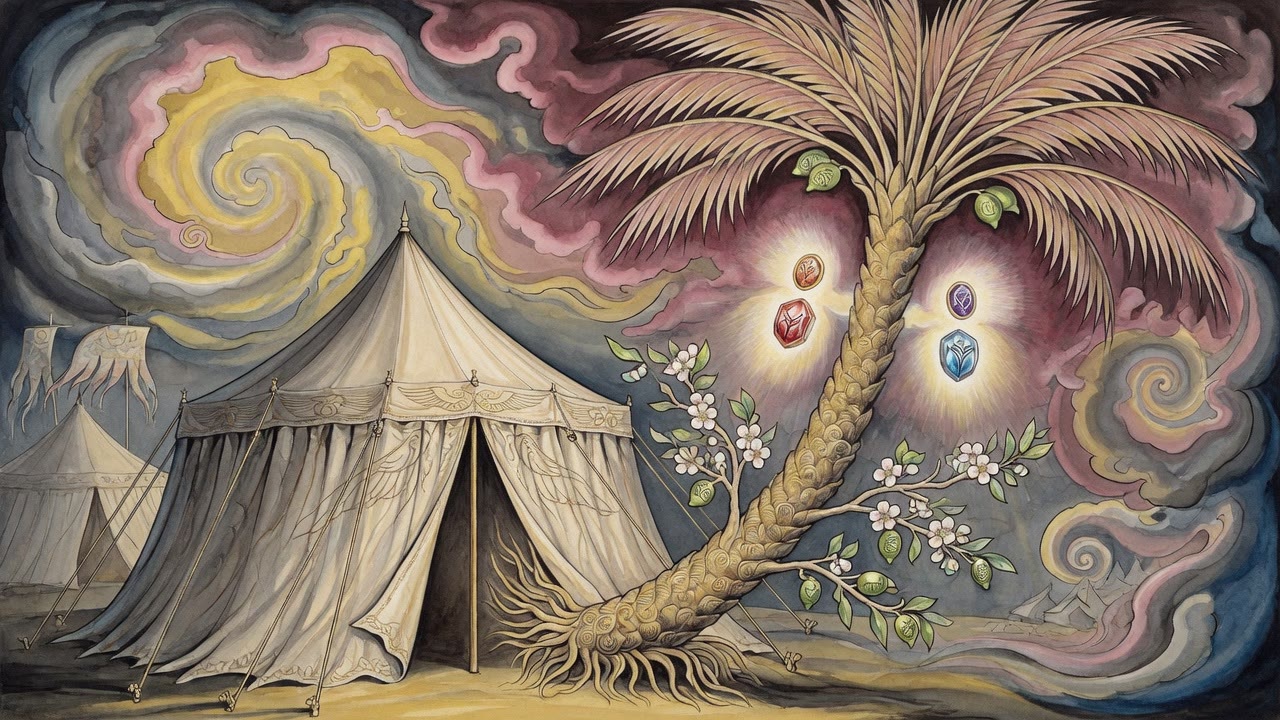
Moses, the Tikkunei Zohar says, was unique among prophets in how he received divine communication. With other prophets, the Shekhinah, the divine presence, descended and rested on one specific spiritual limb. Each prophet had a locus of contact, a window through which the divine entered. Moses had no single window. The Shekhinah descended through every limb, every place, every fiber of his being simultaneously. The divine presence spoke through him the way the soul inhabits the whole body, not through one organ but through the entire form at once.
The connection to the name argument is this: Moses was the man whose name was given to him by someone outside his family, by Pharaoh's daughter who drew him from the water (Exodus 2:10), and yet that name, given by a stranger and a foreigner, became the wire through which the most complete prophetic transmission in history ran. The soul took the name regardless of its origin. What mattered was that there was a name, and that it held.
What Happens When You Call Someone Back
Elimelech was not only making a metaphysical point. He was describing something that mattered practically for his students in eighteenth-century Galicia, people who were trying to maintain Jewish identity in conditions designed to dissolve it. The argument he was making was: do not give up the name. Not the Hebrew name that came down from Sinai, not the name given at birth before the community, not the name by which the soul was called when it was assigned to a body.
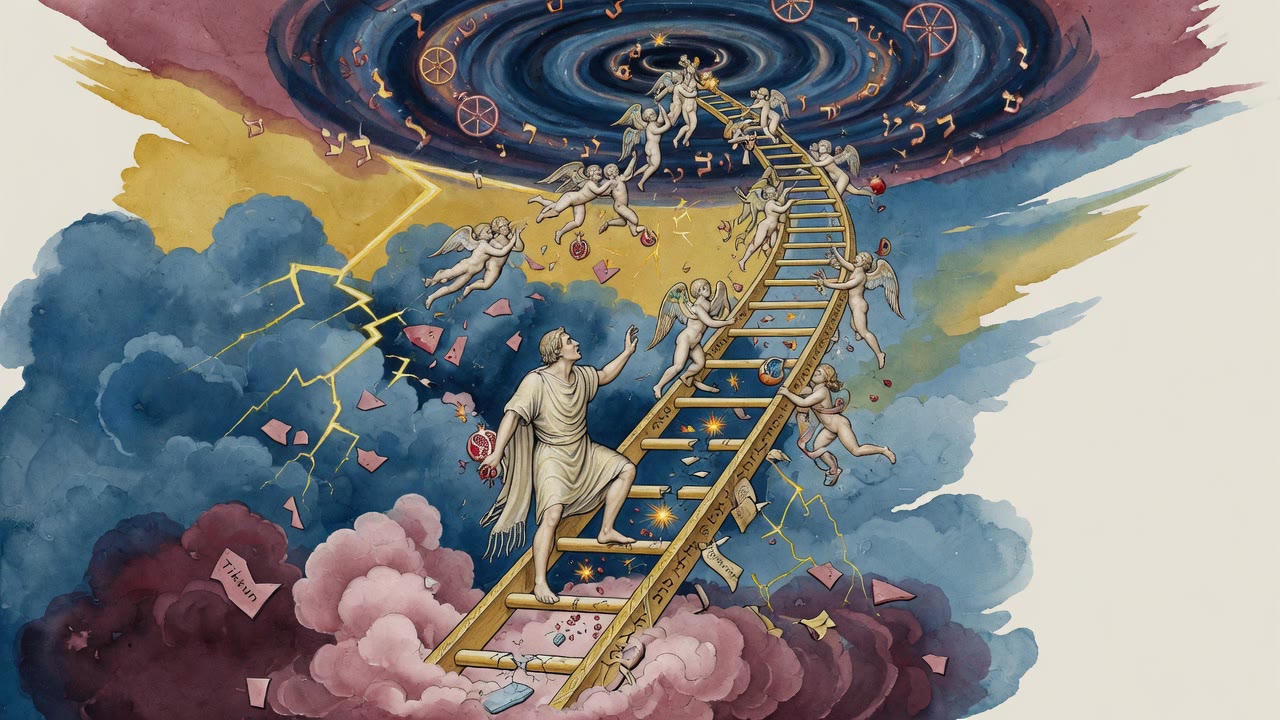
The name is what lets the soul find its way back. Every morning when a person wakes, Elimelech says, the soul returns to the body down the wire of the name. If the name is cut, the soul floats. If the name is changed into something that no longer belongs to who you are, you become harder to call back. Not impossible. But harder.
← All myths