113 myths · Page 2 of 4
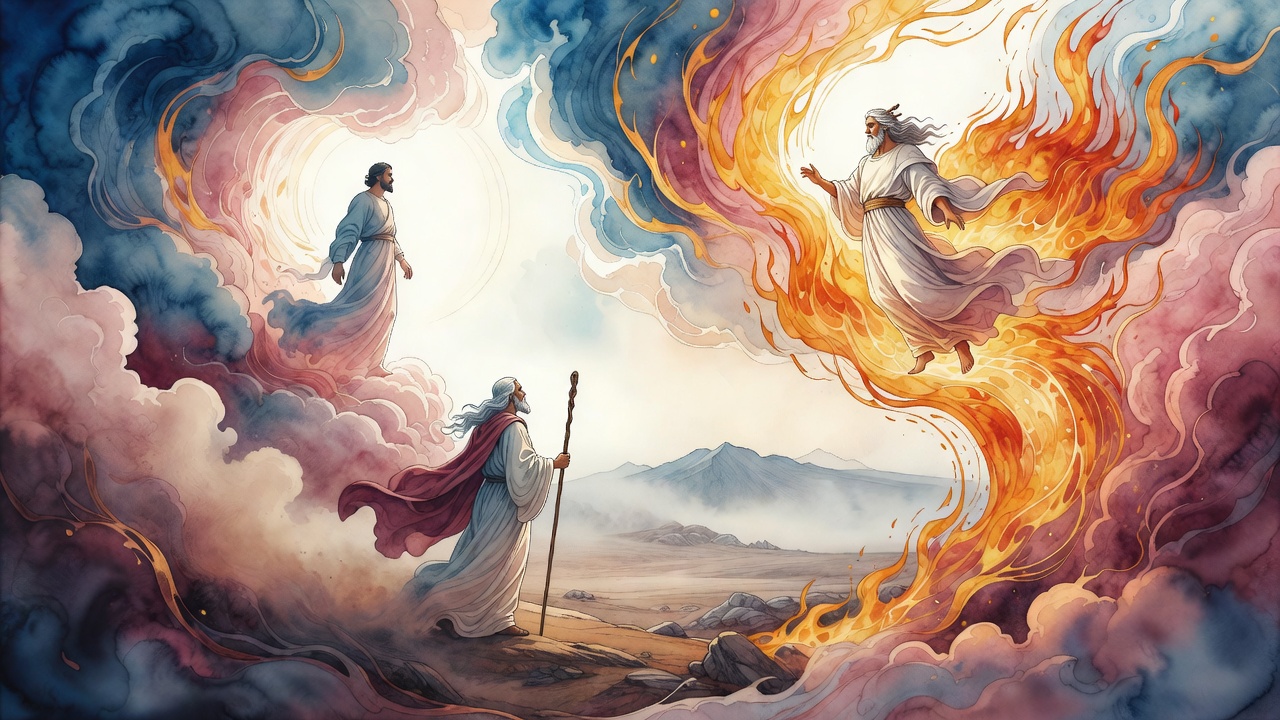
They searched the fields for Enoch and came back empty-handed. The man who walked with God had been taken, and there was nothing to bury.
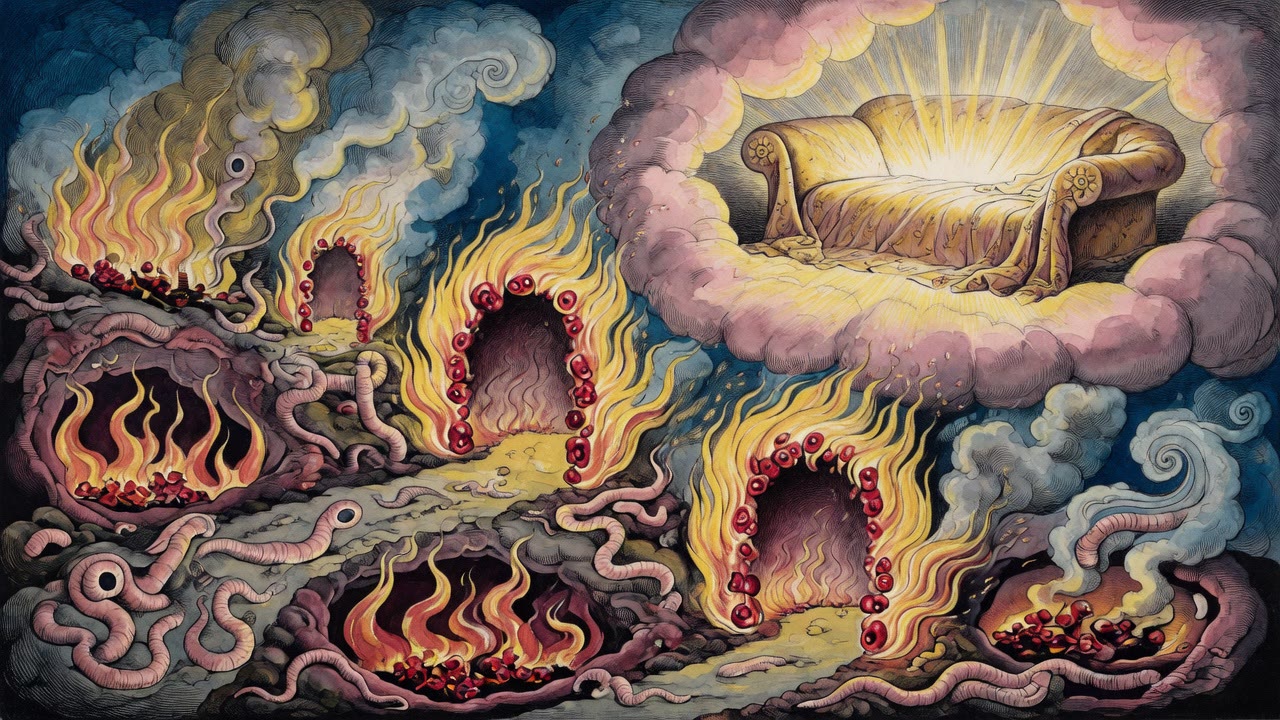
Chronicles of Jerahmeel says the righteous dead emerge from their graves each Shabbat eve to eat, drink, and praise God, then return before nightfall.
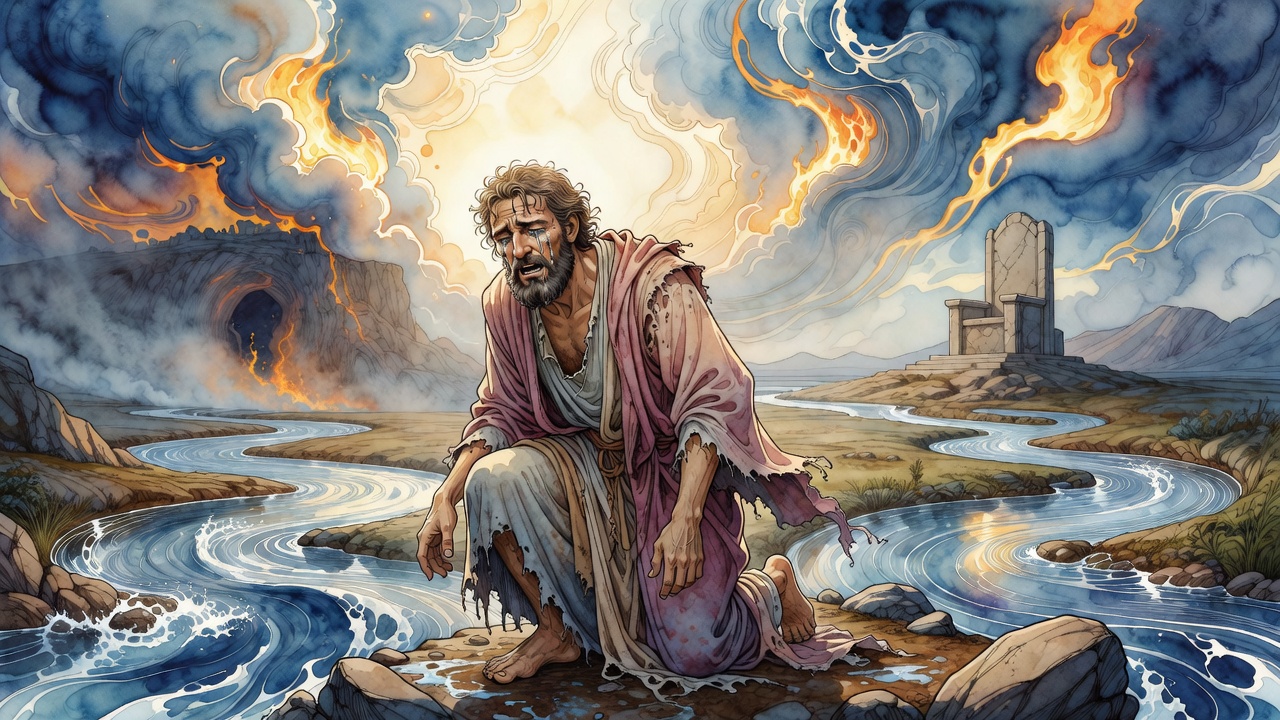
He had crossed seven rivers to reach the most notorious woman alive, and it was something she said that finally broke him open.
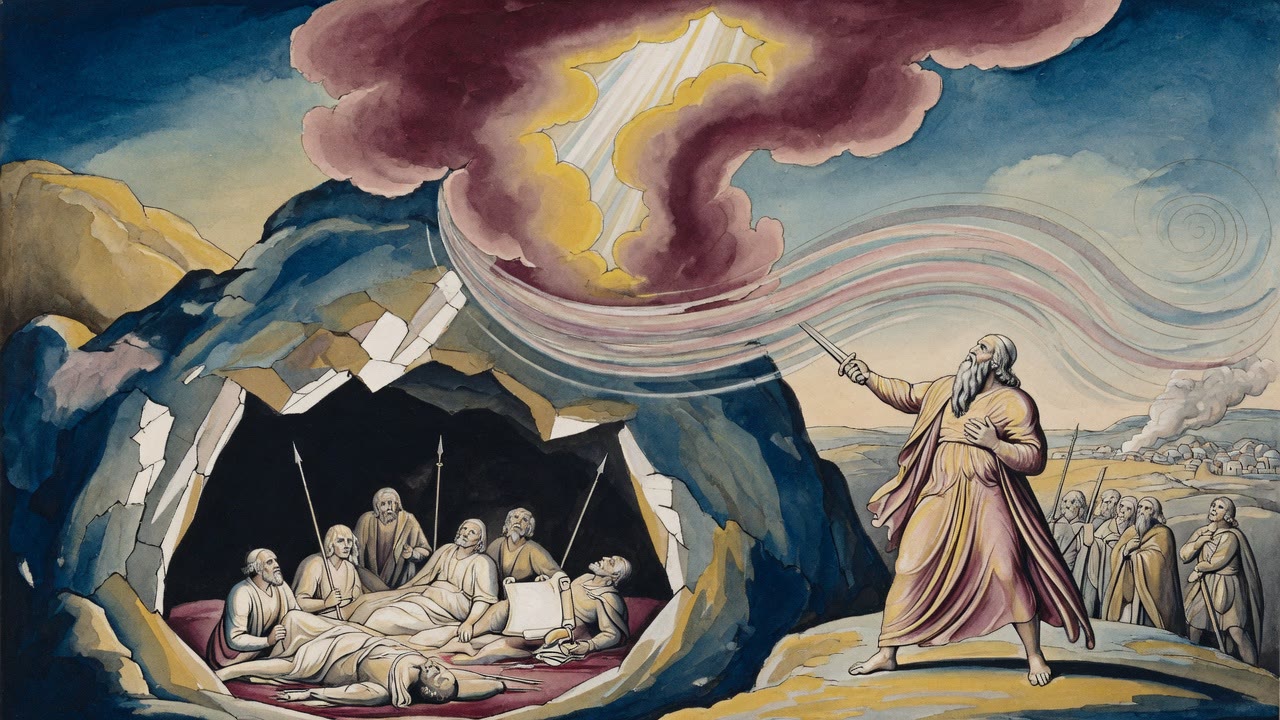
The officers offered Eleazar a way out. Bring your own food, they said, and only pretend to eat what the king requires. He was ninety, and he said no.
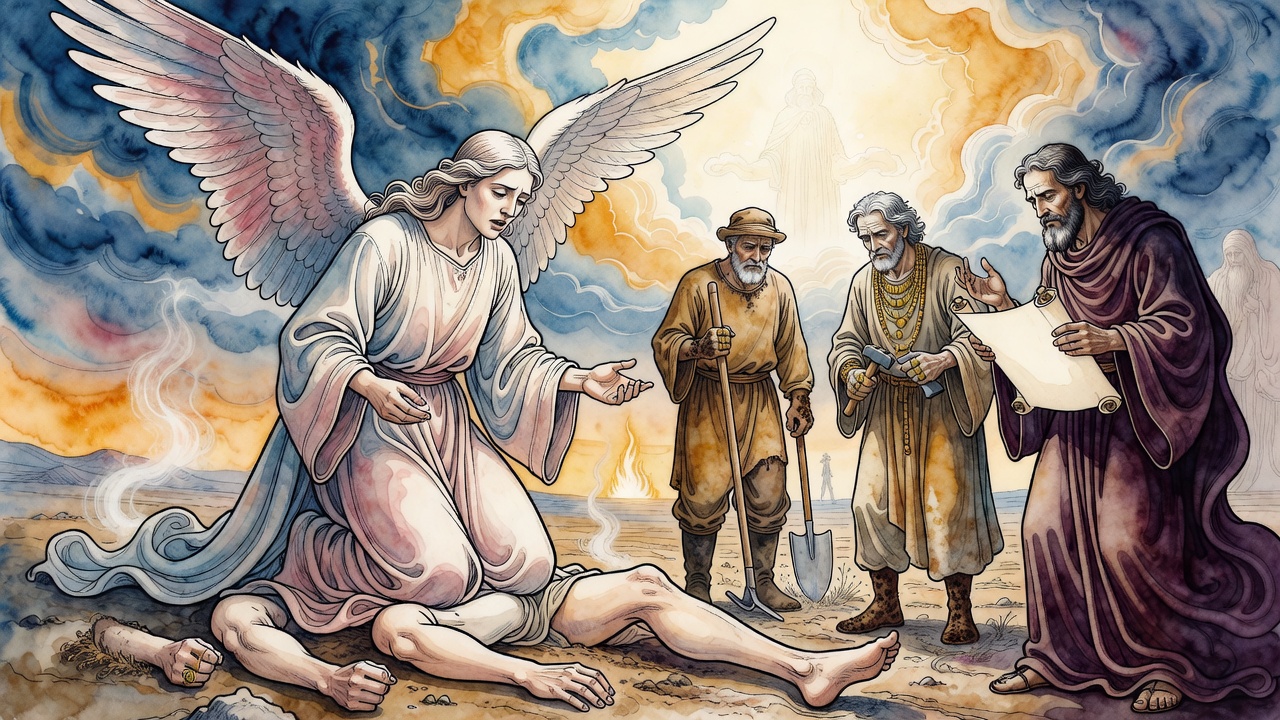
The angel did not comfort the dying man. It named his legs and his hands and wept. Each limb had already chosen its own road.
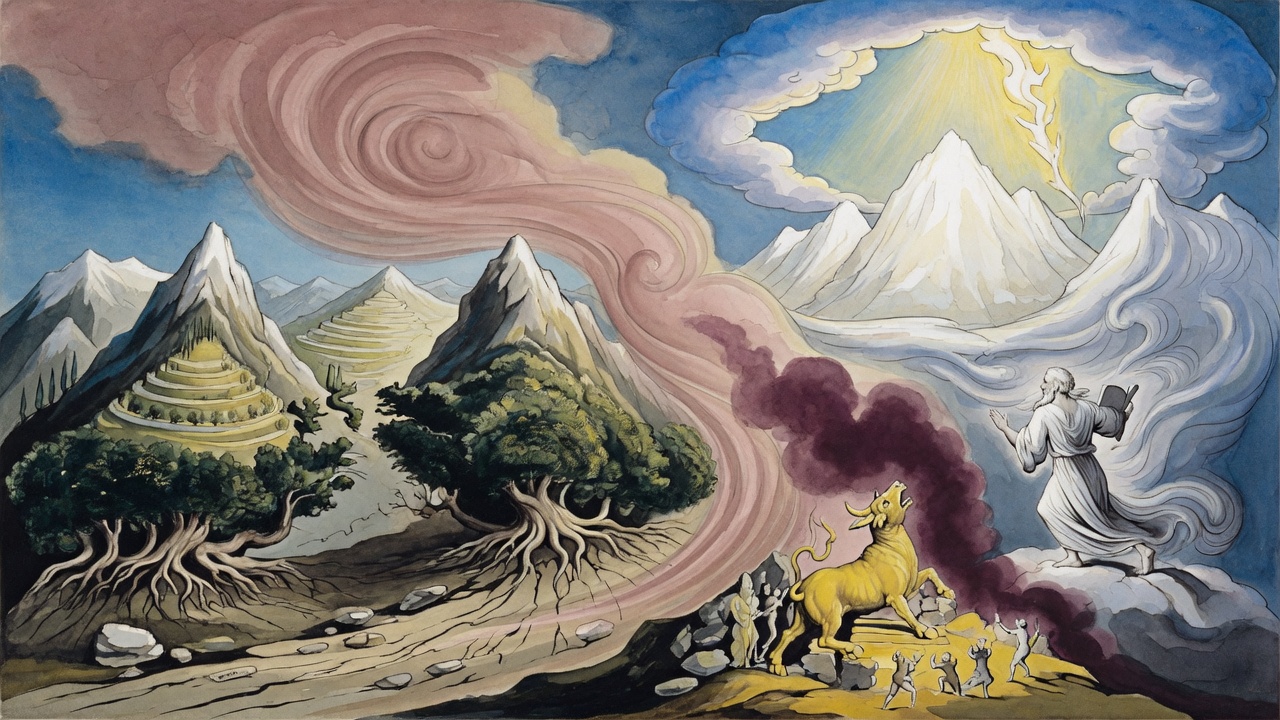
A man gathering firewood in the forest was dead. He burned in Gehinnom (afterlife of judgment) because of a shared sin, and only his son's voice in the.
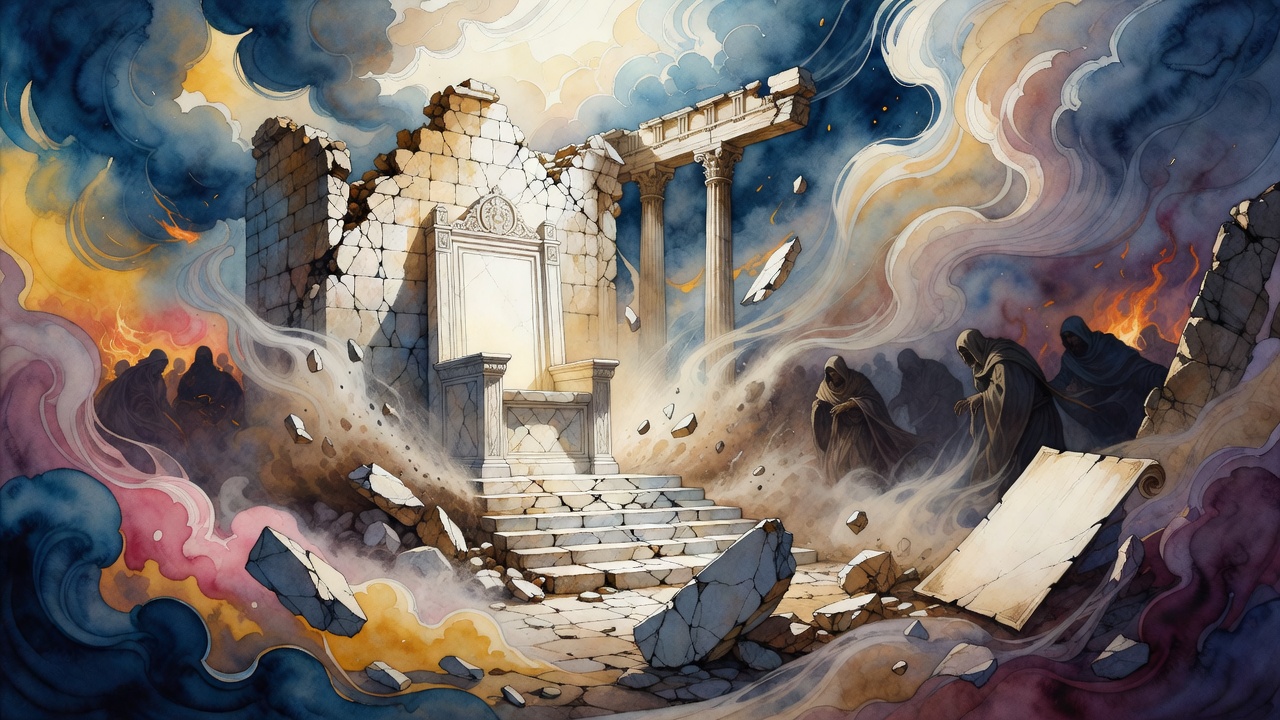
Nobody has ever woken in the morning and found his soul missing, or found his neighbor's soul in his hands. That deposit has never once been mixed up.
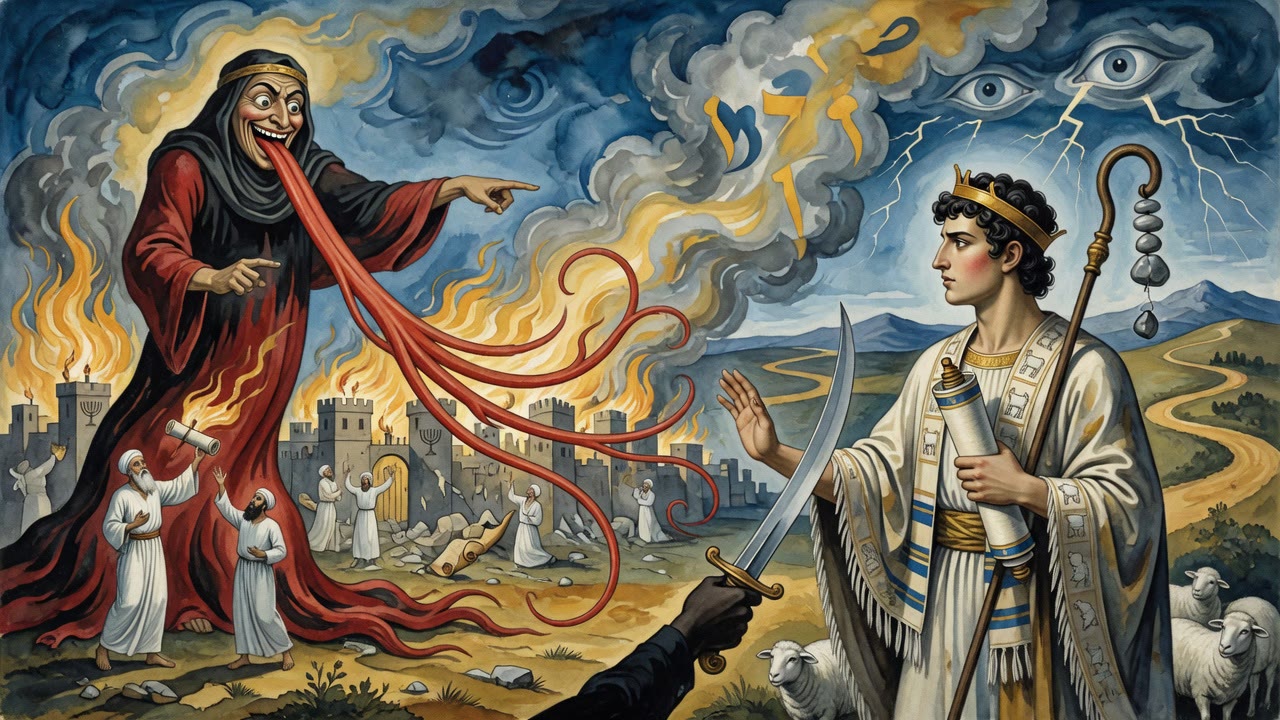
Doeg uses his tongue to destroy a city of priests, but David, trained as a shepherd, guards Torah and refuses to act in anger.
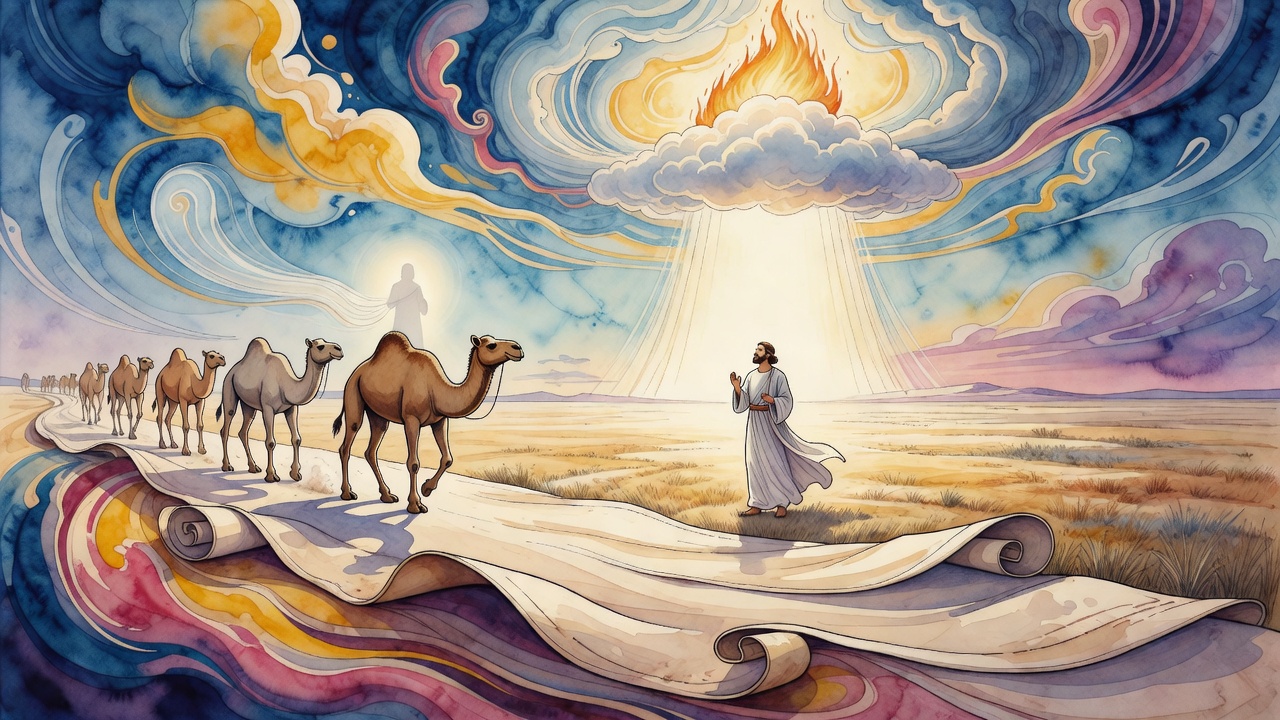
Eliezer's prayer is answered before it leaves his heart, the road folds under the camels, and Isaac stands in a field at evening to pray the first mincha.
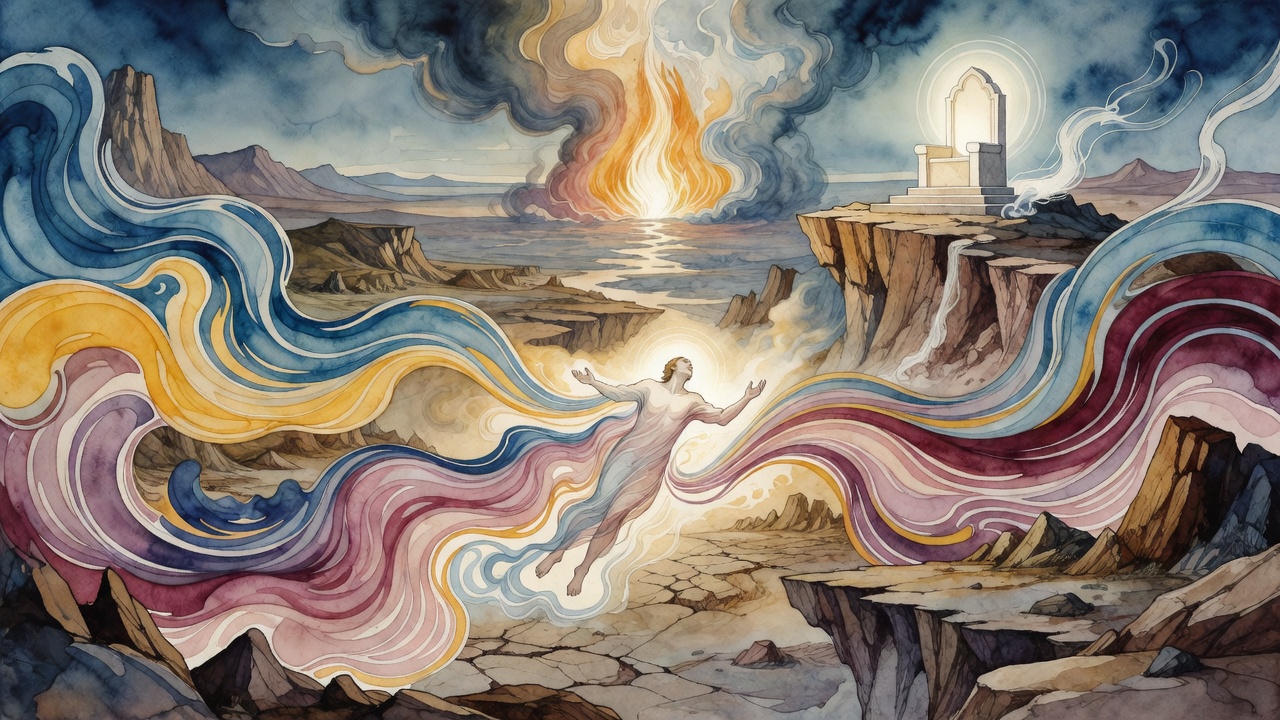
Three sounds cross the world from end to end though human ears cannot hold them. The loudest is the sound of a soul leaving the body.
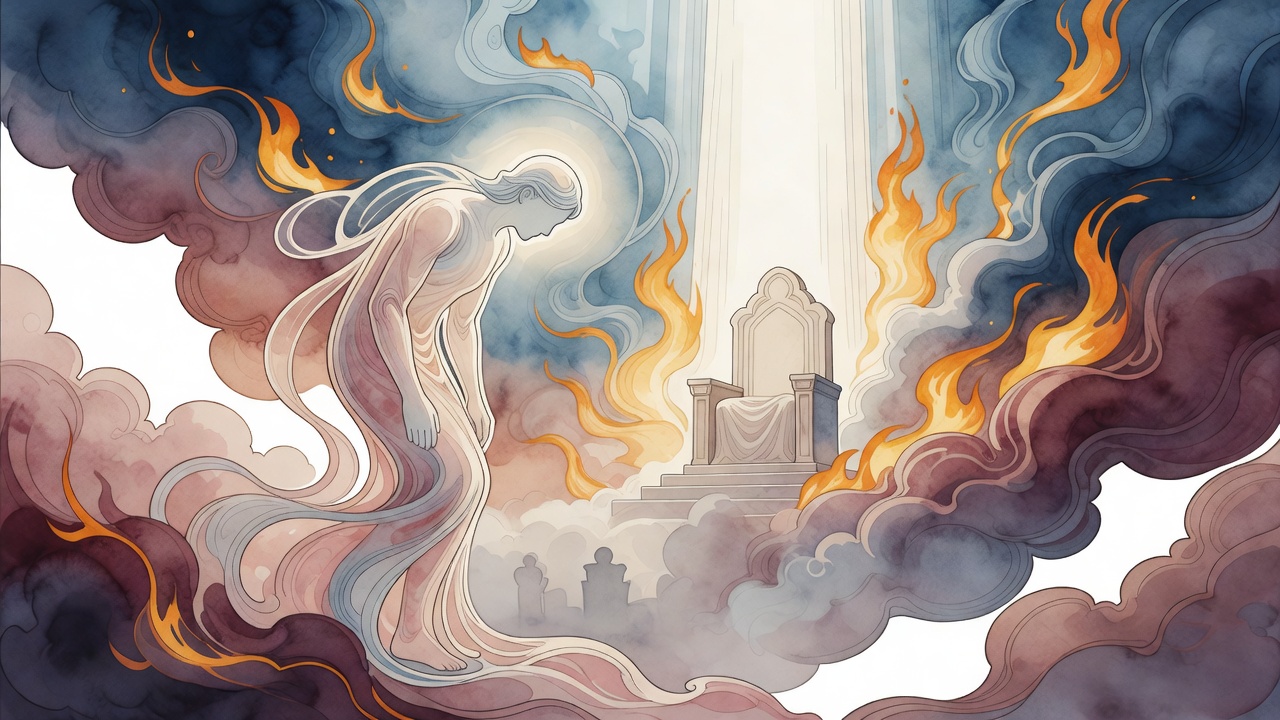
The soul opened her mouth and asked to stay. God sent her down anyway. A boy in Ur would forget that plea before his first cry.
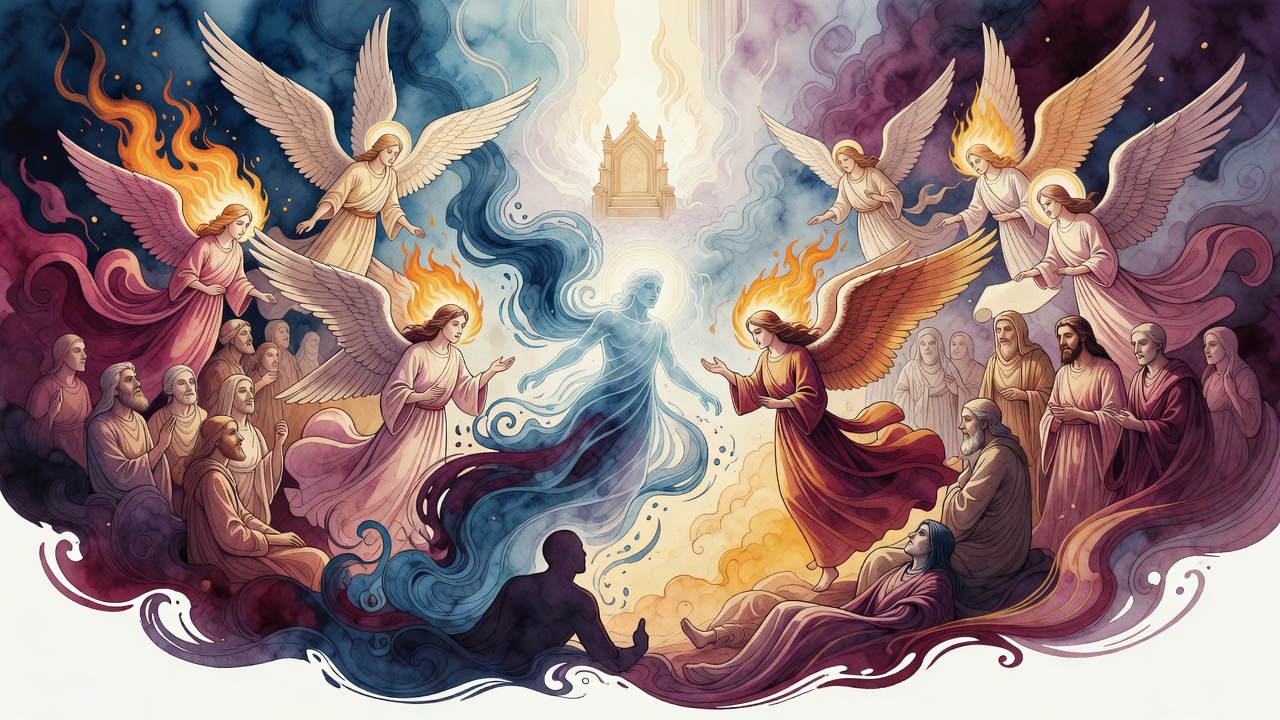
Angels stood by the bed before the man knew he was dying. His soul came loose at the feet, and his sight got sharper as it rose.
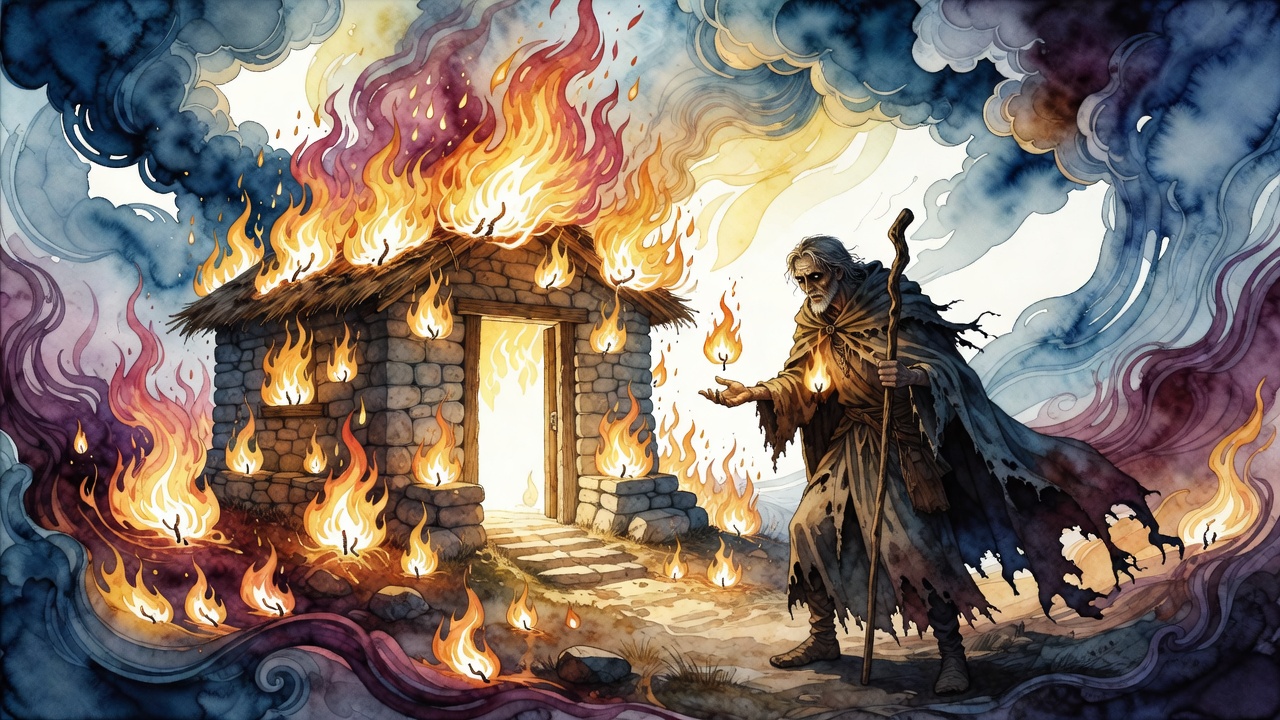
A man who spent his life hunting true justice finds a cottage where every flame is a soul, and his own has burned almost to the wick.
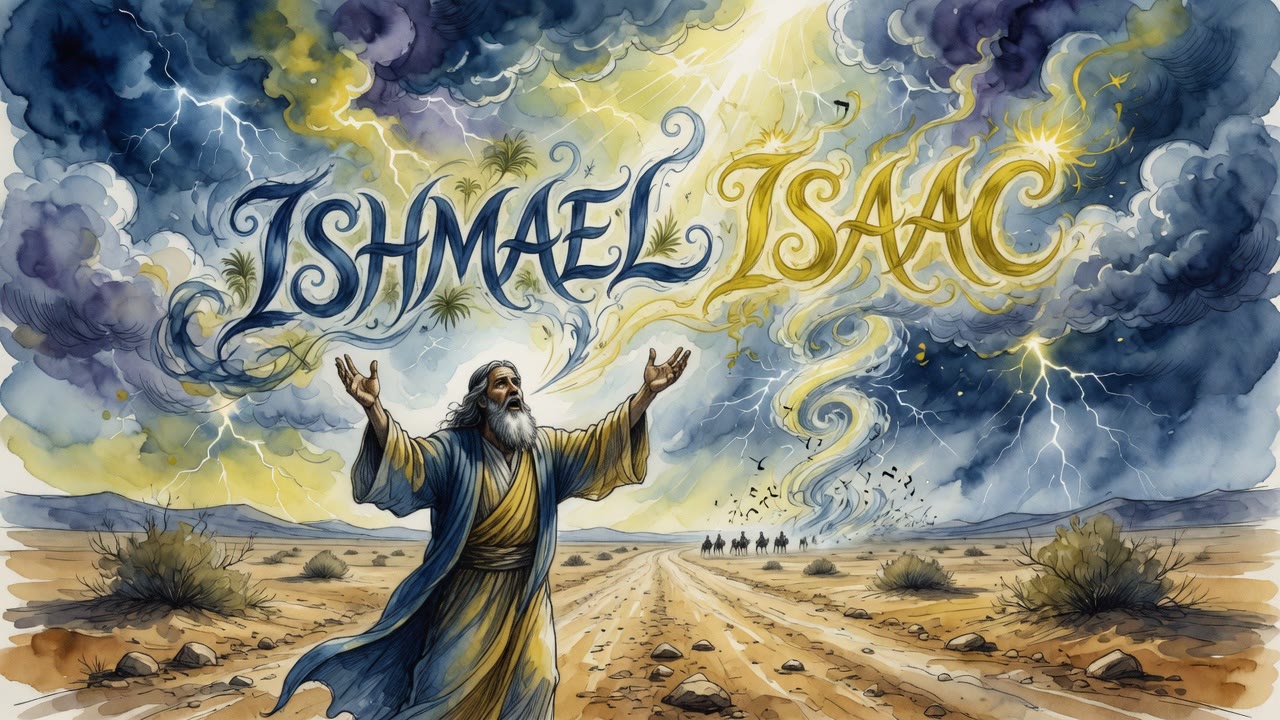
On Moriah the ministering angels broke into weeping above the bound boy, and their tears dropped into Isaac's eyes and stayed there for life.
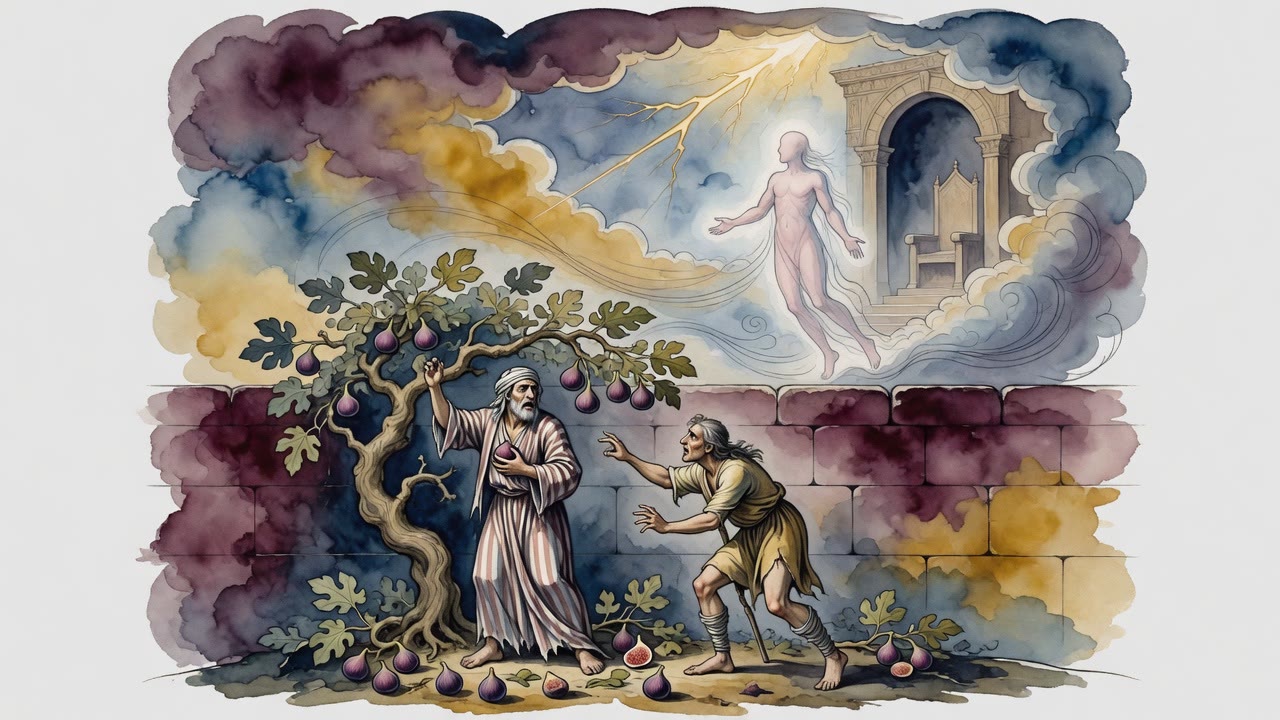
A blind man and a lame man strip the kings figs, then each blames the other. The soul tries the same defense and learns it grew up at court.
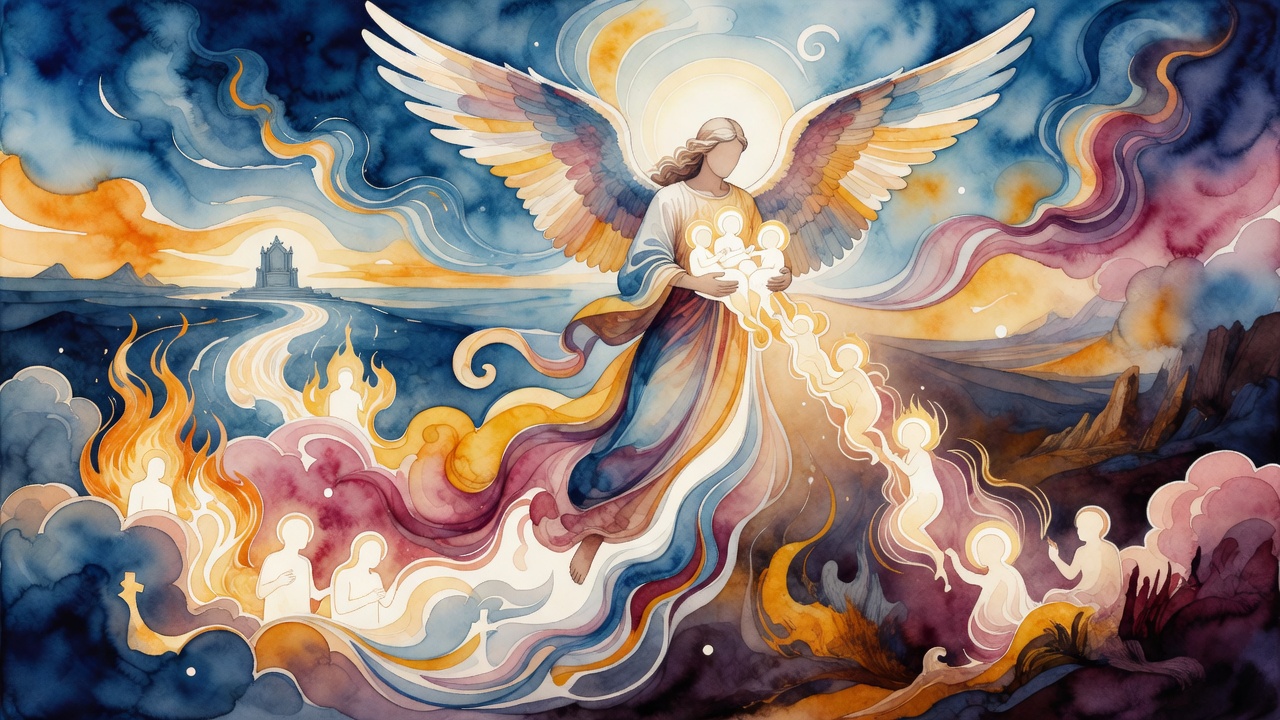
An angel carries each unborn soul through heaven by day, then lets it go down into labor, into affliction, into the long accounting.
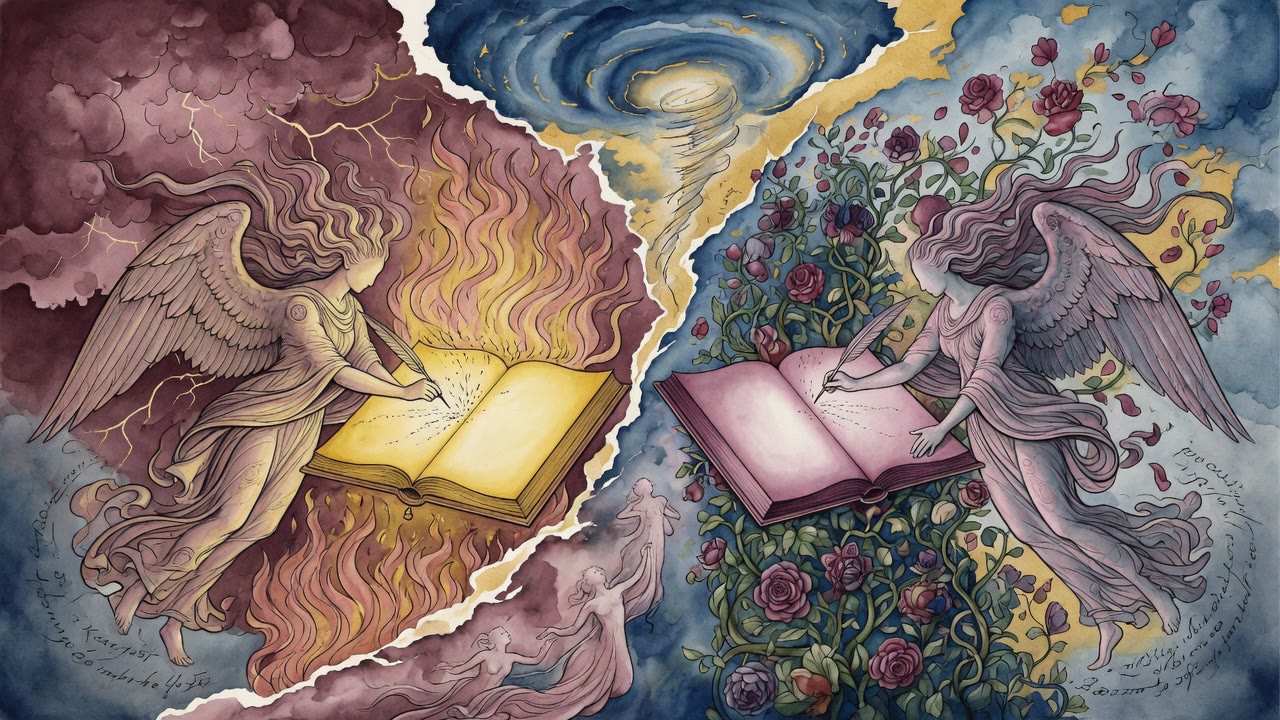
Two scribes write every name over a place in fire and in the garden before the soul is judged, and the verdict only decides which room you keep.
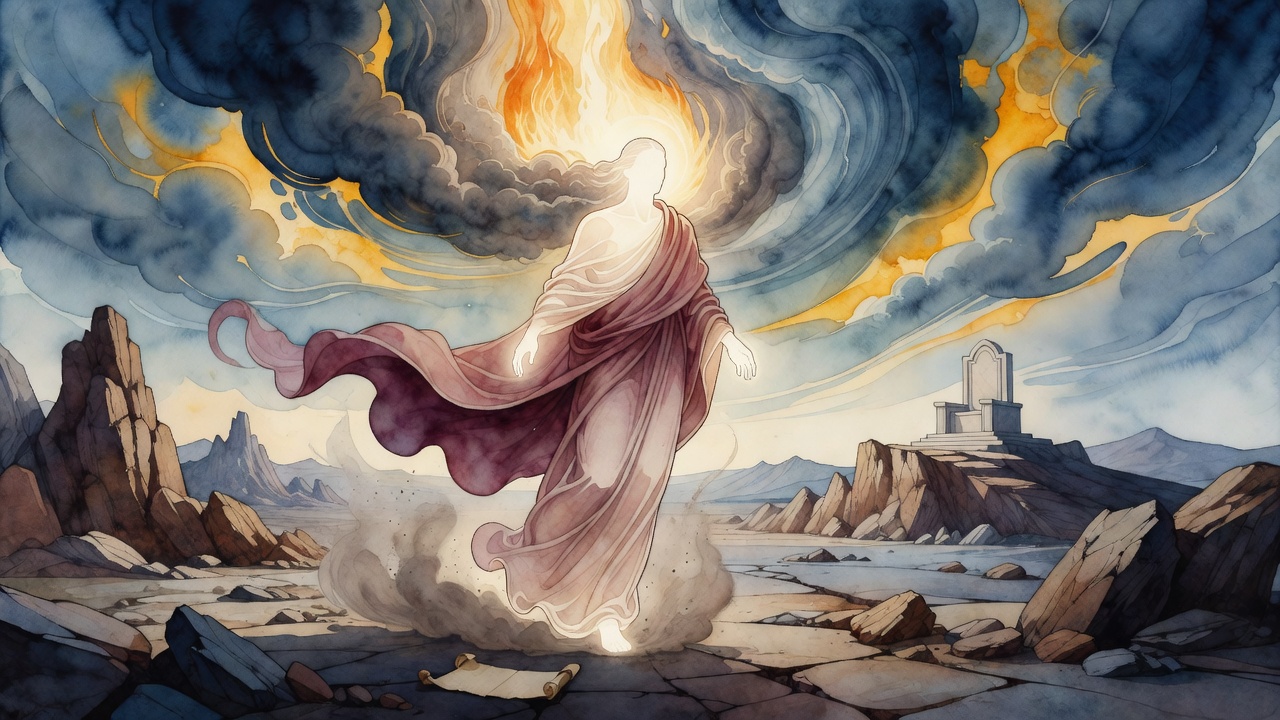
Each night the soul slips out to wander the earth and returns like a rehearsal, until the morning it rises clothed in its shroud in the Land.
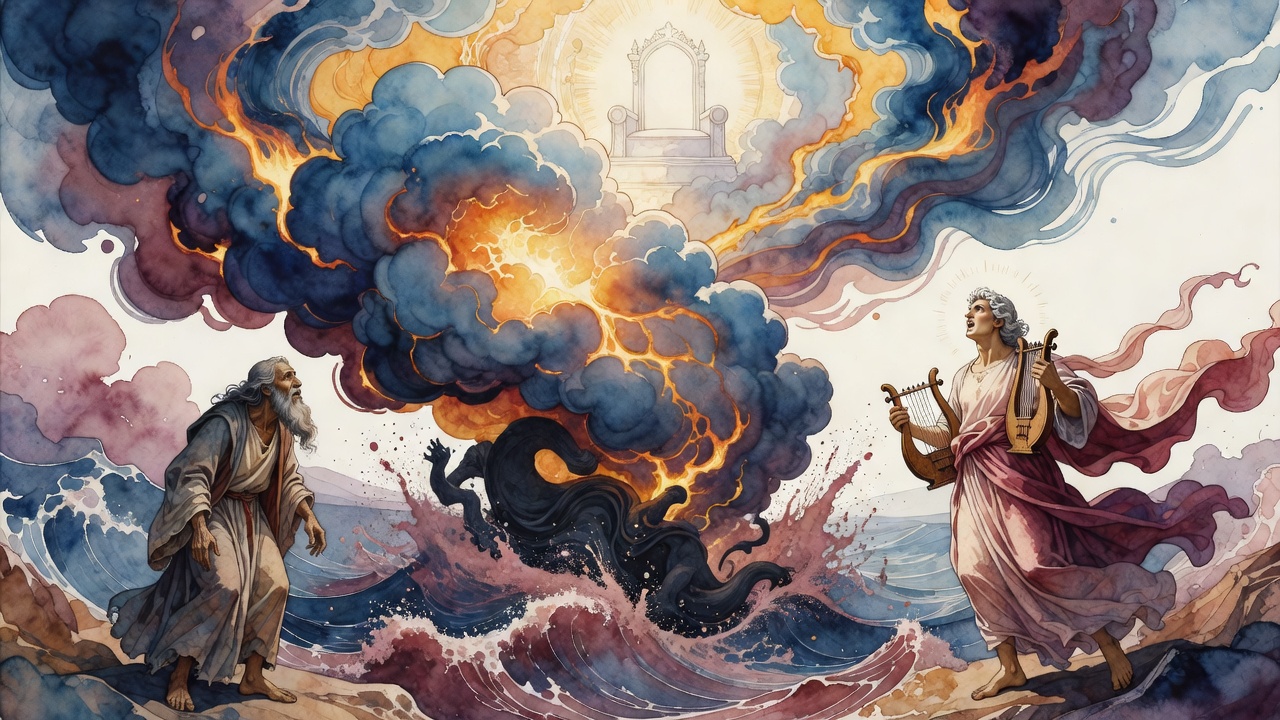
The worlds would have kept expanding forever. God said dai, enough, and the sages heard that word sitting inside the name Shaddai.
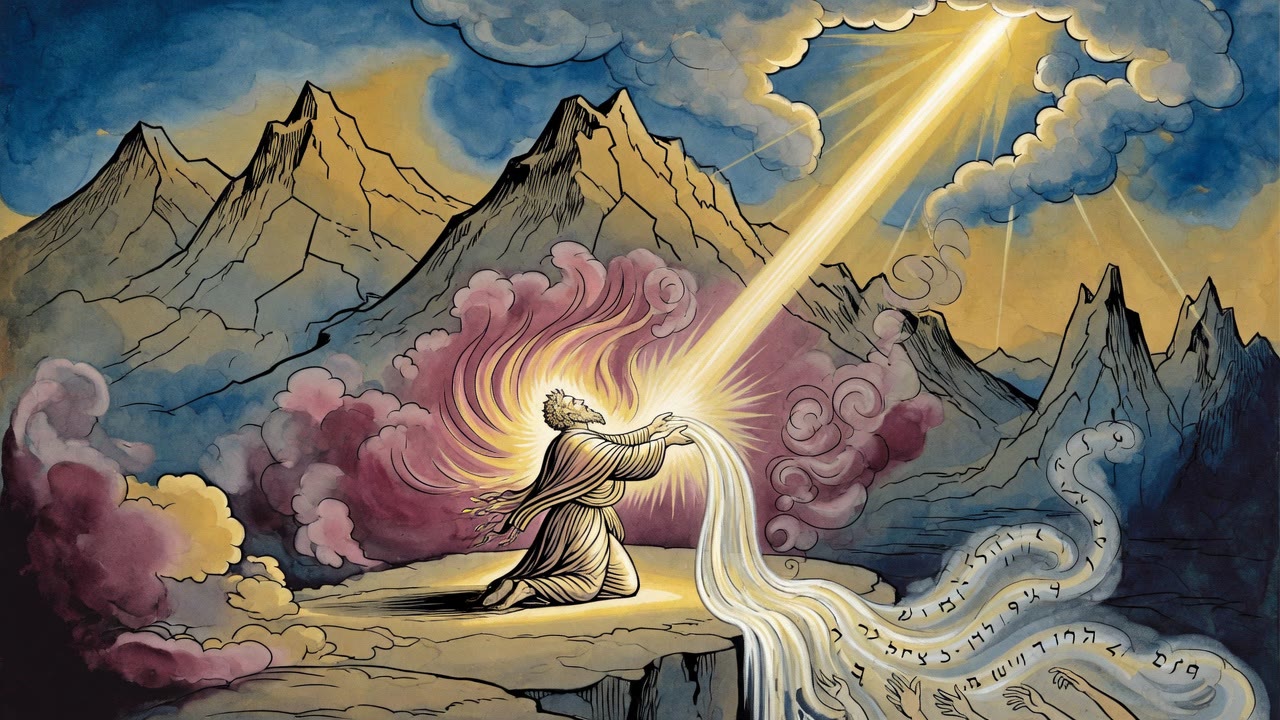
Under quaking mountains Ben Sira feels too small for God's eye, then burns like an oven for wisdom and offers her free to the thirsty.
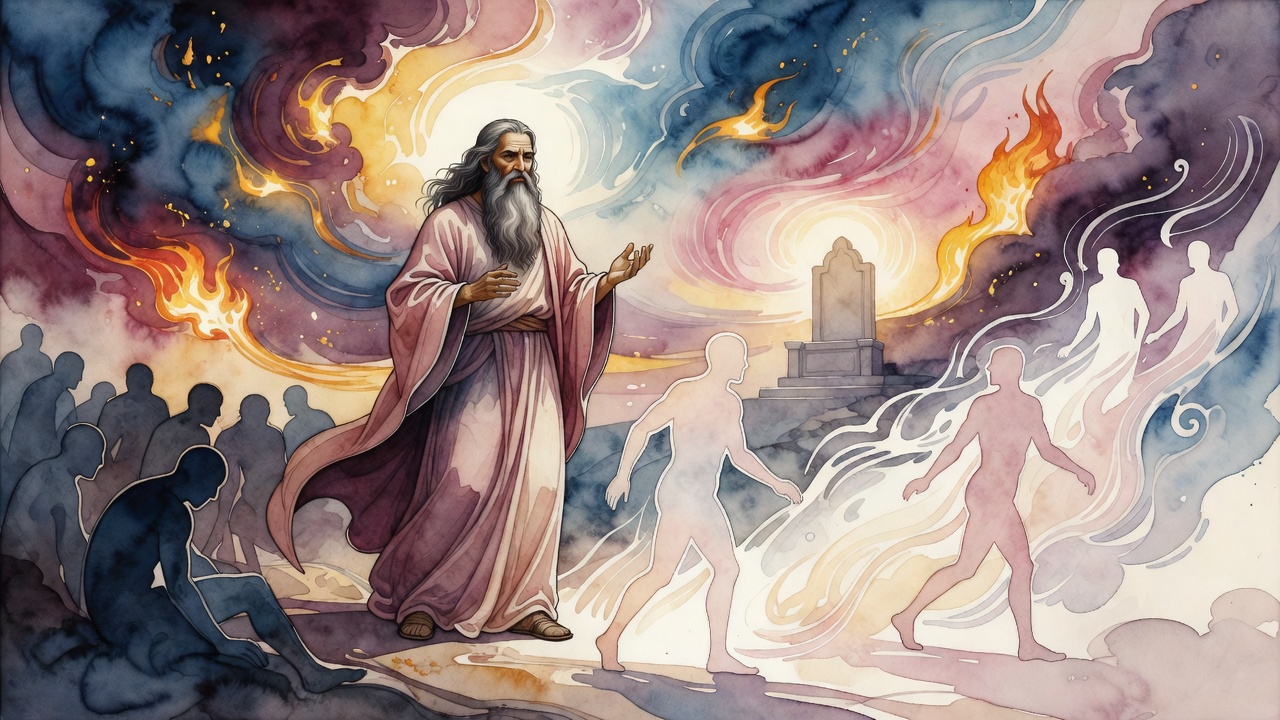
The students wanted the dead man's full wage counted while he was still warm. Rav Chiya waits. He left the ledger closed.
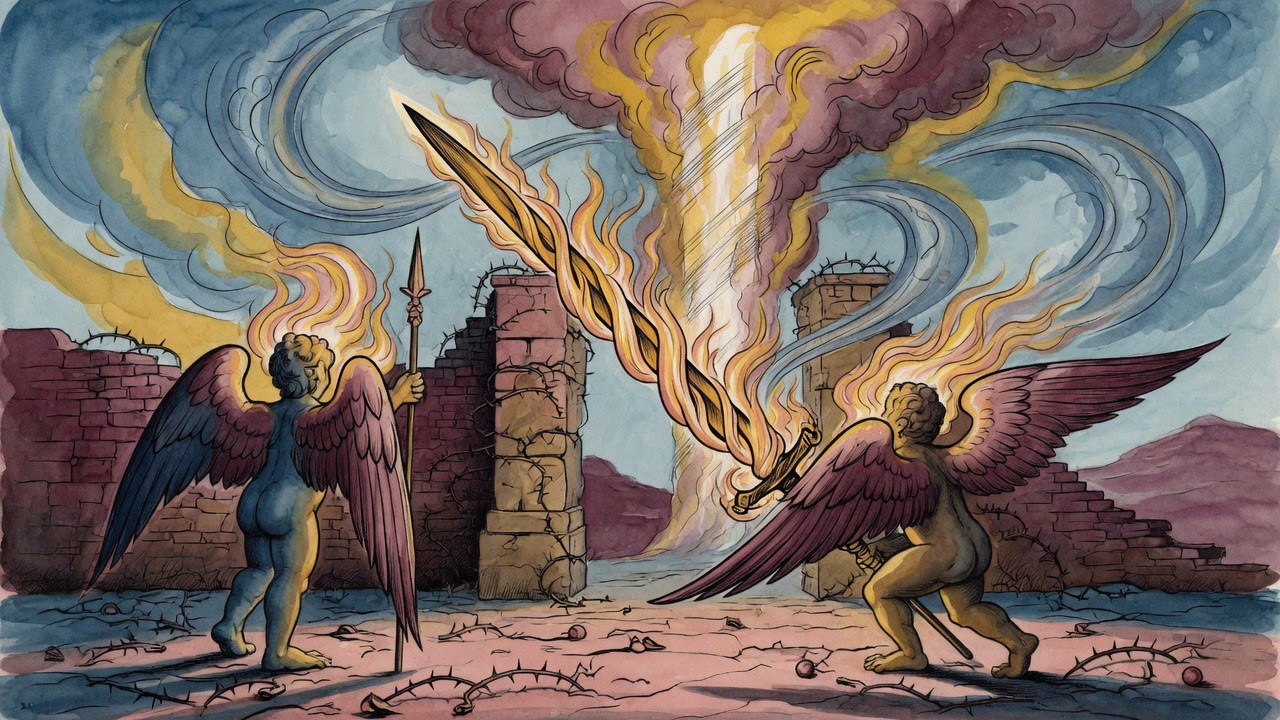
A dead soul faces Adam at Machpelah, the flaming sword at Eden, and the climb toward Arabot where the righteous become angels.
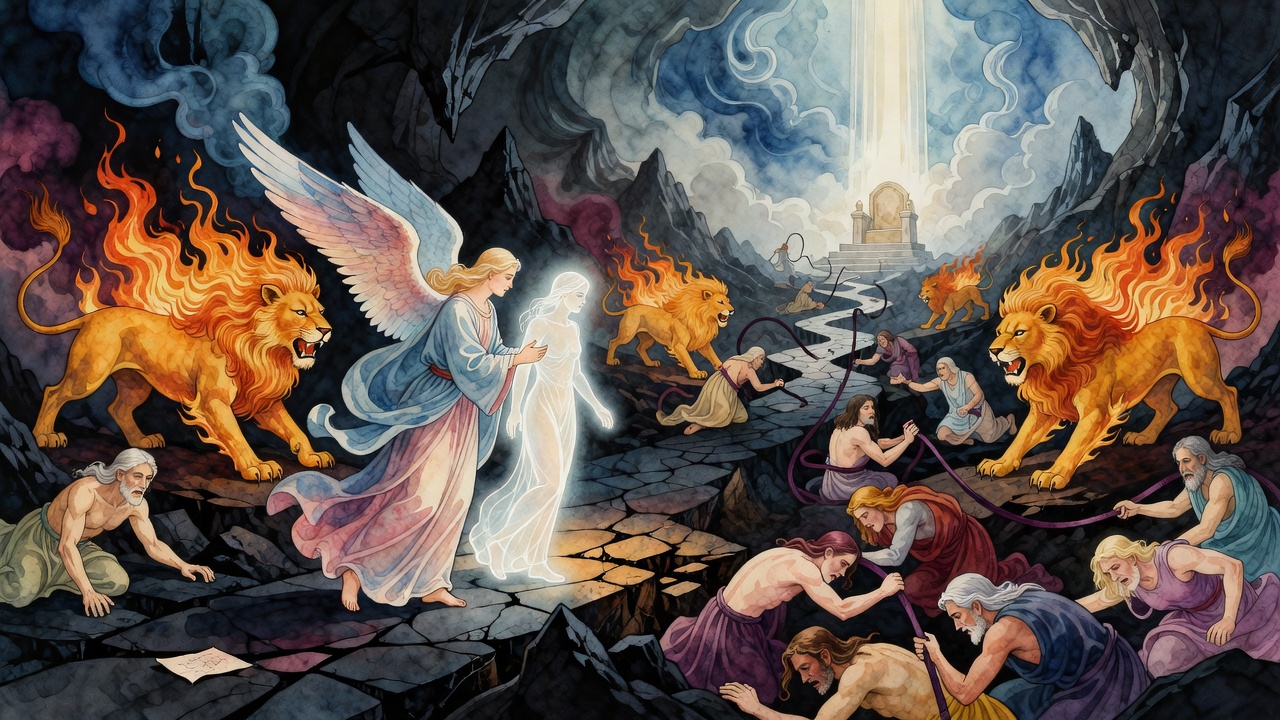
An angel walks a new soul past fire-lions and scourges in Gehinnom (afterlife of judgment), naming the damned as once-living people who ignored Torah.
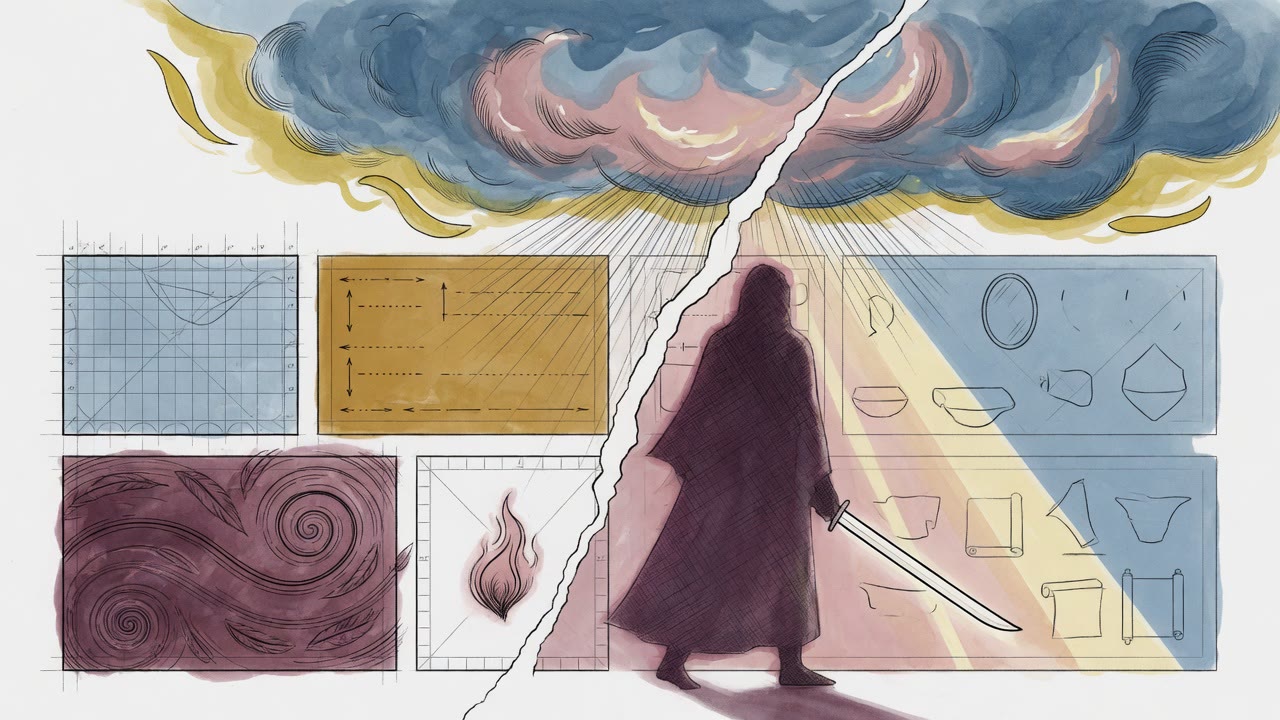
On the bed the hand still reached for the cup. The other will in him tried to bless the people in the room and ask for nothing.
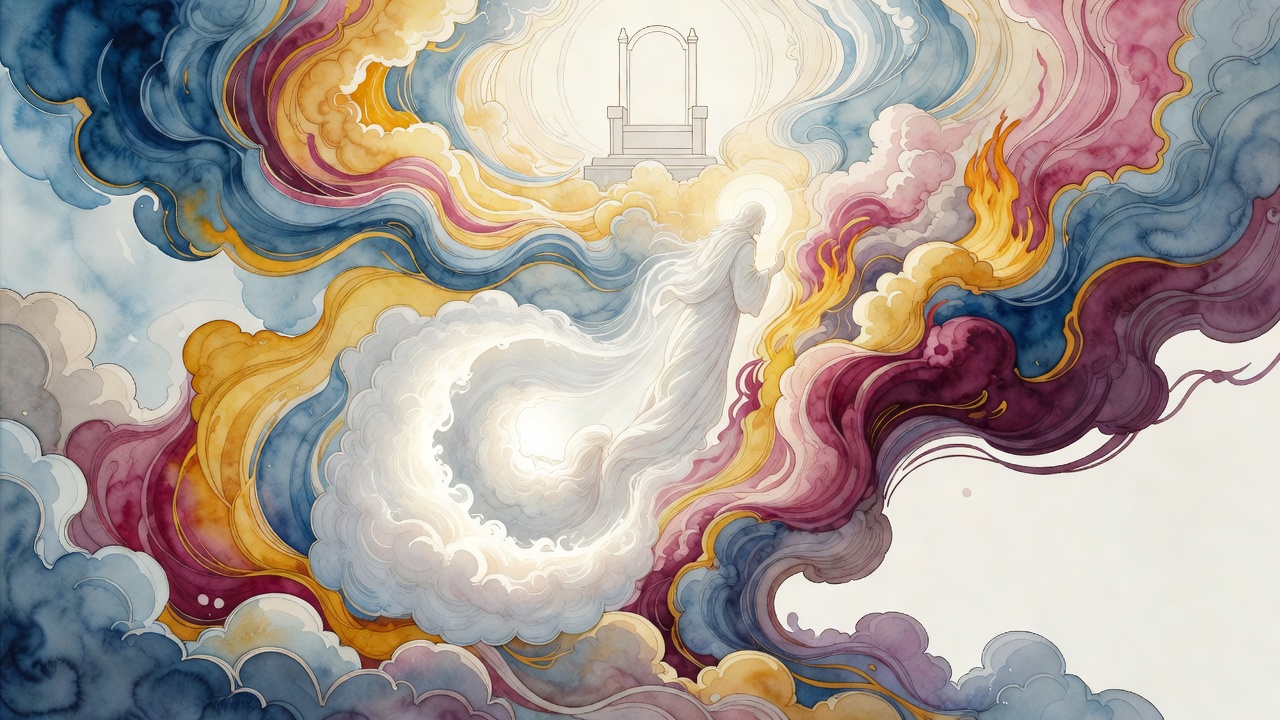
A vast soul is told to diminish like the moon before it can wear a body. Closed inside cloudy flesh, it climbs back by deeds alone.
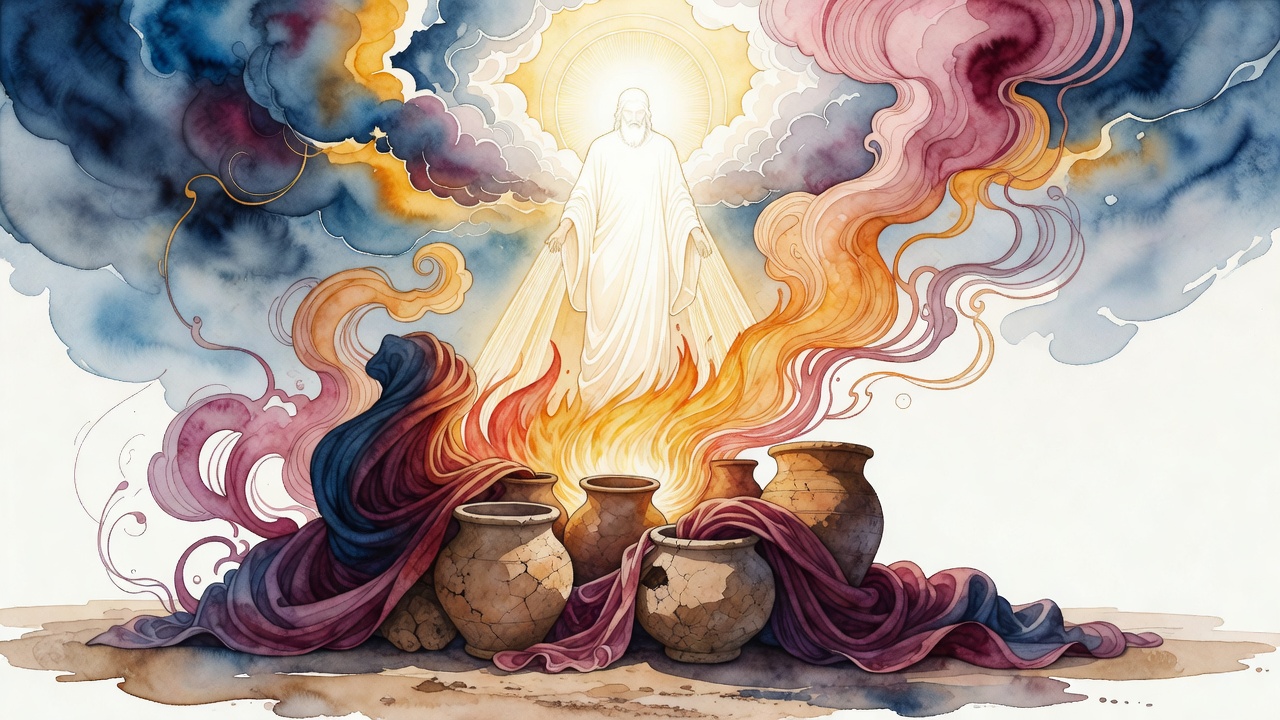
Light steps down into coarse vessels and puts on dark garments so lowly things can be borne. The Soul seeks knowledge strong enough to hold the descent.
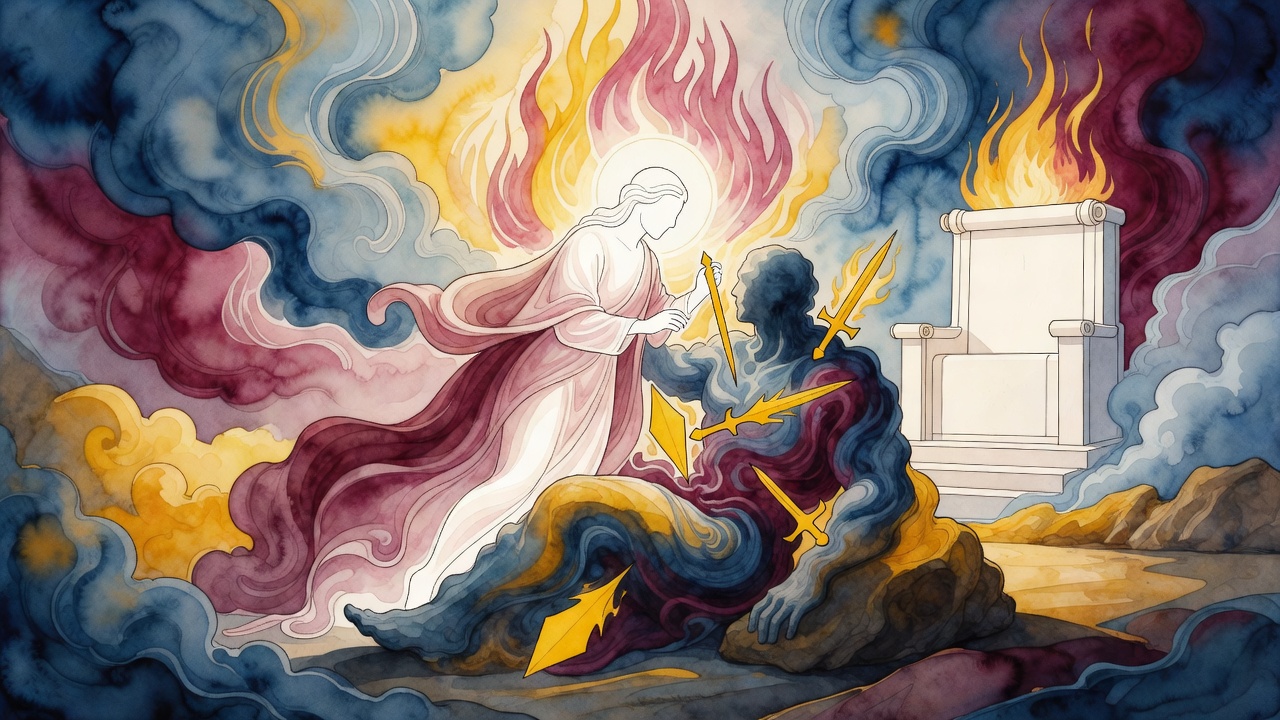
A soul hung above a still chest and refused the coarseness. The Holy One brought a garment cut to the limbs. Hunger arrived with it.

In the womb the spirit punched four holes in a sealed face. Eyes, ears, nose, mouth. After that a world could enter, and so could blame.
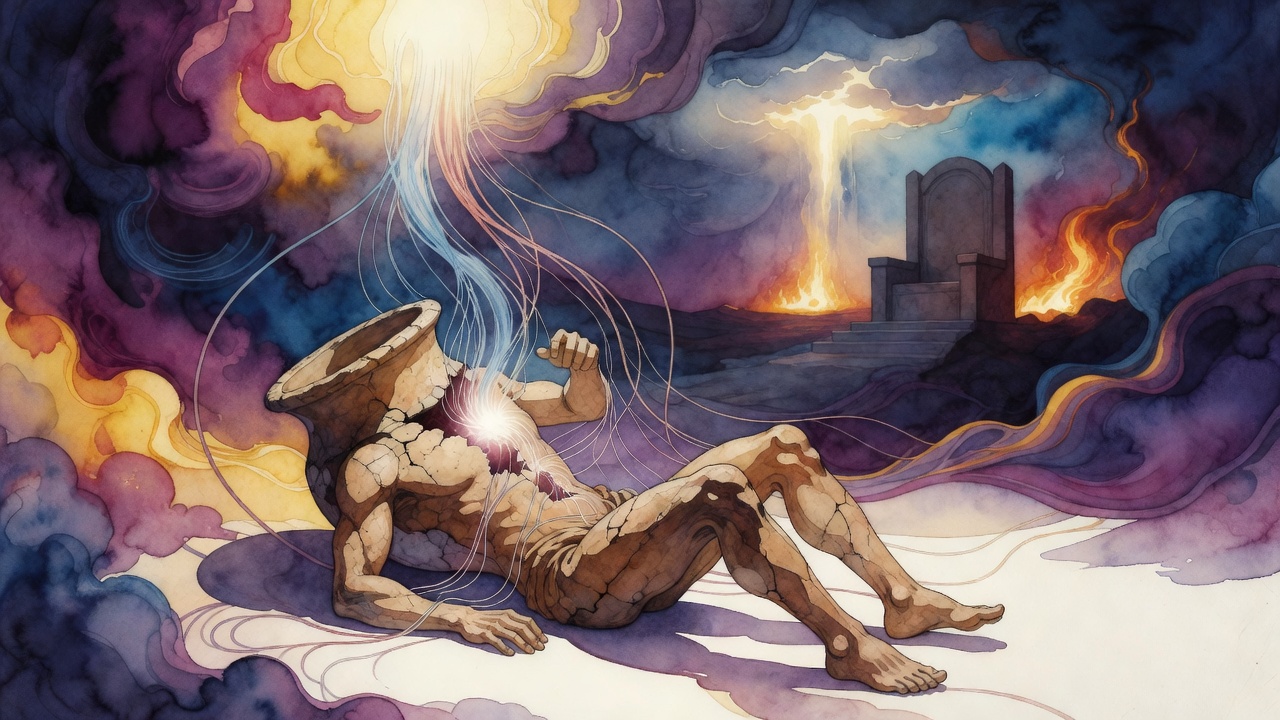
The light would not sit in the new vessels. It withdrew and sent down a thin vapor instead, hevla degarmei, the breath of the bones.

Friday dusk thickens and a second soul settles without adding bones. Above, Zeir Anpin matures as Shabbat light completes what weekdays could not hold.
