113 myths · Page 3 of 4
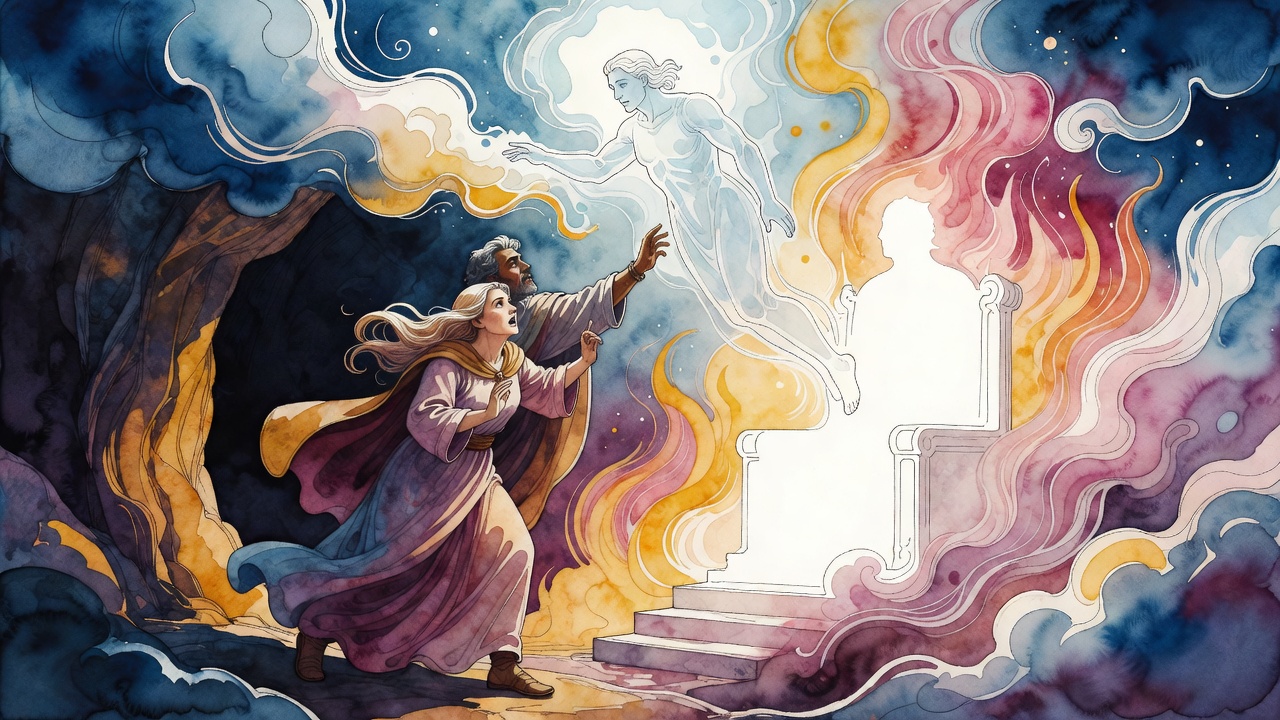
The prophets had gone quiet. He put on other clothes and asked a woman for a shade. The dead man still spoke as if interrupted on the road up.
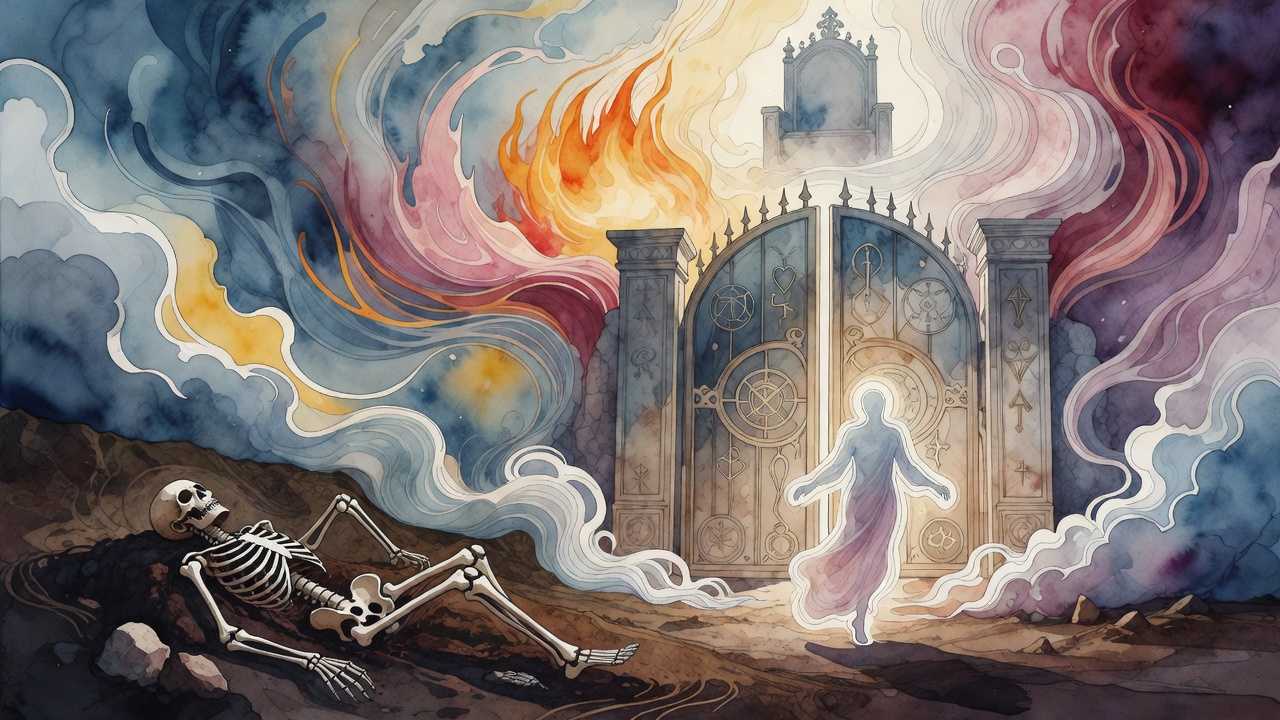
Bones softened under earth while a soul paced outside Eden. The gate would not open until the body was gone. Later the scars would return first.
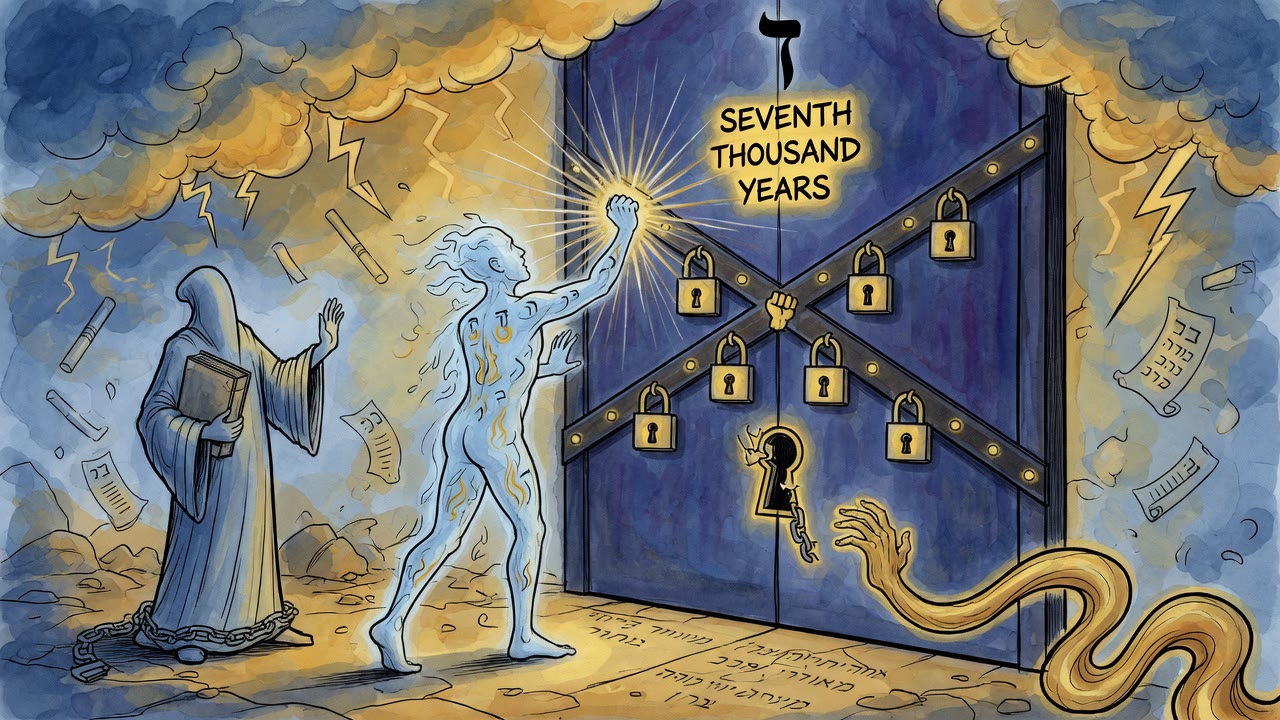
Heat leaked through a door with no handle. The Soul knocked once to mark the place, then turned back toward the rooms that still answered.
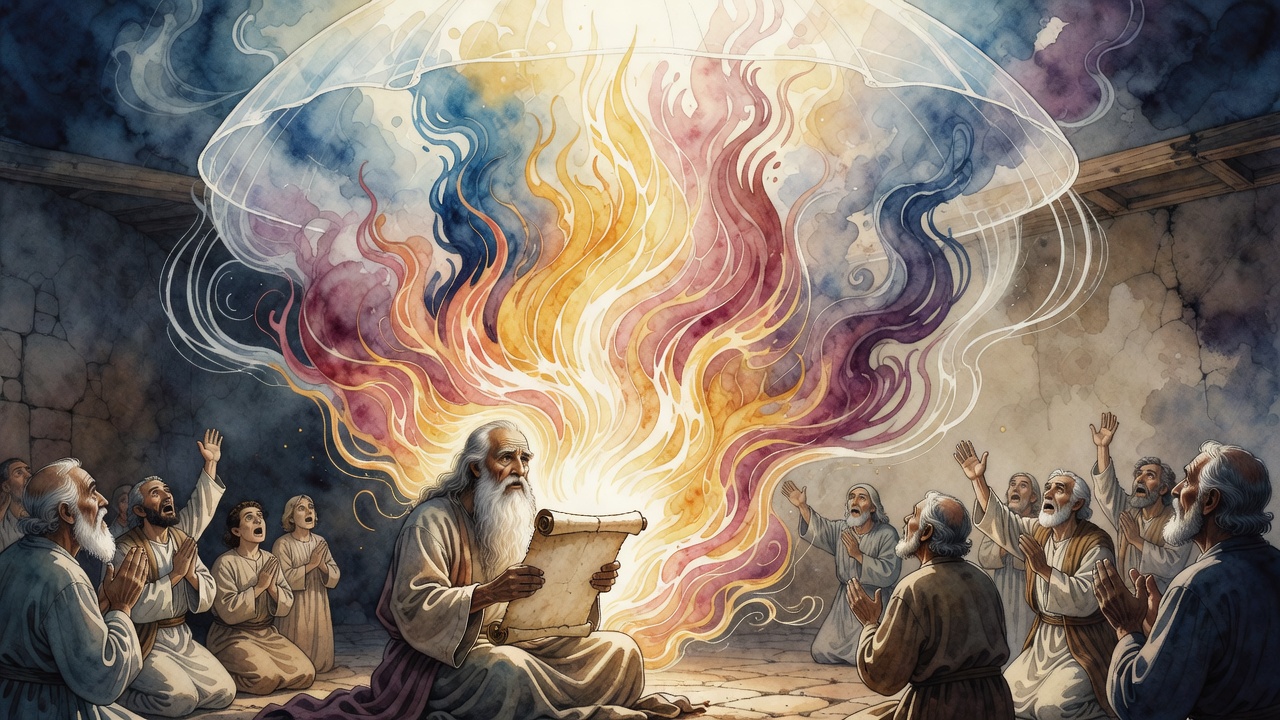
He held one psalm like a rope. The room smelled of metal left too long in a fire. His students could not cool his brow.
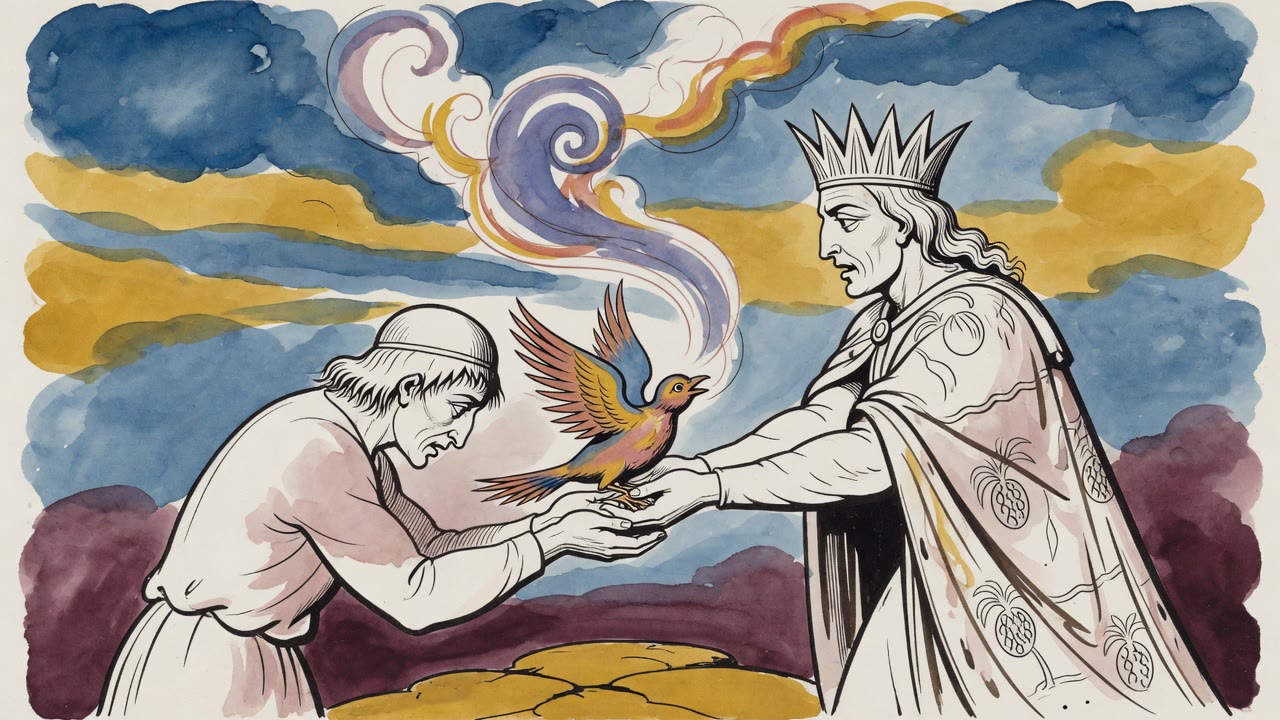
A king presses a living bird into a servant's hands and warns that losing it means losing a soul. The bird flips once, and the man feels the weight settle.
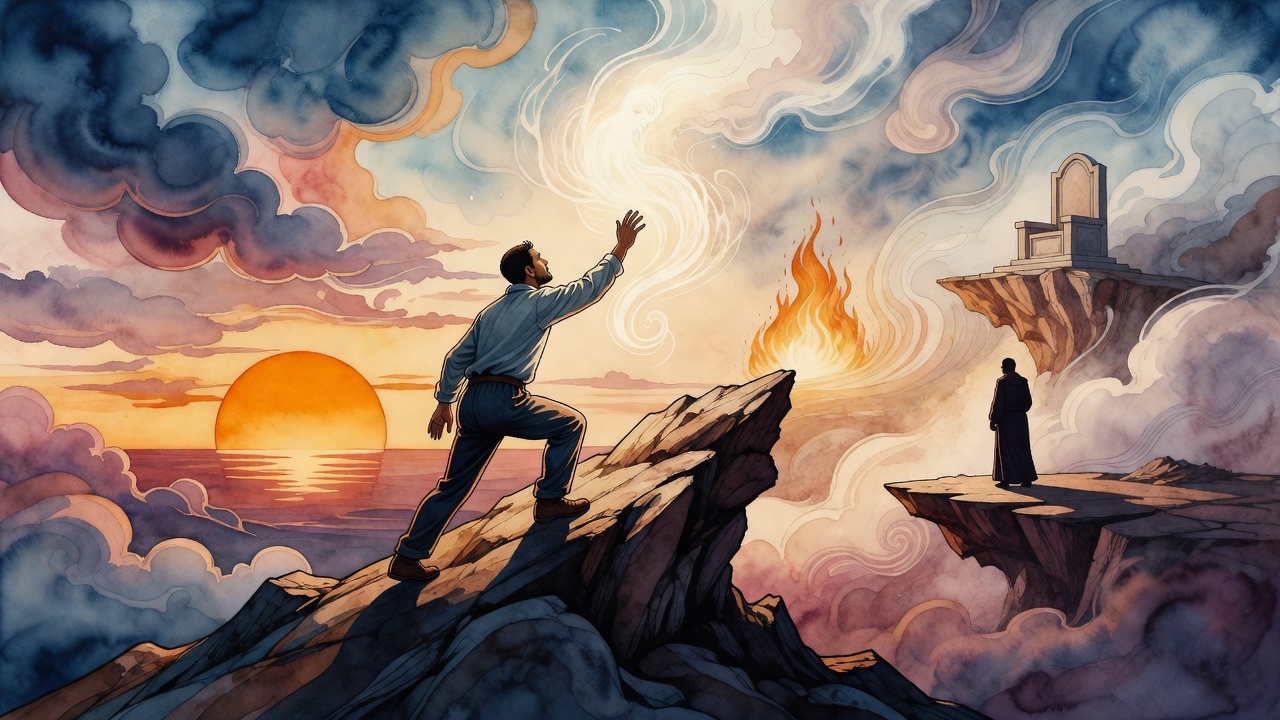
A hired man risks the ridge for a day's pay and watches the sun drop while the owner delays. Holding back his wage is counted as taking his soul.
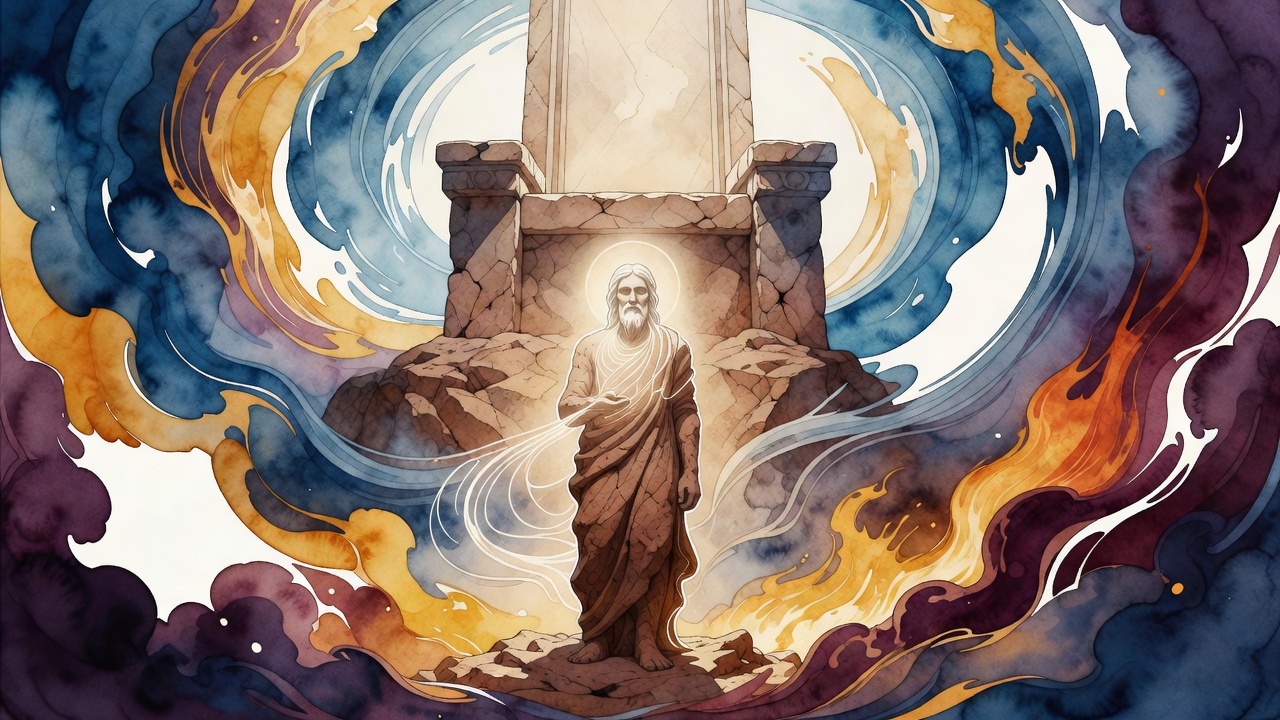
The clay stood because it was lifted. Breath came from under the throne, and Adam felt hunger already waiting in his hands.
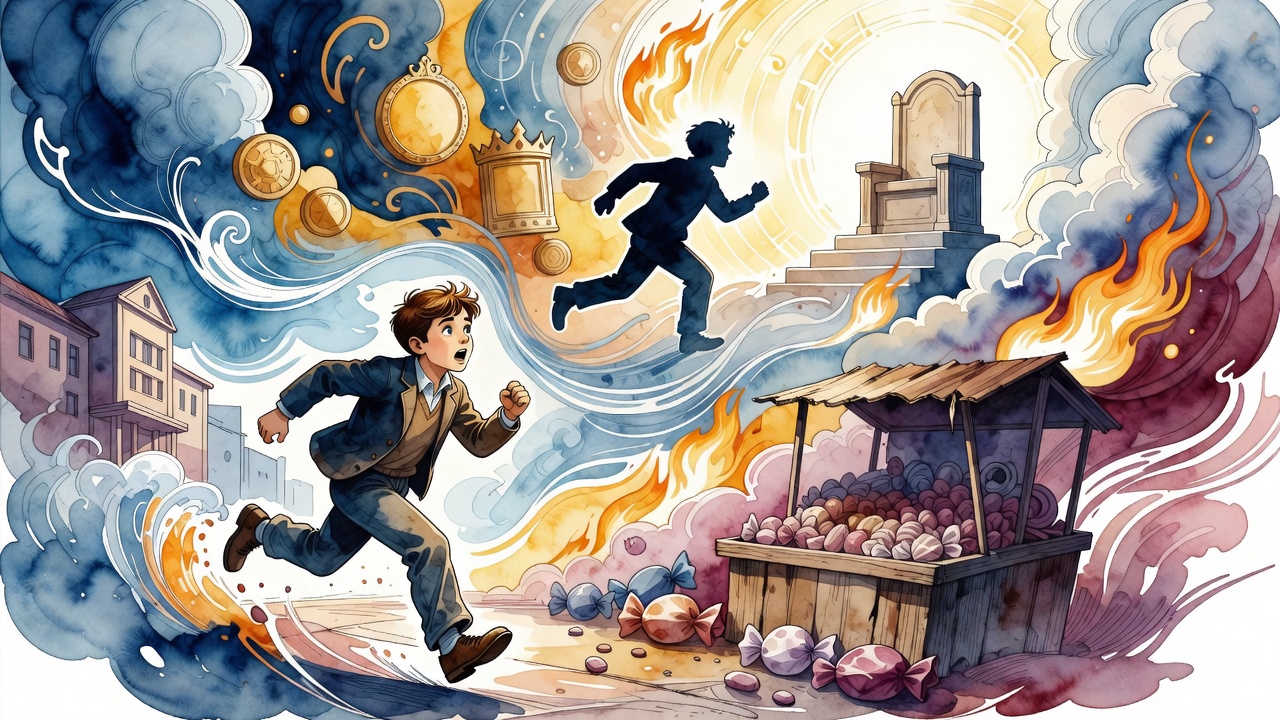
A boy bolted from school toward sugar and games. Years later the same hunger chased larger vanities, until growing light began to change what he wanted most.
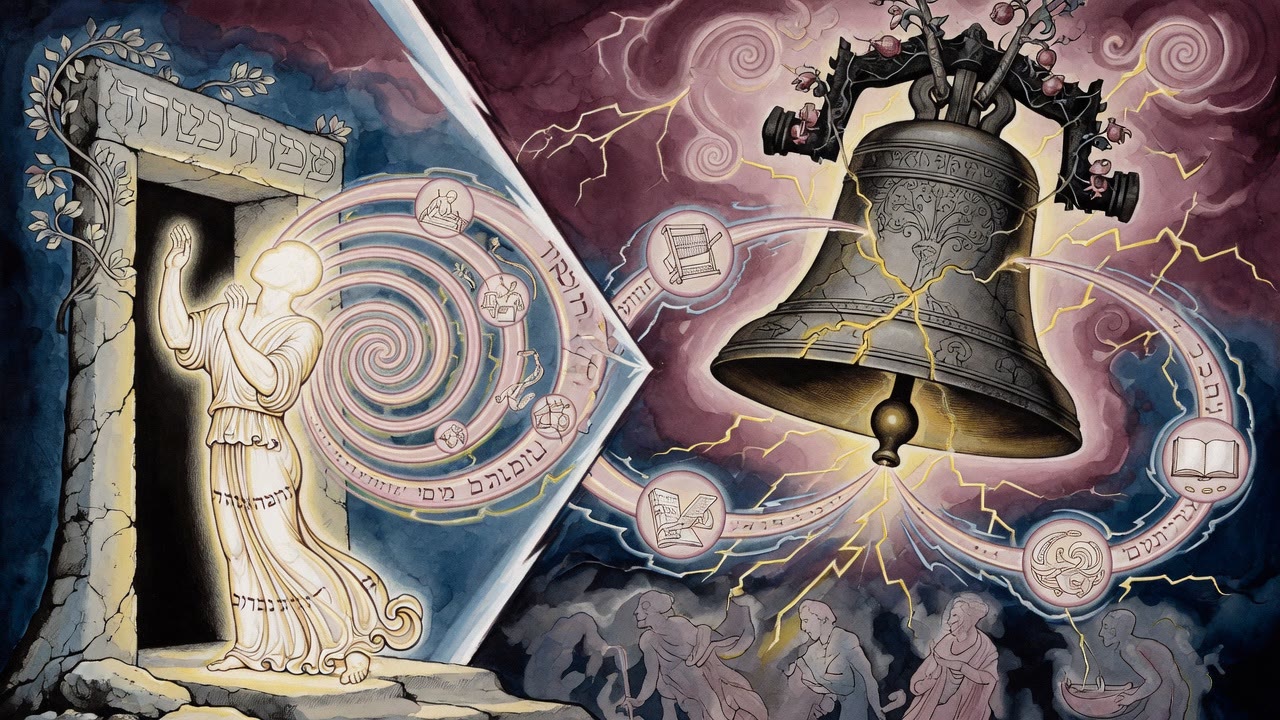
The kettle hissed in the kitchen. On the bed the Soul named the life at last and asked for time to finish the debts still sitting on the table.
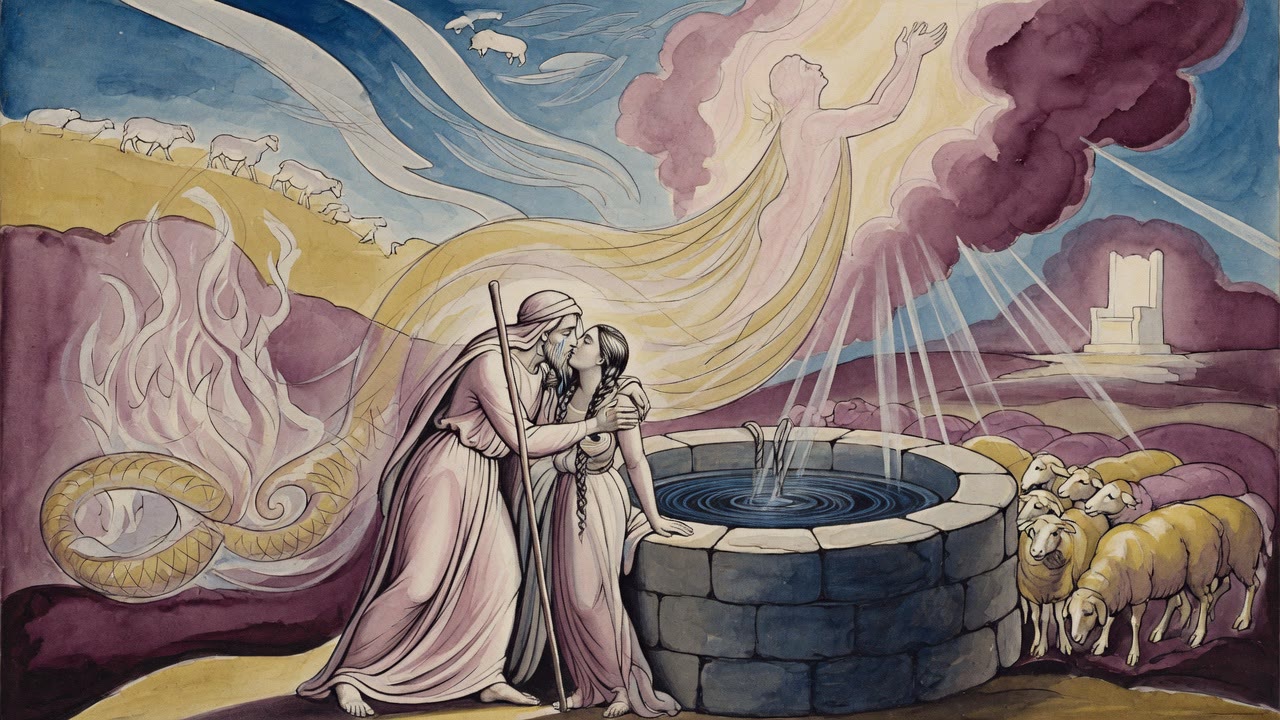
The stone came off the well as if it had waited for his hands alone. Rachel stood there with her father's flock. The shepherds stared while he wept.
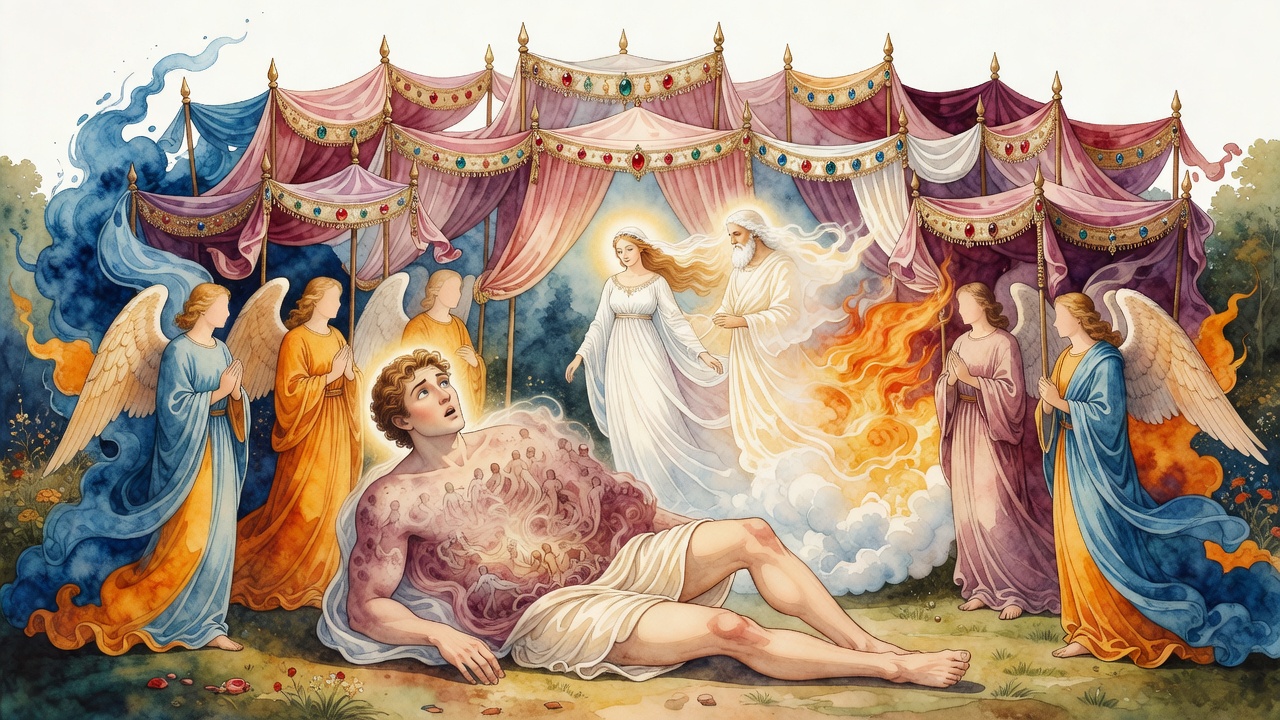
Adam woke from deep sleep to Eve under ten jeweled huppahs, angels as groomsmen, and God Himself leading the bride while all future souls waited in him.
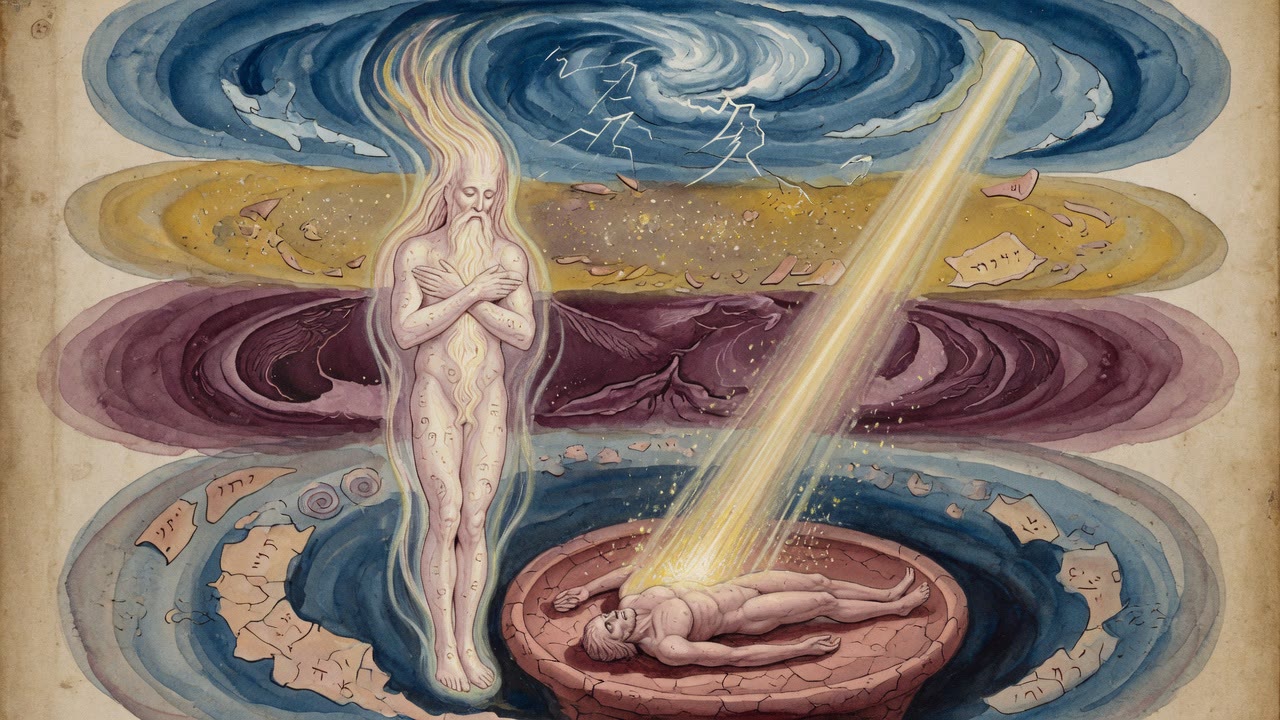
The fruit was still on Adam's teeth when the ladder under the worlds froze. Eve asked if he was cold. He said he was counting something that would not finish.
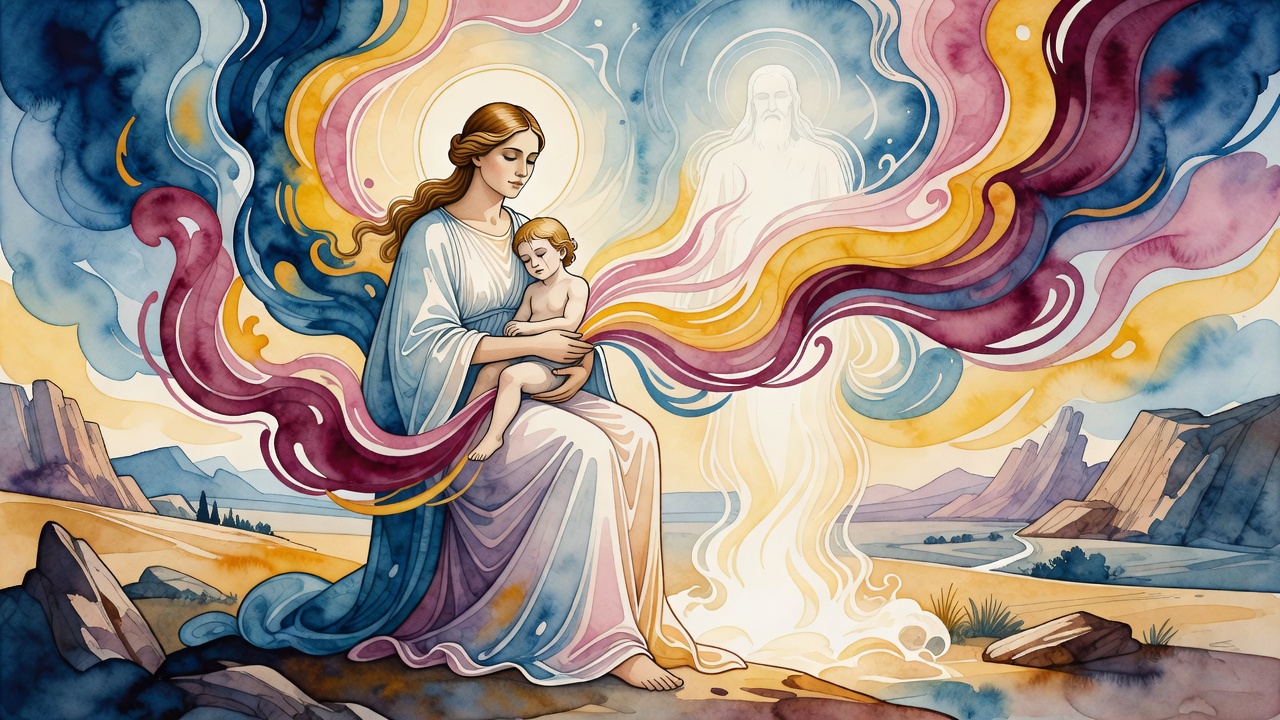
She looked at the first baby ever born and said it took three to make him. She and Adam gave the body. God gave the soul. The boy grew up to kill.
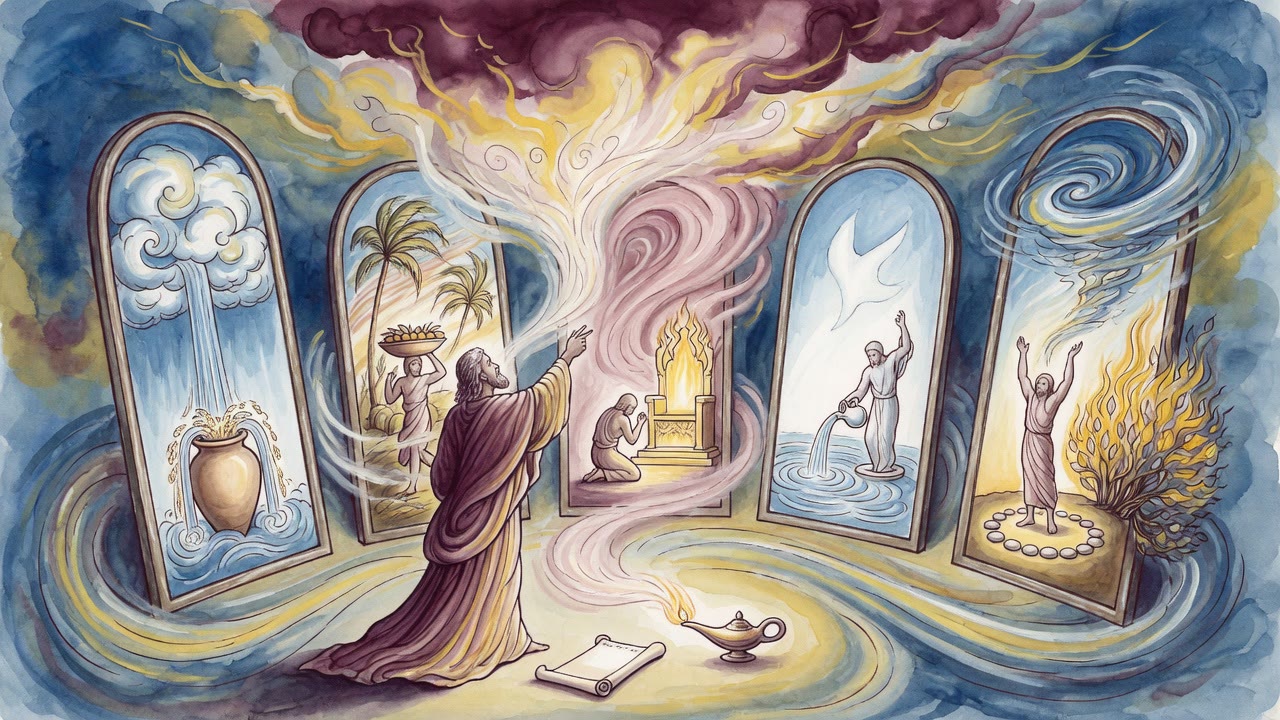
A soul fills its body the way light fills a room. David kept giving his own soul orders until it stopped pretending it had somewhere better to be.
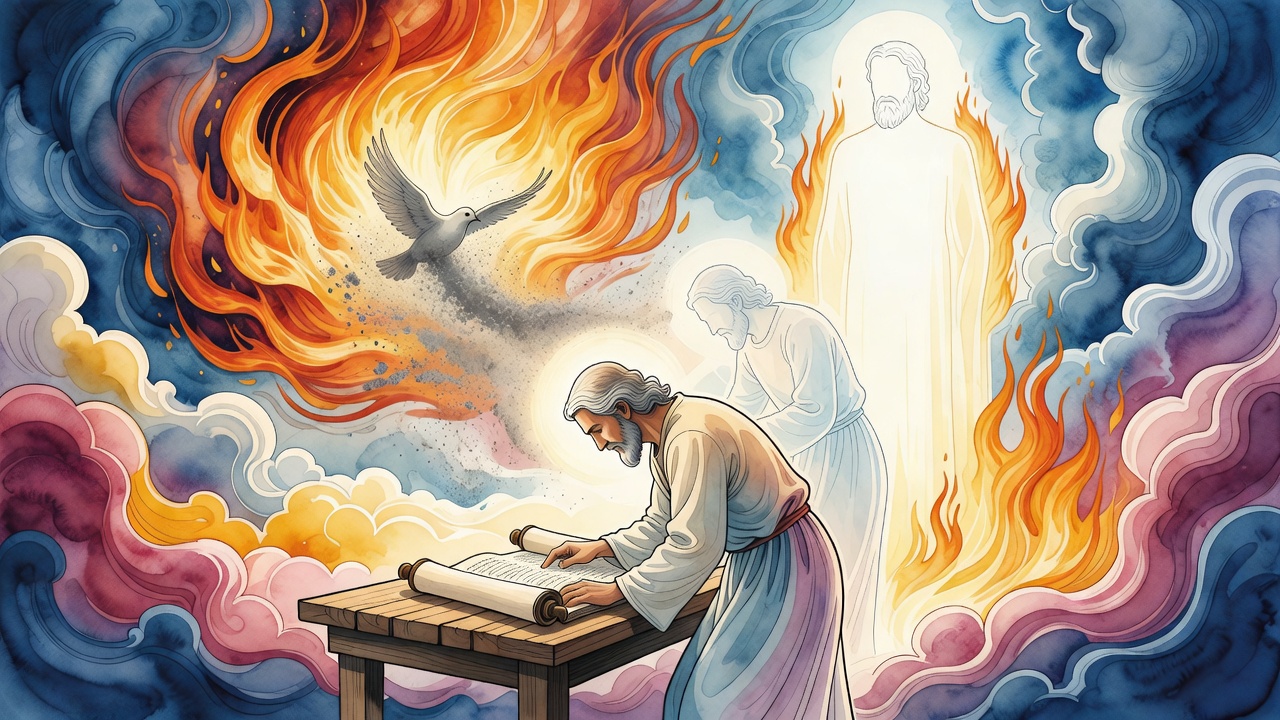
Any bird crossing the air over Yonathan ben Uziel while he studied came down as ash. When flames ringed Ben Azzai, his students asked what he was doing.
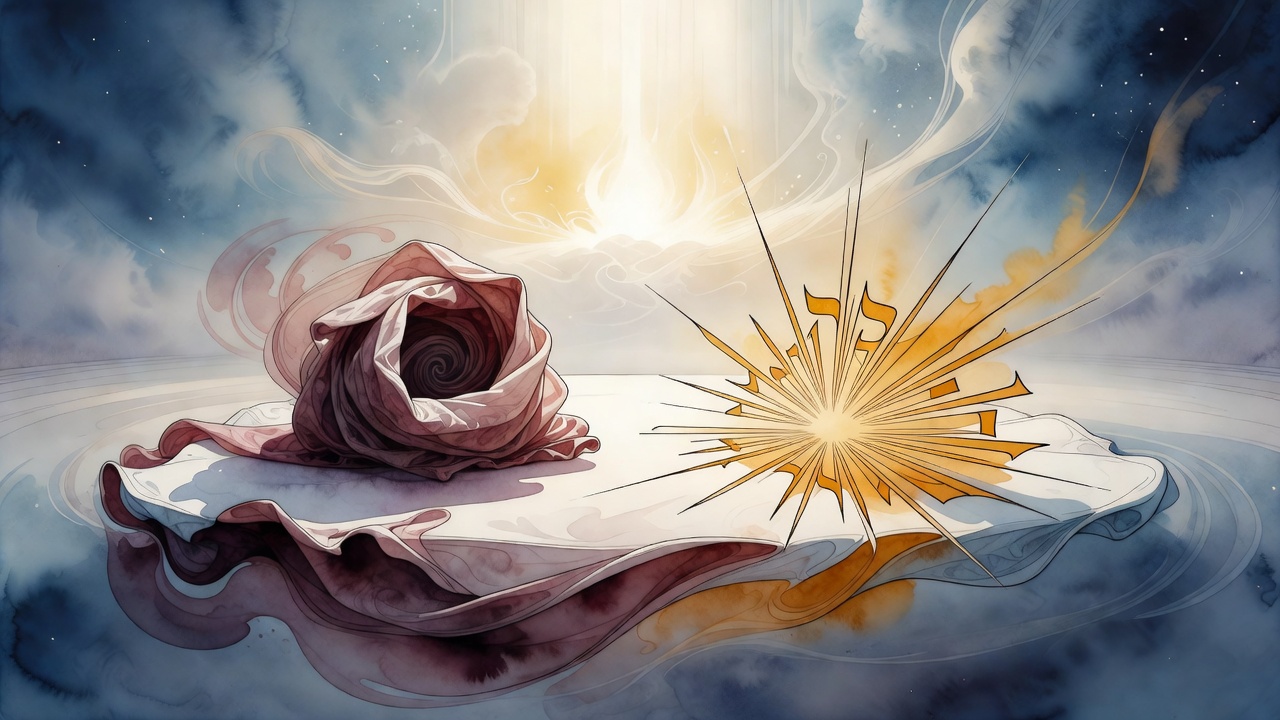
Across a table without wood, the Soul folded its patience shut. The Intellect had to speak in order, or the room stayed empty of understanding.
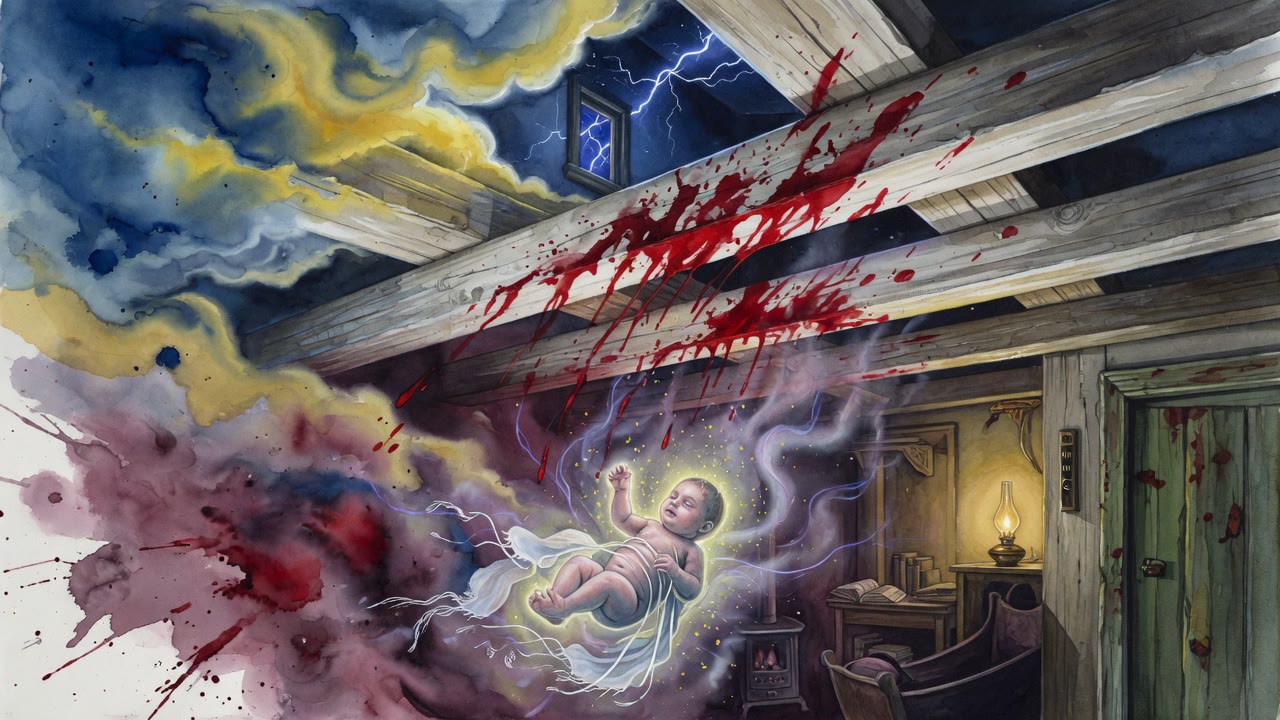
At a circumcision the cut drew no blood until the Baal Shem Tov held the blessing open, and the child's soul forced its way back into a body already cold.
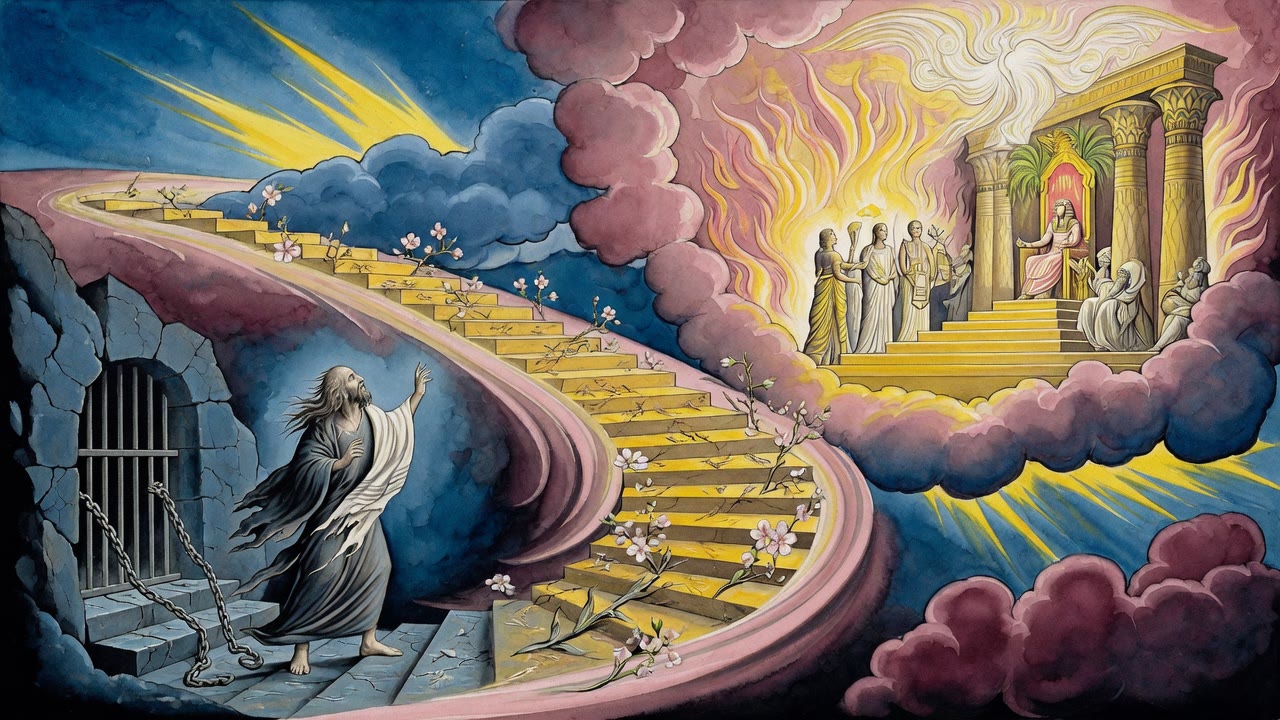
The doctor closed his bag over a silent mouth. The Baal Shem Tov asked for meat broth and waited until the soul signed.
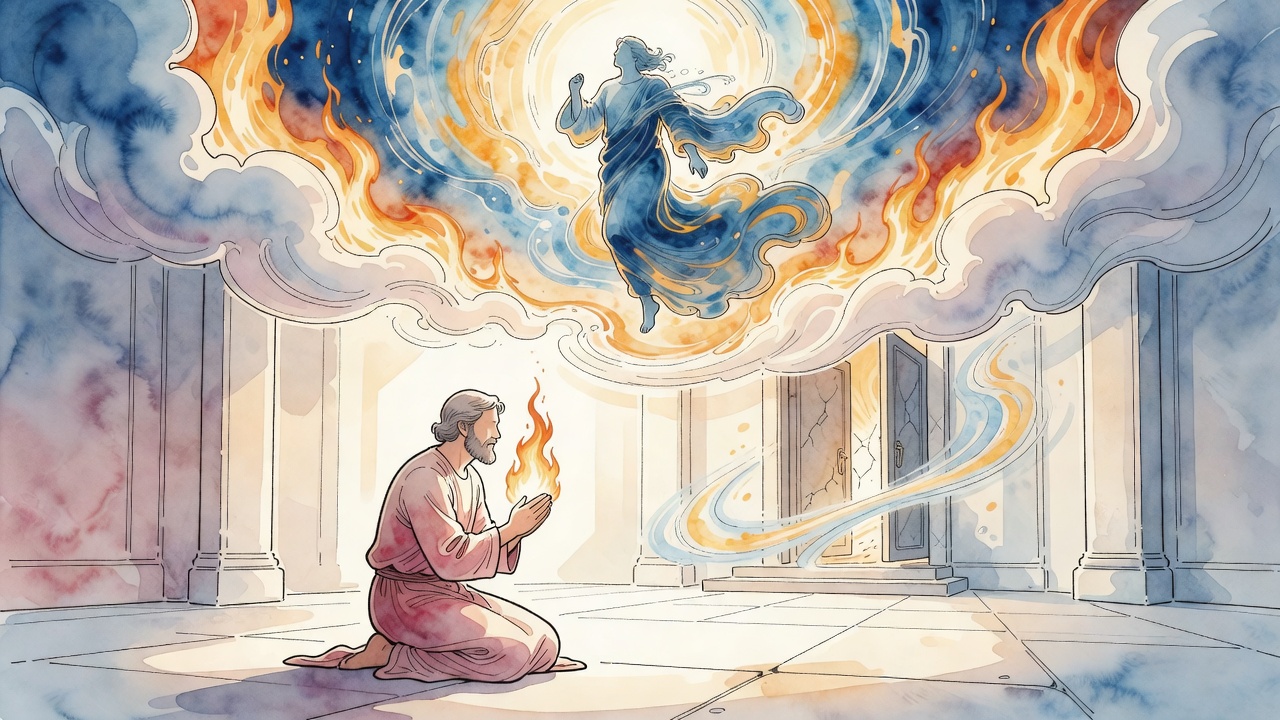
Rabbi Menachem finished the midnight tikkun, the repair rite, with a voice that cracked on the last psalm. He felt the empty chair beside him, almost occupied.
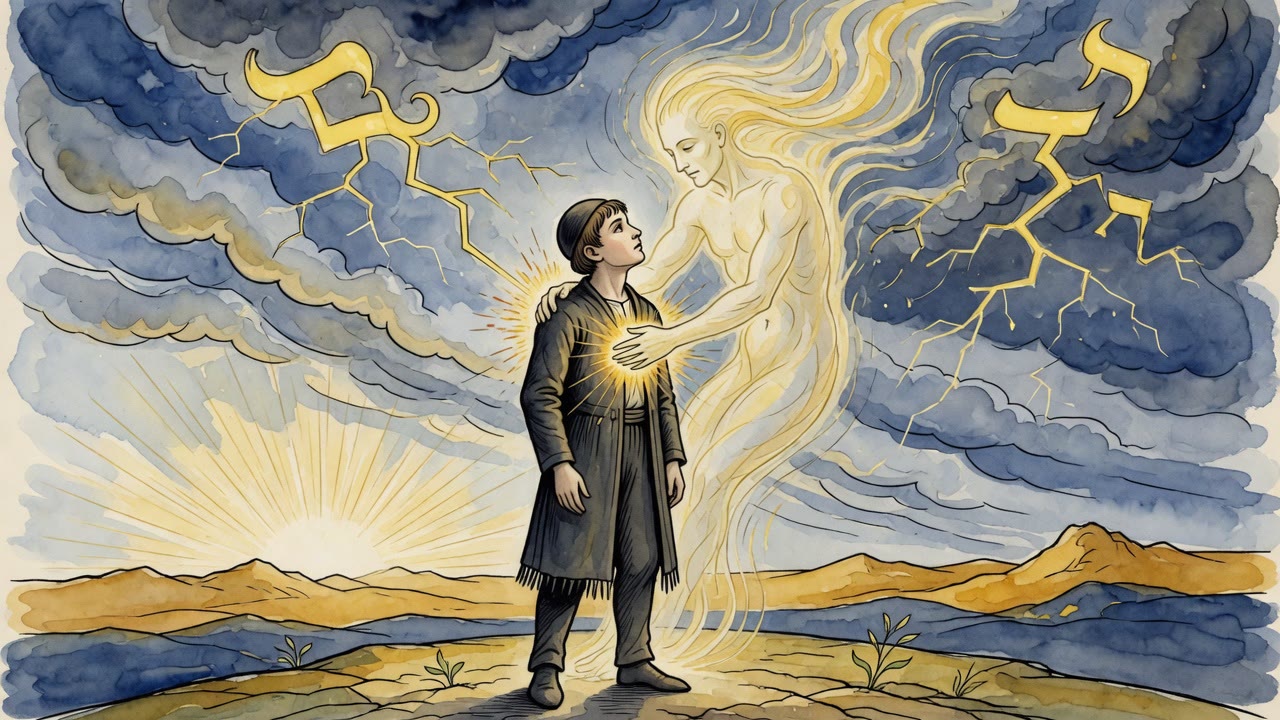
On the morning he turned thirteen, a boy felt a second weight settle into his chest. The desire to give had begun to dress itself in skin.
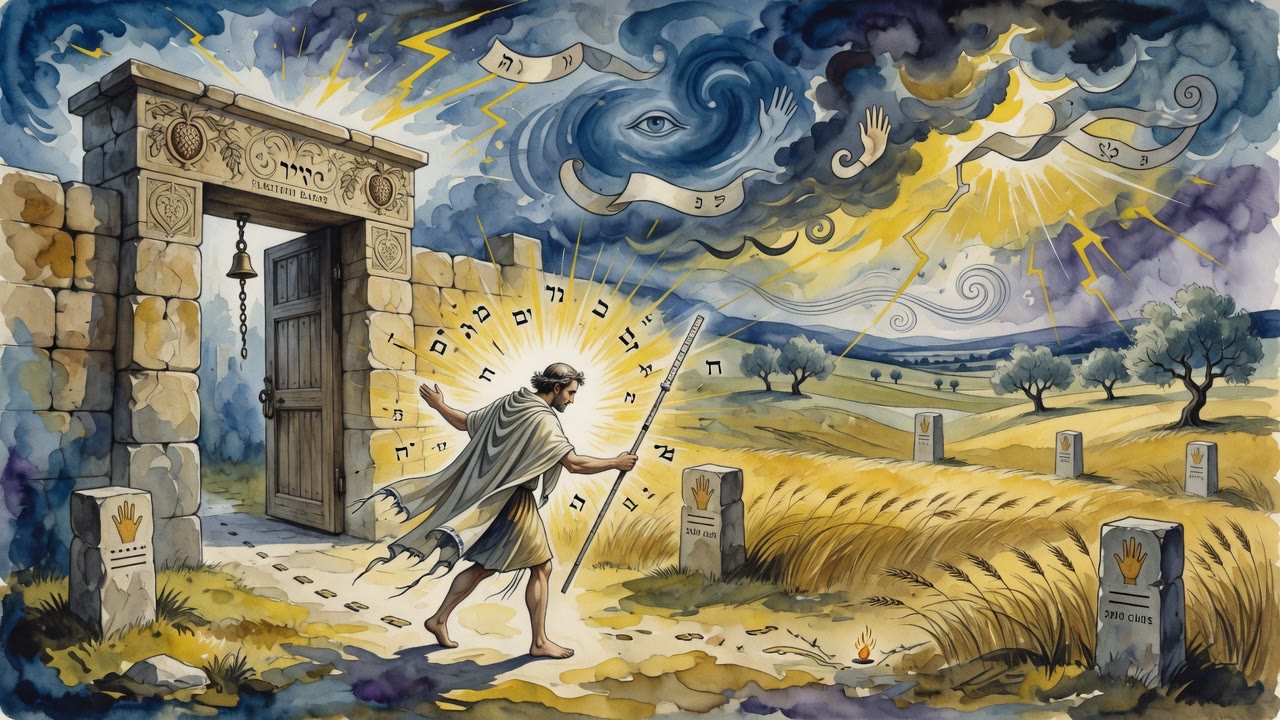
A woman carried a male soul and could not conceive until a feminine soul entered as a temporary guest. At birth the guest left her and stayed with the child.
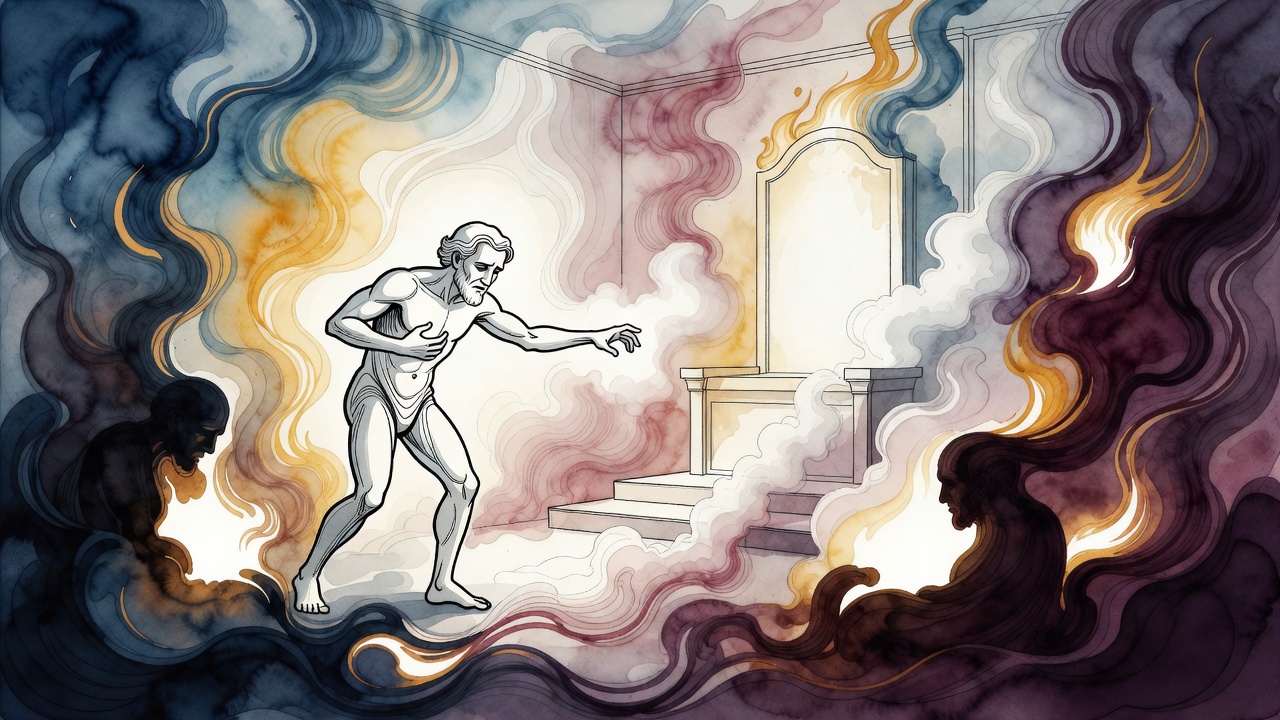
He reached for the meat before the blessing had left his mouth. In the corner the lamp failed, and a thickness sat down as if it had been invited.
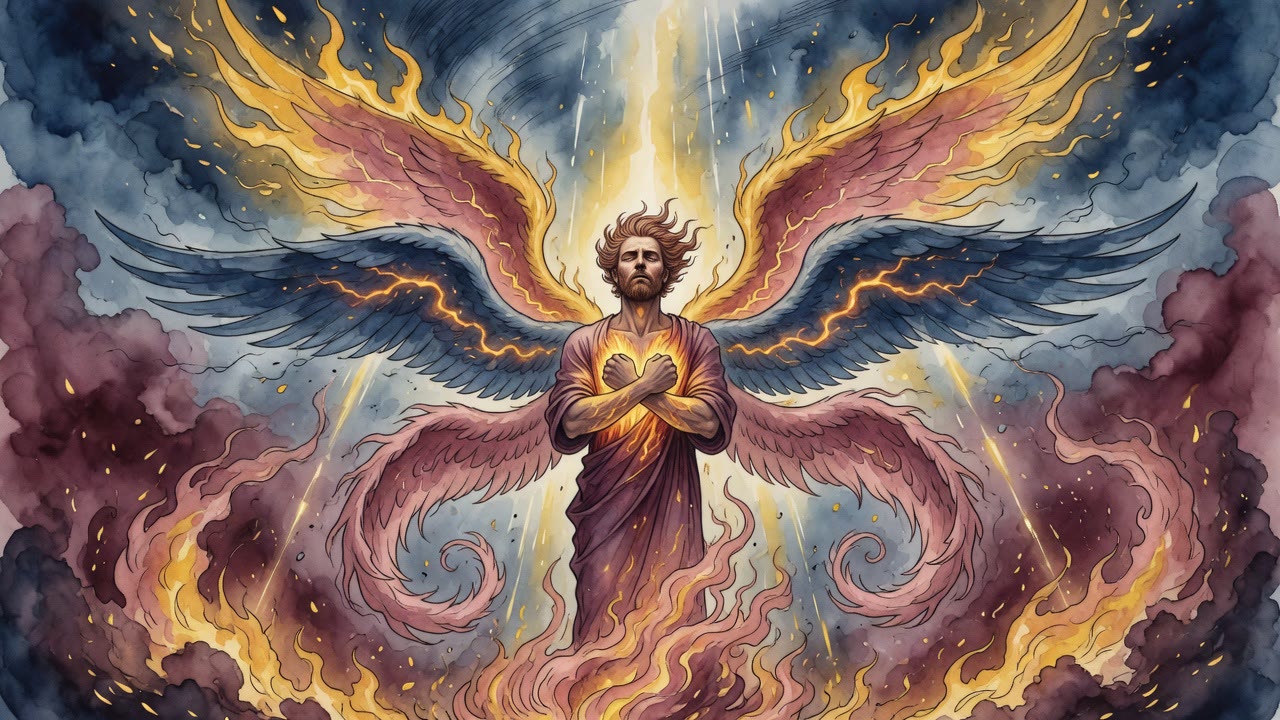
When the body screamed for the easy path, one man forced his soul to take the reins. Heaven answered by lifting his face until angels looked twice.
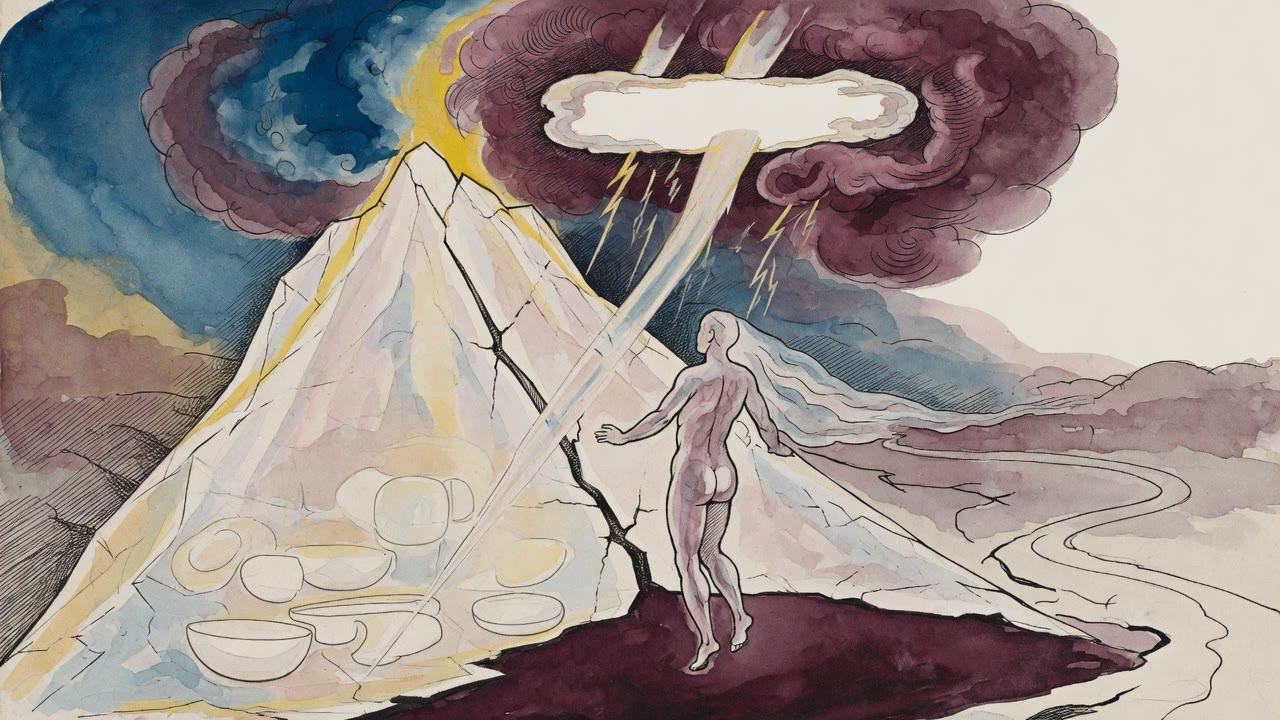
No axe touched God. A change in the vessel of receiving turned All into part, and a soul found itself separate enough to love, fear, and choose.
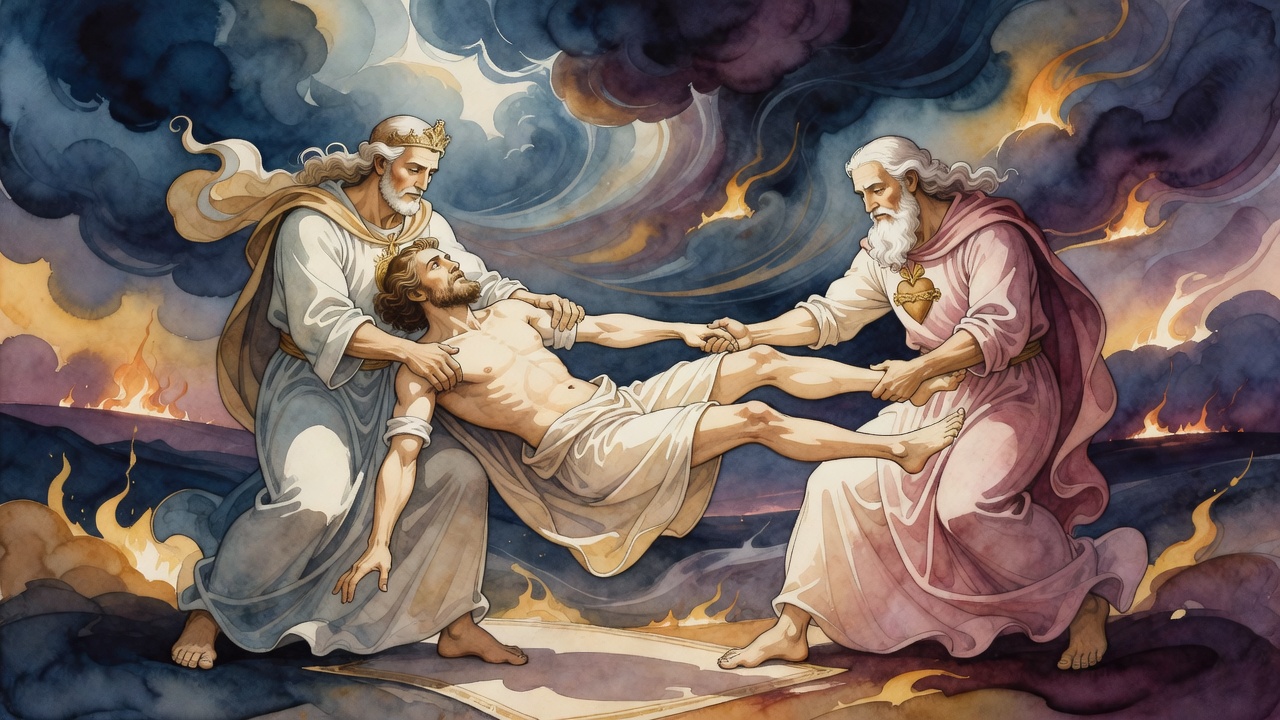
His hand was already on the bread. The left side of his chest pulled harder, and the skull answered with a cold no.

A midnight candle showed white, red, and black while a two-color rose drank from both sides. Humility and holy fear dressed the soul.
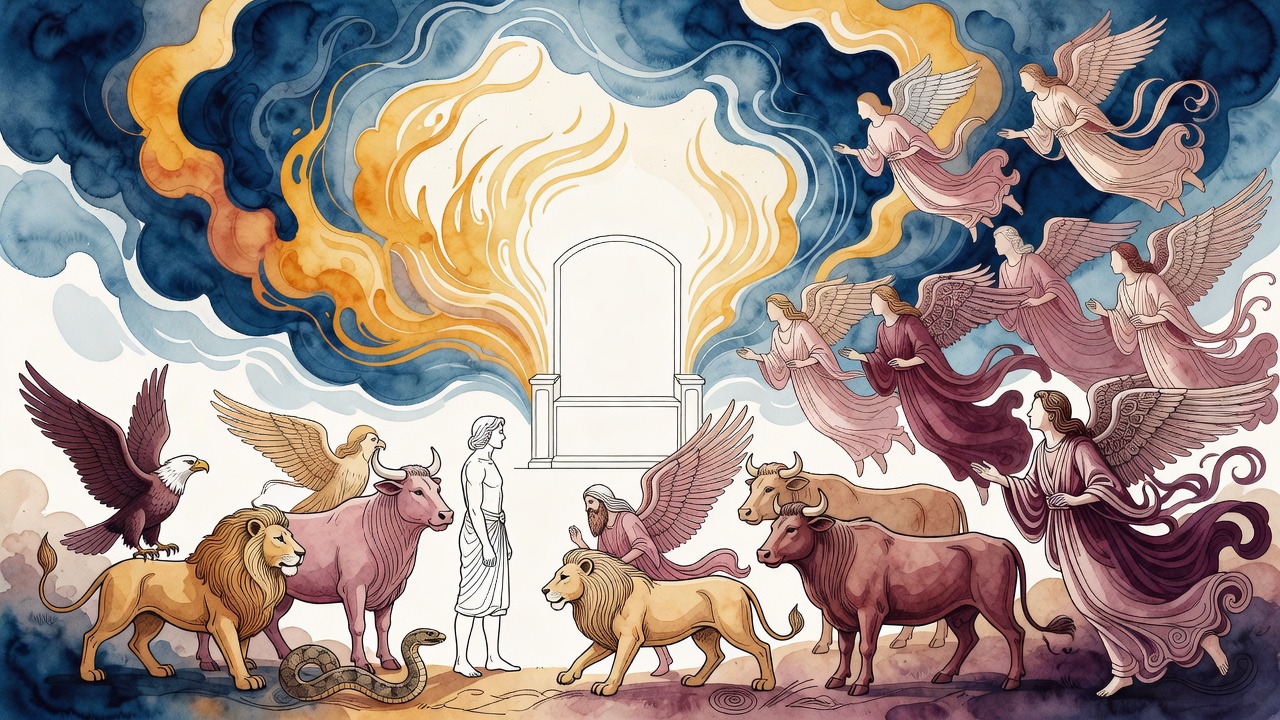
Angels watched Adam name every beast and went silent. God said human minds can grasp what fire cannot, and Ramchal made it a path of accounting.
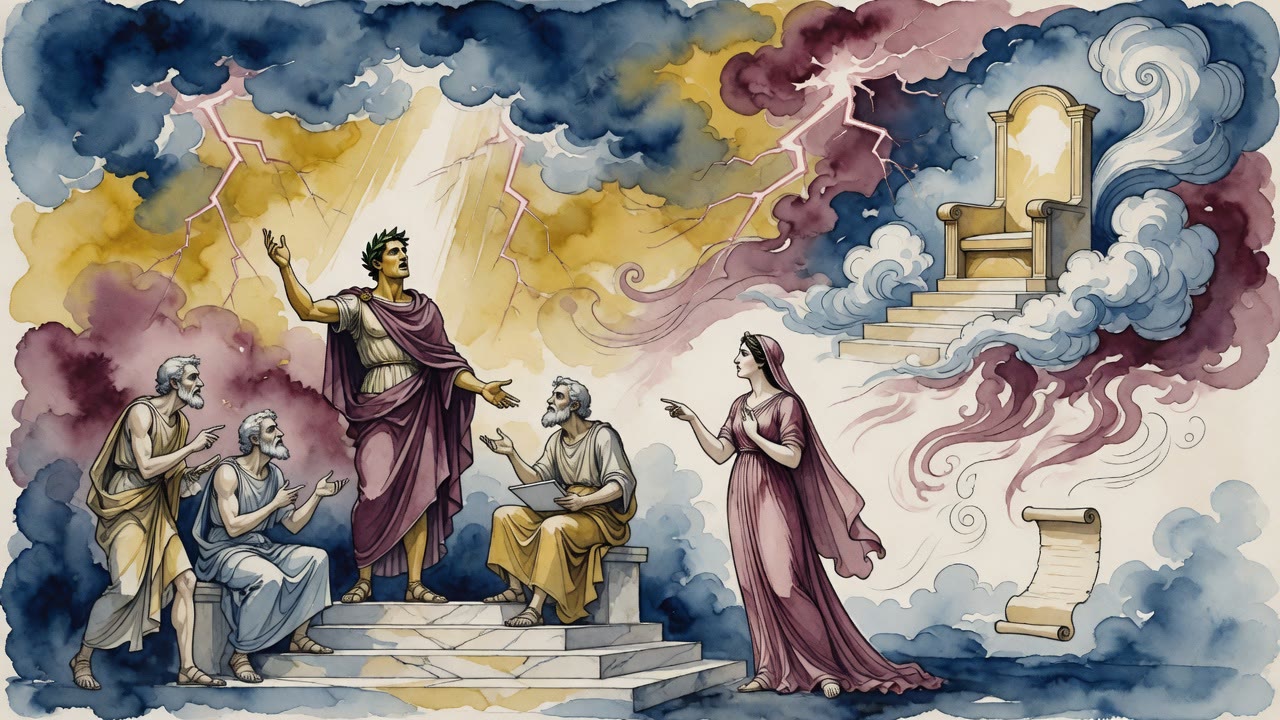
Hadrian told three philosophers he wished to make himself a god. Their tests, and his wife's question about his own soul, stopped the project.
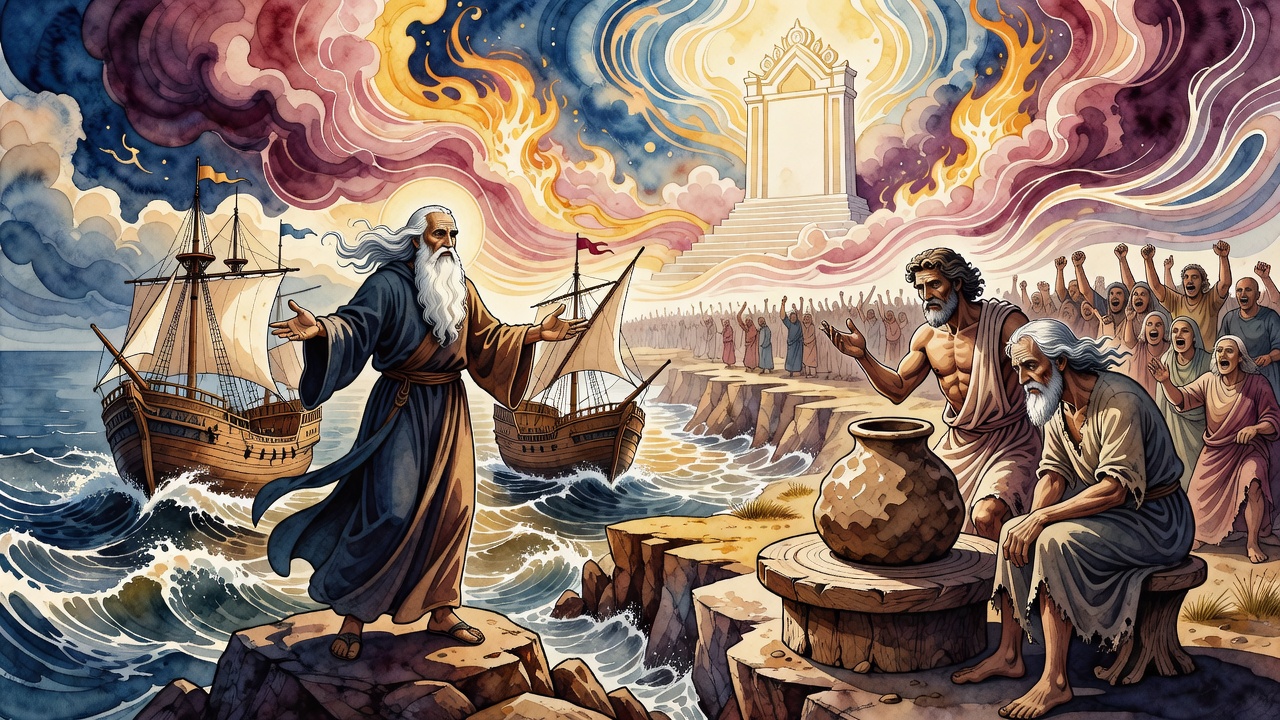
Rabbi Levi sets two cargo ships on the sea, and David answers Job that a human life is clay waiting for the potter's fill.
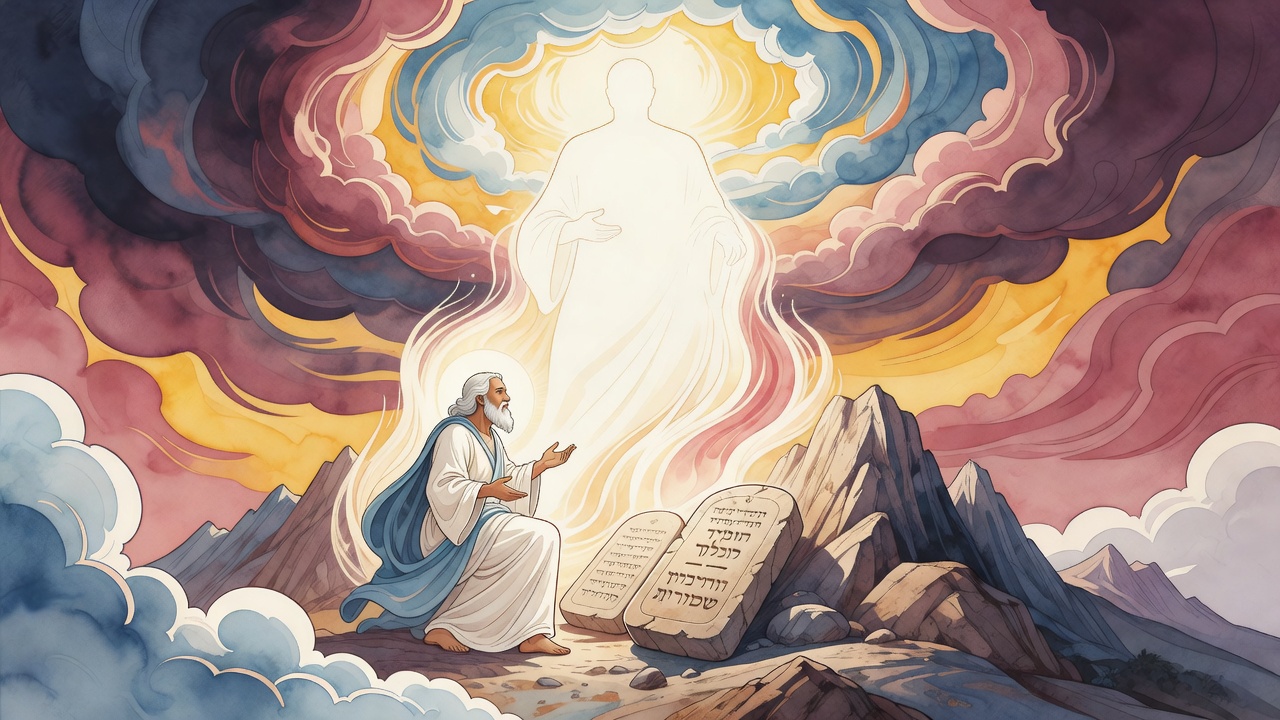
The angels did not get to take him. God reached for the deposit Himself, the way a keeper returns a pledge he never misplaced.
