God Formed Adam From the Dust Beneath His Own Altar
God scooped the dust for the first man out of the one patch of ground where his children would later come to be forgiven, and said, if only he stands.
Table of Contents
God went to one specific patch of ground for the dirt.
 Click for full size
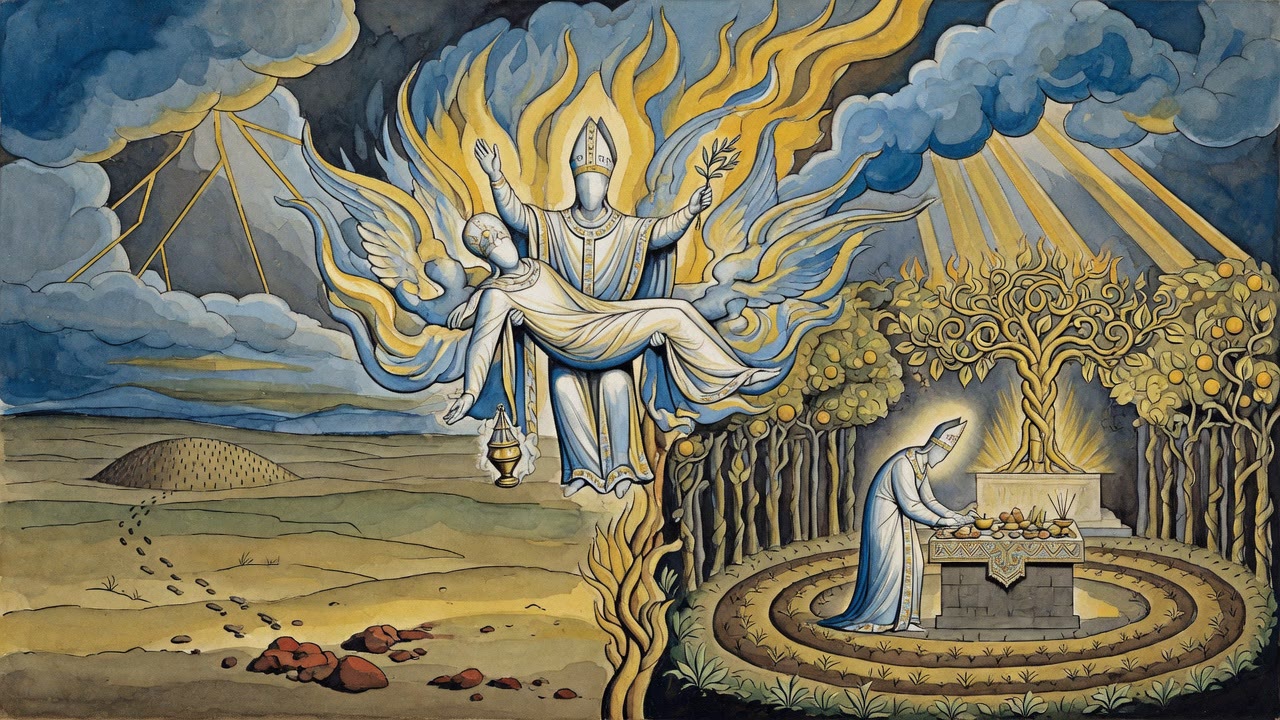
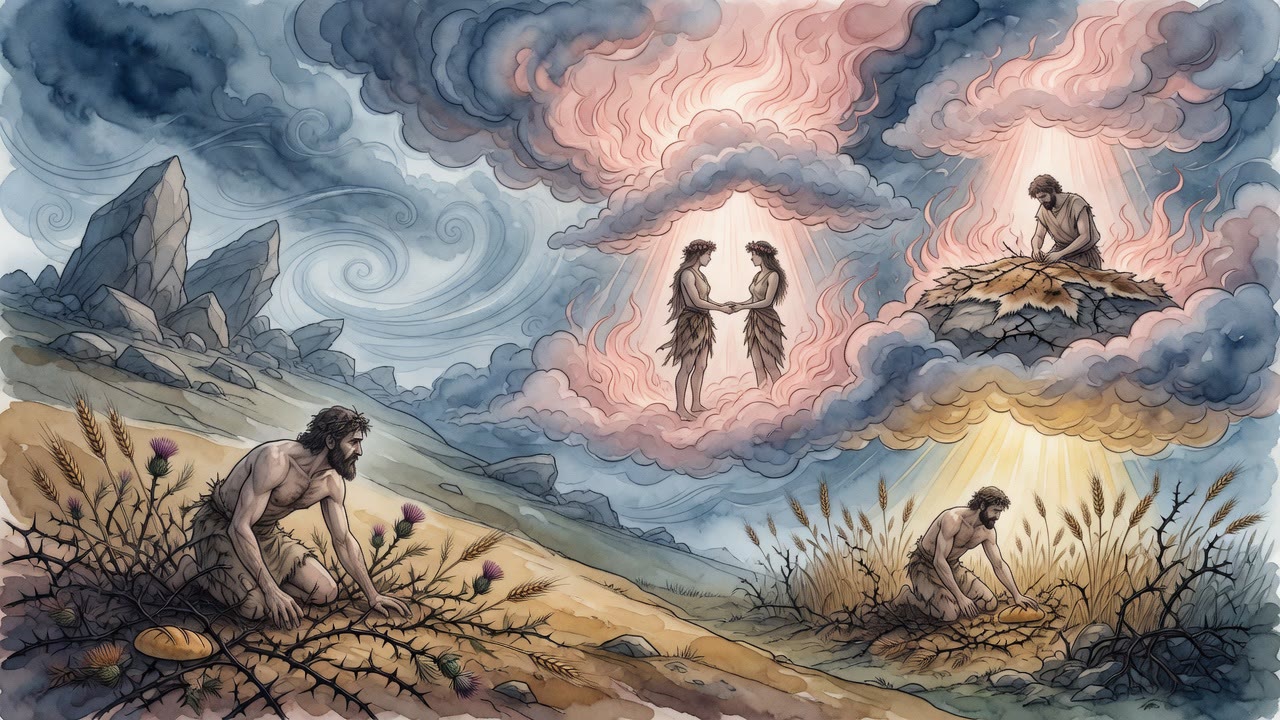
Not a riverbank, not the nearest field. He took the dust for the first man from the ground where the Temple altar would stand, the one mount on earth that centuries later would smell of blood and burned fat every morning of the year, because that was where a person who had wrecked something would come to get it repaired.
"I am forming him out of the place where he can be forgiven," God said. "Then maybe he will stand."
Maybe He Will Stand
Maybe is a strange word to hear in the mouth of the one doing the making.
Nothing had happened yet. There was no serpent, no fruit, no hiding in the trees at the sound of footsteps. The clay had not been given a face. And the hope was already spoken over it, and the repair was already built into the material, the way a builder lays a drain under a house before there is any water in the world.
Then He mixed it. Dust for the male, earth for the female, one taken up and folded into the other, the way a potter blends two clays so the finished vessel will not crack in the kiln. The first human body was a mixture from the start, and it was mixed for durability, by someone who had already worked out what it would have to survive.
The Body Was Carried Up for Its Soul
What happened next did not happen on the ground.
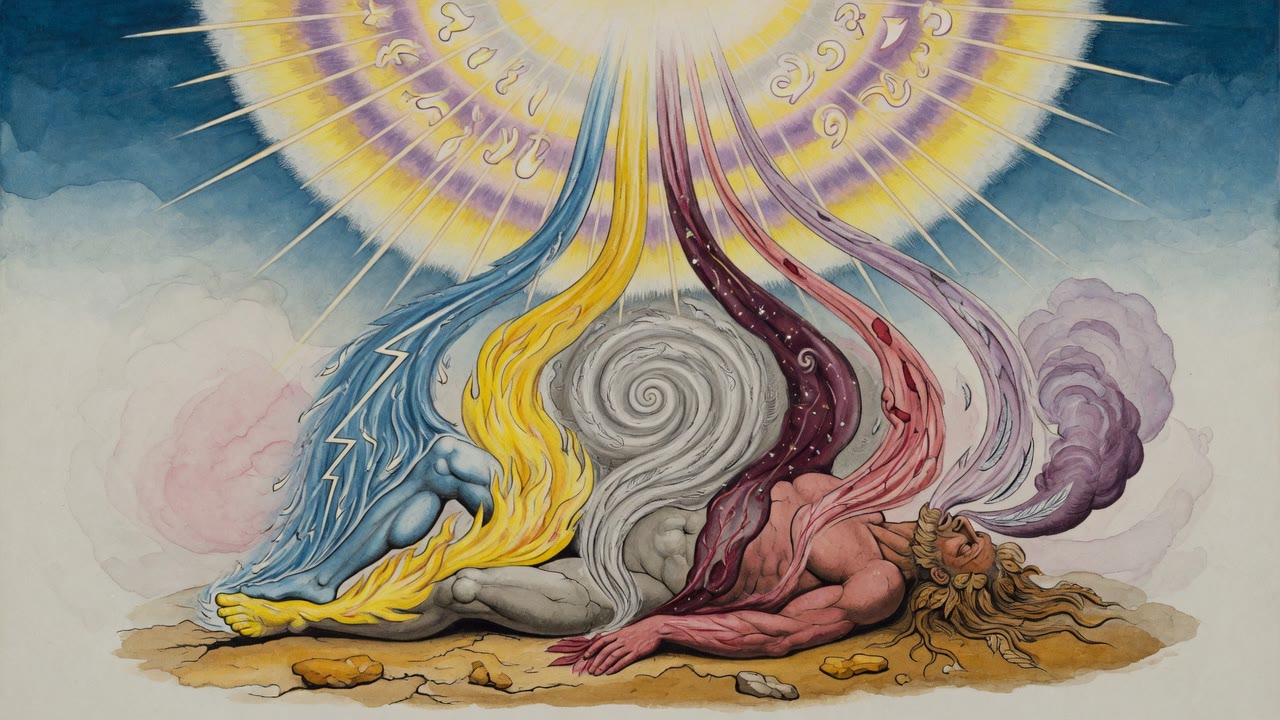
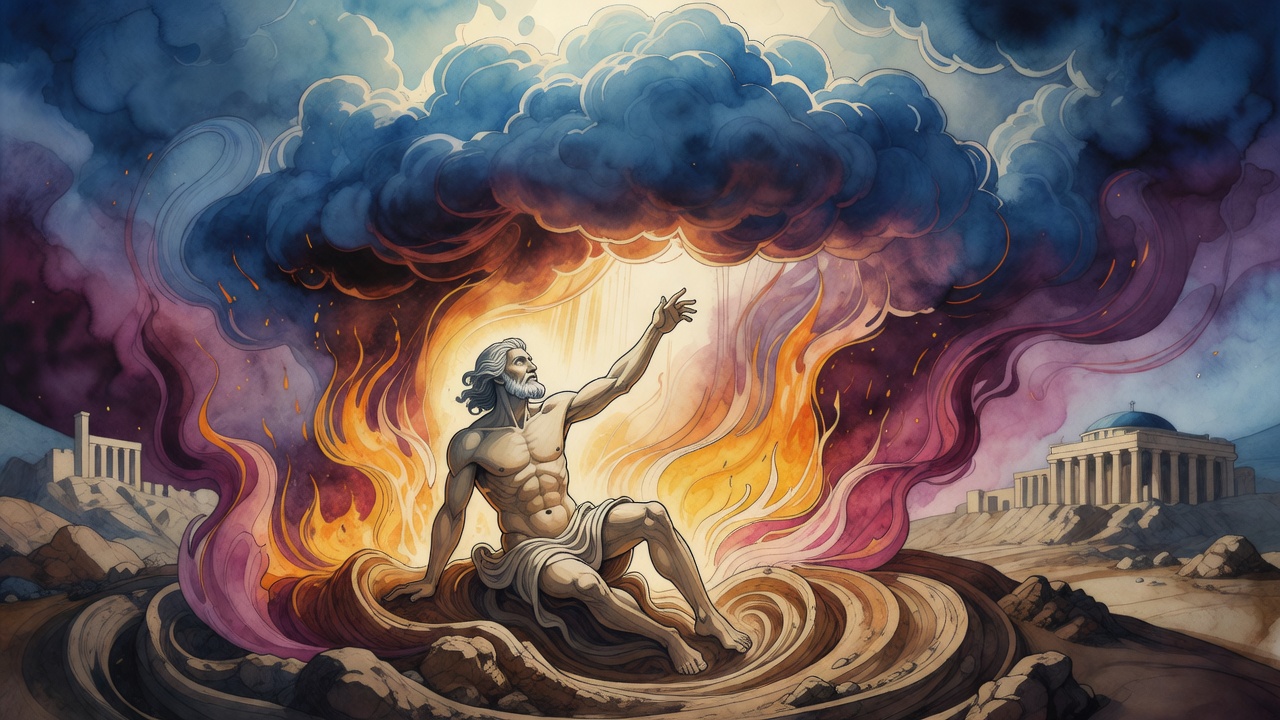
God stood the lifeless mass up and drew it from the earth all the way to the heavens, a shape with no breath in it, no name, no eyes open, lifted the whole distance. Up there, in the room where the throne is, He put the soul into it.
He blew it in. That is the detail everything else hangs from. A thing that is blown in can be blown back out, and so the man came down mortal, carrying a soul that had entered him like a held breath released. In the world that is coming, the soul will not be blown into anyone. It will be set in place and left there, and whoever receives it that way will not die.
So the first body went up unfinished and came back finished and already leaking.
He Opened His Eyes on the First Day
He was not made blind, and he was not made small.
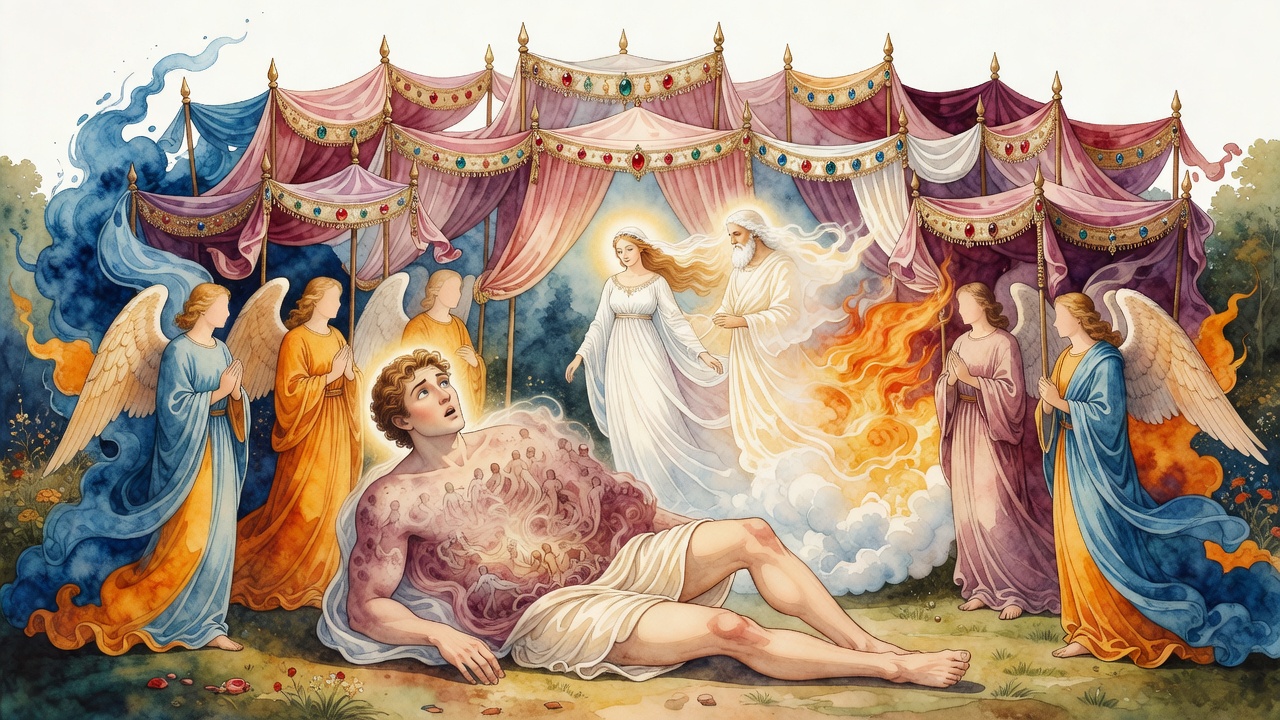
The world came up ripe. The trees came up bearing. Adam and Eve stood at the size of people of twenty years old on the day they were made, with no childhood behind them and no one to explain anything. Every other creature had arrived complete, down to the beetle, and the last one made was not going to be handed over with a part missing.
So his eyes were open from the first breath, and the proof is what he did with them. The animals were brought past him and he gave each one its name. Nobody names what he has not looked at. A lion walked by and he did not simply see a yellow animal with a face; he saw what kind of thing it was, and the word came out of him, and it stuck.
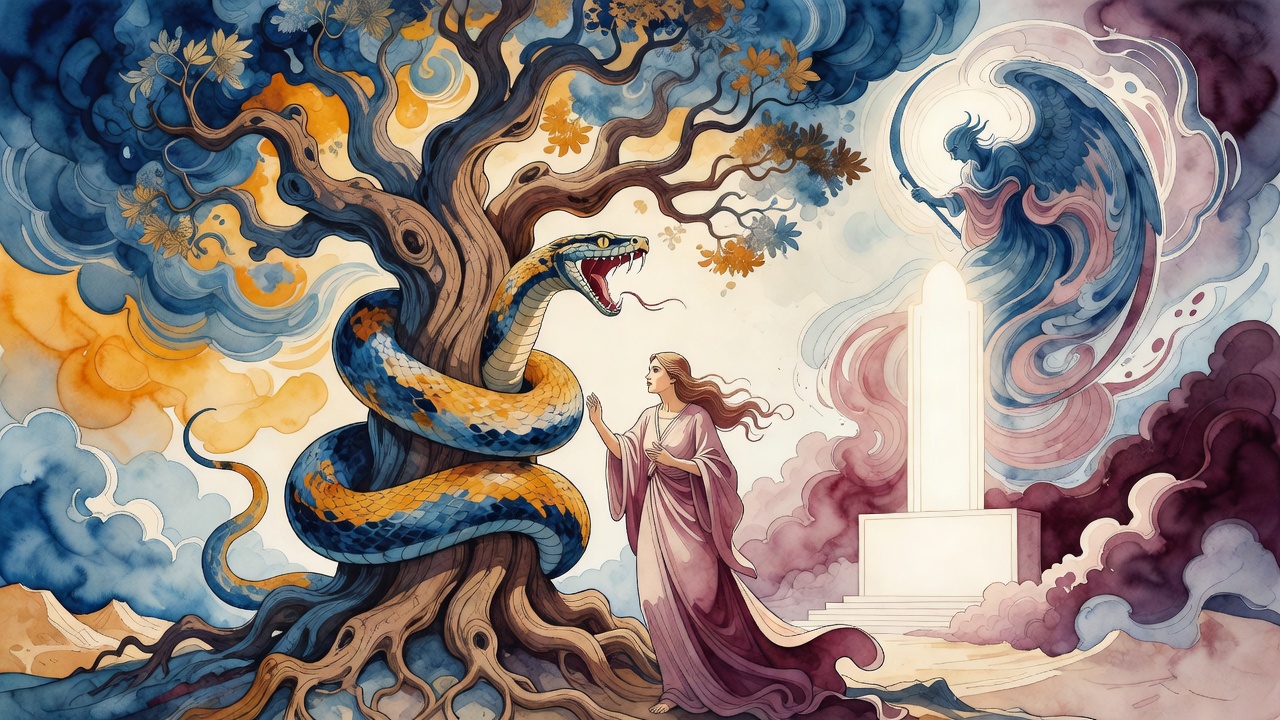
There is a second kind of eye in him too, the one that tells good from ugly and sound counsel from the noise a man mistakes for counsel. That eye was in the shipment as well, and it would get its first real test soon enough, in a garden, in front of a talking animal.
The Ground He Was Standing On
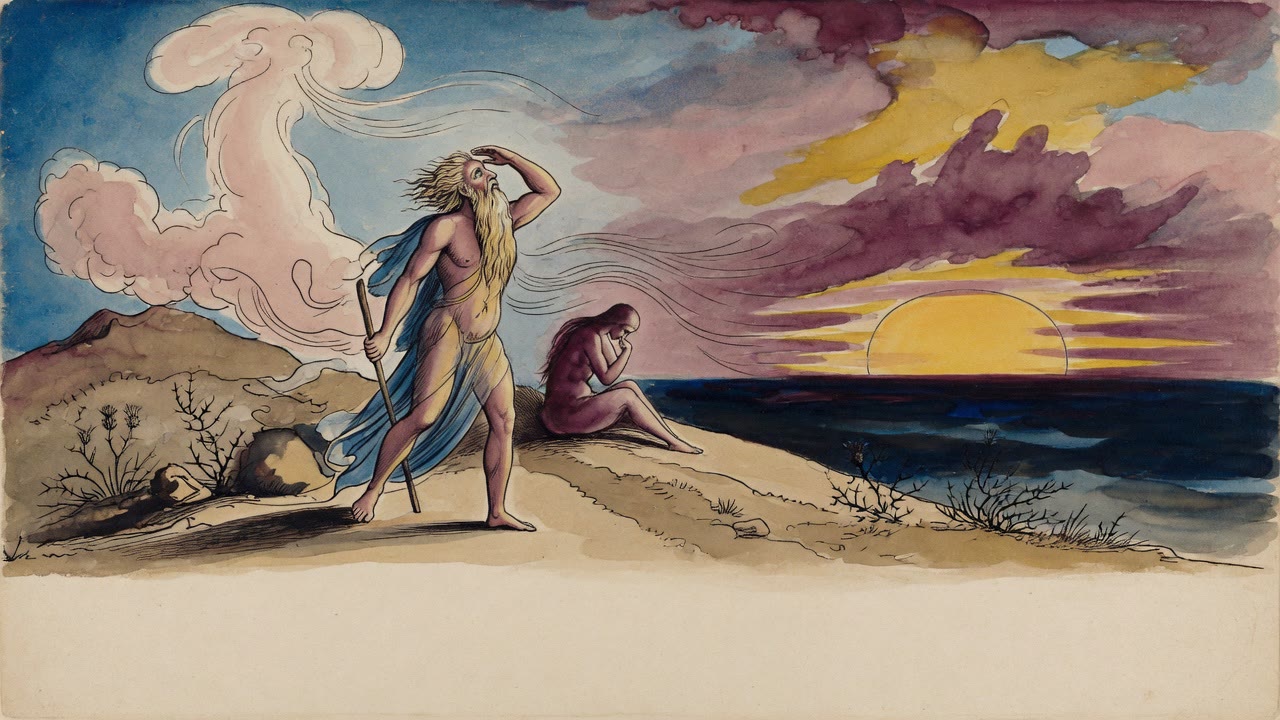
He never knew where he came from.
He walked, he named, he ate, he hid, and he was sent out, and no one told him that the dirt under his feet on the day he was formed was the dirt his descendants would carry offerings to, that the ground of his making and the ground of his mending were one patch of earth measured out in advance.
The altar came much later, and the man who built it did not know he was building it where the first body had been quarried.
God had said maybe. He had not said certainly. He shaped a creature out of the material of its own forgiveness, breathed a soul into it in the highest room there is, set it down at twenty years old with its eyes open, and then stood back to find out whether any of that would be enough.
← All myths