55 texts · Page 1 of 2
The Book of Jubilees has some pretty strong words about that kind of thinking. It tells us, bluntly, that "if one gave everything that is on the earth, He will not regard the gifts...
It wasn't always about grand gestures and sacrifices. Sometimes, it was about simple, annual reflection. The Book of Jubilees, a text considered scripture by some ancient Jewish gr...
Moses' name does not appear in Parshat Tetzaveh. Rabbi Levi Yitzchak of Berditchev uses this conspicuous absence to explore a question about wisdom, unity, and the priestly garment...
(Exodus 19:22) "And also the Cohanim, who draw near to the L–rd": We are hereby apprised that the Cohanim are not included in "the people" (above, 21). And thus is it written (Levi...
Rebbi says: For everything from "You shall not take the name" and down, penitence does atone. From "You shall not take the name" and up, including "You shall not take the name," pe...
This tells me only of eating. Whence do I derive that it is even forbidden to derive benefit from it?—Do you ask? If follows a fortiori, viz.: If it is forbidden to derive benefit ...
It’s a question that echoes through the ages, and one that finds a poignant, if somewhat cryptic, resonance in Midrash Tehillim 9. This particular midrash (rabbinic interpretive co...
It all boils down to this: God chastises those He loves. Now, that might sound harsh at first. But stick with me. The idea isn't about random punishment; it's about refinement. Thi...
Because today, we're diving into a fascinating teaching from Midrash Tehillim, a collection of rabbinic interpretations of the Book of Psalms, that might just flip your perspective...
The ancient rabbis certainly did! to a fascinating corner of the Sifrei Bamidbar (a legal commentary on the Book of Numbers) and wrestle with a surprisingly practical question abou...
Here, we're wrestling with (Numbers 30:13), which states, "Her husband has annulled them." Sounds simple. But like so much in Jewish law, the devil's in the details! The question a...
Ever stumble upon a mystery so perplexing, so deeply rooted in ancient law, that it makes you scratch your head and wonder, "How did they even figure this out?" Well, pull up a cha...
Sifrei Devarim, a portion of the book of Deuteronomy, delves into the laws concerning warfare, and it raises some fascinating points about who gets to participate, and what their r...
There's one in particular, the ritual of the eglah arufah, the "broken-necked heifer," that always gets me. It deals with a murder where the perpetrator is unknown and how the elde...
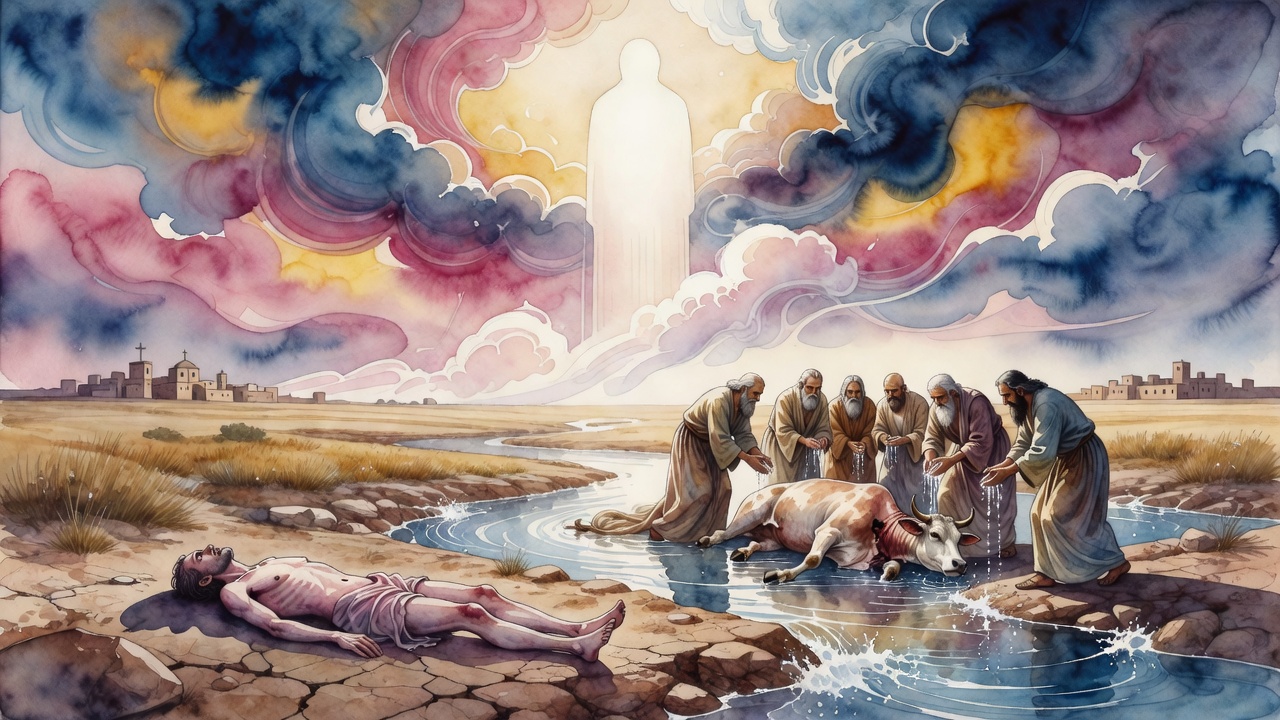
to one such instance from Sifrei Devarim, specifically section 210, dealing with the ritual of the eglah arufah (עגלה ערופה), the heifer whose neck is broken. This ritual is perfor...
It’s even found a reflection in our ancient texts. We're going to dive into a short but powerful passage from Sifrei Devarim, specifically section 320. It’s a fascinating little gl...
R. SIMEON B. ELEAZAR SAID IN THE NAME OF R. MEIR: DO NOT APPEASE YOUR FELLOW IN THE TIME OF HIS ANGER; DO NOT COMFORT HIM IN THE TIME OF HIS MOURNING;1Aboth 4:23 (Sonc. ed., IV, 18...
Five persons are not granted forgiveness:1The meaning is not that the doors of forgiveness are for ever shut against them, but that they are so hardened in sinning that they will n...
What happens when you cannot afford a lamb? Leviticus 5 introduces one of the most compassionate mechanisms in ancient law—a sliding scale for guilt offerings—and the Targum Jonath...
Leviticus 7 compiles the laws of trespass offerings, thanksgiving offerings, and the priestly portions. The Targum Jonathan repeats a stunning claim from the previous chapter, fram...
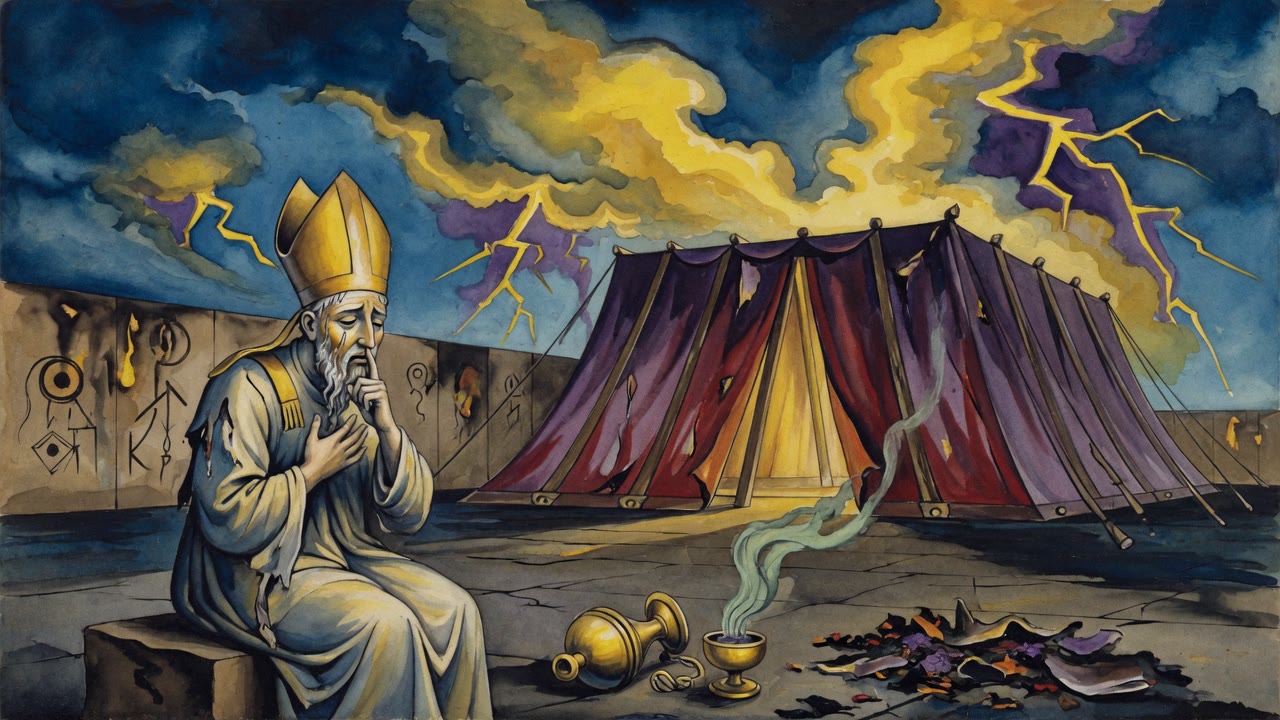
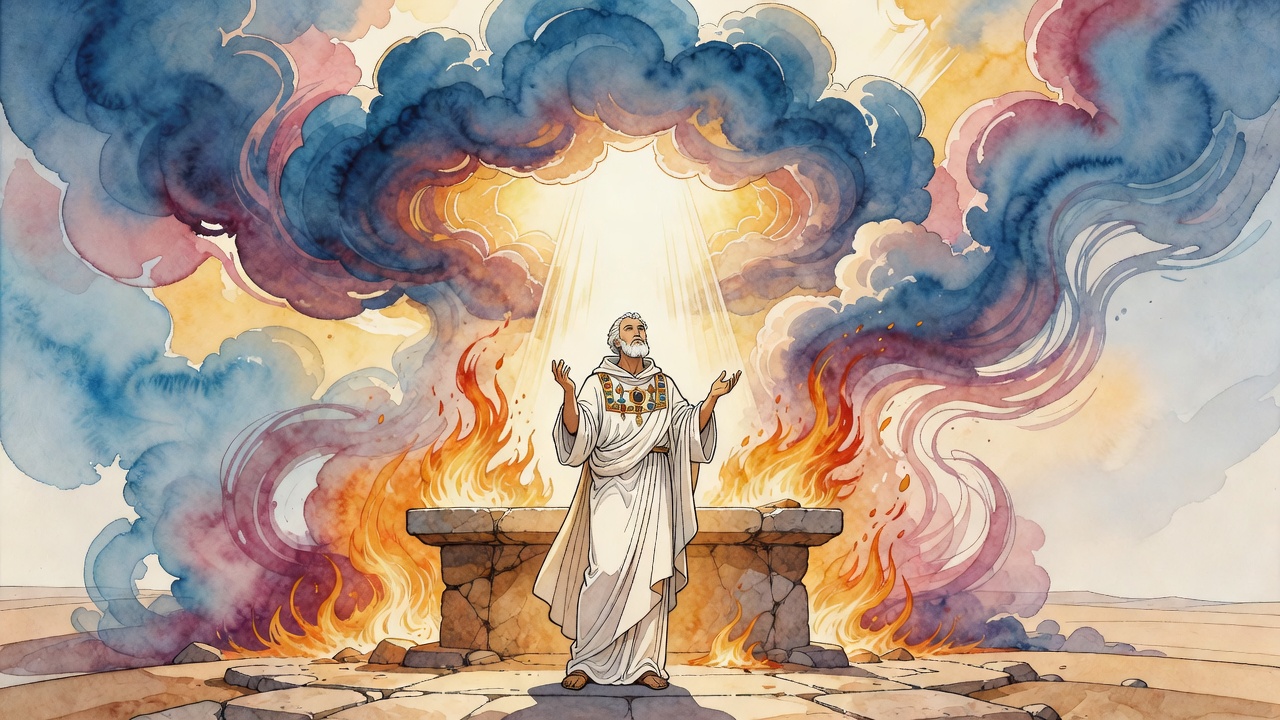
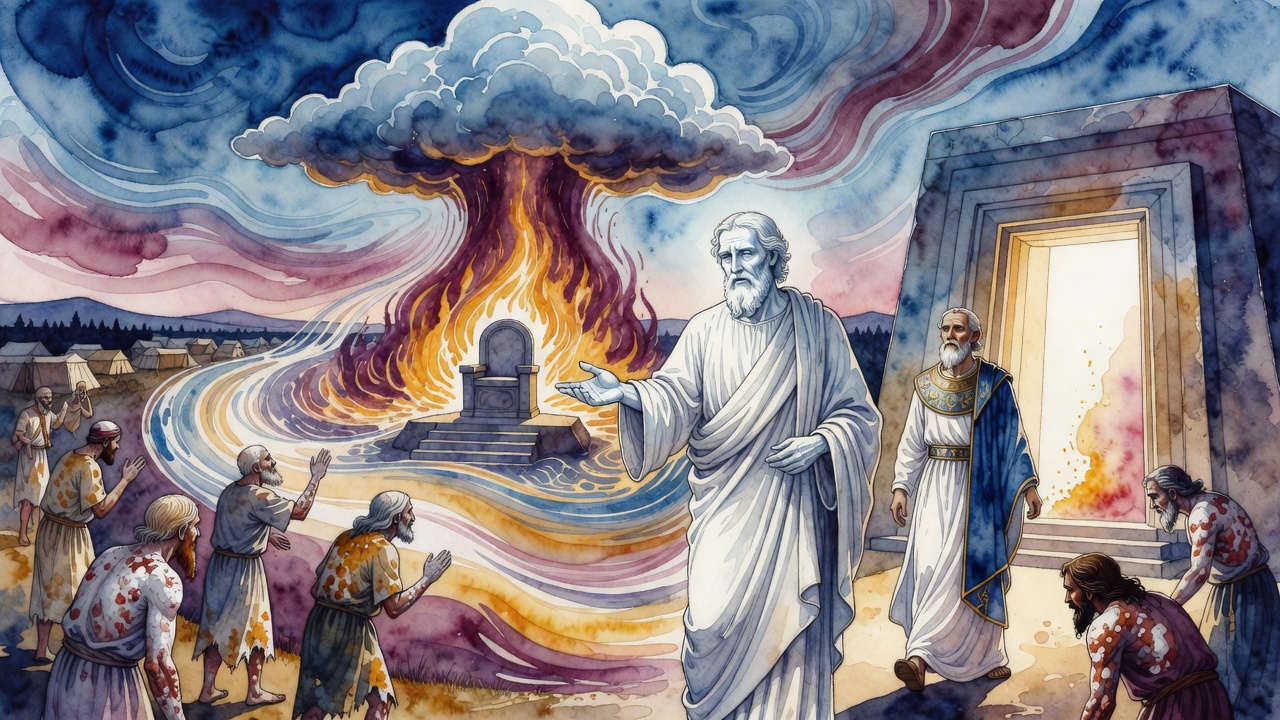
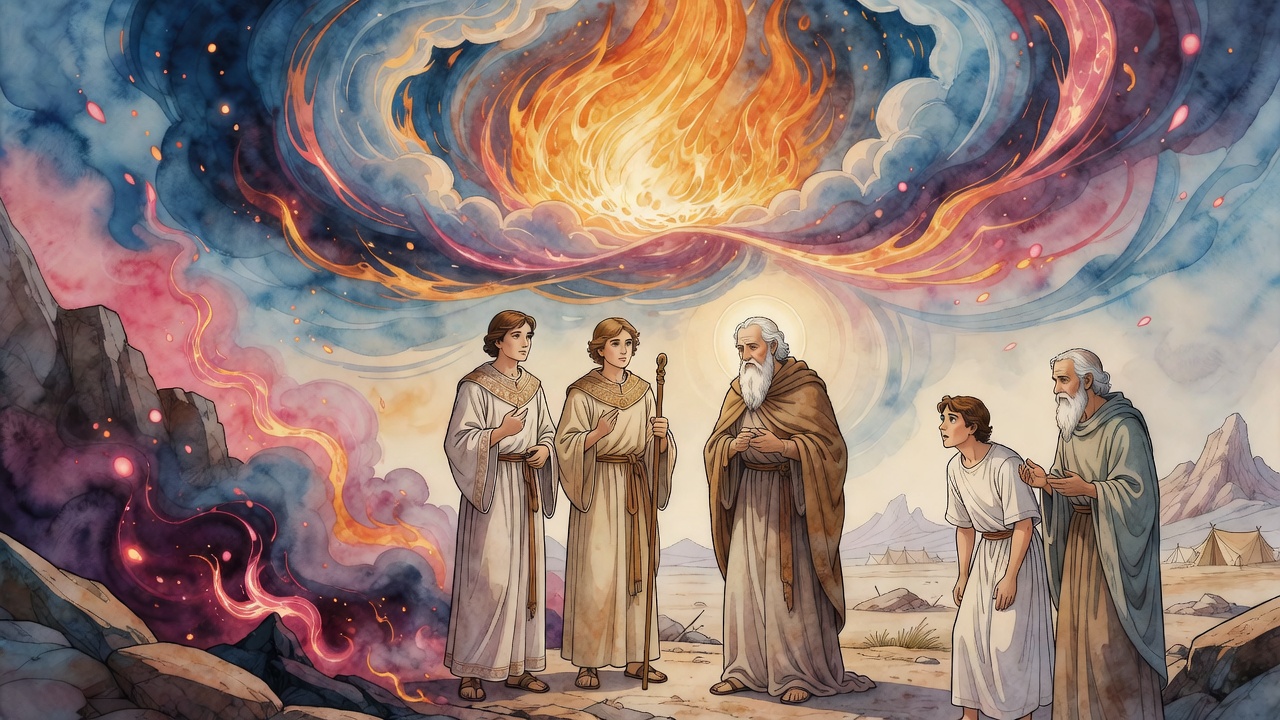
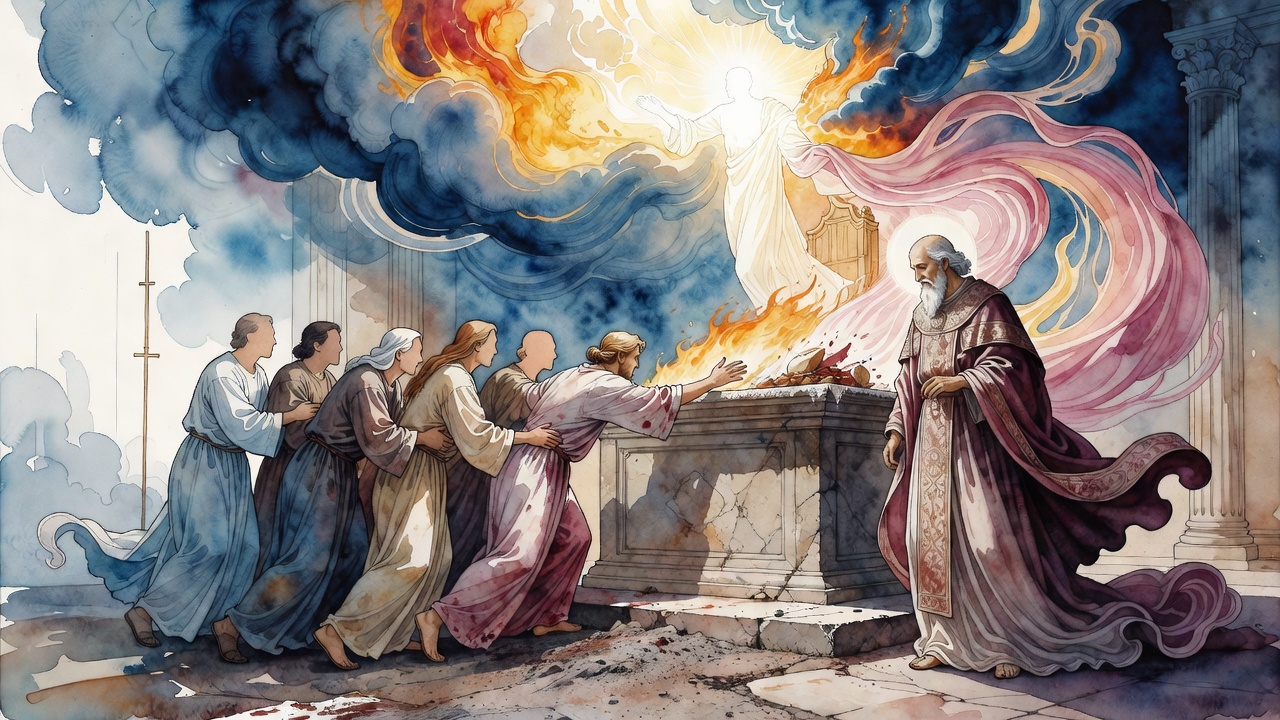
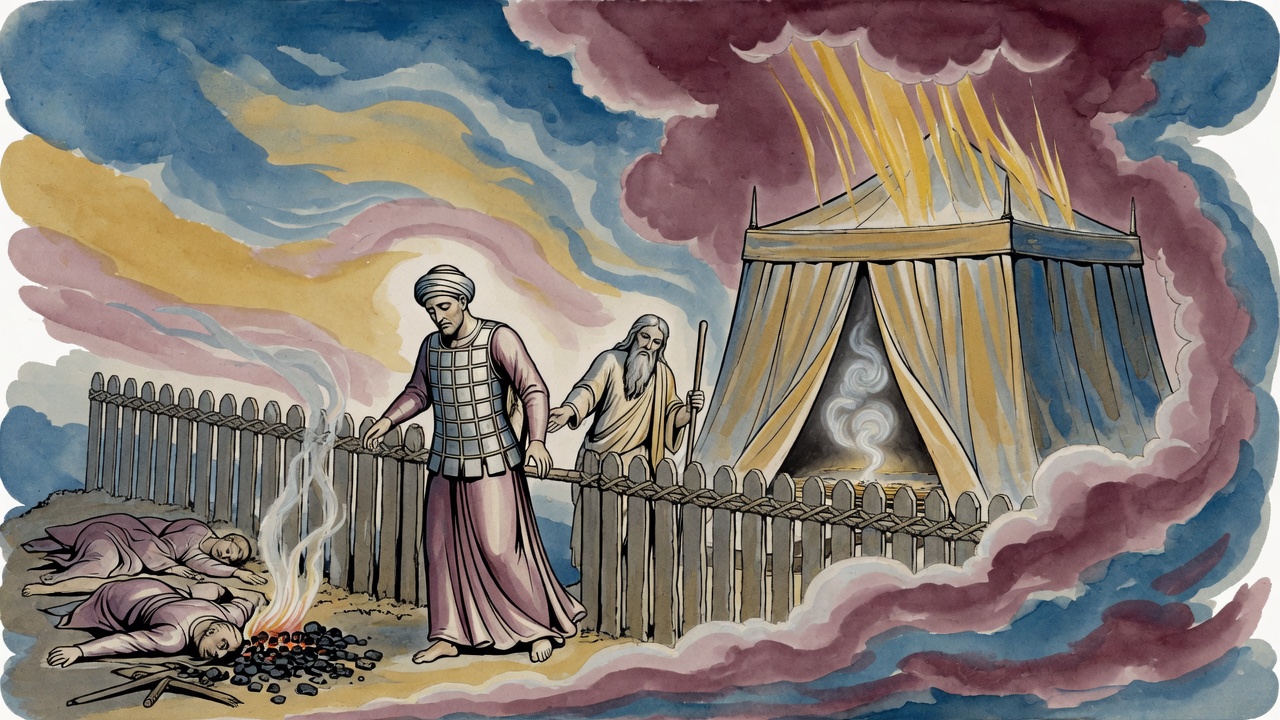
On the eighth day of consecration—the first of Nisan—Aaron was about to offer his first sacrifice as high priest. Then he froze. The Targum Jonathan says he "saw at the corner of t...
Leviticus 12 is one of the shortest chapters in the Torah—just eight verses about purification after childbirth. The Targum Jonathan keeps it concise but adds small details that re...
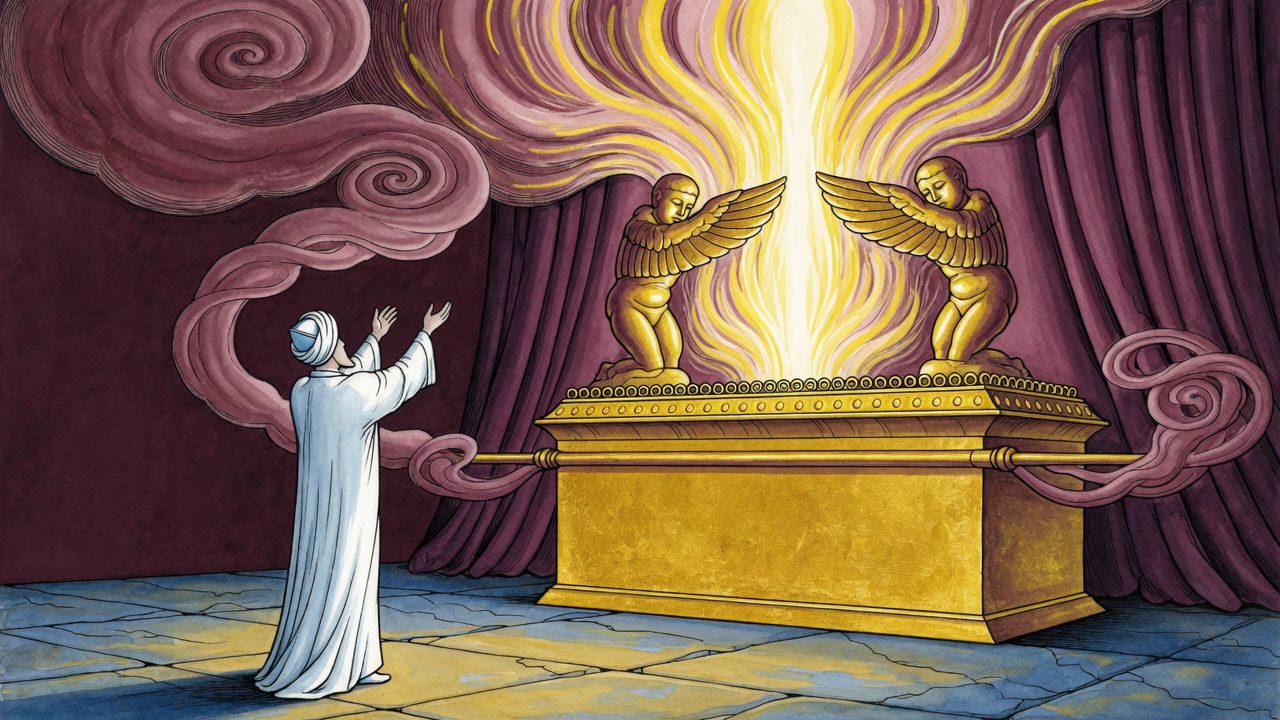
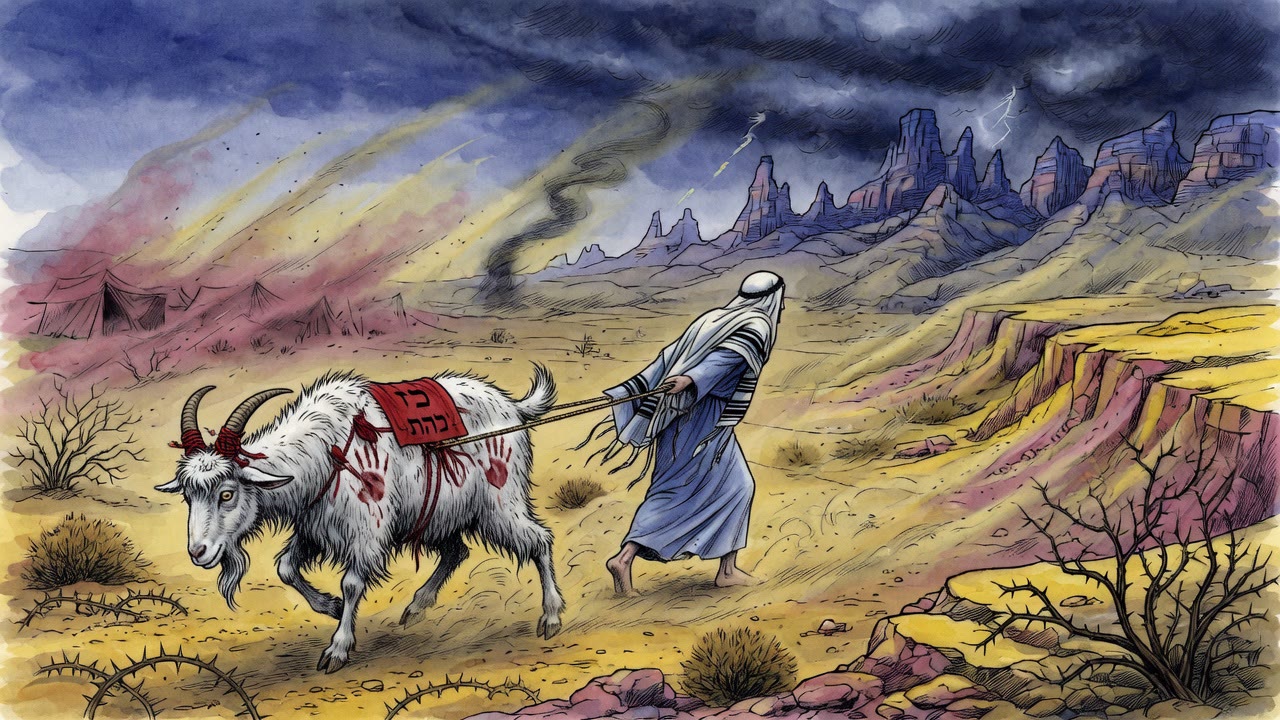
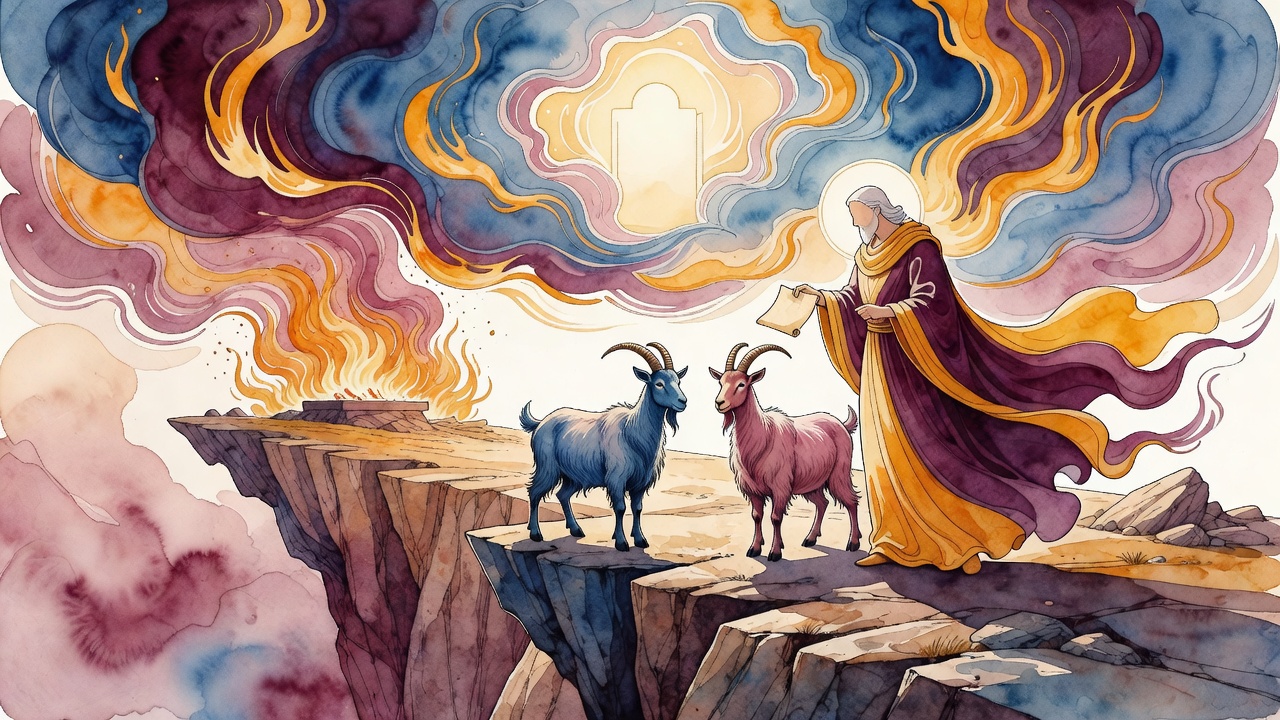
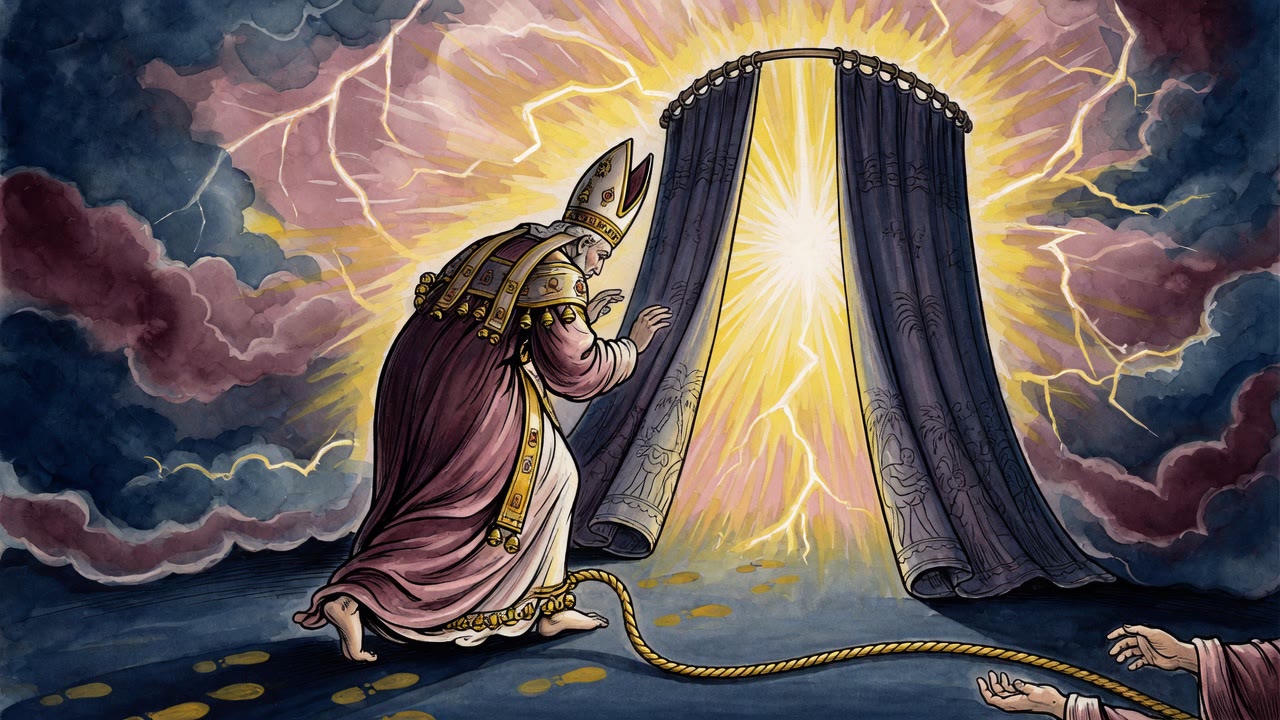
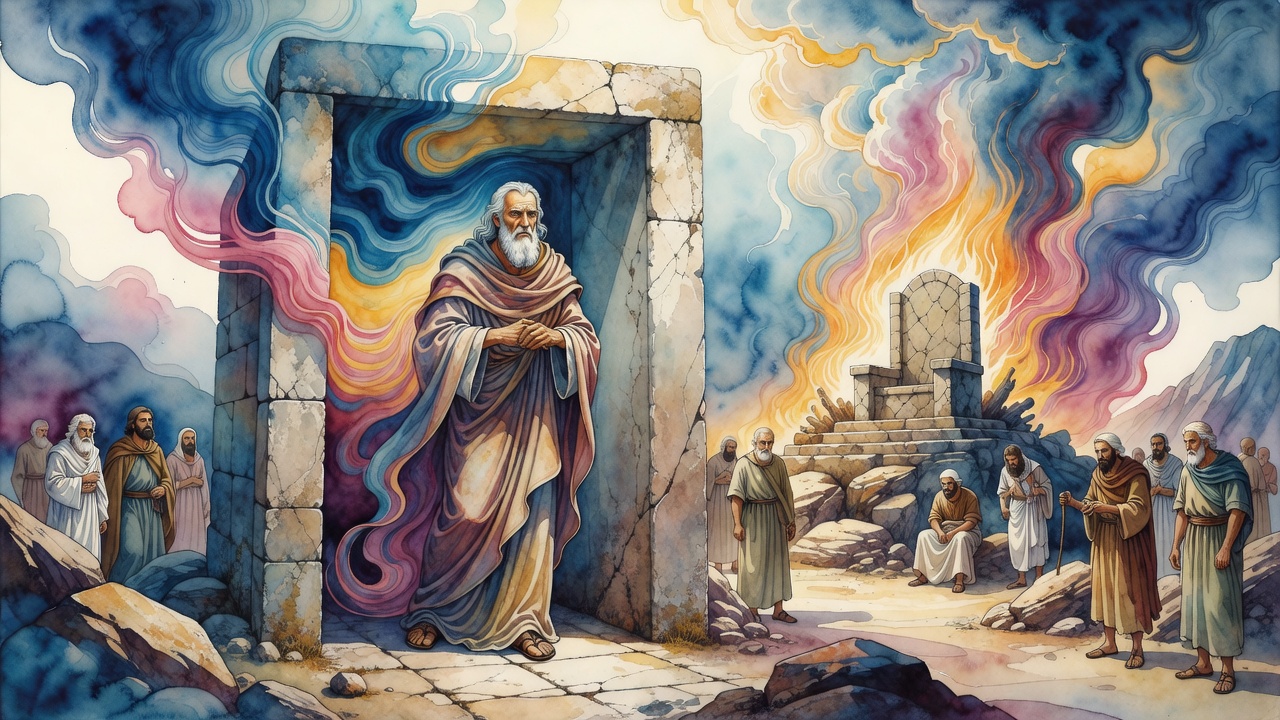
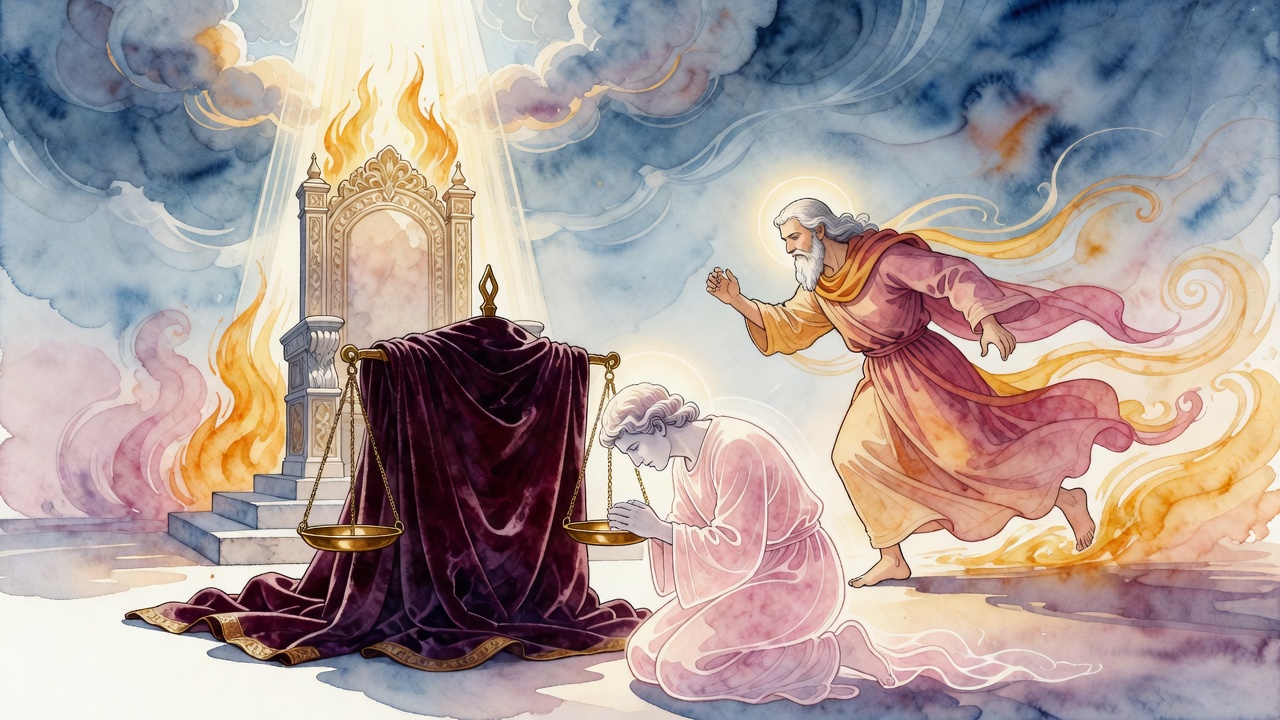
Yom Kippur (the Day of Atonement). The holiest day. The most dangerous ritual in the entire Torah. And the Targum Jonathan adds details that turn Leviticus 16 into a thriller. Firs...
Leviticus 23 lists every festival on the Jewish calendar. The Targum Jonathan transforms it from a schedule into an instruction manual, adding measurements, procedures, and theolog...
Leviticus 25 introduces the sabbatical year and the Jubilee. The Targum Jonathan addresses the most obvious objection: if the land rests every seventh year, what will people eat? G...
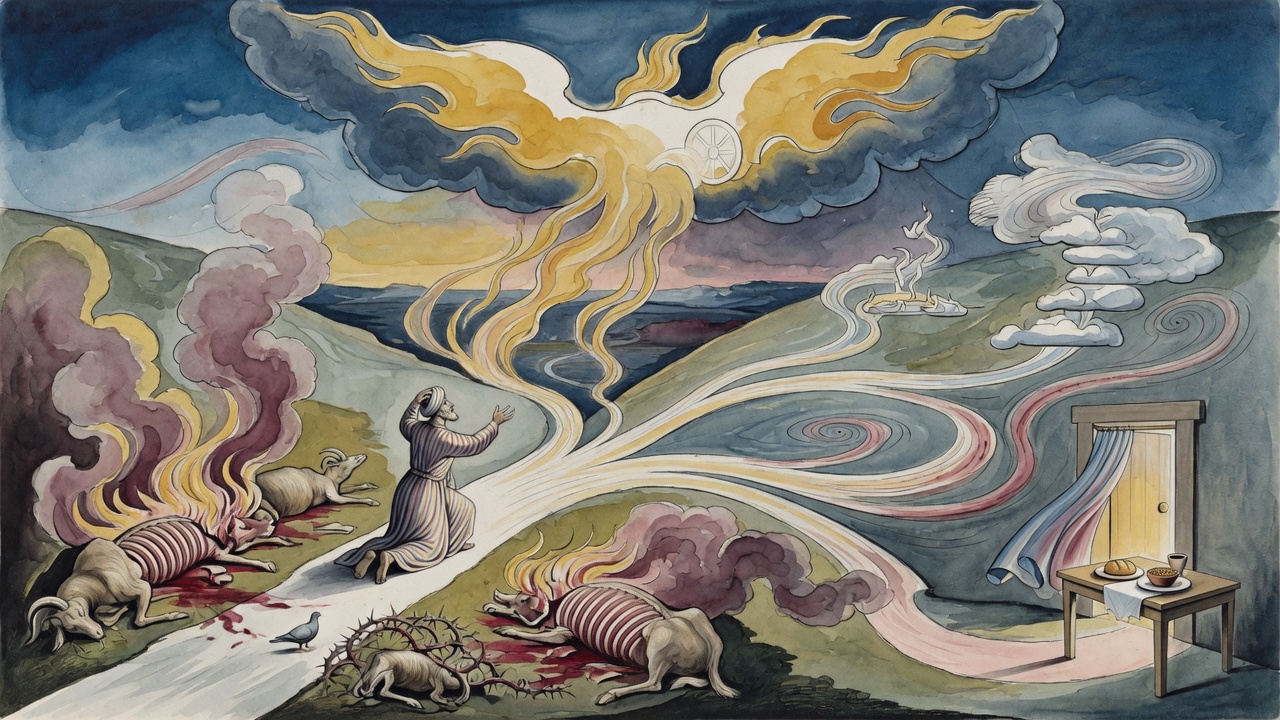
The Targum's version of (Numbers 28) transforms a dry sacrificial calendar into a theology of continuous atonement. Where the Torah simply lists the daily offerings, the Targum exp...
The shofar on Rosh Hashanah (the Jewish New Year) was not just a call to repentance. According to the Targum's version of (Numbers 29), the trumpets served a cosmic combat function...
The Targum's version of (Numbers 35) contains one of the most radical theological claims in all of ancient Jewish literature. It explains why a manslayer confined to a city of refu...
When God commanded Israel to give a half-shekel for the census, Moses was confused. Not by the amount — half a shekel was nearly nothing, a laborer's loose change. What baffled him...
The rabbis asked a strange question: why did King Solomon compare Israel to a walnut? Not a cedar, not a vine, not wheat — a walnut. Rabbi Yehoshua of Sichnan, speaking in the name...
Teach us, oh teacher – if one has an argument with their friend, how shall they attain atonement on Yom Kippur (the Day of Atonement)? This is what our Rabbis taught: transgression...
In ancient Israel, a person who killed someone by accident did not go free. Neither was he executed. He ran for his life to one of six cities of refuge, and the roads that led ther...
Yom Kippur (the Day of Atonement) is unlike any other day in the calendar — and according to Tanna DeBei Eliyahu Rabbah, a midrash (rabbinic interpretive commentary)ic work traditi...
(7) (Fol. 16) MISHNAH (the earliest code of rabbinic law): At four periods in each year the world is judged; on Passover, in respect to the growth of grain; on Pentecost, in respec...
Simeon b. Kamhith, a high priest, walked about with a heathen king and got his clothes defiled and was incapacitated from acting on the day of atonement. His place was taken by his...
A young man and woman who were betrothed to one another were seized by raiders and sold into slavery. By cruel coincidence — or perhaps by providence — they were sold to the same m...
The Talmud (Shabbat 127b) tells of a man who worked for an employer in the north of Israel for three years. When his contract ended, he went to collect his wages on the eve of Yom ...
And our tradition grapples with it head-on. Shemot Rabbah, a collection of rabbinic interpretations on the Book of Exodus, offers a fascinating take on this very issue, drawing us ...
After these things, the word of the Lord came unto Abraham, in a vision, saying: “Fear not, Abram!” (Gen. 15:1). May it please our master to teach us what (the) burnt offerings (pr...
And Isaac trembled very exceedingly (Gen. 27:33). May it please our master to teach us the blessing one pronounces upon tasting oil. Thus do our masters teach us: One who tastes oi...
And let them make Me a sanctuary, that I may dwell among them (Exod. 25:8). On which day did He relate to Moses the portion relating to the Temple? It was on the Day of Atonement. ...
And thou shalt make an altar to burn incense upon (Exod. 30:1). Scripture states elsewhere in allusion to this verse: Ointment and perfume rejoice the heart (Prov. 27:9). This vers...
R. Yudan opened the discussion with the verse: The tongue of the righteous is as choice silver; the heart of the wicked is little worth (Prov. 10:20). The tongue of the righteous i...
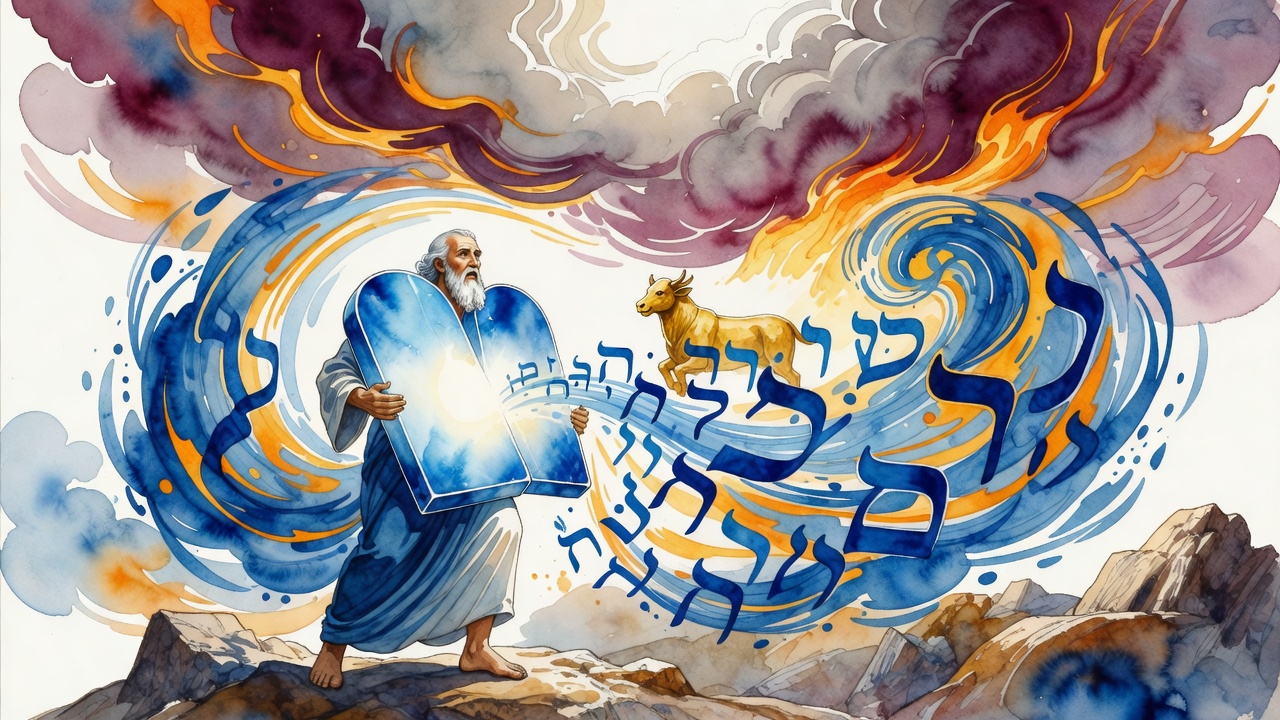
Hew these two tablets of stone (Exod. 34:1). When did Moses descend from the mountain? R. Judah the son of Shalum said: Moses remained on the mountain with the Holy One, blessed be...
And Bezalel made the ark (Exod. 37:1). You find that everything constructed for the Tabernacle was made in its proper order. First he made the boards and joined them together. Afte...
All of those seven days that Moshe was occupied with the tabernacle, he was sprinkling the blood and incinerating the fats. The Holy One, blessed be He, said to him, "What do you t...
R. Judan of Gallia opened (with (Job 39:2)7), “Is it at your command that the eagle mounts up and makes its nest on high?” The Holy One, blessed be He, said to Aaron. “At your comm...
(Numb. 3:4:) “And they had no children.” R. Jacob bar Abin said in the name of R. Aha, “If they had had children, they would have taken precedence over Eleazar and Ithamar, since w...