The Gate of Atonement God Hid Even From Abraham
Abraham saw the covenant animals as a map of future sacrifice. Vayikra Rabbah opens a second gate, made of flour and confession, hidden from even Abraham.
Table of Contents
 Click for full size
The Question Under the Stars
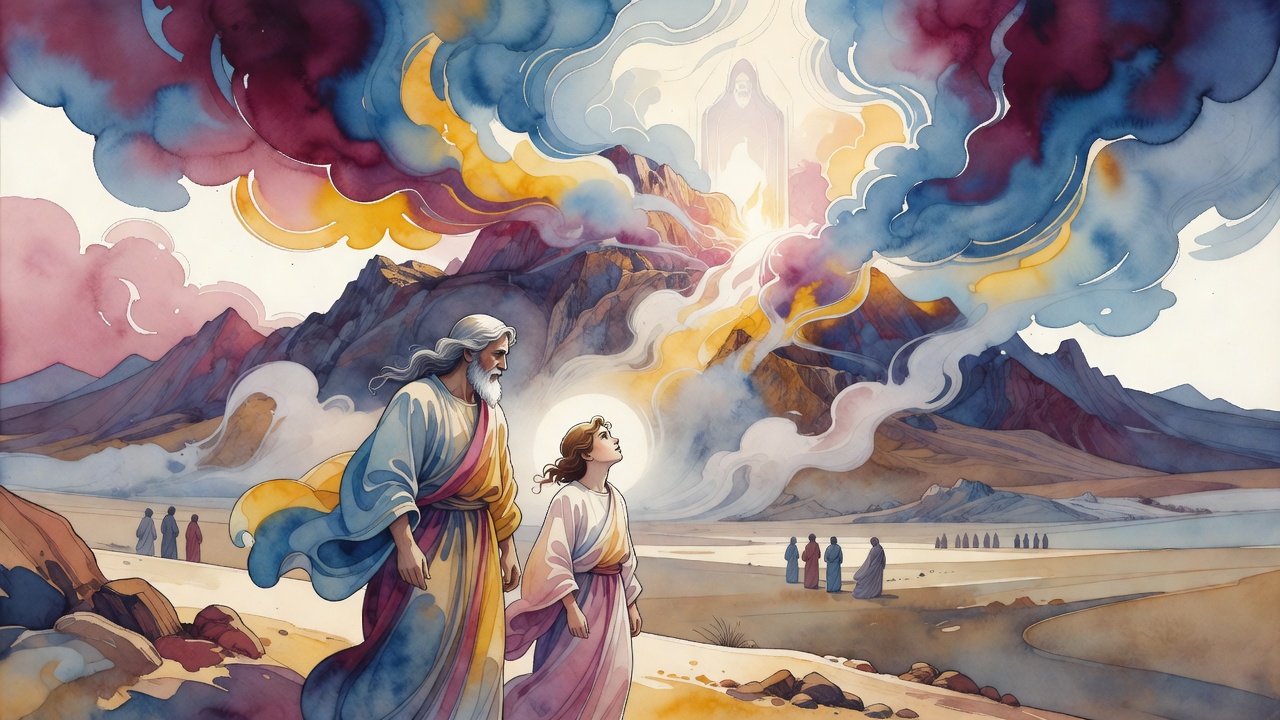
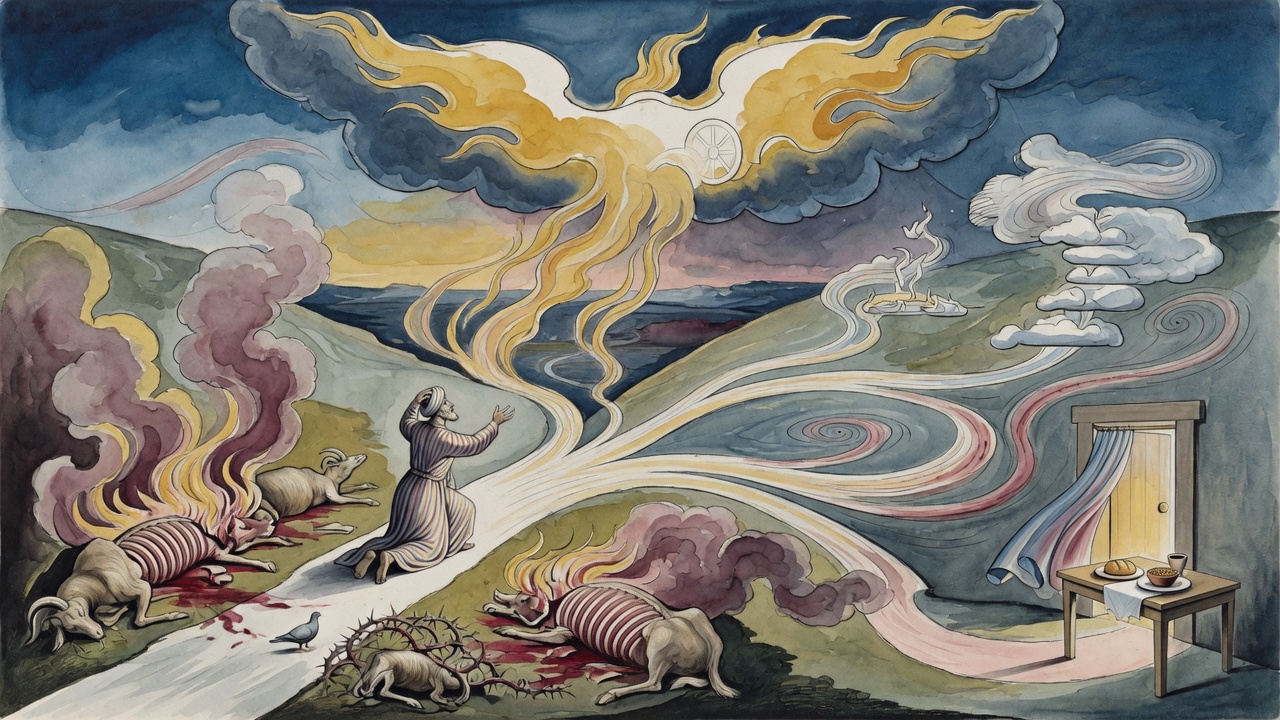
Abraham stood between cut animals in the darkness. God had promised him the land, the descendants, the covenant. He believed it. But belief alone was not what he was asking for when he said, "By what shall I know that I will inherit the land?" (Genesis 15:8). He wanted something firmer than mood, something that would hold when the generations after him made the mistakes that generations always make. He wanted to know what would keep his descendants attached to the gift after he was gone.
God answered with creatures: three calves, three goats, three rams, a dove, a young pigeon. Abraham cut them and waited. Then the fire passed between the pieces.
The Map He Was Given
Yalkut Shimoni on Torah, a thirteenth-century anthology that drew on every major midrashic and rabbinic source available to its compilers, reads the animals of the covenant not as symbols but as a precise chart of future atonement. Rabbi Chama bar Chanina refused to hear Abraham's question as doubt. He heard it as a sincere inquiry into merit: by what merit will my children hold onto this gift once I am no longer here to model the covenant for them?
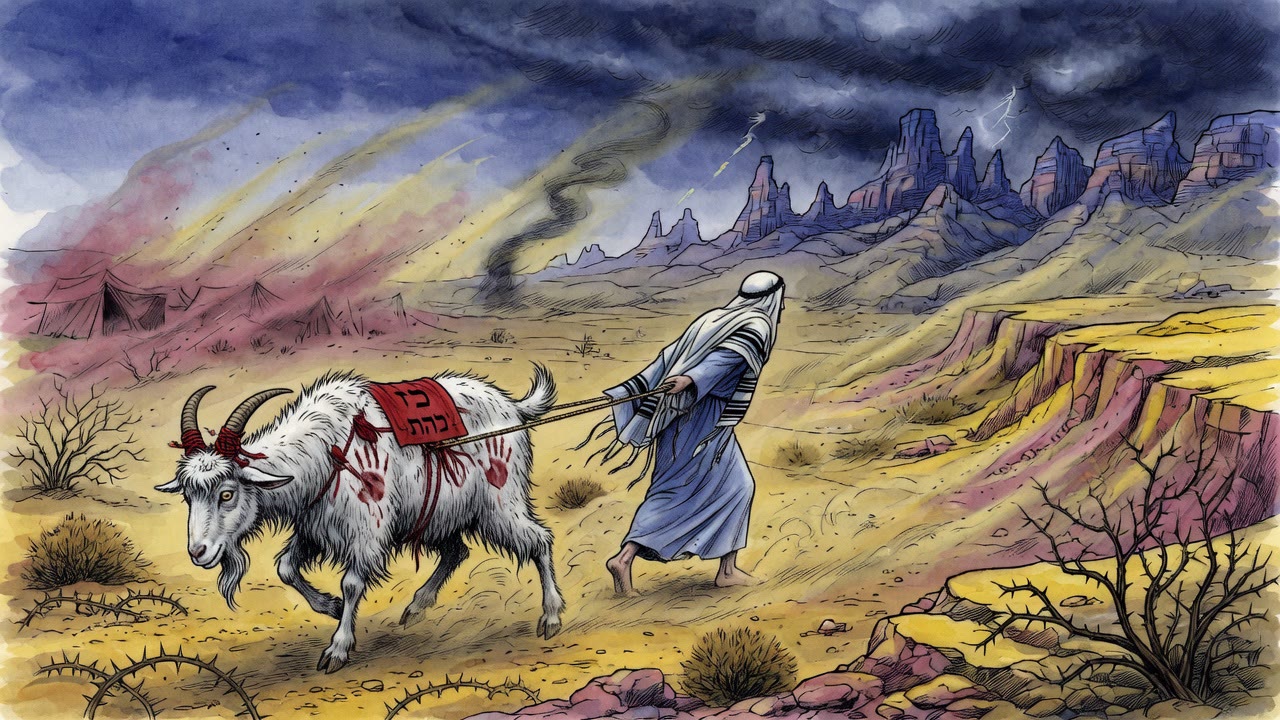
The three calves point toward the bulls of Yom Kippur, the bull offered for communal sin, the beheaded calf of unsolved murder. The three goats point toward festivals, new moons, and the atonement goats of individual sin. The three rams point toward the guilt offerings that repair specific transgressions and the burnt offerings of private devotion. Even the birds carry law in their bodies: one bird divided, one whole, each corresponding to a different category of offering. Abraham stood at the Covenant of the Pieces and was shown the entire sacrificial system that Israel would build in the wilderness and perfect in the Temple, centuries before any of it existed.
The Second Gate, the One Richer Than Blood
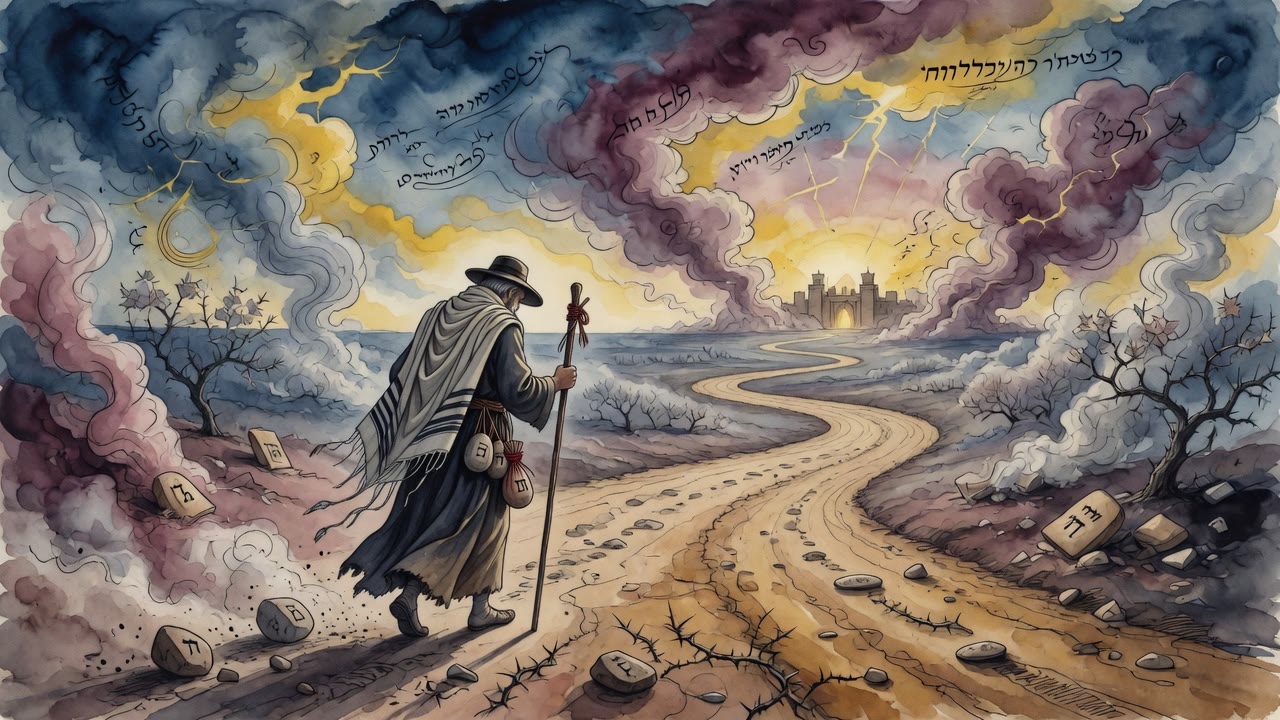
Vayikra Rabbah, the midrash on Leviticus compiled in fifth-century Palestine, records the confession that Rav Beivai bar Aviya prescribed for the eve of Yom Kippur. It is not a dramatic act. It is words, spoken quietly: I have been walking on a path of evil. Everything I have done, I will not do again. May it be Your will, Lord my God, that You pardon me for all my iniquities.
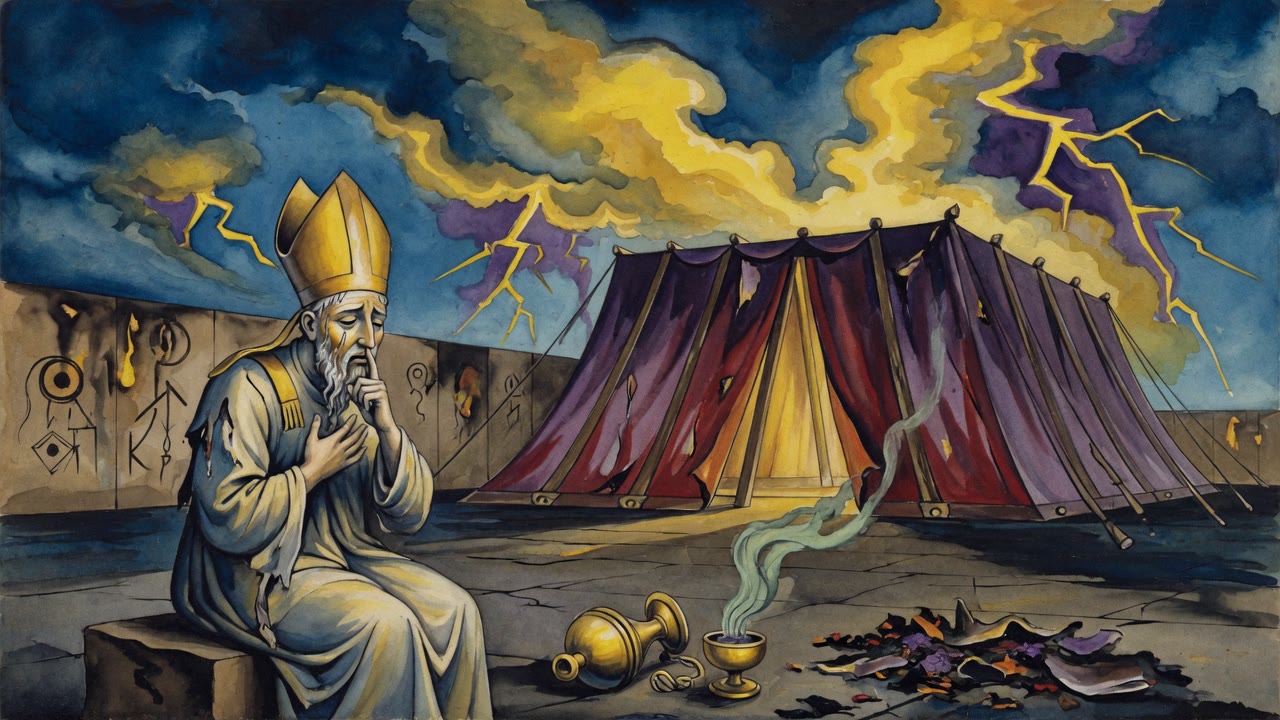
This is the gate the covenant animals did not show Abraham. He saw blood, fire, cut flesh, and a complete taxonomy of future sacrifice. He did not see this: a person with nothing, standing in the dark before Yom Kippur, saying in ordinary words that they have done wrong and intend to stop. The confession costs less than a lamb. It costs less than two birds. It costs nothing that can be weighed or measured. It is available to anyone, at any hour, in any circumstance. The covenant animals showed Abraham what Israel would build when it had priests and an altar. The confession showed what Israel could do when it had neither.
The Flour That Stood Where Animals Could Not
Yalkut Shimoni also preserves the detail from Leviticus that the entire sacrificial system was protecting: the poor sinner's flour offering. If a sinner cannot afford a lamb, he brings two birds. If he cannot afford two birds, he brings a tenth of an ephah of flour, no oil, no frankincense, nothing that makes an offering smell sweet or look impressive. Just flour.
Rabbi Yehuda drew from this a principle about time and poverty together: a commandment is precious in its proper time. We do not tell the poor man to wait until he can afford a better offering. The atonement belongs to him now, in his poverty, exactly as he is. The flour offering carried a restriction that the joyful meal-offerings did not: no oil, no frankincense. These omissions were intentional. This was not a festive offering. It was the bare minimum the law required for a sinner who had nothing. The omissions were the law's acknowledgment that the person bringing it was already in grief.
Vayikra Rabbah closes the loop with the story of Antoninus, a righteous gentile whose meal offering was accepted by God before the assembly of Israel. He was one of "those who fear heaven," in the tradition of Rabbi Yishmael bar Nachman. The gate of the flour offering was open not only to Israelites. It was open to anyone who stood before God with honest grief and a handful of what they had.
← All myths