Mordecai Rode the Royal Horse and Sang Psalm 30
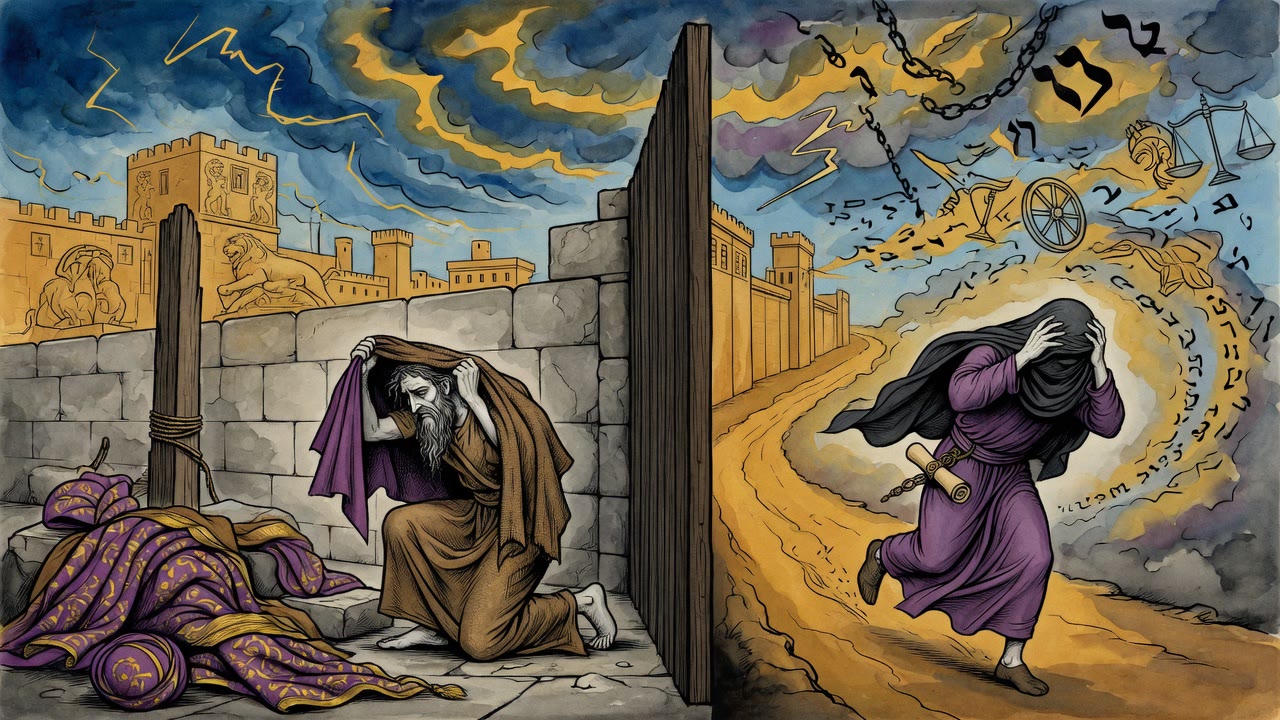
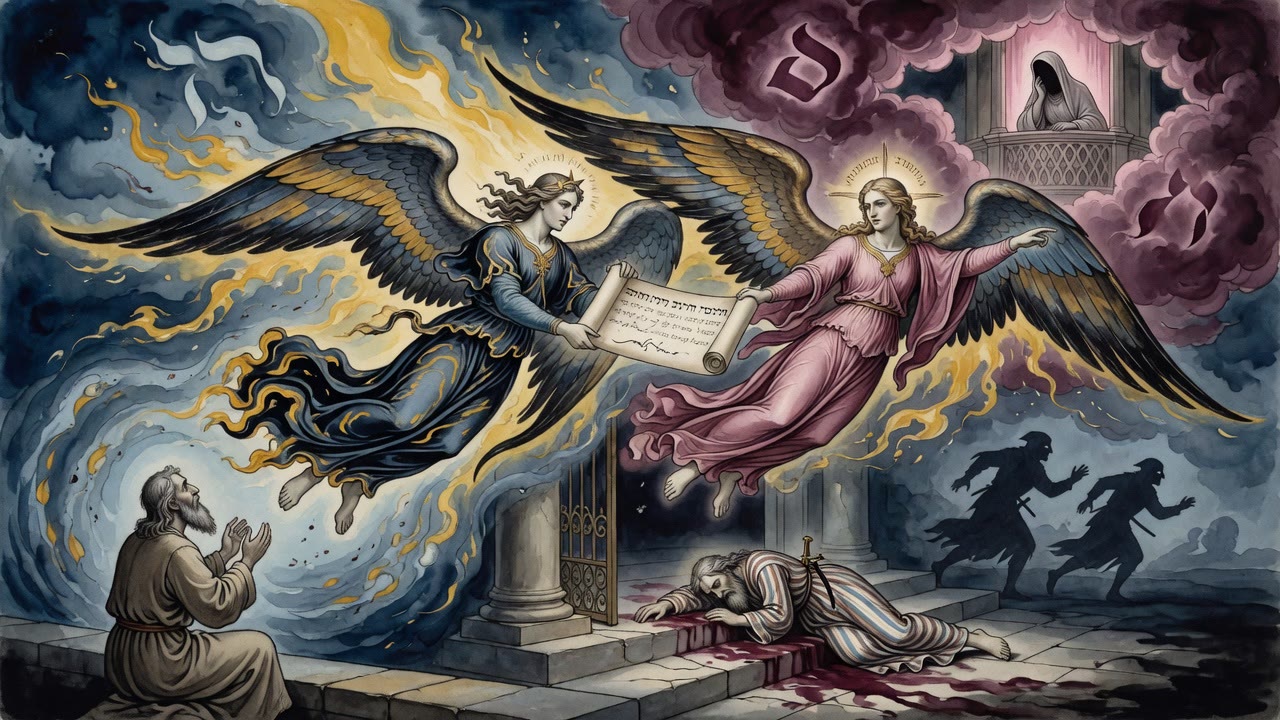
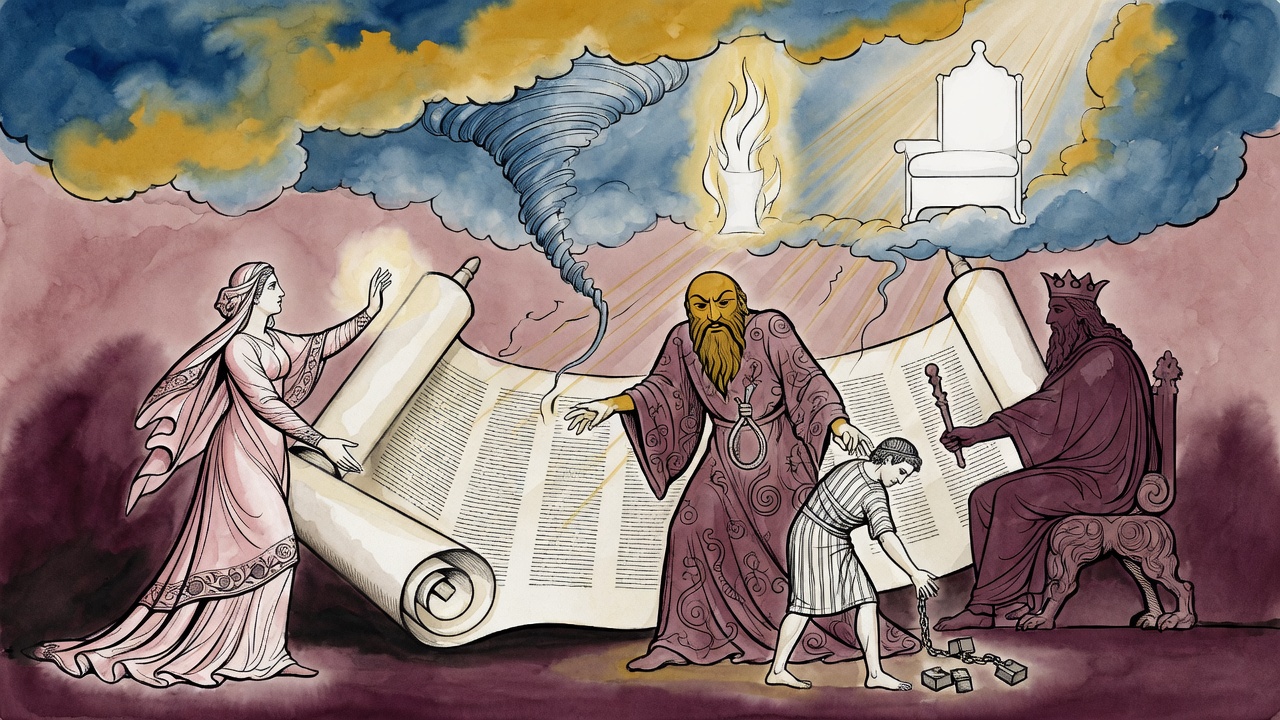
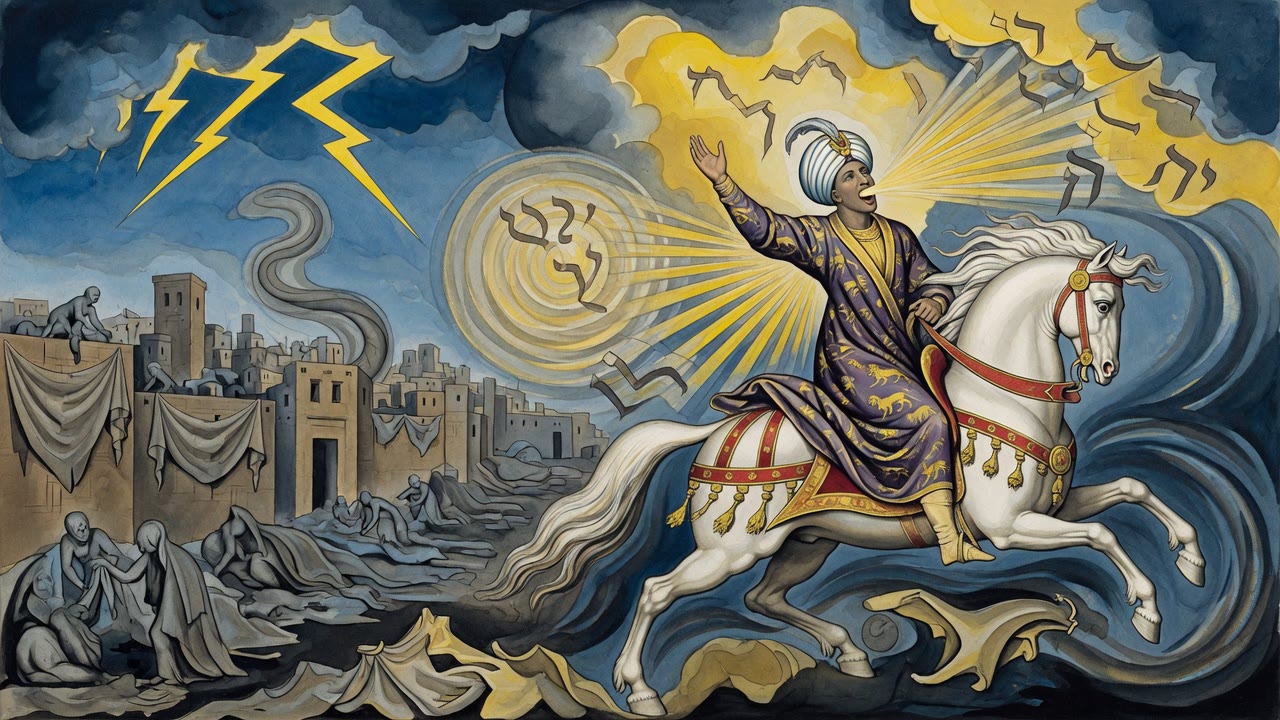
Three days before, Susa had wept in sackcloth. Now Mordecai rode on the royal horse in royal robes and burst into Psalm 30.
 Click for full size
Three Days Before
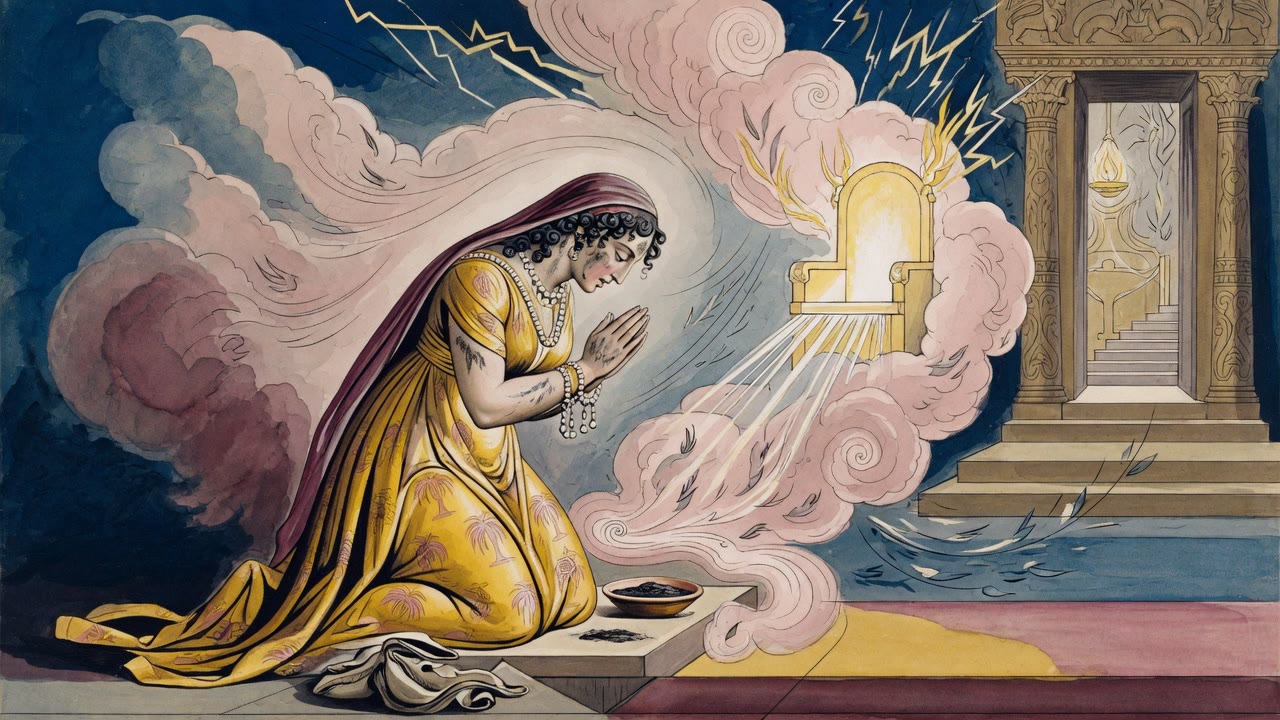
Three days earlier, the decree was still active. The gallows were standing. The death date was still fixed on the calendar, approaching like a wall. The Jews of Susa had been in sackcloth and ash, fasting, weeping, some of them blaming Mordecai for the entire catastrophe. The city had no singing in it.
Now Mordecai was on a royal horse in royal robes, and the city was watching.
He could have ridden in silence. A man just pulled back from the edge of execution, watching his enemy walk in front of his horse shouting words of honor, would be forgiven for a stunned silence. Instead Mordecai burst into song.
The Psalm He Chose
He sang Psalm 30. Not a new composition, not something written for the occasion. The old psalm of David, the ancestor whose opening cry Esther herself had borrowed when she froze in the fourth chamber three days earlier.
I will extol You, O Lord, for You have raised me up, and have not made my foes to rejoice over me. O Lord my God, I cried to You, and You have healed me. O Lord, You have brought up my soul from Sheol (the underworld of the dead); You have kept me alive, that I should not go down to the pit.
The psalm was written from inside exactly this experience: being lowered toward death and lifted back out. David had composed it from a place of having been near the bottom and pulled back. Mordecai recognized it as the only available language for what had just happened to him, and he sang it publicly, on a horse, through the streets of the capital, while Haman walked ahead shouting honors he had designed for himself.
Who Joined In
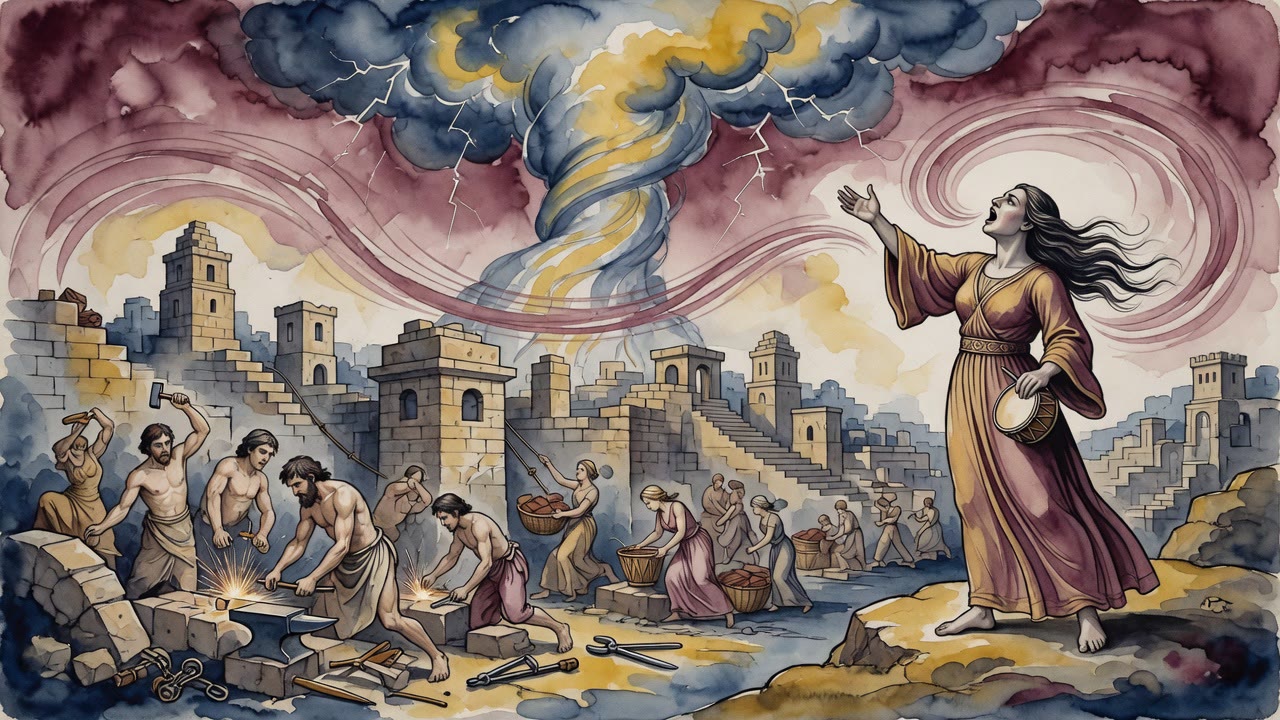
His students joined immediately. Their voices rose to meet his, continuing where he left off: Sing praise unto the Lord, O righteous ones, and give thanks to His holy name. For His anger is but for a moment, His favor is for a lifetime. Weeping may tarry for the night, but joy comes in the morning.
And then something stranger happened. The Legends of the Jews records that Haman himself joined in the singing. Whether from a kind of broken acknowledgment that everything had inverted, or from the same compulsion that had made him confess the mechanics of his defeat when he first found Mordecai in study, he sang. The man leading the horse added his voice to the psalm of the man on it.
The Music That Heaven Hears
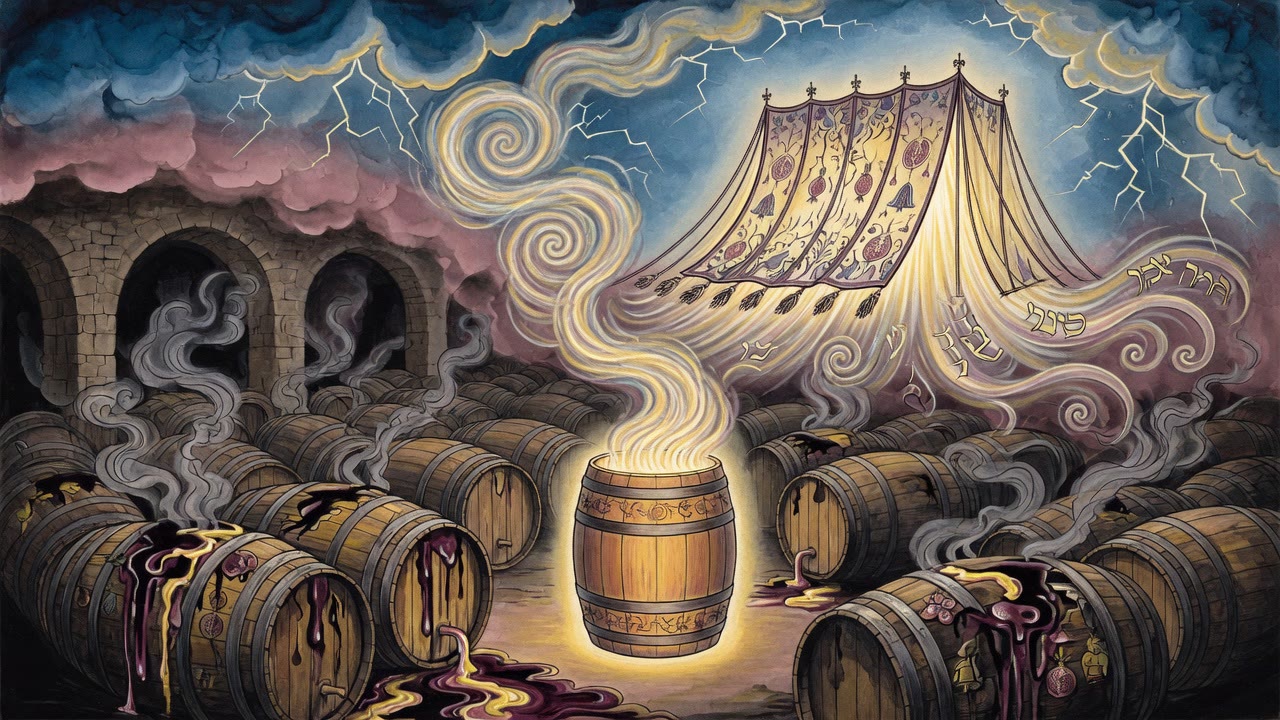
The Zohar preserves a parallel tradition about the music of the heavenly realm, the song generated by the movements of the cosmos, the harmony of the spheres that the tradition says humans would find irresistible if they could hear it directly. The connection to Mordecai's moment is not incidental. What happened on that street was of the kind that the Zohar says resonates upward, a song produced by a reversal so complete that it carries its own testimony about the structure of things. The weeping of the night and the joy of the morning, the Sheol from which the soul is brought back up, the foes who are not allowed to rejoice. These were not metaphors on this street. They were descriptions of what had just happened.
← All myths