30 myths
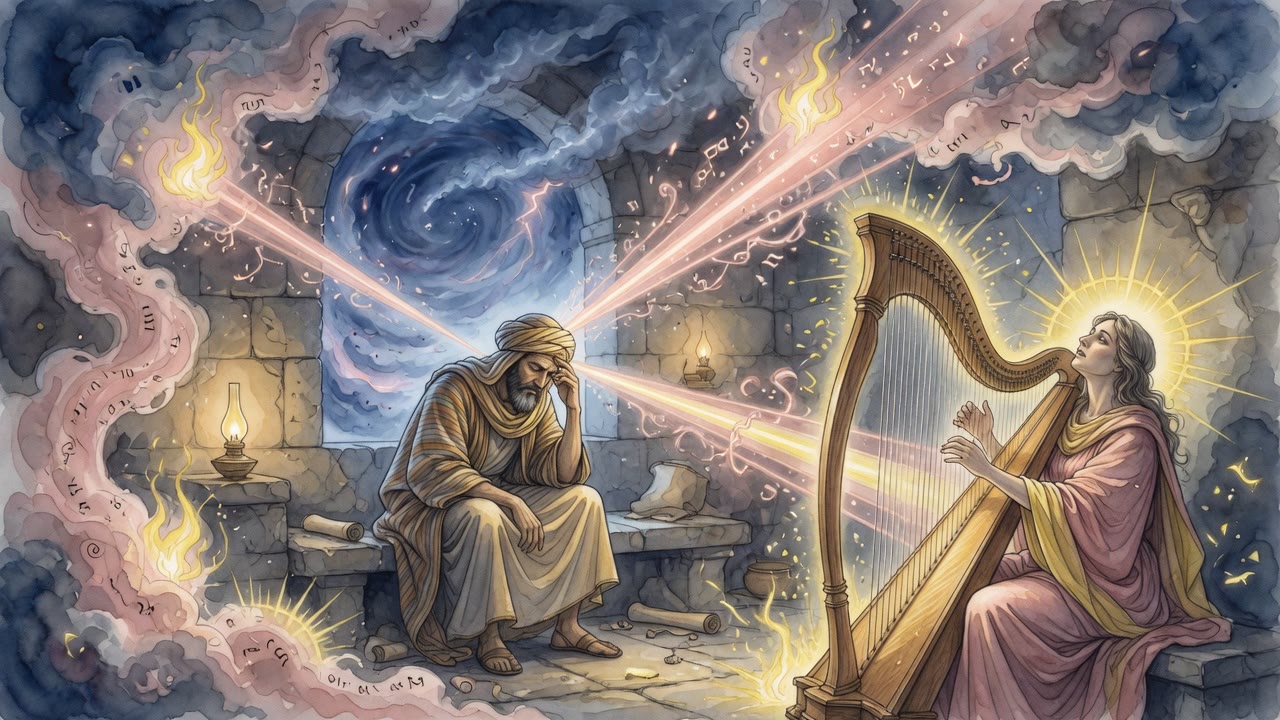
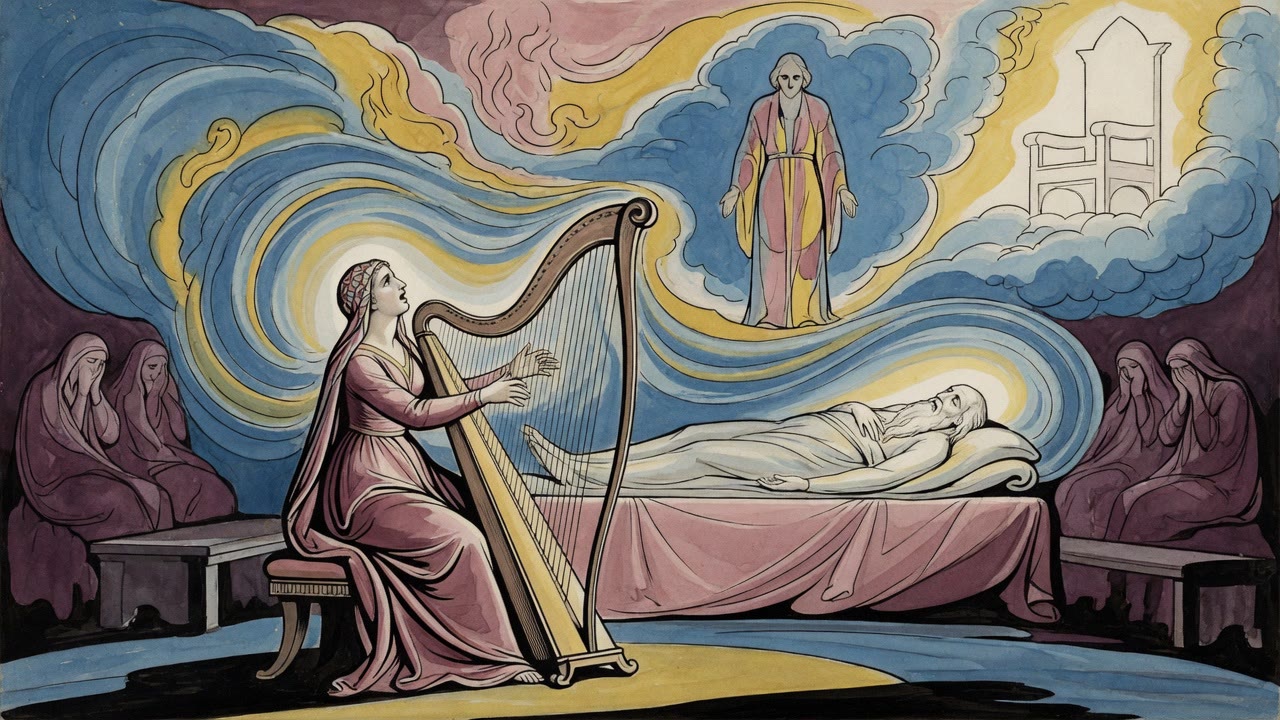
The word of God would not come to an angry prophet. Elisha called for a harpist, and when the strings played, heaven found a way in.
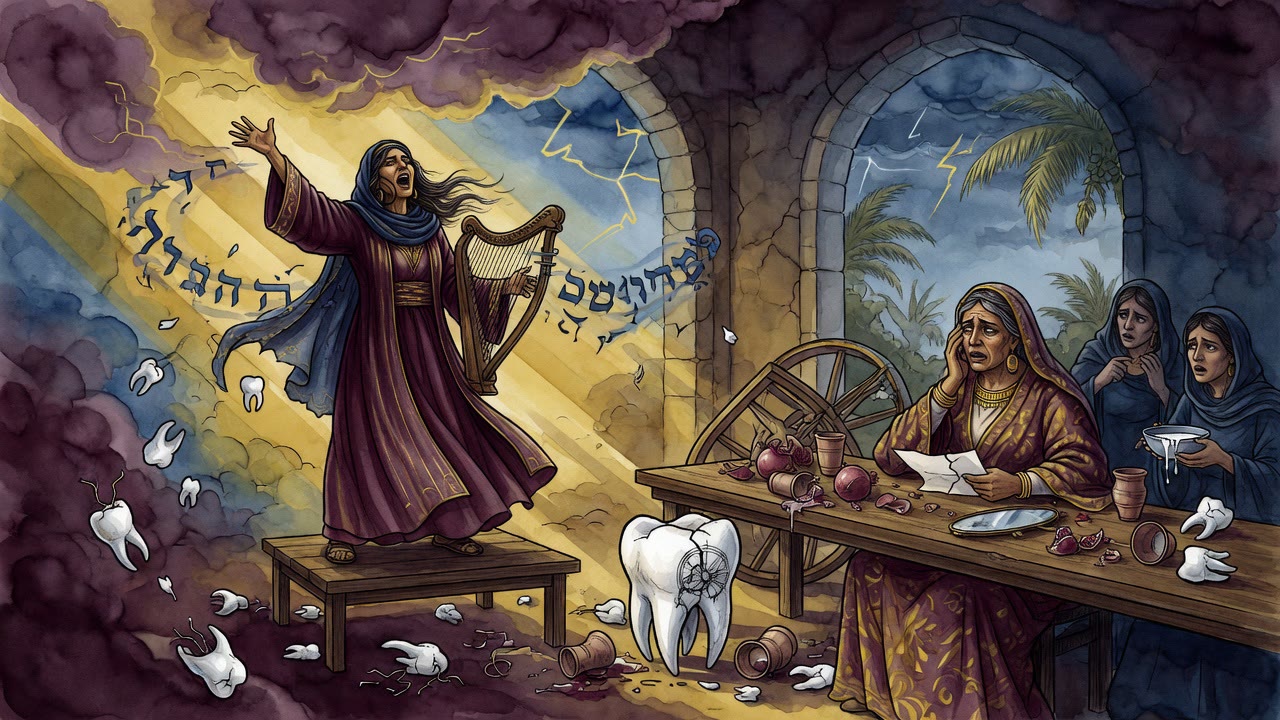
After the Kishon swallowed Sisera's iron, two travelers sat down at the same inn. One ordered the whole table. His teeth did not survive the bill.
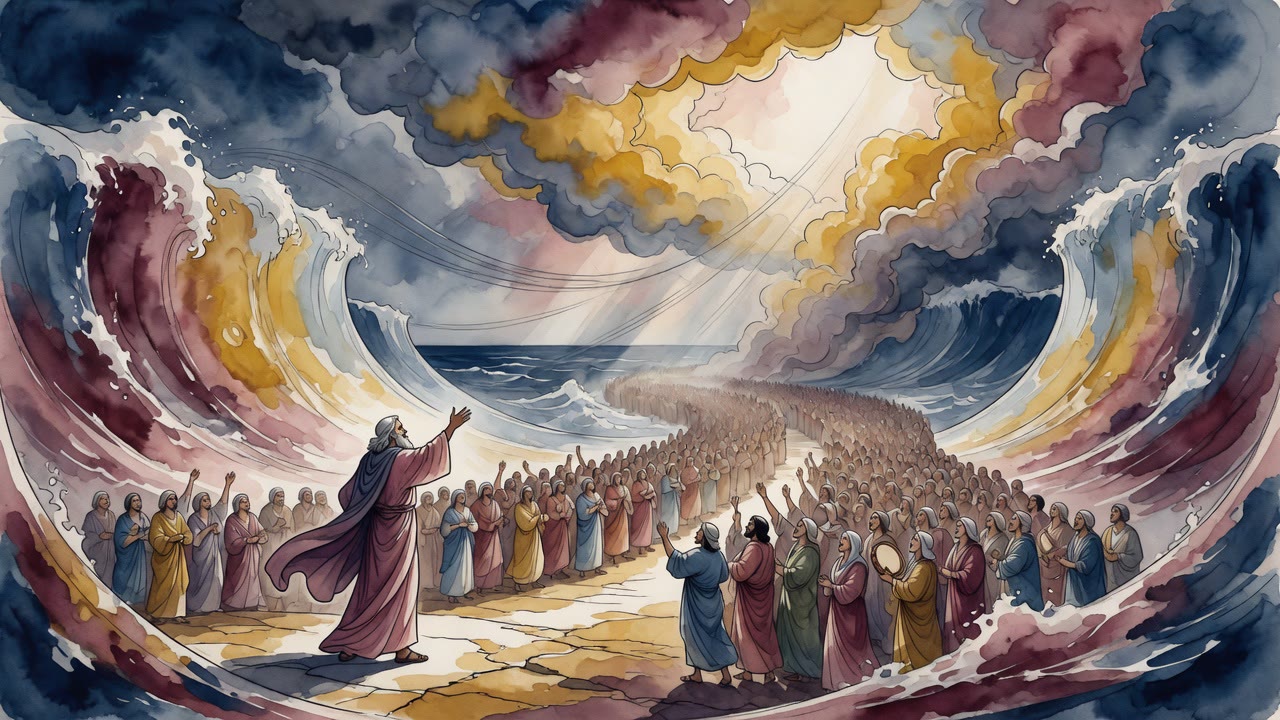
Laban tears across Gilead with supernatural speed, fast enough to catch Jacob and still unable to harm him once God's dream warning lands.
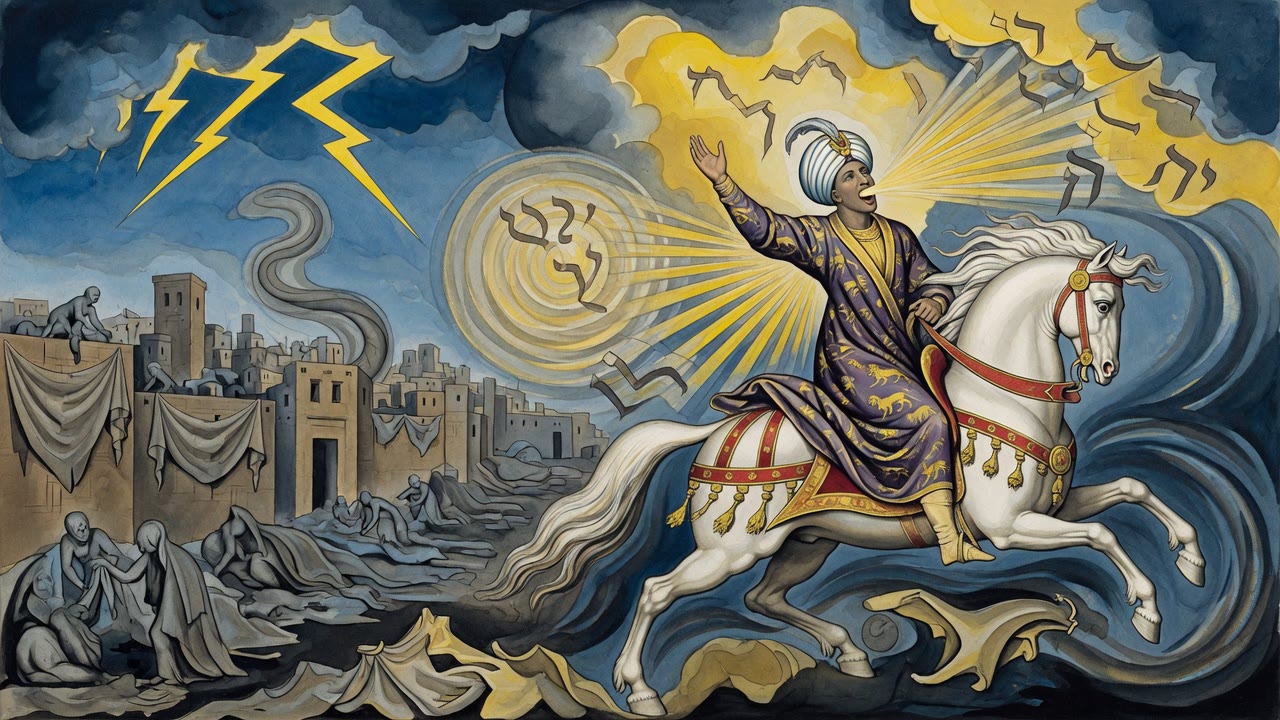
Three days before, Susa had wept in sackcloth. Now Mordecai rode on the royal horse in royal robes and burst into Psalm 30.
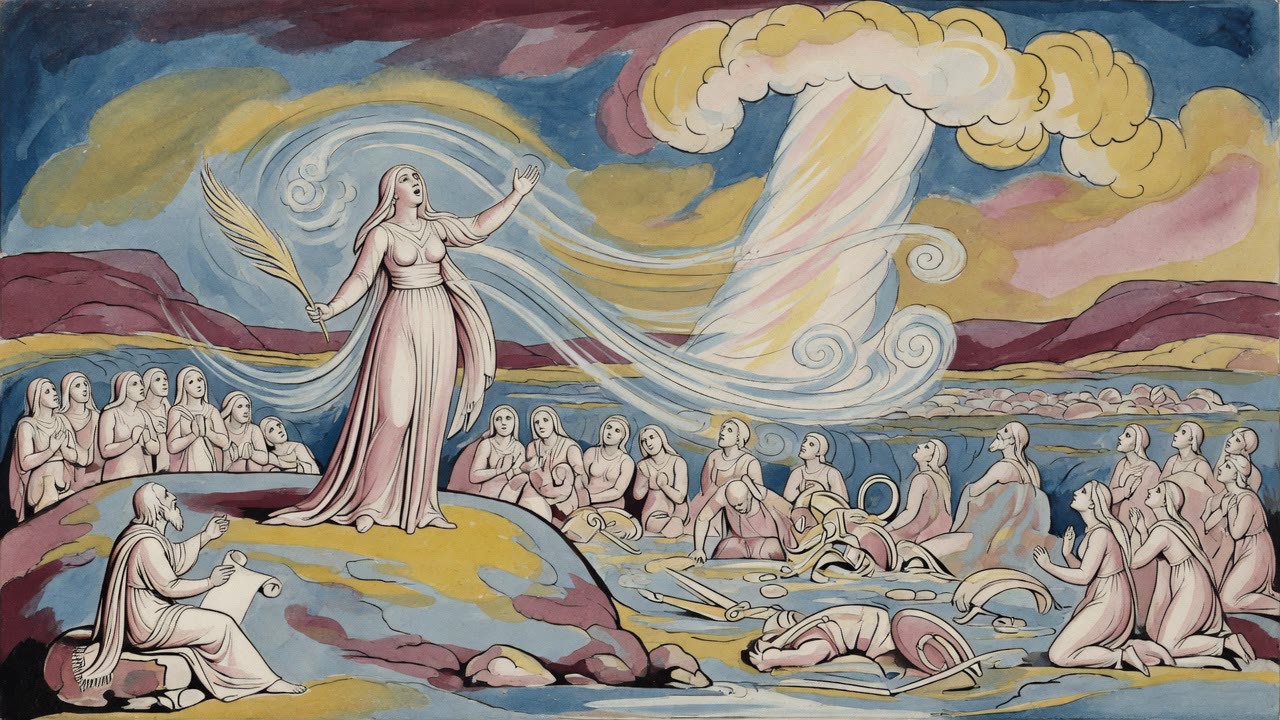
Rabbi Simon taught that singing after a miracle forgives the singer, and Deborah proved it when her voice rose over the battlefield.
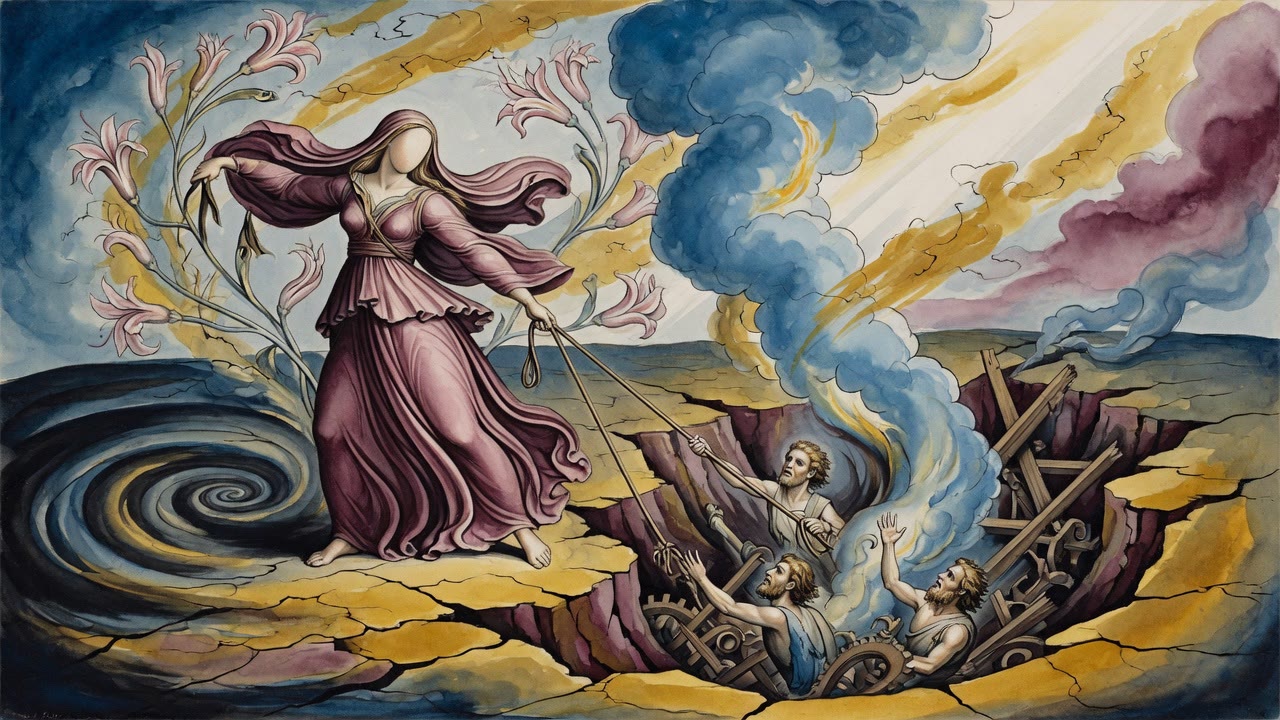
The earth opened under Korah. His three sons sat on a pillar in the fire and sang. A noblewoman in Rome would not let three men die.
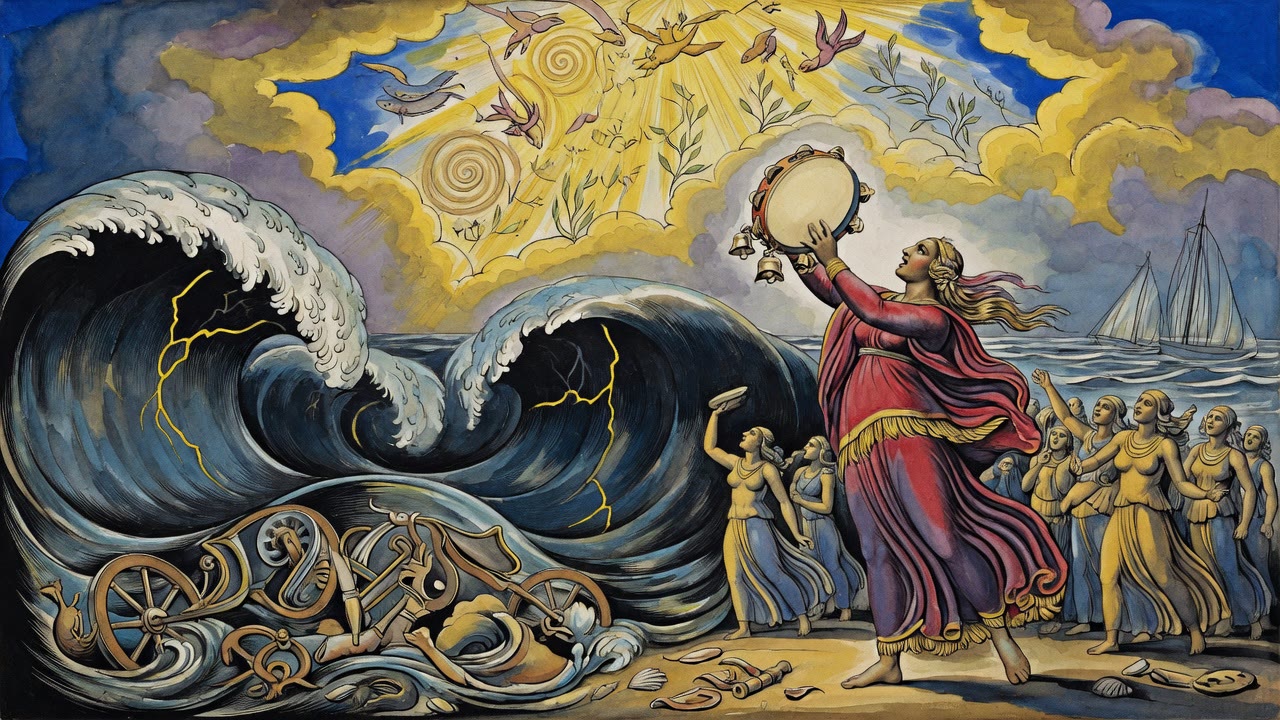
The earth opened under Korah while the censer was still in his hand. His three sons could not speak. A pillar rose under them in the fire.
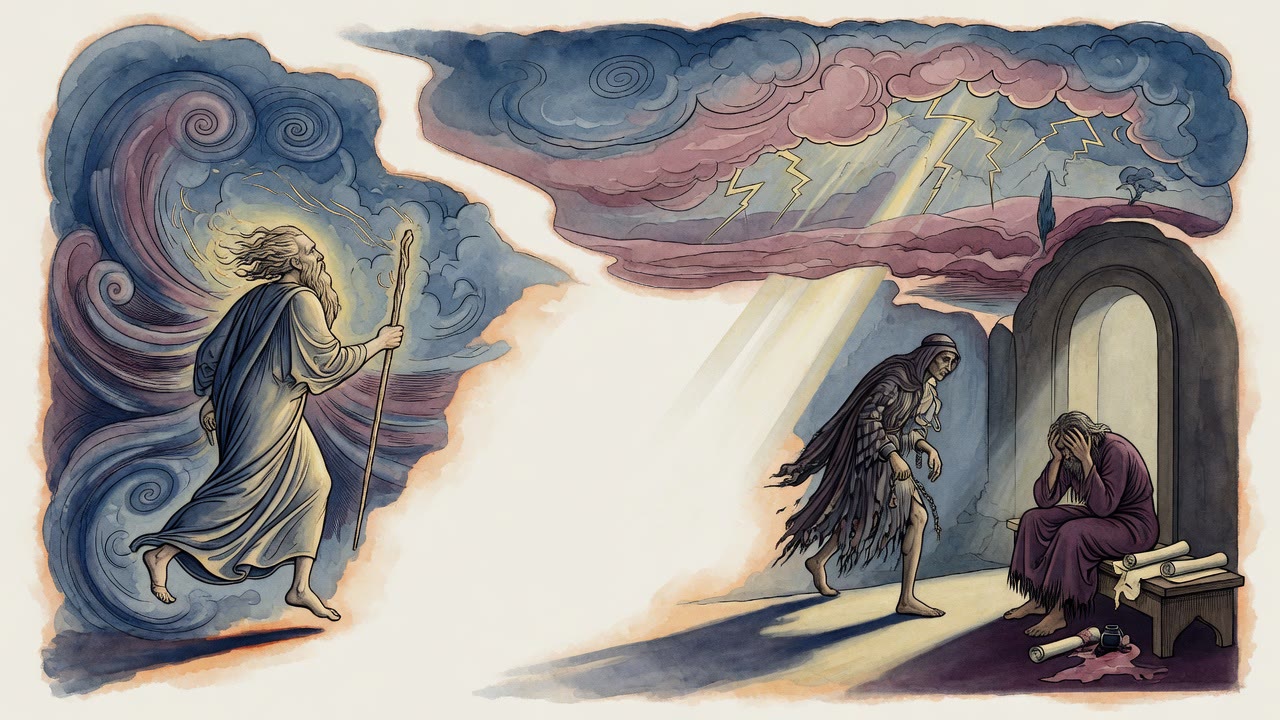
Rabbi Judah the Prince sent scholars to a town without teachers. They asked who guarded the city. When soldiers appeared, the rabbis said: these are destroyers.
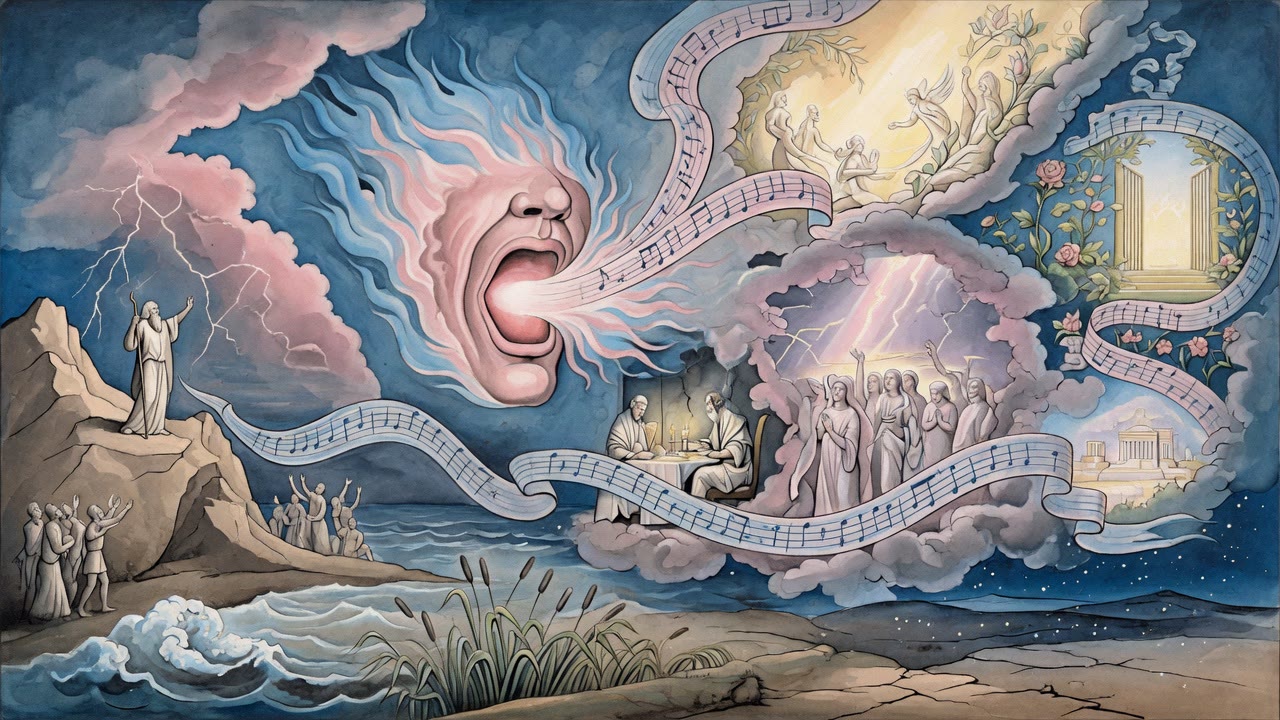
Sacred song does not stay inside the moment that produced it. The rabbis said shira moves freely through past, future, the messianic age, and the world to come.
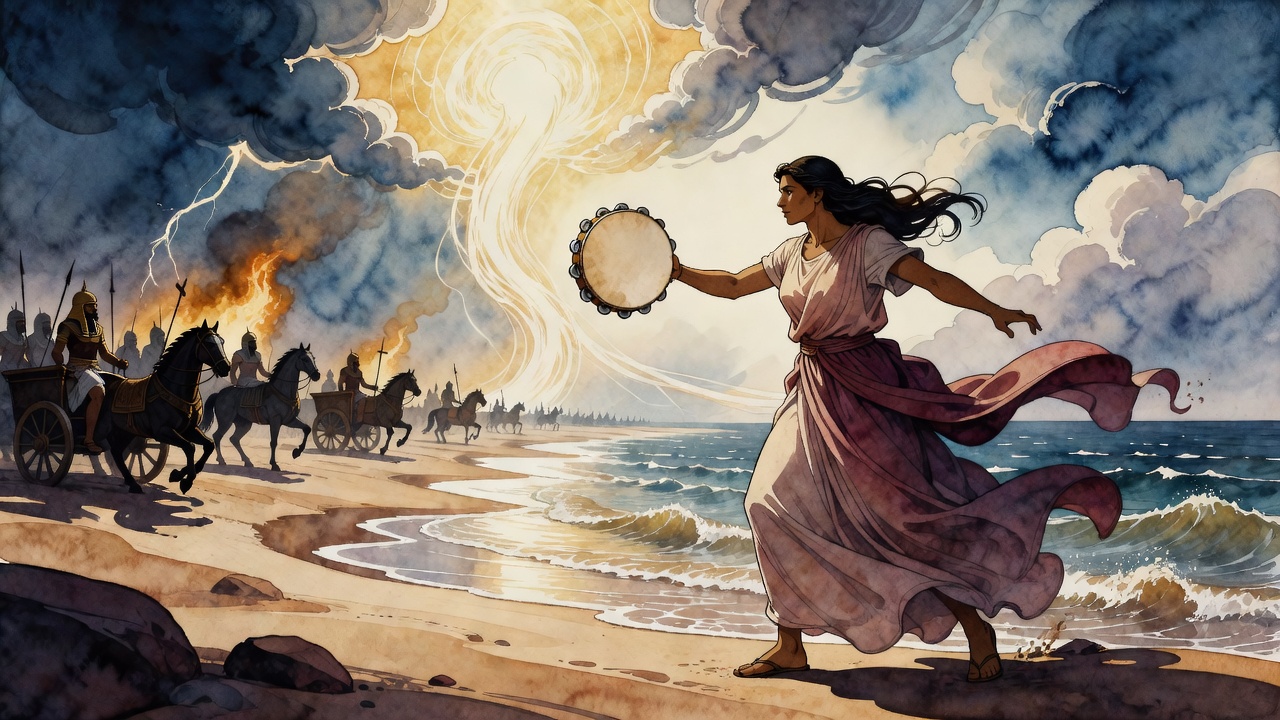
When Miriam led the women at the Red Sea, she had a tambourine ready. She packed it in Egypt while Pharaoh's army lived and the plagues were still running.
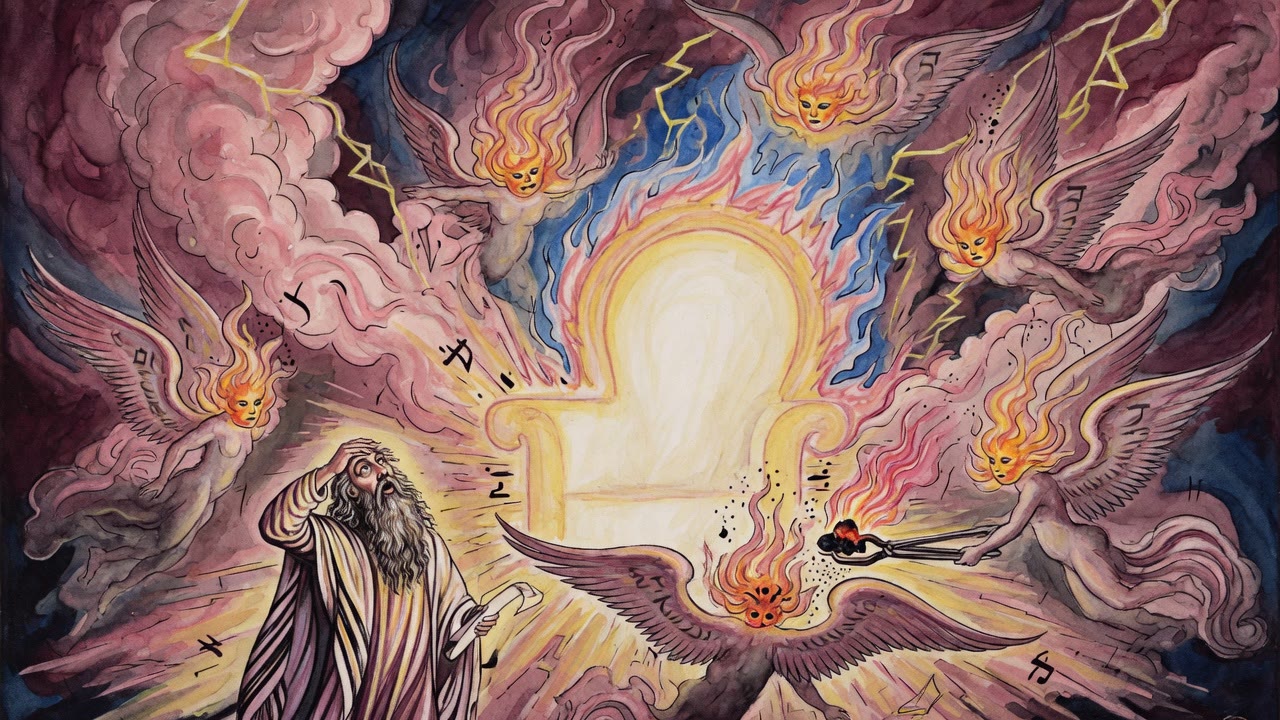
Isaiah stood before the divine throne as the seraphim sang, but guilt sealed his lips. What he failed to do in that moment nearly cost him everything.
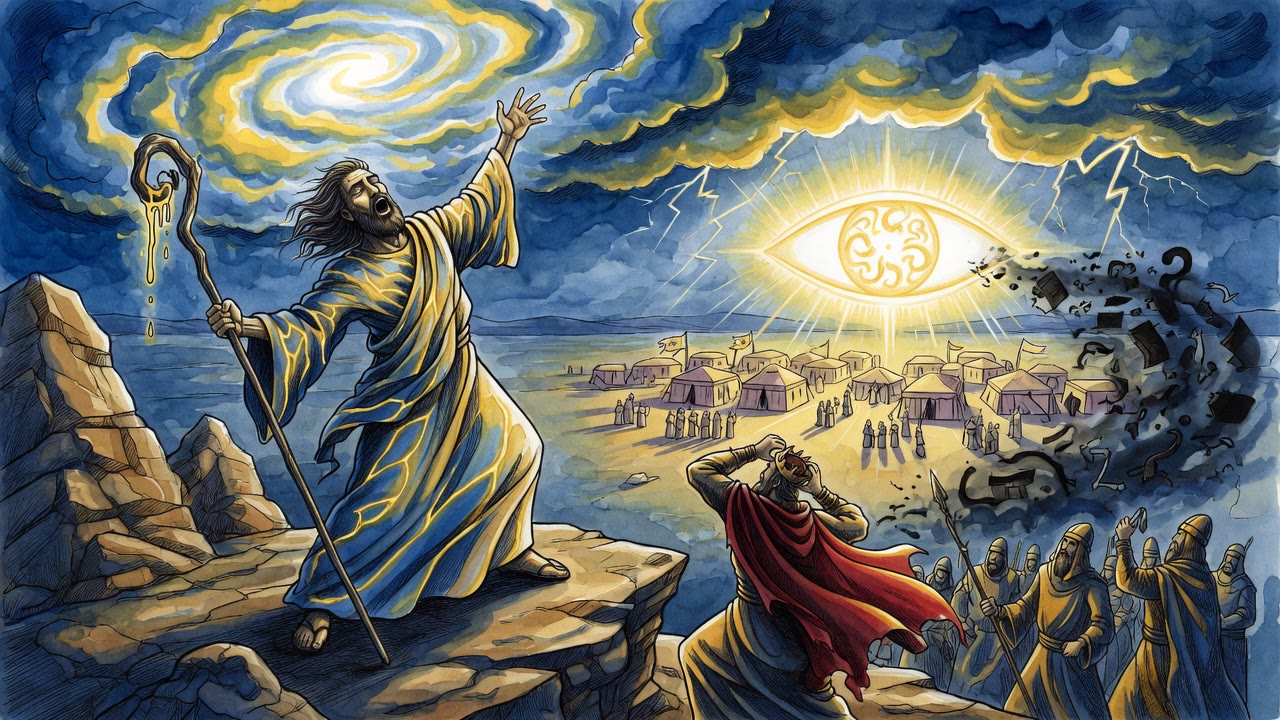
An orchard whose keeper falls asleep can be emptied before dawn. Balak had paid a man to find that hour. Balaam hunted for it from three hilltops.
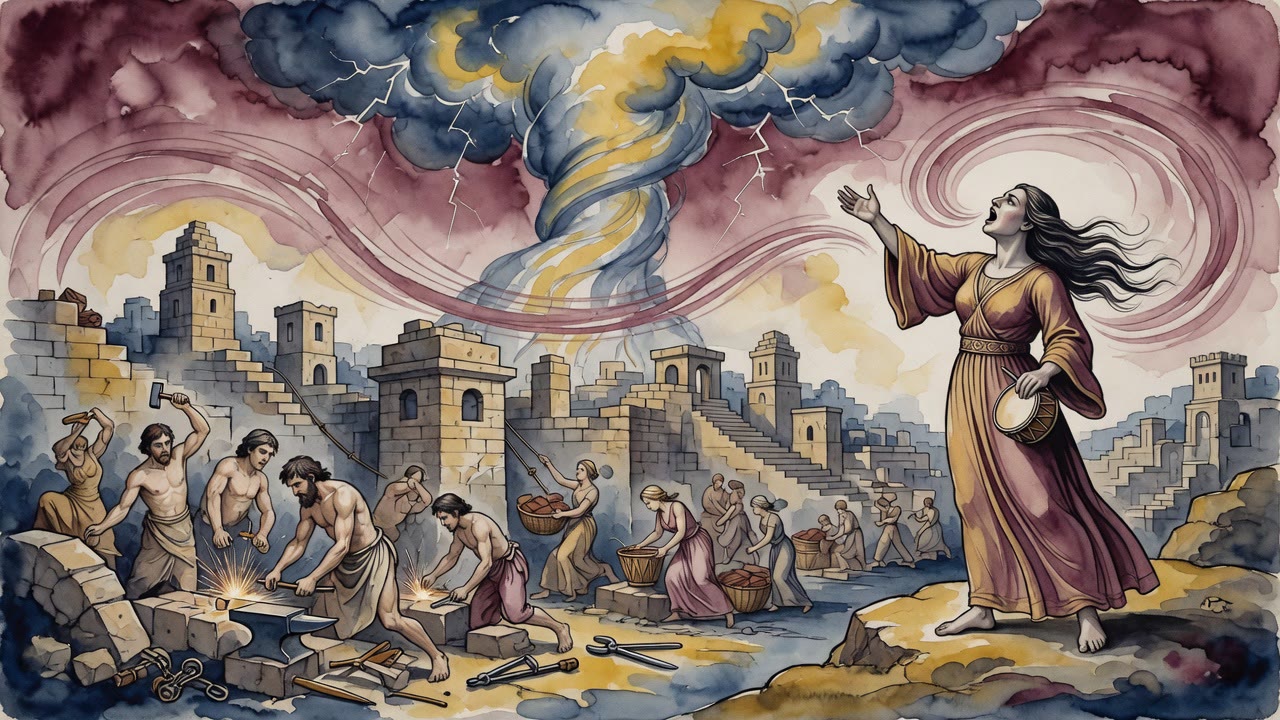
Zillah named her last child Naamah and said nothing else. Her brother was already at the forge, sharpening bronze for a blade.
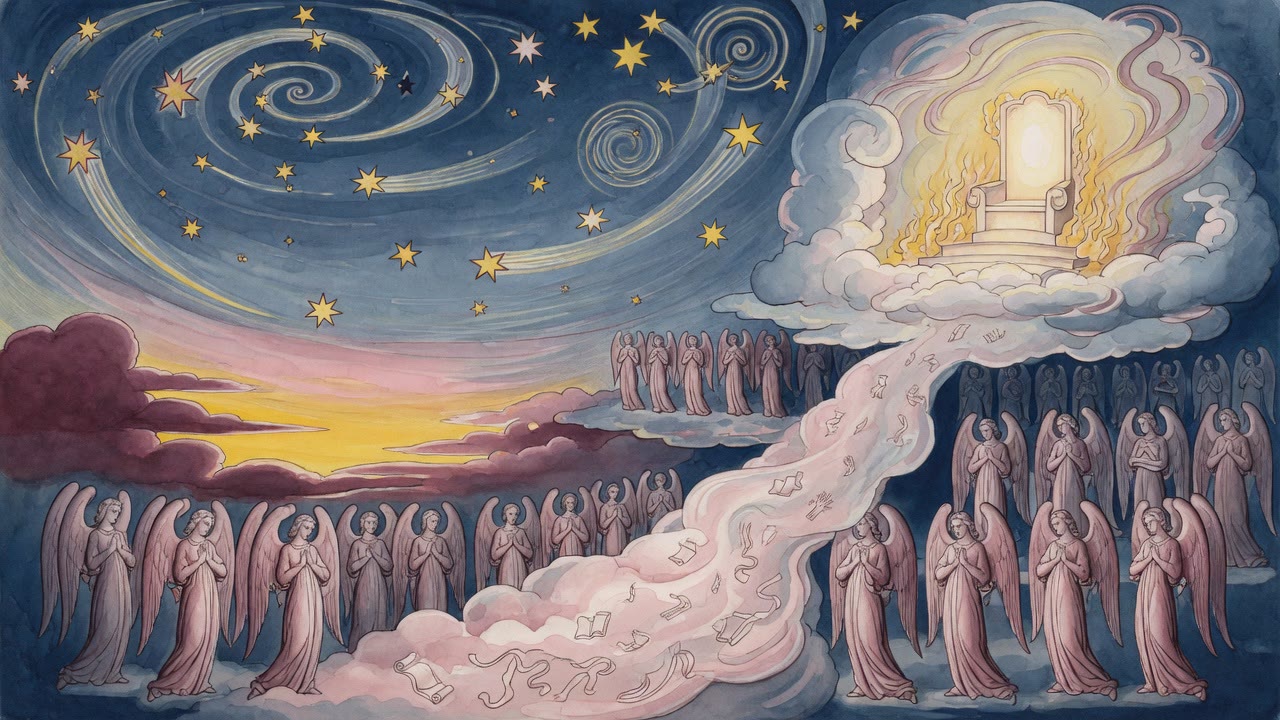
Heaven sings in layers. Stars move in praise, angels in Ma'on go silent at dawn so Israel's prayers can enter the court without competition.
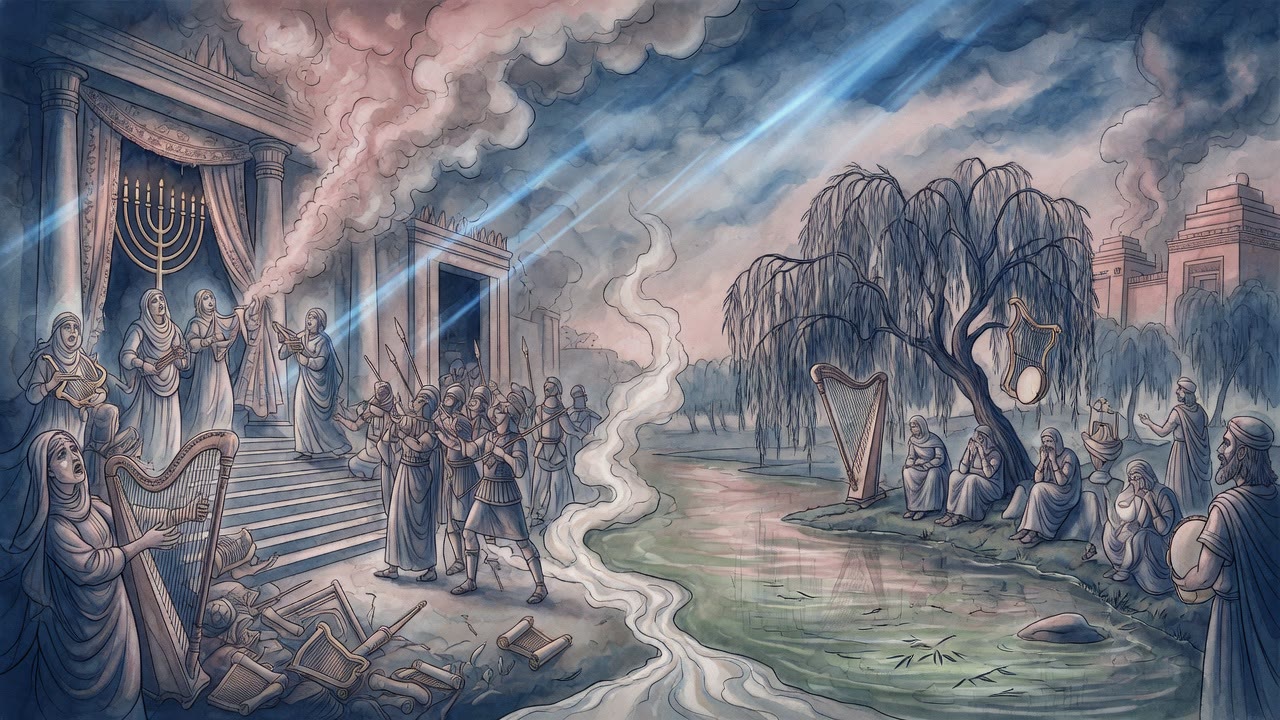
Six hundred thousand singers never finished the verse. The line broke at "and shall cut them off," and the soldiers were already in the court.
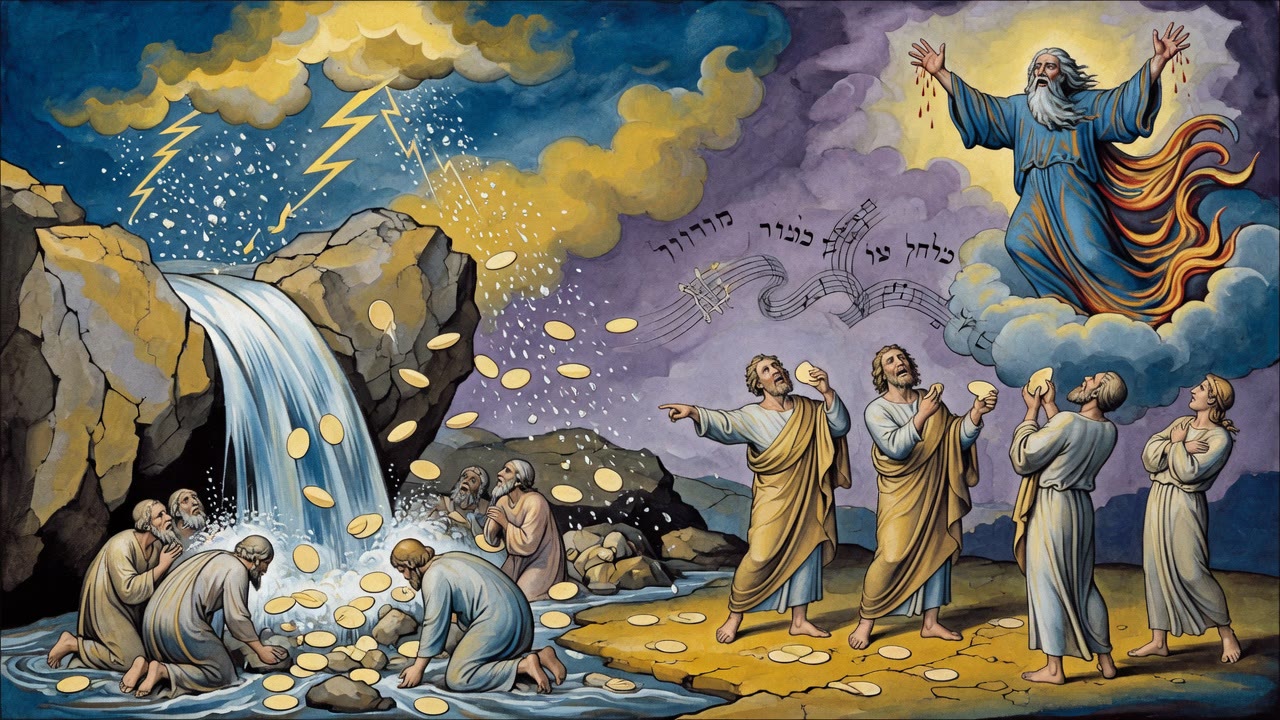
Israel drinks from a gushing rock and eats bread from heaven, then mocks the miracle before learning what a new song costs.
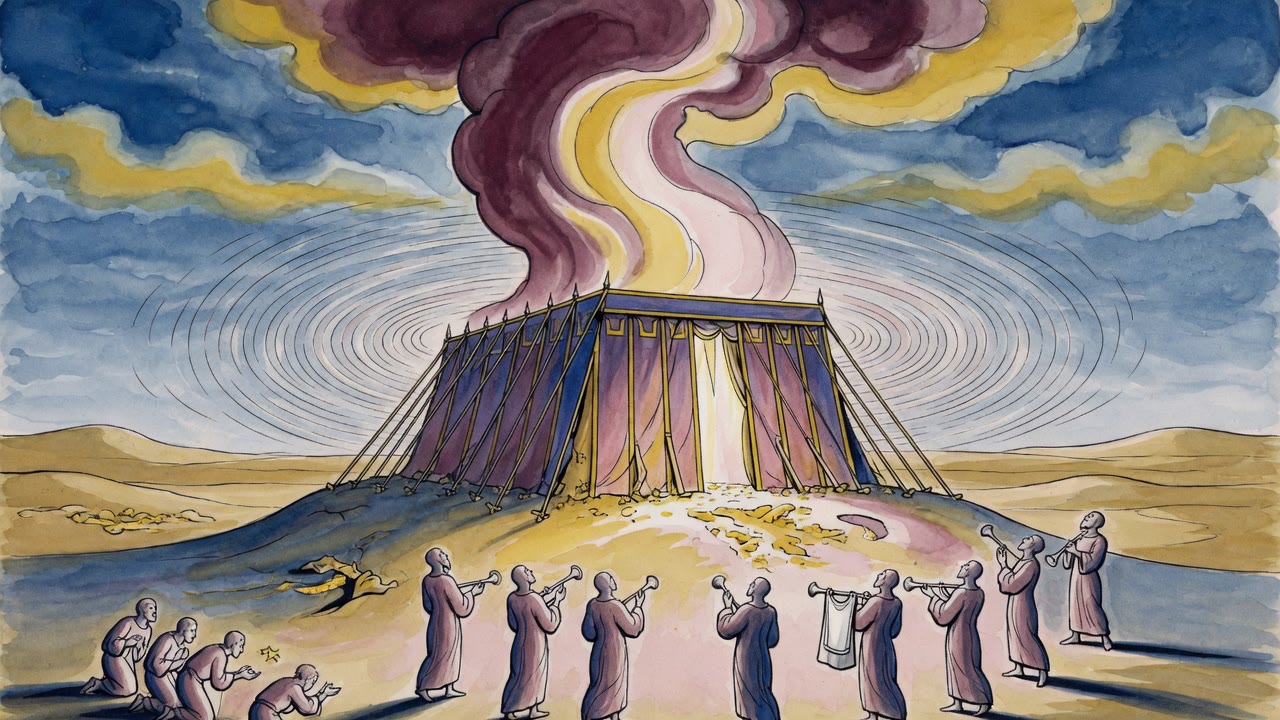
The tablets were already in pieces and God had said the reckoning was not closed. Moses went into the finished tent alone and listened.
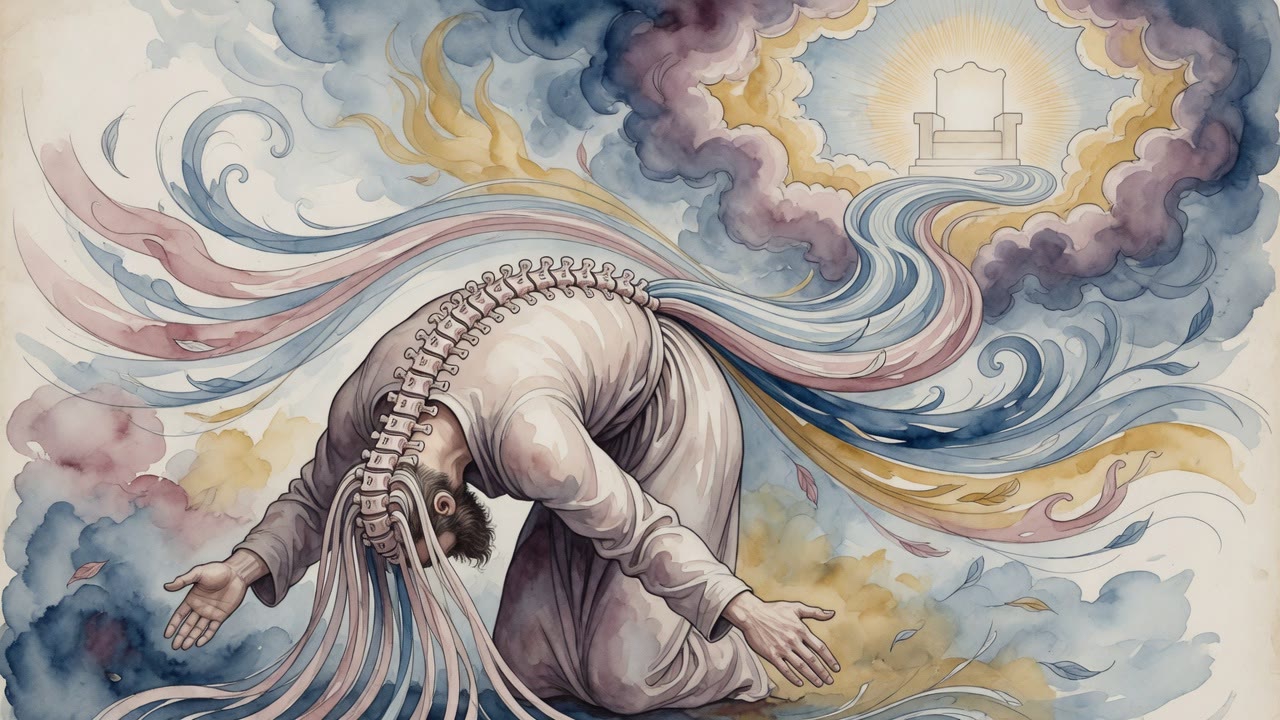
To pray the Amidah is to bow all eighteen vertebrae into eighteen blessings, as weak prayers are lifted by strong ones and rivers raise their force.
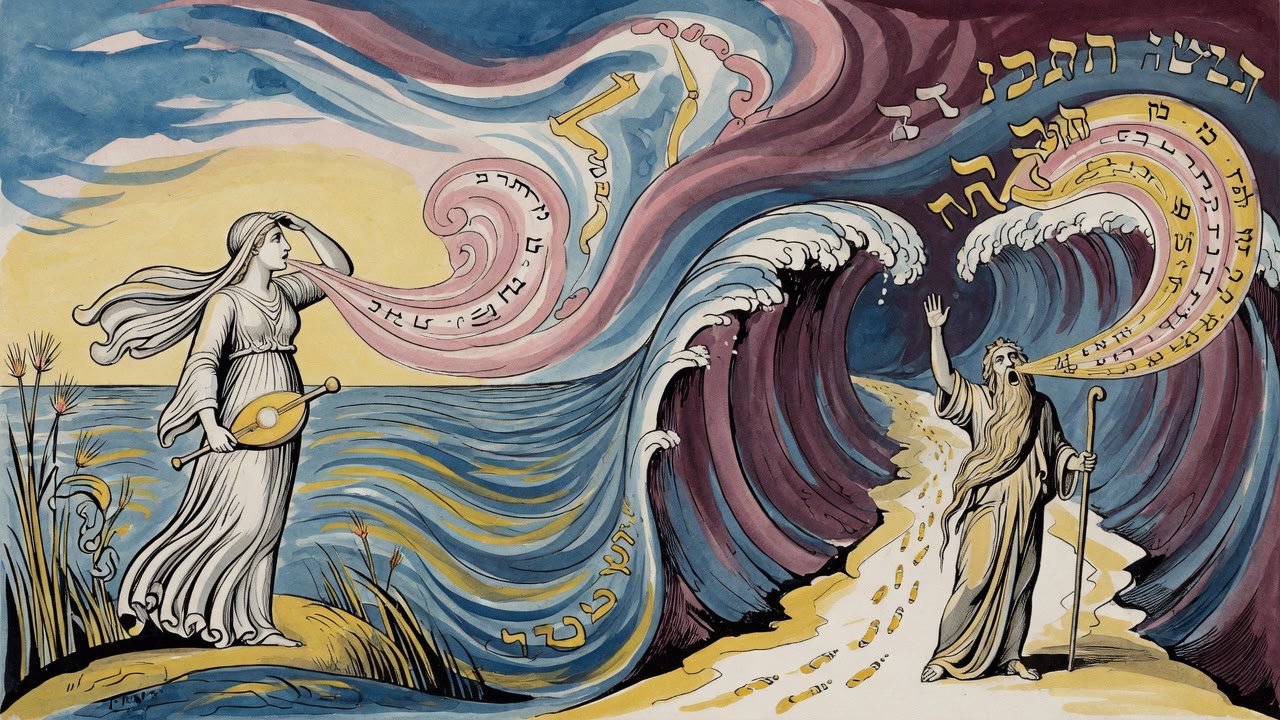
The choir of fire stood ready. On the far bank, escaped slaves were still finding their voices, and God would not let heaven start first.
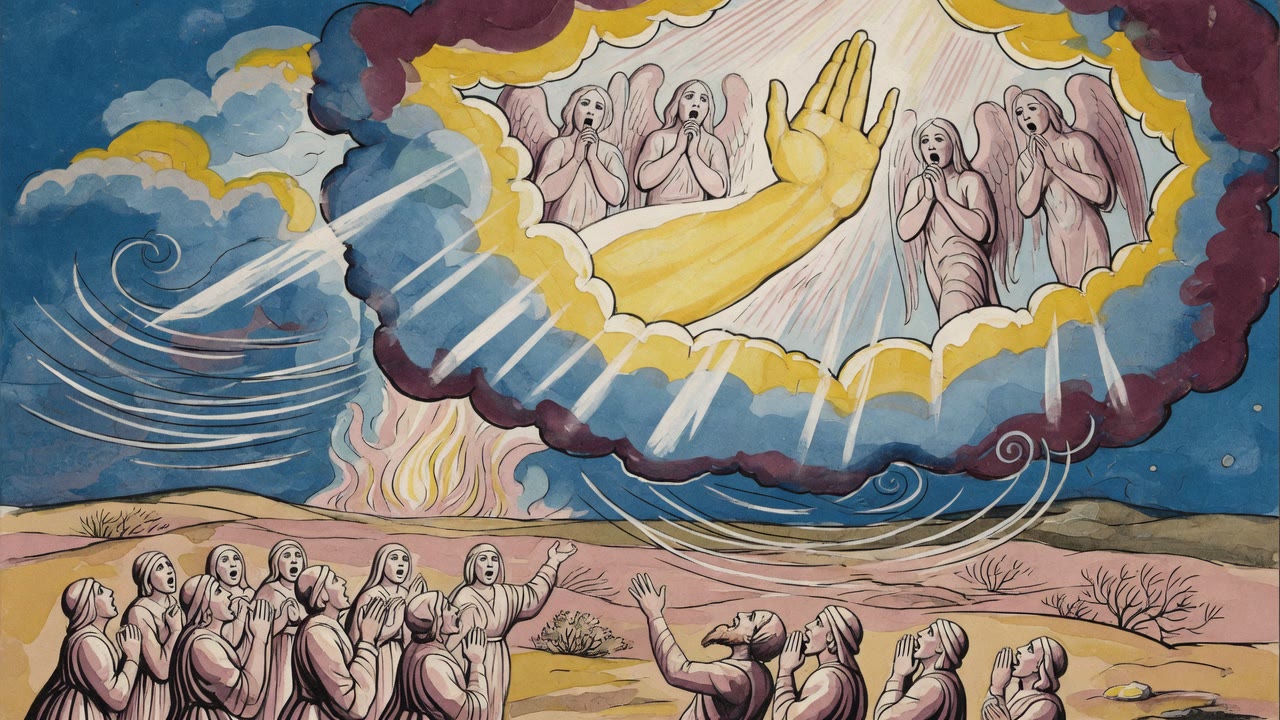
Miriam stood at the Nile waiting to see if her prophecy was true. Moses opened the Song with the same word he had used to accuse God of abandoning Israel.
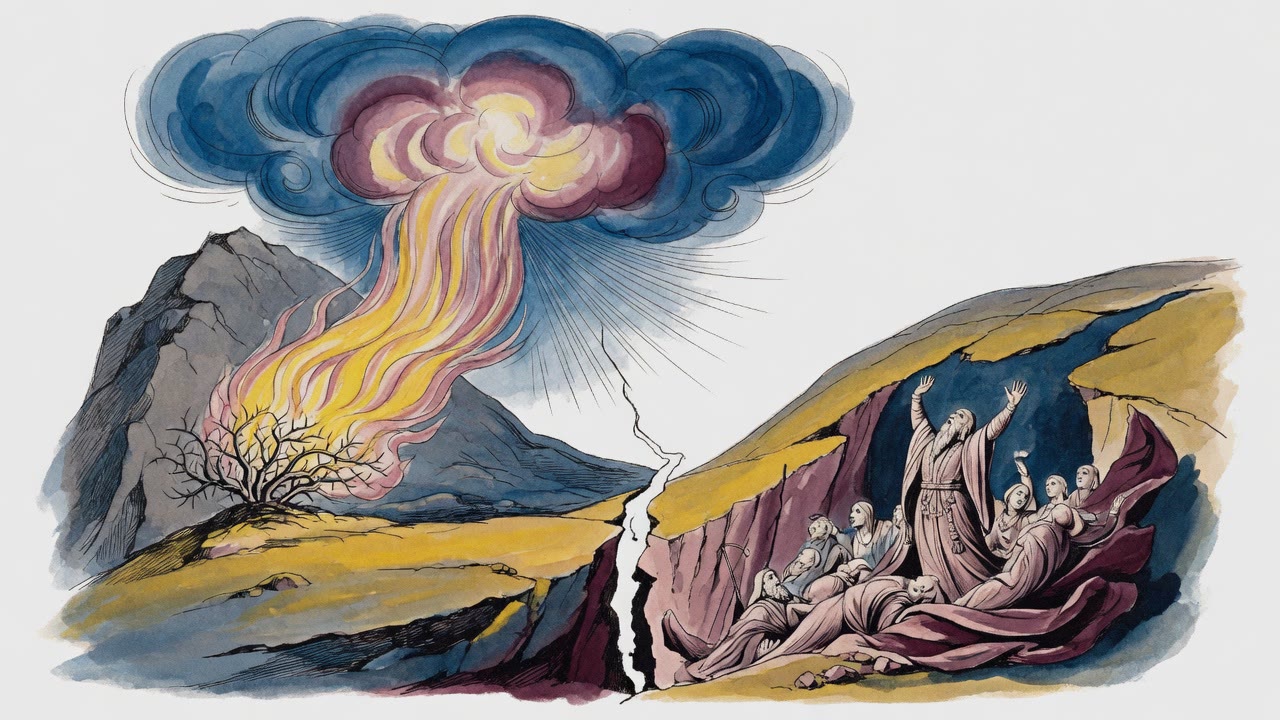
Korah's sons could not open their mouths. Fire stood around them and the pit opened under their father. A pillar rose anyway, and they sat down to sing.
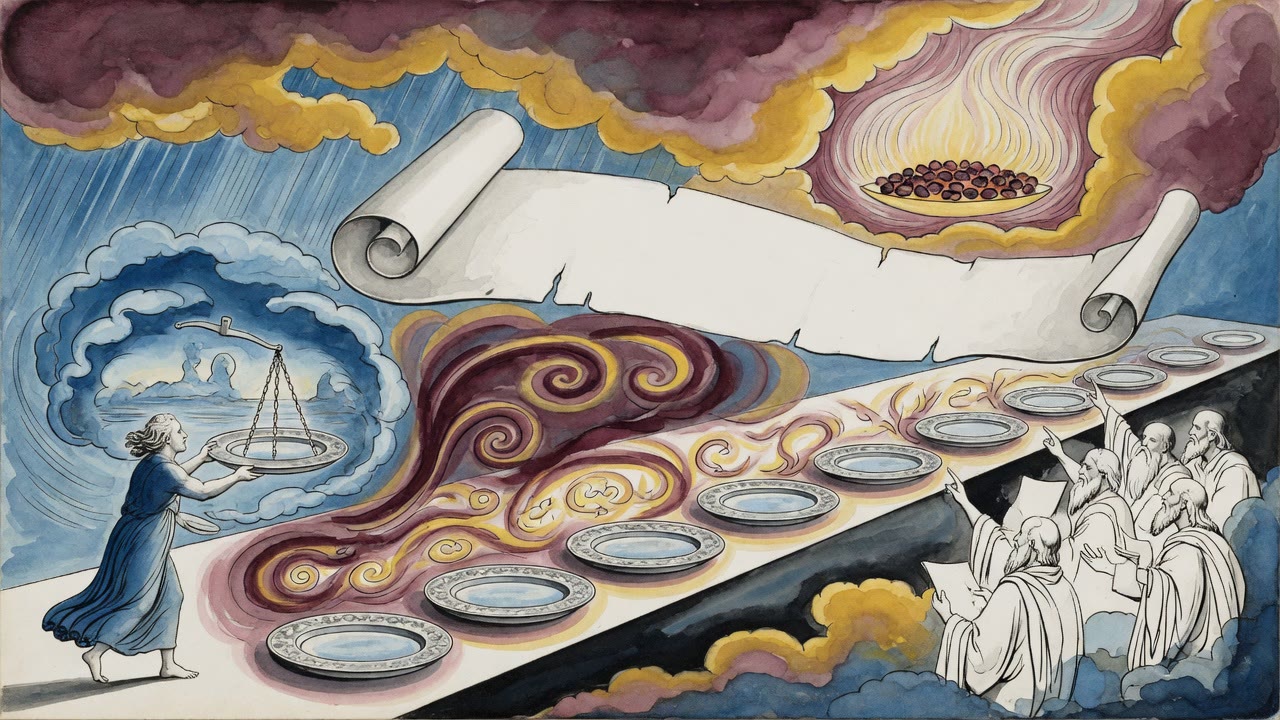
He paid for every item himself. The goat he set down answered for the blood his ancestor Judah once smeared on Joseph's coat.
A king moved mute tenants into his new palace. They greeted him at dawn with fingers and a kerchief. He wanted voices instead.
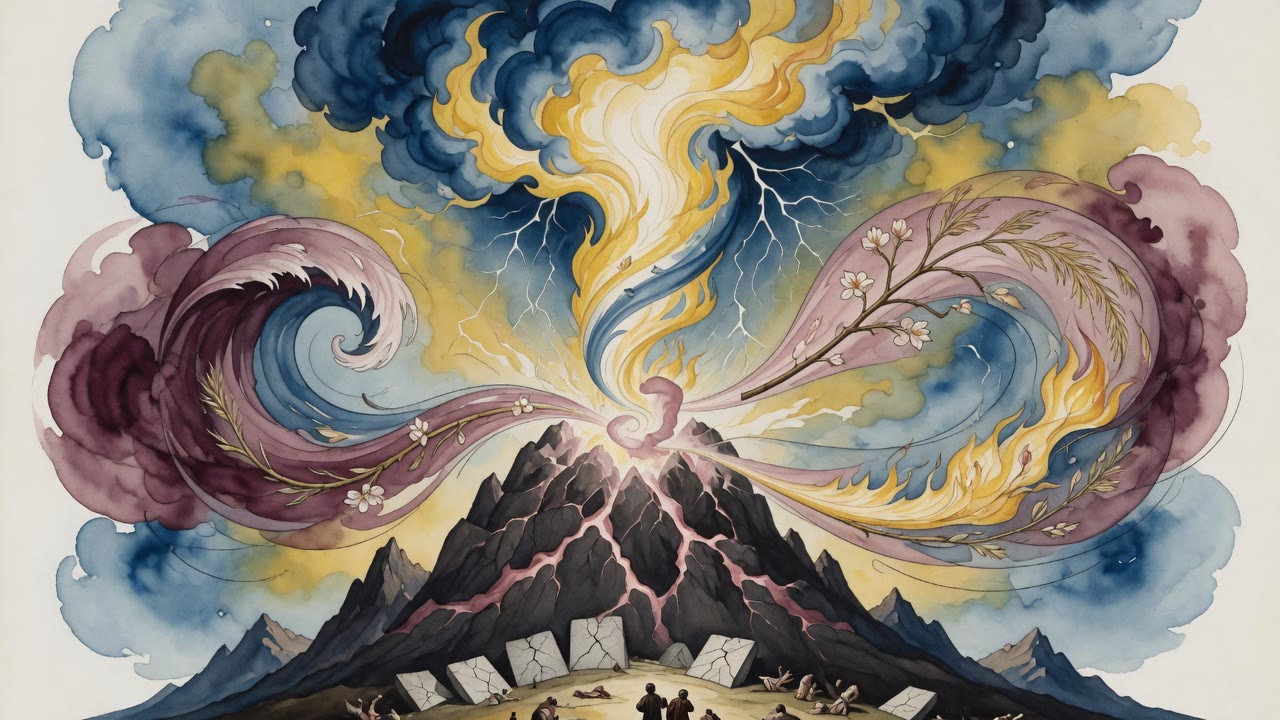
When the angels rose to sing as the Egyptians drowned, God stopped them with a sentence that cut through triumph and made mercy part of the judgment.
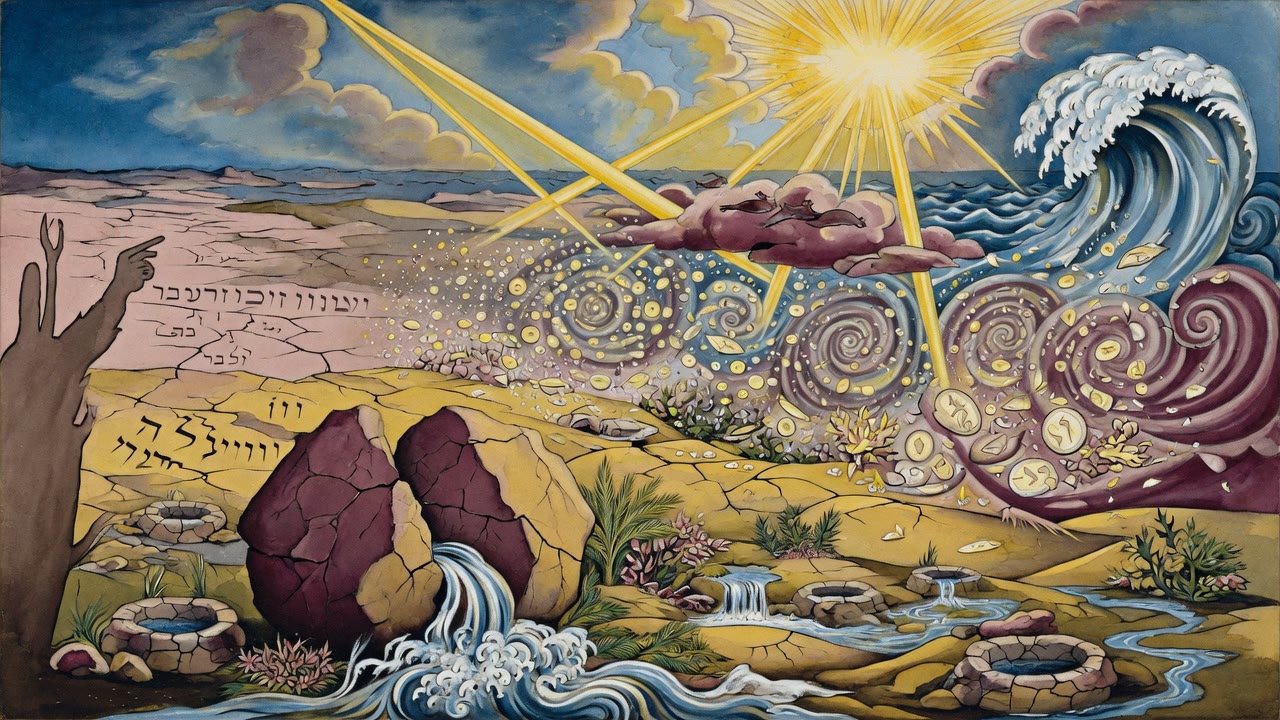
The people said the desert was empty and God had brought them there to die. So the sea split twelve ways, a cloud flattened the road, a rock followed them.
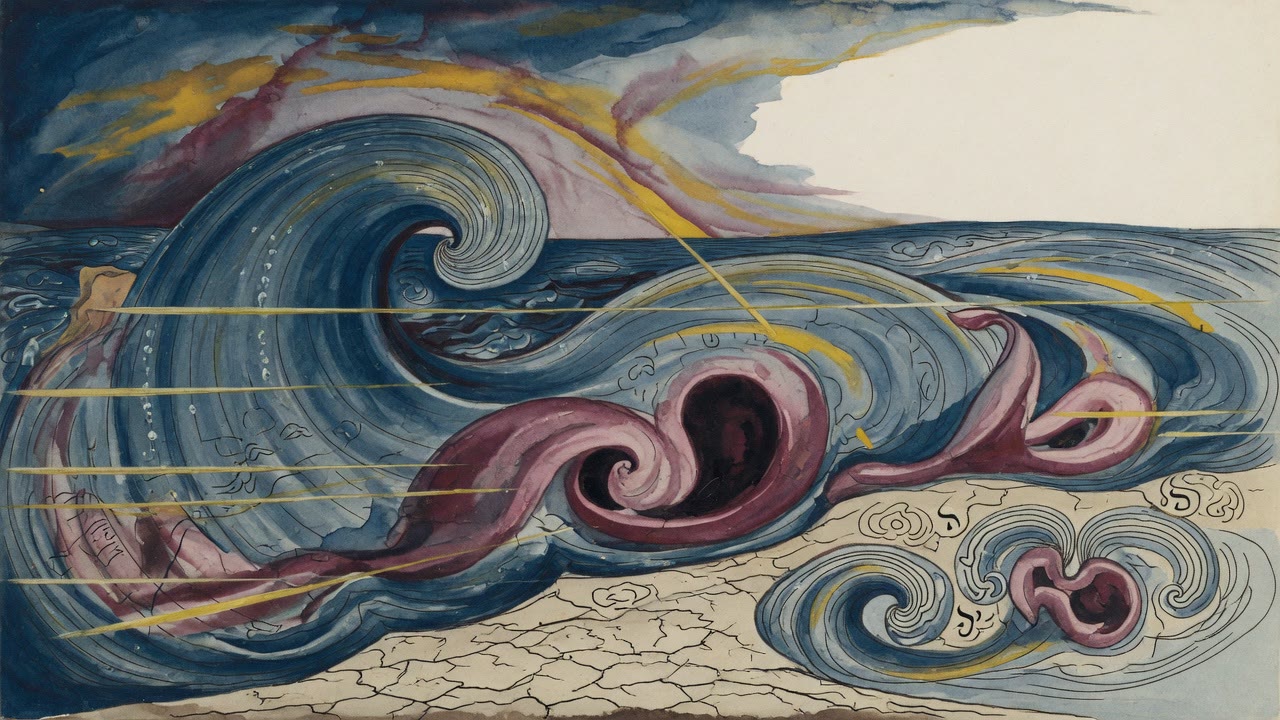
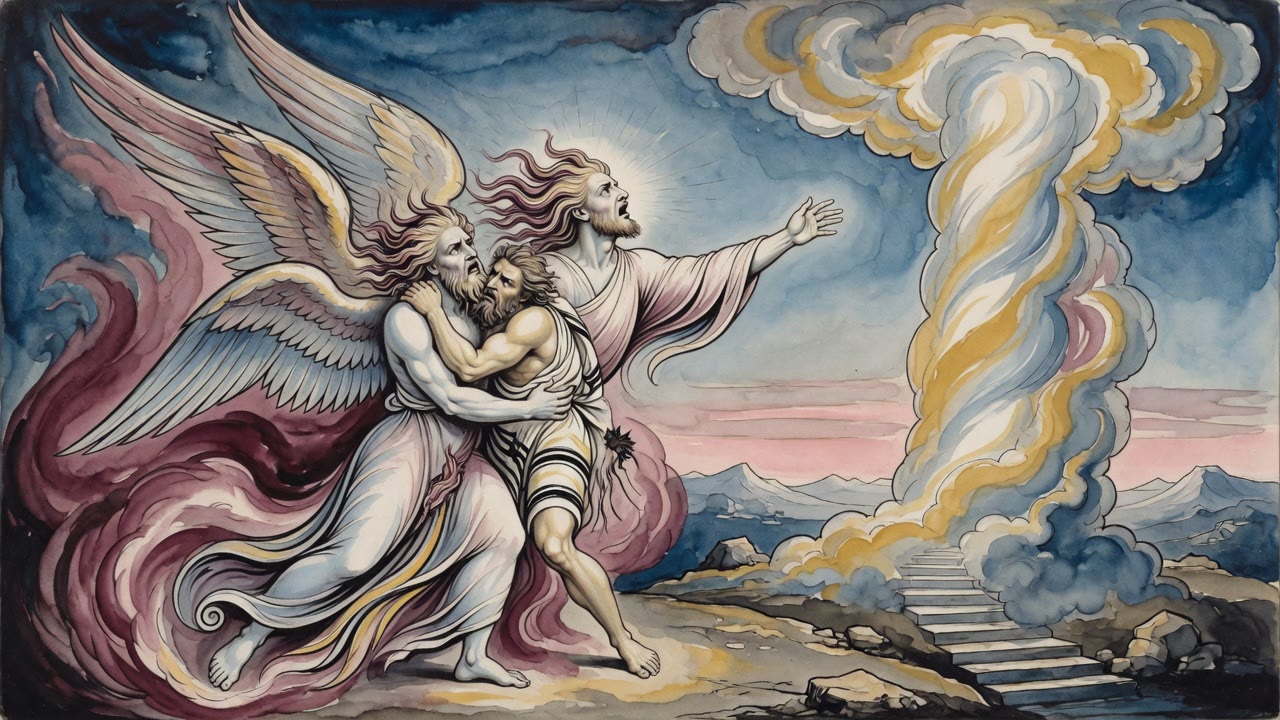
An angel wrestles Jacob all night, then pleads to be released at dawn. He has been waiting since creation for his single turn to sing before God.
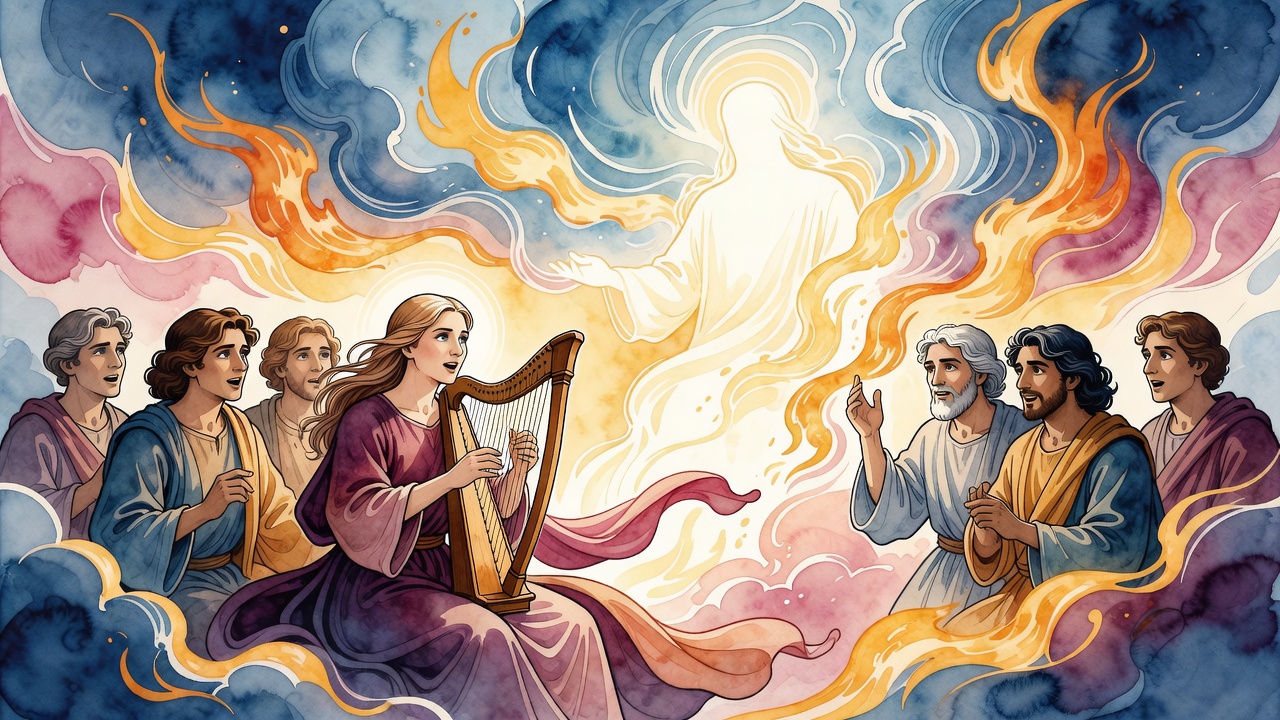
Afraid the shock would kill their father, the brothers gave Serah a harp and one line of song. Joy woke the holy spirit that grief had choked for years.
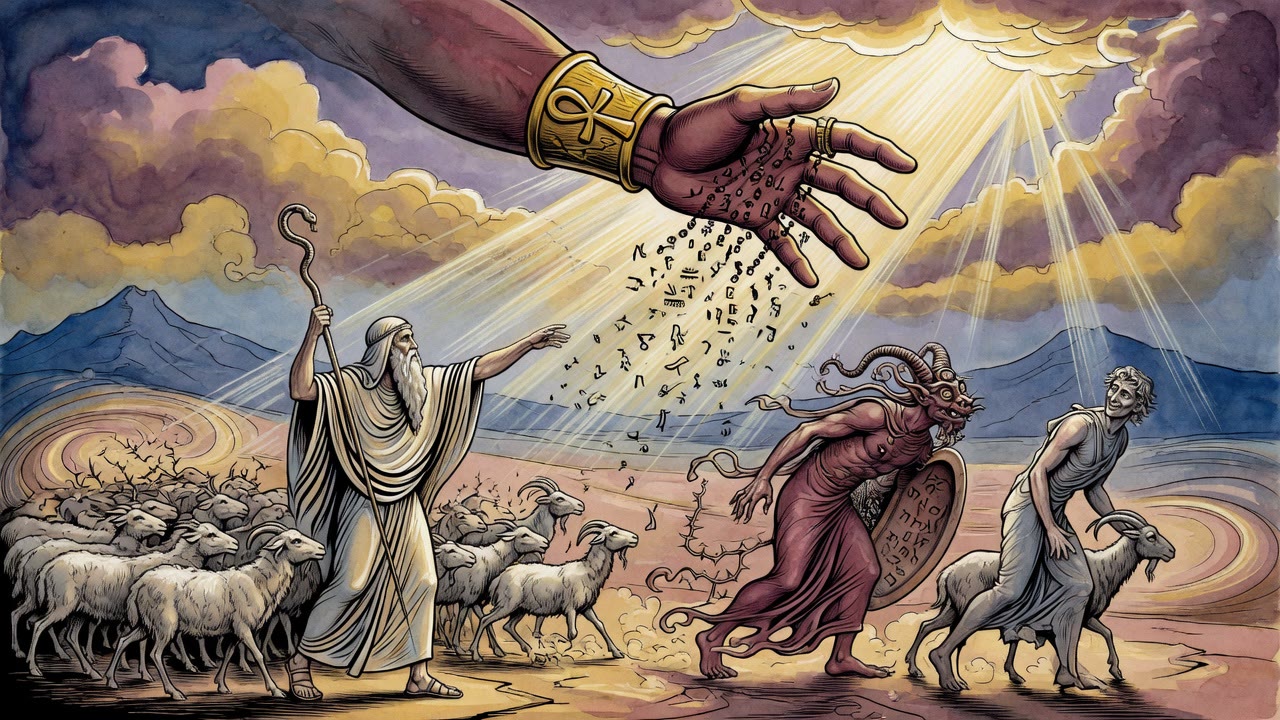
At the sea Moses kindled each phrase and Israel completed it. The Name warred without weapons, and faithfulness turned left hand into right.
Forty-nine nights they counted, and children asked if today was the day. On the fiftieth morning the air on the mountain grew heavy.
A priest who sat down to serve had performed no service at all. Nine men were not a quorum. Boaz gathered ten elders at the gate before a sandal came off.
