God Silenced the Angel Choir to Hear Israel Sing at the Sea
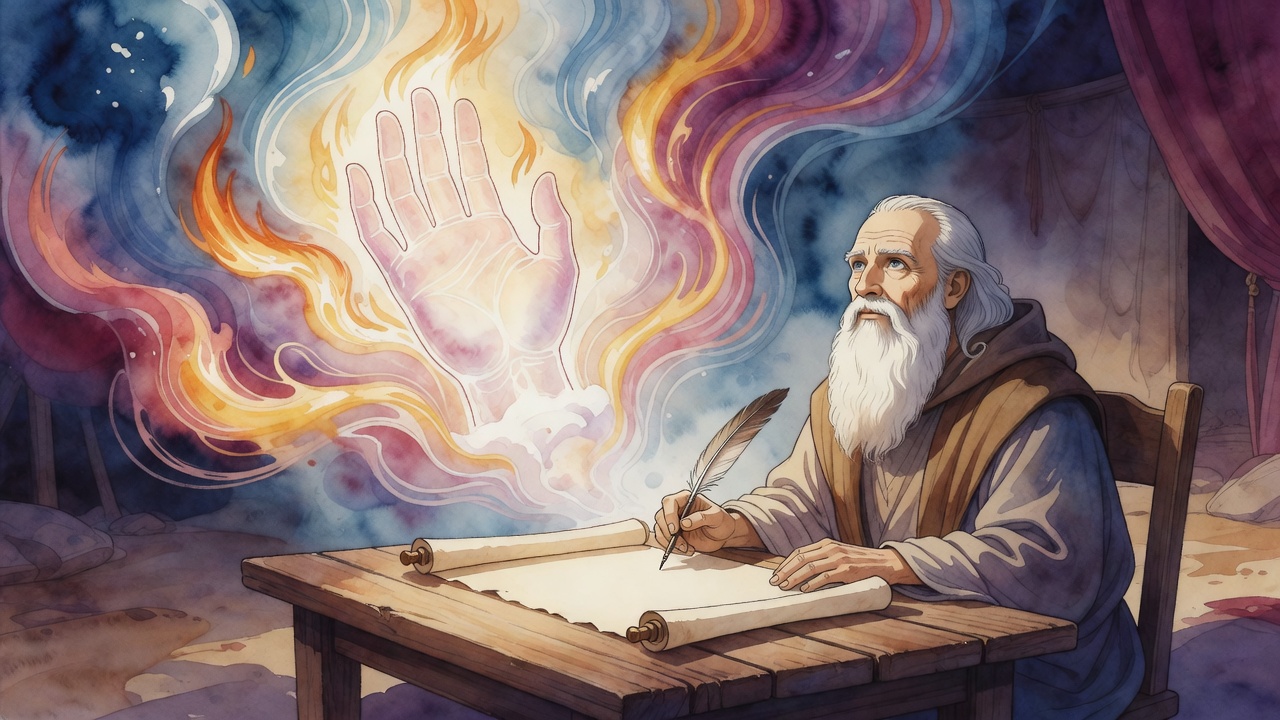
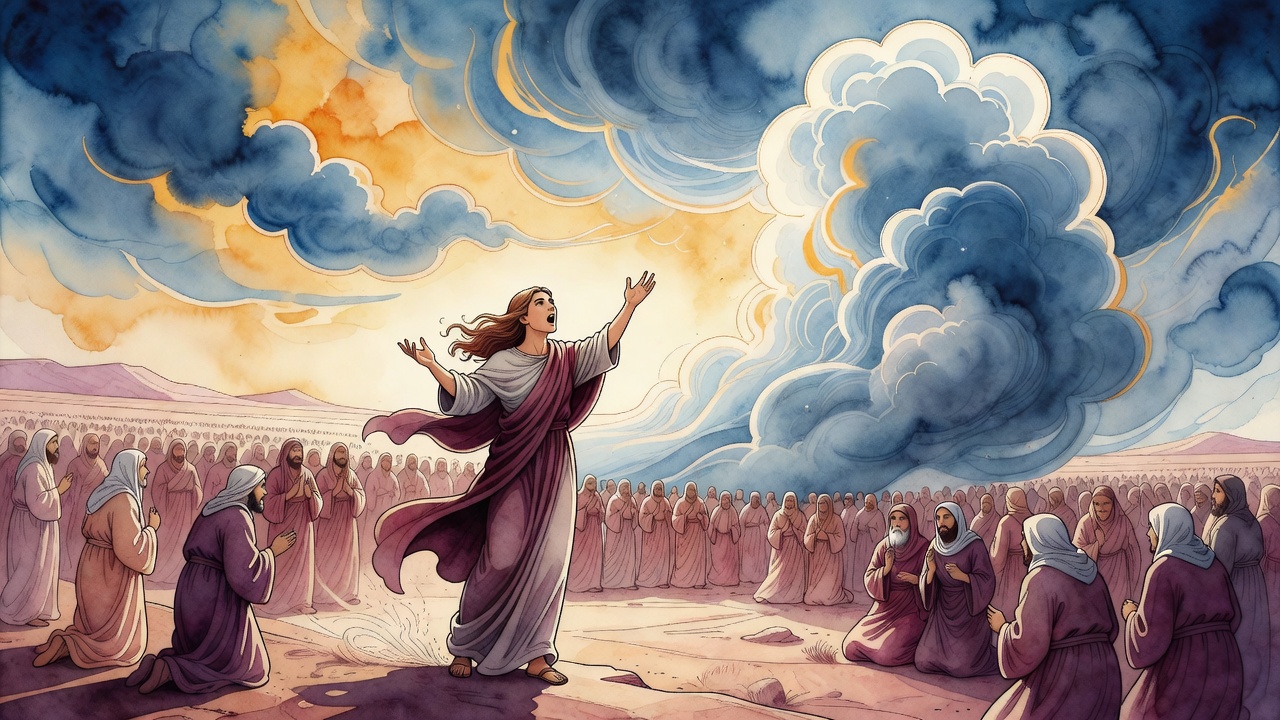
The choir of fire stood ready. On the far bank, escaped slaves were still finding their voices, and God would not let heaven start first.
Table of Contents
 Click for full size
Heaven Closed Its Mouth
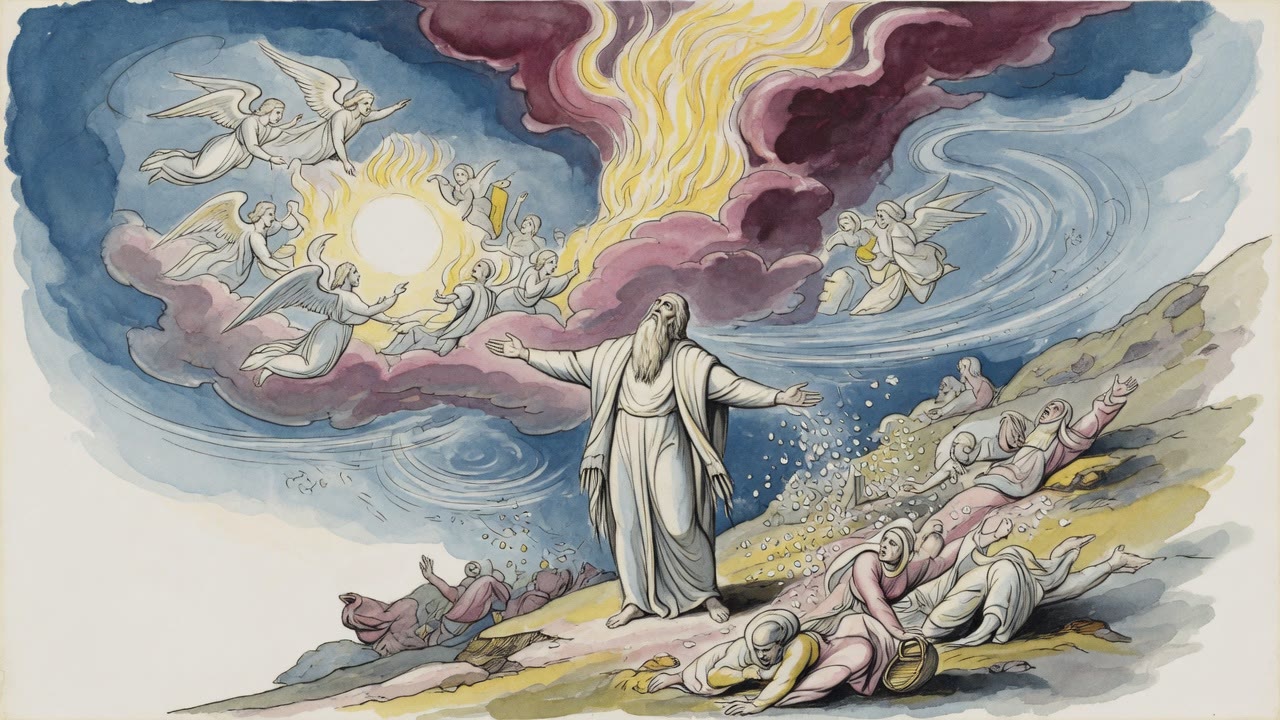
The angels opened their mouths to sing. God stopped them. "My children on earth are singing now."
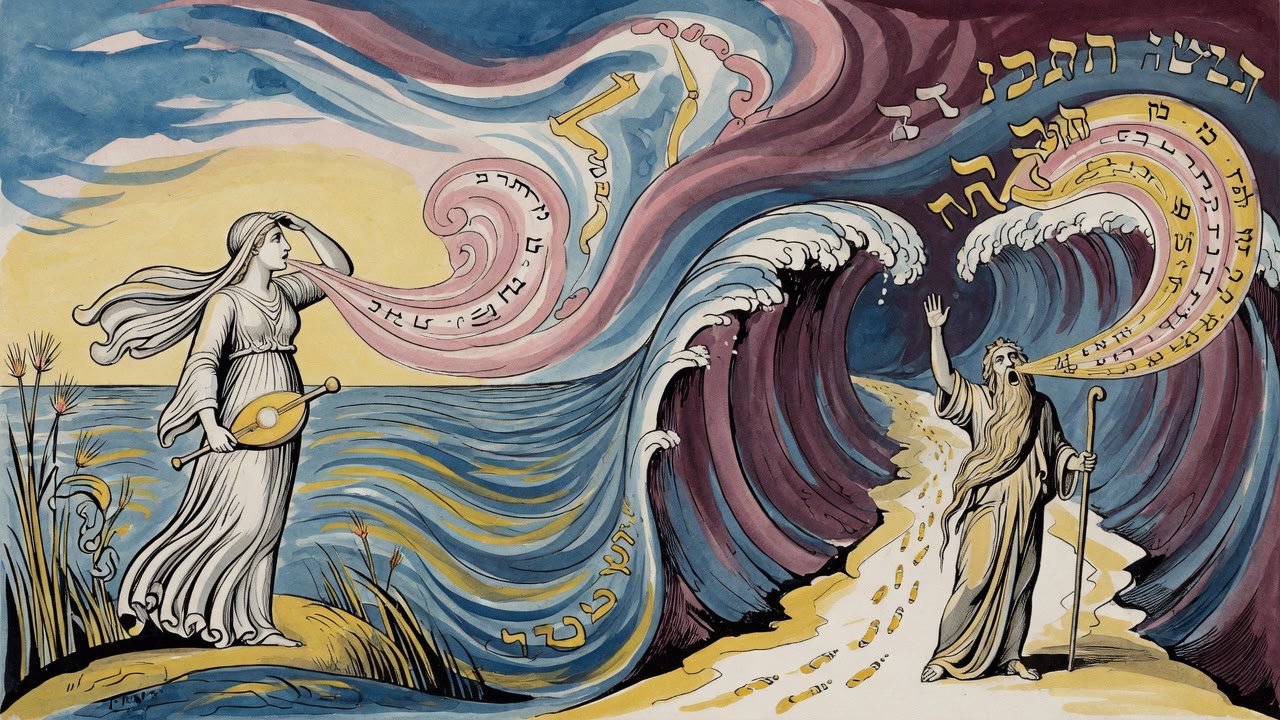
On the far side of the Sea of Reeds, a camp of escaped slaves was still hoarse. They had walked a road of water an hour ago. They had watched the army that chased them go under. They were not polished. They were singing because their bodies had nothing else to do with what they had just lived through (Exodus 15:1).
The beings made of fire closed their mouths and listened. The song from dust went up first. Egypt, rid of the slaves, was glad in a different way, like a beast glad to be rid of a rider. Israel sang anyway. Heaven waited its turn.
They Sent Moses's Blessing Back
The song did not last the wilderness. Thirst came. Hunger came. Miles of flat ground came. Moses lifted his hands and blessed them, and they pushed the blessing back.
"O our teacher Moses, we do not desire thee to bless us. We have had much greater blessings. God spoke to our father Abraham: I will multiply thy seed as the stars of the heaven and as the sand upon the seashore (Genesis 22:17). And thou dost limit our blessings."
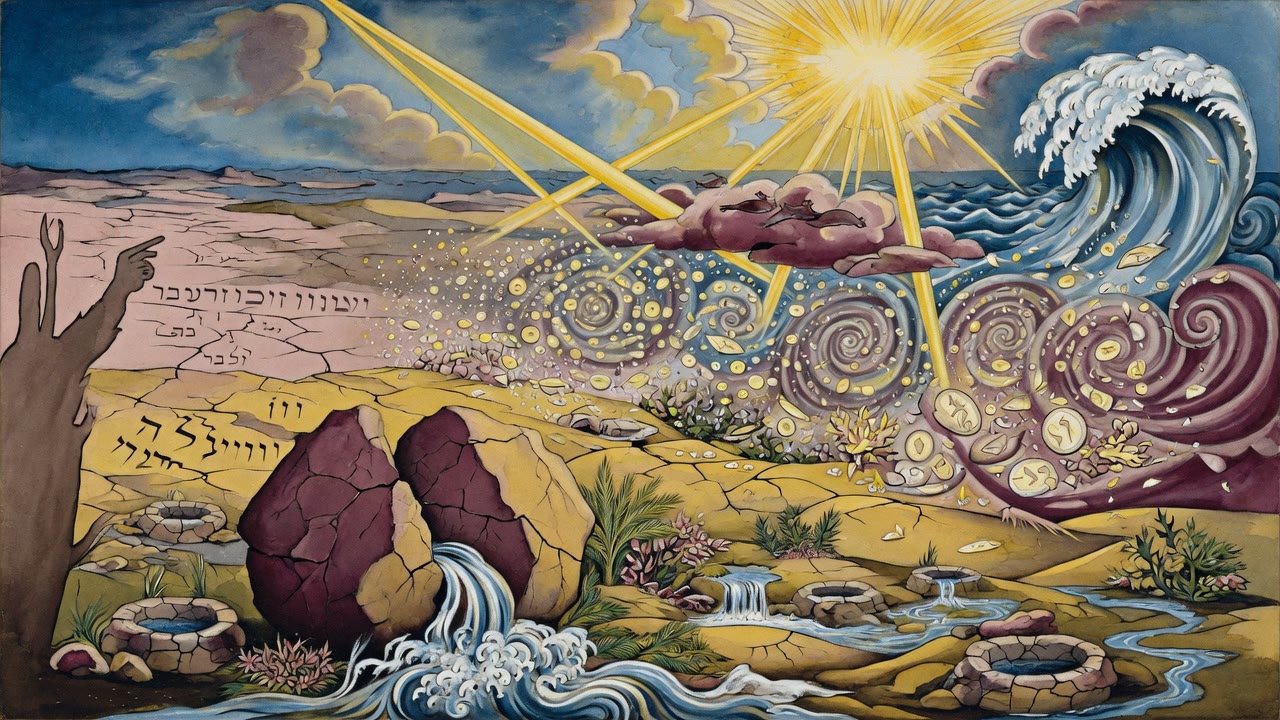
Moses did not argue the insult. He cried out the truth of his own size. "I am only a creature of flesh and blood, limited in my powers, hence is my blessing limited. I give you my blessing, but the blessing of God remains preserved for you. He will multiply you as the fish of the sea and the sands, as the star and the plants." He kept his gift on them and left God's gift where it already was, unlimited, waiting.
They Sang to the Well
Water came up in the long march, a well the camp could walk to. They sang to it. "Rise up, O well" (Numbers 21:17). They named the princes who had dug, the nobles who had opened it with their staves. They could put their hands on the lip. They could feel the rope and the weight of the bucket coming back.
The song had work in it. It had memory in it. It had the specific pleasure of not dying of thirst. Moses heard it and did not stop it. A people who had sung at the sea still knew how to sing when water showed a face they could touch.
God Would Not Let Them Praise the Bread
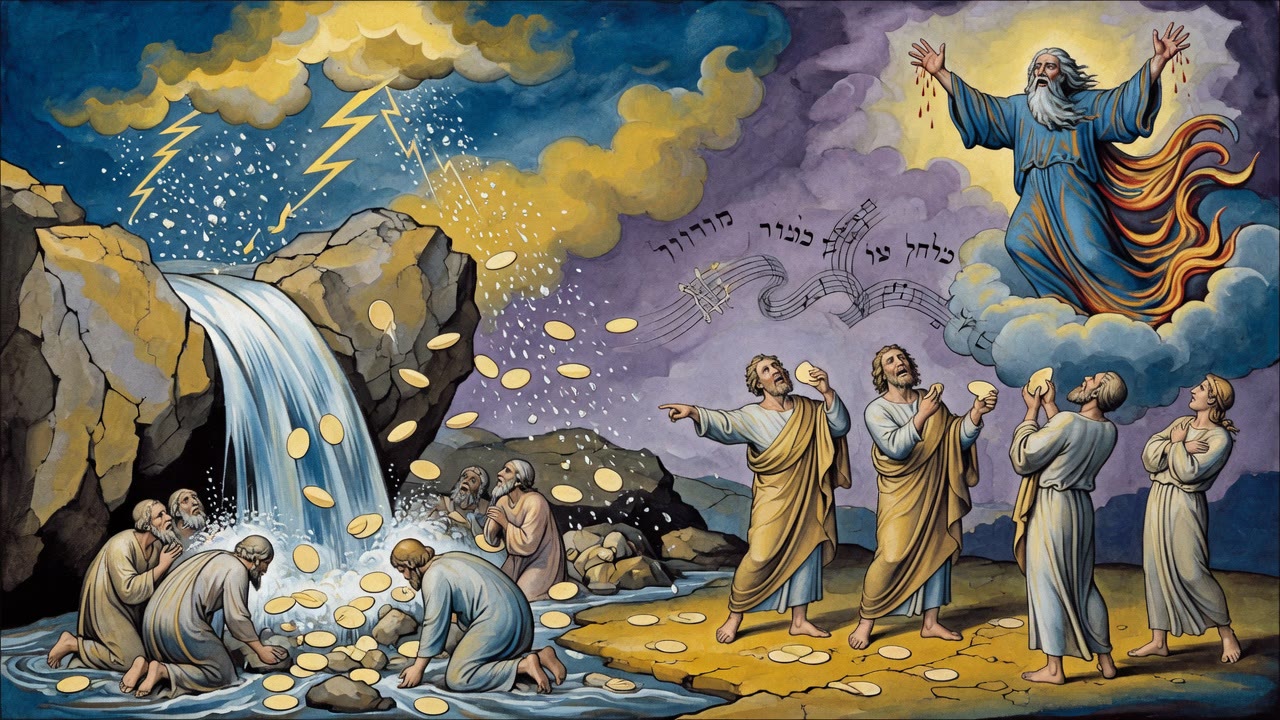
They did not sing to the manna. The manna arrived every morning like dew, six days, never on the seventh. It required no mill and no fire. They had railed against it more than once. So God said, "I do not wish you to find fault with manna, nor yet to have you praise it now." He would not permit a song of praise to the bread.
The well could take a hymn. The bread could not. They had already used their mouths against it. Heaven would not take those same mouths and turn them into flattery. The song the angels had been ordered to wait for was a song of deliverance, not a song sung after months of complaint.
Speak No More of Crossing
At the Jordan, Moses stood in sight of the land and asked to cross. He named the honors God had given him, one of a thousand. "Lord of the world! Thou didst set me on high. All the world knows how Thou didst exalt me, and that there is none beside Thee. Who can enumerate Thy deeds of glory? Do one of these, I beseech Thee, that I may pass over the Jordan."
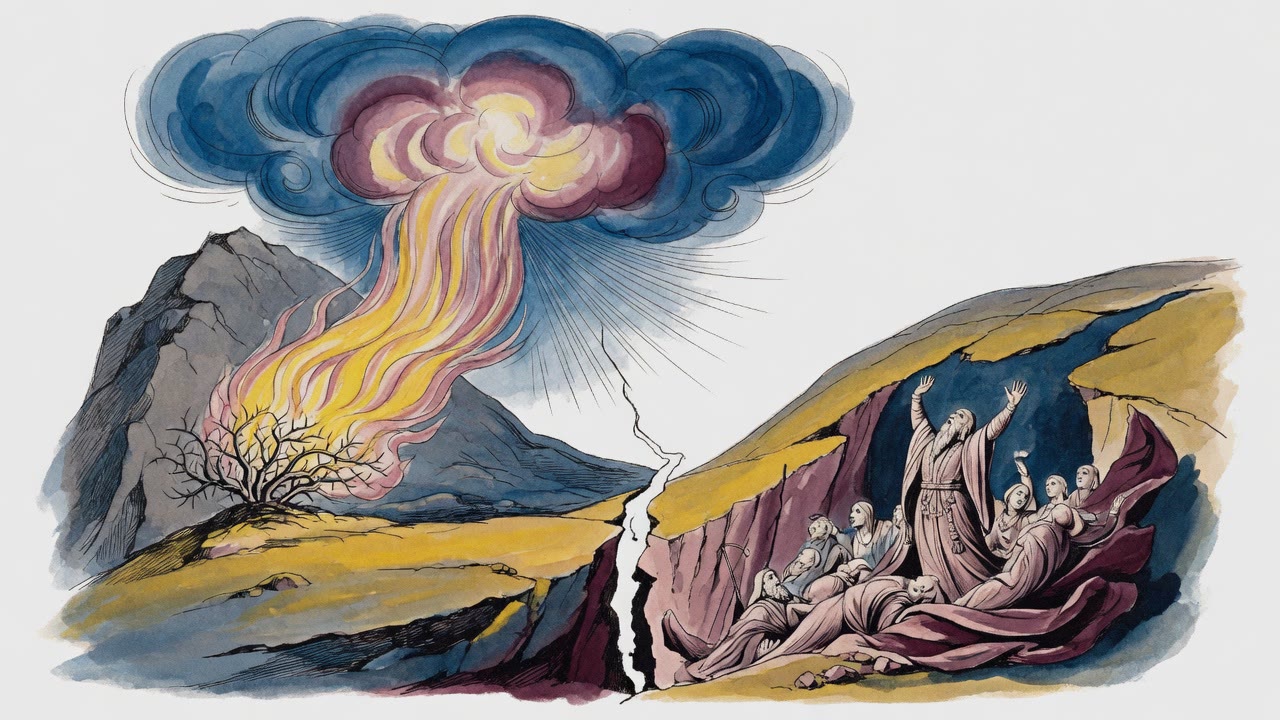
God said, "Let it suffice, speak no more unto Me of this matter" (Deuteronomy 3:26). Better to die here, in a tomb fashioned by God, on a bier made by God, buried by God's hands, than to cross and be buried by men. Three hundred and ten worlds waited on the other side of death. A scepter engraved with the Name waited. The river did not.
Moses climbed. He looked west. He saw the land he would not enter, fields and ridges already named for tribes that still stood behind him. Israel went on without him. The angels had been silenced so a hoarse camp could finish a song. Now the man who had led the singing was told to stop asking. The far bank took the people. The mountain took Moses.
← All myths