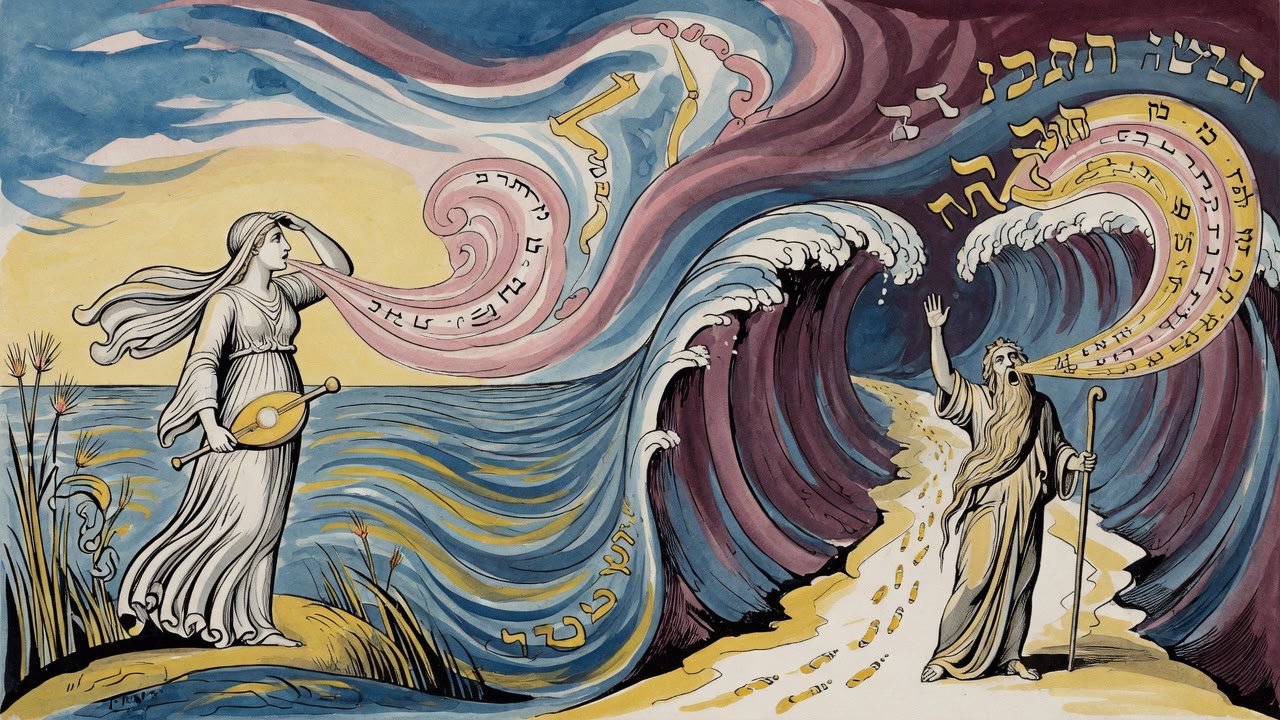
God Laid the Manna on His Palm Each Wilderness Morning
The camp woke to frost on the ground that was bread. Nobody sang over it. God had opened His palm before they asked.
Table of Contents
 Click for full size
Frost on the Ground Was Bread
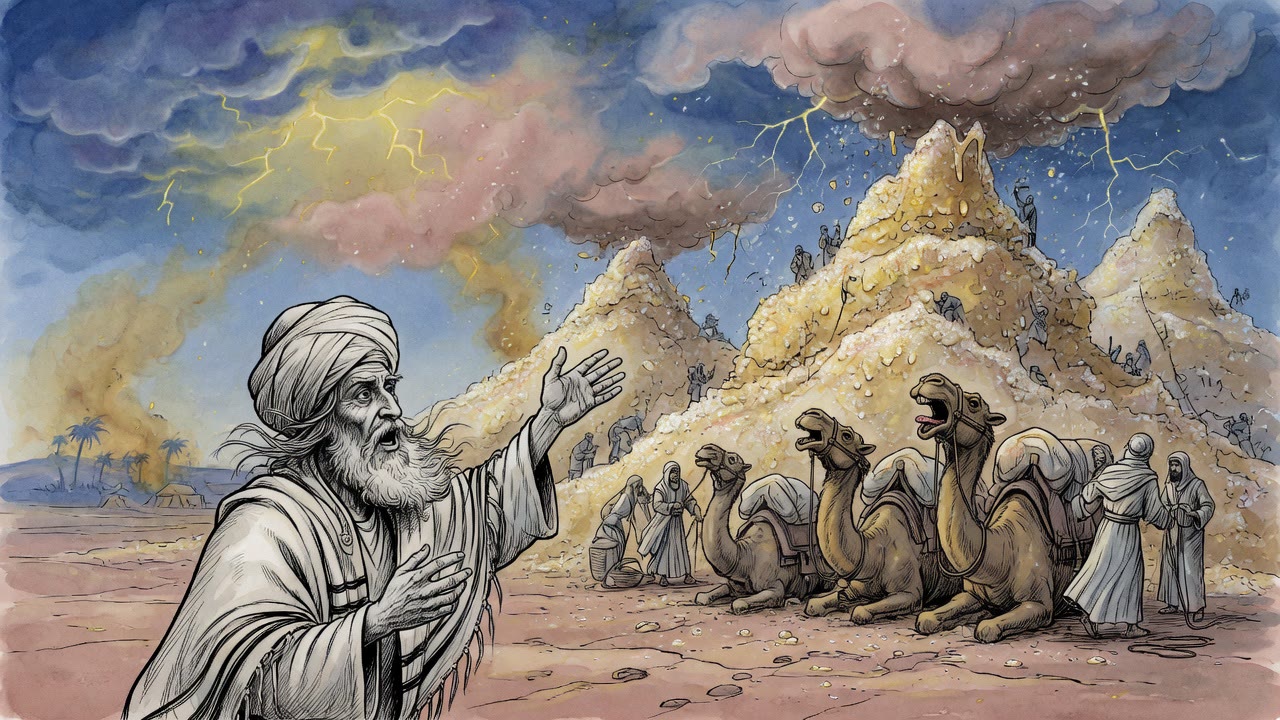
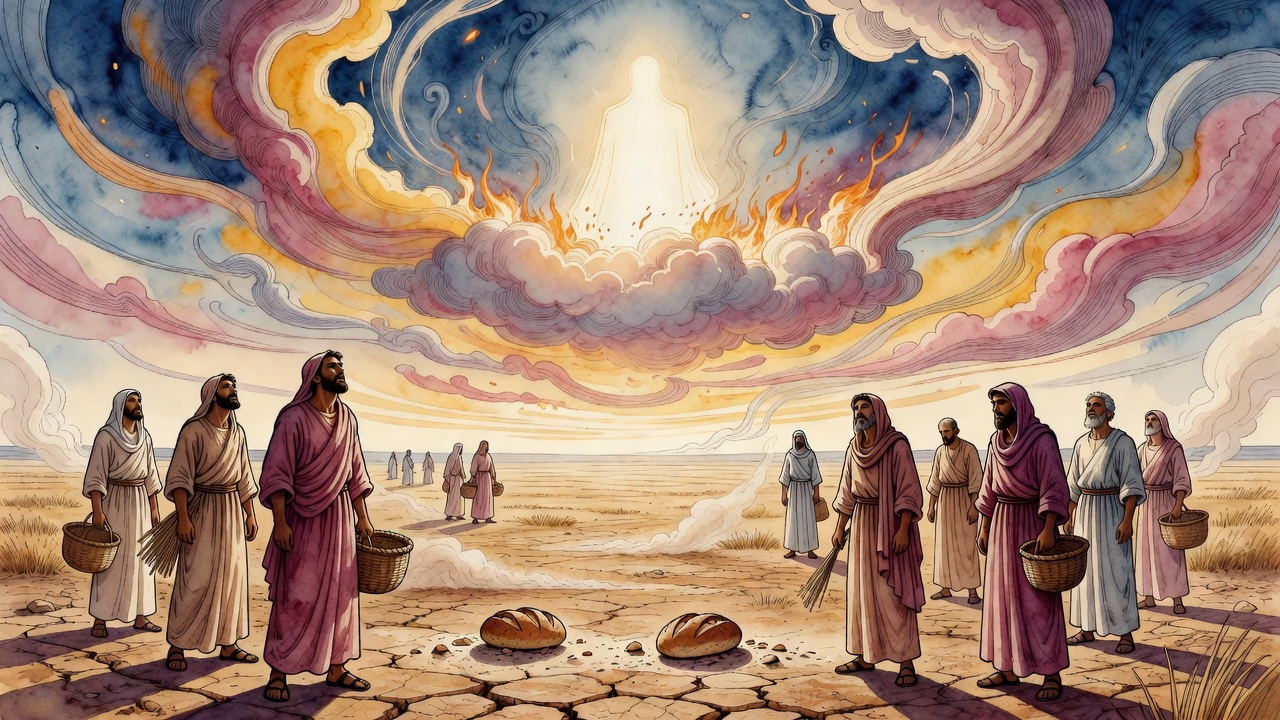
Before dawn the camp was already moving. Women shook out cloths. Children knelt and scraped the crust from the stones. What looked like frost was not frost. It was bread, fine as the white that sits on rock at first light, and it covered the wilderness as far as a person could walk before the sun went hard.
God had opened His palm in the night. The manna (מן) lay where a hand would have set it, portion by portion, on the ground at the tent flaps. No angel stooped to deliver it. No machine of sky clicked and dropped a ration. The food arrived as if placed. Israel gathered it in pots and baked it and ate, six mornings in seven, for forty years.
God Took the Patriarchs' Prayers Out of the Earth
The palm did not open over empty history. Under the sand were graves. Abraham and Isaac and Jacob had prayed years before this camp existed, and those prayers had not finished their work when the bodies went into the cave. God stretched out His hand, took the prayers of the forefathers who were buried in the earth, and used them as the road the bread traveled.
The manna was a ransom as well as a meal. In Job the word for ransom sits close to the word for frost. Fine as frost, paid as ransom. God looked at hungry descendants and said, in the language of that verse, redeem them from the pit, for I have found their ransom. The ransom was old speech, stored with bones, brought up at morning to feed the living.
Nations at the edge of the camp watched and asked whether God could set a table in a waste. Israel reclined under the Clouds of Glory and ate. The doors of heaven, they later said, stood opener than the windows of the Flood. More openings. More bread.
The Camp Remembered Garlic and Forgot the Palm
They ate it every morning, and they grew tired of it. In the second year the complaint came out flat, without even the dignity of a crisis. "Our soul is parched. There is nothing at all, other than the manna before our eyes" (Numbers 11:6). They named the fish of Egypt. They named cucumbers, melons, leeks, onions, garlic. They had God's open palm six dawns a week, and they wanted garlic.
Moses heard them weep at the doors of their tents. The manna still fell. It did not change its taste to please the memory of the brick pits. It remained what it had been on the first morning: bread set down, not earned by the day's work, not flavored like the Nile.
They Sang to the Well and Were Silent Over the Manna
When the well that traveled with them rose, Israel sang. "Rise, well, call to it" (Numbers 21:17). Water got a song because they had wanted the water and then loved it. The manna got no song. God answered that silence in kind. He did not want them faulting the bread, and He did not want a late hymn either, praise offered after years of boredom as if boredom could be unpaid with a verse.
The gift that came on the palm went uncelebrated by the mouths that chewed it. The well was called. The bread was gathered, baked, eaten, and complained of, and the next dawn the frost was there again anyway.
Rabbi Tarfon Named the Palm Inside the Word
Generations later, in a study house in Roman Palestine, Rabbi Tarfon sat with the manna passage and would not let one odd word go. The Hebrew was mechuspas. Other sages noted the strangeness and turned the page. Tarfon held it. Inside mechuspas he found pas. Palm. As in the palm of a hand.
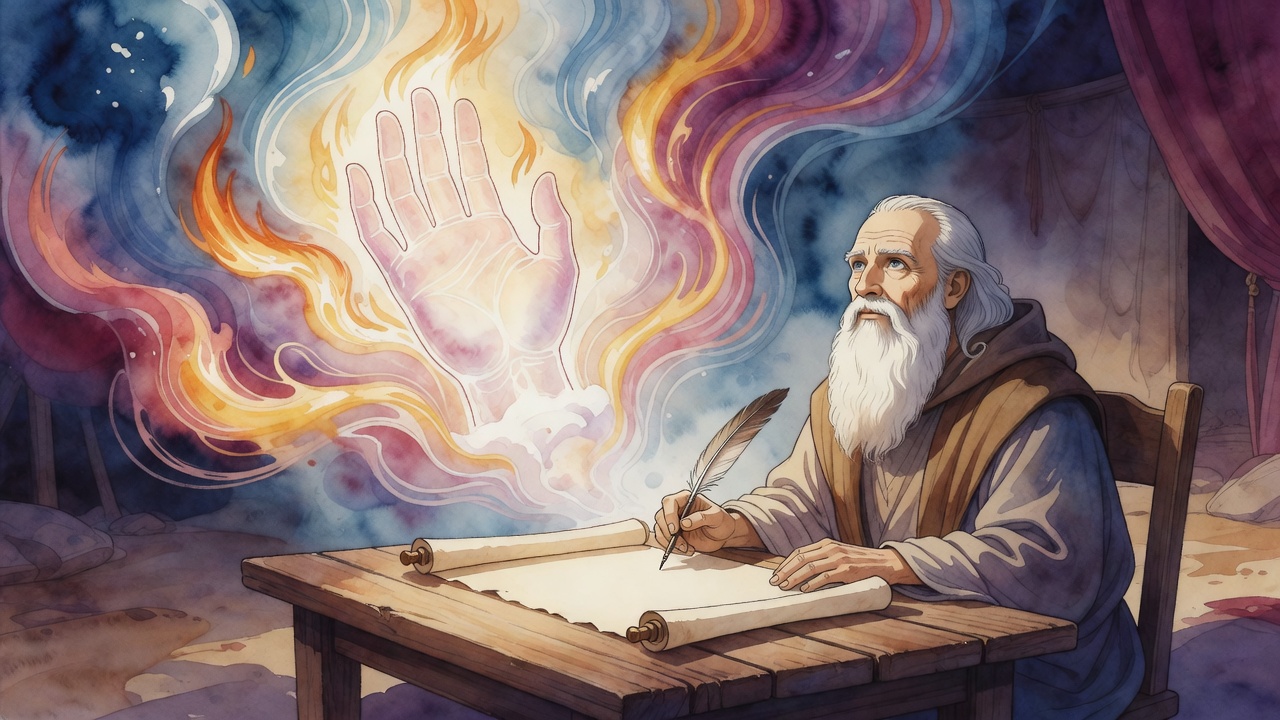
He said it without ornament. God stretched out His hand and personally delivered the manna to Israel. Not through angels. Not as a sky that happened to rain food. On His own palm, morning after morning, because the patriarchs' prayers had already asked, and because hunger in that camp was an old conversation still being answered.
The camp that wanted garlic never saw the hand. Tarfon, reading a dry word in a legal commentary on Exodus, did. The palm had been open in the wilderness whether anyone sang or not. He named it. The bread had already fallen.
← All myths